

Model-based Analysis of ChIP-Seq (MACS)
Open accessThe DOI matches its Crossref record; 13 of the 14 references it cites were found in a registry or an index.
Abstract
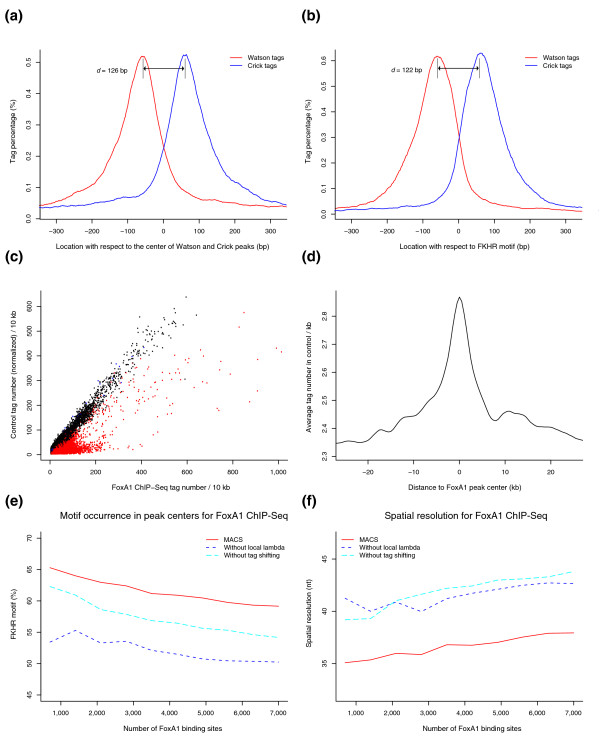
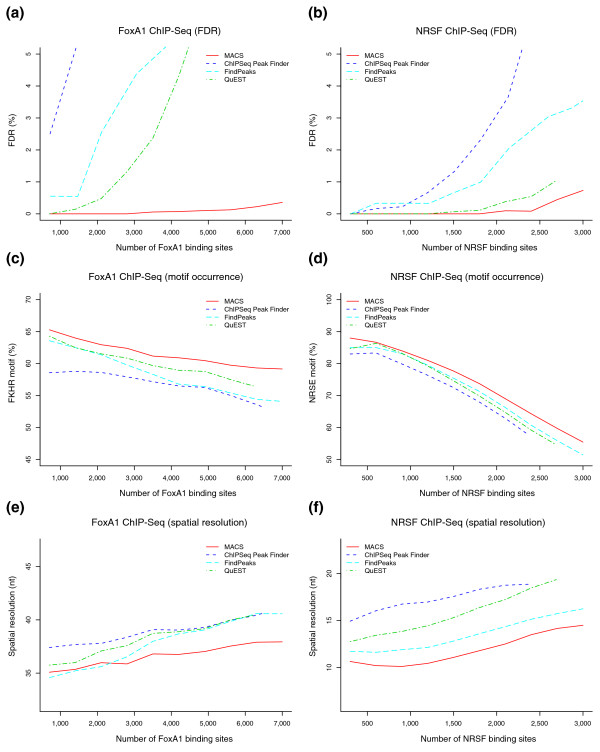
We present Model-based Analysis of ChIP-Seq data, MACS, which analyzes data generated by short read sequencers such as Solexa's Genome Analyzer. MACS empirically models the shift size of ChIP-Seq tags, and uses it to improve the spatial resolution of predicted binding sites. MACS also uses a dynamic Poisson distribution to effectively capture local biases in the genome, allowing for more robust predictions. MACS compares favorably to existing ChIP-Seq peak-finding algorithms, and is freely available.
Overview
The claims and statistics of this paper haven’t been checked yet.
Free: it reads the open-access text and checks the first 5 claims that cite a source we can check. Create a free account to check every claim.
Integrity signals
Registry
Cites
Statistics
Figures
Verification
Claims the paper makes
The claims and statistics of this paper haven’t been checked yet.
Free: it reads the open-access text and checks the first 5 claims that cite a source we can check. Create a free account to check every claim.
Claims other papers make about this one
Each is checked against this paper’s own text: does it say what the citing paper says it does?
The source backs part of the claim, not all of it — or backs it for a different population, condition or comparison.
In the citing paper
“Peaks of enrichment were identified with MACS2 98 (v2.2.7.1) by comparing treatment samples against IgG controls, using paired-end mode and allowing all duplicate fragments to be retained, as appropriate for CUT&RUN data.”
From Tetramerisation governs SALL transcription factor function in development and disease (2025) · cites this paper as [98]
Experimental — accuracy not yet measuredThe check wasn’t confident either way, so it gives no verdict — never disputed.
In the citing paper
“We detected 30,477 peaks from cells without treatment (fold-enrichment > 3 and p-value < 0.05), which are highly enriched in simple repeats (also known as short tandem repeats, STRs) (Log2[obs/exp]: 2.107)”
From Single-cell parallel analysis of DNA damage and transcriptome reveals selective genome vulnerability (2025) · cites this paper as [51]
Experimental — accuracy not yet measured
Self-check
Percentages, sums and reported differences re-computed from the paper’s own numbers.
The self-check needs the paper’s full text.
Citations
Cites
High-Resolution Profiling of Histone Methylations in the Human Genome
Barski, A., Cuddapah, S., Cui, K., Roh, T.-Y., Schones, D. E., Wang, Z., Wei, G., Chepelev, I., & Zhao, K. (2007) · Cell · doi:10.1016/j.cell.2007.05.009 · Cited by 6,845 · cited 6×
“ChIP-chip [5,8].”
BackgroundResultInfluentialGlobal variation in copy number in the human genome
Redon, R., Ishikawa, S., Fitch, K. R., Feuk, L., Perry, G. H., Andrews, T. D., Fiegler, H., Shapero, M. H., Carson, A. R., Chen, W., et al. (2006) · Nature · doi:10.1038/nature05329 · Cited by 4,288
Genome-wide maps of chromatin state in pluripotent and lineage-committed cells
Mikkelsen, T. S., Ku, M., Jaffe, D. B., Issac, B., Lieberman, E., Giannoukos, G., Alvarez, P., Brockman, W., Kim, T.-K., Koche, R. P., et al. (2007) · Nature · doi:10.1038/nature06008 · Cited by 4,129 · cited 4×
“With the current genome coverage of most ChIP-Seq experiments, tag distribution along the genome could be modeled by a Poisson distribution [7].”
BackgroundMethodInfluentialSelf-citationGenome-Wide Mapping of in Vivo Protein-DNA Interactions
Johnson, D. S., Mortazavi, A., Myers, R. M., & Wold, B. (2007) · Science · doi:10.1126/science.1141319 · Cited by 2,927
Self-citationGenome-Wide Location and Function of DNA Binding Proteins
Ren, B., Robert, F., Wyrick, J. J., Aparicio, O., Jennings, E. G., Simon, I., Zeitlinger, J., Schreiber, J., Hannett, N., Kanin, E., et al. (2000) · Science · doi:10.1126/science.290.5500.2306 · Cited by 1,766
Robertson, G., Hirst, M., Bainbridge, M., Bilenky, M., Zhao, Y., Zeng, T., Euskirchen, G., Bernier, B., Varhol, R., Delaney, A., et al. (2007) · Nature Methods · doi:10.1038/nmeth1068 · Cited by 1,454 · cited 2×
“and sequencing (ChIP-Seq) [5-8] have become popular tech-”
BackgroundGenome-wide analysis of estrogen receptor binding sites
Carroll, J. S., Meyer, C. A., Song, J., Li, W., Geistlinger, T. R., Eeckhoute, J., Brodsky, A. S., Keeton, E. K., Fertuck, K. C., Hall, G. F., et al. (2006) · Nature Genetics · doi:10.1038/ng1901 · Cited by 1,377
Self-citationA Global Map of p53 Transcription-Factor Binding Sites in the Human Genome
Wei, C.-L., Wu, Q., Vega, V. B., Chiu, K. P., Ng, P., Zhang, T., Shahab, A., Yong, H. C., Fu, Y., Weng, Z., et al. (2006) · Cell · doi:10.1016/j.cell.2005.10.043 · Cited by 1,141 · cited 2×
“This implies that the λlocal is critical for ChIP-Seq studies when matching control samples are not available [5,9].”
BackgroundGenomic binding sites of the yeast cell-cycle transcription factors SBF and MBF
Iyer, V. R., Horak, C. E., Scafe, C. S., Botstein, D., Snyder, M., & Brown, P. O. (2001) · Nature · doi:10.1038/35054095 · Cited by 1,083
FoxA1 Translates Epigenetic Signatures into Enhancer-Driven Lineage-Specific Transcription
Lupien, M., Eeckhoute, J., Meyer, C. A., Wang, Q., Zhang, Y., Li, W., Carroll, J. S., Liu, X. S., & Brown, M. (2008) · Cell · doi:10.1016/j.cell.2008.01.018 · Cited by 983 · cited 4×
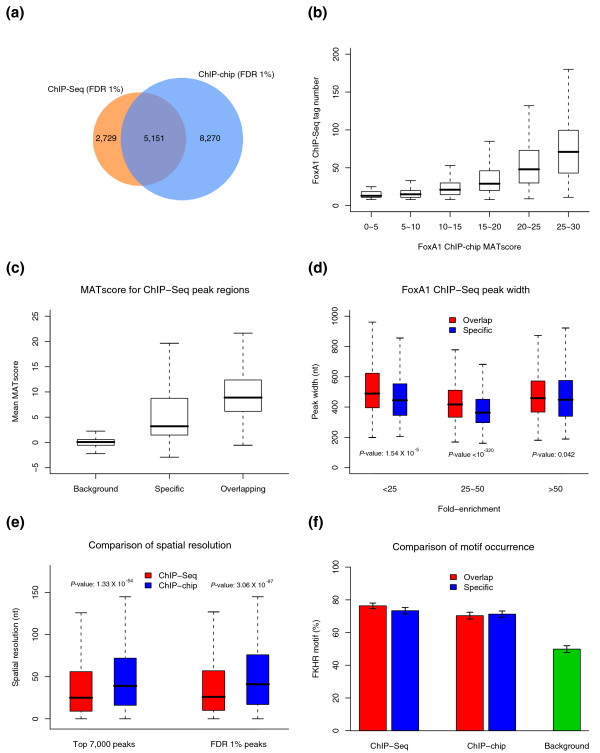
“ChIP-chip data for FoxA1 and controls in MCF7 cells were previously published [1], and their corresponding ChIP-Seq data were generated specifically for this study.”
BackgroundMethodInfluentialSelf-citation
Cited by
featureCounts: an efficient general purpose program for assigning sequence reads to genomic features
Liao, Y., Smyth, G. K., & Shi, W. (2014) · Bioinformatics · doi:10.1093/bioinformatics/btt656 · Cited by 27,219
An integrated encyclopedia of DNA elements in the human genome
The ENCODE Project Consortium (2012) · Nature · doi:10.1038/nature11247 · Cited by 18,072
“For the strongest, “peak-like” histone modifications, we used MACS 35 to characterize enriched sites.”
MethodSelf-citationIntegrated analysis of multimodal single-cell data
Hao, Y., Hao, S., Andersen-Nissen, E., Mauck, W. M., Zheng, S., Butler, A., Lee, M. J., Wilk, A. J., Darby, C., Zagar, M., et al. (2020) · doi:10.1101/2020.10.12.335331 · Cited by 15,508
“We called peaks from the ATAC fragment files using the MACS2 callpeak function (Zhang et al., 2008), and kept all peaks with -LOG10(qvalue) > 5 for the downstream ATAC analysis.”
MethodEnrichr: interactive and collaborative HTML5 gene list enrichment analysis tool
Chen, E. Y., Tan, C. M., Kou, Y., Duan, Q., Wang, Z., Meirelles, G. V., Clark, N. R., & Ma’ayan, A. (2013) · BMC Bioinformatics · doi:10.1186/1471-2105-14-128 · Cited by 7,814
“Using the aligned files for all 646 experiments that profiled transcription factors in mammalian cells, we identified the peaks using the MACS software [19] and then identified the genes targeted by the factors using our own custom processing.”
MethodIntegrative analysis of 111 reference human epigenomes
Roadmap Epigenomics Consortium, Kundaje, A., Meuleman, W., Ernst, J., Bilenky, M., Yen, A., Heravi-Moussavi, A., Kheradpour, P., Zhang, Z., Wang, J., et al. (2015) · Nature · doi:10.1038/nature14248 · Cited by 6,368
Self-citationReversed graph embedding resolves complex single-cell trajectories
Qiu, X., Mao, Q., Tang, Y., Wang, L., Chawla, R., Pliner, H. A., & Trapnell, C. (2017) · Nature Methods · doi:10.1038/nmeth.4402 · Cited by 5,070
Topology of the human and mouse m6A RNA methylomes revealed by m6A-seq
Dominissini, D., Moshitch-Moshkovitz, S., Schwartz, S., Salmon-Divon, M., Ungar, L., Osenberg, S., Cesarkas, K., Jacob-Hirsch, J., Amariglio, N., Kupiec, M., et al. (2012) · Nature · doi:10.1038/nature11112 · Cited by 4,884
N6-methyladenosine-dependent regulation of messenger RNA stability
Wang, X., Lu, Z., Gomez, A., Hon, G. C., Yue, Y., Han, D., Fu, Y., Parisien, M., Dai, Q., Jia, G., et al. (2014) · Nature · doi:10.1038/nature12730 · Cited by 4,558
“…to calculate RPKM. Data analysis for each experiment: (1) for m 6 A profiling, the m 6 A-enriched regions in each m 6 A-IP sample were extracted by using the model-based analysis of ChIP-seq (MACS) peak-calling algorithm 38 , with the corresponding m 6 A-Input sample serving as the input control.”
Metabolic regulation of gene expression by histone lactylation
Zhang, D., Tang, Z., Huang, H., Zhou, G., Cui, C., Weng, Y., Liu, W., Kim, S., Lee, S., Perez-Neut, M., et al. (2019) · Nature · doi:10.1038/s41586-019-1678-1 · Cited by 4,371
Master Transcription Factors and Mediator Establish Super-Enhancers at Key Cell Identity Genes
Whyte, W. A., Orlando, D. A., Hnisz, D., Abraham, B. J., Lin, C. Y., Kagey, M. H., Rahl, P. B., Lee, T. I., & Young, R. A. (2013) · Cell · doi:10.1016/j.cell.2013.03.035 · Cited by 4,143
Super-enhancers in the control of cell identity and disease
Hnisz, D., Abraham, B. J., Lee, T. I., Lau, A., Saint-André, V., Sigova, A. A., Hoke, H. A., & Young, R. A. (2013) · Cell · doi:10.1016/j.cell.2013.09.053 · Cited by 3,662
A METTL3–METTL14 complex mediates mammalian nuclear RNA N6-adenosine methylation
Liu, J., Yue, Y., Han, D., Wang, X., Fu, Y., Zhang, L., Jia, G., Yu, M., Lu, Z., Deng, X., et al. (2014) · Nature Chemical Biology · doi:10.1038/nchembio.1432 · Cited by 3,433
eQTLGen, Wray, N. R., 23andMe, the Major Depressive Disorder Working Group of the Psychiatric Genomics Consortium, Ripke, S., Mattheisen, M., Trzaskowski, M., Byrne, E. M., Abdellaoui, A., Adams, M. J., et al. (2018) · Nature Genetics · doi:10.1038/s41588-018-0090-3 · Cited by 3,005
Self-citationSelective Inhibition of Tumor Oncogenes by Disruption of Super-Enhancers
Lovén, J., Hoke, H. A., Lin, C. Y., Lau, A., Orlando, D. A., Vakoc, C. R., Bradner, J. E., Lee, T. I., & Young, R. A. (2013) · Cell · doi:10.1016/j.cell.2013.03.036 · Cited by 2,961
“We used the MACS version 1.4.2 (model-based analysis of ChIP-seq) (Zhang et al., 2008) peak finding algorithm to identify regions of ChIP-seq enrichment over background.”
MethodInfluentialAnnotation of functional variation in personal genomes using RegulomeDB
Boyle, A. P., Hong, E. L., Hariharan, M., Cheng, Y., Schaub, M. A., Kasowski, M., Karczewski, K. J., Park, J., Hitz, B. C., Weng, S., et al. (2012) · Genome Research · doi:10.1101/gr.137323.112 · Cited by 2,722
In vivo genome editing using Staphylococcus aureus Cas9
Ran, F. A., Cong, L., Yan, W. X., Scott, D. A., Gootenberg, J. S., Kriz, A. J., Zetsche, B., Shalem, O., Wu, X., Makarova, K. S., et al. (2015) · Nature · doi:10.1038/nature14299 · Cited by 2,687
Coactivator condensation at super-enhancers links phase separation and gene control
Sabari, B. R., Dall’Agnese, A., Boija, A., Klein, I. A., Coffey, E. L., Shrinivas, K., Abraham, B. J., Hannett, N. M., Zamudio, A. V., Manteiga, J. C., et al. (2018) · Science · doi:10.1126/science.aar3958 · Cited by 2,595
“Potential interaction anchors were determined by identifying regions of local enrichment in the individually mapped reads using MACS with options ‘‘-g mm -p 1e-9–nolambda–nomodel–shiftsize=100’’(78).”
MethodAn atlas of active enhancers across human cell types and tissues
The FANTOM Consortium, Andersson, R., Gebhard, C., Miguel-Escalada, I., Hoof, I., Bornholdt, J., Boyd, M., Chen, Y., Zhao, X., Schmidl, C., et al. (2014) · Nature · doi:10.1038/nature12787 · Cited by 2,550
UALCAN: An update to the integrated cancer data analysis platform
Chandrashekar, D. S., Karthikeyan, S. K., Korla, P. K., Patel, H., Shovon, A. R., Athar, M., Netto, G. J., Qin, Z. S., Kumar, S., Manne, U., et al. (2022) · Neoplasia · doi:10.1016/j.neo.2022.01.001 · Cited by 2,473
Visscher, P. M., Brown, M. A., McCarthy, M. I., & Yang, J. (2012) · The American Journal of Human Genetics · doi:10.1016/j.ajhg.2011.11.029 · Cited by 2,425
Self-citationSMARCAD1 ATPase activity is required to silence endogenous retroviruses in embryonic stem cells
Sachs, P., Ding, D., Bergmaier, P., Lamp, B., Schlagheck, C., Finkernagel, F., Nist, A., Stiewe, T., & Mermoud, J. E. (2019) · Nature Communications · doi:10.1038/s41467-019-09078-0 · Cited by 2,384
Mammalian WTAP is a regulatory subunit of the RNA N6-methyladenosine methyltransferase
Ping, X.-L., Sun, B.-F., Wang, L., Xiao, W., Yang, X., Wang, W.-J., Adhikari, S., Shi, Y., Lv, Y., Chen, Y.-S., et al. (2014) · Cell Research · doi:10.1038/cr.2014.3 · Cited by 2,375
Self-citationmTOR- and HIF-1α–mediated aerobic glycolysis as metabolic basis for trained immunity
Cheng, S.-C., Quintin, J., Cramer, R. A., Shepardson, K. M., Saeed, S., Kumar, V., Giamarellos-Bourboulis, E. J., Martens, J. H. A., Rao, N. A., Aghajanirefah, A., et al. (2014) · Science · doi:10.1126/science.1250684 · Cited by 2,224
ChIP–seq: advantages and challenges of a maturing technology
Park, P. J. (2009) · Nature Reviews Genetics · doi:10.1038/nrg2641 · Cited by 2,217
Differential oestrogen receptor binding is associated with clinical outcome in breast cancer
Ross-Innes, C. S., Stark, R., Teschendorff, A. E., Holmes, K. A., Ali, H. R., Dunning, M. J., Brown, G. D., Gojis, O., Ellis, I. O., Green, A. R., et al. (2012) · Nature · doi:10.1038/nature10730 · Cited by 2,173
ChIP-seq guidelines and practices of the ENCODE and modENCODE consortia
Landt, S. G., Marinov, G. K., Kundaje, A., Kheradpour, P., Pauli, F., Batzoglou, S., Bernstein, B. E., Bickel, P., Brown, J. B., Cayting, P., et al. (2012) · Genome Research · doi:10.1101/gr.136184.111 · Cited by 2,033
Self-citationNrf2 suppresses macrophage inflammatory response by blocking proinflammatory cytokine transcription
Kobayashi, E. H., Suzuki, T., Funayama, R., Nagashima, T., Hayashi, M., Sekine, H., Tanaka, N., Moriguchi, T., Motohashi, H., Nakayama, K., et al. (2016) · Nature Communications · doi:10.1038/ncomms11624 · Cited by 1,878
Identifying ChIP-seq enrichment using MACS
Feng, J., Liu, T., Qin, B., Zhang, Y., & Liu, X. S. (2012) · Nature Protocols · doi:10.1038/nprot.2012.101 · Cited by 1,870
Self-citationlincRNAs act in the circuitry controlling pluripotency and differentiation
Guttman, M., Donaghey, J., Carey, B. W., Garber, M., Grenier, J. K., Munson, G., Young, G., Lucas, A. B., Ach, R., Bruhn, L., et al. (2011) · Nature · doi:10.1038/nature10398 · Cited by 1,858
Global epigenomic reconfiguration during mammalian brain development
Lister, R., Mukamel, E. A., Nery, J. R., Urich, M., Puddifoot, C. A., Johnson, N. D., Lucero, J., Huang, Y., Dwork, A. J., Schultz, M. D., et al. (2013) · Science · doi:10.1126/science.1237905 · Cited by 1,830
“DNaseI hypersensitivity Data generated by the Mouse ENCODE Consortium (35) was mapped to the mouse mm9 reference genome with Bowtie (71) and peaks of read enrichment were identified using MACS (72).”
MethodSingle-cell chromatin state analysis with Signac
Stuart, T., Srivastava, A., Madad, S., Lareau, C. A., & Satija, R. (2021) · Nature Methods · doi:10.1038/s41592-021-01282-5 · Cited by 1,769
chromVAR: inferring transcription-factor-associated accessibility from single-cell epigenomic data
Schep, A. N., Wu, B., Buenrostro, J. D., & Greenleaf, W. J. (2017) · Nature Methods · doi:10.1038/nmeth.4401 · Cited by 1,680
Three-dimensional Epigenome Statistical Model: Genome-wide Chromatin Looping Prediction
Al Bkhetan, Z., & Plewczynski, D. (2018) · Scientific Reports · doi:10.1038/s41598-018-23276-8 · Cited by 1,662
Cistrome and Epicistrome Features Shape the Regulatory DNA Landscape
O’Malley, R. C., Huang, S.-S. C., Song, L., Lewsey, M. G., Bartlett, A., Nery, J. R., Galli, M., Gallavotti, A., & Ecker, J. R. (2016) · Cell · doi:10.1016/j.cell.2016.04.038 · Cited by 1,608
Single-cell transcriptional diversity is a hallmark of developmental potential
Gulati, G. S., Sikandar, S. S., Wesche, D. J., Manjunath, A., Bharadwaj, A., Berger, M. J., Ilagan, F., Kuo, A. H., Hsieh, R. W., Cai, S., et al. (2020) · Science · doi:10.1126/science.aax0249 · Cited by 1,571
m 6 A mRNA methylation facilitates resolution of naïve pluripotency toward differentiation
Geula, S., Moshitch-Moshkovitz, S., Dominissini, D., Mansour, A. A., Kol, N., Salmon-Divon, M., Hershkovitz, V., Peer, E., Mor, N., Manor, Y. S., et al. (2015) · Science · doi:10.1126/science.1261417 · Cited by 1,533
Transcriptional Amplification in Tumor Cells with Elevated c-Myc
Lin, C. Y., Lovén, J., Rahl, P. B., Paranal, R. M., Burge, C. B., Bradner, J. E., Lee, T. I., & Young, R. A. (2012) · Cell · doi:10.1016/j.cell.2012.08.026 · Cited by 1,513
FTO Plays an Oncogenic Role in Acute Myeloid Leukemia as a N 6 -Methyladenosine RNA Demethylase
Li, Z., Weng, H., Su, R., Weng, X., Zuo, Z., Li, C., Huang, H., Nachtergaele, S., Dong, L., Hu, C., et al. (2017) · Cancer Cell · doi:10.1016/j.ccell.2016.11.017 · Cited by 1,508
Identification of the tumour transition states occurring during EMT
Pastushenko, I., Brisebarre, A., Sifrim, A., Fioramonti, M., Revenco, T., Boumahdi, S., Van Keymeulen, A., Brown, D., Moers, V., Lemaire, S., et al. (2018) · Nature · doi:10.1038/s41586-018-0040-3 · Cited by 1,495
Transcriptional architecture and chromatin landscape of the core circadian clock in mammals
Koike, N., Yoo, S.-H., Huang, H.-C., Kumar, V., Lee, C., Kim, T.-K., & Takahashi, J. S. (2012) · Science · doi:10.1126/science.1226339 · Cited by 1,464
Differential Oestrogen Receptor Binding is Associated with Clinical Outcome in Breast Cancer
Stark, R. (2012) · Lecture Notes in Computer Science · doi:10.1007/978-3-642-29627-7_30 · Cited by 1,403
Next-Generation Sequencing Technology: Current Trends and Advancements
Satam, H., Joshi, K., Mangrolia, U., Waghoo, S., Zaidi, G., Rawool, S., Thakare, R. P., Banday, S., Mishra, A. K., Das, G., et al. (2023) · Biology · doi:10.3390/biology12070997 · Cited by 1,299
“Epigenomics-ChIP seq Removal of PCR duplicates Samtools [107] Peak calling MACS2 [141], SICER2 [142], SPP [143] Peak filtering Bedtools [144] Enrichment quality control ChipQC [145], Phantompeakqualtools [146] Enrichment comparison diffBind [147], MAnorm [148], MMDiff [149] Motif analysis MemeCHiP [150], Homer [151],…”
MethodN6-methyladenosine modification destabilizes developmental regulators in embryonic stem cells
Wang, Y., Li, Y., Toth, J. I., Petroski, M. D., Zhang, Z., & Zhao, J. C. (2014) · Nature Cell Biology · doi:10.1038/ncb2902 · Cited by 1,290
Distinct Factors Control Histone Variant H3.3 Localization at Specific Genomic Regions
Goldberg, A. D., Banaszynski, L. A., Noh, K.-M., Lewis, P. W., Elsaesser, S. J., Stadler, S., Dewell, S., Law, M., Guo, X., Li, X., et al. (2010) · Cell · doi:10.1016/j.cell.2010.01.003 · Cited by 1,280
Genomic Maps of Long Noncoding RNA Occupancy Reveal Principles of RNA-Chromatin Interactions
Chu, C., Qu, K., Zhong, F. L., Artandi, S. E., & Chang, H. Y. (2011) · Molecular Cell · doi:10.1016/j.molcel.2011.08.027 · Cited by 1,269
DNA-Binding Specificities of Human Transcription Factors
Jolma, A., Yan, J., Whitington, T., Toivonen, J., Nitta, K. R., Rastas, P., Morgunova, E., Enge, M., Taipale, M., Wei, G., et al. (2013) · Cell · doi:10.1016/j.cell.2012.12.009 · Cited by 1,261
Impact of cytosine methylation on DNA binding specificities of human transcription factors
Yin, Y., Morgunova, E., Jolma, A., Kaasinen, E., Sahu, B., Khund-Sayeed, S., Das, P. K., Kivioja, T., Dave, K., Zhong, F., et al. (2017) · Science · doi:10.1126/science.aaj2239 · Cited by 1,257
“9) (74) broad peak calling with default parameters.”
BackgroundLi, G., Ruan, X., Auerbach, R. K., Sandhu, K. S., Zheng, M., Wang, P., Poh, H. M., Goh, Y., Lim, J., Zhang, J., et al. (2012) · Cell · doi:10.1016/j.cell.2011.12.014 · Cited by 1,232
Editing DNA Methylation in the Mammalian Genome
Liu, X. S., Wu, H., Ji, X., Stelzer, Y., Wu, X., Czauderna, S., Shu, J., Dadon, D., Young, R. A., & Jaenisch, R. (2016) · Cell · doi:10.1016/j.cell.2016.08.056 · Cited by 1,224
“Peaks are called using MACS (Zhang et al., 2008) with default settings.”
Self-citationGenome-wide association between YAP/TAZ/TEAD and AP-1 at enhancers drives oncogenic growth
Zanconato, F., Forcato, M., Battilana, G., Azzolin, L., Quaranta, E., Bodega, B., Rosato, A., Bicciato, S., Cordenonsi, M., & Piccolo, S. (2015) · Nature Cell Biology · doi:10.1038/ncb3216 · Cited by 1,219
Shankman, L. S., Gomez, D., Cherepanova, O. A., Salmon, M., Alencar, G. F., Haskins, R. M., Swiatlowska, P., Newman, A. A. C., Greene, E. S., Straub, A. C., et al. (2015) · Nature Medicine · doi:10.1038/nm.3866 · Cited by 1,218
BCG Educates Hematopoietic Stem Cells to Generate Protective Innate Immunity against Tuberculosis
Kaufmann, E., Sanz, J., Dunn, J. L., Khan, N., Mendonça, L. E., Pacis, A., Tzelepis, F., Pernet, E., Dumaine, A., Grenier, J.-C., et al. (2018) · Cell · doi:10.1016/j.cell.2017.12.031 · Cited by 1,191
Architectural protein subclasses shape 3D organization of genomes during lineage commitment
Phillips-Cremins, J. E., Sauria, M. E. G., Sanyal, A., Gerasimova, T. I., Lajoie, B. R., Bell, J. S. K., Ong, C.-T., Hookway, T. A., Guo, C., Sun, Y., et al. (2013) · Cell · doi:10.1016/j.cell.2013.04.053 · Cited by 1,187
“Themodel-based Analysis for ChIP-sequencing peak finding algorithm (MACS, version 1.4.1) was used to identify regions of ChIP-seq enrichment over background (Zhang et al., 2008).”
InfluentialChIPpeakAnno: a Bioconductor package to annotate ChIP-seq and ChIP-chip data
Zhu, L. J., Gazin, C., Lawson, N. D., Pagès, H., Lin, S. M., Lapointe, D. S., & Green, M. R. (2010) · BMC Bioinformatics · doi:10.1186/1471-2105-11-237 · Cited by 1,181
Conserved Function of lincRNAs in Vertebrate Embryonic Development despite Rapid Sequence Evolution
Ulitsky, I., Shkumatava, A., Jan, C. H., Sive, H., & Bartel, D. P. (2011) · Cell · doi:10.1016/j.cell.2011.11.055 · Cited by 1,179
Arts, R. J. W., Moorlag, S. J. C. F. M., Novakovic, B., Li, Y., Wang, S.-Y., Oosting, M., Kumar, V., Xavier, R. J., Wijmenga, C., Joosten, L. A. B., et al. (2018) · Cell Host & Microbe · doi:10.1016/j.chom.2017.12.010 · Cited by 1,179
A Validated Regulatory Network for Th17 Cell Specification
Ciofani, M., Madar, A., Galan, C., Sellars, M., Mace, K., Pauli, F., Agarwal, A., Huang, W., Parkurst, C. N., Muratet, M., et al. (2012) · Cell · doi:10.1016/j.cell.2012.09.016 · Cited by 1,160
Self-citationA rapid and robust method for single cell chromatin accessibility profiling
Chen, X., Miragaia, R. J., Natarajan, K. N., & Teichmann, S. A. (2018) · Nature Communications · doi:10.1038/s41467-018-07771-0 · Cited by 1,147
Chromatin Potential Identified by Shared Single-Cell Profiling of RNA and Chromatin
Ma, S., Zhang, B., LaFave, L. M., Earl, A. S., Chiang, Z., Hu, Y., Ding, J., Brack, A., Kartha, V. K., Tay, T., et al. (2020) · Cell · doi:10.1016/j.cell.2020.09.056 · Cited by 1,146
HiChIP: efficient and sensitive analysis of protein-directed genome architecture
Mumbach, M. R., Rubin, A. J., Flynn, R. A., Dai, C., Khavari, P. A., Greenleaf, W. J., & Chang, H. Y. (2016) · Nature Methods · doi:10.1038/nmeth.3999 · Cited by 1,139
R-2HG Exhibits Anti-tumor Activity by Targeting FTO/m6A/MYC/CEBPA Signaling
Su, R., Dong, L., Li, C., Nachtergaele, S., Wunderlich, M., Qing, Y., Deng, X., Wang, Y., Weng, X., Hu, C., et al. (2018) · Cell · doi:10.1016/j.cell.2017.11.031 · Cited by 1,137
ChEA3: transcription factor enrichment analysis by orthogonal omics integration
Keenan, A. B., Torre, D., Lachmann, A., Leong, A. K., Wojciechowicz, M. L., Utti, V., Jagodnik, K. M., Kropiwnicki, E., Wang, Z., & Ma’ayan, A. (2019) · Nucleic Acids Research · doi:10.1093/nar/gkz446 · Cited by 1,136
Lin, Y.-T., Seo, J., Gao, F., Feldman, H. M., Wen, H.-L., Penney, J., Cam, H. P., Gjoneska, E., Raja, W. K., Cheng, J., et al. (2018) · Neuron · doi:10.1016/j.neuron.2018.05.008 · Cited by 1,125
“, 2016), we performed ChIP-Seq analysis using MACS2 software tool (Zhang et al., 2008) to generate fold enrichment of Irf8 against input across the entire mouse genome.”
Genome-Wide Quantitative Enhancer Activity Maps Identified by STARR-seq
Arnold, C. D., Gerlach, D., Stelzer, C., Boryń, Ł. M., Rath, M., & Stark, A. (2013) · Science · doi:10.1126/science.1232542 · Cited by 1,125
“We also called accessible regions genome-‐wide by MACS (32) with default parameters (-‐m 5,50 -‐g dm -‐p 1e-‐5) on the merged replicates for S2 and OSC (Table S4-‐S5).”
Cross-tissue organization of the fibroblast lineage
Buechler, M. B., Pradhan, R. N., Krishnamurty, A. T., Cox, C., Calviello, A. K., Wang, A. W., Yang, Y. A., Tam, L., Caothien, R., Roose-Girma, M., et al. (2021) · Nature · doi:10.1038/s41586-021-03549-5 · Cited by 1,087
Promoter-bound METTL3 maintains myeloid leukaemia by m6A-dependent translation control
Barbieri, I., Tzelepis, K., Pandolfini, L., Shi, J., Millán-Zambrano, G., Robson, S. C., Aspris, D., Migliori, V., Bannister, A. J., Han, N., et al. (2017) · Nature · doi:10.1038/nature24678 · Cited by 1,086
Selective chemical labeling reveals the genome-wide distribution of 5-hydroxymethylcytosine
Song, C.-X., Szulwach, K. E., Fu, Y., Dai, Q., Yi, C., Li, X., Li, Y., Chen, C.-H., Zhang, W., Jian, X., et al. (2011) · Nature Biotechnology · doi:10.1038/nbt.1732 · Cited by 1,085
c-Myc Is a Universal Amplifier of Expressed Genes in Lymphocytes and Embryonic Stem Cells
Nie, Z., Hu, G., Wei, G., Cui, K., Yamane, A., Resch, W., Wang, R., Green, D. R., Tessarollo, L., Casellas, R., et al. (2012) · Cell · doi:10.1016/j.cell.2012.08.033 · Cited by 1,075
Organization of Chromatin by Intrinsic and Regulated Phase Separation
Gibson, B. A., Doolittle, L. K., Schneider, M. W. G., Jensen, L. E., Gamarra, N., Henry, L., Gerlich, D. W., Redding, S., & Rosen, M. K. (2019) · Cell · doi:10.1016/j.cell.2019.08.037 · Cited by 1,072
5-methylcytosine promotes mRNA export — NSUN2 as the methyltransferase and ALYREF as an m5C reader
Yang, X., Yang, Y., Sun, B.-F., Chen, Y.-S., Xu, J.-W., Lai, W.-Y., Li, A., Wang, X., Bhattarai, D. P., Xiao, W., et al. (2017) · Cell Research · doi:10.1038/cr.2017.55 · Cited by 1,062
A clustering approach for identification of enriched domains from histone modification ChIP-Seq data
Zang, C., Schones, D. E., Zeng, C., Cui, K., Zhao, K., & Peng, W. (2009) · Bioinformatics · doi:10.1093/bioinformatics/btp340 · Cited by 1,057
Activation of proto-oncogenes by disruption of chromosome neighborhoods
Hnisz, D., Weintraub, A. S., Day, D. S., Valton, A.-L., Bak, R. O., Li, C. H., Goldmann, J., Lajoie, B. R., Fan, Z. P., Sigova, A. A., et al. (2016) · Science · doi:10.1126/science.aad9024 · Cited by 1,042
“CTCFChIP-seq and cohesin ChIA-PET interactions in Jurkat (T-ALL), GM12878 (lymphoblastoid), and K562 (CML) cells are displayed.”
BackgroundInfluentialBase-Resolution Analysis of 5-Hydroxymethylcytosine in the Mammalian Genome
Yu, M., Hon, G. C., Szulwach, K. E., Song, C.-X., Zhang, L., Kim, A., Li, X., Dai, Q., Shen, Y., Park, B., et al. (2012) · Cell · doi:10.1016/j.cell.2012.04.027 · Cited by 1,036
The dynamic N1-methyladenosine methylome in eukaryotic messenger RNA
Dominissini, D., Nachtergaele, S., Moshitch-Moshkovitz, S., Peer, E., Kol, N., Ben-Haim, M. S., Dai, Q., Di Segni, A., Salmon-Divon, M., Clark, W. C., et al. (2016) · Nature · doi:10.1038/nature16998 · Cited by 1,021
BAP1 links metabolic regulation of ferroptosis to tumour suppression
Zhang, Y., Shi, J., Liu, X., Feng, L., Gong, Z., Koppula, P., Sirohi, K., Li, X., Wei, Y., Lee, H., et al. (2018) · Nature Cell Biology · doi:10.1038/s41556-018-0178-0 · Cited by 1,013
Self-citationThakore, P. I., D'Ippolito, A. M., Song, L., Safi, A., Shivakumar, N. K., Kabadi, A. M., Reddy, T. E., Crawford, G. E., & Gersbach, C. A. (2015) · Nature Methods · doi:10.1038/nmeth.3630 · Cited by 1,012
Measuring reproducibility of high-throughput experiments
Li, Q., Brown, J. B., Huang, H., & Bickel, P. J. (2011) · The Annals of Applied Statistics · doi:10.1214/11-aoas466 · Cited by 1,009
YY1 Is a Structural Regulator of Enhancer-Promoter Loops
Weintraub, A. S., Li, C. H., Zamudio, A. V., Sigova, A. A., Hannett, N. M., Day, D. S., Abraham, B. J., Cohen, M. A., Nabet, B., Buckley, D. L., et al. (2017) · Cell · doi:10.1016/j.cell.2017.11.008 · Cited by 992
“…mapped with Tophat to the mm9 RefSeq transcriptome (downloaded on February 1, 2017) using the following parameters: -n 10 tophat -p 10 –no-novel-juncs –o. Wiggle files representing counts of RNA-Seq reads across the reference genome were created using MACS (Zhang et al., 2008) with parameters –w –”
InfluentialGlucocorticoid Receptor Confers Resistance to Antiandrogens by Bypassing Androgen Receptor Blockade
Arora, V. K., Schenkein, E., Murali, R., Subudhi, S. K., Wongvipat, J., Balbas, M. D., Shah, N., Cai, L., Efstathiou, E., Logothetis, C., et al. (2013) · Cell · doi:10.1016/j.cell.2013.11.012 · Cited by 986
Satpathy, A. T., Granja, J. M., Yost, K. E., Qi, Y., Meschi, F., McDermott, G. P., Olsen, B. N., Mumbach, M. R., Pierce, S. E., Corces, M. R., et al. (2019) · Nature Biotechnology · doi:10.1038/s41587-019-0206-z · Cited by 980
“f g NK cells (18-20) B cells (14-16) CD4+ T cells (21-25) Basophils (17)”
m6A mRNA methylation controls T cell homeostasis by targeting the IL-7/STAT5/SOCS pathways
Li, H.-B., Tong, J., Zhu, S., Batista, P. J., Duffy, E. E., Zhao, J., Bailis, W., Cao, G., Kroehling, L., Chen, Y., et al. (2017) · Nature · doi:10.1038/nature23450 · Cited by 977
CTCF-promoted RNA polymerase II pausing links DNA methylation to splicing
Shukla, S., Kavak, E., Gregory, M., Imashimizu, M., Shutinoski, B., Kashlev, M., Oberdoerffer, P., Sandberg, R., & Oberdoerffer, S. (2011) · Nature · doi:10.1038/nature10442 · Cited by 973
“The aligned reads in SAM format were converted to BED format before running the MACS peak calle”
G-quadruplex structures mark human regulatory chromatin
Hänsel-Hertsch, R., Beraldi, D., Lensing, S. V., Marsico, G., Zyner, K., Parry, A., Di Antonio, M., Pike, J., Kimura, H., Narita, M., et al. (2016) · Nature Genetics · doi:10.1038/ng.3662 · Cited by 964
Anti-tumour immunity controlled through mRNA m6A methylation and YTHDF1 in dendritic cells
Han, D., Liu, J., Chen, C., Dong, L., Liu, Y., Chang, R., Huang, X., Liu, Y., Wang, J., Dougherty, U., et al. (2019) · Nature · doi:10.1038/s41586-019-0916-x · Cited by 955
FOXA1 is a key determinant of estrogen receptor function and endocrine response
Hurtado, A., Holmes, K. A., Ross-Innes, C. S., Schmidt, D., & Carroll, J. S. (2011) · Nature Genetics · doi:10.1038/ng.730 · Cited by 953
Genome-wide binding of the CRISPR endonuclease Cas9 in mammalian cells
Wu, X., Scott, D. A., Kriz, A. J., Chiu, A. C., Hsu, P. D., Dadon, D. B., Cheng, A. W., Trevino, A. E., Konermann, S., Chen, S., et al. (2014) · Nature Biotechnology · doi:10.1038/nbt.2889 · Cited by 944
Reconstructing and Reprogramming the Tumor-Propagating Potential of Glioblastoma Stem-like Cells
Suvà, M. L., Rheinbay, E., Gillespie, S. M., Patel, A. P., Wakimoto, H., Rabkin, S. D., Riggi, N., Chi, A. S., Cahill, D. P., Nahed, B. V., et al. (2014) · Cell · doi:10.1016/j.cell.2014.02.030 · Cited by 944
Self-citationDensely Interconnected Transcriptional Circuits Control Cell States in Human Hematopoiesis
Novershtern, N., Subramanian, A., Lawton, L. N., Mak, R. H., Haining, W. N., McConkey, M. E., Habib, N., Yosef, N., Chang, C. Y., Shay, T., et al. (2011) · Cell · doi:10.1016/j.cell.2011.01.004 · Cited by 942
Joint profiling of chromatin accessibility and gene expression in thousands of single cells
Cao, J., Cusanovich, D. A., Ramani, V., Aghamirzaie, D., Pliner, H. A., Hill, A. J., Daza, R. M., McFaline-Figueroa, J. L., Packer, J. S., Christiansen, L., et al. (2018) · Science · doi:10.1126/science.aau0730 · Cited by 938
A Large Fraction of Extragenic RNA Pol II Transcription Sites Overlap Enhancers
De Santa, F., Barozzi, I., Mietton, F., Ghisletti, S., Polletti, S., Tusi, B. K., Muller, H., Ragoussis, J., Wei, C.-L., & Natoli, G. (2010) · PLoS Biology · doi:10.1371/journal.pbio.1000384 · Cited by 934
“Using a statistical approach for ChIP-Seq data analysis [48] we classified these peaks as constitutive (895), inducible (1,482), or repressed (2,211) in response to stimulation (Figure 4A and Table S1).”
MethodChromatin states define tumour-specific T cell dysfunction and reprogramming
Philip, M., Fairchild, L., Sun, L., Horste, E. L., Camara, S., Shakiba, M., Scott, A. C., Viale, A., Lauer, P., Merghoub, T., et al. (2017) · Nature · doi:10.1038/nature22367 · Cited by 933
Soufi, A., Donahue, G., & Zaret, K. S. (2012) · Cell · doi:10.1016/j.cell.2012.09.045 · Cited by 933
Quantitative Sequencing of 5-Methylcytosine and 5-Hydroxymethylcytosine at Single-Base Resolution
Booth, M. J., Branco, M. R., Ficz, G., Oxley, D., Krueger, F., Reik, W., & Balasubramanian, S. (2012) · Science · doi:10.1126/science.1220671 · Cited by 928
Kulakovskiy, I. V., Vorontsov, I. E., Yevshin, I. S., Sharipov, R. N., Fedorova, A. D., Rumynskiy, E. I., Medvedeva, Y. A., Magana-Mora, A., Bajic, V. B., Papatsenko, D. A., et al. (2018) · Nucleic Acids Research · doi:10.1093/nar/gkx1106 · Cited by 917
Measuring reproducibility of high-throughput experiments
Li, Q., Brown, J. B., Huang, H., & Bickel, P. J. (2010) · UC Berkeley · Cited by 915
R-Loop Formation Is a Distinctive Characteristic of Unmethylated Human CpG Island Promoters
Ginno, P. A., Lott, P. L., Christensen, H. C., Korf, I., & Chédin, F. (2012) · Molecular Cell · doi:10.1016/j.molcel.2012.01.017 · Cited by 910
Chromatin-state discovery and genome annotation with ChromHMM
Ernst, J., & Kellis, M. (2017) · Nature Protocols · doi:10.1038/nprot.2017.124 · Cited by 910
Harmancı, A. S., Youngblood, M. W., Clark, V. E., Coşkun, S., Henegariu, O., Duran, D., Erson-Omay, E. Z., Kaulen, L. D., Lee, T. I., Abraham, B. J., et al. (2018) · Nature Communications · doi:10.1038/ncomms16215 · Cited by 905
Cistrome Data Browser: expanded datasets and new tools for gene regulatory analysis
Zheng, R., Wan, C., Mei, S., Qin, Q., Wu, Q., Sun, H., Chen, C.-H., Brown, M., Zhang, X., Meyer, C. A., et al. (2019) · Nucleic Acids Research · doi:10.1093/nar/gky1094 · Cited by 903
Self-citationiRegulon: From a Gene List to a Gene Regulatory Network Using Large Motif and Track Collections
Janky, R., Verfaillie, A., Imrichová, H., Van de Sande, B., Standaert, L., Christiaens, V., Hulselmans, G., Herten, K., Naval Sanchez, M., Potier, D., et al. (2014) · PLoS Computational Biology · doi:10.1371/journal.pcbi.1003731 · Cited by 900
“2) [129] either with the default p-value threshold (3634 peaks) of 1.”
Background
Metadata
- Authors
- Zhang, Y., Liu, T., Meyer, C. A., Eeckhoute, J., Johnson, D. S., Bernstein, B. E., Nusbaum, C., Myers, R. M., Brown, M., Li, W., & Liu, X. S.
- Affiliations
- Harvard University (US)
- Brigham and Women's Hospital (US)
- Broad Institute (US)
- Stanford Medicine (US)
- Baylor College of Medicine (US)
- Corresponding author
- Li, Wei
- Liu, X Shirley
- ORCID
- Venue
- Genome Biology
- Published
- 2008-09-17
- Volume
- 9
- Issue
- 9
- Pages
- R137-R137
- ISSN
- 1465-6906 (ISSN-L)
- 1474-760X
- PMC
- PMC2592715
- OpenAlex
- W2171808845
- Semantic Scholar
- 42abddd227d653a0375d7d037ddb885f6c07f66f
- Cited by
- 18,386
- References
- 14
- Citations by year
- 2026: 1533 · 2025: 2054 · 2024: 2035 · 2023: 2028 · 2022: 1720 · 2021: 1744 · 2020: 1407 · 2019: 1184 · 2018: 977 · 2017: 802 · 2016: 658 · 2015: 572 · 2014: 534 · 2013: 423 · 2012: 304
- FWCI
- 54.09
- Type
- journal article
- Language
- en
- Open access
- gold
- doi.org
- Licence
- cc-by
- creativecommons.org/licenses/by/2.0/ (tdm)
- creativecommons.org/licenses/by/2.0/ (vor)
- Locations
- Genome biology (publishedVersion, cc-by)
- PubMed Central (publishedVersion, cc-by)
- PubMed (publishedVersion)
- DSpace@MIT (Massachusetts Institute of Technology) (submittedVersion, cc-by)
- Funders
- National Institutes of Health
- National Human Genome Research Institute (U01HG004270, HG004069, R01HG004069, HG004270)
- National Institute of Diabetes and Digestive and Kidney Diseases (DK074967)
- Topics
- Life Sciences › Biochemistry, Genetics and Molecular Biology › Molecular Biology › Genomics and Chromatin Dynamics
- Life Sciences › Biochemistry, Genetics and Molecular Biology › Molecular Biology › Genomics and Phylogenetic Studies
- Life Sciences › Biochemistry, Genetics and Molecular Biology › Molecular Biology › Bioinformatics and Genomic Networks
- Keywords
- ChIP-seq, MACS, peak calling, binding site prediction, short-read sequencing, model-based analysis
- MeSH terms
- Algorithms, Humans, Models, Genetic, Oligonucleotide Array Sequence Analysis, Cell Line, Tumor, Chromatin Immunoprecipitation, Hepatocyte Nuclear Factor 3-alpha
About these checks
Registry, retraction, Cites and statistics results are computed, not judged, with one exception: a printed reference that no index lists is read once by a model before it counts as a citation error. Claims are extracted by a model and kept only when their quote appears verbatim in the text; each cited source is then checked, with a model’s help, for whether it says what the claim relies on. Those verdicts can be wrong — read the claim’s quote and the cited source before relying on one.
Statistics and arithmetic are recomputed, not judged.
Confidence bands are shown only for fields calibrated on our annotated test set. None is calibrated yet, so no band is shown.
What counts as a claim ›How we measure confidence ›How we check this ›
Are you an author, or do you see a problem with this page? Request a review
Data sources
Bibliographic data: Semantic Scholar, OpenAlex, Crossref.
Contains information from the Semantic Scholar Academic Graph Datasets, made available under the ODC Attribution License (ODC-BY 1.0).
Semantic Scholar’s data is described in: Kinney, R., et al. (2023). The Semantic Scholar Open Data Platform. arXiv:2301.10140.
