

Model-based Analysis of ChIP-Seq (MACS)
Open accessThe DOI matches its Crossref record; 13 of the 14 references it cites were found in a registry or an index.
Abstract
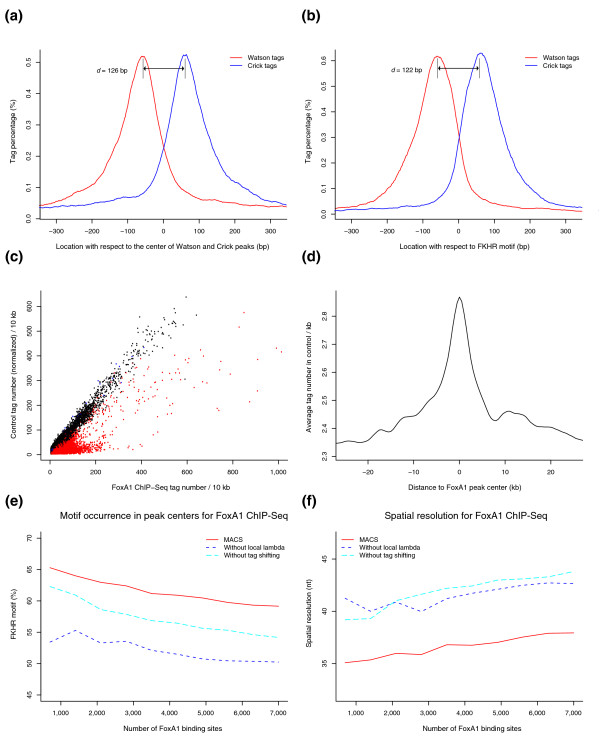
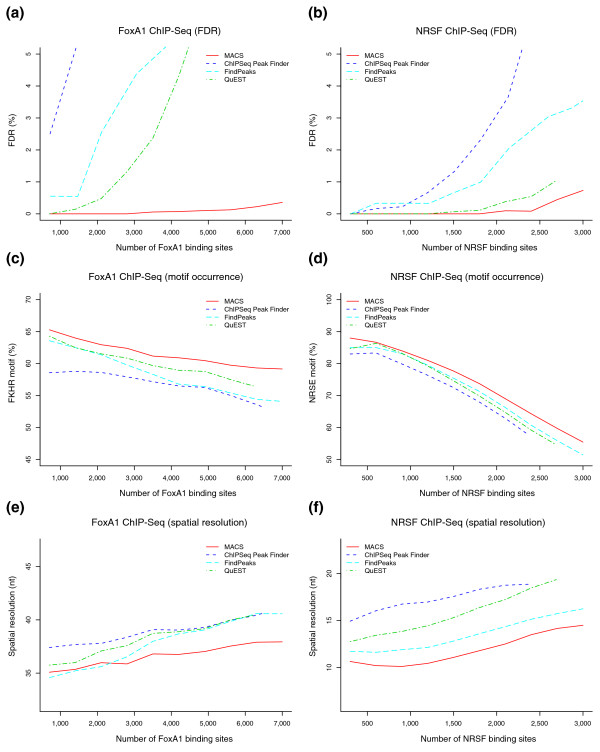
We present Model-based Analysis of ChIP-Seq data, MACS, which analyzes data generated by short read sequencers such as Solexa's Genome Analyzer. MACS empirically models the shift size of ChIP-Seq tags, and uses it to improve the spatial resolution of predicted binding sites. MACS also uses a dynamic Poisson distribution to effectively capture local biases in the genome, allowing for more robust predictions. MACS compares favorably to existing ChIP-Seq peak-finding algorithms, and is freely available.
Overview
The claims and statistics of this paper haven’t been checked yet.
Free: it reads the open-access text and checks the first 5 claims that cite a source we can check. Create a free account to check every claim.
Integrity signals
Registry
Cites
Statistics
Figures
Verification
Claims the paper makes
The claims and statistics of this paper haven’t been checked yet.
Free: it reads the open-access text and checks the first 5 claims that cite a source we can check. Create a free account to check every claim.
Claims other papers make about this one
Each is checked against this paper’s own text: does it say what the citing paper says it does?
The source backs part of the claim, not all of it — or backs it for a different population, condition or comparison.
In the citing paper
“Peaks of enrichment were identified with MACS2 98 (v2.2.7.1) by comparing treatment samples against IgG controls, using paired-end mode and allowing all duplicate fragments to be retained, as appropriate for CUT&RUN data.”
From Tetramerisation governs SALL transcription factor function in development and disease (2025) · cites this paper as [98]
Experimental — accuracy not yet measuredThe check wasn’t confident either way, so it gives no verdict — never disputed.
In the citing paper
“We detected 30,477 peaks from cells without treatment (fold-enrichment > 3 and p-value < 0.05), which are highly enriched in simple repeats (also known as short tandem repeats, STRs) (Log2[obs/exp]: 2.107)”
From Single-cell parallel analysis of DNA damage and transcriptome reveals selective genome vulnerability (2025) · cites this paper as [51]
Experimental — accuracy not yet measured
Self-check
Percentages, sums and reported differences re-computed from the paper’s own numbers.
The self-check needs the paper’s full text.
Citations
Cites
High-Resolution Profiling of Histone Methylations in the Human Genome
Barski, A., Cuddapah, S., Cui, K., Roh, T.-Y., Schones, D. E., Wang, Z., Wei, G., Chepelev, I., & Zhao, K. (2007) · Cell · doi:10.1016/j.cell.2007.05.009 · Cited by 6,845 · cited 6×
“ChIP-chip [5,8].”
BackgroundResultInfluentialGlobal variation in copy number in the human genome
Redon, R., Ishikawa, S., Fitch, K. R., Feuk, L., Perry, G. H., Andrews, T. D., Fiegler, H., Shapero, M. H., Carson, A. R., Chen, W., et al. (2006) · Nature · doi:10.1038/nature05329 · Cited by 4,288
Genome-wide maps of chromatin state in pluripotent and lineage-committed cells
Mikkelsen, T. S., Ku, M., Jaffe, D. B., Issac, B., Lieberman, E., Giannoukos, G., Alvarez, P., Brockman, W., Kim, T.-K., Koche, R. P., et al. (2007) · Nature · doi:10.1038/nature06008 · Cited by 4,129 · cited 4×
“With the current genome coverage of most ChIP-Seq experiments, tag distribution along the genome could be modeled by a Poisson distribution [7].”
BackgroundMethodInfluentialSelf-citationGenome-Wide Mapping of in Vivo Protein-DNA Interactions
Johnson, D. S., Mortazavi, A., Myers, R. M., & Wold, B. (2007) · Science · doi:10.1126/science.1141319 · Cited by 2,927
Self-citationGenome-Wide Location and Function of DNA Binding Proteins
Ren, B., Robert, F., Wyrick, J. J., Aparicio, O., Jennings, E. G., Simon, I., Zeitlinger, J., Schreiber, J., Hannett, N., Kanin, E., et al. (2000) · Science · doi:10.1126/science.290.5500.2306 · Cited by 1,766
Robertson, G., Hirst, M., Bainbridge, M., Bilenky, M., Zhao, Y., Zeng, T., Euskirchen, G., Bernier, B., Varhol, R., Delaney, A., et al. (2007) · Nature Methods · doi:10.1038/nmeth1068 · Cited by 1,454 · cited 2×
“and sequencing (ChIP-Seq) [5-8] have become popular tech-”
BackgroundGenome-wide analysis of estrogen receptor binding sites
Carroll, J. S., Meyer, C. A., Song, J., Li, W., Geistlinger, T. R., Eeckhoute, J., Brodsky, A. S., Keeton, E. K., Fertuck, K. C., Hall, G. F., et al. (2006) · Nature Genetics · doi:10.1038/ng1901 · Cited by 1,377
Self-citationA Global Map of p53 Transcription-Factor Binding Sites in the Human Genome
Wei, C.-L., Wu, Q., Vega, V. B., Chiu, K. P., Ng, P., Zhang, T., Shahab, A., Yong, H. C., Fu, Y., Weng, Z., et al. (2006) · Cell · doi:10.1016/j.cell.2005.10.043 · Cited by 1,141 · cited 2×
“This implies that the λlocal is critical for ChIP-Seq studies when matching control samples are not available [5,9].”
BackgroundGenomic binding sites of the yeast cell-cycle transcription factors SBF and MBF
Iyer, V. R., Horak, C. E., Scafe, C. S., Botstein, D., Snyder, M., & Brown, P. O. (2001) · Nature · doi:10.1038/35054095 · Cited by 1,083
FoxA1 Translates Epigenetic Signatures into Enhancer-Driven Lineage-Specific Transcription
Lupien, M., Eeckhoute, J., Meyer, C. A., Wang, Q., Zhang, Y., Li, W., Carroll, J. S., Liu, X. S., & Brown, M. (2008) · Cell · doi:10.1016/j.cell.2008.01.018 · Cited by 983 · cited 4×
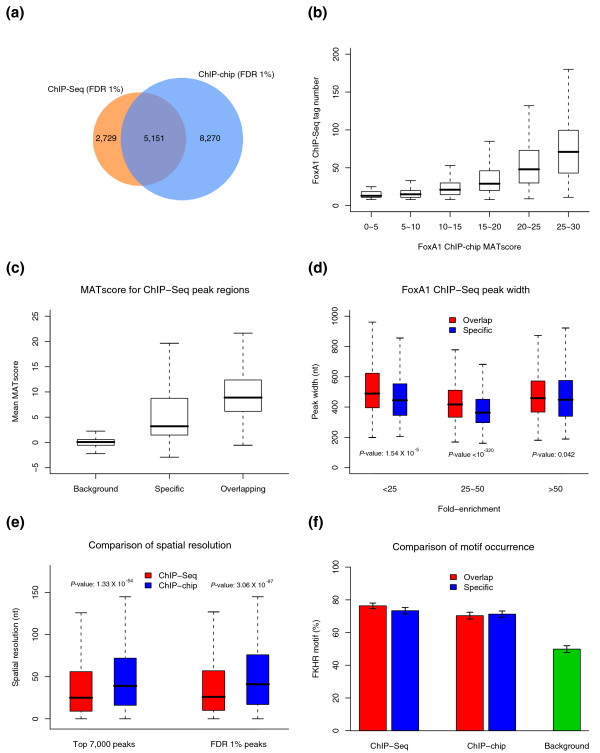
“ChIP-chip data for FoxA1 and controls in MCF7 cells were previously published [1], and their corresponding ChIP-Seq data were generated specifically for this study.”
BackgroundMethodInfluentialSelf-citation
Cited by
Items 1,601–1,700 of 1,860
Direct interrogation of the role of H3K9 in metazoan heterochromatin function
Penke, T. J. R., McKay, D. J., Strahl, B. D., Matera, A. G., & Duronio, R. J. (2016) · Genes & Development · doi:10.1101/gad.286278.116 · Cited by 74
“FAIRE peaks were called using MACS2 with a shift size of 110 bp and a stringency cutoff of 0.01 (Zhang et al. 2008).”
MethodInfluentialKosmidis, S., Polyzos, A., Harvey, L., Youssef, M., Denny, C. A., Dranovsky, A., & Kandel, E. R. (2018) · Cell Reports · doi:10.1016/j.celrep.2018.09.077 · Cited by 74
The Tumor Suppressor Ikaros Shapes the Repertoire of Notch Target Genes in T Cells
Geimer Le Lay, A.-S., Oravecz, A., Mastio, J., Jung, C., Marchal, P., Ebel, C., Dembélé, D., Jost, B., Le Gras, S., Thibault, C., et al. (2014) · Science Signaling · doi:10.1126/scisignal.2004545 · Cited by 74
Targeted Enhancer Activation by a Subunit of the Integrator Complex
Barbieri, E., Trizzino, M., Welsh, S. A., Owens, T. A., Calabretta, B., Carroll, M., Sarma, K., & Gardini, A. (2018) · Molecular Cell · doi:10.1016/j.molcel.2018.05.031 · Cited by 74
Madduri, R. K., Sulakhe, D., Lacinski, L., Liu, B., Rodriguez, A., Chard, K., Dave, U. J., & Foster, I. T. (2014) · Concurrency and Computation: Practice and Experience · doi:10.1002/cpe.3274 · Cited by 73
Shim, H. S., Horner, J. W., Wu, C.-J., Li, J., Lan, Z. D., Jiang, S., Xu, X., Hsu, W.-H., Zal, T., Flores, I. I., et al. (2021) · Nature Aging · doi:10.1038/s43587-021-00146-z · Cited by 73
Automated in situ chromatin profiling efficiently resolves cell types and gene regulatory programs
Janssens, D. H., Wu, S. J., Sarthy, J. F., Meers, M. P., Myers, C. H., Olson, J. M., Ahmad, K., & Henikoff, S. (2018) · Epigenetics & Chromatin · doi:10.1186/s13072-018-0243-8 · Cited by 73
Daniel, B., Nagy, G., Horvath, A., Czimmerer, Z., Cuaranta-Monroy, I., Poliska, S., Hays, T. T., Sauer, S., Francois-Deleuze, J., & Nagy, L. (2018) · Nucleic Acids Research · doi:10.1093/nar/gky157 · Cited by 73
“Peaks were predicted by MACS2 (27), and artifacts were removed according to the blacklist of ENCODE (48).”
MethodThe impact of cell type and context-dependent regulatory variants on human immune traits
Mu, Z., Wei, W., Fair, B., Miao, J., Zhu, P., & Li, Y. I. (2021) · Genome Biology · doi:10.1186/s13059-021-02334-x · Cited by 73
Camacho, J., Truong, L., Kurt, Z., Chen, Y.-W., Morselli, M., Gutierrez, G., Pellegrini, M., Yang, X., & Allard, P. (2018) · Cell Reports · doi:10.1016/j.celrep.2018.04.078 · Cited by 72
Malik, V., Glaser, L. V., Zimmer, D., Velychko, S., Weng, M., Holzner, M., Arend, M., Chen, Y., Srivastava, Y., Veerapandian, V., et al. (2019) · Nature Communications · doi:10.1038/s41467-019-11054-7 · Cited by 72
TDP‐1, the Caenorhabditis elegans ortholog of TDP‐43, limits the accumulation of double‐stranded RNA
Saldi, T. K., Ash, P. E., Wilson, G., Gonzales, P., Garrido‐Lecca, A., Roberts, C. M., Dostal, V., Gendron, T. F., Stein, L. D., Blumenthal, T., et al. (2014) · The EMBO Journal · doi:10.15252/embj.201488740 · Cited by 71
“Significant TDP-1 ChIP peaks were identified using MACS software (version 1.42) (Zhang et al , 2008).”
InfluentialThe little skate genome and the evolutionary emergence of wing-like fins
Marlétaz, F., de la Calle-Mustienes, E., Acemel, R. D., Paliou, C., Naranjo, S., Martínez-García, P. M., Cases, I., Sleight, V. A., Hirschberger, C., Marcet-Houben, M., et al. (2023) · Nature · doi:10.1038/s41586-023-05868-1 · Cited by 71
Poly(ADP-ribosyl)ation regulates insulator function and intrachromosomal interactions in Drosophila
Ong, C.-T., Van Bortle, K., Ramos, E., & Corces, V. G. (2013) · Cell · doi:10.1016/j.cell.2013.08.052 · Cited by 70
“Peaks were then called with MACS 1.4.0alpha2 (Zhang et al., 2008) using equal numbers of unique reads for input and ChIP samples and a p value cutoff of 1 3 10 10.”
InfluentialThe T-ALL related gene BCL11B regulates the initial stages of human T-cell differentiation
Ha, V. L., Luong, A., Li, F., Casero, D., Malvar, J., Kim, Y. M., Bhatia, R., Crooks, G. M., & Parekh, C. (2017) · Leukemia · doi:10.1038/leu.2017.70 · Cited by 70
A CSB-PAF1C axis restores processive transcription elongation after DNA damage repair
van den Heuvel, D., Spruijt, C. G., González-Prieto, R., Kragten, A., Paulsen, M. T., Zhou, D., Wu, H., Apelt, K., van der Weegen, Y., Yang, K., et al. (2021) · Nature Communications · doi:10.1038/s41467-021-21520-w · Cited by 70
Intersecting transcription networks constrain gene regulatory evolution
Sorrells, T. R., Booth, L. N., Tuch, B. B., & Johnson, A. D. (2015) · Nature · doi:10.1038/nature14613 · Cited by 69
Mechanistic Basis for Maintenance of CHG DNA Methylation in Plants
Fang, J., Jiang, J., Leichter, S. M., Liu, J., Biswal, M., Khudaverdyan, N., Zhong, X., & Song, J. (2022) · Nature Communications · doi:10.1038/s41467-022-31627-3 · Cited by 69
Droplet-based single-cell joint profiling of histone modifications and transcriptomes
Xie, Y., Zhu, C., Wang, Z., Tastemel, M., Chang, L., Li, Y. E., & Ren, B. (2023) · Nature Structural & Molecular Biology · doi:10.1038/s41594-023-01060-1 · Cited by 69
“1.2) 26 .”
InfluentialA CSB-PAF1C axis restores processive transcription elongation after DNA damage repair
van den Heuvel, D., Spruijt, C. G., González-Prieto, R., Kragten, A., Paulsen, M. T., Zhou, D., Wu, H., Apelt, K., van der Weegen, Y., Yang, K., et al. (2020) · doi:10.1101/2020.01.04.894808 · Cited by 69
Huseyin, M. K., & Klose, R. J. (2021) · Nature Communications · doi:10.1038/s41467-021-21130-6 · Cited by 69
Constrained chromatin accessibility in PU.1-mutated agammaglobulinemia patients
Le Coz, C., Nguyen, D. N., Su, C., Nolan, B. E., Albrecht, A. V., Xhani, S., Sun, D., Demaree, B., Pillarisetti, P., Khanna, C., et al. (2021) · Journal of Experimental Medicine · doi:10.1084/jem.20201750 · Cited by 69
Huseyin, M. K., & Klose, R. J. (2020) · doi:10.1101/2020.04.25.061358 · Cited by 69
The Epigenetic Evolution of Glioma Is Determined by the IDH1 Mutation Status and Treatment Regimen
Malta, T. M., Sabedot, T. S., Morosini, N. S., Datta, I., Garofano, L., Vallentgoed, W., Varn, F. S., Aldape, K., D'Angelo, F., Bakas, S., et al. (2024) · Cancer Research · doi:10.1158/0008-5472.can-23-2093 · Cited by 68
UBR5 forms ligand-dependent complexes on chromatin to regulate nuclear hormone receptor stability
Tsai, J. M., Aguirre, J. D., Li, Y.-D., Brown, J., Focht, V., Kater, L., Kempf, G., Sandoval, B., Schmitt, S., Rutter, J. C., et al. (2023) · Molecular Cell · doi:10.1016/j.molcel.2023.06.028 · Cited by 68
HIF regulates multiple translated endogenous retroviruses: Implications for cancer immunotherapy
Jiang, Q., Braun, D. A., Clauser, K. R., Ramesh, V., Shirole, N. H., Duke-Cohan, J. E., Nabilsi, N., Kramer, N. J., Forman, C., Lippincott, I. E., et al. (2025) · Cell · doi:10.1016/j.cell.2025.01.046 · Cited by 68
Wallerman, O., Motallebipour, M., Enroth, S., Patra, K., Bysani, M. S. R., Komorowski, J., & Wadelius, C. (2009) · Nucleic Acids Research · doi:10.1093/nar/gkp823 · Cited by 68
“FOXA1 results are from MCF-7 cells (29) and FoxA2 from mouse livers (26).”
von Scheidt, M., Zhao, Y., de Aguiar Vallim, T. Q., Che, N., Wierer, M., Seldin, M. M., Franzén, O., Kurt, Z., Pang, S., Bongiovanni, D., et al. (2021) · Circulation · doi:10.1161/circulationaha.120.050186 · Cited by 68
A plate-based single-cell ATAC-seq workflow for fast and robust profiling of chromatin accessibility
Xu, W., Wen, Y., Liang, Y., Xu, Q., Wang, X., Jin, W., & Chen, X. (2021) · Nature Protocols · doi:10.1038/s41596-021-00583-5 · Cited by 67
The genomic landscape of 8-oxodG reveals enrichment at specific inherently fragile promoters
Gorini, F., Scala, G., Di Palo, G., Dellino, G. I., Cocozza, S., Pelicci, P. G., Lania, L., Majello, B., & Amente, S. (2020) · Nucleic Acids Research · doi:10.1093/nar/gkaa175 · Cited by 67
“The identification of peaks from uniquely mapped reads, after removal of PCR duplicates, was performed using MACS (31) (P < 1e–5 and fold enrichment > 7) and DNA Input was used as control.”
MethodDeconstructing Stepwise Fate Conversion of Human Fibroblasts to Neurons by MicroRNAs
Cates, K., McCoy, M. J., Kwon, J.-S., Liu, Y., Abernathy, D. G., Zhang, B., Liu, S., Gontarz, P., Kim, W. K., Chen, S., et al. (2021) · Cell Stem Cell · doi:10.1016/j.stem.2020.08.015 · Cited by 67
Transcription elongation rate affects nascent histone pre-mRNA folding and 3′ end processing
Saldi, T., Fong, N., & Bentley, D. L. (2018) · Genes & Development · doi:10.1101/gad.310896.117 · Cited by 66
“01) over the 3′ ends of 30 RD histone genes in both wild-type replicates using the MACS peak finder (Zhang et al. 2008).”
MethodInfluentialSahu, B., Pihlajamaa, P., Dubois, V., Kerkhofs, S., Claessens, F., & Jänne, O. A. (2014) · Nucleic Acids Research · doi:10.1093/nar/gkt1401 · Cited by 66
(2021) · doi:10.1038/s43587-021-00063-1 · Cited by 66
RetractedChen, L.-F., Long, H. K., Park, M., Swigut, T., Boettiger, A. N., & Wysocka, J. (2023) · Molecular Cell · doi:10.1016/j.molcel.2023.03.009 · Cited by 66
ZC3H4 restricts non-coding transcription in human cells
Estell, C., Davidson, L., Steketee, P. C., Monier, A., & West, S. (2021) · eLife · doi:10.7554/elife.67305 · Cited by 66
(2020) · doi:10.1101/2020.08.03.235465 · Cited by 66
RetractedThe three-dimensional landscape of cortical chromatin accessibility in Alzheimer’s disease
Bendl, J., Hauberg, M. E., Girdhar, K., Im, E., Vicari, J. M., Rahman, S., Fernando, M. B., Townsley, K. G., Dong, P., Misir, R., et al. (2022) · Nature Neuroscience · doi:10.1038/s41593-022-01166-7 · Cited by 65
Weng, C., Xi, J., Li, H., Cui, J., Gu, A., Lai, S., Leskov, K., Ke, L., Jin, F., & Li, Y. (2020) · Nature Metabolism · doi:10.1038/s42255-020-00314-2 · Cited by 65
Koenecke, N., Johnston, J., Gaertner, B., Natarajan, M., & Zeitlinger, J. (2016) · Genome Biology · doi:10.1186/s13059-016-1057-2 · Cited by 65
“20150420 [69] was used to identify ATAC peaks after combining both replicates using the following parameters: macs2 callpeak -t orer_combined_atac.”
MethodKumar, A., Karuppagounder, S. S., Chen, Y., Corona, C., Kawaguchi, R., Cheng, Y., Balkaya, M., Sagdullaev, B. T., Wen, Z., Stuart, C., et al. (2023) · Neuron · doi:10.1016/j.neuron.2023.06.013 · Cited by 64
Pham, T. H., Hagenbeek, T. J., Lee, H.-J., Li, J., Rose, C. M., Lin, E., Yu, M., Martin, S. E., Piskol, R., Lacap, J. A., et al. (2021) · Cancer Discovery · doi:10.1158/2159-8290.cd-20-0706 · Cited by 64
Neme, A., Seuter, S., & Carlberg, C. (2017) · Biochimica et Biophysica Acta (BBA) - Gene Regulatory Mechanisms · doi:10.1016/j.bbagrm.2017.07.002 · Cited by 64
Discovery of regulatory noncoding variants in individual cancer genomes by using cis-X
Liu, Y., Li, C., Shen, S., Chen, X., Szlachta, K., Edmonson, M. N., Shao, Y., Ma, X., Hyle, J., Wright, S., et al. (2020) · Nature Genetics · doi:10.1038/s41588-020-0659-5 · Cited by 64
Schütte, J., Wang, H., Antoniou, S., Jarratt, A., Wilson, N. K., Riepsaame, J., Calero-Nieto, F. J., Moignard, V., Basilico, S., Kinston, S. J., et al. (2016) · eLife · doi:10.7554/elife.11469 · Cited by 63
Watt, S., Vasquez, L., Walter, K., Mann, A. L., Kundu, K., Chen, L., Sims, Y., Ecker, S., Burden, F., Farrow, S., et al. (2021) · Nature Communications · doi:10.1038/s41467-021-22548-8 · Cited by 63
Roh, H. C., Kumari, M., Taleb, S., Tenen, D., Jacobs, C., Lyubetskaya, A., Tsai, L. T.-Y., & Rosen, E. D. (2020) · Molecular Metabolism · doi:10.1016/j.molmet.2020.101086 · Cited by 62
“For ChIP-seq analysis, sequencing reads were aligned to the mm10 mouse genome using Bowtie2 [22], filtered by Picard to remove duplicates, processed by Samtools [23], and subjected to peak-calling by MACS2 [24].”
MethodBMP signaling: at the gate between activated melanocyte stem cells and differentiation
Infarinato, N. R., Stewart, K. S., Yang, Y., Gomez, N. C., Pasolli, H. A., Hidalgo, L., Polak, L., Carroll, T. S., & Fuchs, E. (2020) · Genes & Development · doi:10.1101/gad.340281.120 · Cited by 62
Phosphoinositide 3-kinase signaling can modulate MHC class I and II expression
Chandrasekaran, S., Sasaki, M., Scharer, C. D., Kissick, H. T., Patterson, D. G., Magliocca, K. R., Seykora, J. T., Sapkota, B., Gutman, D. A., Cooper, L. A., et al. (2019) · Molecular Cancer Research · doi:10.1158/1541-7786.mcr-19-0545 · Cited by 61
“Enriched accessible loci were identified byMACS2anddifferentially accessible regions (DAR)determined between sample groups with edgeR (15, 16).”
BackgroundSen, M., Wang, X., Hamdan, F. H., Rapp, J., Eggert, J., Kosinsky, R. L., Wegwitz, F., Kutschat, A. P., Younesi, F. S., Gaedcke, J., et al. (2019) · Clinical Epigenetics · doi:10.1186/s13148-019-0690-5 · Cited by 61
“ware [62], and BED files were obtained.”
Li, S., Zheng, E. B., Zhao, L., & Liu, S. (2019) · Cell Reports · doi:10.1016/j.celrep.2019.07.103 · Cited by 61
LDB1 establishes multi-enhancer networks to regulate gene expression
Aboreden, N. G., Lam, J. C., Goel, V. Y., Wang, S., Wang, X., Midla, S. C., Quijano, A., Keller, C. A., Giardine, B. M., Hardison, R. C., et al. (2025) · Molecular Cell · doi:10.1016/j.molcel.2024.11.037 · Cited by 61
Reverse Transcriptase Inhibition Disrupts Repeat Element Life Cycle in Colorectal Cancer.
Rajurkar, M., Parikh, A. R., Solovyov, A., You, E., Kulkarni, A. S., Chu, C., Xu, K. H., Jaicks, C., Taylor, M. S., Wu, C., et al. (2022) · Cancer Discovery · doi:10.1158/2159-8290.cd-21-1117 · Cited by 61
Transposon-encoded nucleases use guide RNAs to promote their selfish spread
Meers, C., Le, H. C., Pesari, S. R., Hoffmann, F. T., Walker, M. W. G., Gezelle, J., Tang, S., & Sternberg, S. H. (2023) · Nature · doi:10.1038/s41586-023-06597-1 · Cited by 60
Magkouta, S., Veroutis, D., Pousias, A., Papaspyropoulos, A., Pippa, N., Lougiakis, N., Kambas, K., Lagopati, N., Polyzou, A., Georgiou, M., et al. (2023) · Molecular Cell · doi:10.1016/j.molcel.2023.09.006 · Cited by 59
Jia, Y., Li, L., Lin, Y.-H., Gopal, P., Shen, S., Zhou, K., Yu, X., Sharma, T., Zhang, Y., Siegwart, D. J., et al. (2022) · Cell Stem Cell · doi:10.1016/j.stem.2022.01.001 · Cited by 59
Self-citationNielsen, J. V., Thomassen, M., Møllgård, K., Noraberg, J., & Jensen, N. A. (2014) · Cerebral Cortex · doi:10.1093/cercor/bhs400 · Cited by 59
Nakauchi, Y., Azizi, A., Thomas, D., Corces, M. R., Reinisch, A., Sharma, R., Cruz Hernandez, D., Köhnke, T., Karigane, D., Fan, A., et al. (2022) · Blood Cancer Discovery · doi:10.1158/2643-3230.bcd-21-0143 · Cited by 58
MYCN controls an alternative RNA splicing program in high-risk metastatic neuroblastoma
Zhang, S., Wei, J. S., Li, S. Q., Badgett, T. C., Song, Y. K., Agarwal, S., Coarfa, C., Tolman, C., Hurd, L., Liao, H., et al. (2016) · Cancer Letters · doi:10.1016/j.canlet.2015.11.045 · Cited by 58
Rebboah, E., Reese, F., Williams, K., Balderrama-Gutierrez, G., McGill, C., Trout, D., Rodriguez, I., Liang, H., Wold, B. J., & Mortazavi, A. (2021) · Genome Biology · doi:10.1186/s13059-021-02505-w · Cited by 58
Bayam, E., Sahin, G. S., Guzelsoy, G., Guner, G., Kabakcioglu, A., & Ince-Dunn, G. (2015) · BMC Genomics · doi:10.1186/s12864-015-1882-9 · Cited by 57
“NEUROD2 peaks were identified by MACS (Model-based analysis of ChIP-Seq) [19] and GFP peak alignments were used as input control dataset for signal normalization (cutoff p-value of < 10).”
MethodAtypical plant homeodomain of UBR7 functions as an H2BK120Ub ligase and breast tumor suppressor
Adhikary, S., Chakravarti, D., Terranova, C., Sengupta, I., Maitituoheti, M., Dasgupta, A., Srivastava, D. K., Ma, J., Raman, A. T., Tarco, E., et al. (2019) · Nature Communications · doi:10.1038/s41467-019-08986-5 · Cited by 57
Personalized and graph genomes reveal missing signal in epigenomic data
Groza, C., Kwan, T., Soranzo, N., Pastinen, T., & Bourque, G. (2020) · Genome Biology · doi:10.1186/s13059-020-02038-8 · Cited by 57
Thakore, P. I., Schnell, A., Zhao, M., Huang, L., Hou, Y., Christian, E., Zaghouani, S., Wang, C., Singh, V., Ma, S., et al. (2022) · doi:10.1101/2022.02.26.482041 · Cited by 57
Ng, N. H. J., Ghosh, S., Bok, C. M., Ching, C., Low, B. S. J., Chen, J. T., Lim, E., Miserendino, M. C., Tan, Y. S., Hoon, S., et al. (2024) · Nature Communications · doi:10.1038/s41467-024-48647-w · Cited by 57
“For the peak calling step, the analysis was performed twice using MACS2 68 , each time with a different q -value threshold (default threshold q =0.05 and relaxed threshold q =0.1).”
InfluentialSafeguard function of PU.1 shapes the inflammatory epigenome of neutrophils
Fischer, J., Walter, C., Tönges, A., Aleth, H., Jordão, M. J. C., Leddin, M., Gröning, V., Erdmann, T., Lenz, G., Roth, J., et al. (2019) · Nature Immunology · doi:10.1038/s41590-019-0343-z · Cited by 56
Metzakopian, E., Lin, W., Salmon-Divon, M., Dvinge, H., Andersson, E., Ericson, J., Perlmann, T., Whitsett, J. A., Bertone, P., & Ang, S.-L. (2012) · Development · doi:10.1242/dev.081034 · Cited by 56
“Peak annotation was performed using PeakAnalyzer (Salmon-Divon et al., 2010) and CEAS, where peak summits (as defined by MACS) and genes from the UCSC Refseq track were used as input (Shin et al., 2009) and MEME was used for de novo motif analysis (Bailey and Elkan, 1994).”
MethodInfluentialSaeki, K., Pan, R., Lee, E., Kurotaki, D., & Ozato, K. (2024) · Nature Immunology · doi:10.1038/s41590-024-01962-2 · Cited by 55
“56).”
Multimer Formation Explains Allelic Suppression of PRDM9 Recombination Hotspots
Baker, C. L., Petkova, P., Walker, M., Flachs, P., Mihola, O., Trachtulec, Z., Petkov, P. M., & Paigen, K. (2015) · PLOS Genetics · doi:10.1371/journal.pgen.1005512 · Cited by 54
Reducing mitochondrial reads in ATAC-seq using CRISPR/Cas9
Montefiori, L., Hernandez, L., Zhang, Z., Gilad, Y., Ober, C., Crawford, G., Nobrega, M., & Jo Sakabe, N. (2017) · Scientific Reports · doi:10.1038/s41598-017-02547-w · Cited by 54
Nuclear receptor REVERBα is a state-dependent regulator of liver energy metabolism
Hunter, A. L., Pelekanou, C. E., Adamson, A., Downton, P., Barron, N. J., Cornfield, T., Poolman, T. M., Humphreys, N., Cunningham, P. S., Hodson, L., et al. (2020) · Proceedings of the National Academy of Sciences · doi:10.1073/pnas.2005330117 · Cited by 54
Schoenfelder, S., Mifsud, B., Senner, C. E., Todd, C. D., Chrysanthou, S., Darbo, E., Hemberger, M., & Branco, M. R. (2018) · Nature Communications · doi:10.1038/s41467-018-06666-4 · Cited by 54
Xia, X., Zhang, F., Li, S., Luo, X., Peng, L., Dong, Z., Pausch, H., Leonard, A. S., Crysnanto, D., Wang, S., et al. (2023) · Genome biology · doi:10.1186/s13059-023-03052-2 · Cited by 53
“The peaks for individual replicates were called separately with MACS2 (v.2.2.7.1) [85] and then merged across three duplicates within the same tissue using BEDTools (v.2.25.0) [73].”
MethodInfluentialPICALM Alzheimer’s risk allele causes aberrant lipid droplets in microglia
Kozlova, A., Zhang, S., Sudwarts, A., Zhang, H., Smirnou, S., Byeon, S. K., Thapa, C., Sun, X., Stephenson, K., Zhao, X., et al. (2025) · Nature · doi:10.1038/s41586-025-09486-x · Cited by 69
“For peak calling, MACS2 69 was used to generate peak files (narrowPeak format) with the recommended settings at FDR = 0.05 (-f BAMPE, --nomodel, --call-summits --keep-dup-all -”
InfluentialMolecular regulation of urea cycle function by the liver glucocorticoid receptor
Okun, J. G., Conway, S., Schmidt, K. V., Schumacher, J., Wang, X., de Guia, R., Zota, A., Klement, J., Seibert, O., Peters, A., et al. (2015) · Molecular Metabolism · doi:10.1016/j.molmet.2015.07.006 · Cited by 53
Podleśny-Drabiniok, A., Novikova, G., Liu, Y., Dunst, J., Temizer, R., Giannarelli, C., Marro, S., Kreslavsky, T., Marcora, E., & Goate, A. M. (2024) · Nature Communications · doi:10.1038/s41467-024-46315-7 · Cited by 52
Veri, A. O., Miao, Z., Shapiro, R. S., Tebbji, F., O’Meara, T. R., Kim, S. H., Colazo, J., Tan, K., Vyas, V. K., Whiteway, M., et al. (2018) · PLoS Genetics · doi:10.1371/journal.pgen.1007270 · Cited by 51
TAF5L and TAF6L Maintain Self-Renewal of Embryonic Stem Cells via the MYC Regulatory Network
Seruggia, D., Oti, M., Tripathi, P., Canver, M. C., LeBlanc, L., Di Giammartino, D. C., Bullen, M. J., Nefzger, C. M., Sun, Y. B. Y., Farouni, R., et al. (2019) · Molecular Cell · doi:10.1016/j.molcel.2019.03.025 · Cited by 51
Yuan, X., Song, M., Devine, P., Bruneau, B. G., Scott, I. C., & Wilson, M. D. (2018) · Nature Communications · doi:10.1038/s41467-018-07451-z · Cited by 51
Lima-Fernandes, E., Murison, A., da Silva Medina, T., Wang, Y., Ma, A., Leung, C., Luciani, G. M., Haynes, J., Pollett, A., Zeller, C., et al. (2019) · Nature Communications · doi:10.1038/s41467-019-09309-4 · Cited by 50
Pemberton, H., Anderton, E., Patel, H., Brookes, S., Chandler, H., Palermo, R., Stock, J., Rodriguez-Niedenführ, M., Racek, T., de Breed, L., et al. (2014) · Genome Biology · doi:10.1186/gb-2014-15-2-r23 · Cited by 50
“For example, it was common to find regions where a robust peak for all five PRC1 proteins was flanked by weaker peaks where only some of the proteins were scored by MACS (for example, GATA6, UNCX and NKX2-3 in Figure 2).”
BackgroundInfluentialPro-neuronal activity of Myod1 due to promiscuous binding to neuronal genes
Lee, Q. Y., Mall, M., Chanda, S., Zhou, B., Sharma, K. S., Schaukowitch, K., Adrian-Segarra, J. M., Grieder, S. D., Kareta, M. S., Wapinski, O. L., et al. (2020) · Nature Cell Biology · doi:10.1038/s41556-020-0490-3 · Cited by 50
Lin, L., DeMartino, J., Wang, D., van Son, G. J. F., van der Linden, R., Begthel, H., Korving, J., Andersson-Rolf, A., van den Brink, S., Lopez-Iglesias, C., et al. (2023) · Science · doi:10.1126/science.adi2246 · Cited by 50
Rapid Recall Ability of Memory T cells is Encoded in their Epigenome
Barski, A., Cuddapah, S., Kartashov, A. V., Liu, C., Imamichi, H., Yang, W., Peng, W., Lane, H. C., & Zhao, K. (2017) · Scientific Reports · doi:10.1038/srep39785 · Cited by 49
Ponroy Bally, B., Farmer, W. T., Jones, E. V., Jessa, S., Kacerovsky, J. B., Mayran, A., Peng, H., Lefebvre, J. L., Drouin, J., Hayer, A., et al. (2020) · Human Molecular Genetics · doi:10.1093/hmg/ddaa003 · Cited by 49
“05 and used for downstream analysis (109).”
Burns, A. M., Farinelli-Scharly, M., Hugues-Ascery, S., Sanchez-Mut, J. V., Santoni, G., & Gräff, J. (2022) · Proceedings of the National Academy of Sciences · doi:10.1073/pnas.2116797119 · Cited by 49
“719 Open chromatin peaks were defined using MACS2(94) in broad peak mode.”
Zeng, W., Dou, Y., Pan, L., Xu, L., & Peng, S. (2024) · Nature Communications · doi:10.1038/s41467-024-52293-7 · Cited by 49
“The small indented words are the text of the revised manuscript.”
HNF4A modulates glucocorticoid action in the liver
Hunter, A. L., Poolman, T. M., Kim, D., Gonzalez, F. J., Bechtold, D. A., Loudon, A. S. I., Iqbal, M., & Ray, D. W. (2022) · Cell Reports · doi:10.1016/j.celrep.2022.110697 · Cited by 49
Range extender mediates long-distance enhancer activity
Bower, G., Hollingsworth, E. W., Jacinto, S. H., Alcantara, J. A., Clock, B., Cao, K., Liu, M., Dziulko, A., Alcaina-Caro, A., Xu, Q., et al. (2025) · Nature · doi:10.1038/s41586-025-09221-6 · Cited by 49
“Low-quality nuclei were filtered out using standard Signac parameters and MACS2 was used for peak calling 84 .”
Wang, X., Campbell, M. R., Lacher, S. E., Cho, H.-Y., Wan, M., Crowl, C. L., Chorley, B. N., Bond, G. L., Kleeberger, S. R., Slattery, M., et al. (2016) · Cell Reports · doi:10.1016/j.celrep.2016.03.068 · Cited by 49
“Peaks were called using MACS2 program (Zhang et al., 2008) with its default setting.”
MethodInterpretation of allele-specific chromatin accessibility using cell state–aware deep learning
Atak, Z. K., Taskiran, I. I., Demeulemeester, J., Flerin, C., Mauduit, D., Minnoye, L., Hulselmans, G., Christiaens, V., Ghanem, G.-E., Wouters, J., et al. (2021) · Genome Research · doi:10.1101/gr.260851.120 · Cited by 48
“1.2) (Zhang et al. 2008) using the parameters -q 0.05, ‐‐nomodel, ‐‐call-summits, ‐‐shift -75 ‐‐keep-dup all, and ‐‐extsize 150.”
InfluentialMagli, A., Baik, J., Pota, P., Cordero, C. O., Kwak, I.-Y., Garry, D. J., Love, P. E., Dynlacht, B. D., & Perlingeiro, R. C. R. (2019) · Nature Communications · doi:10.1038/s41467-019-10318-6 · Cited by 47
Taguchi, J., Shibata, H., Kabata, M., Kato, M., Fukuda, K., Tanaka, A., Ohta, S., Ukai, T., Mitsunaga, K., Yamada, Y., et al. (2021) · Nature Communications · doi:10.1038/s41467-021-25249-4 · Cited by 46
Aberrant Clonal Hematopoiesis following Lentiviral Vector Transduction of HSPCs in a Rhesus Macaque
Espinoza, D. A., Fan, X., Yang, D., Cordes, S. F., Truitt, L. L., Calvo, K. R., Yabe, I. M., Demirci, S., Hope, K. J., Hong, S. G., et al. (2019) · Molecular Therapy · doi:10.1016/j.ymthe.2019.04.003 · Cited by 46
The gene regulatory basis of bystander activation in CD8 + T cells
Watson, N. B., Patel, R. K., Kean, C., Veazey, J., Oyesola, O. O., Laniewski, N., Grenier, J. K., Wang, J., Tabilas, C., Yee Mon, K. J., et al. (2024) · Science Immunology · doi:10.1126/sciimmunol.adf8776 · Cited by 46
“B - q 0.05) [( 61 ); https://github.com/macs3-project/ MACS], and reproducible peaks were obtained using Irreproduc-ibility Discovery Rate analysis (https://github.com/ENCODE-DCC/ atac- seq-pipeline).”
MethodInfluentialSALL4 controls cell fate in response to DNA base composition
Pantier, R., Chhatbar, K., Quante, T., Skourti-Stathaki, K., Cholewa-Waclaw, J., Alston, G., Alexander-Howden, B., Lee, H. Y., Cook, A. G., Spruijt, C. G., et al. (2021) · Molecular Cell · doi:10.1016/j.molcel.2020.11.046 · Cited by 45
Impact of the gut microbiota on enhancer accessibility in gut intraepithelial lymphocytes
Semenkovich, N. P., Planer, J. D., Ahern, P. P., Griffin, N. W., Lin, C. Y., & Gordon, J. I. (2016) · Proceedings of the National Academy of Sciences · doi:10.1073/pnas.1617793113 · Cited by 45
Chromatin-state barriers enforce an irreversible mammalian cell fate decision
Blanco, M. A., Sykes, D. B., Gu, L., Wu, M., Petroni, R., Karnik, R., Wawer, M., Rico, J., Li, H., Jacobus, W. D., et al. (2021) · Cell Reports · doi:10.1016/j.celrep.2021.109967 · Cited by 45
Neuregulin 1-HER axis as a key mediator of hyperglycemic memory effects in breast cancer
Park, J., Sarode, V. R., Euhus, D., Kittler, R., & Scherer, P. E. (2012) · Proceedings of the National Academy of Sciences · doi:10.1073/pnas.1214400109 · Cited by 44
Cooperation of Nutlin-3a and a Wip1 inhibitor to induce p53 activity
Sriraman, A., Radovanovic, M., Wienken, M., Najafova, Z., Li, Y., & Dobbelstein, M. (2016) · Oncotarget · doi:10.18632/oncotarget.9302 · Cited by 44
Metadata
- Authors
- Zhang, Y., Liu, T., Meyer, C. A., Eeckhoute, J., Johnson, D. S., Bernstein, B. E., Nusbaum, C., Myers, R. M., Brown, M., Li, W., & Liu, X. S.
- Affiliations
- Harvard University (US)
- Brigham and Women's Hospital (US)
- Broad Institute (US)
- Stanford Medicine (US)
- Baylor College of Medicine (US)
- Corresponding author
- Li, Wei
- Liu, X Shirley
- ORCID
- Venue
- Genome Biology
- Published
- 2008-09-17
- Volume
- 9
- Issue
- 9
- Pages
- R137-R137
- ISSN
- 1465-6906 (ISSN-L)
- 1474-760X
- PMC
- PMC2592715
- OpenAlex
- W2171808845
- Semantic Scholar
- 42abddd227d653a0375d7d037ddb885f6c07f66f
- Cited by
- 18,386
- References
- 14
- Citations by year
- 2026: 1533 · 2025: 2054 · 2024: 2035 · 2023: 2028 · 2022: 1720 · 2021: 1744 · 2020: 1407 · 2019: 1184 · 2018: 977 · 2017: 802 · 2016: 658 · 2015: 572 · 2014: 534 · 2013: 423 · 2012: 304
- FWCI
- 54.09
- Type
- journal article
- Language
- en
- Open access
- gold
- doi.org
- Licence
- cc-by
- creativecommons.org/licenses/by/2.0/ (tdm)
- creativecommons.org/licenses/by/2.0/ (vor)
- Locations
- Genome biology (publishedVersion, cc-by)
- PubMed Central (publishedVersion, cc-by)
- PubMed (publishedVersion)
- DSpace@MIT (Massachusetts Institute of Technology) (submittedVersion, cc-by)
- Funders
- National Institutes of Health
- National Human Genome Research Institute (U01HG004270, HG004069, R01HG004069, HG004270)
- National Institute of Diabetes and Digestive and Kidney Diseases (DK074967)
- Topics
- Life Sciences › Biochemistry, Genetics and Molecular Biology › Molecular Biology › Genomics and Chromatin Dynamics
- Life Sciences › Biochemistry, Genetics and Molecular Biology › Molecular Biology › Genomics and Phylogenetic Studies
- Life Sciences › Biochemistry, Genetics and Molecular Biology › Molecular Biology › Bioinformatics and Genomic Networks
- Keywords
- ChIP-seq, MACS, peak calling, binding site prediction, short-read sequencing, model-based analysis
- MeSH terms
- Algorithms, Humans, Models, Genetic, Oligonucleotide Array Sequence Analysis, Cell Line, Tumor, Chromatin Immunoprecipitation, Hepatocyte Nuclear Factor 3-alpha
About these checks
Registry, retraction, Cites and statistics results are computed, not judged, with one exception: a printed reference that no index lists is read once by a model before it counts as a citation error. Claims are extracted by a model and kept only when their quote appears verbatim in the text; each cited source is then checked, with a model’s help, for whether it says what the claim relies on. Those verdicts can be wrong — read the claim’s quote and the cited source before relying on one.
Statistics and arithmetic are recomputed, not judged.
Confidence bands are shown only for fields calibrated on our annotated test set. None is calibrated yet, so no band is shown.
What counts as a claim ›How we measure confidence ›How we check this ›
Are you an author, or do you see a problem with this page? Request a review
Data sources
Bibliographic data: Semantic Scholar, OpenAlex, Crossref.
Contains information from the Semantic Scholar Academic Graph Datasets, made available under the ODC Attribution License (ODC-BY 1.0).
Semantic Scholar’s data is described in: Kinney, R., et al. (2023). The Semantic Scholar Open Data Platform. arXiv:2301.10140.
