

Model-based Analysis of ChIP-Seq (MACS)
Open accessThe DOI matches its Crossref record; 13 of the 14 references it cites were found in a registry or an index.
Abstract
We present Model-based Analysis of ChIP-Seq data, MACS, which analyzes data generated by short read sequencers such as Solexa's Genome Analyzer. MACS empirically models the shift size of ChIP-Seq tags, and uses it to improve the spatial resolution of predicted binding sites. MACS also uses a dynamic Poisson distribution to effectively capture local biases in the genome, allowing for more robust predictions. MACS compares favorably to existing ChIP-Seq peak-finding algorithms, and is freely available.
Overview
The claims and statistics of this paper haven’t been checked yet.
Free: it reads the open-access text and checks the first 5 claims that cite a source we can check. Create a free account to check every claim.
Integrity signals
Registry
Cites
Statistics
Figures
Verification
Claims the paper makes
The claims and statistics of this paper haven’t been checked yet.
Free: it reads the open-access text and checks the first 5 claims that cite a source we can check. Create a free account to check every claim.
Claims other papers make about this one
Each is checked against this paper’s own text: does it say what the citing paper says it does?
The source backs part of the claim, not all of it — or backs it for a different population, condition or comparison.
In the citing paper
“Peaks of enrichment were identified with MACS2 98 (v2.2.7.1) by comparing treatment samples against IgG controls, using paired-end mode and allowing all duplicate fragments to be retained, as appropriate for CUT&RUN data.”
From Tetramerisation governs SALL transcription factor function in development and disease (2025) · cites this paper as [98]
Experimental — accuracy not yet measuredThe check wasn’t confident either way, so it gives no verdict — never disputed.
In the citing paper
“We detected 30,477 peaks from cells without treatment (fold-enrichment > 3 and p-value < 0.05), which are highly enriched in simple repeats (also known as short tandem repeats, STRs) (Log2[obs/exp]: 2.107)”
From Single-cell parallel analysis of DNA damage and transcriptome reveals selective genome vulnerability (2025) · cites this paper as [51]
Experimental — accuracy not yet measured
Self-check
Percentages, sums and reported differences re-computed from the paper’s own numbers.
The self-check needs the paper’s full text.
Citations
Cites
High-Resolution Profiling of Histone Methylations in the Human Genome
Barski, A., Cuddapah, S., Cui, K., Roh, T.-Y., Schones, D. E., Wang, Z., Wei, G., Chepelev, I., & Zhao, K. (2007) · Cell · doi:10.1016/j.cell.2007.05.009 · Cited by 6,845 · cited 6×
“ChIP-chip [5,8].”
BackgroundResultInfluentialGlobal variation in copy number in the human genome
Redon, R., Ishikawa, S., Fitch, K. R., Feuk, L., Perry, G. H., Andrews, T. D., Fiegler, H., Shapero, M. H., Carson, A. R., Chen, W., et al. (2006) · Nature · doi:10.1038/nature05329 · Cited by 4,288
Genome-wide maps of chromatin state in pluripotent and lineage-committed cells
Mikkelsen, T. S., Ku, M., Jaffe, D. B., Issac, B., Lieberman, E., Giannoukos, G., Alvarez, P., Brockman, W., Kim, T.-K., Koche, R. P., et al. (2007) · Nature · doi:10.1038/nature06008 · Cited by 4,129 · cited 4×
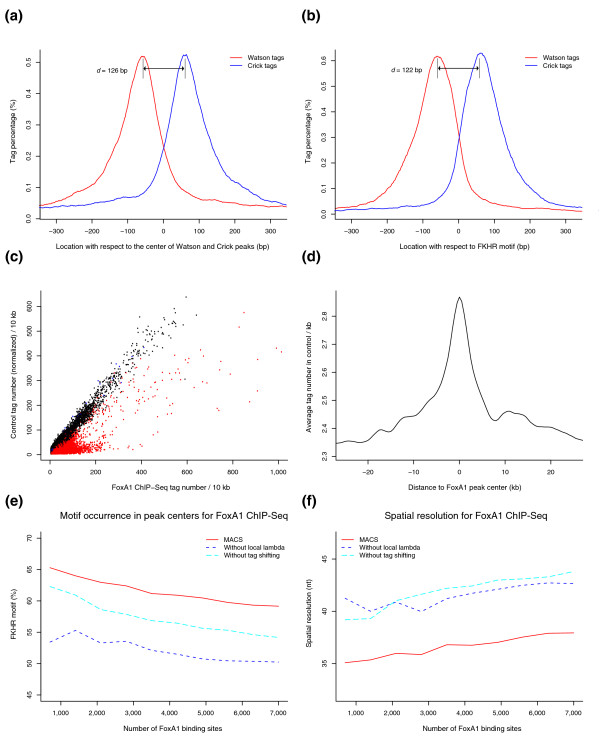
“With the current genome coverage of most ChIP-Seq experiments, tag distribution along the genome could be modeled by a Poisson distribution [7].”
BackgroundMethodInfluentialSelf-citationGenome-Wide Mapping of in Vivo Protein-DNA Interactions
Johnson, D. S., Mortazavi, A., Myers, R. M., & Wold, B. (2007) · Science · doi:10.1126/science.1141319 · Cited by 2,927
Self-citationGenome-Wide Location and Function of DNA Binding Proteins
Ren, B., Robert, F., Wyrick, J. J., Aparicio, O., Jennings, E. G., Simon, I., Zeitlinger, J., Schreiber, J., Hannett, N., Kanin, E., et al. (2000) · Science · doi:10.1126/science.290.5500.2306 · Cited by 1,766
Robertson, G., Hirst, M., Bainbridge, M., Bilenky, M., Zhao, Y., Zeng, T., Euskirchen, G., Bernier, B., Varhol, R., Delaney, A., et al. (2007) · Nature Methods · doi:10.1038/nmeth1068 · Cited by 1,454 · cited 2×
“and sequencing (ChIP-Seq) [5-8] have become popular tech-”
BackgroundGenome-wide analysis of estrogen receptor binding sites
Carroll, J. S., Meyer, C. A., Song, J., Li, W., Geistlinger, T. R., Eeckhoute, J., Brodsky, A. S., Keeton, E. K., Fertuck, K. C., Hall, G. F., et al. (2006) · Nature Genetics · doi:10.1038/ng1901 · Cited by 1,377
Self-citationA Global Map of p53 Transcription-Factor Binding Sites in the Human Genome
Wei, C.-L., Wu, Q., Vega, V. B., Chiu, K. P., Ng, P., Zhang, T., Shahab, A., Yong, H. C., Fu, Y., Weng, Z., et al. (2006) · Cell · doi:10.1016/j.cell.2005.10.043 · Cited by 1,141 · cited 2×
“This implies that the λlocal is critical for ChIP-Seq studies when matching control samples are not available [5,9].”
BackgroundGenomic binding sites of the yeast cell-cycle transcription factors SBF and MBF
Iyer, V. R., Horak, C. E., Scafe, C. S., Botstein, D., Snyder, M., & Brown, P. O. (2001) · Nature · doi:10.1038/35054095 · Cited by 1,083
FoxA1 Translates Epigenetic Signatures into Enhancer-Driven Lineage-Specific Transcription
Lupien, M., Eeckhoute, J., Meyer, C. A., Wang, Q., Zhang, Y., Li, W., Carroll, J. S., Liu, X. S., & Brown, M. (2008) · Cell · doi:10.1016/j.cell.2008.01.018 · Cited by 983 · cited 4×
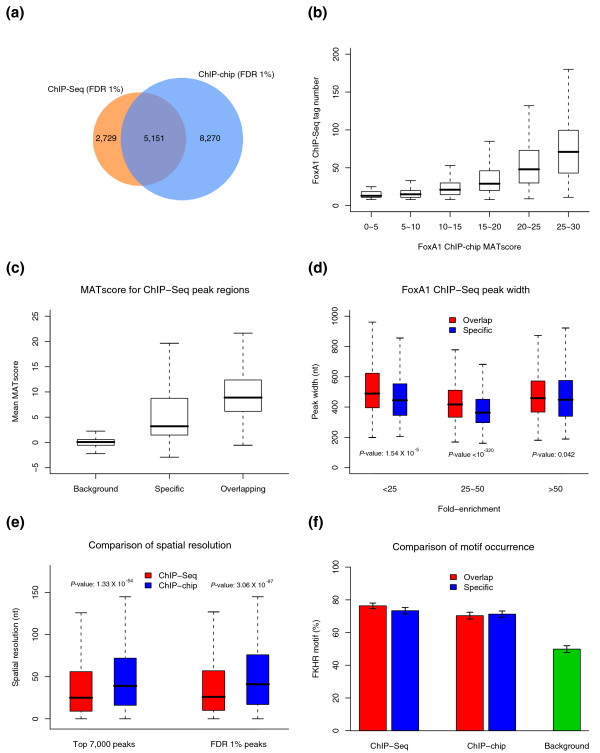
“ChIP-chip data for FoxA1 and controls in MCF7 cells were previously published [1], and their corresponding ChIP-Seq data were generated specifically for this study.”
BackgroundMethodInfluentialSelf-citation
Cited by
Items 1,801–1,860 of 1,860
Aydin, J., Gabel, A., Zielinski, S., Ganskih, S., Schmidt, N., Hartigan, C. R., Schenone, M., Carr, S. A., & Munschauer, M. (2023) · doi:10.1101/2023.10.09.561498 · Cited by 12
de la Fuente Revenga, M., Zhu, B., Guevara, C. A., Naler, L. B., Saunders, J. M., Zhou, Z., Toneatti, R., Sierra, S., Wolstenholme, J. T., Beardsley, P. M., et al. (2021) · doi:10.1101/2021.02.24.432725 · Cited by 11
A SWI/SNF-specific Ig-like domain, SWIFT, is a transcription factor binding platform
Jain, S. U., Williamson, K. E., Ying, A. W., Turner, A. M., Jiang, R. J., Raval, S., So, K., Allison, M. J., Sankar, A., Sáme Guerra, D. D., et al. (2026) · Science · doi:10.1126/science.aeb3627 · Cited by 11
Ruan, Y., Wang, J., Yu, M., Wang, F., Wang, J., Xu, Y., Liu, L., Cheng, Y., Yang, R., Zhang, C., et al. (2023) · Communications Biology · doi:10.1038/s42003-023-04700-w · Cited by 11
A SWI/SNF-specific Ig-like domain, SWIFT, is a transcription factor binding platform
(2025) · doi:10.1101/2025.08.01.667725 · Cited by 11
Li, H., Melnyk, J. E., Fu, B. X. H., Shrestha, R., Zhang, M., Sjöström, M., Feng, S., Anderson, J. A., Han, W., Chesner, L. N., et al. (2025) · Nature Genetics · doi:10.1038/s41588-025-02388-8 · Cited by 10
Self-citationHNF4A guides the MLL4 complex to establish and maintain H3K4me1 at gene regulatory elements
Thakur, A., Park, K., Cullum, R., Fuglerud, B. M., Khoshnoodi, M., Drissler, S., Stephan, T. L., Lotto, J., Kim, D., Gonzalez, F. J., et al. (2024) · Communications Biology · doi:10.1038/s42003-024-05835-0 · Cited by 13
Chromosomal domain formation by archaeal SMC, a roadblock protein, and DNA structure
(2025) · doi:10.1038/s41467-025-56197-y · Cited by 10
AP-1 activity is a major barrier of human somatic cell reprogramming
Liu, Y., He, J., Chen, R., Liu, H., Chen, J., Liu, Y., Wang, B., Guo, L., Pei, D., Wang, J., et al. (2021) · Cellular and Molecular Life Sciences · doi:10.1007/s00018-021-03883-x · Cited by 10
Structural basis of nucleosomal H4K20 recognition and methylation by SUV420H1 methyltransferase
Lin, F., Zhang, R., Shao, W., Lei, C., Ma, M., Zhang, Y., Wen, Z., & Li, W. (2023) · Cell Discovery · doi:10.1038/s41421-023-00620-5 · Cited by 10
Self-citationCauchy, P., Koch, F., & Andrau, J.-C. (2017) · Transcription · doi:10.1080/21541264.2017.1291395 · Cited by 10
Yang, X., Jones, I. R., Chen, P. B., Yang, H., Ren, X., Zheng, L., Li, B., Li, Y. E., Sun, Q., Wen, J., et al. (2023) · doi:10.1101/2023.08.30.555359 · Cited by 10
Fischer, S., Weber, L. M., Stielow, B., Frech, M., Simon, C., Geller, M., Könnecke, J., Finkernagel, F., Forné, I., Nist, A., et al. (2024) · Nucleic Acids Research · doi:10.1093/nar/gkae437 · Cited by 10
Human haematopoietic stem cells remember inflammatory stress
Zeng, A. G. X., Nagree, M. S., Jakobsen, N. A., Shah, S., Varesi, A., Kang, J. R. W., Murison, A., Cheong, J.-G., Turkalj, S., Zhang, X., et al. (2026) · Nature · doi:10.1038/s41586-026-10522-7 · Cited by 10
Chromosomal domain formation by archaeal SMC, a roadblock protein, and DNA structure
Yamaura, K., Takemata, N., Kariya, M., Ishino, S., Yamauchi, M., Takada, S., Ishino, Y., & Atomi, H. (2024) · doi:10.1101/2024.05.14.594075 · Cited by 10
Structural basis of nucleosomal H4K20 recognition and methylation by SUV420H1 methyltransferase
Lin, F., Zhang, R., Shao, W., Lei, C., Zhang, Y., Ma, M., Wen, Z., & Li, W. (2023) · doi:10.1101/2023.07.27.549245 · Cited by 10
Self-citation(2023) · doi:10.1101/2023.06.09.544165 · Cited by 10
Li, Y., Xiong, Z., Zhang, M., Hysi, P. G., Qian, Y., Adhikari, K., Weng, J., Wu, S., Du, S., Gonzalez-Jose, R., et al. (2023) · PLOS Genetics · doi:10.1371/journal.pgen.1010786 · Cited by 9
Beck, D., Cao, H., Tian, F., Huang, Y., Jiang, M., Zhao, H., Tai, X., Xu, W., Kosasih, H. J., Kealy, D. J., et al. (2024) · Nature Communications · doi:10.1038/s41467-024-54096-2 · Cited by 9
“Peak calling was performed using three algorithms, HOMER (FDR 1e-3 and 1e-2) 38 , MACS 85 (p 1e-5 and p 1e − 9) and SPP 86 (FDR 1e-2 and FDR 1e-5).”
Jing, D., Beck, D., Cao, H., Tian, F., Huang, Y., Zhao, H., Tai, X., XU, W., Kosasih, H., Kealy, D., et al. (2024) · doi:10.21203/rs.3.rs-3872306/v1 · Cited by 9
Multi-omics analysis identifies glioblastoma dependency on H3K9me3 methyltransferase activity
Xie, Q., Du, Y., Ghosh, S., Rajendran, S., Cohen-Gadol, A. A., Baizabal, J.-M., Nephew, K. P., Han, L., & Shen, J. (2025) · NPJ Precision Oncology · doi:10.1038/s41698-025-00829-5 · Cited by 10
Dynamic barriers modulate cohesin positioning and genome folding at fixed occupancy
Rahmaninejad, H., Xiao, Y., Tortora, M. M. C., & Fudenberg, G. (2025) · Genome Research · doi:10.1101/gr.280108.124 · Cited by 8
“We then considered the strongest CTCF motif in any 10-kb bin (based on their score from MACS2), resulting in 29,986 positions across the genome.”
A transcription network underlies the dual genomic coordination of mitochondrial biogenesis
Zhang, F., Lee, A., Freitas, A. V., Herb, J. T., Wang, Z.-H., Gupta, S., Chen, Z., & Xu, H. (2024) · eLife · doi:10.7554/elife.96536.3 · Cited by 8
A transcription network underlies the dual genomic coordination of mitochondrial biogenesis
Zhang, F., Lee, A., Freitas, A., Herb, J., Wang, Z., Gupta, S., Chen, Z., & Xu, H. (2024) · doi:10.1101/2024.01.25.577217 · Cited by 8
Oksanen, M., Mastropasqua, F., Mazan-Mamczarz, K., Martindale, J. L., Ye, X., Arora, A., Banskota, N., Gorospe, M., & Tammimies, K. (2026) · Nucleic Acids Research · doi:10.1093/nar/gkag107 · Cited by 7
“Peak calling was performed using MACS2 [ 48 ] (v2.”
Law, M. J., & Finger, M. A. (2017) · G3 Genes|Genomes|Genetics · doi:10.1534/g3.117.039586 · Cited by 6
An extended transcription factor regulatory network controls hepatocyte identity
Dubois‐Chevalier, J., Gheeraert, C., Berthier, A., Boulet, C., Dubois, V., Guille, L., Fourcot, M., Marot, G., Gauthier, K., Dubuquoy, L., et al. (2023) · EMBO Reports · doi:10.15252/embr.202357020 · Cited by 9
“The IDR thresholded peaks issued from ChIP-seq analyses of flag-tagged Hep-ID CONNECT TFs ( n = 14) in HepG2 cells were obtained from ENCODE (Dataset EV2).”
InfluentialSelf-citationO-GlcNAcylation of FOXK1 orchestrates the E2F pathway and promotes oncogenesis
Masclef, L., Ahmed, O., Iannantuono, N., Gagnon, J., Gushul-Leclaire, M., Boulay, K., Estavoyer, B., Echbicheb, M., Poy, M., Ali Boubacar, K., et al. (2024) · doi:10.1101/2024.03.01.582838 · Cited by 6
Sun, Y., Li, J., Huang, J., Li, S., Li, Y., Lu, B., & Deng, X. (2025) · eLife · doi:10.7554/elife.96172.3 · Cited by 6
O-GlcNAcylation of FOXK1 co-opts BAP1 to orchestrate the E2F pathway and promotes oncogenesis
(2025) · doi:10.1038/s41467-025-61022-7 · Cited by 6
Enhancer grammar of liver cell types and hepatocyte zonation states
González-Blas, C. B., Matetovici, I., Hillen, H., Taskiran, I. I., Vandepoel, R., Christiaens, V., Sansores-García, L., Verboven, E., Hulselmans, G., Poovathingal, S., et al. (2022) · doi:10.1101/2022.12.08.519575 · Cited by 6
(2025) · doi:10.1080/15476286.2025.2563860 · Cited by 5
CBP-IDRs regulate acetylation and gene expression
Gelder, K. L., Carruthers, N. A., Gilbert, G., Harrison, L. J., Evans, B. V., Evans, T. I., Ball, S. S., Dunning, M., Craggs, T. D., Twelvetrees, A. E., et al. (2026) · Cell Reports · doi:10.1016/j.celrep.2026.117109 · Cited by 5
Dioken, D. N., Ozgul, I., Yilmazbilek, I., Almeric, E., Eroglu, I. C., Cicek, M., Yilmaz, U. C., Karagozoglu, D., Cicek, E., Karaca, E., et al. (2025) · doi:10.1101/2025.07.31.667732 · Cited by 5
CBP-IDRs regulate acetylation and gene expression
Gelder, K. L., Carruthers, N. A., Gilbert, G., Harrison, L. J., Evans, B. V., Evans, T. I., Ball, S. S., Dunning, M., Craggs, T. D., Twelvetrees, A. E., et al. (2024) · doi:10.1101/2024.06.04.597392 · Cited by 5
Cheng, C. C. Y., Cheung, M. F., Lee, A. Y., Wu, Q., Chow, S. H.-C., Ang, J. Y. J., Riquelme Medina, I., Lo, G., Wu, H., Yang, W., et al. (2025) · Communications Biology · doi:10.1038/s42003-025-09154-w · Cited by 3
Type 1 interferon perturbates clonal competition by reshaping human blood development
Lama, C., Isakov, D., Rosenberg, S., Quijada-Álamo, M., Saurty-Seerunghen, M. S., Moein, S., Nozais, M., Abera, T.-A., Sakaguchi, O., Totwani, M., et al. (2026) · Nature Genetics · doi:10.1038/s41588-026-02751-3 · Cited by 3
Genetic variants shape single-cell chromatin accessibility and disease risk
Xue, A., Fan, J., Dong, O. A., Huang, H. L., Chen, L., Allen, P. C., Spenceley, E., Sagi-Zsigmond, E., Bowen, B., Henry, A., et al. (2026) · Nature · doi:10.1038/s41586-026-11173-4 · Cited by 3
Pawar, A. S., Somers, P., Alex, A., Grana, J., Feist, V. K., George, S. S., Jalnapurkar, S. S., Antony, C., Verner, R., White-Brown, S. K., et al. (2025) · Genes & Development · doi:10.1101/gad.352602.125 · Cited by 3
Cis-regulatory evolution of the recently expanded Ly49 gene family
Fan, C., Xing, X., Murphy, S. J. H., Poursine-Laurent, J., Schmidt, H., Parikh, B. A., Yoon, J., Choudhary, M. N. K., Saligrama, N., Piersma, S. J., et al. (2024) · Nature Communications · doi:10.1038/s41467-024-48990-y · Cited by 3
PATTY corrects open-chromatin bias for improved bulk and single-cell CUT&Tag profiling
Hu, S. S., Su, Z., Liu, L., Chen, Q., Grieco, M. C., Tian, M., Dutta, A., & Zang, C. (2026) · Nature Communications · doi:10.1038/s41467-026-73599-8 · Cited by 3
Li, H., & Guan, Y. (2019) · doi:10.1101/856823 · Cited by 3
Epigenetic and experimental approaches influencing non-coding RNAs
(2025) · Progress in Molecular Biology and Translational Science · doi:10.1016/bs.pmbts.2025.05.001 · Cited by 3
Sadalge, D., Clasman, J. R., Topal, S., Musser, D., Von der Porten, L., Wu, S., Schultz, S. E., Austin, W., Huang, D., Gao, Y.-D., et al. (2025) · doi:10.1101/2025.08.01.667454 · Cited by 2
Jin, Y., Anbarchian, T., Wu, P., Sarkar, A., Fish, M., & Nusse, R. (2021) · doi:10.1101/2021.10.15.464616 · Cited by 29
CDK8 fine-tunes IL-6 transcriptional activities by limiting STAT3 resident time at the gene loci
Martinez-Fabregas, J., Wang, L., Pohler, E., Cozzani, A., Kazemian, M., Mitra, S., & Moraga, I. (2020) · doi:10.1101/2020.03.19.998351 · Cited by 54
Neural crest induction requires SALL4-mediated BAF recruitment to lineage specific enhancers
Demurtas, M., Barnada, S. M., van Domselaar, E., Mitchell, Z. H., Deelen, L., & Trizzino, M. (2025) · Development · doi:10.1242/dev.205248 · Cited by 2
Neural crest induction requires SALL4-mediated BAF recruitment to lineage specific enhancers
Demurtas, M., Barnada, S. M., van Domselaar, E., Mitchell, Z. H., Deelen, L., & Trizzino, M. (2025) · doi:10.1101/2025.06.10.658805 · Cited by 2
TBX3 advances the developmental chromatin landscape toward the hepatic fate
Stephan, T. L., Cullum, R., Drissler, S., Thomas, A., Fuglerud, B. M., Clement-Ranney, M., Lotto, J., Krentz, N. A. J., Duncan, S. A., & Hoodless, P. A. (2025) · Developmental Cell · doi:10.1016/j.devcel.2025.05.014 · Cited by 1
H3K4me1 directs H3K36me2 and H3K36me3 deposition in land plants
(2026) · doi:10.1038/s41467-026-69632-5 · Cited by 1
N6-methyladenine DNA modification modulates pathogen virulence in nematodes
Dai, D., Zhang, S., Hu, B., Zhou, Y., Cui, S., Sun, J., Zhang, Y., Wang, X., Siddique, S., Bo, D., et al. (2026) · Proceedings of the National Academy of Sciences · doi:10.1073/pnas.2525035123 · Cited by 1
Self-citationCai, X., Liu, Y., Li, J., Zhao, Z., Yao, X., Zhai, Z., Liucong, M., Liu, Y., Wang, X., Mochizuki, K., et al. (2026) · Science China Life Sciences · doi:10.1007/s11427-025-3103-x · Cited by 1
N6-Methyladenine DNA modification modulates pathogen virulence in nematodes
Dai, D., Zhang, S., Hu, B., Zhou, Y., Cui, S., Sun, J., Zhang, Y., Wang, X., Siddique, S., Bo, D., et al. (2025) · doi:10.1101/2025.09.03.674121 · Cited by 1
Self-citationH3K4me1 directs H3K36me2 and H3K36me3 deposition in land plants
Wu, J., Wang, J., Du, K., Li, Y., Xie, W., He, C., Xing, Q., Li, X., Zhu, X., Wu, Z., et al. (2025) · doi:10.1101/2025.06.06.658275 · Cited by 1
(2025) · doi:10.1101/2025.10.09.681302 · Cited by 1
Tetramerisation governs SALL transcription factor function in development and disease
Giuliani, S., Chhatbar, K., Wear, M., Guy, J., Mathieson, T., Burdett, H., George, L., Alston, G., Spanos, C., McHugh, T., et al. (2025) · bioRxiv · doi:10.1101/2025.10.27.684836
Carloni, R., Devlin, T., Tong, P., Spanos, C., Auchynnikava, T., Rappsilber, J., Matthews, K. R., & Allshire, R. C. (2026) · eLife · doi:10.7554/elife.109950.2
The arabidopsis GyraseB3 contributes to transposon silencing by promoting histone deacetylation
(2025) · doi:10.1093/nar/gkaf985
Varshney, A., Manickam, N., Orchard, P., Tovar, A., Ventresca, C., Zhang, Z., Feng, F., Mears, J., Erdos, M. R., Narisu, N., et al. (2026) · Nature Genetics · doi:10.1038/s41588-026-02786-6
The Arabidopsis GyraseB3 contributes to transposon silencing by promoting histone deacetylation
Gy, I., Beaubiat, S., & Bouché, N. (2025) · doi:10.1101/2025.08.11.669681
Metadata
- Authors
- Zhang, Y., Liu, T., Meyer, C. A., Eeckhoute, J., Johnson, D. S., Bernstein, B. E., Nusbaum, C., Myers, R. M., Brown, M., Li, W., & Liu, X. S.
- Affiliations
- Harvard University (US)
- Brigham and Women's Hospital (US)
- Broad Institute (US)
- Stanford Medicine (US)
- Baylor College of Medicine (US)
- Corresponding author
- Li, Wei
- Liu, X Shirley
- ORCID
- Venue
- Genome Biology
- Published
- 2008-09-17
- Volume
- 9
- Issue
- 9
- Pages
- R137-R137
- ISSN
- 1465-6906 (ISSN-L)
- 1474-760X
- PMC
- PMC2592715
- OpenAlex
- W2171808845
- Semantic Scholar
- 42abddd227d653a0375d7d037ddb885f6c07f66f
- Cited by
- 18,386
- References
- 14
- Citations by year
- 2026: 1533 · 2025: 2054 · 2024: 2035 · 2023: 2028 · 2022: 1720 · 2021: 1744 · 2020: 1407 · 2019: 1184 · 2018: 977 · 2017: 802 · 2016: 658 · 2015: 572 · 2014: 534 · 2013: 423 · 2012: 304
- FWCI
- 54.09
- Type
- journal article
- Language
- en
- Open access
- gold
- doi.org
- Licence
- cc-by
- creativecommons.org/licenses/by/2.0/ (tdm)
- creativecommons.org/licenses/by/2.0/ (vor)
- Locations
- Genome biology (publishedVersion, cc-by)
- PubMed Central (publishedVersion, cc-by)
- PubMed (publishedVersion)
- DSpace@MIT (Massachusetts Institute of Technology) (submittedVersion, cc-by)
- Funders
- National Institutes of Health
- National Human Genome Research Institute (U01HG004270, HG004069, R01HG004069, HG004270)
- National Institute of Diabetes and Digestive and Kidney Diseases (DK074967)
- Topics
- Life Sciences › Biochemistry, Genetics and Molecular Biology › Molecular Biology › Genomics and Chromatin Dynamics
- Life Sciences › Biochemistry, Genetics and Molecular Biology › Molecular Biology › Genomics and Phylogenetic Studies
- Life Sciences › Biochemistry, Genetics and Molecular Biology › Molecular Biology › Bioinformatics and Genomic Networks
- Keywords
- ChIP-seq, MACS, peak calling, binding site prediction, short-read sequencing, model-based analysis
- MeSH terms
- Algorithms, Humans, Models, Genetic, Oligonucleotide Array Sequence Analysis, Cell Line, Tumor, Chromatin Immunoprecipitation, Hepatocyte Nuclear Factor 3-alpha
About these checks
Registry, retraction, Cites and statistics results are computed, not judged, with one exception: a printed reference that no index lists is read once by a model before it counts as a citation error. Claims are extracted by a model and kept only when their quote appears verbatim in the text; each cited source is then checked, with a model’s help, for whether it says what the claim relies on. Those verdicts can be wrong — read the claim’s quote and the cited source before relying on one.
Statistics and arithmetic are recomputed, not judged.
Confidence bands are shown only for fields calibrated on our annotated test set. None is calibrated yet, so no band is shown.
What counts as a claim ›How we measure confidence ›How we check this ›
Are you an author, or do you see a problem with this page? Request a review
Data sources
Bibliographic data: Semantic Scholar, OpenAlex, Crossref.
Contains information from the Semantic Scholar Academic Graph Datasets, made available under the ODC Attribution License (ODC-BY 1.0).
Semantic Scholar’s data is described in: Kinney, R., et al. (2023). The Semantic Scholar Open Data Platform. arXiv:2301.10140.
