

Model-based Analysis of ChIP-Seq (MACS)
Open accessThe DOI matches its Crossref record; 13 of the 14 references it cites were found in a registry or an index.
Abstract
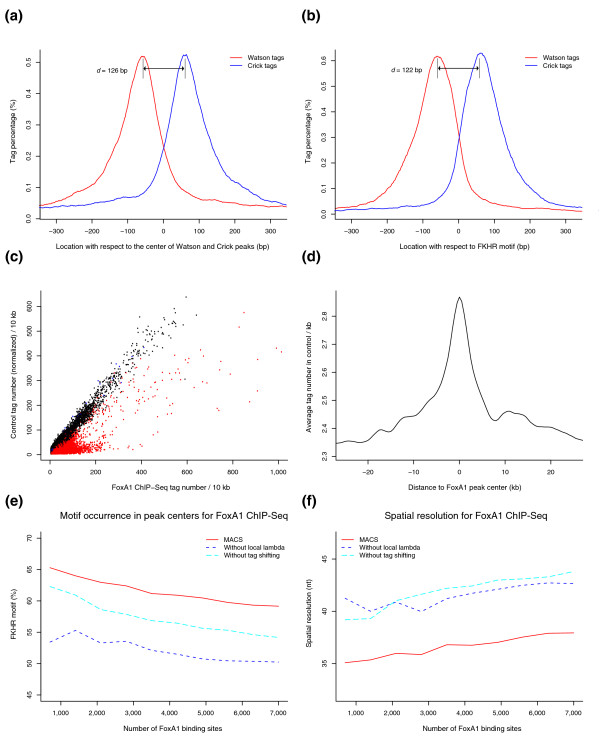
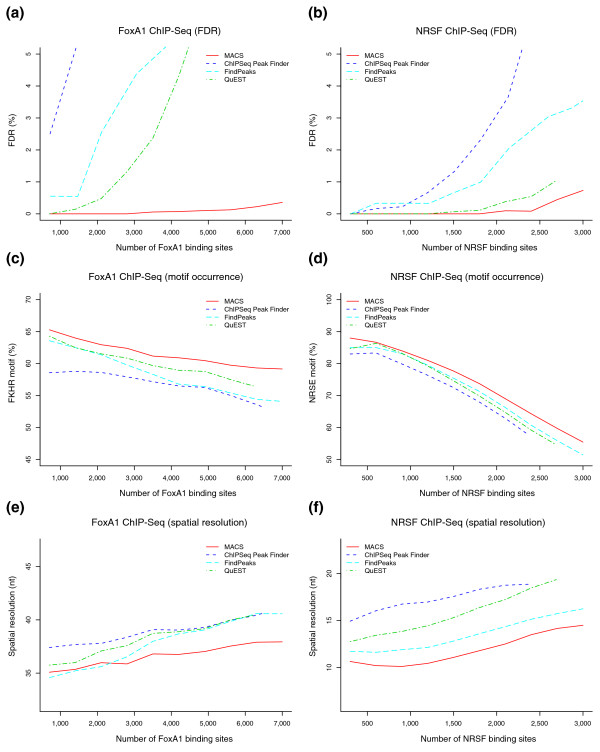
We present Model-based Analysis of ChIP-Seq data, MACS, which analyzes data generated by short read sequencers such as Solexa's Genome Analyzer. MACS empirically models the shift size of ChIP-Seq tags, and uses it to improve the spatial resolution of predicted binding sites. MACS also uses a dynamic Poisson distribution to effectively capture local biases in the genome, allowing for more robust predictions. MACS compares favorably to existing ChIP-Seq peak-finding algorithms, and is freely available.
Overview
The claims and statistics of this paper haven’t been checked yet.
Free: it reads the open-access text and checks the first 5 claims that cite a source we can check. Create a free account to check every claim.
Integrity signals
Registry
Cites
Statistics
Figures
Verification
Claims the paper makes
The claims and statistics of this paper haven’t been checked yet.
Free: it reads the open-access text and checks the first 5 claims that cite a source we can check. Create a free account to check every claim.
Claims other papers make about this one
Each is checked against this paper’s own text: does it say what the citing paper says it does?
The source backs part of the claim, not all of it — or backs it for a different population, condition or comparison.
In the citing paper
“Peaks of enrichment were identified with MACS2 98 (v2.2.7.1) by comparing treatment samples against IgG controls, using paired-end mode and allowing all duplicate fragments to be retained, as appropriate for CUT&RUN data.”
From Tetramerisation governs SALL transcription factor function in development and disease (2025) · cites this paper as [98]
Experimental — accuracy not yet measuredThe check wasn’t confident either way, so it gives no verdict — never disputed.
In the citing paper
“We detected 30,477 peaks from cells without treatment (fold-enrichment > 3 and p-value < 0.05), which are highly enriched in simple repeats (also known as short tandem repeats, STRs) (Log2[obs/exp]: 2.107)”
From Single-cell parallel analysis of DNA damage and transcriptome reveals selective genome vulnerability (2025) · cites this paper as [51]
Experimental — accuracy not yet measured
Self-check
Percentages, sums and reported differences re-computed from the paper’s own numbers.
The self-check needs the paper’s full text.
Citations
Cites
High-Resolution Profiling of Histone Methylations in the Human Genome
Barski, A., Cuddapah, S., Cui, K., Roh, T.-Y., Schones, D. E., Wang, Z., Wei, G., Chepelev, I., & Zhao, K. (2007) · Cell · doi:10.1016/j.cell.2007.05.009 · Cited by 6,845 · cited 6×
“ChIP-chip [5,8].”
BackgroundResultInfluentialGlobal variation in copy number in the human genome
Redon, R., Ishikawa, S., Fitch, K. R., Feuk, L., Perry, G. H., Andrews, T. D., Fiegler, H., Shapero, M. H., Carson, A. R., Chen, W., et al. (2006) · Nature · doi:10.1038/nature05329 · Cited by 4,288
Genome-wide maps of chromatin state in pluripotent and lineage-committed cells
Mikkelsen, T. S., Ku, M., Jaffe, D. B., Issac, B., Lieberman, E., Giannoukos, G., Alvarez, P., Brockman, W., Kim, T.-K., Koche, R. P., et al. (2007) · Nature · doi:10.1038/nature06008 · Cited by 4,129 · cited 4×
“With the current genome coverage of most ChIP-Seq experiments, tag distribution along the genome could be modeled by a Poisson distribution [7].”
BackgroundMethodInfluentialSelf-citationGenome-Wide Mapping of in Vivo Protein-DNA Interactions
Johnson, D. S., Mortazavi, A., Myers, R. M., & Wold, B. (2007) · Science · doi:10.1126/science.1141319 · Cited by 2,927
Self-citationGenome-Wide Location and Function of DNA Binding Proteins
Ren, B., Robert, F., Wyrick, J. J., Aparicio, O., Jennings, E. G., Simon, I., Zeitlinger, J., Schreiber, J., Hannett, N., Kanin, E., et al. (2000) · Science · doi:10.1126/science.290.5500.2306 · Cited by 1,766
Robertson, G., Hirst, M., Bainbridge, M., Bilenky, M., Zhao, Y., Zeng, T., Euskirchen, G., Bernier, B., Varhol, R., Delaney, A., et al. (2007) · Nature Methods · doi:10.1038/nmeth1068 · Cited by 1,454 · cited 2×
“and sequencing (ChIP-Seq) [5-8] have become popular tech-”
BackgroundGenome-wide analysis of estrogen receptor binding sites
Carroll, J. S., Meyer, C. A., Song, J., Li, W., Geistlinger, T. R., Eeckhoute, J., Brodsky, A. S., Keeton, E. K., Fertuck, K. C., Hall, G. F., et al. (2006) · Nature Genetics · doi:10.1038/ng1901 · Cited by 1,377
Self-citationA Global Map of p53 Transcription-Factor Binding Sites in the Human Genome
Wei, C.-L., Wu, Q., Vega, V. B., Chiu, K. P., Ng, P., Zhang, T., Shahab, A., Yong, H. C., Fu, Y., Weng, Z., et al. (2006) · Cell · doi:10.1016/j.cell.2005.10.043 · Cited by 1,141 · cited 2×
“This implies that the λlocal is critical for ChIP-Seq studies when matching control samples are not available [5,9].”
BackgroundGenomic binding sites of the yeast cell-cycle transcription factors SBF and MBF
Iyer, V. R., Horak, C. E., Scafe, C. S., Botstein, D., Snyder, M., & Brown, P. O. (2001) · Nature · doi:10.1038/35054095 · Cited by 1,083
FoxA1 Translates Epigenetic Signatures into Enhancer-Driven Lineage-Specific Transcription
Lupien, M., Eeckhoute, J., Meyer, C. A., Wang, Q., Zhang, Y., Li, W., Carroll, J. S., Liu, X. S., & Brown, M. (2008) · Cell · doi:10.1016/j.cell.2008.01.018 · Cited by 983 · cited 4×
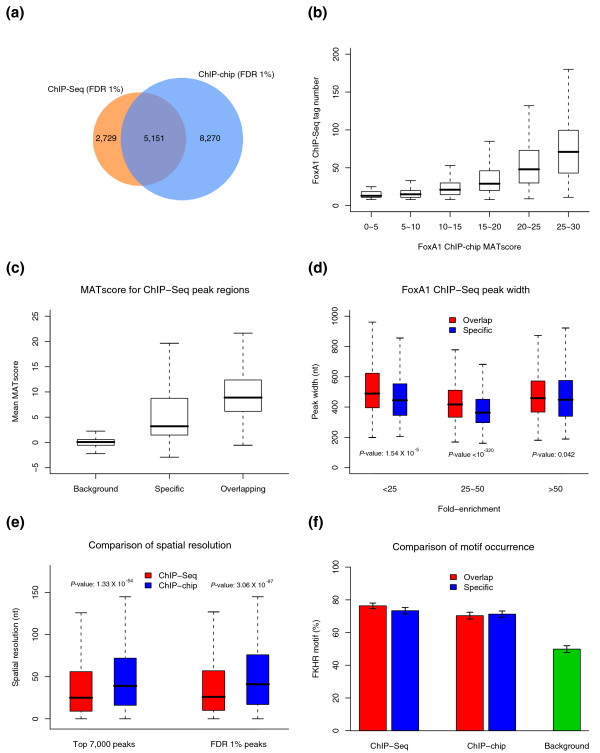
“ChIP-chip data for FoxA1 and controls in MCF7 cells were previously published [1], and their corresponding ChIP-Seq data were generated specifically for this study.”
BackgroundMethodInfluentialSelf-citation
Cited by
Items 1,201–1,300 of 1,860
Dominguez, P. M., Ghamlouch, H., Rosikiewicz, W., Kumar, P., Béguelin, W., Fontán, L., Rivas, M. A., Pawlikowska, P., Armand, M., Mouly, E., et al. (2018) · Cancer Discovery · doi:10.1158/2159-8290.cd-18-0657 · Cited by 178
Zhang, S.-S., Yang, H., Ding, L., Song, Z.-T., Ma, H., Chang, F., & Liu, J.-X. (2017) · The Plant Cell · doi:10.1105/tpc.16.00916 · Cited by 178
“Peak-calling was performed using MACS (version 1.4.2) (Zhang et al., 2008), and between-sample differential bindings were evaluated using MAnorm (Shao et al., 2012).”
MethodInfluentialKouwenhoven, E. N., van Heeringen, S. J., Tena, J. J., Oti, M., Dutilh, B. E., Alonso, M. E., de la Calle-Mustienes, E., Smeenk, L., Rinne, T., Parsaulian, L., et al. (2010) · PLoS Genetics · doi:10.1371/journal.pgen.1001065 · Cited by 178
A Muscle-Specific Enhancer RNA Mediates Cohesin Recruitment and Regulates Transcription In trans
Tsai, P.-F., Dell’Orso, S., Rodriguez, J., Vivanco, K. O., Ko, K.-D., Jiang, K., Juan, A. H., Sarshad, A. A., Vian, L., Tran, M., et al. (2018) · Molecular Cell · doi:10.1016/j.molcel.2018.06.008 · Cited by 178
“Peaks were generated using MACS2 (Zhang et al., 2008) with default parameters of narrow peak calling.”
MethodDetection of RNA–DNA binding sites in long noncoding RNAs
Kuo, C.-C., Hänzelmann, S., Sentürk Cetin, N., Frank, S., Zajzon, B., Derks, J.-P., Akhade, V. S., Ahuja, G., Kanduri, C., Grummt, I., et al. (2019) · Nucleic Acids Research · doi:10.1093/nar/gkz037 · Cited by 178
“To get a full list of MEG3 ChOP-Seq peaks, we have also performed peak calling with MACS2 (30) using default parameters (17 953 peaks).”
ESCO1 and CTCF enable formation of long chromatin loops by protecting cohesinSTAG1 from WAPL
Wutz, G., Ladurner, R., St Hilaire, B. G., Stocsits, R. R., Nagasaka, K., Pignard, B., Sanborn, A., Tang, W., Várnai, C., Ivanov, M. P., et al. (2020) · eLife · doi:10.7554/elife.52091 · Cited by 178
“2 (Zhang et al., 2008), using a P-value threshold of 1e-10 and by using sample and input read files.”
MethodJiang, Y.-Y., Jiang, Y., Li, C.-Q., Zhang, Y., Dakle, P., Kaur, H., Deng, J.-W., Lin, R. Y.-T., Han, L., Xie, J.-J., et al. (2020) · Gastroenterology · doi:10.1053/j.gastro.2020.06.050 · Cited by 178
Self-citationClustering of Tissue-Specific Sub-TADs Accompanies the Regulation of HoxA Genes in Developing Limbs
Berlivet, S., Paquette, D., Dumouchel, A., Langlais, D., Dostie, J., & Kmita, M. (2013) · PLoS Genetics · doi:10.1371/journal.pgen.1004018 · Cited by 178
“with the following parameters: --format SAM --wig --bw 250 -mfold 7,30 -pvalue 1e–5 -g mm [59].”
Inhibition of YTHDF2 triggers proteotoxic cell death in MYC-driven breast cancer
Einstein, J. M., Perelis, M., Chaim, I. A., Meena, J. K., Nussbacher, J. K., Tankka, A. T., Yee, B. A., Li, H., Madrigal, A. A., Neill, N. J., et al. (2021) · Molecular Cell · doi:10.1016/j.molcel.2021.06.014 · Cited by 178
Sato, T., Kaneda, A., Tsuji, S., Isagawa, T., Yamamoto, S., Fujita, T., Yamanaka, R., Tanaka, Y., Nukiwa, T., Marquez, V. E., et al. (2013) · Scientific Reports · doi:10.1038/srep01911 · Cited by 178
An Interactive Database for the Assessment of Histone Antibody Specificity
Rothbart, S. B., Dickson, B. M., Raab, J. R., Grzybowski, A. T., Krajewski, K., Guo, A. H., Shanle, E. K., Josefowicz, S. Z., Fuchs, S. M., Allis, C. D., et al. (2015) · Molecular Cell · doi:10.1016/j.molcel.2015.06.022 · Cited by 178
“1.0 (Zhang et al., 2008) using the broadpeak setting.”
InfluentialMultilayered Control of Alternative Splicing Regulatory Networks by Transcription Factors
Han, H., Braunschweig, U., Gonatopoulos-Pournatzis, T., Weatheritt, R. J., Hirsch, C. L., Ha, K. C. H., Radovani, E., Nabeel-Shah, S., Sterne-Weiler, T., Wang, J., et al. (2017) · Molecular Cell · doi:10.1016/j.molcel.2017.01.011 · Cited by 178
Targeted degradation of the enhancer lysine acetyltransferases CBP and p300
Vannam, R., Sayilgan, J., Ojeda, S., Karakyriakou, B., Hu, E., Kreuzer, J., Morris, R., Herrera Lopez, X. I., Rai, S., Haas, W., et al. (2021) · Cell Chemical Biology · doi:10.1016/j.chembiol.2020.12.004 · Cited by 177
Wagschal, A., Rousset, E., Basavarajaiah, P., Contreras, X., Harwig, A., Laurent-Chabalier, S., Nakamura, M., Chen, X., Zhang, K., Meziane, O., et al. (2012) · Cell · doi:10.1016/j.cell.2012.08.004 · Cited by 177
“Reads that aligned to unique positions in the genome were processed using peak-calling MACS (Zhang et al., 2008) with mfod R10 and p = 10 5 for the binomial distribution.”
MethodGuler, G. D., Ning, Y., Ku, C.-J., Phillips, T., McCarthy, E., Ellison, C. K., Bergamaschi, A., Collin, F., Lloyd, P., Scott, A., et al. (2020) · Nature Communications · doi:10.1038/s41467-020-18965-w · Cited by 177
Apolipoprotein E induces pathogenic senescent-like myeloid cells in prostate cancer
Bancaro, N., Calì, B., Troiani, M., Elia, A. R., Arzola, R. A., Attanasio, G., Lai, P., Crespo, M., Gurel, B., Pereira, R., et al. (2023) · Cancer Cell · doi:10.1016/j.ccell.2023.02.004 · Cited by 177
Differential DNase I hypersensitivity reveals factor-dependent chromatin dynamics
He, H. H., Meyer, C. A., Chen, M. W., Jordan, V. C., Brown, M., & Liu, X. S. (2012) · Genome Research · doi:10.1101/gr.133280.111 · Cited by 177
“Model-based Analysis of ChIP-seq (MACS) software (Zhang et al. 2008a) was used to detect ChIP-seq peak regions.”
BackgroundMethodSelf-citationMichaloglou, C., Crafter, C., Siersbaek, R., Delpuech, O., Curwen, J. O., Carnevalli, L. S., Staniszewska, A. D., Polanska, U. M., Cheraghchi-Bashi, A., Lawson, M., et al. (2018) · Molecular Cancer Therapeutics · doi:10.1158/1535-7163.mct-17-0537 · Cited by 177
“Sequence reads (50 bp) were mapped to the human genome (hg38) using Bowtie2 (32), peaks were identified byMACS2 (33) using reads from all replicates, and differential binding sites were identified by DiffBind (Stark R, Brown G.”
MethodYang, Y. J., Baltus, A. E., Mathew, R. S., Murphy, E. A., Evrony, G. D., Gonzalez, D. M., Wang, E. P., Marshall-Walker, C. A., Barry, B. J., Murn, J., et al. (2012) · Cell · doi:10.1016/j.cell.2012.10.043 · Cited by 176
Liu, Y.-N., Wu, F.-Y., Tian, R.-Y., Shi, Y.-X., Xu, Z.-Q., Liu, J.-Y., Huang, J., Xue, F.-F., Liu, B.-Y., & Liu, G.-Q. (2023) · Communications Biology · doi:10.1038/s42003-022-04154-6 · Cited by 176
Sun, Y., Nien, C.-Y., Chen, K., Liu, H.-Y., Johnston, J., Zeitlinger, J., & Rushlow, C. (2015) · Genome Research · doi:10.1101/gr.192542.115 · Cited by 176
Kayukawa, T., Jouraku, A., Ito, Y., & Shinoda, T. (2017) · Proceedings of the National Academy of Sciences · doi:10.1073/pnas.1615423114 · Cited by 176
Quinn, J. J., Ilik, I. A., Qu, K., Georgiev, P., Chu, C., Akhtar, A., & Chang, H. Y. (2014) · Nature Biotechnology · doi:10.1038/nbt.2943 · Cited by 176
EIN2 mediates direct regulation of histone acetylation in the ethylene response
Zhang, F., Wang, L., Qi, B., Zhao, B., Ko, E. E., Riggan, N. D., Chin, K., & Qiao, H. (2017) · Proceedings of the National Academy of Sciences · doi:10.1073/pnas.1707937114 · Cited by 176
Telobox motifs recruit CLF/SWN–PRC2 for H3K27me3 deposition via TRB factors in Arabidopsis
Zhou, Y., Wang, Y., Krause, K., Yang, T., Dongus, J. A., Zhang, Y., & Turck, F. (2018) · Nature Genetics · doi:10.1038/s41588-018-0109-9 · Cited by 176
Self-citationDistinct roles of cohesin-SA1 and cohesin-SA2 in 3D chromosome organization
Kojic, A., Cuadrado, A., De Koninck, M., Giménez-Llorente, D., Rodríguez-Corsino, M., Gómez-López, G., Le Dily, F., Marti-Renom, M. A., & Losada, A. (2018) · Nature Structural & Molecular Biology · doi:10.1038/s41594-018-0070-4 · Cited by 176
“01 (SMC1,SA1, SA2 in HMEC) and using the '--extsize' argument with the values obtained in the 'macs2 predictd' step (37).”
MethodTranscription factor c-Maf is a checkpoint that programs macrophages in lung cancer
Liu, M., Tong, Z., Ding, C., Luo, F., Wu, S., Wu, C., Albeituni, S., He, L., Hu, X., Tieri, D., et al. (2020) · Journal of Clinical Investigation · doi:10.1172/jci131335 · Cited by 176
“callpeak (67), with the broad peaks flag removed and a P-value cutoff of”
BackgroundQu, K., Zaba, L. C., Satpathy, A. T., Giresi, P. G., Li, R., Jin, Y., Armstrong, R., Jin, C., Schmitt, N., Rahbar, Z., et al. (2017) · Cancer Cell · doi:10.1016/j.ccell.2017.05.008 · Cited by 175
Phosphorylation of histone H3.3 at serine 31 promotes p300 activity and enhancer acetylation
Martire, S., Gogate, A. A., Whitmill, A., Tafessu, A., Nguyen, J., Teng, Y.-C., Tastemel, M., & Banaszynski, L. A. (2019) · Nature Genetics · doi:10.1038/s41588-019-0428-5 · Cited by 175
Nadel, J., Athanasiadou, R., Lemetre, C., Wijetunga, N. A., Ó Broin, P., Sato, H., Zhang, Z., Jeddeloh, J., Montagna, C., Golden, A., et al. (2015) · Epigenetics & Chromatin · doi:10.1186/s13072-015-0040-6 · Cited by 175
Harmston, N., Ing-Simmons, E., Tan, G., Perry, M., Merkenschlager, M., & Lenhard, B. (2017) · Nature Communications · doi:10.1038/s41467-017-00524-5 · Cited by 175
Developmental trajectory of prehematopoietic stem cell formation from endothelium
Zhu, Q., Gao, P., Tober, J., Bennett, L., Chen, C., Uzun, Y., Li, Y., Howell, E. D., Mumau, M., Yu, W., et al. (2020) · Blood · doi:10.1182/blood.2020004801 · Cited by 175
Dawson, M. A., Gudgin, E. J., Horton, S. J., Giotopoulos, G., Meduri, E., Robson, S., Cannizzaro, E., Osaki, H., Wiese, M., Putwain, S., et al. (2014) · Leukemia · doi:10.1038/leu.2013.338 · Cited by 175
Pearson, J. D., Huang, K., Pacal, M., McCurdy, S. R., Lu, S., Aubry, A., Yu, T., Wadosky, K. M., Zhang, L., Wang, T., et al. (2021) · Cancer Cell · doi:10.1016/j.ccell.2021.06.016 · Cited by 175
“A uthor M anuscript A uthor M anuscript A uthor M anuscript A uthor M anuscript REAGENT or RESOURCE SOURCE IDENTIFIER Kaluza, Flow Cytometry analysis software Beckman Coulter https://www.mybeckman.ca/flowcytometry/software/kaluza Prism GraphPad https://www.graphpad.com/scientificsoftware/prism/ RSEM Li and Dewey, 2011…”
MethodShi, W., Cassmann, T. J., Bhagwate, A. V., Hitosugi, T., & Ip, W. K. E. (2024) · Cell Reports · doi:10.1016/j.celrep.2024.113746 · Cited by 175
“0.10) 62 was used.”
InfluentialDifferentiation-state plasticity is a targetable resistance mechanism in basal-like breast cancer
Risom, T., Langer, E. M., Chapman, M. P., Rantala, J., Fields, A. J., Boniface, C., Alvarez, M. J., Kendsersky, N. D., Pelz, C. R., Johnson-Camacho, K., et al. (2018) · Nature Communications · doi:10.1038/s41467-018-05729-w · Cited by 174
Histone Deacetylases Positively Regulate Transcription through the Elongation Machinery
Greer, C. B., Tanaka, Y., Kim, Y. J., Xie, P., Zhang, M. Q., Park, I.-H., & Kim, T. H. (2015) · Cell Reports · doi:10.1016/j.celrep.2015.10.013 · Cited by 174
“Peaks were called with MACS 1.3.7.1 (Zhang et al., 2008) with the mfold parameter set to 10.”
BackgroundMethodInfluentialHunter, R. G., Seligsohn, M., Rubin, T. G., Griffiths, B. B., Ozdemir, Y., Pfaff, D. W., Datson, N. A., & McEwen, B. S. (2016) · Proceedings of the National Academy of Sciences · doi:10.1073/pnas.1602185113 · Cited by 174
“FDRs were calculated by MACS2.”
MethodInfluentialSMCHD1 Merges Chromosome Compartments and Assists Formation of Super-Structures on the Inactive X
Wang, C.-Y., Jégu, T., Chu, H.-P., Oh, H. J., & Lee, J. T. (2018) · Cell · doi:10.1016/j.cell.2018.05.007 · Cited by 174
AP-1 activity induced by co-stimulation is required for chromatin opening during T cell activation
Yukawa, M., Jagannathan, S., Vallabh, S., Kartashov, A. V., Chen, X., Weirauch, M. T., & Barski, A. (2020) · Journal of Experimental Medicine · doi:10.1084/jem.20182009 · Cited by 174
“Uniquelymapped reads in ATAC-seq and ChIP-seq samples were extended to MACS2 estimated fragment length.”
MethodInfluentialAlvarez, J. M., Schinke, A.-L., Brooks, M. D., Pasquino, A., Leonelli, L., Varala, K., Safi, A., Krouk, G., Krapp, A., & Coruzzi, G. M. (2020) · Nature Communications · doi:10.1038/s41467-020-14979-6 · Cited by 174
Yin, W., Xiao, Y., Niu, M., Meng, W., Li, L., Zhang, X., Liu, D., Zhang, G., Qian, Y., Sun, Z., et al. (2020) · The Plant Cell · doi:10.1105/tpc.19.00542 · Cited by 174
“The ChIP-seq peaks were called by Model-Based Analysis of ChIP-Seq 2 with default parameters (Zhang et al., 2008).”
MethodWang, W., Shao, F., Yang, X., Wang, J., Zhu, R., Yang, Y., Zhao, G., Guo, D., Sun, Y., Wang, J., et al. (2021) · Nature Communications · doi:10.1038/s41467-021-23501-5 · Cited by 174
Loss of EZH2 Reprograms BCAA Metabolism to Drive Leukemic Transformation
Gu, Z., Liu, Y., Cai, F., Patrick, M., Zmajkovic, J., Cao, H., Zhang, Y., Tasdogan, A., Chen, M., Qi, L., et al. (2019) · Cancer Discovery · doi:10.1158/2159-8290.cd-19-0152 · Cited by 173
“ATAC-seq peaks were identified using MACS2 (61).”
InfluentialSelf-citationA Prader–Willi locus lncRNA cloud modulates diurnal genes and energy expenditure
Powell, W. T., Coulson, R. L., Crary, F. K., Wong, S. S., Ach, R. A., Tsang, P., Alice Yamada, N., Yasui, D. H., & LaSalle, J. M. (2013) · Human Molecular Genetics · doi:10.1093/hmg/ddt281 · Cited by 173
A comparative atlas of single-cell chromatin accessibility in the human brain
Li, Y. E., Preissl, S., Miller, M., Johnson, N. D., Wang, Z., Jiao, H., Zhu, C., Wang, Z., Xie, Y., Poirion, O., et al. (2023) · Science · doi:10.1126/science.adf7044 · Cited by 173
“We found that when cell population varied in read depth or number of nuclei, theMACS2 score varied proportionally because of the nature of the Poisson distribution test in MACS2 (30).”
BackgroundMethodInfluentialFeedback Regulation of Transcriptional Termination by the Mammalian Circadian Clock PERIOD Complex
Padmanabhan, K., Robles, M. S., Westerling, T., & Weitz, C. J. (2012) · Science · doi:10.1126/science.1221592 · Cited by 173
“This file was used as a control for subtraction of background for MACS analysis (29).”
MethodOsSPL3, an SBP-Domain Protein, Regulates Crown Root Development in Rice
Shao, Y., Zhou, H.-Z., Wu, Y., Zhang, H., Lin, J., Jiang, X., He, Q., Zhu, J., Li, Y., Yu, H., et al. (2019) · The Plant Cell · doi:10.1105/tpc.19.00038 · Cited by 173
Dissecting the role of PfAP2-G in malaria gametocytogenesis
Josling, G. A., Russell, T. J., Venezia, J., Orchard, L., van Biljon, R., Painter, H. J., & Llinás, M. (2020) · Nature Communications · doi:10.1038/s41467-020-15026-0 · Cited by 173
Grober, O. M., Mutarelli, M., Giurato, G., Ravo, M., Cicatiello, L., De Filippo, M. R., Ferraro, L., Nassa, G., Papa, M. F., Paris, O., et al. (2011) · BMC Genomics · doi:10.1186/1471-2164-12-36 · Cited by 173
“1 [39], with standard parameters (p-value cut-off of 1e-5, mfold of 32).”
BackgroundHigh-Quality Arabidopsis Thaliana Genome Assembly with Nanopore and HiFi Long Reads
Wang, B., Yang, X., Jia, Y., Xu, Y., Jia, P., Dang, N., Wang, S., Xu, T., Zhao, X., Gao, S., et al. (2022) · Genomics, Proteomics & Bioinformatics · doi:10.1016/j.gpb.2021.08.003 · Cited by 173
“We carried out peak calling using MACS2 [65] with the parameters ‘-t merged.”
MethodBMP Signaling and Its pSMAD1/5 Target Genes Differentially Regulate Hair Follicle Stem Cell Lineages
Genander, M., Cook, P. J., Ramsköld, D., Keyes, B. E., Mertz, A. F., Sandberg, R., & Fuchs, E. (2014) · Cell Stem Cell · doi:10.1016/j.stem.2014.09.009 · Cited by 173
“After aligning ChIP-seq reads to the mouse genome, we used MACS (Zhang et al., 2008) for peak calling and identified 2,008 and 3,364 genes that were bound by pSMAD1/5 in HFSCs and TACs, respectively (Figure 3A and Table S1).”
Recessive mutations in POLR1C cause a leukodystrophy by impairing biogenesis of RNA polymerase III
Thiffault, I., Wolf, N. I., Forget, D., Guerrero, K., Tran, L. T., Choquet, K., Lavallée-Adam, M., Poitras, C., Brais, B., Yoon, G., et al. (2015) · Nature Communications · doi:10.1038/ncomms8623 · Cited by 173
Yang, W., Feng, Y., Zhou, J., Cheung, O. K.-W., Cao, J., Wang, J., Tang, W., Tu, Y., Xu, L., Wu, F., et al. (2021) · Science Translational Medicine · doi:10.1126/scitranslmed.aaz6804 · Cited by 172
High-Resolution Enzymatic Mapping of Genomic 5-Hydroxymethylcytosine in Mouse Embryonic Stem Cells
Sun, Z., Terragni, J., Borgaro, J. G., Liu, Y., Yu, L., Guan, S., Wang, H., Sun, D., Cheng, X., Zhu, Z., et al. (2013) · Cell Reports · doi:10.1016/j.celrep.2013.01.001 · Cited by 172
“5hmC-enriched regions were identified by the MACS (Zhang et al., 2008) program using the following criteria: peak p value < 10 5 and fold enrichment over immunoglobulin (Ig) G > 10.”
MethodInfluentialMLLT3 governs human haematopoietic stem-cell self-renewal and engraftment
Calvanese, V., Nguyen, A. T., Bolan, T. J., Vavilina, A., Su, T., Lee, L. K., Wang, Y., Lay, F. D., Magnusson, M., Crooks, G. M., et al. (2019) · Nature · doi:10.1038/s41586-019-1790-2 · Cited by 172
Yin, X., Kim, K., Suetsugu, H., Bang, S.-Y., Wen, L., Koido, M., Ha, E., Liu, L., Sakamoto, Y., Jo, S., et al. (2021) · Annals of the Rheumatic Diseases · doi:10.1136/annrheumdis-2020-219209 · Cited by 172
Self-citationEGR1 is a gatekeeper of inflammatory enhancers in human macrophages
Trizzino, M., Zucco, A., Deliard, S., Wang, F., Barbieri, E., Veglia, F., Gabrilovich, D., & Gardini, A. (2021) · Science Advances · doi:10.1126/sciadv.aaz8836 · Cited by 172
Zhang, X., Zhang, C., Qiao, M., Cheng, C., Tang, N., Lu, S., Sun, W., Xu, B., Cao, Y., Wei, X., et al. (2022) · Cancer Cell · doi:10.1016/j.ccell.2022.09.013 · Cited by 172
Pioneer factor pax7 deploys a stable enhancer repertoire for specification of cell fate
Mayran, A., Khetchoumian, K., Hariri, F., Pastinen, T., Gauthier, Y., Balsalobre, A., & Drouin, J. (2018) · Nature Genetics · doi:10.1038/s41588-017-0035-2 · Cited by 171
Regulation of mitochondrial biogenesis in erythropoiesis by mTORC1-mediated protein translation
Liu, X., Zhang, Y., Ni, M., Cao, H., Signer, R. A. J., Li, D., Li, M., Gu, Z., Hu, Z., Dickerson, K. E., et al. (2017) · Nature Cell Biology · doi:10.1038/ncb3527 · Cited by 171
Self-citationMundade, R., Ozer, H. G., Wei, H., Prabhu, L., & Lu, T. (2014) · Cell Cycle · doi:10.4161/15384101.2014.949201 · Cited by 171
Co-targeting RNA Polymerases IV and V Promotes Efficient De Novo DNA Methylation in Arabidopsis
Gallego-Bartolomé, J., Liu, W., Kuo, P. H., Feng, S., Ghoshal, B., Gardiner, J., Zhao, J. M.-C., Park, S. Y., Chory, J., & Jacobsen, S. E. (2019) · Cell · doi:10.1016/j.cell.2019.01.029 · Cited by 171
“1.1 Zhang et al., 2008 https://pypi.org/project/MACS2/ NGSplot v2.”
InfluentialAcoel genome reveals the regulatory landscape of whole-body regeneration
Gehrke, A. R., Neverett, E., Luo, Y.-J., Brandt, A., Ricci, L., Hulett, R. E., Gompers, A., Ruby, J. G., Rokhsar, D. S., Reddien, P. W., et al. (2019) · Science · doi:10.1126/science.aau6173 · Cited by 171
NPInter v4.0: an integrated database of ncRNA interactions
Teng, X., Chen, X., Xue, H., Tang, Y., Zhang, P., Kang, Q., Hao, Y., Chen, R., Zhao, Y., & He, S. (2019) · Nucleic Acids Research · doi:10.1093/nar/gkz969 · Cited by 171
“The HISAT2 software (22) was employed to map ChIRP-seq DNA fragments to the reference genome and peak calling was then done by MACS2 (23).”
MethodGinno, P. A., Gaidatzis, D., Feldmann, A., Hoerner, L., Imanci, D., Burger, L., Zilbermann, F., Peters, A. H. F. M., Edenhofer, F., Smallwood, S. A., et al. (2020) · Nature Communications · doi:10.1038/s41467-020-16354-x · Cited by 171
Zhang, Y., Laz, E. V., & Waxman, D. J. (2012) · Molecular and Cellular Biology · doi:10.1128/mcb.06312-11 · Cited by 171
“MACS software (70) with default parameters”
Self-citationEpstein-Barr Virus Oncoprotein Super-enhancers Control B Cell Growth
Zhou, H., Schmidt, S. C. S., Jiang, S., Willox, B., Bernhardt, K., Liang, J., Johannsen, E. C., Kharchenko, P., Gewurz, B. E., Kieff, E., et al. (2015) · Cell Host & Microbe · doi:10.1016/j.chom.2014.12.013 · Cited by 171
“Model-based 206 Cell Host & Microbe 17, 205–216, February 11, 2015 ª2015 Else analysis of ChIP-Seq (MACS) identified 42,251 EBNA2 sites with p 10 5 (Zhang et al., 2008).”
BackgroundSystematic evaluation of factors influencing ChIP-seq fidelity
Chen, Y., Negre, N., Li, Q., Mieczkowska, J. O., Slattery, M., Liu, T., Zhang, Y., Kim, T.-K., He, H. H., Zieba, J., et al. (2012) · Nature Methods · doi:10.1038/nmeth.1985 · Cited by 171
Self-citationTonthat, N. K., Arold, S. T., Pickering, B. F., Van Dyke, M. W., Liang, S., Lu, Y., Beuria, T. K., Margolin, W., & Schumacher, M. A. (2011) · The EMBO Journal · doi:10.1038/emboj.2010.288 · Cited by 171
“The sequence data were analysed using a modified method developed by Zhang et al (2008).”
MethodTargeting histone acetylation dynamics and oncogenic transcription by catalytic P300/CBP inhibition
Hogg, S. J., Motorna, O., Cluse, L. A., Johanson, T. M., Coughlan, H. D., Raviram, R., Myers, R. M., Costacurta, M., Todorovski, I., Pijpers, L., et al. (2021) · Molecular Cell · doi:10.1016/j.molcel.2021.04.015 · Cited by 170
Decoding gene regulation in the fly brain
Janssens, J., Aibar, S., Taskiran, I. I., Ismail, J. N., Spanier, K. I., Bravo González-Blas, C., Quan, X. J., Papasokrati, D., Hulselmans, G., Makhzami, S., et al. (2021) · doi:10.1101/2021.08.11.454937 · Cited by 170
Decoding gene regulation in the fly brain
Janssens, J., Aibar, S., Taskiran, I. I., Ismail, J. N., Gomez, A. E., Aughey, G., Spanier, K. I., De Rop, F. V., González-Blas, C. B., Dionne, M., et al. (2022) · Nature · doi:10.1038/s41586-021-04262-z · Cited by 170
Loss of Extreme Long-Range Enhancers in Human Neural Crest Drives a Craniofacial Disorder
Long, H. K., Osterwalder, M., Welsh, I. C., Hansen, K., Davies, J. O. J., Liu, Y. E., Koska, M., Adams, A. T., Aho, R., Arora, N., et al. (2020) · Cell Stem Cell · doi:10.1016/j.stem.2020.09.001 · Cited by 170
Discovery and Annotation of Functional Chromatin Signatures in the Human Genome
Hon, G., Wang, W., & Ren, B. (2009) · PLoS Computational Biology · doi:10.1371/journal.pcbi.1000566 · Cited by 170
“Applying this method to the genome-wide profiles of H3K4me1 and H3K4me3 in CD4+ T cells [12], we predict 32,237 promoterdistal enhancers (see Methods).”
BackgroundMethodInfluentialGenomic location analysis by ChIP‐Seq
Barski, A., & Zhao, K. (2009) · Journal of Cellular Biochemistry · doi:10.1002/jcb.22077 · Cited by 169
“A similar approach is used in MACS [Zhang et al., 2008a], which can also account for local enrichment biases.”
BackgroundMethodChronic stress primes innate immune responses in mice and humans
Barrett, T. J., Corr, E. M., van Solingen, C., Schlamp, F., Brown, E. J., Koelwyn, G. J., Lee, A. H., Shanley, L. C., Spruill, T. M., Bozal, F., et al. (2021) · Cell Reports · doi:10.1016/j.celrep.2021.109595 · Cited by 169
Regulation of chromatin accessibility and Zic binding at enhancers in the developing cerebellum
Frank, C. L., Liu, F., Wijayatunge, R., Song, L., Biegler, M. T., Yang, M. G., Vockley, C. M., Safi, A., Gersbach, C. A., Crawford, G. E., et al. (2015) · Nature Neuroscience · doi:10.1038/nn.3995 · Cited by 169
Role of p53 Serine 46 in p53 Target Gene Regulation
Smeenk, L., van Heeringen, S. J., Koeppel, M., Gilbert, B., Janssen-Megens, E., Stunnenberg, H. G., & Lohrum, M. (2011) · PLoS ONE · doi:10.1371/journal.pone.0017574 · Cited by 169
“Peak recognition was performed using Model-based analysis of ChIP-Seq (MACS) [21] with a p-value threshold of 1e-7.”
MethodEzh2-dCas9 and KRAB-dCas9 enable engineering of epigenetic memory in a context-dependent manner
O’Geen, H., Bates, S. L., Carter, S. S., Nisson, K. A., Halmai, J., Fink, K. D., Rhie, S. K., Farnham, P. J., & Segal, D. J. (2019) · Epigenetics & Chromatin · doi:10.1186/s13072-019-0275-8 · Cited by 169
“ChIP-seq peaks were called using MACS2 [35] from each replicate first, and then, reproducible peaks were selected using the naïve overlap tool, as suggested in the ENCODE3 ChIP-seq standards document (https ://www.encod eproj ect.org/pages /pipel ines/) and previously described [36].”
MethodNELF Regulates a Promoter-Proximal Step Distinct from RNA Pol II Pause-Release
Aoi, Y., Smith, E. R., Shah, A. P., Rendleman, E. J., Marshall, S. A., Woodfin, A. R., Chen, F. X., Shiekhattar, R., & Shilatifard, A. (2020) · Molecular Cell · doi:10.1016/j.molcel.2020.02.014 · Cited by 169
Spatiotemporal DNA methylome dynamics of the developing mouse fetus
He, Y., Hariharan, M., Gorkin, D. U., Dickel, D. E., Luo, C., Castanon, R. G., Nery, J. R., Lee, A. Y., Zhao, Y., Huang, H., et al. (2020) · Nature · doi:10.1038/s41586-020-2119-x · Cited by 169
SIRT3 consolidates heterochromatin and counteracts senescence
Diao, Z., Ji, Q., Wu, Z., Zhang, W., Cai, Y., Wang, Z., Hu, J., Liu, Z., Wang, Q., Bi, S., et al. (2021) · Nucleic Acids Research · doi:10.1093/nar/gkab161 · Cited by 169
“2) with parameter “–nomodel –shift 0 –extsize 250” (64).”
Rewiring cancer drivers to activate apoptosis
Gourisankar, S., Krokhotin, A., Ji, W., Liu, X., Chang, C.-Y., Kim, S. H., Li, Z., Wenderski, W., Simanauskaite, J. M., Yang, H., et al. (2023) · Nature · doi:10.1038/s41586-023-06348-2 · Cited by 169
Self-citationSOX9 drives WNT pathway activation in prostate cancer
Ma, F., Ye, H., He, H. H., Gerrin, S. J., Chen, S., Tanenbaum, B. A., Cai, C., Sowalsky, A. G., He, L., Wang, H., et al. (2016) · Journal of Clinical Investigation · doi:10.1172/jci78815 · Cited by 169
DNA hydroxymethylation controls cardiomyocyte gene expression in development and hypertrophy
Greco, C. M., Kunderfranco, P., Rubino, M., Larcher, V., Carullo, P., Anselmo, A., Kurz, K., Carell, T., Angius, A., Latronico, M. V. G., et al. (2016) · Nature Communications · doi:10.1038/ncomms12418 · Cited by 169
Genetics of the human microglia regulome refines Alzheimer’s disease risk loci
Kosoy, R., Fullard, J. F., Zeng, B., Bendl, J., Dong, P., Rahman, S., Kleopoulos, S. P., Shao, Z., Girdhar, K., Humphrey, J., et al. (2022) · Nature Genetics · doi:10.1038/s41588-022-01149-1 · Cited by 168
FOXA1 Directs H3K4 Monomethylation at Enhancers via Recruitment of the Methyltransferase MLL3
Jozwik, K. M., Chernukhin, I., Serandour, A. A., Nagarajan, S., & Carroll, J. S. (2016) · Cell Reports · doi:10.1016/j.celrep.2016.11.028 · Cited by 168
“We performed GRHL2 ChIP-seq in MCF-7 cells in triplicate and GRHL2 peaks were called using MACS, revealing 30,143 GRHL2 binding sites.”
MethodInfluentialLiu, C., Xin, Y., Xu, L., Cai, Z., Xue, Y., Liu, Y., Xie, D., Liu, Y., & Qi, Y. (2018) · Developmental Cell · doi:10.1016/j.devcel.2017.12.002 · Cited by 168
MTF2 recruits Polycomb Repressive Complex 2 by helical-shape-selective DNA binding
Perino, M., van Mierlo, G., Karemaker, I. D., van Genesen, S., Vermeulen, M., Marks, H., van Heeringen, S. J., & Veenstra, G. J. C. (2018) · Nature Genetics · doi:10.1038/s41588-018-0134-8 · Cited by 168
RNAmod: an integrated system for the annotation of mRNA modifications
Liu, Q., & Gregory, R. I. (2019) · Nucleic Acids Research · doi:10.1093/nar/gkz479 · Cited by 168
“RNAmod uses the commonly used BED format of chromosomal location of RNA modifications as input, which can be generated by almost all site/peak calling tools, such as MACS (27), exomePeak (28) and BayesPeak (29).”
MethodChromatin-associated RNA sequencing (ChAR-seq) maps genome-wide RNA-to-DNA contacts
Bell, J. C., Jukam, D., Teran, N. A., Risca, V. I., Smith, O. K., Johnson, W. L., Skotheim, J. M., Greenleaf, W. J., & Straight, A. F. (2018) · eLife · doi:10.7554/elife.27024 · Cited by 168
Zhang, Y., Huang, Y.-X., Wang, D.-L., Yang, B., Yan, H.-Y., Lin, L.-H., Li, Y., Chen, J., Xie, L.-M., Huang, Y.-S., et al. (2020) · Theranostics · doi:10.7150/thno.47830 · Cited by 168
“The peaks were generated by MACS (version 14, with default parameters) [30], the super enhancers were analyzed using ROSE [31] with default parameters.”
MethodSelf-citationNF-κB dynamics determine the stimulus specificity of epigenomic reprogramming in macrophages
Cheng, Q. J., Ohta, S., Sheu, K. M., Spreafico, R., Adelaja, A., Taylor, B., & Hoffmann, A. (2021) · Science · doi:10.1126/science.abc0269 · Cited by 168
Developmental factor IRF6 exhibits tumor suppressor activity in squamous cell carcinomas
Botti, E., Spallone, G., Moretti, F., Marinari, B., Pinetti, V., Galanti, S., De Meo, P. D., De Nicola, F., Ganci, F., Castrignanò, T., et al. (2011) · Proceedings of the National Academy of Sciences · doi:10.1073/pnas.1110931108 · Cited by 168
“To identify the mechanisms underlying IRF6 tumor suppressor activities, we identified IRF6 binding regions in the human keratinocyte genome by ChIP-seq.”
MethodInfluentialDirect epitranscriptomic regulation of mammalian translation initiation through N4-acetylcytidine
Arango, D., Sturgill, D., Yang, R., Kanai, T., Bauer, P., Roy, J., Wang, Z., Hosogane, M., Schiffers, S., & Oberdoerffer, S. (2022) · Molecular Cell · doi:10.1016/j.molcel.2022.05.016 · Cited by 168
WhichTF is functionally important in your open chromatin data?
Tanigawa, Y., Dyer, E. S., & Bejerano, G. (2022) · PLOS Computational Biology · doi:10.1371/journal.pcbi.1010378 · Cited by 168
Control of embryonic stem cell lineage commitment by core promoter factor, TAF3
Liu, Z., Scannell, D. R., Eisen, M. B., & Tjian, R. (2011) · Cell · doi:10.1016/j.cell.2011.08.005 · Cited by 167
Spatial enhancer clustering and regulation of enhancer-proximal genes by cohesin
Ing-Simmons, E., Seitan, V. C., Faure, A. J., Flicek, P., Carroll, T., Dekker, J., Fisher, A. G., Lenhard, B., & Merkenschlager, M. (2015) · Genome Research · doi:10.1101/gr.184986.114 · Cited by 167
“We evaluated H3K27ac for developmental stage-specific enhancer elements, identified based on H3K4me2 ChIP-seq data at successive stages of thymocyte differentiation (Zhang et al. 2012).”
InfluentialPlaceholder Nucleosomes Underlie Germline-to-Embryo DNA Methylation Reprogramming
Murphy, P. J., Wu, S. F., James, C. R., Wike, C. L., & Cairns, B. R. (2018) · Cell · doi:10.1016/j.cell.2018.01.022 · Cited by 167
Metadata
- Authors
- Zhang, Y., Liu, T., Meyer, C. A., Eeckhoute, J., Johnson, D. S., Bernstein, B. E., Nusbaum, C., Myers, R. M., Brown, M., Li, W., & Liu, X. S.
- Affiliations
- Harvard University (US)
- Brigham and Women's Hospital (US)
- Broad Institute (US)
- Stanford Medicine (US)
- Baylor College of Medicine (US)
- Corresponding author
- Li, Wei
- Liu, X Shirley
- ORCID
- Venue
- Genome Biology
- Published
- 2008-09-17
- Volume
- 9
- Issue
- 9
- Pages
- R137-R137
- ISSN
- 1465-6906 (ISSN-L)
- 1474-760X
- PMC
- PMC2592715
- OpenAlex
- W2171808845
- Semantic Scholar
- 42abddd227d653a0375d7d037ddb885f6c07f66f
- Cited by
- 18,386
- References
- 14
- Citations by year
- 2026: 1533 · 2025: 2054 · 2024: 2035 · 2023: 2028 · 2022: 1720 · 2021: 1744 · 2020: 1407 · 2019: 1184 · 2018: 977 · 2017: 802 · 2016: 658 · 2015: 572 · 2014: 534 · 2013: 423 · 2012: 304
- FWCI
- 54.09
- Type
- journal article
- Language
- en
- Open access
- gold
- doi.org
- Licence
- cc-by
- creativecommons.org/licenses/by/2.0/ (tdm)
- creativecommons.org/licenses/by/2.0/ (vor)
- Locations
- Genome biology (publishedVersion, cc-by)
- PubMed Central (publishedVersion, cc-by)
- PubMed (publishedVersion)
- DSpace@MIT (Massachusetts Institute of Technology) (submittedVersion, cc-by)
- Funders
- National Institutes of Health
- National Human Genome Research Institute (U01HG004270, HG004069, R01HG004069, HG004270)
- National Institute of Diabetes and Digestive and Kidney Diseases (DK074967)
- Topics
- Life Sciences › Biochemistry, Genetics and Molecular Biology › Molecular Biology › Genomics and Chromatin Dynamics
- Life Sciences › Biochemistry, Genetics and Molecular Biology › Molecular Biology › Genomics and Phylogenetic Studies
- Life Sciences › Biochemistry, Genetics and Molecular Biology › Molecular Biology › Bioinformatics and Genomic Networks
- Keywords
- ChIP-seq, MACS, peak calling, binding site prediction, short-read sequencing, model-based analysis
- MeSH terms
- Algorithms, Humans, Models, Genetic, Oligonucleotide Array Sequence Analysis, Cell Line, Tumor, Chromatin Immunoprecipitation, Hepatocyte Nuclear Factor 3-alpha
About these checks
Registry, retraction, Cites and statistics results are computed, not judged, with one exception: a printed reference that no index lists is read once by a model before it counts as a citation error. Claims are extracted by a model and kept only when their quote appears verbatim in the text; each cited source is then checked, with a model’s help, for whether it says what the claim relies on. Those verdicts can be wrong — read the claim’s quote and the cited source before relying on one.
Statistics and arithmetic are recomputed, not judged.
Confidence bands are shown only for fields calibrated on our annotated test set. None is calibrated yet, so no band is shown.
What counts as a claim ›How we measure confidence ›How we check this ›
Are you an author, or do you see a problem with this page? Request a review
Data sources
Bibliographic data: Semantic Scholar, OpenAlex, Crossref.
Contains information from the Semantic Scholar Academic Graph Datasets, made available under the ODC Attribution License (ODC-BY 1.0).
Semantic Scholar’s data is described in: Kinney, R., et al. (2023). The Semantic Scholar Open Data Platform. arXiv:2301.10140.
