

Model-based Analysis of ChIP-Seq (MACS)
Open accessThe DOI matches its Crossref record; 13 of the 14 references it cites were found in a registry or an index.
Abstract
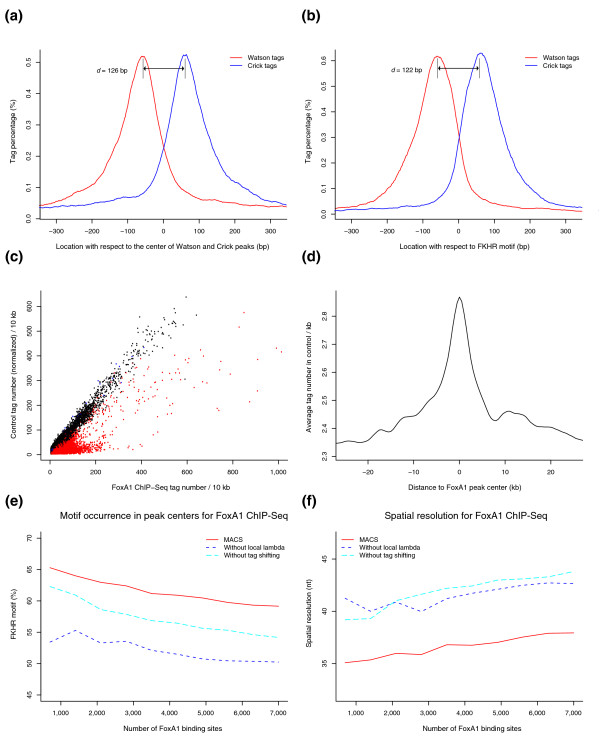
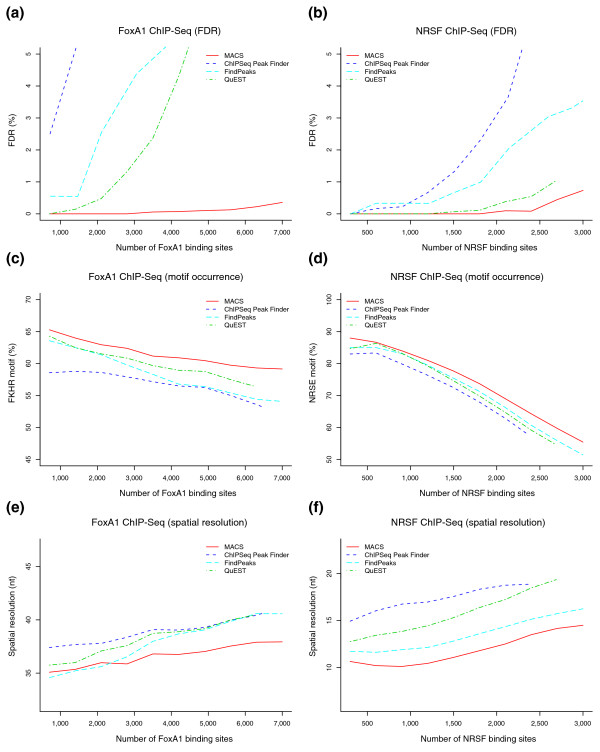
We present Model-based Analysis of ChIP-Seq data, MACS, which analyzes data generated by short read sequencers such as Solexa's Genome Analyzer. MACS empirically models the shift size of ChIP-Seq tags, and uses it to improve the spatial resolution of predicted binding sites. MACS also uses a dynamic Poisson distribution to effectively capture local biases in the genome, allowing for more robust predictions. MACS compares favorably to existing ChIP-Seq peak-finding algorithms, and is freely available.
Overview
The claims and statistics of this paper haven’t been checked yet.
Free: it reads the open-access text and checks the first 5 claims that cite a source we can check. Create a free account to check every claim.
Integrity signals
Registry
Cites
Statistics
Figures
Verification
Claims the paper makes
The claims and statistics of this paper haven’t been checked yet.
Free: it reads the open-access text and checks the first 5 claims that cite a source we can check. Create a free account to check every claim.
Claims other papers make about this one
Each is checked against this paper’s own text: does it say what the citing paper says it does?
The source backs part of the claim, not all of it — or backs it for a different population, condition or comparison.
In the citing paper
“Peaks of enrichment were identified with MACS2 98 (v2.2.7.1) by comparing treatment samples against IgG controls, using paired-end mode and allowing all duplicate fragments to be retained, as appropriate for CUT&RUN data.”
From Tetramerisation governs SALL transcription factor function in development and disease (2025) · cites this paper as [98]
Experimental — accuracy not yet measuredThe check wasn’t confident either way, so it gives no verdict — never disputed.
In the citing paper
“We detected 30,477 peaks from cells without treatment (fold-enrichment > 3 and p-value < 0.05), which are highly enriched in simple repeats (also known as short tandem repeats, STRs) (Log2[obs/exp]: 2.107)”
From Single-cell parallel analysis of DNA damage and transcriptome reveals selective genome vulnerability (2025) · cites this paper as [51]
Experimental — accuracy not yet measured
Self-check
Percentages, sums and reported differences re-computed from the paper’s own numbers.
The self-check needs the paper’s full text.
Citations
Cites
High-Resolution Profiling of Histone Methylations in the Human Genome
Barski, A., Cuddapah, S., Cui, K., Roh, T.-Y., Schones, D. E., Wang, Z., Wei, G., Chepelev, I., & Zhao, K. (2007) · Cell · doi:10.1016/j.cell.2007.05.009 · Cited by 6,845 · cited 6×
“ChIP-chip [5,8].”
BackgroundResultInfluentialGlobal variation in copy number in the human genome
Redon, R., Ishikawa, S., Fitch, K. R., Feuk, L., Perry, G. H., Andrews, T. D., Fiegler, H., Shapero, M. H., Carson, A. R., Chen, W., et al. (2006) · Nature · doi:10.1038/nature05329 · Cited by 4,288
Genome-wide maps of chromatin state in pluripotent and lineage-committed cells
Mikkelsen, T. S., Ku, M., Jaffe, D. B., Issac, B., Lieberman, E., Giannoukos, G., Alvarez, P., Brockman, W., Kim, T.-K., Koche, R. P., et al. (2007) · Nature · doi:10.1038/nature06008 · Cited by 4,129 · cited 4×
“With the current genome coverage of most ChIP-Seq experiments, tag distribution along the genome could be modeled by a Poisson distribution [7].”
BackgroundMethodInfluentialSelf-citationGenome-Wide Mapping of in Vivo Protein-DNA Interactions
Johnson, D. S., Mortazavi, A., Myers, R. M., & Wold, B. (2007) · Science · doi:10.1126/science.1141319 · Cited by 2,927
Self-citationGenome-Wide Location and Function of DNA Binding Proteins
Ren, B., Robert, F., Wyrick, J. J., Aparicio, O., Jennings, E. G., Simon, I., Zeitlinger, J., Schreiber, J., Hannett, N., Kanin, E., et al. (2000) · Science · doi:10.1126/science.290.5500.2306 · Cited by 1,766
Robertson, G., Hirst, M., Bainbridge, M., Bilenky, M., Zhao, Y., Zeng, T., Euskirchen, G., Bernier, B., Varhol, R., Delaney, A., et al. (2007) · Nature Methods · doi:10.1038/nmeth1068 · Cited by 1,454 · cited 2×
“and sequencing (ChIP-Seq) [5-8] have become popular tech-”
BackgroundGenome-wide analysis of estrogen receptor binding sites
Carroll, J. S., Meyer, C. A., Song, J., Li, W., Geistlinger, T. R., Eeckhoute, J., Brodsky, A. S., Keeton, E. K., Fertuck, K. C., Hall, G. F., et al. (2006) · Nature Genetics · doi:10.1038/ng1901 · Cited by 1,377
Self-citationA Global Map of p53 Transcription-Factor Binding Sites in the Human Genome
Wei, C.-L., Wu, Q., Vega, V. B., Chiu, K. P., Ng, P., Zhang, T., Shahab, A., Yong, H. C., Fu, Y., Weng, Z., et al. (2006) · Cell · doi:10.1016/j.cell.2005.10.043 · Cited by 1,141 · cited 2×
“This implies that the λlocal is critical for ChIP-Seq studies when matching control samples are not available [5,9].”
BackgroundGenomic binding sites of the yeast cell-cycle transcription factors SBF and MBF
Iyer, V. R., Horak, C. E., Scafe, C. S., Botstein, D., Snyder, M., & Brown, P. O. (2001) · Nature · doi:10.1038/35054095 · Cited by 1,083
FoxA1 Translates Epigenetic Signatures into Enhancer-Driven Lineage-Specific Transcription
Lupien, M., Eeckhoute, J., Meyer, C. A., Wang, Q., Zhang, Y., Li, W., Carroll, J. S., Liu, X. S., & Brown, M. (2008) · Cell · doi:10.1016/j.cell.2008.01.018 · Cited by 983 · cited 4×
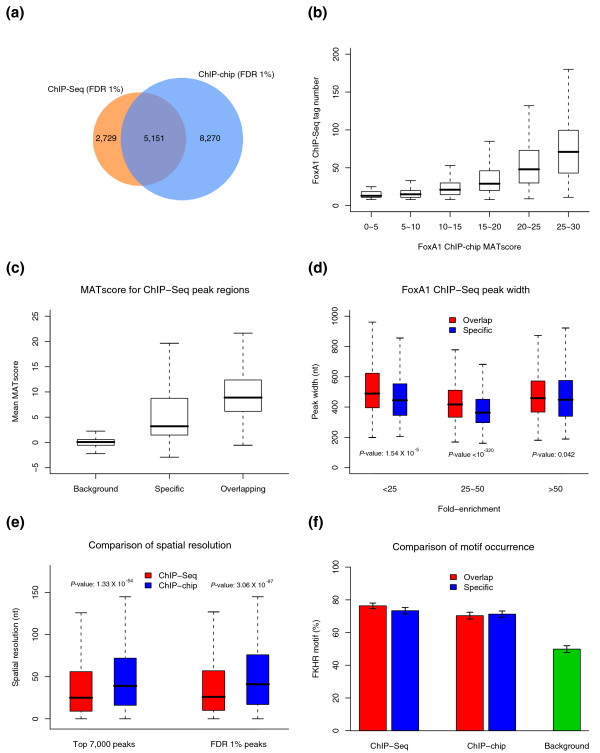
“ChIP-chip data for FoxA1 and controls in MCF7 cells were previously published [1], and their corresponding ChIP-Seq data were generated specifically for this study.”
BackgroundMethodInfluentialSelf-citation
Cited by
Items 1,401–1,500 of 1,861
Veluchamy, A., Jégu, T., Ariel, F., Latrasse, D., Mariappan, K. G., Kim, S.-K., Crespi, M., Hirt, H., Bergounioux, C., Raynaud, C., et al. (2016) · PLOS ONE · doi:10.1371/journal.pone.0158936 · Cited by 159
“To identify significantly enriched regions, we used MACS2 [88].”
MethodA role for mitotic bookmarking of SOX2 in pluripotency and differentiation
Deluz, C., Friman, E. T., Strebinger, D., Benke, A., Raccaud, M., Callegari, A., Leleu, M., Manley, S., & Suter, D. M. (2016) · Genes & Development · doi:10.1101/gad.289256.116 · Cited by 159
“MACS2anal-ysis yielded 10,523 peaks in asynchronous samples but only 84 peaks in mitotic samples (Fig.”
InfluentialVariable chromatin structure revealed by in situ spatially correlated DNA cleavage mapping
Risca, V. I., Denny, S. K., Straight, A. F., & Greenleaf, W. J. (2017) · Nature · doi:10.1038/nature20781 · Cited by 159
Qiu, X., Boufaied, N., Hallal, T., Feit, A., de Polo, A., Luoma, A. M., Alahmadi, W., Larocque, J., Zadra, G., Xie, Y., et al. (2022) · Nature Communications · doi:10.1038/s41467-022-30257-z · Cited by 159
Self-citationChang, M., Lv, H., Zhang, W., Ma, C., He, X., Zhao, S., Zhang, Z.-W., Zeng, Y.-X., Song, S., Niu, Y., et al. (2017) · Open Biology · doi:10.1098/rsob.170166 · Cited by 159
Epigenomic landscapes of retinal rods and cones
Mo, A., Luo, C., Davis, F. P., Mukamel, E. A., Henry, G. L., Nery, J. R., Urich, M. A., Picard, S., Lister, R., Eddy, S. R., et al. (2016) · eLife · doi:10.7554/elife.11613 · Cited by 158
“Peaks were called using MACS2 (macs2 2.1.0.20140616 callpeak -p 0.00001 –call-summits –nomodel –shift -50 –extsize 100) ( Zhang et al., 2008 ).”
InfluentialBET Bromodomain Inhibition Releases the Mediator Complex from Select cis-Regulatory Elements
Bhagwat, A. S., Roe, J.-S., Mok, B. Y. L., Hohmann, A. F., Shi, J., & Vakoc, C. R. (2016) · Cell Reports · doi:10.1016/j.celrep.2016.03.054 · Cited by 158
Zhang, X., Chiang, H.-C., Wang, Y., Zhang, C., Smith, S., Zhao, X., Nair, S. J., Michalek, J., Jatoi, I., Lautner, M., et al. (2017) · Nature Communications · doi:10.1038/ncomms15908 · Cited by 158
Nervous System Regionalization Entails Axial Allocation before Neural Differentiation
Metzis, V., Steinhauser, S., Pakanavicius, E., Gouti, M., Stamataki, D., Ivanovitch, K., Watson, T., Rayon, T., Mousavy Gharavy, S. N., Lovell-Badge, R., et al. (2018) · Cell · doi:10.1016/j.cell.2018.09.040 · Cited by 158
“1.0 Zhang et al., 2008 https://github.com/taoliu/MACS/ IDR framework Li et al., 2011 https://sites.google.com/site/anshulkundaje/ projects/idr/deprecated BEDTools v2.”
InfluentialDeepM6ASeq: prediction and characterization of m6A-containing sequences using deep learning
Zhang, Y., & Hamada, M. (2018) · BMC Bioinformatics · doi:10.1186/s12859-018-2516-4 · Cited by 158
“For positive samples, we retrieved the top 1000 positive peaks detected by MACS [21] with the highest fold enrichment and the false discovery rate (FDR) ≤ 0.05.”
MethodInfluentialSelf-citationInsulin Receptor Associates with Promoters Genome-wide and Regulates Gene Expression
Hancock, M. L., Meyer, R. C., Mistry, M., Khetani, R. S., Wagschal, A., Shin, T., Ho Sui, S. J., Näär, A. M., & Flanagan, J. G. (2019) · Cell · doi:10.1016/j.cell.2019.02.030 · Cited by 158
Systematic analysis of binding of transcription factors to noncoding variants
Yan, J., Qiu, Y., Ribeiro dos Santos, A. M., Yin, Y., Li, Y. E., Vinckier, N., Nariai, N., Benaglio, P., Raman, A., Li, X., et al. (2021) · Nature · doi:10.1038/s41586-021-03211-0 · Cited by 158
Reprogramming of the FOXA1 cistrome in treatment-emergent neuroendocrine prostate cancer
Baca, S. C., Takeda, D. Y., Seo, J.-H., Hwang, J., Ku, S. Y., Arafeh, R., Arnoff, T., Agarwal, S., Bell, C., O’Connor, E., et al. (2021) · Nature Communications · doi:10.1038/s41467-021-22139-7 · Cited by 158
Self-citationSuzuki, H., Takatsuka, S., Akashi, H., Yamamoto, E., Nojima, M., Maruyama, R., Kai, M., Yamano, H.-O., Sasaki, Y., Tokino, T., et al. (2011) · Cancer Research · doi:10.1158/0008-5472.can-11-1076 · Cited by 158
“Peakswere identified using theModel-based Analysis for ChIP-seq (MACS) software (11) and visualized using the University of California Santa Cruz (UCSC) genome browser.”
MethodWound-inducible WUSCHEL-RELATED HOMEOBOX 13 is required for callus growth and organ reconnection
Ikeuchi, M., Iwase, A., Ito, T., Tanaka, H., Favero, D. S., Kawamura, A., Sakamoto, S., Wakazaki, M., Tameshige, T., Fujii, H., et al. (2022) · Plant Physiology · doi:10.1093/plphys/kiab510 · Cited by 158
“Peaks were called by comparing ChIP samples with the input using the “callpeak” command in MACS2 (Zhang et al., 2008) with the following parameters: “-g 1.”
MethodInfluentialTherapy-induced APOBEC3A drives evolution of persistent cancer cells
Isozaki, H., Sakhtemani, R., Abbasi, A., Nikpour, N., Stanzione, M., Oh, S., Langenbucher, A., Monroe, S., Su, W., Cabanos, H. F., et al. (2023) · Nature · doi:10.1038/s41586-023-06303-1 · Cited by 158
Sexual fidelity trade-offs promote regulatory variation in the prairie vole brain
Okhovat, M., Berrio, A., Wallace, G., Ophir, A. G., & Phelps, S. M. (2015) · Science · doi:10.1126/science.aac5791 · Cited by 155
Jacobs, J., Atkins, M., Davie, K., Imrichova, H., Romanelli, L., Christiaens, V., Hulselmans, G., Potier, D., Wouters, J., Taskiran, I. I., et al. (2018) · Nature Genetics · doi:10.1038/s41588-018-0140-x · Cited by 155
Sultana, T., van Essen, D., Siol, O., Bailly-Bechet, M., Philippe, C., Zine El Aabidine, A., Pioger, L., Nigumann, P., Saccani, S., Andrau, J.-C., et al. (2019) · Molecular Cell · doi:10.1016/j.molcel.2019.02.036 · Cited by 154
Integrative epigenetic taxonomy of primary prostate cancer
Stelloo, S., Nevedomskaya, E., Kim, Y., Schuurman, K., Valle-Encinas, E., Lobo, J., Krijgsman, O., Peeper, D. S., Chang, S. L., Feng, F. Y.-C., et al. (2018) · Nature Communications · doi:10.1038/s41467-018-07270-2 · Cited by 154
Targeting Piezo1 unleashes innate immunity against cancer and infectious disease
Aykut, B., Chen, R., Kim, J. I., Wu, D., Shadaloey, S. A. A., Abengozar, R., Preiss, P., Saxena, A., Pushalkar, S., Leinwand, J., et al. (2020) · Science Immunology · doi:10.1126/sciimmunol.abb5168 · Cited by 154
CD74 is a novel transcription regulator
Gil-Yarom, N., Radomir, L., Sever, L., Kramer, M. P., Lewinsky, H., Bornstein, C., Blecher-Gonen, R., Barnett-Itzhaki, Z., Mirkin, V., Friedlander, G., et al. (2017) · Proceedings of the National Academy of Sciences · doi:10.1073/pnas.1612195114 · Cited by 153
ChIP-Enrich: gene set enrichment testing for ChIP-seq data
Welch, R. P., Lee, C., Imbriano, P. M., Patil, S., Weymouth, T. E., Smith, R. A., Scott, L. J., & Sartor, M. A. (2014) · Nucleic Acids Research · doi:10.1093/nar/gku463 · Cited by 151
Single-cell ATAC sequencing analysis: From data preprocessing to hypothesis generation
Baek, S., & Lee, I. (2020) · Computational and Structural Biotechnology Journal · doi:10.1016/j.csbj.2020.06.012 · Cited by 151
“Lastly, for visualization of DARs at gene bodies, Deeptools [70] and MACS2 [4] generates bigwig files, which can be displayed with genomic browsers, such as Gviz [71], Integrative Genomics Viewer (IGV) [72], and UCSC Genome Browser [73].”
MethodInfluentialThe Polycomb-Dependent Epigenome Controls β Cell Dysfunction, Dedifferentiation, and Diabetes
Lu, T. T.-H., Heyne, S., Dror, E., Casas, E., Leonhardt, L., Boenke, T., Yang, C.-H., Sagar, Arrigoni, L., Dalgaard, K., et al. (2018) · Cell Metabolism · doi:10.1016/j.cmet.2018.04.013 · Cited by 151
Feichtinger, J., Hernández, I., Fischer, C., Hanscho, M., Auer, N., Hackl, M., Jadhav, V., Baumann, M., Krempl, P. M., Schmidl, C., et al. (2016) · Biotechnology and Bioengineering · doi:10.1002/bit.25990 · Cited by 148
“10 (Zhang et al., 2008) peak caller was used to compare ChIP-seq mapped reads to a corresponding input sample sequenced control with the fragment size predicted by PhantomPeakQualTools.”
MethodInfluentialThe PhoP-Dependent ncRNA Mcr7 Modulates the TAT Secretion System in Mycobacterium tuberculosis
Solans, L., Gonzalo-Asensio, J., Sala, C., Benjak, A., Uplekar, S., Rougemont, J., Guilhot, C., Malaga, W., Martín, C., & Cole, S. T. (2014) · PLoS Pathogens · doi:10.1371/journal.ppat.1004183 · Cited by 147
“4 [51] with parameters ‘‘-bw 200 -m 10100’’.”
Rizzardi, L. F., Hickey, P. F., Rodriguez DiBlasi, V., Tryggvadóttir, R., Callahan, C. M., Idrizi, A., Hansen, K. D., & Feinberg, A. P. (2019) · Nature Neuroscience · doi:10.1038/s41593-018-0297-8 · Cited by 146
Rendeiro, A. F., Schmidl, C., Strefford, J. C., Walewska, R., Davis, Z., Farlik, M., Oscier, D., & Bock, C. (2016) · Nature Communications · doi:10.1038/ncomms11938 · Cited by 146
Click chemistry enables preclinical evaluation of targeted epigenetic therapies
Tyler, D. S., Vappiani, J., Cañeque, T., Lam, E. Y. N., Ward, A., Gilan, O., Chan, Y.-C., Hienzsch, A., Rutkowska, A., Werner, T., et al. (2017) · Science · doi:10.1126/science.aal2066 · Cited by 146
Extensive conservation of ancient microsynteny across metazoans due to cis -regulatory constraints
Irimia, M., Tena, J. J., Alexis, M. S., Fernandez-Miñan, A., Maeso, I., Bogdanović, O., de la Calle-Mustienes, E., Roy, S. W., Gómez-Skarmeta, J. L., & Fraser, H. B. (2012) · Genome Research · doi:10.1101/gr.139725.112 · Cited by 146
“3) algorithm (Zhang et al. 2008) using standard settings with one modification (mfold = 20).”
MethodInfluentialBeagan, J. A., Pastuzyn, E. D., Fernandez, L. R., Guo, M. H., Feng, K., Titus, K. R., Chandrashekar, H., Shepherd, J. D., & Phillips-Cremins, J. E. (2020) · Nature Neuroscience · doi:10.1038/s41593-020-0634-6 · Cited by 143
Schäffner, I., Minakaki, G., Khan, M. A., Balta, E.-A., Schlötzer-Schrehardt, U., Schwarz, T. J., Beckervordersandforth, R., Winner, B., Webb, A. E., DePinho, R. A., et al. (2018) · Neuron · doi:10.1016/j.neuron.2018.08.017 · Cited by 145
“MACS (Model-based Analysis of ChIP-Seq data) (Zhang et al., 2008) was used to generate ChiP enrichment scores.”
Genome-wide Association of Yorkie with Chromatin and Chromatin-Remodeling Complexes
Oh, H., Slattery, M., Ma, L., Crofts, A., White, K. P., Mann, R. S., & Irvine, K. D. (2013) · Cell Reports · doi:10.1016/j.celrep.2013.01.008 · Cited by 145
“At three genes for which Yki-responsive enhancers have been characterized, ban (Oh and Irvine, 2011), Diap1 (Wu et al., 2008; Zhang et al., 2008a), and ex (see below), Yki-binding peaks in wing discs overlap functionally defined Ykiresponse elements (Figure 1D).”
Adeno-to-squamous transition drives resistance to KRAS inhibition in LKB1 mutant lung cancer
Tong, X., Patel, A. S., Kim, E., Li, H., Chen, Y., Li, S., Liu, S., Dilly, J., Kapner, K. S., Zhang, N., et al. (2024) · Cancer Cell · doi:10.1016/j.ccell.2024.01.012 · Cited by 142
Ligand-dependent dynamics of retinoic acid receptor binding during early neurogenesis
Mahony, S., Mazzoni, E. O., McCuine, S., Young, R. A., Wichterle, H., & Gifford, D. K. (2011) · Genome Biology · doi:10.1186/gb-2011-12-1-r2 · Cited by 142
“The use of this dynamic background model is motivated by the desire to correct local ChIP-seq enrichment biases that appear in the signal and control channels, and is similar to the model employed by MACS [56].”
MethodProfiling chromatin states using single-cell itChIP-seq
Ai, S., Xiong, H., Li, C. C., Luo, Y., Shi, Q., Liu, Y., Yu, X., Li, C., & He, A. (2019) · Nature Cell Biology · doi:10.1038/s41556-019-0383-5 · Cited by 140
Genome-wide mapping of autonomous promoter activity in human cells
van Arensbergen, J., FitzPatrick, V. D., de Haas, M., Pagie, L., Sluimer, J., Bussemaker, H. J., & van Steensel, B. (2017) · Nature Biotechnology · doi:10.1038/nbt.3754 · Cited by 140
TFEB-mediated endolysosomal activity controls human hematopoietic stem cell fate
García-Prat, L., Kaufmann, K. B., Schneiter, F., Voisin, V., Murison, A., Chen, J., Chan-Seng-Yue, M., Gan, O. I., McLeod, J. L., Smith, S. A., et al. (2021) · Cell Stem Cell · doi:10.1016/j.stem.2021.07.003 · Cited by 140
Girdhar, K., Hoffman, G. E., Jiang, Y., Brown, L., Kundakovic, M., Hauberg, M. E., Francoeur, N. J., Wang, Y.-C., Shah, H., Kavanagh, D. H., et al. (2018) · Nature Neuroscience · doi:10.1038/s41593-018-0187-0 · Cited by 139
Dnmt3a restrains mast cell inflammatory responses
Leoni, C., Montagner, S., Rinaldi, A., Bertoni, F., Polletti, S., Balestrieri, C., & Monticelli, S. (2017) · Proceedings of the National Academy of Sciences · doi:10.1073/pnas.1616420114 · Cited by 138
A cell identity switch allows residual BCC to survive Hedgehog pathway inhibition
Biehs, B., Dijkgraaf, G. J. P., Piskol, R., Alicke, B., Boumahdi, S., Peale, F., Gould, S. E., & de Sauvage, F. J. (2018) · Nature · doi:10.1038/s41586-018-0596-y · Cited by 137
Highly efficient and rapid generation of human pluripotent stem cells by chemical reprogramming.
Liuyang, S., Wang, G., Wang, Y., He, H., Lyu, Y., Cheng, L., Yang, Z., Guan, J., Fu, Y., Zhu, J., et al. (2023) · Cell Stem Cell · doi:10.1016/j.stem.2023.02.008 · Cited by 136
Furuta, K., Guo, Q., Pavelko, K. D., Lee, J.-H., Robertson, K. D., Nakao, Y., Melek, J., Shah, V. H., Hirsova, P., & Ibrahim, S. H. (2021) · Journal of Clinical Investigation · doi:10.1172/jci143690 · Cited by 136
Functional assessment of human enhancer activities using whole-genome STARR-sequencing
Liu, Y., Yu, S., Dhiman, V. K., Brunetti, T., Eckart, H., & White, K. P. (2017) · Genome Biology · doi:10.1186/s13059-017-1345-5 · Cited by 136
Introns Protect Eukaryotic Genomes from Transcription-Associated Genetic Instability
Bonnet, A., Grosso, A. R., Elkaoutari, A., Coleno, E., Presle, A., Sridhara, S. C., Janbon, G., Géli, V., de Almeida, S. F., & Palancade, B. (2017) · Molecular Cell · doi:10.1016/j.molcel.2017.07.002 · Cited by 135
“…T7promoter-[Tetrahymena GroupI intron]-YAT1 this study N/A Software and Algorithms Bowtie (Langmead et al., 2009) N/A MACS2 (Zhang et al., 2008) N/A Kallisto (Bray et al., 2016) N/A BEDtools (Quinlan and Hall, 2010) N/A SAMtools (Li et al., 2009) N/A Other NucleoSpin RNA II…”
MethodLi, L., Cui, L., Lin, P., Liu, Z., Bao, S., Ma, X., Nan, H., Zhu, W., Cen, J., Mao, Y., et al. (2023) · Cell Stem Cell · doi:10.1016/j.stem.2023.01.009 · Cited by 159
Beck, D., Thoms, J. A. I., Perera, D., Schütte, J., Unnikrishnan, A., Knezevic, K., Kinston, S. J., Wilson, N. K., O’Brien, T. A., Göttgens, B., et al. (2013) · Blood · doi:10.1182/blood-2013-03-490425 · Cited by 133
Cohesin-dependence of neuronal gene expression relates to chromatin loop length
Calderon, L., Weiss, F. D., Beagan, J. A., Oliveira, M. S., Georgieva, R., Wang, Y.-F., Carroll, T. S., Dharmalingam, G., Gong, W., Tossell, K., et al. (2022) · eLife · doi:10.7554/elife.76539 · Cited by 132
An exhausted-like microglial population accumulates in aged and APOE4 genotype Alzheimer’s brains
Millet, A., Ledo, J. H., & Tavazoie, S. F. (2024) · Immunity · doi:10.1016/j.immuni.2023.12.001 · Cited by 132
Stabilization of the Max Homodimer with a Small Molecule Attenuates Myc-Driven Transcription
Struntz, N. B., Chen, A., Deutzmann, A., Wilson, R. M., Stefan, E., Evans, H. L., Ramirez, M. A., Liang, T., Caballero, F., Wildschut, M. H. E., et al. (2019) · Cell Chemical Biology · doi:10.1016/j.chembiol.2019.02.009 · Cited by 130
Arruabarrena-Aristorena, A., Maag, J. L. V., Kittane, S., Cai, Y., Karthaus, W. R., Ladewig, E., Park, J., Kannan, S., Ferrando, L., Cocco, E., et al. (2020) · Cancer Cell · doi:10.1016/j.ccell.2020.08.003 · Cited by 130
A foundation model of transcription across human cell types
(2025) · doi:10.1038/s41586-024-08391-z · Cited by 130
GET: a foundation model of transcription across human cell types
Fu, X., Mo, S., Buendia, A., Laurent, A., Shao, A., Alvares-Torres, M. D. M., Yu, T., Tan, J., Su, J., Sagatelian, R., et al. (2023) · doi:10.1101/2023.09.24.559168 · Cited by 130
Xiao, G., Chan, L. N., Klemm, L., Braas, D., Chen, Z., Geng, H., Zhang, Q. C., Aghajanirefah, A., Cosgun, K. N., Sadras, T., et al. (2018) · Cell · doi:10.1016/j.cell.2018.02.048 · Cited by 129
“The ChIP-seq peaks were called by the MACS peak caller (Zhang et al., 2008) by comparing read density in the ChIP experiment relative to the input chromatin control reads, and shown as bars under each wiggle track.”
MethodPorter, R. L., Magnus, N. K. C., Thapar, V., Morris, R., Szabolcs, A., Neyaz, A., Kulkarni, A. S., Tai, E., Chougule, A., Hillis, A., et al. (2019) · Proceedings of the National Academy of Sciences · doi:10.1073/pnas.1914915116 · Cited by 129
Wu, H.-T., Kuo, Y.-C., Hung, J.-J., Huang, C.-H., Chen, W.-Y., Chou, T.-Y., Chen, Y., Chen, Y.-J., Chen, Y.-J., Cheng, W.-C., et al. (2016) · Nature Communications · doi:10.1038/ncomms13644 · Cited by 129
Charlet, J., Duymich, C. E., Lay, F. D., Mundbjerg, K., Dalsgaard Sørensen, K., Liang, G., & Jones, P. A. (2016) · Molecular Cell · doi:10.1016/j.molcel.2016.03.033 · Cited by 128
“H3K27ac peaks were called with the model-based analysis of ChIPseq (MACS) algorithm at a p value cutoff of 10 10 against input (Zhang et al., 2008).”
Gisselbrecht, S. S., Palagi, A., Kurland, J. V., Rogers, J. M., Ozadam, H., Zhan, Y., Dekker, J., & Bulyk, M. L. (2020) · Molecular Cell · doi:10.1016/j.molcel.2019.10.004 · Cited by 128
“We used MACS (Zhang et al., 2008) separately on each replicate with the–nomodel parameter to identify extended peaks of histone modification enrichment relative to total H3.”
MethodHuang, P., Keller, C. A., Giardine, B., Grevet, J. D., Davies, J. O. J., Hughes, J. R., Kurita, R., Nakamura, Y., Hardison, R. C., & Blobel, G. A. (2017) · Genes & Development · doi:10.1101/gad.303461.117 · Cited by 127
Lkb1 inactivation drives lung cancer lineage switching governed by Polycomb Repressive Complex 2
Zhang, H., Fillmore Brainson, C., Koyama, S., Redig, A. J., Chen, T., Li, S., Gupta, M., Garcia-de-Alba, C., Paschini, M., Herter-Sprie, G. S., et al. (2017) · Nature Communications · doi:10.1038/ncomms14922 · Cited by 127
“H3K4me3, H3K27Ac modified regions were identified using MACS (version 1.4.2) as previously described (Zhang et al. , 2008) 65 , with a P -value cutoff of 10 (cid:2) 5 and with default values for other parameters.”
InfluentialCell‐free DNA as a biomarker of aging
Teo, Y. V., Capri, M., Morsiani, C., Pizza, G., Faria, A. M. C., Franceschi, C., & Neretti, N. (2019) · Aging Cell · doi:10.1111/acel.12890 · Cited by 127
Beckedorff, F., Blumenthal, E., daSilva, L. F., Aoi, Y., Cingaram, P. R., Yue, J., Zhang, A., Dokaneheifard, S., Valencia, M. G., Gaidosh, G., et al. (2020) · Cell Reports · doi:10.1016/j.celrep.2020.107917 · Cited by 127
Wilson, S., Qi, J., & Filipp, F. V. (2016) · Scientific Reports · doi:10.1038/srep32611 · Cited by 126
“Peak calling utilized a model-based analysis of ChIP-Seq (MACS) algorithm 32,33 .”
Mann, I. K., Chatterjee, R., Zhao, J., He, X., Weirauch, M. T., Hughes, T. R., & Vinson, C. (2013) · Genome Research · doi:10.1101/gr.146654.112 · Cited by 126
Loubiere, V., Papadopoulos, G. L., Szabo, Q., Martinez, A.-M., & Cavalli, G. (2020) · Science Advances · doi:10.1126/sciadv.aax4001 · Cited by 126
A NPAS4–NuA4 complex couples synaptic activity to DNA repair
Pollina, E. A., Gilliam, D. T., Landau, A. T., Lin, C., Pajarillo, N., Davis, C. P., Harmin, D. A., Yap, E.-L., Vogel, I. R., Griffith, E. C., et al. (2023) · Nature · doi:10.1038/s41586-023-05711-7 · Cited by 125
Targeting Processive Transcription Elongation via SEC Disruption for MYC-Induced Cancer Therapy
Liang, K., Smith, E. R., Aoi, Y., Stoltz, K. L., Katagi, H., Woodfin, A. R., Rendleman, E. J., Marshall, S. A., Murray, D. C., Wang, L., et al. (2018) · Cell · doi:10.1016/j.cell.2018.09.027 · Cited by 124
Li, W., Yang, L., He, Q., Hu, C., Zhu, L., Ma, X., Ma, X., Bao, S., Li, L., Chen, Y., et al. (2019) · Cell Stem Cell · doi:10.1016/j.stem.2019.06.008 · Cited by 124
Self-citationAmente, S., Di Palo, G., Scala, G., Castrignanò, T., Gorini, F., Cocozza, S., Moresano, A., Pucci, P., Ma, B., Stepanov, I., et al. (2019) · Nucleic Acids Research · doi:10.1093/nar/gky1152 · Cited by 123
“MACS (Model-based Analysis for ChIP-Seq) analysis identified 52 298 genomic regions enriched in 8-oxodG (or high-confidence peaks: P < 1e– 5 and Fold Enrichment>7; see Methods and Supplemen- tary Table S2).”
MethodRibose-seq: global mapping of ribonucleotides embedded in genomic DNA
Koh, K. D., Balachander, S., Hesselberth, J. R., & Storici, F. (2015) · Nature Methods · doi:10.1038/nmeth.3259 · Cited by 122
Promoter-interacting expression quantitative trait loci are enriched for functional genetic variants
Chandra, V., Bhattacharyya, S., Schmiedel, B. J., Madrigal, A., Gonzalez-Colin, C., Fotsing, S., Crinklaw, A., Seumois, G., Mohammadi, P., Kronenberg, M., et al. (2021) · Nature Genetics · doi:10.1038/s41588-020-00745-3 · Cited by 122
Incorporation of a nucleoside analog maps genome repair sites in postmitotic human neurons
Reid, D. A., Reed, P. J., Schlachetzki, J. C. M., Nitulescu, I. I., Chou, G., Tsui, E. C., Jones, J. R., Chandran, S., Lu, A. T., McClain, C. A., et al. (2021) · Science · doi:10.1126/science.abb9032 · Cited by 121
MAPS: Model-based analysis of long-range chromatin interactions from PLAC-seq and HiChIP experiments
Juric, I., Yu, M., Abnousi, A., Raviram, R., Fang, R., Zhao, Y., Zhang, Y., Qiu, Y., Yang, Y., Li, Y., et al. (2019) · PLOS Computational Biology · doi:10.1371/journal.pcbi.1006982 · Cited by 121
Self-citationH3K4me1 Distribution Predicts Transcription State and Poising at Promoters
Bae, S., & Lesch, B. J. (2020) · Frontiers in Cell and Developmental Biology · doi:10.3389/fcell.2020.00289 · Cited by 120
Dynamics of the 4D Genome during in Vivo Lineage Specification and Differentiation
Oudelaar, A. M., Beagrie, R. A., Gosden, M., de Ornellas, S., Georgiades, E., Kerry, J., Hidalgo, D., Carrelha, J., Shivalingam, A., El-Sagheer, A. H., et al. (2020) · Nature Communications · doi:10.1038/s41467-020-16598-7 · Cited by 119
Berest, I., Arnold, C., Reyes-Palomares, A., Palla, G., Rasmussen, K. D., Giles, H., Bruch, P.-M., Huber, W., Dietrich, S., Helin, K., et al. (2019) · Cell Reports · doi:10.1016/j.celrep.2019.10.106 · Cited by 119
From Omics to Multi-Omics: A Review of Advantages and Tradeoffs
Hayes, C. N., Nakahara, H., Ono, A., Tsuge, M., & Oka, S. (2024) · Genes · doi:10.3390/genes15121551 · Cited by 119
Dynamics of the epigenetic landscape during erythroid differentiation after GATA1 restoration
Wu, W., Cheng, Y., Keller, C. A., Ernst, J., Kumar, S. A., Mishra, T., Morrissey, C., Dorman, C. M., Chen, K.-B., Drautz, D., et al. (2011) · Genome Research · doi:10.1101/gr.125088.111 · Cited by 118
“ChIP (Cheng et al. 2009), peak calling for transcription factor occupancy (Zhang et al. 2008; Chen and Zhang 2010), DNase-seq (Boyle et al. 2008a), and identification of DNase hypersensitive sites (Boyle et al. 2008b) were done using previously described methods.”
BackgroundMethodSelf-citationJiang, Y., Jakovcevski, M., Bharadwaj, R., Connor, C., Schroeder, F. A., Lin, C. L., Straubhaar, J., Martin, G., & Akbarian, S. (2010) · The Journal of Neuroscience · doi:10.1523/jneurosci.1314-10.2010 · Cited by 118
“Genomic regions containing a significantly large number of reads, called peaks, were detected with MACS software (Zhang et al., 2008).”
MethodSequential regulatory loops as key gatekeepers for neuronal reprogramming in human cells
Xue, Y., Qian, H., Hu, J., Zhou, B., Zhou, Y., Hu, X., Karakhanyan, A., Pang, Z., & Fu, X.-D. (2016) · Nature Neuroscience · doi:10.1038/nn.4297 · Cited by 118
Koester, J., Miroshnikova, Y. A., Ghatak, S., Chacón-Martínez, C. A., Morgner, J., Li, X., Atanassov, I., Altmüller, J., Birk, D. E., Koch, M., et al. (2021) · Nature Cell Biology · doi:10.1038/s41556-021-00705-x · Cited by 117
Evidence for additive and synergistic action of mammalian enhancers during cell fate determination
Choi, J., Lysakovskaia, K., Stik, G., Demel, C., Söding, J., Tian, T. V., Graf, T., & Cramer, P. (2021) · eLife · doi:10.7554/elife.65381 · Cited by 117
Wells, M. F., Nemesh, J., Ghosh, S., Mitchell, J. M., Salick, M. R., Mello, C. J., Meyer, D., Pietilainen, O., Piccioni, F., Guss, E. J., et al. (2023) · Cell Stem Cell · doi:10.1016/j.stem.2023.01.010 · Cited by 116
Gavriouchkina, D., Williams, R. M., Lukoseviciute, M., Hochgreb-Hägele, T., Senanayake, U., Chong-Morrison, V., Thongjuea, S., Repapi, E., Mead, A., & Sauka-Spengler, T. (2017) · doi:10.1101/213611 · Cited by 116
The genomic landscape of cohesin-associated chromatin interactions
DeMare, L. E., Leng, J., Cotney, J., Reilly, S. K., Yin, J., Sarro, R., & Noonan, J. P. (2013) · Genome Research · doi:10.1101/gr.156570.113 · Cited by 114
“SMC1A and CTCF peaks were called using MACS (Zhang et al. 2008; Feng et al. 2011).”
MethodComplementary information derived from CRISPR Cas9 mediated gene deletion and suppression
Rosenbluh, J., Xu, H., Harrington, W., Gill, S., Wang, X., Vazquez, F., Root, D. E., Tsherniak, A., & Hahn, W. C. (2017) · Nature Communications · doi:10.1038/ncomms15403 · Cited by 114
Sun, J., Rockowitz, S., Xie, Q., Ashery-Padan, R., Zheng, D., & Cvekl, A. (2015) · Nucleic Acids Research · doi:10.1093/nar/gkv589 · Cited by 113
Active DNA demethylation promotes cell fate specification and the DNA damage response
Wang, D., Wu, W., Callen, E., Pavani, R., Zolnerowich, N., Kodali, S., Zong, D., Wong, N., Noriega, S., Nathan, W. J., et al. (2022) · Science · doi:10.1126/science.add9838 · Cited by 113
An epigenomic roadmap to induced pluripotency reveals DNA methylation as a reprogramming modulator
Lee, D.-S., Shin, J.-Y., Tonge, P. D., Puri, M. C., Lee, S., Park, H., Lee, W.-C., Hussein, S. M. I., Bleazard, T., Yun, J.-Y., et al. (2014) · Nature Communications · doi:10.1038/ncomms6619 · Cited by 113
Lun, A. T. L., & Smyth, G. K. (2014) · Nucleic Acids Research · doi:10.1093/nar/gku351 · Cited by 113
Features that define the best ChIP-seq peak calling algorithms
Thomas, R., Thomas, S., Holloway, A. K., & Pollard, K. S. (2016) · Briefings in Bioinformatics · doi:10.1093/bib/bbw035 · Cited by 112
FoxP1 orchestration of ASD-relevant signaling pathways in the striatum
Araujo, D. J., Anderson, A. G., Berto, S., Runnels, W., Harper, M., Ammanuel, S., Rieger, M. A., Huang, H.-C., Rajkovich, K., Loerwald, K. W., et al. (2015) · Genes & Development · doi:10.1101/gad.267989.115 · Cited by 111
A KRAB/KAP1-miRNA Cascade Regulates Erythropoiesis Through Stage-Specific Control of Mitophagy
Barde, I., Rauwel, B., Marin-Florez, R. M., Corsinotti, A., Laurenti, E., Verp, S., Offner, S., Marquis, J., Kapopoulou, A., Vanicek, J., et al. (2013) · Science · doi:10.1126/science.1232398 · Cited by 111
“KRAB-ZFP expression analysis was performed as previously described (37).”
MethodGillespie, M. A., Palii, C. G., Sanchez-Taltavull, D., Shannon, P., Longabaugh, W. J. R., Downes, D. J., Sivaraman, K., Espinoza, H. M., Hughes, J. R., Price, N. D., et al. (2020) · Molecular Cell · doi:10.1016/j.molcel.2020.03.031 · Cited by 110
Pugacheva, E. M., Rivero-Hinojosa, S., Espinoza, C. A., Méndez-Catalá, C. F., Kang, S., Suzuki, T., Kosaka-Suzuki, N., Robinson, S., Nagarajan, V., Ye, Z., et al. (2015) · Genome biology · doi:10.1186/s13059-015-0736-8 · Cited by 110
“After MACS, we applied the Peak Splitter algorithm (part of MACS) to call sub-peaks and summits of peaks and improve peak resolution.”
MethodInfluentialLysosomal Signaling Licenses Embryonic Stem Cell Differentiation via Inactivation of Tfe3
Villegas, F., Lehalle, D., Mayer, D., Rittirsch, M., Stadler, M. B., Zinner, M., Olivieri, D., Vabres, P., Duplomb-Jego, L., De Bont, E. S. J. M., et al. (2019) · Cell Stem Cell · doi:10.1016/j.stem.2018.11.021 · Cited by 110
Single-cell multiomics analysis reveals regulatory programs in clear cell renal cell carcinoma
Long, Z., Sun, C., Tang, M., Wang, Y., Ma, J., Yu, J., Wei, J., Ma, J., Wang, B., Xie, Q., et al. (2022) · Cell Discovery · doi:10.1038/s41421-022-00415-0 · Cited by 109
Large-scale chromatin reorganization reactivates placenta-specific genes that drive cellular aging
Liu, Z., Ji, Q., Ren, J., Yan, P., Wu, Z., Wang, S., Sun, L., Wang, Z., Li, J., Sun, G., et al. (2022) · Developmental Cell · doi:10.1016/j.devcel.2022.05.004 · Cited by 109
Lukoseviciute, M., Gavriouchkina, D., Williams, R. M., Hochgreb-Hagele, T., Senanayake, U., Chong-Morrison, V., Thongjuea, S., Repapi, E., Mead, A., & Sauka-Spengler, T. (2018) · Developmental Cell · doi:10.1016/j.devcel.2018.11.009 · Cited by 109
Metadata
- Authors
- Zhang, Y., Liu, T., Meyer, C. A., Eeckhoute, J., Johnson, D. S., Bernstein, B. E., Nusbaum, C., Myers, R. M., Brown, M., Li, W., & Liu, X. S.
- Affiliations
- Harvard University (US)
- Brigham and Women's Hospital (US)
- Broad Institute (US)
- Stanford Medicine (US)
- Baylor College of Medicine (US)
- Corresponding author
- Li, Wei
- Liu, X Shirley
- ORCID
- Venue
- Genome Biology
- Published
- 2008-09-17
- Volume
- 9
- Issue
- 9
- Pages
- R137-R137
- ISSN
- 1465-6906 (ISSN-L)
- 1474-760X
- PMC
- PMC2592715
- OpenAlex
- W2171808845
- Semantic Scholar
- 42abddd227d653a0375d7d037ddb885f6c07f66f
- Cited by
- 18,386
- References
- 14
- Citations by year
- 2026: 1533 · 2025: 2054 · 2024: 2035 · 2023: 2028 · 2022: 1720 · 2021: 1744 · 2020: 1407 · 2019: 1184 · 2018: 977 · 2017: 802 · 2016: 658 · 2015: 572 · 2014: 534 · 2013: 423 · 2012: 304
- FWCI
- 54.09
- Type
- journal article
- Language
- en
- Open access
- gold
- doi.org
- Licence
- cc-by
- creativecommons.org/licenses/by/2.0/ (tdm)
- creativecommons.org/licenses/by/2.0/ (vor)
- Locations
- Genome biology (publishedVersion, cc-by)
- PubMed Central (publishedVersion, cc-by)
- PubMed (publishedVersion)
- DSpace@MIT (Massachusetts Institute of Technology) (submittedVersion, cc-by)
- Funders
- National Institutes of Health
- National Human Genome Research Institute (U01HG004270, HG004069, R01HG004069, HG004270)
- National Institute of Diabetes and Digestive and Kidney Diseases (DK074967)
- Topics
- Life Sciences › Biochemistry, Genetics and Molecular Biology › Molecular Biology › Genomics and Chromatin Dynamics
- Life Sciences › Biochemistry, Genetics and Molecular Biology › Molecular Biology › Genomics and Phylogenetic Studies
- Life Sciences › Biochemistry, Genetics and Molecular Biology › Molecular Biology › Bioinformatics and Genomic Networks
- Keywords
- ChIP-seq, MACS, peak calling, binding site prediction, short-read sequencing, model-based analysis
- MeSH terms
- Algorithms, Humans, Models, Genetic, Oligonucleotide Array Sequence Analysis, Cell Line, Tumor, Chromatin Immunoprecipitation, Hepatocyte Nuclear Factor 3-alpha
About these checks
Registry, retraction, Cites and statistics results are computed, not judged, with one exception: a printed reference that no index lists is read once by a model before it counts as a citation error. Claims are extracted by a model and kept only when their quote appears verbatim in the text; each cited source is then checked, with a model’s help, for whether it says what the claim relies on. Those verdicts can be wrong — read the claim’s quote and the cited source before relying on one.
Statistics and arithmetic are recomputed, not judged.
Confidence bands are shown only for fields calibrated on our annotated test set. None is calibrated yet, so no band is shown.
What counts as a claim ›How we measure confidence ›How we check this ›
Are you an author, or do you see a problem with this page? Request a review
Data sources
Bibliographic data: Semantic Scholar, OpenAlex, Crossref.
Contains information from the Semantic Scholar Academic Graph Datasets, made available under the ODC Attribution License (ODC-BY 1.0).
Semantic Scholar’s data is described in: Kinney, R., et al. (2023). The Semantic Scholar Open Data Platform. arXiv:2301.10140.
