

Model-based Analysis of ChIP-Seq (MACS)
Open accessThe DOI matches its Crossref record; 13 of the 14 references it cites were found in a registry or an index.
Abstract
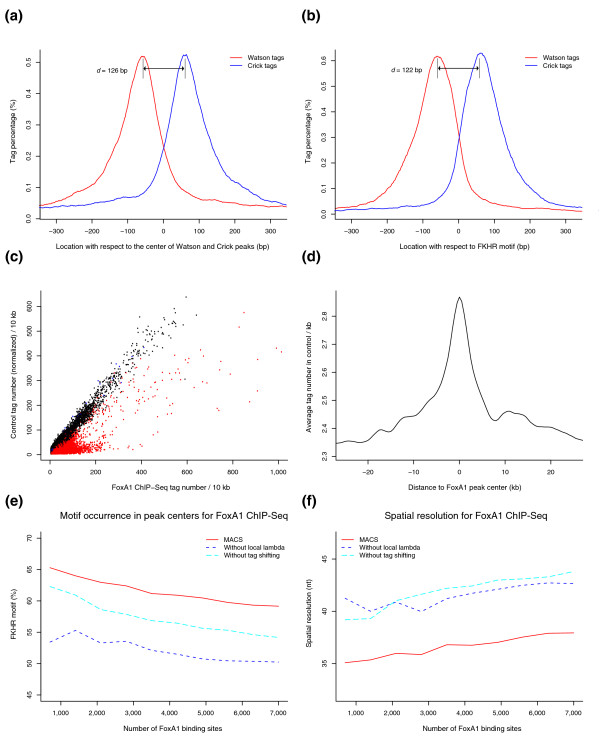
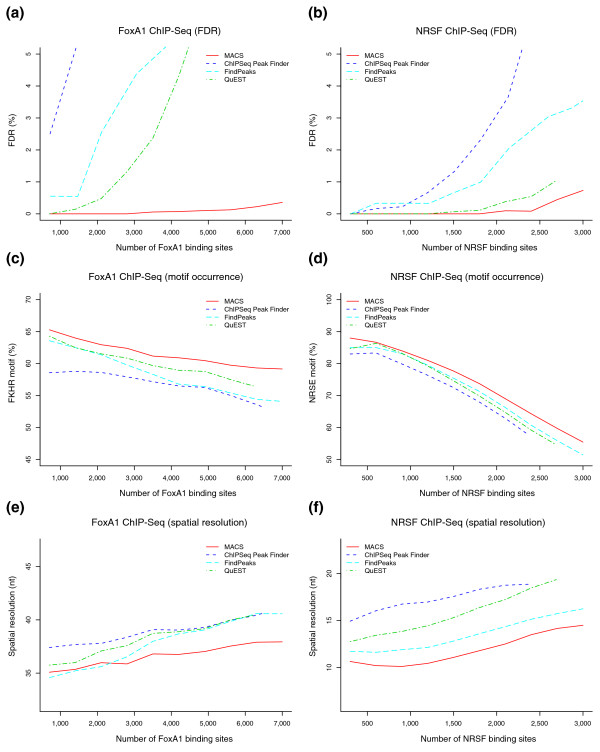
We present Model-based Analysis of ChIP-Seq data, MACS, which analyzes data generated by short read sequencers such as Solexa's Genome Analyzer. MACS empirically models the shift size of ChIP-Seq tags, and uses it to improve the spatial resolution of predicted binding sites. MACS also uses a dynamic Poisson distribution to effectively capture local biases in the genome, allowing for more robust predictions. MACS compares favorably to existing ChIP-Seq peak-finding algorithms, and is freely available.
Overview
The claims and statistics of this paper haven’t been checked yet.
Free: it reads the open-access text and checks the first 5 claims that cite a source we can check. Create a free account to check every claim.
Integrity signals
Registry
Cites
Statistics
Figures
Verification
Claims the paper makes
The claims and statistics of this paper haven’t been checked yet.
Free: it reads the open-access text and checks the first 5 claims that cite a source we can check. Create a free account to check every claim.
Claims other papers make about this one
Each is checked against this paper’s own text: does it say what the citing paper says it does?
The source backs part of the claim, not all of it — or backs it for a different population, condition or comparison.
In the citing paper
“Peaks of enrichment were identified with MACS2 98 (v2.2.7.1) by comparing treatment samples against IgG controls, using paired-end mode and allowing all duplicate fragments to be retained, as appropriate for CUT&RUN data.”
From Tetramerisation governs SALL transcription factor function in development and disease (2025) · cites this paper as [98]
Experimental — accuracy not yet measuredThe check wasn’t confident either way, so it gives no verdict — never disputed.
In the citing paper
“We detected 30,477 peaks from cells without treatment (fold-enrichment > 3 and p-value < 0.05), which are highly enriched in simple repeats (also known as short tandem repeats, STRs) (Log2[obs/exp]: 2.107)”
From Single-cell parallel analysis of DNA damage and transcriptome reveals selective genome vulnerability (2025) · cites this paper as [51]
Experimental — accuracy not yet measured
Self-check
Percentages, sums and reported differences re-computed from the paper’s own numbers.
The self-check needs the paper’s full text.
Citations
Cites
High-Resolution Profiling of Histone Methylations in the Human Genome
Barski, A., Cuddapah, S., Cui, K., Roh, T.-Y., Schones, D. E., Wang, Z., Wei, G., Chepelev, I., & Zhao, K. (2007) · Cell · doi:10.1016/j.cell.2007.05.009 · Cited by 6,845 · cited 6×
“ChIP-chip [5,8].”
BackgroundResultInfluentialGlobal variation in copy number in the human genome
Redon, R., Ishikawa, S., Fitch, K. R., Feuk, L., Perry, G. H., Andrews, T. D., Fiegler, H., Shapero, M. H., Carson, A. R., Chen, W., et al. (2006) · Nature · doi:10.1038/nature05329 · Cited by 4,288
Genome-wide maps of chromatin state in pluripotent and lineage-committed cells
Mikkelsen, T. S., Ku, M., Jaffe, D. B., Issac, B., Lieberman, E., Giannoukos, G., Alvarez, P., Brockman, W., Kim, T.-K., Koche, R. P., et al. (2007) · Nature · doi:10.1038/nature06008 · Cited by 4,129 · cited 4×
“With the current genome coverage of most ChIP-Seq experiments, tag distribution along the genome could be modeled by a Poisson distribution [7].”
BackgroundMethodInfluentialSelf-citationGenome-Wide Mapping of in Vivo Protein-DNA Interactions
Johnson, D. S., Mortazavi, A., Myers, R. M., & Wold, B. (2007) · Science · doi:10.1126/science.1141319 · Cited by 2,927
Self-citationGenome-Wide Location and Function of DNA Binding Proteins
Ren, B., Robert, F., Wyrick, J. J., Aparicio, O., Jennings, E. G., Simon, I., Zeitlinger, J., Schreiber, J., Hannett, N., Kanin, E., et al. (2000) · Science · doi:10.1126/science.290.5500.2306 · Cited by 1,766
Robertson, G., Hirst, M., Bainbridge, M., Bilenky, M., Zhao, Y., Zeng, T., Euskirchen, G., Bernier, B., Varhol, R., Delaney, A., et al. (2007) · Nature Methods · doi:10.1038/nmeth1068 · Cited by 1,454 · cited 2×
“and sequencing (ChIP-Seq) [5-8] have become popular tech-”
BackgroundGenome-wide analysis of estrogen receptor binding sites
Carroll, J. S., Meyer, C. A., Song, J., Li, W., Geistlinger, T. R., Eeckhoute, J., Brodsky, A. S., Keeton, E. K., Fertuck, K. C., Hall, G. F., et al. (2006) · Nature Genetics · doi:10.1038/ng1901 · Cited by 1,377
Self-citationA Global Map of p53 Transcription-Factor Binding Sites in the Human Genome
Wei, C.-L., Wu, Q., Vega, V. B., Chiu, K. P., Ng, P., Zhang, T., Shahab, A., Yong, H. C., Fu, Y., Weng, Z., et al. (2006) · Cell · doi:10.1016/j.cell.2005.10.043 · Cited by 1,141 · cited 2×
“This implies that the λlocal is critical for ChIP-Seq studies when matching control samples are not available [5,9].”
BackgroundGenomic binding sites of the yeast cell-cycle transcription factors SBF and MBF
Iyer, V. R., Horak, C. E., Scafe, C. S., Botstein, D., Snyder, M., & Brown, P. O. (2001) · Nature · doi:10.1038/35054095 · Cited by 1,083
FoxA1 Translates Epigenetic Signatures into Enhancer-Driven Lineage-Specific Transcription
Lupien, M., Eeckhoute, J., Meyer, C. A., Wang, Q., Zhang, Y., Li, W., Carroll, J. S., Liu, X. S., & Brown, M. (2008) · Cell · doi:10.1016/j.cell.2008.01.018 · Cited by 983 · cited 4×
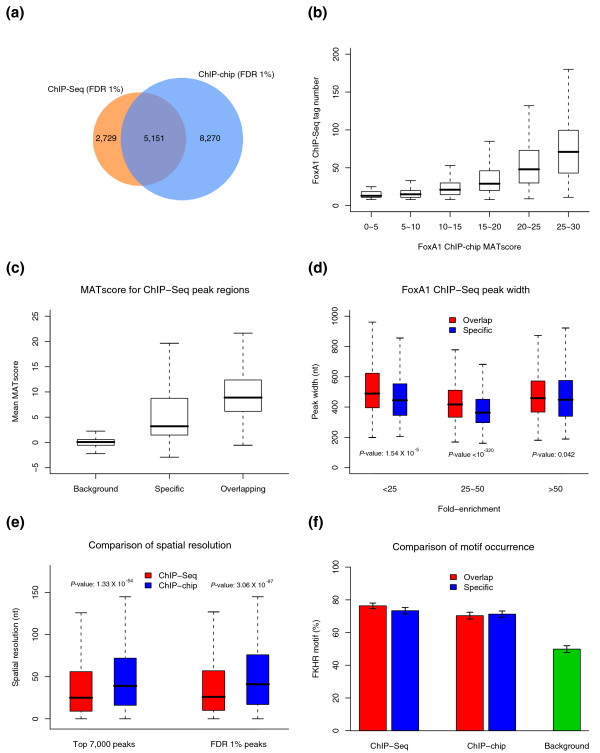
“ChIP-chip data for FoxA1 and controls in MCF7 cells were previously published [1], and their corresponding ChIP-Seq data were generated specifically for this study.”
BackgroundMethodInfluentialSelf-citation
Cited by
Items 1,001–1,100 of 1,860
Shu, S., Wu, H.-J., Ge, J. Y., Zeid, R., Harris, I. S., Jovanović, B., Murphy, K., Wang, B., Qiu, X., Endress, J. E., et al. (2020) · Molecular Cell · doi:10.1016/j.molcel.2020.04.027 · Cited by 202
“Based on a dynamic Poisson distribution MACS2 can effectively capture local biases in the genome sequence, allowing for more sensitive and robust prediction of binding sites.”
MethodInfluentialSelf-citationMorey, L., Aloia, L., Cozzuto, L., Benitah, S. A., & Di Croce, L. (2013) · Cell Reports · doi:10.1016/j.celrep.2012.11.026 · Cited by 201
“1 (Zhang et al., 2008) to detect genomic regions enriched for multiple overlapping DNA fragments (peaks) that we considered to be putative binding sites.”
BackgroundMethodInfluentialWang, D., Diao, H., Getzler, A. J., Rogal, W., Frederick, M. A., Milner, J., Yu, B., Crotty, S., Goldrath, A. W., & Pipkin, M. E. (2018) · Immunity · doi:10.1016/j.immuni.2018.03.028 · Cited by 201
“For analysis of ChIP-seq data, reads were aligned to UCSC mm10 with Bowtie2 using base settings (Langmead and Salzberg, 2012) and peaks were called using MACS using base settings (Zhang et al., 2008).”
MethodHistone lactylation drives CD8+ T cell metabolism and function
Raychaudhuri, D., Singh, P., Chakraborty, B., Hennessey, M., Tannir, A. J., Byregowda, S., Natarajan, S. M., Trujillo-Ocampo, A., Im, J. S., & Goswami, S. (2024) · Nature Immunology · doi:10.1038/s41590-024-01985-9 · Cited by 201
“Significant ChIP–seq signal enrichment peaks were identified using model-based analysis of ChIP–seq (MACS2) 58 .”
Kalkat, M., Resetca, D., Lourenco, C., Chan, P.-K., Wei, Y., Shiah, Y.-J., Vitkin, N., Tong, Y., Sunnerhagen, M., Done, S. J., et al. (2018) · Molecular Cell · doi:10.1016/j.molcel.2018.09.031 · Cited by 201
Shah, N., Wang, P., Wongvipat, J., Karthaus, W. R., Abida, W., Armenia, J., Rockowitz, S., Drier, Y., Bernstein, B. E., Long, H. W., et al. (2017) · eLife · doi:10.7554/elife.27861 · Cited by 201
Self-citationCanela, A., Maman, Y., Huang, S.-Y. N., Wutz, G., Tang, W., Zagnoli-Vieira, G., Callen, E., Wong, N., Day, A., Peters, J.-M., et al. (2019) · Molecular Cell · doi:10.1016/j.molcel.2019.04.030 · Cited by 201
Topoisomerase 1 prevents replication stress at R-loop-enriched transcription termination sites
Promonet, A., Padioleau, I., Liu, Y., Sanz, L., Biernacka, A., Schmitz, A.-L., Skrzypczak, M., Sarrazin, A., Mettling, C., Rowicka, M., et al. (2020) · Nature Communications · doi:10.1038/s41467-020-17858-2 · Cited by 201
Wang, X., Tokheim, C., Gu, S. S., Wang, B., Tang, Q., Li, Y., Traugh, N., Zeng, Z., Zhang, Y., Li, Z., et al. (2021) · Cell · doi:10.1016/j.cell.2021.09.006 · Cited by 201
Self-citationXiao, Y.-L., Liu, S., Ge, R., Wu, Y., He, C., Chen, M., & Tang, W. (2023) · Nature Biotechnology · doi:10.1038/s41587-022-01587-6 · Cited by 201
The chromatin accessibility signature of human immune aging stems from CD8+ T cells
Ucar, D., Márquez, E. J., Chung, C.-H., Marches, R., Rossi, R. J., Uyar, A., Wu, T.-C., George, J., Stitzel, M. L., Palucka, A. K., et al. (2017) · Journal of Experimental Medicine · doi:10.1084/jem.20170416 · Cited by 200
Soleimani, V. D., Yin, H., Jahani-Asl, A., Ming, H., Kockx, C. E. M., van Ijcken, W. F. J., Grosveld, F., & Rudnicki, M. A. (2012) · Molecular Cell · doi:10.1016/j.molcel.2012.05.046 · Cited by 200
Lin, J.-X., Li, P., Liu, D., Jin, H. T., He, J., Rasheed, M. A. U., Rochman, Y., Wang, L., Cui, K., Liu, C., et al. (2012) · Immunity · doi:10.1016/j.immuni.2012.02.017 · Cited by 200
Xu, J., Shao, Z., Glass, K., Bauer, D. E., Pinello, L., Van Handel, B., Hou, S., Stamatoyannopoulos, J. A., Mikkola, H. K. A., Yuan, G.-C., et al. (2012) · Developmental Cell · doi:10.1016/j.devcel.2012.09.003 · Cited by 200
m 6 A Regulates Neurogenesis and Neuronal Development by Modulating Histone Methyltransferase Ezh2
Chen, J., Zhang, Y.-C., Huang, C., Shen, H., Sun, B., Cheng, X., Zhang, Y.-J., Yang, Y.-G., Shu, Q., Yang, Y., et al. (2019) · Genomics, Proteomics & Bioinformatics · doi:10.1016/j.gpb.2018.12.007 · Cited by 200
“10) [52], with the corresponding input sample serving as control.”
BackgroundSelf-citationTET proteins safeguard bivalent promoters from de novo methylation in human embryonic stem cells
Verma, N., Pan, H., Doré, L. C., Shukla, A., Li, Q. V., Pelham-Webb, B., Teijeiro, V., González, F., Krivtsov, A., Chang, C.-J., et al. (2018) · Nature Genetics · doi:10.1038/s41588-017-0002-y · Cited by 200
Lien, W.-H., Guo, X., Polak, L., Lawton, L. N., Young, R. A., Zheng, D., & Fuchs, E. (2011) · Cell Stem Cell · doi:10.1016/j.stem.2011.07.015 · Cited by 199
“Sequencing reads from input DNA were used as control for MACS.”
MethodInfluentialLaurette, P., Strub, T., Koludrovic, D., Keime, C., Le Gras, S., Seberg, H., Van Otterloo, E., Imrichova, H., Siddaway, R., Aerts, S., et al. (2015) · eLife · doi:10.7554/elife.06857 · Cited by 199
“After sequencing, peak detection was performed using the MACS software ([Zhang et al., 2008] http:// liulab.dfci.harvard.edu/MACS/).”
MethodDissecting neural differentiation regulatory networks through epigenetic footprinting
Ziller, M. J., Edri, R., Yaffe, Y., Donaghey, J., Pop, R., Mallard, W., Issner, R., Gifford, C. A., Goren, A., Xing, J., et al. (2015) · Nature · doi:10.1038/nature13990 · Cited by 199
Self-citationHenriksson, J., Chen, X., Gomes, T., Ullah, U., Meyer, K. B., Miragaia, R., Duddy, G., Pramanik, J., Yusa, K., Lahesmaa, R., et al. (2019) · Cell · doi:10.1016/j.cell.2018.11.044 · Cited by 199
Integrative analysis of single-cell genomics data by coupled nonnegative matrix factorizations
Duren, Z., Chen, X., Zamanighomi, M., Zeng, W., Satpathy, A. T., Chang, H. Y., Wang, Y., & Wong, W. H. (2018) · Proceedings of the National Academy of Sciences · doi:10.1073/pnas.1805681115 · Cited by 199
Preparation of cfMeDIP-seq libraries for methylome profiling of plasma cell-free DNA
Shen, S. Y., Burgener, J. M., Bratman, S. V., & De Carvalho, D. D. (2019) · Nature Protocols · doi:10.1038/s41596-019-0202-2 · Cited by 199
Comparative analysis of regulatory information and circuits across distant species
Boyle, A. P., Araya, C. L., Brdlik, C., Cayting, P., Cheng, C., Cheng, Y., Gardner, K., Hillier, L. W., Janette, J., Jiang, L., et al. (2014) · Nature · doi:10.1038/nature13668 · Cited by 199
Repeat expansions confer WRN dependence in microsatellite-unstable cancers
van Wietmarschen, N., Sridharan, S., Nathan, W. J., Tubbs, A., Chan, E. M., Callen, E., Wu, W., Belinky, F., Tripathi, V., Wong, N., et al. (2020) · Nature · doi:10.1038/s41586-020-2769-8 · Cited by 199
Sequence determinants of human gene regulatory elements
Sahu, B., Hartonen, T., Pihlajamaa, P., Wei, B., Dave, K., Zhu, F., Kaasinen, E., Lidschreiber, K., Lidschreiber, M., Daub, C. O., et al. (2022) · Nature Genetics · doi:10.1038/s41588-021-01009-4 · Cited by 198
Giresi, P. G., & Lieb, J. D. (2009) · Methods · doi:10.1016/j.ymeth.2009.03.003 · Cited by 198
The chromatin insulator CTCF and the emergence of metazoan diversity
Heger, P., Marin, B., Bartkuhn, M., Schierenberg, E., & Wiehe, T. (2012) · Proceedings of the National Academy of Sciences · doi:10.1073/pnas.1111941109 · Cited by 198
MacroH2A histone variants act as a barrier upon reprogramming towards pluripotency
Gaspar-Maia, A., Qadeer, Z. A., Hasson, D., Ratnakumar, K., Adrian Leu, N., Leroy, G., Liu, S., Costanzi, C., Valle-Garcia, D., Schaniel, C., et al. (2013) · Nature Communications · doi:10.1038/ncomms2582 · Cited by 198
Gallego Romero, I., Pavlovic, B. J., Hernando-Herraez, I., Zhou, X., Ward, M. C., Banovich, N. E., Kagan, C. L., Burnett, J. E., Huang, C. H., Mitrano, A., et al. (2015) · eLife · doi:10.7554/elife.07103 · Cited by 198
Human proteins that interact with RNA/DNA hybrids
Wang, I. X., Grunseich, C., Fox, J., Burdick, J., Zhu, Z., Ravazian, N., Hafner, M., & Cheung, V. G. (2018) · Genome Research · doi:10.1101/gr.237362.118 · Cited by 198
“R-loop peaks were identified using MACS2 (Zhang et al. 2008) and required to have ≥twofold enrichment in DRIP over input.”
MethodPRC2.1 and PRC2.2 Synergize to Coordinate H3K27 Trimethylation
Healy, E., Mucha, M., Glancy, E., Fitzpatrick, D. J., Conway, E., Neikes, H. K., Monger, C., Van Mierlo, G., Baltissen, M. P., Koseki, Y., et al. (2019) · Molecular Cell · doi:10.1016/j.molcel.2019.08.012 · Cited by 198
Unblending of Transcriptional Condensates in Human Repeat Expansion Disease
Basu, S., Mackowiak, S. D., Niskanen, H., Knezevic, D., Asimi, V., Grosswendt, S., Geertsema, H., Ali, S., Jerković, I., Ewers, H., et al. (2020) · Cell · doi:10.1016/j.cell.2020.04.018 · Cited by 198
“2 (Zhang et al., 2008) uses only the first mate of a paired end mapping file.”
Spatially resolved epigenomic profiling of single cells in complex tissues
Lu, T., Ang, C. E., & Zhuang, X. (2022) · Cell · doi:10.1016/j.cell.2022.09.035 · Cited by 197
PBX1 Genomic Pioneer Function Drives ERα Signaling Underlying Progression in Breast Cancer
Magnani, L., Ballantyne, E. B., Zhang, X., & Lupien, M. (2011) · PLoS Genetics · doi:10.1371/journal.pgen.1002368 · Cited by 197
Yu, C., Gan, H., Han, J., Zhou, Z.-X., Jia, S., Chabes, A., Farrugia, G., Ordog, T., & Zhang, Z. (2014) · Molecular Cell · doi:10.1016/j.molcel.2014.09.017 · Cited by 197
“The reads of the Watson and Crick strands were merged for peak calling using the MACS software (Zhang et al., 2008).”
MethodStructural analysis of human KDM5B guides histone demethylase inhibitor development
Johansson, C., Velupillai, S., Tumber, A., Szykowska, A., Hookway, E. S., Nowak, R. P., Strain-Damerell, C., Gileadi, C., Philpott, M., Burgess-Brown, N., et al. (2016) · Nature Chemical Biology · doi:10.1038/nchembio.2087 · Cited by 197
Liu, W., Liu, X., Wang, C., Gao, Y., Gao, R., Kou, X., Zhao, Y., Li, J., Wu, Y., Xiu, W., et al. (2016) · Cell Discovery · doi:10.1038/celldisc.2016.10 · Cited by 197
Self-citationSaladi, S. V., Ross, K., Karaayvaz, M., Tata, P. R., Mou, H., Rajagopal, J., Ramaswamy, S., & Ellisen, L. W. (2017) · Cancer Cell · doi:10.1016/j.ccell.2016.12.001 · Cited by 197
“Analysis of enriched loci (peaks) indicating p63 binding revealed, as expected, a large number of shared peaks among all p63-expressing cells (Figures 1A and S1A) (Zhang et al., 2008).”
BackgroundNFATc1 controls the cytotoxicity of CD8+ T cells
Klein-Hessling, S., Muhammad, K., Klein, M., Pusch, T., Rudolf, R., Flöter, J., Qureischi, M., Beilhack, A., Vaeth, M., Kummerow, C., et al. (2017) · Nature Communications · doi:10.1038/s41467-017-00612-6 · Cited by 197
Epigenetic Signatures of Autism: Trimethylated H3K4 Landscapes in Prefrontal Neurons
Shulha, H. P. (2012) · Archives of General Psychiatry · doi:10.1001/archgenpsychiatry.2011.151 · Cited by 196
Super-enhancers include classical enhancers and facilitators to fully activate gene expression
Blayney, J. W., Francis, H., Rampasekova, A., Camellato, B., Mitchell, L., Stolper, R., Cornell, L., Babbs, C., Boeke, J. D., Higgs, D. R., et al. (2023) · Cell · doi:10.1016/j.cell.2023.11.030 · Cited by 196
Kaluscha, S., Domcke, S., Wirbelauer, C., Stadler, M. B., Durdu, S., Burger, L., & Schübeler, D. (2022) · Nature Genetics · doi:10.1038/s41588-022-01241-6 · Cited by 196
GenPipes: an open-source framework for distributed and scalable genomic analyses
Bourgey, M., Dali, R., Eveleigh, R., Chen, K. C., Letourneau, L., Fillon, J., Michaud, M., Caron, M., Sandoval, J., Lefebvre, F., et al. (2019) · GigaScience · doi:10.1093/gigascience/giz037 · Cited by 196
“Peaks are called using MACS2 [35] and annotated using Homer.”
RMVar: an updated database of functional variants involved in RNA modifications
Luo, X., Li, H., Liang, J., Zhao, Q., Xie, Y., Ren, J., & Zuo, Z. (2021) · Nucleic Acids Research · doi:10.1093/nar/gkaa811 · Cited by 196
“Two peak callers, MACS2 (44) and MeTPeak (45), were applied to identify the methylation peaks separately.”
MethodDissecting the regulatory architecture of gene expression QTLs
Gaffney, D. J., Veyrieras, J.-B., Degner, J. F., Pique-Regi, R., Pai, A. A., Crawford, G. E., Stephens, M., Gilad, Y., & Pritchard, J. K. (2012) · Genome Biology · doi:10.1186/gb-2012-13-1-r7 · Cited by 196
BACH2 enforces the transcriptional and epigenetic programs of stem-like CD8+ T cells
Yao, C., Lou, G., Sun, H.-W., Zhu, Z., Sun, Y., Chen, Z., Chauss, D., Moseman, E. A., Cheng, J., D’Antonio, M. A., et al. (2021) · Nature Immunology · doi:10.1038/s41590-021-00868-7 · Cited by 196
Ascl1 Coordinately Regulates Gene Expression and the Chromatin Landscape during Neurogenesis
Raposo, A. A. S. F., Vasconcelos, F. F., Drechsel, D., Marie, C., Johnston, C., Dolle, D., Bithell, A., Gillotin, S., van den Berg, D. L. C., Ettwiller, L., et al. (2015) · Cell Reports · doi:10.1016/j.celrep.2015.02.025 · Cited by 196
“Uniquely mapped reads data ( 11.5 million for both Ascl1 ChIP and input chromatin samples) were then subsampled before peak calling with MACS 1.4.1 (Zhang et al., 2008).”
MethodInfluentialPan, L., Zhu, B., Hao, W., Zeng, X., Vlahopoulos, S. A., Hazra, T. K., Hegde, M. L., Radak, Z., Bacsi, A., Brasier, A. R., et al. (2016) · Journal of Biological Chemistry · doi:10.1074/jbc.m116.751453 · Cited by 196
“The sequence reads were further analyzed by Model-based Analysis for ChIP-Sequencing (MACS) programs, and BED and wiggle (WIG) files were created and visualized using the University of California at Santa Cruz Genome Browser.”
MethodInfluentialTransposable Elements in TDP-43-Mediated Neurodegenerative Disorders
Li, W., Jin, Y., Prazak, L., Hammell, M., & Dubnau, J. (2012) · PLoS ONE · doi:10.1371/journal.pone.0044099 · Cited by 195
“For the rat data, the read counts were modeled with a Poisson distribution, similarly to two popular ChIP-seq analysis PLOS ONE | www.plosone.org 7 September 2012 | Volume 7 | Issue 9 | e44099 approaches, MACS [33] and PeakSeq [32].”
Self-citationInherent DNA‐binding specificities of the HIF‐1α and HIF‐2α transcription factors in chromatin
Smythies, J. A., Sun, M., Masson, N., Salama, R., Simpson, P. D., Murray, E., Neumann, V., Cockman, M. E., Choudhry, H., Ratcliffe, P. J., et al. (2019) · The EMBO Reports · doi:10.15252/embr.201846401 · Cited by 195
“…analyses of HIF-1 a , HIF-2 a and HIF-1 b binding were performed in duplicate in HKC-8 renal tubule cells that had been cultured in 0.5% oxygen for 16 h. Sites that bound either HIF-1 a or HIF-2 a in both replicate samples were then identified using both the MACS and T-PIC peak callers [34,35].”
InfluentialsystemPipeR: NGS workflow and report generation environment
Backman, T. W. H., & Girke, T. (2016) · BMC Bioinformatics · doi:10.1186/s12859-016-1241-0 · Cited by 195
“Zhang Y, Liu T, Meyer CA, Eeckhoute J, Johnson DS, Bernstein BE, Nussbaum C, Myers RM, Brown M, Li W, Liu XS. Model-based analysis of ChIP-Seq (MACS).”
MethodZhang, B., Zhou, Y., Lin, N., Lowdon, R. F., Hong, C., Nagarajan, R. P., Cheng, J. B., Li, D., Stevens, M., Lee, H. J., et al. (2013) · Genome Research · doi:10.1101/gr.156539.113 · Cited by 195
“Applying MACS to histone data The following parameters were used to apply MACS (Zhang et al. 2008) to histone data for the identification of peaks: --petdist¼200; --bw¼300; --p1e-5; --slocal¼1000; --llocal¼1000; --shiftsize¼100; --verbose¼2: A DMR was defined as enriched for histone signal when at least 50% of the DMR…”
MethodInfluentialDNA replication–coupled histone modification maintains Polycomb gene silencing in plants
Jiang, D., & Berger, F. (2017) · Science · doi:10.1126/science.aan4965 · Cited by 195
IRF4 instructs effector Treg differentiation and immune suppression in human cancer
Alvisi, G., Brummelman, J., Puccio, S., Mazza, E. M. C., Tomada, E. P., Losurdo, A., Zanon, V., Peano, C., Colombo, F. S., Scarpa, A., et al. (2020) · Journal of Clinical Investigation · doi:10.1172/jci130426 · Cited by 195
Identification of Integrator-PP2A complex (INTAC), an RNA polymerase II phosphatase
Zheng, H., Qi, Y., Hu, S., Cao, X., Xu, C., Yin, Z., Chen, X., Li, Y., Liu, W., Li, J., et al. (2020) · Science · doi:10.1126/science.abb5872 · Cited by 195
Jarid1b targets genes regulating development and is involved in neural differentiation
Schmitz, S. U., Albert, M., Malatesta, M., Morey, L., Johansen, J. V., Bak, M., Tommerup, N., Abarrategui, I., & Helin, K. (2011) · The EMBO Journal · doi:10.1038/emboj.2011.383 · Cited by 195
“MACS (Zhang et al, 2008) predicted 5232 peaks with a false discovery rate (FDR) below 20% which overlapped 2347 unique genes.”
BackgroundMethodA LncRNA-MAF:MAFB transcription factor network regulates epidermal differentiation
Lopez-Pajares, V., Qu, K., Zhang, J., Webster, D. E., Barajas, B. C., Siprashvili, Z., Zarnegar, B. J., Boxer, L. D., Rios, E. J., Tao, S., et al. (2015) · Developmental Cell · doi:10.1016/j.devcel.2015.01.028 · Cited by 194
“ChIP signals were normalized to ten million mapped reads with peaks called using MACS (p value 10 5, FDR < 0.05, fold enrich- 704 Developmental Cell 32, 693–706, March 23, 2015 ª2015 Elsevier ment > 5) (Zhang et al., 2008).”
MethodInfluentialZNF143 provides sequence specificity to secure chromatin interactions at gene promoters
Bailey, S. D., Zhang, X., Desai, K., Aid, M., Corradin, O., Cowper-Sal·lari, R., Akhtar-Zaidi, B., Scacheri, P. C., Haibe-Kains, B., & Lupien, M. (2015) · Nature Communications · doi:10.1038/ncomms7186 · Cited by 194
CELF1 preferentially binds to exon-intron boundary and regulates alternative splicing in HeLa cells
Xia, H., Chen, D., Wu, Q., Wu, G., Zhou, Y., Zhang, Y., & Zhang, L. (2017) · Biochimica et Biophysica Acta (BBA) - Gene Regulatory Mechanisms · doi:10.1016/j.bbagrm.2017.07.004 · Cited by 194
Self-citationPhosphorylation of EZH2 by AMPK Suppresses PRC2 Methyltransferase Activity and Oncogenic Function
Wan, L., Xu, K., Wei, Y., Zhang, J., Han, T., Fry, C., Zhang, Z., Wang, Y. V., Huang, L., Yuan, M., et al. (2018) · Molecular Cell · doi:10.1016/j.molcel.2017.12.024 · Cited by 194
“ChIP-sequencing Analyses—MACS2 was employed to call peaks with a broad cutoff set at 0.0001 (Zhang et al., 2008).”
MethodSelf-citationRetractedThe Mll2 branch of the COMPASS family regulates bivalent promoters in mouse embryonic stem cells
Hu, D., Garruss, A. S., Gao, X., Morgan, M. A., Cook, M., Smith, E. R., & Shilatifard, A. (2013) · Nature Structural & Molecular Biology · doi:10.1038/nsmb.2653 · Cited by 194
Functional enhancer elements drive subclass-selective expression from mouse to primate neocortex
Mich, J. K., Graybuck, L. T., Hess, E. E., Mahoney, J. T., Kojima, Y., Ding, Y., Somasundaram, S., Miller, J. A., Kalmbach, B. E., Radaelli, C., et al. (2021) · Cell Reports · doi:10.1016/j.celrep.2021.108754 · Cited by 193
Stitzel, M. L., Sethupathy, P., Pearson, D. S., Chines, P. S., Song, L., Erdos, M. R., Welch, R., Parker, S. C. J., Boyle, A. P., Scott, L. J., et al. (2010) · Cell Metabolism · doi:10.1016/j.cmet.2010.09.012 · Cited by 193
“, 2008) and identified regions of the genome with significant enrichment of sequence reads using the MACS algorithm (Zhang et al., 2008) (Experimental Procedures).”
InfluentialRewiring of human neurodevelopmental gene regulatory programs by human accelerated regions
Girskis, K. M., Stergachis, A. B., DeGennaro, E. M., Doan, R. N., Qian, X., Johnson, M. B., Wang, P. P., Sejourne, G. M., Nagy, M. A., Pollina, E. A., et al. (2021) · Neuron · doi:10.1016/j.neuron.2021.08.005 · Cited by 193
Multiparameter functional diversity of human C2H2 zinc finger proteins
Schmitges, F. W., Radovani, E., Najafabadi, H. S., Barazandeh, M., Campitelli, L. F., Yin, Y., Jolma, A., Zhong, G., Guo, H., Kanagalingam, T., et al. (2016) · Genome Research · doi:10.1101/gr.209643.116 · Cited by 193
Exome-based analysis for RNA epigenome sequencing data
Meng, J., Cui, X., Rao, M. K., Chen, Y., & Huang, Y. (2013) · Bioinformatics · doi:10.1093/bioinformatics/btt171 · Cited by 193
The mitochondrial pyruvate carrier regulates memory T cell differentiation and antitumor function
Wenes, M., Jaccard, A., Wyss, T., Maldonado-Pérez, N., Teoh, S. T., Lepez, A., Renaud, F., Franco, F., Waridel, P., Yacoub Maroun, C., et al. (2022) · Cell Metabolism · doi:10.1016/j.cmet.2022.03.013 · Cited by 193
“…2.1.7 Schubert et al. (2016) N/A Bowtie 2 v. 2.3.4.1 Langmead and Salzberg (2012) N/A samtools v. 1.8 Li et al. (2009) N/A MACS2 v. 2.1.1.20160309 Zhang et al. (2008) N/A R v. 3.5.1 https://www.R-project.org/ N/A (Continued on next page) ll OPEN ACCESSArticle Cell Metabolism 34, 731–746.e1–e9,…”
MethodInfluentialWilson, P. C., Muto, Y., Wu, H., Karihaloo, A., Waikar, S. S., & Humphreys, B. D. (2022) · Nature Communications · doi:10.1038/s41467-022-32972-z · Cited by 193
“The snATAC-seq dataset included six control samples and seven with DKD. snATAC-seq libraries were counted with cellranger-atac (10X Genomics) and aggregated prior to cell-speci fi c peak calling with MACS2 20,22 .”
MethodDynamics of 5-hydroxymethylcytosine during mouse spermatogenesis
Gan, H., Wen, L., Liao, S., Lin, X., Ma, T., Liu, J., Song, C.-X., Wang, M., He, C., Han, C., et al. (2013) · Nature Communications · doi:10.1038/ncomms2995 · Cited by 193
Wang, J., Zou, J. X., Xue, X., Cai, D., Zhang, Y., Duan, Z., Xiang, Q., Yang, J. C., Louie, M. C., Borowsky, A. D., et al. (2016) · Nature Medicine · doi:10.1038/nm.4070 · Cited by 193
Self-citationChung, D., Barker, B. M., Carey, C. C., Merriman, B., Werner, E. R., Lechner, B. E., Dhingra, S., Cheng, C., Xu, W., Blosser, S. J., et al. (2014) · PLoS Pathogens · doi:10.1371/journal.ppat.1004487 · Cited by 193
“20131216 [45], with the subpeak calling option enabled.”
BackgroundMethodMechanisms of stretch-mediated skin expansion at single-cell resolution
Aragona, M., Sifrim, A., Malfait, M., Song, Y., Van Herck, J., Dekoninck, S., Gargouri, S., Lapouge, G., Swedlund, B., Dubois, C., et al. (2020) · Nature · doi:10.1038/s41586-020-2555-7 · Cited by 193
TFAP2C regulates transcription in human naive pluripotency by opening enhancers
Pastor, W. A., Liu, W., Chen, D., Ho, J., Kim, R., Hunt, T. J., Lukianchikov, A., Liu, X., Polo, J. M., Jacobsen, S. E., et al. (2018) · Nature Cell Biology · doi:10.1038/s41556-018-0089-0 · Cited by 192
“Peaks were defined in each condition using MACS2 callpeaks tool 57 with appropriate genome size.”
Self-citationHOTTIP lncRNA Promotes Hematopoietic Stem Cell Self-Renewal Leading to AML-like Disease in Mice
Luo, H., Zhu, G., Xu, J., Lai, Q., Yan, B., Guo, Y., Fung, T. K., Zeisig, B. B., Cui, Y., Zha, J., et al. (2019) · Cancer Cell · doi:10.1016/j.ccell.2019.10.011 · Cited by 192
Self-citationEpigenetic programming underpins B cell dysfunction in human SLE
Scharer, C. D., Blalock, E. L., Mi, T., Barwick, B. G., Jenks, S. A., Deguchi, T., Cashman, K. S., Neary, B. E., Patterson, D. G., Hicks, S. L., et al. (2019) · Nature Immunology · doi:10.1038/s41590-019-0419-9 · Cited by 192
Opposing Functions of BRD4 Isoforms in Breast Cancer
Wu, S.-Y., Lee, C.-F., Lai, H.-T., Yu, C.-T., Lee, J.-E., Zuo, H., Tsai, S. Y., Tsai, M.-J., Ge, K., Wan, Y., et al. (2020) · Molecular Cell · doi:10.1016/j.molcel.2020.04.034 · Cited by 192
“Genome-wide Association of BRD4-S and EN1 by ChIP-seq and CUT&RUN (A) MACS2 peak numbers and IB showing BRD4-S protein level in MDA-MB-231 expressing 3xFLAG-tagged BRD4-S (3f:S).”
MethodInfluentialPrice, A. M., Hayer, K. E., McIntyre, A. B. R., Gokhale, N. S., Abebe, J. S., Della Fera, A. N., Mason, C. E., Horner, S. M., Wilson, A. C., Depledge, D. P., et al. (2020) · Nature Communications · doi:10.1038/s41467-020-19787-6 · Cited by 192
Dynamic GATA4 enhancers shape the chromatin landscape central to heart development and disease
He, A., Gu, F., Hu, Y., Ma, Q., Yi Ye, L., Akiyama, J. A., Visel, A., Pennacchio, L. A., & Pu, W. T. (2014) · Nature Communications · doi:10.1038/ncomms5907 · Cited by 192
Bjornsson, H. T., Benjamin, J. S., Zhang, L., Weissman, J., Gerber, E. E., Chen, Y.-C., Vaurio, R. G., Potter, M. C., Hansen, K. D., & Dietz, H. C. (2014) · Science Translational Medicine · doi:10.1126/scitranslmed.3009278 · Cited by 192
Fast alignment and preprocessing of chromatin profiles with Chromap
Zhang, H., Song, L., Wang, X., Cheng, H., Wang, C., Meyer, C. A., Liu, T., Tang, M., Aluru, S., Yue, F., et al. (2021) · Nature Communications · doi:10.1038/s41467-021-26865-w · Cited by 191
Self-citationDrivers of heterogeneity in synovial fibroblasts in rheumatoid arthritis
Smith, M. H., Gao, V. R., Periyakoil, P. K., Kochen, A., DiCarlo, E. F., Goodman, S. M., Norman, T. M., Donlin, L. T., Leslie, C. S., & Rudensky, A. Y. (2023) · Nature Immunology · doi:10.1038/s41590-023-01527-9 · Cited by 191
Soleimani, V. D., Punch, V. G., Kawabe, Y.-I., Jones, A. E., Palidwor, G. A., Porter, C. J., Cross, J. W., Carvajal, J. J., Kockx, C. E. M., van IJcken, W. F. J., et al. (2012) · Developmental Cell · doi:10.1016/j.devcel.2012.03.014 · Cited by 191
“3 (Zhang et al., 2008) using an empty TAP vector ChIP-seq as control.”
MethodONECUT2 is a targetable master regulator of lethal prostate cancer that suppresses the androgen axis
Rotinen, M., You, S., Yang, J., Coetzee, S. G., Reis-Sobreiro, M., Huang, W.-C., Huang, F., Pan, X., Yáñez, A., Hazelett, D. J., et al. (2018) · Nature Medicine · doi:10.1038/s41591-018-0241-1 · Cited by 191
Wang, F.-X., Shang, G.-D., Wu, L.-Y., Xu, Z.-G., Zhao, X.-Y., & Wang, J.-W. (2020) · Developmental Cell · doi:10.1016/j.devcel.2020.07.003 · Cited by 191
Derivation of Intermediate Pluripotent Stem Cells Amenable to Primordial Germ Cell Specification
Yu, L., Wei, Y., Sun, H.-X., Mahdi, A. K., Pinzon Arteaga, C. A., Sakurai, M., Schmitz, D. A., Zheng, C., Ballard, E. D., Li, J., et al. (2021) · Cell Stem Cell · doi:10.1016/j.stem.2020.11.003 · Cited by 191
Langlais, D., Couture, C., Balsalobre, A., & Drouin, J. (2012) · Molecular Cell · doi:10.1016/j.molcel.2012.04.021 · Cited by 191
UTX condensation underlies its tumour-suppressive activity
Shi, B., Li, W., Song, Y., Wang, Z., Ju, R., Ulman, A., Hu, J., Palomba, F., Zhao, Y., Le, J. P., et al. (2021) · Nature · doi:10.1038/s41586-021-03903-7 · Cited by 191
“suggesting that this nonsense mutation does not usually lead to transcript decay and should express a truncated UTX (1-554) b.”
InfluentialSelf-citationMaze, I., Feng, J., Wilkinson, M. B., Sun, H., Shen, L., & Nestler, E. J. (2011) · Proceedings of the National Academy of Sciences · doi:10.1073/pnas.1015483108 · Cited by 191
Involvement of G-quadruplex regions in mammalian replication origin activity
Prorok, P., Artufel, M., Aze, A., Coulombe, P., Peiffer, I., Lacroix, L., Guédin, A., Mergny, J.-L., Damaschke, J., Schepers, A., et al. (2019) · Nature Communications · doi:10.1038/s41467-019-11104-0 · Cited by 190
An atlas of chromatin accessibility in the adult human brain
Fullard, J. F., Hauberg, M. E., Bendl, J., Egervari, G., Cirnaru, M.-D., Reach, S. M., Motl, J., Ehrlich, M. E., Hurd, Y. L., & Roussos, P. (2018) · Genome Research · doi:10.1101/gr.232488.117 · Cited by 190
“1) (Zhang et al. 2008) and created a joint set of peaks requiring each peak to be called in at least one of the merged BAM files.”
BackgroundClonal expansion and epigenetic inheritance of long-lasting NK cell memory
Rückert, T., Lareau, C. A., Mashreghi, M.-F., Ludwig, L. S., & Romagnani, C. (2022) · Nature Immunology · doi:10.1038/s41590-022-01327-7 · Cited by 190
“64 ) to enable more sensitive calling of cluster-specific open chromatin regions.”
Bradley, R. K., Li, X.-Y., Trapnell, C., Davidson, S., Pachter, L., Chu, H. C., Tonkin, L. A., Biggin, M. D., & Eisen, M. B. (2010) · PLoS Biology · doi:10.1371/journal.pbio.1000343 · Cited by 190
“We used total chromatin as background controls , and set the ' - - mfold ' option to the maximum value for which MACS could find a sufficient number of paired peaks .”
MethodInfluentialGlobal discovery of erythroid long noncoding RNAs reveals novel regulators of red cell maturation
Alvarez-Dominguez, J. R., Hu, W., Yuan, B., Shi, J., Park, S. S., Gromatzky, A. A., Oudenaarden, A. V., & Lodish, H. F. (2014) · Blood · doi:10.1182/blood-2013-10-530683 · Cited by 190
“%) and under the GATA1, TAL1, and KLF1 tracks (determined by MACS, empirical FDR , 5%).”
InfluentialWhole genome DNA methylation analysis based on high throughput sequencing technology
Li, N., Ye, M., Li, Y., Yan, Z., Butcher, L. M., Sun, J., Han, X., Chen, Q., zhang, X., & Wang, J. (2010) · Methods · doi:10.1016/j.ymeth.2010.04.009 · Cited by 190
m6AVar: a database of functional variants involved in m6A modification
Zheng, Y., Nie, P., Peng, D., He, Z., Liu, M., Xie, Y., Miao, Y., Zuo, Z., & Ren, J. (2018) · Nucleic Acids Research · doi:10.1093/nar/gkx895 · Cited by 190
“We applied three peak callers (MACS2 (44), MeTPeak (45) and Meyer’s method (10)) to identify the m6A peaks separately.”
MethodDominant-negative SMARCA4 mutants alter the accessibility landscape of tissue-unrestricted enhancers
Hodges, H. C., Stanton, B. Z., Cermakova, K., Chang, C.-Y., Miller, E. L., Kirkland, J. G., Ku, W. L., Veverka, V., Zhao, K., & Crabtree, G. R. (2018) · Nature Structural & Molecular Biology · doi:10.1038/s41594-017-0007-3 · Cited by 190
Fuentes, D. R., Swigut, T., & Wysocka, J. (2018) · eLife · doi:10.7554/elife.35989 · Cited by 190
“Macs2 (Zhang et al., 2008) callpeak function was used to call peaks for each ChIP (condition/antibody combination).”
MethodSite-Specific Silencing of Regulatory Elements as a Mechanism of X Inactivation
Calabrese, J. M., Sun, W., Song, L., Mugford, J. W., Williams, L., Yee, D., Starmer, J., Mieczkowski, P., Crawford, G. E., & Magnuson, T. (2012) · Cell · doi:10.1016/j.cell.2012.10.037 · Cited by 190
“Additionally, many escapers existed in H3K27me3-depleted microenvironments, such as those in Figure 6A. Generally, escape level inversely correlated with local H3K27me3 density (Figure 6D; r, 0.46, Pearson’s coefficient), although not all escapers were locally insulated from the mark.”
BackgroundInfluentialChiou, J., Zeng, C., Cheng, Z., Han, J. Y., Schlichting, M., Huang, S., Wang, J., Sui, Y., Deogaygay, A., Okino, M.-L., et al. (2019) · doi:10.1101/693671 · Cited by 189
Zumaquero, E., Stone, S. L., Scharer, C. D., Jenks, S. A., Nellore, A., Mousseau, B., Rosal-Vela, A., Botta, D., Bradley, J. E., Wojciechowski, W., et al. (2019) · eLife · doi:10.7554/elife.41641 · Cited by 189
“Enriched accessible peaks were identified using MACS2 (82) with the default settings.”
Method
Metadata
- Authors
- Zhang, Y., Liu, T., Meyer, C. A., Eeckhoute, J., Johnson, D. S., Bernstein, B. E., Nusbaum, C., Myers, R. M., Brown, M., Li, W., & Liu, X. S.
- Affiliations
- Harvard University (US)
- Brigham and Women's Hospital (US)
- Broad Institute (US)
- Stanford Medicine (US)
- Baylor College of Medicine (US)
- Corresponding author
- Li, Wei
- Liu, X Shirley
- ORCID
- Venue
- Genome Biology
- Published
- 2008-09-17
- Volume
- 9
- Issue
- 9
- Pages
- R137-R137
- ISSN
- 1465-6906 (ISSN-L)
- 1474-760X
- PMC
- PMC2592715
- OpenAlex
- W2171808845
- Semantic Scholar
- 42abddd227d653a0375d7d037ddb885f6c07f66f
- Cited by
- 18,386
- References
- 14
- Citations by year
- 2026: 1533 · 2025: 2054 · 2024: 2035 · 2023: 2028 · 2022: 1720 · 2021: 1744 · 2020: 1407 · 2019: 1184 · 2018: 977 · 2017: 802 · 2016: 658 · 2015: 572 · 2014: 534 · 2013: 423 · 2012: 304
- FWCI
- 54.09
- Type
- journal article
- Language
- en
- Open access
- gold
- doi.org
- Licence
- cc-by
- creativecommons.org/licenses/by/2.0/ (tdm)
- creativecommons.org/licenses/by/2.0/ (vor)
- Locations
- Genome biology (publishedVersion, cc-by)
- PubMed Central (publishedVersion, cc-by)
- PubMed (publishedVersion)
- DSpace@MIT (Massachusetts Institute of Technology) (submittedVersion, cc-by)
- Funders
- National Institutes of Health
- National Human Genome Research Institute (U01HG004270, HG004069, R01HG004069, HG004270)
- National Institute of Diabetes and Digestive and Kidney Diseases (DK074967)
- Topics
- Life Sciences › Biochemistry, Genetics and Molecular Biology › Molecular Biology › Genomics and Chromatin Dynamics
- Life Sciences › Biochemistry, Genetics and Molecular Biology › Molecular Biology › Genomics and Phylogenetic Studies
- Life Sciences › Biochemistry, Genetics and Molecular Biology › Molecular Biology › Bioinformatics and Genomic Networks
- Keywords
- ChIP-seq, MACS, peak calling, binding site prediction, short-read sequencing, model-based analysis
- MeSH terms
- Algorithms, Humans, Models, Genetic, Oligonucleotide Array Sequence Analysis, Cell Line, Tumor, Chromatin Immunoprecipitation, Hepatocyte Nuclear Factor 3-alpha
About these checks
Registry, retraction, Cites and statistics results are computed, not judged, with one exception: a printed reference that no index lists is read once by a model before it counts as a citation error. Claims are extracted by a model and kept only when their quote appears verbatim in the text; each cited source is then checked, with a model’s help, for whether it says what the claim relies on. Those verdicts can be wrong — read the claim’s quote and the cited source before relying on one.
Statistics and arithmetic are recomputed, not judged.
Confidence bands are shown only for fields calibrated on our annotated test set. None is calibrated yet, so no band is shown.
What counts as a claim ›How we measure confidence ›How we check this ›
Are you an author, or do you see a problem with this page? Request a review
Data sources
Bibliographic data: Semantic Scholar, OpenAlex, Crossref.
Contains information from the Semantic Scholar Academic Graph Datasets, made available under the ODC Attribution License (ODC-BY 1.0).
Semantic Scholar’s data is described in: Kinney, R., et al. (2023). The Semantic Scholar Open Data Platform. arXiv:2301.10140.
