

Physical and mental health impacts of COVID-19 on healthcare workers: a scoping review
Open accessThe DOI matches its Crossref record; 38 of the 38 references it cites were found in a registry or an index.
Abstract
BACKGROUND: Coronavirus disease (COVID-19) pandemic has spread to 198 countries, with approximately 2.4 million confirmed cases and 150,000 deaths globally as of April 18. Frontline healthcare workers (HCWs) face a substantially higher risk of infection and death due to excessive COVID-19 exposure. This review aimed at summarizing the evidence of the physical and mental health impacts of COVID-19 pandemic on health-care workers (HCWs). METHODS: We used the Arksey O'Malley framework to conduct a scoping review. A systematic literature search was conducted using two databases: PubMed and Google Scholar. We found 154 studies, and out of which 10 met our criteria. We collected information on the date of publication, first author's country, the title of the article, study design, study population, intervention and outcome, and key findings, and divided all research articles into two domains: physical and mental health impact. RESULTS: We reviewed a total of 154 articles from PubMed (126) and Google Scholar (28), of which 58 were found to be duplicate articles and were excluded. Of the remaining 96 articles, 82 were excluded after screening for eligibility, and 4 articles did not have available full texts. Ten full-text articles were reviewed and included in this study. Our findings identified the following risk factors for COVID-19-related health impact: working in a high-risk department, diagnosed family member, inadequate hand hygiene, suboptimal hand hygiene before and after contact with patients, improper PPE use, close contact with patients (≥ 12 times/day), long daily contact hours (≥ 15 h), and unprotected exposure. The most common symptoms identified amongst HCWs were fever (85%), cough (70%), and weakness (70%). Prolonged PPE usage led to cutaneous manifestations and skin damage (97%), with the nasal bridge (83%) most commonly affected site. HCWs experienced high levels of depression, anxiety, insomnia, and distress. Female HCWs and nurses were disproportionately affected. CONCLUSION: The frontline healthcare workers are at risk of physical and mental consequences directly as the result of providing care to patients with COVID-19. Even though there are few intervention studies, early data suggest implementation strategies to reduce the chances of infections, shorter shift lengths, and mechanisms for mental health support could reduce the morbidity and mortality amongst HCWs.
Overview
The claims and statistics of this paper haven’t been checked yet.
Free: it reads the open-access text and checks the first 5 claims that cite a source we can check. Create a free account to check every claim.
Integrity signals
Registry
Cites
Statistics
Figures
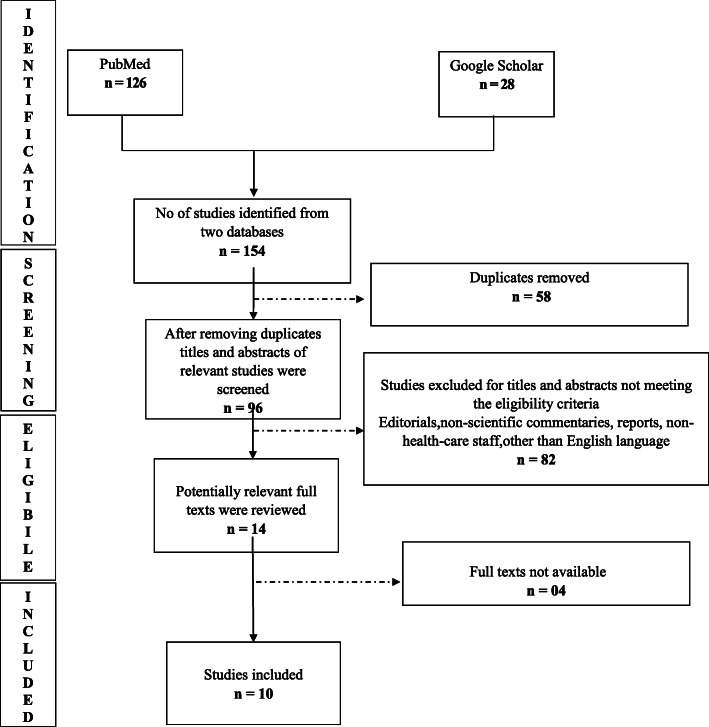
Verification
Claims the paper makes
The claims and statistics of this paper haven’t been checked yet.
Free: it reads the open-access text and checks the first 5 claims that cite a source we can check. Create a free account to check every claim.
Claims other papers make about this one
Each is checked against this paper’s own text: does it say what the citing paper says it does?
The check wasn’t confident either way, so it gives no verdict — never disputed.
In the citing paper
“Thus, the COVID-19 pandemic acted as a catalyst for the development and adoption by health systems, especially of industrialized countries, of a broad range of telehealth technologies, developing and innovating in new virtual health facilities and telecare platforms to minimize these effects [3,4,5,6,7].”
From Telehealth and COVID-19 Pandemic: An Overview of the Telehealth Use, Advantages, Challenges, and Opportunities during COVID-19 Pandemic (2022) · cites this paper as [4]
Experimental — accuracy not yet measuredIn the citing paper
“Acute stress, including extreme anxiety and resignation symptoms, had already been observed, aggravated by nonoptimal disclosure of information about the pandemic (Marazziti, 2020;Shaukat, Ali & Razzak, 2020;Rossi et al., 2020;Zhang et al., 2020).”
From SECOND LINE VOLUNTEERING IN LOMBARDY COVID-19 EMERGENCY AS A PERSPECTIVE ON MEDICAL EDUCATION AND PSYCHOLOGICAL DISTRESS (2021) · doi:10.36131/cnfioritieditore20210506 · cites this paper as Shaukat, Ali & Razzak, 2020
Self-check
Percentages, sums and reported differences re-computed from the paper’s own numbers.
The self-check needs the paper’s full text.
Citations
Cites
Scoping studies: towards a methodological framework
Arksey, H., & O'Malley, L. (2005) · International Journal of Social Research Methodology · doi:10.1080/1364557032000119616 · Cited by 36,742
An interactive web-based dashboard to track COVID-19 in real time
Dong, E., Du, H., & Gardner, L. (2020) · The Lancet Infectious Diseases · doi:10.1016/s1473-3099(20)30120-1 · Cited by 10,048
Lai, J., Ma, S., Wang, Y., Cai, Z., Hu, J., Wei, N., Wu, J., Du, H., Chen, T., Li, R., et al. (2020) · JAMA Network Open · doi:10.1001/jamanetworkopen.2020.3976 · Cited by 8,015
First case of 2019 novel coronavirus in the United States
Holshue, M. L., DeBolt, C., Lindquist, S., Lofy, K. H., Wiesman, J., Bruce, H., Spitters, C., Ericson, K., Wilkerson, S., Tural, A., et al. (2020) · New England Journal of Medicine · doi:10.1056/nejmoa2001191 · Cited by 6,030
The epidemiology and pathogenesis of coronavirus disease (COVID-19) outbreak
Rothan, H. A., & Byrareddy, S. N. (2020) · Journal of Autoimmunity · doi:10.1016/j.jaut.2020.102433 · Cited by 5,840
Features, Evaluation and Treatment Coronavirus (COVID-19)
Cascella, M., Rajnik, M., Cuomo, A., Dulebohn, S. C., & Napoli, R. D. (2020) · StatPearls · Cited by 5,363
COVID-19 and Italy: what next?
Remuzzi, A., & Remuzzi, G. (2020) · The Lancet · doi:10.1016/s0140-6736(20)30627-9 · Cited by 3,119
Mental health care for medical staff in China during the COVID-19 outbreak
Chen, Q., Liang, M., Li, Y., Guo, J., Fei, D., Wang, L., He, L., Sheng, C., Cai, Y., Li, X., et al. (2020) · The Lancet Psychiatry · doi:10.1016/s2215-0366(20)30078-x · Cited by 2,233
The mental health of medical workers in Wuhan, China dealing with the 2019 novel coronavirus.
Kang, L., Li, Y., Hu, S., Chen, M., Yang, C., Yang, B. X., Wang, Y., Hu, J., Lai, J., Ma, X., et al. (2020) · The Lancet Psychiatry · doi:10.1016/s2215-0366(20)30047-x · Cited by 2,061
Maunder, R., Hunter, J., Vincent, L. H., Bennett, J. P., Peladeau, N., Leszcz, M., Sadavoy, J., Verhaeghe, L. M., Steinberg, R. J., & Mazzulli, T. (2003) · Europe PMC (PubMed Central) · Cited by 1,781
Cited by
Items 401–500 of 890
Ghimire, S., SHRESTHA, R. K., Bhattarai, S. L., NEUPANE, R., Pandey, S., JOSHI, D., & Pandey, S. (2022) · Minerva Psychiatry · doi:10.23736/s2724-6612.21.02150-3 · Cited by 4
Becerra‐García, J. A., Sánchez‐Gutiérrez, T., Barbeito, S., Pascual, L. A., Martínez, A. V., Pardo, M. E. L., Garrido, A. V., Aguilar, A. B. O., Márquez, N. P., & Calvo, A. (2022) · Behavioral Psychology/Psicología Conductual · doi:10.51668/bp.8322307n · Cited by 4
Use of Topical Lavender Essential Oils to Reduce Perceptions of Burnout in Critical Care
DiGalbo, R. T., & Reynolds, S. S. (2022) · AACN Advanced Critical Care · doi:10.4037/aacnacc2022289 · Cited by 4
Ross, T., de Albuquerque, C. D. M., Chaves, J., Rolim, K. M. C., Frota, M. A., & Surkan, P. J. (2023) · Sexual and Reproductive Health Matters · doi:10.1080/26410397.2022.2152548 · Cited by 5
Balogun, A. G., Agesin, B. E., Ayodele, I. O., & Olowodunoye, S. A. (2023) · Journal of Workplace Behavioral Health · doi:10.1080/15555240.2023.2220968 · Cited by 6
Hasen, A. A., Seid, A. A., & Mohammed, A. A. (2023) · BMJ Open · doi:10.1136/bmjopen-2023-072337 · Cited by 4
Moral distress and moral resilience in nurses during the COVID-19 pandemic: A narrative review
Arbabi, Z., Gholampour, M. H., Zare‐Kaseb, A., & Ghazanfari, M. J. (2023) · Journal of Nursing Reports in Clinical Practice · doi:10.32598/jnrcp.23.29 · Cited by 4
“Healthcare workers are at risk of exposure to COVID-19 when providing direct care to patients affected by the virus, with the possibility of experiencing adverse physical and psychological health outcomes [6-8].”
BackgroundKhan, R., Javed, H., Fatima, W., Ali, A., Khan, M. I. U., Ahmad, S., & Khurshid, M. (2024) · Transboundary and Emerging Diseases · doi:10.1155/2024/3364960 · Cited by 5
Zhang, S., & Gu, X. (2024) · BMJ Leader · doi:10.1136/leader-2024-001041 · Cited by 4
Determinants maintaining healthcare personnel’s motivation during COVID-19 pandemic in Uganda
Komasawa, M., Aung, M. N., Nsereko, C., Saito, K., Ssekitoleko, R., Isono, M., & Yuasa, M. (2025) · Scientific Reports · doi:10.1038/s41598-025-86685-6 · Cited by 5
“These findings indicated that comprehensive engagement from senior staff can reduce psychological distress and sustain motivation, as suggested in previous studies 2,17,34 .”
Development of an Anesthesiology Disaster Response Plan
Staben, M., Raiten, J. M., Lane-Fall, M. B., & Scott, M. J. (2021) · Anesthesiology Clinics · doi:10.1016/j.anclin.2021.02.001 · Cited by 4
“A survey of health care workers in China during the early phases of the pandemic demonstrated high levels of depression, stress, anxiety, distress, anger, fear, insomnia, and posttraumatic stress disorder, with the greatest risk factor for distress being a frontline or emergency health care worker.(26,27) Although hea…”
Impact of COVID-19 Pandemic on Palliative Care Workers: An International Cross-sectional Study
Pastrana, T., Lima, L. D., Pettus, K. I., Ramsey, A., Napier, G., Wenk, R. D., & Radbruch, L. (2021) · Indian Journal of Palliative Care · doi:10.25259/ijpc_6_21 · Cited by 4
Osei-Poku, G. K., Szczerepa, O., Potter, A., Malone, M., Fain, B., & Prentice, J. C. (2021) · Patient Safety · doi:10.33940/infection/2021.9.1 · Cited by 4
Sunder, P., Vincent, A. S., Saju, M. K., Moorthy, A. S., Paulose, G., Robins, R., Prabhu, A. V., Arun, M., Rajah, A., & Venkateswaran, C. (2021) · Frontiers in Psychiatry · doi:10.3389/fpsyt.2021.731321 · Cited by 4
Rolland, F. (2022) · Annales Médico-psychologiques revue psychiatrique · doi:10.1016/j.amp.2022.05.004 · Cited by 4
Robiños, J. R. O., Palao, M. S. G., & Cantilero, K. A. S. (2022) · International Multidisciplinary Research Journal · doi:10.54476/s842092 · Cited by 4
Kameyama, K., Mizutani, K., Miyake, Y., Iwase, T., Mizutani, Y., Yamada, M., Ito, Y., Ishihara, S., & Deguchi, T. (2022) · Journal of Infection and Chemotherapy · doi:10.1016/j.jiac.2022.10.003 · Cited by 5
“Sufficient and adequate personal protective equipment (PPE), early recognition of infection, and isolation of infected patients reduce the risk of COVID-19 [4,9,10,25].”
BackgroundLi, Y., Nazari, N., & Sadeghi, M. (2022) · Trials · doi:10.1186/s13063-022-06986-3 · Cited by 4
“Abbreviations CBT: Cognitive behavioral therapy; CBT-I: Cognitive behavioral therapy for insomnia; COVID-19: Coronavirus disease 2019; CSQ-I: Client Satisfaction Questionnaire Adapted to Internet-Based Interventions; DBAS: Dysfunctional Beliefs and Attitudes about Sleep Scale Questionnaire; DSM: Diagnostic and Statist…”
BackgroundInfluentialAchat, H. M., Stubbs, J. M., Mittal, R., Schindeler, S., & Gilroy, N. M. (2023) · International Journal of Workplace Health Management · doi:10.1108/ijwhm-04-2022-0071 · Cited by 5
Meraz‐Medina, T., Zamora-Sánchez, N. F., Maldonado-Suárez, N., & Santoyo-Telles, F. (2023) · RIDE Revista Iberoamericana para la Investigación y el Desarrollo Educativo · doi:10.23913/ride.v13i26.1474 · Cited by 4
Sociodemographic Factors and Stress Levels Among Health Workers in Malang During Covid-19 Pandemic
Nugroho, I., Widyasari, D. C., Syakarofath, N. A., & Latipun, L. (2024) · KnE Social Sciences · doi:10.18502/kss.v9i5.15190 · Cited by 6
Zeraatkhah, H., Alavi, N. M., Ziabakhsh, H., & Mahdaviasl, Z. (2024) · BMC Nursing · doi:10.1186/s12912-024-01733-2 · Cited by 6
“During the COVID-19 pandemic, many professions stopped working or changed their jobs as online carriers; in contrast, the health care workers (HCWs) encountered the maximum workload with long shifts and very hard work conditions with much physical and mental stress [19].”
BackgroundKhatoon, F., Singh, A., Jilani, A. Q., Ahmad, A., Haq, M., & Pandey, S. K. (2021) · International Journal of Human and Health Sciences (IJHHS) · doi:10.31344/ijhhs.v5i3.279 · Cited by 4
Covid-19 Impacts on Florida’s Healthcare Professionals
Hicks-Roof, K. K., Xu, J., Zeglin, R. J., Bailey, C. E., Hamadi, H. Y., & Osborne, R. (2021) · Hospital Topics · doi:10.1080/00185868.2021.1927277 · Cited by 4
“Frontline healthcare providers have been reporting increased symptoms of anxiety and depression related to burnout, as well as fatigue and chronic concern for lack of personal protective equipment (PPE) (Shaukat, Ali, and Razzak 2020).”
BackgroundLu, T., Guo, Z., Li, H., Zhang, X., Ren, Z., Yang, W., Wei, L., & Huang, L. (2021) · Frontiers in Psychology · doi:10.3389/fpsyg.2021.689251 · Cited by 5
Dey, J., Sarkar, A., Chowdhury, B., & Karforma, S. (2021) · SN Computer Science · doi:10.1007/s42979-021-00831-1 · Cited by 5
“Shaukat et al. [42] had shown different mental complications that were found on the healthcare staffs due to COVID-19 pressure.”
Proximity to COVID-19 patients and role-specific mental health outcomes of healthcare professionals
Mayer, Y., Etgar, S., Shiffman, N., & Lurie, I. (2022) · Journal of Mental Health · doi:10.1080/09638237.2021.2022623 · Cited by 4
“Other impactful factors may be the number of working hours (Shaukat et al., 2020) and the length of service (Zhen et al., 2020).”
BackgroundThe Impact of COVID-19 on Social Work Practice in Canada: A Comparison of Urban and Rural Contexts
Baker, M., Berens, K. A., Williams, S., Bruer, K. C., Evans, A. D., & Price, H. L. (2021) · Journal of Comparative Social Work · doi:10.31265/jcsw.v16i2.382 · Cited by 4
“…are at an increased risk of direct (e.g., increased infection rates; Nguyen et al., 2020) and indirect (e.g., stress from high-risk work environments and excessive workload; Magill et al., 2020) adverse effects of the pandemic (Cabarkapa et al., 2020; Shaukat et al., 2020; Teo et al., 2020).”
BackgroundJokwiro, Y., Urbanavicius, T., Robinson, A. M., Scott, C., & Islam, M. R. (2022) · BMC Health Services Research · doi:10.1186/s12913-022-07768-y · Cited by 4
“Combined evidence of psychological impact on HCWs reported during SARS and MERS, and now also during COVID-19, highlights the need for continuing monitoring and support of HCWs mental health and wellbeing in infectious outbreak situations [18, 35].”
BackgroundGökçe, A. (2022) · Çalışma ve Toplum · doi:10.54752/ct.1141947 · Cited by 9
Zulla, R. T., Nicholas, D. B., West, L. J., Chan, S., McCoy, M., & Urschel, S. (2022) · Pediatric Transplantation · doi:10.1111/petr.14388 · Cited by 4
McDonald, C. I., Parry, P. I., & Rhodes, P. (2024) · Journal of Psychiatry and Psychiatric Disorders · doi:10.26502/jppd.2572-519x0209 · Cited by 4
Occupational health and safety of the frontline healthcare workers in Nepal in COVID-19 pandemic
Joshi, S. K. (2021) · International Journal of Occupational Safety and Health · doi:10.3126/ijosh.v11i1.35543 · Cited by 4
Stress Reduction in Frontline Health Care Workers With Rapid On-Shift Interventions
Ruby, C., Kirby, J., Mian, R. K., & Verner, H. M. G. (2025) · Nurse Leader · doi:10.1016/j.mnl.2024.12.010 · Cited by 4
Zhang, S., & Gu, X. (2025) · Cognition Technology & Work · doi:10.1007/s10111-025-00796-8 · Cited by 3
“HCWs’ concerns about their physical health would weaken the medical institution’s capability (Shaukat et al. 2020 ).”
Ku, M., Cavanagh, J. M., Bartram, T., & Halvorsen, B. (2022) · Australian Health Review · doi:10.1071/ah22042 · Cited by 3
Anung, Z. L., Kusumaningtyas, M., & Windiastoni, Y. H. (2023) · Jurnal Bahana Kesehatan Masyarakat (Bahana of Journal Public Health) · doi:10.35910/jbkm.v7i2.609 · Cited by 3
Mental health impact of COVID-19 on healthcare workers versus adults in Africa
Mulondo, M. A., Ndlovu, S., Ndirangu, J., & Tsoka-Gwegweni, J. M. (2024) · African Journal of Primary Health Care & Family Medicine · doi:10.4102/phcfm.v16i1.4175 · Cited by 3
Impacts of COVID-19 on SDGs implementation and service delivery in South Africa
Nhamo, G., & Chapungu, L. (2024) · Frontiers in Sustainability · doi:10.3389/frsus.2024.1477474 · Cited by 3
The risk of COVID-19 infection in medical workers of a clinical hospital during a pandemic
Kuzmina, L. P., Leskina, L. M., Петровна, Г. Н., Алексеевич, Т. Д., Izmerova, N. I., & Osmanova, P. S. (2024) · Russian Journal of Occupational Health and Industrial Ecology · doi:10.31089/1026-9428-2024-64-11-748-754 · Cited by 3
Fki, A., Kacem, I., Sridi, C., Chelly, F., Bouchech, R., Gadha, N. B., Kahloul, M., & Ksibi, S. (2025) · Quality of Life Research · doi:10.1007/s11136-024-03878-8 · Cited by 3
“The emotional toll of dealing with a relent-less pandemic can further exacerbate these symptoms, making addressing the mental health needs of HCWs crucial [41].”
Nguyen, H. T., Duong, B. T., Vu, T. T., Lin, S., Susilawati, T. N., Nguyễn, B. T., & Duong, M. C. (2025) · BMC Health Services Research · doi:10.1186/s12913-025-12702-z · Cited by 6
Optimising Cancer Surgery During COVID-19: Experience of Tertiary Cancer Centre in Eastern India
Das, R., Nahak, S. R., Parija, J., Das, P. K., Sarangi, L., Devi, P., & Pathy, P. C. (2021) · Indian Journal of Gynecologic Oncology · doi:10.1007/s40944-021-00502-2 · Cited by 3
Assessment of COVID-19 trauma responses. Who has been more traumatized during the pandemic?
Çim, E. F. A., Kurhan, F., Dinç, D., & Atlı, A. (2022) · Annales Médico-psychologiques revue psychiatrique · doi:10.1016/j.amp.2022.01.020 · Cited by 3
“The studies evaluating the PTSD relationship of the COVİD-19 andemic have focused on whether the individual meets the iagnosis of PSTD and PTSD symptoms during the evaluation [7].”
Gainer, D. M., Nahhas, R. W., Bhatt, N. V., McCormack, J., McMerrill, A., & Sultan, H. (2022) · International Journal of Health Promotion and Education · doi:10.1080/14635240.2022.2028264 · Cited by 4
“…studies have been conducted related to the mental health impact of COVID-19 upon healthcare workers (HCW), particularly those on the frontlines (Preti et al. 2020; Lai et al. 2020; Lang et al. 2020; Firew et al. 2020; Shaukat, Mansoor Ali, and Razzak 2020; Shechter et al. 2020; Zhang et al. 2020).”
Burnout in Specialized Care Nurses during the First COVID-19 Outbreak in Spain
Fernández, M. D. R., Alarcón-Ortega, C., Ventura‐Miranda, M. I., Ortega‐Galán, Á. M., Alcaraz‐Córdoba, A., Berenguel-Marínez, A., & Manzano, M. J. L. (2022) · Healthcare · doi:10.3390/healthcare10071282 · Cited by 7
“Burnout has been related to certain socio-demographic factors, such as gender and age [11], and it was also found in previous research that certain variables in the work context produce higher levels of burnout and, therefore, emotional discomfort triggering psychiatric pathology [12].”
ResultVivek, S., Varghese, S., Ratheesh, R., & Raghu, K. (2022) · Journal of Pharmacy And Bioallied Sciences · doi:10.4103/jpbs.jpbs_39_22 · Cited by 4
“[16] Majority of the participants had a sense of security with the personal protective equipment alike with the study conducted in China.”
Resiliensi Resiliensi Pada Perawat di Masa Pandemi Covid-19
Athifahsari, H., Ardani, M. H., Muin, M., Warsito, B. E., & Sulisno, M. (2022) · Jurnal Manajemen Asuhan Keperawatan · doi:10.33655/mak.v6i2.132 · Cited by 5
Health Workforce Talent Management in a Post-COVID-19 Digital Age
Aggarwal, D., Chaturvedi, V., & Ramachandran, A. (2022) · Advances in human and social aspects of technology book series · doi:10.4018/978-1-6684-5274-5.ch011 · Cited by 5
Chicaiza, M., Sánchez, A., Santana, C., Moposita, N. A. N., Moposita, D. N., Aguilar, A., & Albán, N. A. (2022) · Mediciencias UTA (Impresa)/Mediciencias UTA (En línea) · doi:10.31243/mdc.uta.v6i3.1706.2022 · Cited by 3
Kocaay, F., Ayyıldız, P., & Şanlıer, N. (2022) · Düzce Tıp Fakültesi Dergisi · doi:10.18678/dtfd.1192388 · Cited by 4
Staff Experience in the NHS: A National Study—An Experience-Based Design Approach
Johnson, A., Conroy, S., Thompson, D. J., Hassett, G., Clayton, A., & Backhouse, E. (2022) · Journal of Patient Experience · doi:10.1177/23743735221143921 · Cited by 3
“Results from the 2020 NHS staff satisfaction questionnaire revealed that only 33% of employees felt that their hospital took positive action toward their well-being and health (2).”
BackgroundDonohoe, A. (2023) · Reflective Practice · doi:10.1080/14623943.2023.2210074 · Cited by 3
“A range of systematic, scoping, and rapid reviews have explored the psychological impact of the pandemic from a generalist perspective (De Kock et al., 2021; Franklin & Gkiouleka, 2021; Shaukat et al., 2020; Sheraton et al., 2020).”
BackgroundMo, D., Gluck, R. L., Jiang, F., Tao, R., Geng, F., Liu, T., Liu, Y., Liu, H., & Tang, Y. (2023) · Alcohol · doi:10.1016/j.alcohol.2023.08.006 · Cited by 5
Depression, anxiety and stress among healthcare workers in COVID-19 ICUs
Sadaf, S., Mussrat, R., & Bashir, B. (2022) · Anaesthesia Pain & Intensive Care · doi:10.35975/apic.v26i2.1835 · Cited by 3
Subramaniam, A., Zuberav, A., Wengritzky, R., Bowden, C., Tiruvoipati, R., Wang, W., & Wadhwa, V. (2021) · Internal Medicine Journal · doi:10.1111/imj.15145 · Cited by 3
Dampak Covid Terhadap Pekerja Animasi Indonesia
Wikayanto, A., Kurniawan, E., Yudoprakoso, B. F., Wilson, D., & Prana, I. S. (2021) · REKAM Jurnal Fotografi Televisi dan Animasi · doi:10.24821/rekam.v17i2.5647 · Cited by 4
Yazel-Smith, L. G., Bishop, C., & Britt, H. (2022) · American Journal of Health Education · doi:10.1080/19325037.2022.2048746 · Cited by 3
“Numerous studies have examined the effects of the pandemic on healthcare workers and public health professionals since the COVID-19 pandemic began in March 2020.(1,2) However, there has been little published specifically on the field of health education and those professionals who are health education specialists (HES)”
BackgroundEffendy, C., Margaretha, S. E. P. M., Helmi, M., Ferhonika, A., & Masdar, M. (2023) · Journal of Psychosocial Nursing and Mental Health Services · doi:10.3928/02793695-20221122-03 · Cited by 5
Long-term Complications of COVID-19 in Nursing Staff; a Retrospective Longitudinal Study.
Etemad, K., Hatami, H., Nikpeyma, M., Mowla, F., & Atatalab, F. F. (2023) · Archives of Academic Emergency Medicine · doi:10.22037/aaem.v11i1.1785 · Cited by 3
“of personal protective equipment, training, fatigue relief, and coping with psychosocial consequences (9), due to the high burden of disease.”
BackgroundBennett, B., Freckelton, I. R., & Wolf, G. (2023) · Oxford University Press eBooks · doi:10.1093/oso/9780192896742.003.0004 · Cited by 3
Namikawa, H., Tochino, Y., Okada, A., Ota, K., Okada, Y., Yamada, K., Watanabe, T., Mizobata, Y., Kakeya, H., Kuwatsuru, Y., et al. (2023) · Journal of General and Family Medicine · doi:10.1002/jgf2.632 · Cited by 3
Health impacts of the COVID-19 pandemic among Canadians living with disabilities
Islam, M. K., & Hällström, L. (2023) · Canadian Journal of Disability Studies · doi:10.15353/cjds.v12i2.1009 · Cited by 4
Brown, N. L., Moshtael, S., Rogers, M., Mohamed, I., Smith, B., Rimmer, C. T., Hamad, A., & Yan, A. (2021) · Future Healthcare Journal · doi:10.7861/fhj.2021-0056 · Cited by 3
Fredericks, S., Lapum, J. L., McShane, J., Lai, S., & Nguyen, M. (2022) · Journal of Psychosocial Nursing and Mental Health Services · doi:10.3928/02793695-20220315-04 · Cited by 6
Gao, C., Ma, G., Jiao, D., Guo, J., Zhang, Y., Zhu, L., Li, J., Lou, Y., & Dong, H. (2022) · Medycyna Pracy · doi:10.13075/mp.5893.01222 · Cited by 3
Halemani, K., Issac, A., Mishra, P., Dhiraaj, S., & Mavinatop, S. (2021) · Nursing Journal of India · doi:10.48029/nji.2021.cxii605 · Cited by 3
Chen‐Lim, M. L., McCabe, M. A., Xu, H., Thomas, L. E., Forrest, C. B., Birnbaum, S., Webb, L. E., & O'Brien, E. C. (2022) · Nursing Research · doi:10.1097/nnr.0000000000000610 · Cited by 3
The Covid-19 Pandemic: Impacts on the Hospital Environment and Spatial Design
Tajudin, N. F. S. A., & Amat, R. C. (2022) · International Journal of Built Environment and Sustainability · doi:10.11113/ijbes.v9.n2-2.1017 · Cited by 3
Kufe, C. N., Bernstein, C., & Wilson, K. S. (2023) · medRxiv · doi:10.1101/2023.06.06.23290967 · Cited by 4
“By the 11 of March the World Health Organization (WHO) had declared COVID-19 a global pandemic (2).”
BackgroundMandarano, P., Squatrito, V., Mariotti, A., & Presti, G. (2021) · PubMed Central · doi:10.36131/cnfioritieditore20210506 · Cited by 2
YILMAZ, G., & Yılmaz, C. K. (2023) · Ege Üniversitesi Hemşirelik Fakültesi Dergisi · doi:10.53490/egehemsire.1119253 · Cited by 3
Psychological Symptoms Among Iranian Healthcare Workers During COVID-19 Pandemic
Eskandari, S., Bazrafshan, M.-R., Ziba, Z., Shakeri, Z., Sarvi, F., Sadeghi, Z., & Rahimpoor, R. (2023) · Iranian Journal of Psychiatry and Behavioral Sciences · doi:10.5812/ijpbs-137732 · Cited by 2
“They are also exposed to waste and biological and chemical compounds in the workplace (6-8).”
BackgroundDas, S. R., Sultana, S., Khaium, M. O., Chowdhury, A. A., Khan, H. T. A., & Haque, M. I. (2024) · Illness Crisis & Loss · doi:10.1177/10541373241242020 · Cited by 2
“HCPs generally experienced high levels of depression, anxiety, insomnia, and distress with female HCPs, including nurses, disproportionately affected (Shaukat et al., 2020).”
Hsieh, C., Yen, Y., Chen, C.-C., Chou, Y.-C., & Chen, M. (2024) · Journal of Occupational and Environmental Medicine · doi:10.1097/jom.0000000000003255 · Cited by 2
Poto-Rapudi, M. N., Masango, T., & Mbombi, M. O. (2025) · Curationis · doi:10.4102/curationis.v48i1.2735 · Cited by 2
“…decreased personal accomplishment, moral distress and high levels of depression, stress, anxiety, anger, fear, insomnia and post-traumatic stress disorder are all symptoms of burnout (Heath, Sommerfield & Von Ungern-Sternberg 2020; Shaukat, Ali & Razzak 2020; Sultana et al. 2020; Vranceanu 2019).”
Rafiee, M., Alboghobeish, A., Saremi, M., & Esmaeili, S. V. (2025) · PLoS ONE · doi:10.1371/journal.pone.0322993 · Cited by 5
Hsu, S. H., Jung, L. L., & Chou, P.-C. (2025) · JMIR Serious Games · doi:10.2196/66262 · Cited by 5
“Female nurses have been especially vulnerable [7-10].”
Balogun, A. G. (2025) · Romanian Journal of Applied Psychology · doi:10.2478/rjap-2025-0002 · Cited by 4
Barriers in Returning to Work for U.S. Nurses Following Substance Use-Related Discipline
Ferris, J., Wilson, M., Sattler, V. P., & Graves, J. M. (2026) · International Journal of Addiction Nursing · doi:10.1097/jan.0000000000000660 · Cited by 2
Subramaniam, A., Tiruvoipati, R., Zuberav, A., Wengritzky, R., Bowden, C., Wang, W.-C., & Wadhwa, V. (2021) · Australian Critical Care · doi:10.1016/j.aucc.2021.08.006 · Cited by 2
Tatia, P., & Shehnaz, S. I. (2022) · Clinical Epidemiology and Global Health · doi:10.1016/j.cegh.2022.101007 · Cited by 2
Moyo, I., Tshivhase, L., & Mavhandu‐Mudzusi, A. H. (2022) · Cogent Psychology · doi:10.1080/23311908.2022.2087827 · Cited by 3
“The findings are similar to those in the study of Shaukat et al. (2020) who posit that high levels of stress, fear, and anxiety exist among healthcare workers, especially among nurses who spend many hours with patients.”
ResultAlzahrani, M. G., Zakari, N. M. A., Abuabah, D. I., Ousman, M. S., Xu, J., & Hamadi, H. Y. (2022) · Nursing Reports · doi:10.3390/nursrep12030064 · Cited by 2
“Frontline healthcare providers have been reporting increased symptoms of anxiety and depression related to burnout, and fatigue and chronic concern for lack of personal protective equipment (PPE) [2].”
BackgroundFirouzabadi, M., Pourramezani, N., Alavi-Arjas, F., Balvardi, M., & Badrabadi, N. (2022) · Medicinski casopis · doi:10.5937/mckg56-36544 · Cited by 2
Azuraa, A. N., Frendika, R., Susiarno, H., & Mariana, N. (2023) · International Journal of Management Entrepreneurship Social Sciences and Humanities · doi:10.31098/ijmesh.v6i2.1156 · Cited by 3
Bjørge, H., Gunnheim, N., Bachke, A. N. F., Anker-Rasch, C., Sheikoleslami, R. L., Finstad, A.-K., Karterud, D., Halvorsrud, L., Lohne, V., & Sæterstrand, T. M. (2023) · Teaching and learning in nursing · doi:10.1016/j.teln.2023.05.005 · Cited by 3
Hill, R. (2024) · Cambridge University Press eBooks · doi:10.1017/9781009019330.042 · Cited by 2
Petit, G., Germeau, N., Amory, A., Banse, E., Deschietere, G., Luts, A., Moreau, G., Statistical support unit, I. R. A. I., Billieux, J., & de Timary, P. (2024) · Psychiatria Danubina · doi:10.24869/psyd.2024.94 · Cited by 3
Osuagwu, U. L., Agho, K. E., Ekpenyong, B. N., Mashige, K. P., & Ishaya, T. (2024) · doi:10.61588/vbox7053 · Cited by 2
Ali, N., Junnaidi, M. H., & Allam, Z. (2024) · International Journal of Religion · doi:10.61707/e9fae582 · Cited by 3
“…fear of contracting an infection or spreading it to loved ones or patients and having to make morally challenging decisions, feeling helpless, longer working hours and others (Allam, 2017; Sun et al., 2021; Thomaier et al., 2020; Khusid et al., 2020; Shaukat et al., 2020; Mokhtari et al., 2020).”
BackgroundJuarez-Reyes, M., Less, J., Gardner, R. M., Dahlen, A., & Blacker, A. (2024) · Journal of Workplace Behavioral Health · doi:10.1080/15555240.2024.2357692 · Cited by 3
“…only increased levels of stress but also psychological distress in HCWs during the pandemic, including the potential for exposure to COVID-19, shortages of protective equipment, longer work hours, and difficult decisions about treatment allocation (Pfefferbaum & North, 2020; Shaukat et al., 2020).”
Kassew, T., Melkam, M., Minichil, W., Wondie, M., & Ali, D. (2024) · Frontiers in Psychiatry · doi:10.3389/fpsyt.2024.1342002 · Cited by 3
Self-citationA Tentative Analysis of the Interactions Between the Building Sector and SDGs
Zhou, Z., Syamsunur, D., Muhamad, N. S., Ghazalli, A. Z., Azahar, M. A., & Jusoh, M. N. H. B. (2024) · Journal of Lifestyle and SDGs Review · doi:10.47172/2965-730x.sdgsreview.v5.n02.pe03212 · Cited by 2
Iyer, S., Subramaniam, S., Thankappan, K., Rao, N., Sathyapalan, D. T., Ravikumar, B., & Vasudevan, A. (2021) · The Surgery Journal · doi:10.1055/s-0041-1726130 · Cited by 2
Özsoy, İ., Kodak, M. İ., Karartı, C., & Özsoy, G. (2021) · Turkiye Klinikleri Journal of Sports Sciences · doi:10.5336/sportsci.2020-79784 · Cited by 2
Hierarchical Automatic COVID-19 Detection via CT Scan Images
Zhang, Y., & Zhang, B. (2021) · IEEE International Conference on Big Data and Artificial Intelligence (BDAI) · doi:10.1109/bdai52447.2021.9515302 · Cited by 2
Recomendaciones para la provisión de atención paliativa a personas con COVID-19
Ramos-Guerrero, J. A., López-Elizalde, R., Huertas, L. A., Enríquez-López, C., de Alba-Verduzco, J. G., Flores-Munguía, O., Hernández-Flores, L. M., León-Alatorre, A., Nakamura-López, M., Narváez-Sarmiento, I., et al. (2021) · Gaceta Médica de México · doi:10.24875/gmm.20000710 · Cited by 2
Exploring the Impact of COVID-19 on Communities and the Mitigation Efforts
Okojie, O. (2022) · Journal of Community Medicine and Primary Health Care · doi:10.4314/jcmphc.v34i1.1 · Cited by 2
Ali, K. Q. A., Mahmud, A., & Manaf, R. A. (2022) · International Journal of Health Sciences · doi:10.53730/ijhs.v6ns4.10992 · Cited by 3
Metadata
- Authors
- Shaukat, N., Ali, D. M., & Razzak, J.
- Affiliations
- Aga Khan University (PK)
- Corresponding author
- Shaukat, Natasha
- Venue
- International Journal of Emergency Medicine
- Published
- 2020-07-20
- Volume
- 13
- Issue
- 1
- Pages
- 40-40
- ISSN
- 1865-1372 (ISSN-L)
- 1865-1380
- PMC
- PMC7370263
- OpenAlex
- W3043065230
- Semantic Scholar
- e25ae2ab02b02aa76bc898097339f711028bc710
- Cited by
- 879
- References
- 38
- Citations by year
- 2026: 27 · 2025: 49 · 2024: 94 · 2023: 155 · 2022: 257 · 2021: 275 · 2020: 22
- FWCI
- 14.04
- Type
- journal article
- Language
- en
- Open access
- gold
- doi.org
- Licence
- cc-by
- creativecommons.org/licenses/by/4.0 (tdm)
- creativecommons.org/licenses/by/4.0 (vor)
- Locations
- International Journal of Emergency Medicine (publishedVersion, cc-by)
- PubMed Central (publishedVersion, cc-by)
- PubMed (publishedVersion)
- eCommons - AKU (Aga Khan University) (submittedVersion, cc-by)
- DOAJ (DOAJ: Directory of Open Access Journals) (submittedVersion, cc-by-sa)
- Topics
- Social Sciences › Psychology › Clinical Psychology › COVID-19 and Mental Health
- Health Sciences › Health Professions › General Health Professions › Healthcare Systems and Challenges
- Health Sciences › Medicine › Clinical Neurology › Long-Term Effects of COVID-19
- Keywords
- COVID-19 pandemic, healthcare workers, occupational exposure, physical health, mental health, depression, anxiety, insomnia, personal protective equipment, hand hygiene, skin damage, nurses, risk factors, infection control
About these checks
Registry, retraction, Cites and statistics results are computed, not judged, with one exception: a printed reference that no index lists is read once by a model before it counts as a citation error. Claims are extracted by a model and kept only when their quote appears verbatim in the text; each cited source is then checked, with a model’s help, for whether it says what the claim relies on. Those verdicts can be wrong — read the claim’s quote and the cited source before relying on one.
Statistics and arithmetic are recomputed, not judged.
Confidence bands are shown only for fields calibrated on our annotated test set. None is calibrated yet, so no band is shown.
What counts as a claim ›How we measure confidence ›How we check this ›
Are you an author, or do you see a problem with this page? Request a review
Data sources
Bibliographic data: Semantic Scholar, OpenAlex, Crossref.
Contains information from the Semantic Scholar Academic Graph Datasets, made available under the ODC Attribution License (ODC-BY 1.0).
Semantic Scholar’s data is described in: Kinney, R., et al. (2023). The Semantic Scholar Open Data Platform. arXiv:2301.10140.
