

Cognitive biases associated with medical decisions: a systematic review
Open accessThe DOI matches its Crossref record; 76 of the 76 references it cites were found in a registry or an index.
Abstract
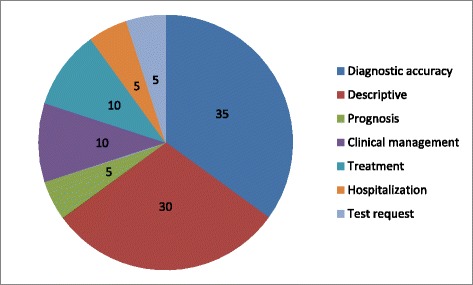
BACKGROUND: Cognitive biases and personality traits (aversion to risk or ambiguity) may lead to diagnostic inaccuracies and medical errors resulting in mismanagement or inadequate utilization of resources. We conducted a systematic review with four objectives: 1) to identify the most common cognitive biases, 2) to evaluate the influence of cognitive biases on diagnostic accuracy or management errors, 3) to determine their impact on patient outcomes, and 4) to identify literature gaps. METHODS: We searched MEDLINE and the Cochrane Library databases for relevant articles on cognitive biases from 1980 to May 2015. We included studies conducted in physicians that evaluated at least one cognitive factor using case-vignettes or real scenarios and reported an associated outcome written in English. Data quality was assessed by the Newcastle-Ottawa scale. Among 114 publications, 20 studies comprising 6810 physicians met the inclusion criteria. Nineteen cognitive biases were identified. RESULTS: All studies found at least one cognitive bias or personality trait to affect physicians. Overconfidence, lower tolerance to risk, the anchoring effect, and information and availability biases were associated with diagnostic inaccuracies in 36.5 to 77 % of case-scenarios. Five out of seven (71.4 %) studies showed an association between cognitive biases and therapeutic or management errors. Of two (10 %) studies evaluating the impact of cognitive biases or personality traits on patient outcomes, only one showed that higher tolerance to ambiguity was associated with increased medical complications (9.7 % vs 6.5 %; p = .004). Most studies (60 %) targeted cognitive biases in diagnostic tasks, fewer focused on treatment or management (35 %) and on prognosis (10 %). Literature gaps include potentially relevant biases (e.g. aggregate bias, feedback sanction, hindsight bias) not investigated in the included studies. Moreover, only five (25 %) studies used clinical guidelines as the framework to determine diagnostic or treatment errors. Most studies (n = 12, 60 %) were classified as low quality. CONCLUSIONS: Overconfidence, the anchoring effect, information and availability bias, and tolerance to risk may be associated with diagnostic inaccuracies or suboptimal management. More comprehensive studies are needed to determine the prevalence of cognitive biases and personality traits and their potential impact on physicians' decisions, medical errors, and patient outcomes.
Overview
The claims and statistics of this paper haven’t been checked yet.
Free: it reads the open-access text and checks the first 5 claims that cite a source we can check. Create a free account to check every claim.
Integrity signals
Registry
Cites
Statistics
Figures
Verification
Claims the paper makes
The claims and statistics of this paper haven’t been checked yet.
Free: it reads the open-access text and checks the first 5 claims that cite a source we can check. Create a free account to check every claim.
Claims other papers make about this one
Each is checked against this paper’s own text: does it say what the citing paper says it does?
The source backs part of the claim, not all of it — or backs it for a different population, condition or comparison.
In the citing paper
“Cognitive tendencies, including anchoring, status-quo preference, and an asymmetric weighting of affirmative rather than disproving information, may reinforce familiar clinical defaults [ 54 ].”
From Paracetamol: A History of Assumptions, Errors, and Evidence Reversals in Pain Management (2026) · cites this paper as [54]
Experimental — accuracy not yet measuredThe source backs part of the claim, not all of it — or backs it for a different population, condition or comparison.
In the citing paper
“Labels associated with medical data, disease rating scales, and diagnosis may be imbued with cognitive biases of the health care personnel who collected this information.51”
From Addressing bias in big data and AI for health care: A call for open science (2021) · cites this paper as [51]
Experimental — accuracy not yet measuredThe source backs part of the claim, not all of it — or backs it for a different population, condition or comparison.
In the citing paper
“Human cognitive biases in clinical decision-making are increasingly recognized as a crucial factor in health care errors and suboptimal patient outcomes [1].”
From Mitigating cognitive biases in clinical decision-making through multi-agent conversations using large language models: simulation study (2024) · cites this paper as [1]
Experimental — accuracy not yet measuredThe source backs part of the claim, not all of it — or backs it for a different population, condition or comparison.
In the citing paper
“Cognitive biases in clinical decision-making significantly contribute to errors in diagnosis and suboptimal patient outcomes.”
From Mitigating cognitive biases in clinical decision-making through multi-agent conversations using large language models: simulation study (2024) · cites this paper as [1]
Experimental — accuracy not yet measured
Self-check
Percentages, sums and reported differences re-computed from the paper’s own numbers.
The self-check needs the paper’s full text.
Citations
Cites
Tversky, A., & Kahneman, D. (1974) · Science · doi:10.1126/science.185.4157.1124 · Cited by 28,810 · cited 2×
“errors in the diagnosis, management, or treatment of medical conditions [6, 26].”
Liberati, A., Altman, D. G., Tetzlaff, J., Mulrow, C., Gøtzsche, P. C., Ioannidis, J. P. A., Clarke, M., Devereaux, P. J., Kleijnen, J., & Moher, D. (2009) · PLoS Medicine · doi:10.1371/journal.pmed.1000100 · Cited by 28,164
Judgment under Uncertainty: Heuristics and Biases
Tversky, A., & Kahneman, D. (1975) · Utility, Probability, and Human Decision Making · doi:10.1007/978-94-010-1834-0_8 · Cited by 22,650
(2014) · Medical Entomology and Zoology · Cited by 17,633
Liberati, A., Altman, D. G., Tetzlaff, J., Mulrow, C., Gøtzsche, P. C., Ioannidis, J. P. A., Clarke, M., Devereaux, P. J., Kleijnen, J., & Moher, D. (2009) · Annals of Internal Medicine · doi:10.7326/0003-4819-151-4-200908180-00136 · Cited by 10,349
Newcastle-Ottawa Scale: comparing reviewers’ to authors’ assessments
Lo, C. K.-L., Mertz, D., & Loeb, M. (2014) · BMC Medical Research Methodology · doi:10.1186/1471-2288-14-45 · Cited by 2,477
Incidence of Adverse Drug Events and Potential Adverse Drug Events: Implications for Prevention
Bates, D. W. (1995) · JAMA · doi:10.1001/jama.1995.03530010043033 · Cited by 2,127 · cited 1×
“each year, and perhaps one million in excess injuries in the USA [1, 2].”
BackgroundThe Importance of Cognitive Errors in Diagnosis and Strategies to Minimize Them
Croskerry, P. (2003) · Academic Medicine · doi:10.1097/00001888-200308000-00003 · Cited by 1,675 · cited 5×
“errors in the diagnosis, management, or treatment of medical conditions [6, 26].”
BackgroundInfluentialWhat every teacher needs to know about clinical reasoning
Eva, K. W. (2005) · Medical Education · doi:10.1111/j.1365-2929.2004.01972.x · Cited by 930 · cited 1×
“Fourth, case-vignettes or real clinical encounters were used [28].”
MethodClaims, Errors, and Compensation Payments in Medical Malpractice Litigation
Studdert, D. M., Mello, M. M., Gawande, A. A., Gandhi, T. K., Kachalia, A., Yoon, C., Puopolo, A. L., & Brennan, T. A. (2006) · New England Journal of Medicine · doi:10.1056/nejmsa054479 · Cited by 848 · cited 1×
“outcomes, which are the most common reasons for patients’ dissatisfaction and medical complaints [54, 64, 65].”
Background
Cited by
Items 201–300 of 1,000
Manaseki‐Holland, S., Lilford, R. J., TE, A. P., Chen, Y., Gupta, K. K., Chilton, P. J., & Hofer, T. P. (2019) · Milbank Quarterly · doi:10.1111/1468-0009.12375 · Cited by 19
Dennstädt, F., Treffers, T., Iseli, T., Panje, C. M., & Putora, P. M. (2021) · BMC Medical Informatics and Decision Making · doi:10.1186/s12911-021-01568-w · Cited by 20
Judgement and Decision Making in Clinical and Return-to-Sports Decision Making: A Narrative Review
Yung, K. K., Ardern, C. L., Serpiello, F. R., & Robertson, S. J. (2024) · Sports Medicine · doi:10.1007/s40279-024-02054-9 · Cited by 24
“Clinicians can enhance their judgement by engaging in reflective reasoning [37, 38].”
BackgroundCoen, M., Sader, J., Junod-Perron, N., Audétat, M., & NENDAZ, M. R. (2022) · Internal and Emergency Medicine · doi:10.1007/s11739-021-02884-9 · Cited by 22
“systemic diagnostic distortions, [11–15, 17, 35] associate with diagnostic inaccuracies and flawed clinical decisions [21, 22, 36].”
BackgroundSuicide Risk Assessments: A Scientific and Ethical Critique
Smith, M. (2022) · Journal of Bioethical Inquiry · doi:10.1007/s11673-022-10189-5 · Cited by 21
“A recent systematic review of cognitive biases associated with medical decision-making identified that the anchoring effect, and availability biases were strongly associated with diagnostic inaccuracy (Saposnik et al. 2016).”
BackgroundBruce, M., & Weinraub, D. (2023) · Journal of Personality Assessment · doi:10.1080/00223891.2023.2178928 · Cited by 18
“Inaccurate forensic assessment can have considerable and far reaching ethical, practical, financial, and legal consequences for the evaluee (Bailey & Brown, 2020; Doyen, 2021; Ogundare, 2020; Porr, 2017; Saposnik et al., 2016).”
BackgroundArtificial Intelligent Agent Architecture and Clinical Decision-Making in the Healthcare Sector
Huang, K. A., Choudhary, H. K., & Kuo, P. C. (2024) · Cureus · doi:10.7759/cureus.64115 · Cited by 42
Cognitive Biases in Emergency Physicians: A Pilot Study
Pines, J. M., & Strong, A. (2019) · Journal of Emergency Medicine · doi:10.1016/j.jemermed.2019.03.048 · Cited by 17
A dual process model for paleopathological diagnosis
Mays, S. A. (2020) · International Journal of Paleopathology · doi:10.1016/j.ijpp.2020.10.001 · Cited by 20
Cognitive Biases Influence Decision-Making Regarding Postacute Care in a Skilled Nursing Facility
Burke, R. E., Leonard, C., Lee, M., Ayele, R. A., Cumbler, E., Allyn, R. L., & Greysen, S. R. (2019) · Journal of Hospital Medicine · doi:10.12788/hm.3273 · Cited by 25
Human biases and the SARS-CoV-2 pandemic
Garcia-Alamino, J. M. (2020) · Intensive and Critical Care Nursing · doi:10.1016/j.iccn.2020.102861 · Cited by 17
“Rather, their declarations are based on a limited number of heuristics that sometimes give rise to reasonable judgements and other times lead to serious and systematic errors (Saposnik et al., 2016), as illustrated by SARS-CoV-2 contagion in Spain.”
Cognitive bias in emergency medicine
Hansen, K. (2020) · Emergency Medicine Australasia · doi:10.1111/1742-6723.13622 · Cited by 16
“to appreciate a bias in others, but not in themselves(24,25) This can hinder reflection and recognition of the role of cognitive bias in adverse event analysis.(24,25)”
BackgroundActon, E. K., Khazaal, O., Willis, A. W., Gelfand, M. A., Hennessy, S., Selim, M. H., & Kasner, S. E. (2021) · Journal of Stroke and Cerebrovascular Diseases · doi:10.1016/j.jstrokecerebrovasdis.2021.106024 · Cited by 18
Fazel, S., Sariaslan, A., & Fanshawe, T. R. (2022) · European Journal on Criminal Policy and Research · doi:10.1007/s10610-022-09520-y · Cited by 25
“If human-decision-making is biassed and inconsistent, which has been clearly replicated in different settings by behavioural scientists and also in medicine (Saposnik et al., 2016), then an approach that improves the transparency of the assessment process, even if it cannot eliminate all limitations of the existing pr…”
BackgroundEvaluation of Deep Learning Model Architectures for Point-of-Care Ultrasound Diagnostics
Torres, S. I. H., Ruiz, A. J., Holland, L., Ortiz, R., & Snider, E. J. (2024) · Bioengineering · doi:10.3390/bioengineering11040392 · Cited by 16
“While less trained personnel can perform an eFAST exam, the diagnoses are only as good as the images captured, and there is known subjectivity variance in diagnostic accuracy between sonographers [7].”
BackgroundMolecular Study of Thyroid Cancer in World Trade Center Responders
van Gerwen, M. A. G., Tuminello, S., Riggins, G. J., Mendes, T. B., Donovan, M. J., Benn, E. K. T., Genden, E. M., Cerutti, J. M., & Taioli, E. (2019) · International Journal of Environmental Research and Public Health · doi:10.3390/ijerph16091600 · Cited by 16
“In addition, they may prefer risk aversion by a defensive diagnosing strategy to avoid missing any malignancies and classify a suspicious nodule as cancerous [10].”
BackgroundChoudhury, A., Asan, O., & Mansouri, M. (2019) · IEEE International Symposium on Systems Engineering · doi:10.1109/isse46696.2019.8984573 · Cited by 21
“and availability biases” among clinicians were responsible for 77% of diagnostic inaccuracies in case-scenarios [14].”
BackgroundWu, X., Jiang, Y., Zhang, Y., Chen, J., Mao, Y., Zhang, L., Zhou, D., Cao, X., & Li, J. (2021) · Journal of General Internal Medicine · doi:10.1007/s11606-020-06467-w · Cited by 16
Meyer, F. M. L., Filipovic, M. G., Balestra, G. M., Tisljar, K., Sellmann, T., & Marsch, S. C. U. (2021) · Journal of Clinical Medicine · doi:10.3390/jcm10040826 · Cited by 16
“This fixation error encompasses aspects of a variety of cognitive biases like premature closure, confirmation bias, anchoring bias, and framing effects [38,39].”
BackgroundGojanovic, B., Fourchet, F., & Gremeaux, V. (2022) · Annals of Physical and Rehabilitation Medicine · doi:10.1016/j.rehab.2021.101551 · Cited by 15
Dror, I. E., Wolf, D. A., Phillips, G., Gao, S., Yang, Y., & Drake, S. A. (2022) · Forensic Science International: Synergy · doi:10.1016/j.fsisyn.2022.100285 · Cited by 15
Kaltenmeier, C., Jorgensen, D. R., Dharmayan, S., Ayloo, S. M., Rachakonda, V. P., Geller, D. A., Tohme, S. T., & Molinari, M. (2020) · HPB · doi:10.1016/j.hpb.2020.10.002 · Cited by 18
Attitudes toward risk among emergency physicians and advanced practice clinicians in Massachusetts
Smulowitz, P. B., Burke, R. C., Ostrovsky, D. A., Novack, V., Isbell, L. M., & Landon, B. E. (2021) · Journal of the American College of Emergency Physicians Open · doi:10.1002/emp2.12573 · Cited by 16
Cognitive bias in pathology, as exemplified in dermatopathology
Ko, C. J., & Glusac, E. J. (2023) · Human Pathology · doi:10.1016/j.humpath.2023.03.003 · Cited by 16
Shi, Y., Haller, A., Reeson, A. F., Li, X., & Li, C. (2024) · Behaviour and Information Technology · doi:10.1080/0144929x.2024.2316287 · Cited by 16
“While digital nudges are promising in enhancing MOOC engagement, their efficacy can vary with contextual factors, individual preferences and potential pitfalls (Adomavicius et al. 2019; Saposnik et al. 2016).”
Dridi, S., Ameline, C., Heurtebise, J. M., Vincent-Bugnas, S., & Charavet, C. (2024) · Clinics and Practice · doi:10.3390/clinpract14030064 · Cited by 19
Ukogu, C. O., Bienstock, D. M., Ferrer, C. E., Zubizarreta, N. J., McAnany, S. J., Chaudhary, S. B., Iatridis, J. C., & Hecht, A. C. (2020) · Clinical Spine Surgery A Spine Publication · doi:10.1097/bsd.0000000000000948 · Cited by 16
Insular Decision Criteria in Clinical Practice: Analysis of Decision-Making in Oncology
Iseli, T., Fischer, G. F., Panje, C. M., Glatzer, M., Hundsberger, T., Rothermundt, C. A., Schmidt, B., Sirén, C. A., Plaßwilm, L., & Putora, P. M. (2020) · Oncology · doi:10.1159/000508132 · Cited by 19
Morrissette, C. R., Park, P., Lehman, R. A., & Popkin, C. A. (2020) · Global Spine Journal · doi:10.1177/2192568220970549 · Cited by 15
“Recent studies examining a physician’s bias in decision making demonstrated that clinical experiences, personal experiences and personality traits significantly influenced diagnostics and management.(70) A study published by Ukogy et al.”
BackgroundRacial Differences and Social Determinants of Health in Achieving Hypertension Control
Milani, R. V., Price‐Haywood, E. G., Burton, J. H., Wilt, J. K., Entwisle, J., & Lavie, C. J. (2022) · Mayo Clinic Proceedings · doi:10.1016/j.mayocp.2022.01.035 · Cited by 15
“(IQR) 16 (9-26) 16 (9-27) 15 (8-26) 14 (7-25)”
A Novel Comprehensive Algorithm for Evaluation of PICU Patients With New Fever or Instability*
Sick-Samuels, A. C., Booth, L. D., Milstone, A. M., Schumacher, C. M., Bergmann, J. P., & Stockwell, D. C. (2023) · Pediatric Critical Care Medicine · doi:10.1097/pcc.0000000000003256 · Cited by 15
“There is increasing recognition of the detrimental impacts of cognitive and implicit biases that can be exacerbated in high-stress environments (16, 36, 37).”
BackgroundUncovering potential bias in engineering design: a comparative review of bias research in medicine
Agyemang, M., Andreae, D. A., & McComb, C. (2023) · Design Science · doi:10.1017/dsj.2023.17 · Cited by 19
“’s (2016) systematic review of the cognitive bias research in medical decision-making highlighted common cognitive biases that occur during management, treatment, diagnosis and/or prognosis (Saposnik et al. 2016).”
BackgroundInfluentialMedical Overuse as a Physician Cognitive Error
Korenstein, D. R. (2018) · JAMA Internal Medicine · doi:10.1001/jamainternmed.2018.5136 · Cited by 15
Scholten, H. J., ten Bloemendal, E., Botter, B., Korsten, H. H. M., & Bouwman, R. A. (2019) · Journal of Clinical Monitoring and Computing · doi:10.1007/s10877-018-00246-z · Cited by 20
Wilhite, J. A., Hardowar, K., Fisher, H. C., Porter, B. L., Wallach, A. B., Altshuler, L. A., Hanley, K., Zabar, S. R., & Gillespie, C. C. (2020) · Diagnosis · doi:10.1515/dx-2020-0002 · Cited by 15
“Such biases pose substantial risk to patient safety by increasing diagnostic error [27].”
Hofmann, B. (2021) · Health Economics Policy and Law · doi:10.1017/s1744133121000037 · Cited by 17
“This links to what has been called aversion to change (conservativism) making people avoid change (Saposnik et al., 2016).”
BackgroundInfluentialCao, S., Huang, H., Bo, S., Feng, M., Liang, Y., Liu, Y., & Zhao, Q. (2022) · Frontiers in Public Health · doi:10.3389/fpubh.2022.901457 · Cited by 15
“Second, personality characteristics can lead to cognitive biases, which was confirmed in a systematic review (42).”
BackgroundBiases and nudges in the circular economy: A review
Congiu, L., Botta, E., & Zoli, M. (2025) · Ecological Economics · doi:10.1016/j.ecolecon.2025.108579 · Cited by 15
‘Fast and frugal heuristics’: Clinical decision making in the Emergency Department
Gibbons, L., & Stoddart, K. M. (2018) · International Emergency Nursing · doi:10.1016/j.ienj.2018.04.002 · Cited by 15
“Case Study Bias – Saposnik et al (2016) suggests that, as practitioners, it is crucial to have an in depth understanding, of cognitive and confirmation bias and it’s influence on medical decision making, with the aim to reduce medical errors within practice [51].”
BackgroundConfidence Calibration: An Introduction With Application to Quality Improvement
Amini, B., Bassett, R. L., Haygood, T. M., McEnery, K. W., & Richardson, M. L. (2020) · Journal of the American College of Radiology · doi:10.1016/j.jacr.2019.12.009 · Cited by 18
Conceptualizations of clinical decision-making: a scoping review in geriatric emergency medicine
Gamborg, M. L., Mehlsen, M. Y., Paltved, C., Tramm, G., & Musaeus, P. (2020) · BMC Emergency Medicine · doi:10.1186/s12873-020-00367-2 · Cited by 15
“cognitively focused literature call for more empirical research into what contextual and social aspects moderates and mediates CDM [10].”
BackgroundWhitehead, A. (2021) · MedEdPORTAL · doi:10.15766/mep_2374-8265.11190 · Cited by 14
Malignant Fungating Wounds of the Head and Neck: Management and Antibiotic Stewardship
O’Neill, L., Nelson, Z., Ahmad, N., Fisher, A. H., Denton, A., Renzi, M., Fraimow, H. S., & Stanisce, L. (2022) · OTO Open · doi:10.1177/2473974x211073306 · Cited by 14
Underuse of Catheter Ablation as First‐Line Therapy for Supraventricular Tachycardia
Oliveira, L. H., Viana, M. S., Luize, C. M., de Carvalho, R. S., Cirenza, C., Dietrich, C. D. O., Correia, L. C. L., das Virgens, C., Filgueiras, J. M., Barreto, M. A., et al. (2022) · Journal of the American Heart Association · doi:10.1161/jaha.121.022648 · Cited by 16
“Hypertension, n (%) 103 (29) 31 (25) 72 (32) 0.”
Elmore, J. G., Eguchi, M., Barnhill, R. L., Reisch, L. M., Elder, D. E., Piepkorn, M. W., Brunyé, T. T., Radick, A. C., Shucard, H. L., Knezevich, S. R., et al. (2022) · JAMA Dermatology · doi:10.1001/jamadermatol.2022.2932 · Cited by 14
Garstang, J. J., Dickens, J., Menka, M., & Taylor, J. S. (2023) · Child Abuse & Neglect · doi:10.1016/j.chiabu.2023.106053 · Cited by 21
Competing and conflicting interests in the care of critically ill patients
Turnbull, A. E., Sahetya, S. K., Biddison, E. L. D., Hartog, C. S., Rubenfeld, G. D., Benoît, D., Guidet, B., Gerritsen, R. T., Tonelli, M. R., & Curtis, J. R. (2018) · Intensive Care Medicine · doi:10.1007/s00134-018-5326-2 · Cited by 18
Mezzio, D. J., Nguyen, V. B., Kiselica, A. M., & O’Day, K. (2018) · Journal of Managed Care & Specialty Pharmacy · doi:10.18553/jmcp.2018.24.11.1173 · Cited by 15
Systematic error and cognitive bias in obstetric ultrasound
Sotiriadis, A., & Odibo, A. O. (2019) · Ultrasound in Obstetrics and Gynecology · doi:10.1002/uog.20232 · Cited by 17
It Is Time to Revamp Approaches to Managing Dysphagia in Nursing Homes
Levenson, S. A., & Walker, V. (2019) · Journal of the American Medical Directors Association · doi:10.1016/j.jamda.2019.06.005 · Cited by 14
The debate regarding maintenance treatment with antipsychotic drugs in schizophrenia
Davidson, M. (2018) · Dialogues in Clinical Neuroscience · doi:10.31887/dcns.2018.20.3/mdavidson · Cited by 16
“91 While the main priority for a treating psychiatrist is to avoid symptom exacerbation and hospitalization, for a patient it might be looking slim and avoiding stiffness.”
Human errors in emergency medical services: a qualitative analysis of contributing factors
Poranen, A., Kouvonen, A. M., & Nordquist, H. (2024) · Scandinavian Journal of Trauma Resuscitation and Emergency Medicine · doi:10.1186/s13049-024-01253-7 · Cited by 18
Amplification of the status quo bias among physicians making medical decisions
Camilleri, A. R., & Sah, S. (2021) · Applied Cognitive Psychology · doi:10.1002/acp.3868 · Cited by 18
Booth, L. D., Sick-Samuels, A. C., Milstone, A. M., Fackler, J. C., Gnazzo, L. K., & Stockwell, D. C. (2021) · Pediatric Quality and Safety · doi:10.1097/pq9.0000000000000463 · Cited by 13
Do Physicians Prefer Natural Drugs?
Lappas, C. M., Coyne, N., Dillard, A. J., & Meier, B. P. (2022) · European Journal of Health Psychology · doi:10.1027/2512-8442/a000116 · Cited by 13
Minimal invasiveness in gingival augmentation and root coverage procedures
Cairo, F., & Burkhardt, R. (2023) · Periodontology 2000 · doi:10.1111/prd.12477 · Cited by 13
“The risks of cognitive biases as - sociated with medical decisions have been described in systematic reviews, 13,14 which also confirmed the extremely high prevalence of cognitive errors across the many different medical specialties.”
Prognostication in Neurocritical Care
Muehlschlegel, S. (2024) · CONTINUUM Lifelong Learning in Neurology · doi:10.1212/con.0000000000001433 · Cited by 14
Bodard, S., Bouzid, D., Ferré, V. M., Carette, C., Kivits, J., Nguyen, Y., Thy, M., Marchèse, U., Oulès, B., Khider, L., et al. (2024) · BMC Medical Education · doi:10.1186/s12909-024-06573-x · Cited by 16
“Overestimation or excessive self-confidence can result in diagnostic errors and suboptimal patient care, while underestimation and increased anxiety can significantly impair student abilities and performance [5–7].”
Acting Wisely: Eliminating Negative Bias in Medical Education—Part 1: The Fundamentals
Plews-Ogan, M. L., Bell, T. D., Townsend, G., Canterbury, R. J., & Wilkes, D. S. (2020) · Academic Medicine · doi:10.1097/acm.0000000000003699 · Cited by 13
Is it Time for a New Approach to the Differential Diagnosis of ACTH-Dependent Cushing Syndrome?
Nieman, L. K. (2020) · The Journal of Clinical Endocrinology & Metabolism · doi:10.1210/clinem/dgaa493 · Cited by 13
Non-Convulsive Status Epilepticus in the Presence of Catatonia: A Clinically Focused Review
Volle, D. C., Marder, K. G., McKeon, A. B., Brooks, J. O., & Kruse, J. L. (2020) · General Hospital Psychiatry · doi:10.1016/j.genhosppsych.2020.11.008 · Cited by 13
Moore, S. K., Saunders, E. C., Hichborn, E. G., McLeman, B. M., Meier, A., Young, R., Nesin, N., Farkas, S., Hamilton, L., Marsch, L. A., et al. (2021) · Substance Abuse · doi:10.1080/08897077.2020.1827125 · Cited by 14
Regret and Therapeutic Decisions in Multiple Sclerosis Care: Literature Review and Research Protocol
Saposnik, G., Bueno-Gil, G., Sempere, Á. P., Antigüedad, A. R., del Río, B., Baz, M., Terzaghi, M., Ballesteros, J., & Mauriño, J. (2021) · Frontiers in Neurology · doi:10.3389/fneur.2021.675520 · Cited by 14
“Decisions influenced by cognitive biases or emotions may result in unrealistic patient and family expectations, incorrect advice, or suboptimal treatment decisions, leading to poorer clinical outcomes (2, 3).”
BackgroundSelf-citationClinician Conceptualization of the Benefits of Treatments for Individual Patients
Morgan, D. J., Pineles, L. L., Owczarzak, J., Magder, L. S., Scherer, L. D., Brown, J., Pfeiffer, C., Terndrup, C., Leykum, L. K., Feldstein, D., et al. (2021) · JAMA Network Open · doi:10.1001/jamanetworkopen.2021.19747 · Cited by 14
Lane, P., Clay‐Williams, R., Johnson, A., Garde, V., & Barrett‐Beck, L. (2021) · Leadership in health services · doi:10.1108/lhs-03-2021-0013 · Cited by 18
A scoping review and behavioural analysis of factors underlying overuse of antimicrobials
Владимировна, П. О., Robertson, D. A., Rafferty, A., Cunney, R., & Lunn, P. (2023) · JAC-Antimicrobial Resistance · doi:10.1093/jacamr/dlad043 · Cited by 19
Sposato, L. A., Stirling, D., & Saposnik, G. (2018) · Journal of Stroke and Cerebrovascular Diseases · doi:10.1016/j.jstrokecerebrovasdis.2018.03.005 · Cited by 13
Self-citationCognitive bias and severity of harm following surgery: Plan for workflow debiasing strategy
Antonacci, A. C., Dechario, S. P., Rindskopf, D., Husk, G. A., & Jarrett, M. P. (2021) · The American Journal of Surgery · doi:10.1016/j.amjsurg.2021.08.035 · Cited by 17
Tolsa, L., Jones, L., Michel, P., Borasio, G. D., Jox, R. J., & Voumard, R. R. (2022) · Brain Sciences · doi:10.3390/brainsci12111591 · Cited by 12
Mamede, S., Zandbergen, A. A. M., Filho, C., Choi, G., Goeijenbier, M., van Ginkel, J. R., Zwaan, L., PAAS, F. G. W. C., & Schmidt, H. G. (2024) · BMJ Quality & Safety · doi:10.1136/bmjqs-2023-016621 · Cited by 18
Confirmatory information seeking is robust in psychologists’ diagnostic reasoning.
Neal, T. M. S., MacLean, N., Morgan, R. D., & Murrie, D. C. (2024) · Law and Human Behavior · doi:10.1037/lhb0000574 · Cited by 14
Greaves, J., & Colucci, E. (2025) · BMC Public Health · doi:10.1186/s12889-025-23298-8 · Cited by 13
“The ability to recognise patterns and make quick judgements with highly limited information can lead to bias, misjudgement and overconfidence in decisions [56, 57].”
Lozada-Martínez, I. D., Acevedo-Aguilar, L. M., Mass-Hernández, L. M., Matta-Rodríguez, D., Jiménez-Filigrana, J. A., Garzón-Gutiérrez, K. E., Barahona-Botache, S. A., Vásquez-Castañeda, D. L., Caicedo-Giraldo, S. D. R., & Rahman, S. (2021) · Annals of Medicine and Surgery · doi:10.1016/j.amsu.2021.102932 · Cited by 14
“Medical errors in clinical practice decision-making lead to a large number of unnecessary hospitalizations, excessive use of drugs and resources, increased healthcare costs and do not contribute to the improvement of the overall burden of disease [38].”
BackgroundImpact of Fetal Echocardiography Comprehensiveness on Diagnostic Accuracy
Behera, S. K., Ding, V. Y., Chung, S., & Tacy, T. A. (2022) · Journal of the American Society of Echocardiography · doi:10.1016/j.echo.2022.02.014 · Cited by 15
Draper‐Rodi, J., Vaucher, P., Hohenschurz‐Schmidt, D., Morin, C., & Thomson, O. P. (2022) · International journal of osteopathic medicine · doi:10.1016/j.ijosm.2022.04.007 · Cited by 12
Anchoring, Confirmation and Confidence Bias Among Medical Decision-makers
Sætrevik, B., Seeligmann, V. T., Frotvedt, T. F., & Bondevik, Ø. K. (2024) · Collabra Psychology · doi:10.1525/collabra.126223 · Cited by 17
Age-Based Left-Digit Bias in the Management of Acute Cholecystitis
Dalmacy, D. M., Díaz, A., Hyer, M., & Pawlik, T. M. (2021) · Journal of Gastrointestinal Surgery · doi:10.1007/s11605-021-05065-3 · Cited by 12
Swaryandini, G., Graham, J., Griffith, S., Grilo, V., Ruzzante, F., Zhang, X., Yeung, S. K., Mangiarulo, M., Basarkod, G., Ng, C., et al. (2025) · Nature Human Behaviour · doi:10.1038/s41562-025-02253-y · Cited by 19
Prasad, N., Mandyam, A., Chivers, C., Draugelis, M. E., Hanson, C. W., Engelhardt, B. E., & Laudański, K. (2022) · Journal of Personalized Medicine · doi:10.3390/jpm12050661 · Cited by 16
Barkham, M., & Broglia, E. (2023) · Counselling and Psychotherapy Research · doi:10.1002/capr.12694 · Cited by 18
Hardison, S. A., & Senior, B. A. (2023) · Journal of Otolaryngology - Head and Neck Surgery · doi:10.1186/s40463-023-00668-z · Cited by 16
“(including otolaryngologists) tend to offer therapeutic options based on both their training background and the treatments that they themselves are able to provide [9].”
BackgroundAn overview of the effects of algorithm use on judgmental biases affecting forecasting
Chacon, A., & Kaufmann, E. (2024) · International Journal of Forecasting · doi:10.1016/j.ijforecast.2024.09.007 · Cited by 13
Cale, A., & McNulty, M. A. (2025) · Anatomical Sciences Education · doi:10.1002/ase.2549 · Cited by 12
Ronca, V., Castagneto‐Gissey, L., Bellini, M. I., Iodice, A., Aricò, P., Flumeri, G. D., Giorgi, A., Vozzi, A., Capotorto, R., Bonelli, S., et al. (2025) · Frontiers in Network Physiology · doi:10.3389/fnetp.2025.1608824 · Cited by 14
“In this regard, the assessment of teamwork in healthcare is increasingly recognized as an instrument to better understand human factors, enhance performance, and reduce errors (Foushee and Helmreich, 1988; Sexton et al., 2000; Saposnik et al., 2016; Wilson et al., 1996; Kurmann et al., 2012).”
Personal subjectivity in clinician discussion about retirement from sport post-concussion
Kroshus, E., Baugh, C. M., Meehan, W. P., III, & Viswanath, K. (2018) · Social Science & Medicine · doi:10.1016/j.socscimed.2018.07.050 · Cited by 13
Fletcher, T. L., Johnson, A. L., Kim, B., Yusuf, Z. I., Benzer, J. K., & Smith, T. L. (2019) · Translational Behavioral Medicine · doi:10.1093/tbm/ibz172 · Cited by 12
Prognostication in Acute Neurological Emergencies
Sloane, K. L., Miller, J. J., Piquet, A. L., Edlow, B. L., Rosenthal, E. S., & Singhal, A. B. (2022) · Journal of Stroke and Cerebrovascular Diseases · doi:10.1016/j.jstrokecerebrovasdis.2021.106277 · Cited by 16
Saposnik, G., Camacho, A., Díaz-Abós, P., Brañas, M., Sánchez-Menéndez, V., Cabello-Moruno, R., Terzaghi, M., Mauriño, J., & Málaga, I. (2022) · Neurology and Therapy · doi:10.1007/s40120-022-00366-4 · Cited by 11
“well-known concept in the medical literature [38, 39].”
Self-citationBray, L., Meznikova, K., James, D., Rislan, R., Shah, R., Mason, P., Staniland, T., Lillie, P. J., Barlow, G. D., & Easom, N. J. W. (2022) · Open Forum Infectious Diseases · doi:10.1093/ofid/ofac515 · Cited by 14
“This is in keeping with a systematic review by Saposnik et al [8], which identified only 20 studies of cognitive bias in any aspect of clinical medicine.”
BackgroundMethodResultClinical decision making in physical therapy – Exploring the ‘heuristic’ in clinical practice
Walston, Z., Whelehan, D. F., & O’Shea, N. (2022) · Musculoskeletal Science and Practice · doi:10.1016/j.msksp.2022.102674 · Cited by 19
Supper, P., Urban, D., Acker, I., Ritter-Linke, F. S., Kienast, P., Praschinger, A., & Anvari‐Pirsch, A. (2022) · Wiener Medizinische Wochenschrift · doi:10.1007/s10354-022-00990-7 · Cited by 12
Disputed expertise and chaotic disinformation: COVID-19 and denialist physicians in Brazil
de Camargo, K. R. (2024) · Transcultural Psychiatry · doi:10.1177/13634615231213835 · Cited by 12
“Given the human propensity for self-delusion due to numerous factors such as con fi rmation and recall biases among others (Saposnik et al., 2016), the decision to go against the results of clinical trials, for instance, should be the object of even stronger skepticism and critical assessment.”
Joseph, T. T., DiMeglio, M., Huffenberger, A. M., & Laudański, K. (2018) · Scientific Reports · doi:10.1038/s41598-018-30444-3 · Cited by 14
Reducing delays to diagnosis in ambulatory care settings: A macrocognition perspective
Patterson, E. S., Su, G., & Sarkar, U. (2019) · Applied Ergonomics · doi:10.1016/j.apergo.2019.102965 · Cited by 12
The impact of bounded subadditivity on administrative behaviour among public and private workers
Belardinelli, P., Bellè, N., & Cantarelli, P. (2020) · Public Administration · doi:10.1111/padm.12710 · Cited by 11
Martins, R. S., Sabzwari, S. R., & Iqbal, M. (2021) · Journal of College of Physicians And Surgeons Pakistan · doi:10.29271/jcpsp.2021.12.1468 · Cited by 11
Abdominal Pregnancy: Pathophysiology, Diagnosis, and Treatment
Mamo, A., & Adkins, K. (2022) · Journal of Gynecologic Surgery · doi:10.1089/gyn.2022.0013 · Cited by 10
Chen, D., Liu, J., Zhang, D., Dong, Z., & Xu, T. (2024) · Agriculture · doi:10.3390/agriculture14091633 · Cited by 10
Evaluating the o1 reasoning large language model for cognitive bias: a vignette study
Degany, O., Laros, S., Idan, D., & Einav, S. (2025) · Critical Care · doi:10.1186/s13054-025-05591-5 · Cited by 12
“In medicine, such biases have been linked to diagnostic errors and treatment inconsistencies [2–4].”
Beyond overconfidence: Embedding curiosity and humility for ethical medical AI
Cajas, S. A., Castro, R., Celi, L. A., Reyes, R. D., Engelmann, J., Ercole, A., Hilel, A., Kalla, M., Kinyera, L., Lange, M., et al. (2026) · PLOS Digital Health · doi:10.1371/journal.pdig.0001013 · Cited by 17
“Epistemic humility proves particularly crucial for advancing equity and fairness in healthcare, especially within global health contexts where power asymmetries and epistemic injustices systematically shape whose knowledge is recognized, valued, and trusted [54].”
Metadata
- Authors
- Saposnik, G., Redelmeier, D., Ruff, C. C., & Tobler, P. N.
- Affiliations
- St. Michael's Hospital (CA)
- Institute for Clinical Evaluative Sciences (CA)
- University of Zurich (CH)
- Corresponding author
- Saposnik, Gustavo
- Venue
- BMC Medical Informatics and Decision Making
- Published
- 2016-11-03
- Volume
- 16
- Issue
- 1
- Pages
- 138-138
- ISSN
- 1472-6947 (ISSN-L)
- PMC
- PMC5093937
- OpenAlex
- W2548421507
- Cited by
- 1,001
- References
- 74
- Citations by year
- 2026: 141 · 2025: 111 · 2024: 118 · 2023: 97 · 2022: 158 · 2021: 120 · 2020: 95 · 2019: 83 · 2018: 55 · 2017: 21 · 2016: 1
- FWCI
- 8.96
- Type
- journal article
- Language
- en
- Open access
- gold
- doi.org
- Licence
- Locations
- BMC Medical Informatics and Decision Making (publishedVersion, cc-by)
- PubMed Central (publishedVersion, cc-by)
- PubMed (publishedVersion)
- Zurich Open Repository and Archive (University of Zurich) (acceptedVersion, cc-by)
- TSpace (University of Toronto) (submittedVersion, cc-by)
- Zurich Open Repository and Archive (University of Zurich) (submittedVersion, cc-by)
- Zurich Open Repository and Archive (University of Zurich)
- Funders
- Swiss National Science Foundation (CRSII3_141965)
- Heart and Stroke Foundation of Canada (NA)
- Topics
- Health Sciences › Medicine › Family Practice › Clinical Reasoning and Diagnostic Skills
- Social Sciences › Decision Sciences › General Decision Sciences › Decision-Making and Behavioral Economics
- Health Sciences › Medicine › Public Health, Environmental and Occupational Health › Patient Safety and Medication Errors
- Keywords
- cognitive biases, clinical decision-making, diagnostic errors, medical errors, overconfidence, anchoring effect, availability bias, information bias, risk aversion, ambiguity tolerance, personality traits, patient outcomes, physician decision-making
- MeSH terms
- Clinical Decision-Making, Humans, Personality, Physicians, Thinking
About these checks
Registry, retraction, Cites and statistics results are computed, not judged, with one exception: a printed reference that no index lists is read once by a model before it counts as a citation error. Claims are extracted by a model and kept only when their quote appears verbatim in the text; each cited source is then checked, with a model’s help, for whether it says what the claim relies on. Those verdicts can be wrong — read the claim’s quote and the cited source before relying on one.
Statistics and arithmetic are recomputed, not judged.
Confidence bands are shown only for fields calibrated on our annotated test set. None is calibrated yet, so no band is shown.
What counts as a claim ›How we measure confidence ›How we check this ›
Are you an author, or do you see a problem with this page? Request a review
Data sources
Bibliographic data: Semantic Scholar, OpenAlex, Crossref.
Contains information from the Semantic Scholar Academic Graph Datasets, made available under the ODC Attribution License (ODC-BY 1.0).
Semantic Scholar’s data is described in: Kinney, R., et al. (2023). The Semantic Scholar Open Data Platform. arXiv:2301.10140.
