

Cognitive biases associated with medical decisions: a systematic review
Open accessThe DOI matches its Crossref record; 76 of the 76 references it cites were found in a registry or an index.
Abstract
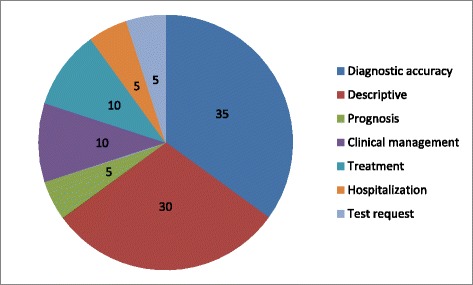
BACKGROUND: Cognitive biases and personality traits (aversion to risk or ambiguity) may lead to diagnostic inaccuracies and medical errors resulting in mismanagement or inadequate utilization of resources. We conducted a systematic review with four objectives: 1) to identify the most common cognitive biases, 2) to evaluate the influence of cognitive biases on diagnostic accuracy or management errors, 3) to determine their impact on patient outcomes, and 4) to identify literature gaps. METHODS: We searched MEDLINE and the Cochrane Library databases for relevant articles on cognitive biases from 1980 to May 2015. We included studies conducted in physicians that evaluated at least one cognitive factor using case-vignettes or real scenarios and reported an associated outcome written in English. Data quality was assessed by the Newcastle-Ottawa scale. Among 114 publications, 20 studies comprising 6810 physicians met the inclusion criteria. Nineteen cognitive biases were identified. RESULTS: All studies found at least one cognitive bias or personality trait to affect physicians. Overconfidence, lower tolerance to risk, the anchoring effect, and information and availability biases were associated with diagnostic inaccuracies in 36.5 to 77 % of case-scenarios. Five out of seven (71.4 %) studies showed an association between cognitive biases and therapeutic or management errors. Of two (10 %) studies evaluating the impact of cognitive biases or personality traits on patient outcomes, only one showed that higher tolerance to ambiguity was associated with increased medical complications (9.7 % vs 6.5 %; p = .004). Most studies (60 %) targeted cognitive biases in diagnostic tasks, fewer focused on treatment or management (35 %) and on prognosis (10 %). Literature gaps include potentially relevant biases (e.g. aggregate bias, feedback sanction, hindsight bias) not investigated in the included studies. Moreover, only five (25 %) studies used clinical guidelines as the framework to determine diagnostic or treatment errors. Most studies (n = 12, 60 %) were classified as low quality. CONCLUSIONS: Overconfidence, the anchoring effect, information and availability bias, and tolerance to risk may be associated with diagnostic inaccuracies or suboptimal management. More comprehensive studies are needed to determine the prevalence of cognitive biases and personality traits and their potential impact on physicians' decisions, medical errors, and patient outcomes.
Overview
The claims and statistics of this paper haven’t been checked yet.
Free: it reads the open-access text and checks the first 5 claims that cite a source we can check. Create a free account to check every claim.
Integrity signals
Registry
Cites
Statistics
Figures
Verification
Claims the paper makes
The claims and statistics of this paper haven’t been checked yet.
Free: it reads the open-access text and checks the first 5 claims that cite a source we can check. Create a free account to check every claim.
Claims other papers make about this one
Each is checked against this paper’s own text: does it say what the citing paper says it does?
The source backs part of the claim, not all of it — or backs it for a different population, condition or comparison.
In the citing paper
“Cognitive tendencies, including anchoring, status-quo preference, and an asymmetric weighting of affirmative rather than disproving information, may reinforce familiar clinical defaults [ 54 ].”
From Paracetamol: A History of Assumptions, Errors, and Evidence Reversals in Pain Management (2026) · cites this paper as [54]
Experimental — accuracy not yet measuredThe source backs part of the claim, not all of it — or backs it for a different population, condition or comparison.
In the citing paper
“Labels associated with medical data, disease rating scales, and diagnosis may be imbued with cognitive biases of the health care personnel who collected this information.51”
From Addressing bias in big data and AI for health care: A call for open science (2021) · cites this paper as [51]
Experimental — accuracy not yet measuredThe source backs part of the claim, not all of it — or backs it for a different population, condition or comparison.
In the citing paper
“Human cognitive biases in clinical decision-making are increasingly recognized as a crucial factor in health care errors and suboptimal patient outcomes [1].”
From Mitigating cognitive biases in clinical decision-making through multi-agent conversations using large language models: simulation study (2024) · cites this paper as [1]
Experimental — accuracy not yet measuredThe source backs part of the claim, not all of it — or backs it for a different population, condition or comparison.
In the citing paper
“Cognitive biases in clinical decision-making significantly contribute to errors in diagnosis and suboptimal patient outcomes.”
From Mitigating cognitive biases in clinical decision-making through multi-agent conversations using large language models: simulation study (2024) · cites this paper as [1]
Experimental — accuracy not yet measured
Self-check
Percentages, sums and reported differences re-computed from the paper’s own numbers.
The self-check needs the paper’s full text.
Citations
Cites
Tversky, A., & Kahneman, D. (1974) · Science · doi:10.1126/science.185.4157.1124 · Cited by 28,810 · cited 2×
“errors in the diagnosis, management, or treatment of medical conditions [6, 26].”
Liberati, A., Altman, D. G., Tetzlaff, J., Mulrow, C., Gøtzsche, P. C., Ioannidis, J. P. A., Clarke, M., Devereaux, P. J., Kleijnen, J., & Moher, D. (2009) · PLoS Medicine · doi:10.1371/journal.pmed.1000100 · Cited by 28,164
Judgment under Uncertainty: Heuristics and Biases
Tversky, A., & Kahneman, D. (1975) · Utility, Probability, and Human Decision Making · doi:10.1007/978-94-010-1834-0_8 · Cited by 22,650
(2014) · Medical Entomology and Zoology · Cited by 17,633
Liberati, A., Altman, D. G., Tetzlaff, J., Mulrow, C., Gøtzsche, P. C., Ioannidis, J. P. A., Clarke, M., Devereaux, P. J., Kleijnen, J., & Moher, D. (2009) · Annals of Internal Medicine · doi:10.7326/0003-4819-151-4-200908180-00136 · Cited by 10,349
Newcastle-Ottawa Scale: comparing reviewers’ to authors’ assessments
Lo, C. K.-L., Mertz, D., & Loeb, M. (2014) · BMC Medical Research Methodology · doi:10.1186/1471-2288-14-45 · Cited by 2,477
Incidence of Adverse Drug Events and Potential Adverse Drug Events: Implications for Prevention
Bates, D. W. (1995) · JAMA · doi:10.1001/jama.1995.03530010043033 · Cited by 2,127 · cited 1×
“each year, and perhaps one million in excess injuries in the USA [1, 2].”
BackgroundThe Importance of Cognitive Errors in Diagnosis and Strategies to Minimize Them
Croskerry, P. (2003) · Academic Medicine · doi:10.1097/00001888-200308000-00003 · Cited by 1,675 · cited 5×
“errors in the diagnosis, management, or treatment of medical conditions [6, 26].”
BackgroundInfluentialWhat every teacher needs to know about clinical reasoning
Eva, K. W. (2005) · Medical Education · doi:10.1111/j.1365-2929.2004.01972.x · Cited by 930 · cited 1×
“Fourth, case-vignettes or real clinical encounters were used [28].”
MethodClaims, Errors, and Compensation Payments in Medical Malpractice Litigation
Studdert, D. M., Mello, M. M., Gawande, A. A., Gandhi, T. K., Kachalia, A., Yoon, C., Puopolo, A. L., & Brennan, T. A. (2006) · New England Journal of Medicine · doi:10.1056/nejmsa054479 · Cited by 848 · cited 1×
“outcomes, which are the most common reasons for patients’ dissatisfaction and medical complaints [54, 64, 65].”
Background
Cited by
Items 501–600 of 1,000
Saposnik, G., Sánchez‐Benavides, G., García-Arcelay, E., Macías, E. F., Bensi, C., Carmelingo, S., Allegri, R., Pérez-Martínez, D. A., & Mauriño, J. (2023) · Neurology and Therapy · doi:10.1007/s40120-023-00466-9 · Cited by 4
“Suboptimal management is a common phenomenon in medicine, defined as lack of treatment initiation or escalation when recommended according to the best practice guidelines [23].”
Self-citationTo Consent or Not to Consent to Screening, That Is the Question
Hofmann, B. (2023) · Healthcare · doi:10.3390/healthcare11070982 · Cited by 4
“Useful reviews of the general literature can be found in [52,53].”
BackgroundChoosing Words Wisely: Residents’ Use of Rhetorical Appeals in Conversations About Unnecessary Tests
Tseng, E. K., Mukerji, G., Weinerman, A. S., Fuller, J., McLeod, A. G., Wong, B. M., Kuper, A., & Stroud, L. F. (2019) · Academic Medicine · doi:10.1097/acm.0000000000002980 · Cited by 4
Point-of-care ultrasound, anchoring bias, and acute pulmonary embolism: A cautionary tale and report
Allen, J., Miller, B. R., Vido, M. A., Makar, G. A., & Roth, K. R. (2020) · Radiology Case Reports · doi:10.1016/j.radcr.2020.10.001 · Cited by 5
“[7] Saposnik G, Redelmeier D, Ruff CC, Tobler PN.”
Fritsch, L.-M., Le, M., Elrod, J., Wößmann, W., Vincent, D., Reinshagen, K., & Boettcher, M. (2022) · Journal of Pediatric Hematology/Oncology · doi:10.1097/mph.0000000000002463 · Cited by 4
“In 164 of 3534 patients the code for “revision procedure” (5-983) was utilized; indicating a revision rate of at least 4%.”
MethodWaldrop, R. D. (2017) · Journal of Pediatrics & Neonatal Care · doi:10.15406/jpnc.2017.07.00299 · Cited by 4
“Elements of medical diagnostic error can be separated into deductive and inductive causes [6].”
BackgroundInfluentialLiu, C.-H., Chen, Y.-T., Hsu, C., Chen, H.-L., & Yang, C.-W. (2026) · JMIR Medical Education · doi:10.2196/94951 · Cited by 3
“A substantial body of research on cognitive bias describes how anchoring, premature closure, and related heuristics can derail both modes of reasoning [10].”
Sequeira, L., Strudwick, G., Luca, V. D., Strauss, J., & Wiljer, D. (2022) · PubMed · doi:10.1097/pts.0000000000000973 · Cited by 4
“Cognitive biases, personality traits, and educational background and experience could have a direct effect on diagnostic inaccuracies, which could have an impact on patient safety.(13) Moreover, there is a lack of training that specifically addresses skills related to judgment and decision making (e.”
BackgroundTaylor-Fishwick, J. S., Gardner, T., & Baduashvili, A. (2025) · Journal of General Internal Medicine · doi:10.1007/s11606-025-09422-9 · Cited by 3
“20 Relatively normal blood pressure and heart rate are atypical for cardiac tamponade.”
Rice, J., Ó'Briain, E., Kilkenny, C. J., Hogan, R. E., McIntyre, T. V., Kavanagh, D. O., Neary, P. C., O’Riordan, J. M., & Sahebally, S. M. (2025) · Journal of surgical education · doi:10.1016/j.jsurg.2025.103676 · Cited by 3
Wang, J., Xun, J.-J., & Zhao, F.-F. (2026) · Frontiers in Public Health · doi:10.3389/fpubh.2025.1724546 · Cited by 3
“Moreover, little is known about how the quality of disseminated information and resultant cognitive biases may influence treatment understanding, adherence behaviors, and ultimately patient outcomes (28).”
Artificial Intelligence in Healthcare: From Diagnosis to Rehabilitation
Witek, K., Nowocień, M., Gerlach, J., Guzik, N., Balajewicz, B., Siwek, L., Lichwala, K., Sipiora, O., Andrzejewicz, J., & Chlipała, M. (2026) · Cureus · doi:10.7759/cureus.102286 · Cited by 6
“Automation bias - the tendency of clinicians to over-rely on algorithmic recommendations - remains a well-documented risk and may negatively affect decision quality if AI outputs are accepted uncritically [26].”
InfluentialNarrative Scaffolding: A Narrative-First Framework for Data-Driven Sensemaking
Huang, O., Fatir, M., Luo, T., Suh, S., Subramonyam, H., & Nobre, C. (2026) · ACM International Conference on Intelligent User Interfaces (IUI) · doi:10.1145/3742413.3789062 · Cited by 14
“In domains such as medical diagnosis [76] or policy evaluation [44], reducing confirmation bias and ensuring analytical rigor are critical.”
Manges, K. A., Pelcher, L. R., Whiteside, P., Cribbin, M. P., Peeples, A., Pascal, C., Ashcraft, L. E., Burke, R. E., & Hall, D. E. (2026) · BMJ Quality & Safety · doi:10.1136/bmjqs-2025-019321 · Cited by 3
“42 43 In QI terms, this reflects a cultural barrier where procedural efficiency and clinical performance norms inadvertently displace patient-centred values.”
García, J. A. M., & Martínez, L. (2026) · Frontiers in Public Health · doi:10.3389/fpubh.2026.1770198 · Cited by 3
“Diagnostic error represents a substantial source of preventable patient harm, and cognitive biases have been repeatedly implicated as key contributors to these failures in clinical reasoning, particularly in internal medicine (1–5).”
Exploring dentists' strategies for overcoming failure in daily dental practice
Lee, J.-R., & Gil, Y. M. (2022) · Journal of Dentistry · doi:10.1016/j.jdent.2022.104079 · Cited by 3
10. How Conservation Practice Can Generate Evidence
Ockendon, N., Cadotte, M. W., Eklund, J., Ferraro, P. J., Fisher, M., Hancock, M. H., & Worthington, T. A. (2022) · Open Book Publishers · doi:10.11647/obp.0321.10 · Cited by 4
Consultation-Liaison Case Conference: Overcoming Bias in the Differential Diagnosis of Psychosis
Franklin, J., Leewiwatanakul, B., Taylor, A. D., Baller, E. B., & Zwiebel, S. J. (2023) · Journal of the Academy of Consultation-Liaison Psychiatry · doi:10.1016/j.jaclp.2023.09.001 · Cited by 3
Inayat, H., Youn, S., & Bursztyn, L. L. C. D. (2023) · Canadian Journal of Ophthalmology · doi:10.1016/j.jcjo.2023.11.009 · Cited by 3
Left-digit bias in surgical decision-making for lumbar spinal stenosis
Akosman, I., Shafi, K. A., Subramanian, T., Kazarian, G. S., Kaidi, A. C., Cunningham, M. E., Kim, H. J., & Lovecchio, F. C. (2024) · The Spine Journal · doi:10.1016/j.spinee.2024.03.007 · Cited by 4
Not too sick, not too well: reducing the diagnostic void in pediatric emergency medicine
Roland, D., Horeczko, T., & Snelson, E. (2024) · Pediatric Research · doi:10.1038/s41390-024-03598-2 · Cited by 3
Jabbari, A., Mousavi, E., Nikoubin‐Boroujeni, M., Tabasi, S., Arjmandi, N., Ghelishli, N., & Arab‐Bafrani, Z. (2025) · Health Science Reports · doi:10.1002/hsr2.70966 · Cited by 3
Fixation error: when thinking fast becomes a patient safety risk
Khan, N. (2025) · British Journal of General Practice · doi:10.3399/bjgp25x743205 · Cited by 3
The Application of Forensic Podiatry to Clinical Practice
Nirenberg, M. S., Saxelby, J., Vernon, R., & Vernon, W. (2020) · Journal of the American Podiatric Medical Association · doi:10.7547/19-010 · Cited by 3
Teaching the use of framing and decontextualization to address context-based bias in psychiatry
Khalil, R. B., Sleilaty, G., El‐Khoury, J., & Nemr, E. (2020) · Asian Journal of Psychiatry · doi:10.1016/j.ajp.2020.102276 · Cited by 3
Idiopathic thyroid abscess in a healthy 22-year old female – A case of anchoring bias
Sharma, R. K., McManus, C. M., & Kuo, J. H. (2020) · Journal of Clinical and Translational Endocrinology Case Reports · doi:10.1016/j.jecr.2020.100073 · Cited by 3
Erel, M., Esther-Lee, M., & Ganz, F. D. (2021) · Journal of Geriatric Medicine and Gerontology · doi:10.23937/2469-5858/1510107 · Cited by 3
“A meta-analysis from 2016 located 20 articles that focused on cognitive biases associated with medical decisions, where 35% dealt with treatment and management tasks [14].”
BackgroundMethodNam, I. C., Lee, E. S., Shin, J. H., Li, V. X., Chu, H. H., Park, S. E., & Won, J. H. (2022) · Journal of Clinical Medicine · doi:10.3390/jcm11030511 · Cited by 3
“One plausible explanation to account for the disparity that we observed is that AKI is not a chronic condition [18,19], meaning that, for a patient with AKI, there may have been additional prompt treatments that decreased the relative risk of a cardiac arrest before, and during, the procedure [20,21].”
BackgroundArtificial Intelligence in the Medical Context: Who is the Agent in Charge?
Palmerini, E. M., & Lucchiari, C. (2022) · Integrated science · doi:10.1007/978-3-030-96814-4_24 · Cited by 3
Every breath counts: Lessons learned in developing a training NICU in Northern Tanzania
Swanson, S. J., Martinez, K. K., Shaikh, H., Philipo, G. M., Martinez, J., & Mushi, E. J. (2022) · Frontiers in Pediatrics · doi:10.3389/fped.2022.958628 · Cited by 3
“We can help doctors develop skills for synthesizing clinical information into a coherent assessment so they can formulate diagnostic and management plans while accounting for clinical uncertainty and personal cognitive biases (18).”
BackgroundManagement of the Difficult Airway: An Appraisal of Clinical Practice Guidelines
Fritz, C. G., Monos, S., Ng, J. J., Romeo, D. J., Xu, K. H., Moreira, A. G., & Rajasekaran, K. (2023) · Otolaryngology · doi:10.1002/ohn.466 · Cited by 5
Age-Based Heuristics Bias Treatment of Displaced Femoral Neck Fractures in the Elderly
Edelstein, A. I., Tanenbaum, J., McGinley, E. L., Dillingham, T. R., & Pezzin, L. E. (2024) · Arthroplasty Today · doi:10.1016/j.artd.2024.101356 · Cited by 3
“Heuristics are commonly used by health care providers and have the potential to bias clinical decisions [1,2].”
Mwape, A. K., Schmidtke, K. A., & Brown, C. (2024) · British Journal of Health Psychology · doi:10.1111/bjhp.12721 · Cited by 3
“Mismatches between health care professionals' confidence and knowledge have been characterized as a cognitive bias of overconfidence (Grigoryan et al., 2016; Saposnik et al., 2016).”
Seda, L., Martins, I. T. C., Lisbôa, T. L. R. D. C., Batistuzzo, M. C., & Fatori, D. (2024) · Collabra Psychology · doi:10.1525/collabra.122158 · Cited by 5
Zahari, R., Cox, J., & Obara, B. (2024) · IEEE Journal of Biomedical and Health Informatics · doi:10.1109/jbhi.2024.3446040 · Cited by 3
“Radiologists and all medical professionals are susceptible to at least one bias that may affect their decision making processes [5].”
BackgroundGonococcal Conjunctivitis in Prepubertal Children
Kruczek, S., Dubinin, A., & Laub, N. (2025) · Child Maltreatment · doi:10.1177/10775595251328692 · Cited by 3
“This is likely due to availability bias, meaning clinicians judge the likelihood of a diagnosis on similar examples seen in clinical practice (Saposnik et al., 2016).”
Mining Misdiagnosis Patterns from Biomedical Literature
Li, C., Chen, E., Savova, G., Fraser, H., & Eickhoff, C. (2020) · PubMed · doi:10.48550/arxiv.2006.13721 · Cited by 10
AI applications in diagnostic technologies and services
Catania, L. J. (2020) · Elsevier eBooks · doi:10.1016/b978-0-12-824477-7.00005-5 · Cited by 3
Automatic Healthcare Diagnosis and Prediction Assessment based on AI Multi-Classification Algorithm
Endargiri, S., & Laabidi, K. (2020) · International Computer Engineering Conference · doi:10.1109/icenco49778.2020.9357385 · Cited by 3
“Also, considering the criticality of the field and the fact that medical decision-making is an error-prone process and basing it entirely on the doctors’ intuition and their heuristic experience can result in disastrous consequences due to unintentional human bias [2], [3].”
BackgroundDecision‐making in dermatologic surgery
Butt, S., & Affleck, A. G. (2021) · Australasian Journal of Dermatology · doi:10.1111/ajd.13723 · Cited by 3
“premature closure of critical thinking, leading to an erroneous diagnosis by failing to entertain alternate possibilities.(6) This may stem from diagnostic momentum, an”
BackgroundInfluentialProphesied Future and Redefined Past in the Genomic Era
Kovas, Y. V., & Selita, F. (2021) · Palgrave Macmillan UK eBooks · doi:10.1057/978-1-349-96048-4_4 · Cited by 3
Expert Biases in Criminal Investigations of Sexual Offenses
Huang, C. (2021) · Springer eBooks · doi:10.1007/978-3-030-79968-7_13 · Cited by 4
Walji, H. D., Ellis, S. A., Martin-Ucar, A. E., & Hernández, L. (2023) · Frontiers in Surgery · doi:10.3389/fsurg.2023.1146716 · Cited by 5
Special Considerations in Behavioral Assessments for Disorders of Consciousness
O’Brien, K. A., Zhang, B., Anderl, E., & Kothari, S. (2023) · Physical Medicine and Rehabilitation Clinics of North America · doi:10.1016/j.pmr.2023.07.007 · Cited by 3
Martín, D. P., & Velasco, D. A. (2023) · Current Opinion in Anaesthesiology · doi:10.1097/aco.0000000000001315 · Cited by 3
Use of image-enhanced endoscopy in the characterization of colorectal polyps: Still some ways to go
Almadi, M. A., Alharbi, O., Alballa, N., AlRajeh, A., Alturki, L., Alfuraih, I., & Jamalaldeen, M. (2018) · Saudi Journal of Gastroenterology · doi:10.4103/sjg.sjg_417_18 · Cited by 4
“94 Saudi Journal of Gastroenterology | Volume 25 | Issue 2 | March-April 2019 tolerance to risk, the anchoring effect, and information and availability biases.[24] Also, it has been known that relatively incompetent people consistently overestimate their abilities.”
BackgroundVerrucous herpes treated as condyloma acuminata: A case of cognitive bias
Hill, M., & Jampel, R. M. (2021) · JAAD Case Reports · doi:10.1016/j.jdcr.2021.09.034 · Cited by 3
“These biases are a trap into which even the most experienced physicians can fall victim and studies have found that anchoring and availability are some of the most common biases associated with diagnostic inaccuracies.(8,9) We believe both contributed to our patient’s delay in diagnosis.”
BackgroundHow Does Cognitive Bias Affect Conversations With Patients About Dietary Supplements?
Harris, I. M., Danner, C. C., & Satin, D. J. (2022) · The AMA Journal of Ethic · doi:10.1001/amajethics.2022.368 · Cited by 3
RITUAL: a Platform Quantifying the Trustworthiness of Supervised Machine Learning
Celdrán, A. H., Bauer, J., Demirci, M., Leupp, J., Franco, M. F., Sánchez, P. M. S., Bovet, G., Pérez, G. M., & Stiller, B. (2022) · International Conference on Network and Service Management (CNSM) · doi:10.23919/cnsm55787.2022.9965139 · Cited by 5
“Machine and Deep Learning (ML/DL) models could be unfair due to i) biased training data, ii) unbalanced or lack of training data, or iii) discrimination of protected groups, among others [4].”
BackgroundLester, P., Franks, A. M., Rollyson, W. D., Barbour, J. K., & Curry, M. B. (2021) · Marshall Journal of Medicine · doi:10.33470/2379-9536.1281 · Cited by 3
Electroconvulsive Therapy in the Treatment of the “Blues”
McCall, W. V., & Rosenquist, P. B. (2017) · Journal of Ect · doi:10.1097/yct.0000000000000406 · Cited by 3
“teaches us the value of “no-go,” but what of our trainees? Can the “instinct” for restraint be taught in residency? There are ample opportunities to model this behavior, but often we may lack the empirical basis to fully justify our decision making, which we know is easily corrupted by the availability bias.(3) Noneth…”
BackgroundCognitive biases in fibromyalgia diagnosis
de Santana, F. M., Cobra, J. F., & Figueiredo, C. P. (2022) · Joint Bone Spine · doi:10.1016/j.jbspin.2021.105339 · Cited by 5
Cognitive Biases and Mitigation Strategies in Emergency Diagnosis
Bedolla, J., & Pines, J. M. (2023) · Wiley eBooks · doi:10.1002/9781119616870.ch60 · Cited by 6
The illusion of diagnostic agreement: Institutional bias as a hidden force in modern medicine
Fogt, F. (2025) · Medicinski pregled · doi:10.2298/mpns2508127f · Cited by 3
Murani, R., & Manocha, R. H. K. (2021) · BMJ Case Reports · doi:10.1136/bcr-2020-240462 · Cited by 2
Lenglin, V., Wong, S., O’Callaghan, C., Erzinçlioğlu, S., Hornberger, M., Lebouvier, T., Piguet, O., Bourgeois‐Gironde, S., & Bertoux, M. (2022) · Cortex · doi:10.1016/j.cortex.2022.12.009 · Cited by 2
Talcott, W. J., Cain, D. M., Yang, D. Z., Mougalian, S. S., & Evans, S. B. (2023) · International Journal of Radiation Oncology*Biology*Physics · doi:10.1016/j.ijrobp.2022.12.057 · Cited by 4
Vinaykumar, N., Gugapriya, T. S., & KALAISELVI, S. (2023) · MAEDICA – a Journal of Clinical Medicine · doi:10.26574/maedica.2023.18.2.317 · Cited by 3
Yamashita, S., Tago, M., Tokushima, M., Tokushima, Y., Hirakawa, Y., Aihara, H., Katsuki, N. E., Fujiwara, M., & Oda, Y. (2024) · Cureus · doi:10.7759/cureus.56117 · Cited by 2
“In addition, cognitive biases are involved in more than 70% of diagnostic error cases, and the average number of cognitive biases detected in a diagnostic error case is 3.08 [3,10,12].”
BackgroundResultInfluentialXu, J. X., Neeman, E., Thai, K. K., Mishra, P., Schlessinger, D., Clancy, H., Myers, L. C., Roubinian, N. H., Liu, V. X., & Liu, R. (2024) · Journal of Hospital Medicine · doi:10.1002/jhm.13350 · Cited by 2
Forensic Pathologist Testimony, Part 2: Special Issues and Considerations
Ely, S. F., & Gill, J. R. (2024) · Academic Forensic Pathology · doi:10.1177/19253621241297295 · Cited by 2
“24,25 Regardless, physicians can only reliably con fi rm or refute hypotheses by gathering historical and contextual evidence (eg, interviewing a patient or witness, reviewing medical or other of fi cial records, conducting a scene investigation), performing physical examinations (eg, taking a blood…”
Impact of a Sepsis Quality Improvement Initiative on Clinical and Operational Outcomes
Thomas, C. B., Wyler, B., D’Antonio, C., Laperouse, M., Alwood, S. M., Richard, K., Grantham, A., Sheybani, R., Sorrells, M. G., Tan, W.-J., et al. (2025) · Healthcare · doi:10.3390/healthcare13111273 · Cited by 2
“Additionally, current performance measures [9] may lead to inappropriate resource allocation (blood cultures, broad-spectrum antibiotics), diagnostic anchoring [10], and potential harm to patients who have other time-sensitive, life-threatening diseases.”
Applying Neuroeconomic Principles to Stroke Care: Bridging Evidence to Practice
Saposnik, G., Nilanont, Y., & Johnston, S. C. (2025) · Stroke · doi:10.1161/strokeaha.125.050752 · Cited by 2
Self-citationConti, L., Capetti, B., Battaglia, O., Grasso, R., Pesapane, F., Monzani, D., & Pravettoni, G. (2026) · JMIR Medical Informatics · doi:10.2196/78955 · Cited by 7
“One prominent cognitive bias is the availability bias, where radiologists may overemphasize experiences that are easily recalled to elaborate on the diagnosis, ignoring the base rate or prevalence rate of a particular disease [33,35,38, 39].”
Milani, A., Saiani, L., Gandini, S., Misurelli, E., Lacapra, S., Cafiero, C., Boselli, S., Massaro, M. A., Sponton, A., Zoppini, L., et al. (2026) · Diagnosis · doi:10.1515/dx-2025-0178 · Cited by 3
“While the cognitive biases a ff ecting diagnosis have been extensively catalogued [12, 15, 16], and recent work has begun to explore how to make these concepts more accessible to frontline clinicians and educators [17], those degrading prioritization, a key diagnostic sub-task, remain uncharted.”
InfluentialMuñoz, K. F., Hurd, T. C., Glista, D., Gavarkovs, A. G., Whicker, J. J., Hollingsworth, K., Baker, A., Singletary, M., Wind, J., Jones, S., et al. (2026) · American Journal of Audiology · doi:10.1044/2026_aja-25-00081 · Cited by 3
The role of numeracy and personal experience in emergency management decision-making
Osei-Ahenkan, V. Y., & Dormady, N. (2026) · International Journal of Disaster Risk Reduction · doi:10.1016/j.ijdrr.2026.106301 · Cited by 2
Taylor, D. R. (2017) · Breathe · doi:10.1183/20734735.012917 · Cited by 2
“A range of cognitive biases provide doctors with moral justification for treatment overuse [8].”
BackgroundTeenager With Abdominal Pain and Decreased Appetite
Clore, J. N., Dean, S., Kumral, A. V. W., Manthe, E. D., & Ertl, S. (2020) · PEDIATRICS · doi:10.1542/peds.2019-2233 · Cited by 2
“This scenario reveals the risks of an anchoring bias or effect, in which physicians rely too heavily on the first piece of information offered (the anchor) when making subsequent decisions.(9,10) Aside from incorrect diagnosing, anchoring bias is also associated with therapeutic and management errors for patients.”
BackgroundKharawala, A., Brahmbhatt, N., Bhopalwala, H. M., Dewaswala, N., Bhopalwala, A., Ghumman, W. S., & Chait, R. D. (2021) · HCA Healthcare Journal of Medicine · doi:10.36518/2689-0216.1194 · Cited by 2
Ramji, H. F., Blessing, N. W., Tan, J. F., & Moreau, A. (2021) · Facial Plastic Surgery · doi:10.1055/s-0041-1741010 · Cited by 2
Decontextualisation for framing effect reduction
Khalil, R. B., Sleilaty, G., Kassab, A., & Nemr, E. (2022) · The Clinical Teacher · doi:10.1111/tct.13464 · Cited by 2
Jegatheeswaran, L., & Tolley, N. (2022) · Cureus · doi:10.7759/cureus.29973 · Cited by 2
“The presence of additional objective data may reduce the impact of cognitive bias on decision-making and potentially reduce the likelihood of human error being incorporated into clinical decision-making [26].”
BackgroundTeam Communication and Expectations Following Pediatric Cardiac Surgery: A Multi-Disciplinary Survey
Bushnell, J., Connelly, C., Algaze, C. A., Bailly, D. K., Koth, A. M., Mafla, M., Presnell, L. B., Shin, A. Y., & McCammond, A. N. (2022) · Pediatric Cardiology · doi:10.1007/s00246-022-03059-9 · Cited by 2
8 Making Decisions for Policy and Practice
Cook, C. N., Burgman, M. A., Rumpff, L., & Thornton, A. (2022) · Open Book Publishers · doi:10.11647/obp.0321.08 · Cited by 3
Bonyadi, T., Homaei, R., & Heidari, A. (2023) · Annals of Military and Health Sciences Research · doi:10.5812/amh-138313 · Cited by 3
“Awareness of biases alone does not lead to correct perception, making it difficult to overcome cognitive biases (16).”
BackgroundLara, N. T., Gómez-Ballesteros, R., Sepúlveda, M., Orvíz, A., Díaz-Sánchez, M., Boyero, S., Aguado-Valcárcel, M., Cobo‐Calvo, Á., López-Laiz, P., Rebollo, P., et al. (2024) · Multiple Sclerosis and Related Disorders · doi:10.1016/j.msard.2024.105732 · Cited by 2
Musselman, K., Pepin, K. J., Lamparello, N. A., Havryliuk, Y., Schiffman, M. H., Fenster, T. B., & Shin, J. H. (2024) · Journal of Clinical Medicine · doi:10.3390/jcm13133632 · Cited by 2
“Potential for care bias based on specialty-specific knowledge, personal values, or financial reimbursement may result in suboptimal management and affect patient outcomes [22–24].”
BackgroundFager, O., Hindsberg, U., Johansson, A., Axelsson, C., & Hagiwara, M. A. (2024) · Journal of Cognitive Engineering and Decision Making · doi:10.1177/15553434241266894 · Cited by 3
“Biases may negatively affect decision-making in health-care, with stressful emergency care settings being more vulnerable (Daniel et al., 2017; Saposnik et al., 2016).”
Stereotactic Body Radiation Adoption Impacts Prostate Cancer Treatment Patterns
Stencel, M. G., Wu, S., Danielle, S. R., Yabes, J. G., Davies, B. J., Sabik, L. M., & Jacobs, B. L. (2024) · Urology · doi:10.1016/j.urology.2024.07.051 · Cited by 3
Vibert, J. J. M., Bourquin, C., Santis, O. D., Cobuccio, L. G., & D’Acremont, V. (2024) · BMC Digital Health · doi:10.1186/s44247-024-00118-4 · Cited by 2
“Clinicians’ diagnostic decision making will thus be strongly influenced by the level of knowledge and experience, by common cognitive biases like anchoring effects, information and availability biases and by personality traits such as overconfidence, lower tolerance to risk, [1].”
BackgroundPitfalls of reasoning in hospital‐based transfusion medicine
Raza, S., Jacobs, J. W., Booth, G. S., & Callum, J. (2024) · Transfusion Medicine · doi:10.1111/tme.13104 · Cited by 3
Muntwiler, C., Eppler, M. J., Unfried, M., & Buder, F. (2024) · Management Research Review · doi:10.1108/mrr-11-2022-0793 · Cited by 4
Kelleher, B. (2025) · BMC Medical Research Methodology · doi:10.1186/s12874-025-02565-7 · Cited by 2
Xia, Z.-Y., Xiang, J.-C., Yang, Y., Xiao, F., Yang, J., Wang, S., & Xia, Q. (2025) · Prostate International · doi:10.1016/j.prnil.2025.09.004 · Cited by 2
“30 The delayed onset of sleep disturbances (1-year post-IRE) may reflect cumulative psychological burden from prolonged surveillance protocols.”
Oakley, J. G. (2019) · Cambridge University Press eBooks · doi:10.1017/9781108649247.009 · Cited by 2
Serum potassium laboratory reference ranges influence provider treatment behaviors for hyperkalemia
Hirsch, J. S., Parikh, R., Richardson, S. I., Bock, K. R., Sakhiya, V., Fishbane, S. N., & Jhaveri, K. D. (2020) · Nephrology Dialysis Transplantation · doi:10.1093/ndt/gfaa270 · Cited by 2
“Yet the abrupt and sustained change in SPS ordering patterns suggests a reflexive approach to the treatment of hyperkalemia, whereby providers are biased toward treating a serum potassium level based on an ‘abnormal’ value in the EHR rather than clinical indication [7].”
BackgroundMedical decision making during the COVID-19 epidemic: an opportunity to think how we think
Gana, W., Nkodo, J., & Fougère, B. (2021) · Diagnosis · doi:10.1515/dx-2020-0147 · Cited by 2
Hidden biases in clinical decision-making: potential solutions, challenges, and perspectives
Vitacca, M., Giardini, A., Gazzi, L., & Vitacca, M. (2022) · Monaldi Archives for Chest Disease · doi:10.4081/monaldi.2022.2339 · Cited by 2
Albouy-Llaty, M., Parthenay, M., Nogues, M., Leyris, A., Degorce, L., Barthelemy, Z., Rafidison, D., Gourgues, A.-S., Migeot, V., Pylouster, J., et al. (2022) · International Journal of Environmental Research and Public Health · doi:10.3390/ijerph191911993 · Cited by 5
12. Transforming Practice: Checklists for Delivering Change
Amano, T., Bako, L. A., Best, M., Boenisch, N., Boersch‐Supan, P. H., Browne, D., Buckley, Y. M., Burgman, M. A., Cadotte, M. W., Canessa, S., et al. (2022) · Open Book Publishers · doi:10.11647/obp.0321.12 · Cited by 2
4. Presenting Conclusions from Assessed Evidence
Sutherland, W. J., Amano, T., Boenisch, N., Cheng, S. H., Christie, A. P., Godfray, H. C. J., Grainger, M., McLean, A. R., Morgan, W. H., Ockendon, N., et al. (2022) · Open Book Publishers · doi:10.11647/obp.0321.04 · Cited by 2
Diagnostic Errors in Hospitalized Patients
Goyal, A. (2023) · Journal of clinical outcomes management · doi:10.12788/jcom.0121 · Cited by 2
Marzo‐Castillejo, M., Vallespín, C. V., Roca, J. M., Capdevila, C. G., Codern‐Bové, N., & Borràs, J. M. (2023) · Atención Primaria · doi:10.1016/j.aprim.2023.102619 · Cited by 3
A Study on Overcoming Cognitive Biases in Leadership Decision-Making
Mohanty, S., Sahoo, S. K., Sharma, I., Panigrahi, A., & Bosu, L. (2024) · Advances in business strategy and competitive advantage book series · doi:10.4018/979-8-3693-1785-3.ch011 · Cited by 2
Effects of an intervention program to improve mental health and epilepsy care in Madagascar
Mioramalala, S. A., Mroueh, L., Bruand, P., Raharinivo, M. M., Rafanomezantsoa, R. M., Gérard, D., Ratsimbasoa, A. C., Preux, P., & Boumédiène, F. (2024) · Comprehensive Psychiatry · doi:10.1016/j.comppsych.2024.152484 · Cited by 4
Munroe, B., Hudoba, M., Fullick, M., Couttie, T., Makoni, H., Butina, E., Ghosh, N., Kloger, R., Balzer, S., & Middleton, R. (2024) · Journal of Advanced Nursing · doi:10.1111/jan.16360 · Cited by 3
“In addition to teaching how and why sepsis pathways should be followed, mental models to reduce cognitive bias are also recommended (Saposnik et al., 2016 ).”
Overlap syndromes in sarcoidosis: Unveiling the masquerader
Easterling, R. S., & James, W. E. (2024) · Respiratory Medicine · doi:10.1016/j.rmed.2024.107841 · Cited by 2
Lau, T., Nurek, M., Singhal, A., Moore, L. S. P., Mughal, N., & Singh, S. (2024) · BMJ Open · doi:10.1136/bmjopen-2024-084872 · Cited by 4
“15 A recent study investigated clinical and clinician factors that influence POCT use and antibiotic prescribing in ICU.”
Confidence in providing primary care to patients with low back pain among physiotherapists
Shavit, R., Kushnir, T., Nudelman, Y., Weisman, A., & Springer, S. (2025) · BMC Family Practice · doi:10.1186/s12875-025-02850-w · Cited by 2
“Although, after clinical training, confidence is associated with competency [59], overconfidence can be harmful, especially in differential diagnoses, as it may lead to misdiagnosis of serious conditions [60].”
Metadata
- Authors
- Saposnik, G., Redelmeier, D., Ruff, C. C., & Tobler, P. N.
- Affiliations
- St. Michael's Hospital (CA)
- Institute for Clinical Evaluative Sciences (CA)
- University of Zurich (CH)
- Corresponding author
- Saposnik, Gustavo
- Venue
- BMC Medical Informatics and Decision Making
- Published
- 2016-11-03
- Volume
- 16
- Issue
- 1
- Pages
- 138-138
- ISSN
- 1472-6947 (ISSN-L)
- PMC
- PMC5093937
- OpenAlex
- W2548421507
- Cited by
- 1,001
- References
- 74
- Citations by year
- 2026: 141 · 2025: 111 · 2024: 118 · 2023: 97 · 2022: 158 · 2021: 120 · 2020: 95 · 2019: 83 · 2018: 55 · 2017: 21 · 2016: 1
- FWCI
- 8.96
- Type
- journal article
- Language
- en
- Open access
- gold
- doi.org
- Licence
- Locations
- BMC Medical Informatics and Decision Making (publishedVersion, cc-by)
- PubMed Central (publishedVersion, cc-by)
- PubMed (publishedVersion)
- Zurich Open Repository and Archive (University of Zurich) (acceptedVersion, cc-by)
- TSpace (University of Toronto) (submittedVersion, cc-by)
- Zurich Open Repository and Archive (University of Zurich) (submittedVersion, cc-by)
- Zurich Open Repository and Archive (University of Zurich)
- Funders
- Swiss National Science Foundation (CRSII3_141965)
- Heart and Stroke Foundation of Canada (NA)
- Topics
- Health Sciences › Medicine › Family Practice › Clinical Reasoning and Diagnostic Skills
- Social Sciences › Decision Sciences › General Decision Sciences › Decision-Making and Behavioral Economics
- Health Sciences › Medicine › Public Health, Environmental and Occupational Health › Patient Safety and Medication Errors
- Keywords
- cognitive biases, clinical decision-making, diagnostic errors, medical errors, overconfidence, anchoring effect, availability bias, information bias, risk aversion, ambiguity tolerance, personality traits, patient outcomes, physician decision-making
- MeSH terms
- Clinical Decision-Making, Humans, Personality, Physicians, Thinking
About these checks
Registry, retraction, Cites and statistics results are computed, not judged, with one exception: a printed reference that no index lists is read once by a model before it counts as a citation error. Claims are extracted by a model and kept only when their quote appears verbatim in the text; each cited source is then checked, with a model’s help, for whether it says what the claim relies on. Those verdicts can be wrong — read the claim’s quote and the cited source before relying on one.
Statistics and arithmetic are recomputed, not judged.
Confidence bands are shown only for fields calibrated on our annotated test set. None is calibrated yet, so no band is shown.
What counts as a claim ›How we measure confidence ›How we check this ›
Are you an author, or do you see a problem with this page? Request a review
Data sources
Bibliographic data: Semantic Scholar, OpenAlex, Crossref.
Contains information from the Semantic Scholar Academic Graph Datasets, made available under the ODC Attribution License (ODC-BY 1.0).
Semantic Scholar’s data is described in: Kinney, R., et al. (2023). The Semantic Scholar Open Data Platform. arXiv:2301.10140.
