

Cognitive biases associated with medical decisions: a systematic review
Open accessThe DOI matches its Crossref record; 76 of the 76 references it cites were found in a registry or an index.
Abstract
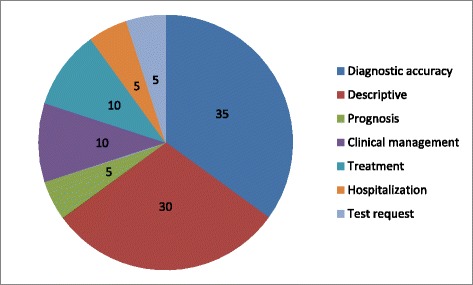
BACKGROUND: Cognitive biases and personality traits (aversion to risk or ambiguity) may lead to diagnostic inaccuracies and medical errors resulting in mismanagement or inadequate utilization of resources. We conducted a systematic review with four objectives: 1) to identify the most common cognitive biases, 2) to evaluate the influence of cognitive biases on diagnostic accuracy or management errors, 3) to determine their impact on patient outcomes, and 4) to identify literature gaps. METHODS: We searched MEDLINE and the Cochrane Library databases for relevant articles on cognitive biases from 1980 to May 2015. We included studies conducted in physicians that evaluated at least one cognitive factor using case-vignettes or real scenarios and reported an associated outcome written in English. Data quality was assessed by the Newcastle-Ottawa scale. Among 114 publications, 20 studies comprising 6810 physicians met the inclusion criteria. Nineteen cognitive biases were identified. RESULTS: All studies found at least one cognitive bias or personality trait to affect physicians. Overconfidence, lower tolerance to risk, the anchoring effect, and information and availability biases were associated with diagnostic inaccuracies in 36.5 to 77 % of case-scenarios. Five out of seven (71.4 %) studies showed an association between cognitive biases and therapeutic or management errors. Of two (10 %) studies evaluating the impact of cognitive biases or personality traits on patient outcomes, only one showed that higher tolerance to ambiguity was associated with increased medical complications (9.7 % vs 6.5 %; p = .004). Most studies (60 %) targeted cognitive biases in diagnostic tasks, fewer focused on treatment or management (35 %) and on prognosis (10 %). Literature gaps include potentially relevant biases (e.g. aggregate bias, feedback sanction, hindsight bias) not investigated in the included studies. Moreover, only five (25 %) studies used clinical guidelines as the framework to determine diagnostic or treatment errors. Most studies (n = 12, 60 %) were classified as low quality. CONCLUSIONS: Overconfidence, the anchoring effect, information and availability bias, and tolerance to risk may be associated with diagnostic inaccuracies or suboptimal management. More comprehensive studies are needed to determine the prevalence of cognitive biases and personality traits and their potential impact on physicians' decisions, medical errors, and patient outcomes.
Overview
The claims and statistics of this paper haven’t been checked yet.
Free: it reads the open-access text and checks the first 5 claims that cite a source we can check. Create a free account to check every claim.
Integrity signals
Registry
Cites
Statistics
Figures
Verification
Claims the paper makes
The claims and statistics of this paper haven’t been checked yet.
Free: it reads the open-access text and checks the first 5 claims that cite a source we can check. Create a free account to check every claim.
Claims other papers make about this one
Each is checked against this paper’s own text: does it say what the citing paper says it does?
The source backs part of the claim, not all of it — or backs it for a different population, condition or comparison.
In the citing paper
“Cognitive tendencies, including anchoring, status-quo preference, and an asymmetric weighting of affirmative rather than disproving information, may reinforce familiar clinical defaults [ 54 ].”
From Paracetamol: A History of Assumptions, Errors, and Evidence Reversals in Pain Management (2026) · cites this paper as [54]
Experimental — accuracy not yet measuredThe source backs part of the claim, not all of it — or backs it for a different population, condition or comparison.
In the citing paper
“Labels associated with medical data, disease rating scales, and diagnosis may be imbued with cognitive biases of the health care personnel who collected this information.51”
From Addressing bias in big data and AI for health care: A call for open science (2021) · cites this paper as [51]
Experimental — accuracy not yet measuredThe source backs part of the claim, not all of it — or backs it for a different population, condition or comparison.
In the citing paper
“Human cognitive biases in clinical decision-making are increasingly recognized as a crucial factor in health care errors and suboptimal patient outcomes [1].”
From Mitigating cognitive biases in clinical decision-making through multi-agent conversations using large language models: simulation study (2024) · cites this paper as [1]
Experimental — accuracy not yet measuredThe source backs part of the claim, not all of it — or backs it for a different population, condition or comparison.
In the citing paper
“Cognitive biases in clinical decision-making significantly contribute to errors in diagnosis and suboptimal patient outcomes.”
From Mitigating cognitive biases in clinical decision-making through multi-agent conversations using large language models: simulation study (2024) · cites this paper as [1]
Experimental — accuracy not yet measured
Self-check
Percentages, sums and reported differences re-computed from the paper’s own numbers.
The self-check needs the paper’s full text.
Citations
Cites
Tversky, A., & Kahneman, D. (1974) · Science · doi:10.1126/science.185.4157.1124 · Cited by 28,810 · cited 2×
“errors in the diagnosis, management, or treatment of medical conditions [6, 26].”
Liberati, A., Altman, D. G., Tetzlaff, J., Mulrow, C., Gøtzsche, P. C., Ioannidis, J. P. A., Clarke, M., Devereaux, P. J., Kleijnen, J., & Moher, D. (2009) · PLoS Medicine · doi:10.1371/journal.pmed.1000100 · Cited by 28,164
Judgment under Uncertainty: Heuristics and Biases
Tversky, A., & Kahneman, D. (1975) · Utility, Probability, and Human Decision Making · doi:10.1007/978-94-010-1834-0_8 · Cited by 22,650
(2014) · Medical Entomology and Zoology · Cited by 17,633
Liberati, A., Altman, D. G., Tetzlaff, J., Mulrow, C., Gøtzsche, P. C., Ioannidis, J. P. A., Clarke, M., Devereaux, P. J., Kleijnen, J., & Moher, D. (2009) · Annals of Internal Medicine · doi:10.7326/0003-4819-151-4-200908180-00136 · Cited by 10,349
Newcastle-Ottawa Scale: comparing reviewers’ to authors’ assessments
Lo, C. K.-L., Mertz, D., & Loeb, M. (2014) · BMC Medical Research Methodology · doi:10.1186/1471-2288-14-45 · Cited by 2,477
Incidence of Adverse Drug Events and Potential Adverse Drug Events: Implications for Prevention
Bates, D. W. (1995) · JAMA · doi:10.1001/jama.1995.03530010043033 · Cited by 2,127 · cited 1×
“each year, and perhaps one million in excess injuries in the USA [1, 2].”
BackgroundThe Importance of Cognitive Errors in Diagnosis and Strategies to Minimize Them
Croskerry, P. (2003) · Academic Medicine · doi:10.1097/00001888-200308000-00003 · Cited by 1,675 · cited 5×
“errors in the diagnosis, management, or treatment of medical conditions [6, 26].”
BackgroundInfluentialWhat every teacher needs to know about clinical reasoning
Eva, K. W. (2005) · Medical Education · doi:10.1111/j.1365-2929.2004.01972.x · Cited by 930 · cited 1×
“Fourth, case-vignettes or real clinical encounters were used [28].”
MethodClaims, Errors, and Compensation Payments in Medical Malpractice Litigation
Studdert, D. M., Mello, M. M., Gawande, A. A., Gandhi, T. K., Kachalia, A., Yoon, C., Puopolo, A. L., & Brennan, T. A. (2006) · New England Journal of Medicine · doi:10.1056/nejmsa054479 · Cited by 848 · cited 1×
“outcomes, which are the most common reasons for patients’ dissatisfaction and medical complaints [54, 64, 65].”
Background
Cited by
Items 401–500 of 1,000
Rahman, H., Anggadiredja, K., & Sasongko, L. (2025) · Toxicology Reports · doi:10.1016/j.toxrep.2025.101920 · Cited by 7
The diagnostic certainty levels of junior clinicians: A retrospective cohort study
Chen, Y., Nagendran, M., Kilic, Y., Cavlan, D., Feather, A., Westwood, M. A., Rowland, E., Gutteridge, C., & Lambiase, P. D. (2021) · Health Information Management Journal · doi:10.1177/18333583211019134 · Cited by 7
Diagnostic errors: Under‐appreciated, under‐reported and under‐researched
Schattner, A. (2021) · International Journal of Clinical Practice · doi:10.1111/ijcp.14913 · Cited by 6
EEG reading with or without clinical information – a real-world practice study
Nascimento, F. A., Jing, J., Beniczky, S., Olandoski, M., Benbadis, S. R., Cole, A. J., & Westover, M. B. (2022) · Neurophysiologie Clinique · doi:10.1016/j.neucli.2022.08.002 · Cited by 6
Rajbhandari, P., Goodrich, N. P., Nabower, A. M., Brown, M. F., Ekambaram, M., Eisenberg, J., Forbes, M. L., Gollehon, N. S., Martin, K., McCulloh, R. J., et al. (2022) · BMC Infectious Diseases · doi:10.1186/s12879-022-07789-2 · Cited by 6
“This may further point to overconfidence bias, a known cognitive bias associated with diagnostic inaccuracies and suboptimal management [16].”
Background5. Improving the Reliability of Judgements
Wintle, B. C., Mukherjee, N., Hemming, V., Canessa, S., & McBride, M. F. (2022) · Open Book Publishers · doi:10.11647/obp.0321.05 · Cited by 6
Changing the Paradigm: Practical Wisdom as True North in Medical Education
Plews-Ogan, M. L. (2025) · The Journal of Medicine and Philosophy A Forum for Bioethics and Philosophy of Medicine · doi:10.1093/jmp/jhae048 · Cited by 6
Developing competent videofluoroscopic swallowing study analysts
Edwards, A., Froude, E., & Sharpe, G. (2018) · Current Opinion in Otolaryngology & Head & Neck Surgery · doi:10.1097/moo.0000000000000449 · Cited by 6
Galvin, K. L., Featherston, R., Downie, L. E., Vogel, A. P., Hamilton, B. E., Granger, C. L., & Shlonsky, A. (2019) · Journal of the American Academy of Audiology · doi:10.3766/jaaa.18096 · Cited by 8
When Alternative Diagnoses Are More Likely Than Pulmonary Embolism: A Paradox
Aberegg, S. K., & Johnson, S. A. (2020) · Annals of the American Thoracic Society · doi:10.1513/annalsats.201908-590ip · Cited by 7
Are maladaptive brain changes the reason for burnout and medical error?
Manji, R. A., Manji, J. S., & Arora, R. C. (2020) · Journal of Thoracic and Cardiovascular Surgery · doi:10.1016/j.jtcvs.2020.06.146 · Cited by 7
The Virtuous Physician and Antimicrobial Prescribing Policy and Practice
Oakley, J. G. (2020) · Public health ethics analysis · doi:10.1007/978-3-030-27874-8_8 · Cited by 6
“10 See Blumenthal-Barby and Krieger (2015) and Saposnik et al. (2016).”
Background79 is the new 70: Left digit bias in craniotomy
Blumenfeld, A., Sang, H. I., Baird, R., Brenden, M., & Bjordahl, P. M. (2022) · The American Journal of Surgery · doi:10.1016/j.amjsurg.2022.10.008 · Cited by 6
Difficult Relationships: Patients, Providers, and Systems
Rozel, J. S. (2018) · Current Emergency and Hospital Medicine Reports · doi:10.1007/s40138-018-0152-y · Cited by 6
Elevating diagnostic skills with logical reasoning
Gilliam, S. (2019) · The Nurse Practitioner · doi:10.1097/01.npr.0000554675.55073.5a · Cited by 6
Manual Therapy: Art or Science?
Bizzarri, P., & Foglia, A. (2020) · IntechOpen eBooks · doi:10.5772/intechopen.90730 · Cited by 8
What Is Common to Transportation and Health in Machine Learning Education? The Domain Neglect Bias
Mike, K., & Hazzan, O. (2022) · IEEE Transactions on Education · doi:10.1109/te.2022.3218013 · Cited by 8
“Several methods have been applied in cognitive bias research, including experiments, surveys, questionnaires, interviews, and secondary data [35], [36], [37].”
MethodThe neurologic consultation: pointers and takeaways for intensivists
Wijdicks, E. F. M. (2020) · Intensive Care Medicine · doi:10.1007/s00134-020-06055-w · Cited by 6
Freedman, G., Watt, R., Chowdhury, E., Quinlan, K., Eccleston, D. S., Driscoll, A. L., Theuerle, J. D., & Kearney, L. (2025) · Journal of Clinical Medicine · doi:10.3390/jcm14155371 · Cited by 5
“Systemically, the program also applied a uniform care approach, reducing variability in prescribing that may be influenced by cognitive bias, which has been linked to inequality in heart failure treatment delivery [59,60].”
Hedman, M., Kosuta, V., Lindmark, M., Sandström, J., Trinh, B., Sundvall, P., Rystedt, K., Werner, M., Öhberg, F., & Lundberg, T. (2025) · Scandinavian Journal of Primary Health Care · doi:10.1080/02813432.2025.2571936 · Cited by 6
“When counselling patients, a physician’s confidence in their diagnosis can enhance patient trust and adherence to treatment recommendations. however, excessive confidence may hinder physicians from recognising their own mistakes and correcting diagnostic errors [33,34].”
Confidence and certainty in medical diagnoses within acute healthcare: a scoping review
Aiyer, S., Higham, H., & Yeung, N. (2025) · BMJ Quality & Safety · doi:10.1136/bmjqs-2024-017997 · Cited by 5
“The present work comprehensively maps out the literature on confidence in medical diagnoses, thus extending previous work exploring how cognitive biases contribute to medical error 75–77 and characterising medical uncertainty more broadly.”
Aeffner, F., Bolon, B. N., Boyle, M. H., Buetow, B. S., Forest, T. W., Janardhan, K. S., Mansfield, K. G., Meyerholz, D. K., Price, S. A., & Rebelatto, M. C. (2025) · Toxicologic Pathology · doi:10.1177/01926233251393154 · Cited by 7
“1,75,110 Visual traps are a sort of optical illusion in which the perceived image differs from objective reality while cognitive traps represent tendencies to think in ways that lead to systematic errors or deviations from rational thinking.”
AI agents in Alzheimer’s disease management: challenges and future directions
Grammenos, G., Vrahatis, A. G., Lazaros, K., Exarchos, T. P., Vlamos, P., & Krokidis, M. G. (2026) · Frontiers in Aging Neuroscience · doi:10.3389/fnagi.2025.1735892 · Cited by 8
Importance of the “Rule of the Pupil” in the Modern Neuroimaging Era
Garg, A., & Micieli, J. A. (2021) · Journal of Neuro-Ophthalmology · doi:10.1097/wno.0000000000001175 · Cited by 5
“, assuming a “normal” CTA in a diabetic patient must indicate microvascular ischemia) or failing to adjust to new information such as dilated, nonreactive pupil in a patient who has been given a diagnosis of 3NP related to microvascular ischemia (28).”
BackgroundTeaching Medical Students to Suture: Evaluation of a Modern Medical School Curriculum
Cleversey, C., Rebchuk, A. D., Reel, R. M., Hintz, G., Farimani, P. L., & Yee, A. (2022) · McGill Journal of Medicine · doi:10.26443/mjm.v21i1.949 · Cited by 5
Lipman, K. B. W. G., de Gooijer, C. J., Boellaard, T. N., van der Heijden, F., Beets‐Tan, R. G. H., Bodalal, Z., Trebeschi, S., & Burgers, J. A. (2022) · European Radiology · doi:10.1007/s00330-022-09304-2 · Cited by 6
“Although AI models contain biases on their own [28], they could help overcome human bias [27] and ensure a fairer public health policy in this situation.”
BackgroundKognitive Verzerrungen: Ein Problemaufriss zum polizeilichen Interaktionsverhalten
Staller, M. S., Zaiser, B., & Körner, S. (2023) · Springer eBooks · doi:10.1007/978-3-658-40118-4_20 · Cited by 6
Yan, L., Karamchandani, K., Gaiser, R. R., & Carr, Z. J. (2024) · Anesthesia & Analgesia · doi:10.1213/ane.0000000000006666 · Cited by 8
“18 Unfortunately, no meta-analysis was performed in this systematic review due to study heterogeneity.”
BackgroundHow debunking biases in research and development decisions could lead to more equitable healthcare?
Weber, B., Zineh, I., Lalonde, R., & Visser, S. A. G. (2024) · Clinical and Translational Science · doi:10.1111/cts.13880 · Cited by 5
Gupta, M., Khurana, P., & Gupta, N. (2024) · CNS Spectrums · doi:10.1017/s109285292400230x · Cited by 6
Action for cognitive biases in clinical decision-making
Cioffi, J. M. (2025) · Academia Medicine · doi:10.20935/acadmed7526 · Cited by 6
Sociocognitive approach to behaviour change for reducing low-value care
Scott, I. A., & McPhail, S. (2020) · Australian Health Review · doi:10.1071/ah20209 · Cited by 5
Lamprell, K., Pulido, D. F., Tran, Y., Easpaig, B. N. G., Liauw, W., Arnolda, G., & Braithwaite, J. (2021) · JMIR Research Protocols · doi:10.2196/25056 · Cited by 5
“The findings from this study have the potential to provide information in a form that can modify habitual thinking and influence clinicians’ cognitive biases [72,73] about age-related criteria for colorectal cancer risk assessment and diagnostic practice.”
BackgroundCOVID-19 and the Consequences of Anchoring Bias
Horowitz, H. W., Behar, C. F., & Greene, J. (2021) · Emerging infectious diseases · doi:10.3201/eid2708.211107 · Cited by 5
“Such biases are among the most common in the heuristic decision-making process (3,4).”
BackgroundTrichobezoar Without Trichotillomania—a Case Report
Edwards, M. V., Kaz, A. M., & Wander, P. L. (2022) · Journal of General Internal Medicine · doi:10.1007/s11606-021-07194-6 · Cited by 5
Merlo, F., Malacrida, R., Hurst, S., Bassetti, C. L., Albanese, E., & Fadda, M. (2022) · European Journal of Neurology · doi:10.1111/ene.15354 · Cited by 7
“Regarding physicians' pessimism bias, the literature recognizes the existence of several cognitive biases associated with medical decisions, such as lower tolerance to risk, anchoring effect, commission and omission biases, and information and availability biases [51,52].”
BackgroundPietrzak, K., Miechowicz, I., Nowocień, K., Kraszewski, B., & Rzymski, P. (2022) · Journal of Foot and Ankle Research · doi:10.1186/s13047-022-00572-1 · Cited by 7
Saposnik, G., Ismail, Z., Rivard, A.-M., Knifton, D., Bromfield, G. P., Terzaghi, M., Montoya, A., & Ménard, M. (2022) · Frontiers in Medicine · doi:10.3389/fmed.2022.997277 · Cited by 5
“Building on our previous work, we apply principles from neuroeconomics and behavioral economics to therapeutic decisions (42, 46, 47).”
MethodSelf-citation1. Introduction: The Evidence Crisis and the Evidence Revolution
Sutherland, W. J. (2022) · Open Book Publishers · doi:10.11647/obp.0321.01 · Cited by 6
Leading digit bias in hemoglobin thresholds for red cell transfusion
Raza, S., Risk, M., & Cserti-Gazdewich, C. M. (2024) · Transfusion · doi:10.1111/trf.17827 · Cited by 5
Buchlak, Q. D., Kowalczyk, M., Leveque, J., Wright, A. K., & Farrokhi, F. R. (2018) · Journal of Clinical Neuroscience · doi:10.1016/j.jocn.2018.08.051 · Cited by 6
Undiagnosed and Rare Diseases in Perinatal Medicine
Bordini, B. J., Kliegman, R. M., Basel, D., & Nocton, J. J. (2019) · Clinics in Perinatology · doi:10.1016/j.clp.2019.10.002 · Cited by 6
The importance of appropriate matching of confidence and competence in radiology training and beyond
Schweitzer, A. D. (2020) · Clinical Imaging · doi:10.1016/j.clinimag.2020.04.031 · Cited by 5
Influence of Socioeconomic Bias on Emergency Medicine Resident Decision Making and Patient Care
Fasano, H. T., McCarter, M. S. J., Simonis, J. M., Hoelscher, G. L., & Bullard, M. J. (2020) · Simulation in Healthcare The Journal of the Society for Simulation in Healthcare · doi:10.1097/sih.0000000000000471 · Cited by 5
“Studies have identified biases as a result of the overuse of the unconscious, immediate response system, as opposed to intentional, thought out actions particularly during moments of high stress when an individual's ability to maintain a slower, intentional system approach is limited.(31) Our study must be viewed thro…”
BackgroundKarn, M. N., Johnson, N. P., Yaeger, S. K., & Fugok, K. L. (2020) · Journal of the American College of Emergency Physicians Open · doi:10.1002/emp2.12261 · Cited by 6
The Impact of Delayed Symptomatic Treatment Implementation in the Intensive Care Unit
Meng, L., Laudański, K., Restrepo, M., Huffenberger, A. M., & Terwiesch, C. (2021) · Healthcare · doi:10.3390/healthcare10010035 · Cited by 6
“This may create an awareness of ambiguity and less urgency, especially in the case of conditional orders, via perception bias [16,29].”
BackgroundChan, D. L., Tran, S., Kanakaratne, S., Bruce, H. M., Thilakanathan, C., Bull, N. B., Hennessy, A., Iliopoulos, J., & Talbot, M. L. (2022) · Surgery Open Digestive Advance · doi:10.1016/j.soda.2022.100042 · Cited by 5
Availability Bias and the COVID-19 Pandemic: A Case Study of Legionella Pneumonia
Kyere, K., Aremu, T. O., & Ajibola, O. A. (2022) · Cureus · doi:10.7759/cureus.25846 · Cited by 6
“Another unforeseen adversary for physicians at the forefront of this battle against SARS-CoV-2 is cognitive bias/error, including anchoring, overconfidence bias, premature closure, confirmation bias, and availability bias [10,11].”
BackgroundRegmi, A., Raouf, M., Mudaliar, K. M., Speiser, J. J., & Ananthanarayanan, V. (2023) · American Journal of Dermatopathology · doi:10.1097/dad.0000000000002348 · Cited by 5
Karunaratne, S., Harris, I. A., Horsley, M., Trevena, L. J., & Solomon, M. J. (2023) · ANZ Journal of Surgery · doi:10.1111/ans.18817 · Cited by 6
“31 This study identi fi ed some discordances between patients and health professionals, and multiple discrepancies between individual health professional specialties.”
BackgroundCattanach, D. E., Wysocki, A. P., Rey‐Conde, T., Nankivell, C., Allen, J., & North, J. B. (2018) · ANZ Journal of Surgery · doi:10.1111/ans.14796 · Cited by 5
“A systematic review found over 50% of physicians were affected by at least one cognitive bias (overconfidence, confirmation and anchoring biases were most common).(37) Surgeon self-reflect may be prone to recall bias (outcomes of surgical care influence a subjects recollection of events).”
BackgroundCourtwright, A., Rubin, E. B., Robinson, E. M., El‐Chemaly, S., Lamas, D. J., Diamond, J. M., & Goldberg, H. J. (2018) · HEC Forum · doi:10.1007/s10730-018-9364-5 · Cited by 5
Ichikawa, R., Shibuya, A., Misawa, J., Maeda, Y., Hishiki, T., & Kondo, Y. (2019) · Journal of Nihon University Medical Association · doi:10.4264/numa.78.3_135 · Cited by 5
Cognitive Biases & Errors in Headache Medicine
Gottschalk, C. H. (2019) · Headache The Journal of Head and Face Pain · doi:10.1111/head.13686 · Cited by 5
“5 to 77 % of case-scenarios.(19) COMMON BIASES Premature closure is “the failure to continue considering reasonable alternatives after an initial diagnosis was reached” The definition above was provided in a 2005 study of diagnostic error in internal medicine by Graber et al, a study which demonstrated that system-rel…”
BackgroundThis is your toolkit in hemodynamic monitoring
Kaufmann, T., van der Horst, I. C. C., & Scheeren, T. (2020) · Current Opinion in Critical Care · doi:10.1097/mcc.0000000000000727 · Cited by 9
Atallah, F., Moreno-Jackson, R., McLaren, R. A., Fisher, N., Weedon, J., Jones, S., & MINKOFF, H. L. (2020) · American Journal of Perinatology · doi:10.1055/s-0040-1712167 · Cited by 7
Heuristic thinking in the workplace: Evidence from primary care
Shurtz, I. (2022) · Health Economics · doi:10.1002/hec.4534 · Cited by 7
Developing an Educational and Decision Support Tool for Stage I Lung Cancer Using Decision Science
Housten, A. J., Kozower, B. D., Engelhardt, K. E., Robinson, C. G., Puri, V., Samson, P. S., Cooksey, K. E., & Politi, M. C. (2022) · The Annals of Thoracic Surgery · doi:10.1016/j.athoracsur.2022.07.019 · Cited by 5
Preventable Closed Claims in the AANA Foundation Closed Malpractice Claims Database.
Kremer, M., Hirsch, M., Geisz-Everson, M. A., Wilbanks, B. A., Clayton, B. A., Boust, R. R., & Jordan, L. M. (2019) · PubMed · Cited by 6
How Should AI Interpret Rules? A Defense of Minimally Defeasible Interpretive ArgumentationPreprint
Licato, J. (2021) · arXiv (Cornell University) · doi:10.48550/arxiv.2110.13341 · Cited by 8
“And in both individual reasoning and large-scale debates, this one-sidedness can be highly problematic, even for medical doctors [13, 46, 53, 59] or judges [15, 16, 23, 49].”
BackgroundFestor, P., Nagendran, M., Gordon, A. C., Faisal, A. A., & Komorowski, M. (2023) · medRxiv · doi:10.1101/2023.10.03.23296437 · Cited by 6
Boivin, R., Bernier, D., Ostiguy, R., Gagnon, C., & Gendron, A. (2022) · Journal of Police and Criminal Psychology · doi:10.1007/s11896-022-09527-5 · Cited by 4
Vach, K., Schlueter, N., Ganss, C., & Vach, W. (2023) · International Journal of Environmental Research and Public Health · doi:10.3390/ijerph20031781 · Cited by 4
“Based on this model, factors that influence (diagnostic) decisions in medicine and can lead to diagnostic inaccuracies have been discussed [5].”
BackgroundBehavioral Economics and Decision Making: Understanding Irrationality and Biases in Economic Choices
Liestyowati, L. (2024) · Economics Studies and Banking Journal (DEMAND) · doi:10.62207/ma4g8z02 · Cited by 8
“These biases can lead to diagnostic inaccuracies and errors in medical decisions, affecting resource utilization and management (Saposnik et al., 2016).”
BackgroundIncreased reliance on heuristic thinking in mild cognitive impairment
Zemla, J. C. (2024) · Aging Neuropsychology and Cognition · doi:10.1080/13825585.2024.2405506 · Cited by 5
“…mathematical psychologists make intuitive judgments about the representativeness of small sample sizes that are mathematically unfounded (Tversky & Kahneman, 1971), and physicians make systematic errors in diagnosis that are inconsistent with standard medical practice (Saposnik et al., 2016).”
Fertility treatment when the prognosis is very poor or futile: an Ethics Committee opinion
(2024) · Fertility and Sterility · doi:10.1016/j.fertnstert.2024.09.034 · Cited by 4
A cross-sectional study of paramedic management of out-of-hospital obstetric emergencies
Flanagan, B., Fitzpatrick, D., Andreis, F., & Jackson, R. (2024) · British Journal of Midwifery · doi:10.12968/bjom.2024.0061 · Cited by 8
Clerkship Students’ Use of Clinical Reasoning Concepts After a Pre-clinical Reasoning Course
Kulkarni, S. A., Dhaliwal, G., Teherani, A., & Connor, D. M. (2025) · Journal of General Internal Medicine · doi:10.1007/s11606-024-09279-4 · Cited by 5
Takase, M., Kisanuki, N., Sato, Y., Mitsunaka, K., & Yamamoto, M. (2025) · International Journal of Nursing Studies Advances · doi:10.1016/j.ijnsa.2025.100356 · Cited by 5
“…Takase et al., 2024), most studies on cognitive biases in clinical judgement focus on physicians ’ diagnostic decisions (e.g., Crowley et al., 2013, Saposnik et al., 2016) or nurses ’ assessments of patient acuity or medication administration (Al-Moteri et al., 2022; Essa et al., 2023; Martin et…”
Petelinsek, S., Zhang, P., Colbert‐Getz, J. M., Hartridge, T., Furman, N., Awad, E., Kelner, R. H., & Hughes, P. G. (2025) · BMC Medical Education · doi:10.1186/s12909-025-07533-9 · Cited by 4
“According to a systematic review conducted in 2016, between 36.5 and 77% of all clinical errors can be linked to decision-making biases with the most common being authoritative bias, and overconfidence bias [1].”
InfluentialWang, J., & Redelmeier, D. A. (2025) · BMJ Quality & Safety · doi:10.1136/bmjqs-2025-019299 · Cited by 7
Self-citationDisagreement between human and AI evaluation of treatment plans
Sengupta, D., & Panda, S. (2026) · Scientific Reports · doi:10.1038/s41598-026-35406-8 · Cited by 6
Safety and security of large language models in healthcare
Clusmann, J., Freyer, O., Ostermann, M., Ferber, D., Laleh, N. G., Hilgers, L., Kolbinger, F. R., Schneider, C. V., Downing, A., Wekenborg, M., et al. (2026) · Nature · doi:10.1038/s41586-026-10687-1 · Cited by 8
“Confirmation bias (encountered; Box 2), a challenge as old as science and medicine 111,112 , could hereby be potentiated, undermining critical reflection of hypotheses, which is crucial for the education of HCPs.”
Budowski, A. D., Bergauer, L., Castellucci, C., Braun, J., Nöthiger, C. B., Spahn, D. R., Tscholl, D. W., & Roche, T. R. (2022) · Diagnostics · doi:10.3390/diagnostics12081835 · Cited by 5
“Over-confident physicians are prone to diagnostic inaccuracies and suboptimal treatment [13,14].”
Background11. Creating a Culture of Evidence Use
Frick, W. F., Cooke, S. J., Dickson, I., Jackson, H. A., Keller, K. E., la Luz, A. D., Parks, D., McPherson, T., Simkins, A. T., Tanshi, I., et al. (2022) · Open Book Publishers · doi:10.11647/obp.0321.11 · Cited by 4
Bataweel, A. O. (2022) · Journal of Behavioral and Brain Science · doi:10.4236/jbbs.2022.1211034 · Cited by 4
“Could the style of thinking explain this difference among physicians and also nurses? It was recommended that future studies to look at physicians’ way of thinking and how this might affect medical error [18].”
BackgroundAmoretti, M. C., & Lalumera, E. (2023) · Journal of Evaluation in Clinical Practice · doi:10.1111/jep.13903 · Cited by 6
paradoxo da popularidade no rastreamento mamográfico e a prevenção quaternária
Tesser, C. D. (2023) · Revista Brasileira de Medicina de Família e Comunidade · doi:10.5712/rbmfc18(45)3487 · Cited by 6
VITTORIS, R. D., Lebrument, N., & Bousquet, C. (2024) · Journal of Contingencies and Crisis Management · doi:10.1111/1468-5973.12553 · Cited by 4
Altinger, G., Sharma, S., Maher, C. G., Cullen, L., McCaffery, K. J., Linder, J. A., Buchbinder, R., Harris, I. A., Coiera, E. W., Li, Q., et al. (2024) · BMJ Open · doi:10.1136/bmjopen-2023-079870 · Cited by 5
“57”
Cognitive biases in pediatric cardiac care
Padovani, P., Roy, A., Guerra, A. B., Cadeau, O., Ly, M., Vasile, C. M., Pass, R. H., & Baruteau, A. (2024) · Frontiers in Cardiovascular Medicine · doi:10.3389/fcvm.2024.1423680 · Cited by 4
“Identifying physicians ’ cognitive biases at an early stage is essential for optimising medical decisions, preventing errors and creating realistic expectations for patients, ultimately reducing the rising costs of healthcare (44).”
BackgroundDharanikota, H., Wigmore, S. J., Skipworth, R. J. E., & Yule, S. (2024) · BMJ Open · doi:10.1136/bmjopen-2024-086775 · Cited by 4
Cordero, R., Ponce, H., Ring, D., Tonn, M. D., & Ramtin, S. (2025) · Journal of Occupational and Environmental Medicine · doi:10.1097/jom.0000000000003368 · Cited by 4
Haider, I., & Luetsch, K. (2019) · Research in Social and Administrative Pharmacy · doi:10.1016/j.sapharm.2019.08.006 · Cited by 7
Kaposi sarcoma misdiagnosed as granuloma annulare: A case of mistaken identity
Aghazadeh, N., Bridges, A. G., Camilleri, M., Peters, M. S., & Comfere, N. I. (2020) · Journal of Cutaneous Pathology · doi:10.1111/cup.13815 · Cited by 4
“Our case also exemplifies common biases in medical decision making including premature closure (failure to consider alternative diagnoses after the initial impression is formed), and anchoring bias (tendency to maintain the initial diagnosis despite new information that suggests otherwise).(12) Such biases can result…”
BackgroundA ruptured ectopic pregnancy in a patient with an intrauterine device: A case report
Gaetani, S. L., Garbade, G. J., Haas, S. I., Roth, K. R., & Kane, K. E. (2021) · Radiology Case Reports · doi:10.1016/j.radcr.2021.08.074 · Cited by 4
“[6] Saposnik G, Redelmeier D, Ruff CC, Tobler PN.”
BackgroundLarge renal leiomyoma: A multidisciplinary approach to diagnosis
Chaniotakis, S., Yang, Y., Patel, T., & Banks, J. (2021) · Journal of Radiology Case Reports · doi:10.3941/jrcr.v15i8.4125 · Cited by 4
The intersection of prognostication and code status in patients with severe brain injury
Georgia, M. A. D. (2022) · Journal of Critical Care · doi:10.1016/j.jcrc.2022.153997 · Cited by 4
COVID-19: Current Challenges and Future Perspectives
Leggat, P., Frean, J., & Blumberg, L. (2022) · MDPI eBooks · doi:10.3390/books978-3-0365-3119-9 · Cited by 4
Seeber, G. H., Thalhamer, C., Matthijs, O. C. G., Doskar, W., Sizer, P. S., & Lazovic, D. (2022) · Sports Medicine - Open · doi:10.1186/s40798-022-00500-4 · Cited by 4
“This, in addition to a lower tolerance for uncertainty or diagnostic ambiguity, may have led to a more extensive LAD-testing compared to the expert clinician [40].”
BackgroundResultInfluential2. Gathering and Assessing Pieces of Evidence
White, T., Amano, T., Boersch‐Supan, P. H., Christie, A. P., Freckleton, R. P., Quinzin, M. C., Rezaie, A. M., Sutherland, W. J., & Yamashita, H. (2022) · Open Book Publishers · doi:10.11647/obp.0321.02 · Cited by 6
Ample room for cognitive bias in diagnosing accidental hypothermia
Mariño, R. B., Roy, S., Orejas, M. M., Martínez, Í. S., & Paal, P. (2023) · Diagnosis · doi:10.1515/dx-2023-0005 · Cited by 4
Recognition and epileptology of protracted CLN3 disease
Cameron, J. M., Damiano, J. A., Grinton, B. E., Carney, P. W., McKelvie, P. A., Silbert, P. L., Lawn, N. D., Scheffer, I. E., Oliver, K. L., Hildebrand, M. S., et al. (2023) · Epilepsia · doi:10.1111/epi.17616 · Cited by 5
Erel, M., Marcus, E., & Ganz, F. D. (2023) · Frontiers in Medicine · doi:10.3389/fmed.2023.1145142 · Cited by 4
Curtis, J. R., & Fraenkel, L. (2023) · Arthritis & Rheumatology · doi:10.1002/art.42742 · Cited by 5
“7 These errors are prevalent in health care and often lead to poor decisions with signi fi cant consequences.”
BackgroundJohansen, R. L. R., & Tulloch, S. J. (2024) · Journal of Patient Safety · doi:10.1097/pts.0000000000001242 · Cited by 5
Post Hoc Bias in Treatment Decisions
Redelmeier, D. A., & Shafir, E. B. (2024) · JAMA Network Open · doi:10.1001/jamanetworkopen.2024.31123 · Cited by 4
Self-citationPoint of care ultrasound: a clinical decision support tool for COVID-19
Desai, S. R., Wong, J., Suhitharan, T., Chan, Y. W., & Ng, S.-Y. (2021) · Singapore Medical Journal · doi:10.11622/smedj.2021098 · Cited by 5
“on the clinical context and index of suspicion, which may be confounded by experience and cognitive biases.((123-125))”
Shlobin, N. A., Sheldon, M., & Bernstein, M. (2022) · World Neurosurgery · doi:10.1016/j.wneu.2022.10.003 · Cited by 4
7. Framing the Problem and Identifying Potential Solutions
Esmail, N., Green, R. E., Petrovan, S. O., Salafsky, N., Taylor, N. G., & Wilson, J. D. (2022) · Open Book Publishers · doi:10.11647/obp.0321.07 · Cited by 6
Metadata
- Authors
- Saposnik, G., Redelmeier, D., Ruff, C. C., & Tobler, P. N.
- Affiliations
- St. Michael's Hospital (CA)
- Institute for Clinical Evaluative Sciences (CA)
- University of Zurich (CH)
- Corresponding author
- Saposnik, Gustavo
- Venue
- BMC Medical Informatics and Decision Making
- Published
- 2016-11-03
- Volume
- 16
- Issue
- 1
- Pages
- 138-138
- ISSN
- 1472-6947 (ISSN-L)
- PMC
- PMC5093937
- OpenAlex
- W2548421507
- Cited by
- 1,001
- References
- 74
- Citations by year
- 2026: 141 · 2025: 111 · 2024: 118 · 2023: 97 · 2022: 158 · 2021: 120 · 2020: 95 · 2019: 83 · 2018: 55 · 2017: 21 · 2016: 1
- FWCI
- 8.96
- Type
- journal article
- Language
- en
- Open access
- gold
- doi.org
- Licence
- Locations
- BMC Medical Informatics and Decision Making (publishedVersion, cc-by)
- PubMed Central (publishedVersion, cc-by)
- PubMed (publishedVersion)
- Zurich Open Repository and Archive (University of Zurich) (acceptedVersion, cc-by)
- TSpace (University of Toronto) (submittedVersion, cc-by)
- Zurich Open Repository and Archive (University of Zurich) (submittedVersion, cc-by)
- Zurich Open Repository and Archive (University of Zurich)
- Funders
- Swiss National Science Foundation (CRSII3_141965)
- Heart and Stroke Foundation of Canada (NA)
- Topics
- Health Sciences › Medicine › Family Practice › Clinical Reasoning and Diagnostic Skills
- Social Sciences › Decision Sciences › General Decision Sciences › Decision-Making and Behavioral Economics
- Health Sciences › Medicine › Public Health, Environmental and Occupational Health › Patient Safety and Medication Errors
- Keywords
- cognitive biases, clinical decision-making, diagnostic errors, medical errors, overconfidence, anchoring effect, availability bias, information bias, risk aversion, ambiguity tolerance, personality traits, patient outcomes, physician decision-making
- MeSH terms
- Clinical Decision-Making, Humans, Personality, Physicians, Thinking
About these checks
Registry, retraction, Cites and statistics results are computed, not judged, with one exception: a printed reference that no index lists is read once by a model before it counts as a citation error. Claims are extracted by a model and kept only when their quote appears verbatim in the text; each cited source is then checked, with a model’s help, for whether it says what the claim relies on. Those verdicts can be wrong — read the claim’s quote and the cited source before relying on one.
Statistics and arithmetic are recomputed, not judged.
Confidence bands are shown only for fields calibrated on our annotated test set. None is calibrated yet, so no band is shown.
What counts as a claim ›How we measure confidence ›How we check this ›
Are you an author, or do you see a problem with this page? Request a review
Data sources
Bibliographic data: Semantic Scholar, OpenAlex, Crossref.
Contains information from the Semantic Scholar Academic Graph Datasets, made available under the ODC Attribution License (ODC-BY 1.0).
Semantic Scholar’s data is described in: Kinney, R., et al. (2023). The Semantic Scholar Open Data Platform. arXiv:2301.10140.
