

Cognitive biases associated with medical decisions: a systematic review
Open accessThe DOI matches its Crossref record; 76 of the 76 references it cites were found in a registry or an index.
Abstract
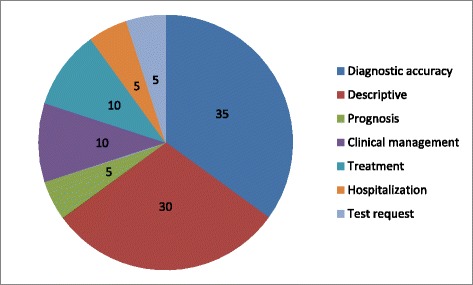
BACKGROUND: Cognitive biases and personality traits (aversion to risk or ambiguity) may lead to diagnostic inaccuracies and medical errors resulting in mismanagement or inadequate utilization of resources. We conducted a systematic review with four objectives: 1) to identify the most common cognitive biases, 2) to evaluate the influence of cognitive biases on diagnostic accuracy or management errors, 3) to determine their impact on patient outcomes, and 4) to identify literature gaps. METHODS: We searched MEDLINE and the Cochrane Library databases for relevant articles on cognitive biases from 1980 to May 2015. We included studies conducted in physicians that evaluated at least one cognitive factor using case-vignettes or real scenarios and reported an associated outcome written in English. Data quality was assessed by the Newcastle-Ottawa scale. Among 114 publications, 20 studies comprising 6810 physicians met the inclusion criteria. Nineteen cognitive biases were identified. RESULTS: All studies found at least one cognitive bias or personality trait to affect physicians. Overconfidence, lower tolerance to risk, the anchoring effect, and information and availability biases were associated with diagnostic inaccuracies in 36.5 to 77 % of case-scenarios. Five out of seven (71.4 %) studies showed an association between cognitive biases and therapeutic or management errors. Of two (10 %) studies evaluating the impact of cognitive biases or personality traits on patient outcomes, only one showed that higher tolerance to ambiguity was associated with increased medical complications (9.7 % vs 6.5 %; p = .004). Most studies (60 %) targeted cognitive biases in diagnostic tasks, fewer focused on treatment or management (35 %) and on prognosis (10 %). Literature gaps include potentially relevant biases (e.g. aggregate bias, feedback sanction, hindsight bias) not investigated in the included studies. Moreover, only five (25 %) studies used clinical guidelines as the framework to determine diagnostic or treatment errors. Most studies (n = 12, 60 %) were classified as low quality. CONCLUSIONS: Overconfidence, the anchoring effect, information and availability bias, and tolerance to risk may be associated with diagnostic inaccuracies or suboptimal management. More comprehensive studies are needed to determine the prevalence of cognitive biases and personality traits and their potential impact on physicians' decisions, medical errors, and patient outcomes.
Overview
The claims and statistics of this paper haven’t been checked yet.
Free: it reads the open-access text and checks the first 5 claims that cite a source we can check. Create a free account to check every claim.
Integrity signals
Registry
Cites
Statistics
Figures
Verification
Claims the paper makes
The claims and statistics of this paper haven’t been checked yet.
Free: it reads the open-access text and checks the first 5 claims that cite a source we can check. Create a free account to check every claim.
Claims other papers make about this one
Each is checked against this paper’s own text: does it say what the citing paper says it does?
The source backs part of the claim, not all of it — or backs it for a different population, condition or comparison.
In the citing paper
“Cognitive tendencies, including anchoring, status-quo preference, and an asymmetric weighting of affirmative rather than disproving information, may reinforce familiar clinical defaults [ 54 ].”
From Paracetamol: A History of Assumptions, Errors, and Evidence Reversals in Pain Management (2026) · cites this paper as [54]
Experimental — accuracy not yet measuredThe source backs part of the claim, not all of it — or backs it for a different population, condition or comparison.
In the citing paper
“Labels associated with medical data, disease rating scales, and diagnosis may be imbued with cognitive biases of the health care personnel who collected this information.51”
From Addressing bias in big data and AI for health care: A call for open science (2021) · cites this paper as [51]
Experimental — accuracy not yet measuredThe source backs part of the claim, not all of it — or backs it for a different population, condition or comparison.
In the citing paper
“Human cognitive biases in clinical decision-making are increasingly recognized as a crucial factor in health care errors and suboptimal patient outcomes [1].”
From Mitigating cognitive biases in clinical decision-making through multi-agent conversations using large language models: simulation study (2024) · cites this paper as [1]
Experimental — accuracy not yet measuredThe source backs part of the claim, not all of it — or backs it for a different population, condition or comparison.
In the citing paper
“Cognitive biases in clinical decision-making significantly contribute to errors in diagnosis and suboptimal patient outcomes.”
From Mitigating cognitive biases in clinical decision-making through multi-agent conversations using large language models: simulation study (2024) · cites this paper as [1]
Experimental — accuracy not yet measured
Self-check
Percentages, sums and reported differences re-computed from the paper’s own numbers.
The self-check needs the paper’s full text.
Citations
Cites
Tversky, A., & Kahneman, D. (1974) · Science · doi:10.1126/science.185.4157.1124 · Cited by 28,810 · cited 2×
“errors in the diagnosis, management, or treatment of medical conditions [6, 26].”
Liberati, A., Altman, D. G., Tetzlaff, J., Mulrow, C., Gøtzsche, P. C., Ioannidis, J. P. A., Clarke, M., Devereaux, P. J., Kleijnen, J., & Moher, D. (2009) · PLoS Medicine · doi:10.1371/journal.pmed.1000100 · Cited by 28,164
Judgment under Uncertainty: Heuristics and Biases
Tversky, A., & Kahneman, D. (1975) · Utility, Probability, and Human Decision Making · doi:10.1007/978-94-010-1834-0_8 · Cited by 22,650
(2014) · Medical Entomology and Zoology · Cited by 17,633
Liberati, A., Altman, D. G., Tetzlaff, J., Mulrow, C., Gøtzsche, P. C., Ioannidis, J. P. A., Clarke, M., Devereaux, P. J., Kleijnen, J., & Moher, D. (2009) · Annals of Internal Medicine · doi:10.7326/0003-4819-151-4-200908180-00136 · Cited by 10,349
Newcastle-Ottawa Scale: comparing reviewers’ to authors’ assessments
Lo, C. K.-L., Mertz, D., & Loeb, M. (2014) · BMC Medical Research Methodology · doi:10.1186/1471-2288-14-45 · Cited by 2,477
Incidence of Adverse Drug Events and Potential Adverse Drug Events: Implications for Prevention
Bates, D. W. (1995) · JAMA · doi:10.1001/jama.1995.03530010043033 · Cited by 2,127 · cited 1×
“each year, and perhaps one million in excess injuries in the USA [1, 2].”
BackgroundThe Importance of Cognitive Errors in Diagnosis and Strategies to Minimize Them
Croskerry, P. (2003) · Academic Medicine · doi:10.1097/00001888-200308000-00003 · Cited by 1,675 · cited 5×
“errors in the diagnosis, management, or treatment of medical conditions [6, 26].”
BackgroundInfluentialWhat every teacher needs to know about clinical reasoning
Eva, K. W. (2005) · Medical Education · doi:10.1111/j.1365-2929.2004.01972.x · Cited by 930 · cited 1×
“Fourth, case-vignettes or real clinical encounters were used [28].”
MethodClaims, Errors, and Compensation Payments in Medical Malpractice Litigation
Studdert, D. M., Mello, M. M., Gawande, A. A., Gandhi, T. K., Kachalia, A., Yoon, C., Puopolo, A. L., & Brennan, T. A. (2006) · New England Journal of Medicine · doi:10.1056/nejmsa054479 · Cited by 848 · cited 1×
“outcomes, which are the most common reasons for patients’ dissatisfaction and medical complaints [54, 64, 65].”
Background
Cited by
Addressing bias in big data and AI for health care: A call for open science
Norori, N., Hu, Q., Aellen, F. M., Faraci, F. D., & Tzovara, A. (2021) · Patterns · doi:10.1016/j.patter.2021.100347 · Cited by 903
“51 Personality traits like tolerance to risk, or overconfidence may result in diagnostic, therapeutic, or management errors, and may impact patient outcomes.”
BackgroundBattaglio, R. P., Belardinelli, P., Bellé, N., & Cantarelli, P. (2019) · Public Administration Review · doi:10.1111/puar.12994 · Cited by 312
Cognitive and human factors in expert decision making: Six fallacies and the eight sources of bias
Dror, I. E. (2020) · Analytical Chemistry · doi:10.1021/acs.analchem.0c00704 · Cited by 333
Massoth, C., Röder, H., Ohlenburg, H., Hessler, M., Zarbock, A., Pöpping, D. M., & Wenk, M. (2019) · BMC Medical Education · doi:10.1186/s12909-019-1464-7 · Cited by 316
Chou, Y.-L., Moreira, C., Bruza, P., Ouyang, C., & Jorge, J. (2022) · Information Fusion · doi:10.1016/j.inffus.2021.11.003 · Cited by 302
Implicit bias in healthcare: clinical practice, research and decision making
Gopal, D. P., Chetty, U., O'Donnell, P., Gajria, C., & Blackadder-Weinstein, J. (2021) · Future Healthcare Journal · doi:10.7861/fhj.2020-0233 · Cited by 298
Royce, C. S., Hayes, M. M., & Schwartzstein, R. M. (2019) · Academic Medicine · doi:10.1097/acm.0000000000002518 · Cited by 242
Law, J. A., Duggan, L. V., Asselin, M., Baker, P., Crosby, E., Downey, A., Hung, O. R., Jones, P. M., Lemay, F., Noppens, R., et al. (2021) · Canadian Journal of Anesthesia/Journal canadien d'anesthésie · doi:10.1007/s12630-021-02007-0 · Cited by 184
Berthet, V. (2022) · Frontiers in Psychology · doi:10.3389/fpsyg.2021.802439 · Cited by 191
Teaching Clinical Reasoning and Critical Thinking
Richards, J. B., Hayes, M. M., & Schwartzstein, R. M. (2020) · Chest · doi:10.1016/j.chest.2020.05.525 · Cited by 160
Leveraging electronic health records for data science: common pitfalls and how to avoid them
Sauer, C. M., Chen, L.-C., Hyland, S. L., Girbes, A., Elbers, P., & Celi, L. A. (2022) · The Lancet Digital Health · doi:10.1016/s2589-7500(22)00154-6 · Cited by 166
Systematic review of clinician-directed nudges in healthcare contexts
Last, B. S., Buttenheim, A. M., Timon, C. E., Mitra, N., & Beidas, R. S. (2021) · BMJ Open · doi:10.1136/bmjopen-2021-048801 · Cited by 168
Humans inherit artificial intelligence biases
Vicente, L., & Matute, H. (2023) · Scientific Reports · doi:10.1038/s41598-023-42384-8 · Cited by 158
Medicine and heuristics: cognitive biases and medical decision-making
Whelehan, D. F., Conlon, K. C., & Ridgway, P. F. (2020) · Irish Journal of Medical Science (1971 -) · doi:10.1007/s11845-020-02235-1 · Cited by 192
Informed Consent: What Must Be Disclosed and What Must Be Understood?
Millum, J., & Bromwich, D. (2021) · The American Journal of Bioethics · doi:10.1080/15265161.2020.1863511 · Cited by 215
Bellè, N., Cantarelli, P., & Belardinelli, P. (2018) · Public Administration Review · doi:10.1111/puar.12960 · Cited by 179
Users’ experience with health-related content on YouTube: an exploratory study
Mohamed, F., & Shoufan, A. (2024) · BMC Public Health · doi:10.1186/s12889-023-17585-5 · Cited by 176
“The literature addresses cognitive biases linked to medical decisions, associating them with overconfidence, the anchoring effect, information availability, and risk tolerance [41].”
Accuracy of Practitioner Estimates of Probability of Diagnosis Before and After Testing
Morgan, D. J., Pineles, L., Owczarzak, J., Magder, L., Scherer, L., Brown, J. P., Pfeiffer, C., Terndrup, C., Leykum, L., Feldstein, D., et al. (2021) · JAMA Internal Medicine · doi:10.1001/jamainternmed.2021.0269 · Cited by 137
“Pretest probability 0-1 25 (10-60) 20 (5-50) 30 (10-50)”
InfluentialInnovations in research and clinical care using patient‐generated health data
Jim, H. S. L., Hoogland, A. I., Brownstein, N. C., Barata, A., Dicker, A. P., Knoop, H., Gonzalez, B. D., Perkins, R., Rollison, D., Gilbert, S. M., et al. (2020) · CA: A Cancer Journal for Clinicians · doi:10.3322/caac.21608 · Cited by 137
Hallyburton, A. (2022) · International Journal of Mental Health Nursing · doi:10.1111/inm.13034 · Cited by 179
“In health care, biases related to the concept of diagnostic overshadowing include anchoring, premature closure, and implicit biases (Croskerry 2019; Joint Commission 2016; Saposnik et al. 2016; Tsipursky 2020).”
BackgroundUncertainty in health care: Towards a more systematic program of research
Han, P. K. J., Babrow, A. S., Hillen, M. A., Gulbrandsen, P., Smets, E. M. A., & Ofstad, E. H. (2019) · Patient Education and Counseling · doi:10.1016/j.pec.2019.06.012 · Cited by 154
“Aversion to probability (risk), ambiguity, and complexity—the three principal sources of uncertainty [1]—are well-described phenomena in many domains of life [43-53], including health care [8, 54-56], and the avoidance and reduction of uncertainty are considered”
BackgroundPhiri, P., Ramakrishnan, R., Rathod, S., Elliot, K., Thayanandan, T., Sandle, N., Haque, N., Chau, S. W. H., Wong, O. W. H., Chan, S. S. M., et al. (2021) · EClinicalMedicine · doi:10.1016/j.eclinm.2021.100806 · Cited by 125
“When considering the psychological impact on HCPs and frontline staff, it is crucial for novel psychological interventions to become more adaptable for use in digital platforms such as virtual and augmented reality (VR/AR) [60 (cid:1) 63] for ease of access by a busy clinical workforce.”
Decision making biases in the allied health professions: A systematic scoping review
Featherston, R., Downie, L. E., Vogel, A. P., & Galvin, K. L. (2020) · PLoS ONE · doi:10.1371/journal.pone.0240716 · Cited by 151
“Despite the differences across professions, there are obvious similarities in the decision making processes required across healthcare professions, making it probable that bias would play an equally important role in decision outcomes in all allied health fields, as has been shown to be the case in medicine, nursing a…”
Evidence for Anchoring Bias During Physician Decision-Making
Ly, D. P., Shekelle, P., & Song, Z. (2023) · JAMA Internal Medicine · doi:10.1001/jamainternmed.2023.2366 · Cited by 162
Ivanov, O., Wolf, L., Brecher, D., Lewis, E., Masek, K., Montgomery, K., Andrieiev, Y., McLaughlin, M., Liu, S., Dunne, R., et al. (2021) · Journal of Emergency Nursing · doi:10.1016/j.jen.2020.11.001 · Cited by 100
“Cognitive biases that can impede clinical decision-making are well documented in the physician literature [5, 6] and the nursing literature [7, 8] including overconfidence, premature closure, the anchoring effect, information and availability bias, and tolerance to risk.”
BackgroundDistinguishing opinion from evidence in guidelines
Schünemann, H. J., Zhang, Y., & Oxman, A. D. (2019) · BMJ · doi:10.1136/bmj.l4606 · Cited by 106
Neal, T. M. S., Lienert, P., Denne, E., & Singh, J. P. (2022) · Law and Human Behavior · doi:10.1037/lhb0000482 · Cited by 131
The state of the art for artificial intelligence in lung digital pathology
Viswanathan, V. S., Toro, P., Corredor, G., Mukhopadhyay, S., & Madabhushi, A. (2022) · The Journal of Pathology · doi:10.1002/path.5966 · Cited by 114
“While human errors in diagnostics have been largely attributed to cognitive biases [209], AI errors tend to be systematic and often introduced during the training phase [210].”
BackgroundCritical thinking, biases and dual processing: The enduring myth of generalisable skills
Monteiro, S., Sherbino, J., Sibbald, M., & Norman, G. R. (2019) · Medical Education · doi:10.1111/medu.13872 · Cited by 127
Thesmar, D., Sraer, D., Pinheiro, L., Dadson, N., Veliche, R., & Greenberg, P. (2019) · PharmacoEconomics · doi:10.1007/s40273-019-00777-6 · Cited by 91
“, over‐confidence or belief in the law of small numbers) [16].”
BackgroundBehavioral Public HR: Experimental Evidence on Cognitive Biases and Debiasing Interventions
Cantarelli, P., Bellè, N., & Belardinelli, P. (2018) · Review of Public Personnel Administration · doi:10.1177/0734371x18778090 · Cited by 98
RETIRED: Fertility treatment when the prognosis is very poor or futile: an Ethics Committee opinion
Daar, J., Benward, J., Collins, L., Davis, J., Davis, O., Francis, L., Gates, E., Ginsburg, E., Gitlin, S., Hurd, W. W., et al. (2019) · Fertility and Sterility · doi:10.1016/j.fertnstert.2019.01.033 · Cited by 83
Gopalan, P., & Pershad, S. (2018) · Journal of Critical Care · doi:10.1016/j.jcrc.2018.11.027 · Cited by 89
Should artificial intelligence augment medical decision making? The case for an autonomy algorithm
(2018) · AMA Journal of Ethics · doi:10.1001/amajethics.2018.902 · Cited by 78
Ahsen, M. E., Ayvaci, M. U. S., & Raghunathan, S. (2019) · Information Systems Research · doi:10.1287/isre.2018.0789 · Cited by 79
“Two recent review articles provide a comprehensive survey of cognitive biases in medical diagnosis (Blumenthal-Barby and Krieger 2015, Saposnik et al. 2016).”
Behavioral Heuristics in Coronary-Artery Bypass Graft Surgery
Olenski, A. R., Zimerman, A., Coussens, S., & Jena, A. B. (2020) · New England Journal of Medicine · doi:10.1056/nejmc1911289 · Cited by 99
Nudging Public Employees Through Descriptive Social Norms in Healthcare Organizations
Bellè, N., & Cantarelli, P. (2021) · Public Administration Review · doi:10.1111/puar.13353 · Cited by 85
“…research, in particular, has documented that overconfidence is a major factor contributing to diagnostic errors (Blumenthal-Barby and Krieger 2015; Saposnik et al. 2016) and that professionals who are excessively confident are less likely “to enlist the help of others from whose expertise they…”
BackgroundInfluentialAn experimental investigation of preference misrepresentation in the residency match
Rees-Jones, A., & Skowronek, S. E. (2018) · Proceedings of the National Academy of Sciences · doi:10.1073/pnas.1803212115 · Cited by 93
“Overconfidence is a prevalent trait among physicians (25) and is commonly thought to broadly generate decision errors (26).”
Fardouly, J., Crosby, R. D., & Sukunesan, S. (2022) · Journal of Eating Disorders · doi:10.1186/s40337-022-00581-2 · Cited by 84
“However, it is important to note than human decision making in clinical settings can also be negatively impacted by conscious or unconscious biases [83, 84], which can lead to inaccurate diagnoses, unhelpful patient-clinician interactions, and inappropriate treatment recommendations.”
BackgroundHammond, M. E., Stehlik, J., Drakos, S. G., & Kfoury, A. G. (2021) · JACC Basic to Translational Science · doi:10.1016/j.jacbts.2020.07.012 · Cited by 95
“(5) found that cognitive bias contributed to diagnostic errors in 36% to 77% of specific case scenarios described in 20 publications involving 6,810 physicians.”
BackgroundInfluentialBhandari, S., & Hallowell, M. R. (2021) · Journal of Management in Engineering · doi:10.1061/(asce)me.1943-5479.0000909 · Cited by 92
Tuomainen, H., Schulze, U., Warwick, J., Paul, M., Dieleman, G. C., Franić, T., Madan, J. J., Maras, A., McNicholas, F., Purper‐Ouakil, D., et al. (2018) · BMC Psychiatry · doi:10.1186/s12888-018-1758-z · Cited by 79
“Clinical judgements made under time and resource constraints are affected by diagnostic and cognitive biases, assumptions based on patient background, a disregard of conflicting information, and misperceptions of other/adult services [70, 71].”
BackgroundProductive failure as an instructional approach to promote future learning
Steenhof, N., Woods, N. N., Van Gerven, P. W. M., & Mylopoulos, M. (2019) · Advances in Health Sciences Education · doi:10.1007/s10459-019-09895-4 · Cited by 70
Wang, S. Y., & Groene, O. (2020) · PLoS ONE · doi:10.1371/journal.pone.0234149 · Cited by 79
“While these strategies can be adaptive in clinical environments where high volume rapid decision-making is required, they can also be vulnerable to cognitive biases [11].”
BackgroundUnravelling the polyphony in clinical reasoning research in medical education
Koufidis, C., Manninen, K., Nieminen, J. T., Wohlin, M., & Silén, C. (2020) · Journal of Evaluation in Clinical Practice · doi:10.1111/jep.13432 · Cited by 87
Promises and pitfalls of deep neural networks in neuroimaging-based psychiatric research
Eitel, F., Schulz, M.-A., Seiler, M., Walter, H., & Ritter, K. (2021) · Experimental Neurology · doi:10.1016/j.expneurol.2021.113608 · Cited by 79
“Furthermore, automatic disease diagnosis is less prone to human bias [146, 147].”
BackgroundArtificial intelligence for oral and maxillo-facial surgery: A narrative review
Rasteau, S., Ernenwein, D., Savoldelli, C., & Bouletreau, P. J. (2022) · Journal of Stomatology Oral and Maxillofacial Surgery · doi:10.1016/j.jormas.2022.01.010 · Cited by 90
When Doctors and AI Interact: on Human Responsibility for Artificial Risks
Verdicchio, M., & Perin, A. (2022) · Philosophy & Technology · doi:10.1007/s13347-022-00506-6 · Cited by 90
“44 Broadly speaking, EBM is a contemporary paradigm of medicine which combines three fundamental requirements: individual clinical expertise, scientific research, and patients’ autonomy (informed consent).”
BackgroundInfluentialRohaut, B., & Claassen, J. (2017) · British Journal of Anaesthesia · doi:10.1016/j.bja.2017.11.007 · Cited by 74
Interreceptoral junctions in the teleost retina.
Witkovsky, P., Shakib, M., & Ripps, H. (1974) · PubMed · Cited by 65
Ke, Y., Yang, R., Lie, S. A., Lim, T. X. Y., Ning, Y., Li, I., Abdullah, H. R., Ting, D. S. W., & Liu, N. (2024) · Journal of Medical Internet Research · doi:10.2196/59439 · Cited by 64
“Human cognitive biases in clinical decision-making are increasingly recognized as a crucial factor in health care errors and suboptimal patient outcomes [1].”
Mamede, S., Filho, C., de Faria, R. M. D., Franci, D., Nunes, M. D. P. T., Ribeiro, L. M. C., Biegelmeyer, J., Zwaan, L., & Schmidt, H. G. (2020) · BMJ Quality & Safety · doi:10.1136/bmjqs-2019-010079 · Cited by 71
Cognitive Biases in Diagnosis and Decision Making during Anaesthesia and Intensive Care
Webster, C. S., Taylor, S., & Weller, J. M. (2021) · BJA Education · doi:10.1016/j.bjae.2021.07.004 · Cited by 63
Sorbello, M., Afshari, A., & Hert, S. G. D. (2018) · European Journal of Anaesthesiology · doi:10.1097/eja.0000000000000893 · Cited by 62
Cognitive biases in surgery: systematic review
Armstrong, B. A., Dutescu, I. A., Tung, A., Carter, D. N., Trbovich, P., Wong, S., Saposnik, G., & Grantcharov, T. (2023) · British journal of surgery · doi:10.1093/bjs/znad004 · Cited by 71
Self-citationThompson, J. P., Bujalka, H., McKeever, S., Lipscomb, A., Moore, S., Hill, N., Kinney, S., Cham, K. M., Martín, J. M. M., Bowers, P. J., et al. (2023) · BMC Medical Education · doi:10.1186/s12909-023-04371-5 · Cited by 73
“To date, over 30 cognitive biases that impact medical decision making have been identified, however there may be many more in existence [13].”
BackgroundBeldhuis, I. E., Marapin, R. S., Jiang, Y. Y., Simões de Souza, N. F., Georgiou, A., Kaufmann, T., Castela Forte, J., & van der Horst, I. C. C. (2021) · Journal of Critical Care · doi:10.1016/j.jcrc.2021.04.012 · Cited by 58
Tolerance for Uncertainty and Professional Development: a Normative Analysis
Reis‐Dennis, S., Gerrity, M., & Geller, G. (2021) · Journal of General Internal Medicine · doi:10.1007/s11606-020-06538-y · Cited by 71
Joseph, J. W., Leventhal, E. L., Grossestreuer, A. V., Wong, M. L., Joseph, L. J., Nathanson, L. A., Donnino, M. W., Elhadad, N., & Sanchez, L. D. (2020) · doi:10.1101/2020.05.02.20089052 · Cited by 57
“We are primed to recognize that a heart rate above 100 or a respiratory rate above 20 is abnormal because these numbers are salient.(18,19) Comparatively, a”
BackgroundFelmingham, C. M., Adler, N. R., Ge, Z., Morton, R. L., Janda, M., & Mar, V. J. (2021) · American Journal of Clinical Dermatology · doi:10.1007/s40257-020-00574-4 · Cited by 57
Pearson, A. C. S., Moman, R. N., Moeschler, S. M., Eldrige, J. S., & Hooten, W. M. (2017) · Journal of Pain Research · doi:10.2147/jpr.s136478 · Cited by 57
“While confidence may be associated with improved outcomes in patient education and diagnostic accuracy, it may also be associated with false confidence or overconfidence, which can produce poorer patient outcomes.(4,19,20) It is unclear from”
BackgroundReview of the Basics of Cognitive Error in Emergency Medicine: Still No Easy Answers
Hartigan, S., Brooks, M., Hartley, S., Miller, R., Santen, S., & Hemphill, R. (2020) · Western Journal of Emergency Medicine · doi:10.5811/westjem.2020.7.47832 · Cited by 54
Clinicians’ Cognitive and Affective Biases and the Practice of Psychotherapy
Yager, J., Kay, J., & Kelsay, K. (2021) · American Journal of Psychotherapy · doi:10.1176/appi.psychotherapy.20200025 · Cited by 64
Bashkirova, A., & Krpan, D. (2024) · Computers in Human Behavior: Artificial Humans · doi:10.1016/j.chbah.2024.100066 · Cited by 55
Learning from the Law. A review of 21 years of litigation for pain during caesarean section
McCombe, K., & Bogod, D. G. (2017) · Anaesthesia · doi:10.1111/anae.14119 · Cited by 55
Kassardjian, C. D., Willems, J., Skrabka, K., Nisenbaum, R. A., Barnaby, J., Kostyrko, P., Selchen, D. H., & Saposnik, G. (2017) · Stroke · doi:10.1161/strokeaha.117.017622 · Cited by 54
“In addition, it would be important to have basic education around concepts of risk management and decision making.(19,20) Sustaining the improvement over the long term will require continued commitment to educating new staff members and commitment from ward managers to emphasize the importance of the inpatient code st…”
BackgroundSelf-citationSaposnik, G., Menon, B. K., Kashani, N., Wilson, A. T., Yoshimura, S., Campbell, B. C. V., Baxter, B., Rabinstein, A. A., Turjman, F., Fischer, U., et al. (2019) · Stroke · doi:10.1161/strokeaha.119.025631 · Cited by 55
“ment decisions are not infrequently unsupported by clinical trial data and influenced by multiple physician biases.(18,19)”
BackgroundSelf-citationTransforming Conservation: A Practical Guide to Evidence and Decision Making
Amano, T., Bako, L. A., Best, M., Boenisch, N., Boersch‐Supan, P. H., Browne, D., Buckley, Y. M., Burgman, M. A., Cadotte, M. W., Canessa, S., et al. (2022) · Open Book Publishers · doi:10.11647/obp.0321 · Cited by 61
Teaching clinical reasoning to medical students
Amey, L., Donald, K. J., & Teodorczuk, A. (2017) · British Journal of Hospital Medicine · doi:10.12968/hmed.2017.78.7.399 · Cited by 56
Farinholt, P., Park, M., Guo, Y., Bruera, E. D., & Hui, D. (2017) · Journal of Pain and Symptom Management · doi:10.1016/j.jpainsymman.2017.11.028 · Cited by 52
Saposnik, G., Sempere, Á. P., Raptis, R., Prefasi, D., Selchen, D. H., & Mauriño, J. (2016) · BMC Neurology · doi:10.1186/s12883-016-0577-4 · Cited by 53
Self-citationTherapeutic Inertia in the New Landscape of Multiple Sclerosis Care
Saposnik, G., & Montalbán, X. (2018) · Frontiers in Neurology · doi:10.3389/fneur.2018.00174 · Cited by 50
“Most common identified biases include: overconfidence, lower tolerance to uncertainty, the anchoring effect, information, and availability bias (13).”
BackgroundSelf-citationHan, J. K., Bosso, J. V., Cho, S., Franzese, C. B., Lam, K. K., Lane, A. P., Lee, S. E., Palmer, J. N., Peters, A. T., Soler, Z. M., et al. (2021) · International Forum of Allergy & Rhinology · doi:10.1002/alr.22851 · Cited by 53
Interventions to Mitigate Bias in Social Work Decision-Making: A Systematic Review
Featherston, R., Shlonsky, A., Lewis, C. C., Luong, M.-L. N., Downie, L. E., Vogel, A. P., Granger, C. L., Hamilton, B. E., & Galvin, K. L. (2018) · Research on Social Work Practice · doi:10.1177/1049731518819160 · Cited by 61
Postpartum hemorrhage protocols and benchmarks: improving care through standardization
Federspiel, J. J., Eke, A. C., & Eppes, C. S. (2022) · American Journal of Obstetrics & Gynecology MFM · doi:10.1016/j.ajogmf.2022.100740 · Cited by 59
Multivariate prediction model for suspected giant cell arteritis: development and validation
Ing, E. B., Luna, G. M. L., Toren, A., Ing, R., Chen, J. J.-W., Arora, N., Torun, N., Jakpor, O., Fraser, J. A., Tyndel, F. J., et al. (2017) · Clinical ophthalmology · doi:10.2147/opth.s151385 · Cited by 52
“…CrP, C-reactive protein; gCa, giant cell arteritis; esr, erythrocyte sedimentation rate; gCaonBx, biopsy-proven giant cell arteritis. heavily based on patient symptoms 23 may be disadvantageous when the physician has cognitive or affective biases, 30 or when patient responses are ambiguous.”
Dullabh, P., Sandberg, S. F., Heaney-Huls, K., Hovey, L. S., Lobach, D. F., Boxwala, A. A., Desai, P. J., Berliner, E., Dymek, C., Harrison, M. I., et al. (2022) · Journal of the American Medical Informatics Association · doi:10.1093/jamia/ocac059 · Cited by 52
Cearns, M., Opel, N., Clark, S., Kaehler, C., Thalamuthu, A., Heindel, W., Winter, T., Teismann, H., Minnerup, H., Dannlowski, U., et al. (2019) · Translational Psychiatry · doi:10.1038/s41398-019-0615-2 · Cited by 43
Cognitive Biases and Artificial Intelligence
Wang, J., & Redelmeier, D. A. (2024) · NEJM AI · doi:10.1056/aics2400639 · Cited by 56
Self-citationEvaluation of a patient and family activated escalation system: Ryan's Rule
Dwyer, T., Flenady, T., Kahl, J., & Quinney, L. (2019) · Australian Critical Care · doi:10.1016/j.aucc.2019.01.002 · Cited by 48
U.K. Intensivists’ Preferences for Patient Admission to ICU: Evidence From a Choice Experiment
Bassford, C. R., Krucien, N., Ryan, M., Griffiths, F. E., Svantesson, M., Fritz, Z. B. M., Perkins, G. D., Quinton, S., & Slowther, A. (2019) · Critical Care Medicine · doi:10.1097/ccm.0000000000003903 · Cited by 42
The Platelet Concentrates Therapy: From the Biased Past to the Anticipated Future
Kawase, T., Suliman, M., & Mourão, C. F. (2020) · Bioengineering · doi:10.3390/bioengineering7030082 · Cited by 45
“This phenomenon is known as cognitive bias [127], and we should be careful in referring to such publications.”
BackgroundHuman–large language model collaboration in clinical medicine: a systematic review and meta-analysis
Wang, G., Zhang, K., Jiang, J., Wang, C., Bi, H., Liang, H., Qi, Z., Huang, Y., Li, Y., & Yang, X. (2026) · npj Digital Medicine · doi:10.1038/s41746-026-02382-2 · Cited by 67
“Plau-sible mechanisms include cognitive dissonance when AI advice con fl icts with clinicians ’ initial judgments and miscalibration driven by automation andcon fi rmationbiases 59,60 .”
Automatic processes and self-regulation of illness
Orbell, S., & Phillips, L. A. (2018) · Health Psychology Review · doi:10.1080/17437199.2018.1503559 · Cited by 42
“For example, a recent review (Saposnik et al., 2016) concluded that the overconfidence effect, anchoring effect, information and availability biases may be associated with diag-”
BackgroundBiases in bioethics: a narrative review
Hofmann, B. (2023) · BMC Medical Ethics · doi:10.1186/s12910-023-00894-0 · Cited by 46
“The focusing illusion is related to the prominence effect (see below) and the anchoring effect, where we tend to rely too much on initial information, and ignore high quality evidence (or context information) that may be more difficult to obtain [8].”
BackgroundManipulating Prior Beliefs Causally Induces Under- and Overconfidence
Van Marcke, H., Denmat, P. L., Verguts, T., & Desender, K. (2024) · Psychological Science · doi:10.1177/09567976241231572 · Cited by 39
Visual lameness assessment in comparison to quantitative gait analysis data in horses
Hardeman, A. M., Egenvall, A., Bragança, F. M. S., Swagemakers, J. H., Koene, M. H. W., Roepstorff, L., van Weeren, P. R., & Byström, A. (2021) · Equine Veterinary Journal · doi:10.1111/evj.13545 · Cited by 40
Possible Bias in Supervised Deep Learning Algorithms for CT Lung Nodule Detection and Classification
Sourlos, N., Wang, J., Nagaraj, Y., van Ooijen, P. M. A., & Vliegenthart, R. (2022) · Cancers · doi:10.3390/cancers14163867 · Cited by 47
“The difference in interpretation and diagnosis by different radiologists results in cognitive bias [13,20].”
BackgroundPicañol, J., & Castellanos, A. (2023) · Journal of Clinical Medicine · doi:10.3390/jcm12227080 · Cited by 49
“Nevertheless, the amalgamation of inherent simplicity and continual repetition may instigate both the bias of plausible simplicity and the availability bias, where simplified and repetitively echoed statements become accepted truths without question [50,51].”
BackgroundPredicting seizure freedom after epilepsy surgery, a challenge in clinical practice
Gracia, C. G., Chagin, K. M., Kattan, M. W., Ji, X., Kattan, M. G., Crotty, L., Najm, I., González-Martínez, J., Bingaman, W. E., & Jehi, L. E. (2019) · Epilepsy & Behavior · doi:10.1016/j.yebeh.2019.03.047 · Cited by 38
Griffiths, P., Saville, C. E., Ball, J., Chable, R., Dimech, A. M., Jones, J., Jeffrey, Y., Pattison, N. A., Recio‐Saucedo, A., Sinden, N., et al. (2020) · Health Services and Delivery Research · doi:10.3310/hsdr08160 · Cited by 54
“Flexible (low) 62 (12, 114) 72 (18, 138) 20 (6, 30) 71 (42, 102) SIMULATION MODEL RESULTS”
Antonacci, A. C., Dechario, S. P., Antonacci, C., Husk, G. A., Patel, V. M., Nicastro, J. M., Coppa, G. F., & Jarrett, M. P. (2020) · Journal of Surgical Research · doi:10.1016/j.jss.2020.08.040 · Cited by 41
Waymer, D., & VanSlette, S. (2021) · Journal of Public Relations Research · doi:10.1080/1062726x.2021.2018694 · Cited by 37
“…explore how judges and jurors recommend different sentencings for similar crimes (Englich, 2006), to explore how physicians misdiagnose an illness (Saposnik et al., 2016), to explain why physicians are more likely to withhold palliative care from advanced dementia patients who are deserving of…”
BackgroundParikh, R. B., Manz, C. R., Nelson, M. N., Evans, C. N., Regli, S. H., O’Connor, N. R., Schuchter, L. M., Shulman, L. N., Patel, M. S., Paladino, J., et al. (2022) · Supportive Care in Cancer · doi:10.1007/s00520-021-06774-w · Cited by 52
“Confirmation bias is a well-recognized consequence of clinical decision support tools, and automated prognostic algorithms run the risk of reinforcing potentially inaccurate prognoses [34, 35].”
BackgroundRelative explainability and double standards in medical decision-making
Kempt, H., Heilinger, J., & Nagel, S. K. (2022) · Ethics and Information Technology · doi:10.1007/s10676-022-09646-x · Cited by 40
“Lastly, the entire debate surrounding biases and other cognitive hurdles and limits (Saposnik et al., 2016) can be viewed through the lens of relative explainability: differences in medical education and specialization, levels of experience, general distribution of biases both in medical education as well as in person…”
BackgroundCognitive Bias and Diagnostic Errors among Physicians in Japan: A Self-Reflection Survey
Watari, T., Tokuda, Y., Amano, Y., Onigata, K., & Kanda, H. (2022) · International Journal of Environmental Research and Public Health · doi:10.3390/ijerph19084645 · Cited by 43
Errors in clinical diagnosis: a narrative review
Vally, Z. I., Khammissa, R. A. G., Feller, G., Ballyram, R., Beetge, M.-M., & Feller, L. (2023) · Journal of International Medical Research · doi:10.1177/03000605231162798 · Cited by 50
“These should be featured as topics in continuing education courses and relevant health carerelated conferences.(25,29,32) It is hoped that such educational measures will increase awareness, knowledge, and evidence-based research related to diagnostic error and promote collaborative measures to reduce its prevalence an…”
BackgroundInfluentialImpact of AI recommendation correctness on diagnostic accuracy in clinical decision-making
Kücking, F., Busch, D., Przysucha, M., Kutza, J.-O., Hannemann, N., Hüsers, J., Babitsch, B., & Hübner, U. (2025) · International Journal of Medical Informatics · doi:10.1016/j.ijmedinf.2025.106223 · Cited by 42
Hirschfeld, C. B., Kapadia, S. N., Bryan, J., Jannat‐Khah, D., May, B. J., Vielemeyer, O., & Esquivel, E. L. (2019) · Medicine · doi:10.1097/md.0000000000016954 · Cited by 38
“Physicians who initiated therapy for presumed osteomyelitis prior to obtaining biopsy results may be more prone to anchoring and framing effects than those who waited to make decisions.([28]) Ultimately, a closer analysis of providers’ thresholds for initiating or withholding treatment and covering key pathogens is ne…”
BackgroundInterpretability in Intelligent Systems – A New Concept?
Hansen, L. K., & Rieger, L. (2019) · Lecture notes in computer science · doi:10.1007/978-3-030-28954-6_3 · Cited by 48
Metadata
- Authors
- Saposnik, G., Redelmeier, D., Ruff, C. C., & Tobler, P. N.
- Affiliations
- St. Michael's Hospital (CA)
- Institute for Clinical Evaluative Sciences (CA)
- University of Zurich (CH)
- Corresponding author
- Saposnik, Gustavo
- Venue
- BMC Medical Informatics and Decision Making
- Published
- 2016-11-03
- Volume
- 16
- Issue
- 1
- Pages
- 138-138
- ISSN
- 1472-6947 (ISSN-L)
- PMC
- PMC5093937
- OpenAlex
- W2548421507
- Cited by
- 1,001
- References
- 74
- Citations by year
- 2026: 141 · 2025: 111 · 2024: 118 · 2023: 97 · 2022: 158 · 2021: 120 · 2020: 95 · 2019: 83 · 2018: 55 · 2017: 21 · 2016: 1
- FWCI
- 8.96
- Type
- journal article
- Language
- en
- Open access
- gold
- doi.org
- Licence
- Locations
- BMC Medical Informatics and Decision Making (publishedVersion, cc-by)
- PubMed Central (publishedVersion, cc-by)
- PubMed (publishedVersion)
- Zurich Open Repository and Archive (University of Zurich) (acceptedVersion, cc-by)
- TSpace (University of Toronto) (submittedVersion, cc-by)
- Zurich Open Repository and Archive (University of Zurich) (submittedVersion, cc-by)
- Zurich Open Repository and Archive (University of Zurich)
- Funders
- Swiss National Science Foundation (CRSII3_141965)
- Heart and Stroke Foundation of Canada (NA)
- Topics
- Health Sciences › Medicine › Family Practice › Clinical Reasoning and Diagnostic Skills
- Social Sciences › Decision Sciences › General Decision Sciences › Decision-Making and Behavioral Economics
- Health Sciences › Medicine › Public Health, Environmental and Occupational Health › Patient Safety and Medication Errors
- Keywords
- cognitive biases, clinical decision-making, diagnostic errors, medical errors, overconfidence, anchoring effect, availability bias, information bias, risk aversion, ambiguity tolerance, personality traits, patient outcomes, physician decision-making
- MeSH terms
- Clinical Decision-Making, Humans, Personality, Physicians, Thinking
About these checks
Registry, retraction, Cites and statistics results are computed, not judged, with one exception: a printed reference that no index lists is read once by a model before it counts as a citation error. Claims are extracted by a model and kept only when their quote appears verbatim in the text; each cited source is then checked, with a model’s help, for whether it says what the claim relies on. Those verdicts can be wrong — read the claim’s quote and the cited source before relying on one.
Statistics and arithmetic are recomputed, not judged.
Confidence bands are shown only for fields calibrated on our annotated test set. None is calibrated yet, so no band is shown.
What counts as a claim ›How we measure confidence ›How we check this ›
Are you an author, or do you see a problem with this page? Request a review
Data sources
Bibliographic data: Semantic Scholar, OpenAlex, Crossref.
Contains information from the Semantic Scholar Academic Graph Datasets, made available under the ODC Attribution License (ODC-BY 1.0).
Semantic Scholar’s data is described in: Kinney, R., et al. (2023). The Semantic Scholar Open Data Platform. arXiv:2301.10140.
