

Cognitive biases associated with medical decisions: a systematic review
Open accessThe DOI matches its Crossref record; 76 of the 76 references it cites were found in a registry or an index.
Abstract
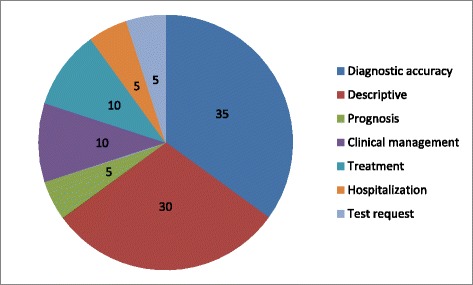
BACKGROUND: Cognitive biases and personality traits (aversion to risk or ambiguity) may lead to diagnostic inaccuracies and medical errors resulting in mismanagement or inadequate utilization of resources. We conducted a systematic review with four objectives: 1) to identify the most common cognitive biases, 2) to evaluate the influence of cognitive biases on diagnostic accuracy or management errors, 3) to determine their impact on patient outcomes, and 4) to identify literature gaps. METHODS: We searched MEDLINE and the Cochrane Library databases for relevant articles on cognitive biases from 1980 to May 2015. We included studies conducted in physicians that evaluated at least one cognitive factor using case-vignettes or real scenarios and reported an associated outcome written in English. Data quality was assessed by the Newcastle-Ottawa scale. Among 114 publications, 20 studies comprising 6810 physicians met the inclusion criteria. Nineteen cognitive biases were identified. RESULTS: All studies found at least one cognitive bias or personality trait to affect physicians. Overconfidence, lower tolerance to risk, the anchoring effect, and information and availability biases were associated with diagnostic inaccuracies in 36.5 to 77 % of case-scenarios. Five out of seven (71.4 %) studies showed an association between cognitive biases and therapeutic or management errors. Of two (10 %) studies evaluating the impact of cognitive biases or personality traits on patient outcomes, only one showed that higher tolerance to ambiguity was associated with increased medical complications (9.7 % vs 6.5 %; p = .004). Most studies (60 %) targeted cognitive biases in diagnostic tasks, fewer focused on treatment or management (35 %) and on prognosis (10 %). Literature gaps include potentially relevant biases (e.g. aggregate bias, feedback sanction, hindsight bias) not investigated in the included studies. Moreover, only five (25 %) studies used clinical guidelines as the framework to determine diagnostic or treatment errors. Most studies (n = 12, 60 %) were classified as low quality. CONCLUSIONS: Overconfidence, the anchoring effect, information and availability bias, and tolerance to risk may be associated with diagnostic inaccuracies or suboptimal management. More comprehensive studies are needed to determine the prevalence of cognitive biases and personality traits and their potential impact on physicians' decisions, medical errors, and patient outcomes.
Overview
The claims and statistics of this paper haven’t been checked yet.
Free: it reads the open-access text and checks the first 5 claims that cite a source we can check. Create a free account to check every claim.
Integrity signals
Registry
Cites
Statistics
Figures
Verification
Claims the paper makes
The claims and statistics of this paper haven’t been checked yet.
Free: it reads the open-access text and checks the first 5 claims that cite a source we can check. Create a free account to check every claim.
Claims other papers make about this one
Each is checked against this paper’s own text: does it say what the citing paper says it does?
The source backs part of the claim, not all of it — or backs it for a different population, condition or comparison.
In the citing paper
“Cognitive tendencies, including anchoring, status-quo preference, and an asymmetric weighting of affirmative rather than disproving information, may reinforce familiar clinical defaults [ 54 ].”
From Paracetamol: A History of Assumptions, Errors, and Evidence Reversals in Pain Management (2026) · cites this paper as [54]
Experimental — accuracy not yet measuredThe source backs part of the claim, not all of it — or backs it for a different population, condition or comparison.
In the citing paper
“Labels associated with medical data, disease rating scales, and diagnosis may be imbued with cognitive biases of the health care personnel who collected this information.51”
From Addressing bias in big data and AI for health care: A call for open science (2021) · cites this paper as [51]
Experimental — accuracy not yet measuredThe source backs part of the claim, not all of it — or backs it for a different population, condition or comparison.
In the citing paper
“Human cognitive biases in clinical decision-making are increasingly recognized as a crucial factor in health care errors and suboptimal patient outcomes [1].”
From Mitigating cognitive biases in clinical decision-making through multi-agent conversations using large language models: simulation study (2024) · cites this paper as [1]
Experimental — accuracy not yet measuredThe source backs part of the claim, not all of it — or backs it for a different population, condition or comparison.
In the citing paper
“Cognitive biases in clinical decision-making significantly contribute to errors in diagnosis and suboptimal patient outcomes.”
From Mitigating cognitive biases in clinical decision-making through multi-agent conversations using large language models: simulation study (2024) · cites this paper as [1]
Experimental — accuracy not yet measured
Self-check
Percentages, sums and reported differences re-computed from the paper’s own numbers.
The self-check needs the paper’s full text.
Citations
Cites
Tversky, A., & Kahneman, D. (1974) · Science · doi:10.1126/science.185.4157.1124 · Cited by 28,810 · cited 2×
“errors in the diagnosis, management, or treatment of medical conditions [6, 26].”
Liberati, A., Altman, D. G., Tetzlaff, J., Mulrow, C., Gøtzsche, P. C., Ioannidis, J. P. A., Clarke, M., Devereaux, P. J., Kleijnen, J., & Moher, D. (2009) · PLoS Medicine · doi:10.1371/journal.pmed.1000100 · Cited by 28,164
Judgment under Uncertainty: Heuristics and Biases
Tversky, A., & Kahneman, D. (1975) · Utility, Probability, and Human Decision Making · doi:10.1007/978-94-010-1834-0_8 · Cited by 22,650
(2014) · Medical Entomology and Zoology · Cited by 17,633
Liberati, A., Altman, D. G., Tetzlaff, J., Mulrow, C., Gøtzsche, P. C., Ioannidis, J. P. A., Clarke, M., Devereaux, P. J., Kleijnen, J., & Moher, D. (2009) · Annals of Internal Medicine · doi:10.7326/0003-4819-151-4-200908180-00136 · Cited by 10,349
Newcastle-Ottawa Scale: comparing reviewers’ to authors’ assessments
Lo, C. K.-L., Mertz, D., & Loeb, M. (2014) · BMC Medical Research Methodology · doi:10.1186/1471-2288-14-45 · Cited by 2,477
Incidence of Adverse Drug Events and Potential Adverse Drug Events: Implications for Prevention
Bates, D. W. (1995) · JAMA · doi:10.1001/jama.1995.03530010043033 · Cited by 2,127 · cited 1×
“each year, and perhaps one million in excess injuries in the USA [1, 2].”
BackgroundThe Importance of Cognitive Errors in Diagnosis and Strategies to Minimize Them
Croskerry, P. (2003) · Academic Medicine · doi:10.1097/00001888-200308000-00003 · Cited by 1,675 · cited 5×
“errors in the diagnosis, management, or treatment of medical conditions [6, 26].”
BackgroundInfluentialWhat every teacher needs to know about clinical reasoning
Eva, K. W. (2005) · Medical Education · doi:10.1111/j.1365-2929.2004.01972.x · Cited by 930 · cited 1×
“Fourth, case-vignettes or real clinical encounters were used [28].”
MethodClaims, Errors, and Compensation Payments in Medical Malpractice Litigation
Studdert, D. M., Mello, M. M., Gawande, A. A., Gandhi, T. K., Kachalia, A., Yoon, C., Puopolo, A. L., & Brennan, T. A. (2006) · New England Journal of Medicine · doi:10.1056/nejmsa054479 · Cited by 848 · cited 1×
“outcomes, which are the most common reasons for patients’ dissatisfaction and medical complaints [54, 64, 65].”
Background
Cited by
Items 301–400 of 1,000
Chen, T. (2020) · Journal of Documentation · doi:10.1108/jd-01-2020-0004 · Cited by 12
Whittaker, K. J., Johnson, S. U., Solbakken, O. A., Wampold, B. E., & Tilden, T. (2023) · Couple and Family Psychology Research and Practice · doi:10.1037/cfp0000181 · Cited by 11
Subjective uncertainty and biases
Alcalde, J., & Bond, C. E. (2022) · Elsevier eBooks · doi:10.1016/b978-0-12-818562-9.00002-9 · Cited by 12
Biased Social Comparison in the Moment of Crisis: The Better-Than-Average Effect and COVID-19
Kulesza, W. M., Doliński, D., Muniak, P., Winner, D., Izydorczak, K., Derakhshan, A., & Rizulla, A. (2022) · Social Psychology · doi:10.1027/1864-9335/a000495 · Cited by 11
Anchoring Errors in Emergency Medicine Residents and Faculties
Dargahi, H., Monajemi, A., Soltani, A., Nedaie, H. H. N., & Labaf, A. (2022) · Medical Journal of the Islamic Republic of Iran · doi:10.47176/mjiri.36.124 · Cited by 18
“Kahneman and Tversky introduced a dual-system theoretical framework to explain making decisions under uncertainty (20).”
BackgroundDebiasing and Educational Interventions in Medical Diagnosis: A Systematic Review
Tung, A., & Melchiorre, M. (2023) · University of Toronto Medical Journal · doi:10.33137/utmj.v100i1.38937 · Cited by 13
Davidson, M., & Carpenter, W. T. (2023) · Schizophrenia Bulletin · doi:10.1093/schbul/sbad145 · Cited by 15
“82 Since impaired judgment is common in many individuals suffering from schizophrenia, the patients’ negative attitude towards medication is often attributed to poor insight into the illness and misjudgment of the benefits of medication.”
BackgroundWhy a sociotechnical framework is necessary to address diagnostic error
Ladell, M. M., Yale, S. C., Bordini, B. J., Scanlon, M. C., Jacobson, N. L., & Papautsky, E. L. (2024) · BMJ Quality & Safety · doi:10.1136/bmjqs-2024-017231 · Cited by 10
Carmichael, J. P., Staton, E. W., Blatchford, P. J., & Stevens‐Lapsley, J. E. (2019) · International Journal of Sports Physical Therapy · doi:10.26603/ijspt20190334 · Cited by 10
Bisset, C. N., McKee, T., Cawley, M., Tilling, E., & Moug, S. J. (2020) · Behavioral Sciences · doi:10.3390/bs11010002 · Cited by 12
“For example, a systematic review of physician personality and cognitive bias demonstrated that overconfidence, tolerance to risk and confirmation bias influenced decision- making [47], however, only two studies explored physician personality in relation to patient outcomes.”
BackgroundOgai, A., Yagi, K., Ito, F., Domoto, H., Shiomi, T., & Chin, K. (2021) · Internal Medicine · doi:10.2169/internalmedicine.6436-20 · Cited by 12
“a cognitive bias associated with diagnostic inaccuracies or suboptimal management (39).”
BackgroundClinical peer Review; A mandatory process with potential inherent bias in desperate need of reform
Bader, H., Abdulelah, M., Maghnam, R., & Chin, D. (2021) · Journal of Community Hospital Internal Medicine Perspectives · doi:10.1080/20009666.2021.1965704 · Cited by 14
“However, methodological limitations make it difficult to provide an accurate estimation of the true prevalence [23]”
BackgroundHarnessing the wisdom of the confident crowd in medical image decision-making.
Hasan, E., Eichbaum, Q. G., Seegmiller, A. C., Stratton, C. W., & Trueblood, J. S. (2024) · Decision · doi:10.1037/dec0000210 · Cited by 14
Pentzek, M., Wagner, M., Abholz, H., Bickel, H., Kaduszkiewicz, H., Wiese, B., Weyerer, S. B., König, H., Scherer, M., Riedel-Heller, S. G., et al. (2019) · British Journal of General Practice · doi:10.3399/bjgp19x706037 · Cited by 11
Benchmarking tocilizumab use for giant cell arteritis
Conway, R. P., Putman, M., & Mackie, S. L. (2022) · Rheumatology Advances in Practice · doi:10.1093/rap/rkac037 · Cited by 10
Yang, W.-S., Yen, P., Wang, Y., Chien, Y.-C., Chie, W., Huei‐Ming, M., & Chiang, W. (2022) · BMJ Open · doi:10.1136/bmjopen-2022-062908 · Cited by 9
Kämmer, J. E., Hautz, W. E., Krummrey, G., Sauter, T. C., Penders, D., Birrenbach, T., & Bienefeld, N. (2024) · BMJ Open · doi:10.1136/bmjopen-2024-087469 · Cited by 13
“…for the accuracy of the final diagnosis aligns well with the observation that the most commonly observed biases in clinical reasoning—availability bias, confirmation bias, satisfaction of search and premature closure 27 43–47 —all relate to the space of initially considered differential diagnoses.”
BackgroundJeong, M.-A., & Kim, S.-D. (2026) · Applied Sciences · doi:10.3390/app16105146 · Cited by 5
“These cognitive factors are compounded by systemic issues including time pressure, information overload, and inadequate decision support infrastructure [8–10].”
Malaria in the Time of COVID-19: Do Not Miss the Real Cause of Illness
Jochum, J., Kreuels, B., Tannich, E., Huber, S., Wiesch, J. S. Z., Schmiedel, S., Ramharter, M., & Addo, M. M. (2021) · Tropical Medicine and Infectious Disease · doi:10.3390/tropicalmed6020040 · Cited by 9
“The pandemic situation contributes to the risk for cognitive biases during the medical management, in particular, availability bias and premature closure [5,6].”
BackgroundAn Iterative and Collaborative End-to-End Methodology Applied to Digital Mental Health
Boulos, L., Mendes, A., Delmas, A., & Kaadoud, I. C. (2021) · Frontiers in Psychiatry · doi:10.3389/fpsyt.2021.574440 · Cited by 12
“- Search satisficing (112, 118): a subtype of premature closure in which searches for further evidence are terminated after a diagnosis is reached.”
BackgroundInfluentialAl‐Moteri, M., Plummer, V., & Cooper, S. J. (2022) · Clinical Simulation in Nursing · doi:10.1016/j.ecns.2022.08.002 · Cited by 9
Martin, E. A., D’Souza, A. G., Lee, S. “., Doktorchik, C. T. A., Eastwood, C. A., & Quan, H. (2023) · CMAJ Open · doi:10.9778/cmajo.20210170 · Cited by 14
Context matters: an examination of game management in refereeing
Schrödter, R., & Klatt, S. (2023) · International Journal of Sport and Exercise Psychology · doi:10.1080/1612197x.2023.2236788 · Cited by 10
“…to acknowledge that previous studies have reported signi fi cant e ff ects of personality on decision-making in sports (Avugos et al., 2021; López-Aguilar et al., 2022; Vaughan & Edwards, 2020), as well as in other domains such as medicine (Saposnik et al., 2016) or economics (Zhao & Smillie, 2015).”
Mind the Biases: Quantifying Cognitive Biases in Language Model Prompting
Lin, R., & Ng, H. T. (2023) · Findings of the Association for Computational Linguistics: ACL (Findings of ACL) · doi:10.18653/v1/2023.findings-acl.324 · Cited by 38
CUBE: Causal Intervention-Based Counterfactual Explanation for Prediction Models
Shao, X., Wang, H., Chen, X., Zhu, X., & Zhang, Y. (2023) · IEEE Transactions on Knowledge and Data Engineering · doi:10.1109/tkde.2023.3322126 · Cited by 11
Châlon, B., & Lutaud, R. (2024) · La Presse Médicale Open · doi:10.1016/j.lpmope.2024.100047 · Cited by 14
Burkhardt, R., Hämmerle, C. H. F., & Lang, N. P. (2018) · Journal Of Clinical Periodontology · doi:10.1111/jcpe.13028 · Cited by 12
Physical Therapy Effectiveness
Bernardo-Filho, M., de Sá-Caputo, D. D. C., & Taïar, R. (2019) · IntechOpen eBooks · doi:10.5772/intechopen.76735 · Cited by 9
Swarup, I., Chan, C., Mehta, N., & Lawrence, J. T. (2020) · Journal of Pediatric Orthopaedics B · doi:10.1097/bpb.0000000000000811 · Cited by 9
User-Centered Clinical Display Design Issues for Inpatient Providers
Lasko, T. A., Owens, D. A., Fabbri, D., Wanderer, J. P., Genkins, J. Z., & Novak, L. L. (2020) · Applied Clinical Informatics · doi:10.1055/s-0040-1716746 · Cited by 12
Improving X-ray Diagnostics through Eye-Tracking and XR
Moreira, C., Nobre, I. B., Sousa, S. C., Pereira, J. M., & Jorge, J. A. (2022) · IEEE Conference on Virtual Reality and 3D User Interfaces Abstracts and Workshops (VRW) · doi:10.1109/vrw55335.2022.00099 · Cited by 12
Practicing Medicine with Colleagues: Pitfalls from Social Psychology Science
Redelmeier, D. A., & Ross, L. D. (2019) · Journal of General Internal Medicine · doi:10.1007/s11606-019-04839-5 · Cited by 9
Self-citationRodrigues, D. S., de Sousa, P. F., Basílio, N., Antunes, A., Antunes, M. D. L., Santos, M. I., & Heleno, B. (2019) · BMJ Open · doi:10.1136/bmjopen-2018-023832 · Cited by 10
“22 24 Multimorbidity (with its implicit uncertainty and complexity) is an interesting condition to explore these gaps.”
BackgroundLearning from negative findings
Taragin, M. I. (2019) · Israel Journal of Health Policy Research · doi:10.1186/s13584-019-0309-5 · Cited by 10
Schaller, M., Steinmetz, H., Vollmer, F. S., Plesac, M., Wicke, F. S., & Foerch, C. (2021) · Diagnosis · doi:10.1515/dx-2019-0108 · Cited by 11
Promoting Critical Thinking in Your Intensive Care Unit Team
Richards, J. B., & Schwartzstein, R. M. (2021) · Critical Care Clinics · doi:10.1016/j.ccc.2021.08.002 · Cited by 10
How doctors are betraying the Hippocratic oath
Harris, I. A., & Buchbinder, R. (2021) · BMJ · doi:10.1136/bmj.n2807 · Cited by 11
Ramnath, V. R., McSharry, D. G., & Malhotra, A. (2020) · CHEST Journal · doi:10.1016/j.chest.2020.05.548 · Cited by 9
Brown, R., Barouk, N., McPeak, K. E., Fein, J. A., & Cullen, D. L. (2024) · Health Services Research · doi:10.1111/1475-6773.14425 · Cited by 16
“31,32 While our finding represents a caregiver concern rather than a lived past experience, it is notable that the potential effects of anchoring bias as a result of HRSNs documented in the EMR have not yet been explored in the context of social care.”
An Activation Failure: Factors Associated With Undertriage of Pediatric Major Trauma Victims
Gorski, J. K., Goldstein, S. D., Zeineddin, S. A., & Ramgopal, S. (2025) · Journal of Surgical Research · doi:10.1016/j.jss.2024.12.008 · Cited by 8
Modeling and Simulation for Behavioral Analysis in Healthcare: A Review
Alwasel, A., Fakhimi, M., Mustafee, N., & Stergioulas, L. K. (2025) · ACM Transactions on Modeling and Computer Simulation · doi:10.1145/3742428 · Cited by 9
“However, most M&S studies do not fully account for human behavioral factors such as misperceptions and cognitive limitations, which can critically impact system performance and decision-making processes within healthcare environments [ 15 ].”
Ay, T., & Özdemir, A. (2025) · Current Psychology · doi:10.1007/s12144-025-08053-x · Cited by 12
“Saposnik et al. (2016 ) connected cognitive biases such as overconfidence, anchoring, information bias, risk aversion, and availability bias with diagnostic errors in medical decision-making.”
Hidden diagnosis behind viral infection: the danger of anchoring bias
Iwai, K., Tetsuhara, K., Ogawa, E., & Kubota, M. (2018) · BMJ Case Reports · doi:10.1136/bcr-2018-226613 · Cited by 10
Kaufmann, T., Forte, J. C., Hiemstra, B., Wiering, M., Grzegorczyk, M. A., Epema, A. H., van der Horst, I. C. C., & SICS Study Group (2019) · JMIR Medical Informatics · doi:10.2196/15358 · Cited by 8
“Expert physicians are more often affected by multiple cognitive biases, such as confirmatory bias and premature closure, compared to students, who remain more open to new hypotheses and persist in collecting data [25,26].”
Opportunities for theory-informed decision science in cancer control
Gillman, A. S., & Ferrer, R. A. (2021) · Translational Behavioral Medicine · doi:10.1093/tbm/ibab141 · Cited by 8
Ten simple rules for providing bioinformatics support within a hospital
Chicco, D., & Jurman, G. (2023) · BioData Mining · doi:10.1186/s13040-023-00326-0 · Cited by 9
“…the medical doctors involved in the project to talk about any possible biases they might have: identifying the potential sources of bias in a project design beforehand would turn to be very useful later on when the bioinformaticians and the medical doctors have to comment the results [54, 55, 59].”
BackgroundEasier said than done. Do defaults and reminders affect public workers’ knowledge of guidelines?
Bellè, N., Cantarelli, P., Barchielli, C., & Battaglio, P. (2023) · International Public Management Journal · doi:10.1080/10967494.2023.2175090 · Cited by 8
“Specific to the healthcare literature, recent work investigates the impact of defaults on physicians ’ decisions regarding prescription medication (Blumenthal-Barby & Krieger, 2015; Saposnik et al., 2016).”
BackgroundGuo, H., Hamilton, P., Enns, E., Gupta, M., Andrews, C. N., Nasser, Y., Bredenoord, A. J., Dellon, E. S., & Ma, C. (2023) · The American Journal of Gastroenterology · doi:10.14309/ajg.0000000000002392 · Cited by 8
“Cognitive biases have been associated with lower diagnostic accuracy and occurrence of medical error (12,18).”
BackgroundDubinin, A., Bialostozky, M., Richardson, A. C., & Laub, N. (2024) · Pediatric Emergency Care · doi:10.1097/pec.0000000000003145 · Cited by 8
The Problem with the Pyramid for Grading Evidence: The Evidence Funnel Solution
Edmonds, S. W., Cullen, L., & DeBerg, J. (2024) · Journal of PeriAnesthesia Nursing · doi:10.1016/j.jopan.2023.10.015 · Cited by 9
Karunaratne, S., Harris, I. A., Horsley, M., Trevena, L. J., & Solomon, M. J. (2024) · Journal of Patient-Reported Outcomes · doi:10.1186/s41687-024-00734-8 · Cited by 10
“…to improving the quality of life of their patients, it is important for health professionals to reflect on their own biases, communicate effectively between each other, and aim to elicit consistent information about the issues that each patient is facing or goals they want to achieve [33–36].”
BackgroundSystematic review and meta-analysis: tools for the information age
Weatherall, M. (2017) · Postgraduate Medical Journal · doi:10.1136/postgradmedj-2017-135034 · Cited by 8
Applying Behavioral Economics and Neuroeconomics to Medical Education and Clinical Care
Saposnik, G. (2018) · Canadian Journal of Neurological Sciences / Journal Canadien des Sciences Neurologiques · doi:10.1017/cjn.2018.371 · Cited by 8
“) in clinical care.(2) This is likely related to physicians’ limited education in decision-making and formal training in risk management.”
Self-citationHuman factors, cognitive bias and the paramedic
Allen, J. (2019) · Journal of Paramedic Practice · doi:10.12968/jpar.2019.11.1.8 · Cited by 8
Uso de heurísticos y error diagnóstico en Atención Primaria: revisión panorámica
Minué-Lorenzo, S., Fernández‐Aguilar, C., Martín‐Martín, J. J., & Fernández-Ajuria, A. (2019) · Atención Primaria · doi:10.1016/j.aprim.2018.11.003 · Cited by 15
Özgönül, M. L., Arda, B., & Dedeoğlu, N. (2019) · Turkiye Klinikleri Journal of Medical Ethics-Law and History · doi:10.5336/mdethic.2018-63439 · Cited by 10
Shlonsky, A., Featherston, R., Galvin, K. L., Vogel, A. P., Granger, C. L., Lewis, C. C., Luong, M.-L. N., & Downie, L. E. (2019) · Optometry and Vision Science · doi:10.1097/opx.0000000000001445 · Cited by 10
“Health care professionals are susceptible to a range of cognitive biases, which can result inmisdiagnoses, delayed clinical care, and/or patient mismanagement.(4,5) Such errors can thus have severe consequences for patients and clinicians, impacting patient health, disease prognosis, health care costs, andmedicolegal…”
BackgroundExploring Predictors of Moral Disengagement in Collegiate Athletic Trainers
Budziszewski, R., Graupensperger, S. A., & Vierimaa, M. (2019) · Journal of Athletic Training · doi:10.4085/1062-6050-504-18 · Cited by 10
Rivera, E. A. T., Chamberlain, J. M., Patel, A. K., Zeng‐Treitler, Q., Bost, J. E., Heneghan, J. A., Morizono, H., & Pollack, M. M. (2021) · Critical Care Explorations · doi:10.1097/cce.0000000000000505 · Cited by 9
Aberegg, S. K., & Callahan, S. J. (2021) · Journal of Evaluation in Clinical Practice · doi:10.1111/jep.13636 · Cited by 10
Jones, W. S., Suklan, J., Winter, A., Green, K., Craven, T., Bruce, A. M., Mair, J., Dhaliwal, K., Walsh, T. S., Simpson, A. J., et al. (2022) · Diagnostic and Prognostic Research · doi:10.1186/s41512-022-00117-x · Cited by 12
“Biases have previously been demonstrated to be present in clinical decision-making [46, 47] and antibiotic prescribing be-”
BackgroundReligiosity and the Naturalness Bias in Drug and Vaccine Choices
Meier, B. P., Dillard, A. J., Fetterman, A. K., Ji, L., & Lappas, C. M. (2022) · Journal of Religion and Health · doi:10.1007/s10943-022-01694-3 · Cited by 8
“The natural drug bias is one of many cognitive biases that affect medical decision making (Saposnik et al., 2016).”
Lakhlifi, C., & Rohaut, B. (2023) · La Presse Médicale · doi:10.1016/j.lpm.2023.104181 · Cited by 10
Fereydooni, S., Lorenz, K., Azarfar, A., Luckett, T., Phillips, J. L., Becker, W. C., & Giannitrapani, K. F. (2024) · BMJ Open · doi:10.1136/bmjopen-2023-082033 · Cited by 9
“17 Race is another well-established factor in implicit bias, 26 though its intersection with other demographic factors such as SES and geographical location is less discussed.”
BackgroundReal time self-rating of decision certainty by clinicians: a systematic review
Nagendran, M., Chen, Y., & Gordon, A. C. (2019) · Clinical Medicine · doi:10.7861/clinmed.2019-0169 · Cited by 8
The AMDA Pain CPG: A Different Kind of Trustworthy Clinical Guideline
Levenson, S. A., & Resnick, B. M. (2021) · Journal of the American Medical Directors Association · doi:10.1016/j.jamda.2021.10.011 · Cited by 9
Yager, J., Ritvo, A. D., & MacPhee, E. R. (2022) · Journal of Nervous & Mental Disease · doi:10.1097/nmd.0000000000001548 · Cited by 7
Choi, H., Oh, J., Kim, C. K., Ryu, H. B., & Ryu, Y. (2023) · PLoS ONE · doi:10.1371/journal.pone.0290503 · Cited by 10
Patient and Family Caregiver Perspectives on Therapy De‐Escalation in Cancer: A Scoping Review
Hamilton, R., Hashemi, E., Uthayakumar, A., Liang, M., Mayo, S. J., Parker, K. N., & Jibb, L. (2025) · Psycho-Oncology · doi:10.1002/pon.70104 · Cited by 7
“However, clinicians' biases and personality traits can influence how information is presented to the patients and family caregivers and distort the way information is interpreted [53, 54].”
Communicating with Families after Severe Acute Brain Injury
Goss, A., & Creutzfeldt, C. J. (2025) · Neurocritical Care · doi:10.1007/s12028-025-02252-x · Cited by 7
“Additionally, individual clinicians’ optimism or pessimism about a given patient’s prognosis may be shaped not only by well-established cognitive biases such availability bias [23, 32, 33], but also by emotional factors such as mood, exhaustion, or burnout.”
Machine learning models for outcome prediction in thrombectomy for large anterior vessel occlusion
Samani, O. S., Warnat‐Herresthal, S., Savchuk, I., Bode, F. J., Nitsch, L., Stösser, S., Ebrahimi, T., von Danwitz, N. M., Asperger, H., Layer, J., et al. (2024) · Annals of Clinical and Translational Neurology · doi:10.1002/acn3.52185 · Cited by 17
“5,6 Over the past decade, life sciences have made signifi-cant advancements by establishing registries containing large datasets.”
BackgroundGrubenhoff, J. A., Ziniel, S. I., Bajaj, L., & Hyman, D. (2019) · Diagnosis · doi:10.1515/dx-2018-0056 · Cited by 8
Overlap Syndromes in Sarcoidosis: Clinical Features and Outcomes
James, W. E. (2020) · Seminars in Respiratory and Critical Care Medicine · doi:10.1055/s-0040-1713008 · Cited by 7
What role is there for ‘nudging’ clinicians?
Pettigrew, L. M., & Mays, N. (2021) · British Journal of General Practice · doi:10.3399/bjgp21x714857 · Cited by 7
Age-related cognitive bias in in-hospital cardiac arrest
Holmberg, M. J. J., Granfeldt, A., Moskowitz, A. L., & Andersen, L. W. (2021) · Resuscitation · doi:10.1016/j.resuscitation.2021.01.016 · Cited by 7
Khavanin, A., Sayyah, M., Ghasemi, S., & Delirrooyfard, A. (2021) · Educational research in medical sciences · doi:10.5812/erms.116558 · Cited by 8
“It increases the recognition of the patient’s needs and helps the physicians to decide on a better method (4, 5).”
MethodRespecting Human Autonomy in Critical Care Clinical Decision Support
Hendriks, M., Willemsen, M. C., Sartor, F., & Hoonhout, J. (2021) · Frontiers in Computer Science · doi:10.3389/fcomp.2021.690576 · Cited by 10
“Evidence that such biases are present in medical decisionmaking regarding the diagnosis and treatment of patients is abundant (Saposnik et al., 2016).”
BackgroundBen‐Shabat, N., Sloma, A., Weizman, T., Kiderman, D., & Amital, H. (2021) · JMIR Medical Informatics · doi:10.2196/32507 · Cited by 7
“These processes, both in general and specifically in medicine, are influenced by cognitive biases [4,5], difficulty estimating pre- or posttest probabilities [6,7], and the experience level of the caregiver [8].”
BackgroundIntensive care unit observation after pancreatectomy: Treating the patient or the surgeon?
Sutton, T. L., Potter, K. C., O'Grady, J. P., Aziz, M. F., Mayo, S. C., Pommier, R. F., Gilbert, E. W., Rocha, F. G., & Sheppard, B. C. (2022) · Journal of Surgical Oncology · doi:10.1002/jso.26800 · Cited by 7
Keller, E. J., Nixon, K. E., Oladini, L. K., Chrisman, H. B., Chaudhari, A., Milad, M. P., & Vogelzang, R. L. (2022) · PLoS ONE · doi:10.1371/journal.pone.0263058 · Cited by 7
“The former decompresses cognitive load, like a cognitive reflex, but is more vulnerable to bias and errors [32].”
BackgroundWu, K., & Armstrong, A. W. (2022) · JAMA Dermatology · doi:10.1001/jamadermatol.2022.2426 · Cited by 7
Mishra, A., Mabuto, T., Shearer, K., Trujillo, A. J., Golub, J. E., & Hoffmann, C. J. (2023) · Journal of the International AIDS Society · doi:10.1002/jia2.26074 · Cited by 9
“Other biases may also be relevant to specific service delivery questions and can be further explored using available resources [18, 19].”
BackgroundTemporal Clustering of Critical Illness Events on Medical Wards
Doshi, S., Shin, S., Lapointe‐Shaw, L., Fowler, R., Fralick, M., Kwan, J. L., Shojania, K. G., Tang, T., Razak, F. A., & Verma, A. A. (2023) · JAMA Internal Medicine · doi:10.1001/jamainternmed.2023.2629 · Cited by 9
Understanding the patient’s experience of coeliac disease diagnosis: a qualitative interview study
Harper, A. M., Watson, J., O’Donnell, R., Elwenspoek, M. M. C., & Banks, J. (2023) · British Journal of General Practice · doi:10.3399/bjgp.2023.0299 · Cited by 7
Scotté, F., Elalamy, I., Mayeur, D., & Meyer, G. (2018) · Supportive Care in Cancer · doi:10.1007/s00520-017-4034-8 · Cited by 7
Allison, R. D., Goldstein, D., & Musso, M. W. (2019) · Journal of Emergency Medicine · doi:10.1016/j.jemermed.2019.03.011 · Cited by 7
Dementia, delirium & neuropsychiatric conditions in Charaka indriya sthana
Gupta, K., & Mamidi, P. (2020) · Pharmacy & Pharmacology International Journal · doi:10.15406/ppij.2020.08.00309 · Cited by 12
Evaluation of a course for neonatal fellows on providing psychosocial support to NICU families
Scala, M. L., Marchman, V. A., Dowtin, L. L., Givrad, S., Nguyen, T., Thomson, A., Gao, C., Sorrells, K., & HALL, S. L. (2022) · PEC Innovation · doi:10.1016/j.pecinn.2022.100053 · Cited by 7
“Overconfidence in medicine has been linked to an increase in errors and reduction in performance [30,31], meaning some fellows maybe doing a”
BackgroundThe intraoperative neurophysiological monitoring team
Skinner, S. A., & Holdefer, R. N. (2020) · Elsevier eBooks · doi:10.1016/b978-0-12-815000-9.00044-7 · Cited by 8
Improving people’s health: applying behavioural and social sciences
Kunc, M. H. (2018) · ePrints Soton (University of Southampton) · Cited by 8
Re: ‘Determinants of in-hospital antibiotic prescription behaviour’ by Lambregts et al.
Peiffer‐Smadja, N., Lescure, F.-X., Maatoug, R., & Rohaut, B. (2018) · Clinical Microbiology and Infection · doi:10.1016/j.cmi.2018.12.010 · Cited by 7
Guo, M., Ikink, I., Roelofs, K., & Figner, B. (2025) · Psychonomic Bulletin & Review · doi:10.3758/s13423-025-02709-2 · Cited by 8
Xu, Q., Lyu, Y., Zhang, X., & Liu, J. (2025) · BMC Health Services Research · doi:10.1186/s12913-025-13177-8 · Cited by 8
“Studies have noted that improper medical decision-making is often linked to factors such as insufficient communication among medical personnel [14], lack of professional knowledge [15], or overconfidence [16].”
Gu, Z., Kjell, K., Schwartz, H. A., & Kjell, O. (2025) · Assessment · doi:10.1177/10731911251364022 · Cited by 19
“The validity of clinical judgment is also compromised by cognitive biases and factors that increase susceptibility to errors, such as clinician fatigue (Bowes et al., 2020; Saposnik et al., 2016).”
Measuring clients’ experiences with antenatal care before or after childbirth: it matters
Scheerhagen, M., Birnie, E., Franx, A., van Stel, H. F., & Bonsel, G. J. (2018) · PeerJ · doi:10.7717/peerj.5851 · Cited by 7
“, personality traits or affect and mood (Saposnik et al., 2016; Stiggelbout & De Vogel-Voogt, 2008).”
BackgroundGopalan, P., Pershad, S., & Pillay, B. J. (2020) · Southern African Journal of Critical Care · doi:10.7196/sajcc.2020.v36i1.398 · Cited by 6
“This does not account for bias that may often be implicit.[32] The majority of the participants indicated that limiting information did not make decision-making easier; instead, decision-making was deemed less stressful when all information was available.”
BackgroundNaufal, E. R., Wouthuyzen‐Bakker, M., Babazadeh, S., Stevens, J. M., Choong, P., & Dowsey, M. M. (2022) · Frontiers in Rehabilitation Sciences · doi:10.3389/fresc.2022.824281 · Cited by 7
“, through contributing to anchoring or framing bias) (41).”
BackgroundDubito ergo sum. From philosophy towards prevention of unrecognised oesophageal intubation
Sorbello, M., JONG, A. D., ROBERTIS, E. D., & Greif, R. T. (2023) · European Journal of Anaesthesiology · doi:10.1097/eja.0000000000001822 · Cited by 6
Altabbaa, G., Beran, T., Clark, M., & Paolucci, E. O. (2024) · BMJ Open Quality · doi:10.1136/bmjoq-2023-002647 · Cited by 6
“While the research identifies a plethora of biases, 15 35 the design of our handover tool focuses on three biases that seem most prevalent in our clinical experience.”
BackgroundKoninckx, P. R., Ussia, A., Stepanian, A. A., Sarıdoğan, E., Malzoni, M., Miller, C. E., Keckstein, J., Wattiez, A., Page, G., Bosteels, J., et al. (2025) · Journal of Clinical Medicine · doi:10.3390/jcm14010248 · Cited by 7
“Emphasizing the need to avoid the many well-known cognitive biases in medical decision-making [3,4], the pyramid of evidence [5] was topped with the double-blind, randomized controlled trial (RCT), which is still, today, the gold standard of research [6] since this theoretically avoids inclusion,…”
Metadata
- Authors
- Saposnik, G., Redelmeier, D., Ruff, C. C., & Tobler, P. N.
- Affiliations
- St. Michael's Hospital (CA)
- Institute for Clinical Evaluative Sciences (CA)
- University of Zurich (CH)
- Corresponding author
- Saposnik, Gustavo
- Venue
- BMC Medical Informatics and Decision Making
- Published
- 2016-11-03
- Volume
- 16
- Issue
- 1
- Pages
- 138-138
- ISSN
- 1472-6947 (ISSN-L)
- PMC
- PMC5093937
- OpenAlex
- W2548421507
- Cited by
- 1,001
- References
- 74
- Citations by year
- 2026: 141 · 2025: 111 · 2024: 118 · 2023: 97 · 2022: 158 · 2021: 120 · 2020: 95 · 2019: 83 · 2018: 55 · 2017: 21 · 2016: 1
- FWCI
- 8.96
- Type
- journal article
- Language
- en
- Open access
- gold
- doi.org
- Licence
- Locations
- BMC Medical Informatics and Decision Making (publishedVersion, cc-by)
- PubMed Central (publishedVersion, cc-by)
- PubMed (publishedVersion)
- Zurich Open Repository and Archive (University of Zurich) (acceptedVersion, cc-by)
- TSpace (University of Toronto) (submittedVersion, cc-by)
- Zurich Open Repository and Archive (University of Zurich) (submittedVersion, cc-by)
- Zurich Open Repository and Archive (University of Zurich)
- Funders
- Swiss National Science Foundation (CRSII3_141965)
- Heart and Stroke Foundation of Canada (NA)
- Topics
- Health Sciences › Medicine › Family Practice › Clinical Reasoning and Diagnostic Skills
- Social Sciences › Decision Sciences › General Decision Sciences › Decision-Making and Behavioral Economics
- Health Sciences › Medicine › Public Health, Environmental and Occupational Health › Patient Safety and Medication Errors
- Keywords
- cognitive biases, clinical decision-making, diagnostic errors, medical errors, overconfidence, anchoring effect, availability bias, information bias, risk aversion, ambiguity tolerance, personality traits, patient outcomes, physician decision-making
- MeSH terms
- Clinical Decision-Making, Humans, Personality, Physicians, Thinking
About these checks
Registry, retraction, Cites and statistics results are computed, not judged, with one exception: a printed reference that no index lists is read once by a model before it counts as a citation error. Claims are extracted by a model and kept only when their quote appears verbatim in the text; each cited source is then checked, with a model’s help, for whether it says what the claim relies on. Those verdicts can be wrong — read the claim’s quote and the cited source before relying on one.
Statistics and arithmetic are recomputed, not judged.
Confidence bands are shown only for fields calibrated on our annotated test set. None is calibrated yet, so no band is shown.
What counts as a claim ›How we measure confidence ›How we check this ›
Are you an author, or do you see a problem with this page? Request a review
Data sources
Bibliographic data: Semantic Scholar, OpenAlex, Crossref.
Contains information from the Semantic Scholar Academic Graph Datasets, made available under the ODC Attribution License (ODC-BY 1.0).
Semantic Scholar’s data is described in: Kinney, R., et al. (2023). The Semantic Scholar Open Data Platform. arXiv:2301.10140.
