

Cognitive biases associated with medical decisions: a systematic review
Open accessThe DOI matches its Crossref record; 76 of the 76 references it cites were found in a registry or an index.
Abstract
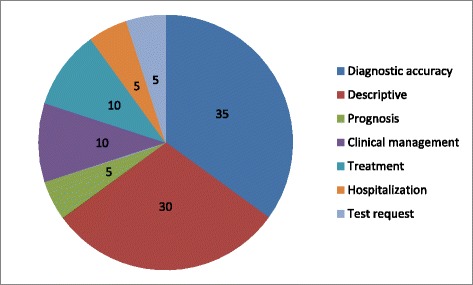
BACKGROUND: Cognitive biases and personality traits (aversion to risk or ambiguity) may lead to diagnostic inaccuracies and medical errors resulting in mismanagement or inadequate utilization of resources. We conducted a systematic review with four objectives: 1) to identify the most common cognitive biases, 2) to evaluate the influence of cognitive biases on diagnostic accuracy or management errors, 3) to determine their impact on patient outcomes, and 4) to identify literature gaps. METHODS: We searched MEDLINE and the Cochrane Library databases for relevant articles on cognitive biases from 1980 to May 2015. We included studies conducted in physicians that evaluated at least one cognitive factor using case-vignettes or real scenarios and reported an associated outcome written in English. Data quality was assessed by the Newcastle-Ottawa scale. Among 114 publications, 20 studies comprising 6810 physicians met the inclusion criteria. Nineteen cognitive biases were identified. RESULTS: All studies found at least one cognitive bias or personality trait to affect physicians. Overconfidence, lower tolerance to risk, the anchoring effect, and information and availability biases were associated with diagnostic inaccuracies in 36.5 to 77 % of case-scenarios. Five out of seven (71.4 %) studies showed an association between cognitive biases and therapeutic or management errors. Of two (10 %) studies evaluating the impact of cognitive biases or personality traits on patient outcomes, only one showed that higher tolerance to ambiguity was associated with increased medical complications (9.7 % vs 6.5 %; p = .004). Most studies (60 %) targeted cognitive biases in diagnostic tasks, fewer focused on treatment or management (35 %) and on prognosis (10 %). Literature gaps include potentially relevant biases (e.g. aggregate bias, feedback sanction, hindsight bias) not investigated in the included studies. Moreover, only five (25 %) studies used clinical guidelines as the framework to determine diagnostic or treatment errors. Most studies (n = 12, 60 %) were classified as low quality. CONCLUSIONS: Overconfidence, the anchoring effect, information and availability bias, and tolerance to risk may be associated with diagnostic inaccuracies or suboptimal management. More comprehensive studies are needed to determine the prevalence of cognitive biases and personality traits and their potential impact on physicians' decisions, medical errors, and patient outcomes.
Overview
The claims and statistics of this paper haven’t been checked yet.
Free: it reads the open-access text and checks the first 5 claims that cite a source we can check. Create a free account to check every claim.
Integrity signals
Registry
Cites
Statistics
Figures
Verification
Claims the paper makes
The claims and statistics of this paper haven’t been checked yet.
Free: it reads the open-access text and checks the first 5 claims that cite a source we can check. Create a free account to check every claim.
Claims other papers make about this one
Each is checked against this paper’s own text: does it say what the citing paper says it does?
The source backs part of the claim, not all of it — or backs it for a different population, condition or comparison.
In the citing paper
“Cognitive tendencies, including anchoring, status-quo preference, and an asymmetric weighting of affirmative rather than disproving information, may reinforce familiar clinical defaults [ 54 ].”
From Paracetamol: A History of Assumptions, Errors, and Evidence Reversals in Pain Management (2026) · cites this paper as [54]
Experimental — accuracy not yet measuredThe source backs part of the claim, not all of it — or backs it for a different population, condition or comparison.
In the citing paper
“Labels associated with medical data, disease rating scales, and diagnosis may be imbued with cognitive biases of the health care personnel who collected this information.51”
From Addressing bias in big data and AI for health care: A call for open science (2021) · cites this paper as [51]
Experimental — accuracy not yet measuredThe source backs part of the claim, not all of it — or backs it for a different population, condition or comparison.
In the citing paper
“Human cognitive biases in clinical decision-making are increasingly recognized as a crucial factor in health care errors and suboptimal patient outcomes [1].”
From Mitigating cognitive biases in clinical decision-making through multi-agent conversations using large language models: simulation study (2024) · cites this paper as [1]
Experimental — accuracy not yet measuredThe source backs part of the claim, not all of it — or backs it for a different population, condition or comparison.
In the citing paper
“Cognitive biases in clinical decision-making significantly contribute to errors in diagnosis and suboptimal patient outcomes.”
From Mitigating cognitive biases in clinical decision-making through multi-agent conversations using large language models: simulation study (2024) · cites this paper as [1]
Experimental — accuracy not yet measured
Self-check
Percentages, sums and reported differences re-computed from the paper’s own numbers.
The self-check needs the paper’s full text.
Citations
Cites
Tversky, A., & Kahneman, D. (1974) · Science · doi:10.1126/science.185.4157.1124 · Cited by 28,810 · cited 2×
“errors in the diagnosis, management, or treatment of medical conditions [6, 26].”
Liberati, A., Altman, D. G., Tetzlaff, J., Mulrow, C., Gøtzsche, P. C., Ioannidis, J. P. A., Clarke, M., Devereaux, P. J., Kleijnen, J., & Moher, D. (2009) · PLoS Medicine · doi:10.1371/journal.pmed.1000100 · Cited by 28,164
Judgment under Uncertainty: Heuristics and Biases
Tversky, A., & Kahneman, D. (1975) · Utility, Probability, and Human Decision Making · doi:10.1007/978-94-010-1834-0_8 · Cited by 22,650
(2014) · Medical Entomology and Zoology · Cited by 17,633
Liberati, A., Altman, D. G., Tetzlaff, J., Mulrow, C., Gøtzsche, P. C., Ioannidis, J. P. A., Clarke, M., Devereaux, P. J., Kleijnen, J., & Moher, D. (2009) · Annals of Internal Medicine · doi:10.7326/0003-4819-151-4-200908180-00136 · Cited by 10,349
Newcastle-Ottawa Scale: comparing reviewers’ to authors’ assessments
Lo, C. K.-L., Mertz, D., & Loeb, M. (2014) · BMC Medical Research Methodology · doi:10.1186/1471-2288-14-45 · Cited by 2,477
Incidence of Adverse Drug Events and Potential Adverse Drug Events: Implications for Prevention
Bates, D. W. (1995) · JAMA · doi:10.1001/jama.1995.03530010043033 · Cited by 2,127 · cited 1×
“each year, and perhaps one million in excess injuries in the USA [1, 2].”
BackgroundThe Importance of Cognitive Errors in Diagnosis and Strategies to Minimize Them
Croskerry, P. (2003) · Academic Medicine · doi:10.1097/00001888-200308000-00003 · Cited by 1,675 · cited 5×
“errors in the diagnosis, management, or treatment of medical conditions [6, 26].”
BackgroundInfluentialWhat every teacher needs to know about clinical reasoning
Eva, K. W. (2005) · Medical Education · doi:10.1111/j.1365-2929.2004.01972.x · Cited by 930 · cited 1×
“Fourth, case-vignettes or real clinical encounters were used [28].”
MethodClaims, Errors, and Compensation Payments in Medical Malpractice Litigation
Studdert, D. M., Mello, M. M., Gawande, A. A., Gandhi, T. K., Kachalia, A., Yoon, C., Puopolo, A. L., & Brennan, T. A. (2006) · New England Journal of Medicine · doi:10.1056/nejmsa054479 · Cited by 848 · cited 1×
“outcomes, which are the most common reasons for patients’ dissatisfaction and medical complaints [54, 64, 65].”
Background
Cited by
Items 101–200 of 1,000
Coggins, A., Santos, A. D. L., Zaklama, R., & Murphy, M. (2020) · BMC Emergency Medicine · doi:10.1186/s12873-020-00370-7 · Cited by 47
Khosla, N. K., Lesinski, J. M., Colombo, M., Bezinge, L., deMello, A. J., & Richards, D. A. (2022) · Lab on a Chip · doi:10.1039/d2lc00609j · Cited by 42
Callen, A. L., Dupont, S. M., Price, A., Laguna, B. A., McCoy, D. B., Do, B. H., Talbott, J. F., Kohli, M. D., & Narvid, J. A. (2020) · Journal of Imaging Informatics in Medicine · doi:10.1007/s10278-020-00379-1 · Cited by 43
Khuat, T. T., Kedziora, D. J., & Gabryś, B. (2023) · Foundations and Trends® in Human–Computer Interaction · doi:10.1561/1100000091 · Cited by 49
“Healthcare is one example of a high-stakes environment, where cognitive biases in clinical practice can have a strong influence on medical outcomes (Saposnik et al., 2016; Preisz, 2019).”
BackgroundPradelle, A., Mainbourg, S., Provencher, S., Massy, E., Grenet, G., & Lega, J. (2024) · Biomedicine & Pharmacotherapy · doi:10.1016/j.biopha.2023.116055 · Cited by 48
RetractedA visual analytics approach for pattern-recognition in patient-generated data
Feller, D. J., Burgermaster, M., Levine, M. E., Smaldone, A. M., Davidson, P. G., Albers, D. J., & Mamykina, L. (2018) · Journal of the American Medical Informatics Association · doi:10.1093/jamia/ocy054 · Cited by 38
How Moral Case Deliberation Supports Good Clinical Decision Making
(2019) · AMA Journal of Ethics · doi:10.1001/amajethics.2019.913 · Cited by 33
Lavoie, P., Lapierre, A., Maheu‐Cadotte, M., Fontaine, G., Khetir, I., & Bélisle, M. (2022) · Academic Medicine · doi:10.1097/acm.0000000000004522 · Cited by 47
“It is subject to biases that may lead to inaccuracies and errors in patient management.(15) In that respect, simulation is often depicted as an effective tool for clinical decision-making education, because it allows immersion in situations where students and professionals can exercise their skills with minimal conseq…”
BackgroundLabinsky, H., Ukalovic, D., Hartmann, F., Runft, V., Wichmann, A., Jakubcik, J., Gambel, K., Otani, K., Morf, H., Taubmann, J., et al. (2023) · Diagnostics · doi:10.3390/diagnostics13010148 · Cited by 42
“Therapeutic decisions, in which many aspects must be included and integrated at once, can be very difficult and are therefore prone to bias [42].”
BackgroundJala, S., Fry, M., & Elliott, R. M. (2023) · Journal of Clinical Nursing · doi:10.1111/jocn.16845 · Cited by 40
Human noise blindness drives suboptimal cognitive inference
Herce Castañón, S., Moran, R., Ding, J., Egner, T., Bang, D., & Summerfield, C. (2019) · Nature Communications · doi:10.1038/s41467-019-09330-7 · Cited by 32
Biases and imperatives in handling medical technology
Hofmann, B. (2019) · Health Policy and Technology · doi:10.1016/j.hlpt.2019.10.005 · Cited by 38
“This may result from people’s aversion to change (conservativism), making them avoiding changing practice (60).”
BackgroundInfluentialAntiepileptic drug treatment after an unprovoked first seizure: A decision analysis
Bao, E. L., Chao, L.-Y., Ni, P., Moura, L. M. V. R., Cole, A. J., Cash, S. S., Hoch, D. B., Bianchi, M. T., & Westover, M. B. (2018) · Neurology · doi:10.1212/wnl.0000000000006319 · Cited by 37
“While most physicians consider these factors when deciding whether to prescribe AEDs after a first seizure, without an explicit guiding framework, decision making remains qualitative and subject to cognitive biases.(22,23)”
BackgroundButter, R., Hondelink, L. M., van Elswijk, L., Blaauwgeers, J. L. G., Bloemena, E., Britstra, R., Bulkmans, N. W. J., van Gulik, A. L., Monkhorst, K., de Rooij, M. J., et al. (2022) · Lung Cancer · doi:10.1016/j.lungcan.2022.03.002 · Cited by 40
Mouchabac, S., Conejero, I., Lakhlifi, C., Msellek, I., Malandain, L., Adrien, V., Ferreri, F., Millet, B., Bonnot, O., Bourla, A., et al. (2021) · Dialogues in Clinical Neuroscience · doi:10.1080/19585969.2022.2042165 · Cited by 40
“Among these constraints, cognitive biases have been recently extensively studied in the medical context, but their origin is not always discussed in the resulting publications (Croskerry 2003; Klein 2005; Croskerry et al. 2013; Saposnik et al. 2016; O’Sullivan and Schofield 2018).”
BackgroundAn Evaluation of Risk Attitudes and Risk Tolerance in Emergency Medicine Residents
Rodríguez, C. J., Rahman, N., London, K. S., Naples, R., Buttar, S., Zhang, X. C., Lee, H., Rudner, J., & Papanagnou, D. (2019) · Cureus · doi:10.7759/cureus.4451 · Cited by 32
White, J. H., Grant, K., Sarkies, M., Haines, T. P., Evidence Translation in Allied Health (EviTAH) Group, Morris, M. E., Carey, L. M., Taylor, N. F., Holland, A. E., Bardoel, A., et al. (2021) · Health Research Policy and Systems · doi:10.1186/s12961-020-00662-1 · Cited by 36
van der Biezen, M., Wensing, M., Poghosyan, L., van der Burgt, R., & Laurant, M. G. H. (2017) · BMC Health Services Research · doi:10.1186/s12913-017-2548-x · Cited by 42
“Decreasing consultation times by taking less extensive histories or examinations might be inadvisable because premature closing and overconfidence are cited as major biases associated with diagnostic and treatment errors in studies among physicians [35].”
BackgroundSmulowitz, P. B., O’Malley, A. J., McWilliams, J. M., Zaborski, L. B., & Landon, B. E. (2021) · Annals of Emergency Medicine · doi:10.1016/j.annemergmed.2021.03.020 · Cited by 33
Challenges in diagnosing and managing endometriosis in general practice
Frayne, J. S., Milroy, T., Simonis, M., & Lam, A. M. (2023) · Australian Journal of General Practice · doi:10.31128/ajgp-10-22-6579 · Cited by 36
Filho, G. B. D. C., Moura, A. S., Brandão, P. R., Schmidt, H. G., & Mamede, S. (2019) · Perspectives on Medical Education · doi:10.1007/s40037-019-0522-5 · Cited by 35
A safe level of alcohol consumption: the right answer demands the right question
Mukamal, K. J. (2020) · Journal of Internal Medicine · doi:10.1111/joim.13129 · Cited by 35
Communicative aspects of decision aids for localized prostate cancer treatment – A systematic review
Vromans, R., van Eenbergen, M. C. H. J., Pauws, S. C., Geleijnse, G., van der Poel, H. G., van de Poll-Franse, L. V., & Krahmer, E. (2019) · Urologic Oncology Seminars and Original Investigations · doi:10.1016/j.urolonc.2019.04.005 · Cited by 36
“Such (cognitive) biases could unintentionally influence patients’ decision-making [53].”
BackgroundCassini, A., Plachouras, D., & Monnet, D. L. (2019) · The Lancet Infectious Diseases · doi:10.1016/s1473-3099(19)30004-0 · Cited by 35
Kerckhoffs, M. C., Senekal, J., van Dijk, D., Artigas, A., Butler, J., Michalsen, A., van Mol, M. M. C., Moreno, R. P., da Silva, F. P., Picetti, E., et al. (2020) · Critical Care Medicine · doi:10.1097/ccm.0000000000004221 · Cited by 32
Mangus, C. W., & Mahajan, P. (2021) · Critical Care Clinics · doi:10.1016/j.ccc.2021.07.002 · Cited by 33
Cherny, N. I., Nortjé, N., Kelly, R., Zimmermann, C., Jordan, K., Kreye, G., Le, N., & Adelson, K. B. (2025) · ESMO Open · doi:10.1016/j.esmoop.2024.104099 · Cited by 34
Navigating Uncertainty: A User-Perspective Survey of Trustworthiness of AI in Healthcare
Ojha, J., Presacan, O., Lind, P. G., Monteiro, E., & Yazidi, A. (2025) · ACM Transactions on Computing for Healthcare · doi:10.1145/3716317 · Cited by 43
“Recognizing that there is often more to healthcare situations than meets the eye is a fundamental step toward enhancing the quality and reliability of medical services [29].”
Miotto, R., Percha, B., Glicksberg, B. S., Lee, H.-C., Cruz, L. C., Dudley, J. T., & Nabeel, I. (2020) · JMIR Medical Informatics · doi:10.2196/16878 · Cited by 33
“Cognitive biases and personality traits, such as aversion to risk or ambiguity, overconfidence, and the anchoring effect, may lead to diagnostic inaccuracies and medical errors, resulting in mismanagement or inadequate utilization of resources [65].”
Factors associated with delay to video-EEG in dissociative seizures
Kerr, W. T., Zhang, X., Hill, C. E., Janio, E. A., Chau, A. M., Braesch, C. T., Le, J. M., Hori, J. M., Patel, A. B., Allas, C. H., et al. (2021) · Seizure · doi:10.1016/j.seizure.2021.02.018 · Cited by 28
“Therefore, providers and patients should recognize the cognitive bias of anchoring on a diagnosis based on an abnormal EEG, and they should not require lack of response to antiseizure medications in patients with probable dissociative seizures [7, 50, 54].”
BackgroundDeveloping critical thinking skills for delivering optimal care
Scott, I. A., Hubbard, R. E., Crock, C., Campbell, T. G., & Perera, M. (2021) · Internal Medicine Journal · doi:10.1111/imj.15272 · Cited by 36
Artificial intelligence in plastic surgery: current developments and future perspectives
Qin, F., & Gu, J. (2023) · Plastic and Aesthetic Research · doi:10.20517/2347-9264.2022.72 · Cited by 34
Merrill, S. A., Naik, R. P. P., Streiff, M. B., Shanbhag, S., Lanzkron, S., Braunstein, E. M., Moliterno, A. R., & Brodsky, R. A. (2018) · Medicine · doi:10.1097/md.0000000000011579 · Cited by 28
Reflection Machines: Supporting Effective Human Oversight Over Medical Decision Support Systems
Haselager, P., Schraffenberger, H., Thill, S., Fischer, S. W. S., Lanillos, P., van de Groes, S., & van Hooff, M. L. (2023) · Cambridge Quarterly of Healthcare Ethics · doi:10.1017/s0963180122000718 · Cited by 38
“In a review paper, Saposnik et al. 35 indicated that overconfidence, lower tolerance to risk, anchoring effects, and information and availability biases are associated with diagnostic inaccuracies in 36.5 to 77% of case scenarios.”
InfluentialBiases distorting priority setting
Hofmann, B. (2019) · Health Policy · doi:10.1016/j.healthpol.2019.11.010 · Cited by 31
“Other cognitive biases that are relevant for priority setting is the Anchoring Effect, where the decision-maker is relying too much on initial information, and not on more hard-to-get high quality evidence [56].”
BackgroundInfluentialOxman, A. D., & García, L. M. (2020) · F1000Research · doi:10.12688/f1000research.21858.1 · Cited by 35
The Influence of the Availability Heuristic on Physicians in the Emergency Department
Ly, D. P. (2021) · Annals of Emergency Medicine · doi:10.1016/j.annemergmed.2021.06.012 · Cited by 28
“It is thought to be one of the most common heuristics influencing physician decisionmaking.(3,4) Recent diagnoses seen may be particularly salient to physicians.”
Lim, D. W., Htun, H. L., Ong, L. S., Guo, H., & Chow, A. L. (2020) · Infection Control and Hospital Epidemiology · doi:10.1017/ice.2020.1245 · Cited by 29
Devarajan, J. P., Sreedharan, V. R., & Narayanamurthy, G. (2021) · IEEE Transactions on Engineering Management · doi:10.1109/tem.2021.3096862 · Cited by 32
“potential of increasing the duration of hospitalization for 4–5 days [11], [16].”
BackgroundMiyachi, Y., Ishii, O., & Torigoe, K. (2023) · BMC Medical Informatics and Decision Making · doi:10.1186/s12911-023-02123-5 · Cited by 33
“Cognitive biases, such as confirmation bias, are among the most frequent causes of diagnostic errors [31].”
BackgroundEfficacy of Care and Antibiotic Use for Chalazia and Hordeola
Alsoudi, A. F., Ton, L., Ashraf, D. C., Idowu, O. O., Kong, A. W., Wang, L., Kersten, R. C., Winn, B. J., Grob, S., & Vagefi, M. R. (2021) · Eye & Contact Lens Science & Clinical Practice · doi:10.1097/icl.0000000000000859 · Cited by 28
Lakhlifi, C., Lejeune, F., Rouault, M., Khamassi, M., & Rohaut, B. (2023) · Cognitive Research Principles and Implications · doi:10.1186/s41235-023-00474-1 · Cited by 33
“Overconfidence is one of the three most studied and reported cognitive biases identified in the clinical context (Saposnik et al., 2016).”
BackgroundRaza, S. A., & Rangaraju, S. (2018) · Interventional Neurology · doi:10.1159/000486539 · Cited by 26
Wright, B., Faulkner, N., Bragge, P., & Graber, M. (2019) · Diagnosis · doi:10.1515/dx-2018-0104 · Cited by 25
Pausch, M., Schedlbauer, A., Weiss, M., Kuehlein, T., & Hueber, S. (2020) · PLoS ONE · doi:10.1371/journal.pone.0227457 · Cited by 28
“Also, cognitive biases in medical decision making and an insufficient ability of dealing with uncertainty seem to play an important role [11, 12].”
BackgroundChoose Your Words Wisely: The Impact of Message Framing on Patients' Responses to Treatment Advice
Glare, P. A., Fridman, I., & Ashton-James, C. E. (2018) · International review of neurobiology · doi:10.1016/bs.irn.2018.07.020 · Cited by 31
Magnusson, C. G. M., Axelsson, C., Nilsson, L. M., Strömsöe, A., Munters, M., Herlitz, J. D., & Hagiwara, M. A. (2018) · Scandinavian Journal of Trauma Resuscitation and Emergency Medicine · doi:10.1186/s13049-018-0579-x · Cited by 28
Why Smart Oncology Clinicians do Dumb Things: A Review of Cognitive Bias in Radiation Oncology
Evans, S. B., Cain, D. M., Kapur, A., Brown, D. W., & Pawlicki, T. A. (2019) · Practical Radiation Oncology · doi:10.1016/j.prro.2019.03.001 · Cited by 26
la Garza‐Salazar, F. D., Romero-Ibarguengoitia, M. E., Díaz, E. A. R., Azpiri-Lopez, J. R., & González‐Cantú, A. (2020) · PLoS ONE · doi:10.1371/journal.pone.0232657 · Cited by 25
“digoxin usage in Romhilt-Estes or gender in Cornell) [5, 18] and it was easy to automate, thus decreasing operator bias [19].”
BackgroundAgarwal, R., DUGAS, M. A., & Gao, G. G. (2023) · Journal of Economics & Management Strategy · doi:10.1111/jems.12555 · Cited by 34
Left‐digit bias and deceased donor kidney utilization
Husain, S. A., King, K. L., & Mohan, S. (2021) · Clinical Transplantation · doi:10.1111/ctr.14284 · Cited by 23
Cognitive bias in workplace investigation: Problems, perspectives and proposed solutions
MacLean, C. L. (2022) · Applied Ergonomics · doi:10.1016/j.apergo.2022.103860 · Cited by 30
Futility and appropriateness: challenging words, important concepts
Taylor, D. R., & Lightbody, C. J. (2018) · Postgraduate Medical Journal · doi:10.1136/postgradmedj-2018-135581 · Cited by 24
Cognitive bias and decision aid use under stressful conditions
Phillips-Wren, G., Jefferson, T., & McKniff, S. (2019) · Journal of Decision Systems · doi:10.1080/12460125.2019.1643695 · Cited by 22
“One of the leading sources of cognitive errors in healthcare is overconfidence bias (Schwab, 2008; Croskerry & Norman, 2008; Saposni et al., 2016).”
BackgroundSafety of human-AI cooperative decision-making within intensive care: A physical simulation study
Festor, P., Nagendran, M., Gordon, A. C., Faisal, A. A., & Komorowski, M. (2025) · PLOS Digital Health · doi:10.1371/journal.pdig.0000726 · Cited by 32
“Safely transitioning from “bytes to bedside” is a particularly complex challenge because of the dynamic interaction with human users who are prone to biases and can behave in unpredictable ways [23–26].”
The Balancing Role of Best and Worst in Best-Worst Method
Rezaei, J. (2021) · Lecture notes in operations research · doi:10.1007/978-3-030-89795-6_1 · Cited by 29
Lin, T. F., Pham, J., Paul, E. M., Conron, M., Wright, G. M., Ball, D., Mitchell, P. L. R., Atkin, N. L., Brand, M., Zalcberg, J. R., et al. (2021) · Lung Cancer · doi:10.1016/j.lungcan.2021.12.006 · Cited by 25
Lamping, J., Tomsic, I., Stolz, M., Krauth, C., Chaberny, I. F., & von Lengerke, T. (2022) · Antimicrobial Resistance and Infection Control · doi:10.1186/s13756-022-01188-7 · Cited by 25
“To date, overconfidence in medicine has been primarily studied as a cause of diagnostic errors [4, 5], and one study found poor case management by overconfident health care workers [6].”
BackgroundRaptis, S., Chen, J. N., Saposnik, F., Pelyavskyy, R., Liuni, A., & Saposnik, G. (2017) · Patient Preference and Adherence · doi:10.2147/ppa.s143958 · Cited by 23
“There are over 30 types of biases in decision making; the most commonly assessed ones include ambiguity aversion, anchoring, ascertainment bias, default bias, framing, overconfidence, and outcome bias.(2) The scientific literature on biases in medical decision making is mainly descriptive, thereby hindering the interp…”
Self-citationRegret among primary care physicians: a survey of diagnostic decisions
Müller, B. S., Donner‐Banzhoff, N., Beyer, M., Haasenritter, J., Müller, A., & Seifart, C. (2020) · BMC Family Practice · doi:10.1186/s12875-020-01125-w · Cited by 29
Developing a Patient Safety Culture in Primary Dental Care
Bailey, E., & Dungarwalla, M. M. (2021) · Primary Dental Journal · doi:10.1177/2050168420980990 · Cited by 22
Fernández‐Aguilar, C., Martín‐Martín, J. J., Lorenzo, S. M., & Ajuria, A. F. (2021) · Journal of Evaluation in Clinical Practice · doi:10.1111/jep.13608 · Cited by 29
Kinney, M. O., Chester, V., Tromans, S. J., Alexander, R., Angus‐Leppan, H., Bagary, M. S., Cock, H. R., Devapriam, J., Hassiotis, A., Mula, M., et al. (2020) · Seizure · doi:10.1016/j.seizure.2020.07.018 · Cited by 24
“Clinicians should review their practice against peers by looking for their clinical “Achilles heel", for any cognitive bias [27] in their training or their current clinical skills.”
The problem of entanglement: Biases and fallacies in police conflict management
Staller, M. S., Zaiser, B., & Körner, S. (2021) · International Journal of Police Science & Management · doi:10.1177/14613557211064054 · Cited by 24
“Also, people vary in their tolerance towards risks and ambiguity (Saposnik et al., 2016).”
BackgroundAtallah, F., Hamm, R. F., Davidson, C. M., & Combs, C. A. (2022) · American Journal of Obstetrics and Gynecology · doi:10.1016/j.ajog.2022.04.033 · Cited by 24
Autopsy study of fatal invasive pulmonary aspergillosis: Often undiagnosed premortem
Mudrakola, H. V., Tandon, Y. K., DeMartino, E. S., Tosh, P. K., Yi, E. S., & Ryu, J. H. (2022) · Respiratory Medicine · doi:10.1016/j.rmed.2022.106882 · Cited by 21
Women's experiences along the ovarian cancer diagnostic pathway in Catalonia: A qualitative study
Vallespín, C. V., Medina‐Perucha, L., Jacques‐Aviñó, C., Codern‐Bové, N., Harris, M., Borràs, J. M., & Marzo‐Castillejo, M. (2022) · Health Expectations · doi:10.1111/hex.13681 · Cited by 24
“Specifically, sexism and ageism can negatively impact how health professionals approach the diagnostic process,(41,42) normalizing symptomatology and hindering optimal assessment and clinical reasoning,(39) which partly explains the disparity in care.(41,42) VELA‐VALLESPÍN ET AL.”
BackgroundPadmanabhan, V., Islam, M. S., Rahman, M. M., Chaitanya, N. C., & Sivan, P. P. (2024) · BMJ Open Quality · doi:10.1136/bmjoq-2023-002502 · Cited by 25
“32 Students and residents who are exposed to a strong patient safety culture during their formative years are more likely to carry these principles into their professional careers.”
BackgroundHaliko, S., Downs, J. S., Mohan, D., Arnold, R. M., & Barnato, A. E. (2017) · Medical Decision Making · doi:10.1177/0272989x17738958 · Cited by 24
Shah, S. J. (2019) · Journal of the American Society of Echocardiography · doi:10.1016/j.echo.2019.08.002 · Cited by 26
“All patients undergo detailed echocardiographic analysis to exclude right heart dysfunction or significant tricuspid regurgitation; those that qualify then undergo invasive hemodynamic screening with exercise right heart catheterization to confirm (1) exercise PCWP > 25 mmHg, and (2) the absence of significant elevati…”
BackgroundMethodDevelopment of a Colic Scoring System to Predict Outcome in Horses
Farrell, A., Kersh, K. D., Liepman, R. S., & Dembek, K. A. (2021) · Frontiers in Veterinary Science · doi:10.3389/fvets.2021.697589 · Cited by 26
Lightbody, C. J., Campbell, J. N., Herbison, G. P., Osborne, H. K., Radley, A., & Taylor, D. R. (2018) · BMJ Open · doi:10.1136/bmjopen-2018-024264 · Cited by 20
The economics of diagnostic safety
Slawomirski, L., Kelly, D., de Bienassis, K., Kallas, K.-A., & Klazinga, N. (2025) · OECD Health Working Papers · doi:10.1787/fc61057a-en · Cited by 20
Sources of Error in Interventional Radiology: How, Why, and When
Mafeld, S. C., Oreopoulos, G. D., Musing, E. L. S., Chan, T. Y., Jaberi, A., & Rajan, D. K. (2020) · Canadian Association of Radiologists Journal · doi:10.1177/0846537119899226 · Cited by 21
“Despite all the complex individual and systems failures that are linked to error, one factor that is rarely considered but may predispose an individual to judgment error is cognitive bias.(62,63) In an effort to make thought processes more economical (easier/faster), we rely on ‘‘mental shortcuts’’ called heuristics.”
MethodCognitive bias and neurosurgical decision making
Little, A. S., & Wu, S. J. (2022) · Journal of neurosurgery · doi:10.3171/2021.9.jns212058 · Cited by 29
Behavioral and Psychological Aspects of the Physician Experience with Deimplementation
McDaniel, C. E., House, S. A., & Ralston, S. L. (2022) · Pediatric Quality and Safety · doi:10.1097/pq9.0000000000000524 · Cited by 23
Investigating the impact of cognitive bias in nursing documentation on decision‐making and judgement
Martin, K., Bickle, K., & Lok, J. (2022) · International Journal of Mental Health Nursing · doi:10.1111/inm.12997 · Cited by 20
An Artificial Neural Network for Nasogastric Tube Position Decision Support
Drozdov, I. A., Dixon, R., Szubert, B., Dunn, J., Green, D., Hall, N., Shirandami, A., Rosas, S., Grech, R., Puttagunta, S. A., et al. (2023) · Radiology Artificial Intelligence · doi:10.1148/ryai.220165 · Cited by 24
“Use of the artificial neural network as a decision support tool probably reduces ambiguity in chest radiograph misinterpretation and may alleviate potential anchoring bias (34).”
BackgroundBelle, N., Cantarelli, P., & Wang, S. Y. (2024) · Public Management Review · doi:10.1080/14719037.2024.2322159 · Cited by 22
“Recent systematic reviews report a prevalence of the framing effect among the most common cognitive biases associated with medical decisions (Blumenthal-Barby and Krieger 2015; Gustavo et al. 2016).”
Kapuralalage, T. N. E., Chan, H. F., Dulleck, U., Hughes, J. A., Torgler, B., & Whyte, S. (2025) · The American Journal of Emergency Medicine · doi:10.1016/j.ajem.2025.02.043 · Cited by 22
Cognitive and visual diagnostic errors in dermatology: part 1
Lowenstein, E. J., & Sidlow, R. (2018) · British Journal of Dermatology · doi:10.1111/bjd.16932 · Cited by 23
Cognitive Bias in Clinicians’ Communication about Human Papillomavirus Vaccination
Hansen, C. E., North, A. L., & Niccolai, L. M. (2019) · Health Communication · doi:10.1080/10410236.2019.1567439 · Cited by 21
Comparison of veterinary drugs and veterinary homeopathy: part 2
Lees, P., Pelligand, L., Whiting, M. C., Chambers, D., Toutain, P., & Whitehead, M. L. (2017) · Veterinary Record · doi:10.1136/vr.104279 · Cited by 29
Clinical reasoning in forensic psychiatry: concepts, processes, and pitfalls
Raharjanti, N. W., Wiguna, T., Purwadianto, A., Soemantri, D., Bardosono, S., Poerwandari, E. K., Mahajudin, M. S., Ramadianto, A. S., Alfonso, C. A., Findyartini, A., et al. (2021) · Frontiers in Psychiatry · doi:10.3389/fpsyt.2021.691377 · Cited by 19
“Lastly, a systematic review found that overconfidence, the feeling that one knows more than what they actually do, is the most common cognitive bias leading to judgement errors (58).”
BackgroundHickam’s Dictum: An Analysis of Multiple Diagnoses
Aberegg, S. K., Poole, B. R., & Locke, B. W. (2024) · Journal of General Internal Medicine · doi:10.1007/s11606-024-09120-y · Cited by 20
Perceived human factors from the perspective of paramedics – a qualitative interview study
Poranen, A., Kouvonen, A. M., & Nordquist, H. (2022) · BMC Emergency Medicine · doi:10.1186/s12873-022-00738-x · Cited by 28
Hale, A. J., Freed, J. A., Alston, W. K., & Ricotta, D. N. (2019) · Academic Medicine · doi:10.1097/acm.0000000000002659 · Cited by 19
Burgermaster, M., Son, J. H., Davidson, P. G., Smaldone, A. M., Kuperman, G. J., Feller, D. J., Burt, K. G., Levine, M. E., Albers, D. J., Weng, C., et al. (2020) · International Journal of Medical Informatics · doi:10.1016/j.ijmedinf.2020.104158 · Cited by 26
“[11 ] New methods for computational data analysis enable discovery using data, including PGHD.[ 12] However, the majority of traditional statistical machine learning methods require large volumes of dense data.”
MethodExcellence in medical training: developing talent—not sorting it
Dhaliwal, G., & Hauer, K. E. (2021) · Perspectives on Medical Education · doi:10.1007/s40037-021-00678-5 · Cited by 21
“Just as cognitive bias jeopardizes clinical decisionmaking [6], implicit biases can influence our judgements about learners and predispose teachers to favor some students over others (see Table S1 of the Electronic Supplementary Material).”
BackgroundAn efficient lightweight speck technique for edge-IoT-based smart healthcare systems
AbdulRaheem, M., Oladipo, I. D., González‐Briones, A., Awotunde, J. B., Tomori, A. R., & Jimoh, R. G. (2022) · Elsevier eBooks · doi:10.1016/b978-0-323-90548-0.00005-x · Cited by 24
Influences on decision-making for young women undergoing bilateral prophylactic mastectomy
Glassey, R., O’Connor, M., Ives, A. D., Saunders, C. M., & Hardcastle, S. J. (2017) · Patient Education and Counseling · doi:10.1016/j.pec.2017.08.008 · Cited by 19
Sources of Error in Office Blood Pressure Measurement
Morcos, R. N., Carter, K. J., Castro, F., Koirala, S., Sharma, D., & Syed, H. (2019) · The Journal of the American Board of Family Medicine · doi:10.3122/jabfm.2019.05.190085 · Cited by 22
Nelson‐Piercy, C., Vlaev, I., Harris, K. F., & Fischer‐Betz, R. (2019) · BMC Health Services Research · doi:10.1186/s12913-019-4693-x · Cited by 20
Gao, Y., Myers, S., Chen, S., Dligach, D., Miller, T. A., Bitterman, D. S., Chen, G., Mayampurath, A. M., Churpek, M. M., & Afshar, M. (2024) · JAMIA Open · doi:10.1093/jamiaopen/ooae154 · Cited by 36
Psychological capital and death anxiety in pancreatic cancer patients: a latent profile analysis
Yang, D., She, T., Gui, G., Li, L., Zhou, Z., Liu, L., & Liu, N. (2025) · Frontiers in Psychiatry · doi:10.3389/fpsyt.2025.1627422 · Cited by 21
The ethics of positive thinking in healthcare
Andrade, G. E. (2019) · Journal of Medical Ethics and History of Medicine · doi:10.18502/jmehm.v12i18.2148 · Cited by 26
Fleming, V., & Muehlschlegel, S. (2022) · Critical Care Clinics · doi:10.1016/j.ccc.2022.06.005 · Cited by 18
Corporate Social Responsibility (CSR) and Cognitive Bias: A Systematic Review and Research Direction
Erdiaw‐Kwasie, M. O., Abunyewah, M., & Baah, C. (2022) · Resources Policy · doi:10.1016/j.resourpol.2023.104201 · Cited by 19
Levack, W., Meeting, P. I. T. 5. C. R. M., Gross, D. P., Martin, R., Every‐Palmer, S., Kiekens, C., Cordani, C., & Négrini, S. (2024) · European Journal of Physical and Rehabilitation Medicine · doi:10.23736/s1973-9087.24.08459-4 · Cited by 20
Zhou, X., Han, L., Farmer, A. A., Yao, M., Yu, X., Yan, M., Wu, L., & Xu, Z. (2025) · BMJ Open · doi:10.1136/bmjopen-2024-095063 · Cited by 19
“30 This, in turn, may result in patient non-adherence.”
Metadata
- Authors
- Saposnik, G., Redelmeier, D., Ruff, C. C., & Tobler, P. N.
- Affiliations
- St. Michael's Hospital (CA)
- Institute for Clinical Evaluative Sciences (CA)
- University of Zurich (CH)
- Corresponding author
- Saposnik, Gustavo
- Venue
- BMC Medical Informatics and Decision Making
- Published
- 2016-11-03
- Volume
- 16
- Issue
- 1
- Pages
- 138-138
- ISSN
- 1472-6947 (ISSN-L)
- PMC
- PMC5093937
- OpenAlex
- W2548421507
- Cited by
- 1,001
- References
- 74
- Citations by year
- 2026: 141 · 2025: 111 · 2024: 118 · 2023: 97 · 2022: 158 · 2021: 120 · 2020: 95 · 2019: 83 · 2018: 55 · 2017: 21 · 2016: 1
- FWCI
- 8.96
- Type
- journal article
- Language
- en
- Open access
- gold
- doi.org
- Licence
- Locations
- BMC Medical Informatics and Decision Making (publishedVersion, cc-by)
- PubMed Central (publishedVersion, cc-by)
- PubMed (publishedVersion)
- Zurich Open Repository and Archive (University of Zurich) (acceptedVersion, cc-by)
- TSpace (University of Toronto) (submittedVersion, cc-by)
- Zurich Open Repository and Archive (University of Zurich) (submittedVersion, cc-by)
- Zurich Open Repository and Archive (University of Zurich)
- Funders
- Swiss National Science Foundation (CRSII3_141965)
- Heart and Stroke Foundation of Canada (NA)
- Topics
- Health Sciences › Medicine › Family Practice › Clinical Reasoning and Diagnostic Skills
- Social Sciences › Decision Sciences › General Decision Sciences › Decision-Making and Behavioral Economics
- Health Sciences › Medicine › Public Health, Environmental and Occupational Health › Patient Safety and Medication Errors
- Keywords
- cognitive biases, clinical decision-making, diagnostic errors, medical errors, overconfidence, anchoring effect, availability bias, information bias, risk aversion, ambiguity tolerance, personality traits, patient outcomes, physician decision-making
- MeSH terms
- Clinical Decision-Making, Humans, Personality, Physicians, Thinking
About these checks
Registry, retraction, Cites and statistics results are computed, not judged, with one exception: a printed reference that no index lists is read once by a model before it counts as a citation error. Claims are extracted by a model and kept only when their quote appears verbatim in the text; each cited source is then checked, with a model’s help, for whether it says what the claim relies on. Those verdicts can be wrong — read the claim’s quote and the cited source before relying on one.
Statistics and arithmetic are recomputed, not judged.
Confidence bands are shown only for fields calibrated on our annotated test set. None is calibrated yet, so no band is shown.
What counts as a claim ›How we measure confidence ›How we check this ›
Are you an author, or do you see a problem with this page? Request a review
Data sources
Bibliographic data: Semantic Scholar, OpenAlex, Crossref.
Contains information from the Semantic Scholar Academic Graph Datasets, made available under the ODC Attribution License (ODC-BY 1.0).
Semantic Scholar’s data is described in: Kinney, R., et al. (2023). The Semantic Scholar Open Data Platform. arXiv:2301.10140.
