

Calibration: the Achilles heel of predictive analytics
Open accessThe DOI matches its Crossref record; 41 of the 41 references it cites were found in a registry or an index.
Abstract
Background: The assessment of calibration performance of risk prediction models based on regression or more flexible machine learning algorithms receives little attention. Main text: Herein, we argue that this needs to change immediately because poorly calibrated algorithms can be misleading and potentially harmful for clinical decision-making. We summarize how to avoid poor calibration at algorithm development and how to assess calibration at algorithm validation, emphasizing balance between model complexity and the available sample size. At external validation, calibration curves require sufficiently large samples. Algorithm updating should be considered for appropriate support of clinical practice. Conclusion: Efforts are required to avoid poor calibration when developing prediction models, to evaluate calibration when validating models, and to update models when indicated. The ultimate aim is to optimize the utility of predictive analytics for shared decision-making and patient counseling.
Overview
The claims and statistics of this paper haven’t been checked yet.
Free: it reads the open-access text and checks the first 5 claims that cite a source we can check. Create a free account to check every claim.
Integrity signals
Registry
Cites
Statistics
Figures
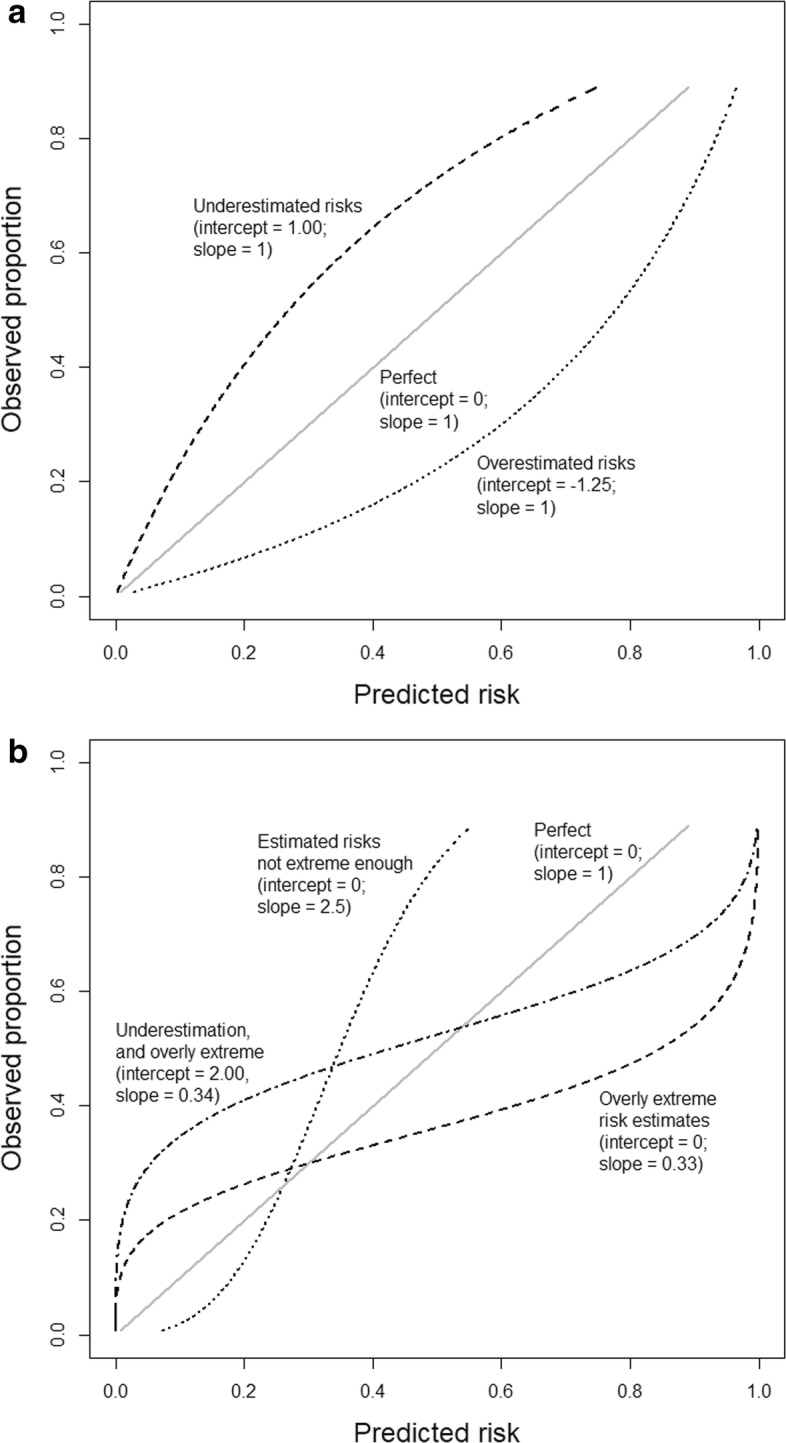
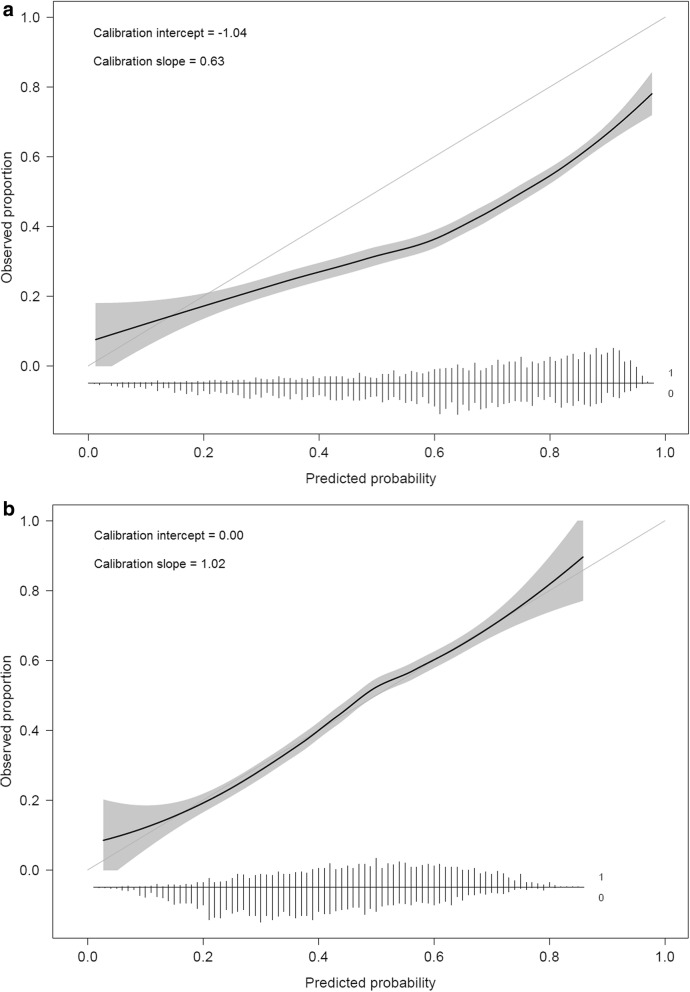
Verification
Claims the paper makes
The claims and statistics of this paper haven’t been checked yet.
Free: it reads the open-access text and checks the first 5 claims that cite a source we can check. Create a free account to check every claim.
Claims other papers make about this one
Each is checked against this paper’s own text: does it say what the citing paper says it does?
The cited source doesn’t support the claim as written.
In the citing paper
“Miscalibration is a distinct hazard from inaccuracy [3].”
From Do Calibrated-Probability Claims Hold Up in Clinical Diagnosis? A Pre-registered Evaluation of a Decision Model Against Frontier Language Models (2026) · cites this paper as [3]
Checked by a reasoning model — may be wrong.
Experimental — accuracy not yet measuredThe source backs part of the claim, not all of it — or backs it for a different population, condition or comparison.
In the citing paper
“Challenges remain related to generalisability across institutions, alert fatigue, and calibration drift over time [19,20].”
From Artificial Intelligence in Clinical Decision-Making: A Comprehensive Review of Diagnostic, Prognostic, and Therapeutic Applications, Validation Gaps, Bias, and Deployment Challenges (2026) · cites this paper as [20]
Experimental — accuracy not yet measuredThe source backs part of the claim, not all of it — or backs it for a different population, condition or comparison.
In the citing paper
“Such a system works only if the probabilities are calibrated, meaning that a stated probability matches how often the model is actually right [3].”
From Do Calibrated-Probability Claims Hold Up in Clinical Diagnosis? A Pre-registered Evaluation of a Decision Model Against Frontier Language Models (2026) · cites this paper as [3]
Experimental — accuracy not yet measuredThe cited source says what the claim attributes to it.
In the citing paper
“Still, AIPM updating, site-specific training or recalibration might be needed to adapt an existing AIPM to a different healthcare setting3,5,9,60,68,72.”
From Guidelines and quality criteria for artificial intelligence-based prediction models in healthcare: a scoping review (2022) · cites this paper as [60]
The cited source says what the claim attributes to it.
In the citing paper
“Increasing emphasis has therefore been placed on model calibration, which examines whether predicated probabilities correspond to true clinical risk [73].”
From Artificial Intelligence in Dermatopathology: An Update and Review of the Current Literature (2026) · cites this paper as [73]
7 more claims about this paper
Create a free account to see every claim other papers make about this one.
Self-check
Percentages, sums and reported differences re-computed from the paper’s own numbers.
The self-check needs the paper’s full text.
Citations
Cites
Bray, F., Ferlay, J., Soerjomataram, I., Siegel, R. L., Torre, L. A., & Jemal, A. (2018) · CA: A Cancer Journal for Clinicians · doi:10.3322/caac.21492 · Cited by 84,109 · cited 1×
“Often, patient characteristics and disease incidence or prevalence rates vary greatly between health centers, regions, and countries [16].”
BackgroundMoons, K. G. M., Altman, D. G., Reitsma, J. B., Ioannidis, J. P. A., Macaskill, P., Steyerberg, E. W., Vickers, A. J., Ransohoff, D. F., & Collins, G. S. (2015) · Annals of Internal Medicine · doi:10.7326/m14-0698 · Cited by 5,147 · cited 2×
“Reporting on calibration performance is recommended by the TRIPOD (Transparent Reporting of a multivariable prediction model for Individual Prognosis Or Diagnosis) guidelines for prediction modeling studies [12].”
BackgroundMethodSelf-citationClinical Prediction Models: A Practical Approach to Development, Validation, and Updating
Steyerberg, E. W. (2019) · Statistics for Biology and Health · doi:10.1007/978-3-030-16399-0 · Cited by 3,281
Self-citationChristodoulou, E., Ma, J., Collins, G. S., Steyerberg, E. W., Verbakel, J. Y., & Van Calster, B. (2019) · Journal of Clinical Epidemiology · doi:10.1016/j.jclinepi.2019.02.004 · Cited by 2,119
Self-citationSteyerberg, E. W. (2009) · Statistics for Biology and Health · doi:10.1007/978-0-387-77244-8 · Cited by 1,491
Self-citationRiley, R. D., Snell, K. I., Ensor, J., Burke, D. L., Harrell Jr, F. E., Moons, K. G., & Collins, G. S. (2019) · Statistics in Medicine · doi:10.1002/sim.7992 · Cited by 1,409 · cited 1×
“It is important to prespecify the modeling strategy and to ensure that sample size is sufficient for the number of considered predictors [30, 31].”
BackgroundA calibration hierarchy for risk models was defined: from utopia to empirical data
Van Calster, B., Nieboer, D., Vergouwe, Y., De Cock, B., Pencina, M. J., & Steyerberg, E. W. (2016) · Journal of Clinical Epidemiology · doi:10.1016/j.jclinepi.2015.12.005 · Cited by 910 · cited 6×
“The accuracy of risk estimates, relating to the agreement between the estimated and observed number of events, is called ‘ calibration ’ [4].”
BackgroundMethodInfluentialSelf-citationMoore, R. G., McMeekin, D. S., Brown, A. K., DiSilvestro, P., Miller, M. C., Allard, W. J., Gajewski, W., Kurman, R., Bast, R. C., & Skates, S. J. (2009) · Gynecologic Oncology · doi:10.1016/j.ygyno.2008.08.031 · Cited by 875 · cited 1×
“The concepts explained in this section are illustrated in Additional 1, with the validation of the Risk of Ovarian Malignancy Algorithm (ROMA) for the diagnosis of ovarian malignancy in women with an ovarian tumor selected for surgical removal [28]; further details can be found elsewhere [1, 4, 29].”
MethodSample size for binary logistic prediction models: Beyond events per variable criteria
van Smeden, M., Moons, K. G., de Groot, J. A., Collins, G. S., Altman, D. G., Eijkemans, M. J., & Reitsma, J. B. (2019) · Statistical Methods in Medical Research · doi:10.1177/0962280218784726 · Cited by 791 · cited 1×
“It is important to prespecify the modeling strategy and to ensure that sample size is sufficient for the number of considered predictors [30, 31].”
BackgroundA Deep Learning Mammography-based Model for Improved Breast Cancer Risk Prediction
Yala, A., Lehman, C., Schuster, T., Portnoi, T., & Barzilay, R. (2019) · Radiology · doi:10.1148/radiol.2019182716 · Cited by 758 · cited 1×
“Calibration is especially important when the aim is to support decision-making, even when discrimination is moderate such as for breast cancer prediction models [13].”
Background
Cited by
Items 901–1,000 of 1,006
Andrade, H. B., da Silva, I. R. F., Sim, J., Mello-Neto, J. H., Theodoro, P. H. N., Silva, M. S. T., Varela, M. C., Ramos, G. V., da Silva, A. R., Bozza, F. A., et al. (2021) · PLoS ONE · doi:10.1371/journal.pone.0260551 · Cited by 6
Almilaji, O., Webb, G. J., Maynard, A., Chapman, T., Shine, B. S. F., Ellis, A. J., Hebden, J. M., Docherty, S., Williams, E. J., & Snook, J. A. (2021) · Diagnostic and Prognostic Research · doi:10.1186/s41512-021-00112-8 · Cited by 5
“Assessment of IDIOM calibration was carried out following published methodology [11], employing mean calibration (or calibration-in-the-large), weak calibration (calibration intercept and calibration slope) and moderate calibration (flexible calibration curve based on Loess functions).”
MethodHalvachizadeh, S., Störmann, P., Özkurtul, O., Berk, T., Teuben, M. P. J., Sprengel, K., Pape, H., Lefering, R. L., & Jensen, K. O. (2022) · BMJ Open · doi:10.1136/bmjopen-2021-056381 · Cited by 8
Development and validation of prediction model for incident overactive bladder: The Nagahama study
Funada, S., Luo, Y., Yoshioka, T., Setoh, K., Tabara, Y., Negoro, H., Yoshimura, K., Matsuda, F., Efthimiou, O., Ogawa, O., et al. (2022) · International Journal of Urology · doi:10.1111/iju.14887 · Cited by 5
Bagnasco, F., Piaggio, G., Mesini, A., Mariani, M., Russo, C., Saffioti, C., Losurdo, G., Palmero, C., & Castagnola, E. (2022) · Antibiotics · doi:10.3390/antibiotics11060720 · Cited by 5
“Calibration is especially important when the aim is to support decision-making, even when discrimination is moderate [35].”
BackgroundForsman, J., Cornish, R., & Fazel, S. (2022) · Nordic Journal of Psychiatry · doi:10.1080/08039488.2022.2084158 · Cited by 7
“previous risk assessment instruments but a key performance metric [9].”
BackgroundMachine Learning–Based Prediction of Elevated PTH Levels Among the US General Population
Katô, H., Hoshino, Y., Hidaka, N., Ito, N., Makita, N., Nangaku, M., & Inoue, K. (2022) · The Journal of Clinical Endocrinology & Metabolism · doi:10.1210/clinem/dgac544 · Cited by 5
Cabitza, F., Campagner, A., & Famiglini, L. (2022) · Lecture notes in computer science · doi:10.1007/978-3-031-14463-9_6 · Cited by 7
Pickering, J. W. (2023) · Revista Española de Cardiología (English Edition) · doi:10.1016/j.rec.2023.02.009 · Cited by 5
Zahra, A., Luijken, K., Abbink, E. J., van den Berg, J. M., Blom, M. T., Elders, P. J. M., Festen, J., Gussekloo, J., Joling, K. J., Melis, R. J. F., et al. (2023) · Diagnostic and Prognostic Research · doi:10.1186/s41512-023-00144-2 · Cited by 5
Popiolek, M., Jendeberg, J., Sundqvist, P., Wagenius, M., & Lidén, M. (2023) · Urolithiasis · doi:10.1007/s00240-023-01444-4 · Cited by 5
“Calibration intercept is an assessment of calibration-in-the-large (CITL) and has a target value of zero [26].”
BackgroundDosis, A., Helliwell, J. A., Syversen, A., Tiernan, J. P., Zhang, Z., & Jayne, D. G. (2023) · International Journal of Colorectal Disease · doi:10.1007/s00384-023-04455-0 · Cited by 6
Sun, Q., An, R., Li, J., Liu, C., Wang, M., Wang, C., & Wang, Y. (2023) · Journal of Cancer Research and Clinical Oncology · doi:10.1007/s00432-023-05004-6 · Cited by 6
COVID Vaccine Hesitancy and Long-Term Traffic Risks
Redelmeier, D. A., Wang, J., & Drover, S. S. M. (2023) · The American Journal of Medicine · doi:10.1016/j.amjmed.2023.10.020 · Cited by 5
Sathe, N. A., Zelnick, L. R., Morrell, E. D., Bhatraju, P. K., Kerchberger, V. E., Hough, C. L., Ware, L. B., Fohner, A. E., & Wurfel, M. M. (2024) · Critical Care Medicine · doi:10.1097/ccm.0000000000006181 · Cited by 5
Development and Validation of a Nomogram for Predicting Obstructive Sleep Apnea Severity in Children
Liu, Y., Xie, S., Yang, X., Chen, J. L., & Zhou, J. R. (2024) · Nature and Science of Sleep · doi:10.2147/nss.s445469 · Cited by 5
“42,43 The DCA is a method used to evaluate the clinical value of a model by considering the potential range of patient risks and benefits, which estimates the net benefit at various risk thresholds to assess the feasibility of a clinical decision.”
Nishioka, N., Yamada, T., Nakao, S., Yoshiya, K., Park, C., Nishimura, T., Ishibe, T., Yamakawa, K., Kiguchi, T., Kishimoto, M., et al. (2024) · Journal of the American Heart Association · doi:10.1161/jaha.123.033824 · Cited by 6
Quantifying Fairness and Discrimination in Predictive Models
Charpentier, A. (2024) · Studies in systems, decision and control · doi:10.1007/978-3-031-43601-7_3 · Cited by 7
Cheng, W. H. G., Dong, W., Tse, E. T. Y., Wong, C. K. H., Chin, W. Y., Bedford, L. E., Fong, D., Ko, W. W., Chao, D. V. K., Tan, K. C. B., et al. (2024) · Journal of Diabetes Investigation · doi:10.1111/jdi.14256 · Cited by 5
“Such differences lowered the models ’ calibration in the PC population, and might mislead users and clinicians during clinical decision-making 33 .”
Backgroundvan Opstal, D. P. J., Kia, S. M., Jakob, L., Somers, M., Sommer, I. E., Rossum, I. W.-V., Kahn, R. S., Cahn, W., & Schnack, H. G. (2024) · Acta Psychiatrica Scandinavica · doi:10.1111/acps.13754 · Cited by 6
“For more robust training of a complex model on small data, we pretrained the model on synthetic data and used data augmentation techniques (see Supporting”
Scientific Tasks in Biomedical and Oncological Research: Describing, Predicting, and Explaining
Vera-Ponce, V. J., Zuzunaga-Montoya, F. E., Vásquez-Romero, L. E. M., Sanchez-Tamay, N. M., Loayza-Castro, J. A., & Carrillo, C. I. G. D. (2024) · Journal of cancer research updates · doi:10.30683/1929-2279.2024.13.08 · Cited by 5
van Raaij, B. F. M., Zahra, A., Steyerberg, E. W., de Hond, A., Smits, R. A. L., van der Klei, V. M. G. T. H., Polinder‐Bos, H. A., Minnema, J., Appelman, B., Smorenberg, A., et al. (2024) · Journal of Clinical Epidemiology · doi:10.1016/j.jclinepi.2024.111652 · Cited by 5
Self-citationAlbu, E., Gao, S., Stijnen, P., Rademakers, F. E., Janssens, C., Cossey, V., Debaveye, Y. A., Wynants, L., & CALSTER, B. V. (2025) · BMC Infectious Diseases · doi:10.1186/s12879-025-10854-1 · Cited by 5
Self-citationApplication of clinical prediction modeling in pediatric neurosurgery: a case study
Mijderwijk, H.-J., Beez, T., Hänggi, D., & Nieboer, D. (2021) · Child s Nervous System · doi:10.1007/s00381-021-05112-z · Cited by 5
Cucchetti, A., Giannini, E. G., Mosconi, C., Torres, M. C. P., Pieri, G., Farinati, F., Rapaccini, G. L., Marco, M. D., Caturelli, E., Sacco, R., et al. (2021) · Liver Cancer International · doi:10.1002/lci2.33 · Cited by 5
Ong, S. W. X., Tham, S. M., Koh, L. P., Dugan, C., Khoo, B. Y., Ren, D., Sutjipto, S., Lee, P. H., Young, B. E., & Lye, D. C. (2022) · Clinical Microbiology and Infection · doi:10.1016/j.cmi.2022.01.031 · Cited by 5
Tangel, V. E., Bryant-Huppert, J., Jiang, S. Y., Oxford-Horrey, C. M., Dzotsi, S., Kjaer, K., & White, R. S. (2022) · International Journal of Obstetric Anesthesia · doi:10.1016/j.ijoa.2022.103543 · Cited by 6
Leey, C., Riveiro, J. G. Z., Arnau, A., Fernàndez-Puigbó, M., Sala-Barcons, E., & Gené, E. (2024) · Emergencias · doi:10.55633/s3me/e064.2022 · Cited by 5
Considerations of Biomarker Application for Cancer Continuum in the Era of Precision Medicine
Hung, R. J., Moez, E. K., Kim, S. J., Budhathoki, S., & Brooks, J. D. (2022) · Current Epidemiology Reports · doi:10.1007/s40471-022-00295-8 · Cited by 6
Zhang, Y., Qin, X., Li, Y., Zhang, X., Luo, R., Wu, Z., Li, V., Han, S., Wang, H., & Wang, H. (2022) · Frontiers in Oncology · doi:10.3389/fonc.2022.943951 · Cited by 6
The application of machine learning to imaging in hematological oncology: A scoping review
Kotsyfakis, S., Iliaki-Giannakoudaki, E., Anagnostopoulos, A., Papadokostaki, E., Giannakoudakis, K., Goumenakis, M., & Kotsyfakis, M. (2022) · Frontiers in Oncology · doi:10.3389/fonc.2022.1080988 · Cited by 6
Mamun, G. M. S., Zou, M., Sarmin, M., Brintz, B. J., Rahman, A., Parvin, I., Ackhter, M. M., Chisti, M. J., Leung, D. T., & Shahrin, L. (2023) · PLOS Global Public Health · doi:10.1371/journal.pgph.0002216 · Cited by 5
“Calibration was assessed by using calibration-in-the-large and calibration slope [15].”
BackgroundMethodDrebin, H. M., Kurtansky, N. R., Hosein, S., Nadelmann, E. R., Moy, A. P., Ariyan, C. E., Bello, D. M., Brady, M. S., Coit, D. G., Marchetti, M. A., et al. (2024) · Annals of Surgical Oncology · doi:10.1245/s10434-024-16698-4 · Cited by 6
The Model for End-Stage Liver Disease 3.0: An Update Without Proven Accuracy
Goudsmit, B. F. J., Putter, H., & van Hoek, B. (2021) · Gastroenterology · doi:10.1053/j.gastro.2021.09.047 · Cited by 5
Clark, A., Appleton, R., Kalocsányiová, E., Gkaintatzi, E., & McCrone, P. (2022) · medRxiv · doi:10.1101/2022.12.01.22282817 · Cited by 5
Gerry, S., & Collins, G. S. (2023) · Critical Care · doi:10.1186/s13054-023-04778-y · Cited by 5
A Consequentialist Critique of Binary Classification Evaluation: Theory, Practice, and ToolsPreprint
Flores, G., Schiff, A. E., Smith, A. H., Fukuyama, J., & Wilson, A. (2025) · arXiv (Cornell University) · doi:10.48550/arxiv.2504.04528 · Cited by 5
“Along the way there have been critiques of the lack of calibration information in the ROC curve [38], [20].”
Albzour, N. (2026) · SSRN Electronic Journal · doi:10.21203/rs.3.rs-9889524/v1 · Cited by 9
Cheng, X.-Q., Chen, Y., Xu, J., Cai, D., Liu, Z., Zeng, H., Yao, J., & Song, B. (2024) · Insights into Imaging · doi:10.1186/s13244-023-01544-0 · Cited by 5
Rivrud, S. C. S., Heijkoop, È. R. H., Hulshof, L., van den Oever, N. C. G., Wetterslev, M., Perner, A., Keus, F., Meijer, K., & Eck, R. J. (2025) · Journal of Thrombosis and Haemostasis · doi:10.1016/j.jtha.2025.06.026 · Cited by 4
Model Evaluation in Machine Learning Applications
Rein, R. (2025) · Springer eBooks · doi:10.1007/978-3-662-70155-3_3 · Cited by 4
Tozzi, F., Park, H.-M., Mousavi, S. A., Liefferinge, M. V., Moon, D., Fadaei, S., Wang, J., Ashraf‐Ganjouei, A., Romero‐Hernández, F., Alseidi, A. A., et al. (2025) · International Journal of Surgery · doi:10.1097/js9.0000000000003448 · Cited by 6
“A target value of 0.0 was set for the calibration-in-the-large, with positive values reflecting underestimation and negative values reflecting overestimation [ 33 , 34 ] .”
InfluentialCorte, A. D., Barbierato, E., & Gatti, A. (2025) · Electronics · doi:10.3390/electronics14224415 · Cited by 4
Yang, Y., Xiao, C., Zou, D., Wang, L., Yang, R., Zhang, Y., Zhang, L., Zhao, Z., Qiu, S., Liu, S., et al. (2025) · npj Digital Medicine · doi:10.1038/s41746-025-02058-3 · Cited by 4
Wang, X., Bampton, T. J., Dharmaprani, D., Mahajan, R., & Palmer, L. J. (2025) · BMJ Digital Health & AI · doi:10.1136/bmjdhai-2025-000154 · Cited by 4
“127”
Machine learning for violence prediction: A systematic review and critical appraisal
Kozhevnikova, S., Yukhnenko, D., Scola, G., & Fazel, S. (2026) · Journal of Criminal Justice · doi:10.1016/j.jcrimjus.2026.102697 · Cited by 5
Hu, X., Wang, Z., Li, R., Sun, B., Wang, D., Zong, H., Zhang, X., Wei, R., & Jie, H. (2026) · Photodiagnosis and Photodynamic Therapy · doi:10.1016/j.pdpdt.2026.105342 · Cited by 4
Kuhlen, M., Hellmann, F., Pfaehler, E. A. G., André, E., & Redlich, A. (2026) · Biomedicines · doi:10.3390/biomedicines14010146 · Cited by 4
Xie, Y., Song, Y., Shi, S., Yuanlin, G., Song, W., & Dou, K. (2026) · Diabetes/Metabolism Research and Reviews · doi:10.1002/dmrr.70124 · Cited by 4
“Model performance was evaluated using Harrell's C‐index [32], time‐dependent AUCs at 5 and 10 years [33], and calibration slope [34], each averaged across repeated five‐fold cross‐validation.”
Wang, Z., Hu, X., Chang, F., Zhang, X., Sun, B., Li, R., Lin, W., & Wei, R. (2026) · BMC Medical Informatics and Decision Making · doi:10.1186/s12911-026-03339-x · Cited by 4
“Calibration curves, on the other hand, illustrate the agreement between predicted probabilities and observed outcomes, serving as a measure of model reliability and goodness of fit [17].”
Ahmed, R. S., & Shaban, M. (2026) · Child Abuse & Neglect · doi:10.1016/j.chiabu.2026.107923 · Cited by 4
Gottschalk, E. C., Chabanovska, O., Vasudevan, P., Barrantes, I., Kreikemeyer, B., Bergmann‐Ewert, W., Engelmann, R., Müller‐Hilke, B., & Lang, H. (2026) · Scientific Reports · doi:10.1038/s41598-026-37044-6 · Cited by 4
“…cross-validation and a single held-out participant set for final evaluation 83 , including discrimination as area under the curve (AUC), sensitivity/specificity, positive and negative predictive value (PPV/NPV) at a pre-specified threshold and calibration (intercept, slope, reliability plots) 84 .”
Integrating Deep Learning of Low-Dose CT Imaging With Clinical Data for Lung Cancer Risk Prediction
Aro, R. P., Lam, S. C., Warkentin, M. T., Liu, G., Diergaarde, B. B., Wilson, D. J., Yuan, J., Al‐Sawaihey, H., Murison, K. R., Moez, E. K., et al. (2026) · CHEST Journal · doi:10.1016/j.chest.2026.02.022 · Cited by 6
Lee, K. H., Yoon, D., Lim, H., LEE, K.-B., & Lee, Y. K. (2026) · npj Digital Medicine · doi:10.1038/s41746-026-02722-2 · Cited by 6
Wang, X., Dou, Y., Wang, Y., Sun, K., & Zhou, G. (2026) · Frontiers in Oncology · doi:10.3389/fonc.2026.1798803 · Cited by 6
Fracture orthopedic risk of non-home discharge score II (FORD-II)
Salman, S. G., Phadke, R. A., Carlin, T., Ramirez, J., Mendez-Reyes, J. E., Hoffman, M. K., Leonard, J., Davis, R. W., Ward, J. L., Vera, R. M., et al. (2026) · Injury · doi:10.1016/j.injury.2026.113527 · Cited by 4
From bedside queries to complex care: AI for decision-making in infectious diseases
Borgonovo, F., Pennisi, F., Petri, F., Recanatini, C., Gori, A., & Berbari, E. F. (2026) · Clinical Microbiology and Infection · doi:10.1016/j.cmi.2026.08.002 · Cited by 4
Pegu, B., Subburaj, S. P., Chaturvedula, L., Sarkar, S., Nair, N. S., & Keepanasseril, A. (2023) · European Journal of Obstetrics & Gynecology and Reproductive Biology · doi:10.1016/j.ejogrb.2023.09.029 · Cited by 4
TripleSurv: Triplet Time-Adaptive Coordinate Learning Approach for Survival Analysis
Zhang, L., Zhong, L., Yang, F., Tang, L., Dong, D., Hui, H., & Tian, J. (2024) · IEEE Transactions on Knowledge and Data Engineering · doi:10.1109/tkde.2024.3450910 · Cited by 4
The PROgnostic ModEl for chronic lung disease (PRO-MEL): development and temporal validation
Ng, S. H.-X., Chiam, Z. Y., Chai, G. T., Kaur, P., Yip, W. F., Low, Z. J., Chu, J., Tey, L. H., Neo, H. Y., Tan, W. S., et al. (2024) · BMC Pulmonary Medicine · doi:10.1186/s12890-024-03233-0 · Cited by 4
“PRO-MEL will nonetheless require recalibration through updating of the intercept or a complete reweighting of the predictors to reduce the bias in predictions before use [32].”
BackgroundResultHo, Y.-J., Lien, C., Tsai, R.-J., Fan, C., Chen, C., Huang, C., Chen, C., Chen, Y., Huang, C.-H., Chiang, W., et al. (2024) · European Journal of Emergency Medicine · doi:10.1097/mej.0000000000001181 · Cited by 4
“The model was neither underfitting nor overfitting based on the favorable calibration slope [18].”
Zhang, L., Zhao, C., He, M., Wu, T., Hao, Z., Zheng, C., Ma, J., & Zhou, J. (2024) · BMC Ophthalmology · doi:10.1186/s12886-024-03730-0 · Cited by 4
Vernooij, J. E. M., Roovers, L., van der Zwan, R., Preckel, B., Kalkman, C. J., & Koning, N. J. (2024) · BMC Anesthesiology · doi:10.1186/s12871-024-02771-8 · Cited by 4
Wright, D. M., Azuara‐Blanco, A., Cardwell, C. R., Montesano, G., Crabb, D. P., Gazzard, G., King, A. J., Hernández, R. A., Morgan, J. E., Higgins, B. E., et al. (2024) · Ophthalmology Glaucoma · doi:10.1016/j.ogla.2024.10.009 · Cited by 4
Robledo, K. P., Marschner, I. C., Grossmann, M., Handelsman, D. J., Yeap, B. B., Allan, C. A., Foote, C., Inder, W. J., Stuckey, B. G. A., Jesudason, D. R., et al. (2024) · European Journal of Endocrinology · doi:10.1093/ejendo/lvae166 · Cited by 5
Gibson, K., Smith, A. L., Sharp, R., Ullman, A. J., Morris, S. A., & Esterman, A. (2025) · Australian Critical Care · doi:10.1016/j.aucc.2024.101146 · Cited by 4
Tonde, B., Traore, M. M., Landa, P., Côté, A., & Laberge, M. (2025) · BMJ Open · doi:10.1136/bmjopen-2024-093771 · Cited by 4
Weekes, A. J., Calienescerpa, F., Goonan, K. L., Polzella, A. L., Hogg, M. M., Cox, D., Flannigan, S., Cruz, E., O’Neill, H. A., O'Connell, N. S., et al. (2025) · Thrombosis Journal · doi:10.1186/s12959-025-00735-7 · Cited by 4
“Based on this fitted model we plotted a decision curve with x-axis mapped to NEWS2 thresholds (as opposed to probabilities), and also plotted sensitivity versus odds comparison of positive prediction between true positives and false positives [25, 26].”
Liu, D., Tian, Y., Liu, M., & Yang, S. (2025) · BMC Public Health · doi:10.1186/s12889-025-23310-1 · Cited by 5
“A calibration curve is used to assess the model’s calibration, that is, whether the predicted probability aligns with the actual incidence rate [44].”
Mozumder, S. I., Booth, S., Riley, R. D., Rutherford, M. J., & Lambert, P. C. (2025) · Diagnostic and Prognostic Research · doi:10.1186/s41512-025-00197-5 · Cited by 5
Bicknell, R., Lim, W. K., Maier, A. B., & LoGiudice, D. (2020) · Diagnostic and Prognostic Research · doi:10.1186/s41512-020-00085-0 · Cited by 4
Hafermann, L., Klein, N., Rauch, G., Kammer, M., & Heinze, G. (2022) · Entropy · doi:10.3390/e24060847 · Cited by 5
“, 24 , x FOR PEER REVIEW 13 of 17 Calibration as a measure of predictive performance has not yet received the attention it deserves in the evaluation of prediction models [26].”
BackgroundEpidemiology of diabetes in Iran: A scoping review of studies published during 2015–2019
Gharishvandi, F., Moheimani, H., Esmaeili, S., Larijani, B. A., Tootee, A., Nasli‐Esfahani, E., & Fahimfar, N. (2022) · Journal of Diabetes & Metabolic Disorders · doi:10.1007/s40200-022-01094-0 · Cited by 5
Predicting future sleep problems in young autistic children
Shui, A. M., Lampinen, L. A., Richdale, A. L., & Katz, T. (2023) · Autism · doi:10.1177/13623613231152963 · Cited by 4
Yang, C., Wang, G., Zhan, W., Wang, Y., & Feng, J. H. (2023) · Frontiers in Pharmacology · doi:10.3389/fphar.2023.1173961 · Cited by 4
Kunzmann, A. T., & Rubenstein, J. H. (2023) · Current Opinion in Gastroenterology · doi:10.1097/mog.0000000000000938 · Cited by 4
Vigdal, Ø. N., Storheim, K., Killingmo, R. M., Rysstad, T. L., Pripp, A. H., van der Gaag, W. H., Chiarotto, A., Koes, B. W., & Grotle, M. (2023) · Pain · doi:10.1097/j.pain.0000000000002974 · Cited by 4
Fuller, G. W., Hasan, M., Hodkinson, P. W., McAlpine, D., Goodacre, S. W., Bath, P. A., Sbaffi, L., Omer, Y., Wallis, L. A., & Marincowitz, C. (2023) · PLOS Digital Health · doi:10.1371/journal.pdig.0000309 · Cited by 5
“Calibration plot slope and intercept (weak calibration) and Locally Weighted Scatterplot Smoothing (LOWESS, moderate calibration) were also evaluated.[22] Diagnostic parameters (accuracy, precision, recall, negative predictive value, and specificity), and the proportion of cases with adverse outcome, were calculated a…”
MethodGrant, R. C., He, J. C., Khan, F., Liu, N., Podolsky, S., Kaliwal, Y., Powis, M., Notta, F., Chan, K., Ghassemi, M., et al. (2023) · Journal of the National Comprehensive Cancer Network · doi:10.6004/jnccn.2023.7046 · Cited by 4
“Calibration was depicted using calibration plots 21 and measured us-ing the mean and maximum calibration errors.”
MethodHo, L. T. F., Pugh, C., Seth, S., Arakelyan, S., Lone, N., Lyall, M. J., Anand, A., Fleuriot, J., Galdi, P., & Guthrie, B. (2024) · Age and Ageing · doi:10.1093/ageing/afae088 · Cited by 5
“As calibration is harder to formally assess because it involves more judgement, [18] we extracted the authors’ summary interpretation of model calibration.”
MethodAnomaly detection in the veterinary antibiotic prescription surveillance system (IS ABV)
Schnidrig, G.-A., Léger, A., Schwermer, H., Jost, R. F., Heim, D., & Schüpbach‐Regula, G. (2024) · Preventive Veterinary Medicine · doi:10.1016/j.prevetmed.2024.106291 · Cited by 4
Dang, L. E., Klazura, G., Yap, A., Ozgediz, D., Bryce, E., Cheung, M., Fedatto, M., & Ameh, E. A. (2024) · Journal of Pediatric Surgery · doi:10.1016/j.jpedsurg.2024.161883 · Cited by 4
Damen, J. A., Arshi, B., van Smeden, M., Bertagnolio, S., Diaz, J. V., Silva, R., Thwin, S. S., Wynants, L., & Moons, K. G. M. (2024) · Diagnostic and Prognostic Research · doi:10.1186/s41512-024-00181-5 · Cited by 4
Self-citationLi, S. R., Mazroua, M. S., Reitz, K. M., Phillips, A. R., Tzeng, E., & Liang, N. L. (2025) · European Journal of Vascular and Endovascular Surgery · doi:10.1016/j.ejvs.2025.02.017 · Cited by 4
“31,32 This may explain the poor calibration observed in these models.”
Predictive Modeling for Diabetes Subtype Classification in India: A Machine Learning Approach
Venkatesan, U., Amutha, A., Anjana, R. M., Unnikrishnan, R., Mappillairaju, B., & Mohan, V. (2025) · Journal of Diabetology · doi:10.4103/jod.jod_233_24 · Cited by 5
Warren, A. S., Hemingway, J. F., Quiroga, E., O’Donnell, T. F. X., Schermerhorn, M. L., Zettervall, S. L., & Dansey, K. D. (2025) · European Journal of Vascular and Endovascular Surgery · doi:10.1016/j.ejvs.2025.04.002 · Cited by 4
Bian, Z., Dou, W., Ying, Y., Shi, H., Ji, F., Hu, J.-H., & Peng, K. (2025) · BMC Anesthesiology · doi:10.1186/s12871-025-03090-2 · Cited by 5
A Personalized Predictive Model That Jointly Optimizes Discrimination and Calibration
Krikella, T., & Dubin, J. A. (2025) · Statistics in Medicine · doi:10.1002/sim.70077 · Cited by 7
“The Brier Score is a summary measure that is optimized when the correct probabilities are used, making it a proper scoring rule [17].”
A multiple testing framework for diagnostic accuracy studies with co‐primary endpoints
Westphal, M., Zapf, A., & Brannath, W. (2022) · Statistics in Medicine · doi:10.1002/sim.9308 · Cited by 6
Li, J., Huang, J., Pang, T., Chen, Z., Li, J., Wu, L., Hu, Y., & Chen, W. (2021) · Frontiers in Neurology · doi:10.3389/fneur.2021.710144 · Cited by 6
Scoring systems for the management of oncological hepato-pancreato-biliary patients
Coombs, A. W., Jordan, C., Hussain, S. A., & Ghandour, O. (2022) · Annals of Hepato-Biliary-Pancreatic Surgery · doi:10.14701/ahbps.21-113 · Cited by 4
“Calibration is an assessment of accurate alignment between estimated predicted risk and observed risk in models [19].”
Development and validation of ischemia risk scores
Miller, R. J. H., Rozanski, A., Slomka, P. J., Han, D., Gransar, H., Hayes, S. W., Friedman, J. D., Thomson, L., & Berman, D. S. (2022) · Journal of Nuclear Cardiology · doi:10.1007/s12350-022-02976-9 · Cited by 4
“Calibration is a critical issue for risk prediction scores because it assesses how closely the predicted probability matches the actual probability of an event.(29,30) In our study, all models demonstrated good calibration in both the derivation and external testing populations.”
BackgroundHarrison, S. L., Lane, D. A., Buckley, B. J. R., Chatterjee, K., Alobaida, M., Shipley, E., & Lip, G. Y. H. (2022) · Vascular Health and Risk Management · doi:10.2147/vhrm.s357829 · Cited by 4
“Calibration of the models will be assessed by plotting the estimated risk against observed incidence.(10) Calibration slopes will be compared, and a slope >1 overestimates risk and a slope <1 underestimates risk.”
MethodDeforth, M. E., Gebhard, C. E., Bengs, S., Buehler, P. K., Schuepbach, R. A., Zinkernagel, A. S., Brugger, S. D., Acevedo, C., Patriki, D., Wiggli, B. J., et al. (2022) · Diagnostic and Prognostic Research · doi:10.1186/s41512-022-00135-9 · Cited by 7
Biswas, S., MacArthur, J., Pandit, A. S., McMenemy, L., Sarkar, V., Thompson, H., Saleemi, M. S., Chintzewen, J., Almansoor, Z. R., Chai, X. T., et al. (2023) · Surgical Neurology International · doi:10.25259/sni_1086_2022 · Cited by 4
Bos, D. A. G., Burghgraeve, T. D., Sutter, A. D., Buntinx, F., & Verbakel, J. Y. J. (2023) · BMC Medicine · doi:10.1186/s12916-023-02860-4 · Cited by 4
Ogero, M. O., Ndiritu, J., Sarguta, R. J., Tuti, T., & Akech, S. (2023) · Health Science Reports · doi:10.1002/hsr2.1433 · Cited by 4
Harnessing multi-source data for individualized care in Hodgkin Lymphoma
Parsons, S. K., Rodday, A. M., Upshaw, J. N., Scharman, C. D., Zhu, C., Cao, Y., Tiger, Y. K., Maurer, M. J., & Evens, A. M. (2024) · Blood Reviews · doi:10.1016/j.blre.2024.101170 · Cited by 4
On the Dark Side of Calibration for Modern Neural Networks.Preprint
Singh, A. K., Bay, A., Sengupta, B., & Mirabile, A. (2021) · arXiv (Cornell University) · Cited by 7
On Deep Neural Network Calibration by Regularization and its Impact on RefinementPreprint
Singh, A. K., Bay, A., Sengupta, B., & Mirabile, A. (2021) · arXiv (Cornell University) · doi:10.48550/arxiv.2106.09385 · Cited by 4
“…commonly studied together in the domains of statistics (Gneiting et al. 2007), meteorological forecast (Murphy and Winkler 1977), medical analysis (Van Calster et al. 2019); for recent approaches proposed in the deep learning domain, the joint importance has been sidelined for individual…”
Background
Metadata
- Authors
- On behalf of Topic Group ‘Evaluating diagnostic tests and prediction models’ of the STRATOS initiative, Van Calster, B., McLernon, D. J., van Smeden, M., Wynants, L., & Steyerberg, E. W.
- Affiliations
- KU Leuven (BE)
- University of Aberdeen (GB)
- Leiden University Medical Center (NL)
- Venue
- BMC Medicine
- Published
- 2019-12
- Volume
- 17
- Issue
- 1
- Pages
- 230-230
- ISSN
- 1741-7015 (ISSN-L)
- PMC
- PMC6912996
- OpenAlex
- W2996480032
- Cited by
- 2,650
- References
- 39
- Citations by year
- 2026: 1224 · 2025: 379 · 2024: 291 · 2023: 283 · 2022: 262 · 2021: 159 · 2020: 51
- FWCI
- 93.43
- Type
- journal article
- Language
- en
- Open access
- gold
- doi.org
- Licence
- cc-by
- creativecommons.org/licenses/by/4.0/ (tdm)
- creativecommons.org/licenses/by/4.0/ (vor, 15 d)
- Locations
- BMC Medicine (publishedVersion, cc-by)
- Europe PMC (PubMed Central) (publishedVersion, cc-by)
- PubMed Central (publishedVersion, cc-by)
- PubMed (publishedVersion)
- Research Publications (Maastricht University) (publishedVersion, cc-by)
- Aberdeen University Research Archive (Aberdeen University) (submittedVersion, cc-by-nc)
- Lirias (submittedVersion, cc-by-nc)
- Pure Amsterdam UMC (submittedVersion, cc-by-nc)
- Data Archiving and Networked Services (DANS) (submittedVersion, other-oa)
- Data Archiving and Networked Services (DANS) (submittedVersion)
- Leiden Repository (Leiden University) (submittedVersion)
- DOAJ (DOAJ: Directory of Open Access Journals) (submittedVersion, cc-by-sa)
- Utrecht University Repository (Utrecht University) (submittedVersion, other-oa)
- University of Birmingham Research Portal (University of Birmingham) (submittedVersion, other-oa)
- Research Publications (Maastricht University) (submittedVersion, other-oa)
- Funders
- Fonds Wetenschappelijk Onderzoek (G0B4716N)
- Onderzoeksraad, KU Leuven (C24/15/037)
- Topics
- Physical Sciences › Mathematics › Statistics and Probability › Statistical Methods in Epidemiology
- Health Sciences › Health Professions › Health Information Management › Artificial Intelligence in Healthcare
- Physical Sciences › Computer Science › Artificial Intelligence › Machine Learning in Healthcare
- Keywords
- model calibration, risk prediction model, predictive analytics, calibration curve, external validation, model updating, clinical decision-making, shared decision-making, sample size, model complexity
- MeSH terms
- Machine Learning, Adult, Aged, Algorithms, Calibration, Humans, Male, Middle Aged, Predictive Value of Tests
About these checks
Registry, retraction, Cites and statistics results are computed, not judged, with one exception: a printed reference that no index lists is read once by a model before it counts as a citation error. Claims are extracted by a model and kept only when their quote appears verbatim in the text; each cited source is then checked, with a model’s help, for whether it says what the claim relies on. Those verdicts can be wrong — read the claim’s quote and the cited source before relying on one.
Statistics and arithmetic are recomputed, not judged.
Confidence bands are shown only for fields calibrated on our annotated test set. None is calibrated yet, so no band is shown.
What counts as a claim ›How we measure confidence ›How we check this ›
Are you an author, or do you see a problem with this page? Request a review
Data sources
Bibliographic data: Semantic Scholar, OpenAlex, Crossref.
Contains information from the Semantic Scholar Academic Graph Datasets, made available under the ODC Attribution License (ODC-BY 1.0).
Semantic Scholar’s data is described in: Kinney, R., et al. (2023). The Semantic Scholar Open Data Platform. arXiv:2301.10140.
