

Calibration: the Achilles heel of predictive analytics
Open accessThe DOI matches its Crossref record; 41 of the 41 references it cites were found in a registry or an index.
Abstract
Background: The assessment of calibration performance of risk prediction models based on regression or more flexible machine learning algorithms receives little attention. Main text: Herein, we argue that this needs to change immediately because poorly calibrated algorithms can be misleading and potentially harmful for clinical decision-making. We summarize how to avoid poor calibration at algorithm development and how to assess calibration at algorithm validation, emphasizing balance between model complexity and the available sample size. At external validation, calibration curves require sufficiently large samples. Algorithm updating should be considered for appropriate support of clinical practice. Conclusion: Efforts are required to avoid poor calibration when developing prediction models, to evaluate calibration when validating models, and to update models when indicated. The ultimate aim is to optimize the utility of predictive analytics for shared decision-making and patient counseling.
Overview
The claims and statistics of this paper haven’t been checked yet.
Free: it reads the open-access text and checks the first 5 claims that cite a source we can check. Create a free account to check every claim.
Integrity signals
Registry
Cites
Statistics
Figures
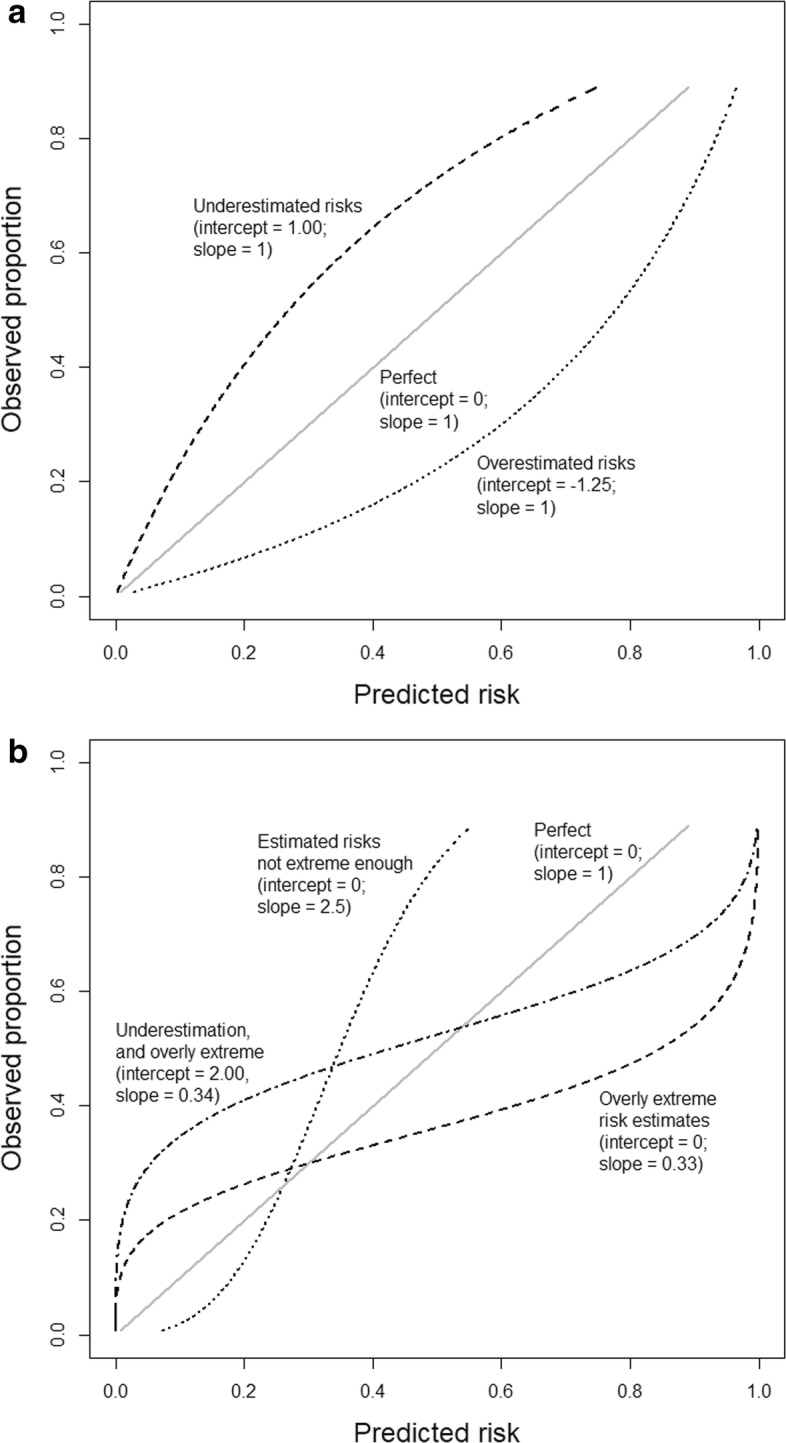
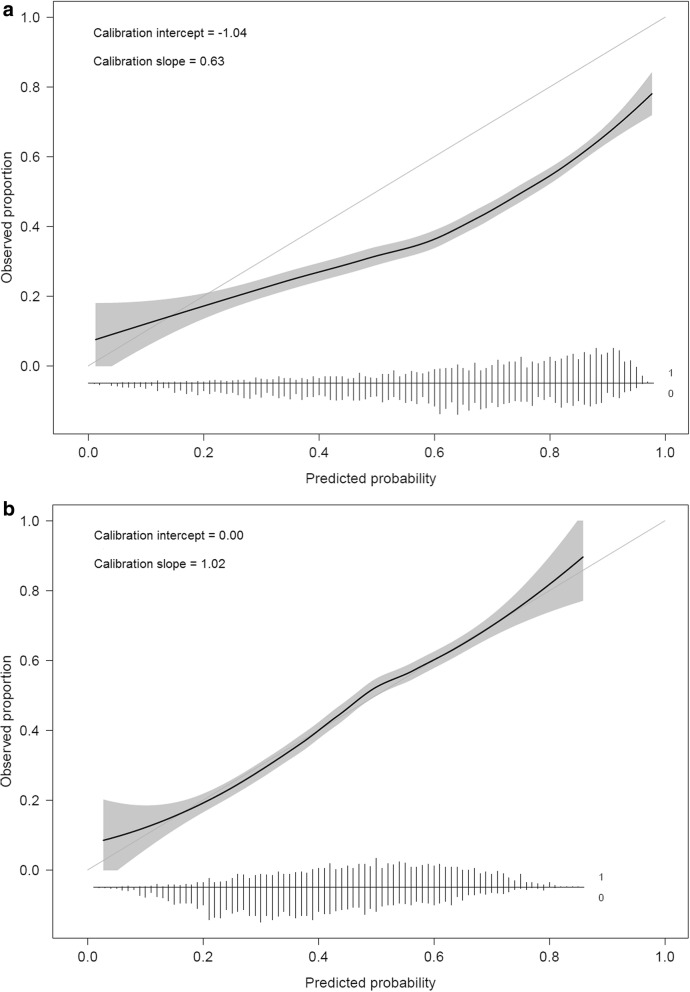
Verification
Claims the paper makes
The claims and statistics of this paper haven’t been checked yet.
Free: it reads the open-access text and checks the first 5 claims that cite a source we can check. Create a free account to check every claim.
Claims other papers make about this one
Each is checked against this paper’s own text: does it say what the citing paper says it does?
The cited source doesn’t support the claim as written.
In the citing paper
“Miscalibration is a distinct hazard from inaccuracy [3].”
From Do Calibrated-Probability Claims Hold Up in Clinical Diagnosis? A Pre-registered Evaluation of a Decision Model Against Frontier Language Models (2026) · cites this paper as [3]
Checked by a reasoning model — may be wrong.
Experimental — accuracy not yet measuredThe source backs part of the claim, not all of it — or backs it for a different population, condition or comparison.
In the citing paper
“Challenges remain related to generalisability across institutions, alert fatigue, and calibration drift over time [19,20].”
From Artificial Intelligence in Clinical Decision-Making: A Comprehensive Review of Diagnostic, Prognostic, and Therapeutic Applications, Validation Gaps, Bias, and Deployment Challenges (2026) · cites this paper as [20]
Experimental — accuracy not yet measuredThe source backs part of the claim, not all of it — or backs it for a different population, condition or comparison.
In the citing paper
“Such a system works only if the probabilities are calibrated, meaning that a stated probability matches how often the model is actually right [3].”
From Do Calibrated-Probability Claims Hold Up in Clinical Diagnosis? A Pre-registered Evaluation of a Decision Model Against Frontier Language Models (2026) · cites this paper as [3]
Experimental — accuracy not yet measuredThe cited source says what the claim attributes to it.
In the citing paper
“Still, AIPM updating, site-specific training or recalibration might be needed to adapt an existing AIPM to a different healthcare setting3,5,9,60,68,72.”
From Guidelines and quality criteria for artificial intelligence-based prediction models in healthcare: a scoping review (2022) · cites this paper as [60]
The cited source says what the claim attributes to it.
In the citing paper
“Increasing emphasis has therefore been placed on model calibration, which examines whether predicated probabilities correspond to true clinical risk [73].”
From Artificial Intelligence in Dermatopathology: An Update and Review of the Current Literature (2026) · cites this paper as [73]
7 more claims about this paper
Create a free account to see every claim other papers make about this one.
Self-check
Percentages, sums and reported differences re-computed from the paper’s own numbers.
The self-check needs the paper’s full text.
Citations
Cites
Bray, F., Ferlay, J., Soerjomataram, I., Siegel, R. L., Torre, L. A., & Jemal, A. (2018) · CA: A Cancer Journal for Clinicians · doi:10.3322/caac.21492 · Cited by 84,109 · cited 1×
“Often, patient characteristics and disease incidence or prevalence rates vary greatly between health centers, regions, and countries [16].”
BackgroundMoons, K. G. M., Altman, D. G., Reitsma, J. B., Ioannidis, J. P. A., Macaskill, P., Steyerberg, E. W., Vickers, A. J., Ransohoff, D. F., & Collins, G. S. (2015) · Annals of Internal Medicine · doi:10.7326/m14-0698 · Cited by 5,147 · cited 2×
“Reporting on calibration performance is recommended by the TRIPOD (Transparent Reporting of a multivariable prediction model for Individual Prognosis Or Diagnosis) guidelines for prediction modeling studies [12].”
BackgroundMethodSelf-citationClinical Prediction Models: A Practical Approach to Development, Validation, and Updating
Steyerberg, E. W. (2019) · Statistics for Biology and Health · doi:10.1007/978-3-030-16399-0 · Cited by 3,281
Self-citationChristodoulou, E., Ma, J., Collins, G. S., Steyerberg, E. W., Verbakel, J. Y., & Van Calster, B. (2019) · Journal of Clinical Epidemiology · doi:10.1016/j.jclinepi.2019.02.004 · Cited by 2,119
Self-citationSteyerberg, E. W. (2009) · Statistics for Biology and Health · doi:10.1007/978-0-387-77244-8 · Cited by 1,491
Self-citationRiley, R. D., Snell, K. I., Ensor, J., Burke, D. L., Harrell Jr, F. E., Moons, K. G., & Collins, G. S. (2019) · Statistics in Medicine · doi:10.1002/sim.7992 · Cited by 1,409 · cited 1×
“It is important to prespecify the modeling strategy and to ensure that sample size is sufficient for the number of considered predictors [30, 31].”
BackgroundA calibration hierarchy for risk models was defined: from utopia to empirical data
Van Calster, B., Nieboer, D., Vergouwe, Y., De Cock, B., Pencina, M. J., & Steyerberg, E. W. (2016) · Journal of Clinical Epidemiology · doi:10.1016/j.jclinepi.2015.12.005 · Cited by 910 · cited 6×
“The accuracy of risk estimates, relating to the agreement between the estimated and observed number of events, is called ‘ calibration ’ [4].”
BackgroundMethodInfluentialSelf-citationMoore, R. G., McMeekin, D. S., Brown, A. K., DiSilvestro, P., Miller, M. C., Allard, W. J., Gajewski, W., Kurman, R., Bast, R. C., & Skates, S. J. (2009) · Gynecologic Oncology · doi:10.1016/j.ygyno.2008.08.031 · Cited by 875 · cited 1×
“The concepts explained in this section are illustrated in Additional 1, with the validation of the Risk of Ovarian Malignancy Algorithm (ROMA) for the diagnosis of ovarian malignancy in women with an ovarian tumor selected for surgical removal [28]; further details can be found elsewhere [1, 4, 29].”
MethodSample size for binary logistic prediction models: Beyond events per variable criteria
van Smeden, M., Moons, K. G., de Groot, J. A., Collins, G. S., Altman, D. G., Eijkemans, M. J., & Reitsma, J. B. (2019) · Statistical Methods in Medical Research · doi:10.1177/0962280218784726 · Cited by 791 · cited 1×
“It is important to prespecify the modeling strategy and to ensure that sample size is sufficient for the number of considered predictors [30, 31].”
BackgroundA Deep Learning Mammography-based Model for Improved Breast Cancer Risk Prediction
Yala, A., Lehman, C., Schuster, T., Portnoi, T., & Barzilay, R. (2019) · Radiology · doi:10.1148/radiol.2019182716 · Cited by 758 · cited 1×
“Calibration is especially important when the aim is to support decision-making, even when discrimination is moderate such as for breast cancer prediction models [13].”
Background
Cited by
Items 301–400 of 1,006
López‐Ayala, P., Boeddinghaus, J., Nestelberger, T., Koechlin, L., Zimmermann, T., Bima, P., Glaeser, J., Spagnuolo, C., Champetier, A. T., Miró, Ò., et al. (2024) · The Lancet Digital Health · doi:10.1016/s2589-7500(24)00088-8 · Cited by 29
Predicting Outcome in Clear Aligner Treatment: A Machine Learning Analysis
Wolf, D., Farrag, G., Flügge, T. V., & Timm, L. H. (2024) · Journal of Clinical Medicine · doi:10.3390/jcm13133672 · Cited by 25
Meaney, C. A., Wang, X., Guan, J., & Stukel, T. A. (2025) · BMC Medical Research Methodology · doi:10.1186/s12874-025-02561-x · Cited by 27
In humble defense of unexplainable black box prediction models in healthcare
van Royen, F. S.-A., Weerts, H., de Hond, A., Geersing, G., Rutten, F. H., Moons, K. G. M., & van Smeden, M. (2025) · Journal of Clinical Epidemiology · doi:10.1016/j.jclinepi.2025.112013 · Cited by 28
Oskar, S., & Stingone, J. A. (2020) · Current Environmental Health Reports · doi:10.1007/s40572-020-00282-5 · Cited by 25
Hill, N. R., Arden, C., BERESFORD-HULME, L. M., Camm, A. J., Clifton, D. A., Davies, D. W., Farooqui, U., Gordon, J. P., Groves, L., Hurst, M. A., et al. (2020) · Contemporary Clinical Trials · doi:10.1016/j.cct.2020.106191 · Cited by 24
Edlinger, M., van Smeden, M., Alber, H. F., Wanitschek, M. M., & CALSTER, B. V. (2021) · Statistics in Medicine · doi:10.1002/sim.9281 · Cited by 29
Prediction models for functional status in community dwelling older adults: a systematic review
Grootven, B. V., & van Achterberg, T. (2022) · BMC Geriatrics · doi:10.1186/s12877-022-03156-7 · Cited by 25
Ferreira‐Atuesta, C., de Tisi, J., McEvoy, A. W., Miserocchi, A., Khoury, J., Yardi, R., Vegh, D. T., Butler, J. T., Lee, H. J., Ives-Deliperi, V. L., et al. (2022) · Brain · doi:10.1093/brain/awac437 · Cited by 26
Machine learning-based prediction of intraoperative hypoxemia for pediatric patients
Park, J., Lee, H.-J., Yang, H.-L., Kim, E., Lee, H., Jung, C.-W., & Kim, H. (2023) · PLoS ONE · doi:10.1371/journal.pone.0282303 · Cited by 27
“The main cause of poor calibration is the lack of data, which could be solved by using more datasets [24].”
BackgroundMethodSabbagh, A., Washington, S. L., Tilki, D., Hong, J. C., Feng, J., Valdés, G., Chen, M., Wu, J., Huland, H., Graefen, M., et al. (2023) · European Urology Oncology · doi:10.1016/j.euo.2023.02.006 · Cited by 24
Prognostic risk models for incident hypertension: A PRISMA systematic review and meta-analysis
Schjerven, F. E., Lindseth, F., & Steinsland, I. (2024) · PLoS ONE · doi:10.1371/journal.pone.0294148 · Cited by 24
“Incomplete reporting as well as variation in methods used meant we were unable to incorporate it into our meta-analyses [14,82].”
MethodWang, W., Rudd, A. G., Wang, Y., Ćurčin, V., Wolfe, C. D. A., Peek, N. B., & Bray, B. (2022) · BMC Neurology · doi:10.1186/s12883-022-02722-1 · Cited by 28
Rinderknecht, M. D., & Klopfenstein, Y. (2021) · npj Digital Medicine · doi:10.1038/s41746-021-00482-9 · Cited by 23
Fehr, J., Piccininni, M., Kurth, T., Konigorski, S., & Initiative, T. A. D. N. (2023) · BMC Medical Research Methodology · doi:10.1186/s12874-023-02003-6 · Cited by 25
“, however, we argue that discriminatory metrics may not be a suitable metric to assess external validity because predicted risks can be unreliable even if algorithms have good discrimination, and instead suggest calibration as a crucial metric to measure transportability [39].”
BackgroundResultInfluentialPerioperative risk scores: prediction, pitfalls, and progress
Bedford, J., Redfern, O., O’Brien, B., & Watkinson, P. (2024) · Current Opinion in Anaesthesiology · doi:10.1097/aco.0000000000001445 · Cited by 33
Zhu, K., Zheng, Y., & Chan, K. C. G. (2025) · Statistics in Biosciences · doi:10.1007/s12561-025-09505-5 · Cited by 32
“The lack of calibration in the H measure coincides with over-emphasis on the AUC and relatively little attention to calibration, which is referred to as ‘the Achilles heel of predictive analytics’ (Van Calster et al., 2019).”
Dong, W., Wan, E. Y. F., Fong, D., Kwok, R. L. P., Chao, D. V. K., Tan, K. C. B., Hui, E. M., Tsui, W. W. S., Chan, K. H., Fung, C. S. C., et al. (2021) · Diabetes Obesity and Metabolism · doi:10.1111/dom.14292 · Cited by 23
Decision Trees for Predicting Mortality in Transcatheter Aortic Valve Implantation
Mamprin, M., Zelis, J. M., Tonino, P. A. L., Zinger, S., & de With, P. H. N. (2021) · Bioengineering · doi:10.3390/bioengineering8020022 · Cited by 24
Inaccurate Risk Assessment by the ACS NSQIP Risk Calculator in Aortic Surgery
Hers, T. M., van Schaik, J., Keekstra, N., Putter, H., Hamming, J. F., & van der Vorst, J. R. (2021) · Journal of Clinical Medicine · doi:10.3390/jcm10225426 · Cited by 23
“Calibration Calibration assesses to what extent the predicted risk corresponds to the observed proportion [25,26].”
BackgroundWeyland, C. S., Vey, J. A., Mokli, Y., Feißt, M., Kieser, M., Herweh, C., Schönenberge, S., Möhlenbruch, M. A., Bendszus, M., Ringleb, P. A., et al. (2022) · Clinical Neuroradiology · doi:10.1007/s00062-022-01166-x · Cited by 24
Machine learning to predict abnormal myocardial perfusion from pre-test features
Miller, R. J. H., Hauser, M. T., Sharir, T., Einstein, A. J., Fish, M. B., Ruddy, T. D., Kaufmann, P. A., Sinusas, A. J., Miller, E. J., Bateman, T. M., et al. (2022) · Journal of Nuclear Cardiology · doi:10.1007/s12350-022-03012-6 · Cited by 23
Burgess-Hull, A. J., Brooks, C., Epstein, D. H., Gandhi, D. H., & Oviedo, E. (2022) · Journal of Addiction Medicine · doi:10.1097/adm.0000000000001019 · Cited by 23
van Ravenhorst, C. G., Schluep, M., Endeman, H., Stolker, R.-J., & Hoeks, S. E. (2023) · Critical Care · doi:10.1186/s13054-023-04306-y · Cited by 26
Clinical decision support for ExtraCorporeal Membrane Oxygenation: Will we fly by wire?
Pladet, L. C. A., Luijken, K., Fresiello, L., Miranda, D. D. R., Hermens, J. A. J. M., van Smeden, M., Cremer, O. L., Donker, D. W., & Meuwese, C. L. (2023) · Perfusion · doi:10.1177/02676591231163688 · Cited by 25
Dynamic updating of clinical survival prediction models in a changing environment
Tanner, K., Keogh, R. H., Coupland, C. A. C., Hippisley‐Cox, J., & Diaz‐Ordaz, K. (2023) · Diagnostic and Prognostic Research · doi:10.1186/s41512-023-00163-z · Cited by 24
Machine Learning Models for Classification of Cushing's Syndrome Using Retrospective Data
Isci, S., Kalender, D. S. Y., Bayraktar, F., & Yaman, A. (2021) · IEEE Journal of Biomedical and Health Informatics · doi:10.1109/jbhi.2021.3054592 · Cited by 24
Wang, J., Yuan, T., Ding, H., Xu, J., Keusters, W. R., Ling, X., Fu, L., Zhu, Q., Li, Q., Tang, X., et al. (2021) · The Lancet Regional Health - Western Pacific · doi:10.1016/j.lanwpc.2021.100269 · Cited by 22
Using machine learning to predict heavy drinking during outpatient alcohol treatment
Roberts, W., Zhao, Y., Verplaetse, T. L., Moore, K. E., Peltier, M. R., Burke, C., Zakiniaeiz, Y., & McKee, S. A. (2022) · Alcoholism Clinical and Experimental Research · doi:10.1111/acer.14802 · Cited by 25
Statistical methods for validation of predictive models
Diniz, M. A. (2022) · Journal of Nuclear Cardiology · doi:10.1007/s12350-022-02994-7 · Cited by 24
Fazel, S., Sariaslan, A., & Fanshawe, T. R. (2022) · European Journal on Criminal Policy and Research · doi:10.1007/s10610-022-09520-y · Cited by 25
“Its first use was estimated to take 16 person-hours to complete (Viljoen et al., 2010), partly as it requires a multidisciplinary approach and also additional interviewing for the psychological part of the assessment.”
BackgroundLans, A., Pierik, R., Bales, J. R., Fourman, M. S., Shin, D., Kanbier, L. N., Rifkin, J., DiGiovanni, W., Chopra, R. R., Moeinzad, R., et al. (2022) · Artificial Intelligence in Medicine · doi:10.1016/j.artmed.2022.102396 · Cited by 25
Appleyard, T., Thomas, M. J., Antcliff, D., & Peat, G. (2023) · Arthritis Care & Research · doi:10.1002/acr.25035 · Cited by 25
“In several models undergoing internal or external validation, calibration was either not reported or relied on the Hosmer-Lemeshow test statistic, which is recognized as problematic and no longer recommended (51).”
MethodYu, J. Y., Xie, F., Nan, L., Yoon, S., Ong, M. E. H., Ng, Y. Y., & Cha, W. C. (2022) · Scientific Reports · doi:10.1038/s41598-022-22233-w · Cited by 25
Primer on Logistic Regression for Emergency Care Researchers
Ehrman, R. R., & Kline, J. A. (2022) · Journal of Emergency Medicine · doi:10.1016/j.jemermed.2022.09.032 · Cited by 22
Jacobsen, M., Gholamipoor, R., Dembek, T. A., Rottmann, P., Verket, M., Brandts, J., Jäger, P. S., Baermann, B., Kondakci, M., Heinemann, L., et al. (2023) · npj Digital Medicine · doi:10.1038/s41746-023-00847-2 · Cited by 24
Venn, M. L., Hooper, R., Pampiglione, T., Morton, D. G., Nepogodiev, D., & Knowles, C. H. (2023) · BMJ Open · doi:10.1136/bmjopen-2023-073085 · Cited by 23
Advancing Naturalistic Affective Science with Deep Learning
Lin, C., Bulls, L. S., Tepfer, L. J., Vyas, A. D., & Thornton, M. A. (2023) · Affective Science · doi:10.1007/s42761-023-00215-z · Cited by 23
“Maximum variation sampling is also susceptible to class imbalance (Van Calster et al., 2019).”
BackgroundMilders, J., Ramspek, C. L., Janse, R. J., Bos, W. J. W., Rotmans, J. I., Dekker, F. W., & van Diepen, M. (2023) · Journal of the American Society of Nephrology · doi:10.1681/asn.0000000000000285 · Cited by 23
“48,49 Not assessing and reporting measures of calibration imposes risks for clinical practice when a model is used for decision making because a poorly calibrated model can lead to misleading risk predictions and misclassi fi cation.”
BackgroundHo, L. T. F., Pugh, C., Seth, S., Arakelyan, S., Lone, N., Lyall, M. J., Anand, A., Fleuriot, J., Galdi, P., & Guthrie, B. (2024) · The Lancet Healthy Longevity · doi:10.1016/s2666-7568(23)00264-7 · Cited by 22
García-García, F., Lee, D., Mendoza-Garcés, F. J., & García‐Gutiérrez, S. (2024) · Computer Methods and Programs in Biomedicine · doi:10.1016/j.cmpb.2024.108118 · Cited by 24
Abdul-Samad, K., Ma, S., Austin, D. E., Chong, A. S., Wang, C. X., Wang, X., Austin, P. C., Ross, H. J., Wang, B., & Lee, D. S. (2024) · American Heart Journal · doi:10.1016/j.ahj.2024.07.017 · Cited by 22
Ara, J. (2025) · doi:10.63125/h7rbyt25 · Cited by 22
Predicting the risk of cancer in adults using supervised machine learning: a scoping review
Alfayez, A. A., Kunz, H., & Lai, A. G. (2021) · BMJ Open · doi:10.1136/bmjopen-2020-047755 · Cited by 25
Ewington, L. J., Black, N., Leeson, C., Wattar, B. H. A., & Quenby, S. M. (2024) · BJOG An International Journal of Obstetrics & Gynaecology · doi:10.1111/1471-0528.17802 · Cited by 21
de Matos, J. C. R. G., CALSTER, B. V., Celi, L. A., Dhiman, P., Gichoya, J. W., Riley, R. D., Russell, C., Khalid, S., & Collins, G. S. (2026) · The Lancet Digital Health · doi:10.1016/j.landig.2026.101001 · Cited by 27
“32 Individual fairness metrics were notably scarce (two of 63), largely because individual metrics are difficult and sometimes controversial to operationalise.”
Mark, D. G., Huang, J., Kene, M. V., Sax, D. R., Cotton, D. M., Lin, J. S., Bouvet, S. C., Chettipally, U. K., Anderson, M. L., McLachlan, I. D., et al. (2021) · Journal of the American Heart Association · doi:10.1161/jaha.120.020082 · Cited by 22
Prognostic models to predict survival in patients with pancreatic cancer: a systematic review
Ioannou, L., Maharaj, A. D., Zalcberg, J. R., Loughnan, J. T., Croagh, D. G., Pilgrim, C. H. C., Goldstein, D., Kench, J. G., Merrett, N. D., Earnest, A., et al. (2022) · HPB · doi:10.1016/j.hpb.2022.01.011 · Cited by 21
Ratna, M. B., Bhattacharya, S., van Geloven, N., & McLernon, D. J. (2022) · Human Reproduction · doi:10.1093/humrep/deac152 · Cited by 22
“To assess the degree of agreement between the observed live birth and predicted probability of a live birth from the model, calibration was used (van Calster et al. , 2019).”
Self-citationValidity of three risk prediction models for dementia or cognitive impairment in Australia
Geethadevi, G. M., Peel, R., Bell, J. S., Cross, A. J., Hancock, S., Ilomäki, J., Tang, T., Attia, J. R., & George, J. (2022) · Age and Ageing · doi:10.1093/ageing/afac307 · Cited by 22
“We calculated the intercept and slope of the calibration models to assess whether the prediction underor-overestimated the risk of dementia [30].”
MethodMari, T., Asgard, O., Henderson, J. R., Hewitt, D., Brown, C. A., Stančák, A., & Fallon, N. B. (2023) · Scientific Reports · doi:10.1038/s41598-022-27298-1 · Cited by 24
Machine learning models for predicting severe COVID-19 outcomes in hospitals
Wendland, P., Schmitt, V., Zimmermann, J., Häger, L., Göpel, S., Schenkel-Häger, C., & Kschischo, M. (2023) · Informatics in Medicine Unlocked · doi:10.1016/j.imu.2023.101188 · Cited by 24
“Calibration is very important, in particular for models applied to clinical decision making [19].”
BackgroundLuchinin, A. S. (2024) · Clinical oncohematology · doi:10.21320/2500-2139-2023-16-1-27-36 · Cited by 29
Rahimi, A. K., Ghadimi, M., van der Vegt, A. H., Canfell, O. J., Pole, J. D., Sullivan, C. M., & Shrapnel, S. (2023) · BMC Medical Informatics and Decision Making · doi:10.1186/s12911-023-02306-0 · Cited by 22
“Model calibration is the process of adjusting the predicted probabilities of a predictive model aiming to align them with the true probabilities within certain inter-vals—an important effort to avoid any potential harm in CDSSs [39].”
BackgroundAppel, K. S., Geisler, R., Maier, D., Miljukov, O., Pütz, S. M., & Vehreschild, J. J. (2023) · Clinical Infectious Diseases · doi:10.1093/cid/ciad618 · Cited by 21
“…instead is more precise [15]. absence of calibration measures (eg, adaptation of the relation of estimated and observed event probabilities) [17], failure to account for over-optimism (which could be met by, eg, boot-strapping or cross-validation) [15, 18], mishandling of missing values…”
BackgroundGarbern, S. C., Nelson, E. J., Nasrin, S., Keita, A. M., Brintz, B. J., Gainey, M., Badji, H., Nasrin, D., Howard, J., Taniuchi, M., et al. (2022) · eLife · doi:10.7554/elife.72294 · Cited by 21
Hajianfar, G., Gharibi, O., Sabouri, M., Mohebi, M., Amini, M., Yasemi, M. J., Chehreghani, M., Maghsudi, M., Mansouri, Z., Edalat-Javid, M., et al. (2025) · European Journal of Nuclear Medicine and Molecular Imaging · doi:10.1007/s00259-025-07145-x · Cited by 20
Wang, X., Zhang, P., Lu, H., Luo, D., Yang, D., Li, K., Qiu, S., Zeng, H., & Zeng, X. (2025) · BMJ Open · doi:10.1136/bmjopen-2024-088253 · Cited by 26
Prediction models for COVID-19 clinical decision making
Leeuwenberg, A., & Schuit, E. (2020) · The Lancet Digital Health · doi:10.1016/s2589-7500(20)30226-0 · Cited by 21
“6 The calibration performance of the models is reported, which (although essential) is often missing, particularly in studies reporting on machine-learning algorithms, 7 and external validations of the models was done.”
MethodMachine Learning in Emergency Medicine: Keys to Future Success
Taylor, R. A., & Haimovich, A. D. (2020) · Academic Emergency Medicine · doi:10.1111/acem.14189 · Cited by 20
“In contrast, model “calibration” provides information on the reliability of risk estimates for individuals, matters significantly for patient decision-making, and is often not reported.(8,9) Model clinical utility is also dependent on benchmarks that can be applied in the interpretation at the level of individual pati…”
BackgroundSystematic review of machine learning models for personalised dosing of heparin
Falconer, N., Abdel‐Hafez, A., Scott, I. A., Marxen, S., Canaris, S., & Barras, M. A. (2021) · British Journal of Clinical Pharmacology · doi:10.1111/bcp.14852 · Cited by 20
“46 Poorly calibrated models, common to those based on small data sets, can lead to undue confidence in model performance, even if associated with near-optimal measures of discrimination (eg, AUC or accuracy).”
BackgroundSullivan, T. M., Milestone, Z. P., Tempel, P. E., Gao, S., & Burd, R. S. (2022) · The Journal of Trauma: Injury, Infection, and Critical Care · doi:10.1097/ta.0000000000003709 · Cited by 21
Riley, S. M., Zhang, Q., Tse, W.-Y., Connor, A., & Wei, Y. (2022) · Transplant International · doi:10.3389/ti.2022.10397 · Cited by 20
Evaluation of different scoring systems for spinal metastases based on a Chinese cohort
Li, Z., Guo, L., Guo, B., Zhang, P., Wang, J., Wang, X., & Yao, W. (2022) · Cancer Medicine · doi:10.1002/cam4.5272 · Cited by 20
Langenhuijsen, L. F. S., Janse, R. J., Venema, E., Kent, D. M., van Diepen, M., Dekker, F. W., Steyerberg, E. W., & de Jong, Y. (2023) · Journal of Clinical Epidemiology · doi:10.1016/j.jclinepi.2023.04.012 · Cited by 22
Self-citationDetection of Alzheimer’s Disease Using Logistic Regression and Clock Drawing Errors
Lazarova, S., Григорова, Д., Petrova‐Antonova, D., & Initiative, A. D. N. (2023) · Brain Sciences · doi:10.3390/brainsci13081139 · Cited by 22
Hoogland, J., Efthimiou, O., Nguyen, T., & Debray, T. P. A. (2024) · Statistics in Medicine · doi:10.1002/sim.10186 · Cited by 21
“20 However, in line with the arguments for model-based calibration in outcome risk prediction, 5,48 we here argue for model-based calibration of individualized treatment effect predictions.”
ResultDeforth, M. E., Heinze, G., & Held, U. (2024) · Journal of Clinical Epidemiology · doi:10.1016/j.jclinepi.2024.111539 · Cited by 28
Decision-Making Tool for Planning Camera-Assisted and Awake Intubation in Head and Neck Surgery
Popal, Z., Sieg, H.-H., Müller-Wiegand, L., Breitfeld, P., Dankert, A., Sasu, P. B., Wünsch, V. A., Krause, L., Zöllner, C., & Petzoldt, M. (2025) · JAMA Otolaryngology–Head & Neck Surgery · doi:10.1001/jamaoto.2025.0538 · Cited by 20
Youssef, A., van der Hoorn, M., Dongen, M., Visser, J., Bloemenkamp, K. W. M., Lith, J. M. M. V., van Geloven, N., & Lashley, E. E. L. O. (2021) · Human Reproduction · doi:10.1093/humrep/deab264 · Cited by 20
Instability of the AUROC of clinical prediction models
van Leeuwen, F. D., Steyerberg, E. W., van Klaveren, D., Wessler, B., Kent, D. M., & van Zwet, E. W. (2025) · Statistics in Medicine · doi:10.1002/sim.70011 · Cited by 19
Self-citationHwang, A. B., Schuepfer, G., Pietrini, M., & Boes, S. (2021) · PLOS ONE · doi:10.1371/journal.pone.0258338 · Cited by 19
Generalizability of polygenic prediction models: how is the R2 defined on test data?
Staerk, C., Klinkhammer, H., Wistuba, T., Maj, C., & Mayr, A. J. (2024) · BMC Medical Genomics · doi:10.1186/s12920-024-01905-8 · Cited by 22
Post hoc calibration of medical segmentation models
Rousseau, A.-J., Becker, T., Appeltans, S., Blaschko, M. B., & Valkenborg, D. (2025) · Discover Applied Sciences · doi:10.1007/s42452-025-06587-0 · Cited by 28
“As decisions are often made based on risk, poorly calibrated risk predictions can be misleading and can lead to false expectations with both patients and clinicians [10].”
What Is Fair? Defining Fairness in Machine Learning for Health
Gao, J., Chou, B., McCaw, Z. R., Thurston, H., Varghese, P., Hong, C., & Gronsbell, J. L. (2025) · Statistics in Medicine · doi:10.1002/sim.70234 · Cited by 30
Dapamede, T., Khan, A. U., Joshi, V., Gershon, G., Li, F., Chavoshi, M., Brown-Mulry, B., Isaac, R., Mansuri, A., Robichaux, C. J., et al. (2026) · European Heart Journal · doi:10.1093/eurheartj/ehag128 · Cited by 20
Resampling methods for class imbalance in clinical prediction models: A scoping review protocol
Abdelhay, O., Shatnawi, A., Najadat, H., & Altamimi, T. (2025) · PLoS ONE · doi:10.1371/journal.pone.0330050 · Cited by 20
“[37–39]”
Stanciu, I.-V., Fildan, A. P., Chenna, V. S. H., Ilie, A. C., Tudorache, E., Roșca, O., Stanga, L., Cozma, G. V., Preotesoiu, I., & Danteș, E. (2025) · Biomedicines · doi:10.3390/biomedicines13122901 · Cited by 20
Smoothed time‐dependent receiver operating characteristic curve for right censored survival data
Beyene, K. M., & Ghouch, A. E. (2020) · Statistics in Medicine · doi:10.1002/sim.8671 · Cited by 19
Haller, M. C., Aschauer, C., Wallisch, C., Leffondré, K., van Smeden, M., Oberbauer, R. W., & Heinze, G. (2022) · Journal of Clinical Epidemiology · doi:10.1016/j.jclinepi.2022.01.025 · Cited by 21
Attention-based neural networks for clinical prediction modelling on electronic health records
Fridgeirsson, E. A., Sontag, D. A., & Rijnbeek, P. R. (2023) · BMC Medical Research Methodology · doi:10.1186/s12874-023-02112-2 · Cited by 21
Dohrmann, T., Gutsche, N., Kramer, R., Zeidler, E. M., Röher, K., Wünsch, V. A., Dankert, A., Krause, L., Zöllner, C., Sasu, P. B., et al. (2024) · Anaesthesia · doi:10.1111/anae.16394 · Cited by 19
“While the AUROC was not affected by this recalibration (Table 1), the GiViTI calibration belt improved substantially and showed good agreement between the observed and the predicted probabilities within the entire range of probabilities [38 – 40] (online Supporting Information Figure S2).”
Choong, C., Brnabic, A. J. M., Chinthammit, C., Ravuri, M., Terrell, K. A., & Kan, H. J. (2024) · BMJ Open Diabetes Research & Care · doi:10.1136/bmjdrc-2024-004193 · Cited by 19
“Improved prediction of obesity status could assist practitioners and payors to estimate the burden of the condition and investigate the potential unmet need of current treatment at individual and population levels, which may lead to better prevention and treatment strategies for obesity.”
Balch, J. A., Chatham, A. H., Hong, P. K. W., Manganiello, L., Baskaran, N. P., Bihorac, A., Shickel, B., Moseley, R., & Loftus, T. J. (2024) · Frontiers in Artificial Intelligence · doi:10.3389/frai.2024.1477447 · Cited by 20
“We also assessed calibration, which quantifies how much a model over or underestimates the probability of an event, an often overlooked, but no less important, metric (van den Goorbergh et al., 2022; Van Calster et al., 2019).”
A Multivariable Predictive Model for Success of External Cephalic Version
Dahl, C. M., Zhang, Y., Ong, J. X., Yeh, C., Son, M., Miller, E. S., Roy, A., & Grobman, W. A. (2021) · Obstetrics and Gynecology · doi:10.1097/aog.0000000000004518 · Cited by 19
Building artificial intelligence and machine learning models : a primer for emergency physicians
Ramlakhan, S. L., Saatchi, R., Sabir, L., Ventour, D., Shobayo, O., Hughes, R., & Singh, Y. (2022) · Emergency Medicine Journal · doi:10.1136/emermed-2022-212379 · Cited by 19
Yang, C. B., Williams, R. D., Swerdel, J. N., Almeida, J. R., Brouwer, E., Burn, E., Carmona, L., Chatzidionysiou, K., Duarte‐Salles, T., Fakhouri, W., et al. (2022) · Seminars in Arthritis and Rheumatism · doi:10.1016/j.semarthrit.2022.152050 · Cited by 20
Mahmoudi, S., Bernatz, S., Althoff, F. C., Koch, V., Grünewald, L. D., Scholtz, J., Walter, D. H., Zeuzem, S., Wild, P. J., Vogl, T. J., et al. (2022) · European Journal of Radiology · doi:10.1016/j.ejrad.2022.110556 · Cited by 19
Role of calibration in uncertainty-based referral for deep learning
Zhang, R., Gatsonis, C. A., & Steingrimsson, J. A. (2023) · Statistical Methods in Medical Research · doi:10.1177/09622802231158811 · Cited by 21
“Despite the success of neural network-based models, many challenges that may prevent its wide application in clinical practice still exist, such as model calibration 9 and uncertainty quantification.”
BackgroundDevelopment of risk models of incident hypertension using machine learning on the HUNT study data
Schjerven, F. E., Ingeström, E., Steinsland, I., & Lindseth, F. (2024) · Scientific Reports · doi:10.1038/s41598-024-56170-7 · Cited by 20
“Calibration was assessed graphically using smoothed calibration curves, and numerically summarized using the Integrated Calibration Index (ICI) 44,45 A low ICI score suggests that the model is well-calibrated for the risk percentiles it frequently predicts in the dataset 44,45 .”
Prediction of mortality in heart failure by machine learning. Comparison with statistical modeling
Scrutinio, D., Amitrano, F., Guida, P., Coccia, A., Pagano, G., D’Addio, G., & Passantino, A. (2025) · European Journal of Internal Medicine · doi:10.1016/j.ejim.2025.01.020 · Cited by 21
CALSTER, B. V., van Smeden, M., van Amsterdam, W. A. C., Coemans, M., Wynants, L., & Steyerberg, E. W. (2025) · Annual Review of Statistics and Its Application · doi:10.1146/annurev-statistics-042324-123749 · Cited by 29
Self-citationDamiani, S., Rutigliano, G., Fazia, T., Merlino, S., Berzuini, C., Bernardinelli, L., Politi, P., & Fusar‐Poli, P. (2021) · Schizophrenia Bulletin · doi:10.1093/schbul/sbab070 · Cited by 20
Ashburner, J. M., Wang, X., Li, X., Khurshid, S. S., Ko, D., Lipsanopoulos, A. T., Lee, P. R., Carmichael, T., Turner, A. C., Jackson, C. R., et al. (2021) · Journal of the American Heart Association · doi:10.1161/jaha.121.022363 · Cited by 18
Khurshid, F., Coo, H., Khalil, A., Messiha, J., Ting, J. Y., Wong, J., & Shah, P. S. (2021) · Frontiers in Pediatrics · doi:10.3389/fped.2021.759776 · Cited by 19
Thomas, J., Bansback, N. J., Barber, C. E. H., Wells, G. A., & Hazlewood, G. S. (2022) · Best Practice & Research Clinical Rheumatology · doi:10.1016/j.berh.2022.101812 · Cited by 19
Prognostic models for surgical-site infection in gastrointestinal surgery: systematic review
McLean, K. A., Goel, T., Lawday, S., Riad, A., Simoes, J. F. F., Knight, S. R., Ghosh, D., Glasbey, J. C., Bhangu, A. A., & Harrison, E. M. (2023) · British journal of surgery · doi:10.1093/bjs/znad187 · Cited by 20
Roepke, R. M. L., Besen, B. A. M. P., Daltro-Oliveira, R., Guazzelli, R. M., Bassi, E., Salluh, J. I., Damous, S. H. B., Utiyama, E. M., & Malbouisson, L. M. S. (2023) · Journal of Intensive Care Medicine · doi:10.1177/08850666231188051 · Cited by 20
Mortality prediction models for community-dwelling older adults: A systematic review
Exmann, C. J., Kooijmans, E. C. M., Joling, K. J., Burchell, G. L., Hoogendijk, E. O., & van Hout, H. P. J. (2024) · Ageing Research Reviews · doi:10.1016/j.arr.2024.102525 · Cited by 18
Precision psychiatry: thinking beyond simple prediction models – enhancing causal predictions
Krishnadas, R., Leighton, S., & Jones, P. B. (2025) · The British Journal of Psychiatry · doi:10.1192/bjp.2024.258 · Cited by 26
Metadata
- Authors
- On behalf of Topic Group ‘Evaluating diagnostic tests and prediction models’ of the STRATOS initiative, Van Calster, B., McLernon, D. J., van Smeden, M., Wynants, L., & Steyerberg, E. W.
- Affiliations
- KU Leuven (BE)
- University of Aberdeen (GB)
- Leiden University Medical Center (NL)
- Venue
- BMC Medicine
- Published
- 2019-12
- Volume
- 17
- Issue
- 1
- Pages
- 230-230
- ISSN
- 1741-7015 (ISSN-L)
- PMC
- PMC6912996
- OpenAlex
- W2996480032
- Semantic Scholar
- 2cb777cd1965f77102da963a69ca748d4ff6bd5e
- Cited by
- 2,650
- References
- 39
- Citations by year
- 2026: 1224 · 2025: 379 · 2024: 291 · 2023: 283 · 2022: 262 · 2021: 159 · 2020: 51
- FWCI
- 93.43
- Type
- journal article
- Language
- en
- Open access
- gold
- doi.org
- Licence
- cc-by
- creativecommons.org/licenses/by/4.0/ (tdm)
- creativecommons.org/licenses/by/4.0/ (vor, 15 d)
- Locations
- BMC Medicine (publishedVersion, cc-by)
- Europe PMC (PubMed Central) (publishedVersion, cc-by)
- PubMed Central (publishedVersion, cc-by)
- PubMed (publishedVersion)
- Research Publications (Maastricht University) (publishedVersion, cc-by)
- Aberdeen University Research Archive (Aberdeen University) (submittedVersion, cc-by-nc)
- Lirias (submittedVersion, cc-by-nc)
- Pure Amsterdam UMC (submittedVersion, cc-by-nc)
- Data Archiving and Networked Services (DANS) (submittedVersion, other-oa)
- Data Archiving and Networked Services (DANS) (submittedVersion)
- Leiden Repository (Leiden University) (submittedVersion)
- DOAJ (DOAJ: Directory of Open Access Journals) (submittedVersion, cc-by-sa)
- Utrecht University Repository (Utrecht University) (submittedVersion, other-oa)
- University of Birmingham Research Portal (University of Birmingham) (submittedVersion, other-oa)
- Research Publications (Maastricht University) (submittedVersion, other-oa)
- Funders
- Fonds Wetenschappelijk Onderzoek (G0B4716N)
- Onderzoeksraad, KU Leuven (C24/15/037)
- Topics
- Physical Sciences › Mathematics › Statistics and Probability › Statistical Methods in Epidemiology
- Health Sciences › Health Professions › Health Information Management › Artificial Intelligence in Healthcare
- Physical Sciences › Computer Science › Artificial Intelligence › Machine Learning in Healthcare
- Keywords
- model calibration, risk prediction model, predictive analytics, calibration curve, external validation, model updating, clinical decision-making, shared decision-making, sample size, model complexity
- MeSH terms
- Machine Learning, Adult, Aged, Algorithms, Calibration, Humans, Male, Middle Aged, Predictive Value of Tests
About these checks
Registry, retraction, Cites and statistics results are computed, not judged, with one exception: a printed reference that no index lists is read once by a model before it counts as a citation error. Claims are extracted by a model and kept only when their quote appears verbatim in the text; each cited source is then checked, with a model’s help, for whether it says what the claim relies on. Those verdicts can be wrong — read the claim’s quote and the cited source before relying on one.
Statistics and arithmetic are recomputed, not judged.
Confidence bands are shown only for fields calibrated on our annotated test set. None is calibrated yet, so no band is shown.
What counts as a claim ›How we measure confidence ›How we check this ›
Are you an author, or do you see a problem with this page? Request a review
Data sources
Bibliographic data: Semantic Scholar, OpenAlex, Crossref.
Contains information from the Semantic Scholar Academic Graph Datasets, made available under the ODC Attribution License (ODC-BY 1.0).
Semantic Scholar’s data is described in: Kinney, R., et al. (2023). The Semantic Scholar Open Data Platform. arXiv:2301.10140.
