

Calibration: the Achilles heel of predictive analytics
Open accessThe DOI matches its Crossref record; 41 of the 41 references it cites were found in a registry or an index.
Abstract
Background: The assessment of calibration performance of risk prediction models based on regression or more flexible machine learning algorithms receives little attention. Main text: Herein, we argue that this needs to change immediately because poorly calibrated algorithms can be misleading and potentially harmful for clinical decision-making. We summarize how to avoid poor calibration at algorithm development and how to assess calibration at algorithm validation, emphasizing balance between model complexity and the available sample size. At external validation, calibration curves require sufficiently large samples. Algorithm updating should be considered for appropriate support of clinical practice. Conclusion: Efforts are required to avoid poor calibration when developing prediction models, to evaluate calibration when validating models, and to update models when indicated. The ultimate aim is to optimize the utility of predictive analytics for shared decision-making and patient counseling.
Overview
The claims and statistics of this paper haven’t been checked yet.
Free: it reads the open-access text and checks the first 5 claims that cite a source we can check. Create a free account to check every claim.
Integrity signals
Registry
Cites
Statistics
Figures
Verification
Claims the paper makes
The claims and statistics of this paper haven’t been checked yet.
Free: it reads the open-access text and checks the first 5 claims that cite a source we can check. Create a free account to check every claim.
Claims other papers make about this one
Each is checked against this paper’s own text: does it say what the citing paper says it does?
The cited source doesn’t support the claim as written.
In the citing paper
“Miscalibration is a distinct hazard from inaccuracy [3].”
From Do Calibrated-Probability Claims Hold Up in Clinical Diagnosis? A Pre-registered Evaluation of a Decision Model Against Frontier Language Models (2026) · cites this paper as [3]
Checked by a reasoning model — may be wrong.
Experimental — accuracy not yet measuredThe source backs part of the claim, not all of it — or backs it for a different population, condition or comparison.
In the citing paper
“Challenges remain related to generalisability across institutions, alert fatigue, and calibration drift over time [19,20].”
From Artificial Intelligence in Clinical Decision-Making: A Comprehensive Review of Diagnostic, Prognostic, and Therapeutic Applications, Validation Gaps, Bias, and Deployment Challenges (2026) · cites this paper as [20]
Experimental — accuracy not yet measuredThe source backs part of the claim, not all of it — or backs it for a different population, condition or comparison.
In the citing paper
“Such a system works only if the probabilities are calibrated, meaning that a stated probability matches how often the model is actually right [3].”
From Do Calibrated-Probability Claims Hold Up in Clinical Diagnosis? A Pre-registered Evaluation of a Decision Model Against Frontier Language Models (2026) · cites this paper as [3]
Experimental — accuracy not yet measuredThe cited source says what the claim attributes to it.
In the citing paper
“Still, AIPM updating, site-specific training or recalibration might be needed to adapt an existing AIPM to a different healthcare setting3,5,9,60,68,72.”
From Guidelines and quality criteria for artificial intelligence-based prediction models in healthcare: a scoping review (2022) · cites this paper as [60]
The cited source says what the claim attributes to it.
In the citing paper
“Increasing emphasis has therefore been placed on model calibration, which examines whether predicated probabilities correspond to true clinical risk [73].”
From Artificial Intelligence in Dermatopathology: An Update and Review of the Current Literature (2026) · cites this paper as [73]
7 more claims about this paper
Create a free account to see every claim other papers make about this one.
Self-check
Percentages, sums and reported differences re-computed from the paper’s own numbers.
The self-check needs the paper’s full text.
Citations
Cites
Bray, F., Ferlay, J., Soerjomataram, I., Siegel, R. L., Torre, L. A., & Jemal, A. (2018) · CA: A Cancer Journal for Clinicians · doi:10.3322/caac.21492 · Cited by 84,109 · cited 1×
“Often, patient characteristics and disease incidence or prevalence rates vary greatly between health centers, regions, and countries [16].”
BackgroundMoons, K. G. M., Altman, D. G., Reitsma, J. B., Ioannidis, J. P. A., Macaskill, P., Steyerberg, E. W., Vickers, A. J., Ransohoff, D. F., & Collins, G. S. (2015) · Annals of Internal Medicine · doi:10.7326/m14-0698 · Cited by 5,147 · cited 2×
“Reporting on calibration performance is recommended by the TRIPOD (Transparent Reporting of a multivariable prediction model for Individual Prognosis Or Diagnosis) guidelines for prediction modeling studies [12].”
BackgroundMethodSelf-citationClinical Prediction Models: A Practical Approach to Development, Validation, and Updating
Steyerberg, E. W. (2019) · Statistics for Biology and Health · doi:10.1007/978-3-030-16399-0 · Cited by 3,281
Self-citationChristodoulou, E., Ma, J., Collins, G. S., Steyerberg, E. W., Verbakel, J. Y., & Van Calster, B. (2019) · Journal of Clinical Epidemiology · doi:10.1016/j.jclinepi.2019.02.004 · Cited by 2,119
Self-citationSteyerberg, E. W. (2009) · Statistics for Biology and Health · doi:10.1007/978-0-387-77244-8 · Cited by 1,491
Self-citationRiley, R. D., Snell, K. I., Ensor, J., Burke, D. L., Harrell Jr, F. E., Moons, K. G., & Collins, G. S. (2019) · Statistics in Medicine · doi:10.1002/sim.7992 · Cited by 1,409 · cited 1×
“It is important to prespecify the modeling strategy and to ensure that sample size is sufficient for the number of considered predictors [30, 31].”
BackgroundA calibration hierarchy for risk models was defined: from utopia to empirical data
Van Calster, B., Nieboer, D., Vergouwe, Y., De Cock, B., Pencina, M. J., & Steyerberg, E. W. (2016) · Journal of Clinical Epidemiology · doi:10.1016/j.jclinepi.2015.12.005 · Cited by 910 · cited 6×
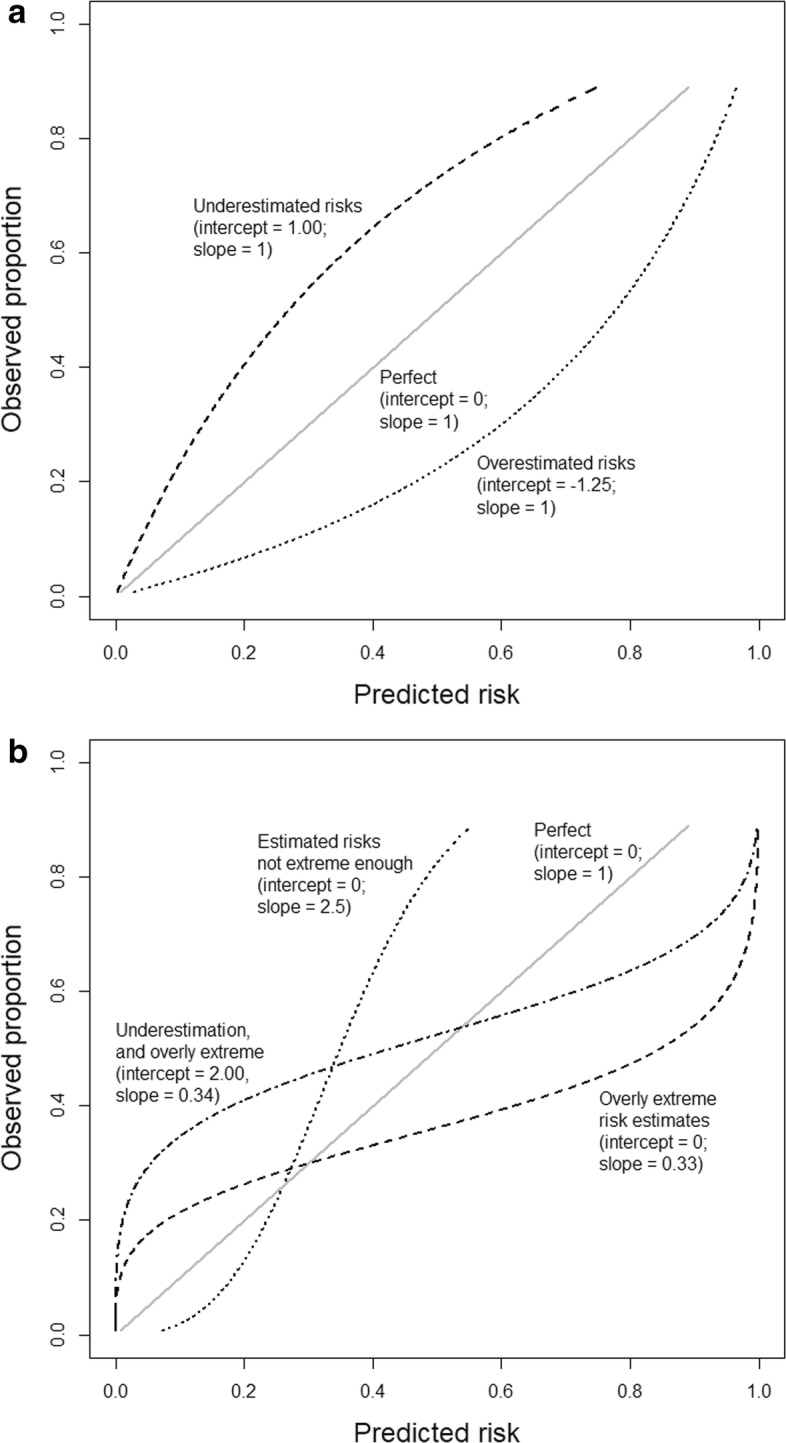
“The accuracy of risk estimates, relating to the agreement between the estimated and observed number of events, is called ‘ calibration ’ [4].”
BackgroundMethodInfluentialSelf-citationMoore, R. G., McMeekin, D. S., Brown, A. K., DiSilvestro, P., Miller, M. C., Allard, W. J., Gajewski, W., Kurman, R., Bast, R. C., & Skates, S. J. (2009) · Gynecologic Oncology · doi:10.1016/j.ygyno.2008.08.031 · Cited by 875 · cited 1×
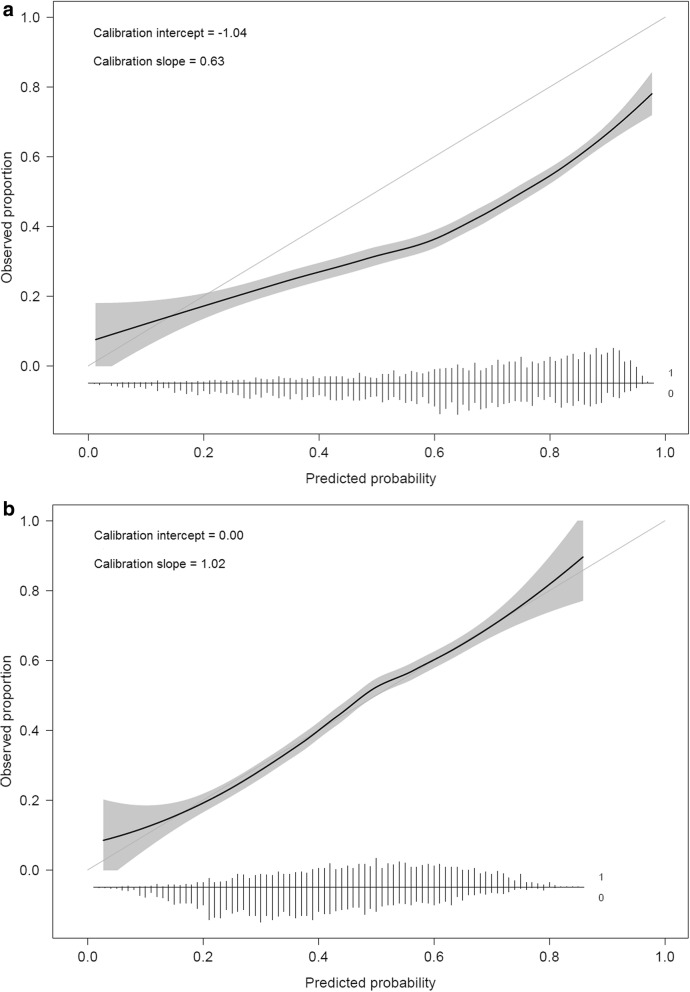
“The concepts explained in this section are illustrated in Additional 1, with the validation of the Risk of Ovarian Malignancy Algorithm (ROMA) for the diagnosis of ovarian malignancy in women with an ovarian tumor selected for surgical removal [28]; further details can be found elsewhere [1, 4, 29].”
MethodSample size for binary logistic prediction models: Beyond events per variable criteria
van Smeden, M., Moons, K. G., de Groot, J. A., Collins, G. S., Altman, D. G., Eijkemans, M. J., & Reitsma, J. B. (2019) · Statistical Methods in Medical Research · doi:10.1177/0962280218784726 · Cited by 791 · cited 1×
“It is important to prespecify the modeling strategy and to ensure that sample size is sufficient for the number of considered predictors [30, 31].”
BackgroundA Deep Learning Mammography-based Model for Improved Breast Cancer Risk Prediction
Yala, A., Lehman, C., Schuster, T., Portnoi, T., & Barzilay, R. (2019) · Radiology · doi:10.1148/radiol.2019182716 · Cited by 758 · cited 1×
“Calibration is especially important when the aim is to support decision-making, even when discrimination is moderate such as for breast cancer prediction models [13].”
Background
Cited by
Items 601–700 of 1,006
Schefzik, R., Hahn, B., & Schneider‐Lindner, V. (2023) · Frontiers in Medicine · doi:10.3389/fmed.2023.1227031 · Cited by 10
Wang, W., Otieno, J. A., Eriksson, M., Wolfe, C. D. A., Ćurčin, V., & Bray, B. (2023) · BMJ Open · doi:10.1136/bmjopen-2022-069811 · Cited by 11
Gehringer, C. K., Martin, G. P., Hyrich, K. L., Verstappen, S. M. M., Sexton, J., Kristianslund, E. K., Provan, S. A., Kvien, T. K., & Sergeant, J. C. (2023) · Journal of Clinical Epidemiology · doi:10.1016/j.jclinepi.2023.111239 · Cited by 11
Zahra, A., van Smeden, M., Abbink, E. J., van den Berg, J. M., Blom, M. T., van den Dries, C. J., Gussekloo, J., Wouters, F., Joling, K. J., Melis, R. J. F., et al. (2024) · Journal of Clinical Epidemiology · doi:10.1016/j.jclinepi.2024.111270 · Cited by 10
Attia, A., Webb, J., Connor, K., Johnston, C. J. C., Williams, M. J. S., Gordon‐Walker, T., Rowe, I. A. C., Harrison, E. M., & Stutchfield, B. M. (2024) · The Lancet Healthy Longevity · doi:10.1016/s2666-7568(24)00044-8 · Cited by 10
Calibration plots for multistate risk prediction models
Pate, A., Sperrin, M., Riley, R. D., Peek, N. B., van Staa, T. P., Sergeant, J. C., Mamas, M. A., Lip, G. Y. H., O’Flaherty, M., Barrowman, M., et al. (2024) · Statistics in Medicine · doi:10.1002/sim.10094 · Cited by 14
Liao, T., Su, T., Yang, L., Huang, L., Wei, W., & Feng, L.-H. (2024) · Scientific Reports · doi:10.1038/s41598-024-77988-1 · Cited by 10
“Calibration was evaluated by focusing on the calibration intercept and slope, where an intercept of 0 and a slope of 1 signify ‘ideal’ calibration 24 .”
Lim, C. Y., Seo, Y., Sohn, B., Seong, M., Kim, S. T., Hong, S., Youn, J., & Kim, E. Y. (2024) · American Journal of Neuroradiology · doi:10.3174/ajnr.a8623 · Cited by 10
Devroe, J., Peeraer, K., Verbeke, G. N., Spiessens, C., Vriens, J., & Dancet, E. A. F. (2020) · BMJ Open · doi:10.1136/bmjopen-2020-037289 · Cited by 10
Reliably Calibrated Isotonic Regression
Nyberg, O., & Arto Klami, A. (2021) · Lecture notes in computer science · doi:10.1007/978-3-030-75762-5_46 · Cited by 10
Xu, L., Zou, Q., Jiao, J., & Zhang, Y. (2021) · Nuclear Medicine Communications · doi:10.1097/mnm.0000000000001499 · Cited by 10
Zhou, X., Qiu, S., Jin, K., Yuan, Q., Jin, D., Zhang, Z., Zheng, X., Li, J., Wei, Q., & Yang, L. (2021) · Frontiers in Surgery · doi:10.3389/fsurg.2021.770169 · Cited by 11
Kumar, N., Qi, S.-A., Kuan, L.-H., Sun, W., Zhang, J., & Greiner, R. (2022) · Scientific Reports · doi:10.1038/s41598-022-08601-6 · Cited by 15
Lee, N. S., Shafiq, J., Field, M., Fiddler, C., Varadarajan, S., Gandhidasan, S., Hau, E. K. C., & Vinod, S. K. (2022) · Radiation Oncology · doi:10.1186/s13014-022-02050-1 · Cited by 10
“A slope of one and intercept of zero indicate perfect calibration [25].”
BackgroundExternal validation of prognostic models predicting outcome after chronic subdural hematoma
Holl, D. C., Mikolić, A., Blaauw, J., Lodewijkx, R., Foppen, M., Jellema, K., Gaag, N. A. V. D., den Hertog, H. M., Jacobs, B., van der Naalt, J., et al. (2022) · Acta Neurochirurgica · doi:10.1007/s00701-022-05216-8 · Cited by 11
Ezzati, A., Fanning, K. M., Buse, D. C., Pavlovic, J. M., Armand, C., Reed, M. L., Martin, V. T., & Lipton, R. B. (2022) · Headache The Journal of Head and Face Pain · doi:10.1111/head.14312 · Cited by 11
Bjerking, L. H., Winther, S., Hansen, K. W., Galatius, S., Bøttcher, M., & Prescott, E. (2022) · European Heart Journal - Quality of Care and Clinical Outcomes · doi:10.1093/ehjqcco/qcac025 · Cited by 11
Wong, G. Y. M., Diakos, C. I., Molloy, M. P., & Hugh, T. J. (2022) · Cancers · doi:10.3390/cancers14133223 · Cited by 11
Theophanous, S., Lønne, P.-I., Choudhury, A., Berbée, M., Dekker, A. L. A. J., Dennis, K. E. B., Dewdney, A., Gambacorta, M. A., Gilbert, A., Guren, M. G., et al. (2022) · Diagnostic and Prognostic Research · doi:10.1186/s41512-022-00128-8 · Cited by 10
“The calibration of the global model (performance check for the prediction aspect of the model) will be assessed by constructing calibration curves and quantifying the calibration slope [48, 49], on a local (per-centre) level.”
MethodLessons learned from developing a COVID‐19 algorithm governance framework in Aotearoa New Zealand
Wilson, D., Tweedie, F., Rumball‐Smith, J., Ross, K., Kazemi, A., Galvin, V., Dobbie, G., Dare, T., Brown, P., & Blakey, J. (2022) · Journal of the Royal Society of New Zealand · doi:10.1080/03036758.2022.2121290 · Cited by 12
“Questions of generalisability and calibration of these models (Calster et al. 2019) both with respect to geographic di ff erences and temporal evolution of the pandemic, were di ffi cult to resolve.”
BackgroundRisk prediction models for head and neck cancer: A rapid review
Smith, C. D. L., McMahon, A. D., Ross, A. J., Inman, G. J., & Conway, D. I. (2022) · Laryngoscope Investigative Otolaryngology · doi:10.1002/lio2.982 · Cited by 11
“Measures of calibration were assessed by the expected/observed ratio or gradient of a calibration slope to the ideal value of 1 and of its intercept to the value of 0.(24,25) Two reviewers (CS, DIC) also examined the risk of bias of each model using PROBAST, a tool specifically designed to appraise clinical risk predi…”
Yang, T., Martínez‐Useros, J., Liu, J., Alarcón, I., Li, C., Li, W., Xiao, Y., Ji, X., Zhao, Y., Wang, L., et al. (2022) · Frontiers in Oncology · doi:10.3389/fonc.2022.1023110 · Cited by 12
Ricke, E., & Bakker, E. W. P. (2023) · International Journal of COPD · doi:10.2147/copd.s401023 · Cited by 11
Alhulaili, Z. M., Linnemann, R., Dascau, L., Pleijhuis, R. G., & Klaase, J. M. (2023) · Surgery · doi:10.1016/j.surg.2023.04.058 · Cited by 10
Karabacak, M., Jagtiani, P., Carrasquilla, A., Shrivastava, R. K., & Margetis, K. D. (2023) · Journal of Neuro-Oncology · doi:10.1007/s11060-023-04463-8 · Cited by 10
Tereshchenko, L. G., Waks, J. W., TOMPKINS, C. M., Rogers, A. J., Ehdaie, A., Henrikson, C. A., Dalouk, K. A., Raitt, M. H., Kewalramani, S., Kattan, M. W., et al. (2024) · EP Europace · doi:10.1093/europace/euae127 · Cited by 10
“28,29 The selection of the best model was guided by the best discrimination ROC(t)AUC and calibration on the validation sample.”
MethodBeachler, D. C., Taylor, D. H., Anthony, M. S., Yin, R., Li, L., Saltus, C. W., Li, L., Shaunik, A., Walsh, K. E., Rothman, K. J., et al. (2021) · Pharmacoepidemiology and Drug Safety · doi:10.1002/pds.5257 · Cited by 10
“Literature has suggested that evaluation of calibration can be most informative during the external validation of predictive models.(21) Thus, if this model were to be externally validated in another database, the calibration assessment in that database may be more informative along with providing more robust evaluati…”
MethodMigriño, J. R., & Batangan, A. R. U. (2021) · Western Pacific surveillance response journal · doi:10.5365/wpsar.2021.12.3.831 · Cited by 11
Predictive Analytics in Clinical Practice: Advantages and Disadvantages
Mijderwijk, H.-J., & Steiger, H. (2021) · Acta neurochirurgica. Supplementum · doi:10.1007/978-3-030-85292-4_30 · Cited by 10
Selection of powerful radio galaxies with machine learning
Carvajal, R., Matute, I., Afonso, J., Norris, R. P., Luken, K., Sanchéz-Sáez, P., Cunha, P. A. C., Humphrey, A., Messias, H., Amarantidis, S., et al. (2023) · Astronomy and Astrophysics · doi:10.1051/0004-6361/202245770 · Cited by 11
de Vos, I. I., Nieboer, D., Frydenberg, M., Pavlovich, C. P., Hemelrijck, M. V., Lee, L. S., Rannikko, A. S., Bjartell, A. S., Semjonow, A., Steyerberg, E. W., et al. (2025) · JAMA Network Open · doi:10.1001/jamanetworkopen.2024.54366 · Cited by 10
Self-citationTack, B., Vita, D., Mbuyamba, J., Ntangu, E., Vuvu, H., Kahindo, I., Ngina, J., Luyindula, A., Nama, N., Mputu, T., et al. (2025) · BMC Infectious Diseases · doi:10.1186/s12879-024-10319-x · Cited by 9
Ingold, G. C., da Fonseca, J. M., Zloić, S. K., Moreira, S. V., Marole, K. K., Finnegan, E. A., Yoshikawa, M. H., Daugėlaitė, S., Silva, T. X. S. E., & Ratti, M. A. S. (2025) · Abdominal Radiology · doi:10.1007/s00261-025-04981-1 · Cited by 10
“Similarly, model calibration, which aligns predicted probabilities with actual outcomes, has been recognized as a critical step in improving reliability in machine learning applications [57, 58].”
Predictive machine learning model for 30-day hospital readmissions in a tertiary healthcare setting
Halac, D. A., Cocucci, C., & Camerlingo, S. (2024) · Bioinformatics Advances · doi:10.1093/bioadv/vbaf121 · Cited by 11
“A curve close to the diagonal indicates that predicted risks correspond well to observed proportions (Van Calster et al. 2019, De Cock and Campo 2023).”
Templeman, E. L., Ferrat, L. A., Parikh, H. M., You, L., Triolo, T. M., Steck, A. K., Hagopian, W., Vehik, K., Önengüt-Gümüşcü, S., Gottlieb, P. A., et al. (2025) · BMC Medicine · doi:10.1186/s12916-025-04225-5 · Cited by 10
“Although metabolic variables from oral glucose tolerance tests could capture some variability in risk, persistent calibration issues indicate the need for more flexible modelling approaches [41].”
Model Uncertainty Quantification: A Post Hoc Calibration Approach for Heart Disease Prediction
Odesola, P. A., Adegoke, A. A., & Babalola, I. (2025) · Journal of Engineering Research and Sciences · doi:10.55708/js0412003 · Cited by 9
Lowry, K. P., Jeong, H. E., Kim, K. H., Hughes, K. S., Lee, C. I., Yala, A., Kerlikowske, K. M., & Vachon, C. (2026) · JNCI Journal of the National Cancer Institute · doi:10.1093/jnci/djag002 · Cited by 15
Using routinely collected data for research purposes: challenges and mitigation strategies
Hoffmann, S., Morris, T. P., Herrmann, M., Heinze, G., Wynants, L., CALSTER, B. V., Bischl, B., Schmid, M., Shaw, P. A., Mathes, T., et al. (2026) · BMJ · doi:10.1136/bmj-2025-087812 · Cited by 12
“65 Moreover, predictive performance may be poor for groups that are underrepresented or misrepresented in the data, 71 72 potentially exacerbating existing health disparities.”
Self-citationOgink, P. T., Groot, O. Q., Bindels, B. J. J., & Tobert, D. G. (2021) · Seminars in Spine Surgery · doi:10.1016/j.semss.2021.100872 · Cited by 12
Krittayaphong, R., Chichareon, P., Komoltri, C., Sairat, P., & Lip, G. Y. H. (2023) · Journal of Clinical Medicine · doi:10.3390/jcm12041265 · Cited by 9
Cicchetti, A., Fiorino, C., Ebert, M. A., Iacovacci, J., Kennedy, A., Joseph, D. J., Denham, J. W., Vavassori, V., Fellin, G., Cozzarini, C., et al. (2023) · Radiotherapy and Oncology · doi:10.1016/j.radonc.2023.109628 · Cited by 9
Ishøi, L., Thorborg, K., Kallemose, T., Kemp, J. L., Reiman, M. P., Nielsen, M. F., & Hölmich, P. (2023) · British Journal of Sports Medicine · doi:10.1136/bjsports-2022-105534 · Cited by 9
Buick, J. E., Austin, P. C., Cheskes, S., Ko, D. T., & Atzema, C. L. (2023) · Academic Emergency Medicine · doi:10.1111/acem.14756 · Cited by 10
“96 This is a comparison between the prevalence of the outcome among the study population and the overall average risk obtained from the prediction model.”
InfluentialFanshawe, T. R., Judge, R. K., Mort, S., Butler, C., & Hayward, G. (2023) · Journal of Antimicrobial Chemotherapy · doi:10.1093/jac/dkad212 · Cited by 9
Sabbagh, A., Tilki, D., Feng, J., Huland, H., Graefen, M., Wiegel, T., Böhmer, D., Hong, J. C., Valdés, G., Cowan, J. E., et al. (2023) · European Urology Focus · doi:10.1016/j.euf.2023.07.004 · Cited by 9
Miller, R. J. H., Gransar, H., Rozanski, A., Dey, D., Al-Mallah, M. H., Chow, B. J. W., Kaufmann, P. A., Cademartiri, F., Maffei, E., Han, D., et al. (2023) · Journal of the American Heart Association · doi:10.1161/jaha.123.031601 · Cited by 11
“24 Last, we evaluated performance in a PET population, demonstrating better prediction performance for the likelihood tables compared with risk models without CAC in terms of predicting abnormal perfusion.”
MethodDeep Copula-Based Survival Analysis for Dependent Censoring with Identifiability Guarantees
Zhang, W., Ling, C. K., & Zhang, X. (2024) · Proceedings of the AAAI Conference on Artificial Intelligence · doi:10.1609/aaai.v38i18.30047 · Cited by 9
Prediction of sustained opioid use in children and adolescents using machine learning
Atias, D., Tuttnauer, A., Shomron, N., & Obolski, U. (2024) · British Journal of Anaesthesia · doi:10.1016/j.bja.2024.05.001 · Cited by 9
Molenaar, M. A., Selder, J. L., Schmidt, A. F., Asselbergs, F. W., Nieuwendijk, J. D., van Dalfsen, B., Schuuring, M. J., Bouma, B. J., Chamuleau, S. A. J., & Verouden, N. (2024) · European Heart Journal - Digital Health · doi:10.1093/ehjdh/ztae071 · Cited by 11
Kuo, C.-Y., Su, E. C., Yeh, H., Yeh, J., Chiu, H., & Chung, C. (2024) · Heliyon · doi:10.1016/j.heliyon.2024.e41084 · Cited by 11
Cause-specific mortality after spousal bereavement in a Danish register-based cohort
Sloth, M. M. B., Hruza, J., Mortensen, L. H., Bhatt, S., & Katsiferis, A. (2025) · Scientific Reports · doi:10.1038/s41598-025-90657-1 · Cited by 10
Garwe, T., & Choi, J. (2025) · The Journal of Trauma: Injury, Infection, and Critical Care · doi:10.1097/ta.0000000000004584 · Cited by 10
Sharabiani, M., Clementel, E., Andratschke, N. H., Collette, L., Fortpied, C., Grégoire, V., Overgaard, J., Willmann, J., & Hurkmans, C. (2021) · Radiotherapy and Oncology · doi:10.1016/j.radonc.2021.04.006 · Cited by 9
Stojadinović, M., Miličević, B., & Јаnkovic, S. (2021) · Computers in Biology and Medicine · doi:10.1016/j.compbiomed.2021.104903 · Cited by 9
Kotsopoulos, A., Vos, P., Witjes, M., Volbeda, M., Franke, H., Epker, J., Sonneveld, H., Simons, K., Bronkhorst, E. M., Mullers, R., et al. (2022) · Transplantation · doi:10.1097/tp.0000000000004106 · Cited by 9
“For that purpose, we used the offset procedure to update the intercept of the linear predictors and adjust the regression coefficients for optimism (shrinkage).(23,24) We used the same approach for external validation of the existing models on the data set of our cohort.”
BackgroundMethodLi, N., Mahamad, S., Parpia, S., Iorio, A., Foroutan, F., Heddle, N. M., Hsia, C. C., Sholzberg, M., Rimmer, E. K., Shivakumar, S., et al. (2022) · Journal of Thrombosis and Haemostasis · doi:10.1111/jth.15885 · Cited by 11
Li, X., Sun, W., Ding, X., Li, W., & Chen, J. (2022) · Frontiers in Immunology · doi:10.3389/fimmu.2022.1060051 · Cited by 9
Lip, G. Y. H., Genaidy, A., & Estes, C. (2023) · Internal and Emergency Medicine · doi:10.1007/s11739-023-03297-6 · Cited by 10
“Model calibration was assessed as described elsewhere for assessing the degree of agreement between the predicted probabilities and actual values [19].”
MethodHuang, J., Yu, H., Wan, Y., Ming, W., Situ, F., Zhu, L., Jiang, Y., Wu, U. T., Huang, W. E., Chen, W., et al. (2023) · Frontiers in Medicine · doi:10.3389/fmed.2023.1167742 · Cited by 9
Survival benefit from liver transplantation for patients with and without hepatocellular carcinoma
Goudsmit, B. F. J., Prosepe, I., Tushuizen, M. E., Mazzaferro, V., Alwayn, I. P. J., van Hoek, B., Braat, A. E., & Putter, H. (2023) · JHEP Reports · doi:10.1016/j.jhepr.2023.100907 · Cited by 9
Lin, W., Shi, S., Lan, H., Wang, N., Huang, H., Wen, J., & Chen, G. (2023) · Endocrine · doi:10.1007/s12020-023-03536-y · Cited by 9
Shahidi, F., Rennert‐May, E., D’Souza, A. G., Crocker, A., Faris, P., & Leal, J. R. (2023) · Scientific Reports · doi:10.1038/s41598-023-43943-9 · Cited by 12
Wieringa, A., Ewoldt, T. M. J., Gangapersad, R. N., Gijsen, M., Parolya, N., Kats, C. J. A. R., Spriet, I., Endeman, H., Haringman, J. J., van Hest, R. M., et al. (2023) · Antibiotics · doi:10.3390/antibiotics12121674 · Cited by 9
“DCA was performed to evaluate the net benefit [36–38].”
MethodMosfeldt, M., Jørgensen, H. L., Lauritzen, J. B., & Jansson, K.-Å. (2024) · Calcified Tissue International · doi:10.1007/s00223-024-01208-1 · Cited by 10
Karstens, S., Zebisch, J., Wey, J., Hilfiker, R., & Hill, J. C. (2022) · PLoS ONE · doi:10.1371/journal.pone.0269694 · Cited by 9
“To test the calibration of the logistic prediction models, Spiegelhalter’s z test was used [54, 55].”
MethodPolygenic risk scores and the need for pharmacotherapy in neonatal abstinence syndrome
Bibi, S., Gaddis, N., Johnson, E. O., Lester, B. M., Kraft, W. K., Singh, R., Terrin, N. C., Adeniyi-Jones, S. C., & Davis, J. M. (2022) · Pediatric Research · doi:10.1038/s41390-022-02243-0 · Cited by 9
Weaver, C., & McAlister, F. A. (2021) · Canadian Journal of Cardiology · doi:10.1016/j.cjca.2021.03.003 · Cited by 9
Explainable vs. Interpretable Artificial Intelligence Frameworks in Oncology
Bertsimas, D., & Margonis, G. A. (2023) · Translational Cancer Research · doi:10.21037/tcr-22-2427 · Cited by 8
“Unfortunately, poor calibration is a known weakness of several machine learning (ML) based models, and most studies fail to report this statistical property (5).”
BackgroundUpdate to living systematic review
Wynants, L., CALSTER, B. V., Collins, G., Riley, R. D., Heinze, G., Schuit, E., Albu, E., Arshi, B., Bellou, V., Bonten, M. J. M., et al. (2020) · BMJ · doi:10.1136/bmj.m2204 · Cited by 9
Self-citationJelicic, J., Larsen, T. S., Andjelic, B., Juul‐Jensen, K., & Bukumirić, Z. (2024) · Critical Reviews in Oncology/Hematology · doi:10.1016/j.critrevonc.2024.104293 · Cited by 8
Rijk, M. H., Platteel, T. N., van den Berg, T. M. C., Geersing, G., Little, P. S., Rutten, F. H., van Smeden, M., & Venekamp, R. P. (2024) · BMJ Open · doi:10.1136/bmjopen-2023-075475 · Cited by 8
Szirmai, D., Zabihi, A., Kói, T., Hegyi, P. J., Wenning, A. S., Engh, M. A., Molnár, Z., Csukly, G., & Horváth, A. (2024) · Heliyon · doi:10.1016/j.heliyon.2024.e31277 · Cited by 8
Multi‐Centre External Validation of a Nomogram for 10‐Year Periodontal Tooth Loss Prediction
Serroni, M., Ravidà, A., Santamaria, P., Dias, D. R., Cheng, G., Shaikh, S., Natanzi, N. D., Saleh, M. H. A., Nibali, L., & Troiano, G. (2025) · Journal Of Clinical Periodontology · doi:10.1111/jcpe.14143 · Cited by 8
Lin, A. L., Parrish, A. B., Cary, M. P., Silcox, C., Balu, S., Jelovsek, J. E., O’Brien, C. L., Pencina, M. J., Poon, E. G., & Economou-Zavlanos, N. (2025) · Annual Review of Biomedical Data Science · doi:10.1146/annurev-biodatasci-103123-094601 · Cited by 10
Risk prediction models for patients with recurrent diabetic foot ulcers: A systematic review
Zhou, Z., Yu, J., Yan, H., Xu, J., Wang, S., & Wen, J. (2025) · Public Health · doi:10.1016/j.puhe.2025.105744 · Cited by 10
de Groot, L. M., Twisk, J. W. R., Kok, A. A. L., & Heymans, M. W. (2025) · Annals of Epidemiology · doi:10.1016/j.annepidem.2025.07.060 · Cited by 10
Addressing Missingness in Predictive Models That Use Electronic Health Record Data
Lin, S., Groenwold, R. H. H., Mehta, H. B., Kim, J. S., & Segal, J. B. (2025) · Annals of Internal Medicine · doi:10.7326/annals-24-01516 · Cited by 10
Kim, S., Choi, B. K., Cho, J. S., Huh, U., Shin, M., Zoran Obradovic, A., Rubin, D. J., Lee, J. I., & Park, J. (2025) · Frontiers in Public Health · doi:10.3389/fpubh.2025.1698062 · Cited by 10
Foroutan, F., Weiss, J., Mayer, M. G., Bache‐Mathiesen, L. K., Agoritsas, T., Vandvik, P. O., Signorile, M., Ensor, J., Agarwal, A., Guyatt, G. H., et al. (2026) · Journal of Clinical Epidemiology · doi:10.1016/j.jclinepi.2026.112293 · Cited by 8
Luijken, K., Song, J. T., & Groenwold, R. H. H. (2022) · Diagnostic and Prognostic Research · doi:10.1186/s41512-022-00121-1 · Cited by 11
“Calibration of the model on average, or “calibration in the large” [38, 39], was evaluated by the ratio of the observed marginal survival at t = 6.”
MethodPapafotiou, C., Roussos, S., Sypsa, V., Bampali, S., Spyridopoulou, K., Karapanou, Α., Moussouli, A., Samarkos, M., Daikos, G. L., & Psichοgiou, M. (2022) · Journal of Antimicrobial Chemotherapy · doi:10.1093/jac/dkac321 · Cited by 8
Harrison, T. G., Hemmelgarn, B. R., James, M. T., Sawhney, S., Manns, B., Tonelli, M. A., Ruzycki, S. M., Zarnke, K. B., Wilson, T., McCaughey, D., et al. (2023) · BMC Nephrology · doi:10.1186/s12882-023-03093-6 · Cited by 9
“An ideal calibration slope is 1, and intercept is 0 [25].”
BackgroundNie, D., Zheng, H., An, G., & Li, J. (2023) · Journal of Cancer Research and Clinical Oncology · doi:10.1007/s00432-023-04796-x · Cited by 8
Liu, J., Glied, S., Yakusheva, O., Bevin, C., Schlak, A. E., Yoon, S., Kulage, K. M., & Poghosyan, L. (2023) · Research in Nursing & Health · doi:10.1002/nur.22322 · Cited by 9
Deardorff, W. J., Diaz‐Ramirez, L. G., Boscardin, W. J., Smith, A. K., & Lee, S. J. (2023) · Journal of the American Geriatrics Society · doi:10.1111/jgs.18704 · Cited by 8
“44,45 It is preferably displayed as a continuous plot of predicted versus observed risks.”
BackgroundPitt, T. M., Hetherington, E., Adhikari, K., Premji, S., Racine, N. M., Tough, S., & McDonald, S. (2023) · BMC Medical Research Methodology · doi:10.1186/s12874-023-02121-1 · Cited by 9
Teeple, S., Smith, A., Toerper, M. F., Levin, S., Halpern, S. D., Badaki‐Makun, O., & Hinson, J. S. (2023) · JAMIA Open · doi:10.1093/jamiaopen/ooad107 · Cited by 13
Yu, X., Lin, H., Li, J., & Wu, J. (2024) · Scientific Reports · doi:10.1038/s41598-023-49954-w · Cited by 9
“Calibration plots of the nomogram depicted the predictive value between the predicted 1, 3-, and 5-year survival events and virtually observed outcomes 34 .”
BackgroundPredicting risk of chronic liver disease in Chinese adults: External validation of the CLivD score
Pang, Y., Åberg, F. O., Chen, Z., Li, L., & Kartsonaki, C. (2024) · Journal of Hepatology · doi:10.1016/j.jhep.2023.12.022 · Cited by 8
Grotenhuis, Z., Mosteiro, P. J., & Leeuwenberg, A. (2024) · Computers in Biology and Medicine · doi:10.1016/j.compbiomed.2024.108014 · Cited by 8
Loos, N. L., Hoogendam, L., Souer, J. S., van Uchelen, J. H., Slijper, H. P., Wouters, R. M., & Selles, R. W. (2024) · Neurosurgery · doi:10.1227/neu.0000000000002848 · Cited by 9
Hrytsenko, Y., Shea, B., Elgart, M., Kurniansyah, N., Lyons, G. R., Morrison, A. C., Carson, A. P., Haring, B., Mitchell, B. D., Psaty, B. M., et al. (2024) · Scientific Reports · doi:10.1038/s41598-024-62945-9 · Cited by 8
Guo, S., Ren, J., Meng, Q., Zhang, B., Jiao, J., Han, D., Wu, P., Ma, S., Zhang, J., Xing, N., et al. (2024) · European Journal of Nuclear Medicine and Molecular Imaging · doi:10.1007/s00259-024-06916-2 · Cited by 8
“In contrast, poorly calibrated prediction models are likely to introduce system - atic errors due to incorrect assumptions [28].”
Shamsutdinova, D. D., Stamate, D., & Stahl, D. R. (2024) · International Journal of Medical Informatics · doi:10.1016/j.ijmedinf.2024.105700 · Cited by 8
“This optimizes both discrimination and calibration during model fitting [28,29].”
Cong, X., Song, S., Li, Y., Song, K., MacLeod, C., Cheng, Y., Lv, J., Yu, C., Sun, D., Pei, P., et al. (2024) · BMC Medicine · doi:10.1186/s12916-024-03754-9 · Cited by 8
Heintz, T. A., Badathala, A., Wooten, A., Cu, C. W., Wallace, A., Pham, B. K., Wallace, A. W., & Cobert, J. M. (2025) · Anesthesiology · doi:10.1097/aln.0000000000005370 · Cited by 8
“25 The prevalence of pain differs across clinical characteristics ( e.g. , types of surgery) and hospital settings ( e.g. , pos-tanesthesia care unit vs .”
Acharya, P., Garwe, T., Vesely, S. K., Janitz, A. E., Peck, J. D., & Cross, A. M. (2025) · Academic Emergency Medicine · doi:10.1111/acem.15103 · Cited by 8
“For example, two models—one with high specificity and lower sensitivity and another with higher sensitivity than specificity—could show similar or exact AUC, but their clinical usefulness may differ.”
Hu, H., Li, J., Ge, H., Wu, B., Feng, T., Wu, X., & Wu, X. (2025) · Nursing in Critical Care · doi:10.1111/nicc.13306 · Cited by 9
“65,67 In addition to updating predictions in local settings, patients' data from multiple countries and health care systems may help to promote the generalizability and implementation of models in different settings and populations 68 (Steyerberg et al. 2016).”
Meredith, P., Saville, C. E., Dall’Ora, C., Weeks, T., Wierzbicki, S., & Griffiths, P. (2025) · JMIR Medical Informatics · doi:10.2196/71666 · Cited by 8
“Calibration “in the large” was good in the test set, with the mean prediction being only 0.002 WTE per patient less than the recorded mean [18].”
InfluentialLi, B., Zhao, Y., Cai, W., An-ping, M., & Li, H. (2021) · Clinical Proteomics · doi:10.1186/s12014-021-09326-w · Cited by 8
Metadata
- Authors
- On behalf of Topic Group ‘Evaluating diagnostic tests and prediction models’ of the STRATOS initiative, Van Calster, B., McLernon, D. J., van Smeden, M., Wynants, L., & Steyerberg, E. W.
- Affiliations
- KU Leuven (BE)
- University of Aberdeen (GB)
- Leiden University Medical Center (NL)
- Venue
- BMC Medicine
- Published
- 2019-12
- Volume
- 17
- Issue
- 1
- Pages
- 230-230
- ISSN
- 1741-7015 (ISSN-L)
- PMC
- PMC6912996
- OpenAlex
- W2996480032
- Semantic Scholar
- 2cb777cd1965f77102da963a69ca748d4ff6bd5e
- Cited by
- 2,650
- References
- 39
- Citations by year
- 2026: 1224 · 2025: 379 · 2024: 291 · 2023: 283 · 2022: 262 · 2021: 159 · 2020: 51
- FWCI
- 93.43
- Type
- journal article
- Language
- en
- Open access
- gold
- doi.org
- Licence
- cc-by
- creativecommons.org/licenses/by/4.0/ (tdm)
- creativecommons.org/licenses/by/4.0/ (vor, 15 d)
- Locations
- BMC Medicine (publishedVersion, cc-by)
- Europe PMC (PubMed Central) (publishedVersion, cc-by)
- PubMed Central (publishedVersion, cc-by)
- PubMed (publishedVersion)
- Research Publications (Maastricht University) (publishedVersion, cc-by)
- Aberdeen University Research Archive (Aberdeen University) (submittedVersion, cc-by-nc)
- Lirias (submittedVersion, cc-by-nc)
- Pure Amsterdam UMC (submittedVersion, cc-by-nc)
- Data Archiving and Networked Services (DANS) (submittedVersion, other-oa)
- Data Archiving and Networked Services (DANS) (submittedVersion)
- Leiden Repository (Leiden University) (submittedVersion)
- DOAJ (DOAJ: Directory of Open Access Journals) (submittedVersion, cc-by-sa)
- Utrecht University Repository (Utrecht University) (submittedVersion, other-oa)
- University of Birmingham Research Portal (University of Birmingham) (submittedVersion, other-oa)
- Research Publications (Maastricht University) (submittedVersion, other-oa)
- Funders
- Fonds Wetenschappelijk Onderzoek (G0B4716N)
- Onderzoeksraad, KU Leuven (C24/15/037)
- Topics
- Physical Sciences › Mathematics › Statistics and Probability › Statistical Methods in Epidemiology
- Health Sciences › Health Professions › Health Information Management › Artificial Intelligence in Healthcare
- Physical Sciences › Computer Science › Artificial Intelligence › Machine Learning in Healthcare
- Keywords
- model calibration, risk prediction model, predictive analytics, calibration curve, external validation, model updating, clinical decision-making, shared decision-making, sample size, model complexity
- MeSH terms
- Machine Learning, Adult, Aged, Algorithms, Calibration, Humans, Male, Middle Aged, Predictive Value of Tests
About these checks
Registry, retraction, Cites and statistics results are computed, not judged, with one exception: a printed reference that no index lists is read once by a model before it counts as a citation error. Claims are extracted by a model and kept only when their quote appears verbatim in the text; each cited source is then checked, with a model’s help, for whether it says what the claim relies on. Those verdicts can be wrong — read the claim’s quote and the cited source before relying on one.
Statistics and arithmetic are recomputed, not judged.
Confidence bands are shown only for fields calibrated on our annotated test set. None is calibrated yet, so no band is shown.
What counts as a claim ›How we measure confidence ›How we check this ›
Are you an author, or do you see a problem with this page? Request a review
Data sources
Bibliographic data: Semantic Scholar, OpenAlex, Crossref.
Contains information from the Semantic Scholar Academic Graph Datasets, made available under the ODC Attribution License (ODC-BY 1.0).
Semantic Scholar’s data is described in: Kinney, R., et al. (2023). The Semantic Scholar Open Data Platform. arXiv:2301.10140.
