

Calibration: the Achilles heel of predictive analytics
Open accessThe DOI matches its Crossref record; 41 of the 41 references it cites were found in a registry or an index.
Abstract
Background: The assessment of calibration performance of risk prediction models based on regression or more flexible machine learning algorithms receives little attention. Main text: Herein, we argue that this needs to change immediately because poorly calibrated algorithms can be misleading and potentially harmful for clinical decision-making. We summarize how to avoid poor calibration at algorithm development and how to assess calibration at algorithm validation, emphasizing balance between model complexity and the available sample size. At external validation, calibration curves require sufficiently large samples. Algorithm updating should be considered for appropriate support of clinical practice. Conclusion: Efforts are required to avoid poor calibration when developing prediction models, to evaluate calibration when validating models, and to update models when indicated. The ultimate aim is to optimize the utility of predictive analytics for shared decision-making and patient counseling.
Overview
The claims and statistics of this paper haven’t been checked yet.
Free: it reads the open-access text and checks the first 5 claims that cite a source we can check. Create a free account to check every claim.
Integrity signals
Registry
Cites
Statistics
Figures
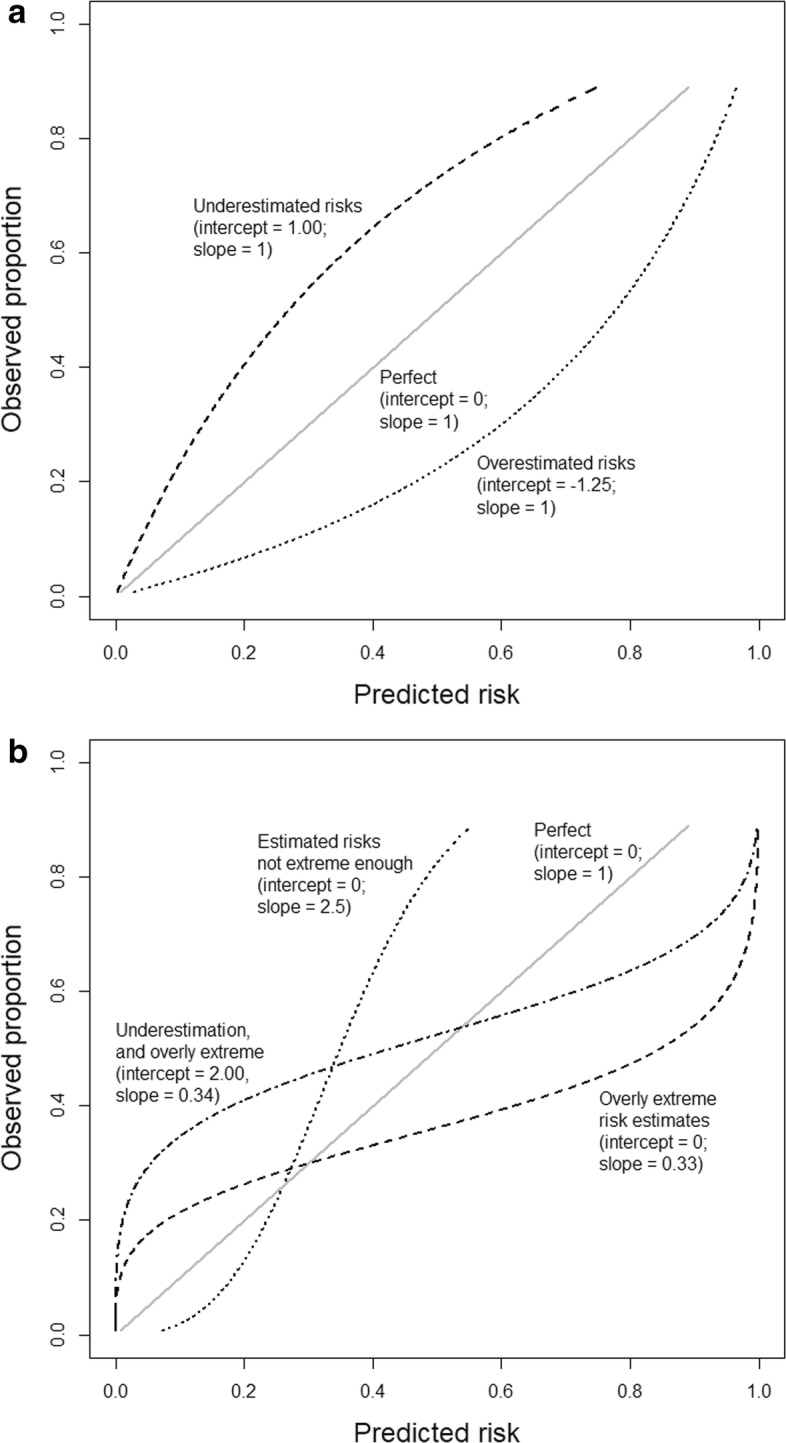
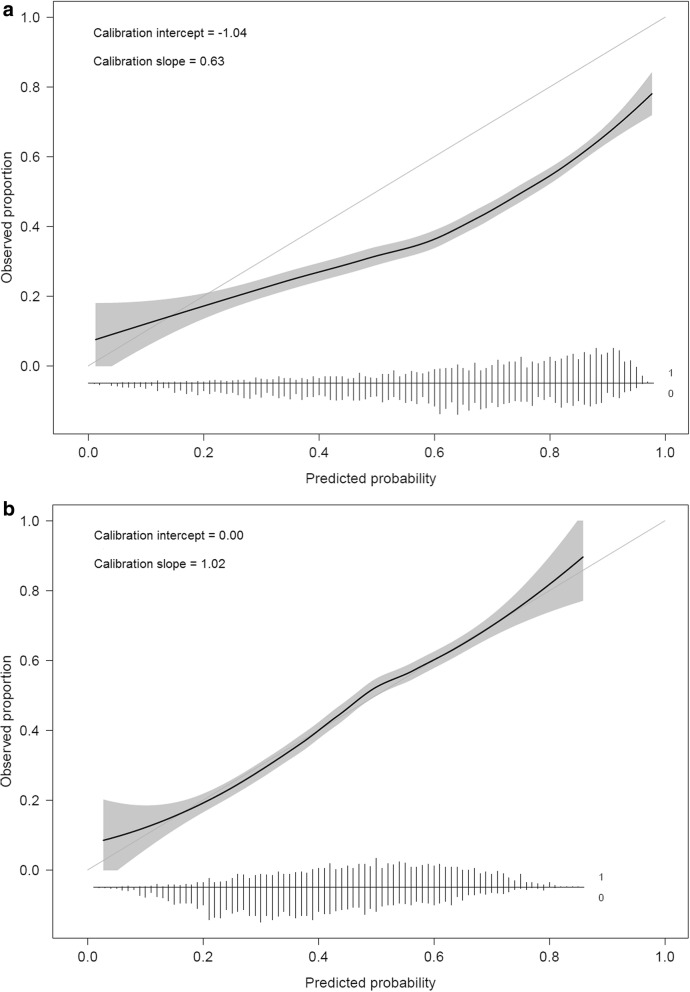
Verification
Claims the paper makes
The claims and statistics of this paper haven’t been checked yet.
Free: it reads the open-access text and checks the first 5 claims that cite a source we can check. Create a free account to check every claim.
Claims other papers make about this one
Each is checked against this paper’s own text: does it say what the citing paper says it does?
The cited source doesn’t support the claim as written.
In the citing paper
“Miscalibration is a distinct hazard from inaccuracy [3].”
From Do Calibrated-Probability Claims Hold Up in Clinical Diagnosis? A Pre-registered Evaluation of a Decision Model Against Frontier Language Models (2026) · cites this paper as [3]
Checked by a reasoning model — may be wrong.
Experimental — accuracy not yet measuredThe source backs part of the claim, not all of it — or backs it for a different population, condition or comparison.
In the citing paper
“Challenges remain related to generalisability across institutions, alert fatigue, and calibration drift over time [19,20].”
From Artificial Intelligence in Clinical Decision-Making: A Comprehensive Review of Diagnostic, Prognostic, and Therapeutic Applications, Validation Gaps, Bias, and Deployment Challenges (2026) · cites this paper as [20]
Experimental — accuracy not yet measuredThe source backs part of the claim, not all of it — or backs it for a different population, condition or comparison.
In the citing paper
“Such a system works only if the probabilities are calibrated, meaning that a stated probability matches how often the model is actually right [3].”
From Do Calibrated-Probability Claims Hold Up in Clinical Diagnosis? A Pre-registered Evaluation of a Decision Model Against Frontier Language Models (2026) · cites this paper as [3]
Experimental — accuracy not yet measuredThe cited source says what the claim attributes to it.
In the citing paper
“Still, AIPM updating, site-specific training or recalibration might be needed to adapt an existing AIPM to a different healthcare setting3,5,9,60,68,72.”
From Guidelines and quality criteria for artificial intelligence-based prediction models in healthcare: a scoping review (2022) · cites this paper as [60]
The cited source says what the claim attributes to it.
In the citing paper
“Increasing emphasis has therefore been placed on model calibration, which examines whether predicated probabilities correspond to true clinical risk [73].”
From Artificial Intelligence in Dermatopathology: An Update and Review of the Current Literature (2026) · cites this paper as [73]
7 more claims about this paper
Create a free account to see every claim other papers make about this one.
Self-check
Percentages, sums and reported differences re-computed from the paper’s own numbers.
The self-check needs the paper’s full text.
Citations
Cites
Bray, F., Ferlay, J., Soerjomataram, I., Siegel, R. L., Torre, L. A., & Jemal, A. (2018) · CA: A Cancer Journal for Clinicians · doi:10.3322/caac.21492 · Cited by 84,109 · cited 1×
“Often, patient characteristics and disease incidence or prevalence rates vary greatly between health centers, regions, and countries [16].”
BackgroundMoons, K. G. M., Altman, D. G., Reitsma, J. B., Ioannidis, J. P. A., Macaskill, P., Steyerberg, E. W., Vickers, A. J., Ransohoff, D. F., & Collins, G. S. (2015) · Annals of Internal Medicine · doi:10.7326/m14-0698 · Cited by 5,147 · cited 2×
“Reporting on calibration performance is recommended by the TRIPOD (Transparent Reporting of a multivariable prediction model for Individual Prognosis Or Diagnosis) guidelines for prediction modeling studies [12].”
BackgroundMethodSelf-citationClinical Prediction Models: A Practical Approach to Development, Validation, and Updating
Steyerberg, E. W. (2019) · Statistics for Biology and Health · doi:10.1007/978-3-030-16399-0 · Cited by 3,281
Self-citationChristodoulou, E., Ma, J., Collins, G. S., Steyerberg, E. W., Verbakel, J. Y., & Van Calster, B. (2019) · Journal of Clinical Epidemiology · doi:10.1016/j.jclinepi.2019.02.004 · Cited by 2,119
Self-citationSteyerberg, E. W. (2009) · Statistics for Biology and Health · doi:10.1007/978-0-387-77244-8 · Cited by 1,491
Self-citationRiley, R. D., Snell, K. I., Ensor, J., Burke, D. L., Harrell Jr, F. E., Moons, K. G., & Collins, G. S. (2019) · Statistics in Medicine · doi:10.1002/sim.7992 · Cited by 1,409 · cited 1×
“It is important to prespecify the modeling strategy and to ensure that sample size is sufficient for the number of considered predictors [30, 31].”
BackgroundA calibration hierarchy for risk models was defined: from utopia to empirical data
Van Calster, B., Nieboer, D., Vergouwe, Y., De Cock, B., Pencina, M. J., & Steyerberg, E. W. (2016) · Journal of Clinical Epidemiology · doi:10.1016/j.jclinepi.2015.12.005 · Cited by 910 · cited 6×
“The accuracy of risk estimates, relating to the agreement between the estimated and observed number of events, is called ‘ calibration ’ [4].”
BackgroundMethodInfluentialSelf-citationMoore, R. G., McMeekin, D. S., Brown, A. K., DiSilvestro, P., Miller, M. C., Allard, W. J., Gajewski, W., Kurman, R., Bast, R. C., & Skates, S. J. (2009) · Gynecologic Oncology · doi:10.1016/j.ygyno.2008.08.031 · Cited by 875 · cited 1×
“The concepts explained in this section are illustrated in Additional 1, with the validation of the Risk of Ovarian Malignancy Algorithm (ROMA) for the diagnosis of ovarian malignancy in women with an ovarian tumor selected for surgical removal [28]; further details can be found elsewhere [1, 4, 29].”
MethodSample size for binary logistic prediction models: Beyond events per variable criteria
van Smeden, M., Moons, K. G., de Groot, J. A., Collins, G. S., Altman, D. G., Eijkemans, M. J., & Reitsma, J. B. (2019) · Statistical Methods in Medical Research · doi:10.1177/0962280218784726 · Cited by 791 · cited 1×
“It is important to prespecify the modeling strategy and to ensure that sample size is sufficient for the number of considered predictors [30, 31].”
BackgroundA Deep Learning Mammography-based Model for Improved Breast Cancer Risk Prediction
Yala, A., Lehman, C., Schuster, T., Portnoi, T., & Barzilay, R. (2019) · Radiology · doi:10.1148/radiol.2019182716 · Cited by 758 · cited 1×
“Calibration is especially important when the aim is to support decision-making, even when discrimination is moderate such as for breast cancer prediction models [13].”
Background
Cited by
Items 201–300 of 1,006
Sobiecki, J. G., Imamura, F., Davis, C. R., Sharp, S. J., Koulman, A., Hodgson, J. M., Guevara, M., Schulze, M. B., Zheng, J., Agnoli, C., et al. (2023) · PLoS Medicine · doi:10.1371/journal.pmed.1004221 · Cited by 41
“We performed a graphical assessment of calibration of the biomarker score model for prediction of randomised assignment in the MedLey trial [54,55].”
MethodValidation of a Proprietary Deterioration Index Model and Performance in Hospitalized Adults
Byrd, T. F., Southwell, B. J., Ravishankar, A., Tran, T., Kc, A., Phelan, T., Melton, G. B., Usher, M. G., Scheppmann, D., Switzer, S., et al. (2023) · JAMA Network Open · doi:10.1001/jamanetworkopen.2023.24176 · Cited by 36
On misconceptions about the Brier score in binary prediction models
Hoessly, L. (2026) · Global Epidemiology · doi:10.1016/j.gloepi.2025.100242 · Cited by 46
“Assessing calibration should be done using additional metrics like calibration in the large (CIL), calibration curves or similar evaluation components [38,39].”
Natural language processing in low back pain and spine diseases: A systematic review
Bacco, L., Russo, F., Ambrosio, L., D’Antoni, F., Vollero, L., Vadalà, G., Dell’Orletta⋄, F., Merone, M., Papalia, R., & Denaro, V. (2022) · Frontiers in Surgery · doi:10.3389/fsurg.2022.957085 · Cited by 39
Prognostic Models in Severe Traumatic Brain Injury: A Systematic Review and Meta-analysis
Vieira, R. D. C. A., Silveira, J. C. P., Paiva, W. S., de Oliveira, D. V., de Souza, C. P. E., Santos, E. S., & de Sousa, R. M. C. (2022) · Neurocritical Care · doi:10.1007/s12028-022-01547-7 · Cited by 34
Katsuki, M., Matsumori, Y., Kawamura, S., Kashiwagi, K., Koh, A., Tachikawa, S., & Yamagishi, F. (2023) · Headache The Journal of Head and Face Pain · doi:10.1111/head.14611 · Cited by 35
Huynh, T.-T. M., Dale, E., Falk, R. S., Hellebust, T. P., Astrup, G. L., Malinen, E., Edin, N. F. J., Bjordal, K., Herlofson, B. B., Kiserud, C. E., et al. (2023) · Radiotherapy and Oncology · doi:10.1016/j.radonc.2023.110044 · Cited by 33
Clinical data mining: challenges, opportunities, and recommendations for translational applications
Qiao, H., Chen, Y., Qian, C., & Guo, Y. (2024) · Journal of Translational Medicine · doi:10.1186/s12967-024-05005-0 · Cited by 36
“…than that, recognizing the former should be based on three dimensions: the temporal clinical practice following a continually updated clinical guideline [57], the spatial variation of the patient demographics [58–60], and the infinitely varied efficiencies of hospital operational systems [61, 62].”
BackgroundInterpretation of Artificial Intelligence Models in Healthcare: A Pictorial Guide for Clinicians
Ardakani, A. A., Airom, O., Khorshidi, H., Bureau, N. J., Salvi, M., Molinari, F., & Acharya, U. R. (2024) · Journal of Ultrasound in Medicine · doi:10.1002/jum.16524 · Cited by 37
Kapral, L., Dibiasi, C., Jeremic, N., Bartos, S., Behrens, S., Bilir, A., Heitzinger, C., & Kimberger, O. (2024) · EClinicalMedicine · doi:10.1016/j.eclinm.2024.102797 · Cited by 36
Prognostic clinical prediction models for acute post‐surgical pain in adults: a systematic review
Papadomanolakis‐Pakis, N., Munch, P. V., Carlé, N., Uhrbrand, C. G., Haroutounian, S., & Nikolajsen, L. (2024) · Anaesthesia · doi:10.1111/anae.16429 · Cited by 37
Ji, X., Salmon, R., Mulliqi, N., Khan, U., Wang, Y., Blilie, A., Olsson, H., Pedersen, B. G., Sørensen, K. D., Ulhøi, B. P., et al. (2025) · Modern Pathology · doi:10.1016/j.modpat.2025.100715 · Cited by 37
When accurate prediction models yield harmful self-fulfilling prophecies
van Amsterdam, W. A. C., van Geloven, N., Krijthe, J. H., Ranganath, R., & Cinà, G. (2025) · Patterns · doi:10.1016/j.patter.2025.101229 · Cited by 41
“In addition, the new policy π f is not constant but varies with X .”
BackgroundAtias, D., Ashri, S., Goldbourt, U., Benyamini, Y., Gilad-Bachrach, R., Hasin, T., Gerber, Y., & Obolski, U. (2025) · Annals of Epidemiology · doi:10.1016/j.annepidem.2025.07.024 · Cited by 37
Application of an individualized nomogram in first‐trimester screening for trisomy 21
Sun, Y., Zhang, L., Dong, D., Li, X., Wang, J., Yin, C., Poon, L. C., Tian, J., & Wu, Q. (2020) · Ultrasound in Obstetrics and Gynecology · doi:10.1002/uog.22087 · Cited by 35
Moledina, S. M., Kontopantelis, E., Wijeysundera, H. C., Banerjee, S., Spall, H. G. C. V., Gale, C. P., Shah, B. N., Mohamed, M., Weston, C. F. M., Shoaib, A., et al. (2022) · European Heart Journal · doi:10.1093/eurheartj/ehac052 · Cited by 33
Bonsdorff, A., & Sallinen, V. J. (2023) · Scandinavian Journal of Surgery · doi:10.1177/14574969231167781 · Cited by 35
Cardiovascular risk in patients with type 2 diabetes: A systematic review of prediction models
Galbete, A., Tamayo, I., Librero, J., Enguita-Germán, M., Cambra, K., & Ibáñez-Beroiz, B. (2022) · Diabetes Research and Clinical Practice · doi:10.1016/j.diabres.2021.109089 · Cited by 32
Tailoring Risk Prediction Models to Local Populations
Zinzuwadia, A. N., Mineeva, O., Li, C., Farukhi, Z. M., Giulianini, F., Cade, B. E., Chen, L., Karlson, E. W., Paynter, N. P., Mora, S., et al. (2024) · JAMA Cardiology · doi:10.1001/jamacardio.2024.2912 · Cited by 33
New horizons in prediction modelling using machine learning in older people’s healthcare research
Stahl, D. R. (2024) · Age and Ageing · doi:10.1093/ageing/afae201 · Cited by 33
“However, a high AUROC does not necessarily imply accurate predictions, which is where calibration comes in. Calibration relates the agreement between observed outcomes and predictions identifying the risk estimate ranges where the model performs well [44].”
BackgroundChen, H., Chen, E., Cao, T., Feng, F., Lin, M., Wang, X., & Xu, Y. (2024) · Frontiers in Immunology · doi:10.3389/fimmu.2024.1486251 · Cited by 32
“The calibration curves indicated good agreement between predicted and observed outcomes (46), while the DCA demonstrated the clinical bene fi ts of using the nomogram (47).”
AI-Powered Predictive Models in Implant Dentistry: Planning, Risk Assessment, and Outcomes
Neji, G., Gasparro, R., Tlili, M., Dhahri, A., Khanfir, F., Sammartino, G., Aliberti, A., Campana, M. D., & Amor, F. B. (2025) · Journal of Clinical Medicine · doi:10.3390/jcm15010228 · Cited by 38
End-of-Life Care Decision-Making in Stroke
Gao, L., Zhao, C. W., & Hwang, D. Y. (2021) · Frontiers in Neurology · doi:10.3389/fneur.2021.702833 · Cited by 33
“Furthermore, few models have been assessed for calibration (45) and robust external validation (25, 46), limiting their generalizability.”
BackgroundDementia risk predictions from German claims data using methods of machine learning
Reinke, C., Doblhammer, G., Schmid, M. C., & Welchowski, T. (2022) · Alzheimer s & Dementia · doi:10.1002/alz.12663 · Cited by 37
Geethadevi, G. M., Quinn, T. J., George, J., Anstey, K. J., Bell, J. S., Sarwar, M. R., & Cross, A. J. (2023) · Cochrane Database of Systematic Reviews · doi:10.1002/14651858.cd014885.pub2 · Cited by 37
Calibrated explanations: With uncertainty information and counterfactuals
Löfström, H., Löfström, T., Johansson, U., & Sönströd, C. (2024) · Expert Systems with Applications · doi:10.1016/j.eswa.2024.123154 · Cited by 44
The role of biomarkers in the early detection of pancreatic cancer
Goggins, M. (2024) · Familial Cancer · doi:10.1007/s10689-024-00381-4 · Cited by 35
Foroutan, F., Guyatt, G. H., Trivella, M., Kreuzberger, N., Skoetz, N., Riley, R. D., Roshanov, P. S., Alba, A. C., Sekercioglu, N., Canelo‐Aybar, C., et al. (2021) · Journal of Clinical Epidemiology · doi:10.1016/j.jclinepi.2021.11.024 · Cited by 32
Banna, H. U., Zanabli, A. A., McMillan, B., Lehmann, M., Gupta, S. K., Gerbo, M., & Palko, J. R. (2022) · Scientific Reports · doi:10.1038/s41598-022-06438-7 · Cited by 33
“(30) Topical alpha-agonist (n, %) 62 (49.”
Risk Prediction Models for Depression in Community-Dwelling Older Adults
Murri, M. B., Cattelani, L., Chesani, F., Palumbo, P., Triolo, F., & Alexopoulos, G. S. (2022) · American Journal of Geriatric Psychiatry · doi:10.1016/j.jagp.2022.05.017 · Cited by 33
Methodologic Issues Specific to Prediction Model Development and Evaluation
Jin, Y., & Kattan, M. W. (2023) · CHEST Journal · doi:10.1016/j.chest.2023.06.038 · Cited by 33
Predicting Prenatal Depression and Assessing Model Bias Using Machine Learning Models
Huang, Y., Alvernaz, S. A., Kim, S. J., Maki, P. M., Dai, Y., & Bernabé, B. P. (2024) · Biological Psychiatry Global Open Science · doi:10.1016/j.bpsgos.2024.100376 · Cited by 36
Prediction of Morbidity and Mortality After Esophagectomy: A Systematic Review
Amerongen, M. P. V. N., de Grooth, H., Veerman, G., Ziesemer, K. A., Henegouwen, M. I. V. B., & Tuinman, P. R. (2024) · Annals of Surgical Oncology · doi:10.1245/s10434-024-14997-4 · Cited by 32
Dormosh, N., van de Loo, B. P. A., Heymans, M. W., Schut, M. C., Medlock, S. K., van Schoor, N. M., van der Velde, N., & Abu–Hanna, A. (2024) · Age and Ageing · doi:10.1093/ageing/afae131 · Cited by 33
“Calibration refers to the agreement between the actual and the predicted risks, an important aspect when employing model outputs for decision-making purposes [49].”
BackgroundVigneswaran, H. T., Eklund, M., Discacciati, A., Nordström, T., Hubbard, R. A., Perlis, N., Abern, M. R., Moreira, D. M., Eggener, S. E., Yonover, P. M., et al. (2024) · Journal of Clinical Oncology · doi:10.1200/jco.24.00152 · Cited by 30
Zaka, A., Mutahar, D., Gorcilov, J., Gupta, A. K., Kovoor, J. G., Stretton, B., Mridha, N., Sivagangabalan, G., Thiagalingam, A., Chow, C. K., et al. (2024) · European Heart Journal - Digital Health · doi:10.1093/ehjdh/ztae074 · Cited by 33
Arshi, B., Cowley, L., Rijnhart, E., Reeve, K. A., Smits, L. J. M., & Wynants, L. (2025) · Journal of Clinical Epidemiology · doi:10.1016/j.jclinepi.2025.111902 · Cited by 34
Self-citationMorgenstern, J., Rosella, L. C., Costa, A. P., & Anderson, L. N. (2022) · Applied Physiology, Nutrition, and Metabolism · doi:10.1139/apnm-2021-0502 · Cited by 33
Scotti, A., Latib, A., Rubbio, A. P., Testa, L., Adamo, M., Denti, P., Melillo, F., Taramasso, M., Sisinni, A., MARCO, F. D., et al. (2022) · The American Journal of Cardiology · doi:10.1016/j.amjcard.2022.10.024 · Cited by 30
Bleichrodt, A. M., Dahal, S., Maloney, K., Casanova, L. M., Luo, R., & Chowell, G. (2023) · BMC Medicine · doi:10.1186/s12916-022-02725-2 · Cited by 30
Biomarker-Directed Radiotherapy in Breast Cancer: A Narrative Review
Meattini, I., Coles, C. E., Tramm, T., Borghesi, S., Krug, D. A., Montero, A., Nardone, V., Salvestrini, V., Valzano, M., Valentini, V., et al. (2025) · JAMA Oncology · doi:10.1001/jamaoncol.2024.5780 · Cited by 31
CORR Synthesis: When Should We Be Skeptical of Clinical Prediction Models?
Karhade, A. V., & Schwab, J. H. (2020) · Clinical Orthopaedics and Related Research · doi:10.1097/corr.0000000000001367 · Cited by 30
“Unfortunately, only a few studies have reported model calibration [4, 9, 44].”
BackgroundThe Use of Machine Learning for the Care of Hypertension and Heart Failure
Cai, A., Zhu, Y., Clarkson, S. A., & Feng, Y. (2021) · JACC Asia · doi:10.1016/j.jacasi.2021.07.005 · Cited by 31
“However, the AUC is only a measure of discrimination, and it is unable to assess the calibration, an important metric used for evaluating whether the risk estimates are reliable (77).”
BackgroundA multi-herd study shows that saliva is more than a reflection of serum biomarkers in pigs
Sánchez, J., Fuentes, N., Ibáñez‐López, F. J., López-García, I., & Gutiérrez, A. M. (2021) · animal · doi:10.1016/j.animal.2021.100413 · Cited by 29
Ogdie, A., Harrison, R. W., McLean, R. R., Lin, T.-C., Lebwohl, M., Strober, B. E., Zhuo, J., Patel, V., & Mease, P. J. (2022) · Journal of the American Academy of Dermatology · doi:10.1016/j.jaad.2022.07.060 · Cited by 29
Sterner, P., Goretzko, D., & Pargent, F. (2023) · Psychological Methods · doi:10.1037/met0000586 · Cited by 31
Fernandez-Felix, B. M., Barca, L. V., García‐Esquinas, E., Correa-Pérez, A., Fernández‐Hidalgo, N., Muriel, A., López‐Alcalde, J., Díaz, N. Á., Pijoán, J. I., Ribera, A., et al. (2021) · Clinical Microbiology and Infection · doi:10.1016/j.cmi.2021.05.051 · Cited by 31
Huber, M., Schober, P. R., Petersen, S., & Luedi, M. M. (2023) · BMC Medical Informatics and Decision Making · doi:10.1186/s12911-023-02156-w · Cited by 31
Yang, S., Cao, L., Zhou, Y., & Hu, C. (2023) · Journal of Multidisciplinary Healthcare · doi:10.2147/jmdh.s416943 · Cited by 30
Mervin, L., Afzal, A. M., Engkvist, O., & Bender, A. (2020) · Journal of Chemical Information and Modeling · doi:10.1021/acs.jcim.0c00476 · Cited by 30
Predicting Subjective Recovery from Lower Limb Surgery Using Consumer Wearables
Karas, M., Marinsek, N., Goldhahn, J., Foschini, L., Ramirez, E., & Clay, I. (2020) · Digital Biomarkers · doi:10.1159/000511531 · Cited by 30
Assortative social mixing and sex disparities in tuberculosis burden
Shaweno, D., Horton, K. C., Hayes, R., & Dodd, P. J. (2021) · Scientific Reports · doi:10.1038/s41598-021-86869-w · Cited by 28
Farrow, L., Zhong, M., Ashcroft, G. P., Anderson, L., & Meek, R. M. D. (2021) · The Bone & Joint Journal · doi:10.1302/0301-620x.103b12.bjj-2021-0851.r1 · Cited by 28
Park, B., Kim, Y., Lee, J., Lee, N., & Jang, S. H. (2021) · Translational Lung Cancer Research · doi:10.21037/tlcr-21-566 · Cited by 29
“If this was caused by model fitting, there were underestimated risk prediction in low-risk populations and overestimated risk prediction in high-risk groups (1,4,36,37).”
BackgroundAttia, M. H., Attia, M. H., Farghaly, Y. T., Abulnoor, B. A. E., & Curate, F. (2022) · Science & Justice · doi:10.1016/j.scijus.2022.03.003 · Cited by 28
Ming, D. K. Y., Tuan, N. M., Hernandez, B., Sangkaew, S., Vuong, N. L., Chanh, H. Q., Chau, N. V., Simmons, C. P., Wills, B. A., Georgiou, P., et al. (2022) · Frontiers in Digital Health · doi:10.3389/fdgth.2022.849641 · Cited by 28
Lee, W., Lam, S., Zhang, Y., Yang, R., & Cai, J. (2022) · Radiation Medicine and Protection · doi:10.1016/j.radmp.2022.08.004 · Cited by 28
Briggs, E., de Kamps, M., Hamilton, W. T., Johnson, O. A., McInerney, C. D., & Neal, R. D. (2022) · Cancers · doi:10.3390/cancers14205023 · Cited by 32
“Determining an optimal risk threshold is not a trivial task and requires a clinical utility assessment to quantify the trade-off between detecting more cases and minimising false positives [42,46].”
BackgroundExternal validation of existing dementia prediction models on observational health data
John, L. H., Kors, J. A., Fridgeirsson, E. A., Reps, J., & Rijnbeek, P. R. (2022) · BMC Medical Research Methodology · doi:10.1186/s12874-022-01793-5 · Cited by 31
“In literature, calibration was found to be assessed far less often than discrimination, despite the risk of poorly calibrated prediction models being misleading and potentially harmful for clinical decisionmaking [27].”
BackgroundArtificial Intelligence in Cardiology: Applications and Obstacles
Danilov, A., & Aronow, W. S. (2023) · Current Problems in Cardiology · doi:10.1016/j.cpcardiol.2023.101750 · Cited by 30
Development and Validation of the Scoring System of Appendicitis Severity 2.0
Scheijmans, J. C. G., Bom, W. J., Ghori, U. H., van Geloven, A. A. W., Hannink, G., van Rossem, C. C., van de Wouw, L., Huisman, P. M., van Hemert, A. K. E., Franken, R. J., et al. (2024) · JAMA Surgery · doi:10.1001/jamasurg.2024.0235 · Cited by 33
Performance of early risk assessment tools to predict the later development of gestational diabetes
Kotzaeridi, G., Blätter, J., Eppel, D., Rosicky, I., Mittlböck, M., Yerlikaya‐Schatten, G., Schatten, C., Husslein, P., Eppel, W., Huhn, E. A., et al. (2021) · European Journal of Clinical Investigation · doi:10.1111/eci.13630 · Cited by 27
Coombs, L., Orlando, A., Wang, X., Shaw, P., Rich, A. S., Lakhtakia, S., Titchener, K., Adamson, B., Miksad, R. A., & Mooney, K. (2022) · npj Digital Medicine · doi:10.1038/s41746-022-00660-3 · Cited by 27
Machine Learning to Allocate Palliative Care Consultations During Cancer Treatment
He, J. C., Moffat, G. T., Podolsky, S., Khan, F., Liu, N., Taback, N., Gallinger, S., Hannon, B. L., Krzyzanowska, M. K., Ghassemi, M., et al. (2024) · Journal of Clinical Oncology · doi:10.1200/jco.23.01291 · Cited by 29
Gehringer, C. K., Martin, G. P., CALSTER, B. V., Hyrich, K. L., Verstappen, S. M. M., & Sergeant, J. C. (2024) · Journal of Clinical Epidemiology · doi:10.1016/j.jclinepi.2024.111481 · Cited by 30
“To assess this, the average predicted risk for each outcome is compared with the overall event rate(67), with overestimation occurring when the average predicted risk is higher than the overall outcome prevalence.”
Backgroundvan Eekhout, J. C. A., Becking, E. C., Scheffer, P. G., Koutsoliakos, I., Bax, C. J., Henneman, L., Bekker, M. N., & Schuit, E. (2024) · BJOG An International Journal of Obstetrics & Gynaecology · doi:10.1111/1471-0528.17983 · Cited by 30
Shen, L., Jin, Y., Pan, A., Wang, K., Ye, R., Lin, Y., Anwar, S., Xia, W., Zhou, M., & Guo, X. (2024) · Computer Methods and Programs in Biomedicine · doi:10.1016/j.cmpb.2024.108561 · Cited by 29
Zaka, A., Mustafiz, C., Mutahar, D., Sinhal, S., Gorcilov, J., Muston, B. T., Evans, S., Gupta, A. K., Stretton, B., Kovoor, J. J., et al. (2025) · Open Heart · doi:10.1136/openhrt-2024-002779 · Cited by 27
van Amstel, R. B. E., Rademaker, E., Kennedy, J. N., Bos, L. D. J., Sengers, H. P., Butler, J. M., Bruse, N., Dongelmans, D. A., Kox, M., Vlaar, A. P. J., et al. (2025) · Critical Care · doi:10.1186/s13054-025-05256-3 · Cited by 28
Prediction models for self-harm and suicide: a systematic review and critical appraisal
Seyedsalehi, A., Bailey, J. P. M., Ogonah, M. G. T., Fanshawe, T. R., & Fazel, S. (2025) · BMC Medicine · doi:10.1186/s12916-025-04367-6 · Cited by 30
Preparing Laboratories for Interconnected Health Care
Bietenbeck, A., & Streichert, T. (2021) · Diagnostics · doi:10.3390/diagnostics11081487 · Cited by 34
Chiang, D.-H., Tian, C., Zeyu, J., Yu-Shan, O.-Y., & Yung-Yan, L. (2022) · Critical Care · doi:10.1186/s13054-022-04088-9 · Cited by 29
Individualized Risk Prediction for Improved Chronic Wound Management
Veličković, V. M., Spelman, T. D., Clark, M., Probst, S., Armstrong, D. G., & Steyerberg, E. W. (2022) · Advances in Wound Care · doi:10.1089/wound.2022.0017 · Cited by 27
“For example, a higher rate of false positives may be acceptable in realworld clinical practice if it avoids undue harm.(32,51) The trade-off between these choices should therefore be balanced with practical clinical needs.”
BackgroundSelf-citationEvaluation and comparison of different breast cancer prognosis scores based on gene expression data
Chowdhury, A., Pharoah, P. D. P., & Rueda, O. M. (2023) · Breast Cancer Research · doi:10.1186/s13058-023-01612-9 · Cited by 27
Genetic Studies Investigating Susceptibility to Psoriatic Arthritis: A Narrative Review
Soomro, M., Hum, R. M., Barton, A. C., & Bowes, J. (2023) · Clinical Therapeutics · doi:10.1016/j.clinthera.2023.07.003 · Cited by 31
Blythe, R. D., Parsons, R., Barnett, A. G., Cook, D., McPhail, S., & White, N. M. (2024) · Critical Care · doi:10.1186/s13054-024-05021-y · Cited by 28
Gragnano, F., Jolly, S. S., Mehta, S. R., Branca, M., van Klaveren, D., Frigoli, E., Gargiulo, G., Leonardi, S., Vranckx, P., Maio, D. D., et al. (2021) · EuroIntervention · doi:10.4244/eij-d-21-00441 · Cited by 29
Coupland, H., Scheidwasser, N., Katsiferis, A., Davies, M., Flaxman, S., Hulvej Rod, N., Mishra, S., Bhatt, S., & Unwin, H. J. T. (2025) · BMC Public Health · doi:10.1186/s12889-025-22705-4 · Cited by 26
Foroutan, F., Mayer, M. G., Guyatt, G. H., Riley, R. D., Mustafa, R. A., Kreuzberger, N., Skoetz, N., Darzi, A., Alba, A. C., Mowbray, F., et al. (2024) · Journal of Clinical Epidemiology · doi:10.1016/j.jclinepi.2024.111344 · Cited by 26
A review on statistical and machine learning competing risks methods
Monterrubio‐Gómez, K., Constantine‐Cooke, N., & Vallejos, C. A. (2024) · Biometrical Journal · doi:10.1002/bimj.202300060 · Cited by 33
Systematic Review of Prognosis Models in Predicting Tooth Loss in Periodontitis
Chow, D. Y., Tay, J. R. H., & Nascimento, G. G. (2024) · Journal of Dental Research · doi:10.1177/00220345241237448 · Cited by 26
“Hence, calibration is just as important for clinical utility as discrimination (Van Calster et al. 2019).”
BackgroundSilva, M. A., Hamilton, E. J., Russell, D., Game, F. L., Wang, S. C., Baptista, S., & Monteiro‐Soares, M. (2025) · Journal of Medical Internet Research · doi:10.2196/69408 · Cited by 28
“The latter helps us understand how the algorithm performs in a particular setting, where predictions may go wrong (over or underestimating the probability of a clinical event), and whether the algorithm can benefit from updating [50].”
Adil, S. M., Elahi, C., Gramer, R., Spears, C. A., Fuller, A. T., Haglund, M. M., & Dunn, T. (2020) · Journal of Neurotrauma · doi:10.1089/neu.2020.7262 · Cited by 28
“32 For example, consider theoretical patient X, who ultimately has a good outcome, and patient Y, who goes on to have a poor outcome.”
Keogh, R. H., Cosgriff, R., Andrinopoulou, E., Brownlee, K. G., Carr, S. B., Diaz‐Ordaz, K., Granger, E. K., Jewell, N. P., Lewin, A., Leyrat, C., et al. (2021) · Thorax · doi:10.1136/thoraxjnl-2020-216265 · Cited by 30
Machine learning and statistical prediction of fastball velocity with biomechanical predictors
Nicholson, K. F., Collins, G. S., Waterman, B. R., & Bullock, G. S. (2022) · Journal of Biomechanics · doi:10.1016/j.jbiomech.2022.110999 · Cited by 28
Dong, W., Tse, E. T. Y., Mak, I. L., Wong, C. K. H., Wan, E. Y. F., Tang, E. H. M., Chin, W. Y., Bedford, L. E., Yu, E. Y. T., Ko, W. K. W., et al. (2022) · Journal of Diabetes Investigation · doi:10.1111/jdi.13790 · Cited by 27
Otokiti, A. U., Ozoude, M. M., Williams, K. S., Sadiq-Onilenla, R. A., Ojo, S. A., Warsame, L., Walsh, S., & Edomwande, M. (2023) · JMIR Research Protocols · doi:10.2196/37685 · Cited by 31
Machine Learning and Statistics in Clinical Research Articles—Moving Past the False Dichotomy
Finlayson, S. G., Beam, A. L., & van Smeden, M. (2023) · JAMA Pediatrics · doi:10.1001/jamapediatrics.2023.0034 · Cited by 24
Risk Stratification Model for Hepatocellular Cancer in Patients With Cirrhosis
Kanwal, F., Khaderi, S. A., Singal, A. G., Marrero, J. A., Asrani, S. K., Amos, C. I., Thrift, A. P., Kramer, J. R., Yu, X., Cao, Y., et al. (2023) · Clinical Gastroenterology and Hepatology · doi:10.1016/j.cgh.2023.04.019 · Cited by 26
Performance metrics for models designed to predict treatment effect
Maas, C. C. H. M., Kent, D. M., Hughes, M. C., Dekker, R., Lingsma, H. F., & Klaveren, D. V. (2023) · BMC Medical Research Methodology · doi:10.1186/s12874-023-01974-w · Cited by 28
“The calibration-in-the-large or mean calibration was defined as the average observed pairwise treatment effect minus the average predicted treatment effect[14].”
Xu, S., Tian, Y., Ma, Y., Zhou, Y., Tian, Y., Gao, R., Yang, Y.-L., Zhang, L., & Zhou, J. (2023) · Anesthesiology · doi:10.1097/aln.0000000000004721 · Cited by 26
“The calibration curve was developed to assess calibration ability.(26) Youden’s index, sensitivity, specificity, and positive and negative predictive values were calculated at different cutoff points of the receiver operating characteristic curve.”
Clinical Characteristics and Outcomes of Drug-Induced Acute Kidney Injury Cases
Yousif, Z. K., Koola, J., Macedo, E. M., Cerdá, J., Goldstein, S. L., Chakravarthi, R. M., Lewington, A. J. P., Selewski, D. T., Zappitelli, M., Cruz, D. N., et al. (2023) · Kidney International Reports · doi:10.1016/j.ekir.2023.07.037 · Cited by 27
Karabacak, M., Jagtiani, P., Carrasquilla, A., Germano, I. M., & Margetis, K. D. (2023) · npj Digital Medicine · doi:10.1038/s41746-023-00948-y · Cited by 27
Cohen, Z. D., DeRubeis, R. J., Hayes, R., Watkins, E. R., Lewis, G., Byng, R., Byford, S., Crane, C., Kuyken, W., Dalgleish, T., et al. (2023) · Clinical Psychological Science · doi:10.1177/21677026221076832 · Cited by 25
“Another important aspect of model performance to evaluate is calibration (Van Calster et al., 2019); following recommendations based on sample size, we present only ‘weak calibration’, assessed via the calibration intercept and slope, with target values of 0 for the intercept (where negative and…”
Quah, J., Liew, C. J. Y., Zou, L., Koh, X. H., Alsuwaigh, R., Venkataraman, N., Lu, T. Y., Ngoh, C., Wang, Z., Koh, J. Z., et al. (2021) · BMJ Open Respiratory Research · doi:10.1136/bmjresp-2021-001045 · Cited by 28
“Statistical analysis was performed for all 315 inpatients visits for the following four reasons: subjects who had more than one visit had returned to community prior to a second or third inpatient episode of pneumonia; the CAPE mortality score generated based on the CXR at the start of each visit,…”
Predictive models in extracorporeal membrane oxygenation (ECMO): a systematic review
Giordano, L., Francavilla, A., Bottio, T., Dell’Amore, A., Gregori, D., Navalesi, P., Lorenzoni, G., & Baldi, I. (2023) · Systematic Reviews · doi:10.1186/s13643-023-02211-7 · Cited by 25
On (assessing) the fairness of risk score models
Petersen, E., Ganz, M., Holm, S., & Feragen, A. (2023) · ACM Conference on Fairness, Accountability, and Transparency (FAccT) · doi:10.1145/3593013.3594045 · Cited by 37
Ho, P. J., Lim, E. H., Hartman, M., Wong, F. Y., & Li, J. (2023) · Genetics in Medicine · doi:10.1016/j.gim.2023.100917 · Cited by 25
Incorporating social vulnerability in infectious disease mathematical modelling: a scoping review
Naidoo, M., Shephard, W., Kambewe, I., Mtshali, N., Cope, S., Rubio, F. A., & Rasella, D. (2024) · BMC Medicine · doi:10.1186/s12916-024-03333-y · Cited by 28
“For calibration, it is necessary to prioritise the most relevant indicators [49].”
BackgroundHossain, M. A., & Ahmed, F. (2023) · doi:10.63125/mqty9n77 · Cited by 26
Metadata
- Authors
- On behalf of Topic Group ‘Evaluating diagnostic tests and prediction models’ of the STRATOS initiative, Van Calster, B., McLernon, D. J., van Smeden, M., Wynants, L., & Steyerberg, E. W.
- Affiliations
- KU Leuven (BE)
- University of Aberdeen (GB)
- Leiden University Medical Center (NL)
- Venue
- BMC Medicine
- Published
- 2019-12
- Volume
- 17
- Issue
- 1
- Pages
- 230-230
- ISSN
- 1741-7015 (ISSN-L)
- PMC
- PMC6912996
- OpenAlex
- W2996480032
- Cited by
- 2,650
- References
- 39
- Citations by year
- 2026: 1224 · 2025: 379 · 2024: 291 · 2023: 283 · 2022: 262 · 2021: 159 · 2020: 51
- FWCI
- 93.43
- Type
- journal article
- Language
- en
- Open access
- gold
- doi.org
- Licence
- cc-by
- creativecommons.org/licenses/by/4.0/ (tdm)
- creativecommons.org/licenses/by/4.0/ (vor, 15 d)
- Locations
- BMC Medicine (publishedVersion, cc-by)
- Europe PMC (PubMed Central) (publishedVersion, cc-by)
- PubMed Central (publishedVersion, cc-by)
- PubMed (publishedVersion)
- Research Publications (Maastricht University) (publishedVersion, cc-by)
- Aberdeen University Research Archive (Aberdeen University) (submittedVersion, cc-by-nc)
- Lirias (submittedVersion, cc-by-nc)
- Pure Amsterdam UMC (submittedVersion, cc-by-nc)
- Data Archiving and Networked Services (DANS) (submittedVersion, other-oa)
- Data Archiving and Networked Services (DANS) (submittedVersion)
- Leiden Repository (Leiden University) (submittedVersion)
- DOAJ (DOAJ: Directory of Open Access Journals) (submittedVersion, cc-by-sa)
- Utrecht University Repository (Utrecht University) (submittedVersion, other-oa)
- University of Birmingham Research Portal (University of Birmingham) (submittedVersion, other-oa)
- Research Publications (Maastricht University) (submittedVersion, other-oa)
- Funders
- Fonds Wetenschappelijk Onderzoek (G0B4716N)
- Onderzoeksraad, KU Leuven (C24/15/037)
- Topics
- Physical Sciences › Mathematics › Statistics and Probability › Statistical Methods in Epidemiology
- Health Sciences › Health Professions › Health Information Management › Artificial Intelligence in Healthcare
- Physical Sciences › Computer Science › Artificial Intelligence › Machine Learning in Healthcare
- Keywords
- model calibration, risk prediction model, predictive analytics, calibration curve, external validation, model updating, clinical decision-making, shared decision-making, sample size, model complexity
- MeSH terms
- Machine Learning, Adult, Aged, Algorithms, Calibration, Humans, Male, Middle Aged, Predictive Value of Tests
About these checks
Registry, retraction, Cites and statistics results are computed, not judged, with one exception: a printed reference that no index lists is read once by a model before it counts as a citation error. Claims are extracted by a model and kept only when their quote appears verbatim in the text; each cited source is then checked, with a model’s help, for whether it says what the claim relies on. Those verdicts can be wrong — read the claim’s quote and the cited source before relying on one.
Statistics and arithmetic are recomputed, not judged.
Confidence bands are shown only for fields calibrated on our annotated test set. None is calibrated yet, so no band is shown.
What counts as a claim ›How we measure confidence ›How we check this ›
Are you an author, or do you see a problem with this page? Request a review
Data sources
Bibliographic data: Semantic Scholar, OpenAlex, Crossref.
Contains information from the Semantic Scholar Academic Graph Datasets, made available under the ODC Attribution License (ODC-BY 1.0).
Semantic Scholar’s data is described in: Kinney, R., et al. (2023). The Semantic Scholar Open Data Platform. arXiv:2301.10140.
