

Calibration: the Achilles heel of predictive analytics
Open accessThe DOI matches its Crossref record; 41 of the 41 references it cites were found in a registry or an index.
Abstract
Background: The assessment of calibration performance of risk prediction models based on regression or more flexible machine learning algorithms receives little attention. Main text: Herein, we argue that this needs to change immediately because poorly calibrated algorithms can be misleading and potentially harmful for clinical decision-making. We summarize how to avoid poor calibration at algorithm development and how to assess calibration at algorithm validation, emphasizing balance between model complexity and the available sample size. At external validation, calibration curves require sufficiently large samples. Algorithm updating should be considered for appropriate support of clinical practice. Conclusion: Efforts are required to avoid poor calibration when developing prediction models, to evaluate calibration when validating models, and to update models when indicated. The ultimate aim is to optimize the utility of predictive analytics for shared decision-making and patient counseling.
Overview
The claims and statistics of this paper haven’t been checked yet.
Free: it reads the open-access text and checks the first 5 claims that cite a source we can check. Create a free account to check every claim.
Integrity signals
Registry
Cites
Statistics
Figures
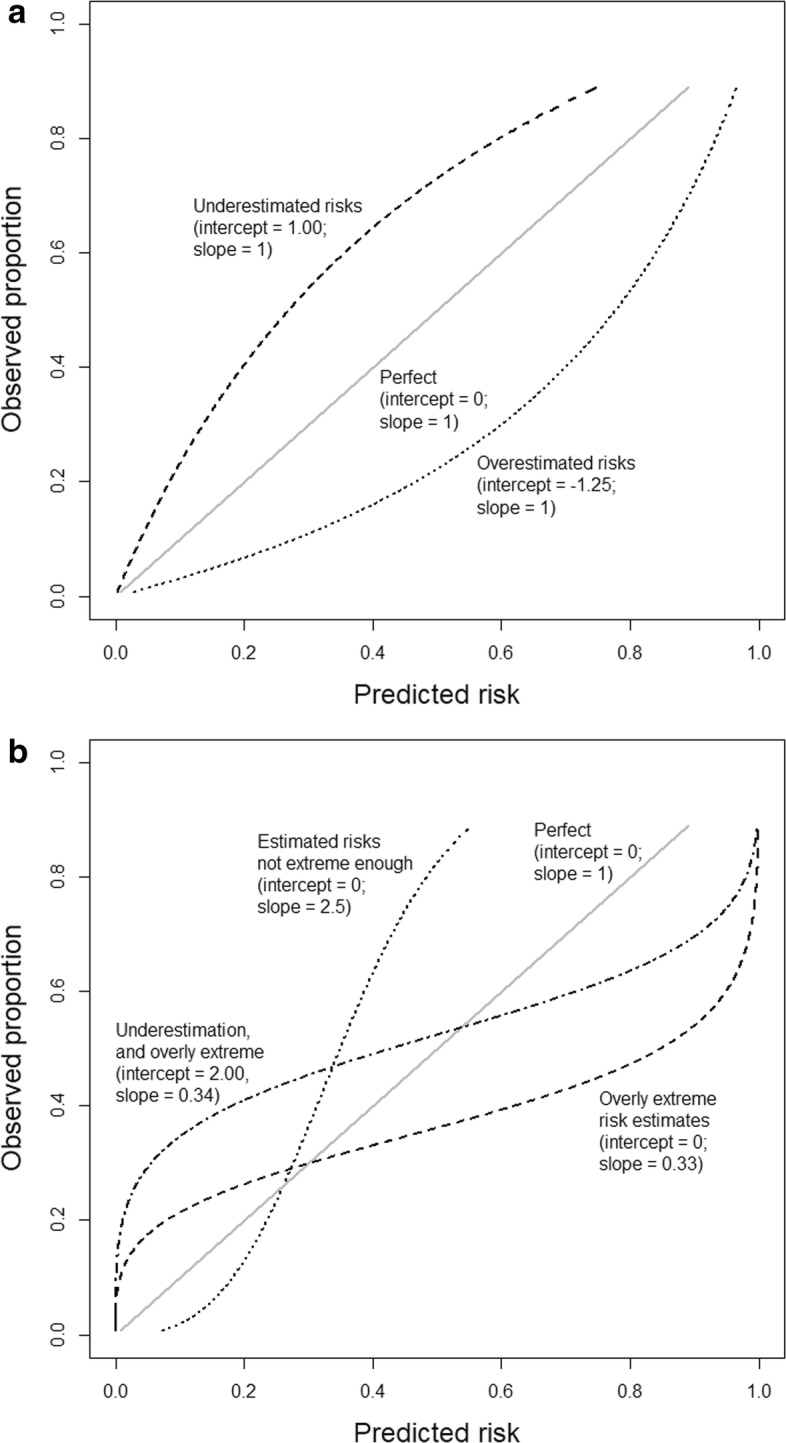
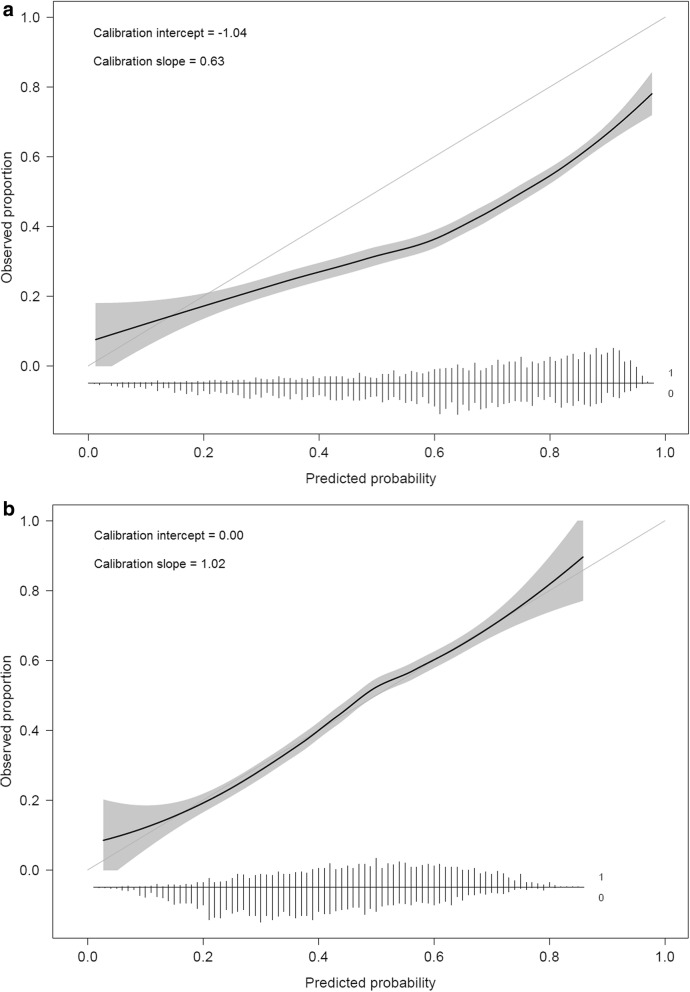
Verification
Claims the paper makes
The claims and statistics of this paper haven’t been checked yet.
Free: it reads the open-access text and checks the first 5 claims that cite a source we can check. Create a free account to check every claim.
Claims other papers make about this one
Each is checked against this paper’s own text: does it say what the citing paper says it does?
The cited source doesn’t support the claim as written.
In the citing paper
“Miscalibration is a distinct hazard from inaccuracy [3].”
From Do Calibrated-Probability Claims Hold Up in Clinical Diagnosis? A Pre-registered Evaluation of a Decision Model Against Frontier Language Models (2026) · cites this paper as [3]
Checked by a reasoning model — may be wrong.
Experimental — accuracy not yet measuredThe source backs part of the claim, not all of it — or backs it for a different population, condition or comparison.
In the citing paper
“Challenges remain related to generalisability across institutions, alert fatigue, and calibration drift over time [19,20].”
From Artificial Intelligence in Clinical Decision-Making: A Comprehensive Review of Diagnostic, Prognostic, and Therapeutic Applications, Validation Gaps, Bias, and Deployment Challenges (2026) · cites this paper as [20]
Experimental — accuracy not yet measuredThe source backs part of the claim, not all of it — or backs it for a different population, condition or comparison.
In the citing paper
“Such a system works only if the probabilities are calibrated, meaning that a stated probability matches how often the model is actually right [3].”
From Do Calibrated-Probability Claims Hold Up in Clinical Diagnosis? A Pre-registered Evaluation of a Decision Model Against Frontier Language Models (2026) · cites this paper as [3]
Experimental — accuracy not yet measuredThe cited source says what the claim attributes to it.
In the citing paper
“Still, AIPM updating, site-specific training or recalibration might be needed to adapt an existing AIPM to a different healthcare setting3,5,9,60,68,72.”
From Guidelines and quality criteria for artificial intelligence-based prediction models in healthcare: a scoping review (2022) · cites this paper as [60]
The cited source says what the claim attributes to it.
In the citing paper
“Increasing emphasis has therefore been placed on model calibration, which examines whether predicated probabilities correspond to true clinical risk [73].”
From Artificial Intelligence in Dermatopathology: An Update and Review of the Current Literature (2026) · cites this paper as [73]
7 more claims about this paper
Create a free account to see every claim other papers make about this one.
Self-check
Percentages, sums and reported differences re-computed from the paper’s own numbers.
The self-check needs the paper’s full text.
Citations
Cites
Bray, F., Ferlay, J., Soerjomataram, I., Siegel, R. L., Torre, L. A., & Jemal, A. (2018) · CA: A Cancer Journal for Clinicians · doi:10.3322/caac.21492 · Cited by 84,109 · cited 1×
“Often, patient characteristics and disease incidence or prevalence rates vary greatly between health centers, regions, and countries [16].”
BackgroundMoons, K. G. M., Altman, D. G., Reitsma, J. B., Ioannidis, J. P. A., Macaskill, P., Steyerberg, E. W., Vickers, A. J., Ransohoff, D. F., & Collins, G. S. (2015) · Annals of Internal Medicine · doi:10.7326/m14-0698 · Cited by 5,147 · cited 2×
“Reporting on calibration performance is recommended by the TRIPOD (Transparent Reporting of a multivariable prediction model for Individual Prognosis Or Diagnosis) guidelines for prediction modeling studies [12].”
BackgroundMethodSelf-citationClinical Prediction Models: A Practical Approach to Development, Validation, and Updating
Steyerberg, E. W. (2019) · Statistics for Biology and Health · doi:10.1007/978-3-030-16399-0 · Cited by 3,281
Self-citationChristodoulou, E., Ma, J., Collins, G. S., Steyerberg, E. W., Verbakel, J. Y., & Van Calster, B. (2019) · Journal of Clinical Epidemiology · doi:10.1016/j.jclinepi.2019.02.004 · Cited by 2,119
Self-citationSteyerberg, E. W. (2009) · Statistics for Biology and Health · doi:10.1007/978-0-387-77244-8 · Cited by 1,491
Self-citationRiley, R. D., Snell, K. I., Ensor, J., Burke, D. L., Harrell Jr, F. E., Moons, K. G., & Collins, G. S. (2019) · Statistics in Medicine · doi:10.1002/sim.7992 · Cited by 1,409 · cited 1×
“It is important to prespecify the modeling strategy and to ensure that sample size is sufficient for the number of considered predictors [30, 31].”
BackgroundA calibration hierarchy for risk models was defined: from utopia to empirical data
Van Calster, B., Nieboer, D., Vergouwe, Y., De Cock, B., Pencina, M. J., & Steyerberg, E. W. (2016) · Journal of Clinical Epidemiology · doi:10.1016/j.jclinepi.2015.12.005 · Cited by 910 · cited 6×
“The accuracy of risk estimates, relating to the agreement between the estimated and observed number of events, is called ‘ calibration ’ [4].”
BackgroundMethodInfluentialSelf-citationMoore, R. G., McMeekin, D. S., Brown, A. K., DiSilvestro, P., Miller, M. C., Allard, W. J., Gajewski, W., Kurman, R., Bast, R. C., & Skates, S. J. (2009) · Gynecologic Oncology · doi:10.1016/j.ygyno.2008.08.031 · Cited by 875 · cited 1×
“The concepts explained in this section are illustrated in Additional 1, with the validation of the Risk of Ovarian Malignancy Algorithm (ROMA) for the diagnosis of ovarian malignancy in women with an ovarian tumor selected for surgical removal [28]; further details can be found elsewhere [1, 4, 29].”
MethodSample size for binary logistic prediction models: Beyond events per variable criteria
van Smeden, M., Moons, K. G., de Groot, J. A., Collins, G. S., Altman, D. G., Eijkemans, M. J., & Reitsma, J. B. (2019) · Statistical Methods in Medical Research · doi:10.1177/0962280218784726 · Cited by 791 · cited 1×
“It is important to prespecify the modeling strategy and to ensure that sample size is sufficient for the number of considered predictors [30, 31].”
BackgroundA Deep Learning Mammography-based Model for Improved Breast Cancer Risk Prediction
Yala, A., Lehman, C., Schuster, T., Portnoi, T., & Barzilay, R. (2019) · Radiology · doi:10.1148/radiol.2019182716 · Cited by 758 · cited 1×
“Calibration is especially important when the aim is to support decision-making, even when discrimination is moderate such as for breast cancer prediction models [13].”
Background
Cited by
Items 401–500 of 1,006
Shi, S., Zhang, L., Zhang, S., Shi, J., Hong, D., Wu, S., Pan, X., & Lin, W. (2025) · Journal of Translational Medicine · doi:10.1186/s12967-025-06102-4 · Cited by 18
Gupta, N., Shaik, A. R., Chettupalli, A. K., Bukke, S. P. N., & Goruntla, N. (2025) · Discover Medicine · doi:10.1007/s44337-025-00316-7 · Cited by 20
Skalitzky, M. K., Gulbrandsen, T. R., Groot, O. Q., Karhade, A. V., Verlaan, J., Schwab, J. H., & Miller, B. J. (2021) · Journal of Surgical Oncology · doi:10.1002/jso.26708 · Cited by 19
Survival analysis with semi-supervised predictive clustering trees
Roy, B., Stepišnik, T., Vens, C., & Džeroski, S. (2021) · Computers in Biology and Medicine · doi:10.1016/j.compbiomed.2021.105001 · Cited by 18
Schouten, N. E., Wang, R., Torrance, H. L., van Tilborg, T. C., Baştu, E., Bergh, C., D’Hooghe, T., Petersen, J. F., Jayaprakasan, K., Khalaf, Y., et al. (2024) · Human Reproduction Update · doi:10.1093/humupd/dmae032 · Cited by 17
Martins, J. G., Miller, E. P., Aboukhater, D., Bittner, M. L., Rolnik, D. L., & Kawakita, T. (2025) · American Journal of Obstetrics & Gynecology MFM · doi:10.1016/j.ajogmf.2025.101803 · Cited by 17
Calderone, A., Latella, D., Fauci, E. L., Puleo, R., Sergi, A., Francesco, M. D., Mauro, M., Foti, A., Salemi, L., & Calabrò, R. S. (2025) · Clinical Psychology & Psychotherapy · doi:10.1002/cpp.70191 · Cited by 18
Ashburner, J. M., Chang, Y., Wang, X., Khurshid, S. S., Anderson, C. D., Dahal, K. P., Weisenfeld, D., Cai, T. A., Liao, K. P., Wagholikar, K. B., et al. (2022) · Journal of the American Heart Association · doi:10.1161/jaha.122.026014 · Cited by 18
A validated Screening instrument for Child Abuse and Neglect (SCAN) at the emergency department
Hoedeman, F., Puiman, P. J., van den Heuvel, E. A. L., Affourtit, M. J., Bakx, R., Langendam, M. W., van de Putte, E. M., Russel, I. M. B., Schouten, M. C. M., Teeuw, A. H., et al. (2022) · European Journal of Pediatrics · doi:10.1007/s00431-022-04635-0 · Cited by 17
Wang, S., Huang, H., Hou, M., Xu, Q., Qian, W., Tang, Y., Li, X., Qian, G., Ma, J., Zheng, Y., et al. (2023) · Pediatric Research · doi:10.1038/s41390-023-02558-6 · Cited by 18
Kaur, P., Kannapiran, P., Ng, S. H.-X., Chu, J., Low, Z. J., Ding, Y. Y., Tan, W. S., & Hum, A. Y. M. (2023) · BMC Geriatrics · doi:10.1186/s12877-023-03945-8 · Cited by 19
Dhiman, P., Ma, J., Gibbs, V. N., Rampotas, A., Kamal, H., Arshad, S., Kirtley, S., Doree, C. J., Murphy, M. F., Collins, G. S., et al. (2022) · Journal of Clinical Epidemiology · doi:10.1016/j.jclinepi.2023.05.002 · Cited by 17
Dong, T., Sinha, S., Zhai, B., Fudulu, D. P., Chan, J., Narayan, P., Judge, A., Caputo, M., Dimagli, A., Benedetto, U., et al. (2023) · Digital Health · doi:10.1177/20552076231187605 · Cited by 17
Clinical Utility of Melanoma Sentinel Lymph Node Biopsy Nomograms
Drebin, H. M., Hosein, S., Kurtansky, N. R., Nadelmann, E. R., Moy, A. P., Ariyan, C. E., Bello, D. M., Brady, M. S., Coit, D. G., Marchetti, M. A., et al. (2023) · Journal of the American College of Surgeons · doi:10.1097/xcs.0000000000000886 · Cited by 17
Fu, Y., Feller, D., Koes, B. W., & Chiarotto, A. (2024) · Journal of Orthopaedic and Sports Physical Therapy · doi:10.2519/jospt.2024.12081 · Cited by 17
Yoon, H., Kim, H. J., Kim, Y., Lee, H., Kim, B. R., Oh, H., Park, H., & Lee, H. (2024) · British Journal of Anaesthesia · doi:10.1016/j.bja.2024.01.030 · Cited by 17
Archer, L., Relton, S. D., Akbari, A., Best, K., Bucknall, M., Conroy, S., Hattle, M., Hollinghurst, J., Humphrey, S., Lyons, R. A., et al. (2024) · Age and Ageing · doi:10.1093/ageing/afae057 · Cited by 20
Oakley, W., Tandle, S., Perkins, Z., & Marsden, M. E. R. (2024) · The Journal of Trauma: Injury, Infection, and Critical Care · doi:10.1097/ta.0000000000004385 · Cited by 17
Predicting Long COVID in the National COVID Cohort Collaborative Using Super Learner: Cohort Study
Butzin-Dozier, Z., Ji, Y., Li, H., Coyle, J., Shi, J., Phillips, R. V., Mertens, A., Pirracchio, R., van der Laan, M. J., Patel, R. C., et al. (2024) · JMIR Public Health and Surveillance · doi:10.2196/53322 · Cited by 17
“To evaluate model performance, we reported the AUC, accuracy, precision, recall, F 1 -score, and Brier score, along with associated 95% CIs, for our ensemble algorithm [21].”
Post-Cardiac arrest outcome prediction using machine learning: A systematic review and meta-analysis
Zobeiri, A., Rezaee, A., Hajati, F., Argha, A., & Alinejad‐Rokny, H. (2024) · International Journal of Medical Informatics · doi:10.1016/j.ijmedinf.2024.105659 · Cited by 23
Banister, K., Cook, J. A., Scotland, G., Azuara‐Blanco, A., Goulão, B., Heimann, H., Hernández, R. A., Hogg, R. E., Kennedy, C., Sivaprasad, S., et al. (2022) · Health Technology Assessment · doi:10.3310/vlfl1739 · Cited by 17
Mortality Prediction in Hip Fracture Patients: Physician Assessment Versus Prognostic Models
Karres, J., Zwiers, R., Eerenberg, J. P., Vrouenraets, B. C., & Kerkhoffs, G. M. M. J. (2022) · Journal of Orthopaedic Trauma · doi:10.1097/bot.0000000000002412 · Cited by 17
McCall, S. J., Khoury, T. E., Salibi, N. E., Zeid, B. A., Haddad, M. E., Alawieh, M. F., Abdulrahim, S., Chaaya, M., Ghattas, H., & Sibai, A. M. (2022) · JAMA Network Open · doi:10.1001/jamanetworkopen.2022.31633 · Cited by 17
Estimating Calibrated Individualized Survival Curves with Deep Learning
Kamran, F., & Wiens, J. (2021) · Proceedings of the AAAI Conference on Artificial Intelligence · doi:10.1609/aaai.v35i1.16098 · Cited by 17
“Poor calibration can lead to misleading predictions, resulting in potentially clinically harmful models (Van Calster and Vickers 2015; Van Calster et al. 2019; Shah, Steyerberg, and Kent 2018; Steyerberg et al. 2019).”
BackgroundMohamedahmed, A. Y., Zaman, S., Agrof, M., Adam, M., Husain, N., & Yassin, N. (2025) · International Journal of Surgery · doi:10.1097/js9.0000000000003067 · Cited by 16
“Future work should consider subgroup analyses or more refined approaches such as meta-regression to account for and factor this variability [55] .”
Alshammari, A. H., Bencsik, G., & Ali, A. H. (2026) · Algorithms · doi:10.3390/a19010037 · Cited by 20
Alqudah, A. M., & Moussavi, Z. (2026) · Mathematics · doi:10.3390/math14030398 · Cited by 16
Stephens, A., Allardyce, J., Weavers, B., Lennon, J., Jones, R. B., Powell, V. E., Eyre, O., Potter, R., Escott‐Price, V., Osborn, D., et al. (2022) · Journal of Child Psychology and Psychiatry · doi:10.1111/jcpp.13704 · Cited by 16
Kheyfets, V. O., Sweatt, A. J., Gomberg‐Maitland, M., Ivy, D. D., Condliffe, R. A., Kiely, D. G., Lawrie, A., Maron, B. A., Zamanian, R. T., & Stenmark, K. R. (2022) · ERJ Open Research · doi:10.1183/23120541.00484-2022 · Cited by 18
Marzano, L. A., Kazory, A., Husain‐Syed, F., & Ronco, C. (2023) · Clinical Endocrinology · doi:10.1111/cen.14918 · Cited by 16
“The use of a such model in clinical practice can mislead decisions that are based on such models.(45) Calibration can be presented as a calibration plot (expected probabilities plotted against observed outcome frequencies), as ratios between observed and expected number of events or outcome frequencies (O:E ratios), o…”
BackgroundSolomon, J. A., Bender, S. P., Durgempudi, P., Robar, C., Cocchiaro, M. F., Turner, S., Watson, C., Healy, J., Spake, A., & Szlosek, D. A. (2023) · Journal of Small Animal Practice · doi:10.1111/jsap.13666 · Cited by 17
Castelli, P., Ruvo, A. D., Bucciacchio, A., D’Alterio, N., Cammà, C., Pasquale, A. D., & Radomski, N. (2023) · BMC Genomics · doi:10.1186/s12864-023-09667-w · Cited by 16
Strategies to optimise machine learning classification performance when using biomechanical features
Liew, B. X. W., Pfisterer, F., Rügamer, D., & Zhai, X. (2024) · Journal of Biomechanics · doi:10.1016/j.jbiomech.2024.111998 · Cited by 16
“…correlation of probability (e.g. Brier score) - and class-based metrics (e.g. AUC) in our study may not be surprising, since only classifiers that are naturally calibrated (such as the multinomial logistic regression) will provide good scores in terms of both measures (Van Calster et al., 2019).”
BackgroundReliable prediction of childhood obesity using only routinely collected EHRs may be possible
Gupta, M., Eckrich, D., Bunnell, H. T., Phan, T.-L. T., & Beheshti, R. (2024) · Obesity Pillars · doi:10.1016/j.obpill.2024.100128 · Cited by 21
Machine learning-based delirium prediction in surgical in-patients: a prospective validation study
Jauk, S., Kramer, D., Sumerauer, S., Veeranki, S. P. K., Schrempf, M., & Puchwein, P. (2024) · JAMIA Open · doi:10.1093/jamiaopen/ooae091 · Cited by 17
“34 In a calibration plot, the estimated risk (on the x -axis) is compared to the observed proportion of events ( y -axis); a curve on the diagonal would illustrate excellent calibration.”
MethodPapadomanolakis‐Pakis, N., Haroutounian, S., Sørensen, J. K., Runge, C., Brix, L. D., Christiansen, C. F., & Nikolajsen, L. (2024) · Pain · doi:10.1097/j.pain.0000000000003405 · Cited by 17
Li, L., Rysavy, M. A., Bobashev, G., & Das, A. (2024) · BMC Medical Research Methodology · doi:10.1186/s12874-024-02389-x · Cited by 16
Janse, R. J., Abu–Hanna, A., Vagliano, I., Stel, V. S., Jager, K. J., Tripepi, G. L., Zoccali, C., Dekker, F. W., & van Diepen, M. (2025) · Clinical Kidney Journal · doi:10.1093/ckj/sfaf059 · Cited by 16
“Although both calibration and discrimination are equally important, calibration remains underreported and underrecognized [23 ].”
Neal, S. R., Sturrock, S., Musorowegomo, D., Gannon, H., Zaman, M., Cortina‐Borja, M., Doaré, K. L., Heys, M., Chimhini, G., & Fitzgerald, F. (2025) · BMJ Global Health · doi:10.1136/bmjgh-2024-017582 · Cited by 17
Pawel, S., Bartos̆, F., Siepe, B. S., & Lohmann, A. (2025) · The American Statistician · doi:10.1080/00031305.2025.2540002 · Cited by 17
“For certain datasets, the LASSO method selected no predictors, producing constant predictions that precluded estimating performance via the calibration slope (Van Calster et al. 2019).”
Darbyshire, A. R., Kostakis, I., Pucher, P. H., Prytherch, D. R., & Mercer, S. J. (2022) · World Journal of Surgery · doi:10.1007/s00268-021-06404-w · Cited by 17
Short-term risk prediction after major lower limb amputation: PERCEIVE study
Gwilym, B. L., Pallmann, P., Waldron, C.-A., Thomas‐Jones, E., Milosevic, S., Brookes‐Howell, L., Harris, D., Massey, I., Burton, J., Stewart, P., et al. (2022) · British journal of surgery · doi:10.1093/bjs/znac309 · Cited by 17
Prediction of long-term mortality following hip fracture surgery: evaluation of three risk models
Karres, J., Eerenberg, J. P., Vrouenraets, B. C., & Kerkhoffs, G. M. M. J. (2022) · Archives of Orthopaedic and Trauma Surgery · doi:10.1007/s00402-022-04646-4 · Cited by 17
Dankert, A., Neumann-Schirmbeck, B., Dohrmann, T., Greiwe, G., Plümer, L., Löser, B., Sehner, S., Zöllner, C., & Petzoldt, M. (2022) · Anesthesia & Analgesia · doi:10.1213/ane.0000000000006235 · Cited by 16
Hasannejadasl, H., Roumen, C., van der Poel, H. G., Vanneste, B. G. L., van Roermund, J. G. H., Aben, K. K. H., Kalendralis, P., Osong, B., Kiemeney, L. A. L. M., van Oort, I. M., et al. (2023) · PLoS ONE · doi:10.1371/journal.pone.0276815 · Cited by 17
Galimzhanov, A. M., Matetić, A., Tenekecioğlu, E., & Mamas, M. A. (2023) · International Journal of Cardiology · doi:10.1016/j.ijcard.2023.131339 · Cited by 17
Scheinberg, T., Lin, H.-M., Fitzpatrick, M., Azad, A. A., Bonnitcha, P., Davies, A., Heller, G., Huynh, K., Mak, B., Mahon, K., et al. (2024) · Prostate Cancer and Prostatic Diseases · doi:10.1038/s41391-023-00666-2 · Cited by 15
Ho, P. J., Tan, I. B., Chong, D. Q., Khor, C. C., Yuan, J., Koh, W., Dorajoo, R., & Li, J. (2023) · eLife · doi:10.7554/elife.82608 · Cited by 17
Baj, G., Gandin, I., Scagnetto, A., Bortolussi, L., Cappelletto, C., Lenarda, A. D., & Barbati, G. (2023) · BMC Medical Research Methodology · doi:10.1186/s12874-023-01989-3 · Cited by 18
“On the contrary, in the context of cohort studies when subjects are selected as initially free from the outcome and are then followed in time until they will (or will not) develop the outcome, usually observed in a minority of subjects, modelling tendencies (i.e., probabilities) is key [14].”
BackgroundA customised down-sampling machine learning approach for sepsis prediction
Wu, Q., Ye, F., Gu, Q., Shao, F., Long, X., Zhan, Z. Z., Zhang, J., He, J., Zhang, Y., & Xiao, Q. (2024) · International Journal of Medical Informatics · doi:10.1016/j.ijmedinf.2024.105365 · Cited by 17
“We performed the empirical calibration curve [45] and Platt scaling [46] for calibrating the models validated in Experiments One and Two.”
MethodSkubleny, D., Purich, K., McLean, D. R., Martins-Filho, S. N., Buttenschoen, K., Haase, E., McCall, M., Ghosh, S., Spratlin, J. L., Schiller, D., et al. (2024) · Clinical Cancer Research · doi:10.1158/1078-0432.ccr-23-3523 · Cited by 17
Gupta, A. K., Mustafiz, C., Mutahar, D., Zaka, A., Parvez, R., Mridha, N., Stretton, B., Kovoor, J. G., Bacchi, S., Ramponi, F., et al. (2025) · Canadian Journal of Cardiology · doi:10.1016/j.cjca.2025.01.037 · Cited by 19
Opportunities and Challenges of Industries 4.0 and 5.0 in Latin America
Carvajal, G., Tobar-Rosero, O. A., Zuluaga, G. J. S., Candelo-Becerra, J. E., & Flórez-Celis, H. A. (2025) · Sci · doi:10.3390/sci7020068 · Cited by 16
Confidence Composition for Monitors of Verification Assumptions
Ruchkin, I., Cleaveland, M., Ivanov, R., Lu, P., Carpenter, T. J., Sokolsky, O. V., & Lee, I. (2022) · ACM/IEEE International Conference on Cyber-Physical Systems (ICCPS) · doi:10.1109/iccps54341.2022.00007 · Cited by 15
Călburean, P., Osório, T. G., Sorgente, A., Almorad, A., Pannone, L., Monaco, C., Miraglia, V., Housari, M. A., Mojica, J. V., Bala, G., et al. (2021) · Pacing and Clinical Electrophysiology · doi:10.1111/pace.14408 · Cited by 15
Pienaar, M. A., Sempa, J. B., Luwes, N. J., & Solomon, L. J. (2022) · Frontiers in Pediatrics · doi:10.3389/fped.2022.797080 · Cited by 15
Use of Polygenic Risk Scores for Coronary Heart Disease in Ancestrally Diverse Populations
Dikilitas, O., Schaid, D. J., Tcheandjieu, C., Clarke, S. L., Assimes, T. L., & Kullo, I. J. (2022) · Current Cardiology Reports · doi:10.1007/s11886-022-01734-0 · Cited by 17
Black, N., Henderson, I., Wattar, B. H. A., & Quenby, S. M. (2022) · Obstetrics and Gynecology · doi:10.1097/aog.0000000000004940 · Cited by 19
VBAC calculator 2.0: Recent evidence
Thornton, P. D. (2023) · Birth · doi:10.1111/birt.12705 · Cited by 16
Brown, D. G., Worby, C. J., Pender, M., Brintz, B. J., Ryan, E. T., Sridhar, S., Oliver, E., Harris, J. B., Turbett, S. E., Rao, S. R., et al. (2023) · Journal of Travel Medicine · doi:10.1093/jtm/taad028 · Cited by 15
“31 We used the roc and coords functions from the pROC package to calculate sensitivity, specificity, positive predictive value and negative predictive value.”
MethodClift, A. K., Lannou, E. L., Tighe, C. P., Shah, S. S., Beatty, M., Hyvärinen, A., Lane, S. J., Strauss, T., Dunn, D. D., Lu, J., et al. (2021) · JMIR mhealth and uhealth · doi:10.2196/25655 · Cited by 15
“Validation of models in the data sets that they were derived from (internal validation) and an assessment of their ability to generalize to independent data sets—preferably in different populations (external validation)—must be achieved prior to widespread use [14,15].”
Ötleş, E., Denton, B. T., Qu, B., Murali, A., Merdan, S., Auffenberg, G. B., Hiller, S. C., Lane, B. R., George, A. K., & Singh, K. (2021) · The Journal of Urology · doi:10.1097/ju.0000000000002230 · Cited by 15
Jev in Medicine: A Benchmark EvaluationPreprint
Madrid-García, A., & Barbancho, B. M. (2026) · arXiv (Cornell University) · doi:10.5281/zenodo.23008155 · Cited by 18
Landolfo, C., Ceusters, J., Valentin, L., Froyman, W., Van Gorp, T., Heremans, R., Baert, T., Wouters, R., Vankerckhoven, A., Van Rompuy, A.-S., et al. (2024) · British Journal of Cancer · doi:10.1038/s41416-024-02578-x · Cited by 14
Levy, T. J., Coppa, K., Cang, J., Barnaby, D. P., Paradis, M. D., Cohen, S. L., Makhnevich, A., van Klaveren, D., Kent, D. M., Davidson, K. W., et al. (2022) · Nature Communications · doi:10.1038/s41467-022-34646-2 · Cited by 14
Waldock, W. J., Guni, A., Darzi, A. W., & Ashrafian, H. (2026) · PLOS Digital Health · doi:10.1371/journal.pdig.0001310 · Cited by 23
“Threshold choice has substantial clinical implications; optimizing for high sensitivity versus specificity represents different priorities depending on context [22,23].”
Proyección de la propagación del COVID-19 en Colombia
Pinzón, J. E. D. (2020) · Revista Med · doi:10.18359/rmed.4702 · Cited by 14
van Os, H. J. A., Kanning, J. P., Wermer, M. J. H., Chavannes, N. H., Numans, M. E., Ruigrok, Y. M., van Zwet, E. W., Putter, H., Steyerberg, E. W., & Groenwold, R. H. H. (2022) · Frontiers in Epidemiology · doi:10.3389/fepid.2022.871630 · Cited by 17
Self-citationMa, X., Huang, W., Lu, L., Li, H., Ding, J., Sheng, S., Liu, M., & Yuan, J. (2023) · Frontiers in Neuroscience · doi:10.3389/fnins.2023.1195570 · Cited by 15
Karabacak, M., & Margetis, K. D. (2023) · The Spine Journal · doi:10.1016/j.spinee.2023.08.009 · Cited by 19
Developing an Artificial Intelligence-Based Pediatric and Adolescent Migraine Diagnostic Model
Sasaki, S., Katsuki, M., Kawahara, J., Yamagishi, C., Koh, A., Kawamura, S., Kashiwagi, K., Ikeda, T., Goto, T., Kaneko, K., et al. (2023) · Cureus · doi:10.7759/cureus.44415 · Cited by 16
“However, for future external validation, a calibration curve was created for the model and performed calibration [63] by refitting based on logistic regression.”
Cong, D., Zhao, Y., Zhang, W., Li, J., & Bai, Y. (2023) · Frontiers in Pharmacology · doi:10.3389/fphar.2023.1260742 · Cited by 17
Heremans, R., Wynants, L., Valentin, L., Leone, F. P. G., Pascual, M. A., Fruscio, R., Testa, A. C., Buonomo, F., Guerriero, S., Epstein, E., et al. (2023) · Ultrasound in Obstetrics and Gynecology · doi:10.1002/uog.27530 · Cited by 14
Self-citationMontellano, F. A., Rücker, V., Ungethüm, K., Peñalba, A., Hotter, B. A., Giralt, M., Wiedmann, S., Mackenrodt, D., Morbach, C., Frantz, S., et al. (2024) · European Stroke Journal · doi:10.1177/23969873241250272 · Cited by 14
Ajabnoor, A. M., Zghebi, S. S., Parisi, R., Ashcroft, D. M., Finn, C. F., Mamas, M. A., & Kontopantelis, E. (2024) · European Heart Journal Open · doi:10.1093/ehjopen/oeae053 · Cited by 15
“28 We also calculated and compared diagnostic utility sensitivity, specificity, positive predictive values (PPV), and negative predictive values (NPV) for the original CHA 2 DS 2 -VASc score and HAS-BLED score and when cancer was added as a variable.”
MethodPoorthuis, M. H. F., Hageman, S. H. J., Fiolet, A. T. L., Kappelle, L. J., Bots, M. L., Steg, P. G., Visseren, F. L. J., Bhatt, D. L., & de Borst, G. J. (2024) · Stroke · doi:10.1161/strokeaha.123.046894 · Cited by 17
A large scale multi institutional study for radiomics driven machine learning for meningioma grading
Karabacak, M., Patil, S., Feng, R., Shrivastava, R. K., & Margetis, K. D. (2024) · Scientific Reports · doi:10.1038/s41598-024-78311-8 · Cited by 14
External validation of 12 existing survival prediction models for patients with spinal metastases
Bindels, B. J. J., Kuijten, R. H., Groot, O. Q., Huele, E. H., Gal, R., de Groot, M., van der Velden, J. M., Delawi, D., Schwab, J. H., Verkooijen, H. M., et al. (2025) · The Spine Journal · doi:10.1016/j.spinee.2025.01.014 · Cited by 16
Stieger, A., Schober, P. R., Venetz, P., Andereggen, L., Bello, C., Filipovic, M. G., Luedi, M. M., & Huber, M. (2025) · Journal of Clinical Anesthesia · doi:10.1016/j.jclinane.2025.111810 · Cited by 15
Klomjit, N., Evans, M. D., Vargas-Brochero, M. J., Marka, N. A., Fervenza, F. C., Sethi, S. M., & Zand, L. (2025) · Kidney International · doi:10.1016/j.kint.2025.04.018 · Cited by 14
Kuipers, H., Hoogwater, F. J. H., Holtman, G. A., Slangen, J. J. G., de Haas, R. J., & de Boer, M. T. (2021) · European Journal of Radiology · doi:10.1016/j.ejrad.2021.109619 · Cited by 14
Lund, J. L., Duberstein, P. R., Loh, K. P., Gilmore, N. J., Plumb, S., Lei, L., Keil, A. P., Islam, J. Y., Hanson, L. C., Giguere, J. K., et al. (2021) · Journal of Geriatric Oncology · doi:10.1016/j.jgo.2021.08.009 · Cited by 14
Chen, J., Li, L., Chen, T., Yang, X., Ru, H., Li, X., Yang, X., Xie, Q., & Xu, L. (2022) · BMC Infectious Diseases · doi:10.1186/s12879-022-07368-5 · Cited by 14
Machine Learning–Based Prediction of Masked Hypertension Among Children With Chronic Kidney Disease
Bae, S., Samuels, J., Flynn, J. T., Mitsnefes, M. M., Furth, S. L., Warady, B. A., Ng, D. K., & Study, F. T. C. (2022) · Hypertension · doi:10.1161/hypertensionaha.121.18794 · Cited by 16
Yen, H., Hu, M., Zijlstra, H., Groot, O. Q., Hsieh, H., Yang, J.-J., Karhade, A. V., Chen, P.-C., Chen, Y., Huang, P., et al. (2022) · Radiotherapy and Oncology · doi:10.1016/j.radonc.2022.08.029 · Cited by 14
Blythe, R. D., Parsons, R., Barnett, A. G., McPhail, S., & White, N. M. (2023) · Journal of Clinical Epidemiology · doi:10.1016/j.jclinepi.2023.05.020 · Cited by 16
Whiting, D., Mallett, S., Lennox, B., & Fazel, S. (2023) · BMJ Mental Health · doi:10.1136/bmjment-2022-300634 · Cited by 15
Validation of a Contemporary Acute Kidney Injury Risk Score in Patients With Acute Coronary Syndrome
Landi, A., Chiarito, M., Branca, M., Frigoli, E., Gagnor, A., Calabrò, P., Briguori, C., Andò, G., Repetto, A., Limbruno, U., et al. (2023) · JACC: Cardiovascular Interventions · doi:10.1016/j.jcin.2023.06.015 · Cited by 16
Byrne, J. F., Mongan, D., Murphy, J., Healy, C., Föcking, M., Cannon, M. D., & Cotter, D. (2023) · Translational Psychiatry · doi:10.1038/s41398-023-02623-y · Cited by 15
Long-term risk prediction after major lower limb amputation: 1-year results of the PERCEIVE study
Gwilym, B. L., Pallmann, P., Waldron, C.-A., Thomas‐Jones, E., Milosevic, S., Brookes‐Howell, L., Harris, D., Massey, I., Burton, J., Stewart, P., et al. (2024) · BJS Open · doi:10.1093/bjsopen/zrad135 · Cited by 14
Khan, E., Lambrakis, K., Liao, Z., Gerlach, J., Briffa, T. G., Cullen, L., Nelson, A. J., Verjans, J. W. H., & Chew, D. P. (2024) · JACC Advances · doi:10.1016/j.jacadv.2024.101011 · Cited by 16
González‐González, A. I., Meid, A. D., Dinh, T. S., Blom, J. W., van den Akker, M., Elders, P. J. M., Thiem, U., de Gaudry, D. K., Swart, K. M. A., Rudolf, H., et al. (2020) · Journal of Clinical Epidemiology · doi:10.1016/j.jclinepi.2020.10.006 · Cited by 15
Goudsmit, B. F. J., Braat, A. E., Tushuizen, M. E., Coenraad, M. J., Vogelaar, S., Alwayn, I. P. J., van Hoek, B., & Putter, H. (2021) · JHEP Reports · doi:10.1016/j.jhepr.2021.100369 · Cited by 14
“An accurate model is important for clinical decision making, because decisions are often based on risks.(18)”
BackgroundVerberk, J. D. M., van der Kooi, T. I. I., Hetem, D. J., Oostdam, N. E. W. M., Noordergraaf, M., de Greeff, S. C., Bonten, M. J. M., & van Mourik, M. S. M. (2022) · Infection Control and Hospital Epidemiology · doi:10.1017/ice.2022.147 · Cited by 16
Xing, M., Zhang, Y., Yu, H., Yang, Z., Li, X., Li, Q., Zhao, Y., Zhao, Z., & Luo, Y. (2022) · Computer Methods and Programs in Biomedicine · doi:10.1016/j.cmpb.2022.107103 · Cited by 15
Against reflexive recalibration: towards a causal framework for addressing miscalibration
Swaminathan, A., Srivastava, U., Tu, L., López, I., Shah, N. H., & Vickers, A. J. (2025) · Diagnostic and Prognostic Research · doi:10.1186/s41512-024-00184-2 · Cited by 15
Memmert, D. (2025) · Journal of Sports Sciences · doi:10.1080/02640414.2025.2535850 · Cited by 15
“A more valid approach is to use probabilistic evaluation metrics that emphasize the calibration of a model instead of its discriminative ability (Van Calster et al., 2019), for example, the Brier Score (1950), the related Rank Probability Score or Logarithmic Loss and to pre-sent calibration curves…”
Rigorous validation of machine learning in laboratory medicine: guidance toward quality improvement
Miller, H. A., & Valdes, R. (2025) · Critical Reviews in Clinical Laboratory Sciences · doi:10.1080/10408363.2025.2488842 · Cited by 16
Chamseddine, I. M., Kim, Y., De, B. S., Naqa, I. E., Duda, D. G., Wolfgang, J. A., Pursley, J., Paganetti, H., Wo, J. Y.-L., Hong, T. S., et al. (2022) · JCO Clinical Cancer Informatics · doi:10.1200/cci.21.00169 · Cited by 13
“We further studied the model calibration by comparing predicted against observed survival of the cohort binned in quartiles.(33) Binary classificationmodels were assessed using the area (AUC) under the receiver operating characteristics curve, and accuracy in the 10% and 20% high-risk groups.”
MethodDecision curve analysis based on summary data
Hozo, I., Guyatt, G. H., & Djulbegović, B. (2023) · Journal of Evaluation in Clinical Practice · doi:10.1111/jep.13945 · Cited by 14
Metadata
- Authors
- On behalf of Topic Group ‘Evaluating diagnostic tests and prediction models’ of the STRATOS initiative, Van Calster, B., McLernon, D. J., van Smeden, M., Wynants, L., & Steyerberg, E. W.
- Affiliations
- KU Leuven (BE)
- University of Aberdeen (GB)
- Leiden University Medical Center (NL)
- Venue
- BMC Medicine
- Published
- 2019-12
- Volume
- 17
- Issue
- 1
- Pages
- 230-230
- ISSN
- 1741-7015 (ISSN-L)
- PMC
- PMC6912996
- OpenAlex
- W2996480032
- Semantic Scholar
- 2cb777cd1965f77102da963a69ca748d4ff6bd5e
- Cited by
- 2,650
- References
- 39
- Citations by year
- 2026: 1224 · 2025: 379 · 2024: 291 · 2023: 283 · 2022: 262 · 2021: 159 · 2020: 51
- FWCI
- 93.43
- Type
- journal article
- Language
- en
- Open access
- gold
- doi.org
- Licence
- cc-by
- creativecommons.org/licenses/by/4.0/ (tdm)
- creativecommons.org/licenses/by/4.0/ (vor, 15 d)
- Locations
- BMC Medicine (publishedVersion, cc-by)
- Europe PMC (PubMed Central) (publishedVersion, cc-by)
- PubMed Central (publishedVersion, cc-by)
- PubMed (publishedVersion)
- Research Publications (Maastricht University) (publishedVersion, cc-by)
- Aberdeen University Research Archive (Aberdeen University) (submittedVersion, cc-by-nc)
- Lirias (submittedVersion, cc-by-nc)
- Pure Amsterdam UMC (submittedVersion, cc-by-nc)
- Data Archiving and Networked Services (DANS) (submittedVersion, other-oa)
- Data Archiving and Networked Services (DANS) (submittedVersion)
- Leiden Repository (Leiden University) (submittedVersion)
- DOAJ (DOAJ: Directory of Open Access Journals) (submittedVersion, cc-by-sa)
- Utrecht University Repository (Utrecht University) (submittedVersion, other-oa)
- University of Birmingham Research Portal (University of Birmingham) (submittedVersion, other-oa)
- Research Publications (Maastricht University) (submittedVersion, other-oa)
- Funders
- Fonds Wetenschappelijk Onderzoek (G0B4716N)
- Onderzoeksraad, KU Leuven (C24/15/037)
- Topics
- Physical Sciences › Mathematics › Statistics and Probability › Statistical Methods in Epidemiology
- Health Sciences › Health Professions › Health Information Management › Artificial Intelligence in Healthcare
- Physical Sciences › Computer Science › Artificial Intelligence › Machine Learning in Healthcare
- Keywords
- model calibration, risk prediction model, predictive analytics, calibration curve, external validation, model updating, clinical decision-making, shared decision-making, sample size, model complexity
- MeSH terms
- Machine Learning, Adult, Aged, Algorithms, Calibration, Humans, Male, Middle Aged, Predictive Value of Tests
About these checks
Registry, retraction, Cites and statistics results are computed, not judged, with one exception: a printed reference that no index lists is read once by a model before it counts as a citation error. Claims are extracted by a model and kept only when their quote appears verbatim in the text; each cited source is then checked, with a model’s help, for whether it says what the claim relies on. Those verdicts can be wrong — read the claim’s quote and the cited source before relying on one.
Statistics and arithmetic are recomputed, not judged.
Confidence bands are shown only for fields calibrated on our annotated test set. None is calibrated yet, so no band is shown.
What counts as a claim ›How we measure confidence ›How we check this ›
Are you an author, or do you see a problem with this page? Request a review
Data sources
Bibliographic data: Semantic Scholar, OpenAlex, Crossref.
Contains information from the Semantic Scholar Academic Graph Datasets, made available under the ODC Attribution License (ODC-BY 1.0).
Semantic Scholar’s data is described in: Kinney, R., et al. (2023). The Semantic Scholar Open Data Platform. arXiv:2301.10140.
