

Calibration: the Achilles heel of predictive analytics
Open accessThe DOI matches its Crossref record; 41 of the 41 references it cites were found in a registry or an index.
Abstract
Background: The assessment of calibration performance of risk prediction models based on regression or more flexible machine learning algorithms receives little attention. Main text: Herein, we argue that this needs to change immediately because poorly calibrated algorithms can be misleading and potentially harmful for clinical decision-making. We summarize how to avoid poor calibration at algorithm development and how to assess calibration at algorithm validation, emphasizing balance between model complexity and the available sample size. At external validation, calibration curves require sufficiently large samples. Algorithm updating should be considered for appropriate support of clinical practice. Conclusion: Efforts are required to avoid poor calibration when developing prediction models, to evaluate calibration when validating models, and to update models when indicated. The ultimate aim is to optimize the utility of predictive analytics for shared decision-making and patient counseling.
Overview
The claims and statistics of this paper haven’t been checked yet.
Free: it reads the open-access text and checks the first 5 claims that cite a source we can check. Create a free account to check every claim.
Integrity signals
Registry
Cites
Statistics
Figures
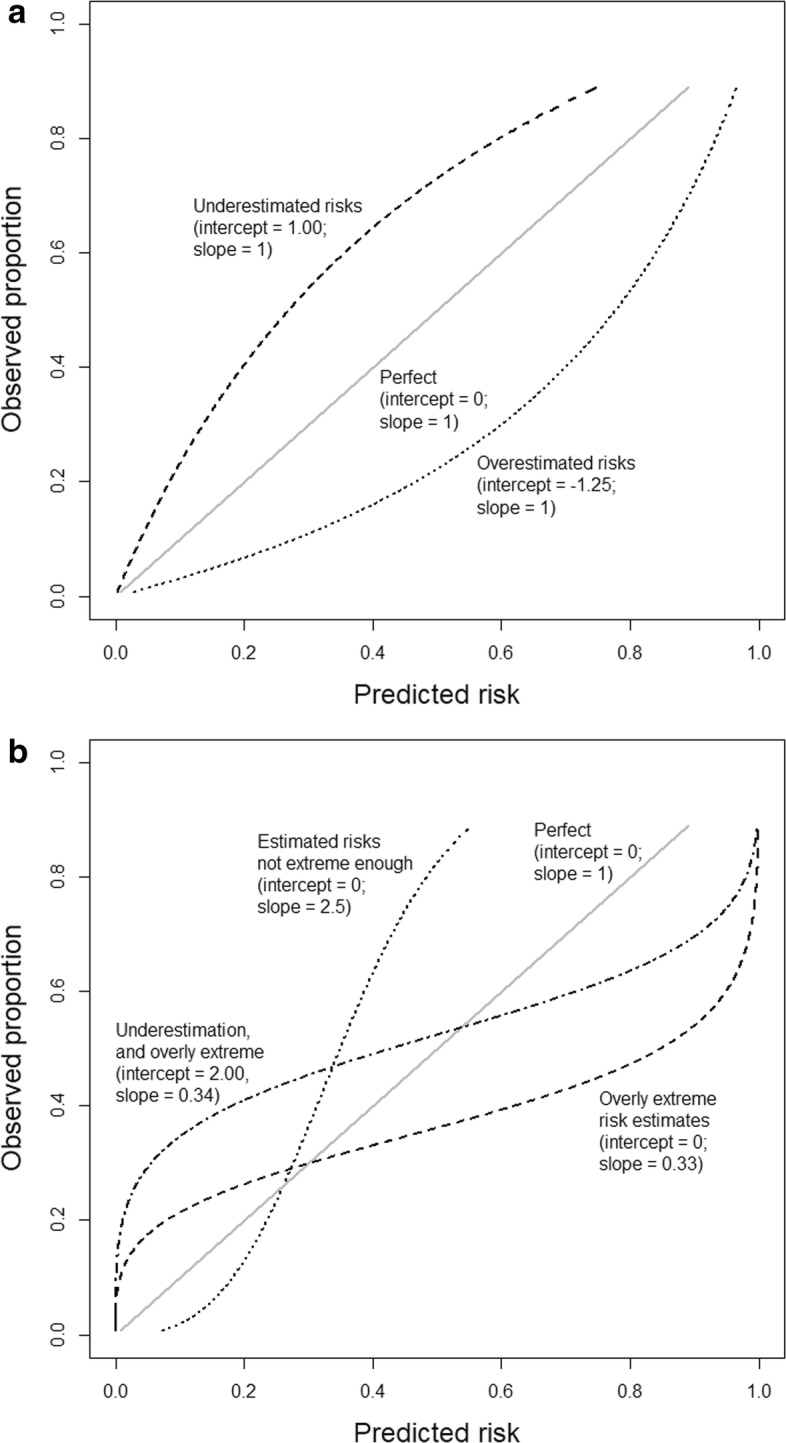
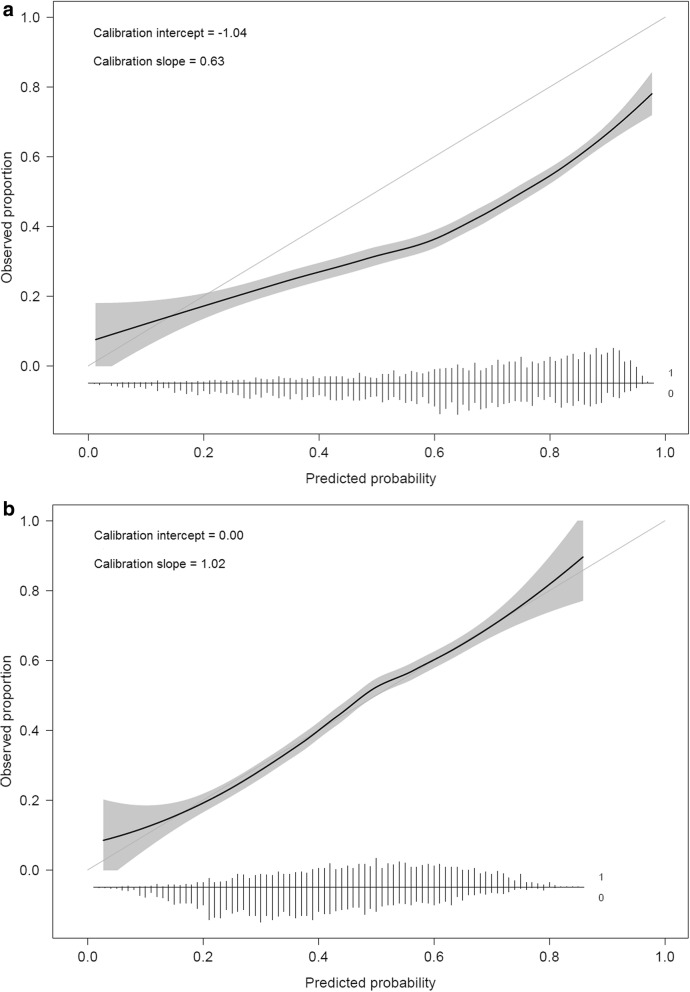
Verification
Claims the paper makes
The claims and statistics of this paper haven’t been checked yet.
Free: it reads the open-access text and checks the first 5 claims that cite a source we can check. Create a free account to check every claim.
Claims other papers make about this one
Each is checked against this paper’s own text: does it say what the citing paper says it does?
The cited source doesn’t support the claim as written.
In the citing paper
“Miscalibration is a distinct hazard from inaccuracy [3].”
From Do Calibrated-Probability Claims Hold Up in Clinical Diagnosis? A Pre-registered Evaluation of a Decision Model Against Frontier Language Models (2026) · cites this paper as [3]
Checked by a reasoning model — may be wrong.
Experimental — accuracy not yet measuredThe source backs part of the claim, not all of it — or backs it for a different population, condition or comparison.
In the citing paper
“Challenges remain related to generalisability across institutions, alert fatigue, and calibration drift over time [19,20].”
From Artificial Intelligence in Clinical Decision-Making: A Comprehensive Review of Diagnostic, Prognostic, and Therapeutic Applications, Validation Gaps, Bias, and Deployment Challenges (2026) · cites this paper as [20]
Experimental — accuracy not yet measuredThe source backs part of the claim, not all of it — or backs it for a different population, condition or comparison.
In the citing paper
“Such a system works only if the probabilities are calibrated, meaning that a stated probability matches how often the model is actually right [3].”
From Do Calibrated-Probability Claims Hold Up in Clinical Diagnosis? A Pre-registered Evaluation of a Decision Model Against Frontier Language Models (2026) · cites this paper as [3]
Experimental — accuracy not yet measuredThe cited source says what the claim attributes to it.
In the citing paper
“Still, AIPM updating, site-specific training or recalibration might be needed to adapt an existing AIPM to a different healthcare setting3,5,9,60,68,72.”
From Guidelines and quality criteria for artificial intelligence-based prediction models in healthcare: a scoping review (2022) · cites this paper as [60]
The cited source says what the claim attributes to it.
In the citing paper
“Increasing emphasis has therefore been placed on model calibration, which examines whether predicated probabilities correspond to true clinical risk [73].”
From Artificial Intelligence in Dermatopathology: An Update and Review of the Current Literature (2026) · cites this paper as [73]
7 more claims about this paper
Create a free account to see every claim other papers make about this one.
Self-check
Percentages, sums and reported differences re-computed from the paper’s own numbers.
The self-check needs the paper’s full text.
Citations
Cites
Bray, F., Ferlay, J., Soerjomataram, I., Siegel, R. L., Torre, L. A., & Jemal, A. (2018) · CA: A Cancer Journal for Clinicians · doi:10.3322/caac.21492 · Cited by 84,109 · cited 1×
“Often, patient characteristics and disease incidence or prevalence rates vary greatly between health centers, regions, and countries [16].”
BackgroundMoons, K. G. M., Altman, D. G., Reitsma, J. B., Ioannidis, J. P. A., Macaskill, P., Steyerberg, E. W., Vickers, A. J., Ransohoff, D. F., & Collins, G. S. (2015) · Annals of Internal Medicine · doi:10.7326/m14-0698 · Cited by 5,147 · cited 2×
“Reporting on calibration performance is recommended by the TRIPOD (Transparent Reporting of a multivariable prediction model for Individual Prognosis Or Diagnosis) guidelines for prediction modeling studies [12].”
BackgroundMethodSelf-citationClinical Prediction Models: A Practical Approach to Development, Validation, and Updating
Steyerberg, E. W. (2019) · Statistics for Biology and Health · doi:10.1007/978-3-030-16399-0 · Cited by 3,281
Self-citationChristodoulou, E., Ma, J., Collins, G. S., Steyerberg, E. W., Verbakel, J. Y., & Van Calster, B. (2019) · Journal of Clinical Epidemiology · doi:10.1016/j.jclinepi.2019.02.004 · Cited by 2,119
Self-citationSteyerberg, E. W. (2009) · Statistics for Biology and Health · doi:10.1007/978-0-387-77244-8 · Cited by 1,491
Self-citationRiley, R. D., Snell, K. I., Ensor, J., Burke, D. L., Harrell Jr, F. E., Moons, K. G., & Collins, G. S. (2019) · Statistics in Medicine · doi:10.1002/sim.7992 · Cited by 1,409 · cited 1×
“It is important to prespecify the modeling strategy and to ensure that sample size is sufficient for the number of considered predictors [30, 31].”
BackgroundA calibration hierarchy for risk models was defined: from utopia to empirical data
Van Calster, B., Nieboer, D., Vergouwe, Y., De Cock, B., Pencina, M. J., & Steyerberg, E. W. (2016) · Journal of Clinical Epidemiology · doi:10.1016/j.jclinepi.2015.12.005 · Cited by 910 · cited 6×
“The accuracy of risk estimates, relating to the agreement between the estimated and observed number of events, is called ‘ calibration ’ [4].”
BackgroundMethodInfluentialSelf-citationMoore, R. G., McMeekin, D. S., Brown, A. K., DiSilvestro, P., Miller, M. C., Allard, W. J., Gajewski, W., Kurman, R., Bast, R. C., & Skates, S. J. (2009) · Gynecologic Oncology · doi:10.1016/j.ygyno.2008.08.031 · Cited by 875 · cited 1×
“The concepts explained in this section are illustrated in Additional 1, with the validation of the Risk of Ovarian Malignancy Algorithm (ROMA) for the diagnosis of ovarian malignancy in women with an ovarian tumor selected for surgical removal [28]; further details can be found elsewhere [1, 4, 29].”
MethodSample size for binary logistic prediction models: Beyond events per variable criteria
van Smeden, M., Moons, K. G., de Groot, J. A., Collins, G. S., Altman, D. G., Eijkemans, M. J., & Reitsma, J. B. (2019) · Statistical Methods in Medical Research · doi:10.1177/0962280218784726 · Cited by 791 · cited 1×
“It is important to prespecify the modeling strategy and to ensure that sample size is sufficient for the number of considered predictors [30, 31].”
BackgroundA Deep Learning Mammography-based Model for Improved Breast Cancer Risk Prediction
Yala, A., Lehman, C., Schuster, T., Portnoi, T., & Barzilay, R. (2019) · Radiology · doi:10.1148/radiol.2019182716 · Cited by 758 · cited 1×
“Calibration is especially important when the aim is to support decision-making, even when discrimination is moderate such as for breast cancer prediction models [13].”
Background
Cited by
Items 501–600 of 1,006
Djulbegović, B., Boylan, A. M., Kolo, S. J., Scheurer, D. B., Anuskiewicz, S., Khaledi, F., Youkhana, K., Madgwick, S., Maharjan, N., & Hozo, I. (2024) · Blood Advances · doi:10.1182/bloodadvances.2024013166 · Cited by 13
“…the external validation of IMPROVE bleeding scores with discrimination of AUC = 0.799 (95% CI, 0.731-0.848), 13-15 After updating the intercept, 45,46 the model was well calibrated with a not signi fi cant H-L test ( P = .287), with an intercept close to 0 and slope of 1.016, which was not…”
InfluentialZhou, Y., Lin, C. J., Yu, Q., Blais, J. E., Wan, E. Y. F., Lee, M., Wong, E., Siu, D. C. W., Wong, V. K. C., Chan, E. W., et al. (2024) · European Heart Journal - Digital Health · doi:10.1093/ehjdh/ztae018 · Cited by 14
“36,37 The calibration slope was the slope of linear regression of the observed risk against the predicted risk of each decile.”
BackgroundNikravangolsefid, N., Reddy, S., Truong, H. H., Charkviani, M., Ninan, J., Prokop, L. J., Suppadungsuk, S., Singh, W., KASHANI, K. B., & Garces, J. P. D. (2024) · Journal of Critical Care · doi:10.1016/j.jcrc.2024.154889 · Cited by 15
van Maaren, M. C., Hueting, T. A., van Uden, D. J. P., van Hezewijk, M., de Munck, L., Mureau, M. A. M., Seegers, P., Voorham, Q., Schmidt, M. K., Sonke, G. S., et al. (2024) · The Breast · doi:10.1016/j.breast.2024.103829 · Cited by 13
Robust Metabolomic Age Prediction Based on a Wide Selection of Metabolites
Faquih, T. O., Vlieg, A. V. H., Surendran, P., Butterworth, A. S., Li‐Gao, R., de Mutsert, R., Rosendaal, F. R., Noordam, R., van Heemst, D., van Dijk, K. W., et al. (2025) · The Journals of Gerontology Series A · doi:10.1093/gerona/glae280 · Cited by 15
Stephan, A., Hanselmann, M., Bajramovic, M., Schoßer, S., & Laxy, M. (2025) · Cardiovascular Diabetology · doi:10.1186/s12933-025-02640-9 · Cited by 14
Navigating prevalence shifts in image analysis algorithm deployment
Godau, P., Kalinowski, P., Christodoulou, E., Reinke, A., Tizabi, M. D., Ferrer, L., Jäger, P. F., & Maier-Hein, L. (2025) · Medical Image Analysis · doi:10.1016/j.media.2025.103504 · Cited by 19
Chong, Y. Y., Lau, L. C., Jiang, T., Wen, C., Zhang, J., Cheung, A., Luk, M. H., Leung, K. C. T., Cheung, M. H., Fu, H., et al. (2025) · BMC Musculoskeletal Disorders · doi:10.1186/s12891-025-08296-6 · Cited by 13
“The ideal model has a calibration slope of 1 and a calibration intercept of 0 [25].”
Räty, P., Bonsdorff, A., Parviainen, H., Lantto, E., Hackenberg, T., Lampela, H., Nykänen, T., Lyytinen, I., Mentula, P. J., & Sallinen, V. J. (2025) · British journal of surgery · doi:10.1093/bjs/znaf025 · Cited by 13
“Calibration slope evaluates the spread of estimated probabilities, that is how extreme the predictions are, and has a target value of 1 ( < 1 indicates too extreme predictions often resulting from overfit, > 1 indicates too modest predictions) 21,22 .”
Underestimation of cardiovascular risk by the SCORE2 model in primary care: a call for recalibration
Voorbrood, V., Bohnen, A. M., Bosman, A. P., Rijnbeek, P. R., Rizopoulos, D., & Bindels, P. (2025) · European Journal of Preventive Cardiology · doi:10.1093/eurjpc/zwaf253 · Cited by 14
Langerak, A. J., McCambridge, A. B., Stubbs, P. W., Fabricius, J., Rogers, K. D., de Oliveira, C. Q., Nielsen, J. F., & Verhagen, A. P. (2021) · Journal of Clinical Epidemiology · doi:10.1016/j.jclinepi.2021.03.022 · Cited by 13
“If after validation, model performance did not reach sufficient calibration [23] and comparable discrimination as reported during development, the model was updated in the validation cohort, using the following steps; (1) reestimation of the intercept, (2) re-estimation of the regression coefficients of the predictors…”
MethodSoeteman, M., Lekkerkerker, C. W. M., Kappen, T. H., Tissing, W. J. E., Nieuwenhuis, E. E. S., & Asperen, R. M. W. (2022) · Pediatric Blood & Cancer · doi:10.1002/pbc.29636 · Cited by 13
Gehringer, C. K., Martin, G. P., Hyrich, K. L., Verstappen, S. M. M., & Sergeant, J. C. (2022) · Seminars in Arthritis and Rheumatism · doi:10.1016/j.semarthrit.2022.152076 · Cited by 14
Lee, S. Y., Ha, S., Jeon, M. G., Li, H., Choi, H., Kim, H. P., Choi, Y. R., Hoseok, I., Jeong, Y. J., Park, Y. H., et al. (2022) · npj Digital Medicine · doi:10.1038/s41746-022-00658-x · Cited by 16
“Simple recalibration by updating intercept and slope seems to improve performances and should be performed before the clinical implementation of the CAD 55,56 .”
BackgroundA framework for evaluating predictive models
Tan, Y., Saffari, S. E., & Tan, N. C. (2022) · Journal of Clinical Epidemiology · doi:10.1016/j.jclinepi.2022.08.005 · Cited by 13
Self-reported walking pace, polygenic risk scores and risk of coronary artery disease in UK biobank
Zaccardi, F., Timmins, I. R., Goldney, J., Dudbridge, F., Dempsey, P. C., Davies, M. J., Khunti, K., & Yates, T. E. (2022) · Nutrition Metabolism and Cardiovascular Diseases · doi:10.1016/j.numecd.2022.08.021 · Cited by 14
“, calibration) are required for a more comprehensive assessment of a prognostic model [34].”
BackgroundMunjal, N. K., Clark, R. S. B., Simon, D. W., Kochanek, P. M., & Horvat, C. M. (2023) · Frontiers in Pediatrics · doi:10.3389/fped.2023.1177470 · Cited by 14
“Weak calibration testing was performed using least-squares fit of the binned calibration curve and moderate calibration testing was done using calibration plots (24).”
MethodCausal isotonic calibration for heterogeneous treatment effects
van der Laan, L. W. P., Ulloa‐Pérez, E., Carone, M., & Luedtke, A. R. (2023) · PubMed · doi:10.48550/arxiv.2302.14011 · Cited by 37
“The implications of biased treatment effect predictors are profound when used to guide treatment decisions and can range from harmful use to withholding of treatment (van Calster et al., 2019).”
BackgroundZakai, N. A., Wilkinson, K. S., Sparks, A. D., Packer, R. T., Koh, I., Roetker, N. S., Repp, A. B., Thomas, R., Holmes, C. E., Cushman, M., et al. (2023) · Journal of Thrombosis and Haemostasis · doi:10.1016/j.jtha.2023.10.015 · Cited by 13
Maldonado, S. G., Hynes, L. C., Motsch, E., Heußel, C. P., Kauczor, H., Robbins, H. A., Delorme, S., & Kaaks, R. (2021) · Translational Lung Cancer Research · doi:10.21037/tlcr-20-1173 · Cited by 13
“Calibration in-the-large (25) was evaluated by comparing the mean predicted risk from the LCRAT, LCRAT+CT and Polynomial models to the observed incidence within the population of eligible subjects, either by screening round or differentiating between prevalence and incidence rounds.”
Gynnild, M. N., Hageman, S. H. J., Dorresteijn, J. A. N., Spigset, O., Lydersen, S., Wethal, T., Saltvedt, I. T., Visseren, F. L. J., & Ellekjær, H. (2021) · Clinical Epidemiology · doi:10.2147/clep.s322779 · Cited by 13
“This timepoint also roughly corresponds to the guideline recommendations to examine risk factors and initiate or modify treatment at 1– 3 months after an acute event.23 Table S1 shows detailed definitions of all variables included in the SMARTREACH model and more information about the SMARTREACH model can be found in…”
BackgroundMethodInfluentialYan, A., Samarawickrema, I., Naunton, M., Peterson, G. M., Yip, D., Rosa, S. D., & Mortazavi, R. (2021) · Healthcare · doi:10.3390/healthcare9060778 · Cited by 13
“Calibration indicates the accuracy of a risk model by showing agreement between the expected number of events based on the risk model and the observed number of events [66].”
BackgroundHuisman, M. (2024) · European Radiology · doi:10.1007/s00330-024-10859-5 · Cited by 13
Precisión del pronóstico de la propagación del COVID-19 en Colombia
Pinzón, J. E. D. (2020) · Revista Repertorio de Medicina y Cirugía · doi:10.31260/repertmedcir.01217372.1045 · Cited by 12
What drives performance in machine learning models for predicting heart failure outcome?
Gutman, R., Aronson, D., Caspi, O., & Shalit, U. (2022) · European Heart Journal - Digital Health · doi:10.1093/ehjdh/ztac054 · Cited by 14
Improving risk prediction for death, stroke and bleeding in Asian patients with atrial fibrillation
Krittayaphong, R., Kanjanarutjawiwat, W., Wisaratapong, T., & Lip, G. Y. H. (2022) · European Journal of Clinical Investigation · doi:10.1111/eci.13886 · Cited by 12
Nomali, M., Khalili, D., Yaseri, M., Mansournia, M. A., Ayati, A., Navid, H., & Nedjat, S. (2023) · PLoS ONE · doi:10.1371/journal.pone.0292396 · Cited by 13
“Calibration is often considered the Achilles heel of prediction analysis, as it enables us to understand the model performance in a particular setting, identify where predictions may be inaccurate, and determine if the model needs to be updated [60].”
Flevaris, K., Davies, J., Nakai, S., Vučković, F., Lauc, G., Dunlop, M. G., & Kontoravdi, C. (2024) · Computational and Structural Biotechnology Journal · doi:10.1016/j.csbj.2024.03.008 · Cited by 13
Karabacak, M., Bhimani, A. D., Schüpper, A. J., Carr, M. T., Steinberger, J. M., & Margetis, K. D. (2024) · BMC Musculoskeletal Disorders · doi:10.1186/s12891-024-07528-5 · Cited by 13
Chowdhury, A., Thway, K., Pasquali, S., Callegaro, D., Gronchi, A., Jones, R. L., & Huang, P. H. (2024) · Current Treatment Options in Oncology · doi:10.1007/s11864-024-01244-x · Cited by 12
“In addition to calibration and discrimination [55], an important measure of clinical utility is reclassification (defined as the number of patients who change risk categories based on the introduction of a new test) [56].”
Artificial Intelligence-Driven Clinical Decision Support Systems
Alkan, M., Zakariyya, I., Leighton, S., Sivangi, K. B., Anagnostopoulos, C., & Deligianni, F. (2012) · Springer eBooks · doi:10.1007/978-3-032-09253-3_2 · Cited by 12
Risk score for the prediction of arteriovenous fistula maturation
Meng, L., Guo, W., & Ho, P. (2025) · Journal of Vascular Surgery · doi:10.1016/j.jvs.2025.02.020 · Cited by 12
Zhou, A., Chen, K., Wei, Y., Ye, Q., Xiao, Y., Shi, R., Wang, J., & Li, W. (2025) · Frontiers in Medicine · doi:10.3389/fmed.2025.1593662 · Cited by 12
Gao, S., Albu, E., Putter, H., Stijnen, P., Rademakers, F. E., Cossey, V., Debaveye, Y. A., Janssens, C., CALSTER, B. V., & Wynants, L. (2025) · Diagnostic and Prognostic Research · doi:10.1186/s41512-025-00199-3 · Cited by 13
Self-citationEvaluating the Performance and Clinical Utility of AI-driven Diagnostic Tools in Radiology
Mercaldo, S., Hillis, J. M., & Blume, J. D. (2025) · Radiology · doi:10.1148/radiol.243935 · Cited by 14
Overcoming the Black Box Challenge: Building Trust in Artificial Intelligence Algorithms in Oncology
Alum, E. U., Egwu, C. K., Manjula, V. S., Ekpang, P. O., Ekpang, J. E., Echegu, D. A., Alum, B. N., & Uti, D. E. (2026) · Technology in Cancer Research & Treatment · doi:10.1177/15330338261434649 · Cited by 12
Jabed, M. I. K., Imran, M., Gomes, C. A., & Ponduru, P. S. (2025) · World Journal of Advanced Research and Reviews · doi:10.30574/wjarr.2025.27.1.2649 · Cited by 14
Validation of the 30-Year Framingham Risk Score in a German Population-Based Cohort
Rospleszcz, S., Starnecker, F., Linkohr, B., von Scheidt, M., Gieger, C., Schunkert, H., & Peters, A. (2022) · Diagnostics · doi:10.3390/diagnostics12040965 · Cited by 12
van de Kuit, A., Oosterhoff, J. H. F., Dijkstra, H., Sprague, S., Bzovsky, S., Bhandari, M., Swiontkowski, M. F., Schemitsch, E. H., IJpma, F. F. A., Poolman, R. W., et al. (2022) · Clinical Orthopaedics and Related Research · doi:10.1097/corr.0000000000002283 · Cited by 14
Zegarek, G., Tessitore, E., Chaboudez, E., Nouri, A., Schaller, K., & Gondar, R. (2022) · Acta Neurochirurgica · doi:10.1007/s00701-022-05322-7 · Cited by 12
Akimoto, H., Hayakawa, T., Nagashima, T., Minagawa, K., Takahashi, Y., & Asai, S. (2023) · Frontiers in Pharmacology · doi:10.3389/fphar.2023.1176096 · Cited by 12
Lee, C., Chen, C., Yen, H., Lin, Y.-P., Lai, C., Wang, J., Groot, O. Q., Janssen, S. J., Schwab, J. H., Hsu, F., et al. (2024) · Clinical Orthopaedics and Related Research · doi:10.1097/corr.0000000000003185 · Cited by 12
Qu, J., Li, M., Zeng, X., Zhang, X., Wei, W., Zuo, X., Zhu, P., Ye, S., Zhang, W., Zheng, Y., et al. (2021) · Frontiers in Medicine · doi:10.3389/fmed.2021.618486 · Cited by 15
Elahi, C., Adil, S. M., Sakita, F. M., Mmbaga, B. T., Rocha, T. A. H., Fuller, A. T., Haglund, M. M., Vissoci, J. R. N., & Staton, C. A. (2022) · Journal of Neurotrauma · doi:10.1089/neu.2020.7483 · Cited by 12
“The majority of patients presenting to KCMC have a mild TBI (GCS 13–15).”
InfluentialModelling hospital outcome: problems with endogeneity
Moran, J. L., Santamaria, J. D., & Duke, G. J. (2021) · BMC Medical Research Methodology · doi:10.1186/s12874-021-01251-8 · Cited by 12
“:O ratio 0.997 0.998 Validation set CITL 0.005 0.017 C-slope 1.005 1.004 AUC 0.923 0.935 E”
BackgroundInfluentialWong, C. K., Munster, B. C. V., Hatseras, A., Veld, E. H. I. '., van Leeuwen, B. L., de Rooij, S. E., & Pleijhuis, R. G. (2022) · BMJ Open · doi:10.1136/bmjopen-2021-054023 · Cited by 13
Impact of the COVID-19 Pandemic on the Health Workforce in Canada
Tardif, A., Gupta, B., McNeely, L., & Feeney, W. (2022) · Healthcare Quarterly · doi:10.12927/hcq.2022.26812 · Cited by 13
Galuzio, P. P., & Cherif, A. (2022) · Advances in Chronic Kidney Disease · doi:10.1053/j.ackd.2022.07.002 · Cited by 13
Kwok, S. W. H., Wang, G., Sohel, F. A., KASHANI, K. B., Zhu, Y., Wang, Z., Antpack, E., Khandelwal, K., Pagali, S. R., Nanda, S., et al. (2023) · Respiratory Research · doi:10.1186/s12931-023-02386-6 · Cited by 12
Large Language Model Uncertainty Measurement and Calibration for Medical Diagnosis and Treatment
Savage, T., Wang, J., Gallo, R., Boukil, A., Patel, V., Ahmad Safavi-Naini, S. A., Soroush, A., & Chen, J. H. (2024) · doi:10.1101/2024.06.06.24308399 · Cited by 11
“20 Frequently an uncertainty metric can demonstrate strong discrimination but poor calibration, which drastically reduces the utility of the metric for a clinician.”
BackgroundCalibrating variant-scoring methods for clinical decision making
Benevenuta, S., Capriotti, E., & Fariselli, P. (2021) · Bioinformatics · doi:10.1093/bioinformatics/btaa943 · Cited by 11
Brintz, B. J., Madaras‐Kelly, K., Nevers, M. R., Echevarria, K. L., Goetz, M. B., & Samore, M. H. (2024) · Antimicrobial Stewardship & Healthcare Epidemiology · doi:10.1017/ash.2024.377 · Cited by 11
Ebrahimi, R., Rahmani, M., Fallahtafti, P., Raeini, A. G., Azarboo, A., Jalali, A., & Mehrani, M. (2024) · Therapeutic Advances in Cardiovascular Disease · doi:10.1177/17539447241290438 · Cited by 15
“47 Despite good discrimination, models should be checked for calibration to determine if risk estimates are accurate.”
Good practices and common pitfalls of machine learning in nutrition research
Kirk, D. (2024) · Proceedings of The Nutrition Society · doi:10.1017/s0029665124007638 · Cited by 14
“Model miscalibration may not always be apparent in internal validation, but low calibration can mislead expectations and be problematic when looking at high or low-risk groups (where it may be needed most) or external datasets (97) .”
InfluentialCost-Aware Calibration of Classifiers
Yang, M., & Bi, X. (2024) · INFORMS Journal on Data Science · doi:10.1287/ijds.2024.0038 · Cited by 13
Zhong, X., Deng, J., Ping, L., Zuo, Z., Zhao, Y., Zhou, Y., & Wang, X. (2025) · Breast Cancer Research · doi:10.1186/s13058-025-02027-4 · Cited by 12
Selmer, N. W., Berthelsen, C. B., Grootven, B. V., Meyer, G., & Loft, M. I. (2025) · International Journal of Nursing Studies · doi:10.1016/j.ijnurstu.2025.105188 · Cited by 14
Arendse, K. D., Walter, F. M., Abel, G., Rous, B., Hamilton, W. T., Crosbie, E. J., & Funston, G. (2025) · British Journal of Cancer · doi:10.1038/s41416-025-03165-4 · Cited by 13
“The PPI group will contribute to the dissemination of study fi ndings.”
Nguyen, H. H. K., Le, H. M., Thang, L. Q., Ngan, D. T. Q., Thoi, N. T., Phuong, N., Hoang, D. M., & Huynh, C. D. (2025) · iScience · doi:10.1016/j.isci.2025.114375 · Cited by 14
Ou, Y., Jiang, D., Li, P., Zhang, W., Zhou, Y., Chen, Y., & Yin, X. (2026) · Frontiers in Public Health · doi:10.3389/fpubh.2025.1667792 · Cited by 14
A deep joint-learning proteomics model for diagnosis of six conditions associated with dementia
An, L., Binette, A. P., Hristovska, I., Vilkaite, G., Xiao, Y., Zendehdel, R., Dong, Z., Smets, B., Saloner, R., Tasaki, S., et al. (2026) · Nature Medicine · doi:10.1038/s41591-026-04303-y · Cited by 12
Elahi, C., Spears, C. A., Williams, S., Dunn, T., Najjuma, J. N., Staton, C. A., Vissoci, J. R. N., Fuller, A. T., Kitya, D., & Haglund, M. M. (2020) · World Neurosurgery · doi:10.1016/j.wneu.2020.04.193 · Cited by 11
Ali, I., & Kalra, P. A. (2021) · BMC Nephrology · doi:10.1186/s12882-021-02259-4 · Cited by 11
“Reasons for miscalibration are typically due to differences in the predictor variables between the validation and development cohort as well as differences in the incidence of the outcome event [17].”
BackgroundImai, T., Nishimoto, A., Kubota, S., Nakazawa, M., & Uzawa, N. (2021) · Journal of Stomatology Oral and Maxillofacial Surgery · doi:10.1016/j.jormas.2021.06.007 · Cited by 11
Lo, Y. H., & Siu, A. Y. C. (2021) · Journal of Emergency Medicine · doi:10.1016/j.jemermed.2021.07.058 · Cited by 12
Santis, E. D., Arnò, F., & Rizzi, A. (2022) · Soft Computing · doi:10.1007/s00500-022-07194-6 · Cited by 12
“Most of available works in the literature about calibration of predictive models deal with medical predictive analytics with numerous publications focusing on models that estimate patients’ risk of a disease or a future health state based on machine learning algorithms (Van Calster et al. 2019).”
BackgroundNama, N., Hosseini, P., Lee, Z., Picco, K., Bone, J. N., Foulds, J. L., Gagnon, J. A., Sehgal, A., Quet, J., Drouin, O., et al. (2022) · BMJ Open · doi:10.1136/bmjopen-2022-063183 · Cited by 11
Lee, T., Chen, Y., Groot, O. Q., Yen, H., Bindels, B. J. J., Pierik, R., Hsieh, H., Karhade, A. V., Tseng, T., Lai, Y., et al. (2023) · Cancer Medicine · doi:10.1002/cam4.6097 · Cited by 11
Predicting 10-Year Risk of Pancreatic Cancer Using a Combined Genetic and Clinical Model
Dite, G. S., Spaeth, E. L., Wong, C. K., Murphy, N. M., & Allman, R. (2023) · Gastro Hep Advances · doi:10.1016/j.gastha.2023.05.008 · Cited by 11
“32,33 The estimated coef fi cient is a measure of dispersion, where values < 1 indicate overdispersion, values > 1 indicate underdispersion, and values close to 1 indicate no problem with dispersion.”
Backgroundvan Dijk, W. B., Leeuwenberg, A., Grobbee, D. E., Siregar, S., Houterman, S., Daeter, E. J., de Vries, M. C., Groenwold, R. H. H., Schuit, E., Bramer, S., et al. (2023) · European Journal of Cardio-Thoracic Surgery · doi:10.1093/ejcts/ezad301 · Cited by 12
Qu, J., Li, M., Zhang, X., Zhang, M., Zuo, X., Zhu, P., Ye, S., Zhang, W. Y., Zheng, Y., Qi, W., et al. (2023) · Respiratory Research · doi:10.1186/s12931-023-02522-2 · Cited by 11
“The observed and predicted hazards of all-cause death in patients with SLE-PAH were assessed using a calibration curve [31, 32].”
MethodKallis, C., Calvo, R. A., Schuller, B. W., & Quint, J. K. (2023) · Pragmatic and Observational Research · doi:10.2147/por.s424098 · Cited by 11
Risk factors and predictive model for prenatal depression: A large retrospective study in China
Liu, Y., Zhang, R., Zhang, Z., Zhou, L., Cheng, B., Liu, X., & Lv, B. (2024) · Journal of Affective Disorders · doi:10.1016/j.jad.2024.02.090 · Cited by 12
Huber, M., Luedi, M. M., Schubert, G. A., Musahl, C., Tortora, A., Frey, J., Beck, J., Mariani, L., Christ, E., & Andereggen, L. (2024) · Frontiers in Surgery · doi:10.3389/fsurg.2024.1363431 · Cited by 11
Colorectal cancer risk mapping through Bayesian networks
Corrales, D., Santos‐Lozano, A., López‐Ortiz, S., Lucía, A., & Insua, D. R. (2024) · Computer Methods and Programs in Biomedicine · doi:10.1016/j.cmpb.2024.108407 · Cited by 11
“Besides the usual classification metrics, we paid special attention to their calibration, in line with recent discussions in the medical literature [38].”
MethodLi, N., Riazi, K., Pan, J., Thavorn, K., Ziegler, J., Rochwerg, B. N., Quan, H., Prescott, H. C., Dodek, P., Li, B., et al. (2025) · Intensive Care Medicine Experimental · doi:10.1186/s40635-025-00744-w · Cited by 12
“Proportions of ASE ( + ) cases by cluster were compared between the two cohorts [56].”
van de Wiel, M. A., Leday, G. G. R., Heymans, M. W., van Zwet, E. W., Zwinderman, A. H., & Hoogland, J. (2025) · Statistical Methods in Medical Research · doi:10.1177/09622802251338440 · Cited by 11
Chen, C., Tsai, M. K., Wen, C., & Wen, C. P. (2021) · ESMO Open · doi:10.1016/j.esmoop.2021.100288 · Cited by 11
Huang, S., Lewis, M. O., Bao, Y., Adekkanattu, P. M., Adkins, L., Banerjee, S., Bian, J., Gellad, W. F., Goodin, A. J., Luo, Y., et al. (2022) · Journal of Clinical Medicine · doi:10.3390/jcm11164813 · Cited by 15
“Calibration measures risk estimates’ accuracy, considering agreement between suicide-related events estimated and observed numbers [31].”
BackgroundKarabacak, M., & Margetis, K. D. (2023) · World Neurosurgery · doi:10.1016/j.wneu.2023.06.025 · Cited by 11
Development and calibration of a simple mortality risk score for hospitalized COVID-19 adultsPreprint
Yoo, E., Percha, B., Tomlinson, M., Razuk, V., Pan, S., Basist, M., Tandon, P., Wang, J. G., Gao, C., Bose, S., et al. (2020) · medRxiv · doi:10.1101/2020.08.31.20185363 · Cited by 14
Booth, S., Mozumder, S. I., Archer, L., Ensor, J., Riley, R. D., Lambert, P. C., & Rutherford, M. J. (2023) · Statistics in Medicine · doi:10.1002/sim.9898 · Cited by 10
Predictive Models to Assess Risk of Persistent Opioid Use, Opioid Use Disorder, and Overdose
Song, S. L., Dandapani, H. G., Estrada, R. S., Jones, N. W., Samuels, E. A., & Ranney, M. L. (2024) · Journal of Addiction Medicine · doi:10.1097/adm.0000000000001276 · Cited by 10
Rees, C. A., Kisenge, R. R., Godfrey, E. K., Ideh, R. C., Kamara, J., Coleman-Nekar, Y.-J. G., Samma, A., Manji, H. K., Sudfeld, C. R., Westbrook, A. L., et al. (2024) · The Journal of Pediatrics · doi:10.1016/j.jpeds.2024.114147 · Cited by 11
Karabacak, M., Jagtiani, P., Di, L., Shah, A. H., Komotar, R. J., & Margetis, K. D. (2024) · Neuro-Oncology Advances · doi:10.1093/noajnl/vdae096 · Cited by 14
“34,37 A well-calibrated model will exhibit a Brier score close to zero, indicating no difference between the predicted and actual probabilities.”
BackgroundXu, J., Zhao, X., Li, F., Xiao, Y., & Li, K. (2024) · Journal of Clinical Nursing · doi:10.1111/jocn.17577 · Cited by 12
Krongsut, S., Na-Ek, N., Soontornpun, A., & Anusasnee, N. (2025) · European journal of medical research · doi:10.1186/s40001-025-02282-3 · Cited by 10
Koca, O., Ozyurt, B., Umar, A., Özmen, D., Elverdi, T., Salihoğlu, A., Ar, M. C., Başlar, Z., & Eşkazan, A. E. (2025) · Annals of Hematology · doi:10.1007/s00277-025-06292-3 · Cited by 10
Estimating Calibrated Risks Using Focal Loss and Gradient-Boosted Trees for Clinical Risk Prediction
Johnston, H., Nair, N., & Du, D. (2025) · Electronics · doi:10.3390/electronics14091838 · Cited by 10
Torchin, H., Dhiman, P., Ancel, P., Durrmeyer, X., Jarreau, P., Nuytten, A., Truffert, P., Zeitlin, J. A., & Collins, G. S. (2025) · Pediatric Research · doi:10.1038/s41390-025-04170-2 · Cited by 9
“GA: gestational age as only predictor (continuous variable) (dashed green line).”
van der Staaij, H., Prosepe, I., Caram‐Deelder, C., Keogh, R. H., Deschmann, E., Dame, C., Onland, W., Prins, S. A., Cassel, F., d’Haens, E. J., et al. (2025) · JAMA · doi:10.1001/jama.2025.14194 · Cited by 10
Chang, L., Li, H., Wu, W., Liu, X., Yan, J., Chen, Z., Wu, H., & Song, S. (2025) · Journal of Translational Medicine · doi:10.1186/s12967-025-07591-z · Cited by 10
Benitez-Aurioles, J., Wynants, L., Peek, N. B., Goodley, P., Crosbie, P. A. J., & Sperrin, M. (2026) · Diagnostic and Prognostic Research · doi:10.1186/s41512-026-00224-z · Cited by 12
Self-citationSancho, I., Otermin, I., Gutiérrez-Dubois, J., Aláez, I., Ovejero, A. M. H., Librero, J., & Portillo, M. E. (2022) · Diagnostics · doi:10.3390/diagnostics12092097 · Cited by 10
“For a score to be applicable to clinical practice, it is not enough for the AUC to be within acceptable values; the calibration must also be correct [34].”
BackgroundImplementing predictive tools in surgery: A narrative review in the context of orthopaedic surgery
Zhou, Y., Gould, D. J., Choong, P., Dowsey, M. M., & Schilling, C. G. (2022) · ANZ Journal of Surgery · doi:10.1111/ans.18044 · Cited by 11
“Based on previous experience, shared decision-making is a key strength of many predictive tools that are already used in routine clinical practice.(62)”
MethodAhmed, S. M., Brintz, B. J., Pavlinac, P. B., Shahrin, L., Huq, S., Levine, A. C., Nelson, E. J., Platts-Mills, J. A., Kotloff, K. L., & Leung, D. T. (2023) · eLife · doi:10.7554/elife.78491 · Cited by 13
“We assessed model calibration both quantitatively and graphically (‘weak’ and ‘moderate’ calibration, respectively, Van Calster et al., 2019 ).”
Validation of an Abridged Breast Cancer Risk Prediction Model for the General Population
Spaeth, E. L., Dite, G. S., Hopper, J. L., & Allman, R. (2023) · Cancer Prevention Research · doi:10.1158/1940-6207.capr-22-0460 · Cited by 10
“58, 59).”
Ahmed, S. M., Brintz, B. J., Pavlinac, P. B., Hossain, M. I., Khan, A. I., Platts-Mills, J. A., Kotloff, K. L., & Leung, D. T. (2023) · Open Forum Infectious Diseases · doi:10.1093/ofid/ofad119 · Cited by 10
“Calibration refers to a model’s ability to correctly estimate the risk of the outcome [29, 30].”
BackgroundAhmed, S. M., Brintz, B. J., Talbert, A. W., Ngari, M. M., Pavlinac, P. B., Platts-Mills, J. A., Levine, A. C., Nelson, E. J., Walson, J. L., Kotloff, K. L., et al. (2023) · PLOS Global Public Health · doi:10.1371/journal.pgph.0001937 · Cited by 10
Langenberger, B. (2023) · British Journal of Clinical Pharmacology · doi:10.1111/bcp.15846 · Cited by 10
“69 In contrast to discrimination, calibration measures the numerical distance between a forecasted probability by the algorithm and the true outcome.”
Background
Metadata
- Authors
- On behalf of Topic Group ‘Evaluating diagnostic tests and prediction models’ of the STRATOS initiative, Van Calster, B., McLernon, D. J., van Smeden, M., Wynants, L., & Steyerberg, E. W.
- Affiliations
- KU Leuven (BE)
- University of Aberdeen (GB)
- Leiden University Medical Center (NL)
- Venue
- BMC Medicine
- Published
- 2019-12
- Volume
- 17
- Issue
- 1
- Pages
- 230-230
- ISSN
- 1741-7015 (ISSN-L)
- PMC
- PMC6912996
- OpenAlex
- W2996480032
- Semantic Scholar
- 2cb777cd1965f77102da963a69ca748d4ff6bd5e
- Cited by
- 2,650
- References
- 39
- Citations by year
- 2026: 1224 · 2025: 379 · 2024: 291 · 2023: 283 · 2022: 262 · 2021: 159 · 2020: 51
- FWCI
- 93.43
- Type
- journal article
- Language
- en
- Open access
- gold
- doi.org
- Licence
- cc-by
- creativecommons.org/licenses/by/4.0/ (tdm)
- creativecommons.org/licenses/by/4.0/ (vor, 15 d)
- Locations
- BMC Medicine (publishedVersion, cc-by)
- Europe PMC (PubMed Central) (publishedVersion, cc-by)
- PubMed Central (publishedVersion, cc-by)
- PubMed (publishedVersion)
- Research Publications (Maastricht University) (publishedVersion, cc-by)
- Aberdeen University Research Archive (Aberdeen University) (submittedVersion, cc-by-nc)
- Lirias (submittedVersion, cc-by-nc)
- Pure Amsterdam UMC (submittedVersion, cc-by-nc)
- Data Archiving and Networked Services (DANS) (submittedVersion, other-oa)
- Data Archiving and Networked Services (DANS) (submittedVersion)
- Leiden Repository (Leiden University) (submittedVersion)
- DOAJ (DOAJ: Directory of Open Access Journals) (submittedVersion, cc-by-sa)
- Utrecht University Repository (Utrecht University) (submittedVersion, other-oa)
- University of Birmingham Research Portal (University of Birmingham) (submittedVersion, other-oa)
- Research Publications (Maastricht University) (submittedVersion, other-oa)
- Funders
- Fonds Wetenschappelijk Onderzoek (G0B4716N)
- Onderzoeksraad, KU Leuven (C24/15/037)
- Topics
- Physical Sciences › Mathematics › Statistics and Probability › Statistical Methods in Epidemiology
- Health Sciences › Health Professions › Health Information Management › Artificial Intelligence in Healthcare
- Physical Sciences › Computer Science › Artificial Intelligence › Machine Learning in Healthcare
- Keywords
- model calibration, risk prediction model, predictive analytics, calibration curve, external validation, model updating, clinical decision-making, shared decision-making, sample size, model complexity
- MeSH terms
- Machine Learning, Adult, Aged, Algorithms, Calibration, Humans, Male, Middle Aged, Predictive Value of Tests
About these checks
Registry, retraction, Cites and statistics results are computed, not judged, with one exception: a printed reference that no index lists is read once by a model before it counts as a citation error. Claims are extracted by a model and kept only when their quote appears verbatim in the text; each cited source is then checked, with a model’s help, for whether it says what the claim relies on. Those verdicts can be wrong — read the claim’s quote and the cited source before relying on one.
Statistics and arithmetic are recomputed, not judged.
Confidence bands are shown only for fields calibrated on our annotated test set. None is calibrated yet, so no band is shown.
What counts as a claim ›How we measure confidence ›How we check this ›
Are you an author, or do you see a problem with this page? Request a review
Data sources
Bibliographic data: Semantic Scholar, OpenAlex, Crossref.
Contains information from the Semantic Scholar Academic Graph Datasets, made available under the ODC Attribution License (ODC-BY 1.0).
Semantic Scholar’s data is described in: Kinney, R., et al. (2023). The Semantic Scholar Open Data Platform. arXiv:2301.10140.
