

Calibration: the Achilles heel of predictive analytics
Open accessThe DOI matches its Crossref record; 41 of the 41 references it cites were found in a registry or an index.
Abstract
Background: The assessment of calibration performance of risk prediction models based on regression or more flexible machine learning algorithms receives little attention. Main text: Herein, we argue that this needs to change immediately because poorly calibrated algorithms can be misleading and potentially harmful for clinical decision-making. We summarize how to avoid poor calibration at algorithm development and how to assess calibration at algorithm validation, emphasizing balance between model complexity and the available sample size. At external validation, calibration curves require sufficiently large samples. Algorithm updating should be considered for appropriate support of clinical practice. Conclusion: Efforts are required to avoid poor calibration when developing prediction models, to evaluate calibration when validating models, and to update models when indicated. The ultimate aim is to optimize the utility of predictive analytics for shared decision-making and patient counseling.
Overview
The claims and statistics of this paper haven’t been checked yet.
Free: it reads the open-access text and checks the first 5 claims that cite a source we can check. Create a free account to check every claim.
Integrity signals
Registry
Cites
Statistics
Figures
Verification
Claims the paper makes
The claims and statistics of this paper haven’t been checked yet.
Free: it reads the open-access text and checks the first 5 claims that cite a source we can check. Create a free account to check every claim.
Claims other papers make about this one
Each is checked against this paper’s own text: does it say what the citing paper says it does?
The cited source doesn’t support the claim as written.
In the citing paper
“Miscalibration is a distinct hazard from inaccuracy [3].”
From Do Calibrated-Probability Claims Hold Up in Clinical Diagnosis? A Pre-registered Evaluation of a Decision Model Against Frontier Language Models (2026) · cites this paper as [3]
Checked by a reasoning model — may be wrong.
Experimental — accuracy not yet measuredThe source backs part of the claim, not all of it — or backs it for a different population, condition or comparison.
In the citing paper
“Challenges remain related to generalisability across institutions, alert fatigue, and calibration drift over time [19,20].”
From Artificial Intelligence in Clinical Decision-Making: A Comprehensive Review of Diagnostic, Prognostic, and Therapeutic Applications, Validation Gaps, Bias, and Deployment Challenges (2026) · cites this paper as [20]
Experimental — accuracy not yet measuredThe source backs part of the claim, not all of it — or backs it for a different population, condition or comparison.
In the citing paper
“Such a system works only if the probabilities are calibrated, meaning that a stated probability matches how often the model is actually right [3].”
From Do Calibrated-Probability Claims Hold Up in Clinical Diagnosis? A Pre-registered Evaluation of a Decision Model Against Frontier Language Models (2026) · cites this paper as [3]
Experimental — accuracy not yet measuredThe cited source says what the claim attributes to it.
In the citing paper
“Still, AIPM updating, site-specific training or recalibration might be needed to adapt an existing AIPM to a different healthcare setting3,5,9,60,68,72.”
From Guidelines and quality criteria for artificial intelligence-based prediction models in healthcare: a scoping review (2022) · cites this paper as [60]
The cited source says what the claim attributes to it.
In the citing paper
“Increasing emphasis has therefore been placed on model calibration, which examines whether predicated probabilities correspond to true clinical risk [73].”
From Artificial Intelligence in Dermatopathology: An Update and Review of the Current Literature (2026) · cites this paper as [73]
7 more claims about this paper
Create a free account to see every claim other papers make about this one.
Self-check
Percentages, sums and reported differences re-computed from the paper’s own numbers.
The self-check needs the paper’s full text.
Citations
Cites
Bray, F., Ferlay, J., Soerjomataram, I., Siegel, R. L., Torre, L. A., & Jemal, A. (2018) · CA: A Cancer Journal for Clinicians · doi:10.3322/caac.21492 · Cited by 84,109 · cited 1×
“Often, patient characteristics and disease incidence or prevalence rates vary greatly between health centers, regions, and countries [16].”
BackgroundMoons, K. G. M., Altman, D. G., Reitsma, J. B., Ioannidis, J. P. A., Macaskill, P., Steyerberg, E. W., Vickers, A. J., Ransohoff, D. F., & Collins, G. S. (2015) · Annals of Internal Medicine · doi:10.7326/m14-0698 · Cited by 5,147 · cited 2×
“Reporting on calibration performance is recommended by the TRIPOD (Transparent Reporting of a multivariable prediction model for Individual Prognosis Or Diagnosis) guidelines for prediction modeling studies [12].”
BackgroundMethodSelf-citationClinical Prediction Models: A Practical Approach to Development, Validation, and Updating
Steyerberg, E. W. (2019) · Statistics for Biology and Health · doi:10.1007/978-3-030-16399-0 · Cited by 3,281
Self-citationChristodoulou, E., Ma, J., Collins, G. S., Steyerberg, E. W., Verbakel, J. Y., & Van Calster, B. (2019) · Journal of Clinical Epidemiology · doi:10.1016/j.jclinepi.2019.02.004 · Cited by 2,119
Self-citationSteyerberg, E. W. (2009) · Statistics for Biology and Health · doi:10.1007/978-0-387-77244-8 · Cited by 1,491
Self-citationRiley, R. D., Snell, K. I., Ensor, J., Burke, D. L., Harrell Jr, F. E., Moons, K. G., & Collins, G. S. (2019) · Statistics in Medicine · doi:10.1002/sim.7992 · Cited by 1,409 · cited 1×
“It is important to prespecify the modeling strategy and to ensure that sample size is sufficient for the number of considered predictors [30, 31].”
BackgroundA calibration hierarchy for risk models was defined: from utopia to empirical data
Van Calster, B., Nieboer, D., Vergouwe, Y., De Cock, B., Pencina, M. J., & Steyerberg, E. W. (2016) · Journal of Clinical Epidemiology · doi:10.1016/j.jclinepi.2015.12.005 · Cited by 910 · cited 6×
“The accuracy of risk estimates, relating to the agreement between the estimated and observed number of events, is called ‘ calibration ’ [4].”
BackgroundMethodInfluentialSelf-citationMoore, R. G., McMeekin, D. S., Brown, A. K., DiSilvestro, P., Miller, M. C., Allard, W. J., Gajewski, W., Kurman, R., Bast, R. C., & Skates, S. J. (2009) · Gynecologic Oncology · doi:10.1016/j.ygyno.2008.08.031 · Cited by 875 · cited 1×
“The concepts explained in this section are illustrated in Additional 1, with the validation of the Risk of Ovarian Malignancy Algorithm (ROMA) for the diagnosis of ovarian malignancy in women with an ovarian tumor selected for surgical removal [28]; further details can be found elsewhere [1, 4, 29].”
MethodSample size for binary logistic prediction models: Beyond events per variable criteria
van Smeden, M., Moons, K. G., de Groot, J. A., Collins, G. S., Altman, D. G., Eijkemans, M. J., & Reitsma, J. B. (2019) · Statistical Methods in Medical Research · doi:10.1177/0962280218784726 · Cited by 791 · cited 1×
“It is important to prespecify the modeling strategy and to ensure that sample size is sufficient for the number of considered predictors [30, 31].”
BackgroundA Deep Learning Mammography-based Model for Improved Breast Cancer Risk Prediction
Yala, A., Lehman, C., Schuster, T., Portnoi, T., & Barzilay, R. (2019) · Radiology · doi:10.1148/radiol.2019182716 · Cited by 758 · cited 1×
“Calibration is especially important when the aim is to support decision-making, even when discrimination is moderate such as for breast cancer prediction models [13].”
Background
Cited by
Items 701–800 of 1,006
Stolze, A., van de Garde, E. M. W., Posthuma, L. M., Hollmann, M. W., Boer, D. D. K., Smit-Fun, V. M., Bühre, W., Boer, C., Noordzij, P. G., on behalf of the TRACE Study investigators, et al. (2022) · BMC Anesthesiology · doi:10.1186/s12871-022-01564-1 · Cited by 8
Clift, A. K., Hippisley‐Cox, J., Dodwell, D. J., Lord, S., Brady, M., Petrou, S., & Collins, G. S. (2022) · BMJ Open · doi:10.1136/bmjopen-2021-050828 · Cited by 8
Hassan, S., Ramspek, C. L., Ferrari, B., van Diepen, M., Rossio, R., Knevel, R., Mura, V. L., Artoni, A., Martinelli, I., Bandera, A., et al. (2022) · European Journal of Internal Medicine · doi:10.1016/j.ejim.2022.06.005 · Cited by 8
“Poorly calibrated models can lead to wrong clinical decisions, as the predicted mortality risk for a given patient may be widely different from the actual mortality risk [18].”
Ismail, S. R., Khalil, M. K. N., Mohamad, M. S. F., & Shah, S. A. (2022) · Frontiers in Cardiovascular Medicine · doi:10.3389/fcvm.2022.921044 · Cited by 10
Shi, S., Pan, X., Zhang, L., Wang, X., Zhuang, Y., Lin, X., Shi, S., Zheng, J., & Lin, W. (2022) · Frontiers in Genetics · doi:10.3389/fgene.2022.979529 · Cited by 12
A Diagnostic Prediction Model to Distinguish Multisystem Inflammatory Syndrome in Children
Clark, M., Rankin, D. A., Peetluk, L. S., Gotte, A., Herndon, A. C., McEachern, W., Smith, A. H., Clark, D. E., Hardison, E. H., Esbenshade, A. J., et al. (2022) · ACR Open Rheumatology · doi:10.1002/acr2.11509 · Cited by 8
“Model calibration, which measures the agreement between observed and predicted outcomes (13,14) was assessed using a calibration plot, slope, and intercept (15).”
MethodDevelopment of Predictive Models for Survival among Women with Breast Cancer in Malaysia
Kadir, M. N. N. A., Yaacob, N. M., Yusof, S. N., Hadi, I. S. A., Musa, K. I., Isa, S. A. M., Bahtiar, B., Adam, F., Yahya, M. M., & Hairon, S. M. (2022) · International Journal of Environmental Research and Public Health · doi:10.3390/ijerph192215335 · Cited by 9
Xu, C., Wang, Z., Liu, S., Chen, H., Chen, Y., Xia, D., Chen, Y., Xu, H., Hu, F., Wang, Y., et al. (2022) · Frontiers in Public Health · doi:10.3389/fpubh.2022.1070334 · Cited by 8
“Calibration refers to the agreement between observed endpoints and predictions (45, 46).”
BackgroundPommerich, U. M., Stubbs, P. W., Eggertsen, P. P., Fabricius, J., & Nielsen, J. F. (2023) · Journal of Clinical Epidemiology · doi:10.1016/j.jclinepi.2023.02.009 · Cited by 8
Lee, T., Hwang, E. J., Park, C. M., & Goo, J. M. (2023) · Academic Radiology · doi:10.1016/j.acra.2023.02.016 · Cited by 8
Transportability of bacterial infection prediction models for critically ill patients
Eickelberg, G., Sanchez-Pinto, L. N., Kline, A. S., & Luo, Y. (2023) · Journal of the American Medical Informatics Association · doi:10.1093/jamia/ocad174 · Cited by 9
Baker, W. L., Sharma, M., Cohen, A. T., Ouwens, M., Christoph, M. J., Koch, B., Moore, T. E., Frady, G., & Coleman, C. I. (2024) · PLoS ONE · doi:10.1371/journal.pone.0303757 · Cited by 8
Dang, L. E., Hubbard, A., Dissak‐Delon, F. N., Chichom‐Mefire, A., & Juillard, C. J. (2021) · Surgery · doi:10.1016/j.surg.2020.11.043 · Cited by 9
Goudsmit, B. F. J., Braat, A. E., Tushuizen, M. E., Vogelaar, S., Pirenne, J., Alwayn, I. P. J., van Hoek, B., & Putter, H. (2021) · American Journal of Transplantation · doi:10.1111/ajt.16730 · Cited by 9
Validation of the OAKS prognostic model for acute kidney injury after gastrointestinal surgery
Collaborative, S. C. A. E., Ahmed, W. U. R., Bhatia, S., McLean, K. A., Khaw, R. R., Baker, D., Kamarajah, S. K., Bell, S., Nepogodiev, D., Harrison, E. M., et al. (2021) · BJS Open · doi:10.1093/bjsopen/zrab150 · Cited by 8
Kubota, S., Imai, T., Nishimoto, A., AMEKAWA, S., & Uzawa, N. (2022) · Odontology · doi:10.1007/s10266-022-00716-6 · Cited by 8
Guevorguian, P., Chinnery, T., Lang, P., Nichols, A. C., & Mattonen, S. A. (2022) · Radiotherapy and Oncology · doi:10.1016/j.radonc.2022.11.023 · Cited by 10
Effective diagnosis of sepsis in critically ill children using probabilistic graphical model
Nguyen, T. M., Poh, K. L., Chong, S., & Lee, J. H. (2023) · Translational Pediatrics · doi:10.21037/tp-22-510 · Cited by 8
“As a result, the model calibration performed poorly and required correction (44).”
Brix, N., Kessel, C., Foell, D., Hasle, H., Albertsen, B. K., Bruun, N. H., Hagstrøm, S., & Herlin, T. (2023) · Leukemia & lymphoma/Leukemia and lymphoma · doi:10.1080/10428194.2023.2193855 · Cited by 8
“pretability of the resulting statistical model [29].”
Kostick, K. M., Lang, B. H., Dorfman, N. J., Estep, J. D., Mehra, M. R., Bhimaraj, A., Civitello, A. B., Jorde, U. P., Trachtenberg, B. H., Uriel, N. Y., et al. (2024) · Patient Education and Counseling · doi:10.1016/j.pec.2024.108157 · Cited by 8
Kent, D. M., Paulus, J. K., Sharp, R. R., & Hajizadeh, N. (2020) · Diagnostic and Prognostic Research · doi:10.1186/s41512-020-00079-y · Cited by 8
NSTEMI management: a fall from GRACE?
Schiele, F., & Meneveau, N. F. (2022) · European Heart Journal · doi:10.1093/eurheartj/ehac027 · Cited by 8
Li, L., Chou, O. H. I., Lü, L., Pui, H. H. H., Lee, Q., Kaur, N., Wong, W. T., Chang, C., Liu, H., Wai, A. K. C., et al. (2023) · medRxiv · doi:10.1101/2023.10.08.23296722 · Cited by 10
Park, S. H., & Hwang, E. J. (2024) · Korean Journal of Radiology · doi:10.3348/kjr.2024.0144 · Cited by 10
“It is important to note that good discrimination performance does not guarantee good calibration performance [2,3].”
BackgroundNon‐parametric inference on calibration of predicted risks
Sadatsafavi, M., & Petkau, J. (2024) · Statistics in Medicine · doi:10.1002/sim.10138 · Cited by 11
“Despite this, the critical role of risk model calibration remains underappreciated, so much so that it is called the Achilles’ heel of predictive analytics[2].”
Xu, E. Y., MacSweeney, N., Thng, G., Barbu, M. C., Shen, X., Kwong, A. S. F., Romaniuk, L., McIntosh, A. M., Lawrie, S. M., & Whalley, H. C. (2024) · JCPP Advances · doi:10.1002/jcv2.12276 · Cited by 8
Hunt, A., Law, H., Carney, R., Mulholland, R. E., Flores, A., Smith, C. T., Varese, F., Parker, S., Yung, A. R., & Bonnett, L. J. (2024) · Frontiers in Psychiatry · doi:10.3389/fpsyt.2024.1408738 · Cited by 11
“The Hosmer – Lemeshow goodness-of-fi t test is not a currently recommended practice (35); therefore, both were graded as a moderate risk of bias.”
Measuring the Performance of Survival Models to Personalize Treatment Choices
Efthimiou, O., Hoogland, J., Debray, T. P. A., Ribero, V. A., Knol, W., Koek, H. L., Schwenkglenks, M. M., Henrard, S., Egger, M., Rodondi, N., et al. (2025) · Statistics in Medicine · doi:10.1002/sim.70050 · Cited by 8
Principles of Clinical Prediction Model Development and Validation
Fung, A., Beyene, J., & Mediratta, R. P. (2025) · Hospital Pediatrics · doi:10.1542/hpeds.2024-008218 · Cited by 8
Al-Juhani, A. A., Desoky, R. M., Iskander, Z., Alotaibi, R. M., Alzain, N. N., AlJohani, N. I., Alrefaai, M. M., Alhasanat, R. A., AlMehaimeed, M. A., & Alharthi, A. S. (2025) · Cureus · doi:10.7759/cureus.89873 · Cited by 10
“The absence of participative design prompts apprehensions regarding the ethical congruence of the tools [19,20].”
InfluentialVerhagen, C. A. M., Gholamiankhah, F., Buijsman, E. C. M., Broersen, A., van Erp, G. C. M., van der Velden, A. L., Rahmani, H., van der Leij, C., Brecheisen, R., Lanocita, R., et al. (2025) · Cancers · doi:10.3390/cancers17162656 · Cited by 7
Hammonds, S. K., Eftestøl, T. C., Kurz, K. D., Fernández-Quilez, Á., & Initiative, A. D. N. (2025) · Journal of Imaging Informatics in Medicine · doi:10.1007/s10278-025-01604-5 · Cited by 9
Clustered flexible calibration plots for binary outcomes using random effects modeling
Barreñada, L., Cock, B. D., Wynants, L., & CALSTER, B. V. (2025) · Research Synthesis Methods · doi:10.1017/rsm.2025.10046 · Cited by 7
Self-citationAssessing Deceased-Donor Kidneys Through Posttransplant Survival Prediction Algorithms
Potluri, V. S., Rubin, J., Zee, J., Ratcliffe, S. J., Harhay, M. O., Abt, P. L., Vail, E. A., Parikh, C. R., Bloom, R. D., Gasparini, A., et al. (2025) · American Journal of Kidney Diseases · doi:10.1053/j.ajkd.2025.07.016 · Cited by 8
Will large language models transform clinical prediction?
Yildiz, Y., Nenadić, G., Jani, M., & Jenkins, D. A. (2025) · Diagnostic and Prognostic Research · doi:10.1186/s41512-025-00211-w · Cited by 10
“Calibration, how well a model’s predicted probabilities reflect actual outcomes, remains a critical gap and is important for clinicians’ trust [24].”
Which Risk Score Best Predicts Prolonged Air Leak After Lobectomy? A Comparative Evaluation Study
Shindo, Y., Fumimoto, S., Hanaoka, N., Toyohara, K., Sato, K., & Katsumata, T. (2025) · European Journal of Cardio-Thoracic Surgery · doi:10.1093/ejcts/ezaf429 · Cited by 7
Geysels, A., Garofalo, G., Timmerman, S., Ceusters, J., Buonomo, F., Fischerová, D., Testa, A. C., Moro, F., Sladkevicius, P., Jokubkiene, L., et al. (2025) · npj Precision Oncology · doi:10.1038/s41698-025-01215-x · Cited by 7
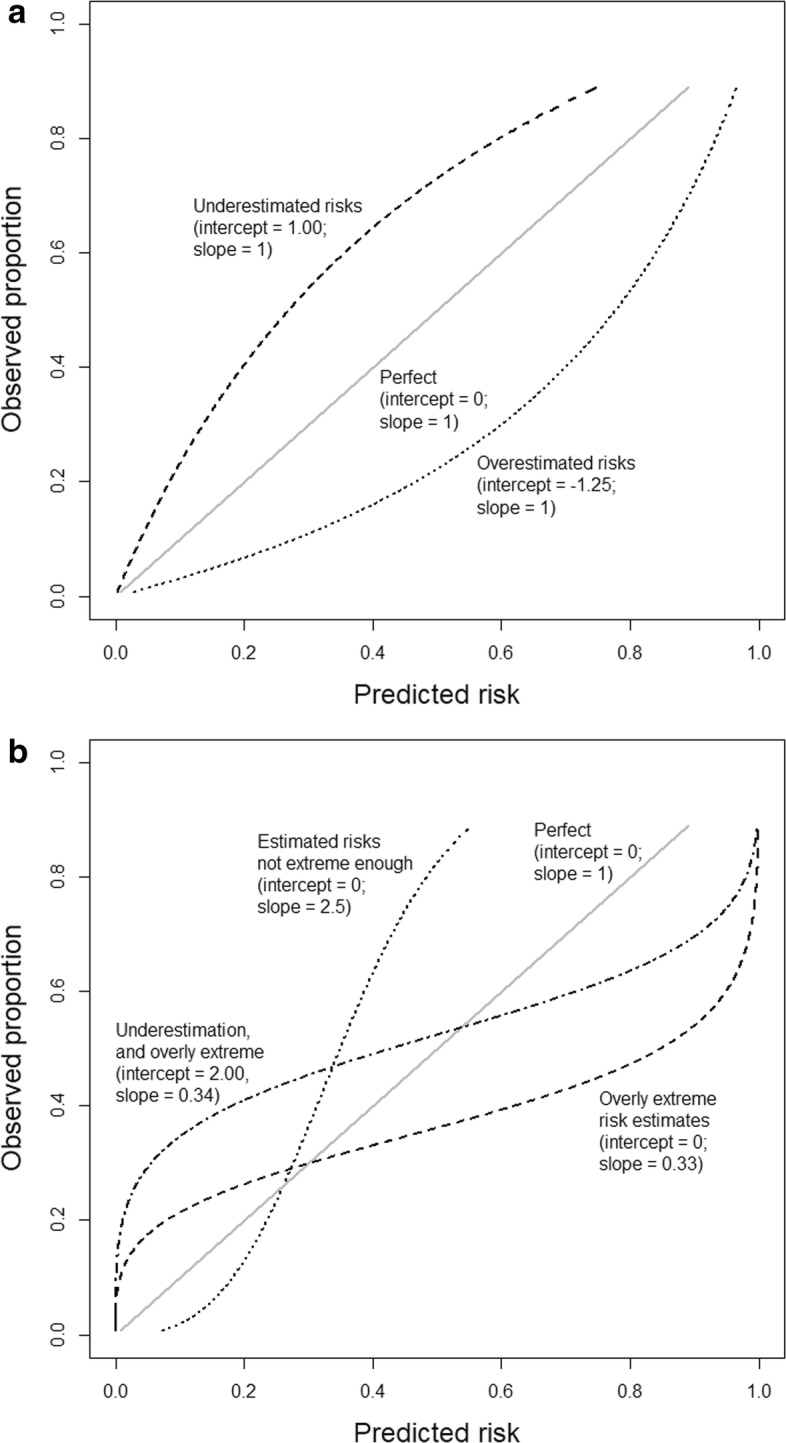
“Curves above the diagonal, or O:E ratios >1, indicate risk underestimation, whereas curves below, or O:E ratios 1, signal overestimation 34 .”
Atni, M. H. M., Rosdy, N. M. M. N. M., Tajudin, M. A. A. M., Rusly, A. A., Raob, N. A. A., & Sabri, B. A. M. (2025) · BDJ · doi:10.1038/s41415-025-9105-5 · Cited by 7
Plasma proteomic profiles identify biomarkers predicting Crohn’s disease up to 16 years before onset
Feng, J. Q., Chen, S., Li, Q., Long, Y., Ma, Y., Zhang, L., Zeng, R., Luo, D., Meng, M., Yu, S., et al. (2025) · Nature Communications · doi:10.1038/s41467-025-66483-4 · Cited by 9
“We also assessed model calibration using calibration slope and calibration curves 50,51 (Supplementary Table 17 and Supplementary Fig.”
Predicting myopia risk using a machine learning model based on fundus imageomics
Zhang, X., Wang, Z., Yu, J., Wang, J., Song, D., Zhang, B., Li, X., Du, B., & Wei, R. (2025) · Scientific Reports · doi:10.1038/s41598-025-27848-3 · Cited by 7
Mostaghimi, H., Cohen, D. A., Okhravi, H. R., Niknejad, B., & Audette, M. A. (2025) · Archives of Gerontology and Geriatrics Plus · doi:10.1016/j.aggp.2025.100207 · Cited by 7
Multicenter evaluation of interpretable AI for coronary artery disease diagnosis from PET biomarkers
Zhang, W., Kwieciński, J., Shanbhag, A. D., Miller, R. J. H., Mostafavi, S., Ramirez, G., Yi, J., Han, D., Dey, D., Grodecka, D., et al. (2026) · npj Digital Medicine · doi:10.1038/s41746-026-02338-6 · Cited by 7
Ardıç, N., & Dinç, R. (2026) · Frontiers in Digital Health · doi:10.3389/fdgth.2026.1785381 · Cited by 9
Zhu, S., Shi, W., Qian, H., Tong, X., Hu, R. L., Bo, J., & Gu, X. (2026) · PLoS Medicine · doi:10.1371/journal.pmed.1005024 · Cited by 9
“…external calibration improvement have been reported in prior studies of machine learning models applied to heterogeneous clinical datasets [39,40] Subgroup analyses showed consistent model performance across age and ASA-based risk strata in both development and external cohorts,…”
Performance of PREVENT Cardiovascular Risk in Electronic Health Record–Based Clinical Practice
Hong, C., Niu, M., Wang, H. Z., Wojdyla, D. M., Economou-Zavlanos, N., Engelhard, M., Pignone, M. P., Patel, M. R., & Pencina, M. J. (2026) · JAMA Network Open · doi:10.1001/jamanetworkopen.2026.6838 · Cited by 7
Semenas, E., Helleberg, J., Bartha, E., Kalman, S., & Holm, M. (2023) · British journal of surgery · doi:10.1093/bjs/znad039 · Cited by 7
Non-Laboratory-Based Risk Prediction Tools for Undiagnosed Pre-Diabetes: A Systematic Review
Cheng, W. H.-G., Mi, Y., Dong, W., Tse, E. T. Y., Wong, C. K. H., Bedford, L. E., & Lam, C. L. K. (2023) · Diagnostics · doi:10.3390/diagnostics13071294 · Cited by 8
Teeple, S., Chivers, C., Linn, K. A., Halpern, S. D., Eneanya, N. D., Draugelis, M. E., & Courtright, K. R. (2023) · BMJ Quality & Safety · doi:10.1136/bmjqs-2022-015173 · Cited by 11
Keeping It Simple: Developing a Prognostic Tool for Spinal Epidural Abscess
Boukebous, B., Petrie, L., & Baker, J. F. (2023) · Global Spine Journal · doi:10.1177/21925682231221497 · Cited by 7
Shin, Y., Cho, K.-J., Chang, M., Youk, H., Kim, Y.-J., Park, J. Y., & Yoo, D. (2024) · Signa Vitae · doi:10.22514/sv.2024.045 · Cited by 16
Development and evaluation of predictive models for pregnancy risk in UK dairy cows
Barden, M., Hyde, R., Green, M. J., Bradley, A., Can, E., Clifton, R., Lewis, K., Manning, A., & O’Grady, L. (2024) · Journal of Dairy Science · doi:10.3168/jds.2023-24623 · Cited by 10
Alsoud, D., Sabino, J., Ferrante, M., Verstockt, B., & Vermeire, S. (2024) · Clinical Gastroenterology and Hepatology · doi:10.1016/j.cgh.2024.09.020 · Cited by 7
Paudel, R., Dias, S. L., Wade, C. G., Cronin, C. M., & Hassett, M. J. (2024) · JCO Clinical Cancer Informatics · doi:10.1200/cci-24-00145 · Cited by 11
Development of a prediction model for clinically-relevant fatigue: a multi-cancer approach
Adiprakoso, D., Katsimpokis, D., Oerlemans, S., Ezendam, N. P. M., van Maaren, M. C., van Til, J. A., van der Heijden, T. G. W., Mols, F., Aben, K. K. H., Vink, G. R., et al. (2024) · Quality of Life Research · doi:10.1007/s11136-024-03807-9 · Cited by 8
Zhu, X., Ventura, E. F., Bansal, S., Wijeyesekera, A., & Vimaleswaran, K. S. (2025) · Computers in Biology and Medicine · doi:10.1016/j.compbiomed.2025.109661 · Cited by 8
Kim, H. C., Chandel, A., King, C. S., Kim, M. J., Shawabkeh, M., Arunachalam, A., Tomic, R., & Nathan, S. D. (2025) · Lung · doi:10.1007/s00408-024-00783-2 · Cited by 7
Graf, R., Todd, S., & Baksh, M. F. (2026) · Biometrical Journal · doi:10.1002/bimj.70171 · Cited by 8
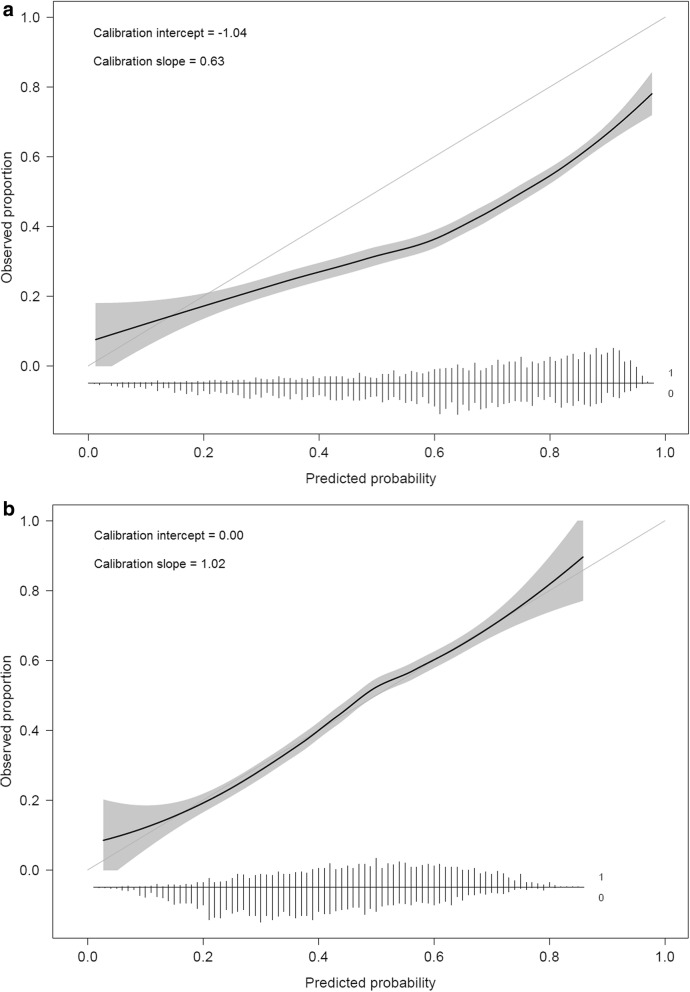
“A calibration plot of observed on predicted probabilities of mortality indicates deviation from perfect prediction the more the slope deviates from the ideal line with slope 1 (Van Calster et al., 2019).”
Alemu, M., Alemu, S. M., Bagheri, N., Wangdi, K., & Chateau, D. G. (2025) · Open Heart · doi:10.1136/openhrt-2024-003147 · Cited by 8
Bonsdorff, A., Kjeseth, T., Kirkegård, J., de Ponthaud, C., Ghorbani, P., Wennerblom, J. H., Williamsson, C., Acher, A. W., Thillai, M., Tarvainen, T., et al. (2025) · British journal of surgery · doi:10.1093/bjs/znae313 · Cited by 7
Haghnejad, V., Burke, L., Ouahabi, S. E., Parker, R., & Rowe, I. A. C. (2025) · Hepatology · doi:10.1097/hep.0000000000001359 · Cited by 9
Ahmed, F., Al-Kohlany, K. M., Al-naggar, K., Alnadhari, I., Altam, A., & Badheeb, M. A. (2025) · Research and Reports in Urology · doi:10.2147/rru.s515846 · Cited by 7
Maternal early warning scores shown to be methodologically weak and at high risk of bias
Chester‐Jones, M., Kirtley, S., Er, F., Jogarah, V., Qiao, Y., Tunn, R., Vides, N., Watkinson, P., Knight, M., Gerry, S., et al. (2025) · Journal of Clinical Epidemiology · doi:10.1016/j.jclinepi.2025.111833 · Cited by 9
“Numerous guidelines exist for CPM development and validation [16,17] that recommend reporting sample size calculations [18–21], predictive performance [14,15,21,22], and addressing missing data at all stages.”
Deng, J., Moskalyk, M., Nayan, M., Aoude, A., Ghert, M. A., Bhatnagar, S., & Bozzo, A. (2025) · JBJS Open Access · doi:10.2106/jbjs.oa.24.00213 · Cited by 8
“Deviations of the slope and the intercept from these values indicate that the model may be overestimating or underestimating outcome probabilities, resulting in a worse calibrated model 35 .”
Kotzé, A., Lawton, T., Howell, S. J., O'Driscoll, R., Odling-Smee, M. K., Shangguan, L., Johnson, O. A., & Wong, D. (2025) · Anaesthesia · doi:10.1111/anae.16777 · Cited by 7
Kuo, N. I.-H., Gallego, B., & Jorm, L. R. (2025) · Journal of Biomedical Informatics · doi:10.1016/j.jbi.2025.104928 · Cited by 10
Meid, A. D., González‐González, A. I., Dinh, T. S., Blom, J. W., van den Akker, M., Elders, P. J. M., Thiem, U., de Gaudry, D. K., Swart, K. M. A., Rudolf, H., et al. (2021) · BMJ Open · doi:10.1136/bmjopen-2020-045572 · Cited by 7
Singh, K., Murali, A., Stevens, H. E., Vydiswaran, V. G. V., Bohnert, A. S. B., Brummett, C. M., & Fernandez, A. C. (2022) · Surgery · doi:10.1016/j.surg.2022.01.008 · Cited by 7
Validation of Predictive Analyses for Interim Decisions in Clinical Trials
Avalos‐Pacheco, A., Ventz, S., Arfè, A., Alexander, B. M., Rahman, R. M., Wen, P. Y., & Trippa, L. (2023) · JCO Precision Oncology · doi:10.1200/po.22.00606 · Cited by 10
“We also describe summaries of the performance of candidate prediction models in terms of calibration, 34-36 discrimination, 37,38 and impact on major operating characteristics of the clinical trial.”
Emani, S. S., Swaminathan, A., Grobman, B., Duvall, J. B., López, I., Arnaout, O. M., & Huang, K. T. (2023) · Neurosurgical FOCUS · doi:10.3171/2023.3.focus2352 · Cited by 8
“42 Calibration can be measured using metrics such as calibration slope (optimally 1) and calibration intercept (optimally 0), as well as calibration plots.”
MethodDiguisto, C., Morgan, A. S., Foix-L'Hélias, L., Pierrat, V., Ancel, P., Cohen, J. F., & Goffinet, F. (2023) · BJOG An International Journal of Obstetrics & Gynaecology · doi:10.1111/1471-0528.17633 · Cited by 7
Karabacak, M., & Margetis, K. D. (2023) · European Spine Journal · doi:10.1007/s00586-023-07923-x · Cited by 7
“Additionally, we assessed the models' calibration using the Brier score, an index measuring the mean squared difference between predicted and actual probabilities [17, 18].”
MethodLiukkonen, R. J., Honkanen, M., Eskelinen, A. P., & Reito, A. R. (2023) · The Journal of Arthroplasty · doi:10.1016/j.arth.2023.12.012 · Cited by 7
An Improved Clinical and Genetics-Based Prediction Model for Diabetic Foot Ulcer Healing
Hettinger, G., Mitra, N., Thom, S. R., & Margolis, D. J. (2024) · Advances in Wound Care · doi:10.1089/wound.2023.0194 · Cited by 7
Artificial Intelligence in Medical Imaging by Machine Learning and Deep Learning
Rahate, K., Sengar, M. S., & Patel, S. (2024) · Advances in medical technologies and clinical practice book series · doi:10.4018/979-8-3693-2238-3.ch006 · Cited by 7
Ermak, A. D., Gavrilov, D. V., Novitskiy, R. E., Gusev, A. V., & Андрейченко, А. Е. (2024) · International Journal of Medical Informatics · doi:10.1016/j.ijmedinf.2024.105476 · Cited by 7
A Conceptual Introduction to Regression
Turner, D. P., & Deng, H. (2020) · Headache The Journal of Head and Face Pain · doi:10.1111/head.13834 · Cited by 9
Borensztajn, D., Hagedoorn, N. N., Carrol, E. D., von Both, U., Dewez, J. E., Emonts, M., van der Flier, M., de Groot, R., Herberg, J. A., Kohlmaier, B., et al. (2021) · The Lancet Regional Health - Europe · doi:10.1016/j.lanepe.2021.100173 · Cited by 7
Arcangioli, M.-A., Lurier, T., Hauray, K., & Tardy, F. (2021) · animal · doi:10.1016/j.animal.2021.100397 · Cited by 10
“Calibration of the mixed logistic regression model was assessed by examining calibration at the weak and moderate senses (Van Calster et al., 2019).”
MethodThe roles of predictors in cardiovascular risk models - a question of modeling culture?
Wallisch, C., Agibetov, A., Dunkler, D., Haller, M. C., Samwald, M., Dorffner, G., & Heinze, G. (2021) · BMC Medical Research Methodology · doi:10.1186/s12874-021-01487-4 · Cited by 8
“While some studies embraced the flexibility of computer-intensive methods which often showed increased predictive performance [27–31], others have pointed at possible pitfalls in comparative studies such as irrelevant increase in predictive power and the focus on discriminative ability while neglecting calibration [13…”
BackgroundA validation of models for prediction of pathogenic variants in mismatch repair genes
Shyr, C., Blackford, A. L., Huang, T., Ke, J., Ouardaoui, N., Trippa, L., Syngal, S., Ukaegbu, C. I., Uno, H., Nafa, K., et al. (2022) · Genetics in Medicine · doi:10.1016/j.gim.2022.07.004 · Cited by 7
Clinical predictive models in equine medicine: A systematic review
Cummings, C. O., Krucik, D. D. R., & Price, E. (2022) · Equine Veterinary Journal · doi:10.1111/evj.13880 · Cited by 7
Revisiting the Application of an Adult Kidney Failure Risk Prediction Equation to Children With CKD
Menon, G., Pierce, C. B., Ng, D. K., Fathallah-Shaykh, S. A., Nayak, A. B., Turman, M. A., Blydt‐Hansen, T. D., Wong, C. J., Alexander, S., Yadin, O., et al. (2022) · American Journal of Kidney Diseases · doi:10.1053/j.ajkd.2022.11.004 · Cited by 7
Granholm, A., Schjørring, O. L., Jensen, A. K. G., Kaas‐Hansen, B. S., Munch, M. W., Klitgaard, T., Crescioli, E., Kjær, M. N., Strøm, T., Lange, T., et al. (2023) · Acta Anaesthesiologica Scandinavica · doi:10.1111/aas.14231 · Cited by 7
“Calibration slopes were similarly used to assess the model fit in the other trial dataset (externally) and measures systematic over- or underfitting of models, with values of 1 being ideal, while values <1 and >1 suggest too extreme or too moderate predictions, respectively.(31) Abbreviations: CI, confidence interval;…”
MethodInfluentialWaseem, M. H., Nadeem, M. S. A., Khan, I. R., Seong-O-Shim, Aziz, W., & Habib, U. (2023) · Computers, materials & continua/Computers, materials & continua (Print) · doi:10.32604/cmc.2023.036710 · Cited by 7
ROC curves for clinical prediction models part 3. The ROC plot: a picture that needs a 1000 words
CALSTER, B. V., Wynants, L., Collins, G. S., Verbakel, J. Y. J., & Steyerberg, E. W. (2020) · Journal of Clinical Epidemiology · doi:10.1016/j.jclinepi.2020.05.037 · Cited by 10
“For example, a model may have a high AUC, but may systematically overestimate risk in all patients [3].”
BackgroundSelf-citationMani, I., Alexopoulos, T., Hadziyannis, E. S., Tsiriga, A., Vourli, G., & Alexopoulou, A. A. (2021) · European Journal of Gastroenterology & Hepatology · doi:10.1097/meg.0000000000002332 · Cited by 7
Valente, F., Paredes, S., & Henriques, J. M. O. (2021) · arXiv (Cornell University) · doi:10.48550/arxiv.2107.07483 · Cited by 11
“In any case, in an averaging voting, the result should be calibrated to produce a clinically meaningful probability (Van Calster et al., 2019).”
Utilizing machine learning in predictive modeling: what’s next?
Muhsen, I. N., & Hashmi, S. K. (2022) · Bone Marrow Transplantation · doi:10.1038/s41409-022-01622-9 · Cited by 8
Ke, J. X. C., McIsaac, D. I., George, R. B., Branco, P., Cook, E. F., Beattie, W. S., Urquhart, R., & MacDonald, D. B. (2022) · Canadian Journal of Anesthesia/Journal canadien d'anesthésie · doi:10.1007/s12630-022-02287-0 · Cited by 6
Classification and predictive models using supervised machine learning: A conceptual review
Pienaar, M. A., & Naidoo, K. D. (2025) · Southern African Journal of Critical Care · doi:10.7196/sajcc.2025.v411.2937 · Cited by 6
“[27]”
InfluentialChandrasekar, R. S., Kane, M. J., & Krishnamurti, L. (2025) · JMIR AI · doi:10.2196/64519 · Cited by 6
Prediction of spontaneous preterm birth in pregnant women using machine learning
Yang, X., Song, X., Yang, K., Gao, P., Wang, S., Zhang, S., Qiang, R., Li, Z., & Gao, X. (2025) · Archives of Gynecology and Obstetrics · doi:10.1007/s00404-025-08117-0 · Cited by 6
“The estimated risks can be higher or lower than the real observed risks when the model has good discrimination [29].”
Fu, Y., Jenks, A. D., Rubinstein, S. M., de Luca, K. E., Axén, I., Koes, B. W., & Chiarotto, A. (2025) · Chiropractic & Manual Therapies · doi:10.1186/s12998-025-00592-1 · Cited by 6
Cost-Efficient Early Diagnostic Tool for Lung Cancer: Explainable AI in Clinical Systems
Sebastian, A. M., Peter, D., Rajagopal, T. P., & Sebastian, R. A. (2025) · Technology in Cancer Research & Treatment · doi:10.1177/15330338251370239 · Cited by 6
“63,64 By comparing these values, we can assess how well the model ’ s classi fi cation aligns with the actual underlying probabilities.”
Raihana, Z., Kader, M., Islam, M. Z., Bornee, F. A., Mondal, M. N. I., Chowdhury, M. R. K., & Billah, B. (2025) · Frontiers in Psychology · doi:10.3389/fpsyg.2025.1650667 · Cited by 6
Nwokedi, V. U., Odedele, M. K., Yusuff, T. A., Anderson, I. A., Akanbi, O. O., Agu, C. P., & Omoike, A. O. (2025) · Epidemiology and Health Data Insights · doi:10.63946/ehdi/17369 · Cited by 8
Hasan, M. R., Ibraheem, N., Rahman, M. E., & Tamanna, R. (2025) · Cureus · doi:10.7759/cureus.96226 · Cited by 8
“Given heterogeneity in populations, modalities, and reporting, we used narrative synthesis following Synthesis Without Meta-analysis (SWiM) guidance [26], emphasizing model validity and calibration [18], clinically meaningful thresholds [19], and robust internal-external/external validation [20].”
Artificial intelligence for risk assessment and outcome prediction in malignant haematology
Eckardt, J., Walter, W., Middeke, J. M., & Haferlach, T. (2025) · British Journal of Haematology · doi:10.1111/bjh.70231 · Cited by 6
“19 Calibration can be evaluated, for example, using calibration plots or the Brier score 20 and can be improved via, for example, isotonic or Platt scaling.”
Testa, D., Magnoni, P., Fanizza, C., Bussa, M., Zanfino, A., Hashemian, D. K., Rebora, P., Bisceglia, L., & Russo, A. G. (2025) · Journal of Clinical Medicine · doi:10.3390/jcm14248725 · Cited by 6
“Model calibration is crucial, since poor calibration can render predictions misleading [108].”
Li, Y., Chen, P., & Gao, B. (2025) · Lipids in Health and Disease · doi:10.1186/s12944-025-02820-2 · Cited by 8
Metadata
- Authors
- On behalf of Topic Group ‘Evaluating diagnostic tests and prediction models’ of the STRATOS initiative, Van Calster, B., McLernon, D. J., van Smeden, M., Wynants, L., & Steyerberg, E. W.
- Affiliations
- KU Leuven (BE)
- University of Aberdeen (GB)
- Leiden University Medical Center (NL)
- Venue
- BMC Medicine
- Published
- 2019-12
- Volume
- 17
- Issue
- 1
- Pages
- 230-230
- ISSN
- 1741-7015 (ISSN-L)
- PMC
- PMC6912996
- OpenAlex
- W2996480032
- Semantic Scholar
- 2cb777cd1965f77102da963a69ca748d4ff6bd5e
- Cited by
- 2,650
- References
- 39
- Citations by year
- 2026: 1224 · 2025: 379 · 2024: 291 · 2023: 283 · 2022: 262 · 2021: 159 · 2020: 51
- FWCI
- 93.43
- Type
- journal article
- Language
- en
- Open access
- gold
- doi.org
- Licence
- cc-by
- creativecommons.org/licenses/by/4.0/ (tdm)
- creativecommons.org/licenses/by/4.0/ (vor, 15 d)
- Locations
- BMC Medicine (publishedVersion, cc-by)
- Europe PMC (PubMed Central) (publishedVersion, cc-by)
- PubMed Central (publishedVersion, cc-by)
- PubMed (publishedVersion)
- Research Publications (Maastricht University) (publishedVersion, cc-by)
- Aberdeen University Research Archive (Aberdeen University) (submittedVersion, cc-by-nc)
- Lirias (submittedVersion, cc-by-nc)
- Pure Amsterdam UMC (submittedVersion, cc-by-nc)
- Data Archiving and Networked Services (DANS) (submittedVersion, other-oa)
- Data Archiving and Networked Services (DANS) (submittedVersion)
- Leiden Repository (Leiden University) (submittedVersion)
- DOAJ (DOAJ: Directory of Open Access Journals) (submittedVersion, cc-by-sa)
- Utrecht University Repository (Utrecht University) (submittedVersion, other-oa)
- University of Birmingham Research Portal (University of Birmingham) (submittedVersion, other-oa)
- Research Publications (Maastricht University) (submittedVersion, other-oa)
- Funders
- Fonds Wetenschappelijk Onderzoek (G0B4716N)
- Onderzoeksraad, KU Leuven (C24/15/037)
- Topics
- Physical Sciences › Mathematics › Statistics and Probability › Statistical Methods in Epidemiology
- Health Sciences › Health Professions › Health Information Management › Artificial Intelligence in Healthcare
- Physical Sciences › Computer Science › Artificial Intelligence › Machine Learning in Healthcare
- Keywords
- model calibration, risk prediction model, predictive analytics, calibration curve, external validation, model updating, clinical decision-making, shared decision-making, sample size, model complexity
- MeSH terms
- Machine Learning, Adult, Aged, Algorithms, Calibration, Humans, Male, Middle Aged, Predictive Value of Tests
About these checks
Registry, retraction, Cites and statistics results are computed, not judged, with one exception: a printed reference that no index lists is read once by a model before it counts as a citation error. Claims are extracted by a model and kept only when their quote appears verbatim in the text; each cited source is then checked, with a model’s help, for whether it says what the claim relies on. Those verdicts can be wrong — read the claim’s quote and the cited source before relying on one.
Statistics and arithmetic are recomputed, not judged.
Confidence bands are shown only for fields calibrated on our annotated test set. None is calibrated yet, so no band is shown.
What counts as a claim ›How we measure confidence ›How we check this ›
Are you an author, or do you see a problem with this page? Request a review
Data sources
Bibliographic data: Semantic Scholar, OpenAlex, Crossref.
Contains information from the Semantic Scholar Academic Graph Datasets, made available under the ODC Attribution License (ODC-BY 1.0).
Semantic Scholar’s data is described in: Kinney, R., et al. (2023). The Semantic Scholar Open Data Platform. arXiv:2301.10140.
