

Calibration: the Achilles heel of predictive analytics
Open accessThe DOI matches its Crossref record; 41 of the 41 references it cites were found in a registry or an index.
Abstract
Background: The assessment of calibration performance of risk prediction models based on regression or more flexible machine learning algorithms receives little attention. Main text: Herein, we argue that this needs to change immediately because poorly calibrated algorithms can be misleading and potentially harmful for clinical decision-making. We summarize how to avoid poor calibration at algorithm development and how to assess calibration at algorithm validation, emphasizing balance between model complexity and the available sample size. At external validation, calibration curves require sufficiently large samples. Algorithm updating should be considered for appropriate support of clinical practice. Conclusion: Efforts are required to avoid poor calibration when developing prediction models, to evaluate calibration when validating models, and to update models when indicated. The ultimate aim is to optimize the utility of predictive analytics for shared decision-making and patient counseling.
Overview
The claims and statistics of this paper haven’t been checked yet.
Free: it reads the open-access text and checks the first 5 claims that cite a source we can check. Create a free account to check every claim.
Integrity signals
Registry
Cites
Statistics
Figures
Verification
Claims the paper makes
The claims and statistics of this paper haven’t been checked yet.
Free: it reads the open-access text and checks the first 5 claims that cite a source we can check. Create a free account to check every claim.
Claims other papers make about this one
Each is checked against this paper’s own text: does it say what the citing paper says it does?
The cited source doesn’t support the claim as written.
In the citing paper
“Miscalibration is a distinct hazard from inaccuracy [3].”
From Do Calibrated-Probability Claims Hold Up in Clinical Diagnosis? A Pre-registered Evaluation of a Decision Model Against Frontier Language Models (2026) · cites this paper as [3]
Checked by a reasoning model — may be wrong.
Experimental — accuracy not yet measuredThe source backs part of the claim, not all of it — or backs it for a different population, condition or comparison.
In the citing paper
“Challenges remain related to generalisability across institutions, alert fatigue, and calibration drift over time [19,20].”
From Artificial Intelligence in Clinical Decision-Making: A Comprehensive Review of Diagnostic, Prognostic, and Therapeutic Applications, Validation Gaps, Bias, and Deployment Challenges (2026) · cites this paper as [20]
Experimental — accuracy not yet measuredThe source backs part of the claim, not all of it — or backs it for a different population, condition or comparison.
In the citing paper
“Such a system works only if the probabilities are calibrated, meaning that a stated probability matches how often the model is actually right [3].”
From Do Calibrated-Probability Claims Hold Up in Clinical Diagnosis? A Pre-registered Evaluation of a Decision Model Against Frontier Language Models (2026) · cites this paper as [3]
Experimental — accuracy not yet measuredThe cited source says what the claim attributes to it.
In the citing paper
“Still, AIPM updating, site-specific training or recalibration might be needed to adapt an existing AIPM to a different healthcare setting3,5,9,60,68,72.”
From Guidelines and quality criteria for artificial intelligence-based prediction models in healthcare: a scoping review (2022) · cites this paper as [60]
The cited source says what the claim attributes to it.
In the citing paper
“Increasing emphasis has therefore been placed on model calibration, which examines whether predicated probabilities correspond to true clinical risk [73].”
From Artificial Intelligence in Dermatopathology: An Update and Review of the Current Literature (2026) · cites this paper as [73]
7 more claims about this paper
Create a free account to see every claim other papers make about this one.
Self-check
Percentages, sums and reported differences re-computed from the paper’s own numbers.
The self-check needs the paper’s full text.
Citations
Cites
Bray, F., Ferlay, J., Soerjomataram, I., Siegel, R. L., Torre, L. A., & Jemal, A. (2018) · CA: A Cancer Journal for Clinicians · doi:10.3322/caac.21492 · Cited by 84,109 · cited 1×
“Often, patient characteristics and disease incidence or prevalence rates vary greatly between health centers, regions, and countries [16].”
BackgroundMoons, K. G. M., Altman, D. G., Reitsma, J. B., Ioannidis, J. P. A., Macaskill, P., Steyerberg, E. W., Vickers, A. J., Ransohoff, D. F., & Collins, G. S. (2015) · Annals of Internal Medicine · doi:10.7326/m14-0698 · Cited by 5,147 · cited 2×
“Reporting on calibration performance is recommended by the TRIPOD (Transparent Reporting of a multivariable prediction model for Individual Prognosis Or Diagnosis) guidelines for prediction modeling studies [12].”
BackgroundMethodSelf-citationClinical Prediction Models: A Practical Approach to Development, Validation, and Updating
Steyerberg, E. W. (2019) · Statistics for Biology and Health · doi:10.1007/978-3-030-16399-0 · Cited by 3,281
Self-citationChristodoulou, E., Ma, J., Collins, G. S., Steyerberg, E. W., Verbakel, J. Y., & Van Calster, B. (2019) · Journal of Clinical Epidemiology · doi:10.1016/j.jclinepi.2019.02.004 · Cited by 2,119
Self-citationSteyerberg, E. W. (2009) · Statistics for Biology and Health · doi:10.1007/978-0-387-77244-8 · Cited by 1,491
Self-citationRiley, R. D., Snell, K. I., Ensor, J., Burke, D. L., Harrell Jr, F. E., Moons, K. G., & Collins, G. S. (2019) · Statistics in Medicine · doi:10.1002/sim.7992 · Cited by 1,409 · cited 1×
“It is important to prespecify the modeling strategy and to ensure that sample size is sufficient for the number of considered predictors [30, 31].”
BackgroundA calibration hierarchy for risk models was defined: from utopia to empirical data
Van Calster, B., Nieboer, D., Vergouwe, Y., De Cock, B., Pencina, M. J., & Steyerberg, E. W. (2016) · Journal of Clinical Epidemiology · doi:10.1016/j.jclinepi.2015.12.005 · Cited by 910 · cited 6×
“The accuracy of risk estimates, relating to the agreement between the estimated and observed number of events, is called ‘ calibration ’ [4].”
BackgroundMethodInfluentialSelf-citationMoore, R. G., McMeekin, D. S., Brown, A. K., DiSilvestro, P., Miller, M. C., Allard, W. J., Gajewski, W., Kurman, R., Bast, R. C., & Skates, S. J. (2009) · Gynecologic Oncology · doi:10.1016/j.ygyno.2008.08.031 · Cited by 875 · cited 1×
“The concepts explained in this section are illustrated in Additional 1, with the validation of the Risk of Ovarian Malignancy Algorithm (ROMA) for the diagnosis of ovarian malignancy in women with an ovarian tumor selected for surgical removal [28]; further details can be found elsewhere [1, 4, 29].”
MethodSample size for binary logistic prediction models: Beyond events per variable criteria
van Smeden, M., Moons, K. G., de Groot, J. A., Collins, G. S., Altman, D. G., Eijkemans, M. J., & Reitsma, J. B. (2019) · Statistical Methods in Medical Research · doi:10.1177/0962280218784726 · Cited by 791 · cited 1×
“It is important to prespecify the modeling strategy and to ensure that sample size is sufficient for the number of considered predictors [30, 31].”
BackgroundA Deep Learning Mammography-based Model for Improved Breast Cancer Risk Prediction
Yala, A., Lehman, C., Schuster, T., Portnoi, T., & Barzilay, R. (2019) · Radiology · doi:10.1148/radiol.2019182716 · Cited by 758 · cited 1×
“Calibration is especially important when the aim is to support decision-making, even when discrimination is moderate such as for breast cancer prediction models [13].”
Background
Cited by
Wynants, L., Van Calster, B., Bonten, M. M., Collins, G. S., Debray, T. P., De Vos, M., Haller, M. C., Heinze, G., Moons, K. G., Riley, R. D., et al. (2020) · doi:10.1101/2020.03.24.20041020 · Cited by 3,070
Self-citationMoons, K. G. M., Damen, J. A. A., Kaul, T., Hooft, L., Andaur Navarro, C., Dhiman, P., Beam, A. L., Van Calster, B., Celi, L. A., Denaxas, S., et al. (2025) · BMJ · doi:10.1136/bmj-2024-082505 · Cited by 1,069
Self-citationMachine learning for medical imaging: methodological failures and recommendations for the future
Varoquaux, G., & Cheplygina, V. (2022) · npj Digital Medicine · doi:10.1038/s41746-022-00592-y · Cited by 656
Evaluation of clinical prediction models (part 2): how to undertake an external validation study
Riley, R. D., Archer, L., Snell, K. I. E., Ensor, J., Dhiman, P., Martin, G. P., Bonnett, L. J., & Collins, G. S. (2024) · BMJ · doi:10.1136/bmj-2023-074820 · Cited by 401
Rajula, H. S. R., Verlato, G., Manchia, M., Antonucci, N., & Fanos, V. (2020) · Medicina · doi:10.3390/medicina56090455 · Cited by 606
“Possibly much bigger sample sizes are required to gain reliable (calibrated) risk predictions [44] than reliable (diagnostic) classifications.”
BackgroundDeveloping clinical prediction models: a step-by-step guide
Efthimiou, O., Seo, M., Chalkou, K., Debray, T., Egger, M., & Salanti, G. (2024) · BMJ · doi:10.1136/bmj-2023-078276 · Cited by 544
Interpreting area under the receiver operating characteristic curve
de Hond, A. A. H., Steyerberg, E. W., & van Calster, B. (2022) · The Lancet Digital Health · doi:10.1016/s2589-7500(22)00188-1 · Cited by 503
Self-citationde Hond, A. A. H., Leeuwenberg, A. M., Hooft, L., Kant, I. M. J., Nijman, S. W. J., van Os, H. J. A., Aardoom, J. J., Debray, T. P. A., Schuit, E., van Smeden, M., et al. (2022) · npj Digital Medicine · doi:10.1038/s41746-021-00549-7 · Cited by 499
“Still, AIPM updating, site-speci fi c training or recalibration might be needed to adapt an existing AIPM to a different healthcare setting 3,5,9,60,68,72 .”
BackgroundMethodSelf-citationvan den Goorbergh, R., van Smeden, M., Timmerman, D., & Van Calster, B. (2022) · Journal of the American Medical Informatics Association · doi:10.1093/jamia/ocac093 · Cited by 362
Decision curve analysis to evaluate the clinical benefit of prediction models
Vickers, A. J., & Holland, F. (2021) · The Spine Journal · doi:10.1016/j.spinee.2021.02.024 · Cited by 394
Andaur Navarro, C. L., Damen, J. A. A., Takada, T., Nijman, S. W. J., Dhiman, P., Ma, J., Collins, G. S., Bajpai, R., Riley, R. D., Moons, K. G. M., et al. (2021) · BMJ · doi:10.1136/bmj.n2281 · Cited by 415
Minimum sample size for external validation of a clinical prediction model with a binary outcome
Riley, R. D., Debray, T. P. A., Collins, G. S., Archer, L., Ensor, J., van Smeden, M., & Snell, K. I. E. (2021) · Statistics in Medicine · doi:10.1002/sim.9025 · Cited by 400
Clinical features of COVID-19 mortality: development and validation of a clinical prediction model
Yadaw, A. S., Li, Y.-C., Bose, S., Iyengar, R., Bunyavanich, S., & Pandey, G. (2020) · The Lancet Digital Health · doi:10.1016/s2589-7500(20)30217-x · Cited by 308
The need to separate the wheat from the chaff in medical informatics
Cabitza, F., & Campagner, A. (2021) · International Journal of Medical Informatics · doi:10.1016/j.ijmedinf.2021.104510 · Cited by 276
“(classification models) Is the model calibration described? If the answer is yes, the Brier score should be reported, and a calibration plot should be presented [63] © © © © © ©”
BackgroundThere is no such thing as a validated prediction model
Van Calster, B., Steyerberg, E. W., Wynants, L., & van Smeden, M. (2023) · BMC Medicine · doi:10.1186/s12916-023-02779-w · Cited by 286
Self-citationEarly prediction of preeclampsia in pregnancy with cell-free RNA
Moufarrej, M. N., Vorperian, S. K., Wong, R. J., Campos, A. A., Quaintance, C. C., Sit, R. V., Tan, M., Detweiler, A. M., Mekonen, H., Neff, N. F., et al. (2022) · Nature · doi:10.1038/s41586-022-04410-z · Cited by 247
Clinical prediction models: diagnosis versus prognosis
van Smeden, M., Reitsma, J. B., Riley, R. D., Collins, G. S., & Moons, K. G. (2021) · Journal of Clinical Epidemiology · doi:10.1016/j.jclinepi.2021.01.009 · Cited by 238
Riley, R. D., Snell, K. I. E., Archer, L., Ensor, J., Debray, T. P. A., van Calster, B., van Smeden, M., & Collins, G. S. (2024) · BMJ · doi:10.1136/bmj-2023-074821 · Cited by 189
“Calibration is often neglected in validation studies, 5 24 despite it being widely recommended, for instance as an item in the TRIPOD (Transparent Reporting of a multivariable prediction model for Individual Prognosis or Diagnosis) reporting guideline.”
BackgroundBinuya, M. A. E., Engelhardt, E. G., Schats, W., Schmidt, M. K., & Steyerberg, E. W. (2022) · BMC Medical Research Methodology · doi:10.1186/s12874-022-01801-8 · Cited by 246
Self-citationGuidelines for Neuroprognostication in Comatose Adult Survivors of Cardiac Arrest
Rajajee, V., Muehlschlegel, S., Wartenberg, K. E., Alexander, S. A., Busl, K. M., Chou, S. H. Y., Creutzfeldt, C. J., Fontaine, G. V., Fried, H., Hocker, S. E., et al. (2023) · Neurocritical Care · doi:10.1007/s12028-023-01688-3 · Cited by 218
“Clinical prediction model performance is evaluated using measures of model discrimination and calibration, as described in Supplementary Appendix 1 [22].”
MethodThe Challenges of Machine Learning: A Critical Review
Barbierato, E., & Gatti, A. (2024) · Electronics · doi:10.3390/electronics13020416 · Cited by 199
“Van Calster et al. [62] discuss how the calibration of predictive algorithms in clinical decision making is critical.”
BackgroundImmunoglobulin signature predicts risk of post-acute COVID-19 syndrome
Cervia, C., Zurbuchen, Y., Taeschler, P., Ballouz, T., Menges, D., Hasler, S., Adamo, S., Raeber, M. E., Bächli, E., Rudiger, A., et al. (2022) · Nature Communications · doi:10.1038/s41467-021-27797-1 · Cited by 226
Artificial intelligence for modelling infectious disease epidemics
Kraemer, M. U. G., Tsui, J. L.-H., Chang, S. Y., Lytras, S., Khurana, M. P., Vanderslott, S., Bajaj, S., Scheidwasser, N., Curran-Sebastian, J. L., Semenova, E., et al. (2025) · Nature · doi:10.1038/s41586-024-08564-w · Cited by 169
“…the quality standard for statistical models used in health domains should be higher than for other fields, especially when understanding of cause-and-effect is relevant to treatment and policy decisions and when problems such as poor model calibration could cause considerable patient harm 148 .”
Stability of clinical prediction models developed using statistical or machine learning methods
Riley, R. D., & Collins, G. S. (2023) · Biometrical Journal · doi:10.1002/bimj.202200302 · Cited by 211
“This can be shown using calibration plots of estimated versus observed risks, and by examining the potential deviation of flexible calibration curves from the 45 ◦ line of perfect agreement (see Van Calster et al., 2016, 2019, for further explanation of calibration curves).”
MethodVentilator Weaning and Discontinuation Practices for Critically Ill Patients
Burns, K. E. A., Rizvi, L., Cook, D. J., Lebovic, G., Dodek, P., Villar, J., Slutsky, A. S., Jones, A., Kapadia, F. N., Gattas, D. J., et al. (2021) · JAMA · doi:10.1001/jama.2021.2384 · Cited by 196
Wearable movement-tracking data identify Parkinson’s disease years before clinical diagnosis
Schalkamp, A.-K., Peall, K. J., Harrison, N. A., & Sandor, C. (2023) · Nature Medicine · doi:10.1038/s41591-023-02440-2 · Cited by 168
Grobman, W. A., Sandoval, G., Rice, M. M., Bailit, J. L., Chauhan, S. P., Costantine, M. M., Gyamfi-Bannerman, C., Metz, T. D., Parry, S., Rouse, D. J., et al. (2021) · American Journal of Obstetrics and Gynecology · doi:10.1016/j.ajog.2021.05.021 · Cited by 192
Minimum sample size for external validation of a clinical prediction model with a continuous outcome
Archer, L., Snell, K. I. E., Ensor, J., Hudda, M. T., Collins, G. S., & Riley, R. D. (2021) · Statistics in Medicine · doi:10.1002/sim.8766 · Cited by 198
Lassau, N., Ammari, S., Chouzenoux, E., Gortais, H., Herent, P., Devilder, M., Soliman, S., Meyrignac, O., Talabard, M.-P., Lamarque, J.-P., et al. (2021) · Nature Communications · doi:10.1038/s41467-020-20657-4 · Cited by 190
Machine learning in precision diabetes care and cardiovascular risk prediction
Oikonomou, E. K., & Khera, R. (2023) · Cardiovascular Diabetology · doi:10.1186/s12933-023-01985-3 · Cited by 190
“Calibration assesses the agreement between the predicted and observed outcomes across the entire range of predictions [38].”
BackgroundMcLernon, D. J., Giardiello, D., Van Calster, B., Wynants, L., van Geloven, N., van Smeden, M., Therneau, T., Steyerberg, E. W., Initiative, T. G. 6. A. 8. O. T. S., McLernon, D. J., et al. (2023) · Annals of Internal Medicine · doi:10.7326/m22-0844 · Cited by 164
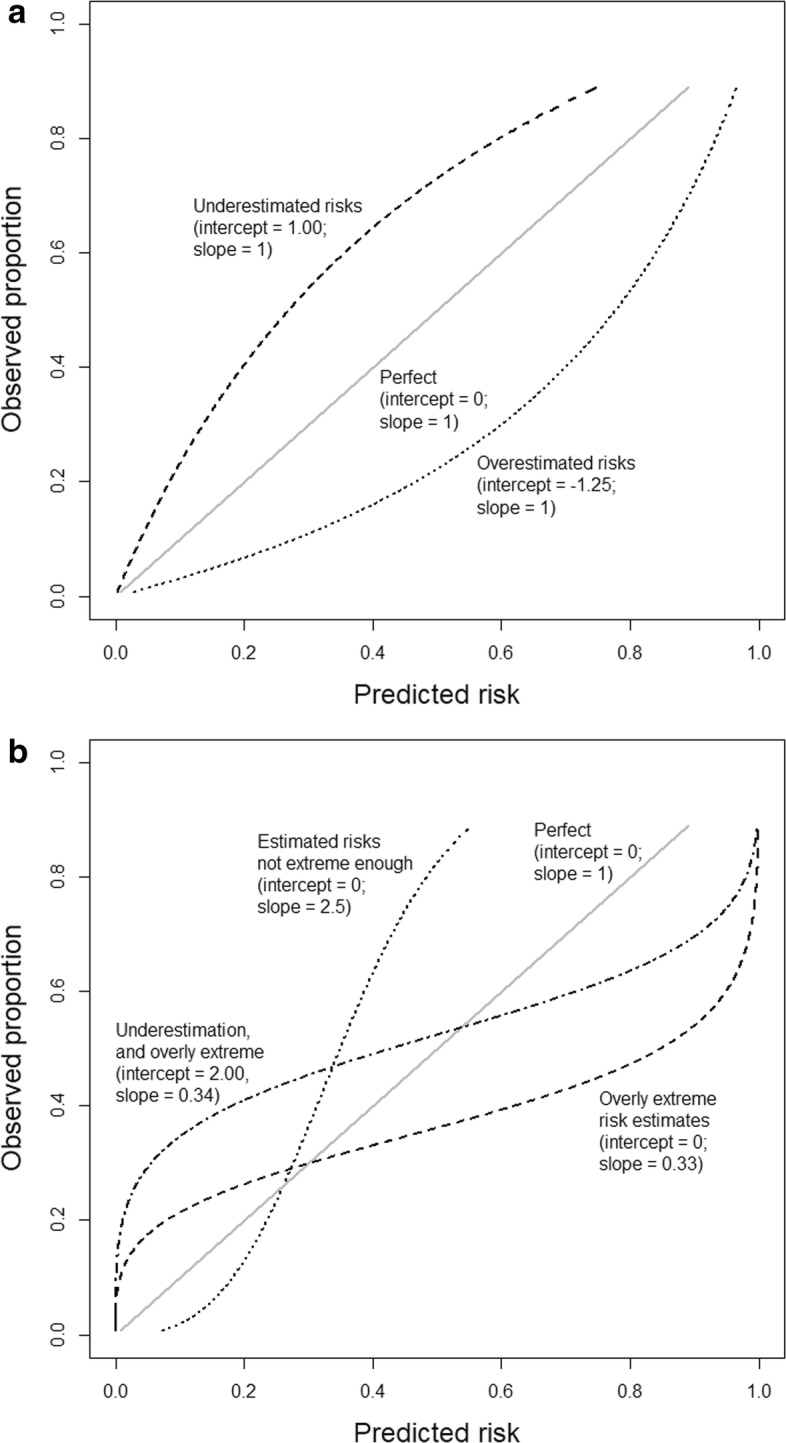
“When the calibration slope is less than 1, the low predicted risks are too low and high predicted risks are too high, whereas a slope larger than 1 indicates that low predicted risks are too high and high predicted risks are too low (25).”
BackgroundMethodSelf-citationCarr, E., Bendayan, R., Bean, D. M., Stammers, M., Wang, W., Zhang, H., Searle, T., Kraljević, Ž., Shek, A., Phan, H. T. T., et al. (2021) · BMC Medicine · doi:10.1186/s12916-020-01893-3 · Cited by 181
Evaluating prediction model performance
Cabot, J., & Ross, E. (2023) · Surgery · doi:10.1016/j.surg.2023.05.023 · Cited by 190
Evidence of questionable research practices in clinical prediction models
White, N. M., Parsons, R., Collins, G. S., & Barnett, A. G. (2023) · BMC Medicine · doi:10.1186/s12916-023-03048-6 · Cited by 192
Hatt, M., Krizsan, A. K., Rahmim, A., Bradshaw, T., Costa, P. F., Forgács, A., Seifert, R., Zwanenburg, A., Naqa, I. E., Kinahan, P. E., et al. (2022) · European Journal of Nuclear Medicine and Molecular Imaging · doi:10.1007/s00259-022-06001-6 · Cited by 177
“Well-calibrated models for categorical and survival endpoints respectively estimate class or survival probabilities that are similar to those observed in the data [140].”
MethodMethods for clinical evaluation of artificial intelligence algorithms for medical diagnosis
Park, S. H., Han, K., Jang, H. Y., Park, J. E., Lee, J.-G., Kim, D. W., & Choi, J. (2023) · Radiology · doi:10.1148/radiol.220182 · Cited by 163
Detection of calibration drift in clinical prediction models to inform model updating
Davis, S. E., Greevy, R. A., Lasko, T. A., Walsh, C. G., & Matheny, M. E. (2020) · Journal of Biomedical Informatics · doi:10.1016/j.jbi.2020.103611 · Cited by 160
Critical appraisal of artificial intelligence-based prediction models for cardiovascular disease
van Smeden, M., Heinze, G., Van Calster, B., Asselbergs, F. W., Vardas, P. E., Bruining, N., de Jaegere, P., Moore, J. H., Denaxas, S., Boulesteix, A. L., et al. (2022) · European Heart Journal · doi:10.1093/eurheartj/ehac238 · Cited by 139
“risk prediction models), the calibration of the model is important and often the weakest link.(24) Calibration of the model describes the degree to which the estimated risks agree with the observed risks.”
BackgroundSevere aortic stenosis detection by deep learning applied to echocardiography
Holste, G., Oikonomou, E. K., Mortazavi, B. J., Coppi, A., Faridi, K. F., Miller, E. J., Forrest, J. K., McNamara, R. L., Ohno-Machado, L., Yuan, N., et al. (2023) · European Heart Journal · doi:10.1093/eurheartj/ehad456 · Cited by 147
Park, S. Y., Park, J. E., Kim, H., & Park, S. H. (2021) · Korean Journal of Radiology · doi:10.3348/kjr.2021.0223 · Cited by 176
“The calibration slope and intercept can be obtained [14,29-31].”
BackgroundSeto, H., Oyama, A., Kitora, S., Toki, H., Yamamoto, R., Kotoku, J., Haga, A., Shinzawa, M., Yamakawa, M., Fukui, S., et al. (2022) · Scientific Reports · doi:10.1038/s41598-022-20149-z · Cited by 173
The current status of risk-stratified breast screening
Clift, A. K., Dodwell, D. J., Lord, S., Petrou, S., Brady, M., Collins, G. S., & Hippisley‐Cox, J. (2021) · British Journal of Cancer · doi:10.1038/s41416-021-01550-3 · Cited by 156
Automatic detection of glaucoma via fundus imaging and artificial intelligence: A review
Coan, L. J., Williams, B. M., Adithya, V. K., Upadhyaya, S., Kafri, A. S. A., Czanner, S., Venkatesh, R., Willoughby, C. E., Kavitha, S., & Czanner, G. (2022) · Survey of Ophthalmology · doi:10.1016/j.survophthal.2022.08.005 · Cited by 159
Tessema, Z. T., Tamirat, K. S., Teshale, A. B., & Tesema, G. A. (2021) · PLoS ONE · doi:10.1371/journal.pone.0248417 · Cited by 138
Rahnenführer, J., Bin, R. D., Benner, A., Ambrogi, F., Lusa, L., Boulesteix, A., Migliavacca, E., Binder, H., Michiels, S., Sauerbrei, W., et al. (2023) · BMC Medicine · doi:10.1186/s12916-023-02858-y · Cited by 166
Snell, K. I. E., Archer, L., Ensor, J., Bonnett, L. J., Debray, T. P. A., Phillips, B., Collins, G. S., & Riley, R. D. (2021) · Journal of Clinical Epidemiology · doi:10.1016/j.jclinepi.2021.02.011 · Cited by 119
“Calibration and clinical utility, in particular, are often underappreciated [24-26].”
BackgroundEmbryo selection with artificial intelligence: how to evaluate and compare methods?
Kragh, M. F., & Karstoft, H. (2021) · Journal of Assisted Reproduction and Genetics · doi:10.1007/s10815-021-02254-6 · Cited by 149
Yang, C. B., Fridgeirsson, E. A., Kors, J. A., Reps, J., & Rijnbeek, P. R. (2024) · Journal Of Big Data · doi:10.1186/s40537-023-00857-7 · Cited by 150
Riley, R. D., Collins, G. S., Ensor, J., Archer, L., Booth, S., Mozumder, S. I., Rutherford, M. J., van Smeden, M., Lambert, P. C., & Snell, K. I. E. (2022) · Statistics in Medicine · doi:10.1002/sim.9275 · Cited by 109
Deisenhofer, A., Barkham, M., Beierl, E. T., Schwartz, B., Doorn, K. A., Beevers, C. G., Berwian, I. M., Blackwell, S. E., Bockting, C., Brakemeier, E., et al. (2023) · Behaviour Research and Therapy · doi:10.1016/j.brat.2023.104443 · Cited by 141
“…key metrics are: (1) calibration, which examines how closely the model ’ s predicted likelihood matches the actual outcomes (Buckman et al., 2023; Van Calster, McLernon, van Smeden, Wynants, & Steyerberg, 2019), and (2) discrimination, which assesses the model ’ s ability to differentiate…”
BackgroundSelf-citationAndaur Navarro, C. L., Damen, J. A. A., van Smeden, M., Takada, T., Nijman, S. W. J., Dhiman, P., Ma, J., Collins, G. S., Bajpai, R., Riley, R. D., et al. (2023) · Journal of Clinical Epidemiology · doi:10.1016/j.jclinepi.2022.11.015 · Cited by 121
How to conduct a systematic review and meta-analysis of prognostic model studies
Damen, J. A., Moons, K. G. M., van Smeden, M., & Hooft, L. (2022) · Clinical Microbiology and Infection · doi:10.1016/j.cmi.2022.07.019 · Cited by 124
A systematic review of dengue outbreak prediction models: Current scenario and future directions
Leung, X. Y., Islam, R. M., Adhami, M., Ilić, D., McDonald, L., Palawaththa, S., Diug, B. O., Munshi, S. U., & Karim, M. N. (2023) · PLoS neglected tropical diseases · doi:10.1371/journal.pntd.0010631 · Cited by 130
Van Calster, B., Collins, G. S., Vickers, A. J., Wynants, L., Kerr, K. F., Barreñada, L., Varoquaux, G., Singh, K., Moons, K. G., Hernandez-Boussard, T., et al. (2025) · The Lancet Digital Health · doi:10.1016/j.landig.2025.100916 · Cited by 112
Self-citationAn introduction to machine learning for classification and prediction
Black, J. E., Kueper, J. K., & Williamson, T. S. (2022) · Family Practice · doi:10.1093/fampra/cmac104 · Cited by 125
Perspectives on validation of clinical predictive algorithms
de Hond, A. A. H., Shah, V. B., Kant, I. M. J., Van Calster, B., Steyerberg, E. W., & Hernandez-Boussard, T. (2023) · npj Digital Medicine · doi:10.1038/s41746-023-00832-9 · Cited by 93
Self-citationLiu, W., Laranjo, L., Klimis, H., Chiang, J., Yue, J., Marschner, S. L., Quiroz, J. C., Jorm, L. R., & Chow, C. K. (2023) · European Heart Journal - Quality of Care and Clinical Outcomes · doi:10.1093/ehjqcco/qcad017 · Cited by 133
Vernooij, L. M., van Klei, W. A., Moons, K. G. M., Takada, T., van Waes, J. A. R., & Damen, J. A. (2021) · Cochrane Database of Systematic Reviews · doi:10.1002/14651858.cd013139.pub2 · Cited by 113
Ravaut, M., Harish, V., Sadeghi, H., Leung, K. K., Volkovs, M., Kornas, K., Watson, T., Poutanen, T., & Rosella, L. C. (2021) · JAMA Network Open · doi:10.1001/jamanetworkopen.2021.11315 · Cited by 89
Clift, A. K., Dodwell, D., Lord, S., Petrou, S., Brady, M., Collins, G. S., & Hippisley-Cox, J. (2023) · BMJ · doi:10.1136/bmj-2022-073800 · Cited by 97
Integrated Biomarkers for the Management of Indeterminate Pulmonary Nodules
Kammer, M. N., Lakhani, D. A., Balar, A., Antic, S., Kussrow, A. K., Webster, R. L., Mahapatra, S. S., Barad, U., Shah, C., Atwater, T., et al. (2021) · American Journal of Respiratory and Critical Care Medicine · doi:10.1164/rccm.202012-4438oc · Cited by 97
Hype, Sustainability, and the Price of the Bigger-is-Better Paradigm in AI
Varoquaux, G. P., Luccioni, A. S., & Whittaker, M. (2025) · ACM Conference on Fairness, Accountability, and Transparency (FAccT) · doi:10.1145/3715275.3732006 · Cited by 128
Prognostic prediction models for chronic postsurgical pain in adults: a systematic review
Papadomanolakis‐Pakis, N., Uhrbrand, P., Haroutounian, S., & Nikolajsen, L. (2021) · Pain · doi:10.1097/j.pain.0000000000002261 · Cited by 99
Bullock, G. S., Mylott, J. A., Hughes, T., Nicholson, K. F., Riley, R. D., & Collins, G. S. (2022) · Sports Medicine · doi:10.1007/s40279-022-01698-9 · Cited by 113
“However, of the included studies, only three studies assessed calibration, with two studies using the Hosmer and Lemeshow test, which should be avoided as it provides no information on direction or magnitude of any miscalibration, and is highly influenced by sample size [78].”
Savage, T., Wang, J., Gallo, R., Boukil, A., Patel, V., Safavi-Naini, S. A. A., Soroush, A., & Chen, J. H. (2025) · Journal of the American Medical Informatics Association · doi:10.1093/jamia/ocae254 · Cited by 92
Petersen, E., Potdevin, Y., Mohammadi, E., Zidowitz, S., Breyer, S., Nowotka, D., Henn, S., Pechmann, L., Leucker, M., Rostalski, P., et al. (2022) · IEEE Access · doi:10.1109/access.2022.3178382 · Cited by 113
“Especially in medical applications, precisely quantifying the model’s uncertainty in making a given decision is essential [175], [327], [328].”
BackgroundSSP: Early prediction of sepsis using fully connected LSTM-CNN model
Rafiei, A., Rezaee, A., Hajati, F., Gheisari, S., & Golzan, M. (2020) · Computers in Biology and Medicine · doi:10.1016/j.compbiomed.2020.104110 · Cited by 101
Introduction to Artificial Intelligence and Machine Learning for Pathology
Harrison, J. H., Gilbertson, J. R., Hanna, M. G., Olson, N. H., Seheult, J. N., Sorace, J. M., & Stram, M. N. (2021) · Archives of Pathology & Laboratory Medicine · doi:10.5858/arpa.2020-0541-cp · Cited by 82
“Good calibration is crucial for prognostic models where medical treatment decisions rely on the probability that an individual patient is a member of a particular class or has a particular outcome risk.(119,129,130) Models with good overall discrimination (wellplaced class assignment thresholds) may nevertheless show…”
BackgroundMarchetti, M. A., Cowen, E. A., Kurtansky, N. R., Weber, J., Dauscher, M., DeFazio, J., Deng, L., Dusza, S. W., Haliasos, H., Halpern, A. C., et al. (2023) · npj Digital Medicine · doi:10.1038/s41746-023-00872-1 · Cited by 83
Deniffel, D., Healy, G. M., Dong, X., Ghai, S., Salinas-Miranda, E., Fleshner, N. E., Hamilton, R. J., Kulkarni, G. S., Toi, A., van der Kwast, T., et al. (2021) · Radiology · doi:10.1148/radiol.2021204112 · Cited by 93
Environmental chemical exposure dynamics and machine learning-based prediction of diabetes mellitus
Wei, H., Sun, J., Shan, W., Xiao, W., Wang, B., Ma, X., Hu, W., Wang, X., & Xia, Y. (2021) · The Science of The Total Environment · doi:10.1016/j.scitotenv.2021.150674 · Cited by 97
Carriero, A., Luijken, K., de Hond, A., Moons, K. G. M., CALSTER, B. V., & van Smeden, M. (2025) · Statistics in Medicine · doi:10.1002/sim.10320 · Cited by 107
de Winter, M. A., Buller, H. R., Carrier, M., Cohen, A. T., Hansen, J., Kaasjager, K. A. H., Kakkar, A. K., Middeldorp, S., Raskob, G. E., Sørensen, H. T., et al. (2023) · European Heart Journal · doi:10.1093/eurheartj/ehac776 · Cited by 91
The Improved Kidney Risk Score in ANCA-Associated Vasculitis for Clinical Practice and Trials
Bate, S. G., McGovern, D., Costigliolo, F., Tan, P. G., Krátký, V., Scott, J., Chapman, G. B., Brown, N., Floyd, L., Brilland, B., et al. (2023) · Journal of the American Society of Nephrology · doi:10.1681/asn.0000000000000274 · Cited by 90
“…critical to calibration, is rarely reported alongside prognostic models, and calibration of prognostic models therefore cannot be performed, 43 – 47 despite improved guidance for the development and reporting of prognostic models by the transparent reporting of a multivariable prediction…”
BackgroundWessler, B. S., Nelson, J., Park, J. G., McGinnes, H., Gulati, G., Brazil, R., Van Calster, B., van Klaveren, D., Venema, E., Steyerberg, E., et al. (2021) · Circulation: Cardiovascular Quality and Outcomes · doi:10.1161/circoutcomes.121.007858 · Cited by 83
Self-citationYang, C. B., Kors, J. A., Ioannou, S., John, L. H., Markus, A. F., Rekkas, A., de Ridder, M. A. J., Seinen, T. M., Williams, R. D., & Rijnbeek, P. R. (2022) · Journal of the American Medical Informatics Association · doi:10.1093/jamia/ocac002 · Cited by 91
Clinical use of polygenic risk scores: current status, barriers and future directions
Kullo, I. J. (2025) · Nature Reviews Genetics · doi:10.1038/s41576-025-00900-8 · Cited by 97
Using random forest to identify longitudinal predictors of health in a 30-year cohort study
Loef, B., Wong, A., Janssen, N., Strak, M., Hoekstra, J., Picavet, H. S. J., Boshuizen, H. C., Verschuren, W. M. M., & Herber-Gast, G.-C. M. (2022) · Scientific Reports · doi:10.1038/s41598-022-14632-w · Cited by 94
Lambin, P., Woodruff, H. C., Mali, S. A., Zhong, X., Kuang, S., Lavrova, E., Khan, H., Lekadir, K., Zwanenburg, A., Deasy, J. O., et al. (2025) · Nature Reviews Clinical Oncology · doi:10.1038/s41571-025-01067-1 · Cited by 96
“Furthermore, calibration statistics are essential to assess how well the probabilities of an event predicted by the model align with its actual occurrence 67 .”
Personalising lung cancer screening: An overview of risk‐stratification opportunities and challenges
ten Haaf, K., van der Aalst, C. M., de Koning, H. J., Kaaks, R., & Tammemägi, M. C. (2021) · International Journal of Cancer · doi:10.1002/ijc.33578 · Cited by 86
Overvad, T. F., Ording, A. G., Nielsen, P. B., Skjøth, F., Albertsen, I. E., Noble, S., Vistisen, A. K., Gade, I. L., Severinsen, M. T., Piazza, G., et al. (2022) · Blood Advances · doi:10.1182/bloodadvances.2021006484 · Cited by 81
“17,45 Of note, the meta-analysis did not report how the cumulative incidences were calculated, including whether competing risk models were used.”
Five critical quality criteria for artificial intelligence-based prediction models
van Royen, F. S.-A., Asselbergs, F. W., Alfonso, F., Vardas, P. E., & van Smeden, M. (2023) · European Heart Journal · doi:10.1093/eurheartj/ehad727 · Cited by 83
“21 The estimates of performance obtained through internal validation techniques, such as cross-validation, reflect the expected performance when the model would be applied in (exactly) the same population—but in different individuals—than in which it was initially developed.”
Swaminathan, A., López, I., Mar, R. A. G., Heist, T., McClintock, T., Caoili, K., Grace, M., Rubashkin, M. G., Boggs, M. N., Chen, J. H., et al. (2023) · npj Digital Medicine · doi:10.1038/s41746-023-00951-3 · Cited by 90
“Applying a prediction model to a dataset with a different event rate than the dataset used to train the model can result in mis-calibrated predicted risks, thus impacting downstream classi fi cation 17 .”
MethodUncertainty of risk estimates from clinical prediction models: rationale, challenges, and approaches
Riley, R. D., Collins, G. S., Kirton, L., Snell, K. I. E., Ensor, J., Whittle, R., Dhiman, P., van Smeden, M., Liu, X., Alderman, J. E., et al. (2025) · BMJ · doi:10.1136/bmj-2024-080749 · Cited by 110
“20 Expressing uncertainty is consistent with other areas of medical research, for example, in randomised trials, where uncertainty of estimates are expected to be presented (eg, 95% confidence intervals around treatment effect estimates).”
Ogink, P. T., Groot, O. Q., Karhade, A. V., Bongers, M. E. R., Öner, F. C., Verlaan, J., & Schwab, J. H. (2021) · Acta Orthopaedica · doi:10.1080/17453674.2021.1932928 · Cited by 82
Debray, T. P. A., Collins, G. S., Riley, R. D., Snell, K. I. E., Van Calster, B., Reitsma, J. B., & Moons, K. G. M. (2023) · BMJ · doi:10.1136/bmj-2022-071058 · Cited by 57
International multicenter validation of AI-driven ultrasound detection of ovarian cancer
Christiansen, F., Konuk, E., Ganeshan, A. R., Welch, R., Huix, J. P., Czekierdowski, A., Leone, F. P. G., Haak, L. A., Fruscio, R., Gaurilčikas, A., et al. (2025) · Nature Medicine · doi:10.1038/s41591-024-03329-4 · Cited by 86
“4) 23,24 .”
Czajka, S., Ziębińska, K., Marczenko, K., Posmyk, B., Szczepańska, A. J., & Krzych, Ł. J. (2020) · BMC Anesthesiology · doi:10.1186/s12871-020-01203-7 · Cited by 75
“However as the application of Hosmer-Lemeshow test has been recently criticized [38], we drew the calibration curves to visualize the effect of goodness-of-fit.”
MethodSingh, H., Mhasawade, V., & Chunara, R. (2022) · PLOS Digital Health · doi:10.1371/journal.pdig.0000023 · Cited by 103
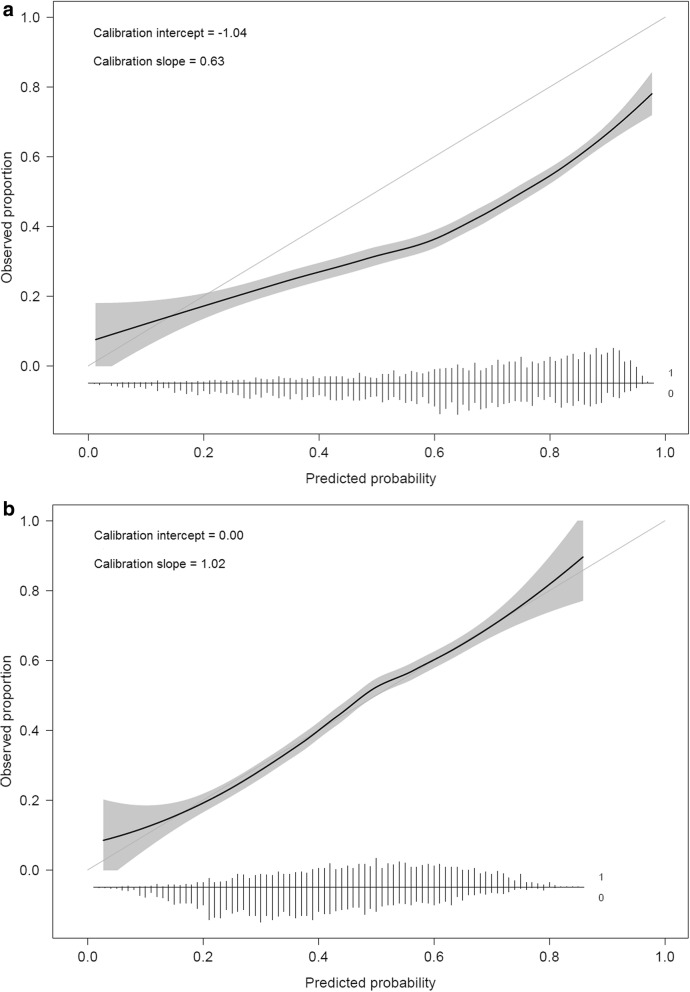
“overestimation for high risk patients and underestimation for low risk patients, and suggests overfitting of the model (32).”
BackgroundAlthouse, A. D., Below, J. E., Claggett, B. L., Cox, N. J., de Lemos, J. A., Deo, R. C., Duval, S., Hachamovitch, R., Kaul, S., Keith, S. W., et al. (2021) · Circulation · doi:10.1161/circulationaha.121.055393 · Cited by 80
Zhu, Y., Zhang, J., Wang, G., Yao, R.-Q., Ren, C., Ge, C., Jin, X., Guo, J., Liu, S., Zheng, H., et al. (2021) · Frontiers in Medicine · doi:10.3389/fmed.2021.662340 · Cited by 84
Sample Size Analysis for Machine Learning Clinical Validation Studies
Goldenholz, D. M., Sun, H., Ganglberger, W., & Westover, M. B. (2023) · Biomedicines · doi:10.3390/biomedicines11030685 · Cited by 76
Trier, T. J. V., Snaterse, M., Boekholdt, S. M., Reimer, W. J. M. S. O., Hageman, S. H. J., Visseren, F. L. J., Dorresteijn, J. A. N., Peters, R. J. G., & Jorstad, H. T. (2023) · European Journal of Preventive Cardiology · doi:10.1093/eurjpc/zwad318 · Cited by 77
“6,10,11 As calibration may be dependent on the level of risk estimates, we assessed calibration for individuals across different age, sex, and risk categories as classified by the SCORE2 and SCORE2-OP algorithms.”
BackgroundMethodClinical prediction models and the multiverse of madness
Riley, R. D., Pate, A., Dhiman, P., Archer, L., Martin, G. P., & Collins, G. S. (2023) · BMC Medicine · doi:10.1186/s12916-023-03212-y · Cited by 87
“Calibration measures the agreement between observed and estimated risks [25].”
BackgroundProbabilistic Machine Learning for Healthcare
Chen, I. Y., Joshi, S. D., Ghassemi, M., & Ranganath, R. (2021) · Annual Review of Biomedical Data Science · doi:10.1146/annurev-biodatasci-092820-033938 · Cited by 92
Landolfo, C., Bourne, T. H., Froyman, W., CALSTER, B. V., Ceusters, J., Testa, A. C., Wynants, L., Sladkevicius, P., Holsbeke, C. V., Domali, E., et al. (2023) · Ultrasound in Obstetrics and Gynecology · doi:10.1002/uog.26080 · Cited by 72
Self-citationMoving beyond AUC: decision curve analysis for quantifying net benefit of risk prediction models
Sadatsafavi, M., Adibi, A., Puhan, M. A., Gershon, A. S., Aaron, S. D., & Sin, D. D. (2021) · European Respiratory Journal · doi:10.1183/13993003.01186-2021 · Cited by 73
Gulati, G., Upshaw, J., Wessler, B. S., Brazil, R. J., Nelson, J., van Klaveren, D., Lundquist, C. M., Park, J. G., McGinnes, H., Steyerberg, E. W., et al. (2022) · Circulation: Cardiovascular Quality and Outcomes · doi:10.1161/circoutcomes.121.008487 · Cited by 55
Self-citationMontgomery-Csobán, T., Kavanagh, K., Murray, P., Robertson, C., Barry, S., Ukah, U. V., Payne, B. A., Nicolaides, K. H., Syngelaki, A., Ionescu, O., et al. (2024) · The Lancet Digital Health · doi:10.1016/s2589-7500(23)00267-4 · Cited by 75
on behalf of the RETRO study group, Vodenčarević, A., Taşçılar, K., Hartmann, F., Reiser, M., Hueber, A. J., Haschka, J., Bayat, S., Meinderink, T., Knitza, J., et al. (2021) · Arthritis Research & Therapy · doi:10.1186/s13075-021-02439-5 · Cited by 71
Metadata
- Authors
- On behalf of Topic Group ‘Evaluating diagnostic tests and prediction models’ of the STRATOS initiative, Van Calster, B., McLernon, D. J., van Smeden, M., Wynants, L., & Steyerberg, E. W.
- Affiliations
- KU Leuven (BE)
- University of Aberdeen (GB)
- Leiden University Medical Center (NL)
- Venue
- BMC Medicine
- Published
- 2019-12
- Volume
- 17
- Issue
- 1
- Pages
- 230-230
- ISSN
- 1741-7015 (ISSN-L)
- PMC
- PMC6912996
- OpenAlex
- W2996480032
- Semantic Scholar
- 2cb777cd1965f77102da963a69ca748d4ff6bd5e
- Cited by
- 2,650
- References
- 39
- Citations by year
- 2026: 1224 · 2025: 379 · 2024: 291 · 2023: 283 · 2022: 262 · 2021: 159 · 2020: 51
- FWCI
- 93.43
- Type
- journal article
- Language
- en
- Open access
- gold
- doi.org
- Licence
- cc-by
- creativecommons.org/licenses/by/4.0/ (tdm)
- creativecommons.org/licenses/by/4.0/ (vor, 15 d)
- Locations
- BMC Medicine (publishedVersion, cc-by)
- Europe PMC (PubMed Central) (publishedVersion, cc-by)
- PubMed Central (publishedVersion, cc-by)
- PubMed (publishedVersion)
- Research Publications (Maastricht University) (publishedVersion, cc-by)
- Aberdeen University Research Archive (Aberdeen University) (submittedVersion, cc-by-nc)
- Lirias (submittedVersion, cc-by-nc)
- Pure Amsterdam UMC (submittedVersion, cc-by-nc)
- Data Archiving and Networked Services (DANS) (submittedVersion, other-oa)
- Data Archiving and Networked Services (DANS) (submittedVersion)
- Leiden Repository (Leiden University) (submittedVersion)
- DOAJ (DOAJ: Directory of Open Access Journals) (submittedVersion, cc-by-sa)
- Utrecht University Repository (Utrecht University) (submittedVersion, other-oa)
- University of Birmingham Research Portal (University of Birmingham) (submittedVersion, other-oa)
- Research Publications (Maastricht University) (submittedVersion, other-oa)
- Funders
- Fonds Wetenschappelijk Onderzoek (G0B4716N)
- Onderzoeksraad, KU Leuven (C24/15/037)
- Topics
- Physical Sciences › Mathematics › Statistics and Probability › Statistical Methods in Epidemiology
- Health Sciences › Health Professions › Health Information Management › Artificial Intelligence in Healthcare
- Physical Sciences › Computer Science › Artificial Intelligence › Machine Learning in Healthcare
- Keywords
- model calibration, risk prediction model, predictive analytics, calibration curve, external validation, model updating, clinical decision-making, shared decision-making, sample size, model complexity
- MeSH terms
- Machine Learning, Adult, Aged, Algorithms, Calibration, Humans, Male, Middle Aged, Predictive Value of Tests
About these checks
Registry, retraction, Cites and statistics results are computed, not judged, with one exception: a printed reference that no index lists is read once by a model before it counts as a citation error. Claims are extracted by a model and kept only when their quote appears verbatim in the text; each cited source is then checked, with a model’s help, for whether it says what the claim relies on. Those verdicts can be wrong — read the claim’s quote and the cited source before relying on one.
Statistics and arithmetic are recomputed, not judged.
Confidence bands are shown only for fields calibrated on our annotated test set. None is calibrated yet, so no band is shown.
What counts as a claim ›How we measure confidence ›How we check this ›
Are you an author, or do you see a problem with this page? Request a review
Data sources
Bibliographic data: Semantic Scholar, OpenAlex, Crossref.
Contains information from the Semantic Scholar Academic Graph Datasets, made available under the ODC Attribution License (ODC-BY 1.0).
Semantic Scholar’s data is described in: Kinney, R., et al. (2023). The Semantic Scholar Open Data Platform. arXiv:2301.10140.
