

Calibration: the Achilles heel of predictive analytics
Open accessThe DOI matches its Crossref record; 41 of the 41 references it cites were found in a registry or an index.
Abstract
Background: The assessment of calibration performance of risk prediction models based on regression or more flexible machine learning algorithms receives little attention. Main text: Herein, we argue that this needs to change immediately because poorly calibrated algorithms can be misleading and potentially harmful for clinical decision-making. We summarize how to avoid poor calibration at algorithm development and how to assess calibration at algorithm validation, emphasizing balance between model complexity and the available sample size. At external validation, calibration curves require sufficiently large samples. Algorithm updating should be considered for appropriate support of clinical practice. Conclusion: Efforts are required to avoid poor calibration when developing prediction models, to evaluate calibration when validating models, and to update models when indicated. The ultimate aim is to optimize the utility of predictive analytics for shared decision-making and patient counseling.
Overview
The claims and statistics of this paper haven’t been checked yet.
Free: it reads the open-access text and checks the first 5 claims that cite a source we can check. Create a free account to check every claim.
Integrity signals
Registry
Cites
Statistics
Figures
Verification
Claims the paper makes
The claims and statistics of this paper haven’t been checked yet.
Free: it reads the open-access text and checks the first 5 claims that cite a source we can check. Create a free account to check every claim.
Claims other papers make about this one
Each is checked against this paper’s own text: does it say what the citing paper says it does?
The cited source doesn’t support the claim as written.
In the citing paper
“Miscalibration is a distinct hazard from inaccuracy [3].”
From Do Calibrated-Probability Claims Hold Up in Clinical Diagnosis? A Pre-registered Evaluation of a Decision Model Against Frontier Language Models (2026) · cites this paper as [3]
Checked by a reasoning model — may be wrong.
Experimental — accuracy not yet measuredThe source backs part of the claim, not all of it — or backs it for a different population, condition or comparison.
In the citing paper
“Challenges remain related to generalisability across institutions, alert fatigue, and calibration drift over time [19,20].”
From Artificial Intelligence in Clinical Decision-Making: A Comprehensive Review of Diagnostic, Prognostic, and Therapeutic Applications, Validation Gaps, Bias, and Deployment Challenges (2026) · cites this paper as [20]
Experimental — accuracy not yet measuredThe source backs part of the claim, not all of it — or backs it for a different population, condition or comparison.
In the citing paper
“Such a system works only if the probabilities are calibrated, meaning that a stated probability matches how often the model is actually right [3].”
From Do Calibrated-Probability Claims Hold Up in Clinical Diagnosis? A Pre-registered Evaluation of a Decision Model Against Frontier Language Models (2026) · cites this paper as [3]
Experimental — accuracy not yet measuredThe cited source says what the claim attributes to it.
In the citing paper
“Still, AIPM updating, site-specific training or recalibration might be needed to adapt an existing AIPM to a different healthcare setting3,5,9,60,68,72.”
From Guidelines and quality criteria for artificial intelligence-based prediction models in healthcare: a scoping review (2022) · cites this paper as [60]
The cited source says what the claim attributes to it.
In the citing paper
“Increasing emphasis has therefore been placed on model calibration, which examines whether predicated probabilities correspond to true clinical risk [73].”
From Artificial Intelligence in Dermatopathology: An Update and Review of the Current Literature (2026) · cites this paper as [73]
7 more claims about this paper
Create a free account to see every claim other papers make about this one.
Self-check
Percentages, sums and reported differences re-computed from the paper’s own numbers.
The self-check needs the paper’s full text.
Citations
Cites
Bray, F., Ferlay, J., Soerjomataram, I., Siegel, R. L., Torre, L. A., & Jemal, A. (2018) · CA: A Cancer Journal for Clinicians · doi:10.3322/caac.21492 · Cited by 84,109 · cited 1×
“Often, patient characteristics and disease incidence or prevalence rates vary greatly between health centers, regions, and countries [16].”
BackgroundMoons, K. G. M., Altman, D. G., Reitsma, J. B., Ioannidis, J. P. A., Macaskill, P., Steyerberg, E. W., Vickers, A. J., Ransohoff, D. F., & Collins, G. S. (2015) · Annals of Internal Medicine · doi:10.7326/m14-0698 · Cited by 5,147 · cited 2×
“Reporting on calibration performance is recommended by the TRIPOD (Transparent Reporting of a multivariable prediction model for Individual Prognosis Or Diagnosis) guidelines for prediction modeling studies [12].”
BackgroundMethodSelf-citationClinical Prediction Models: A Practical Approach to Development, Validation, and Updating
Steyerberg, E. W. (2019) · Statistics for Biology and Health · doi:10.1007/978-3-030-16399-0 · Cited by 3,281
Self-citationChristodoulou, E., Ma, J., Collins, G. S., Steyerberg, E. W., Verbakel, J. Y., & Van Calster, B. (2019) · Journal of Clinical Epidemiology · doi:10.1016/j.jclinepi.2019.02.004 · Cited by 2,119
Self-citationSteyerberg, E. W. (2009) · Statistics for Biology and Health · doi:10.1007/978-0-387-77244-8 · Cited by 1,491
Self-citationRiley, R. D., Snell, K. I., Ensor, J., Burke, D. L., Harrell Jr, F. E., Moons, K. G., & Collins, G. S. (2019) · Statistics in Medicine · doi:10.1002/sim.7992 · Cited by 1,409 · cited 1×
“It is important to prespecify the modeling strategy and to ensure that sample size is sufficient for the number of considered predictors [30, 31].”
BackgroundA calibration hierarchy for risk models was defined: from utopia to empirical data
Van Calster, B., Nieboer, D., Vergouwe, Y., De Cock, B., Pencina, M. J., & Steyerberg, E. W. (2016) · Journal of Clinical Epidemiology · doi:10.1016/j.jclinepi.2015.12.005 · Cited by 910 · cited 6×
“The accuracy of risk estimates, relating to the agreement between the estimated and observed number of events, is called ‘ calibration ’ [4].”
BackgroundMethodInfluentialSelf-citationMoore, R. G., McMeekin, D. S., Brown, A. K., DiSilvestro, P., Miller, M. C., Allard, W. J., Gajewski, W., Kurman, R., Bast, R. C., & Skates, S. J. (2009) · Gynecologic Oncology · doi:10.1016/j.ygyno.2008.08.031 · Cited by 875 · cited 1×
“The concepts explained in this section are illustrated in Additional 1, with the validation of the Risk of Ovarian Malignancy Algorithm (ROMA) for the diagnosis of ovarian malignancy in women with an ovarian tumor selected for surgical removal [28]; further details can be found elsewhere [1, 4, 29].”
MethodSample size for binary logistic prediction models: Beyond events per variable criteria
van Smeden, M., Moons, K. G., de Groot, J. A., Collins, G. S., Altman, D. G., Eijkemans, M. J., & Reitsma, J. B. (2019) · Statistical Methods in Medical Research · doi:10.1177/0962280218784726 · Cited by 791 · cited 1×
“It is important to prespecify the modeling strategy and to ensure that sample size is sufficient for the number of considered predictors [30, 31].”
BackgroundA Deep Learning Mammography-based Model for Improved Breast Cancer Risk Prediction
Yala, A., Lehman, C., Schuster, T., Portnoi, T., & Barzilay, R. (2019) · Radiology · doi:10.1148/radiol.2019182716 · Cited by 758 · cited 1×
“Calibration is especially important when the aim is to support decision-making, even when discrimination is moderate such as for breast cancer prediction models [13].”
Background
Cited by
Items 101–200 of 1,006
Prognostic models for mortality risk in patients requiring ECMO
Pladet, L. C. A., Barten, J. M. M., Vernooij, L. M., Kraemer, C. V. E., Bunge, J. J. H., Scholten, E., Montenij, L. J., Kuijpers, M., Donker, D. W., Cremer, O. L., et al. (2023) · Intensive Care Medicine · doi:10.1007/s00134-022-06947-z · Cited by 66
“We did so as these metrics are of great importance for the interpretation of performance and a subsequent safe use of prediction models in clinical practice [66].”
MethodCalibrated prediction intervals for polygenic scores across diverse contexts
Hou, K., Xu, Z., Ding, Y., Mandla, R., Shi, Z., Boulier, K. M., Harpak, A., & Paşaniuc, B. (2024) · Nature Genetics · doi:10.1038/s41588-024-01792-w · Cited by 70
Feng, Q., Bešević, J., Conroy, M. C., Omiyale, W., Lacey, B., & Allen, N. E. (2024) · Clinical Nutrition ESPEN · doi:10.1016/j.clnesp.2024.06.040 · Cited by 70
Early warning score validation methodologies and performance metrics: a systematic review
Fang, H. S. A., Lim, W. T., & Balakrishnan, T. (2020) · BMC Medical Informatics and Decision Making · doi:10.1186/s12911-020-01144-8 · Cited by 70
Oncologic Imaging and Radiomics: A Walkthrough Review of Methodological Challenges
Stanzione, A., Cuocolo, R., Ugga, L., Verde, F., Romeo, V., Brunetti, A., & Maurea, S. (2022) · Cancers · doi:10.3390/cancers14194871 · Cited by 64
“The awareness of the value of predictive model calibration is starting to grow but is still less than ideal [54].”
BackgroundDeardorff, W. J., Barnes, D. E., Jeon, S. Y., Boscardin, W. J., Langa, K. M., Covinsky, K. E., Mitchell, S. L., Whitlock, E. L., Smith, A. K., & Lee, S. J. (2022) · JAMA Internal Medicine · doi:10.1001/jamainternmed.2022.4326 · Cited by 65
Vernooij, J. E. M., Koning, N. J., Geurts, J. W., Holewijn, S., Preckel, B., Kalkman, C. J., & Vernooij, L. M. (2023) · Anaesthesia · doi:10.1111/anae.15988 · Cited by 65
“However, disagreement exists on the best way to calculate calibration [50, 53, 54].”
BackgroundExternal Validation of the American Heart Association PREVENT Cardiovascular Disease Risk Equations
Scheuermann, B., Brown, A., Colburn, T., Hakeem, H., Chow, C. H., & Ade, C. (2024) · JAMA Network Open · doi:10.1001/jamanetworkopen.2024.38311 · Cited by 53
Real-time prediction of COVID-19 related mortality using electronic health records
Schwab, P., Mehrjou, A., Parbhoo, S., Celi, L. A., Hetzel, J., Hofer, M., Schölkopf, B., & Bauer, S. (2021) · Nature Communications · doi:10.1038/s41467-020-20816-7 · Cited by 76
“In addition to assessing predictive performance, we also evaluated the calibration [23] of the risk scores predicted by CovEWS.”
van Royen, F. S.-A., Moons, K. G. M., Geersing, G., & van Smeden, M. (2022) · European Respiratory Journal · doi:10.1183/13993003.00250-2022 · Cited by 68
Vizzutti, F., Celsa, C., Calvaruso, V., Enea, M., Battaglia, S. L., Turco, L., Senzolo, M., Nardelli, S., Miraglia, R., Roccarina, D., et al. (2022) · Hepatology · doi:10.1002/hep.32704 · Cited by 64
Bosch, N. A., Law, A. C., Rucci, J. M., Peterson, D., & Walkey, A. J. (2022) · Annals of the American Thoracic Society · doi:10.1513/annalsats.202111-1251rl · Cited by 63
Katsuki, M., Tatsumoto, M., Kimoto, K., Iiyama, T., Tajima, M., Munakata, T., Miyamoto, T., & Shimazu, T. (2023) · Headache The Journal of Head and Face Pain · doi:10.1111/head.14482 · Cited by 63
Hepatocellular Carcinoma in Metabolic Dysfunction-Associated Steatotic Liver Disease
Rodríguez, L. A., Schmittdiel, J. A., Liu, L., Macdonald, B. A., Balasubramanian, S., Chai, K. P., Seo, S., Mukhtar, N. A., Levin, T. R., & Saxena, V. (2024) · JAMA Network Open · doi:10.1001/jamanetworkopen.2024.21019 · Cited by 66
Kohse, E. K., Siebert, H. K., Sasu, P. B., Loock, K., Dohrmann, T., Breitfeld, P., Barclay-Steuart, A., Stark, M., Sehner, S., Zöllner, C., et al. (2022) · Anaesthesia · doi:10.1111/anae.15841 · Cited by 62
Piccininni, M., Wechsung, M., CALSTER, B. V., Rohmann, J. L., Konigorski, S., & van Smeden, M. (2024) · Journal of Biomedical Informatics · doi:10.1016/j.jbi.2024.104666 · Cited by 68
Applied artificial intelligence in dentistry: emerging data modalities and modeling approaches
Fehér, B., Tussie, C., & Giannobile, W. V. (2024) · Frontiers in Artificial Intelligence · doi:10.3389/frai.2024.1427517 · Cited by 68
Cheng, Y., Gadd, D. A., Gieger, C., Monterrubio‐Gómez, K., Zhang, Y., Berta, I., Stam, M. J., Szlachetka, N., Lobzaev, E., Wrobel, N., et al. (2023) · Nature Aging · doi:10.1038/s43587-023-00391-4 · Cited by 65
Castera, L., Garteiser, P., Laouenan, C., Vidal-Trécan, T., Vallet-Pichard, A., Manchon, P., Paradis, V., Czernichow, S., Roulot, D., Larger, E., et al. (2024) · Journal of Hepatology · doi:10.1016/j.jhep.2024.03.023 · Cited by 53
Zhou, H., Zhang, Y., Zhou, M. M., Choi, S. K., Reynolds, K., Harrison, T. N., Bellows, B. K., Moran, A. E., Colantonio, L. D., Allen, N. B., et al. (2025) · Journal of the American Heart Association · doi:10.1161/jaha.124.039454 · Cited by 50
Evaluation of machine learning solutions in medicine
Antoniou, T., & Mamdani, M. (2021) · Canadian Medical Association Journal · doi:10.1503/cmaj.210036 · Cited by 62
“…— that is, ascertaining the discriminative and calibration performance of an algorithm — should be followed by evaluation of both performance and outcomes of interest in the clinical setting, as well as evaluation of the tool’s implementation into existing workflows (as outlined in Figure 1).”
Langenberger, B., Schrednitzki, D., Halder, A. M., Busse, R., & Pross, C. M. (2023) · Bone and Joint Research · doi:10.1302/2046-3758.129.bjr-2023-0070.r2 · Cited by 60
Improving Caries Risk Prediction Modeling: A Call for Action
Fontana, M., Carrasco‐Labra, A., Spallek, H., Eckert, G. J., & Katz, B. P. (2020) · Journal of Dental Research · doi:10.1177/0022034520934808 · Cited by 60
“Despite the excitement about the possibilities to improve caries prediction through artificial intelligence (AI), experts indicate that dynamic and highly flexible algorithms may not necessarily lead to a better estimation of risk (Van Calster et al. 2019).”
BackgroundKlemt, C., Laurencin, S. J., Uzosike, A. C., Burns, J. C., Costales, T. G., Yeo, I., Habibi, Y., & Kwon, Y. (2021) · Knee Surgery Sports Traumatology Arthroscopy · doi:10.1007/s00167-021-06794-3 · Cited by 58
Mora, T., Roche, D., & Rodríguez-Sánchez, B. (2023) · Diabetes Research and Clinical Practice · doi:10.1016/j.diabres.2023.110910 · Cited by 61
Machine Learning–Based Prediction Models for Delirium: A Systematic Review and Meta-Analysis
Xie, Q., Wang, X., Pei, J., Wu, Y., Guo, Q., Su, Y., Yan, H., Nan, R., Chen, H., & Dou, X. (2022) · Journal of the American Medical Directors Association · doi:10.1016/j.jamda.2022.06.020 · Cited by 58
Predicting Intensive Care Delirium with Machine Learning: Model Development and External Validation
Gong, K. D., Lu, R., Bergamaschi, T. S., Sanyal, A., Guo, J., Kim, H., Nguyen, H., Greenstein, J. L., Winslow, R. L., & Stevens, R. D. (2022) · Anesthesiology · doi:10.1097/aln.0000000000004478 · Cited by 62
“Reduced calibration may be due to overfitting, high levels of heterogeneity in the data, use of too many predictive features, and biased sampling.(37) Although our training and testing performances do not suggest overfitting, the other cited factors may have influenced our calibration results.”
BackgroundArtificial Intelligence for the Detection and Treatment of Atrial Fibrillation
Harmon, D., Sehrawat, O., Maanja, M., Wight, J., & Noseworthy, P. A. (2023) · Arrhythmia & Electrophysiology Review · doi:10.15420/aer.2022.31 · Cited by 62
Chiasakul, T., Lam, B. D., McNichol, M. C., Robertson, W. E., Rosovsky, R. P. G., Lake, L. L., Vlachos, I. S., Adamski, A., Reyes, N., Abe, K., et al. (2023) · European Journal Of Haematology · doi:10.1111/ejh.14110 · Cited by 60
“33 The use of such a model would be misleading and can be detrimental in clinical practice.”
BackgroundHanna, M. G., Olson, N. H., Zarella, M. D., Dash, R. C., Herrmann, M. D., Furtado, L. V., Stram, M. N., Raciti, P. M., Hassell, L. A., Mays, A., et al. (2023) · Archives of Pathology & Laboratory Medicine · doi:10.5858/arpa.2023-0042-cp · Cited by 58
Bongers, M. E. R., Karhade, A. V., Villavieja, J., Groot, O. Q., Bilsky, M. H., Laufer, I., & Schwab, J. H. (2020) · The Spine Journal · doi:10.1016/j.spinee.2020.05.003 · Cited by 57
Artificial Intelligence and Machine Learning in Cancer Pain: A Systematic Review
Salama, V., Godinich, B. M., Geng, Y., Humbert‐Vidan, L., Maule, L., Wahid, K. A., Naser, M. A., He, R., Mohamed, A., Fuller, C. D., et al. (2024) · Journal of Pain and Symptom Management · doi:10.1016/j.jpainsymman.2024.07.025 · Cited by 61
Klemt, C., Harvey, M. J., Robinson, M. G., Esposito, J. G., Yeo, I., & Kwon, Y. (2022) · Knee Surgery Sports Traumatology Arthroscopy · doi:10.1007/s00167-021-06812-4 · Cited by 56
Clinical Prediction Models in Sports Medicine: A Guide for Clinicians and Researchers
Bullock, G. S., Hughes, T., Sergeant, J. C., Callaghan, M. J., Riley, R. D., & Collins, G. S. (2021) · Journal of Orthopaedic and Sports Physical Therapy · doi:10.2519/jospt.2021.10697 · Cited by 57
Assessing opioid overdose risk: a review of clinical prediction models utilizing patient-level data
Tseregounis, I. E., & Henry, S. G. (2021) · Translational research · doi:10.1016/j.trsl.2021.03.012 · Cited by 56
Barrett, J. J. E., Herzog, C. M. S., Jones, A., Leavy, O. C., Evans, I., Knapp, S., Reisel, D., Nazarenko, T., Kim, Y., Franchi, D., et al. (2022) · Nature Communications · doi:10.1038/s41467-021-27918-w · Cited by 55
Kouli, O., Murray, V., Bhatia, S., Cambridge, W. A., Kawka, M., Shafi, S., Knight, S., Kamarajah, S. K., McLean, K. A., Glasbey, J. C., et al. (2022) · The Lancet Digital Health · doi:10.1016/s2589-7500(22)00069-3 · Cited by 56
Rabiee, A., Deng, Y., Ciarleglio, M. M., Chan, J. L., Pons, M., Genescà, J., & García–Tsao, G. (2022) · Hepatology Communications · doi:10.1002/hep4.2091 · Cited by 57
Schouten, J., Kalden, M. A. C. M., van Twist, E., Reiss, I. K. M., Gommers, D. A. M. P. J., van Genderen, M. E., & Taal, H. R. (2024) · Intensive Care Medicine · doi:10.1007/s00134-024-07629-8 · Cited by 59
Tseng, T., Lee, C., Yen, H., Groot, O. Q., Hou, C., Lin, S.-Y., Bongers, M. E. R., Hu, M., Karhade, A. V., Ko, J.-C., et al. (2021) · Clinical Orthopaedics and Related Research · doi:10.1097/corr.0000000000001969 · Cited by 53
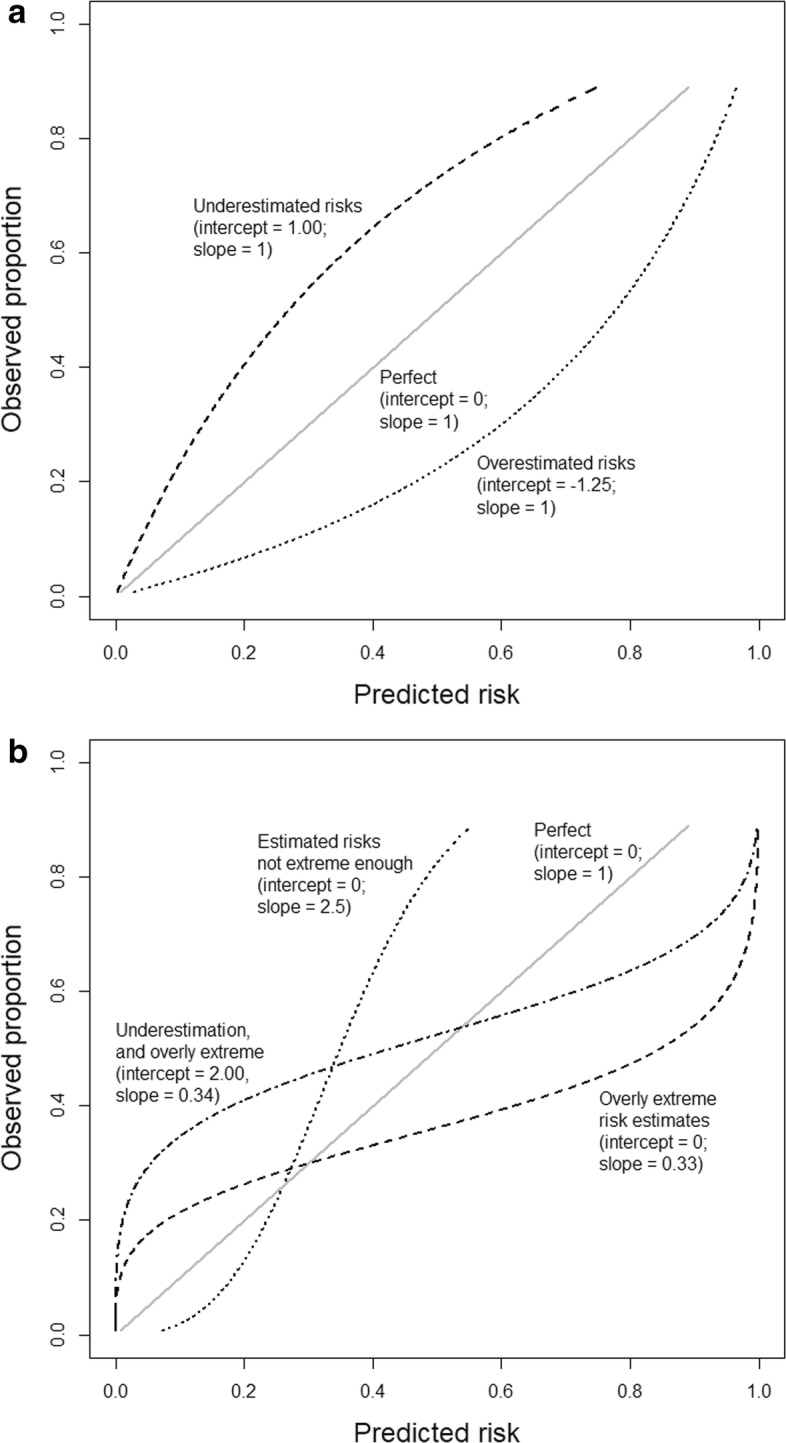
“A positive intercept suggests an underestimation of the outcome by the prediction model, and a negative intercept indicates an overestimation [48].”
BackgroundSeyedsalehi, A., & Fazel, S. (2024) · BMJ Mental Health · doi:10.1136/bmjment-2024-300990 · Cited by 57
Kreuzberger, N., Damen, J. A., Trivella, M., Estcourt, L. J., Aldin, A., Umlauff, L., Vazquez-Montes, M., Wolff, R. F., Moons, K. G. M., Monsef, I., et al. (2020) · Cochrane Database of Systematic Reviews · doi:10.1002/14651858.cd012022.pub2 · Cited by 67
Yun, H., Choi, J., & Park, J. H. (2021) · JMIR Medical Informatics · doi:10.2196/30770 · Cited by 53
Holfinger, S. J., Lyons, M. M., Keenan, B. T., Mazzotti, D. R., Mindel, J. W., Maislin, G., Cistulli, P. A., Sutherland, K., McArdle, N., Singh, B., et al. (2021) · CHEST Journal · doi:10.1016/j.chest.2021.10.023 · Cited by 52
Bonsdorff, A., Ghorbani, P., Helanterä, I., Tarvainen, T., Kontio, T., Belfrage, H., Sirén, J., Kokkola, A., Sparrelid, E., & Sallinen, V. J. (2022) · British journal of surgery · doi:10.1093/bjs/znac266 · Cited by 53
Measuring the performance of prediction models to personalize treatment choice
Efthimiou, O., Hoogland, J., Debray, T. P. A., Seo, M., Furukawa, T. A., Egger, M., & White, I. R. (2023) · Statistics in Medicine · doi:10.1002/sim.9665 · Cited by 54
Leveraging transcriptomics for precision diagnosis: Lessons learned from cancer and sepsis
Tsakiroglou, M., Evans, A. G., & Pirmohamed, M. (2023) · Frontiers in Genetics · doi:10.3389/fgene.2023.1100352 · Cited by 55
“The flexibility may also come at a cost, in demanding greater numbers of samples than comparatively simpler methods (van der Ploeg et al., 2014).”
BackgroundLi, Q., Campan, A., Ren, A., & Eid, W. E. (2022) · International Journal of Medical Informatics · doi:10.1016/j.ijmedinf.2022.104786 · Cited by 40
Lou, S. S., Liu, H., Lu, C., Wildes, T. S., Hall, B. L., & Kannampallil, T. (2022) · Anesthesiology · doi:10.1097/aln.0000000000004139 · Cited by 53
“Calibration of model-predicted transfusion risk is also an important measure of model performance, 29 especially if model predictions are to be useful to guide other aspects of anesthetic care.”
Backgroundde Hond, A., Kant, I. M. J., Honkoop, P., Smith, A. D., Steyerberg, E. W., & Sont, J. K. (2022) · Scientific Reports · doi:10.1038/s41598-022-24909-9 · Cited by 57
“Poor calibration forms an obstacle for the implementation of any algorithm in clinical practice, since reliability of the predicted probabilities is required to be clinically meaningful 26 .”
BackgroundSelf-citationA comparison of hyperparameter tuning procedures for clinical prediction models: A simulation study
Dunias, Z. S., CALSTER, B. V., Timmerman, D., Boulesteix, A., & van Smeden, M. (2024) · Statistics in Medicine · doi:10.1002/sim.9932 · Cited by 54
“Another explanation is that calibration of prediction models is often not evaluated, although considered important for clinical risk prediction, 23 and hence the effects of tuning procedures may so far have been largely unnoticed.”
BackgroundHan, C., Kim, D. W., Kim, S., You, S. C., Park, J. Y., Bae, S., & Yoon, D. (2024) · iScience · doi:10.1016/j.isci.2024.109022 · Cited by 62
A Bayesian neural network for toxicity prediction
Semenova, E., Williams, D. P., Afzal, A. M., & Lazic, S. E. (2020) · Computational Toxicology · doi:10.1016/j.comtox.2020.100133 · Cited by 57
Tiruneh, S. A., Vu, T. T. T., Rolnik, D. L., Teede, H. J., & Enticott, J. (2024) · Current Hypertension Reports · doi:10.1007/s11906-024-01297-1 · Cited by 52
Kunze, K. N., Polce, E. M., Nwachukwu, B. U., Chahla, J. A., & Nho, S. J. (2021) · Arthroscopy The Journal of Arthroscopic and Related Surgery · doi:10.1016/j.arthro.2021.01.005 · Cited by 49
Artificial and human intelligence for early identification of neonatal sepsis
Sullivan, B. A., Kausch, S. L., & Fairchild, K. D. (2022) · Pediatric Research · doi:10.1038/s41390-022-02274-7 · Cited by 58
Population-Based Recalibration of the Framingham Risk Score and Pooled Cohort Equations
Sud, M. K., Sivaswamy, A., Chu, A., Austin, P. C., Anderson, T. J., Naimark, D. M. J., Farkouh, M. E., Lee, D. S., Roifman, I., Thanassoulis, G., et al. (2022) · Journal of the American College of Cardiology · doi:10.1016/j.jacc.2022.07.026 · Cited by 50
de Hond, A. A. H., Kant, I. M. J., Fornasa, M., Cinà, G., Elbers, P. W. G., Thoral, P. J., Sesmu Arbous, M., & Steyerberg, E. W. (2023) · Critical Care Medicine · doi:10.1097/ccm.0000000000005758 · Cited by 44
“Poor generalizability of ML models from one local setting to another limits the scalability of these techniques (21).”
BackgroundMethodSelf-citationImproving postpartum hemorrhage risk prediction using longitudinal electronic medical records
Zheutlin, A. B., Vieira, L., Shewcraft, R. A., Li, S., Wang, Z., Schadt, E., Gross, S. J., Dolan, S. M., Stone, J. L., Schadt, E. E., et al. (2021) · Journal of the American Medical Informatics Association · doi:10.1093/jamia/ocab161 · Cited by 50
Best practices for authors of healthcare-related artificial intelligence manuscripts
Kakarmath, S., Esteva, A., Arnaout, R., Harvey, H., Kumar, S., Muse, E., Dong, F., Wedlund, L., & Kvedar, J. (2020) · npj Digital Medicine · doi:10.1038/s41746-020-00336-w · Cited by 46
Smith, J. L., Tcheandjieu, C., Dikilitas, O., Iyer, K. R., Miyazawa, K., Hilliard, A. T., Lynch, J. A., Rotter, J. I., Chen, Y.-D. I., Sheu, W. H., et al. (2024) · Circulation Genomic and Precision Medicine · doi:10.1161/circgen.123.004272 · Cited by 46
Ando, Y., Dbouk, M. H., Yoshida, T., Saba, H., Diwan, E. A., Yoshida, K., Dbouk, A., Blackford, A. L., Lin, M.-T., Lennon, A. M., et al. (2024) · Journal of Clinical Oncology · doi:10.1200/jco.23.01573 · Cited by 48
Boakye, N. F., O’Toole, C. C., Jalali, A., & Hannigan, A. (2025) · International Journal of Medical Informatics · doi:10.1016/j.ijmedinf.2025.105887 · Cited by 47
Forecasting football injuries by combining screening, monitoring and machine learning
Hecksteden, A., Schmartz, G. P., Egyptien, Y., der Fünten, K. A., Keller, A., & Meyer, T. (2022) · Science and Medicine in Football · doi:10.1080/24733938.2022.2095006 · Cited by 45
Valente, F., Henriques, J., Paredes, S., Rocha, T., de Carvalho, P., & Morais, J. (2021) · Artificial Intelligence in Medicine · doi:10.1016/j.artmed.2021.102113 · Cited by 39
Liu, Q., Chu, H., LaValley, M. P., Hunter, D. J., Zhang, H., Tao, L., Zhan, S., Lin, J., & Zhang, Y. (2021) · The Lancet Rheumatology · doi:10.1016/s2665-9913(21)00324-6 · Cited by 44
Estiri, H., Strasser, Z. H., Rashidian, S., Klann, J. G., Wagholikar, K. B., McCoy, T. H., & Murphy, S. N. (2022) · Journal of the American Medical Informatics Association · doi:10.1093/jamia/ocac070 · Cited by 40
Development of a Bedside Tool to Predict the Diagnosis of Cerebral Palsy in Term-Born Neonates
Rouabhi, A., Husein, N., Dewey, D., Letourneau, N. L., Daboval, T., Oskoui, M., Kirton, A., Shevell, M. I., Dunbar, M., Canadian Cerebral Palsy Registry, et al. (2023) · Archives of Pediatrics and Adolescent Medicine · doi:10.1001/jamapediatrics.2022.5177 · Cited by 45
Barreñada, L., Ledger, A., Dhiman, P., Collins, G., Wynants, L., Verbakel, J. Y., Timmerman, D., Valentin, L., & Van Calster, B. (2024) · BMJ Medicine · doi:10.1136/bmjmed-2023-000817 · Cited by 42
Self-citationKey Aspects of Prognostic Model Development and Interpretation From a Clinical Perspective
Hoesseini, A., van Leeuwen, N., Sewnaik, A., Steyerberg, E. W., de Jong, R. J. B., Lingsma, H. F., & Offerman, M. P. J. (2021) · JAMA Otolaryngology–Head & Neck Surgery · doi:10.1001/jamaoto.2021.3505 · Cited by 43
Self-citationDhiman, P., Ma, J., Andaur Navarro, C. L., Speich, B., Bullock, G., Damen, J. A. A., Hooft, L., Kirtley, S., Riley, R. D., Van Calster, B., et al. (2023) · Journal of Clinical Epidemiology · doi:10.1016/j.jclinepi.2023.03.012 · Cited by 41
“Whereas, demonstrating good calibration is a harder task, as it requires showing that the estimated probabilities from the model agree with what was observed and a larger sample size to reliably estimate [75,76].”
Miller, R. J. H., Singh, A., Otaki, Y., Tamarappoo, B. K., Kavanagh, P., Parekh, T., Hu, L.-H., Gransar, H., Sharir, T., Einstein, A. J., et al. (2022) · European Journal of Nuclear Medicine and Molecular Imaging · doi:10.1007/s00259-022-05972-w · Cited by 41
“This could lead to an inaccurate estimate of probability particularly in lower-risk subgroups [8].”
BackgroundLapp, L., Roper, M., Kavanagh, K., Bouamrane, M.-M., & Schraag, S. (2023) · Journal of Intensive Care Medicine · doi:10.1177/08850666231166349 · Cited by 46
“97 In this review, only 5 studies reported measuring calibration of their prediction models, 19,25,34,37,46 which indicates low reporting standards of currently developed prediction models, as also evidenced by our fi ndings and discussion about the missing data and data imbalance approaches in…”
Tran, D., Nguyen, H., Pham, V.-D., Nguyen, T. N. P., Luu, H. N., Phan, L. M., DeStefano, C. B., Yeung, S. J., & Nguyen, T. (2025) · Briefings in Bioinformatics · doi:10.1093/bib/bbaf150 · Cited by 45
“Poorly calibrated estimates often result in erroneous expectations with cancer patients and health-care specialists [62].”
Troiano, G., Nibali, L., Petsos, H., Eickholz, P., Saleh, M. H. A., Santamaria, P., Jiao, J., Shi, S., Meng, H., Zhurakivska, K., et al. (2022) · Journal Of Clinical Periodontology · doi:10.1111/jcpe.13739 · Cited by 43
Zupko, R., Nguyen, T. D., Ngabonziza, J. C. S., Kabera, M., Li, H., Tran, T. N.-A., Tran, K. T., Uwimana, A., & Boni, M. F. (2023) · Nature Medicine · doi:10.1038/s41591-023-02551-w · Cited by 41
Using Electronic Health Records to Facilitate Precision Psychiatry
Oliver, D., Arribas, M., Perry, B. I., Whiting, D., Blackman, G., Krakowski, K., Seyedsalehi, A., Osimo, E. F., Griffiths, S. L., Stahl, D. R., et al. (2024) · Biological Psychiatry · doi:10.1016/j.biopsych.2024.02.1006 · Cited by 43
Chee, M. L., Ong, M. E. H., Siddiqui, F. J., Zhang, Z., Lim, S. L., Ho, A. F. W., & Liu, N. (2021) · International Journal of Environmental Research and Public Health · doi:10.3390/ijerph18094749 · Cited by 45
Prediction of Childhood Obesity from Nationwide Health Records
Rossman, H., Shilo, S., Barbash‐Hazan, S., Artzi, N. S., Hadar, E., Balicer, R. D., Feldman, B., Wiznitzer, A., & Segal, E. (2021) · The Journal of Pediatrics · doi:10.1016/j.jpeds.2021.02.010 · Cited by 40
Weekes, A. J., Raper, J. D., Lupez, K., Thomas, A. M., Cox, C. A., Esener, D. E., Boyd, J. S., Nomura, J. T., Davison, J., Ockerse, P. M., et al. (2021) · PLoS ONE · doi:10.1371/journal.pone.0260036 · Cited by 41
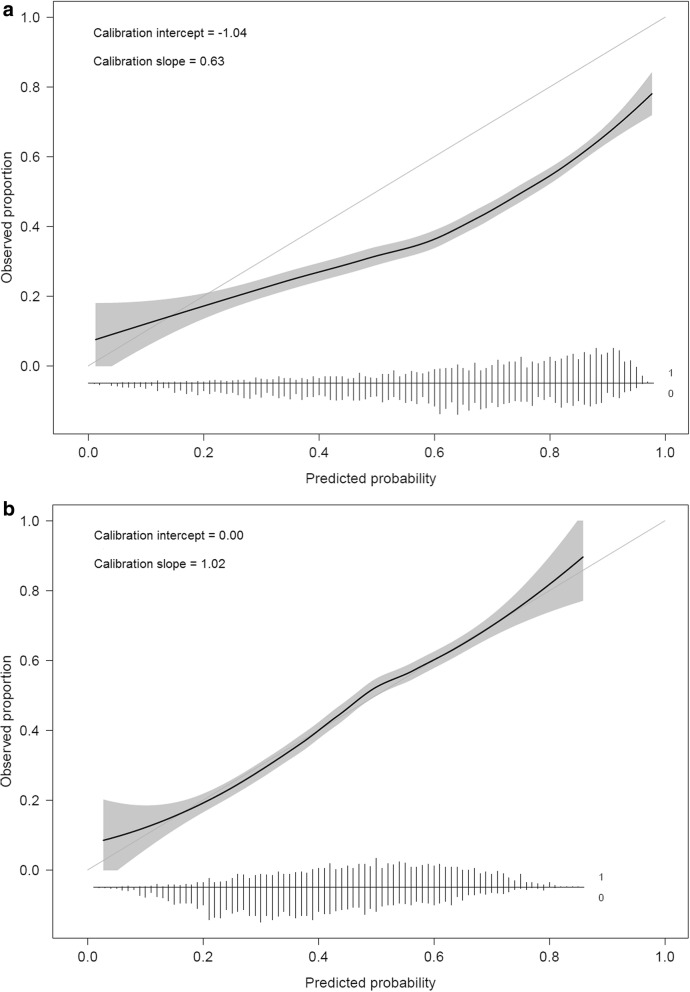
“We provided figures of calibration curves for visualization [50, 51].”
MethodModel-Based ROC Curve: Examining the Effect of Case Mix and Model Calibration on the ROC Plot
Sadatsafavi, M., Saha‐Chaudhuri, P., & Petkau, J. (2021) · Medical Decision Making · doi:10.1177/0272989x211050909 · Cited by 41
“22 the potential to facilitate examining model calibration, which is often neglected when developing risk prediction models(7).”
BackgroundMethodYamga, E., Mantena, S., Rosen, D. T., Bucholz, E. M., Yeh, R. W., Celi, L. A., Ustun, B., & Butala, N. M. (2023) · Journal of the American Heart Association · doi:10.1161/jaha.122.029232 · Cited by 42
Risk calculators for the detection of prostate cancer: a systematic review
Denijs, F., van Harten, M. J., Meenderink, J. J. L., Leenen, R. C. A., Remmers, S., Venderbos, L. D. F., van den Bergh, R. C. N., Beyer, K., & Roobol, M. J. (2024) · Prostate Cancer and Prostatic Diseases · doi:10.1038/s41391-024-00852-w · Cited by 41
Brathwaite, R., Rocha, T. B.-M., Kieling, C., Kohrt, B. A., Mondelli, V., Adewuya, A. O., & Fisher, H. L. (2020) · Psychiatry Research · doi:10.1016/j.psychres.2020.113511 · Cited by 40
Deep integrative models for large-scale human genomics
Sigurdsson, A. I., Louloudis, I. E., Banasik, K., Westergaard, D., Winther, O., Lund, O., Ostrowski, S. R., Erikstrup, C., Pedersen, O. B., Nyegaard, M., et al. (2023) · Nucleic Acids Research · doi:10.1093/nar/gkad373 · Cited by 42
Liou, L., Scott, E. R., Parchure, P., Ouyang, Y., Egorova, N., Freeman, R., Hofer, I. S., Nadkarni, G. N., Timsina, P., Kia, A., et al. (2024) · npj Digital Medicine · doi:10.1038/s41746-024-01141-5 · Cited by 41
van Smeden, M., Groenwold, R. H. H., & Moons, K. G. M. (2020) · Journal of Clinical Epidemiology · doi:10.1016/j.jclinepi.2020.06.007 · Cited by 45
Machine learning for the life-time risk prediction of Alzheimer’s disease: a systematic review
Rowe, T. W., Katzourou, I. K., Stevenson‐Hoare, J. O., Bracher‐Smith, M., Ivanov, D. K., & Escott‐Price, V. (2021) · Brain Communications · doi:10.1093/braincomms/fcab246 · Cited by 44
Jenkins, L. C., Chang, W., Buscemi, V., Liston, M. B., Humburg, P., Nicholas, M. K., Graven‐Nielsen, T., Hodges, P. W., McAuley, J. H., & Schabrun, S. M. (2022) · Pain · doi:10.1097/j.pain.0000000000002684 · Cited by 39
Deng, J., Elghobashy, M. E., Zang, K., Patel, S. K., Guo, E., & Heybati, K. (2025) · Medical Decision Making · doi:10.1177/0272989x251343082 · Cited by 41
Islam, M. M., & Miraz, A. I. (2022) · doi:10.63125/k22shk74 · Cited by 39
Alhmoud, B., Bonnici, T., Patel, R. S., Melley, D. D., Williams, B., & Banerjee, A. (2021) · BMJ Open · doi:10.1136/bmjopen-2020-045849 · Cited by 41
Amacher, S. A., Blatter, R., Briel, M., Appenzeller‐Herzog, C., Bohren, C., Becker, C., Beck, K., Groß, S., Tisljar, K., Sutter, R., et al. (2022) · Critical Care · doi:10.1186/s13054-022-04263-y · Cited by 36
Fardous, M., & Hasan, M. (2021) · doi:10.63125/3f0mwc90 · Cited by 36
Charu, V., Liang, J. W., Mannalithara, A., Kwong, A., Tian, L., & Kim, W. R. (2024) · Hepatology · doi:10.1097/hep.0000000000000908 · Cited by 35
Population-Based Validation of the MIA and MSKCC Tools for Predicting Sentinel Lymph Node Status
Bagge, R. O., Mikiver, R., Marchetti, M. A., Lo, S., van Akkooi, A. C. J., Coit, D. G., Ingvar, C., Isaksson, K., Scolyer, R. A., Thompson, J. F., et al. (2024) · JAMA Surgery · doi:10.1001/jamasurg.2023.6904 · Cited by 37
Stassen, R. C., Maas, C. C. H. M., van der Veldt, A. A. M., Lo, S., Saw, R. P. M., Varey, A. H. R., Scolyer, R. A., Long, G. V., Thompson, J. F., Rutkowski, P. L., et al. (2024) · The Lancet Oncology · doi:10.1016/s1470-2045(24)00076-7 · Cited by 36
Dussert, G., Chamaillé‐Jammes, S., Dray, S., & Miele, V. (2024) · Remote Sensing in Ecology and Conservation · doi:10.1002/rse2.412 · Cited by 36
Nissen, S. K., Candel, B. G. J., Nickel, C. H., de Jonge, E., Ryg, J., Bogh, S. B., de Groot, B., & Brabrand, M. (2021) · Annals of Emergency Medicine · doi:10.1016/j.annemergmed.2021.09.434 · Cited by 35
Polce, E. M., Kunze, K. N., Dooley, M. S., Piuzzi, N. S., Boettner, F., & Sculco, P. K. (2022) · Journal of Bone and Joint Surgery · doi:10.2106/jbjs.21.00717 · Cited by 37
Metadata
- Authors
- On behalf of Topic Group ‘Evaluating diagnostic tests and prediction models’ of the STRATOS initiative, Van Calster, B., McLernon, D. J., van Smeden, M., Wynants, L., & Steyerberg, E. W.
- Affiliations
- KU Leuven (BE)
- University of Aberdeen (GB)
- Leiden University Medical Center (NL)
- Venue
- BMC Medicine
- Published
- 2019-12
- Volume
- 17
- Issue
- 1
- Pages
- 230-230
- ISSN
- 1741-7015 (ISSN-L)
- PMC
- PMC6912996
- OpenAlex
- W2996480032
- Cited by
- 2,650
- References
- 39
- Citations by year
- 2026: 1224 · 2025: 379 · 2024: 291 · 2023: 283 · 2022: 262 · 2021: 159 · 2020: 51
- FWCI
- 93.43
- Type
- journal article
- Language
- en
- Open access
- gold
- doi.org
- Licence
- cc-by
- creativecommons.org/licenses/by/4.0/ (tdm)
- creativecommons.org/licenses/by/4.0/ (vor, 15 d)
- Locations
- BMC Medicine (publishedVersion, cc-by)
- Europe PMC (PubMed Central) (publishedVersion, cc-by)
- PubMed Central (publishedVersion, cc-by)
- PubMed (publishedVersion)
- Research Publications (Maastricht University) (publishedVersion, cc-by)
- Aberdeen University Research Archive (Aberdeen University) (submittedVersion, cc-by-nc)
- Lirias (submittedVersion, cc-by-nc)
- Pure Amsterdam UMC (submittedVersion, cc-by-nc)
- Data Archiving and Networked Services (DANS) (submittedVersion, other-oa)
- Data Archiving and Networked Services (DANS) (submittedVersion)
- Leiden Repository (Leiden University) (submittedVersion)
- DOAJ (DOAJ: Directory of Open Access Journals) (submittedVersion, cc-by-sa)
- Utrecht University Repository (Utrecht University) (submittedVersion, other-oa)
- University of Birmingham Research Portal (University of Birmingham) (submittedVersion, other-oa)
- Research Publications (Maastricht University) (submittedVersion, other-oa)
- Funders
- Fonds Wetenschappelijk Onderzoek (G0B4716N)
- Onderzoeksraad, KU Leuven (C24/15/037)
- Topics
- Physical Sciences › Mathematics › Statistics and Probability › Statistical Methods in Epidemiology
- Health Sciences › Health Professions › Health Information Management › Artificial Intelligence in Healthcare
- Physical Sciences › Computer Science › Artificial Intelligence › Machine Learning in Healthcare
- Keywords
- model calibration, risk prediction model, predictive analytics, calibration curve, external validation, model updating, clinical decision-making, shared decision-making, sample size, model complexity
- MeSH terms
- Machine Learning, Adult, Aged, Algorithms, Calibration, Humans, Male, Middle Aged, Predictive Value of Tests
About these checks
Registry, retraction, Cites and statistics results are computed, not judged, with one exception: a printed reference that no index lists is read once by a model before it counts as a citation error. Claims are extracted by a model and kept only when their quote appears verbatim in the text; each cited source is then checked, with a model’s help, for whether it says what the claim relies on. Those verdicts can be wrong — read the claim’s quote and the cited source before relying on one.
Statistics and arithmetic are recomputed, not judged.
Confidence bands are shown only for fields calibrated on our annotated test set. None is calibrated yet, so no band is shown.
What counts as a claim ›How we measure confidence ›How we check this ›
Are you an author, or do you see a problem with this page? Request a review
Data sources
Bibliographic data: Semantic Scholar, OpenAlex, Crossref.
Contains information from the Semantic Scholar Academic Graph Datasets, made available under the ODC Attribution License (ODC-BY 1.0).
Semantic Scholar’s data is described in: Kinney, R., et al. (2023). The Semantic Scholar Open Data Platform. arXiv:2301.10140.
