

Calibration: the Achilles heel of predictive analytics
Open accessThe DOI matches its Crossref record; 41 of the 41 references it cites were found in a registry or an index.
Abstract
Background: The assessment of calibration performance of risk prediction models based on regression or more flexible machine learning algorithms receives little attention. Main text: Herein, we argue that this needs to change immediately because poorly calibrated algorithms can be misleading and potentially harmful for clinical decision-making. We summarize how to avoid poor calibration at algorithm development and how to assess calibration at algorithm validation, emphasizing balance between model complexity and the available sample size. At external validation, calibration curves require sufficiently large samples. Algorithm updating should be considered for appropriate support of clinical practice. Conclusion: Efforts are required to avoid poor calibration when developing prediction models, to evaluate calibration when validating models, and to update models when indicated. The ultimate aim is to optimize the utility of predictive analytics for shared decision-making and patient counseling.
Overview
The claims and statistics of this paper haven’t been checked yet.
Free: it reads the open-access text and checks the first 5 claims that cite a source we can check. Create a free account to check every claim.
Integrity signals
Registry
Cites
Statistics
Figures
Verification
Claims the paper makes
The claims and statistics of this paper haven’t been checked yet.
Free: it reads the open-access text and checks the first 5 claims that cite a source we can check. Create a free account to check every claim.
Claims other papers make about this one
Each is checked against this paper’s own text: does it say what the citing paper says it does?
The cited source doesn’t support the claim as written.
In the citing paper
“Miscalibration is a distinct hazard from inaccuracy [3].”
From Do Calibrated-Probability Claims Hold Up in Clinical Diagnosis? A Pre-registered Evaluation of a Decision Model Against Frontier Language Models (2026) · cites this paper as [3]
Checked by a reasoning model — may be wrong.
Experimental — accuracy not yet measuredThe source backs part of the claim, not all of it — or backs it for a different population, condition or comparison.
In the citing paper
“Challenges remain related to generalisability across institutions, alert fatigue, and calibration drift over time [19,20].”
From Artificial Intelligence in Clinical Decision-Making: A Comprehensive Review of Diagnostic, Prognostic, and Therapeutic Applications, Validation Gaps, Bias, and Deployment Challenges (2026) · cites this paper as [20]
Experimental — accuracy not yet measuredThe source backs part of the claim, not all of it — or backs it for a different population, condition or comparison.
In the citing paper
“Such a system works only if the probabilities are calibrated, meaning that a stated probability matches how often the model is actually right [3].”
From Do Calibrated-Probability Claims Hold Up in Clinical Diagnosis? A Pre-registered Evaluation of a Decision Model Against Frontier Language Models (2026) · cites this paper as [3]
Experimental — accuracy not yet measuredThe cited source says what the claim attributes to it.
In the citing paper
“Still, AIPM updating, site-specific training or recalibration might be needed to adapt an existing AIPM to a different healthcare setting3,5,9,60,68,72.”
From Guidelines and quality criteria for artificial intelligence-based prediction models in healthcare: a scoping review (2022) · cites this paper as [60]
The cited source says what the claim attributes to it.
In the citing paper
“Increasing emphasis has therefore been placed on model calibration, which examines whether predicated probabilities correspond to true clinical risk [73].”
From Artificial Intelligence in Dermatopathology: An Update and Review of the Current Literature (2026) · cites this paper as [73]
7 more claims about this paper
Create a free account to see every claim other papers make about this one.
Self-check
Percentages, sums and reported differences re-computed from the paper’s own numbers.
The self-check needs the paper’s full text.
Citations
Cites
Bray, F., Ferlay, J., Soerjomataram, I., Siegel, R. L., Torre, L. A., & Jemal, A. (2018) · CA: A Cancer Journal for Clinicians · doi:10.3322/caac.21492 · Cited by 84,109 · cited 1×
“Often, patient characteristics and disease incidence or prevalence rates vary greatly between health centers, regions, and countries [16].”
BackgroundMoons, K. G. M., Altman, D. G., Reitsma, J. B., Ioannidis, J. P. A., Macaskill, P., Steyerberg, E. W., Vickers, A. J., Ransohoff, D. F., & Collins, G. S. (2015) · Annals of Internal Medicine · doi:10.7326/m14-0698 · Cited by 5,147 · cited 2×
“Reporting on calibration performance is recommended by the TRIPOD (Transparent Reporting of a multivariable prediction model for Individual Prognosis Or Diagnosis) guidelines for prediction modeling studies [12].”
BackgroundMethodSelf-citationClinical Prediction Models: A Practical Approach to Development, Validation, and Updating
Steyerberg, E. W. (2019) · Statistics for Biology and Health · doi:10.1007/978-3-030-16399-0 · Cited by 3,281
Self-citationChristodoulou, E., Ma, J., Collins, G. S., Steyerberg, E. W., Verbakel, J. Y., & Van Calster, B. (2019) · Journal of Clinical Epidemiology · doi:10.1016/j.jclinepi.2019.02.004 · Cited by 2,119
Self-citationSteyerberg, E. W. (2009) · Statistics for Biology and Health · doi:10.1007/978-0-387-77244-8 · Cited by 1,491
Self-citationRiley, R. D., Snell, K. I., Ensor, J., Burke, D. L., Harrell Jr, F. E., Moons, K. G., & Collins, G. S. (2019) · Statistics in Medicine · doi:10.1002/sim.7992 · Cited by 1,409 · cited 1×
“It is important to prespecify the modeling strategy and to ensure that sample size is sufficient for the number of considered predictors [30, 31].”
BackgroundA calibration hierarchy for risk models was defined: from utopia to empirical data
Van Calster, B., Nieboer, D., Vergouwe, Y., De Cock, B., Pencina, M. J., & Steyerberg, E. W. (2016) · Journal of Clinical Epidemiology · doi:10.1016/j.jclinepi.2015.12.005 · Cited by 910 · cited 6×
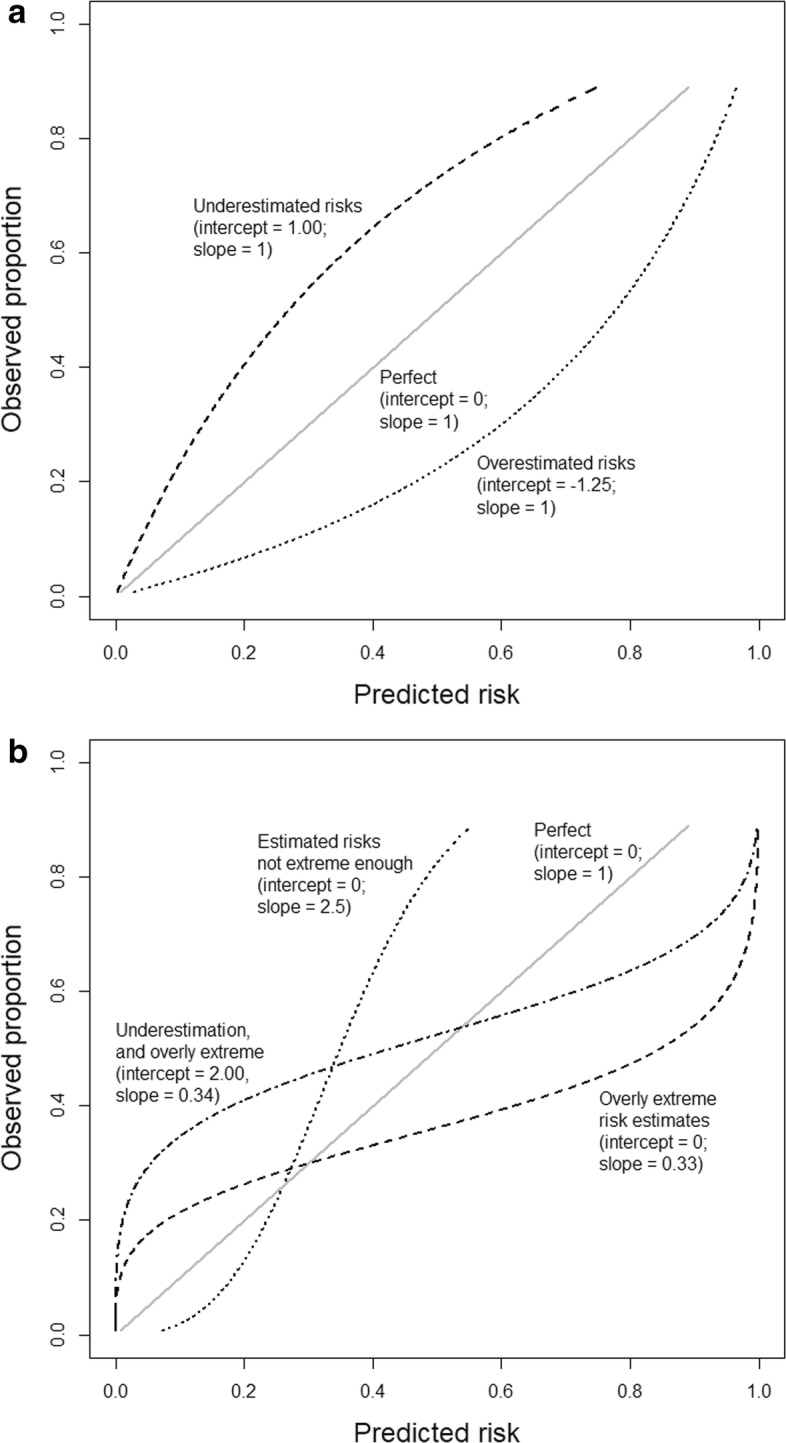
“The accuracy of risk estimates, relating to the agreement between the estimated and observed number of events, is called ‘ calibration ’ [4].”
BackgroundMethodInfluentialSelf-citationMoore, R. G., McMeekin, D. S., Brown, A. K., DiSilvestro, P., Miller, M. C., Allard, W. J., Gajewski, W., Kurman, R., Bast, R. C., & Skates, S. J. (2009) · Gynecologic Oncology · doi:10.1016/j.ygyno.2008.08.031 · Cited by 875 · cited 1×
“The concepts explained in this section are illustrated in Additional 1, with the validation of the Risk of Ovarian Malignancy Algorithm (ROMA) for the diagnosis of ovarian malignancy in women with an ovarian tumor selected for surgical removal [28]; further details can be found elsewhere [1, 4, 29].”
MethodSample size for binary logistic prediction models: Beyond events per variable criteria
van Smeden, M., Moons, K. G., de Groot, J. A., Collins, G. S., Altman, D. G., Eijkemans, M. J., & Reitsma, J. B. (2019) · Statistical Methods in Medical Research · doi:10.1177/0962280218784726 · Cited by 791 · cited 1×
“It is important to prespecify the modeling strategy and to ensure that sample size is sufficient for the number of considered predictors [30, 31].”
BackgroundA Deep Learning Mammography-based Model for Improved Breast Cancer Risk Prediction
Yala, A., Lehman, C., Schuster, T., Portnoi, T., & Barzilay, R. (2019) · Radiology · doi:10.1148/radiol.2019182716 · Cited by 758 · cited 1×
“Calibration is especially important when the aim is to support decision-making, even when discrimination is moderate such as for breast cancer prediction models [13].”
Background
Cited by
Items 801–900 of 1,006
Pedroso, A. F., Brant, L. C., Ribeiro, A. L. P., Barreto, S. M., Figueiredo, R. C. C., & Khera, R. (2025) · American Journal of Preventive Cardiology · doi:10.1016/j.ajpc.2025.101392 · Cited by 6
“First, the out-of-the-box calibration of the PREVENT model mitigates the need for local recalibration, a process that is often impractical in LMIC due to the lack of large datasets representative of the population, which are required for model recalibration [26].”
Wang, Z., Zhang, X., Hu, X., Miao, H., Zhang, S., Chang, F., Wei, R., & Guo, Z. (2026) · Frontiers in Cell and Developmental Biology · doi:10.3389/fcell.2026.1743506 · Cited by 6
TRIAGE: Trustworthy Reporting and Assessment for Clinical Gain and Effectiveness of AI Models
Fazilati, F., Rajabi, M. T., Alihosseini, N., Farsani, M. E., Sandid, S. H., Zamani, S., Farahani, M. A., Biriaei, F., Sadeghipour, F., Mirshamsi, M. T., et al. (2026) · Diagnostics · doi:10.3390/diagnostics16050666 · Cited by 7
Wünsch, V. A., Bommes, H., Piltan, M., Germer, S., Gundler, C., Dohrmann, T., Köhl, V., Dankert, A., Krause, L., Zöllner, C., et al. (2026) · Anaesthesia · doi:10.1111/anae.70262 · Cited by 6
Novel predictors of mortality in emergency bowel surgery: a single‐centre cohort study
Darbyshire, A. R., Kostakis, I., Meredith, P., Toh, S. K. C., Prytherch, D. R., & Briggs, J. (2023) · Anaesthesia · doi:10.1111/anae.15966 · Cited by 7
Wingbermühle, R. W., Chiarotto, A., van Trijffel, E., Stenneberg, M. S., Kan, R., Koes, B. W., & Heymans, M. W. (2023) · Journal of physiotherapy · doi:10.1016/j.jphys.2023.02.002 · Cited by 6
Wu, P., Jiang, Y., Xing, H., Song, W., Cui, X., Wu, X., & Xu, G. (2023) · Physics in Medicine and Biology · doi:10.1088/1361-6560/acec2d · Cited by 6
Wang, Y., He, R., Ren, X., Huang, K., Lei, J., Niu, H., Li, W., Dong, F., Li, B., Yang, T., et al. (2024) · BMJ Open Respiratory Research · doi:10.1136/bmjresp-2023-001881 · Cited by 6
“Further model development and validation are needed across a wide range of clinical settings in China and other countries to confirm that SERCO is suitable for routine clinical use.”
BackgroundTarek, M. A., Monteiro, M. D., Mohammaden, M. H., Martins, P. N., Sheth, S. A., Dolia, J. N., Pabaney, A., Grossberg, J. A., Nahhas, M. I., DeLaGarza, C., et al. (2024) · Journal of NeuroInterventional Surgery · doi:10.1136/jnis-2024-021676 · Cited by 6
“After summing the calibration intercept to the model intercept, as suggested by Van Calster et al , 22 we got to a calibration inter-cept of 0.00 (95% CI −0.48 to 0.48) and a calibration slope of 0.85 (0.50 to 1.14), enhancing the predictive ability of the model.”
MethodInfluentialMachine learning: implications and applications for ambulatory anesthesia
Anand, K., Hong, S. K., Anand, K. K., & Hendrix, J. M. (2024) · Current Opinion in Anaesthesiology · doi:10.1097/aco.0000000000001410 · Cited by 6
“Usability assessments can also inform the refinement of predictive analytics outputs, balancing detail against simplicity for comprehension by stakeholders of varying computational into practice [12].”
Krittayaphong, R., Winijkul, A., Rungpradubvong, V., Apiyasawat, S., Phrommintikul, A., Chantrarat, T., Methavigul, K., Chichareon, P., Makarawate, P., Wongtheptien, W., et al. (2025) · JACC Asia · doi:10.1016/j.jacasi.2024.10.027 · Cited by 7
Predicting accrual success for better clinical trial resource allocation
Ma, S., Wang, Y., Wagner, J. E., Johnson, S., Pakhomov, S., & Aliferis, C. (2025) · Scientific Reports · doi:10.1038/s41598-025-88400-x · Cited by 7
van Linschoten, R. C. A., van Leeuwen, N., Klaveren, D. V., Pierik, M. J., Creemers, R. H., Hendrix, E. M. B., Hazelzet, J. A., van der Woude, C. J., West, R. L., & van Noord, D. (2025) · Journal of Crohn s and Colitis · doi:10.1093/ecco-jcc/jjaf017 · Cited by 6
“34,35 Previous research found that the incidence of IBD was higher in South Limburg compared to the rest of the Netherlands.”
Nomali, M., Yaseri, M., Nedjat, S., Azizi, F., Mansournia, M. A., Navid, H., Danaei, G., Woodward, M., Fahimfar, N., Steyerberg, E. W., et al. (2025) · Journal of Clinical Epidemiology · doi:10.1016/j.jclinepi.2025.111736 · Cited by 7
Self-citationComparative evaluation of LLMs in orthopedic surgery
Chundi, G., Dawar, A., Sarwar, S., Prasad, S., Vosbikian, M. M., & Ahmed, I. H. (2025) · Journal of Orthopaedic Reports · doi:10.1016/j.jorep.2025.100728 · Cited by 8
Stojadinović, M., Trifunovic, T., & Јаnkovic, S. (2020) · International Urology and Nephrology · doi:10.1007/s11255-020-02517-8 · Cited by 6
Practical foundations of machine learning for addiction research. Part II. Workflow and use cases
Morgado, P. C., Carusso, M., Alemany, L. A., & Ación, L. (2022) · The American Journal of Drug and Alcohol Abuse · doi:10.1080/00952990.2021.1966435 · Cited by 8
Development and validation of a new prognostic index for mortality risk in multimorbid adults
Gastens, V., Chioléro, A., Anker, D., Schneider, C., Feller, M., Bauer, D. C., Rodondi, N., & Giovane, C. D. (2022) · PLoS ONE · doi:10.1371/journal.pone.0271923 · Cited by 7
“The calibration intercept, which is an assessment of calibration-in-the-large, has a target value of 0; negative values suggest overestimation, whereas positive values suggest underestimation [28].”
BackgroundExternal Validation of a Multivariable Prediction Model for Placenta Accreta Spectrum
Singh, S., Carusi, D. A., Wang, P., Reitman-Ivashkov, E., Landau, R., Fields, K. G., Weiniger, C. F., & Farber, M. K. (2022) · Anesthesia & Analgesia · doi:10.1213/ane.0000000000006222 · Cited by 6
Rosellini, A. J., Andrea, A. M., Galiano, C. S., Hwang, I. H., Brown, T. A., Luedtke, A. R., & Kessler, R. C. (2022) · Behavior Therapy · doi:10.1016/j.beth.2022.11.004 · Cited by 6
When (not) to apply clinical risk prediction models to improve patient care
Lee, A. S. Y., & Moonesinghe, R. (2023) · Anaesthesia · doi:10.1111/anae.15990 · Cited by 6
“While discrimination is an important measure of validity, risk estimates also need to be reliable or calibrated [4].”
BackgroundInfluentialLohmann, A., Groenwold, R. H. H., & van Smeden, M. (2023) · Biometrical Journal · doi:10.1002/bimj.202200108 · Cited by 10
Lin, Q., Liang, J., Li, Z., Xi, S., Lai, Y., Gao, F., Zhang, X., Wang, D., Hu, M.-T., Cao, Y., et al. (2023) · iScience · doi:10.1016/j.isci.2023.107702 · Cited by 7
van Beek, S., Nieboer, D., Klimek, M., Stolker, R. J., & Mijderwijk, H.-J. (2024) · Scientific Reports · doi:10.1038/s41598-023-50518-1 · Cited by 6
Skarping, I. D., Ellbrant, J., Dihge, L., Ohlsson, M., Huss, L., Bendahl, P., & Rydén, L. (2024) · BMC Cancer · doi:10.1186/s12885-024-11854-1 · Cited by 6
“…was assessed in terms of discrimination with the area under the receiver operating characteristic (ROC) curve (AUC) and calibration, that is, comparison of the observed and predicted event rates of axillary disease using Hosmer–Lemeshow graphics summarized by calibration slope and intercept [25].”
MethodMachine Learning in Drug Design
Engkvist, O., Mervin, L., Chen, H., & Ran, T. (2023) · Royal Society of Chemistry eBooks · doi:10.1039/9781788018982-00231 · Cited by 7
Odrobina, I. (2024) · Diagnostics · doi:10.3390/diagnostics14040443 · Cited by 9
“[112] approaches the topic of model calibration in general.”
BackgroundАндрейченко, А. Е., Ermak, A. D., Gavrilov, D. V., Novitskiy, R. E., & Gusev, A. V. (2024) · Diabetes Mellitus · doi:10.14341/dm13065 · Cited by 6
Zhang, Y., Weijer, R. H. A., van Schooten, K. S., Bruijn, S. M., & Pijnappels, M. A. G. M. (2024) · Journal of the American Medical Directors Association · doi:10.1016/j.jamda.2024.105107 · Cited by 6
Sakr, A. M., Mansmann, U., Havla, J. B., & Ön, B. I. (2024) · BMC Medical Research Methodology · doi:10.1186/s12874-024-02264-9 · Cited by 7
Machine Learning for Individualized Risk Estimation in Anterior Lumbar Interbody Fusion
Karabacak, M., Jagtiani, P., Schüpper, A. J., Carr, M. T., Steinberger, J. M., & Margetis, K. D. (2024) · Neurosurgery Open · doi:10.1227/neuprac.0000000000000099 · Cited by 8
Mori, Y., Fukuma, S., Yamaji, K., Mizuno, A., Kondo, N., & Inoue, K. (2024) · ESC Heart Failure · doi:10.1002/ehf2.15056 · Cited by 6
“27 To visualize the contributions of predictor variables to the outputs of machine-learning models, we utilized the Shapley additive explanations (SHAP) analysis for GBM algorithms.”
Deployment of Clinical Prediction Models: A Practical Guide to Nomograms and Online Calculators
Jimenez, A. E., Feghali, J., Schilling, A. T., & Azad, T. D. (2021) · Acta neurochirurgica. Supplementum · doi:10.1007/978-3-030-85292-4_13 · Cited by 6
Youssef, A., van der Hoorn, M., Lith, J. M. M. V., van EEKELEN, R., du Fossé, N. A., & Lashley, L. E. E. L. O. (2022) · F&S Reviews · doi:10.1016/j.xfnr.2022.02.002 · Cited by 6
External validation of inpatient neonatal mortality prediction models in high-mortality settings
Tuti, T., Collins, G. S., English, M., Mbevi, G., Wainaina, J., Mumelo, L., Gicheha, E. W., Muinga, N., Ogola, M., Oyiengo, L., et al. (2022) · BMC Medicine · doi:10.1186/s12916-022-02439-5 · Cited by 8
“We have therefore adopted calibration plots and report the calibration slopes and intercepts [16].”
BackgroundMethodInfluentialReilly, J. R., Wong, D. J., Brown, W. A., Gabbe, B. J., & Myles, P. S. (2022) · ANZ Journal of Surgery · doi:10.1111/ans.17946 · Cited by 6
Hamers, P. A. H., Wensink, G. E., van Smeden, M., Vink, G. R., Smabers, L. P., Lunenberg, R. A., Laclé, M. M., Koopman, M., May, A. M., & Roodhart, J. M. L. (2022) · Cancers · doi:10.3390/cancers14205094 · Cited by 6
“Miscalibration can be the result of methodological issues during model development, such as overfitting, or due to differences between the development and external validation cohorts, including patient characteristics, mortality rate, or differences resulting from advancements in treatment for refractory mCRC over tim…”
BackgroundPersonalized breast cancer onset prediction from lifestyle and health history information
Qi, S.-A., Kumar, N., Xu, J., Patel, J., Damaraju, S., Shen‐Tu, G., & Greiner, R. (2022) · PLoS ONE · doi:10.1371/journal.pone.0279174 · Cited by 10
“…materials), which means its probability estimations at individuals’ BCaO times are not reliable and hence, not acceptable for clinical usage [45, 46]; (2) DeepHit requires that all BCaO probability curves must reach 0 at the last observed time, which implies that everyone must have BCaO…”
Mo, H., Liang, W., Huang, Z., Li, X., Xiao, X. S., Liu, H., He, J., Xu, Y., & Wu, Y. (2022) · European Radiology · doi:10.1007/s00330-022-09319-9 · Cited by 6
External validation of a prediction model for timely implementation of innovations in radiotherapy
Swart, R., Fijten, R., Boersma, L. J., Kalendralis, P., Behrendt, M., Ketelaars, M., Roumen, C., & Jacobs, M. (2023) · Radiotherapy and Oncology · doi:10.1016/j.radonc.2022.109459 · Cited by 7
Ogero, M. O., Ndiritu, J., Sarguta, R. J., Tuti, T., Aluvaala, J., & Akech, S. (2023) · Paediatric and Perinatal Epidemiology · doi:10.1111/ppe.12948 · Cited by 6
Predictive tools in psychosis: what is ‘good enough’?
Seyedsalehi, A., & Lennox, B. (2023) · Nature Reviews Neurology · doi:10.1038/s41582-023-00787-1 · Cited by 6
Davik, P., Remmers, S., Elschot, M., Roobol, M. J., Bathen, T. F., & Bertilsson, H. (2023) · British Journal of Urology · doi:10.1111/bju.16163 · Cited by 6
“Calibration and clinical utility differed substantially between MRI-RCs, highlighting the importance of performing external validation in the clinical setting where prediction models are to be used [26].”
BackgroundSpiero, I., Schuit, E., Wijers, O. B., Hoebers, F. J. P., Langendijk, J. A., & Leeuwenberg, A. (2023) · Clinical and Translational Radiation Oncology · doi:10.1016/j.ctro.2023.100677 · Cited by 6
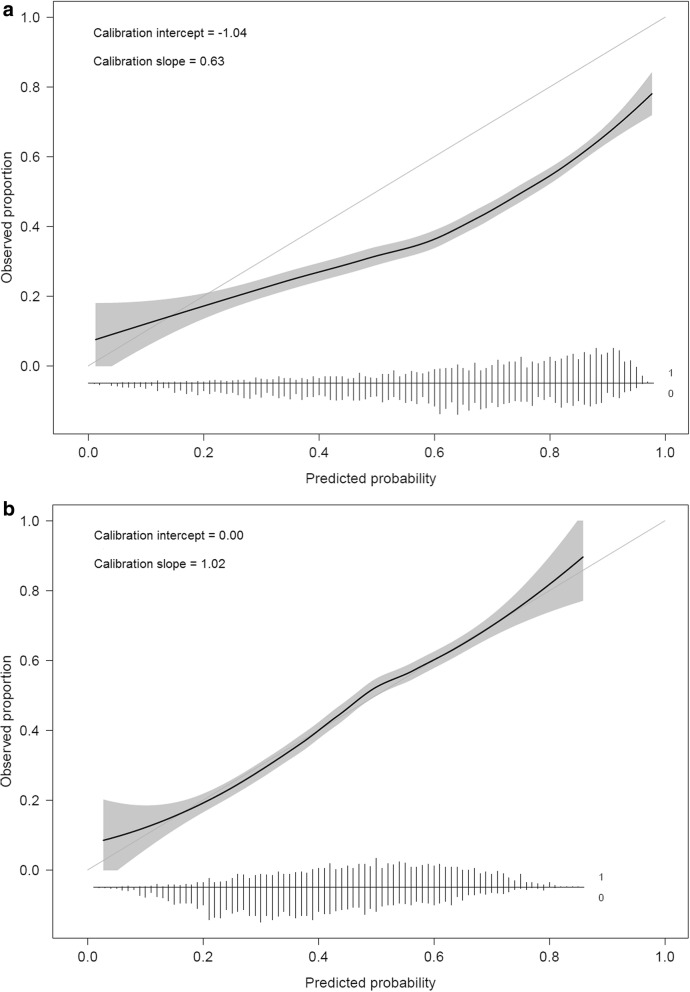
“Calibration is important for ensuring that the predicted risks are reliable, and at external validation, this can be assessed by the calibration curve, intercept, and slope [14].”
A novel diagnostic model for tuberculous meningitis using Bayesian latent class analysis
Trinh, D. H. K., Donovan, J., Ngoc, N. M., Thu, D. D. A., Nghia, H. D. T., Oanh, P. K. N., Phu, N. H., Hang, V. T. T., Châu, N. V. V., Thương, N. T. T., et al. (2024) · BMC Infectious Diseases · doi:10.1186/s12879-024-08992-z · Cited by 6
“Our prevalence model was also well-calibrated, with calibration intercept = 0.051 and slope = 1 [21]. calibration curve also showed a good correspondence between the estimated probability and the observed diagnosis of TBM (Fig.”
InfluentialPrognostic model for predicting survival in very preterm infants: an external validation study
van Beek, P. E., Groenendaal, F., Onland, W., Koole, S., Dijk, P. H., Dijkman, K. P., van den Dungen, F., van Heijst, A., Kornelisse, R. F., Schuerman, F., et al. (2021) · BJOG An International Journal of Obstetrics & Gynaecology · doi:10.1111/1471-0528.17010 · Cited by 6
Gaal, S. C. V., Alimohammadi, A., Yu, A., Karim, M. E., Zhang, W., & Sutherland, J. M. (2022) · BMC Health Services Research · doi:10.1186/s12913-022-07614-1 · Cited by 7
Zegarek, G., Tessitore, E., Chaboudez, E., Nouri, A., Schaller, K., & Gondar, R. (2021) · Brain and Spine · doi:10.1016/j.bas.2021.100122 · Cited by 6
Smit, J. M., Krijthe, J. H., Endeman, H., Tintu, A. N., de Rijke, Y. B., Gommers, D. A. M. P. J., Cremer, O. L., Bosman, R. J., Rigter, S., Wils, E., et al. (2022) · Intelligence-Based Medicine · doi:10.1016/j.ibmed.2022.100071 · Cited by 8
“Following the hierarchy formulated by Van Calster and colleagues [14], we evaluated overall model calibration in the ‘weak’ and ‘moderate’ sense.”
MethodGonzález–Cebrián, A., Borràs‐Ferrís, J., Baines, J. P. O., Caudevilla, M. H., Martí, M. C., Tarazona, S., Vitale, R., Palací‐López, D., Sierra-Sánchez, J. F., de la Fuente, J. S., et al. (2022) · PLoS ONE · doi:10.1371/journal.pone.0274171 · Cited by 7
Kennedy, C. J., Mark, D. G., Huang, J., van der Laan, M. J., Hubbard, A., & Reed, M. E. (2021) · medRxiv · doi:10.1101/2021.03.08.21252615 · Cited by 11
McMaster, C., Liew, D. F. L., Liu, B., & Schachna, L. (2022) · Rheumatology · doi:10.1093/rheumatology/keac215 · Cited by 6
Hlaing, W. M., & Zhu, Y. (2024) · Elsevier eBooks · doi:10.1016/b978-0-323-99967-0.00224-6 · Cited by 6
Comment on: Machine Learning for Understanding and Predicting Injuries in Football
Bullock, G. S., Ward, P., Collins, P. G. S., Hughes, T., & Impellizzeri, F. M. (2024) · Sports Medicine - Open · doi:10.1186/s40798-024-00745-1 · Cited by 6
He, Y., Chen, Z., Tang, Z., Qin, Y., & Wang, F. (2025) · BMC Public Health · doi:10.1186/s12889-025-23858-y · Cited by 5
Prognostic models for COVID-19 needed updating to warrant transportability over time and space
van Klaveren, D., Zanos, T. P., Nelson, J., Levy, T. J., Park, J. G., Retel Helmrich, I. R. A., Rietjens, J. A. C., Basile, M. J., Hajizadeh, N., Lingsma, H. F., et al. (2022) · BMC Medicine · doi:10.1186/s12916-022-02651-3 · Cited by 5
Mari, T., Henderson, J., Ali, H. H., Hewitt, D., Brown, C. A., Stančák, A., & Fallon, N. B. (2023) · BMC Neuroscience · doi:10.1186/s12868-023-00819-y · Cited by 6
“In addition to generalising to external data, our classification of scenes and faces demonstrated well-cal-ibrated estimates, which provides further evidence of an effective prediction model [70, 71].”
BackgroundMethodInfluentialMcLean, K. A., Knight, S. R., Clark, N., Ademuyiwa, A. O., Adisa, A., Aguilera‐Arevalo, M., Ghosh, D., Haque, P. D., Lawani, I., la, M. A. R.-D., et al. (2024) · British journal of surgery · doi:10.1093/bjs/znae129 · Cited by 5
“Calibration was assessed through visual inspection and the calibration intercept (calibration-in-the-large) and slope 25 (an intercept of 0 and slope of 1 indicates ‘perfect’ calibration).”
MethodTakegami, N., Espin, A. T., Imagawa, Y., Watanabe, I., Rowell, S., Schreiber, M. A., Ferguson, A. R., & Hinson, H. E. (2024) · Journal of Neurotrauma · doi:10.1089/neu.2024.0158 · Cited by 5
“4 Next, we evaluated the performance of the IMPACT original model (Core, CT, Lab model with original coef fi cient), 5,16,20,23,24 in each cohort with calibration and discrimination, leveraging the calibration plot and the AUCs.”
Brintz, B. J., Colston, J. M., Ahmed, S. M., Chao, D. L., Zaitchik, B. F., & Leung, D. T. (2024) · Epidemiology and Infection · doi:10.1017/s0950268824001183 · Cited by 5
Humbert‐Vidan, L., Hansen, C. R., Patel, V., Johansen, J., King, A. P., & Urbano, T. G. (2024) · Physics and Imaging in Radiation Oncology · doi:10.1016/j.phro.2024.100668 · Cited by 5
Ghadban, Y. A., Astbury, N. M., Kurdi, A., Sharma, A., Ope, B. W., Liu, T., Mackillop, L. H., Lu, H. Y., & Hirst, J. E. (2025) · Obesity Reviews · doi:10.1111/obr.13934 · Cited by 6
“Calibration plots and calibration slopes are more informative alternatives, as they visualize and quantify the alignment between predicted and observed outcomes across the risk spectrum, offering a more nuanced understanding of model performance [115, 116].”
Gynnild, M. N., Holtrop, J., Hageman, S. H. J., Vinje, V., Dorresteijn, J. A. N., Visseren, F. L. J., Holte, E., Dalen, H., Wethal, T., & Omland, T. (2025) · European Journal of Preventive Cardiology · doi:10.1093/eurjpc/zwaf356 · Cited by 7
Early detection of ICU-acquired infections using high-frequency electronic health record data
Varkila, M. R. J., Lancia, G., van Smeden, M., Bonten, M. J. M., Spitoni, C., & Cremer, O. L. (2025) · BMC Medical Informatics and Decision Making · doi:10.1186/s12911-025-03031-6 · Cited by 7
“Subsequently, calibration slopes and inter-cepts were calculated [17].”
Artificial Intelligence Applied to Soil Compaction Control for the Light Dynamic Penetrometer Method
Vivanco, J. R., García, J., Villavicencio, G. E., Navarrete, M. B., Herrera, A., Breul, P., Varas, G., Moraga, P., Gornall, J., & Pinto, H. (2025) · Mathematics · doi:10.3390/math13213359 · Cited by 5
From Logistic Regression to Foundation Models: Factors Associated With Improved Forecasts
Alabi, A., Akinpeloye, O., Izinyon, O. C., Amusa, T., & Famotire, A. V. (2025) · Cureus · doi:10.7759/cureus.96669 · Cited by 5
“Machine learning models for chronic-disease prediction routinely report discrimination metrics while omitting calibration performance under deployment conditions [5].”
Gynnild, M. N., Vinje, V., Holtrop, J., Hageman, S. H. J., Holte, E., Gulati, G., Heck, S. L., Dorresteijn, J. A. N., Visseren, F. L. J., Fagerli, U., et al. (2025) · JACC Advances · doi:10.1016/j.jacadv.2025.102344 · Cited by 6
Dashti, M., Ghasemzadeh, A., Doustfateme, S., Daraei, M., Danaii, S., Najdi, N., Berjis, K., Heris, J. A., Chakari-Khiavi, F., Karimi, S., et al. (2025) · Scientific Reports · doi:10.1038/s41598-025-27561-1 · Cited by 5
“Together these metrics indicate that the model’s probabilistic outputs are well calibrated and reliable for clinical interpretation 33 .”
Yukhnenko, D., Blackwood, N., Lichtenstein, P., & Fazel, S. (2025) · Law and Human Behavior · doi:10.1037/lhb0000641 · Cited by 5
“Furthermore, we provided a comprehensive account of the calibration process, which is a strength given it is frequently missed (Van Calster et al., 2019).”
Digital‐Twin‐Enabled, Time‐Aware Anomaly Detection for Industrial Cyber‐Physical Systems
Mbasso, W. F., Harrison, A., Dagal, I., Jangir, P., Liu, Z., & Smerat, A. (2025) · Digital twins and applications. · doi:10.1049/dgt2.70016 · Cited by 5
Prediction Model of Lymph Node Metastasis in Cervical Cancer Based on MRI Habitat Radiomics
Wang, M., Cao, Y., Zhang, W., Liang, Y., Liu, J., & Lei, J. Q. (2025) · Cancers · doi:10.3390/cancers18010152 · Cited by 5
“Calibration analysis emphasized probability reliability as a core component of predictive model validity, while DCA provided insight into potential clinical benefit [42,52].”
Yusufujiang, M., Navarro, C. L. A., Damen, J. A., Takada, T., Geersing, G., Hooft, L., Schuit, E., Moons, K. G. M., de Jong, V. M. T., & van Smeden, M. (2026) · Diagnostic and Prognostic Research · doi:10.1186/s41512-025-00216-5 · Cited by 5
Calibration-informed metrics for instance-level predictive reliability in medical AI
Cabitza, F. (2026) · Artificial Intelligence in Medicine · doi:10.1016/j.artmed.2026.103366 · Cited by 6
PREVENT Equation Performance in Asian and Native Hawaiian and Other Pacific Islander Groups
Au, M., Zhang, Y., Zhou, M. M., Choi, S. K., Zhou, H. C., Harrison, T. N., Mefford, M. T., Lee, M. S., Yang, E., Shah, N. S., et al. (2026) · JAMA Network Open · doi:10.1001/jamanetworkopen.2025.56915 · Cited by 6
Zeinali, F., Taaffe, K., Gaafary, C., Jackson, W., Ramsay, M. A., Hobbs, J., & Pirrallo, R. G. (2026) · BMC Emergency Medicine · doi:10.1186/s12873-026-01487-x · Cited by 6
The use of machine learning in performance analysis in invasion games: Umbrella review of reviews
Klemp, M., Bassek, M., Caparrós, M. G., Bakhtiar, L. A., & Memmert, D. (2026) · Journal of Sports Sciences · doi:10.1080/02640414.2026.2636863 · Cited by 8
Machine learning in ARDS: an intensivist’s guide to artificial intelligence applications
Lombardi, R., Chaturvedi, M., Jozwiak, M., & Garg, M. (2026) · Critical Care · doi:10.1186/s13054-026-05928-8 · Cited by 8
How to evaluate probabilistic prediction models: key metrics
Hoessly, L., & Parry, M. F. (2026) · Journal of Clinical Epidemiology · doi:10.1016/j.jclinepi.2026.112247 · Cited by 5
Dobrowolska-Szumowska, A., Kamocki, Z. K., & Mierzejewska, Ż. A. (2026) · International Journal of Molecular Sciences · doi:10.3390/ijms27073192 · Cited by 5
“Modeling these relationships within predefined regression structures may require simplification and can limit the representation of nonlinear or higher-order effects [83].”
Wi, C.-I., Overgaard, S. M., Malik, M., Watson, D., Sharma, D., Le‐Rademacher, J. G., Kelleher, D. P., Zheng, L., Ohde, J. W., Lynch, B., et al. (2026) · Journal of the National Medical Association · doi:10.1016/j.jnma.2026.04.001 · Cited by 7
A critical perspective on finite sample conformal prediction theory in medical applications
Kladny, K.-R., Schölkopf, B., Koch, L. M., Baumgartner, C. F., & Muehlebach, M. (2026) · Artificial Intelligence in Medicine · doi:10.1016/j.artmed.2026.103462 · Cited by 6
Schwab, J. H. (2020) · The Spine Journal · doi:10.1016/j.spinee.2020.03.003 · Cited by 5
Mitsutake, S., Ishizaki, T., Yano, S., Tsuchiya‐Ito, R., Uda, K., Toba, K., & Ito, H. (2023) · Innovation in Aging · doi:10.1093/geroni/igad043 · Cited by 5
“Model 6 was also assessed using calibration curves that show the relationship between the predicted probability and the observed probability of the event (30).”
Kokkinakis, S., Kritsotakis, E. I., Paterakis, K. N., Karali, G., Malikides, V., Kyprianou, A., Papalexandraki, M., Anastasiadis, C. S., Zoras, O., Drakos, N., et al. (2023) · European Journal of Trauma and Emergency Surgery · doi:10.1007/s00068-023-02351-4 · Cited by 5
“It is therefore likely that SEAL may require local revisions prior to implementation in some settings, which may involve simple intercept update, recali-bration or rescaling of regression coefficients or even full re-estimation of all the regression coefficients [37].”
BackgroundDeveloping and Validating a Simple Risk Score for Patients with Acute Myocardial Infarction
Ge, Z.-Y., He, Y., Jiang, T., Tao, J., & He, Y. (2023) · Cardiology · doi:10.1159/000535370 · Cited by 5
“When a risk score is applied to a different population, we can use the risk score directly or recalibrate the model by adjusting the slope and the intercept, or re fi t the new different population using the four predictor variables [27].”
MethodMarko, M., Goyal, M., Ospel, J. M., Singh, N., Venema, E., Nogueira, R. G., Demchuk, A. M., McTaggart, R., Poppe, A. Y., Menon, B. K., et al. (2023) · Interventional Neuroradiology · doi:10.1177/15910199231221491 · Cited by 5
Semi-supervised ROC analysis for reliable and streamlined evaluation of phenotyping algorithms
Gao, J., Bonzel, C.-L., Hong, C., Varghese, P., Zakir, K., & Gronsbell, J. L. (2023) · Journal of the American Medical Informatics Association · doi:10.1093/jamia/ocad226 · Cited by 8
A real-time prognostic model for venous thromboembolic events among hospitalized adults
Tillman, B. F., Domenico, H. J., Moore, R. P., Byrne, D. W., Morton, C. T., Mixon, A. S., & French, B. (2024) · Research and Practice in Thrombosis and Haemostasis · doi:10.1016/j.rpth.2024.102433 · Cited by 5
Buccheri, V., Moreira, F. R., Biasoli, I., de Castro, N. S., Villarim, C. C., Traina, F., da Silveira, T. M. B., Praxedes, M. K., Solza, C., Perobelli, L., et al. (2024) · British Journal of Haematology · doi:10.1111/bjh.19824 · Cited by 5
Kim, S. Y., Jin, J. J., Ha, A., Song, C. H., Park, S. H., Kang, K. H., Lee, J., Huh, M. G., Jeoung, J. W., Park, K. H., et al. (2025) · Journal of Glaucoma · doi:10.1097/ijg.0000000000002579 · Cited by 5
Kiatchoosakun, S., Chamnarnphol, N., Wongvipaporn, C., Pussadhamma, B., Roongsangmanoon, W., Siriyotha, S., Thakkinstian, A., & Sansanayudh, N. (2025) · Open Heart · doi:10.1136/openhrt-2024-003027 · Cited by 5
Iatropoulos, S., Dandrieux, P., Édouard, P., & Navarro, L. (2025) · Journal of Sports Sciences · doi:10.1080/02640414.2025.2517971 · Cited by 6
Zhou, Y., Lin, C. J., Yu, Q., Blais, J. E., Wan, E. Y. F., Wong, C., Tan, K. C. B., Siu, D. C. W., Yiu, K. H., Chan, E. W., et al. (2025) · PLoS ONE · doi:10.1371/journal.pone.0322419 · Cited by 5
Jagadeesh, A. T., Aramrat, C., Rai, S., Maqsood, F. H., Madhukeshwar, A. K., Bhogadi, S., Lieber, J., Mahajan, H., Banjara, S. K., Lewin, A., et al. (2025) · The Lancet Regional Health - Southeast Asia · doi:10.1016/j.lansea.2025.100644 · Cited by 7
Rayner, D. G., Shah, D. S., Dai, S.-C., Gou, D., Chen, J., Agarwal, A., Mustafa, R. A., Manja, V., Vandvik, P. O., Agoritsas, T., et al. (2025) · BMJ Medicine · doi:10.1136/bmjmed-2025-001369 · Cited by 5
“19 We assessed heterogeneity through visual inspection of the individual point estimates and their 95% CIs.”
InfluentialTamm, A., Shine, B. S. F., James, T. J., Withers, J., Salih, H., Noble, T., Várnai, K. A., East, J. E., Abel, G., Hamilton, W. T., et al. (2025) · BMC Medicine · doi:10.1186/s12916-025-04339-w · Cited by 6
Yang, H., Chang, F., Muroi, F., Liu, Z., Zhang, W., & Cai, J. (2026) · Translational Psychiatry · doi:10.1038/s41398-026-03872-3 · Cited by 5
Deelen, J. W. T., Rottier, W. C., Girón-Ortega, J. A., Rodríguez‐Baño, J., Harbarth, S., Tacconelli, E., Jacobsson, G., Zahar, J., van Werkhoven, C. H., Bonten, M. J. M., et al. (2020) · Clinical Infectious Diseases · doi:10.1093/cid/ciaa950 · Cited by 5
Personalized fracture risk assessment: where are we at?
Nguyen, T. V. (2021) · Expert Review of Endocrinology & Metabolism · doi:10.1080/17446651.2021.1924672 · Cited by 5
Chichareon, P., Nilmoje, T., Suriyaamorn, W., Preechawettayakul, I., & Suwanugsorn, S. (2021) · European Heart Journal Acute Cardiovascular Care · doi:10.1093/ehjacc/zuab070 · Cited by 6
Metadata
- Authors
- On behalf of Topic Group ‘Evaluating diagnostic tests and prediction models’ of the STRATOS initiative, Van Calster, B., McLernon, D. J., van Smeden, M., Wynants, L., & Steyerberg, E. W.
- Affiliations
- KU Leuven (BE)
- University of Aberdeen (GB)
- Leiden University Medical Center (NL)
- Venue
- BMC Medicine
- Published
- 2019-12
- Volume
- 17
- Issue
- 1
- Pages
- 230-230
- ISSN
- 1741-7015 (ISSN-L)
- PMC
- PMC6912996
- OpenAlex
- W2996480032
- Cited by
- 2,650
- References
- 39
- Citations by year
- 2026: 1224 · 2025: 379 · 2024: 291 · 2023: 283 · 2022: 262 · 2021: 159 · 2020: 51
- FWCI
- 93.43
- Type
- journal article
- Language
- en
- Open access
- gold
- doi.org
- Licence
- cc-by
- creativecommons.org/licenses/by/4.0/ (tdm)
- creativecommons.org/licenses/by/4.0/ (vor, 15 d)
- Locations
- BMC Medicine (publishedVersion, cc-by)
- Europe PMC (PubMed Central) (publishedVersion, cc-by)
- PubMed Central (publishedVersion, cc-by)
- PubMed (publishedVersion)
- Research Publications (Maastricht University) (publishedVersion, cc-by)
- Aberdeen University Research Archive (Aberdeen University) (submittedVersion, cc-by-nc)
- Lirias (submittedVersion, cc-by-nc)
- Pure Amsterdam UMC (submittedVersion, cc-by-nc)
- Data Archiving and Networked Services (DANS) (submittedVersion, other-oa)
- Data Archiving and Networked Services (DANS) (submittedVersion)
- Leiden Repository (Leiden University) (submittedVersion)
- DOAJ (DOAJ: Directory of Open Access Journals) (submittedVersion, cc-by-sa)
- Utrecht University Repository (Utrecht University) (submittedVersion, other-oa)
- University of Birmingham Research Portal (University of Birmingham) (submittedVersion, other-oa)
- Research Publications (Maastricht University) (submittedVersion, other-oa)
- Funders
- Fonds Wetenschappelijk Onderzoek (G0B4716N)
- Onderzoeksraad, KU Leuven (C24/15/037)
- Topics
- Physical Sciences › Mathematics › Statistics and Probability › Statistical Methods in Epidemiology
- Health Sciences › Health Professions › Health Information Management › Artificial Intelligence in Healthcare
- Physical Sciences › Computer Science › Artificial Intelligence › Machine Learning in Healthcare
- Keywords
- model calibration, risk prediction model, predictive analytics, calibration curve, external validation, model updating, clinical decision-making, shared decision-making, sample size, model complexity
- MeSH terms
- Machine Learning, Adult, Aged, Algorithms, Calibration, Humans, Male, Middle Aged, Predictive Value of Tests
About these checks
Registry, retraction, Cites and statistics results are computed, not judged, with one exception: a printed reference that no index lists is read once by a model before it counts as a citation error. Claims are extracted by a model and kept only when their quote appears verbatim in the text; each cited source is then checked, with a model’s help, for whether it says what the claim relies on. Those verdicts can be wrong — read the claim’s quote and the cited source before relying on one.
Statistics and arithmetic are recomputed, not judged.
Confidence bands are shown only for fields calibrated on our annotated test set. None is calibrated yet, so no band is shown.
What counts as a claim ›How we measure confidence ›How we check this ›
Are you an author, or do you see a problem with this page? Request a review
Data sources
Bibliographic data: Semantic Scholar, OpenAlex, Crossref.
Contains information from the Semantic Scholar Academic Graph Datasets, made available under the ODC Attribution License (ODC-BY 1.0).
Semantic Scholar’s data is described in: Kinney, R., et al. (2023). The Semantic Scholar Open Data Platform. arXiv:2301.10140.
