

Efficacy of interventions that use apps to improve diet, physical activity and sedentary behaviour: a systematic review
Open accessThe DOI matches its Crossref record; 79 of the 80 references it cites were found in a registry or an index.
Abstract
BACKGROUND: Health and fitness applications (apps) have gained popularity in interventions to improve diet, physical activity and sedentary behaviours but their efficacy is unclear. This systematic review examined the efficacy of interventions that use apps to improve diet, physical activity and sedentary behaviour in children and adults. METHODS: Systematic literature searches were conducted in five databases to identify papers published between 2006 and 2016. Studies were included if they used a smartphone app in an intervention to improve diet, physical activity and/or sedentary behaviour for prevention. Interventions could be stand-alone interventions using an app only, or multi-component interventions including an app as one of several intervention components. Outcomes measured were changes in the health behaviours and related health outcomes (i.e., fitness, body weight, blood pressure, glucose, cholesterol, quality of life). Study inclusion and methodological quality were independently assessed by two reviewers. RESULTS: Twenty-seven studies were included, most were randomised controlled trials (n = 19; 70%). Twenty-three studies targeted adults (17 showed significant health improvements) and four studies targeted children (two demonstrated significant health improvements). Twenty-one studies targeted physical activity (14 showed significant health improvements), 13 studies targeted diet (seven showed significant health improvements) and five studies targeted sedentary behaviour (two showed significant health improvements). More studies (n = 12; 63%) of those reporting significant effects detected between-group improvements in the health behaviour or related health outcomes, whilst fewer studies (n = 8; 42%) reported significant within-group improvements. A larger proportion of multi-component interventions (8 out of 13; 62%) showed significant between-group improvements compared to stand-alone app interventions (5 out of 14; 36%). Eleven studies reported app usage statistics, and three of them demonstrated that higher app usage was associated with improved health outcomes. CONCLUSIONS: This review provided modest evidence that app-based interventions to improve diet, physical activity and sedentary behaviours can be effective. Multi-component interventions appear to be more effective than stand-alone app interventions, however, this remains to be confirmed in controlled trials. Future research is needed on the optimal number and combination of app features, behaviour change techniques, and level of participant contact needed to maximise user engagement and intervention efficacy.
Overview
The claims and statistics of this paper haven’t been checked yet.
Free: it reads the open-access text and checks the first 5 claims that cite a source we can check. Create a free account to check every claim.
Integrity signals
Registry
Cites
Statistics
Figures
Verification
Claims the paper makes
The claims and statistics of this paper haven’t been checked yet.
Free: it reads the open-access text and checks the first 5 claims that cite a source we can check. Create a free account to check every claim.
Claims other papers make about this one
Each is checked against this paper’s own text: does it say what the citing paper says it does?
The source backs part of the claim, not all of it — or backs it for a different population, condition or comparison.
In the citing paper
“Digital health interventions that include some guidance tend to result in greater improvements than stand-alone interventions.161, 162”
From Digital health and telehealth in cancer care: A scoping review of reviews (2023) · cites this paper as [162]
Experimental — accuracy not yet measuredThe source backs part of the claim, not all of it — or backs it for a different population, condition or comparison.
In the citing paper
“A systematic review of the effectiveness of interventions that use applications to improve diet, physical activity and SB found evidence that interventions that combine personal advice were more successful than a mobile application alone [44].”
From Impact of a primary care-based mobile health intervention to ‘sit less and move more’ on HbA1c, blood pressure, and other clinical outcomes in office employees with type 2 diabetes: A randomized controlled trial (2025) · cites this paper as [44]
Experimental — accuracy not yet measuredThe cited source says what the claim attributes to it.
In the citing paper
“A review of 27 studies utilizing smartphone applications, which are more easily accessible on-the-go to offer motivational reinforcement, self-monitoring, and physical activity games, found significant improvements in health-related outcomes (blood pressure, cholesterol, overall fitness) and an average attrition rate of only 17%.110”
From The Impact of Physical Activity in Patients With Type 2 Diabetes (2025) · cites this paper as [110]
The cited source says what the claim attributes to it.
In the citing paper
“Some literature has suggested positive benefits for more holistic interventions that focus on multiple behaviors [87].”
From Barriers and facilitators to diet, physical activity and lifestyle behavior intervention adherence: a qualitative systematic review of the literature (2023) · cites this paper as [87]
1 more claim about this paper
Create a free account to see every claim other papers make about this one.
Self-check
Percentages, sums and reported differences re-computed from the paper’s own numbers.
The self-check needs the paper’s full text.
Citations
Cites
Preferred Reporting Items for Systematic Reviews and Meta-Analyses: the PRISMA statement
Moher, D., Liberati, A., Tetzlaff, J., Altman, D. G., & for the PRISMA Group (2009) · BMJ · doi:10.1136/bmj.b2535 · Cited by 83,823
Preferred Reporting Items for Systematic Reviews and Meta-Analyses: The PRISMA Statement
Moher, D., Liberati, A., Tetzlaff, J., Altman, D. G., & The PRISMA Group (2009) · PLoS Medicine · doi:10.1371/journal.pmed.1000097 · Cited by 64,042 · cited 3×
“viewers, as is standard practice for high quality systematic review [23].”
BackgroundInfluentialPreferred reporting items for systematic reviews and meta-analyses: the PRISMA Statement.
(2009) · PubMed Central · Cited by 44,859
Liberati, A., Altman, D. G., Tetzlaff, J., Mulrow, C., Gøtzsche, P. C., Ioannidis, J. P. A., Clarke, M., Devereaux, P. J., Kleijnen, J., & Moher, D. (2009) · PLoS Medicine · doi:10.1371/journal.pmed.1000100 · Cited by 28,164
Wang, G., Ma, R., Qiao, G., Wada, K., Aizawa, Y., & Satoh, T. (2015) · Integrative Medicine International · doi:10.1159/000368408 · Cited by 18,657
Liberati, A., Altman, D. G., Tetzlaff, J., Mulrow, C., Gotzsche, P. C., Ioannidis, J. P. A., Clarke, M., Devereaux, P. J., Kleijnen, J., & Moher, D. (2009) · BMJ · doi:10.1136/bmj.b2700 · Cited by 17,648
Moher, D., Hopewell, S., Schulz, K. F., Montori, V., Gotzsche, P. C., Devereaux, P. J., Elbourne, D., Egger, M., & Altman, D. G. (2010) · BMJ · doi:10.1136/bmj.c869 · Cited by 8,883 · cited 1×
“25-point criteria adapted from the CONSORT checklists for the reporting of randomised controlled trials [26].”
MethodWebb, T. L., Joseph, J., Yardley, L., & Michie, S. (2010) · Journal of Medical Internet Research · doi:10.2196/jmir.1376 · Cited by 2,517
Hilpert, M., Brockmeier, K., Dordel, S., Koch, B., Weiß, V., Ferrari, N., Tokarski, W., & Graf, C. (2017) · Obesity Facts · doi:10.1159/000464105 · Cited by 1,185
The IMAGE Study Group, Greaves, C. J., Sheppard, K. E., Abraham, C., Hardeman, W., Roden, M., Evans, P. H., & Schwarz, P. (2011) · BMC Public Health · doi:10.1186/1471-2458-11-119 · Cited by 1,163
Research works printed but not linked: 2
- Australian Communications and Media Authority Communications report 2014–15. Australian communications and media authority 2015
- Group Special Mobile Association The mobile economy. Group special mobile association 2015
Cited by
Can smartphone apps increase physical activity? Systematic review and meta-analysis
Romeo, A., Edney, S., Plotnikoff, R., Curtis, R., Ryan, J., Sanders, I., Crozier, A., & Maher, C. (2019) · Journal of Medical Internet Research · doi:10.2196/12053 · Cited by 487
“This is consistent with findings from 2 other studies [33,34] who similarly reported that physical activity apps appear to be most effective with durations longer than 1 month and 8 weeks, respectively.”
Mobile phone text messaging and app-based interventions for smoking cessation
Whittaker, R., McRobbie, H., Bullen, C., Rodgers, A., Gu, Y., & Dobson, R. (2019) · Cochrane Database of Systematic Reviews · doi:10.1002/14651858.cd006611.pub5 · Cited by 452
“Several reviews have shown mixed results with respect to the eKectiveness of smartphone apps for behaviour change, with significant issues relating to the size and quality of studies (Byambasuren 2018; Dirieto 2016; Lunde 2018; Schoeppe 2016; Zhao 2016).”
BackgroundResultThe Handbook of Behavior Change
(2020) · Cambridge University Press eBooks · doi:10.1017/9781108677318 · Cited by 407
Consumer Mobile Health Apps: Current State, Barriers, and Future Directions
Kao, C., & Liebovitz, D. M. (2017) · PM&R · doi:10.1016/j.pmrj.2017.02.018 · Cited by 350
Villinger, K., Wahl, D. R., Boeing, H., Schupp, H. T., & Renner, B. (2019) · Obesity Reviews · doi:10.1111/obr.12903 · Cited by 292
“This approach has been used in other reviews.(31,51) Each item of the 25 criteria was rated as 1 (fulfilled), 0.”
BackgroundMethodSchoeppe, S., Alley, S., Rebar, A. L., Hayman, M., Bray, N. A., Van Lippevelde, W., Gnam, J.-P., Bachert, P., Direito, A., & Vandelanotte, C. (2017) · International Journal of Behavioral Nutrition and Physical Activity · doi:10.1186/s12966-017-0538-3 · Cited by 277
“These have shown to be important factors that influence user’s engagement with an app [12, 23], and ultimately, the effectiveness of app-based health behaviour interventions [24].”
BackgroundSelf-citationPrescribable mHealth apps identified from an overview of systematic reviews
Byambasuren, O., Sanders, S., Beller, E., & Glasziou, P. (2018) · npj Digital Medicine · doi:10.1038/s41746-018-0021-9 · Cited by 291
Stephenson, A., McDonough, S. M., Murphy, M. H., Nugent, C. D., & Mair, J. L. (2017) · International Journal of Behavioral Nutrition and Physical Activity · doi:10.1186/s12966-017-0561-4 · Cited by 290
“…may be explained by differences in inclusion criteria, as most of these reviews included studies that aimed to increase PA, and/or reduce SB or addressed interventions that reported on SB outcomes, however, did not necessarily target SB in the intervention [8, 9, 17, 20, 23, 42, 46, 47].”
BackgroundKING, A. C., WHITT-GLOVER, M. C., MARQUEZ, D. X., BUMAN, M. P., NAPOLITANO, M. A., JAKICIC, J., FULTON, J. E., & TENNANT, B. L. (2019) · Medicine & Science in Sports & Exercise · doi:10.1249/mss.0000000000001945 · Cited by 245
Changing Behavior Using the Theory of Planned Behavior
Ajzen, I., & Schmidt, P. (2020) · The Handbook of Behavior Change · doi:10.1017/9781108677318.002 · Cited by 266
Digital health and telehealth in cancer care: A scoping review of reviews
Shaffer, K. M., Turner, K. L., Siwik, C., Gonzalez, B. D., Upasani, R., Glazer, J. V., Ferguson, R. J., Joshua, C., & Low, C. A. (2023) · The Lancet Digital Health · doi:10.1016/s2589-7500(23)00049-3 · Cited by 263
Gal, R., May, A. M., van Overmeeren, E. J., Simons, M., & Monninkhof, E. M. (2018) · Sports Medicine - Open · doi:10.1186/s40798-018-0157-9 · Cited by 257
Mobile App-Based Health Promotion Programs: A Systematic Review of the Literature
Lee, M., Lee, H., Kim, Y., Kim, J., Cho, M., Jang, J., & Jang, H. (2018) · International Journal of Environmental Research and Public Health · doi:10.3390/ijerph15122838 · Cited by 234
“For example, in a recent literature review, it was found that mobile app programs were effective in improving physical activity and healthy eating habits [27].”
BackgroundDeslippe, A. L., Soanes, A., Bouchaud, C. C., Beckenstein, H., Slim, M., Plourde, H., & Cohen, T. R. (2023) · International Journal of Behavioral Nutrition and Physical Activity · doi:10.1186/s12966-023-01424-2 · Cited by 241
Digital Behaviour Change Interventions to Break and Form Habits
Pinder, C., Vermeulen, J., Cowan, B. R., & Beale, R. (2018) · ACM Transactions on Computer-Human Interaction · doi:10.1145/3196830 · Cited by 235
Digital Interventions on Healthy Lifestyle Management: Systematic Review
Chatterjee, A., Prinz, A., Gerdes, M., & Martinez, S. (2021) · Journal of Medical Internet Research · doi:10.2196/26931 · Cited by 194
“Smartphone-based interventions [39-59] (such as apps, SMS text messages, sports, multicomponent interventions, emails, and social media) are readily available, inexpensive, and use tools already used by most teenagers.”
BackgroundMethodPiepoli, M. F., Abreu, A., Albus, C., Ambrosetti, M., Brotons, C., Catapano, A. L., Corra, U., Cosyns, B., Deaton, C., Graham, I., et al. (2020) · European Journal of Preventive Cardiology · doi:10.1177/2047487319893035 · Cited by 220
“Smartphone applications increase PA in children and adolescents.(115,116)”
BackgroundHuang, G., & Ren, Y. (2020) · Computers in Human Behavior · doi:10.1016/j.chb.2019.09.013 · Cited by 203
Mobile Health Applications to Promote Active and Healthy Ageing
Helbostad, J., Vereijken, B., Becker, C., Todd, C., Taraldsen, K., Pijnappels, M., Aminian, K., & Mellone, S. (2017) · Sensors · doi:10.3390/s17030622 · Cited by 206
“A recent systematic review of the efficacy of interventions that use a variety of smart phone apps and exercise platforms to improve diet, physical activity, and sedentary behaviour concluded with modest evidence for app-based interventions [31].”
BackgroundStockwell, S., Schofield, P., Fisher, A., Firth, J., Jackson, S. E., Stubbs, B., & Smith, L. (2019) · Experimental Gerontology · doi:10.1016/j.exger.2019.02.020 · Cited by 212
“These BCTs were common among apps and wearables showing the most significant improvements in behavioral and health outcomes (Schoeppe et al., 2016).”
Mönninghoff, A., Kramer, J. N., Hess, A. J., Ismailova, K., Teepe, G. W., Tudor Car, L., Müller-Riemenschneider, F., & Kowatsch, T. (2021) · Journal of Medical Internet Research · doi:10.2196/26699 · Cited by 183
“Current evidence draws an inconclusive picture: existing studies have found no effects on PA when interventions are scalable [24,30] (ie, mHealth interventions without human-to-human interactions), stronger effects when interventions are nonscalable (ie, mHealth interventions with human-to-human interactions) [27,32],…”
BackgroundBuckingham, S. A., Williams, A. J., Morrissey, K., Price, L., & Harrison, J. (2019) · DIGITAL HEALTH · doi:10.1177/2055207619839883 · Cited by 178
“Furthermore, the use and effectiveness of mHealth interventions in specific population groups remains unclear.(23) It is important to consider setting or context in the evaluation of mHealth interventions as due to their complex nature, various components may produce different outcomes for different individuals in dif…”
BackgroundResultFactors influencing digital health literacy among older adults: a scoping review
Shi, Z., Du, X., Li, J., Hou, R., Sun, J., & Marohabutr, T. (2024) · Frontiers in Public Health · doi:10.3389/fpubh.2024.1447747 · Cited by 207
Hsu, M. S. H., Rouf, A., & Allman-Farinelli, M. (2018) · Journal of Adolescent Health · doi:10.1016/j.jadohealth.2018.06.009 · Cited by 177
Müller, A. M., Maher, C. A., Vandelanotte, C., Hingle, M., Middelweerd, A., Lopez, M. L., DeSmet, A., Short, C. E., Nathan, N., Hutchesson, M. J., et al. (2018) · Journal of Medical Internet Research · doi:10.2196/jmir.8954 · Cited by 180
“Thus far, eHealth and mHealth research related to physical activity, sedentary behavior, and diet has been summarized in several studies that focused on use and effectiveness of different technologies such as mobile phone and/or SMS (short message service) text messaging [15-18], digital games [19,20], the Internet [2…”
Self-citationMair, J. L., Salamanca-Sanabria, A., Augsburger, M., Frese, B. F., Abend, S., Jakob, R., Kowatsch, T., & Haug, S. (2023) · Annals of Behavioral Medicine · doi:10.1093/abm/kaad041 · Cited by 140
“[58] found the majority (17/23; 74%) of app-based interventions targeting diet, physical activity, and/or sedentary behavior to be effective, Milne-Ives et al.”
BackgroundBarriers to and Facilitators for Using Nutrition Apps: Systematic Review and Conceptual Framework
König, L. M., Attig, C., Franke, T., & Renner, B. (2021) · JMIR mHealth and uHealth · doi:10.2196/20037 · Cited by 158
“Nutrition apps are less popular than fitness apps [17], although they might have comparably beneficial effects on health [15,56]; for instance, on body weight reduction [15].”
Böhm, B., Karwiese, S. D., Böhm, H., & Oberhoffer, R. (2019) · JMIR mHealth and uHealth · doi:10.2196/mhealth.8298 · Cited by 137
“With regard to the widespread usage, the field of mHealth is already strongly focused on these devices, especially on smartphones, to create promising interventions for the youth [45-50].”
BackgroundMahmood, A., Kedia, S., Wyant, D. K., Ahn, S., & Bhuyan, S. S. (2019) · DIGITAL HEALTH · doi:10.1177/2055207619882181 · Cited by 132
Changing Behavior Using the Model of Action Phases
Keller, L., Gollwitzer, P. M., & Sheeran, P. (2020) · The Handbook of Behavior Change · doi:10.1017/9781108677318.006 · Cited by 147
Zarnowiecki, D. M., Mauch, C. E., Middleton, G., Matwiejczyk, L., Watson, W. L., Dibbs, J., Dessaix, A., & Golley, R. K. (2020) · International Journal of Behavioral Nutrition and Physical Activity · doi:10.1186/s12966-020-0915-1 · Cited by 158
“Strategies that therefore improve user engagement and enable ongoing and repeated exposure will support intervention effects [75].”
BackgroundSandborg, J., Söderström, E., Henriksson, P., Bendtsen, M., Henström, M., Leppänen, M. H., Maddison, R., Migueles, J. H., Blomberg, M., & Löf, M. (2021) · JMIR mHealth and uHealth · doi:10.2196/26091 · Cited by 139
“Accumulating evidence indicates that interventions delivered using this technology may promote weight loss [12] and increase physical activity in adults [13].”
BackgroundTimmers, T., Janssen, L., Kool, R. B., & Kremer, J. A. (2020) · Journal of Medical Internet Research · doi:10.2196/17342 · Cited by 121
“A review by Schoeppe et al reported a positive effect in terms of prevention by focusing on lifestyle changes, such as diet, exercise, and sedentary behavior [32].”
Palmer, M., Sutherland, J., Barnard, S., Wynne, A., Rezel, E., Doel, A., Grigsby-Duffy, L., Edwards, S., Russell, S., Hotopf, E., et al. (2018) · PLOS ONE · doi:10.1371/journal.pone.0189801 · Cited by 136
Domin, A., Spruijt‐Metz, D., Theisen, D., Ouzzahra, Y., & Vögele, C. (2021) · JMIR mhealth and uhealth · doi:10.2196/24308 · Cited by 136
“The other 4 studies provided information about behavioral components without mentioning any taxonomy used for coding [24,29,51,52].”
BackgroundMethodResultInfluentialFalls among Older Adults: Screening, Identification, Rehabilitation, and Management
Giovannini, S., Brau, F., Galluzzo, V., Santagada, D. A., Loreti, C., Biscotti, L., Laudisio, A., Zuccalà, G., & Bernabei, R. (2022) · Applied Sciences · doi:10.3390/app12157934 · Cited by 149
“Tracking physical activity, sedentariness [112], and fall detection are some examples of such functions.”
BackgroundHe, Z., Wu, H., Yu, F., Fu, J., Sun, S., Huang, T., Wang, R., Chen, D., Zhao, G., & Quan, M. (2021) · JMIR mHealth and uHealth · doi:10.2196/22601 · Cited by 106
“The possible explanation is that the intervention effects of smartphone, app, or app plus other components are the difference [21,42].”
BackgroundSamoggia, A., & Riedel, B. (2019) · Food Research International · doi:10.1016/j.foodres.2019.108766 · Cited by 136
Fakih El Khoury, C., Karavetian, M., Halfens, R. J. G., Crutzen, R., Khoja, L., & Schols, J. M. G. A. (2019) · Journal of the Academy of Nutrition and Dietetics · doi:10.1016/j.jand.2018.11.010 · Cited by 117
Wienert, J., Jahnel, T., & Maaß, L. (2022) · Journal of Medical Internet Research · doi:10.2196/31921 · Cited by 130
“For example, digital technologies may improve physical activity levels, dietary intake, posture, and mental well-being via sensors and apps [1].”
BackgroundSmartphone apps and the nutrition care process: Current perspectives and future considerations
Chen, J., Gemming, L., Hanning, R. M., & Allman-Farinelli, M. A. (2017) · Patient Education and Counseling · doi:10.1016/j.pec.2017.11.011 · Cited by 126
Reverse thinking: taking a healthy diet perspective towards food systems transformations
Brouwer, I. D., van Liere, M. J., de Brauw, A., Domínguez-Salas, P., Herforth, A., Kennedy, G., Lachat, C. K., Omosa, E., Talsma, E. F., Vandevijvere, S., et al. (2021) · Food Security · doi:10.1007/s12571-021-01204-5 · Cited by 132
Singh, B., Ahmed, M., Staiano, A. E., Gough, C., Petersen, J., Vandelanotte, C., Kracht, C., Huong, C., Yin, Z., Vasiloglou, M. F., et al. (2024) · npj Digital Medicine · doi:10.1038/s41746-024-01172-y · Cited by 115
Self-citationChanging Behavior Using the Health Action Process Approach
Schwarzer, R., & Hamilton, K. (2020) · The Handbook of Behavior Change · doi:10.1017/9781108677318.007 · Cited by 102
Handelsman, Y., Butler, J., Bakris, G. L., DeFronzo, R. A., Fonarow, G. C., Green, J. B., Grunberger, G., Januzzi, J. L., Klein, S., Kushner, P. R., et al. (2023) · Journal of Diabetes and its Complications · doi:10.1016/j.jdiacomp.2022.108389 · Cited by 120
Trends in Persuasive Technologies for Physical Activity and Sedentary Behavior: A Systematic Review
Aldenaini, N., Alqahtani, F., Orji, R., & Sampalli, S. (2020) · Frontiers in Artificial Intelligence · doi:10.3389/frai.2020.00007 · Cited by 125
“[29] investigated the effectiveness of health interventions that employ smartphone apps to enhance PA, SB, and diet in children and adult populations.”
BackgroundFeter, N., dos Santos, T. S., Caputo, E. L., & da Silva, M. C. (2019) · International Journal of Public Health · doi:10.1007/s00038-019-01210-7 · Cited by 115
The effectiveness of smartphone apps in improving financial capability
French, D., McKillop, D. G., & Stewart, E. (2019) · European Journal of Finance · doi:10.1080/1351847x.2019.1639526 · Cited by 118
Personalized Physical Activity Coaching: A Machine Learning Approach
Dijkhuis, T. B., Blaauw, F. J., van Ittersum, M. W., Velthuijsen, H., & Aiello, M. (2018) · Sensors · doi:10.3390/s18020623 · Cited by 111
“Multi-component interventions appear to be more effective than stand-alone app interventions, although the optimal number and combination of app features and level of participant contact needed remain to be confirmed [15,16].”
BackgroundMethodHandelsman, Y., Anderson, J. E., Bakris, G. L., Ballantyne, C. M., Bhatt, D. L., Bloomgarden, Z. T., Bozkurt, B., Budoff, M. J., Butler, J., Cherney, D. Z. I., et al. (2024) · Metabolism · doi:10.1016/j.metabol.2024.155931 · Cited by 103
Describing the Process of Adopting Nutrition and Fitness Apps: Behavior Stage Model Approach
König, L. M., Sproesser, G., Schupp, H. T., & Renner, B. (2018) · JMIR mHealth and uHealth · doi:10.2196/mhealth.8261 · Cited by 98
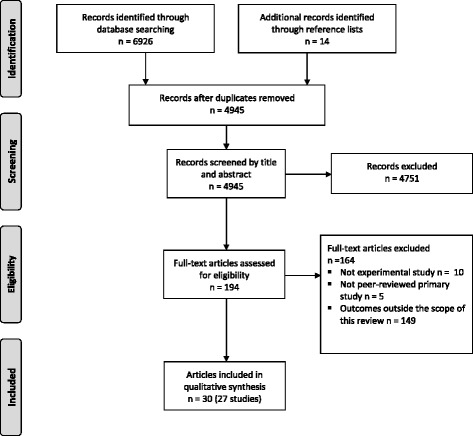
“Recently, Schoeppe et al [103] identified 27 studies in 6926 publications from 2006 to 2016 that used a smartphone app to improve diet and/or physical activity as a health precaution with mixed results: only 7 of the 13 studies targeting diet and 14 of the 21 targeting physical activity reported significant improvemen…”
BackgroundBerry, R., Kassavou, A., & Sutton, S. (2021) · Obesity Reviews · doi:10.1111/obr.13306 · Cited by 80
“of these behaviors, but with no evidence on how improvements in these behaviors might have been achieved to impact on weight loss.(16) This review aims to inform knowledge about the effectiveness of digital interventions that enable self-monitoring of both eating behavior and physical activity at improving weight loss…”
BackgroundJeng, M., Pai, F., & Yeh, T. (2022) · Behavioral Sciences · doi:10.3390/bs12040114 · Cited by 105
“[21] proved that the use of smart phone applications and a training platform could effectively improve diet as well as physical activity and sedentary prevention behaviors.”
BackgroundWang, J.-W., Zhu, Z., Shuling, Z., Fan, J., Yu, J., Gao, Z.-L., Chen, W.-D., & Li, X. (2024) · JMIR mhealth and uhealth · doi:10.2196/51478 · Cited by 100
“In general, behavioral habits and expected performance serve as predictors of willingness and intention of users [59], and age can increase the frequency of use by moderating behavioral habit and performance [60], which in turn have an influence on SB.”
BackgroundWhat Works Best to Engage Participants in Mobile App Interventions and e-Health: A Scoping Review
Oakley-Girvan, I., Yunis, R., Longmire, M., & Ouillon, J. S. (2022) · Telemedicine and e-Health · doi:10.1089/tmj.2021.0176 · Cited by 92
“Schoeppe et al.14 emphasized common strategies that successful mobile interventions often use, such as goal setting, self-monitoring, and performance feedback in their app design.”
BackgroundMobile Apps for Oral Health Promotion: Content Review and Heuristic Usability Analysis
Tiffany, B., Blasi, P., Catz, S. L., & McClure, J. B. (2018) · JMIR mHealth and uHealth · doi:10.2196/11432 · Cited by 83
“Mobile phone apps have been used to promote a variety of healthy behaviors including tobacco cessation [12], diabetes self-management [13], diet and nutrition [14], and physical activity [14].”
BackgroundErnsting, C., Stühmann, L. M., Dombrowski, S. U., Voigt-Antons, J.-N., Kuhlmey, A., & Gellert, P. (2019) · JMIR mHealth and uHealth · doi:10.2196/12179 · Cited by 83
“We did not find that frequent health app use was associated with perceived effectiveness contrary to a recent systematic review that suggested that higher use of health apps was associated with an increase in actual health behavior [59].”
ResultMobile Apps to Reduce Tobacco, Alcohol, and Illicit Drug Use: Systematic Review of the First Decade
Staiger, P. K., O'Donnell, R., Liknaitzky, P., Bush, R., & Milward, J. (2020) · Journal of Medical Internet Research · doi:10.2196/17156 · Cited by 84
“The average effect sizes were modest, although this is consistent with mobile apps in other fields, including mental health [15] and diet and exercise [54].”
BackgroundDietitians Australia position statement on telehealth
Kelly, J. T., Allman-Farinelli, M. A., Chen, J., Partridge, S. R., Collins, C. E., Rollo, M. E., Haslam, R. L., Diversi, T., & Campbell, K. L. (2020) · Nutrition & Dietetics · doi:10.1111/1747-0080.12619 · Cited by 98
“Systematic reviews report that app-based mHealth interventions can improve dietary behaviours and intake of specific nutrients and foods, such as sodium (2019, n = 11 RCTs),(55) vegetables, fruit, fast food or takeaway and sugar sweetened beverage intake, as well as snacking behaviours (2016, n = 27 studies).(56) In a…”
BackgroundJärvelä-Reijonen, E., Karhunen, L., Sairanen, E., Muotka, J., Lindroos, S., Laitinen, J., Puttonen, S., Peuhkuri, K., Hallikainen, M., Pihlajamäki, J., et al. (2018) · International Journal of Behavioral Nutrition and Physical Activity · doi:10.1186/s12966-018-0654-8 · Cited by 85
“New technology, such as mobile apps, have gained wide interest recently [35–38], and there is already some evidence that mobile apps can be effective in improving health-related behavior [39].”
BackgroundLugones-Sanchez, C., Recio-Rodriguez, J. I., Agudo-Conde, C., Repiso-Gento, I., G Adalia, E., Ramirez-Manent, J. I., Sanchez-Calavera, M. A., Rodriguez-Sanchez, E., Gomez-Marcos, M. A., Garcia-Ortiz, L., et al. (2022) · Journal of Medical Internet Research · doi:10.2196/30416 · Cited by 85
“…the expected lifestyle changes [22], so their inclusion in mHealth multicomponent obesity interventions, which appears to be more effective than app interventions alone [23], could be a beneficial strategy to obtain positive results in diet, physical activity, or other health variables [24,25].”
Asbjørnsen, R. A., Wentzel, J., Smedsrød, M. L., Hjelmesæth, J., Clark, M. M., Solberg Nes, L., & Van Gemert-Pijnen, J. E. W. C. (2020) · Journal of Medical Internet Research · doi:10.2196/22598 · Cited by 84
“Behavior change interventions are usually complex, and some studies show how interventions incorporating multiple BCTs, rather than just a few BCTs, tend to have larger effects promoting health behavior change [43,54,143-145].”
BackgroundPetersen, J. M., Prichard, I., & Kemps, E. (2019) · Journal of Medical Internet Research · doi:10.2196/12687 · Cited by 83
“Despite the ever-increasing ubiquity of physical activity mobile apps, previous reviews have only demonstrated modest evidence from such apps in terms of the magnitude of their effectiveness to positively influence physical activity behavior [8-11].”
BackgroundResultInfluentialDuncan, M., Fenton, S., Brown, W., Collins, C., Glozier, N., Kolt, G., Holliday, E., Morgan, P., Murawski, B., Plotnikoff, R., et al. (2020) · International Journal of Environmental Research and Public Health · doi:10.3390/ijerph17176200 · Cited by 78
Self-citationCarter, D. D., Robinson, K., Forbes, J., & Hayes, S. (2018) · PLOS ONE · doi:10.1371/journal.pone.0208759 · Cited by 75
Szinay, D., Perski, O., Jones, A., Chadborn, T., Brown, J., & Naughton, F. (2021) · JMIR mhealth and uhealth · doi:10.2196/29098 · Cited by 91
“There is early evidence of the effectiveness of apps for physical inactivity [5-8], weight loss [7,9,10], alcohol reduction in nondependent drinkers [11], and mental health promotion [12].”
BackgroundHosseinpour, M., & Terlutter, R. (2019) · Sports Medicine · doi:10.1007/s40279-019-01128-3 · Cited by 91
Wild, J., Greenberg, N., Moulds, M. L., Sharp, M.-L., Fear, N., Harvey, S., Wessely, S., & Bryant, R. A. (2020) · Psychiatry · doi:10.1080/00332747.2020.1750215 · Cited by 57
“Whilst there is evidence that apps are effective in promoting behavioral change in specific domains (e.g., increasing physical activity; Schoeppe et al., 2016), in the context of mental health the evidence is less promising.”
BackgroundChanging Behavior Using Social Cognitive Theory
Łuszczyńska, A., & Schwarzer, R. (2020) · Cambridge University Press eBooks · doi:10.1017/9781108677318.003 · Cited by 104
Yang, X., Ma, L., Zhao, X., & Kankanhalli, A. (2020) · International Journal of Medical Informatics · doi:10.1016/j.ijmedinf.2019.104039 · Cited by 67
Improving the public health impact of eHealth and mHealth interventions
Grady, A., Yoong, S., Sutherland, R., Lee, H., Nathan, N., & Wolfenden, L. (2018) · Australian and New Zealand Journal of Public Health · doi:10.1111/1753-6405.12771 · Cited by 79
Key Elements of mHealth Interventions to Successfully Increase Physical Activity: Meta-Regression
Eckerstorfer, L. V., Tanzer, N. K., Vogrincic-Haselbacher, C., Kedia, G., Brohmer, H., Dinslaken, I., & Corcoran, K. (2018) · JMIR mHealth and uHealth · doi:10.2196/10076 · Cited by 76
“intervention success in increasing physical activity [13-19].”
MethodHealy, D., Flynn, A., Conlan, O., McSharry, J., & Walsh, J. (2022) · JMIR Serious Games · doi:10.2196/35802 · Cited by 77
(2020) · doi:10.1186/s12889-020-09700-7 · Cited by 77
“Two reviews [56, 57] examined whether the interventions Fiedler et al.”
BackgroundMethodInfluentialSpaulding, E. M., Marvel, F. A., Piasecki, R. J., Martin, S. S., & Allen, J. K. (2021) · JMIR Cardio · doi:10.2196/18834 · Cited by 70
“Eleven of the studies included in this review reported app usage to assess user engagement [13].”
BackgroundMethodInfluentialSocial Comparison Features in Physical Activity Promotion Apps: Scoping Meta-Review
Arigo, D., Brown, M. M., Pasko, K., & Suls, J. (2020) · Journal of Medical Internet Research · doi:10.2196/15642 · Cited by 66
“Not mentioned Not specified (comparison of physical activity behavior) Social comparison with friends via leaderboards Not mentioned Not mentioned Schoeppe et al (2016) [45]”
BackgroundInfluentialVandelanotte, C., Trost, S., Hodgetts, D., Imam, T., Rashid, M., To, Q. G., & Maher, C. (2023) · Journal of Biomedical Informatics · doi:10.1016/j.jbi.2023.104435 · Cited by 62
Self-citationKrishnamurthi, R., Hale, L., Barker-Collo, S., Theadom, A., Bhattacharjee, R., George, A., Arroll, B., Ranta, A., Waters, D., Wilson, D., et al. (2019) · Stroke · doi:10.1161/strokeaha.118.023058 · Cited by 74
Design and testing of a mobile health application rating tool
Levine, D. M., Co, Z., Newmark, L. P., Groisser, A. R., Holmgren, A. J., Haas, J. S., & Bates, D. W. (2020) · npj Digital Medicine · doi:10.1038/s41746-020-0268-9 · Cited by 74
Mhurchú, C. N., Morenga, L. T., Firestone, R. T., Grey, J., Jiang, Y., Jull, A., Whittaker, R., Dobson, R., Dalhousie, S., Funaki, T., et al. (2019) · The Lancet Digital Health · doi:10.1016/s2589-7500(19)30130-x · Cited by 81
Gardner, B., Rebar, A. L., & Lally, P. J. (2020) · Cambridge University Press eBooks · doi:10.1017/9781108677318.041 · Cited by 85
A Social Networking and Gamified App to Increase Physical Activity: Cluster RCT
Edney, S. M., Olds, T. S., Ryan, J. C., Vandelanotte, C., Plotnikoff, R. C., Curtis, R. G., & Maher, C. A. (2020) · American Journal of Preventive Medicine · doi:10.1016/j.amepre.2019.09.009 · Cited by 68
Self-citationFukuoka, Y., Haskell, W., Lin, F., & Vittinghoff, E. (2019) · JAMA Network Open · doi:10.1001/jamanetworkopen.2019.4281 · Cited by 70
Zhang, M., Wang, W., Li, M., Sheng, H., & Zhai, Y. (2022) · International Journal of Environmental Research and Public Health · doi:10.3390/ijerph19084905 · Cited by 73
“Though several systematic reviews on mHealth interventions indicate that it is efficacious for average people in promoting behavioral conversion and improving well-being [22,23], there are still some limitations or weaknesses.”
BackgroundCovolo, L., Ceretti, E., Moneda, M., Castaldi, S., & Gelatti, U. (2017) · Patient Education and Counseling · doi:10.1016/j.pec.2017.07.032 · Cited by 75
“[11] reported significant improvements in behavioural and related health outcomes similarly to Zhao et al.”
BackgroundResultInfluentialMannocci, A., D’Egidio, V., Backhaus, I., Federici, A., Sinopoli, A., Varela, A. R., Villari, P., & Torre, G. L. (2020) · International Journal of Environmental Research and Public Health · doi:10.3390/ijerph17103528 · Cited by 84
“Schoeppe and colleagues examined the efficacy of interventions using apps: half of the interventions reported no significant changes while the other half reported significant changes [35].”
BackgroundSimons, D., Bourdeaudhuij, I. D., Clarys, P., Cocker, K. A. D., Vandelanotte, C., & Deforche, B. I. (2018) · JMIR mhealth and uhealth · doi:10.2196/mhealth.8287 · Cited by 76
“However, targeting apps to specific population groups may also enhance their efficacy [18].”
BackgroundInfluentialSelf-citationEdney, S., Plotnikoff, R., Vandelanotte, C., Olds, T., De Bourdeaudhuij, I., Ryan, J., & Maher, C. (2017) · BMC Public Health · doi:10.1186/s12889-017-4882-7 · Cited by 67
“App-based physical activity interventions that incorporate gamification have the potential to reach large numbers of users at relatively low costs [38].”
BackgroundSelf-citationWu, Q., Huang, Y., Liao, Z., van Velthoven, M. H., Wang, W., & Zhang, Y. (2020) · Journal of Medical Internet Research · doi:10.2196/23273 · Cited by 69
“With the widespread use of smartphones, using apps in the health sector for delivering health care services and health promotion is an increasing phenomenon [15-19].”
BackgroundGoal-setting And Achievement In Activity Tracking Apps: A Case Study Of MyFitnessPal
Gordon, M., Althoff, T., & Leskovec, J. (2019) · The World Wide Web Conference · doi:10.1145/3308558.3313432 · Cited by 52
“Activity tracking apps often aim to help their users do this, and the guidance they provide can take many forms, ranging from general advice and tips from experts, peer pressure from social networking features, reminders or notifications that ask the user to take a specific timely action, and enforcement of explicitly…”
BackgroundPromoting Physical Activity Through Conversational Agents: Mixed Methods Systematic Review
Luo, T. C., Aguilera, A., Lyles, C. R., & Figueroa, C. A. (2021) · Journal of Medical Internet Research · doi:10.2196/25486 · Cited by 68
Thornton, L. K., Gardner, L. A., Osman, B., Green, O., Champion, K. E., Bryant, Z., Teesson, M., KAY‐LAMBKIN, F. J., Chapman, C., & The Health4Life Team (2021) · JMIR Formative Research · doi:10.2196/25513 · Cited by 74
“Despite previous support for the effectiveness of mobile phone–based interventions for changing health risk behaviors [16-20], disparity between perceived acceptability of an app and actual use has been reported in previous mobile-based development and evaluation studies [40].”
BackgroundInfluentialBehavior Change Effectiveness Using Nutrition Apps in People With Chronic Diseases: Scoping Review
Salas-Groves, E., Galyean, S., Alcorn, M., & Childress, A. (2023) · JMIR mhealth and uhealth · doi:10.2196/41235 · Cited by 73
“Systematic reviews to date regarding nutrition apps have focused on healthy participants or examined the effects of dietary apps on diet improvement but not on chronic diseases [31].”
Review of researches on smartphone applications for physical activity promotion in healthy adults
Jee, H. (2017) · Journal of Exercise Rehabilitation · doi:10.12965/jer.1732928.464 · Cited by 77
“Noncommunicable diseases (NCD) such as cardiovascular and metabolic diseases have been major public health concerns in recent years (Schoeppe et al., 2016).”
BackgroundChanging Behavior Using Self-Determination Theory
Hagger, M. S., Hankonen, N. E., Chatzisarantis, N. L. D., & Ryan, R. M. (2020) · Cambridge University Press eBooks · doi:10.1017/9781108677318.008 · Cited by 87
Effects of diet and fitness apps on eating disorder behaviours: qualitative study
Eikey, E. V. (2021) · BJPsych Open · doi:10.1192/bjo.2021.1011 · Cited by 72
Smartphone Applications for Period Tracking: Rating and Behavioral Change among Women Users
Karasneh, R. A., Al-Azzam, S. I., Alzoubi, K. H., Muflih, S., & Hawamdeh, S. S. (2020) · Obstetrics and Gynecology International · doi:10.1155/2020/2192387 · Cited by 68
Karduck, J., & Chapman‐Novakofski, K. (2018) · Journal of Nutrition Education and Behavior · doi:10.1016/j.jneb.2017.06.004 · Cited by 76
Handelsman, Y., Anderson, J. E., Bakris, G. L., Ballantyne, C. M., Beckman, J. A., Bhatt, D. L., Bloomgarden, Z. T., Bozkurt, B., Budoff, M. J., Butler, J., et al. (2022) · Journal of Diabetes and its Complications · doi:10.1016/j.jdiacomp.2021.108101 · Cited by 64
“21,22 Likewise, the use of wearable fitness trackers leads to increased frequency and duration of physical activity.”
Mitchell, M., White, L., Lau, E. Y., Leahey, T. M., Adams, M. A., & Faulkner, G. (2018) · JMIR mhealth and uhealth · doi:10.2196/mhealth.9912 · Cited by 68
“This aligns with broader evidence that greater engagement with a physical activity app or website is associated with increased intervention efficacy [55].”
Background
Metadata
- Authors
- Schoeppe, S., Alley, S., Van Lippevelde, W., Bray, N. A., Williams, S. L., Duncan, M. J., & Vandelanotte, C.
- Affiliations
- Central Queensland University (AU)
- University of Newcastle Australia (AU)
- Venue
- International Journal of Behavioral Nutrition and Physical Activity
- Published
- 2016-12
- Volume
- 13
- Issue
- 1
- Pages
- 127-127
- ISSN
- 1479-5868 (ISSN-L)
- PMC
- PMC5142356
- OpenAlex
- W2560473567
- Cited by
- 949
- References
- 80
- Citations by year
- 2026: 40 · 2025: 89 · 2024: 103 · 2023: 91 · 2022: 138 · 2021: 133 · 2020: 173 · 2019: 90 · 2018: 69 · 2017: 23
- FWCI
- 11.58
- Type
- journal article
- Language
- en
- Open access
- gold
- doi.org
- Licence
- cc-by
- Locations
- International Journal of Behavioral Nutrition and Physical Activity (publishedVersion, cc-by)
- Europe PMC (PubMed Central) (publishedVersion, cc-by)
- PubMed Central (publishedVersion, cc-by)
- PubMed (publishedVersion)
- Ghent University Academic Bibliography (Ghent University) (publishedVersion, other-oa)
- Ghent University Academic Bibliography (Ghent University) (submittedVersion, cc-by)
- Acquire (CQUniversity) (submittedVersion, cc-by)
- Figshare (submittedVersion, cc-by)
- NOVA (University of Newcastle Australia) (submittedVersion, cc-by)
- Funders
- National Heart Foundation of Australia (ID 100427, ID 100029)
- National Health and Medical Research Council (GNT1125586)
- Topics
- Health Sciences › Health Professions › General Health Professions › Mobile Health and mHealth Applications
- Health Sciences › Medicine › Public Health, Environmental and Occupational Health › Physical Activity and Health
- Social Sciences › Psychology › Applied Psychology › Digital Mental Health Interventions
- Keywords
- mobile application, mobile health intervention, diet, physical activity, sedentary behavior, multicomponent intervention, app usage, user engagement, behaviour change techniques, children, adults, health behavior change, body weight, blood pressure, cholesterol, glucose, quality of life
- MeSH terms
- Smartphone, Adult, Child, Diet, Health Promotion, Humans, Health Behavior, Exercise, Sedentary Behavior, Mobile Applications
About these checks
Registry, retraction, Cites and statistics results are computed, not judged, with one exception: a printed reference that no index lists is read once by a model before it counts as a citation error. Claims are extracted by a model and kept only when their quote appears verbatim in the text; each cited source is then checked, with a model’s help, for whether it says what the claim relies on. Those verdicts can be wrong — read the claim’s quote and the cited source before relying on one.
Statistics and arithmetic are recomputed, not judged.
Confidence bands are shown only for fields calibrated on our annotated test set. None is calibrated yet, so no band is shown.
What counts as a claim ›How we measure confidence ›How we check this ›
Are you an author, or do you see a problem with this page? Request a review
Data sources
Bibliographic data: Semantic Scholar, OpenAlex, Crossref.
Contains information from the Semantic Scholar Academic Graph Datasets, made available under the ODC Attribution License (ODC-BY 1.0).
Semantic Scholar’s data is described in: Kinney, R., et al. (2023). The Semantic Scholar Open Data Platform. arXiv:2301.10140.
