

Recent advances in 3D printing of biomaterials
Open accessThe DOI matches its Crossref record; 130 of the 130 references it cites were found in a registry or an index.
Abstract
3D Printing promises to produce complex biomedical devices according to computer design using patient-specific anatomical data. Since its initial use as pre-surgical visualization models and tooling molds, 3D Printing has slowly evolved to create one-of-a-kind devices, implants, scaffolds for tissue engineering, diagnostic platforms, and drug delivery systems. Fueled by the recent explosion in public interest and access to affordable printers, there is renewed interest to combine stem cells with custom 3D scaffolds for personalized regenerative medicine. Before 3D Printing can be used routinely for the regeneration of complex tissues (e.g. bone, cartilage, muscles, vessels, nerves in the craniomaxillofacial complex), and complex organs with intricate 3D microarchitecture (e.g. liver, lymphoid organs), several technological limitations must be addressed. In this review, the major materials and technology advances within the last five years for each of the common 3D Printing technologies (Three Dimensional Printing, Fused Deposition Modeling, Selective Laser Sintering, Stereolithography, and 3D Plotting/Direct-Write/Bioprinting) are described. Examples are highlighted to illustrate progress of each technology in tissue engineering, and key limitations are identified to motivate future research and advance this fascinating field of advanced manufacturing.
Overview
The claims and statistics of this paper haven’t been checked yet.
Free: it reads the open-access text and checks the first 5 claims that cite a source we can check. Create a free account to check every claim.
Integrity signals
Registry
Cites
Statistics
Figures
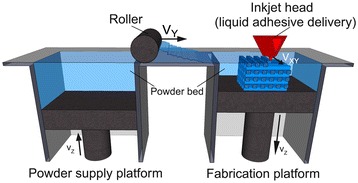
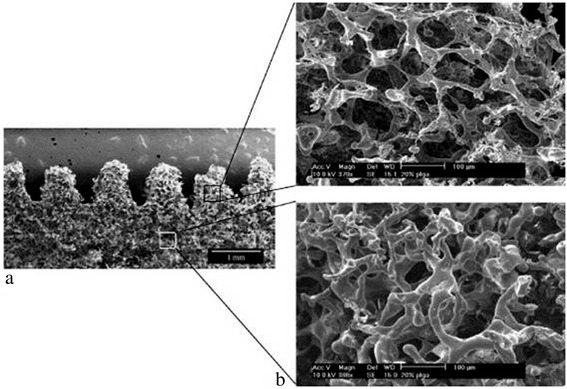
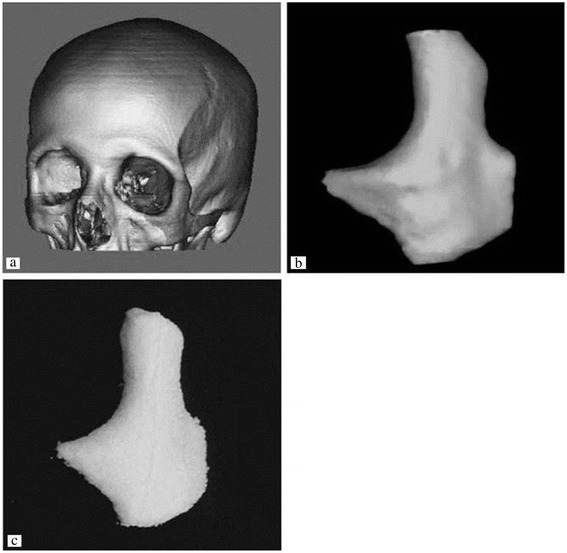
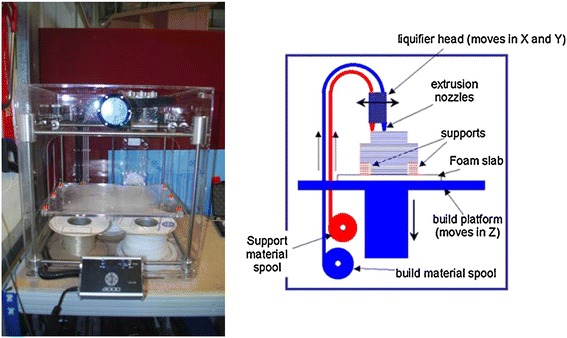
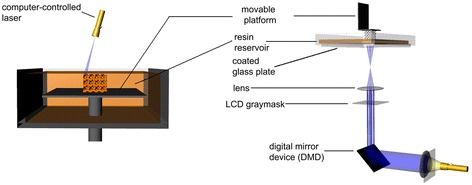
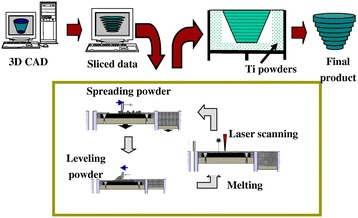
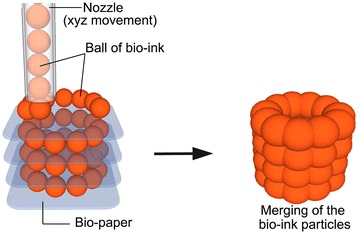
Verification
Claims the paper makes
The claims and statistics of this paper haven’t been checked yet.
Free: it reads the open-access text and checks the first 5 claims that cite a source we can check. Create a free account to check every claim.
Claims other papers make about this one
Each is checked against this paper’s own text: does it say what the citing paper says it does?
The cited source says what the claim attributes to it.
In the citing paper
“3D printing enables the fabrication of complex three-dimensional structures via computer-aided design, allows precise control over scaffold porosity, pore size, and microstructure, and facilitates accurate modulation of mechanical strength, and creates microstructures with graded porosity within a single scaffold [88–90].”
From Application of PLCL as a biodegradable polymer in biomedical engineering (2026) · cites this paper as [89]
Self-check
Percentages, sums and reported differences re-computed from the paper’s own numbers.
The self-check needs the paper’s full text.
Citations
Cites
1 retracted
Xu, S., Xu, S., Zhou, P., Cheng, X., Xie, Y., Liang, C., & Li, C. (2013) · International Journal of Nanomedicine · doi:10.2147/ijn.s50685 · Cited by 146
RetractedPorous scaffold design for tissue engineering
Hollister, S. J. (2005) · Nature Materials · doi:10.1038/nmat1421 · Cited by 3,969
The interaction of TIGIT with PVR and PVRL2 inhibits human NK cell cytotoxicity
Stanietsky, N., Simic, H., Arapovic, J., Toporik, A., Levy, O., Novik, A., Levine, Z., Beiman, M., Dassa, L., Achdout, H., et al. (2009) · Proceedings of the National Academy of Sciences · doi:10.1073/pnas.0903474106 · Cited by 3,524
Exploring and Engineering the Cell Surface Interface
Stevens, M. M., & George, J. H. (2005) · Science · doi:10.1126/science.1106587 · Cited by 2,607
A review on stereolithography and its applications in biomedical engineering
Melchels, F. P. W., Feijen, J., & Grijpma, D. W. (2010) · Biomaterials · doi:10.1016/j.biomaterials.2010.04.050 · Cited by 2,457
Girois, S., Audouin, L., Jacques Verdu, C., Delprat, P., & Marot, G. (1996) · Cited by 2,213
Printing three-dimensional tissue analogues with decellularized extracellular matrix bioink
Pati, F., Jang, J., Ha, D.-H., Won Kim, S., Rhie, J.-W., Shim, J.-H., Kim, D.-H., & Cho, D.-W. (2014) · Nature Communications · doi:10.1038/ncomms4935 · Cited by 1,904 · cited 1×
“Lastly, a layer-by-layer process has alternately deposited chondrocyte-laden hydrogel droplets (alginate or decellularized extracellular matrix bioink) and PCL in a layer-by-layer process to create a 3D structure [124-126] (Figure 7).”
BackgroundFused deposition modeling of novel scaffold architectures for tissue engineering applications
Zein, I., Hutmacher, D. W., Tan, K. C., & Teoh, S. H. (2002) · Biomaterials · doi:10.1016/s0142-9612(01)00232-0 · Cited by 1,874
Bone tissue engineering using 3D printing
Bose, S., Vahabzadeh, S., & Bandyopadhyay, A. (2013) · Materials Today · doi:10.1016/j.mattod.2013.11.017 · Cited by 1,866
Bone tissue engineering using polycaprolactone scaffolds fabricated via selective laser sintering
Williams, J. M., Adewunmi, A., Schek, R. M., Flanagan, C. L., Krebsbach, P. H., Feinberg, S. E., Hollister, S. J., & Das, S. (2005) · Biomaterials · doi:10.1016/j.biomaterials.2004.11.057 · Cited by 1,563
Research works printed but not linked: 1
- Dowler C. Automatic model building cuts design time, costs. Plastics Eng. 1989;45:43–5.
Cited by
Items 101–200 of 1,002
Rodriguez, M. J., Brown, J., Giordano, J., Lin, S. J., Omenetto, F. G., & Kaplan, D. L. (2017) · Biomaterials · doi:10.1016/j.biomaterials.2016.11.046 · Cited by 220
Low‐Density Open Cellular Sponges as Functional Materials
Jiang, S., Agarwal, S., & Greiner, A. (2017) · Angewandte Chemie International Edition · doi:10.1002/anie.201700684 · Cited by 217
Synthesis, properties, and applications of polylactic acid‐based polymers
Ramezani Dana, H., & Ebrahimi, F. (2023) · Polymer Engineering & Science · doi:10.1002/pen.26193 · Cited by 217
Design and fabrication of porous biodegradable scaffolds: a strategy for tissue engineering
Raeisdasteh Hokmabad, V., Davaran, S., Ramazani, A., & Salehi, R. (2017) · Journal of Biomaterials Science, Polymer Edition · doi:10.1080/09205063.2017.1354674 · Cited by 217
“The advantages of SLA include the capability to create complex forms with internal architecture, easy removal of unpolymerized species, and highly feature resolution [150].”
BackgroundHan, D., Yang, C., Fang, N. X., & Lee, H. (2019) · Additive Manufacturing · doi:10.1016/j.addma.2019.03.031 · Cited by 216
3D printing for drug delivery and biomedical applications
Beg, S., Almalki, W. H., Malik, A., Farhan, M., Aatif, M., Rahman, Z., Alruwaili, N. K., Alrobaian, M., Tarique, M., & Rahman, M. (2020) · Drug Discovery Today · doi:10.1016/j.drudis.2020.07.007 · Cited by 215
High‐Speed 3D Printing of High‐Performance Thermosetting Polymers via Two‐Stage Curing
Kuang, X., Zhao, Z., Chen, K., Fang, D., Kang, G., & Qi, H. J. (2018) · Macromolecular Rapid Communications · doi:10.1002/marc.201700809 · Cited by 215
Poly lactic acid (PLA) polymers: from properties to biomedical applications
Ebrahimi, F., & Ramezani Dana, H. (2022) · International Journal of Polymeric Materials and Polymeric Biomaterials · doi:10.1080/00914037.2021.1944140 · Cited by 214
Fabrication of fillable microparticles and other complex 3D microstructures
McHugh, K. J., Nguyen, T. D., Linehan, A. R., Yang, D., Behrens, A. M., Rose, S., Tochka, Z. L., Tzeng, S. Y., Norman, J. J., Anselmo, A. C., et al. (2017) · Science · doi:10.1126/science.aaf7447 · Cited by 211
3D printing of bone scaffolds with hybrid biomaterials
Oladapo, B. I., Zahedi, S. A., & Adeoye, A. O. M. (2019) · Composites Part B: Engineering · doi:10.1016/j.compositesb.2018.09.065 · Cited by 208
“from plants and animals; and synthetic, which can be sub-categorised into metals, synthetic polymers, ceramics and composites [6, 7].”
BackgroundAdditive manufacturing in polymer research: Advances, synthesis, and applications
Islam, M. A., Mobarak, M. H., Rimon, M. I. H., Al Mahmud, M. Z., Ghosh, J., Ahmed, M. M. S., & Hossain, N. (2024) · Polymer Testing · doi:10.1016/j.polymertesting.2024.108364 · Cited by 207
Morris, V. B., Nimbalkar, S., Younesi, M., McClellan, P., & Akkus, O. (2017) · Annals of Biomedical Engineering · doi:10.1007/s10439-016-1643-1 · Cited by 207
3D Printing and Electrospinning of Composite Hydrogels for Cartilage and Bone Tissue Engineering
De Mori, A., Peña Fernández, M., Blunn, G., Tozzi, G., & Roldo, M. (2018) · Polymers · doi:10.3390/polym10030285 · Cited by 206
A review on mechanical considerations for chronically-implanted neural probes
Lecomte, A., Descamps, E., & Bergaud, C. (2018) · Journal of Neural Engineering · doi:10.1088/1741-2552/aa8b4f · Cited by 205
Skin tissue engineering using 3D bioprinting: An evolving research field
Tarassoli, S. P., Jessop, Z. M., Al-Sabah, A., Gao, N., Whitaker, S., Doak, S., & Whitaker, I. S. (2018) · Journal of Plastic, Reconstructive & Aesthetic Surgery · doi:10.1016/j.bjps.2017.12.006 · Cited by 202
Biomimetic Aspects of Restorative Dentistry Biomaterials
Zafar, M. S., Amin, F., Fareed, M. A., Ghabbani, H., Riaz, S., Khurshid, Z., & Kumar, N. (2020) · Biomimetics · doi:10.3390/biomimetics5030034 · Cited by 201
Developments of PEEK (Polyetheretherketone) as a biomedical material: A focused review
Verma, S., Sharma, N., Kango, S., & Sharma, S. (2021) · European Polymer Journal · doi:10.1016/j.eurpolymj.2021.110295 · Cited by 200
3D Bioprinting in Tissue Engineering for Medical Applications: The Classic and the Hybrid
Xie, Z., Gao, M., Lobo, A. O., & Webster, T. J. (2020) · Polymers · doi:10.3390/polym12081717 · Cited by 197
“, which also summarizes numerous recent examples of how traditional non-biological 3D printing techniques have been improved for better biocompatibility and the fabrication of biomaterials [14].”
BackgroundMethodInfluentialAbout the Use of Recycled or Biodegradable Filaments for Sustainability of 3D Printing
Pakkanen, J., Manfredi, D., Minetola, P., & Iuliano, L. (2017) · Smart innovation, systems and technologies · doi:10.1007/978-3-319-57078-5_73 · Cited by 194
Toward the design of functional foods and biobased products by 3D printing: A review
Portanguen, S., Tournayre, P., Sicard, J., Astruc, T., & Mirade, P.-S. (2019) · Trends in Food Science & Technology · doi:10.1016/j.tifs.2019.02.023 · Cited by 193
Alginate Based Scaffolds for Cartilage Tissue Engineering: A Review
Farokhi, M., Jonidi Shariatzadeh, F., Solouk, A., & Mirzadeh, H. (2020) · International Journal of Polymeric Materials and Polymeric Biomaterials · doi:10.1080/00914037.2018.1562924 · Cited by 192
“improves the mechanical properties besides the reproducible structure([139]).”
Background3D Printing: Applications in Tissue Engineering, Medical Devices, and Drug Delivery
Pavan Kalyan, B., & Kumar, L. (2022) · AAPS PharmSciTech · doi:10.1208/s12249-022-02242-8 · Cited by 190
“prototyping, minimizing the waste, environment friendly which gained an eye in pharma sector (5).”
BackgroundAdditive manufacturing of polymer melts for implantable medical devices and scaffolds
Youssef, A., Hollister, S. J., & Dalton, P. D. (2017) · Biofabrication · doi:10.1088/1758-5090/aa5766 · Cited by 190
Nanowire Assemblies for Flexible Electronic Devices: Recent Advances and Perspectives
Wang, J., Hassan, M., Liu, J., & Yu, S. (2018) · Advanced Materials · doi:10.1002/adma.201803430 · Cited by 190
An overview of fused deposition modelling (FDM): research, development and process optimisation
Lalegani Dezaki, M., Mohd Ariffin, M. K. A., & Hatami, S. (2021) · Rapid Prototyping Journal · doi:10.1108/rpj-08-2019-0230 · Cited by 186
Pharmaceutical applications of 3D printing technology: current understanding and future perspectives
Park, B. J., Choi, H. J., Moon, S. J., Kim, S. J., Bajracharya, R., Min, J. Y., & Han, H. (2018) · Journal of Pharmaceutical Investigation · doi:10.1007/s40005-018-00414-y · Cited by 186
3D bioprinting of structural proteins
Włodarczyk-Biegun, M. K., & del Campo, A. (2017) · Biomaterials · doi:10.1016/j.biomaterials.2017.04.019 · Cited by 185
Three-dimensional printing of multilayered tissue engineering scaffolds
Bittner, S. M., Guo, J. L., Melchiorri, A., & Mikos, A. G. (2018) · Materials Today · doi:10.1016/j.mattod.2018.02.006 · Cited by 185
Alshamrani, A. A., Raju, R., & Ellakwa, A. E. (2022) · BioMed Research International · doi:10.1155/2022/8353137 · Cited by 185
Lee, J., Oh, S. J., An, S. H., Kim, W.-D., & Kim, S.-H. (2020) · Biofabrication · doi:10.1088/1758-5090/ab8707 · Cited by 184
Wei, Q., Zhou, J., An, Y., Li, M., Zhang, J., & Yang, S. (2023) · International Journal of Biological Macromolecules · doi:10.1016/j.ijbiomac.2023.123450 · Cited by 184
Review of 4D printing materials and their properties
Shin, D.-G., Kim, T.-H., & Kim, D.-E. (2017) · International Journal of Precision Engineering and Manufacturing-Green Technology · doi:10.1007/s40684-017-0040-z · Cited by 183
Parulski, C., Jennotte, O., Lechanteur, A., & Evrard, B. (2021) · Advanced Drug Delivery Reviews · doi:10.1016/j.addr.2021.05.020 · Cited by 183
3D printed drug delivery devices: perspectives and technical challenges
Palo, M., Holländer, J., Suominen, J., Yliruusi, J., & Sandler, N. (2017) · Expert Review of Medical Devices · doi:10.1080/17434440.2017.1363647 · Cited by 181
Bioprinting of Thermoresponsive Hydrogels for Next Generation Tissue Engineering: A Review
Suntornnond, R., An, J., & Chua, C. K. (2017) · Macromolecular Materials and Engineering · doi:10.1002/mame.201600266 · Cited by 180
3D Printing in medicine: Technology overview and drug delivery applications
Mohammed, A. A., Algahtani, M. S., Ahmad, M. Z., Ahmad, J., & Kotta, S. (2021) · Annals of 3D Printed Medicine · doi:10.1016/j.stlm.2021.100037 · Cited by 180
Bridging the Gap: From 2D Cell Culture to 3D Microengineered Extracellular Matrices
Li, Y., & Kilian, K. A. (2015) · Advanced Healthcare Materials · doi:10.1002/adhm.201500427 · Cited by 179
Szklanny, A. A., Machour, M., Redenski, I., Chochola, V., Goldfracht, I., Kaplan, B., Epshtein, M., Simaan Yameen, H., Merdler, U., Feinberg, A., et al. (2021) · Advanced Materials · doi:10.1002/adma.202102661 · Cited by 178
Materials, Processes, and Facile Manufacturing for Bioresorbable Electronics: A Review
Yu, X., Shou, W., Mahajan, B. K., Huang, X., & Pan, H. (2018) · Advanced Materials · doi:10.1002/adma.201707624 · Cited by 176
Veeman, D., Sai, M., Sureshkumar, P., Jagadeesha, T., Natrayan, L., Ravichandran, M., & Mammo, W. D. (2021) · International Journal of Polymer Science · doi:10.1155/2021/4907027 · Cited by 178
Asa’ad, F., Pagni, G., Pilipchuk, S. P., Giannì, A. B., Giannobile, W. V., & Rasperini, G. (2016) · International Journal of Dentistry · doi:10.1155/2016/1239842 · Cited by 174
Biocompatible Polymers and their Potential Biomedical Applications: A Review
Arif, U., Haider, S., Haider, A., Khan, N., Alghyamah, A., Jamila, N., Khan, M. I., Al‐Masry, W. A., & Kang, I. (2019) · Current Pharmaceutical Design · doi:10.2174/1381612825999191011105148 · Cited by 172
Three‐Dimensional Printing and Its Applications in Otorhinolaryngology–Head and Neck Surgery
Crafts, T. D., Ellsperman, S. E., Wannemuehler, T. J., Bellicchi, T. D., Shipchandler, T. Z., & Mantravadi, A. V. (2017) · Otolaryngology–Head and Neck Surgery · doi:10.1177/0194599816678372 · Cited by 170
“One significant advantage of SLS is its ability to produce soft scaffolding, conducive for soft tissue uses.(16) Use of the laser apparatus requires a highly experienced operator and special facilities, which make it more expensive and less feasible for local medical applications.”
BackgroundBiomaterials and Their Biomedical Applications: From Replacement to Regeneration
Todros, S., Todesco, M., & Bagno, A. (2021) · Processes · doi:10.3390/pr9111949 · Cited by 169
Pal, A. K., Mohanty, A. K., & Misra, M. (2021) · RSC Advances · doi:10.1039/d1ra04060j · Cited by 169
Optimization of cell-laden bioinks for 3D bioprinting and efficient infection with influenza A virus
Berg, J., Hiller, T., Kissner, M. S., Qazi, T. H., Duda, G. N., Hocke, A. C., Hippenstiel, S., Elomaa, L., Weinhart, M., Fahrenson, C., et al. (2018) · Scientific Reports · doi:10.1038/s41598-018-31880-x · Cited by 169
“Major requirements for the used bioinks are printa-bility, biocompatibility and the support of structural and mechanical properties 24–26 .”
BackgroundPezzulo, G., & Levin, M. (2015) · Integrative Biology · doi:10.1039/c5ib00221d · Cited by 168
“morphogenesis (seeking to demonstrate instrumental learning and top-down control of shape in developmental or regenerative contexts), and (10) a mechanistic investigation of the mechanism of”
BackgroundLim, S. H., Ng, J. Y., & Kang, L. (2017) · Biofabrication · doi:10.1088/1758-5090/9/1/015010 · Cited by 168
Additive Manufacturing with 3D Printing: Progress from Bench to Bedside
Rahman, Z., Ali, S. F. B., Ozkan, T., Charoo, N. A., Reddy, I. K., & Khan, M. A. (2018) · The AAPS Journal · doi:10.1208/s12248-018-0225-6 · Cited by 168
Advanced cell culture platforms: a growing quest for emulating natural tissues
Mirbagheri, M., Adibnia, V., Hughes, B. R., Waldman, S. D., Banquy, X., & Hwang, D. K. (2019) · Materials Horizons · doi:10.1039/c8mh00803e · Cited by 169
Gu, Y., Zhang, J., Zhang, X., Liang, G., Xu, T., & Niu, W. (2019) · Tissue Engineering and Regenerative Medicine · doi:10.1007/s13770-019-00192-0 · Cited by 167
Eldeeb, A. E., Salah, S., & Elkasabgy, N. A. (2022) · AAPS PharmSciTech · doi:10.1208/s12249-022-02419-1 · Cited by 167
In-line rheological monitoring of fused deposition modeling
Coogan, T. J., & Kazmer, D. O. (2018) · Journal of Rheology · doi:10.1122/1.5054648 · Cited by 167
Photopolymer Resins with Biobased Methacrylates Based on Soybean Oil for Stereolithography
Guit, J., Tavares, M. B. L., Hul, J., Ye, C., Loos, K., Jager, J., Folkersma, R., & Voet, V. S. D. (2020) · ACS Applied Polymer Materials · doi:10.1021/acsapm.9b01143 · Cited by 166
A Review on Micro- to Nanocellulose Biopolymer Scaffold Forming for Tissue Engineering Applications
Khalil, H. P. S. A., Jummaat, F. B., Yahya, E. B., Olaiya, N. G., Adnan, A. S., Abdat, M., Nasir, N. A. M., Halim, A. S., Kumar, U. S. U., Bairwan, R. D., et al. (2020) · Polymers · doi:10.3390/polym12092043 · Cited by 166
Additive Manufacturing of Biomaterials − The Evolution of Rapid Prototyping
Touri, M., Kabirian, F., Saadati, M., Ramakrishna, S., & Mozafari, M. (2019) · Advanced Engineering Materials · doi:10.1002/adem.201800511 · Cited by 165
Use of Biomaterials for 3D Printing by Fused Deposition Modeling Technique: A Review
Wasti, S., & Adhikari, S. (2020) · Frontiers in Chemistry · doi:10.3389/fchem.2020.00315 · Cited by 165
Biomemristors as the next generation bioelectronics
Sun, B., Zhou, G., Guo, T., Zhou, Y. N., & Wu, Y. A. (2020) · Nano Energy · doi:10.1016/j.nanoen.2020.104938 · Cited by 165
Printed Drug-Delivery Systems for Improved Patient Treatment
Sandler, N., & Preis, M. (2016) · Trends in Pharmacological Sciences · doi:10.1016/j.tips.2016.10.002 · Cited by 164
“( [4_TD$DIFF] ) Scanning and computer-aided design (CAD) designs of wound area and printing of individualized wound dressings [13].”
BackgroundApplication of 3D bioprinting in the prevention and the therapy for human diseases
Yi, H.-G., Kim, H., Kwon, J., Choi, Y.-J., Jang, J., & Cho, D.-W. (2021) · Signal Transduction and Targeted Therapy · doi:10.1038/s41392-021-00566-8 · Cited by 164
3D Bioprinting Technologies for Hard Tissue and Organ Engineering
Wang, X., Ao, Q., Tian, X., Fan, J., Wei, Y., Hou, W., Tong, H., & Bai, S. (2016) · Materials · doi:10.3390/ma9100802 · Cited by 163
Designing hydrocolloid based food-ink formulations for extrusion 3D printing
Gholamipour-Shirazi, A., Norton, I. T., & Mills, T. (2019) · Food Hydrocolloids · doi:10.1016/j.foodhyd.2019.04.011 · Cited by 163
Lin, K., Sheikh, R. H., Romanazzo, S., & Roohani, I. (2019) · Materials · doi:10.3390/ma12172660 · Cited by 167
Shahrubudin, N., Koshy, P., Alipal, J., Kadir, M. H. A., & Lee, T. C. (2020) · Heliyon · doi:10.1016/j.heliyon.2020.e03734 · Cited by 163
3D printed biodegradable composites: An insight into mechanical properties of PLA/chitosan scaffold
Singh, S., Singh, G., Prakash, C., Ramakrishna, S., Lamberti, L., & Pruncu, C. I. (2020) · Polymer Testing · doi:10.1016/j.polymertesting.2020.106722 · Cited by 163
Recent Developments of Biomaterials for Additive Manufacturing of Bone Scaffolds
Chen, Y., Li, W., Zhang, C., Wu, Z., & Liu, J. (2020) · Advanced Healthcare Materials · doi:10.1002/adhm.202000724 · Cited by 162
Lee, S.-J., Nowicki, M., Harris, B., & Zhang, L. G. (2017) · Tissue Engineering Part A · doi:10.1089/ten.tea.2016.0353 · Cited by 161
“27 Many traditional approaches explored various biofabrication techniques to fabricate neural scaffold.”
3D Printed Tablets (Printlets) with Braille and Moon Patterns for Visually Impaired Patients
Awad, A., Yao, A., Trenfield, S. J., Goyanes, A., Gaisford, S., & Basit, A. W. (2020) · Pharmaceutics · doi:10.3390/pharmaceutics12020172 · Cited by 161
Velu, R., Calais, T., Jayakumar, A., & Raspall, F. (2019) · Materials · doi:10.3390/ma13010092 · Cited by 164
Jana, S., & Lerman, A. (2015) · Biotechnology Advances · doi:10.1016/j.biotechadv.2015.07.006 · Cited by 160
Applications of 3D printing technologies in oceanography
Mohammed, J. S. (2016) · Methods in Oceanography · doi:10.1016/j.mio.2016.08.001 · Cited by 161
3D‐Printing of Functional Biomedical Microdevices via Light‐ and Extrusion‐Based Approaches
Hwang, H. H., Zhu, W. Z., Victorine, G., Lawrence, N., & Chen, S. (2017) · Small Methods · doi:10.1002/smtd.201700277 · Cited by 161
Microneedle arrays for the treatment of chronic wounds
Barnum, L., Samandari, M., Schmidt, T. A., & Tamayol, A. (2020) · Expert Opinion on Drug Delivery · doi:10.1080/17425247.2020.1819787 · Cited by 148
Luo, Y., Le Fer, G., Dean, D., & Becker, M. L. (2019) · Biomacromolecules · doi:10.1021/acs.biomac.9b00076 · Cited by 159
3D Bioprinting Methods and Techniques: Applications on Artificial Blood Vessel Fabrication.
Papaioannou, T. G., Manolesou, D. G., Dimakakos, E. P., Tsoucalas, G., Vavuranakis, M., & Tousoulis, D. M. (2019) · PubMed Central · doi:10.6515/acs.201905_35(3).20181115a · Cited by 159
3D Printing Technologies in Metallic Implants: A Thematic Review on the Techniques and Procedures
Attarilar, S., Ebrahimi, M., Djavanroodi, F., Fu, Y., Wang, L., & Yang, J. (2020) · International Journal of Bioprinting · doi:10.18063/ijb.v7i1.306 · Cited by 159
Biomimetic structural design in 3D-printed scaffolds for bone tissue engineering
Huang, D., Li, Z., Li, G., Zhou, F., Wang, G., Ren, X., & Su, J. (2025) · Materials Today Bio · doi:10.1016/j.mtbio.2025.101664 · Cited by 158
Chemistry from 3D printed objects
Hartings, M. R., & Ahmed, Z. (2019) · Nature Reviews Chemistry · doi:10.1038/s41570-019-0097-z · Cited by 156
3D bioprinting: an emerging technology full of opportunities and challenges
Zhang, B., Luo, Y., Ma, L., Gao, L., Li, Y., Xue, Q., Yang, H., & Cui, Z. (2018) · Bio-Design and Manufacturing · doi:10.1007/s42242-018-0004-3 · Cited by 156
Dynamic Coordination Chemistry Enables Free Directional Printing of Biopolymer Hydrogel
Shi, L., Carstensen, H., Hölzl, K., Lunzer, M., Li, H., Hilborn, J., Ovsianikov, A., & Ossipov, D. A. (2017) · Chemistry of Materials · doi:10.1021/acs.chemmater.7b00128 · Cited by 142
Interfacing Living and Synthetic Cells as an Emerging Frontier in Synthetic Biology
Elani, Y. (2021) · Angewandte Chemie International Edition · doi:10.1002/anie.202006941 · Cited by 142
Development of 3D-printed PLGA/TiO2 nanocomposite scaffolds for bone tissue engineering applications
Rasoulianboroujeni, M., Fahimipour, F., Shah, P., Khoshroo, K., Tahriri, M., Eslami, H., Yadegari, A., Dashtimoghadam, E., & Tayebi, L. (2018) · Materials Science and Engineering C · doi:10.1016/j.msec.2018.10.077 · Cited by 151
Three-dimensional Printing and 3D Slicer
Cheng, G. Z., Estépar, R. S. J., Folch, E. E., Onieva, J. O., Gangadharan, S. P., & Majid, A. (2016) · CHEST Journal · doi:10.1016/j.chest.2016.03.001 · Cited by 150
Robotic Hands with Intrinsic Tactile Sensing via 3D Printed Soft Pressure Sensors
Ntagios, M., Nassar, H., Pullanchiyodan, A., Navaraj, W. T., & Dahiya, R. (2019) · Advanced Intelligent Systems · doi:10.1002/aisy.201900080 · Cited by 150
Cheng, M., Deivanayagam, R., & Shahbazian‐Yassar, R. (2020) · Batteries & Supercaps · doi:10.1002/batt.201900130 · Cited by 149
Shie, M., Chang, W., Wei, L.-J., Huang, Y., Chen, C.-H., Shih, C., Chen, Y., & Shen, Y. (2017) · Materials · doi:10.3390/ma10020136 · Cited by 147
On the progress of 3D-printed hydrogels for tissue engineering
Advíncula, R. C., Dizon, J. R. C., Caldona, E. B., Viers, R. A., Siacor, F. D. C., Maalihan, R. D., & Espera, A. H. (2021) · MRS Communications · doi:10.1557/s43579-021-00069-1 · Cited by 148
Liu, A., Xue, G.-H., Sun, M., Shao, H.-F., Ma, C.-Y., Gao, Q., Gou, Z.-R., Yan, S.-G., Liu, Y.-M., & He, Y. (2016) · Scientific Reports · doi:10.1038/srep21704 · Cited by 129
Three‐Dimensional Printing with Biomass‐Derived PEF for Carbon‐Neutral Manufacturing
Kucherov, F. A., Gordeev, E. G., Kashin, A. S., & Ananikov, V. P. (2017) · Angewandte Chemie International Edition · doi:10.1002/anie.201708528 · Cited by 147
Yes, we can make money out of lignin and other bio-based resources
Graichen, F. H. M., Grigsby, W. J., Hill, S. J., Raymond, L. G., Sanglard, M., Smith, D. A., Thorlby, G. J., Torr, K. M., & Warnes, J. M. (2016) · Industrial Crops and Products · doi:10.1016/j.indcrop.2016.10.036 · Cited by 145
Antons, J., Marascio, M., Nohava, J., Martin, R., Applegate, L. A., Bourban, P. ‐., & Pioletti, D. P. (2018) · Journal of Materials Science Materials in Medicine · doi:10.1007/s10856-018-6066-0 · Cited by 145
Jang, J., Min, K.-E., Kim, C., Shin, J.-S., Lee, J., & Yi, S. (2023) · International Journal of Precision Engineering and Manufacturing · doi:10.1007/s12541-022-00755-7 · Cited by 146
Nanoengineering Triplet–Triplet Annihilation Upconversion: From Materials to Real-World Applications
Schloemer, T. H., Narayanan, P., Zhou, Q., Belliveau, E., Seitz, M., & Congreve, D. N. (2023) · ACS Nano · doi:10.1021/acsnano.3c00543 · Cited by 146
Li, L., Qin, S., Peng, J., Chen, A., Nie, Y., Liu, T., & Song, K. (2020) · International Journal of Biological Macromolecules · doi:10.1016/j.ijbiomac.2019.12.174 · Cited by 144
Functional Dyes in Polymeric 3D Printing: Applications and Perspectives
Gastaldi, M., Cardano, F., Zanetti, M., Viscardi, G., Barolo, C., Bordiga, S., Magdassi, S., Fin, A., & Roppolo, I. (2020) · ACS Materials Letters · doi:10.1021/acsmaterialslett.0c00455 · Cited by 145
Envisioning smart and sustainable healthcare: 3D Printing technologies for personalized medication
Aquino, R. P., Barile, S., Grasso, A., & Saviano, M. (2018) · Futures · doi:10.1016/j.futures.2018.03.002 · Cited by 144
Backes, E. H., Harb, S. V., Beatrice, C. A. G., Shimomura, K. M. B., Passador, F. R., Costa, L. C., & Pessan, L. A. (2022) · Journal of Biomedical Materials Research Part B: Applied Biomaterials · doi:10.1002/jbm.b.34997 · Cited by 142
Chinga‐Carrasco, G. (2018) · Biomacromolecules · doi:10.1021/acs.biomac.8b00053 · Cited by 144
Tissue Engineered Skin Substitutes
Goodarzi, P., Falahzadeh, K., Nematizadeh, M., Farazandeh, P., Payab, M., Larijani, B. A., Tayanloo-Beik, A., & Arjmand, B. (2018) · Advances in experimental medicine and biology · doi:10.1007/5584_2018_226 · Cited by 146
3D gel-printing of hydroxyapatite scaffold for bone tissue engineering
Shao, H., He, J., Lin, T., Zhang, Z., Zhang, Y., & Liu, S. (2018) · Ceramics International · doi:10.1016/j.ceramint.2018.09.300 · Cited by 141
Metadata
- Authors
- Chia, H. N., & Wu, B. M.
- Affiliations
- University of California, Los Angeles (US)
- Corresponding author
- Wu, Benjamin M
- ORCID
- Wu, Benjamin M
- Venue
- Journal of Biological Engineering
- Published
- 2015-03-01
- Volume
- 9
- Issue
- 1
- Pages
- 4-4
- ISSN
- 1754-1611 (ISSN-L)
- PMC
- PMC4392469
- OpenAlex
- W2172143926
- Semantic Scholar
- c3469ac1064a4045c1bb519a1247bb60c464ab8c
- Cited by
- 1,734
- References
- 127
- Citations by year
- 2026: 63 · 2025: 117 · 2024: 123 · 2023: 153 · 2022: 154 · 2021: 192 · 2020: 213 · 2019: 205 · 2018: 227 · 2017: 165 · 2016: 95 · 2015: 25
- FWCI
- 84.79
- Type
- journal article
- Language
- en
- Open access
- gold
- doi.org
- Locations
- Journal of Biological Engineering (publishedVersion, cc-by)
- PubMed Central (publishedVersion, cc-by)
- PubMed (publishedVersion)
- eScholarship (California Digital Library) (submittedVersion)
- eScholarship (California Digital Library) (submittedVersion, cc-by)
- Topics
- Physical Sciences › Engineering › Biomedical Engineering › 3D Printing in Biomedical Research
- Physical Sciences › Engineering › Industrial and Manufacturing Engineering › Additive Manufacturing and 3D Printing Technologies
- Physical Sciences › Engineering › Biomedical Engineering › Anatomy and Medical Technology
- Keywords
- 3D printing, biomaterials, bioprinting, tissue engineering scaffolds, patient-specific implants, stem cell scaffolds, regenerative medicine, fused deposition modeling, selective laser sintering, stereolithography, 3D plotting, organ regeneration, 3D printing materials
About these checks
Registry, retraction, Cites and statistics results are computed, not judged, with one exception: a printed reference that no index lists is read once by a model before it counts as a citation error. Claims are extracted by a model and kept only when their quote appears verbatim in the text; each cited source is then checked, with a model’s help, for whether it says what the claim relies on. Those verdicts can be wrong — read the claim’s quote and the cited source before relying on one.
Statistics and arithmetic are recomputed, not judged.
Confidence bands are shown only for fields calibrated on our annotated test set. None is calibrated yet, so no band is shown.
What counts as a claim ›How we measure confidence ›How we check this ›
Are you an author, or do you see a problem with this page? Request a review
Data sources
Bibliographic data: Semantic Scholar, OpenAlex, Crossref.
Contains information from the Semantic Scholar Academic Graph Datasets, made available under the ODC Attribution License (ODC-BY 1.0).
Semantic Scholar’s data is described in: Kinney, R., et al. (2023). The Semantic Scholar Open Data Platform. arXiv:2301.10140.
