

The DOI matches its Crossref record; 154 of the 154 references it cites were found in a registry or an index.
A critical assessment of the “sterile womb” and “in utero colonization” hypotheses: implications for research on the pioneer infant microbiome
Open accessAbstract
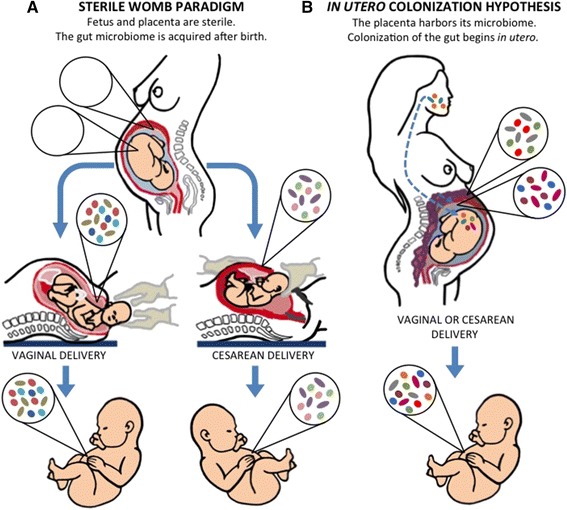
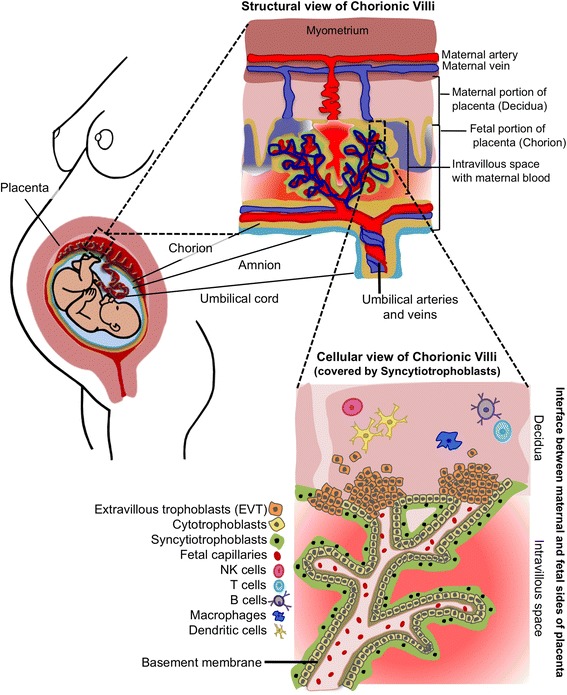
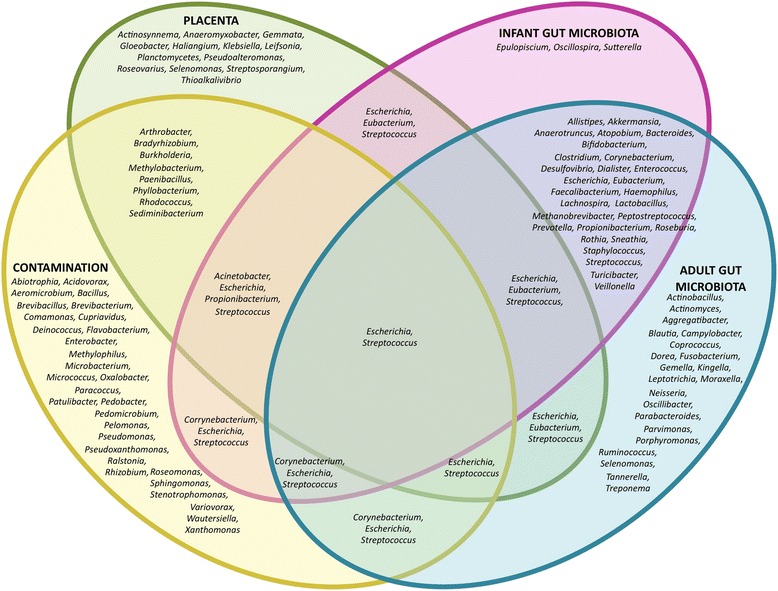
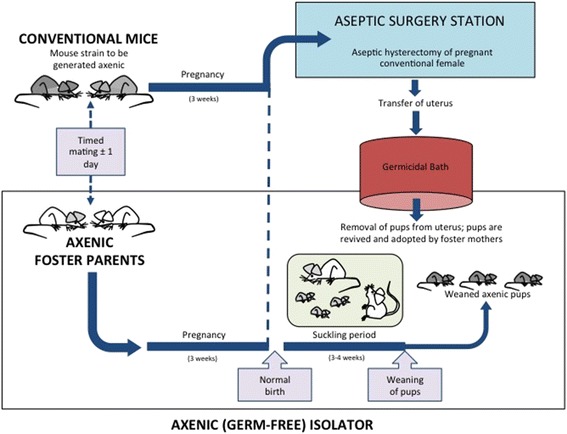
After more than a century of active research, the notion that the human fetal environment is sterile and that the neonate's microbiome is acquired during and after birth was an accepted dogma. However, recent studies using molecular techniques suggest bacterial communities in the placenta, amniotic fluid, and meconium from healthy pregnancies. These findings have led many scientists to challenge the "sterile womb paradigm" and propose that microbiome acquisition instead begins in utero, an idea that would fundamentally change our understanding of gut microbiota acquisition and its role in human development. In this review, we provide a critical assessment of the evidence supporting these two opposing hypotheses, specifically as it relates to (i) anatomical, immunological, and physiological characteristics of the placenta and fetus; (ii) the research methods currently used to study microbial populations in the intrauterine environment; (iii) the fecal microbiome during the first days of life; and (iv) the generation of axenic animals and humans. Based on this analysis, we argue that the evidence in support of the "in utero colonization hypothesis" is extremely weak as it is founded almost entirely on studies that (i) used molecular approaches with an insufficient detection limit to study "low-biomass" microbial populations, (ii) lacked appropriate controls for contamination, and (iii) failed to provide evidence of bacterial viability. Most importantly, the ability to reliably derive axenic animals via cesarean sections strongly supports sterility of the fetal environment in mammals. We conclude that current scientific evidence does not support the existence of microbiomes within the healthy fetal milieu, which has implications for the development of clinical practices that prevent microbiome perturbations after birth and the establishment of future research priorities.
Overview
The claims and statistics of this paper haven’t been checked yet.
Run the check — free, no account needed. It reads the open-access text and checks the sources it cites.
Integrity signals
Registry
Cites
Statistics
Figures
Verification
Claims the paper makes
The claims and statistics of this paper haven’t been checked yet.
Run the check — free, no account needed. It reads the open-access text and checks the sources it cites.
Claims other papers make about this one
Each is checked against this paper’s own text: does it say what the citing paper says it does?
The source backs part of the claim, not all of it — or backs it for a different population, condition or comparison.
In the citing paper
“However, oral bacteria have been detected at various sites within the uterus.110, 111”
From The oral microbiome: Role of key organisms and complex networks in oral health and disease (2021) · cites this paper as [110]
Experimental — accuracy not yet measuredIn the citing paper
“Conversely, but equally important, the infant gut is largely thought to be sterile in utero and colonized during birth and postnatally with a trajectory toward an adult-like complexity taking approximately 3 years (Clarke et al., 2014a;Perez-Munoz et al., 2017).”
From Gut reactions: Breaking down xenobiotic–microbiome interactions (2019) · cites this paper as Perez-Munoz et al., 2017
In the citing paper
“Current research findings suggest that the prenatal oral cavity is sterile until birth after which colonization with microorganisms occurs upon exposure to the external environment.110”
From The oral microbiome: Role of key organisms and complex networks in oral health and disease (2021) · cites this paper as [110]
Self-check
Percentages, sums and reported differences re-computed from the paper’s own numbers.
The self-check needs the paper’s full text.
Citations
Cites
Structure, function and diversity of the healthy human microbiome
The Human Microbiome Project Consortium (2012) · Nature · doi:10.1038/nature11234 · Cited by 11,726
Dominguez-Bello, M. G., Costello, E. K., Contreras, M., Magris, M., Hidalgo, G., Fierer, N., & Knight, R. (2010) · Proceedings of the National Academy of Sciences · doi:10.1073/pnas.1002601107 · Cited by 4,774
Conjectures and Refutations: The Growth of Scientific Knowledge.
HESSE, M. B., & Popper, K. R. (1965) · The Philosophical Quarterly · doi:10.2307/2218271 · Cited by 4,213
The Sociology of Science: Theoretical and Empirical Investigations
Kaplan, N. M., Merton, R. Κ., & Storer, N. W. (1974) · Technology and Culture · doi:10.2307/3102264 · Cited by 4,030
Reagent and laboratory contamination can critically impact sequence-based microbiome analyses
Salter, S. J., Cox, M. J., Turek, E. M., Calus, S. T., Cookson, W. O., Moffatt, M. F., Turner, P., Parkhill, J., Loman, N. J., & Walker, A. W. (2014) · BMC Biology · doi:10.1186/s12915-014-0087-z · Cited by 3,463
Dynamics and Stabilization of the Human Gut Microbiome during the First Year of Life
Bäckhed, F., Roswall, J., Peng, Y., Feng, Q., Jia, H., Kovatcheva-Datchary, P., Li, Y., Xia, Y., Xie, H., Zhong, H., et al. (2015) · Cell Host & Microbe · doi:10.1016/j.chom.2015.04.004 · Cited by 3,315
The Placenta Harbors a Unique Microbiome
Aagaard, K., Ma, J., Antony, K. M., Ganu, R., Petrosino, J., & Versalovic, J. (2014) · Science Translational Medicine · doi:10.1126/scitranslmed.3008599 · Cited by 2,494
Akkermansia muciniphila gen. nov., sp. nov., a human intestinal mucin-degrading bacterium
Derrien, M., Vaughan, E. E., Plugge, C. M., & de Vos, W. M. (2004) · International Journal of Systematic and Evolutionary Microbiology · doi:10.1099/ijs.0.02873-0 · Cited by 2,094
Early infancy microbial and metabolic alterations affect risk of childhood asthma
Arrieta, M., Stiemsma, L. T., Dimitriu, P. A., Thorson, L., Russell, S., Yurist‐Doutsch, S., Kuzeljevic, B., Gold, M. J., Britton, H. M., Lefebvre, D. L., et al. (2015) · Science Translational Medicine · doi:10.1126/scitranslmed.aab2271 · Cited by 1,832
Antibiotics, birth mode, and diet shape microbiome maturation during early life
Bokulich, N. A., Chung, J., Battaglia, T., Henderson, N., Jay, M., Li, H., D. Lieber, A., Wu, F., Perez-Perez, G. I., Chen, Y., et al. (2016) · Science Translational Medicine · doi:10.1126/scitranslmed.aad7121 · Cited by 1,469
Research works printed but not linked: 1
- Burrage S. Bacteria in the supposedly sterile meconium. J Bacteriol. 1927;13:47.
Cited by
Sorted by citations
Items 301–400 of 1,001
Refinement of 16S rRNA gene analysis for low biomass biospecimens
Villette, R., Autaa, G., Hind, S., Holm, J. B., Sabater, A. M., & Larsen, M. (2021) · Scientific Reports · doi:10.1038/s41598-021-90226-2 · Cited by 44
Waitzberg, D. L., Guarner, F., Hojsak, I., Ianiro, G., Polk, D. B., & Sokol, H. (2024) · Advances in Therapy · doi:10.1007/s12325-024-02783-3 · Cited by 48
Early colonization of the gut microbiome and its relationship with obesity
Dreyer, J. L., & Liebl, A. L. (2018) · Human Microbiome Journal · doi:10.1016/j.humic.2018.08.002 · Cited by 44
Lack of Evidence for Microbiota in the Placental and Fetal Tissues of Rhesus Macaques
Theis, K. R., Romero, R. J., Winters, A. D., Jobe, A. H., & Gomez‐Lopez, N. (2020) · mSphere · doi:10.1128/msphere.00210-20 · Cited by 49
Placental microbial–metabolite profiles and inflammatory mechanisms associated with preterm birth
Parris, K. M., Amabebe, E., Cohen, M. C., & Anumba, D. O. C. (2020) · Journal of Clinical Pathology · doi:10.1136/jclinpath-2020-206536 · Cited by 44
Early Bacterial Colonization and Antibiotic Resistance Gene Acquisition in Newborns
Klassert, T. E., Zubiría-Barrera, C., Kankel, S., Stock, M., Neubert, R., Lorenzo-Díaz, F., Döhring, N., Driesch, D., Fischer, D., & Slevogt, H. (2020) · Frontiers in Cellular and Infection Microbiology · doi:10.3389/fcimb.2020.00332 · Cited by 43
Husso, A., Lietaer, L., Pessa‐Morikawa, T., Grönthal, T. S. C., Govaere, J., Soom, A. V., Iivanainen, A., OPSOMER, G., & Niku, M. (2021) · Frontiers in Microbiology · doi:10.3389/fmicb.2021.626421 · Cited by 44
Over-celling fetal microbial exposure
Kennedy, K. M., Bellissimo, C. J., Breznik, J. A., Barrett, J. F. R., Braun, T., Bushman, F. D., de Goffau, M. C., Elovitz, M. A., Heimesaat, M. M., Konnikova, L., et al. (2021) · Cell · doi:10.1016/j.cell.2021.10.026 · Cited by 43
Self-citationCukrowská, B. (2018) · Nutrients · doi:10.3390/nu10101541 · Cited by 42
Recent advances in understanding the neonatal microbiome
Dalby, M. J., & Hall, L. J. (2020) · F1000Research · doi:10.12688/f1000research.22355.1 · Cited by 43
Luecke, S. M., Webb, E. M., Dahlen, C. R., Reynolds, L. P., & Amat, S. (2022) · Frontiers in Microbiology · doi:10.3389/fmicb.2022.1029128 · Cited by 42
Prenatal Immunity and Influences on Necrotizing Enterocolitis and Associated Neonatal Disorders
Sampah, M. E., & Hackam, D. J. (2021) · Frontiers in Immunology · doi:10.3389/fimmu.2021.650709 · Cited by 47
From gut to placenta: understanding how the maternal microbiome models life-long conditions
Ruiz-Triviño, J., Álvarez, D., J., Á. P. C., & Álvarez, Á. M. (2023) · Frontiers in Endocrinology · doi:10.3389/fendo.2023.1304727 · Cited by 42
Raspini, B., Porri, D., Giuseppe, R. D., Chieppa, M., Liso, M., Cerbo, R. M., Civardi, E., Garofoli, F., Monti, M. C., Vacca, M., et al. (2020) · The Italian Journal of Pediatrics/Italian journal of pediatrics · doi:10.1186/s13052-020-0794-8 · Cited by 41
Neurodevelopmental Disorders Associated with Gut Microbiome Dysbiosis in Children
Borrego-Ruiz, A., & Borrego, J. J. (2024) · Children · doi:10.3390/children11070796 · Cited by 42
Mottawea, W., Butcher, J., Li, J. S. Y., Abujamel, T. S., Manoogian, J., Mack, D. R., & Stintzi, A. (2019) · Pediatric Research · doi:10.1038/s41390-019-0326-7 · Cited by 41
Liu, Y., Xu, F., Liu, S., Liu, G., Yang, X., Gao, W., Fan, K., Zhao, H., & Ma, J. (2020) · Progress in Neuro-Psychopharmacology and Biological Psychiatry · doi:10.1016/j.pnpbp.2020.109971 · Cited by 40
Nowland, T. L., Kirkwood, R. N., & Pluske, J. R. (2021) · animal · doi:10.1016/j.animal.2021.100368 · Cited by 39
Maternal and infant factors that shape neonatal gut colonization by bacteria
O’Neill, I. J., Sánchez-Gallardo, R., Saldova, R., Murphy, E. F., Cotter, P. D., McAuliffe, F. M., & van Sinderen, D. (2020) · Expert Review of Gastroenterology & Hepatology · doi:10.1080/17474124.2020.1784725 · Cited by 38
Prenatal PFAS exposure, gut microbiota dysbiosis, and neurobehavioral development in childhood
Zhou, Y., Zhang, L., Li, Q., Wang, H., Wang, H., Shi, H., Lu, W., & Zhang, Y. (2024) · Journal of Hazardous Materials · doi:10.1016/j.jhazmat.2024.133920 · Cited by 39
Fetal environment and fetal intestine are sterile during the third trimester of pregnancy
Malmuthuge, N., & Griebel, P. J. (2018) · Veterinary Immunology and Immunopathology · doi:10.1016/j.vetimm.2018.09.005 · Cited by 38
Uterine microbiome—low biomass and high expectations†
Garcia-Grau, I., Simón, C., & Moreno, I. (2018) · Biology of Reproduction · doi:10.1093/biolre/ioy257 · Cited by 42
Development of the gut microbiota and dysbiosis in children
Akagawa, S., Akagawa, Y., Yamanouchi, S., Kimata, T., Tsuji, S., & Kaneko, K. (2020) · Bioscience of Microbiota Food and Health · doi:10.12938/bmfh.2020-034 · Cited by 38
Early Roots of Childhood Obesity: Risk Factors, Mechanisms, and Prevention Strategies
Umano, G. R., Bellone, S., Buganza, R., Calcaterra, V., Corica, D., SANCTIS, L. D., Sessa, A. D., Faienza, M. F., Improda, N., Licenziati, M. R., et al. (2025) · International Journal of Molecular Sciences · doi:10.3390/ijms26157388 · Cited by 41
Microorganisms in the Placenta: Links to Early-Life Inflammation and Neurodevelopment in Children
Tomlinson, M. S., Lü, K., Stewart, J. R., Marsit, C. J., O’Shea, T. M., & Fry, R. C. (2019) · Clinical Microbiology Reviews · doi:10.1128/cmr.00103-18 · Cited by 38
Antenatal Microbial Colonization of Mammalian Gut
Borghi, E., Massa, V., Severgnini, M., Fazio, G., Avagliano, L., Menegola, E., Bulfamante, G., Morace, G., & Borgo, F. (2018) · Reproductive Sciences · doi:10.1177/1933719118804411 · Cited by 38
Regulation of tissue-resident memory T cells by the Microbiota
Overacre-Delgoffe, A. E., & Hand, T. W. (2022) · Mucosal Immunology · doi:10.1038/s41385-022-00491-1 · Cited by 40
Gut-Brain Axis and Neurological Disorders-How Microbiomes Affect our Mental Health
Bhatia, N. Y., Jalgaonkar, M. P., Hargude, A. B., Sherje, A. P., Oza, M. J., & Doshi, G. (2022) · CNS & Neurological Disorders - Drug Targets · doi:10.2174/1871527321666220822172039 · Cited by 38
Gil, Á., Rueda, R., Ozanne, S. E., van der Beek, E. M., Bouwman, C. A., Schoemaker, M. H., Marinello, V., Venema, K., Stanton, C., Schelkle, B., et al. (2020) · Critical Reviews in Microbiology · doi:10.1080/1040841x.2020.1800587 · Cited by 36
Early development of the skin microbiome: therapeutic opportunities
Casterline, B. W., & Paller, A. S. (2020) · Pediatric Research · doi:10.1038/s41390-020-01146-2 · Cited by 39
Ansari, A., Bose, S., You, Y., Park, S., & Kim, Y. J. (2021) · International Journal of Molecular Sciences · doi:10.3390/ijms22158145 · Cited by 37
The Diagnostic Potential of the Human Blood Microbiome: Are We Dreaming or Awake?
Sciarra, F., Franceschini, E., Campolo, F., & Venneri, M. A. (2023) · International Journal of Molecular Sciences · doi:10.3390/ijms241310422 · Cited by 35
Banchi, P., Colitti, B., OPSOMER, G., Rota, A., & Soom, A. V. (2023) · Reproduction · doi:10.1530/rep-23-0078 · Cited by 38
Cross-reactivity of HIV vaccine responses and the microbiome
Williams, W. B., Han, Q., & Haynes, B. F. (2017) · Current Opinion in HIV and AIDS · doi:10.1097/coh.0000000000000423 · Cited by 39
Quin, C., & Gibson, D. L. (2020) · Gut Microbes · doi:10.1080/19490976.2020.1736973 · Cited by 35
Bashir, Y., & Khan, A. U. (2022) · Frontiers in Neuroscience · doi:10.3389/fnins.2022.1030694 · Cited by 35
Microbiome and pregnancy: focus on microbial dysbiosis coupled with maternal obesity
Beckers, K. F., Flanagan, J. P., & Sones, J. L. (2023) · International Journal of Obesity · doi:10.1038/s41366-023-01438-7 · Cited by 35
Lee, K. H., Coull, B. A., Moscicki, A., Paster, B. J., & Starr, J. R. (2018) · Biostatistics · doi:10.1093/biostatistics/kxy067 · Cited by 34
Gestation alters the gut microbiota of an oviparous lizard
Trevelline, B. K., MacLeod, K. J., Langkilde, T. L., & Kohl, K. D. (2019) · FEMS Microbiology Ecology · doi:10.1093/femsec/fiz086 · Cited by 35
Claassen-Weitz, S., Gardner‐Lubbe, S., Mwaikono, K. S., du Toit, E., Zar, H. J., & Nicol, M. P. (2020) · BMC Microbiology · doi:10.1186/s12866-020-01795-7 · Cited by 36
Alsharairi, N. A. (2020) · Microorganisms · doi:10.3390/microorganisms8081119 · Cited by 34
Xue, C., Xie, Q., Zhang, C., Hu, Y., Song, X., Jia, Y., Shi, X., Chen, Y., Liu, Y., Zhao, L., et al. (2022) · Microbiome · doi:10.1186/s40168-022-01318-8 · Cited by 35
Marißen, J., de Agüero, M. G., Chandorkar, P., Reichert, L., Glaser, K., Speer, C. P., & Härtel, C. (2023) · Neonatology · doi:10.1159/000529026 · Cited by 33
Butyrate as a Potential Modulator in Gynecological Disease Progression
Kim, N., & Yang, C. (2024) · Nutrients · doi:10.3390/nu16234196 · Cited by 33
Mogoș, G. F. R., Profir, M., Enache, R. M., Pavelescu, L. A., (Roşu), O. A. P., Creţoiu, S. M., & Marinescu, I. P. (2025) · Nutrients · doi:10.3390/nu17132071 · Cited by 35
Figueroa‐Lozano, S., & de Vos, P. (2018) · Comprehensive Reviews in Food Science and Food Safety · doi:10.1111/1541-4337.12400 · Cited by 33
Placental Microbial Colonization and Its Association With Pre-eclampsia
Olaniyi, K. S., Moodley, J., Mahabeer, Y., & Mackraj, I. (2020) · Frontiers in Cellular and Infection Microbiology · doi:10.3389/fcimb.2020.00413 · Cited by 36
What, When and How to Measure—Peripheral Biomarkers in Therapy of Huntington’s Disease
Przybył, Ł., Woźna, M., Kozłowska, E., & Fiszer, A. (2021) · International Journal of Molecular Sciences · doi:10.3390/ijms22041561 · Cited by 33
Bacterial Gut Microbiota and Infections During Early Childhood
George, S., Aguilera, X., Gallardo, P., Farfán, M. J., Lucero, Y., Torres, J. P., Vidal, R. M., & O’Ryan, M. (2022) · Frontiers in Microbiology · doi:10.3389/fmicb.2021.793050 · Cited by 32
Swearingen, M. C., DiBartola, A. C., Dusane, D. H., Granger, J. F., & Stoodley, P. (2016) · Pathogens and Disease · doi:10.1093/femspd/ftw083 · Cited by 32
Mazgaj, R., Lipiński, P., Szudzik, M., Jończy, A., Kopeć, Z., Stankiewicz, A. M., Kamyczek, M., Swinkels, D. W., Żelazowska, B., & Starzyński, R. R. (2021) · International Journal of Molecular Sciences · doi:10.3390/ijms22189930 · Cited by 32
Amat, S., Holman, D. B., Schmidt, K. N., McCarthy, K. L., Dorsam, S. T., Ward, A. K. K., Borowicz, P. P., Reynolds, L. P., Caton, J. S. S., Sedivec, K. K. K., et al. (2022) · Frontiers in Microbiology · doi:10.3389/fmicb.2021.771832 · Cited by 33
Lu, J., Jin, X., Yang, S., Li, Y., Wang, X., & Wu, M. (2022) · Frontiers in Microbiology · doi:10.3389/fmicb.2022.1034537 · Cited by 33
The reproductive tract microbiota in pregnancy
Grewal, K. J., MacIntyre, D. A., & Bennett, P. R. (2021) · Bioscience Reports · doi:10.1042/bsr20203908 · Cited by 31
Yu, J., Jiang, C., Yamano, R., Koike, S., Sakai, Y., Mino, S., & Sawabe, T. (2023) · Animal Microbiome · doi:10.1186/s42523-023-00276-2 · Cited by 31
Beyond cells – The virome in the human holobiont
García-López, R., Pérez‐Brocal, V., & Moyá, A. (2019) · Microbial Cell · doi:10.15698/mic2019.09.689 · Cited by 32
Metabolomics in pharmacology - a delve into the novel field of pharmacometabolomics
Mussap, M., Loddo, C., Fanni, C., & Fanos, V. (2020) · Expert Review of Clinical Pharmacology · doi:10.1080/17512433.2020.1713750 · Cited by 33
Inflammatory Bowel Diseases: Host-Microbial-Environmental Interactions in Dysbiosis
Colquhoun, C. M., Duncan, M., & Grant, G. (2020) · Diseases · doi:10.3390/diseases8020013 · Cited by 33
Morais, J., Marques, C., Teixeira, D., Durão, C., Faria, A., Brito, S., Cardoso, M., Macedo, I., Pereira, E., Tomé, T., et al. (2020) · Gut Microbes · doi:10.1080/19490976.2020.1785804 · Cited by 31
Vogel, S. C., Brito, N. H., & Callaghan, B. L. (2020) · Current Psychiatry Reports · doi:10.1007/s11920-020-01186-9 · Cited by 32
The role of microbiota in neonatal hyperbilirubinemia.
Chen, K., & Yuan, T. (2020) · PubMed Central · Cited by 32
The evolution of dam-litter microbial flora from birth to 60 days of age
Carro, A. D., Corrò, M., Bertero, A., Colitti, B., Banchi, P., Bertolotti, L., & Rota, A. (2022) · BMC Veterinary Research · doi:10.1186/s12917-022-03199-3 · Cited by 31
Chen, M., Li, S., Arora, I., Yi, N., Sharma, M., Li, Z., Tollefsbol, T. O., & Li, Y. (2022) · The Journal of Nutritional Biochemistry · doi:10.1016/j.jnutbio.2022.109119 · Cited by 31
Zhong, Z., Tang, H., Shen, T., Ma, X., Zhao, F., Kwok, L., Sun, Z., Bilige, M., & Zhang, H. (2022) · Microbiome · doi:10.1186/s40168-022-01398-6 · Cited by 31
Do Long-Lived Plasma Cells Maintain a Healthy Microbiota in the Gut?
Jahnsen, F. L., Bækkevold, E. S., Hov, J. R., & Landsverk, O. J. B. (2017) · Trends in Immunology · doi:10.1016/j.it.2017.10.006 · Cited by 32
Microbiome or no microbiome: are we looking at the prenatal environment through the right lens?
Fricke, W. F., & Ravel, J. (2021) · Microbiome · doi:10.1186/s40168-020-00947-1 · Cited by 31
Impact of maternal nutrition in viral infections during pregnancy
Mate, A., Reyes‐Goya, C., Garrido, Á. S., Sobrevía, L., & Vázquez, C. M. (2021) · Biochimica et Biophysica Acta (BBA) - Molecular Basis of Disease · doi:10.1016/j.bbadis.2021.166231 · Cited by 30
Toda, K., Hisata, K., Satoh, T., Katsumata, N., Odamaki, T., Mitsuyama, E., Katayama, T., Kuhara, T., Aisaka, K., Shimizu, T., et al. (2019) · Scientific Reports · doi:10.1038/s41598-019-45198-9 · Cited by 30
Contributors to Dysbiosis in Very-Low-Birth-Weight Infants
Groer, M. E., Miller, E. M., D’Agata, A. L., Ho, T. T. B., Dutra, S. V. O., Yoo, J. Y., Yee, A. L., Gilbert, J. A., & Dishaw, L. J. (2020) · Journal of Obstetric, Gynecologic & Neonatal Nursing · doi:10.1016/j.jogn.2020.02.003 · Cited by 30
Changes in the gut microbiota of Nigerian infants within the first year of life
Oyedemi, O. T., Shaw, S., Martin, J. C., Ayeni, F. A., & Scott, K. P. (2022) · PLoS ONE · doi:10.1371/journal.pone.0265123 · Cited by 29
Early-life gut microbiome development and its potential long-term impact on health outcomes
Borrego-Ruiz, A., & Borrego, J. J. (2025) · Microbiome Research Reports · doi:10.20517/mrr.2024.78 · Cited by 29
From dysbiosis to longevity: a narrative review into the gut microbiome’s impact on aging
Tseng, C., & Wu, C. (2025) · Journal of Biomedical Science · doi:10.1186/s12929-025-01179-x · Cited by 31
Fecal microbiota relationships with childhood obesity: A scoping comprehensive review
de Cuevillas, B., Milagro, F. I., Tur, J. A., Gil‐Campos, M., Miguel‐Etayo, P. D., Martínez, J. A., & Navas‐Carretero, S. (2021) · Obesity Reviews · doi:10.1111/obr.13394 · Cited by 31
Avershina, E., Angell, I. L., Simpson, M. R., Storrø, O., Øien, T., Johnsen, R., & Rudi, K. (2018) · Genes · doi:10.3390/genes9050231 · Cited by 29
Xu, L., Huang, L., Lian, C., Xue, H., Lu, Y., Chen, X., & Xia, Y. (2020) · International Journal of Genomics · doi:10.1155/2020/1764959 · Cited by 29
Huang, W. M., Zhou, J., Guo, J., Hu, W., Chen, G., Li, B., Wen, Y., Jiang, Y., Fu, K., Bi, H., et al. (2021) · BMC Medicine · doi:10.1186/s12916-021-01957-y · Cited by 29
Young, G. R., Sherry, A., & Smith, D. (2023) · Scientific Reports · doi:10.1038/s41598-023-42427-0 · Cited by 28
Datkhayeva, Z., Iskakova, A., Mireeva, A., Seitaliyeva, A., Skakova, R., Kulniyazova, G., Shayakhmetova, A., Koshkimbayeva, G., Sarmuldayeva, C., Nurseitova, L., et al. (2025) · Medicina · doi:10.3390/medicina61050811 · Cited by 29
Without a bug’s life: Germ-free rodents to interrogate microbiota-gut-neuroimmune interactions
Spichak, S., Guzzetta, K. E., O’Leary, O. F., Clarke, G. A., Dinan, T. G., & Cryan, J. F. (2018) · Drug Discovery Today Disease Models · doi:10.1016/j.ddmod.2019.08.002 · Cited by 30
Microbiome affecting reproductive outcome in ARTs
Tsonis, O., Gkrozou, F., & Paschopoulos, M. E. (2020) · Journal of Gynecology Obstetrics and Human Reproduction · doi:10.1016/j.jogoh.2020.102036 · Cited by 28
Amat, S., Dahlen, C. R., Swanson, K. C., Ward, A. K. K., Reynolds, L. P., & Caton, J. S. S. (2022) · Frontiers in Microbiology · doi:10.3389/fmicb.2022.854453 · Cited by 31
Cleary, D. W., & Clarke, S. C. (2017) · Emerging Topics in Life Sciences · doi:10.1042/etls20170041 · Cited by 31
The Impact of Maternal Microbes and Microbial Colonization in Early Life on Hematopoiesis
McCoy, K. D., & Thomson, C. A. (2018) · The Journal of Immunology · doi:10.4049/jimmunol.1701776 · Cited by 28
Einenkel, R., Zygmunt, M., & Muzzio, D. O. (2019) · Reproductive Biology · doi:10.1016/j.repbio.2019.04.001 · Cited by 28
Health Impact and Therapeutic Manipulation of the Gut Microbiome
Daliri, E. B., Ofosu, F. K., Chelliah, R., Lee, B. H., & Oh, D. (2020) · Microarrays · doi:10.3390/ht9030017 · Cited by 28
Wu, Y., Dong, Y., Liu, C., Tang, X., Zhang, N., Shen, J., Wu, Z., Li, X., & Shao, J. (2022) · American Journal of Reproductive Immunology · doi:10.1111/aji.13652 · Cited by 27
The role of the early-life gut microbiome in childhood asthma
Boulund, U., Thorsen, J., Trivedi, U., Tranæs, K., Jiang, J., Shah, S. A., & Stokholm, J. (2025) · Gut Microbes · doi:10.1080/19490976.2025.2457489 · Cited by 30
Poupeau, A., Garde, C., Sulek, K., Citirikkaya, K., Treebak, J. T., Arumugam, M., Simar, D., Olofsson, L. E., Bäckhed, F., & Barrès, R. (2018) · The FASEB Journal · doi:10.1096/fj.201800787r · Cited by 29
Lee, H. (2019) · Genomics & Informatics · doi:10.5808/gi.2019.17.3.e24 · Cited by 28
Liu, Y., Li, X., Zhu, B., Zhao, H., Ai, Q., Tong, Y., Qin, S., Feng, Y., Wang, Y., Wang, S., et al. (2020) · American Journal of Obstetrics and Gynecology · doi:10.1016/j.ajog.2020.01.056 · Cited by 27
Watt, R., Parkin, K., & Martino, D. (2020) · Challenges · doi:10.3390/challe11020025 · Cited by 27
Intrauterine Growth Restriction Is Associated with Unique Features of the Reproductive Microbiome
Hu, J., Benny, P. A., Wang, M., Ma, Y., Lambertini, L., Peter, I., Xu, Y., & Lee, M. (2020) · Reproductive Sciences · doi:10.1007/s43032-020-00374-5 · Cited by 29
Recent advances of intestinal microbiota transmission from mother to infant
Yang, L., Sakandar, H. A., Sun, Z., & Zhang, H. (2021) · Journal of Functional Foods · doi:10.1016/j.jff.2021.104719 · Cited by 28
Meconium Microbiome of Very Preterm Infants across Germany
Klopp, J., Ferretti, P., Meyer, C. U., Hilbert, K., Haiß, A., Marißen, J., Henneke, P., Hudalla, H., Pirr, S. M., Viemann, D., et al. (2022) · mSphere · doi:10.1128/msphere.00808-21 · Cited by 27
The First 1000 Days: Assembly of the Neonatal Microbiome and Its Impact on Health Outcomes
Romano-Keeler, J., & Sun, J. (2022) · Newborn · doi:10.5005/jp-journals-11002-0028 · Cited by 27
Pee, T. V., Hogervorst, J. G. F., Dockx, Y., Witters, K., Thijs, S., Wang, C., Bongaerts, E., Hamme, J. D. V., Vangronsveld, J., Ameloot, M. M., et al. (2023) · Environmental Health Perspectives · doi:10.1289/ehp11257 · Cited by 28
The human periconceptional maternal-embryonic space in health and disease
Moreno, I., Capalbo, A., Mas, A., Garrido‐Gómez, T., Rosón, B., Poli, M., Dimitriadis, E., Santamaría, X., Vilella, F., & Simón, C. (2023) · Physiological Reviews · doi:10.1152/physrev.00050.2021 · Cited by 32
Maternal bacteria to correct abnormal gut microbiota in babies born by C-section
Butler, É. M., Chiavaroli, V., Derraik, J. G. B., Grigg, C. P., Wilson, B. C., Walker, N., O'Sullivan, J. M., & Cutfield, W. S. (2020) · Medicine · doi:10.1097/md.0000000000021315 · Cited by 26
Lucerne, K. E., Osman, A., Meckel, K. R., & Kiraly, D. D. (2021) · Neuropharmacology · doi:10.1016/j.neuropharm.2021.108598 · Cited by 27
Rastogi, S., & Rastogi, D. (2022) · Frontiers in Cardiovascular Medicine · doi:10.3389/fcvm.2022.844905 · Cited by 26
Metadata
- Authors
- Perez-Muñoz, M. E., Arrieta, M.-C., Ramer-Tait, A. E., & Walter, J.
- Affiliations
- University of Calgary (CA)
- University of Alberta (CA)
- Corresponding author
- Walter, Jens
- Venue
- Microbiome
- Published
- 2017-04-28
- Volume
- 5
- Issue
- 1
- Pages
- 48-48
- ISSN
- 2049-2618 (ISSN-L)
- PMC
- PMC5410102
- OpenAlex
- W2609646274
- Cited by
- 1,096
- References
- 154
- Citations by year
- 2026: 56 · 2025: 81 · 2024: 108 · 2023: 116 · 2022: 140 · 2021: 154 · 2020: 167 · 2019: 117 · 2018: 104 · 2017: 52
- FWCI
- 11.25
- Type
- journal article
- Language
- en
- Open access
- gold
- doi.org
- Licence
- cc-by
- Locations
- Microbiome (publishedVersion, cc-by)
- Europe PMC (PubMed Central) (publishedVersion, cc-by)
- PubMed Central (publishedVersion, cc-by)
- PubMed (publishedVersion)
- Lincoln (University of Nebraska) (submittedVersion, cc-by)
- DOAJ (DOAJ: Directory of Open Access Journals) (submittedVersion, cc-by-sa)
- Libraries and Cultural Resources (University of Calgary) (submittedVersion)
- Funders
- Crohn's and Colitis Foundation of America
- University of Nebraska-Lincoln
- University of Calgary
- Crohn's and Colitis Foundation
- Nebraska Corn Board
- University of Alberta
- Alberta Innovates
- National Institutes of Health
- Directorate for Biological Sciences
- National Institute of General Medical Sciences (P20GM104320, R01GM099525)
- Topics
- Life Sciences › Biochemistry, Genetics and Molecular Biology › Molecular Biology › Gut microbiota and health
- Health Sciences › Nursing › Nutrition and Dietetics › Infant Nutrition and Health
- Physical Sciences › Environmental Science › Ecology › Microbial Community Ecology and Physiology
- Keywords
- neonatal gut microbiota, placenta, amniotic fluid, meconium, cesarean section, contamination control, bacterial viability
- MeSH terms
- Gastrointestinal Microbiome, Animals, Female, Fetus, Humans, Infant, Infant, Newborn, Pregnancy, Uterus, Microbiota
About these checks
Registry, retraction, Cites and statistics results are computed, not judged, with one exception: a printed reference that no index lists is read once by a model before it counts as a citation error. Claims are extracted by a model and kept only when their quote appears verbatim in the text; each cited source is then checked, with a model’s help, for whether it says what the claim relies on. Those verdicts can be wrong — read the claim’s quote and the cited source before relying on one.
Statistics and arithmetic are recomputed, not judged.
Confidence bands are shown only for fields calibrated on our annotated test set. None is calibrated yet, so no band is shown.
What counts as a claim ›How we measure confidence ›How we check this ›
Are you an author, or do you see a problem with this page? Request a review
