

The DOI matches its Crossref record; 154 of the 154 references it cites were found in a registry or an index.
A critical assessment of the “sterile womb” and “in utero colonization” hypotheses: implications for research on the pioneer infant microbiome
Open accessAbstract
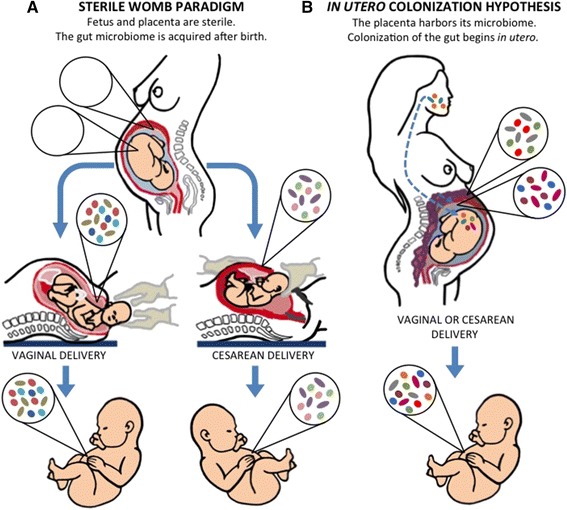
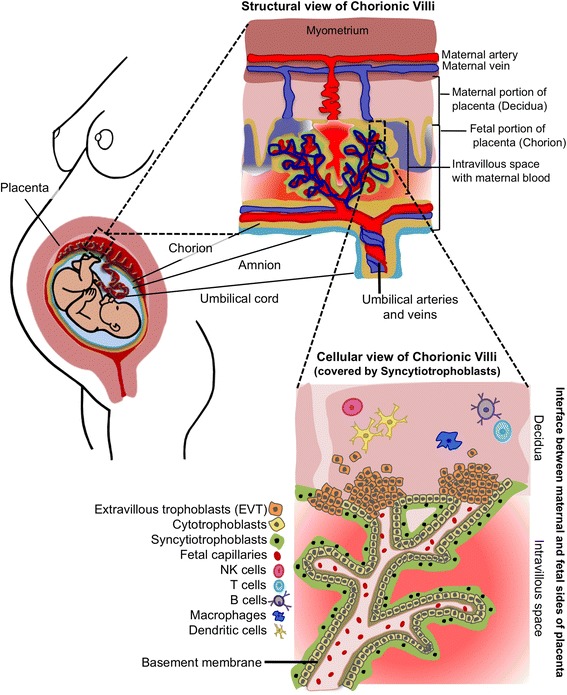
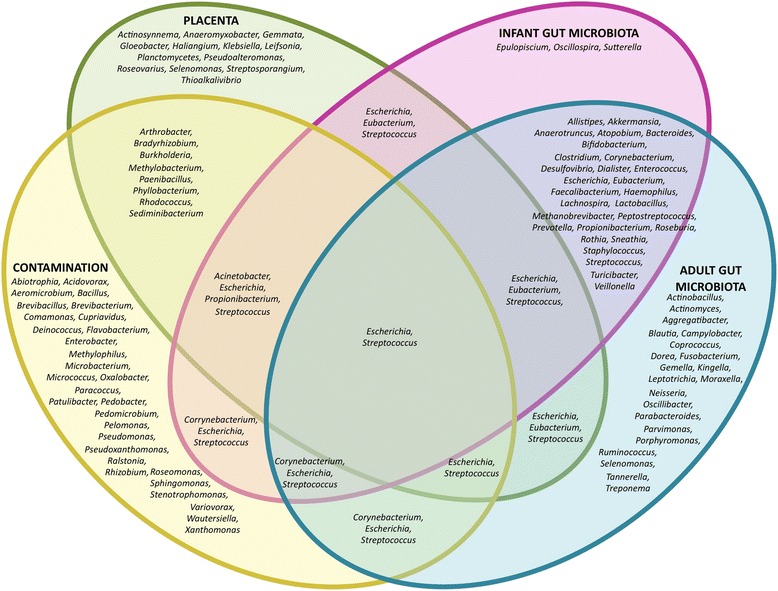
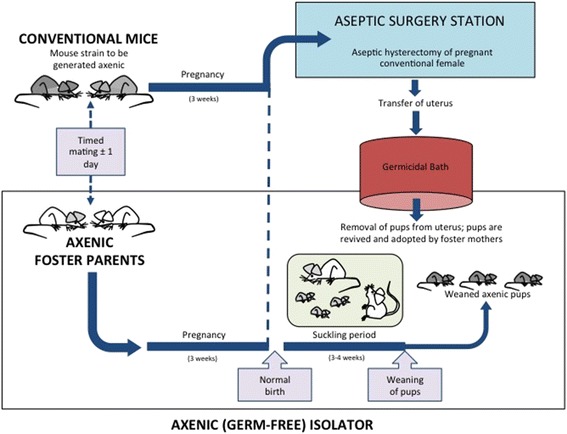
After more than a century of active research, the notion that the human fetal environment is sterile and that the neonate's microbiome is acquired during and after birth was an accepted dogma. However, recent studies using molecular techniques suggest bacterial communities in the placenta, amniotic fluid, and meconium from healthy pregnancies. These findings have led many scientists to challenge the "sterile womb paradigm" and propose that microbiome acquisition instead begins in utero, an idea that would fundamentally change our understanding of gut microbiota acquisition and its role in human development. In this review, we provide a critical assessment of the evidence supporting these two opposing hypotheses, specifically as it relates to (i) anatomical, immunological, and physiological characteristics of the placenta and fetus; (ii) the research methods currently used to study microbial populations in the intrauterine environment; (iii) the fecal microbiome during the first days of life; and (iv) the generation of axenic animals and humans. Based on this analysis, we argue that the evidence in support of the "in utero colonization hypothesis" is extremely weak as it is founded almost entirely on studies that (i) used molecular approaches with an insufficient detection limit to study "low-biomass" microbial populations, (ii) lacked appropriate controls for contamination, and (iii) failed to provide evidence of bacterial viability. Most importantly, the ability to reliably derive axenic animals via cesarean sections strongly supports sterility of the fetal environment in mammals. We conclude that current scientific evidence does not support the existence of microbiomes within the healthy fetal milieu, which has implications for the development of clinical practices that prevent microbiome perturbations after birth and the establishment of future research priorities.
Overview
The claims and statistics of this paper haven’t been checked yet.
Run the check — free, no account needed. It reads the open-access text and checks the sources it cites.
Integrity signals
Registry
Cites
Statistics
Figures
Verification
Claims the paper makes
The claims and statistics of this paper haven’t been checked yet.
Run the check — free, no account needed. It reads the open-access text and checks the sources it cites.
Claims other papers make about this one
Each is checked against this paper’s own text: does it say what the citing paper says it does?
The source backs part of the claim, not all of it — or backs it for a different population, condition or comparison.
In the citing paper
“However, oral bacteria have been detected at various sites within the uterus.110, 111”
From The oral microbiome: Role of key organisms and complex networks in oral health and disease (2021) · cites this paper as [110]
Experimental — accuracy not yet measuredIn the citing paper
“Conversely, but equally important, the infant gut is largely thought to be sterile in utero and colonized during birth and postnatally with a trajectory toward an adult-like complexity taking approximately 3 years (Clarke et al., 2014a;Perez-Munoz et al., 2017).”
From Gut reactions: Breaking down xenobiotic–microbiome interactions (2019) · cites this paper as Perez-Munoz et al., 2017
In the citing paper
“Current research findings suggest that the prenatal oral cavity is sterile until birth after which colonization with microorganisms occurs upon exposure to the external environment.110”
From The oral microbiome: Role of key organisms and complex networks in oral health and disease (2021) · cites this paper as [110]
Self-check
Percentages, sums and reported differences re-computed from the paper’s own numbers.
The self-check needs the paper’s full text.
Citations
Cites
Structure, function and diversity of the healthy human microbiome
The Human Microbiome Project Consortium (2012) · Nature · doi:10.1038/nature11234 · Cited by 11,726
Dominguez-Bello, M. G., Costello, E. K., Contreras, M., Magris, M., Hidalgo, G., Fierer, N., & Knight, R. (2010) · Proceedings of the National Academy of Sciences · doi:10.1073/pnas.1002601107 · Cited by 4,774
Conjectures and Refutations: The Growth of Scientific Knowledge.
HESSE, M. B., & Popper, K. R. (1965) · The Philosophical Quarterly · doi:10.2307/2218271 · Cited by 4,213
The Sociology of Science: Theoretical and Empirical Investigations
Kaplan, N. M., Merton, R. Κ., & Storer, N. W. (1974) · Technology and Culture · doi:10.2307/3102264 · Cited by 4,030
Reagent and laboratory contamination can critically impact sequence-based microbiome analyses
Salter, S. J., Cox, M. J., Turek, E. M., Calus, S. T., Cookson, W. O., Moffatt, M. F., Turner, P., Parkhill, J., Loman, N. J., & Walker, A. W. (2014) · BMC Biology · doi:10.1186/s12915-014-0087-z · Cited by 3,463
Dynamics and Stabilization of the Human Gut Microbiome during the First Year of Life
Bäckhed, F., Roswall, J., Peng, Y., Feng, Q., Jia, H., Kovatcheva-Datchary, P., Li, Y., Xia, Y., Xie, H., Zhong, H., et al. (2015) · Cell Host & Microbe · doi:10.1016/j.chom.2015.04.004 · Cited by 3,315
The Placenta Harbors a Unique Microbiome
Aagaard, K., Ma, J., Antony, K. M., Ganu, R., Petrosino, J., & Versalovic, J. (2014) · Science Translational Medicine · doi:10.1126/scitranslmed.3008599 · Cited by 2,494
Akkermansia muciniphila gen. nov., sp. nov., a human intestinal mucin-degrading bacterium
Derrien, M., Vaughan, E. E., Plugge, C. M., & de Vos, W. M. (2004) · International Journal of Systematic and Evolutionary Microbiology · doi:10.1099/ijs.0.02873-0 · Cited by 2,094
Early infancy microbial and metabolic alterations affect risk of childhood asthma
Arrieta, M., Stiemsma, L. T., Dimitriu, P. A., Thorson, L., Russell, S., Yurist‐Doutsch, S., Kuzeljevic, B., Gold, M. J., Britton, H. M., Lefebvre, D. L., et al. (2015) · Science Translational Medicine · doi:10.1126/scitranslmed.aab2271 · Cited by 1,832
Antibiotics, birth mode, and diet shape microbiome maturation during early life
Bokulich, N. A., Chung, J., Battaglia, T., Henderson, N., Jay, M., Li, H., D. Lieber, A., Wu, F., Perez-Perez, G. I., Chen, Y., et al. (2016) · Science Translational Medicine · doi:10.1126/scitranslmed.aad7121 · Cited by 1,469
Research works printed but not linked: 1
- Burrage S. Bacteria in the supposedly sterile meconium. J Bacteriol. 1927;13:47.
Cited by
Sorted by citations
Items 201–300 of 1,001
Nikouli, E., Meziti, A., Antonopoulou, E., Mente, E., & Kormas, K. A. (2019) · Genes · doi:10.3390/genes10070483 · Cited by 74
Alessandri, G., Argentini, C., Milani, C., Turroni, F., Ossiprandi, M. C., van Sinderen, D., & Ventura, M. (2020) · Microbial Biotechnology · doi:10.1111/1751-7915.13656 · Cited by 76
Mirpuri, J. (2020) · Pediatric Research · doi:10.1038/s41390-020-01121-x · Cited by 73
Gastro-Intestinal Microbiota in Equines and Its Role in Health and Disease: The Black Box Opens
Chaucheyras‐Durand, F., Sacy, A., Karges, K. K., & Apper, E. (2022) · Microorganisms · doi:10.3390/microorganisms10122517 · Cited by 76
The endometrial microbiota and early pregnancy loss
Odendaal, J., Black, N., Bennett, P. R., Brosens, J. J., Quenby, S. M., & MacIntyre, D. A. (2023) · Human Reproduction · doi:10.1093/humrep/dead274 · Cited by 76
Elten, M., Benchimol, E. I., Fell, D. B., Kuenzig, M. E., Smith, G. A., Chen, H., Kaplan, G. G., & Lavigne, É. (2020) · Environment International · doi:10.1016/j.envint.2020.105676 · Cited by 71
Phenolic Compounds Promote Diversity of Gut Microbiota and Maintain Colonic Health
Domínguez-Avila, J. A., Villa-Rodríguez, J. A., Montiel‐Herrera, M., Pacheco‐Ordaz, R., Roopchand, D. E., Venema, K., & González-Aguilar, G. A. (2020) · Digestive Diseases and Sciences · doi:10.1007/s10620-020-06676-7 · Cited by 72
Campisciano, G., Iebba, V., Zito, G., Luppi, S., Martinelli, M., Fischer, L., Seta, F. D., Basile, G., Ricci, G., & Comar, M. (2020) · Microorganisms · doi:10.3390/microorganisms9010039 · Cited by 71
Garrigues, Q., Apper, E., Chastant‐Maillard, S., & Mila, H. (2022) · Frontiers in Veterinary Science · doi:10.3389/fvets.2022.964649 · Cited by 82
Quantification of variation and the impact of biomass in targeted 16S rRNA gene sequencing studies
Bender, J. M., Li, F., Adisetiyo, H., Lee, D., Zabih, S., Hung, L. T., Wilkinson, T. A., Pannaraj, P. S., She, R. C., Bard, J. D., et al. (2018) · Microbiome · doi:10.1186/s40168-018-0543-z · Cited by 75
Immunity in the Cervix: Interphase between Immune and Cervical Epithelial Cells
de Tomasi, J. B., Opata, M. M., & Mowa, C. N. (2019) · Journal of Immunology Research · doi:10.1155/2019/7693183 · Cited by 71
Dynamics and stabilization of the rumen microbiome in yearling Tibetan sheep
Wang, L., Zhang, K., Zhang, C., Feng, Y., Zhang, X., Wang, X., & Wu, G. (2019) · Scientific Reports · doi:10.1038/s41598-019-56206-3 · Cited by 70
The development of the human uterus: morphogenesis to menarche
Habiba, M. A., Heyn, R., Bianchi, P., Brosens, I. A., & Benagiano, G. (2020) · Human Reproduction Update · doi:10.1093/humupd/dmaa036 · Cited by 70
Intrauterine Microbiota: Missing, or the Missing Link?
Chen, H. J., & Gur, T. (2019) · Trends in Neurosciences · doi:10.1016/j.tins.2019.03.008 · Cited by 73
The impact of Caesarean section on the infant gut microbiome
Hoang, D. M., Levy, E. I., & Vandenplas, Y. (2020) · Acta Paediatrica · doi:10.1111/apa.15501 · Cited by 70
Mueller, N. T., Shin, H., Pizoni, A., Werlang, I. C. R., Matte, Ú. D. S., Goldani, M. Z., Goldani, H. A. S., & Domínguez-Bello, M. G. (2017) · Genes · doi:10.3390/genes8120364 · Cited by 69
A philosophical perspective on the prenatal in utero microbiome debate
Walter, J., & Hornef, M. W. (2021) · Microbiome · doi:10.1186/s40168-020-00979-7 · Cited by 70
Self-citationPlacental colonization with periodontal pathogens: the potential missing link
Fischer, L. A., Demerath, E. W., Bittner‐Eddy, P. D., & Costalonga, M. (2019) · American Journal of Obstetrics and Gynecology · doi:10.1016/j.ajog.2019.04.029 · Cited by 73
Recent advances in modulating the microbiome
Quigley, E. M. M., & Gajula, P. (2020) · F1000Research · doi:10.12688/f1000research.20204.1 · Cited by 69
Development of Swine’s Digestive Tract Microbiota and Its Relation to Production Indices—A Review
Knecht, D., Cholewińska, P., Jankowska‐Mąkosa, A., & Czyż, K. (2020) · Animals · doi:10.3390/ani10030527 · Cited by 74
De-Discovery of the Placenta Microbiome
Bushman, F. D. (2019) · American Journal of Obstetrics and Gynecology · doi:10.1016/j.ajog.2018.11.1093 · Cited by 67
Kadogami, D., Nakaoka, Y., & Morimoto, Y. (2020) · Reproductive Biology · doi:10.1016/j.repbio.2020.07.001 · Cited by 68
Zou, A., Nadeau, K., Xiong, X., Wang, P. W., Copeland, J. K., Lee, J. Y., Pierre, J. S., Ty, M., Taj, B., Brumell, J. H., et al. (2022) · Microbiome · doi:10.1186/s40168-022-01319-7 · Cited by 66
Gut Microbiome Changes in Gestational Diabetes
Ionescu, R. F., Enache, R. M., Creţoiu, S. M., & Gașpar, B. S. (2022) · International Journal of Molecular Sciences · doi:10.3390/ijms232112839 · Cited by 69
Probiotics Dietary Supplementation for Modulating Endocrine and Fertility Microbiota Dysbiosis
López‐Moreno, A., & Aguilera, J. (2020) · Nutrients · doi:10.3390/nu12030757 · Cited by 71
Early-life programming of adipose tissue
Moreno‐Méndez, E., Quintero-Fabián, S., Fernández‐Mejía, C., & Lazo-de-la-Vega-Monroy, M.-L. (2020) · Nutrition Research Reviews · doi:10.1017/s0954422420000037 · Cited by 72
Air Pollution, Early Life Microbiome, and Development
Vallès, Y., & Francino, M. P. (2018) · Current Environmental Health Reports · doi:10.1007/s40572-018-0215-y · Cited by 65
The Prenatal Microbiome: A New Player for Human Health
D’Argenio, V. (2018) · Microarrays · doi:10.3390/ht7040038 · Cited by 69
The Microbiome in Primary Sclerosing Cholangitis: Current Evidence and Potential Concepts
Hov, J., & Karlsen, T. (2017) · Seminars in Liver Disease · doi:10.1055/s-0037-1608801 · Cited by 65
Nutrients and Microbiota in Lung Diseases of Prematurity: The Placenta-Gut-Lung Triangle
Piersigilli, F., Van Grambezen, B., Hocq, C., & Danhaive, O. (2020) · Nutrients · doi:10.3390/nu12020469 · Cited by 64
The High-Throughput Analyses Era: Are We Ready for the Data Struggle?
D’Argenio, V. (2018) · Microarrays · doi:10.3390/ht7010008 · Cited by 70
A pioneer calf foetus microbiome
Guzman, C. E., Wood, J. L., Egidi, E., Monsant, A. C., Semenec, L., Grommen, S. V. H., Hill‐Yardin, E. L., Groef, B. D., & Franks, A. E. (2020) · Scientific Reports · doi:10.1038/s41598-020-74677-7 · Cited by 67
Effects of infant formula composition on long-term metabolic health
Lemaire, M., Huërou‐Luron, I. L., & Blat, S. (2018) · Journal of Developmental Origins of Health and Disease · doi:10.1017/s2040174417000964 · Cited by 67
The composition of the perinatal intestinal microbiota in horse
Husso, A., Jalanka, J., Alipour, M. J., Huhti, P., Kareskoski, M., Pessa‐Morikawa, T., Iivanainen, A., & Niku, M. (2020) · Scientific Reports · doi:10.1038/s41598-019-57003-8 · Cited by 66
Outgrowing the Immaturity Myth: The Cost of Defending From Neonatal Infectious Disease
Harbeson, D. J., Ben-Othman, R., Amenyogbe, N., & Kollmann, T. R. (2018) · Frontiers in Immunology · doi:10.3389/fimmu.2018.01077 · Cited by 66
Understanding the Chemical Exposome During Fetal Development and Early Childhood: A Review
Krausová, M., Braun, D., Buerki-Thurnherr, T., Gundacker, C., Schernhammer, E., Wisgrill, L., & Warth, B. (2023) · Annual Review of Pharmacology and Toxicology · doi:10.1146/annurev-pharmtox-051922-113350 · Cited by 61
The importance of the microbiome in pediatrics and pediatric infectious diseases
Gaufin, T., Tobin, N. H., & Aldrovandi, G. M. (2017) · Current Opinion in Pediatrics · doi:10.1097/mop.0000000000000576 · Cited by 63
The Association Between Intestinal Bacteria and Allergic Diseases—Cause or Consequence?
Han, P., Gu, J., Li, L., Wang, X., Wang, H., Wang, Y., Chang, C. C.-C., & Sun, J. (2021) · Frontiers in Cellular and Infection Microbiology · doi:10.3389/fcimb.2021.650893 · Cited by 65
Wang, G., Wang, X., Ma, Y., Cai, S., Yang, L., Fan, Y., Zeng, X., & Qiao, S. (2022) · Microbiome · doi:10.1186/s40168-022-01336-6 · Cited by 62
Microbiota-immune interactions: from gut to brain
Salvo‐Romero, E., Stokes, P., & Gareau, M. G. (2020) · LymphoSign Journal · doi:10.14785/lymphosign-2019-0018 · Cited by 63
Microbial Regulation of Enteric Eosinophils and Its Impact on Tissue Remodeling and Th2 Immunity
Jiménez‐Saiz, R., Anipindi, V. C., Galipeau, H. J., Ellenbogen, Y., Chaudhary, R., Koenig, J. F. E., Gordon, M. E., Walker, T. D., Mandur, T. S., Abed, S., et al. (2020) · Frontiers in Immunology · doi:10.3389/fimmu.2020.00155 · Cited by 61
Our Evolving Understanding of Kawasaki Disease Pathogenesis: Role of the Gut Microbiota
Kaneko, K., Akagawa, S., Akagawa, Y., Kimata, T., & Tsuji, S. (2020) · Frontiers in Immunology · doi:10.3389/fimmu.2020.01616 · Cited by 62
Understanding respiratory microbiome–immune system interactions in health and disease
Simone, S. K. D., Rudloff, I., Nold‐Petry, C. A., Forster, S. C., & Nold, M. F. (2023) · Science Translational Medicine · doi:10.1126/scitranslmed.abq5126 · Cited by 62
Human Gut Microbiota Plasticity throughout the Life Course
Thriene, K., & Michels, K. B. (2023) · International Journal of Environmental Research and Public Health · doi:10.3390/ijerph20021463 · Cited by 65
Willis, K. A., Purvis, J. H., Myers, E. D., Aziz, M. M., Karabayir, İ., Gomes, C., Peters, B. M., Akbilgiç, O., Talati, A. J., & Pierre, J. F. (2019) · The FASEB Journal · doi:10.1096/fj.201901436rr · Cited by 61
Applications for Bacteriophage Therapy during Pregnancy and the Perinatal Period
Furfaro, L. L., Chang, B. J., & Payne, M. S. (2018) · Frontiers in Microbiology · doi:10.3389/fmicb.2017.02660 · Cited by 59
Human Endometrial Microbiota at Term of Normal Pregnancies
Leoni, C., Ceci, O. R., Manzari, C., Fosso, B., Volpicella, M., Ferrari, A., Paola, F., Pesole, G., Cicinelli, E., & Ceci, L. R. (2019) · Genes · doi:10.3390/genes10120971 · Cited by 59
Obesity, Early Life Gut Microbiota, and Antibiotics
Wilkins, A. T., & Reimer, R. A. (2021) · Microorganisms · doi:10.3390/microorganisms9020413 · Cited by 63
Risk Factors for Gut Dysbiosis in Early Life
Parkin, K., Christophersen, C. T., Verhasselt, V., Cooper, M. N., & Martino, D. (2021) · Microorganisms · doi:10.3390/microorganisms9102066 · Cited by 64
The Gut-Brain-Immune Axis in Autism Spectrum Disorders: A State-of-Art Report
Puricelli, C., Rolla, R., Gigliotti, C. L., Boggio, E. M., Beltrami, E., Dianzani, U., & Keller, R. (2022) · Frontiers in Psychiatry · doi:10.3389/fpsyt.2021.755171 · Cited by 64
The virota and its transkingdom interactions in the healthy infant gut
Beller, L., Deboutte, W., Vieira‐Silva, S., Falony, G., Tito, R. Y., Rymenans, L., Yinda, C. K., Vanmechelen, B., Espen, L. V., Jansen, D., et al. (2022) · Proceedings of the National Academy of Sciences · doi:10.1073/pnas.2114619119 · Cited by 58
Balla, B., Illés, A., Tóbiás, B., Pikó, H., Beke, A., Sipos, M., Lakatos, P. L., & Kosa, J. P. (2024) · International Journal of Molecular Sciences · doi:10.3390/ijms252313227 · Cited by 62
Forty-five-year evolution of probiotic therapy
Puebla-Barragan, S., & Reid, G. (2019) · Microbial Cell · doi:10.15698/mic2019.04.673 · Cited by 63
Microbiota of newborn meconium is associated with maternal anxiety experienced during pregnancy
Hu, J., Ly, J. J., Zhang, W., Huang, Y., Glover, V. A. S., Peter, I., Hurd, Y. L., & Nomura, Y. (2019) · Developmental Psychobiology · doi:10.1002/dev.21837 · Cited by 59
The infantile cutaneous microbiome: A review
Schoch, J. J., Monir, R. L., Satcher, K. G., Harris, J., Triplett, E. W., & Neu, J. (2019) · Pediatric Dermatology · doi:10.1111/pde.13870 · Cited by 60
Preterm neonatal immunology at the intestinal interface
Belkum, M. V., Alvarez, L. M., & Neu, J. (2019) · Cellular and Molecular Life Sciences · doi:10.1007/s00018-019-03316-w · Cited by 59
No Consistent Evidence for Microbiota in Murine Placental and Fetal Tissues
Theis, K. R., Romero, R. J., Greenberg, J. M., Winters, A. D., Garcia‐Flores, V., Motomura, K., Ahmad, M. M., Galaz, J., Arenas‐Hernandez, M., & Gomez‐Lopez, N. (2020) · mSphere · doi:10.1128/msphere.00933-19 · Cited by 59
A Journey on the Skin Microbiome: Pitfalls and Opportunities
Pistone, D., Meroni, G., Panelli, S., D’Auria, E., Acunzo, M., Pasala, A. R., Zuccotti, G., Bandi, C., & Drago, L. (2021) · International Journal of Molecular Sciences · doi:10.3390/ijms22189846 · Cited by 61
From Short- to Long-Term Effects of C-Section Delivery on Microbiome Establishment and Host Health
Ríos-Covián, D., Langella, P., & Martín, R. (2021) · Microorganisms · doi:10.3390/microorganisms9102122 · Cited by 63
Zakis, D. R., Paulissen, E., Kornete, L., Kaan, A. M., Nicu, E. A., & Zaura, E. (2021) · Journal of Reproductive Immunology · doi:10.1016/j.jri.2021.103455 · Cited by 58
Human Microbiome Acquisition and Bioinformatic Challenges in Metagenomic Studies
D’Argenio, V. (2018) · International Journal of Molecular Sciences · doi:10.3390/ijms19020383 · Cited by 56
Jiang, L., Feng, C., Tao, S., Li, N., Zuo, B., Han, D., & Wang, J. (2019) · Journal of Animal Science and Biotechnology/Journal of animal science and biotechnology · doi:10.1186/s40104-019-0397-7 · Cited by 59
Siena, M. D., Laterza, L., Matteo, M. V., Mignini, I., Schepis, T., Rizzatti, G., Ianiro, G., Rinninella, E., Cintoni, M., & Gasbarrini, A. (2021) · Microorganisms · doi:10.3390/microorganisms9030473 · Cited by 56
Borges, L. G. D. A., Pastuschek, J., Heimann, Y., Dawczynski, K., PEONS study group, Bergner, M., Haase, R., Stubert, J., Olbertz, D. M., Plumeier, I., et al. (2023) · BMC Medicine · doi:10.1186/s12916-023-02805-x · Cited by 59
Los primeros 1000 días: una oportunidad para reducir la carga de las enfermedades no transmisibles
Villares, J. M. M. (2018) · Nutrición Hospitalaria · doi:10.20960/nh.02453 · Cited by 63
Slowing Down Ageing: The Role of Nutrients and Microbiota in Modulation of the Epigenome
Gadecka, A., & Bielak-Żmijewska, A. (2019) · Nutrients · doi:10.3390/nu11061251 · Cited by 56
Microbial evolution and ecological opportunity in the gut environment
Scanlan, P. D. (2019) · Proceedings of the Royal Society B Biological Sciences · doi:10.1098/rspb.2019.1964 · Cited by 57
Pre-Eclampsia: Microbiota possibly playing a role
Ahmadian, E., Saadat, Y. R., Khatibi, S. M. H., Nariman‐Saleh‐Fam, Z., Bastami, M., Vahed, F. Z., Ardalan, M., & Vahed, S. Z. (2020) · Pharmacological Research · doi:10.1016/j.phrs.2020.104692 · Cited by 54
Early life microbiome influences on development of the mucosal innate immune system
Ignácio, A., Czyz, S., & McCoy, K. D. (2024) · Seminars in Immunology · doi:10.1016/j.smim.2024.101885 · Cited by 55
Prenatal Maternal Stress and the Risk of Asthma in Children
Douros, K., Moustaki, M., Tsabouri, S., Papadopoulou, A., Papadopoulos, M., & Priftis, K. Ν. (2017) · Frontiers in Pediatrics · doi:10.3389/fped.2017.00202 · Cited by 55
Busi, S. B., de Nies, L., Habier, J., Wampach, L., Fritz, J. V., Heintz‐Buschart, A., May, P., Halder, R., de Beaufort, C. E., & Wilmes, P. (2021) · ISME Communications · doi:10.1038/s43705-021-00003-5 · Cited by 52
Microbiome of the first stool and overweight at age 3 years: A prospective cohort study
Korpela, K., Renko, M., Vänni, P., Paalanne, N., Salo, J., Tejesvi, M. V., Koivusaari, P., Ojaniemi, M., Pokka, T. M.-L., Kaukola, T., et al. (2020) · Pediatric Obesity · doi:10.1111/ijpo.12680 · Cited by 53
Impact of dietary fibers in infant formulas on gut microbiota and the intestinal immune barrier
Kong, C., Faas, M. M., de Vos, P., & Akkerman, R. (2020) · Food & Function · doi:10.1039/d0fo01700k · Cited by 51
Drivers of gut microbiome variation within and between groups of a wild Malagasy primate
Rudolph, K., Schneider, D., Fichtel, C., Daniel, R., Heistermann, M., & Kappeler, P. M. (2022) · Microbiome · doi:10.1186/s40168-021-01223-6 · Cited by 51
Human Milk Oligosaccharides (HMOs) and Infant Microbiota: A Scoping Review
Sánchez, C., Fente, C. A., Regal, P., Lamas, A., & Lorenzo, M. P. (2021) · Foods · doi:10.3390/foods10061429 · Cited by 50
How low can we go? The implications of low bacterial load in respiratory microbiota studies
Marsh, R. L., Nelson, M. T., Pope, C. E., Leach, A. J., Hoffman, L. R., Chang, A. B., & Smith‐Vaughan, H. (2018) · Pneumonia · doi:10.1186/s41479-018-0051-8 · Cited by 52
Neonatal microbiome – a brief review
Singh, A., & Mittal, M. (2019) · The Journal of Maternal-Fetal & Neonatal Medicine · doi:10.1080/14767058.2019.1583738 · Cited by 50
Dysbiosis and Prematurity: Is There a Role for Probiotics?
Baldassarre, M. E., Mauro, A. D., Capozza, M., Rizzo, V., SCHETTINI, F., Panza, R., & Laforgia, N. (2019) · Nutrients · doi:10.3390/nu11061273 · Cited by 50
Pipan, M. Z., Kajdič, L., Kalin, A., Plavec, T., & Zdovc, I. (2020) · Theriogenology · doi:10.1016/j.theriogenology.2020.04.014 · Cited by 50
He, J., Zheng, W., Tao, C., Guo, H., Xue, Y., Zhao, R., & Yao, W. (2020) · Environmental Pollution · doi:10.1016/j.envpol.2020.115111 · Cited by 50
Early life interaction between the microbiota and the enteric nervous system
Foong, J. P. P., Hung, L. Y., Poon, S., Savidge, T., & Bornstein, J. C. (2020) · American Journal of Physiology-Gastrointestinal and Liver Physiology · doi:10.1152/ajpgi.00288.2020 · Cited by 50
Prenatal stress impacts foetal neurodevelopment: Temporal windows of gestational vulnerability
Collins, J. M., Keane, J. M., Deady, C., Khashan, A. S., McCarthy, F. P., O’Keeffe, G. W., Clarke, G. A., Cryan, J. F., Caputi, V., & O’Mahony, S. M. (2024) · Neuroscience & Biobehavioral Reviews · doi:10.1016/j.neubiorev.2024.105793 · Cited by 52
Gan, M., Wu, B., Yan, G., Li, G., Sun, L., Lü, G., & Zhou, W. (2021) · BMC Genomics · doi:10.1186/s12864-021-08023-0 · Cited by 52
Fetal and maternal NLRP3 signaling is required for preterm labor and birth
Motomura, K., Romero, R. J., Galaz, J., Li, T., Garcia‐Flores, V., Xu, Y., Done, B., Arenas‐Hernandez, M., Miller, D., Gutierrez-Contreras, P., et al. (2022) · JCI Insight · doi:10.1172/jci.insight.158238 · Cited by 50
Gut Microbiota: An Important Participant in Childhood Obesity
Luo, Y., Li, M., Luo, D., & Tang, B. (2024) · Advances in Nutrition · doi:10.1016/j.advnut.2024.100362 · Cited by 50
The microbiome and cognitive aging: a review of mechanisms
Komanduri, M., Gondalia, S. V., Scholey, A. B., & Stough, C. K. K. (2019) · Psychopharmacology · doi:10.1007/s00213-019-05231-1 · Cited by 49
Fetal cytokine response to porcine reproductive and respiratory syndrome virus-2 infection
Pasternak, J. A., MacPhee, D. J., & Harding, J. C. S. (2019) · Cytokine · doi:10.1016/j.cyto.2019.154883 · Cited by 48
Daele, E. V., Knol, J., & Belzer, C. (2019) · Critical Reviews in Microbiology · doi:10.1080/1040841x.2019.1680601 · Cited by 49
Microbiome of the first stool after birth and infantile colic
Korpela, K., Renko, M., Paalanne, N., Vänni, P., Salo, J., Tejesvi, M. V., Koivusaari, P., Pokka, T. M.-L., Kaukola, T., Pirttilä, A. M., et al. (2020) · Pediatric Research · doi:10.1038/s41390-020-0804-y · Cited by 47
Bangma, J., Hartwell, H. J., Junior, H. P. D. O. S., O’Shea, T. M., & Fry, R. C. (2020) · Pediatric Research · doi:10.1038/s41390-020-01236-1 · Cited by 47
Maternal effects in mammals: Broadening our understanding of offspring programming
Edwards, P. D., Lavergne, S. G., McCaw, L. K., Wijenayake, S., Boonstra, R., McGowan, P. O., & Holmes, M. M. (2021) · Frontiers in Neuroendocrinology · doi:10.1016/j.yfrne.2021.100924 · Cited by 49
Yousuf, E. I., Carvalho, M. S., Dizzell, S. E., Kim, S. H., Gunn, E., Twiss, J., Giglia, L., Stuart, C., & Hutton, E. K. (2020) · Frontiers in Microbiology · doi:10.3389/fmicb.2020.574137 · Cited by 46
A high‐dimensional cytometry atlas of peripheral blood over the human life span
Jalali, S., Harpur, C. M., Piers, A. T., Auladell, M. A., Perriman, L., Li, S., An, K., Anderson, J., Berzins, S. P., Licciardi, P. V., et al. (2022) · Immunology and Cell Biology · doi:10.1111/imcb.12594 · Cited by 47
Gut Microbiota and Microbial Metabolism in Early Risk of Cardiometabolic Disease
Gabriel, C. L., & Ferguson, J. F. (2023) · Circulation Research · doi:10.1161/circresaha.123.322055 · Cited by 51
Querdasi, F. R., Enders, C. K., Karnani, N., Broekman, B. F. P., Seng, C. Y., Gluckman, P. D., Daniel, L. M., Yap, F. K. P., Eriksson, J. G., Cai, S., et al. (2023) · Proceedings of the National Academy of Sciences · doi:10.1073/pnas.2213768120 · Cited by 47
Proteomics and the microbiome: pitfalls and potential
Lin, H., He, Q., Shi, L., Sleeman, M. W., Baker, M. S., & Nice, E. C. (2018) · Expert Review of Proteomics · doi:10.1080/14789450.2018.1523724 · Cited by 45
Genetic Variants in Preeclampsia: Lessons From Studies in Latin-American Populations
Michita, R. T., Kaminski, V. D. L., & Chies, J. A. B. (2018) · Frontiers in Physiology · doi:10.3389/fphys.2018.01771 · Cited by 51
Birth signalling hormones and the developmental consequences of caesarean delivery
Kenkel, W. M. (2020) · Journal of Neuroendocrinology · doi:10.1111/jne.12912 · Cited by 47
Investigation of infertility using endometrial organoids
Νικολακοπούλου, Κ., & Turco, M. Y. (2021) · Reproduction · doi:10.1530/rep-20-0428 · Cited by 47
The Role of Fatty Acid Metabolites in Vaginal Health and Disease: Application to Candidiasis
Baldewijns, S., Sillen, M., Palmans, I., Vandecruys, P., Van Dijck, P., & Demuyser, L. (2021) · Frontiers in Microbiology · doi:10.3389/fmicb.2021.705779 · Cited by 44
Metadata
- Authors
- Perez-Muñoz, M. E., Arrieta, M.-C., Ramer-Tait, A. E., & Walter, J.
- Affiliations
- University of Calgary (CA)
- University of Alberta (CA)
- Corresponding author
- Walter, Jens
- Venue
- Microbiome
- Published
- 2017-04-28
- Volume
- 5
- Issue
- 1
- Pages
- 48-48
- ISSN
- 2049-2618 (ISSN-L)
- PMC
- PMC5410102
- OpenAlex
- W2609646274
- Cited by
- 1,096
- References
- 154
- Citations by year
- 2026: 56 · 2025: 81 · 2024: 108 · 2023: 116 · 2022: 140 · 2021: 154 · 2020: 167 · 2019: 117 · 2018: 104 · 2017: 52
- FWCI
- 11.25
- Type
- journal article
- Language
- en
- Open access
- gold
- doi.org
- Licence
- cc-by
- Locations
- Microbiome (publishedVersion, cc-by)
- Europe PMC (PubMed Central) (publishedVersion, cc-by)
- PubMed Central (publishedVersion, cc-by)
- PubMed (publishedVersion)
- Lincoln (University of Nebraska) (submittedVersion, cc-by)
- DOAJ (DOAJ: Directory of Open Access Journals) (submittedVersion, cc-by-sa)
- Libraries and Cultural Resources (University of Calgary) (submittedVersion)
- Funders
- Crohn's and Colitis Foundation of America
- University of Nebraska-Lincoln
- University of Calgary
- Crohn's and Colitis Foundation
- Nebraska Corn Board
- University of Alberta
- Alberta Innovates
- National Institutes of Health
- Directorate for Biological Sciences
- National Institute of General Medical Sciences (P20GM104320, R01GM099525)
- Topics
- Life Sciences › Biochemistry, Genetics and Molecular Biology › Molecular Biology › Gut microbiota and health
- Health Sciences › Nursing › Nutrition and Dietetics › Infant Nutrition and Health
- Physical Sciences › Environmental Science › Ecology › Microbial Community Ecology and Physiology
- Keywords
- neonatal gut microbiota, placenta, amniotic fluid, meconium, cesarean section, contamination control, bacterial viability
- MeSH terms
- Gastrointestinal Microbiome, Animals, Female, Fetus, Humans, Infant, Infant, Newborn, Pregnancy, Uterus, Microbiota
About these checks
Registry, retraction, Cites and statistics results are computed, not judged, with one exception: a printed reference that no index lists is read once by a model before it counts as a citation error. Claims are extracted by a model and kept only when their quote appears verbatim in the text; each cited source is then checked, with a model’s help, for whether it says what the claim relies on. Those verdicts can be wrong — read the claim’s quote and the cited source before relying on one.
Statistics and arithmetic are recomputed, not judged.
Confidence bands are shown only for fields calibrated on our annotated test set. None is calibrated yet, so no band is shown.
What counts as a claim ›How we measure confidence ›How we check this ›
Are you an author, or do you see a problem with this page? Request a review
