

The DOI matches its Crossref record; 154 of the 154 references it cites were found in a registry or an index.
A critical assessment of the “sterile womb” and “in utero colonization” hypotheses: implications for research on the pioneer infant microbiome
Open accessAbstract
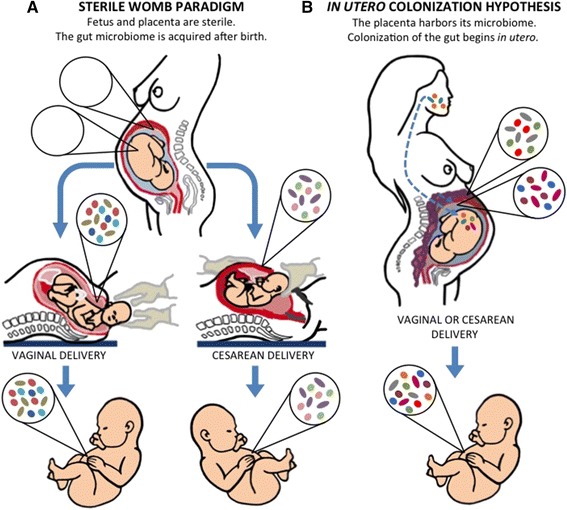
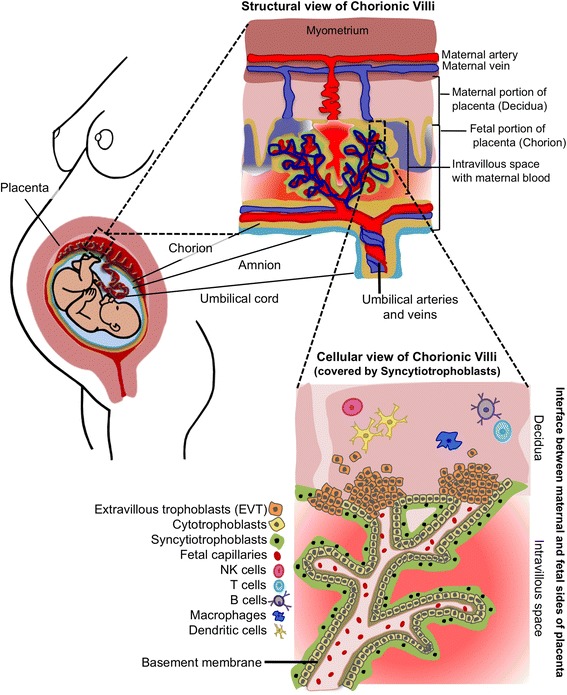
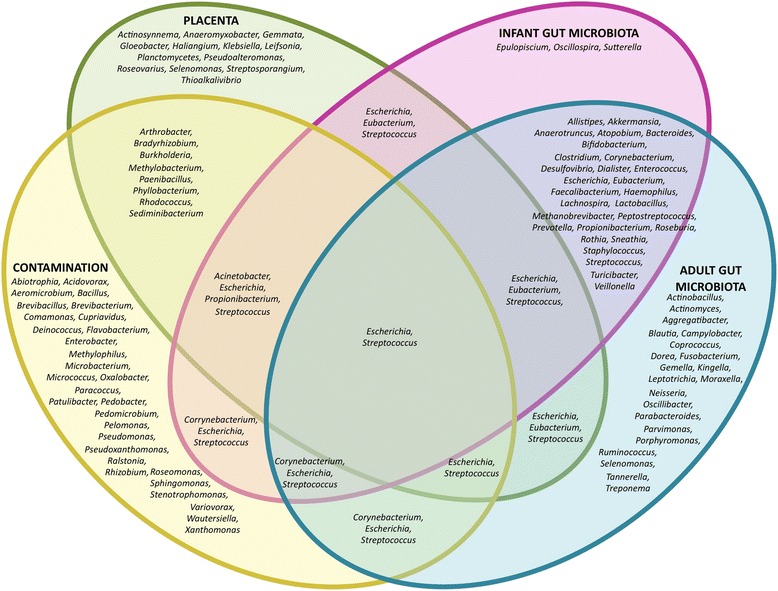
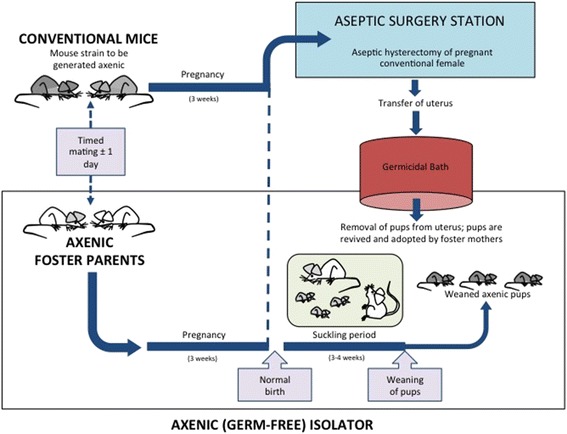
After more than a century of active research, the notion that the human fetal environment is sterile and that the neonate's microbiome is acquired during and after birth was an accepted dogma. However, recent studies using molecular techniques suggest bacterial communities in the placenta, amniotic fluid, and meconium from healthy pregnancies. These findings have led many scientists to challenge the "sterile womb paradigm" and propose that microbiome acquisition instead begins in utero, an idea that would fundamentally change our understanding of gut microbiota acquisition and its role in human development. In this review, we provide a critical assessment of the evidence supporting these two opposing hypotheses, specifically as it relates to (i) anatomical, immunological, and physiological characteristics of the placenta and fetus; (ii) the research methods currently used to study microbial populations in the intrauterine environment; (iii) the fecal microbiome during the first days of life; and (iv) the generation of axenic animals and humans. Based on this analysis, we argue that the evidence in support of the "in utero colonization hypothesis" is extremely weak as it is founded almost entirely on studies that (i) used molecular approaches with an insufficient detection limit to study "low-biomass" microbial populations, (ii) lacked appropriate controls for contamination, and (iii) failed to provide evidence of bacterial viability. Most importantly, the ability to reliably derive axenic animals via cesarean sections strongly supports sterility of the fetal environment in mammals. We conclude that current scientific evidence does not support the existence of microbiomes within the healthy fetal milieu, which has implications for the development of clinical practices that prevent microbiome perturbations after birth and the establishment of future research priorities.
Overview
The claims and statistics of this paper haven’t been checked yet.
Run the check — free, no account needed. It reads the open-access text and checks the sources it cites.
Integrity signals
Registry
Cites
Statistics
Figures
Verification
Claims the paper makes
The claims and statistics of this paper haven’t been checked yet.
Run the check — free, no account needed. It reads the open-access text and checks the sources it cites.
Claims other papers make about this one
Each is checked against this paper’s own text: does it say what the citing paper says it does?
The source backs part of the claim, not all of it — or backs it for a different population, condition or comparison.
In the citing paper
“However, oral bacteria have been detected at various sites within the uterus.110, 111”
From The oral microbiome: Role of key organisms and complex networks in oral health and disease (2021) · cites this paper as [110]
Experimental — accuracy not yet measuredIn the citing paper
“Conversely, but equally important, the infant gut is largely thought to be sterile in utero and colonized during birth and postnatally with a trajectory toward an adult-like complexity taking approximately 3 years (Clarke et al., 2014a;Perez-Munoz et al., 2017).”
From Gut reactions: Breaking down xenobiotic–microbiome interactions (2019) · cites this paper as Perez-Munoz et al., 2017
In the citing paper
“Current research findings suggest that the prenatal oral cavity is sterile until birth after which colonization with microorganisms occurs upon exposure to the external environment.110”
From The oral microbiome: Role of key organisms and complex networks in oral health and disease (2021) · cites this paper as [110]
Self-check
Percentages, sums and reported differences re-computed from the paper’s own numbers.
The self-check needs the paper’s full text.
Citations
Cites
Structure, function and diversity of the healthy human microbiome
The Human Microbiome Project Consortium (2012) · Nature · doi:10.1038/nature11234 · Cited by 11,726
Dominguez-Bello, M. G., Costello, E. K., Contreras, M., Magris, M., Hidalgo, G., Fierer, N., & Knight, R. (2010) · Proceedings of the National Academy of Sciences · doi:10.1073/pnas.1002601107 · Cited by 4,774
Conjectures and Refutations: The Growth of Scientific Knowledge.
HESSE, M. B., & Popper, K. R. (1965) · The Philosophical Quarterly · doi:10.2307/2218271 · Cited by 4,213
The Sociology of Science: Theoretical and Empirical Investigations
Kaplan, N. M., Merton, R. Κ., & Storer, N. W. (1974) · Technology and Culture · doi:10.2307/3102264 · Cited by 4,030
Reagent and laboratory contamination can critically impact sequence-based microbiome analyses
Salter, S. J., Cox, M. J., Turek, E. M., Calus, S. T., Cookson, W. O., Moffatt, M. F., Turner, P., Parkhill, J., Loman, N. J., & Walker, A. W. (2014) · BMC Biology · doi:10.1186/s12915-014-0087-z · Cited by 3,463
Dynamics and Stabilization of the Human Gut Microbiome during the First Year of Life
Bäckhed, F., Roswall, J., Peng, Y., Feng, Q., Jia, H., Kovatcheva-Datchary, P., Li, Y., Xia, Y., Xie, H., Zhong, H., et al. (2015) · Cell Host & Microbe · doi:10.1016/j.chom.2015.04.004 · Cited by 3,315
The Placenta Harbors a Unique Microbiome
Aagaard, K., Ma, J., Antony, K. M., Ganu, R., Petrosino, J., & Versalovic, J. (2014) · Science Translational Medicine · doi:10.1126/scitranslmed.3008599 · Cited by 2,494
Akkermansia muciniphila gen. nov., sp. nov., a human intestinal mucin-degrading bacterium
Derrien, M., Vaughan, E. E., Plugge, C. M., & de Vos, W. M. (2004) · International Journal of Systematic and Evolutionary Microbiology · doi:10.1099/ijs.0.02873-0 · Cited by 2,094
Early infancy microbial and metabolic alterations affect risk of childhood asthma
Arrieta, M., Stiemsma, L. T., Dimitriu, P. A., Thorson, L., Russell, S., Yurist‐Doutsch, S., Kuzeljevic, B., Gold, M. J., Britton, H. M., Lefebvre, D. L., et al. (2015) · Science Translational Medicine · doi:10.1126/scitranslmed.aab2271 · Cited by 1,832
Antibiotics, birth mode, and diet shape microbiome maturation during early life
Bokulich, N. A., Chung, J., Battaglia, T., Henderson, N., Jay, M., Li, H., D. Lieber, A., Wu, F., Perez-Perez, G. I., Chen, Y., et al. (2016) · Science Translational Medicine · doi:10.1126/scitranslmed.aad7121 · Cited by 1,469
Research works printed but not linked: 1
- Burrage S. Bacteria in the supposedly sterile meconium. J Bacteriol. 1927;13:47.
Cited by
Sorted by citations
Items 601–700 of 1,001
Meconium-stained amniotic fluid and the risk of postcesarean surgical site infection
Ma’ayeh, M., Snyder, A., Oliver, E. A., Gee, S. E., & Rood, K. M. (2019) · The Journal of Maternal-Fetal & Neonatal Medicine · doi:10.1080/14767058.2019.1637408 · Cited by 9
Mols, K. L., Boe-Hansen, G. B., Mikkelsen, D., Bryden, W. L., & Cawdell-Smith, A. J. (2020) · Animal Production Science · doi:10.1071/an20010 · Cited by 9
Rotem‐Kohavi, N., Keane, J., Clarke, G. A., Dinan, T. G., Cryan, J. F., McCarthy, F. P., Oberlander, T. F., & O’Mahony, S. M. (2021) · Springer eBooks · doi:10.1007/978-3-030-60159-1_8 · Cited by 9
Diet, Microbiota and the Gut-Brain Axis
García-Gutiérrez, E., & Sayavedra, L. (2021) · Elsevier eBooks · doi:10.1016/b978-0-12-819265-8.00089-9 · Cited by 10
Hockney, R., Orr, C. H., Waring, G., Christiaens, I., Taylor, G., Cummings, S. P., Robson, S. C., & Nelson, A. (2022) · PLoS ONE · doi:10.1371/journal.pone.0265441 · Cited by 9
The development of gut microbiota in ostriches and its association with juvenile growthPreprint
Videvall, E., Song, S. J., Bensch, H. M., Strandh, M., Engelbrecht, A., Serfontein, N., Hellgren, O., Olivier, A., Cloete, S. W. P., Knight, R. D., et al. (2018) · bioRxiv (Cold Spring Harbor Laboratory) · doi:10.1101/270017 · Cited by 9
Kandalgaonkar, M. R., Kumar, V., & Vijay–Kumar, M. (2024) · Physiological Reports · doi:10.14814/phy2.16114 · Cited by 8
Wei, X., Yu, L., Zhao, J., Zhai, Q., Chen, W., & Tian, F. (2024) · Food Reviews International · doi:10.1080/87559129.2024.2383854 · Cited by 8
Alhamlan, F. S., Al-Badawi, I. A., Al-Qahtani, A. A., Awartani, K. A., Obeid, D. A., & Tulbah, A. M. (2024) · Frontiers in Microbiology · doi:10.3389/fmicb.2024.1489942 · Cited by 8
Xiao, Y., Shi, Y., Ni, Y., Ni, M., Yang, Y., & Zhang, X. (2024) · Frontiers in Cellular and Infection Microbiology · doi:10.3389/fcimb.2024.1496447 · Cited by 9
Skoufos, S., Stavropoulou, E., Tsigalou, C., & Voidarou, C. C. (2025) · Microorganisms · doi:10.3390/microorganisms13071564 · Cited by 10
Aznou, A., Drenth, J. P. H., Nieuwdorp, M., & Meijnikman, A. S. (2025) · Yearbook of pediatric endocrinology · doi:10.1210/jendso/bvaf130 · Cited by 8
Michita, R. T., Jimenez, N. R., Herbst‐Kralovetz, M. M., & Mysorekar, I. U. (2026) · Infection and Immunity · doi:10.1128/iai.00608-25 · Cited by 9
Microbial transformation of secondary bile acids: roles in gut ecology and autoimmune diseases
Ren, L., Li, M., Wu, L., Lin, Z. M., & Chen, A. (2026) · Frontiers in Immunology · doi:10.3389/fimmu.2026.1769792 · Cited by 7
Preterm Infants’ Airway Microbiome: A Scoping Review of the Current Evidence
Colombo, S. F. G., Nava, C., Castoldi, F. M., Fabiano, V., Meneghin, F., Lista, G., & Cavigioli, F. (2024) · Nutrients · doi:10.3390/nu16040465 · Cited by 8
The hidden link: How oral and respiratory microbiomes affect multiple sclerosis
Jameie, M., Ahli, B., Ghadir, S., Azami, M., Amanollahi, M., Ebadi, R., Rafati, A., & Moghadasi, A. N. (2024) · Multiple Sclerosis and Related Disorders · doi:10.1016/j.msard.2024.105742 · Cited by 8
Pasternak, J. A., Hamonic, G., van Kessel, J., Wheler, C. L., Dyck, M. K., & Wilson, H. L. (2018) · American Journal of Reproductive Immunology · doi:10.1111/aji.12855 · Cited by 8
Sánchez-Salguero, E. S., & Santos‐Argumedo, L. (2018) · Revista Alergia México · doi:10.29262/ram.v65i3.519 · Cited by 9
Gut ecosystem during infancy: The role of “biotics”
Toca, M. D. C., Burgos, F., Fernández, A., Giglio, N., Orsi, M., Sosa, P., Tabacco, O., Ursino, F., Ussher, F., & Vinderola, G. (2020) · Archivos Argentinos de Pediatria · doi:10.5546/aap.2020.eng.278 · Cited by 8
Insights into host-microbe interaction: What can we do for the swine industry?
Fan, L., Liu, B., Han, Z., & Ren, W. (2020) · Animal nutrition · doi:10.1016/j.aninu.2020.10.003 · Cited by 9
Gut Microbiota in Health and Diseases
Krga, I., & Glibetić, M. (2021) · Elsevier eBooks · doi:10.1016/b978-0-12-819265-8.00045-0 · Cited by 8
Eitan, S., Madison, C. A., & Kuempel, J. (2021) · Neuroscience & Biobehavioral Reviews · doi:10.1016/j.neubiorev.2021.04.019 · Cited by 8
Foessleitner, P., Pjevac, P., Granser, S., Wisgrill, L., Pummer, L., Eckel, F., Seki, D., Berry, D., Hausmann, B., & Farr, A. (2024) · Acta Obstetricia Et Gynecologica Scandinavica · doi:10.1111/aogs.14773 · Cited by 8
Wang, D., Zhang, H., Zeng, M., Tang, X., Zhu, X., Guo, Y., Qi, L., Xie, Y., Zhang, M., & Chen, D. (2021) · Aging · doi:10.18632/aging.202787 · Cited by 8
Microbiota and Metabolites as Factors Influencing Blood Pressure Regulation
Yang, T., Chakraborty, S., Mandal, J., Mei, X., & Joe, B. (2021) · Comprehensive physiology · doi:10.1002/cphy.c200009 · Cited by 8
van Haren, J. S., Delbressine, F. L. M., Schoberer, M., Pas, A. B. T., van Laar, J. O. E. H., Oei, S. G., & der Jagt, M. B. V. D. H. (2024) · Frontiers in Pediatrics · doi:10.3389/fped.2024.1360111 · Cited by 7
Transmission and Persistence of Infant Gut-Associated Bifidobacteria
Hilliard, M. A., & Sela, D. A. (2024) · Microorganisms · doi:10.3390/microorganisms12050879 · Cited by 9
Wang, R., Sun, S., Zhang, Q., Wu, G., Ren, F., & Chen, J. (2024) · Research · doi:10.34133/research.0558 · Cited by 7
Shen, H., Ma, X., Zhang, L., Li, H., Zheng, J., Wu, S., Zuo, K., Yin, Y., Wang, J., & Tan, B. (2025) · Advanced Science · doi:10.1002/advs.202503411 · Cited by 7
Mavel, S., Pellé, L., & Andres, C. R. (2025) · Brain Behavior & Immunity - Health · doi:10.1016/j.bbih.2025.101074 · Cited by 7
The origin of circulating microbial DNA in the blood: where does it come from?
Zhang, Z., Ren, W., Wang, Y., Zhai, T., & Huang, J. (2025) · Annals of Medicine · doi:10.1080/07853890.2025.2560605 · Cited by 7
Does the Maternal Gut Microbiome Influence the Outcome of Perinatal Asphyxia?
Morozan, V.-P., Ionescu, M.-I., Zahiu, C. D. M., Catrina, A. M., Racoviță, A., Chirilă, A.-T., Dogaru, I.-A., Ciotei, C., Pîrcălăbioru, G. G., & Zăgrean, A. (2025) · Antioxidants · doi:10.3390/antiox14091134 · Cited by 8
Jurgiel, J., Gromowski, T., Król, J. W., Bomba-Opon, D. A., Kościółek, T., & Wielgoś, M. (2026) · American Journal of Obstetrics and Gynecology · doi:10.1016/j.ajog.2025.09.001 · Cited by 7
Endometrial receptivity in polycystic ovary syndrome: altered biomarkers and underlying mechanisms
Chi, H., Pan, J., Yang, Z., & Huang, H. (2026) · Gynecological Endocrinology · doi:10.1080/09513590.2025.2610550 · Cited by 7
Lewies, A., Zandberg, L., & Baumgartner, J. (2019) · Current Opinion in Clinical Nutrition & Metabolic Care · doi:10.1097/mco.0000000000000557 · Cited by 7
Marsh, A. J., Azcárate-Peril, M. A., Aljumaah, M. R., Neville, J., Perrin, M. T., Dean, L. L., Wheeler, M. D., Hines, I. N., & Pawlak, R. (2022) · Frontiers in Microbiomes · doi:10.3389/frmbi.2022.1041752 · Cited by 7
Microbiota and nutrition as risk and resiliency factors following prenatal alcohol exposure
Upreti, D., Rouzer, S. K., Bowring, A., Labbe, E., Kumar, R. P., Miranda, R. C., & Mahnke, A. H. (2023) · Frontiers in Neuroscience · doi:10.3389/fnins.2023.1182635 · Cited by 7
Gomes, N., Sá, L. C. E. F., Alves, N., Dallago, B. S. L., Moraes, A. S., Carvalho, J. L., Nitz, N., Hagström, L., Braz, S. V., Machado, E. R., et al. (2023) · Acta Tropica · doi:10.1016/j.actatropica.2023.107018 · Cited by 7
Yang, S., He, J., Shi, J. C., Xie, L., Liu, Y., Xiong, Y., & Liu, H. (2024) · Frontiers in Microbiology · doi:10.3389/fmicb.2024.1339422 · Cited by 7
The reproductive microbiome in dogs: Friend or foe?
Banchi, P., Spanoghe, L., Maes, D. G. D., Morrell, J. M., & Soom, A. V. (2024) · The Veterinary Journal · doi:10.1016/j.tvjl.2024.106100 · Cited by 7
The Effect of Maternal Diet and Lifestyle on the Risk of Childhood Obesity
Łuszczki, E., Wyszyńska, J., Dymek, A., Drożdż, D., González-Ramos, L., Hartgring, I., García-Carbonell, N., Mazur, A., Erdine, S. E., Parnarauskienė, J., et al. (2024) · Metabolites · doi:10.3390/metabo14120655 · Cited by 8
Varia, J. C., Herbert, M. R., & Hooker, B. S. (2025) · Molecular Neurobiology · doi:10.1007/s12035-025-05589-8 · Cited by 8
Microbiome and Diseases: Metabolic Disorders
Clavel, T., & Ecker, J. (2018) · Springer eBooks · doi:10.1007/978-3-319-90545-7_16 · Cited by 7
Schwarz, J. M. (2019) · Hormones and Behavior · doi:10.1016/j.yhbeh.2019.04.008 · Cited by 7
Heritability jointly explained by host genotype and microbiome: will improve traits prediction?
Awany, D., & Chimusa, E. R. (2020) · Briefings in Bioinformatics · doi:10.1093/bib/bbaa175 · Cited by 8
AlKhater, S. A. (2020) · Journal of Asthma and Allergy · doi:10.2147/jaa.s272705 · Cited by 8
Tryptophan Metabolism and the Microbiome-Gut-Brain Axis
Clarke, G. A., Villalobos-Manríquez, F., & Marin, D. C. (2021) · Oxford University Press eBooks · doi:10.1093/oxfordhb/9780190931544.013.13 · Cited by 7
Yoffe, L., Kuperman, A. A., Isakov, O., Haguel, D., Polsky, A. L., Farberov, L., Pillar, N., Gurevich, V., Haviv, I., & Shomron, N. (2021) · Journal of Perinatal Medicine · doi:10.1515/jpm-2021-0006 · Cited by 7
Kerney, R. R. (2021) · Diversity · doi:10.3390/d13110527 · Cited by 7
Kim, K. H., Park, J., Cho, Y., Cho, S. Y., Lee, B., Jeong, H., Lee, Y., Yi, J., Oh, Y., Lee, J.-J., et al. (2022) · Cellular and Molecular Gastroenterology and Hepatology · doi:10.1016/j.jcmgh.2022.09.008 · Cited by 7
Are bacteria, fungi, and archaea present in the midtrimester amniotic fluid?
Romero, R. J., Gervasi, M. T., DiGiulio, D. B., Jung, E., Suksai, M., Miranda, J., Theis, K. R., Gotsch, F., & Relman, D. A. (2023) · Journal of Perinatal Medicine · doi:10.1515/jpm-2022-0604 · Cited by 7
Why Does Your Uterus Become Malignant? The Impact of the Microbiome on Endometrial Carcinogenesis
Morańska, K., Englert-Golon, M., Durda, M., Sajdak, S., Grabowska, M., & Szwed, A. (2023) · Life · doi:10.3390/life13122269 · Cited by 7
Clavel, T., Reitmeier, S., Hitch, T. C. A., Treichel, N. S., Fikas, N., Hausmann, B., Ramer‐Tait, A. E., Neuhaus, K., Berry, D., Haller, D., et al. (2020) · Research Square · doi:10.21203/rs.3.rs-117421/v1 · Cited by 7
Self-citationBacterial dynamics and biotic sources in the developing swimming crab embryos
Sun, Y., Lin, W., Wu, Q., Shi, C., Wang, C., & Ye, Y. (2024) · Aquaculture · doi:10.1016/j.aquaculture.2024.741523 · Cited by 6
Buruiană, G., Sima, C. M., Anton-Păduraru, D.-T., Bădescu, A. C., Luncă, C., Duhaniuc, A., & Dorneanu, O. (2025) · Medicina · doi:10.3390/medicina61091605 · Cited by 6
Shin, J., Choi, C. W., Kang, H. M., Kim, S. Y., & Youn, Y. (2025) · Microorganisms · doi:10.3390/microorganisms13092158 · Cited by 6
Finn, D. P. (2017) · Physiology News · doi:10.36866/pn.108.25 · Cited by 6
The role and challenges of regulating endometrial microbiome in uterine health and diseases
Yuan, C., Xie, K., Feng, L., Gao, S., & Cai, L. (2024) · Critical Reviews in Microbiology · doi:10.1080/1040841x.2024.2320247 · Cited by 8
Blood Microbiota and Its Products: Mechanisms of Interference with Host Cells and Clinical Outcomes
Santacroce, L., Charitos, I. A., Colella, M., Palmirotta, R., & Jirillo, E. (2024) · Hematology Reports · doi:10.3390/hematolrep16030043 · Cited by 6
Dawson, S. L., Clarke, G. A., Ponsonby, A., Loughman, A., Mohebbi, M., Borge, T. C., O'Neil, A. E., Vuillermin, P., Tang, M. L. K., Craig, J. M., et al. (2024) · Nutritional Neuroscience · doi:10.1080/1028415x.2024.2413233 · Cited by 6
Cathelicidin antimicrobial peptides mediate immune protection in marsupial neonates
Park, J., Ke, W., Kaage, A. M., Feigin, C. Y., Griffing, A. H., Pritykin, Y., Donia, M. S., & Mallarino, R. (2025) · Science Advances · doi:10.1126/sciadv.ads6359 · Cited by 6
Contamination Is Not Linked to the Gestational Microbiome
Rodriguez, M. D., Yu, K., Paul, Z., KELLER-WOOD, M. E., Wood, C. E., & Triplett, E. W. (2019) · Applied and Environmental Microbiology · doi:10.1128/aem.01127-19 · Cited by 6
Effects of PD-1/PD-L1 signaling pathway on intestinal flora in patients with colorectal cancer
Pi, H., Huang, L., Liu, H., Liang, S., & Mei, J. (2020) · Cancer Biomarkers · doi:10.3233/cbm-201606 · Cited by 6
Fuloria, S., Subramaniyan, V., Sekar, M., Wu, Y. S., Chakravarthi, S., Nordin, R. B., Sharma, P., Meenakshi, D. U., Mendiratta, A., & Fuloria, N. K. (2022) · Springer eBooks · doi:10.1007/978-981-16-8957-4_2 · Cited by 6
LIMIT: LIfestyle and Microbiome InTeraction Early Adiposity Rebound in Children, a Study Protocol
Giuseppe, R. D., Loperfido, F., Cerbo, R. M., Monti, M. C., Civardi, E., Garofoli, F., Angelini, M., Maccarini, B., Sommella, E., Campiglia, P., et al. (2022) · Metabolites · doi:10.3390/metabo12090809 · Cited by 6
The Potential Role of Microorganisms on Enteric Nervous System Development and Disease
Chanpong, A., Borrelli, O., & Thapar, N. (2023) · Biomolecules · doi:10.3390/biom13030447 · Cited by 6
Morshedi, B., Strohm, S., James, H., Springer, C., Gould, L., Thurman, A. R., & Slat, S. (2023) · American Journal of Obstetrics & Gynecology MFM · doi:10.1016/j.ajogmf.2023.100931 · Cited by 6
Influence of maternal oral microbiome on newborn oral microbiome in healthy pregnancies
Russo, M., Calevo, M. G., D’Alessandro, G., Tantari, M., Migliorati, M., Piccardo, I., Perucchin, P. P., & Arioni, C. (2023) · The Italian Journal of Pediatrics/Italian journal of pediatrics · doi:10.1186/s13052-023-01520-w · Cited by 6
The Upper Reproductive System Microbiome: Evidence beyond the Uterus
Canha-Gouveia, A., Nisio, V. D., Salumets, A., Damdimopoulou, P., Coy, P., Altmäe, S., & Sola‐Leyva, A. (2023) · Seminars in Reproductive Medicine · doi:10.1055/s-0043-1778056 · Cited by 6
The prevalence of controls in phyllosphere microbiome research: a methodological review
Welsh, B. L., & Eisenhofer, R. (2024) · New Phytologist · doi:10.1111/nph.19573 · Cited by 6
Pets as a Novel Microbiome-Based Therapy
Garcia, M. C. S., Schorr, A. R., Arnold, W., Fei, N., & Gilbert, J. A. (2019) · Springer eBooks · doi:10.1007/978-3-030-30734-9_11 · Cited by 6
Microbiome causality: further reflections (a response to our commentators)
Lynch, K. E., Parke, E. C., & O’Malley, M. A. (2020) · Biology & Philosophy · doi:10.1007/s10539-020-9742-7 · Cited by 6
Orr, T. J., & Hayssen, V. (2020) · Integrative and Comparative Biology · doi:10.1093/icb/icaa091 · Cited by 6
Iida, A., Nakai, R., Yoshida, J., Sano, K., & Hondo, E. (2021) · Fish & Shellfish Immunology · doi:10.1016/j.fsi.2021.09.029 · Cited by 6
Is there life in the meconium? A challenging, burning question
Panelli, S., Schneider, L. A., Comandatore, F., Bandi, C., Zuccotti, G., & D’Auria, E. (2018) · Pharmacological Research · doi:10.1016/j.phrs.2018.10.005 · Cited by 6
Yang, L., Kwok, L., Sun, Z., & Zhang, H. (2023) · Food Science and Human Wellness · doi:10.26599/fshw.2022.9250061 · Cited by 5
Reisinger, S. N., & Hannan, A. J. (2025) · Nature Mental Health · doi:10.1038/s44220-025-00495-3 · Cited by 5
Effects of gestational diabetes mellitus on the intestinal microbiota of the offspring
Zhang, L., Tan, X. Y., Guo, Z., Liang, L., Yi, B., Liu, X., Li, F. R., Wang, Y., & Wang, Y. (2025) · Scientific Reports · doi:10.1038/s41598-025-23718-0 · Cited by 5
Harnessing Anthocyanins to Mitigate Inflammation, Dysbiosis, and Aging in the Gastrointestinal Tract
Lopes, L. R., de Souza, A. A., dos Santos, T. W., & dos Santos, R. D. C. (2026) · ACS Pharmacology & Translational Science · doi:10.1021/acsptsci.5c00566 · Cited by 5
Maternal transmission of bacterial microbiota during embryonic development in a viviparous lizard
Montoya-Ciriaco, N. M., Hereira-Pacheco, S. E., Estrada‐Torres, A., Dendooven, L., la Cruz, F. R. M., Gómez-Acata, S., de la Vega-Pérez, A. H. D., & Navarro‐Noya, Y. E. (2023) · Microbiology Spectrum · doi:10.1128/spectrum.01780-23 · Cited by 5
Hick, E., Suárez, M., Rey-Mariño, A., Mantecón, L., Fernández, N., Sánchez, G. S., Gueimonde, M., & Arboleya, S. (2024) · Nutrients · doi:10.3390/nu16131976 · Cited by 5
Bacteria and Allergic Diseases
Guryanova, S. V. (2024) · International Journal of Molecular Sciences · doi:10.3390/ijms251910298 · Cited by 5
Gulliver, E. L., Simone, S. K. D., Chonwerawong, M., & Forster, S. C. (2024) · Microbial Biotechnology · doi:10.1111/1751-7915.70041 · Cited by 5
Gut Feelings: Linking Dysbiosis to Depression—A Narrative Literature Review
Bibolar, A. C., Nechita, V.-I., Lung, F. C., Crecan-Suciu, B. D., & Paunescu, R. (2025) · Medicina · doi:10.3390/medicina61081360 · Cited by 7
López-Luna, A., Hernández-Melchor, D., Ramírez-Martínez, L., & López‐Bayghen, E. (2019) · IntechOpen eBooks · doi:10.5772/intechopen.80452 · Cited by 5
Intestinal microbiome and modern methods of its study in children
Васильевна, В. Г., Nikitin, A. V., & Андреевна, С. Т. (2022) · Rossiyskiy Vestnik Perinatologii i Pediatrii (Russian Bulletin of Perinatology and Pediatrics) · doi:10.21508/1027-4065-2022-67-4-5-13 · Cited by 5
Gut Microbes: The Gut Brain Connection
Lynch, C. M. K., O’Riordan, K. J., Clarke, G. A., & Cryan, J. F. (2023) · Springer eBooks · doi:10.1007/978-3-031-46712-7_4 · Cited by 5
Gene prediction through metagenomics
Mandal, S. K., Kambhampati, J. M., Sharma, V., Sirisha, V. S. L., Sharvani, P., Reddy, C. N., Yadavalli, R., & Mishra, B. (2024) · Elsevier eBooks · doi:10.1016/b978-0-443-13531-6.00013-6 · Cited by 5
Establishment of the uterine microbiome following artificial insemination in virgin heifers
Moraes, J. G. N., Gull, T. B., Ericsson, A. C., Poock, S. E., Caldeira, M. O., & Lucy, M. C. (2024) · Frontiers in Microbiology · doi:10.3389/fmicb.2024.1385505 · Cited by 5
The Hygienic Significance of Microbiota and Probiotics for Human Wellbeing
Todorov, S. D., Tagg, J. R., Algburi, A., Tiwari, S. K., Popov, I. V., Weeks, R. M., Mitrokhin, O. V., Kudryashov, I. A., Александрович, К. Д., & Chikindas, M. L. (2024) · Probiotics and Antimicrobial Proteins · doi:10.1007/s12602-024-10419-9 · Cited by 5
Streptococcus mutans in Umbilical Cord Blood, Peripheral Blood, and Saliva from Healthy Mothers
Mendes, M. M., da Silva, C. B., Rodrigues, D. B. R., Rodrigues, B. R., Geraldo-Martins, V. R., Ferriani, V. P. L., Rodrigues, V., & Nogueira, R. D. (2018) · Current Microbiology · doi:10.1007/s00284-018-1532-y · Cited by 5
Prenatal exposure to Hurricane Maria is associated with an altered infant nasal microbiome
Lee, S., Zhang, A., Flores, M. A., Solá, D. D. Á., Cao, L., Bolaños-Rosero, B., Wang, L., Godoy‐Vitorino, F., Rosario-Matos, N., & Wang, L. (2022) · Journal of Allergy and Clinical Immunology Global · doi:10.1016/j.jacig.2022.05.001 · Cited by 5
Dickson, R. P., & Cox, M. J. (2019) · European Respiratory Society eBooks · doi:10.1183/2312508x.10015418 · Cited by 5
A Novel Animal Model for Regional Microbial Dysbiosis of the Pioneer Microbial Community
Malmuthuge, N., & Griebel, P. J. (2019) · Frontiers in Microbiology · doi:10.3389/fmicb.2019.01706 · Cited by 5
Riedel, C. A., Rivera, J. C., Canedo-Marroquín, G., Kalergis, A. M., & Opazo, M. C. (2021) · Journal of Developmental Origins of Health and Disease · doi:10.1017/s2040174420001373 · Cited by 5
The role of the pediatric cutaneous and gut microbiomes in childhood disease: A review
Hammond, A. M., Monir, R. L., & Schoch, J. J. (2021) · Seminars in Perinatology · doi:10.1016/j.semperi.2021.151452 · Cited by 5
Maternal antibiotic exposure during pregnancy and hospitalization with infection in offspring
Chandrakumar, A., Bhardwaj, A., & Jong, G. W. ‘. (2018) · International Journal of Epidemiology · doi:10.1093/ije/dyy096 · Cited by 5
Early sexual dimorphism in the developing gut microbiome of northern elephant sealsPreprint
Stoffel, M. A., Acevedo‐Whitehouse, K. A., Morales‐Durán, N., Grosser, S., Chakarov, N., Krüger, O., Nichols, H. J., Elorriaga-Verplancken, F. R., & Hoffman, J. I. (2019) · bioRxiv (Cold Spring Harbor Laboratory) · doi:10.1101/2019.12.11.871855 · Cited by 5
Comparison of human and mouse fetal intestinal tissues reveals differential maturation timelinesPreprint
Lim, A. A., Nadkarni, R. R., Courteau, B., & Draper, J. S. (2020) · bioRxiv (Cold Spring Harbor Laboratory) · doi:10.1101/2020.06.18.157818 · Cited by 5
Belyaeva, I. A., Namazova-Baranova, L. S., Петровна, Б. Е., Shukenbaeva, R. A., & Turti, T. V. (2024) · Вопросы современной педиатрии · doi:10.15690/vsp.v22i6.2663 · Cited by 5
Metadata
- Authors
- Perez-Muñoz, M. E., Arrieta, M.-C., Ramer-Tait, A. E., & Walter, J.
- Affiliations
- University of Calgary (CA)
- University of Alberta (CA)
- Corresponding author
- Walter, Jens
- Venue
- Microbiome
- Published
- 2017-04-28
- Volume
- 5
- Issue
- 1
- Pages
- 48-48
- ISSN
- 2049-2618 (ISSN-L)
- PMC
- PMC5410102
- OpenAlex
- W2609646274
- Cited by
- 1,096
- References
- 154
- Citations by year
- 2026: 56 · 2025: 81 · 2024: 108 · 2023: 116 · 2022: 140 · 2021: 154 · 2020: 167 · 2019: 117 · 2018: 104 · 2017: 52
- FWCI
- 11.25
- Type
- journal article
- Language
- en
- Open access
- gold
- doi.org
- Licence
- cc-by
- Locations
- Microbiome (publishedVersion, cc-by)
- Europe PMC (PubMed Central) (publishedVersion, cc-by)
- PubMed Central (publishedVersion, cc-by)
- PubMed (publishedVersion)
- Lincoln (University of Nebraska) (submittedVersion, cc-by)
- DOAJ (DOAJ: Directory of Open Access Journals) (submittedVersion, cc-by-sa)
- Libraries and Cultural Resources (University of Calgary) (submittedVersion)
- Funders
- Crohn's and Colitis Foundation of America
- University of Nebraska-Lincoln
- University of Calgary
- Crohn's and Colitis Foundation
- Nebraska Corn Board
- University of Alberta
- Alberta Innovates
- National Institutes of Health
- Directorate for Biological Sciences
- National Institute of General Medical Sciences (P20GM104320, R01GM099525)
- Topics
- Life Sciences › Biochemistry, Genetics and Molecular Biology › Molecular Biology › Gut microbiota and health
- Health Sciences › Nursing › Nutrition and Dietetics › Infant Nutrition and Health
- Physical Sciences › Environmental Science › Ecology › Microbial Community Ecology and Physiology
- Keywords
- neonatal gut microbiota, placenta, amniotic fluid, meconium, cesarean section, contamination control, bacterial viability
- MeSH terms
- Gastrointestinal Microbiome, Animals, Female, Fetus, Humans, Infant, Infant, Newborn, Pregnancy, Uterus, Microbiota
About these checks
Registry, retraction, Cites and statistics results are computed, not judged, with one exception: a printed reference that no index lists is read once by a model before it counts as a citation error. Claims are extracted by a model and kept only when their quote appears verbatim in the text; each cited source is then checked, with a model’s help, for whether it says what the claim relies on. Those verdicts can be wrong — read the claim’s quote and the cited source before relying on one.
Statistics and arithmetic are recomputed, not judged.
Confidence bands are shown only for fields calibrated on our annotated test set. None is calibrated yet, so no band is shown.
What counts as a claim ›How we measure confidence ›How we check this ›
Are you an author, or do you see a problem with this page? Request a review
