

The DOI matches its Crossref record; 154 of the 154 references it cites were found in a registry or an index.
A critical assessment of the “sterile womb” and “in utero colonization” hypotheses: implications for research on the pioneer infant microbiome
Open accessAbstract
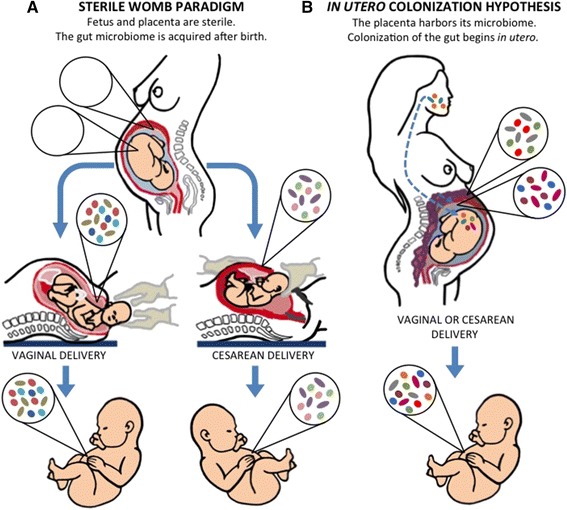
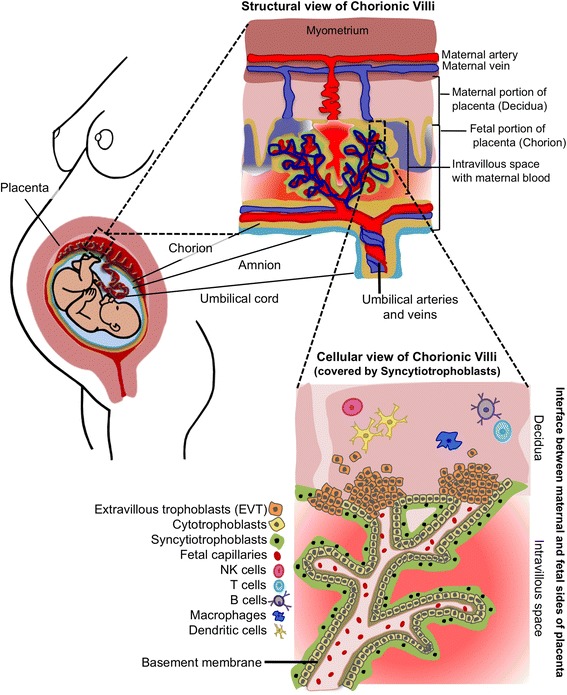
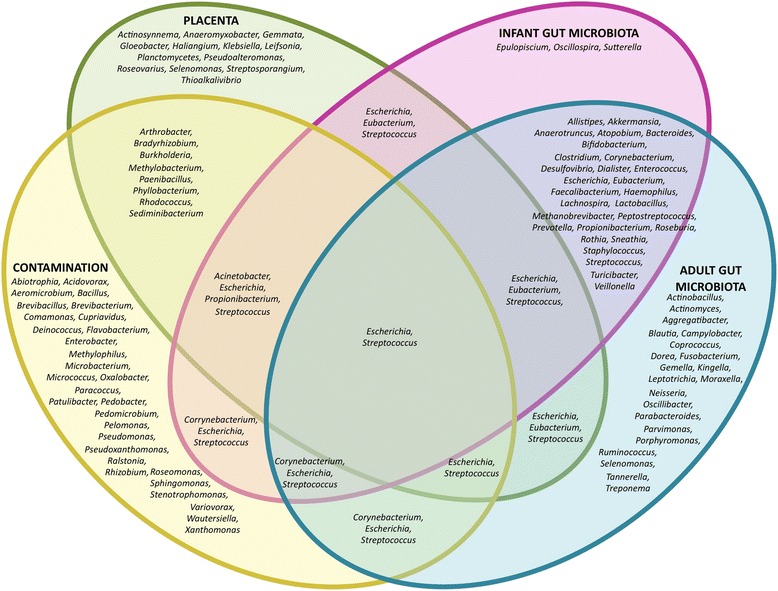
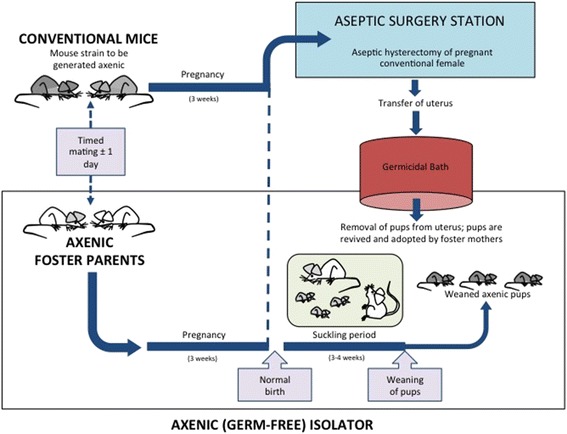
After more than a century of active research, the notion that the human fetal environment is sterile and that the neonate's microbiome is acquired during and after birth was an accepted dogma. However, recent studies using molecular techniques suggest bacterial communities in the placenta, amniotic fluid, and meconium from healthy pregnancies. These findings have led many scientists to challenge the "sterile womb paradigm" and propose that microbiome acquisition instead begins in utero, an idea that would fundamentally change our understanding of gut microbiota acquisition and its role in human development. In this review, we provide a critical assessment of the evidence supporting these two opposing hypotheses, specifically as it relates to (i) anatomical, immunological, and physiological characteristics of the placenta and fetus; (ii) the research methods currently used to study microbial populations in the intrauterine environment; (iii) the fecal microbiome during the first days of life; and (iv) the generation of axenic animals and humans. Based on this analysis, we argue that the evidence in support of the "in utero colonization hypothesis" is extremely weak as it is founded almost entirely on studies that (i) used molecular approaches with an insufficient detection limit to study "low-biomass" microbial populations, (ii) lacked appropriate controls for contamination, and (iii) failed to provide evidence of bacterial viability. Most importantly, the ability to reliably derive axenic animals via cesarean sections strongly supports sterility of the fetal environment in mammals. We conclude that current scientific evidence does not support the existence of microbiomes within the healthy fetal milieu, which has implications for the development of clinical practices that prevent microbiome perturbations after birth and the establishment of future research priorities.
Overview
The claims and statistics of this paper haven’t been checked yet.
Run the check — free, no account needed. It reads the open-access text and checks the sources it cites.
Integrity signals
Registry
Cites
Statistics
Figures
Verification
Claims the paper makes
The claims and statistics of this paper haven’t been checked yet.
Run the check — free, no account needed. It reads the open-access text and checks the sources it cites.
Claims other papers make about this one
Each is checked against this paper’s own text: does it say what the citing paper says it does?
The source backs part of the claim, not all of it — or backs it for a different population, condition or comparison.
In the citing paper
“However, oral bacteria have been detected at various sites within the uterus.110, 111”
From The oral microbiome: Role of key organisms and complex networks in oral health and disease (2021) · cites this paper as [110]
Experimental — accuracy not yet measuredIn the citing paper
“Conversely, but equally important, the infant gut is largely thought to be sterile in utero and colonized during birth and postnatally with a trajectory toward an adult-like complexity taking approximately 3 years (Clarke et al., 2014a;Perez-Munoz et al., 2017).”
From Gut reactions: Breaking down xenobiotic–microbiome interactions (2019) · cites this paper as Perez-Munoz et al., 2017
In the citing paper
“Current research findings suggest that the prenatal oral cavity is sterile until birth after which colonization with microorganisms occurs upon exposure to the external environment.110”
From The oral microbiome: Role of key organisms and complex networks in oral health and disease (2021) · cites this paper as [110]
Self-check
Percentages, sums and reported differences re-computed from the paper’s own numbers.
The self-check needs the paper’s full text.
Citations
Cites
Structure, function and diversity of the healthy human microbiome
The Human Microbiome Project Consortium (2012) · Nature · doi:10.1038/nature11234 · Cited by 11,726
Dominguez-Bello, M. G., Costello, E. K., Contreras, M., Magris, M., Hidalgo, G., Fierer, N., & Knight, R. (2010) · Proceedings of the National Academy of Sciences · doi:10.1073/pnas.1002601107 · Cited by 4,774
Conjectures and Refutations: The Growth of Scientific Knowledge.
HESSE, M. B., & Popper, K. R. (1965) · The Philosophical Quarterly · doi:10.2307/2218271 · Cited by 4,213
The Sociology of Science: Theoretical and Empirical Investigations
Kaplan, N. M., Merton, R. Κ., & Storer, N. W. (1974) · Technology and Culture · doi:10.2307/3102264 · Cited by 4,030
Reagent and laboratory contamination can critically impact sequence-based microbiome analyses
Salter, S. J., Cox, M. J., Turek, E. M., Calus, S. T., Cookson, W. O., Moffatt, M. F., Turner, P., Parkhill, J., Loman, N. J., & Walker, A. W. (2014) · BMC Biology · doi:10.1186/s12915-014-0087-z · Cited by 3,463
Dynamics and Stabilization of the Human Gut Microbiome during the First Year of Life
Bäckhed, F., Roswall, J., Peng, Y., Feng, Q., Jia, H., Kovatcheva-Datchary, P., Li, Y., Xia, Y., Xie, H., Zhong, H., et al. (2015) · Cell Host & Microbe · doi:10.1016/j.chom.2015.04.004 · Cited by 3,315
The Placenta Harbors a Unique Microbiome
Aagaard, K., Ma, J., Antony, K. M., Ganu, R., Petrosino, J., & Versalovic, J. (2014) · Science Translational Medicine · doi:10.1126/scitranslmed.3008599 · Cited by 2,494
Akkermansia muciniphila gen. nov., sp. nov., a human intestinal mucin-degrading bacterium
Derrien, M., Vaughan, E. E., Plugge, C. M., & de Vos, W. M. (2004) · International Journal of Systematic and Evolutionary Microbiology · doi:10.1099/ijs.0.02873-0 · Cited by 2,094
Early infancy microbial and metabolic alterations affect risk of childhood asthma
Arrieta, M., Stiemsma, L. T., Dimitriu, P. A., Thorson, L., Russell, S., Yurist‐Doutsch, S., Kuzeljevic, B., Gold, M. J., Britton, H. M., Lefebvre, D. L., et al. (2015) · Science Translational Medicine · doi:10.1126/scitranslmed.aab2271 · Cited by 1,832
Antibiotics, birth mode, and diet shape microbiome maturation during early life
Bokulich, N. A., Chung, J., Battaglia, T., Henderson, N., Jay, M., Li, H., D. Lieber, A., Wu, F., Perez-Perez, G. I., Chen, Y., et al. (2016) · Science Translational Medicine · doi:10.1126/scitranslmed.aad7121 · Cited by 1,469
Research works printed but not linked: 1
- Burrage S. Bacteria in the supposedly sterile meconium. J Bacteriol. 1927;13:47.
Cited by
Sorted by citations
Items 401–500 of 1,001
Intestinal microbiota research from a global perspective
Wallenborn, J. T., & Vonaesch, P. (2022) · Gastroenterology report · doi:10.1093/gastro/goac010 · Cited by 26
Female reproduction and the microbiota in mammals: Where are we?
García-García, R. M., Arias‐Álvarez, M., Jordán-Rodríguez, D., Rebollar, P. G., Lorenzo, P. L., Herranz, C., & Rodríguez, J. M. (2022) · Theriogenology · doi:10.1016/j.theriogenology.2022.10.007 · Cited by 28
Park, J. Y., Yun, H., Lee, S., Kim, H. J., Jung, Y. H., Choi, C. W., Shin, J.-Y., Park, J. S., & Seo, J. (2023) · Scientific Reports · doi:10.1038/s41598-023-31049-1 · Cited by 26
Does Bacteria Colonization of Canine Newborns Start in the Uterus?
Rota, A., Carro, A. D., Bertero, A., Carro, A. D., Cucuzza, A. S., Banchi, P., & Corrò, M. (2021) · Animals · doi:10.3390/ani11051415 · Cited by 26
Impact of Lactobacillus in the uterine microbiota on in vitro fertilization outcomes
Kadogami, D., Kimura, F., Hanada, T., Tsuji, S., Nakaoka, Y., Murakami, T., & Morimoto, Y. (2023) · Journal of Reproductive Immunology · doi:10.1016/j.jri.2023.104138 · Cited by 25
An Integrated Engineering Approach to Creating Health‐Modulating Postbiotics
Chikindas, M. L., Roopchand, D. E., Tiwari, S. K., Sichel, L. S., Karwe, M. V., Nitin, N., Fagundes, V. L., Popov, I. V., Tagg, J. R., Lu, X., et al. (2025) · Molecular Nutrition & Food Research · doi:10.1002/mnfr.70326 · Cited by 26
Homeostasis of Mucosal Glial Cells in Human Gut is Independent of Microbiota
Inlender, T., Nissim-Eliraz, E., Stavely, R. G., Hotta, R., Goldstein, A. M., Yagel, S., Gutnick, M. J., & Shpigel, N. Y. (2020) · Scientific Reports · doi:10.1038/s41598-021-92384-9 · Cited by 25
Human placental biology at single‐cell resolution: a contemporaneous review
Barrozo, E. R., & Aagaard, K. (2021) · BJOG An International Journal of Obstetrics & Gynaecology · doi:10.1111/1471-0528.16970 · Cited by 25
Cao, W., Xing, M., Liang, S., Shi, Y., Li, Z., & Zou, W. (2023) · Neurobiology of Disease · doi:10.1016/j.nbd.2023.106395 · Cited by 25
Jiang, S., Cai, M., Li, D., Chen, X., Chen, X., Huang, Q., Zhong, C., Zheng, X., Zhou, D., Chen, Z., et al. (2024) · Gut · doi:10.1136/gutjnl-2024-332407 · Cited by 25
Common Genetic Variants Link the Abnormalities in the Gut-Brain Axis in Prematurity and Autism
Sajdel-Sulkowska, E. M., Makowska‐Zubrycka, M., Czarzasta, K., Kasarełło, K., Aggarwal, V., Biały, M., Szczepanska‐Sadowska, E. K., & Cudnoch‐Jędrzejewska, A. (2018) · The Cerebellum · doi:10.1007/s12311-018-0970-1 · Cited by 25
The Development of the Human Microbiome
Chu, D. M., Valentine, G. C., Seferovic, M. D., & Aagaard, K. M. (2019) · Gastroenterology Clinics of North America · doi:10.1016/j.gtc.2019.04.004 · Cited by 25
Precision medicine in perinatal depression in light of the human microbiome
Bernabé, B. P., Maki, P. M., Dowty, S. M., Salas, M. L. C., Cralle, L. E., Shah, Z., & Gilbert, J. A. (2020) · Psychopharmacology · doi:10.1007/s00213-019-05436-4 · Cited by 26
Casaro, M. B., Thomas, A. M., Mendes, E., Fukumori, C., Ribeiro, W. R., Oliveira, F. A., Crisma, A. R., Murata, G. M., Bizzarro, B., Sá-Nunes, A., et al. (2021) · Microbiome · doi:10.1186/s40168-021-01081-2 · Cited by 24
Radaschin, D. S., Tatu, A. L., Iancu, A. V., Beiu, C., & Popa, L. G. (2024) · Medicina · doi:10.3390/medicina60101619 · Cited by 25
A Healthy Gut for a Healthy Brain: Preclinical, Clinical and Regulatory Aspects
Petrella, C., Vecchioli, S. F., Cisale, G. Y., Strimpakos, G., Borg, J.-J., Ceccanti, M., Fiore, M., Monteleone, G., & Nisticò, R. (2020) · Current Neuropharmacology · doi:10.2174/1570159x18666200730111528 · Cited by 24
Impact of Intrapartum Antibiotic Prophylaxis on Offspring Microbiota
Prescott, S. M., Dreisbach, C., Baumgartel, K. L., Koerner, R., Gyamfi, A., Canellas, M., Fleur, A. S., Henderson, W. A., & Trinchieri, G. (2021) · Frontiers in Pediatrics · doi:10.3389/fped.2021.754013 · Cited by 24
Microbiome mediation of animal life histories via metabolites and insulin‐like signalling
Warne, R. W., & Dallas, J. W. (2022) · Biological reviews/Biological reviews of the Cambridge Philosophical Society · doi:10.1111/brv.12833 · Cited by 24
Material Engineering in Gut Microbiome and Human Health
Yang, L., Hung, L. Y., Zhu, Y., Ding, S., Margolis, K. G., & Leong, K. W. (2022) · Research · doi:10.34133/2022/9804014 · Cited by 24
Gut Microbiome and Retinopathy of Prematurity
Zhang, J. Y., Greenwald, M. J., & Rodriguez, S. H. (2023) · American Journal Of Pathology · doi:10.1016/j.ajpath.2023.01.013 · Cited by 24
Brazier, L., Elguero, É., Koumavor, C. K., Renaud, N., Prugnolle, F., Frédéric Thomas, A., Ategbo, S., Moyen, E., Obengui, Leroy, E. M., et al. (2017) · PLoS ONE · doi:10.1371/journal.pone.0185569 · Cited by 24
Escribano, E., Saralegui, C., Moles, L., Montes, M. T., Alba, C., Alarcón, T., Lázaro-Perona, F., Rodríguez, J. M., de Pipaón, M. S., & del Campo, R. (2019) · PLoS ONE · doi:10.1371/journal.pone.0216581 · Cited by 24
Bacterial vaginosis in pregnancy – a storm in the cup of tea
Jayaram, P., Mohan, M., & Konje, J. C. (2020) · European Journal of Obstetrics & Gynecology and Reproductive Biology · doi:10.1016/j.ejogrb.2020.08.009 · Cited by 24
Vandenplas, Y., Meyer, R. W., Chouraqui, J.-P., Dupont, C. M., Fiocchi, A. G., Salvatore, S., Shamir, R., Szajewska, H., Thapar, N., Venter, C., et al. (2020) · Clinical Nutrition · doi:10.1016/j.clnu.2020.10.025 · Cited by 25
How can the MHC mediate social odor via the microbiota community? A deep dive into mechanisms
Schubert, N., Nichols, H. J., & Winternitz, J. C. (2021) · Behavioral Ecology · doi:10.1093/beheco/arab004 · Cited by 24
Barbian, M. E., Owens, J. A., Naudin, C. R., Denning, P. W., Patel, R. M., & Jones, R. M. (2021) · Pediatric Research · doi:10.1038/s41390-021-01767-1 · Cited by 23
Wei, Q., Jiang, Z., Shi, H., Zou, J., Lu, W., Xiao, X., & Zhang, Y. (2022) · Psychoneuroendocrinology · doi:10.1016/j.psyneuen.2022.105787 · Cited by 25
Maternal transmission gives way to social transmission during gut microbiota assembly in wild mice
Wanelik, K. M., Raulo, A., Troitsky, T. S., Husby, A., & Knowles, S. C. L. (2023) · Animal Microbiome · doi:10.1186/s42523-023-00247-7 · Cited by 23
Determinants of microbial colonization in the premature gut
Chen, X., & Shi, Y. (2023) · Molecular Medicine · doi:10.1186/s10020-023-00689-4 · Cited by 27
Sun, D., Bian, G., Zhang, K., Liu, N., Yin, Y., Hou, Y., Xie, F., Zhu, W., Mao, S., & Liu, J. (2024) · Genome biology · doi:10.1186/s13059-024-03205-x · Cited by 23
The influence of the gastrointestinal microbiome on infant colic
Chaib, A. O., Levy, E. I., Chaib, M. O., & Vandenplas, Y. (2020) · Expert Review of Gastroenterology & Hepatology · doi:10.1080/17474124.2020.1791702 · Cited by 23
Nutricionist, A. C. T., Procianoy, R. S., Roesch, L. F. W., Corso, A. L., Dobbler, P. T., & Silveira, R. C. (2020) · PLoS ONE · doi:10.1371/journal.pone.0238632 · Cited by 23
Building Robust Assemblages of Bacteria in the Human Gut in Early Life
Tannock, G. W. (2021) · Applied and Environmental Microbiology · doi:10.1128/aem.01449-21 · Cited by 24
Domingues, C. P. F., Rebelo, J. S., Dionísio, F., Botelho, A., & Nogueira, T. (2020) · mSphere · doi:10.1128/msphere.00716-20 · Cited by 22
Does the Amniotic Fluid of Mice Contain a Viable Microbiota?
Winters, A. D., Romero, R. J., Greenberg, J. M., Galaz, J., Shaffer, Z., Garcia‐Flores, V., Kracht, D. J., Gomez‐Lopez, N., & Theis, K. R. (2022) · Frontiers in Immunology · doi:10.3389/fimmu.2022.820366 · Cited by 23
Ma, X., Ding, J., Ren, H., Qi, X., Li, Z., Han, L., Liu, D., Zhuo, Z., Liu, C., & Ren, Z. (2023) · Microbial Ecology · doi:10.1007/s00248-023-02188-9 · Cited by 25
Messman, R. D., & Lemley, C. O. (2023) · Translational Animal Science · doi:10.1093/tas/txad057 · Cited by 22
Circulating innate lymphoid cells (cILCs): Unconventional lymphocytes with hidden talents
Bennstein, S. B., & Uhrberg, M. (2024) · Journal of Allergy and Clinical Immunology · doi:10.1016/j.jaci.2024.06.016 · Cited by 22
Gut dysbiosis mediates the association between antibiotic exposure and chronic disease
Guarner, F., Fernández, L. B., Cruchet, S., Damião, A. O. M. C., Saito, A. M., Lopez, J. P. R., Silva, L. R., & Díaz, M. Á. (2024) · Frontiers in Medicine · doi:10.3389/fmed.2024.1477882 · Cited by 24
Prebiotics: types, selectivity and utilization by gut microbes
Yalçıntaş, Y. M., Bolino, M. J., Duman, H., Sarıtaş, S., Pekdemir, B., Kalkan, A. E., Canbolat, A. A., Bolat, E., Eker, F., Rocha, J. M., et al. (2025) · International Journal of Food Sciences and Nutrition · doi:10.1080/09637486.2025.2582557 · Cited by 24
Chouraqui, J.-P. (2020) · Critical Reviews in Food Science and Nutrition · doi:10.1080/10408398.2020.1761772 · Cited by 23
Greiner, L. L., Humphrey, D. C., Holland, S. N., Anderson, C. J., & Schmitz‐Esser, S. (2022) · Translational Animal Science · doi:10.1093/tas/txac047 · Cited by 21
He, Y., Zhang, Y., Li, F., & Shi, Y. (2022) · Frontiers in Neuroscience · doi:10.3389/fnins.2022.849372 · Cited by 21
Keburiya, L. K., Smolnikova, V. Y., Priputnevich, T. V., Muravieva, V. V., Gordeev, A. B., Trofimov, D. Y., Shubina, J., Kochetkova, T. O., Rogacheva, M. S., Kalinina, E. A., et al. (2022) · BMC Women s Health · doi:10.1186/s12905-022-01750-w · Cited by 21
Santacroce, L., Muzio, E. L., Bottalico, L., Spirito, F., Charitos, I. A., Passarelli, P. C., & Jirillo, E. (2022) · Endocrine Metabolic & Immune Disorders - Drug Targets · doi:10.2174/1871530322666220629101357 · Cited by 22
Houtz, J. L., Melo, M., Therrien, J., & Cornell, A. (2023) · Journal of Avian Biology · doi:10.1111/jav.03019 · Cited by 21
Childhood obesity: an overview of laboratory medicine, exercise and microbiome
Scudiero, O., Pero, R., Ranieri, A., Terracciano, D., Fimiani, F., Cesaro, A., Gentile, L., Leggiero, E., Laneri, S., Moscarella, E., et al. (2019) · Clinical Chemistry and Laboratory Medicine (CCLM) · doi:10.1515/cclm-2019-0789 · Cited by 21
Martinelli, L. M., Reginatto, M. W., Fontes, K. N., de Andrade, C. B. V., Monteiro, V. R. D. S., Gomes, H. R., de Almeida, F. R. C. L., Bloise, F. F., Matthews, S. G., Ortiga-Carvalho, T. M., et al. (2020) · Reproductive Toxicology · doi:10.1016/j.reprotox.2020.09.001 · Cited by 21
Freeze-Thaw Pretreatment Can Improve Efficiency of Bacterial DNA Extraction From Meconium
Xin, Y., Xie, J., Nan, B., Tang, C. Y., Xiao, Y., Wu, Q., Lin, Y., Zhang, X., & Shen, H. (2021) · Frontiers in Microbiology · doi:10.3389/fmicb.2021.753688 · Cited by 21
Microbiome in heritage: how maternal microbiome transmission impacts next generation health
Delaroque, C., & Chassaing, B. (2025) · Microbiome · doi:10.1186/s40168-025-02186-8 · Cited by 23
Pacora, P., Romero, R. J., Erez, O., Maymon, E., Panaitescu, B., Kusanovic, J. P., Tarca, A. L., Hsu, C., & Hassan, S. S. (2017) · The Journal of Maternal-Fetal & Neonatal Medicine · doi:10.1080/14767058.2017.1416083 · Cited by 20
Role of Maternal Infections and Inflammatory Responses on Craniofacial Development
Bhagirath, A. Y., Medapati, M. R., de Jesus, V. C., Yadav, S., Hinton, M., Dakshinamurti, S., & Atukorallaya, D. (2021) · Frontiers in Oral Health · doi:10.3389/froh.2021.735634 · Cited by 20
Mepham, J. R., Nelles‐McGee, T., Andrews, K., & González, A. (2023) · Developmental Psychobiology · doi:10.1002/dev.22424 · Cited by 23
Lü, Q., Lin, Y., Chen, T., Lv, H., Diao, F., Liu, C., Peng, M., Ling, X., Li, H., Wang, Y., et al. (2020) · Gut Microbes · doi:10.1080/19490976.2020.1794466 · Cited by 20
Development of gut microbiota along with its metabolites of preschool children
Xiong, J., Hu, H., Xu, C., Yin, J., Liu, M., Zhang, L., Duan, Y., & Huang, Y. (2022) · BMC Pediatrics · doi:10.1186/s12887-021-03099-9 · Cited by 25
Unveiling the placental bacterial microbiota: implications for maternal and infant health
Xie, Z., Chen, Z., Chai, Y., Yao, W., & Ma, G. (2025) · Frontiers in Physiology · doi:10.3389/fphys.2025.1544216 · Cited by 19
The contribution of maternal oral, vaginal, and gut microbiota to the developing offspring gut
Russell, A. L., McAdams, Z. L., Donovan, E., Seilhamer, N., Siegrist, M., Franklin, C. L., & Ericsson, A. C. (2023) · Scientific Reports · doi:10.1038/s41598-023-40703-7 · Cited by 19
Lingasamy, P., Modhukur, V., Mändar, R., & Salumets, A. (2023) · Seminars in Reproductive Medicine · doi:10.1055/s-0043-1778017 · Cited by 19
Proper Authentication of Ancient DNA Is Still Essential
Eisenhofer, R., & Weyrich, L. S. (2018) · Genes · doi:10.3390/genes9030122 · Cited by 20
The Gut Microbiota: A Clinically Impactful Factor in Patient Health and Disease
Rodriguez, D. A., Peña-Vélez, R., Monjaráz, E. M. T., Mayans, J. R., & Ryan, P. M. (2018) · SN Comprehensive Clinical Medicine · doi:10.1007/s42399-018-0036-1 · Cited by 21
Staphylococcus epidermidis in feedings and feces of preterm neonates
Moles, L., Gómez, M., Moroder, E., Bustos, G., Melgar, A. J., del Campo, R., & Rodríguez, J. M. (2020) · PLoS ONE · doi:10.1371/journal.pone.0227823 · Cited by 19
Yu, K., Rodriguez, M. D., Paul, Z., Gordon, E., Rice, K. C., Triplett, E. W., KELLER-WOOD, M. E., & Wood, C. E. (2019) · PLoS ONE · doi:10.1371/journal.pone.0217211 · Cited by 19
Pust, M.-M., & Tümmler, B. (2021) · ISME Communications · doi:10.1038/s43705-021-00010-6 · Cited by 21
Gut dysbiosis during early life: causes, health outcomes, and amelioration via dietary intervention
Jielong, Guo, Han, X., Huang, W., You, Y., & Zhan, J. (2021) · Critical Reviews in Food Science and Nutrition · doi:10.1080/10408398.2021.1912706 · Cited by 20
The Use of Gut Microbial Modulation Strategies as Interventional Strategies for Ageing
Siddiqui, R., Mungroo, M. R., Alharbi, A. M., Alfahemi, H. H., & Khan, N. A. (2022) · Microorganisms · doi:10.3390/microorganisms10091869 · Cited by 19
Banchi, P., Colitti, B., Carro, A. D., Corrò, M., Bertero, A., Ala, U., Carro, A. D., Soom, A. V., Bertolotti, L., & Rota, A. (2023) · Veterinary Sciences · doi:10.3390/vetsci10050331 · Cited by 19
Exploring the composition of placental microbiome and its potential origin in preterm birth
Saadaoui, M., Djekidel, M. N., Murugesan, S., Kumar, M., Elhag, D. A., Singh, P., Kabeer, B. S. A., Marr, A. K., Kino, T., Brummaier, T., et al. (2025) · Frontiers in Cellular and Infection Microbiology · doi:10.3389/fcimb.2024.1486409 · Cited by 18
Early-Life Gut Microbiota: Education of the Immune System and Links to Autoimmune Diseases
de Groen, P., Gouw, S. C., Hanssen, N. M. J., Nieuwdorp, M., & Rampanelli, E. (2026) · Microorganisms · doi:10.3390/microorganisms14010210 · Cited by 19
Fontaine, F., Turjeman, S., Haib, M., Collado, M. C., Callens, K., & Koren, O. (2026) · Molecular Nutrition & Food Research · doi:10.1002/mnfr.70385 · Cited by 18
Campisciano, G., Quadrifoglio, M., Comar, M., Seta, F. D., Zanotta, N., Ottaviani, C., Barbieri, M., Chiodo, A., & Stampalija, T. (2021) · Future Microbiology · doi:10.2217/fmb-2020-0243 · Cited by 18
Ault-Seay, T. B., Moorey, S. E., Mathew, D. J., Schrick, F. N., Pohler, K. G., McLean, K. J., & Myer, P. R. (2023) · Frontiers in Animal Science · doi:10.3389/fanim.2023.1111636 · Cited by 18
Dynamics of oral microbiome acquisition in healthy infants: A pilot study
Li, Y., Saraithong, P., Zhang, L., Dills, A., Paster, B. J., Xiao, J., Wu, T. T., & Jones, Z. M. (2023) · Frontiers in Oral Health · doi:10.3389/froh.2023.1152601 · Cited by 18
Xu, Y., Zheng, F., Zhong, Q., & Zhu, Y. (2023) · Journal of Alzheimer s Disease · doi:10.3233/jad-230002 · Cited by 20
Evaluation of Birth by Cesarean Delivery and Development of Early-Onset Colorectal Cancer
Cao, Y., Nguyen, L. H., Tica, S., Otegbeye, E. E., Zong, X., Roelstraete, B., Chan, A. T., Warner, B. B., Stephansson, O., & Ludvigsson, J. F. (2023) · JAMA Network Open · doi:10.1001/jamanetworkopen.2023.10316 · Cited by 18
Avershina, E., Larsen, M. G., Aspholm, M. E., Lindbäck, T., Storrø, O., Øien, T., Johnsen, R., & Rudi, K. (2020) · Scientific Reports · doi:10.1038/s41598-020-58858-y · Cited by 20
Zhang, X., Mao, F., Li, Y., Wang, J., Wu, L., Sun, J., & Cao, F. (2022) · Psychoneuroendocrinology · doi:10.1016/j.psyneuen.2022.105913 · Cited by 17
A comparison of the infant gut microbiome before versus after the start of the covid-19 pandemic
Querdasi, F. R., Vogel, S. C., Thomason, M. E., Callaghan, B. L., & Brito, N. H. (2023) · Scientific Reports · doi:10.1038/s41598-023-40102-y · Cited by 17
Wu, J., Deng, X., Sun, Y., Li, J., Dai, H., Qi, S., Huang, Y., & Sun, W. (2023) · Food Chemistry X · doi:10.1016/j.fochx.2023.101102 · Cited by 17
Levy, D. P., Walfisch, A., Wainstock, T., Sergienko, R., Kluwgant, D., Landau, D., & Sheiner, E. (2019) · American Journal of Reproductive Immunology · doi:10.1111/aji.13108 · Cited by 17
Gut microbiota: what is its place in pharmacology?
Tarasiuk, A., & Fichna, J. (2019) · Expert Review of Clinical Pharmacology · doi:10.1080/17512433.2019.1670058 · Cited by 17
Gut Microbiota and the MicrovasculaturePreprint
Kiouptsi, K., Pontarollo, G., & Reinhardt, C. (2023) · Cold Spring Harbor Perspectives in Medicine · doi:10.1101/cshperspect.a041179 · Cited by 17
Trust Your Gut: The Human Gut Microbiome in Health and Disease
AboNahas, H. H., Darwish, A. M. G., El-Kareem, H. F. A., AboNahas, Y. H., Mansour, S. A., Korra, Y. H., Sayyed, R. Z., Abdel-Azeem, A. M., & Saied, E. M. (2022) · Springer eBooks · doi:10.1007/978-981-16-1626-6_3 · Cited by 16
Carranco, A. S., Romo, D., Torres, M. D. L., Wilhelm, K., Sommer, S., & Gillingham, M. A. F. (2022) · Molecular Ecology · doi:10.1111/mec.16548 · Cited by 16
Maiuolo, J., Musolino, V., Gliozzi, M., Carresi, C., Scarano, F., Nucera, S., Scicchitano, M., Oppedisano, F., Bosco, F., Macrì, R., et al. (2022) · Nutrients · doi:10.3390/nu14132711 · Cited by 16
Ex vivo perfusion of the human placenta to investigate pregnancy pathologies
Zabel, R. R., Fávaro, R. R., Groten, T., Brownbill, P., & Jones, S. (2022) · Placenta · doi:10.1016/j.placenta.2022.10.006 · Cited by 16
Factors Affecting Gut Microbiota of Puppies from Birth to Weaning
Balouei, F., Stefanon, B., Sgorlon, S., & Sandri, M. (2023) · Animals · doi:10.3390/ani13040578 · Cited by 18
Gut bacteria: an etiological agent in human pathological conditions
Islam, M. M., Mahbub, N. U., Hong, S., & Chung, H. (2024) · Frontiers in Cellular and Infection Microbiology · doi:10.3389/fcimb.2024.1291148 · Cited by 18
Bifidobacterial Transfer from Mother to Child as Examined by an Animal Model
Mancino, W., Duranti, S., Mancabelli, L., Longhi, G., Anzalone, R., Milani, C., Lugli, G. A., Carnevali, L., Statello, R., Sgoifo, A., et al. (2019) · Microorganisms · doi:10.3390/microorganisms7090293 · Cited by 16
Comparison of the Genital Microbiomes of Pregnant Aboriginal and Non-aboriginal Women
Dinsdale, N. K., Castaño‐Rodríguez, N., Quinlivan, J. A., & Mendz, G. L. (2020) · Frontiers in Cellular and Infection Microbiology · doi:10.3389/fcimb.2020.523764 · Cited by 16
Skillington, O., Mills, S., Gupta, A., Mayer, E. A., Gill, C. I. R., Rio, D. D., O’Riordan, K. J., Cryan, J. F., Ross, R. P., & Stanton, C. (2021) · Nutrition and Healthy Aging · doi:10.3233/nha-210129 · Cited by 18
Dreisbach, C., Morgan, H., Cochran, C., Gyamfi, A., Henderson, W. A., & Prescott, S. M. (2022) · Frontiers in Cellular and Infection Microbiology · doi:10.3389/fcimb.2021.795924 · Cited by 16
Li, X., Ren, Y., Zhang, J., Ouyang, C., Wang, C., Lu, F., & Yin, Y. (2022) · Microbiology Spectrum · doi:10.1128/spectrum.02692-21 · Cited by 16
France, M., Brown, S. E., Rompalo, A., Brotman, R. M., & Ravel, J. (2022) · PLoS ONE · doi:10.1371/journal.pone.0275908 · Cited by 16
Characterization of the equine placental microbial population in healthy pregnancies
van Heule, M., Monteiro, H. F., Bazzazan, A., Scoggin, K. E. S., Rolston, M. R., Ali, H. E., Weimer, B. C., Ball, B. A., Daels, P. F., & Dini, P. (2023) · Theriogenology · doi:10.1016/j.theriogenology.2023.04.022 · Cited by 16
The Neonatal Microbiome and Metagenomics: What Do We Know and What Is the Future?
Valentine, G. C., Prince, A., & Aagaard, K. M. (2019) · NeoReviews · doi:10.1542/neo.20-5-e258 · Cited by 17
Ma, G., Chen, Z., Xie, Z., Liu, J., & Xiao, X.-M. (2025) · Journal of Reproductive Immunology · doi:10.1016/j.jri.2025.104423 · Cited by 17
Beyond the Gut, Emerging Microbiome Areas of Research: A Focus on Early-Life Microbial Colonization
Vemuri, R., & Herath, M. P. (2023) · Microorganisms · doi:10.3390/microorganisms11020239 · Cited by 16
Metagenetic Analysis of the Pregnant Microbiome in Horses
Beckers, K. F., Gomes, V. C. L., Crissman, K. R., Liu, C., Schulz, C. J., Childers, G. W., & Sones, J. L. (2023) · Animals · doi:10.3390/ani13121999 · Cited by 15
The effect of early colonized gut microbiota on the growth performance of suckling lambs
Xiao, H., Yan, H., Tian, P., Ji, S., Zhao, W., Lu, C., Zhang, Y., & Liu, Y. (2023) · Frontiers in Microbiology · doi:10.3389/fmicb.2023.1273444 · Cited by 15
Microbiota of pregnancy, placenta and newborns in the third trimester: A randomized controlled study
Li, Z., Zhang, Y., Wang, L., Tye, K. D., Chiu, W., Ming, W., Xu, C., & Xiao, X. (2024) · Heliyon · doi:10.1016/j.heliyon.2024.e24698 · Cited by 15
Metadata
- Authors
- Perez-Muñoz, M. E., Arrieta, M.-C., Ramer-Tait, A. E., & Walter, J.
- Affiliations
- University of Calgary (CA)
- University of Alberta (CA)
- Corresponding author
- Walter, Jens
- Venue
- Microbiome
- Published
- 2017-04-28
- Volume
- 5
- Issue
- 1
- Pages
- 48-48
- ISSN
- 2049-2618 (ISSN-L)
- PMC
- PMC5410102
- OpenAlex
- W2609646274
- Cited by
- 1,096
- References
- 154
- Citations by year
- 2026: 56 · 2025: 81 · 2024: 108 · 2023: 116 · 2022: 140 · 2021: 154 · 2020: 167 · 2019: 117 · 2018: 104 · 2017: 52
- FWCI
- 11.25
- Type
- journal article
- Language
- en
- Open access
- gold
- doi.org
- Licence
- cc-by
- Locations
- Microbiome (publishedVersion, cc-by)
- Europe PMC (PubMed Central) (publishedVersion, cc-by)
- PubMed Central (publishedVersion, cc-by)
- PubMed (publishedVersion)
- Lincoln (University of Nebraska) (submittedVersion, cc-by)
- DOAJ (DOAJ: Directory of Open Access Journals) (submittedVersion, cc-by-sa)
- Libraries and Cultural Resources (University of Calgary) (submittedVersion)
- Funders
- Crohn's and Colitis Foundation of America
- University of Nebraska-Lincoln
- University of Calgary
- Crohn's and Colitis Foundation
- Nebraska Corn Board
- University of Alberta
- Alberta Innovates
- National Institutes of Health
- Directorate for Biological Sciences
- National Institute of General Medical Sciences (P20GM104320, R01GM099525)
- Topics
- Life Sciences › Biochemistry, Genetics and Molecular Biology › Molecular Biology › Gut microbiota and health
- Health Sciences › Nursing › Nutrition and Dietetics › Infant Nutrition and Health
- Physical Sciences › Environmental Science › Ecology › Microbial Community Ecology and Physiology
- Keywords
- neonatal gut microbiota, placenta, amniotic fluid, meconium, cesarean section, contamination control, bacterial viability
- MeSH terms
- Gastrointestinal Microbiome, Animals, Female, Fetus, Humans, Infant, Infant, Newborn, Pregnancy, Uterus, Microbiota
About these checks
Registry, retraction, Cites and statistics results are computed, not judged, with one exception: a printed reference that no index lists is read once by a model before it counts as a citation error. Claims are extracted by a model and kept only when their quote appears verbatim in the text; each cited source is then checked, with a model’s help, for whether it says what the claim relies on. Those verdicts can be wrong — read the claim’s quote and the cited source before relying on one.
Statistics and arithmetic are recomputed, not judged.
Confidence bands are shown only for fields calibrated on our annotated test set. None is calibrated yet, so no band is shown.
What counts as a claim ›How we measure confidence ›How we check this ›
Are you an author, or do you see a problem with this page? Request a review
