

The DOI matches its Crossref record; 154 of the 154 references it cites were found in a registry or an index.
A critical assessment of the “sterile womb” and “in utero colonization” hypotheses: implications for research on the pioneer infant microbiome
Open accessAbstract
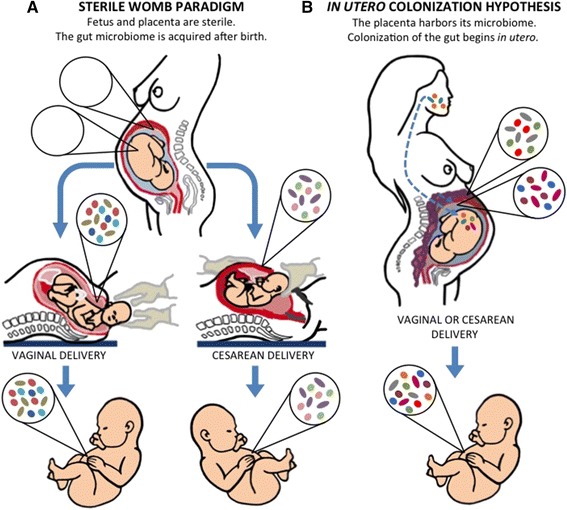
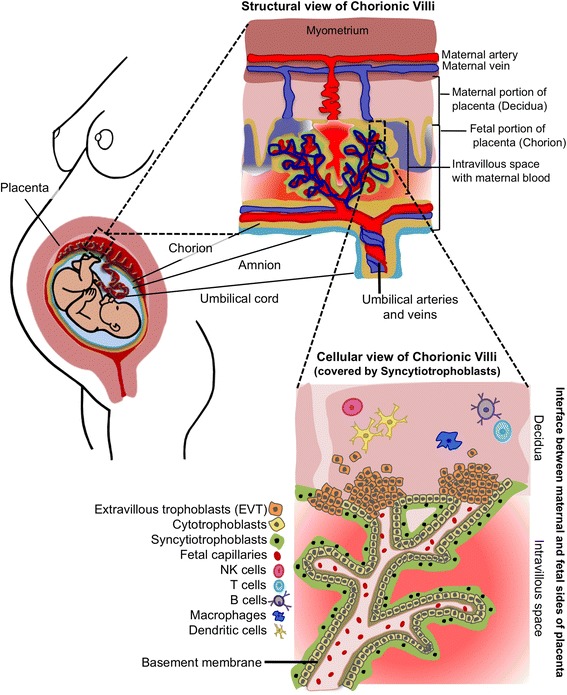
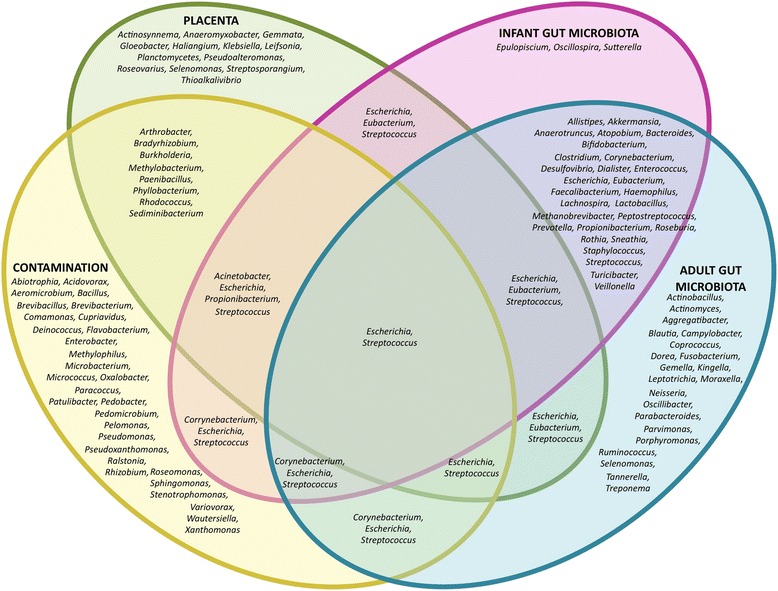
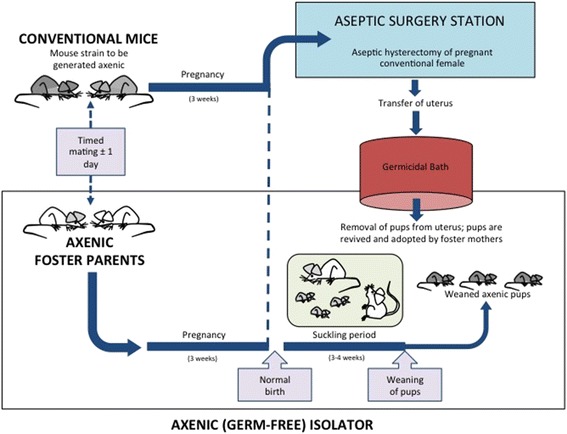
After more than a century of active research, the notion that the human fetal environment is sterile and that the neonate's microbiome is acquired during and after birth was an accepted dogma. However, recent studies using molecular techniques suggest bacterial communities in the placenta, amniotic fluid, and meconium from healthy pregnancies. These findings have led many scientists to challenge the "sterile womb paradigm" and propose that microbiome acquisition instead begins in utero, an idea that would fundamentally change our understanding of gut microbiota acquisition and its role in human development. In this review, we provide a critical assessment of the evidence supporting these two opposing hypotheses, specifically as it relates to (i) anatomical, immunological, and physiological characteristics of the placenta and fetus; (ii) the research methods currently used to study microbial populations in the intrauterine environment; (iii) the fecal microbiome during the first days of life; and (iv) the generation of axenic animals and humans. Based on this analysis, we argue that the evidence in support of the "in utero colonization hypothesis" is extremely weak as it is founded almost entirely on studies that (i) used molecular approaches with an insufficient detection limit to study "low-biomass" microbial populations, (ii) lacked appropriate controls for contamination, and (iii) failed to provide evidence of bacterial viability. Most importantly, the ability to reliably derive axenic animals via cesarean sections strongly supports sterility of the fetal environment in mammals. We conclude that current scientific evidence does not support the existence of microbiomes within the healthy fetal milieu, which has implications for the development of clinical practices that prevent microbiome perturbations after birth and the establishment of future research priorities.
Overview
The claims and statistics of this paper haven’t been checked yet.
Run the check — free, no account needed. It reads the open-access text and checks the sources it cites.
Integrity signals
Registry
Cites
Statistics
Figures
Verification
Claims the paper makes
The claims and statistics of this paper haven’t been checked yet.
Run the check — free, no account needed. It reads the open-access text and checks the sources it cites.
Claims other papers make about this one
Each is checked against this paper’s own text: does it say what the citing paper says it does?
The source backs part of the claim, not all of it — or backs it for a different population, condition or comparison.
In the citing paper
“However, oral bacteria have been detected at various sites within the uterus.110, 111”
From The oral microbiome: Role of key organisms and complex networks in oral health and disease (2021) · cites this paper as [110]
Experimental — accuracy not yet measuredIn the citing paper
“Conversely, but equally important, the infant gut is largely thought to be sterile in utero and colonized during birth and postnatally with a trajectory toward an adult-like complexity taking approximately 3 years (Clarke et al., 2014a;Perez-Munoz et al., 2017).”
From Gut reactions: Breaking down xenobiotic–microbiome interactions (2019) · cites this paper as Perez-Munoz et al., 2017
In the citing paper
“Current research findings suggest that the prenatal oral cavity is sterile until birth after which colonization with microorganisms occurs upon exposure to the external environment.110”
From The oral microbiome: Role of key organisms and complex networks in oral health and disease (2021) · cites this paper as [110]
Self-check
Percentages, sums and reported differences re-computed from the paper’s own numbers.
The self-check needs the paper’s full text.
Citations
Cites
Structure, function and diversity of the healthy human microbiome
The Human Microbiome Project Consortium (2012) · Nature · doi:10.1038/nature11234 · Cited by 11,726
Dominguez-Bello, M. G., Costello, E. K., Contreras, M., Magris, M., Hidalgo, G., Fierer, N., & Knight, R. (2010) · Proceedings of the National Academy of Sciences · doi:10.1073/pnas.1002601107 · Cited by 4,774
Conjectures and Refutations: The Growth of Scientific Knowledge.
HESSE, M. B., & Popper, K. R. (1965) · The Philosophical Quarterly · doi:10.2307/2218271 · Cited by 4,213
The Sociology of Science: Theoretical and Empirical Investigations
Kaplan, N. M., Merton, R. Κ., & Storer, N. W. (1974) · Technology and Culture · doi:10.2307/3102264 · Cited by 4,030
Reagent and laboratory contamination can critically impact sequence-based microbiome analyses
Salter, S. J., Cox, M. J., Turek, E. M., Calus, S. T., Cookson, W. O., Moffatt, M. F., Turner, P., Parkhill, J., Loman, N. J., & Walker, A. W. (2014) · BMC Biology · doi:10.1186/s12915-014-0087-z · Cited by 3,463
Dynamics and Stabilization of the Human Gut Microbiome during the First Year of Life
Bäckhed, F., Roswall, J., Peng, Y., Feng, Q., Jia, H., Kovatcheva-Datchary, P., Li, Y., Xia, Y., Xie, H., Zhong, H., et al. (2015) · Cell Host & Microbe · doi:10.1016/j.chom.2015.04.004 · Cited by 3,315
The Placenta Harbors a Unique Microbiome
Aagaard, K., Ma, J., Antony, K. M., Ganu, R., Petrosino, J., & Versalovic, J. (2014) · Science Translational Medicine · doi:10.1126/scitranslmed.3008599 · Cited by 2,494
Akkermansia muciniphila gen. nov., sp. nov., a human intestinal mucin-degrading bacterium
Derrien, M., Vaughan, E. E., Plugge, C. M., & de Vos, W. M. (2004) · International Journal of Systematic and Evolutionary Microbiology · doi:10.1099/ijs.0.02873-0 · Cited by 2,094
Early infancy microbial and metabolic alterations affect risk of childhood asthma
Arrieta, M., Stiemsma, L. T., Dimitriu, P. A., Thorson, L., Russell, S., Yurist‐Doutsch, S., Kuzeljevic, B., Gold, M. J., Britton, H. M., Lefebvre, D. L., et al. (2015) · Science Translational Medicine · doi:10.1126/scitranslmed.aab2271 · Cited by 1,832
Antibiotics, birth mode, and diet shape microbiome maturation during early life
Bokulich, N. A., Chung, J., Battaglia, T., Henderson, N., Jay, M., Li, H., D. Lieber, A., Wu, F., Perez-Perez, G. I., Chen, Y., et al. (2016) · Science Translational Medicine · doi:10.1126/scitranslmed.aad7121 · Cited by 1,469
Research works printed but not linked: 1
- Burrage S. Bacteria in the supposedly sterile meconium. J Bacteriol. 1927;13:47.
Cited by
Sorted by citations
Items 101–200 of 1,001
Host/microbiota interactions in health and diseases—Time for mucosal microbiology!
Daniel, N., Lécuyer, E., & Chassaing, B. (2021) · Mucosal Immunology · doi:10.1038/s41385-021-00383-w · Cited by 151
Role of Bifidobacteria on Infant Health
Saturio, S., Nogacka, A. M., Alvarado-Jasso, G. M., Salazar, N., Reyes‐Gavilán, C. G. D. L., Gueimonde, M., & Arboleya, S. (2021) · Microorganisms · doi:10.3390/microorganisms9122415 · Cited by 148
Xu, L., Zhang, Y., Li, X., Li, C., Hu, H., Hu, J., Liu, M., Yang, Q. Z., Gu, P., Li, J., et al. (2025) · iMeta · doi:10.1002/imt2.270 · Cited by 143
The role of the microbiome in the neurobiology of social behaviour
Sarkar, A., Harty, S., Johnson, K. V. ‐., Moeller, A. H., Carmody, R. N., Lehto, S. M., Erdman, S. E., Dunbar, R. I. M., & Burnet, P. W. J. (2020) · Biological Reviews · doi:10.1111/brv.12603 · Cited by 135
Álvarez, J., Fernández‐Real, J. M., Guarner, F., Gueimonde, M., Rodríguez, J. M., de Pipaón, M. S., & Sanz, Y. (2021) · Gastroenterología y Hepatología · doi:10.1016/j.gastrohep.2021.01.009 · Cited by 177
He, Q., Kwok, L., Xi, X., Zhong, Z., Ma, T., Xu, H., Meng, H., Zhao, F., & Zhang, H. (2020) · Gut Microbes · doi:10.1080/19490976.2020.1794266 · Cited by 140
The Endometrial Microbiome and Its Impact on Human Conception
Toson, B., Simon, C., & Moreno, I. (2022) · International Journal of Molecular Sciences · doi:10.3390/ijms23010485 · Cited by 131
The immune system and microbiome in pregnancy
Fuhler, G. M. (2020) · Best Practice & Research Clinical Gastroenterology · doi:10.1016/j.bpg.2020.101671 · Cited by 137
Clavel, T., Neto, J. C. G., Lagkouvardos, I., & Ramer‐Tait, A. E. (2017) · Immunological Reviews · doi:10.1111/imr.12578 · Cited by 132
Self-citationRoles of the Microbiota of the Female Reproductive Tract in Gynecological and Reproductive Health
Zhu, B., Tao, Z., Edupuganti, L., Serrano, M. G., & Buck, G. A. (2022) · Microbiology and Molecular Biology Reviews · doi:10.1128/mmbr.00181-21 · Cited by 131
Discordant transmission of bacteria and viruses from mothers to babies at birth
Maqsood, R., Rodgers, R., Rodríguez, C., Handley, S. A., Ndao, I. M., Tarr, P. I., Warner, B. B., Lim, E. S., & Holtz, L. R. (2019) · Microbiome · doi:10.1186/s40168-019-0766-7 · Cited by 122
What is new and relevant for sequencing-based microbiome research? A mini-review
Fricker, A. M., Podlesny, D., & Fricke, W. F. (2019) · Journal of Advanced Research · doi:10.1016/j.jare.2019.03.006 · Cited by 139
Giuffrè, M., Campigotto, M., Campisciano, G., Comar, M., & Crocè, L. S. (2020) · American Journal of Physiology-Gastrointestinal and Liver Physiology · doi:10.1152/ajpgi.00161.2019 · Cited by 122
Defense and infection of the human placenta
Heerema‐McKenney, A. (2018) · Apmis · doi:10.1111/apm.12847 · Cited by 120
Lifestyle, Maternal Nutrition and Healthy Pregnancy
Mate, A., Reyes‐Goya, C., Garrido, Á. S., & Vázquez, C. M. (2020) · Current Vascular Pharmacology · doi:10.2174/1570161118666200401112955 · Cited by 120
The role of the gut microbiome in the development of schizophrenia
Kelly, J. R., Minuto, C., Cryan, J. F., Clarke, G. A., & Dinan, T. G. (2020) · Schizophrenia Research · doi:10.1016/j.schres.2020.02.010 · Cited by 121
Focus on the Gut–Kidney Axis in Health and Disease
Stavropoulou, E., Kantartzi, K. M., Tsigalou, C., Konstantinidis, T. G., Romanidou, G. V., Voidarou, C. C., & Bezirtzoglou, E. (2021) · Frontiers in Medicine · doi:10.3389/fmed.2020.620102 · Cited by 124
Byrd, K. M., & Gulati, A. (2021) · Frontiers in Immunology · doi:10.3389/fimmu.2021.620124 · Cited by 123
Infant gut microbiota colonization: influence of prenatal and postnatal factors, focusing on diet
Suárez-Martínez, C., Santaella, M., Yagüe‐Guirao, G., & Martínez‐Graciá, C. (2023) · Frontiers in Microbiology · doi:10.3389/fmicb.2023.1236254 · Cited by 128
Implications of Diet and The Gut Microbiome in Neuroinflammatory and Neurodegenerative Diseases
Hirschberg, S., Gisevius, B., Duscha, A., & Haghikia, A. (2019) · International Journal of Molecular Sciences · doi:10.3390/ijms20123109 · Cited by 120
The Predominant Oral Microbiota Is Acquired Early in an Organized Pattern
Sulyanto, R. M., Thompson, Z. A., Beall, C. J., Leys, E. J., & Griffen, A. L. (2019) · Scientific Reports · doi:10.1038/s41598-019-46923-0 · Cited by 118
Association between Gut Dysbiosis and the Occurrence of SIBO, LIBO, SIFO and IMO
Banaszak, M., Górna, I., Woźniak, D., Przysławski, J., & Drzymała-Czyż, S. (2023) · Microorganisms · doi:10.3390/microorganisms11030573 · Cited by 113
Mother–infant transmission of human microbiota
Browne, H. P., Shao, Y., & Lawley, T. D. (2022) · Current Opinion in Microbiology · doi:10.1016/j.mib.2022.102173 · Cited by 117
Inflammatory signaling regulates hematopoietic stem and progenitor cell development and homeostasis
Collins, A., Mitchell, C. A., & Passegué, E. (2021) · Journal of Experimental Medicine · doi:10.1084/jem.20201545 · Cited by 111
Maguire, M., & Maguire, G. (2018) · Reviews in the Neurosciences · doi:10.1515/revneuro-2018-0024 · Cited by 114
Microbiota and Human Reproduction: The Case of Female Infertility
Tomaiuolo, R., Veneruso, I., Cariati, F., & D’Argenio, V. (2020) · Microarrays · doi:10.3390/ht9020012 · Cited by 115
Meconium-stained amniotic fluid
Gallo, D. M., Romero, R. J., Bosco, M., Gotsch, F., Jaiman, S., Jung, E., Suksai, M., y Cajal, C. L. R., Yoon, B. H., & Chaiworapongsa, T. (2023) · American Journal of Obstetrics and Gynecology · doi:10.1016/j.ajog.2022.11.1283 · Cited by 110
Álvarez, J., Fernández‐Real, J. M., Guarner, F., Gueimonde, M., Rodríguez, J. M., de Pipaón, M. S., & Sanz, Y. (2021) · Gastroenterología y Hepatología (English Edition) · doi:10.1016/j.gastre.2021.01.002 · Cited by 114
Zhou, L., & Xiao, X. (2017) · Bioscience Reports · doi:10.1042/bsr20171234 · Cited by 110
Friedman, J. E. (2018) · Diabetes · doi:10.2337/dbi17-0011 · Cited by 108
Wong, C. B., Odamaki, T., & Xiao, J. (2020) · FEMS Microbiology Reviews · doi:10.1093/femsre/fuaa010 · Cited by 108
Liu, Y., Qin, S., Song, Y., Feng, Y., Lv, N., Xue, Y., Liu, F., Wang, S., Zhu, B., Ma, J., et al. (2019) · Frontiers in Microbiology · doi:10.3389/fmicb.2019.00598 · Cited by 109
Multiomics analysis reveals the presence of a microbiome in the gut of fetal lambs
Bi, Y., Tu, Y., Zhang, N., Wang, S., Zhang, F., Suen, G., Shao, D., Li, S., & Diao, Q. (2021) · Gut · doi:10.1136/gutjnl-2020-320951 · Cited by 105
Sethi, V., Vitiello, G. A., Saxena, D. B., Miller, G., & Dudeja, V. (2019) · Gastroenterology · doi:10.1053/j.gastro.2018.12.045 · Cited by 104
Exploring the Potential of Human Milk and Formula Milk on Infants’ Gut and Health
Chong, H.-Y., Tan, L. T., Law, J. W., Hong, K., Ratnasingam, V., Mutalib, N. A., Lee, L., & Letchumanan, V. (2022) · Nutrients · doi:10.3390/nu14173554 · Cited by 110
Nash, M. J., Frank, D. N., & Friedman, J. E. (2017) · Frontiers in Endocrinology · doi:10.3389/fendo.2017.00349 · Cited by 101
Maternal modifiers of the infant gut microbiota: Metabolic consequences
Mulligan, C. M., & Friedman, J. E. (2017) · Journal of Endocrinology · doi:10.1530/joe-17-0303 · Cited by 101
Microbiota-gut-brain research: A critical analysis
Hooks, K. B., Konsman, J. P., & O’Malley, M. A. (2018) · Behavioral and Brain Sciences · doi:10.1017/s0140525x18002133 · Cited by 109
Olvera-Rosales, L. B., Cruz-Guerrero, A. E., Ramírez‐Moreno, E., Lira, A. Q., Contreras‐López, E., Ordaz, J. J., Ovando, A. C., Añorve‐Morga, J., Calderón‐Ramos, Z. G., Arias‐Rico, J., et al. (2021) · Foods · doi:10.3390/foods10061261 · Cited by 108
Is amniotic fluid of women with uncomplicated term pregnancies free of bacteria?
Rehbinder, E. M., Carlsen, K. C. L., Staff, A. C., Angell, I. L., Landrø, L., Hilde, K., Gaustad, P., & Rudi, K. (2018) · American Journal of Obstetrics and Gynecology · doi:10.1016/j.ajog.2018.05.028 · Cited by 103
Mikó, É., Csaszar, A., Bódis, J., & Kovács, K. A. (2022) · Life · doi:10.3390/life12030424 · Cited by 103
López-Moreno, A., & Aguilera, M. (2021) · Journal of Clinical Medicine · doi:10.3390/jcm10071461 · Cited by 97
Maternal Microbiome and Metabolic Health Program Microbiome Development and Health of the Offspring
Calatayud, M., Koren, O., & Collado, M. C. (2019) · Trends in Endocrinology and Metabolism · doi:10.1016/j.tem.2019.07.021 · Cited by 102
Microbial Colonization From the Fetus to Early Childhood—A Comprehensive Review
Senn, V., Bassler, D., Choudhury, R. A., Scholkmann, F., Righini‐Grunder, F., Vuille-dit-Bille, R. N., & Restin, T. (2020) · Frontiers in Cellular and Infection Microbiology · doi:10.3389/fcimb.2020.573735 · Cited by 103
Hung, L. Y., & Margolis, K. G. (2024) · Nature Reviews Gastroenterology & Hepatology · doi:10.1038/s41575-023-00857-1 · Cited by 96
Vaginal Microbiome Signature Is Associated With Spontaneous Preterm Delivery
Hočevar, K., Maver, A., Šimic, M. V., Hodžić, A., Haslberger, A. G., Sršen, T. P., & Peterlin, B. (2019) · Frontiers in Medicine · doi:10.3389/fmed.2019.00201 · Cited by 96
The Role of Prebiotics and Probiotics in Prevention of Allergic Diseases in Infants
Sestito, S., D’Auria, E., Baldassarre, M. E., Salvatore, S., Tallarico, V., Stefanelli, E., Tarsitano, F., Concolino, D., & Pensabene, L. (2020) · Frontiers in Pediatrics · doi:10.3389/fped.2020.583946 · Cited by 96
The Role of Intestinal Bacteria and Gut–Brain Axis in Hepatic Encephalopathy
Chen, Z., Ruan, J., Li, D., Wang, M., Han, Z., Qiu, W., & Wu, G. (2021) · Frontiers in Cellular and Infection Microbiology · doi:10.3389/fcimb.2020.595759 · Cited by 97
No evidence for a placental microbiome in human pregnancies at term
Sterpu, I., Fransson, E., Hugerth, L. W., Du, J., Pereira, M., Cheng, L., Radu, S. A., Calderón-Pérez, L., Zha, Y., Angelidou, P., et al. (2020) · American Journal of Obstetrics and Gynecology · doi:10.1016/j.ajog.2020.08.103 · Cited by 98
The Metabolic Role and Therapeutic Potential of the Microbiome
Olofsson, L. E., & Bäckhed, F. (2022) · Endocrine Reviews · doi:10.1210/endrev/bnac004 · Cited by 99
Probiotic, Prebiotic, and Brain Development
Cerdó, T., Ruiz-Rodriguez, A., Suárez, A., & Campoy, C. (2017) · Nutrients · doi:10.3390/nu9111247 · Cited by 103
Pekmez, C. T., Dragsted, L. O., & Brahe, L. K. (2018) · Clinical Nutrition · doi:10.1016/j.clnu.2018.02.014 · Cited by 96
Interactions between reproductive biology and microbiomes in wild animal species
Comizzoli, P., Power, M. L., Bornbusch, S. L., & Muletz‐Wolz, C. R. (2021) · Animal Microbiome · doi:10.1186/s42523-021-00156-7 · Cited by 96
The connection between microbiome and schizophrenia
Golofast, B., & Vales, K. (2020) · Neuroscience & Biobehavioral Reviews · doi:10.1016/j.neubiorev.2019.12.011 · Cited by 92
Targeting the gut microbiota to influence brain development and function in early life
Wang, S., Harvey, L., Martı́n, R., van der Beek, E. M., Knol, J., Cryan, J. F., & Renes, I. B. (2018) · Neuroscience & Biobehavioral Reviews · doi:10.1016/j.neubiorev.2018.09.002 · Cited by 97
Shaping Microbiota During the First 1000 Days of Life
Selma‐Royo, M., Tarrazó, M., García‐Mantrana, I., Gómez-Gallego, C., Salminen, S., & Collado, M. C. (2019) · Advances in experimental medicine and biology · doi:10.1007/5584_2018_312 · Cited by 98
Montoya‐Williams, D., Lemas, D. J., Spiryda, L. B., Patel, K., Carney, O. O., Neu, J., & Carson, T. L. (2018) · Neonatology · doi:10.1159/000487102 · Cited by 94
A systematic review of the factors influencing microbial colonization of the preterm infant gut
Aguilar‐López, M., Dinsmoor, A. M., Ho, T. T. B., & Donovan, S. M. (2021) · Gut Microbes · doi:10.1080/19490976.2021.1884514 · Cited by 91
Microbiome Gut-Brain-Axis: Impact on Brain Development and Mental Health
Ramadan, Y. N., Alqifari, S. F., Alshehri, K., Alhowiti, A., Mirghani, H. O., Alrasheed, T., Aljohani, F., Alghamdi, A. M., & Hetta, H. F. (2025) · Molecular Neurobiology · doi:10.1007/s12035-025-04846-0 · Cited by 100
Butler, M., Mörkl, S., Sandhu, K. V., Cryan, J. F., & Dinan, T. G. (2019) · The Canadian Journal of Psychiatry · doi:10.1177/0706743719874168 · Cited by 100
Garner, L. C., Klenerman, P., & Provine, N. M. (2018) · Frontiers in Immunology · doi:10.3389/fimmu.2018.01478 · Cited by 91
Mohammadkhah, A. I., Simpson, E. B., Patterson, S. G., & Ferguson, J. F. (2018) · Children · doi:10.3390/children5120160 · Cited by 90
Unfolding the Human Milk Microbiome Landscape in the Omics Era
Ruíz, L., García-Carral, C., & Rodríguez, J. M. (2019) · Frontiers in Microbiology · doi:10.3389/fmicb.2019.01378 · Cited by 94
Gut and vaginal microbiomes on steroids: implications for women’s health
Graham, M. E., Herbert, W. G., Song, S., Raman, H. N., Zhu, J. E., Gonzalez, P. E., Walther-Antonio, M. R. S., & Tetel, M. J. (2021) · Trends in Endocrinology and Metabolism · doi:10.1016/j.tem.2021.04.014 · Cited by 87
Baker, K., Loughman, A., Spencer, S. J., & Reichelt, A. C. (2017) · Neuroscience & Biobehavioral Reviews · doi:10.1016/j.neubiorev.2017.10.014 · Cited by 92
Trevelline, B. K., MacLeod, K. J., Knutie, S. A., Langkilde, T. L., & Kohl, K. D. (2018) · Biology Letters · doi:10.1098/rsbl.2018.0225 · Cited by 87
Panzer, J. J., Romero, R. J., Greenberg, J. M., Winters, A. D., Galaz, J., Gomez‐Lopez, N., & Theis, K. R. (2023) · BMC Microbiology · doi:10.1186/s12866-023-02764-6 · Cited by 89
Innate Lymphoid Cells in the Maternal and Fetal Compartments
Miller, D., Motomura, K., Garcia‐Flores, V., Romero, R. J., & Gomez‐Lopez, N. (2018) · Frontiers in Immunology · doi:10.3389/fimmu.2018.02396 · Cited by 87
Canine endometrial and vaginal microbiomes reveal distinct and complex ecosystems
Lyman, C., Holyoak, G. R., Meinkoth, K. R., Wieneke, X., Chillemi, K. A., & DeSilva, U. (2019) · PLoS ONE · doi:10.1371/journal.pone.0210157 · Cited by 85
Lung megakaryocytes display distinct transcriptional and phenotypic properties
Yeung, A. K., Villacorta-Martín, C., Hon, S. M., Rock, J. R., & Murphy, G. J. (2020) · Blood Advances · doi:10.1182/bloodadvances.2020002843 · Cited by 91
Lin, C., Lin, Y., Zhang, H., Wang, G., Zhao, J., Zhang, H., & Chen, W. (2022) · Nutrients · doi:10.3390/nu14071498 · Cited by 85
Reciprocal Interactions Between Gut Microbiota and Host Social Behavior
Münger, E., Montiel-Castro, A. J., Langhans, W., & Pacheco‐López, G. (2018) · Frontiers in Integrative Neuroscience · doi:10.3389/fnint.2018.00021 · Cited by 88
Major shifts in gut microbiota during development and its relationship to growth in ostriches
Videvall, E., Song, S. J., Bensch, H. M., Strandh, M., Engelbrecht, A., Serfontein, N., Hellgren, O., Olivier, A., Cloete, S. W. P., Knight, R. D., et al. (2019) · Molecular Ecology · doi:10.1111/mec.15087 · Cited by 86
Multiomic immune clockworks of pregnancy
Peterson, L. S., Stelzer, I. A., Tsai, A. S., Ghaemi, M. S., Han, X., Ando, K., Winn, V. D., Martinez, N., Contrepois, K., Moufarrej, M. N., et al. (2020) · Seminars in Immunopathology · doi:10.1007/s00281-019-00772-1 · Cited by 84
Fricke, E. M., Elgin, T. G., Gong, H., Reese, J., Gibson-Corley, K. N., Weiss, R. M., Zimmerman, K., Bowdler, N. C., Kalantera, K. M., Mills, D. A., et al. (2018) · American Journal of Reproductive Immunology · doi:10.1111/aji.12816 · Cited by 83
Current evidence linking diet to gut microbiota and brain development and function
Ceppa, F., Mancini, A., & Tuohy, K. M. (2018) · International Journal of Food Sciences and Nutrition · doi:10.1080/09637486.2018.1462309 · Cited by 83
The Unique Microbiome and Innate Immunity During Pregnancy
Mei, C., Yang, W., Wei, X., Wu, K., & Huang, D. (2019) · Frontiers in Immunology · doi:10.3389/fimmu.2019.02886 · Cited by 84
The human gut virome: composition, colonization, interactions, and impacts on human health
Pargin, E., Roach, M. J., Skye, A., Papudeshi, B. N., Inglis, L. K., Mallawaarachchi, V., Grigson, S. R., Harker, C. M., Edwards, R. A., & Giles, S. K. (2023) · Frontiers in Microbiology · doi:10.3389/fmicb.2023.963173 · Cited by 86
Development of Microbiota in Infants and its Role in Maturation of Gut Mucosa and Immune System
Ximénez, C., & Torres, J. (2017) · Archives of Medical Research · doi:10.1016/j.arcmed.2017.11.007 · Cited by 88
HPV infection and bacterial microbiota in the placenta, uterine cervix and oral mucosa
Tuominen, H. K., Rautava, S., Syrjänen, S., Collado, M. C., & Rautava, J. (2018) · Scientific Reports · doi:10.1038/s41598-018-27980-3 · Cited by 81
Kumar, H., Collado, M. C., Wopereis, H., Salminen, S., Knol, J., & Roeselers, G. (2020) · Microorganisms · doi:10.3390/microorganisms8121855 · Cited by 81
Microorganisms in the reproductive system and probiotic's regulatory effects on reproductive health
Feng, T., & Liu, Y. (2022) · Computational and Structural Biotechnology Journal · doi:10.1016/j.csbj.2022.03.017 · Cited by 84
Microbiota-immune-brain interactions: A lifespan perspective
Ratsika, A., Cruz-Pereira, J. S., Lynch, C. M. K., Clarke, G. A., & Cryan, J. F. (2022) · Current Opinion in Neurobiology · doi:10.1016/j.conb.2022.102652 · Cited by 83
Microbiome in normal and pathological pregnancies: A literature overview
Taddei, C. R., Cortez, R. V., Mattar, R., Torloni, M. R., & Daher, S. (2018) · American Journal of Reproductive Immunology · doi:10.1111/aji.12993 · Cited by 80
Necrotizing Enterocolitis and the Preterm Infant Microbiome
Baranowski, J. R., & Claud, E. C. (2019) · Advances in experimental medicine and biology · doi:10.1007/5584_2018_313 · Cited by 80
Establishment of the early-life microbiome: a DOHaD perspective
Stinson, L. F. (2019) · Journal of Developmental Origins of Health and Disease · doi:10.1017/s2040174419000588 · Cited by 77
Leon, L. J., Doyle, R., Benavente, E. D., Clark, T. G., Klein, N. J., Stanier, P., & Moore, G. E. (2018) · Applied and Environmental Microbiology · doi:10.1128/aem.00483-18 · Cited by 80
When a Neonate Is Born, So Is a Microbiota
Coscia, A., Bardanzellu, F., Caboni, E., Fanos, V., & Peroni, D. G. (2021) · Life · doi:10.3390/life11020148 · Cited by 77
A Review of the Relationship between Gut Microbiome and Obesity
Zsálig, D., Berta, A., Tóth, V., Szabó, Z., Klara, S. M., Figler, M., Pusztafalvi, H., & Polyák, É. (2023) · Applied Sciences · doi:10.3390/app13010610 · Cited by 79
Staude, B., Oehmke, F., Lauer, T., Behnke, J., Göpel, W., Schloter, M., Schulz, H., Krauss‐Etschmann, S., & Ehrhardt, H. (2018) · BioMed Research International · doi:10.1155/2018/7218187 · Cited by 79
Early sexual dimorphism in the developing gut microbiome of northern elephant seals
Stoffel, M. A., Acevedo‐Whitehouse, K. A., Morales‐Durán, N., Grosser, S., Chakarov, N., Krüger, O., Nichols, H. J., Elorriaga-Verplancken, F. R., & Hoffman, J. I. (2020) · Molecular Ecology · doi:10.1111/mec.15385 · Cited by 77
Allaire, J. M., Morampudi, V., Crowley, S. M., Stahl, M., Yu, H., Bhullar, K., Knodler, L. A., Bressler, B. L., Jacobson, K., & Vallance, B. A. (2018) · American Journal of Physiology-Gastrointestinal and Liver Physiology · doi:10.1152/ajpgi.00181.2017 · Cited by 79
Early colonisation and temporal dynamics of the gut microbial ecosystem in Standardbred foals
Quercia, S., Freccero, F., Castagnetti, C., Soverini, M., Turroni, S., Biagi, E., Rampelli, S., Lanci, A., Mariella, J., Chinellato, E., et al. (2018) · Equine Veterinary Journal · doi:10.1111/evj.12983 · Cited by 81
Emerging literature in the Microbiota-Brain Axis and Perinatal Mood and Anxiety Disorders
Rackers, H., Thomas, S., Williamson, K., Posey, R., & Kimmel, M. (2018) · Psychoneuroendocrinology · doi:10.1016/j.psyneuen.2018.05.020 · Cited by 77
Woźniak, D., Cichy, W., Przysławski, J., & Drzymała-Czyż, S. (2021) · Advances in Medical Sciences · doi:10.1016/j.advms.2021.05.003 · Cited by 80
Maternal and early life exposures and their potential to influence development of the microbiome
Bolte, E., Moorshead, D., & Aagaard, K. M. (2022) · Genome Medicine · doi:10.1186/s13073-021-01005-7 · Cited by 78
Microbiota metabolites in the female reproductive system: Focused on the short-chain fatty acids
Mirzaei, R., Kavyani, B., Nabizadeh, E., Kadkhoda, H., Ozma, M. A., & Abdi, M. (2023) · Heliyon · doi:10.1016/j.heliyon.2023.e14562 · Cited by 77
Prebiotics in the Infant Microbiome: The Past, Present, and Future
Miqdady, M. S., Mistarihi, J. A., Azaz, A., & Rawat, D. J. (2020) · Pediatric Gastroenterology Hepatology & Nutrition · doi:10.5223/pghn.2020.23.1.1 · Cited by 74
Microbiota and Neurodevelopmental Trajectories: Role of Maternal and Early-Life Nutrition
Codagnone, M. G., Stanton, C., O’Mahony, S. M., Dinan, T. G., & Cryan, J. F. (2019) · Annals of Nutrition and Metabolism · doi:10.1159/000499144 · Cited by 74
Effects of Perinatal Antibiotic Exposure and Neonatal Gut Microbiota
Morreale, C., Giaroni, C., Baj, A., Folgori, L., Barcellini, L., Dhami, A., Agosti, M. A., & Bresesti, I. (2023) · Antibiotics · doi:10.3390/antibiotics12020258 · Cited by 82
Metadata
- Authors
- Perez-Muñoz, M. E., Arrieta, M.-C., Ramer-Tait, A. E., & Walter, J.
- Affiliations
- University of Calgary (CA)
- University of Alberta (CA)
- Corresponding author
- Walter, Jens
- Venue
- Microbiome
- Published
- 2017-04-28
- Volume
- 5
- Issue
- 1
- Pages
- 48-48
- ISSN
- 2049-2618 (ISSN-L)
- PMC
- PMC5410102
- OpenAlex
- W2609646274
- Cited by
- 1,096
- References
- 154
- Citations by year
- 2026: 56 · 2025: 81 · 2024: 108 · 2023: 116 · 2022: 140 · 2021: 154 · 2020: 167 · 2019: 117 · 2018: 104 · 2017: 52
- FWCI
- 11.25
- Type
- journal article
- Language
- en
- Open access
- gold
- doi.org
- Licence
- cc-by
- Locations
- Microbiome (publishedVersion, cc-by)
- Europe PMC (PubMed Central) (publishedVersion, cc-by)
- PubMed Central (publishedVersion, cc-by)
- PubMed (publishedVersion)
- Lincoln (University of Nebraska) (submittedVersion, cc-by)
- DOAJ (DOAJ: Directory of Open Access Journals) (submittedVersion, cc-by-sa)
- Libraries and Cultural Resources (University of Calgary) (submittedVersion)
- Funders
- Crohn's and Colitis Foundation of America
- University of Nebraska-Lincoln
- University of Calgary
- Crohn's and Colitis Foundation
- Nebraska Corn Board
- University of Alberta
- Alberta Innovates
- National Institutes of Health
- Directorate for Biological Sciences
- National Institute of General Medical Sciences (P20GM104320, R01GM099525)
- Topics
- Life Sciences › Biochemistry, Genetics and Molecular Biology › Molecular Biology › Gut microbiota and health
- Health Sciences › Nursing › Nutrition and Dietetics › Infant Nutrition and Health
- Physical Sciences › Environmental Science › Ecology › Microbial Community Ecology and Physiology
- Keywords
- neonatal gut microbiota, placenta, amniotic fluid, meconium, cesarean section, contamination control, bacterial viability
- MeSH terms
- Gastrointestinal Microbiome, Animals, Female, Fetus, Humans, Infant, Infant, Newborn, Pregnancy, Uterus, Microbiota
About these checks
Registry, retraction, Cites and statistics results are computed, not judged, with one exception: a printed reference that no index lists is read once by a model before it counts as a citation error. Claims are extracted by a model and kept only when their quote appears verbatim in the text; each cited source is then checked, with a model’s help, for whether it says what the claim relies on. Those verdicts can be wrong — read the claim’s quote and the cited source before relying on one.
Statistics and arithmetic are recomputed, not judged.
Confidence bands are shown only for fields calibrated on our annotated test set. None is calibrated yet, so no band is shown.
What counts as a claim ›How we measure confidence ›How we check this ›
Are you an author, or do you see a problem with this page? Request a review
