

The dectin-1/inflammasome pathway is responsible for the induction of protective T-helper 17 responses that discriminate between yeasts and hyphae of Candida albicans
Open accessThe DOI matches its Crossref record; 37 of the 38 references it cites were found in a registry or an index.
Abstract
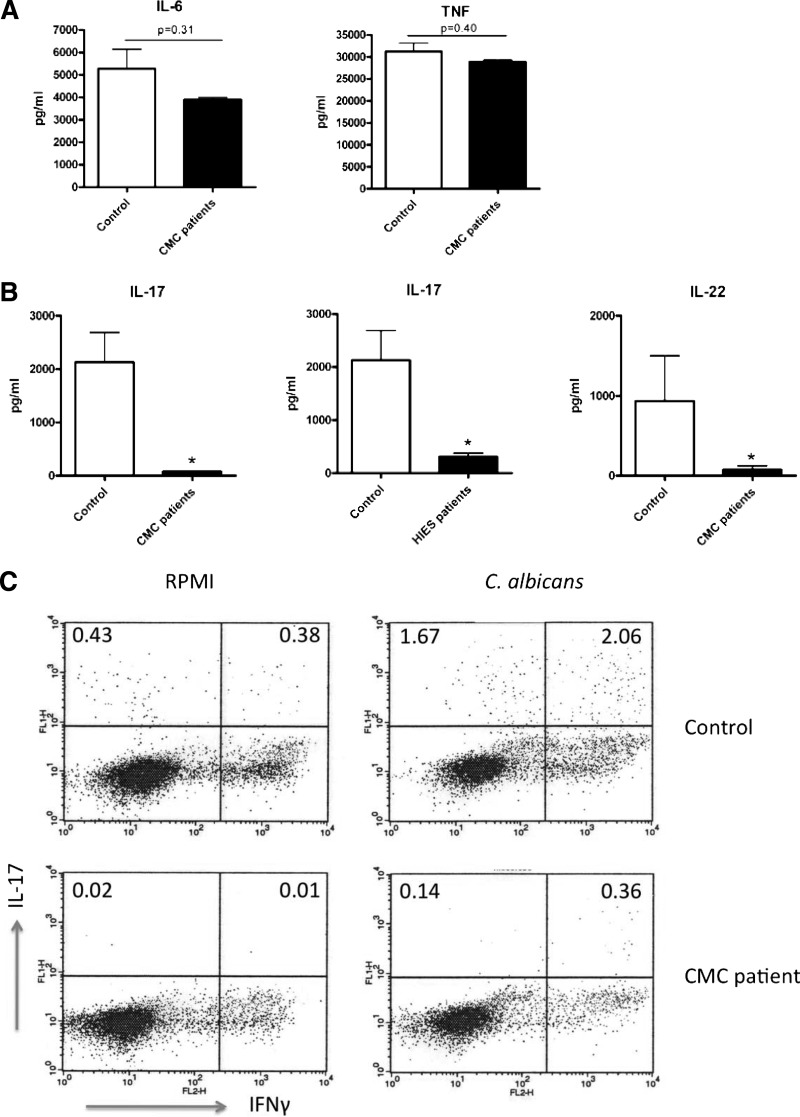
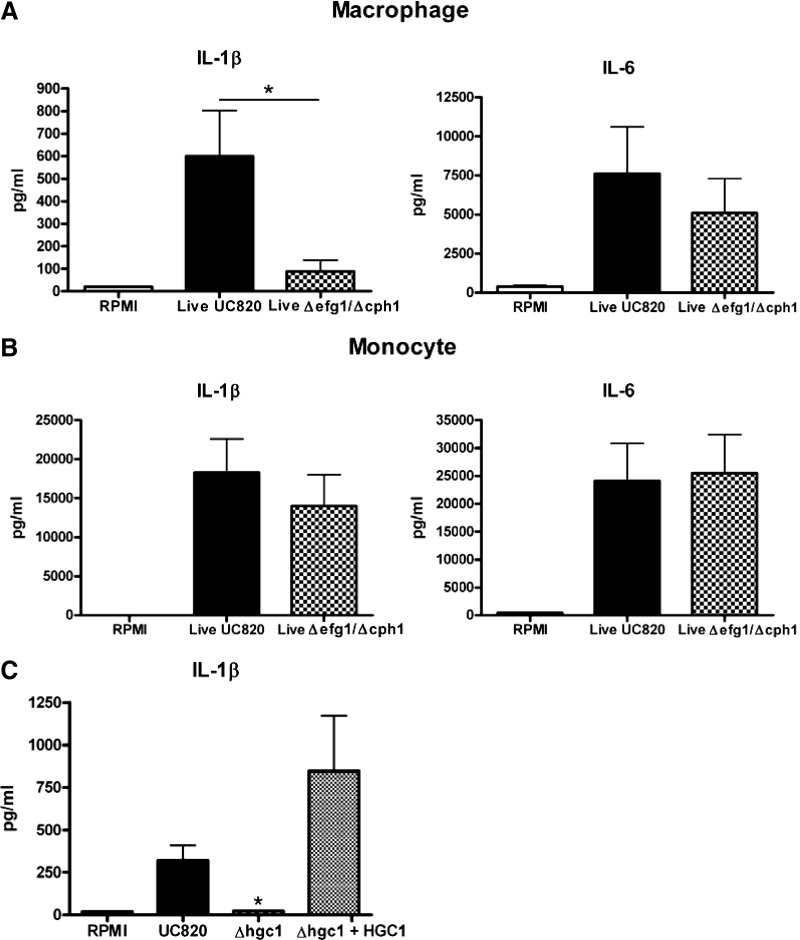
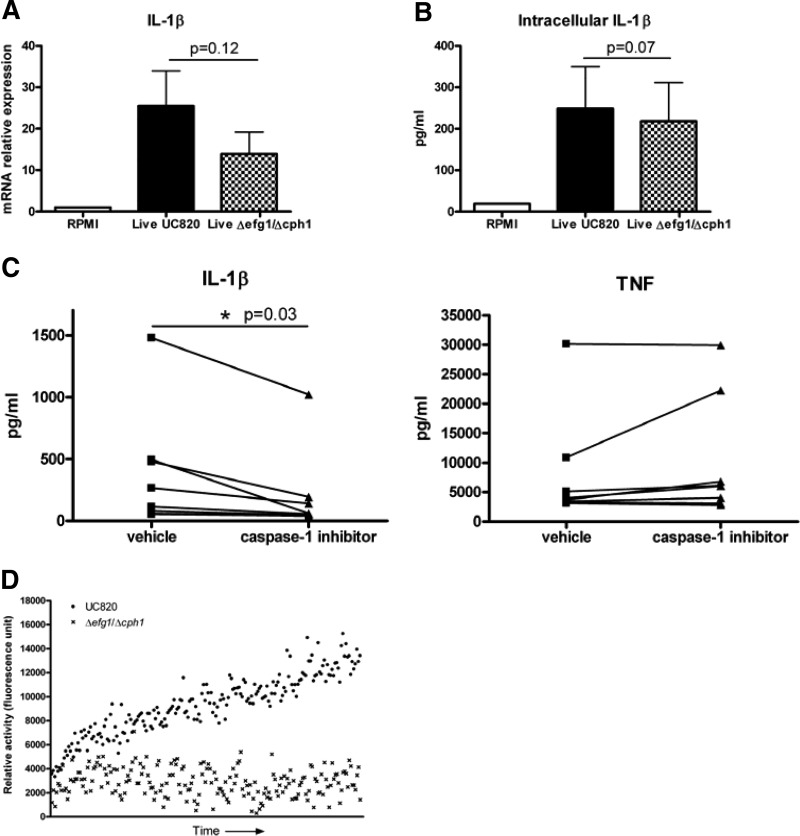
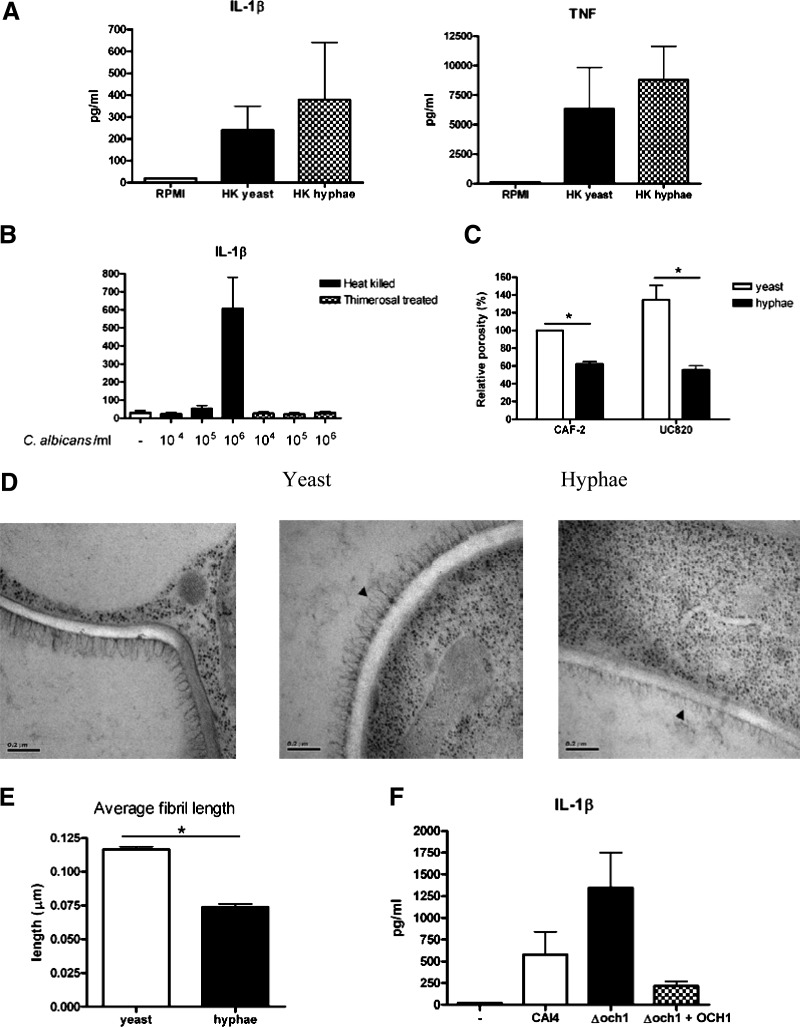
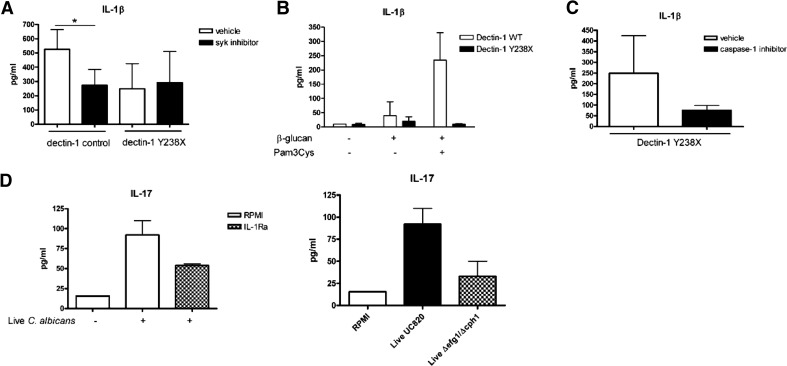
In the mucosa, the immune pathways discriminating between colonizing and invasive Candida, thus inducing tolerance or inflammation, are poorly understood. Th17 responses induced by Candida albicans hyphae are central for the activation of mucosal antifungal immunity. An essential step for the discrimination between yeasts and hyphae and induction of Th17 responses is the activation of the inflammasome by C. albicans hyphae and the subsequent release of active IL-1β in macrophages. Inflammasome activation in macrophages results from differences in cell-wall architecture between yeasts and hyphae and is partly mediated by the dectin-1/Syk pathway. These results define the dectin-1/inflammasome pathway as the mechanism that enables the host immune system to mount a protective Th17 response and distinguish between colonization and tissue invasion by C. albicans.
Overview
The claims and statistics of this paper haven’t been checked yet.
Free: it reads the open-access text and checks the first 5 claims that cite a source we can check. Create a free account to check every claim.
Integrity signals
Registry
Cites
Statistics
Figures
Verification
Claims the paper makes
The claims and statistics of this paper haven’t been checked yet.
Free: it reads the open-access text and checks the first 5 claims that cite a source we can check. Create a free account to check every claim.
Claims other papers make about this one
Each is checked against this paper’s own text: does it say what the citing paper says it does?
The cited source says what the claim attributes to it.
In the citing paper
“When Candida albicans invades the host, filamentation triggers the discharge of proinflammatory cytokines interleukin (IL)-1β [7–10] and IL-6 [11], leading to host inflammatory responses.”
From The F 1 F o -ATP synthase α subunit of Candida albicans induces inflammatory responses by controlling amino acid catabolism (2023) · cites this paper as [9]
The cited source says what the claim attributes to it.
In the citing paper
“Filamentation endows C. albicans with proinflammatory capability [7] to elicit the production and excretion of host proinflammatory cytokines such as interleukin (IL)-1β [7–10,49] and IL-6 [11]”
From The F 1 F o -ATP synthase α subunit of Candida albicans induces inflammatory responses by controlling amino acid catabolism (2023) · cites this paper as [9]
Self-check
Percentages, sums and reported differences re-computed from the paper’s own numbers.
The self-check needs the paper’s full text.
Citations
Cites
Martinon, F., Burns, K., & Tschopp, J. (2002) · Molecular Cell · doi:10.1016/s1097-2765(02)00599-3 · Cited by 6,066
Acosta-Rodriguez, E. V., Napolitani, G., Lanzavecchia, A., & Sallusto, F. (2007) · Nature Immunology · doi:10.1038/ni1496 · Cited by 1,857
Nonfilamentous C. albicans Mutants Are Avirulent
Lo, H.-J., Köhler, J. R., DiDomenico, B., Loebenberg, D., Cacciapuoti, A., & Fink, G. R. (1997) · Cell · doi:10.1016/s0092-8674(00)80358-x · Cited by 1,809 · cited 2×
“It has been also shown that efg1/ cph1 is avirulent in the mouse model [31], demonstrating that hyphae formation is critical for C.”
BackgroundImpaired TH17 cell differentiation in subjects with autosomal dominant hyper-IgE syndrome
Milner, J. D., Brenchley, J. M., Laurence, A., Freeman, A. F., Hill, B. J., Elias, K. M., Kanno, Y., Spalding, C., Elloumi, H. Z., Paulson, M. L., et al. (2008) · Nature · doi:10.1038/nature06764 · Cited by 1,157
Conti, H. R., Shen, F., Nayyar, N., Stocum, E., Sun, J. N., Lindemann, M. J., Ho, A. W., Hai, J. H., Yu, J. J., Jung, J. W., et al. (2009) · Journal of Experimental Medicine · doi:10.1084/jem.20081463 · Cited by 1,024 · cited 3×
“The importance of Th17 responses for antifungal host defense is supported by two additional lines of evidence: IL-17 is important for host defense against systemic fungal infection [29, 30], and IL-17 has been shown to be a crucial component of mucosal antifungal defense in a murine experimental model [4].”
BackgroundAn integrated model of the recognition of Candida albicans by the innate immune system
Netea, M. G., Brown, G. D., Kullberg, B. J., & Gow, N. A. R. (2008) · Nature Reviews Microbiology · doi:10.1038/nrmicro1815 · Cited by 946 · cited 2×
“Th17 responses are initiated by two signals: presentation of a fungal antigen in the context of the activation by costimulatory molecules and the release of an appropriate cytokine milieu by the APCs, such as tissue macrophages [22].”
BackgroundSelf-citationNeutrophil Recruitment by Human IL-17 Via C-X-C Chemokine Release in the Airways
Laan, M., Cui, Z.-H., Hoshino, H., Lötvall, J., Sjöstrand, M., Gruenert, D. C., Skoogh, B.-E., & Lindén, A. (1999) · The Journal of Immunology · doi:10.4049/jimmunol.162.4.2347 · Cited by 880
Requirement of Interleukin‐17A for Systemic Anti– Candida albicans Host Defense in Mice
Huang, W., Na, L., Fidel, P. L., & Schwarzenberger, P. (2004) · The Journal of Infectious Diseases · doi:10.1086/422329 · Cited by 859 · cited 1×
“The importance of Th17 responses for antifungal host defense is supported by two additional lines of evidence: IL-17 is important for host defense against systemic fungal infection [29, 30], and IL-17 has been shown to be a crucial component of mucosal antifungal defense in a murine experimental model [4].”
BackgroundSyk kinase signalling couples to the Nlrp3 inflammasome for anti-fungal host defence
Gross, O., Poeck, H., Bscheider, M., Dostert, C., Hannesschläger, N., Endres, S., Hartmann, G., Tardivel, A., Schweighoffer, E., Tybulewicz, V., et al. (2009) · Nature · doi:10.1038/nature07965 · Cited by 819
Netea, M. G., Nold-Petry, C. A., Nold, M. F., Joosten, L. A. B., Opitz, B., van der Meer, J. H. M., van de Veerdonk, F. L., Ferwerda, G., Heinhuis, B., Devesa, I., et al. (2009) · Blood · doi:10.1182/blood-2008-03-146720 · Cited by 792
Self-citation
Cited by
Interactions between commensal fungi and the C-type lectin receptor Dectin-1 influence colitis
Iliev, I. D., Funari, V. A., Taylor, K. D., Nguyen, Q., Reyes, C. N., Strom, S. P., Brown, J., Becker, C. A., Fleshner, P. R., Dubinsky, M., et al. (2012) · Science · doi:10.1126/science.1221789 · Cited by 1,073
Candida albicans morphogenesis and host defence: discriminating invasion from colonization
Gow, N. A. R., van de Veerdonk, F. L., Brown, A. J. P., & Netea, M. G. (2012) · Nature Reviews Microbiology · doi:10.1038/nrmicro2711 · Cited by 888
Self-citationThe mycobiota: interactions between commensal fungi and the host immune system
Underhill, D. M., & Iliev, I. D. (2014) · Nature Reviews Immunology · doi:10.1038/nri3684 · Cited by 695
Immune defence against Candida fungal infections
Netea, M. G., Joosten, L. A. B., van der Meer, J. W. M., Kullberg, B.-J., & van de Veerdonk, F. L. (2015) · Nature Reviews Immunology · doi:10.1038/nri3897 · Cited by 642
Self-citationInteractions of fungal pathogens with phagocytes
Erwig, L. P., & Gow, N. A. R. (2016) · Nature Reviews Microbiology · doi:10.1038/nrmicro.2015.21 · Cited by 626
Self-citationCutting Edge: miR-223 and EBV miR-BART15 Regulate the NLRP3 Inflammasome and IL-1β Production
Haneklaus, M., Gerlic, M., Kurowska-Stolarska, M., Rainey, A.-A., Pich, D., McInnes, I. B., Hammerschmidt, W., O’Neill, L. A. J., & Masters, S. L. (2012) · The Journal of Immunology · doi:10.4049/jimmunol.1200312 · Cited by 411
“Importantly, NLRP3 is a critical regulator of fungal infection, where the IL-1b produced by this inflammasome drives antifungal Th17 responses (12).”
Th17 cells in immunity to Candida albicans
Hernández-Santos, N., & Gaffen, S. L. (2012) · Cell Host & Microbe · doi:10.1016/j.chom.2012.04.008 · Cited by 361
“The yeast form did not activate the inflammasome, demonstrating that this pathway is likely important for discriminating between colonizing yeast and invasive hyphae (Cheng et al., 2011).”
Importance of the Candida albicans cell wall during commensalism and infection
Gow, N. A., & Hube, B. (2012) · Current Opinion in Microbiology · doi:10.1016/j.mib.2012.04.005 · Cited by 347
“Whilst both yeast cells and hyphae induce pro IL-1b mRNA and protein, only hyphae induce caspase-1 and hence secretion of active IL-1b and subsequent IL-17 secretion by Th-17 cells leading to recruitment of neutrophils (Figure 3) [23 ,35].”
BackgroundSelf-citationd'Enfert, C., Kaune, A.-K., Alaban, L.-R., Chakraborty, S., Cole, N., Delavy, M., Kosmala, D., Marsaux, B., Fróis-Martins, R., Morelli, M., et al. (2021) · FEMS Microbiology Reviews · doi:10.1093/femsre/fuaa060 · Cited by 347
Self-citationImportance of Candida–bacterial polymicrobial biofilms in disease
Harriott, M. M., & Noverr, M. C. (2011) · Trends in Microbiology · doi:10.1016/j.tim.2011.07.004 · Cited by 313
“In particular, β-glucan signals via dectin-1 and TLR2 to promote Th17 cytokine production, which has been proposed to play a protective role against mucosal fungal infections [69-72].”
BackgroundIL-17–Mediated Immunity to the Opportunistic Fungal Pathogen Candida albicans
Conti, H. R., & Gaffen, S. L. (2015) · The Journal of Immunology · doi:10.4049/jimmunol.1500909 · Cited by 301
Beyond pattern recognition: five immune checkpoints for scaling the microbial threat
Blander, J. M., & Sander, L. E. (2012) · Nature Reviews Immunology · doi:10.1038/nri3167 · Cited by 290
Candida albicans interactions with epithelial cells and mucosal immunity
Naglik, J. R., Moyes, D. L., Wächtler, B., & Hube, B. (2011) · Microbes and Infection · doi:10.1016/j.micinf.2011.06.009 · Cited by 277
The Pathogen Candida albicans Hijacks Pyroptosis for Escape from Macrophages
Uwamahoro, N., Verma-Gaur, J., Shen, H.-H., Qu, Y., Lewis, R., Lu, J., Bambery, K., Masters, S. L., Vince, J. E., Naderer, T., et al. (2014) · mBio · doi:10.1128/mbio.00003-14 · Cited by 264
“The two Mediator mutants showed a reduced ability to cause IL-1 secretion in the supernatant of lipopolysaccharide (LPS)-primed macrophages at 2 and 3 h postphagocytosis, suggesting they were impaired in the ability to activate caspase-1 (Fig.”
BackgroundInfluentialC-type lectin receptors in the control of T helper cell differentiation
Geijtenbeek, T. B. H., & Gringhuis, S. I. (2016) · Nature Reviews Immunology · doi:10.1038/nri.2016.55 · Cited by 257
Interplay between Candida albicans and the mammalian innate host defense
Cheng, S.-C., Joosten, L. A. B., Kullberg, B.-J., & Netea, M. G. (2012) · Infection and Immunity · doi:10.1128/iai.06146-11 · Cited by 256
“We have demonstrated that Candida hyphae may specifically activate the inflammasome through the exposure of fungal PAMPs, such as -glucans, that are originally shielded in yeast (19), because -glucan was demonstrated to induce both IL-1 mRNA transcription and inflammasome activation (49, 52).”
BackgroundSelf-citationCandida albicans morphology and dendritic cell subsets determine T helper cell differentiation
Kashem, S. W., Igyártó, B. Z., Gerami-Nejad, M., Kumamoto, Y., Mohammed, J., Jarrett, E., Drummond, R. A., Zurawski, S. M., Zurawski, G., Berman, J., et al. (2015) · Immunity · doi:10.1016/j.immuni.2015.01.008 · Cited by 250
“Using in vitro methods, others have found thatC. albicans pseudo-hyphae can induce Dectin-1-mediated Th17 cell differentiation through an IL-1b-dependent mechanism as well as induce Th2 or Tr1 cell responses (Cheng et al., 2011; d’Ostiani et al., 2000).”
InfluentialC-type lectin receptor-induced NF-κB activation in innate immune and inflammatory responses
Kingeter, L. M., & Lin, X. (2012) · Cellular & Molecular Immunology · doi:10.1038/cmi.2011.58 · Cited by 240
Höfs, S., Mogavero, S., & Hube, B. (2016) · Journal of Microbiology · doi:10.1007/s12275-016-5514-0 · Cited by 238
“Mannan fibrils detected on hyphae are shorter and less abundant compared to those present on yeast cells, making hyphae an easier target for the recognition by PRRs, due to the loss of shielding of underlying ß-glucan (Cheng et al., 2011).”
BackgroundInfluentialMicrobiome Dependent Regulation of Tregs and Th17 Cells in Mucosa
Pandiyan, P., Bhaskaran, N., Zou, M., Schneider, E., Jayaraman, S., & Huehn, J. (2019) · Frontiers in Immunology · doi:10.3389/fimmu.2019.00426 · Cited by 236
Pattern recognition receptors in fungal immunity
Patin, E. C., Thompson, A., & Orr, S. J. (2019) · Seminars in Cell & Developmental Biology · doi:10.1016/j.semcdb.2018.03.003 · Cited by 226
Mukaremera, L., Lee, K. K., Mora-Montes, H. M., & Gow, N. A. R. (2017) · Frontiers in Immunology · doi:10.3389/fimmu.2017.00629 · Cited by 199
Self-citationHyphal Growth in Human Fungal Pathogens and Its Role in Virulence
Brand, A. (2012) · International Journal of Microbiology · doi:10.1155/2012/517529 · Cited by 180
“On detection of hyphal PAMPs via Dectin-1 and other receptors, cytokine signalling activates a group of proteins called the inflammasome, which is expressed within mucosal macrophages and dendritic cells [83].”
Microbiota-Immune Interaction in the Pathogenesis of Gut-Derived Infection
Wang, C., Li, Q., & Ren, J. (2019) · Frontiers in Immunology · doi:10.3389/fimmu.2019.01873 · Cited by 166
“After recognizing β-1,3-glucans (a component of the fungal cell walls), Dectin-1 could activate intracellular signals through CARD9, resulting in release of inflammatory cytokines and induction of Th17-mediated immune responses (176, 177).”
BackgroundCandida albicans and Candida glabrata : global priority pathogens
Katsipoulaki, M., Stappers, M. H. T., Malavia-Jones, D., Brunke, S., Hube, B., & Gow, N. A. R. (2024) · Microbiology and Molecular Biology Reviews · doi:10.1128/mmbr.00021-23 · Cited by 180
Self-citationIL-37 Inhibits Inflammasome Activation and Disease Severity in Murine Aspergillosis
Moretti, S., Bozza, S., Oikonomou, V., Renga, G., Casagrande, A., Iannitti, R. G., Puccetti, M., Garlanda, C., Kim, S., Li, S., et al. (2014) · PLoS Pathogens · doi:10.1371/journal.ppat.1004462 · Cited by 161
“Indeed, in such settings, mice deficient in IL-1R1 are protected [22,38] and mice with hyper-functioning of IL-1b signaling have detrimental inflammatory responses [20].”
BackgroundLewis, L. E., Bain, J. M., Lowes, C., Gillespie, C., Rudkin, F. M., Gow, N. A. R., & Erwig, L.-P. (2012) · PLoS Pathogens · doi:10.1371/journal.ppat.1002578 · Cited by 150
“albicans biology thought to play a major role in host recognition is the fungus’ ability to undergo reversible morphological changes between yeast, pseudohyphal, and hyphal forms in response to environmental signals [7,8].”
BackgroundSelf-citationLefèvre, L., Lugo‐Villarino, G., Meunier, É., Valentin, A., Olagnier, D. P., Authier, H., Duval, C., Dardenne, C., Bernad, J., Lemesre, J. L., et al. (2013) · Immunity · doi:10.1016/j.immuni.2013.04.010 · Cited by 167
The Interaction of Human Pathogenic Fungi With C-Type Lectin Receptors
Goyal, S., Castrillón-Betancur, J. C., Klaile, E., & Slevogt, H. (2018) · Frontiers in Immunology · doi:10.3389/fimmu.2018.01261 · Cited by 138
“albicans germ tubes can be resognized by Dectin-1 in Syk-dependent mechanism and initiate Th-17 response (136).”
BackgroundLowman, D. W., Greene, R. R., Bearden, D. W., Kruppa, M. D., Pottier, M., Monteiro, M. A., Soldatov, D. V., Ensley, H. E., Cheng, S.-C., Netea, M. G., et al. (2014) · Journal of Biological Chemistry · doi:10.1074/jbc.m113.529131 · Cited by 132
“Most of the published data has focused on ultrastructural analysis (electron microscopy) or immune responses to hyphae (1, 4).”
BackgroundSelf-citationRecent trends in molecular diagnostics of yeast infections: from PCR to NGS
Consortium OPATHY, Arastehfar, A., Boekhout, T., Butler, G., De Cesare, G. B., Dolk, E., Gabaldón, T., Hafez, A., Hube, B., Hagen, F., et al. (2019) · FEMS Microbiology Reviews · doi:10.1093/femsre/fuz015 · Cited by 131
“For example, it has been shown that C. albicans hyphae induce inflammasome activation and the subsequent release of active interleukin-1β in macrophages, which can be used to distinguish between colonization and tissue invasion by C. albicans (Cheng et al. 2011).”
BackgroundGanesan, S., Rathinam, V. A. K., Bossaller, L., Army, K., Kaiser, W. J., Mocarski, E. S., Dillon, C. P., Green, D. R., Mayadas, T. N., Levitz, S. M., et al. (2014) · The Journal of Immunology · doi:10.4049/jimmunol.1400276 · Cited by 129
“Netea (Nijmegen Institute for Infection, Inflammation, and Immunity, Nijmegen, The Netherlands), was used in all experiments (34).”
MethodMiramón, P., Dunker, C., Windecker, H., Bohovych, I. M., Brown, A. J. P., Kurzai, O., & Hube, B. (2012) · PLoS ONE · doi:10.1371/journal.pone.0052850 · Cited by 121
“thereby inducing a proinflammatory response [4–6].”
Inflammasome-mediated GSDMD activation facilitates escape of Candida albicans from macrophages
Ding, X., Kambara, H., Guo, R., Kanneganti, A., Acosta-Zaldívar, M., Li, J., Liu, F., Bei, T., Qi, W., Xie, X., et al. (2021) · Nature Communications · doi:10.1038/s41467-021-27034-9 · Cited by 115
Genetic susceptibility to Candida infections
Smeekens, S. P., van de Veerdonk, F. L., Kullberg, B. J., & Netea, M. G. (2013) · EMBO Molecular Medicine · doi:10.1002/emmm.201201678 · Cited by 115
Self-citationJawhara, S., Habib, K., Maggiotto, F., Pignede, G., Vandekerckove, P., Maes, E., Dubuquoy, L., Fontaine, T., Guerardel, Y., & Poulain, D. (2012) · PLoS ONE · doi:10.1371/journal.pone.0040648 · Cited by 113
Secreted aspartic proteases of Candida albicans activate the NLRP 3 inflammasome
Pietrella, D., Pandey, N., Gabrielli, E., Pericolini, E., Perito, S., Kasper, L., Bistoni, F., Cassone, A., Hube, B., & Vecchiarelli, A. (2013) · European Journal of Immunology · doi:10.1002/eji.201242691 · Cited by 110
Lenardon, M. D., Sood, P., Dorfmueller, H. C., Brown, A. J. P., & Gow, N. A. R. (2020) · The Cell Surface · doi:10.1016/j.tcsw.2020.100047 · Cited by 110
Self-citationThe IL‐36 receptor pathway regulates Aspergillus fumigatus‐induced Th1 and Th17 responses
Gresnigt, M. S., Rösler, B., Jacobs, C. W. M., Becker, K. L., Joosten, L. A. B., van der Meer, J. W. M., Netea, M. G., Dinarello, C. A., & van de Veerdonk, F. L. (2013) · European Journal of Immunology · doi:10.1002/eji.201242711 · Cited by 108
Self-citationDectin-1 isoforms contribute to distinct Th1/Th17 cell activation in mucosal candidiasis
Carvalho, A., Giovannini, G., LUCA, A. D., D'Angelo, C., Casagrande, A., Iannitti, R. G., Ricci, G., Cunha, C., & Romani, L. R. (2012) · Cellular and Molecular Immunology · doi:10.1038/cmi.2012.1 · Cited by 117
C-type lectin receptors and cytokines in fungal immunity
Vautier, S., MacCallum, D. M., & Brown, G. D. (2011) · Cytokine · doi:10.1016/j.cyto.2011.08.031 · Cited by 123
“invasion by this fungus [74].”
Dühring, S., Germerodt, S., Skerka, C., Zipfel, P. F., Dandekar, T., & Schuster, S. (2015) · Frontiers in Microbiology · doi:10.3389/fmicb.2015.00625 · Cited by 102
“Cheng et al. (2011) showed that the development of hyphae during tissue invasion triggers the recognition by macrophages via the dectin-1/inflammasome pathway, leading to IL-1β production and thus T helper cell 17 (Th17 cell) activation.”
BackgroundReales‐Calderón, J. A., Aguilera‐Montilla, N., Corbí, Á. L., Molero, G., & Gil, C. (2014) · PROTEOMICS · doi:10.1002/pmic.201300508 · Cited by 101
“The higher expression of superoxide dismutase that we have found in M2 macrophages is in agreement with the reduced production of ROS and, consequently, with the lower microbicidal ability reported for alternative macrophages [7, 8].”
BackgroundInfluentialArnold, C. E., Gordon, P., Barker, R. N., & Wilson, H. M. (2015) · Immunobiology · doi:10.1016/j.imbio.2014.09.022 · Cited by 99
Pathogenesis of invasive fungal infections
Garcia-Vidal, C., Viasus, D., & Carratalà, J. (2013) · Current Opinion in Infectious Diseases · doi:10.1097/qco.0b013e32835fb920 · Cited by 99
Domínguez-Andrés, J., Arts, R. J. W., ter Horst, R., Gresnigt, M. S., Smeekens, S. P., Ratter, J. M., Lachmandas, E., Boutens, L., van de Veerdonk, F. L., Joosten, L. A. B., et al. (2017) · PLOS Pathogens · doi:10.1371/journal.ppat.1006632 · Cited by 98
“Of note, the increase in lactate measured after stimulation with live fungal forms was lower than with heat-killed forms, most likely due to the effective masking of β–glucan in the cell wall of live yeasts [18].”
BackgroundResultInfluentialSelf-citationPellón, A., Nasab, S. D. S., & Moyes, D. L. (2020) · Frontiers in Cellular and Infection Microbiology · doi:10.3389/fcimb.2020.00081 · Cited by 113
“At the systemic level, monocytes and neutrophils respond strongly to yeast cells, phagocytosing and killing them, at mucosal surfaces this morphotype does not generate strong responses (Moyes et al., 2010; Cheng et al., 2011).”
BackgroundBeaussart, A., Alsteens, D., El-Kirat-Chatel, S., Lipke, P. N., Kucharíková, S., Van Dijck, P., & Dufrêne, Y. F. (2012) · ACS Nano · doi:10.1021/nn304505s · Cited by 92
“Our measured lengths for mannosylations, 10 to 200 nm, are similar to those measured on yeast cells and roughly in the range of the ∼73 nm mannan fibril length measured by TEM.(32) We further assessed the specificity of the weak recognition events by blocking als3Δ/als3Δ als1Δ/als1Δ germ tubeswith freeR-methyl”
InfluentialDubey, S. R., Turnbull, C., Pandey, A., Zhao, A., Kurera, M., Al-Zidan, R. N., Shen, C. X., Gautam, M., Mahajan, S., Jadhav, P. S., et al. (2025) · Cellular and Molecular Immunology · doi:10.1038/s41423-025-01354-y · Cited by 115
Pathogenicity mechanisms and host response during oral Candida albicans infections
Hebecker, B., Naglik, J. R., Hube, B., & Jacobsen, I. D. (2014) · Expert Review of Anti-infective Therapy · doi:10.1586/14787210.2014.916210 · Cited by 91
“Differences in cell wall architecture between these two morphologies lead to different inflammasome activation, partially mediated by the dectin-1/Syk pathway [77].”
BackgroundLoures, F. V., Araújo, E. F., Feriotti, C., Bazan, S. B., Costa, T. A., Brown, G. D., & Calich, V. L. G. (2014) · The Journal of Infectious Diseases · doi:10.1093/infdis/jiu136 · Cited by 89
“by this receptor can drive host adaptive immunity to a prevalent T-helper type 17 (Th17) response [12–17].”
BackgroundMesa-Arango, A. C., Rueda, C., Román, E., Quintin, J., Terrón, M. C., Luque, D., Netea, M. G., Pla, J., & Zaragoza, O. (2016) · Antimicrobial Agents and Chemotherapy · doi:10.1128/aac.02681-15 · Cited by 86
“the main pathogen associated molecular pattern (28, 48-50).”
BackgroundSelf-citationFungal Cell Wall Proteins and Signaling Pathways Form a Cytoprotective Network to Combat Stresses
Ibe, C., & Munro, C. A. (2021) · Journal of Fungi · doi:10.3390/jof7090739 · Cited by 85
Loures, F. V., AraÃojo, E. F., Feriotti, C., Bazan, S. B., & Calich, V. L. G. (2015) · Frontiers in Microbiology · doi:10.3389/fmicb.2015.00261 · Cited by 95
“IL-17-producing cells are crucial for antifungal defense, and fungi are particularly strong inducers of Th17 responses (Levitz, 2009; Cypowyj et al., 2012; Drewniak et al., 2013; Murdock et al., 2014).”
BackgroundImmunochip SNP array identifies novel genetic variants conferring susceptibility to candidaemia
Kumar, V., Cheng, S.-C., Johnson, M. D., Smeekens, S. P., Wojtowicz, A., Giamarellos-Bourboulis, E., Karjalainen, J., Franke, L., Withoff, S., Plantinga, T. S., et al. (2014) · Nature Communications · doi:10.1038/ncomms5675 · Cited by 83
Self-citationThe Effect of Chitin Size, Shape, Source and Purification Method on Immune Recognition
Alvarez, F. (2014) · Molecules · doi:10.3390/molecules19044433 · Cited by 79
“albicans hyphae contain less mannans and more chitin than in the round yeast cells (blastopores) [36].”
BackgroundJaeger, M., Carvalho, A., Cunha, C., Plantinga, T. S., van de Veerdonk, F., Puccetti, M., Galosi, C., Joosten, L. A. B., Dupont, B., Kullberg, B. J., et al. (2016) · European Journal of Clinical Microbiology & Infectious Diseases · doi:10.1007/s10096-016-2600-5 · Cited by 77
“The yeast-to-hyphae germination has been recently shown to be an important component of vulvovaginal candidosis pathogenesis [19], and earlier studies demonstrated that inflammasome/IL-1β activation is a main component of the hyphae-specific immune response [20].”
Self-citationRole of Protein Glycosylation in Candida parapsilosis Cell Wall Integrity and Host Interaction
Pérez-García, L. A., Csonka, K., Flores-Carreón, A., Estrada-Mata, E., Mellado-Mojica, E., Németh, T., López-Ramírez, L. A., Toth, R., López, M. G., Vizler, C., et al. (2016) · Frontiers in Microbiology · doi:10.3389/fmicb.2016.00306 · Cited by 75
“Therefore,C. parapsilosis OCH1 is the functional ortholog of C. albicans OCH1.”
Role of inflammasomes/pyroptosis and PANoptosis during fungal infection
Briard, B., Malireddi, R. K. S., & Kanneganti, T. (2021) · PLoS Pathogens · doi:10.1371/journal.ppat.1009358 · Cited by 81
Self-citationDressed to impress: impact of environmental adaptation on the Candida albicans cell wall
Hall, R. A. (2015) · Molecular Microbiology · doi:10.1111/mmi.13020 · Cited by 73
“This discrimination between the ability of yeast and hyphal cells to activate the NLRP3 inflammasome has been posed as a mechanism the immune system uses to distinguish commensal (yeast) growth over invasive (hyphal) growth (Cheng et al., 2011).”
BackgroundVautier, S., Drummond, R. A., Chen, K., Murray, G. I., Kadosh, D., Brown, A. J. P., Gow, N. A. R., MacCallum, D. M., Kolls, J. K., & Brown, G. D. (2015) · Cellular Microbiology · doi:10.1111/cmi.12388 · Cited by 72
“4Department of Microbiology and Immunology,”
BackgroundSelf-citationAzadmanesh, J., Gowen, A. M., Creger, P. E., Schafer, N. D., & Blankenship, J. R. (2017) · G3 Genes|Genomes|Genetics · doi:10.1534/g3.117.300224 · Cited by 70
O’Meara, T. R., Duah, K., Guo, C. X., Maxson, M. E., Gaudet, R. G., Koselny, K., Wellington, M., Powers, M. E., MacAlpine, J., O’Meara, M. J., et al. (2018) · mBio · doi:10.1128/mbio.01581-18 · Cited by 70
“A simple model is that immune cells exploit the cell wall differences or levels of -glucan masking between yeast and filaments to sense the relative pathogenicity of this opportunistic pathogen (54).”
BackgroundRahabi, M. C., Jacquemin, G., Prat, M., Meunier, É., AlaEddine, M., Bertrand, B., Lefèvre, L., Benmoussa, K., Batigne, P., Aubouy, A., et al. (2019) · Cell Reports · doi:10.1016/j.celrep.2020.03.018 · Cited by 75
One population, multiple lifestyles: Commensalism and pathogenesis in the human mycobiome
Proctor, D. M., Drummond, R. A., Lionakis, M. S., & Segre, J. A. (2023) · Cell Host & Microbe · doi:10.1016/j.chom.2023.02.010 · Cited by 68
Candida albicans Morphogenesis Is Not Required for Macrophage Interleukin 1β Production
Wellington, M., Koselny, K., & Krysan, D. J. (2013) · mBio · doi:10.1128/mbio.00433-12 · Cited by 67
de Sá, D. C., & Neto, C. F. (2016) · Anais Brasileiros de Dermatologia · doi:10.1590/abd1806-4841.20165577 · Cited by 76
Tucey, T. M., Verma-Gaur, J., Nguyen, J., Hewitt, V. L., Lo, T. L., Shingu-Vazquez, M., Robertson, A. A. B., Hill, J. R., Pettolino, F. A., Beddoe, T., et al. (2016) · mSphere · doi:10.1128/msphere.00074-16 · Cited by 66
“Mitochondrial activity is needed for cell wall integrity in C. albicans (39–41; reviewed in references 5 and 6), and cell wall components, including 1,3-(cid:2) -glucan and cell wall mannosylation, correlate with inflammasome activation and pyroptosis (13, 19, 42–44).”
The Role of C-Type Lectin Receptor Signaling in the Intestinal Microbiota-Inflammation-Cancer Axis
Li, M., Zhang, R., Li, J., & Li, J. (2022) · Frontiers in Immunology · doi:10.3389/fimmu.2022.894445 · Cited by 82
“It is noteworthy that Dectin-1-induced protective Th17 responses are critical in the human mucosal antifungal defense responses, for example distinguishing between colonizing and invasive Candida based on their morphological transition from yeast to hyphae (84).”
BackgroundLi, S., Fossati, G., Marchetti, C., Modena, D., Pozzi, P., Reznikov, L. L., Moras, M. L., Azam, T., Abbate, A., Mascagni, P., et al. (2014) · Journal of Biological Chemistry · doi:10.1074/jbc.m114.618454 · Cited by 71
“In this model, there is a requirement for activation of the monocyte and IL-1 dependence (28, 38, 39).”
BackgroundControl of β-glucan exposure by the endo-1,3-glucanase Eng1 in Candida albicans modulates virulence
Yang, M., Solis, N. V., Marshall, M., Garleb, R., Zhou, T., Wang, D., Swidergall, M., Pearlman, E., Filler, S. G., & Liu, H. (2022) · PLOS Pathogens · doi:10.1371/journal.ppat.1010192 · Cited by 62
Role of Yeasts in Healthy and Impaired Gut Microbiota: The Gut Mycome
Ianiro, G., Bruno, G., Lopetuso, L., Beghella, F., Laterza, L., D'Aversa, F., Gigante, G., Cammarota, G., & Gasbarrini, A. (2014) · Current Pharmaceutical Design · doi:10.2174/13816128113196660723 · Cited by 61
“Dectin-1 activates intracellular signals through CARD9 leading to inflammatory cytokine production and induction of T helper 17 (Th17) immune responses [18-21].”
BackgroundWhibley, N., MacCallum, D. M., Vickers, M. A., Zafreen, S., Waldmann, H., Hori, S., Gaffen, S. L., Gow, N. A. R., Barker, R. N., & Hall, A. M. (2014) · European Journal of Immunology · doi:10.1002/eji.201343604 · Cited by 60
Self-citationMéar, J.-B., Gosset, P., Kipnis, É., Faure, E., Dessein, R., Jawhara, S., Fradin, C., Faure, K., Poulain, D., Sendid, B., et al. (2013) · Infection and Immunity · doi:10.1128/iai.01085-13 · Cited by 69
“These patterns stimulate many different pathways through interactions with the mannose receptor, dectin-1, dectin-2 (7, 10), and galectin-3 (11).”
BackgroundBeyond Candida albicans: Mechanisms of immunity to non-albicans Candida species
Whibley, N., & Gaffen, S. L. (2015) · Cytokine · doi:10.1016/j.cyto.2015.07.025 · Cited by 78
“There are contrasting reports on the ability of yeast and hyphal growth forms to activate downstream dectin-2 responses or promote Th17 responses [42, 63, 69, 71, 72], which may be explained by differences in fungal strains.”
BackgroundTurning Up the Heat: Inflammasome Activation by Fungal Pathogens
Tavares, A. H., Bürgel, P. H., & Bocca, A. L. (2015) · PLoS Pathogens · doi:10.1371/journal.ppat.1004948 · Cited by 65
“In fact, exposition of PAMPs, such as β-glucan and chitin, is the critical factor for NLRP3 inflammasome activation, even though this process is likely to be coordinately regulated with filamentation [26].”
BackgroundOral candidosis in relation to oral immunity
Feller, L., Khammissa, R. A. G., Chandran, R., Altini, M., & Lemmer, J. (2013) · Journal of Oral Pathology and Medicine · doi:10.1111/jop.12120 · Cited by 59
Smeekens, S. P., Gresnigt, M. S., Becker, K. L., Cheng, S.-C., Netea, S. A., Jacobs, L., Jansen, T., van de Veerdonk, F. L., Williams, D. L., Joosten, L. A. B., et al. (2015) · Cytokine · doi:10.1016/j.cyto.2014.10.013 · Cited by 55
“albicans forms hyphae [8], which rapidly”
Self-citationThompson, A., Davies, L. C., Liao, C.-T., da Fonseca, D. M., Griffiths, J. S., Andrews, R., Jones, A. V., Clement, M., Brown, G. D., Humphreys, I. R., et al. (2019) · PLOS Pathogens · doi:10.1371/journal.ppat.1007850 · Cited by 52
The gut commensal fungus, Candida parapsilosis, promotes high fat-diet induced obesity in mice
Sun, S., Sun, L. M., Wang, K., Qiao, S., Zhao, X., Hu, X., Chen, W., Zhang, S., Li, H., Dai, H., et al. (2021) · Communications Biology · doi:10.1038/s42003-021-02753-3 · Cited by 59
Navarro-Arias, M. J., Defosse, T. A., Dementhon, K., Csonka, K., Mellado‐Mojica, E., Valério, A. D., González-Hernández, R. J., Courdavault, V., Clastre, M., Hernández, N. V., et al. (2016) · Frontiers in Microbiology · doi:10.3389/fmicb.2016.01951 · Cited by 56
“The cell wall of control strains was similar in carbohydrate and protein contents, as well as in wall porosity to the polycation DEAE-dextran, an indirect reporter of mannan arrangement (Cheng et al., 2011; Pérez-García et al., 2016).”
BackgroundMethodAn immunological link betweenCandida albicanscolonization and Crohn’s disease
Gérard, R., Sendid, B., Colombel, J., Poulain, D., & Jouault, T. (2013) · Critical Reviews in Microbiology · doi:10.3109/1040841x.2013.810587 · Cited by 56
“Inflammasome alteration results in a decreasing expression of IL-17, thus linking inflammasome activation with the Th17 response (Cheng et al., 2011; Rehaume et al., 2010).”
BackgroundRecognition of Candida albicans by Dectin-1 induces mast cell activation
Nieto-Patlán, A., Campillo-Navarro, M., Rodríguez‐Cortés, O., Muñoz-Cruz, S., Wong‐Baeza, I., Estrada-Parra, S. A., Estrada‐García, I., Serafín‐López, J., & Chacón‐Salinas, R. (2015) · Immunobiology · doi:10.1016/j.imbio.2015.05.005 · Cited by 50
Dectin-1 plays an important role in host defense against systemic Candida glabrata infection
Chen, S. M., Shen, H., Zhang, T., Huang, X., Liu, X. Q., Guo, S. Y., Zhao, J. J., Wang, C. F., Yan, L., Xu, G. T., et al. (2017) · Virulence · doi:10.1080/21505594.2017.1346756 · Cited by 49
The interplay between inflammasome activation and antifungal host defense
van de Veerdonk, F. L., Joosten, L. A. B., & Netea, M. G. (2015) · Immunological Reviews · doi:10.1111/imr.12280 · Cited by 61
“Additional studies have shown that the Syk pathway is a pathway through which several fungal species activate the inflammasome (11, 34, 43, 46).”
BackgroundResultInfluentialSelf-citationBhaskaran, N., Cohen, S., Zhang, Y., Weinberg, A., & Pandiyan, P. (2015) · Pathogens · doi:10.3390/pathogens4010090 · Cited by 54
“albicans [43].”
The potential impact of antifungal drug resistance mechanisms on the host immune response to Candida
Lewis, R. E., Viale, P., & Kontoyiannis, D. P. (2012) · Virulence · doi:10.4161/viru.20746 · Cited by 46
Metabolic competition between host and pathogen dictates inflammasome responses to fungal infection
Tucey, T. M., Verma, J., Olivier, F. A. B., Lo, T. L., Robertson, A. A. B., Naderer, T., & Traven, A. (2020) · PLOS Pathogens · doi:10.1371/journal.ppat.1008695 · Cited by 45
“albicans, and is activated when Candida transitions from the yeast morphotype (which is less invasive and more aligned with the benign state), to the invasive hyphal morphotype (which causes tissue damage and promotes pathogenesis) [25, 26].”
BackgroundThe complex roles of NADPH oxidases in fungal infection
Hogan, D. A., & Wheeler, R. T. (2014) · Cellular Microbiology · doi:10.1111/cmi.12320 · Cited by 48
“These studies are also in agreement with previous work that first identified the hyphal-specific activation of inflammasome activation (Cheng et al., 2011).”
ResultThe role of inflammasome modulation in virulence
Lupfer, C. R., & Kanneganti, T. (2012) · Virulence · doi:10.4161/viru.20266 · Cited by 46
“Once the spores or yeast mature into hyphae, the signals for inflammasome activation are exposed and the fungi are rapidly cleared through an inflammasome dependent Th17 mediated immune response.(98,99) Therefore, fungal infections are generally only pathogenic in immunocompromised hosts such as transplant recipients…”
BackgroundSelf-citationSchwartz, Y. S., & Владимирович, С. А. (2012) · Biochemistry (Moscow) · doi:10.1134/s0006297912030030 · Cited by 59
Patient Susceptibility to Candidiasis—A Potential for Adjunctive Immunotherapy
Davidson, L., Netea, M. G., & Kullberg, B. J. (2018) · Journal of Fungi · doi:10.3390/jof4010009 · Cited by 51
“The pro-inflammatory cytokine IL-18, processed by the inflammasome, induces Th1 cell responses such as IFN-γ production [43].”
BackgroundSelf-citationAutophagy is redundant for the host defense against systemic Candida albicans infections
Smeekens, S. P., Malireddi, R. K. S., Plantinga, T. S., Buffen, K., Oosting, M., Joosten, L. A. B., Kullberg, B. J., Perfect, J. R., Scott, W. K., van de Veerdonk, F. L., et al. (2013) · European Journal of Clinical Microbiology & Infectious Diseases · doi:10.1007/s10096-013-2002-x · Cited by 44
“Candida mannans are recognized by the macrophage mannose receptor and Dectin-2 [2, 3], Dectin-1 recognizes β-glucan [4], while DC-SIGN (CD209) recognizes fucose and mannose/mannan residues [5].”
BackgroundSelf-citationFungal morphogenetic changes inside the mammalian host
Trevijano‐Contador, N., Rueda, C., & Zaragoza, Ó. (2016) · Seminars in Cell and Developmental Biology · doi:10.1016/j.semcdb.2016.04.008 · Cited by 46
Monniot, C., Boisramé, A., Da Costa, G., Chauvel, M., Sautour, M., Bougnoux, M.-E., Bellon-Fontaine, M.-N., Dalle, F., d’Enfert, C., & Richard, M. L. (2013) · PLoS ONE · doi:10.1371/journal.pone.0082395 · Cited by 38
“[51] have described a reduction in the cell wall fimbriae layer in hypha: the average fibril length decreased from 0.”
BackgroundBadrane, H., Nguyen, M. H., Blankenship, J. R., Cheng, S., Hao, B., Mitchell, A. P., & Clancy, C. J. (2012) · Antimicrobial Agents and Chemotherapy · doi:10.1128/aac.00112-12 · Cited by 38
“It forms the interface of the pathogen-host interaction, elaborates virulence factors, and makes complex contributions to cellular morphogenesis and resistance to host defenses (2, 3, 11, 16, 21, 22, 33, 41, 44, 50, 57, 58).”
BackgroundSelf-citationThwe, P. M., Fritz, D. I., Snyder, J. P., Smith, P. R., Curtis, K. D., O'Donnell, A., Galasso, N. A., Sepaniac, L. A., Adamik, B. J., Hoyt, L. R., et al. (2019) · Journal of Leukocyte Biology · doi:10.1002/jlb.3a0819-207rr · Cited by 43
Bhaskaran, N., Faddoul, F., da Silva, A. P., Jayaraman, S., Schneider, E., Mamileti, P., Weinberg, A., & Pandiyan, P. (2020) · Frontiers in Immunology · doi:10.3389/fimmu.2020.595936 · Cited by 38
“Host pathogen recognition receptors including toll-like receptor (TLR)-2, Dectin, and EphA2 are known to recognize Candida (6, 7).”
BackgroundThe evidence for fungus in Crohn’s disease pathogenesis
Miyoshi, J., Sofia, M., & Pierre, J. F. (2018) · Clinical Journal of Gastroenterology · doi:10.1007/s12328-018-0886-9 · Cited by 40
The Emerging Role of TH17 Cells in Organ Transplantation
Sullivan, J. A., Adams, A. B., & Burlingham, W. J. (2013) · Transplantation · doi:10.1097/tp.0000000000000000 · Cited by 38
“Candida in the hyphal, but not yeast, stage was able to elicit an increase in IL-1A from monocyte-derived macrophages through the interaction of pathogen-associated molecular patterns binding to pattern recognition receptors and activation of the inflammasome pathway (45).”
Background
Metadata
- Authors
- Cheng, S.-C., van de Veerdonk, F. L., Lenardon, M., Stoffels, M., Plantinga, T., Smeekens, S., Rizzetto, L., Mukaremera, L., Preechasuth, K., Cavalieri, D., Kanneganti, T. D., van der Meer, J. W. M., Kullberg, B. J., Joosten, L. A. B., Gow, N. A. R., & Netea, M. G.
- Affiliations
- Radboud University Nijmegen (NL)
- Department of Medicine and Nijmegen Institute for Infection, Inflammation and Immunity (N4i), Radboud University Nijmegen Medical Center , Nijmegen, The Netherlands
- University of Aberdeen (GB)
- University of Florence (IT)
- St. Jude Children's Research Hospital (US)
- Corresponding author
- Netea, Mihai G
- ORCID
- Venue
- Journal of Leukocyte Biology
- Publisher
- Oxford University Press (OUP)
- Published
- 2011-04-29
- Volume
- 90
- Issue
- 2
- Pages
- 357-366
- ISSN
- 0741-5400 (ISSN-L)
- 1938-3673
- PMC
- PMC3513931
- OpenAlex
- W2162303211
- Cited by
- 191
- References
- 38
- Citations by year
- 2026: 5 · 2025: 5 · 2024: 8 · 2023: 3 · 2022: 10 · 2021: 12 · 2020: 14 · 2019: 10 · 2018: 9 · 2017: 13 · 2016: 16 · 2015: 17 · 2014: 22 · 2013: 15 · 2012: 26
- FWCI
- 14.91
- Type
- journal article
- Language
- en
- Open access
- hybrid
- doi.org
- Licence
- Locations
- Journal of Leukocyte Biology (publishedVersion, cc-by-nc)
- PubMed Central (publishedVersion, cc-by-nc)
- PubMed (publishedVersion)
- Florence Research (University of Florence) (submittedVersion, other-oa)
- Radboud Repository (Radboud University) (submittedVersion)
- Radboud Repository (Radboud University) (submittedVersion, other-oa)
- Funders
- EU-FP7 Marie Curie (PITN-GA-2008-214004)
- Wellcome Trust
- Rwandan Ministry of Education
- Thai Ministry of Sciences and Technology
- Netherlands Organization for Scientific Research
- ALLFUN Marie Curie
- Topics
- Health Sciences › Medicine › Infectious Diseases › Antifungal resistance and susceptibility
- Life Sciences › Biochemistry, Genetics and Molecular Biology › Molecular Biology › Inflammasome and immune disorders
- Life Sciences › Immunology and Microbiology › Immunology › Immune Response and Inflammation
- Keywords
- Dectin-1, inflammasome, Th17 cells, Candida albicans, IL-1β, macrophages, Syk, cell wall architecture, fungal pathogen recognition
- MeSH terms
- Dectin-1, Blood Cells, Candida albicans, Candidiasis, Cells, Cultured, Humans, Macrophages, Membrane Proteins, Nerve Tissue Proteins, Saccharomyces cerevisiae, Hyphae, Lectins, C-Type, Interleukin-1beta, Th17 Cells, Inflammasomes
About these checks
Registry, retraction, Cites and statistics results are computed, not judged, with one exception: a printed reference that no index lists is read once by a model before it counts as a citation error. Claims are extracted by a model and kept only when their quote appears verbatim in the text; each cited source is then checked, with a model’s help, for whether it says what the claim relies on. Those verdicts can be wrong — read the claim’s quote and the cited source before relying on one.
Statistics and arithmetic are recomputed, not judged.
Confidence bands are shown only for fields calibrated on our annotated test set. None is calibrated yet, so no band is shown.
What counts as a claim ›How we measure confidence ›How we check this ›
Are you an author, or do you see a problem with this page? Request a review
Data sources
Bibliographic data: Semantic Scholar, OpenAlex, Crossref.
Contains information from the Semantic Scholar Academic Graph Datasets, made available under the ODC Attribution License (ODC-BY 1.0).
Semantic Scholar’s data is described in: Kinney, R., et al. (2023). The Semantic Scholar Open Data Platform. arXiv:2301.10140.
