

The Pervasive Effects of an Antibiotic on the Human Gut Microbiota, as Revealed by Deep 16S rRNA Sequencing
Open accessThe DOI matches its Crossref record; 95 of the 95 references it cites were found in a registry or an index.
Abstract
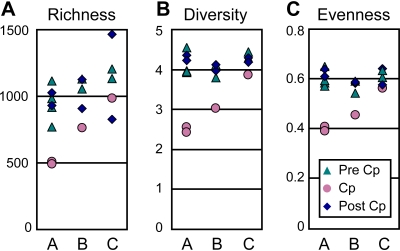
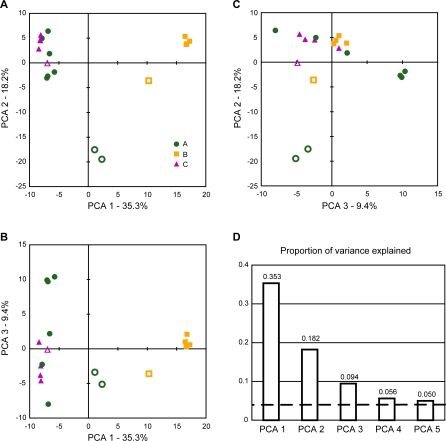
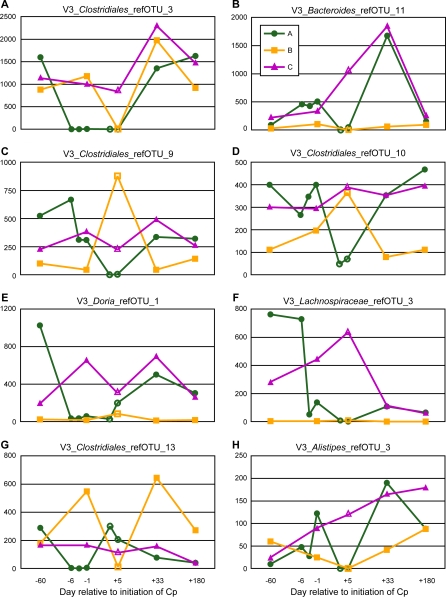
The human intestinal microbiota is essential to the health of the host and plays a role in nutrition, development, metabolism, pathogen resistance, and regulation of immune responses. Antibiotics may disrupt these coevolved interactions, leading to acute or chronic disease in some individuals. Our understanding of antibiotic-associated disturbance of the microbiota has been limited by the poor sensitivity, inadequate resolution, and significant cost of current research methods. The use of pyrosequencing technology to generate large numbers of 16S rDNA sequence tags circumvents these limitations and has been shown to reveal previously unexplored aspects of the "rare biosphere." We investigated the distal gut bacterial communities of three healthy humans before and after treatment with ciprofloxacin, obtaining more than 7,000 full-length rRNA sequences and over 900,000 pyrosequencing reads from two hypervariable regions of the rRNA gene. A companion paper in PLoS Genetics (see Huse et al., doi: 10.1371/journal.pgen.1000255) shows that the taxonomic information obtained with these methods is concordant. Pyrosequencing of the V6 and V3 variable regions identified 3,300-5,700 taxa that collectively accounted for over 99% of the variable region sequence tags that could be obtained from these samples. Ciprofloxacin treatment influenced the abundance of about a third of the bacterial taxa in the gut, decreasing the taxonomic richness, diversity, and evenness of the community. However, the magnitude of this effect varied among individuals, and some taxa showed interindividual variation in the response to ciprofloxacin. While differences of community composition between individuals were the largest source of variability between samples, we found that two unrelated individuals shared a surprising degree of community similarity. In all three individuals, the taxonomic composition of the community closely resembled its pretreatment state by 4 weeks after the end of treatment, but several taxa failed to recover within 6 months. These pervasive effects of ciprofloxacin on community composition contrast with the reports by participants of normal intestinal function and with prior assumptions of only modest effects of ciprofloxacin on the intestinal microbiota. These observations support the hypothesis of functional redundancy in the human gut microbiota. The rapid return to the pretreatment community composition is indicative of factors promoting community resilience, the nature of which deserves future investigation.
Overview
The claims and statistics of this paper haven’t been checked yet.
Free: it reads the open-access text and checks the first 5 claims that cite a source we can check. Create a free account to check every claim.
Integrity signals
Registry
Cites
Statistics
Figures
Verification
Claims the paper makes
The claims and statistics of this paper haven’t been checked yet.
Free: it reads the open-access text and checks the first 5 claims that cite a source we can check. Create a free account to check every claim.
Claims other papers make about this one
Each is checked against this paper’s own text: does it say what the citing paper says it does?
The source backs part of the claim, not all of it — or backs it for a different population, condition or comparison.
In the citing paper
“The greatest risk factor for CDI is the use of antibiotics,46 though only a small proportion of patients on antibiotics develop the infection.”
From Update on Fecal Microbiota Transplantation 2015: Indications, Methodologies, Mechanisms, and Outlook (2015) · cites this paper as [46]
Experimental — accuracy not yet measuredThe source backs part of the claim, not all of it — or backs it for a different population, condition or comparison.
In the citing paper
“The taxonomic composition of the gut microbiota changes throughout the gastrointestinal tract, according to nutrient availability, mucus structure, pH and oxygen availability [1–6].”
From Role of the gut microbiota in nutrient competition and protection against intestinal pathogen colonization (2023) · cites this paper as [6]
Experimental — accuracy not yet measuredThe cited source says what the claim attributes to it.
In the citing paper
“Individual bacterial taxa can show variable responses to antibiotics, which will impact the nutrient niches that are created in the intestine following antibiotic treatment [6].”
From Role of the gut microbiota in nutrient competition and protection against intestinal pathogen colonization (2023) · cites this paper as [6]
Self-check
Percentages, sums and reported differences re-computed from the paper’s own numbers.
The self-check needs the paper’s full text.
Citations
Cites
Naïve Bayesian Classifier for Rapid Assignment of rRNA Sequences into the New Bacterial Taxonomy
Wang, Q., Garrity, G. M., Tiedje, J. M., & Cole, J. R. (2007) · Applied and Environmental Microbiology · doi:10.1128/aem.00062-07 · Cited by 19,885 · cited 5×
“The taxonomic affiliation of fulllength sequences was determined using the Classifier tool of the RDP, with an 80% bootstrap threshold [41].”
BackgroundMethodInfluentialGreengenes, a Chimera-Checked 16S rRNA Gene Database and Workbench Compatible with ARB
DeSantis, T. Z., Hugenholtz, P., Larsen, N., Rojas, M., Brodie, E. L., Keller, K., Huber, T., Dalevi, D., Hu, P., & Andersen, G. L. (2006) · Applied and Environmental Microbiology · doi:10.1128/aem.03006-05 · Cited by 10,891 · cited 1×
“Forward and reverse sequencing reads were assembled using the Phred/Phrap/Consed suite of programs with default parameters [50–52]; assembled sequences were aligned via the NAST algorithm [53] at the Greengenes Website (http:// greengenes.lbl.gov/) [ 54 ].”
MethodHuman gut microbes associated with obesity
Ley, R. E., Turnbaugh, P. J., Klein, S., & Gordon, J. I. (2006) · Nature · doi:10.1038/4441022a · Cited by 8,785 · cited 1×
“A high proportion of tags in the current study have an exact match in the database, due to the substantial sequencing effort that has already been directed to the human gut microbiota [7,30,90].”
BackgroundDiversity of the Human Intestinal Microbial Flora
Eckburg, P. B., Bik, E. M., Bernstein, C. N., Purdom, E., Dethlefsen, L., Sargent, M., Gill, S. R., Nelson, K. E., & Relman, D. A. (2005) · Science · doi:10.1126/science.1110591 · Cited by 7,913 · cited 4×
“A high proportion of tags in the current study have an exact match in the database, due to the substantial sequencing effort that has already been directed to the human gut microbiota [7,30,90].”
BackgroundResultInfluentialSelf-citationGenome sequencing in microfabricated high-density picolitre reactors
Margulies, M., Egholm, M., Altman, W. E., Attiya, S., Bader, J. S., Bemben, L. A., Berka, J., Braverman, M. S., Chen, Y.-J., Chen, Z., et al. (2005) · Nature · doi:10.1038/nature03959 · Cited by 7,693 · cited 2×
“lower than that of capillary dideoxy sequencing, although considerably better than the 96% accuracy initially reported [38].”
BackgroundResultBase-Calling of Automated Sequencer Traces Using Phred. I. Accuracy Assessment
Ewing, B., Hillier, L., Wendl, M. C., & Green, P. (1998) · Genome Research · doi:10.1101/gr.8.3.175 · Cited by 6,967 · cited 1×
“Forward and reverse sequencing reads were assembled using the Phred/Phrap/Consed suite of programs with default parameters [48-50]; assembled sequences were aligned via the NAST algorithm [51] at the Greengenes website (http://greengenes.”
MethodARB: a software environment for sequence data
Ludwig, W. (2004) · Nucleic Acids Research · doi:10.1093/nar/gkh293 · Cited by 6,702 · cited 6×
“Uncultivated Taxon V3_Clostridiales_refOTU_2 The maximum-likelihood phylogenetic tree (calculated via AxML using default parameters in Arb [55]) shows the relationship between a clade containing 174 full-length V3 RefDB 16S rRNA sequences with exact matches to V3_Clostridiales_refOTU_2 and the most closely related seq…”
MethodInfluentialPruesse, E., Quast, C., Knittel, K., Fuchs, B. M., Ludwig, W., Peplies, J., & Glockner, F. O. (2007) · Nucleic Acids Research · doi:10.1093/nar/gkm864 · Cited by 6,668 · cited 1×
“de/)[57] with taxonomic classifications obtained from the RDP Classifier [41] (minimum 80% bootstrap score) as described in [48].”
MethodThe gut microbiota as an environmental factor that regulates fat storage
Bäckhed, F., Ding, H., Wang, T., Hooper, L. V., Koh, G. Y., Nagy, A., Semenkovich, C. F., & Gordon, J. I. (2004) · Proceedings of the National Academy of Sciences · doi:10.1073/pnas.0407076101 · Cited by 6,245
Obesity alters gut microbial ecology
Ley, R. E., Bäckhed, F., Turnbaugh, P., Lozupone, C. A., Knight, R. D., & Gordon, J. I. (2005) · Proceedings of the National Academy of Sciences · doi:10.1073/pnas.0504978102 · Cited by 6,176 · cited 1×
“cations for cancer [18,19] and obesity [20,21], among other”
BackgroundNonparametric estimation of the number of classes in a population
Chao, A. (1984) · Scandinavian Journal of Statistics · Cited by 5,749
Base-Calling of Automated Sequencer Traces Using Phred. II. Error Probabilities
Ewing, B., & Green, P. (1998) · Genome Research · doi:10.1101/gr.8.3.186 · Cited by 5,439 · cited 1×
“Forward and reverse sequencing reads were assembled using the Phred/Phrap/Consed suite of programs with default parameters [”
MethodHost-Bacterial Mutualism in the Human Intestine
Bäckhed, F., Ley, R. E., Sonnenburg, J. L., Peterson, D. A., & Gordon, J. I. (2005) · Science · doi:10.1126/science.1104816 · Cited by 5,277
Jost, L. (2006) · Oikos · doi:10.1111/j.2006.0030-1299.14714.x · Cited by 4,669 · cited 2×
“B, p , 0.05 for C) in all three individuals, although the magnitude of the effect was smaller for C. The magnitude of the Cp effect on diversity is best conveyed by transforming the Shannon index to an effective number of species [ 67 ,68], which is reduced 82%, 63%, and 36% in the Cp-associated samples of A, B, and C…”
BackgroundMethodInfluentialEstimating terrestrial biodiversity through extrapolation
Colwell, R. K., & Coddington, J. A. (1994) · Philosophical Transactions of the Royal Society of London. Series B: Biological Sciences · doi:10.1098/rstb.1994.0091 · Cited by 4,530 · cited 2×
“, tags or sequences) is small relative to the size of the community [60,63].”
BackgroundRecognition of Commensal Microflora by Toll-Like Receptors Is Required for Intestinal Homeostasis
Rakoff-Nahoum, S., Paglino, J., Eslami-Varzaneh, F., Edberg, S., & Medzhitov, R. (2004) · Cell · doi:10.1016/j.cell.2004.07.002 · Cited by 4,251 · cited 1×
“Humans rely on their native microbiota for nutrition and resistance to colonization by pathogens [3-6]; furthermore, recent discoveries have shown that symbiotic microbes make essential contributions to the development, metabolism, and immune response of the host [7-10].”
BackgroundJ Antimicrob Chemother 1994; 33: 350–351
O'SHAUGHNESSY, E. M., & DAS, S. S. (1994) · Journal of Antimicrobial Chemotherapy · doi:10.1093/jac/33.2.350 · Cited by 3,746
Microbial diversity in the deep sea and the underexplored “rare biosphere”
Sogin, M. L., Morrison, H. G., Huber, J. A., Welch, D. M., Huse, S. M., Neal, P. R., Arrieta, J. M., & Herndl, G. J. (2006) · Proceedings of the National Academy of Sciences · doi:10.1073/pnas.0605127103 · Cited by 3,701 · cited 7×
“[39] to characterize bacterial populations in the distal human gut, which constitute the predominant community of the human microbiota and one of the most densely populated microbial habitats on Earth.”
BackgroundInfluentialSelf-citationTHE POPULATION FREQUENCIES OF SPECIES AND THE ESTIMATION OF POPULATION PARAMETERS
GOOD, I. J. (1953) · Biometrika · doi:10.1093/biomet/40.3-4.237 · Cited by 3,437 · cited 2×
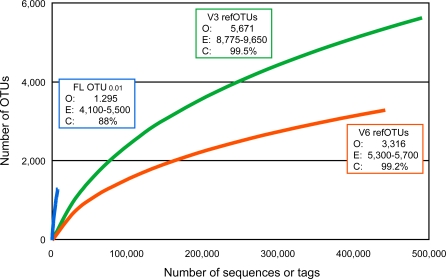
“Text boxes indicate the final observed OTU richness (O), range of estimated OTU richness by the ACE, ICE, Chao 1 and Chao 2 nonparametric estimators (E) [61–63], and Good’s coverage (C) [ 64 ] for each method.”
BackgroundMethodInfluentialEcological and Evolutionary Forces Shaping Microbial Diversity in the Human Intestine
Ley, R. E., Peterson, D. A., & Gordon, J. I. (2006) · Cell · doi:10.1016/j.cell.2006.02.017 · Cited by 3,358 · cited 6×
“Specialized microbial communities inhabit the skin, mucosal surfaces, and gastrointestinal tract of humans (and other vertebrates) from birth until death, with by far the largest populations in the colon [1,2].”
BackgroundInfluentialConsed: A Graphical Tool for Sequence Finishing
Gordon, D., Abajian, C., & Green, P. (1998) · Genome Research · doi:10.1101/gr.8.3.195 · Cited by 3,302 · cited 3×
“[43], Wang et al.[50], and Sundquist et al.”
BackgroundMethodAn Immunomodulatory Molecule of Symbiotic Bacteria Directs Maturation of the Host Immune System
Mazmanian, S. K., Liu, C. H., Tzianabos, A. O., & Kasper, D. L. (2005) · Cell · doi:10.1016/j.cell.2005.05.007 · Cited by 2,910 · cited 1×
“, hydrolysis and fermentation of polysaccharides, does not necessarily imply the continuity of more specialized activities [7,76] such as bile transformation [77], immune modulation [9,78], or pathogen resistance due to specific inhibition [79,80].”
BackgroundBile salt biotransformations by human intestinal bacteria
Ridlon, J. M., Kang, D.-J., & Hylemon, P. B. (2006) · Journal of Lipid Research · doi:10.1194/jlr.r500013-jlr200 · Cited by 2,829 · cited 1×
“, hydrolysis and fermentation of polysaccharides, does not necessarily imply the continuity of more specialized activities [7,76] such as bile transformation [77], immune modulation [9,78], or pathogen resistance due to specific inhibition [79,80].”
BackgroundSchloss, P. D., & Handelsman, J. (2005) · Applied and Environmental Microbiology · doi:10.1128/aem.71.3.1501-1506.2005 · Cited by 2,501 · cited 1×
“53 [56] to designate 1,295 operational taxonomic units (OTU0.”
BackgroundPARTITIONING DIVERSITY INTO INDEPENDENT ALPHA AND BETA COMPONENTS
Jost, L. (2007) · Ecology · doi:10.1890/06-1736.1 · Cited by 2,265 · cited 1×
“the Shannon index to an effective number of species [67,68],”
BackgroundAkkermansia muciniphila gen. nov., sp. nov., a human intestinal mucin-degrading bacterium
Derrien, M., Vaughan, E. E., Plugge, C. M., & de Vos, W. M. (2004) · International Journal of Systematic and Evolutionary Microbiology · doi:10.1099/ijs.0.02873-0 · Cited by 2,094 · cited 1×
“The fifth most abundant phylum was Verrucomicrobia (described in 1997) [65], within which almost all tags were associated with the genus Akkermansia (described in 2004) [66].”
BackgroundDetermination of microbial diversity in environmental samples: pitfalls of PCR-based rRNA analysis
v. Wintzingerode, F. (1997) · FEMS Microbiology Reviews · doi:10.1016/s0168-6445(97)00057-0 · Cited by 2,063
Pyrosequencing enumerates and contrasts soil microbial diversity
Roesch, L. F. W., Fulthorpe, R. R., Riva, A., Casella, G., Hadwin, A. K. M., Kent, A. D., Daroub, S. H., Camargo, F. A. O., Farmerie, W. G., & Triplett, E. W. (2007) · The ISME Journal · doi:10.1038/ismej.2007.53 · Cited by 1,852 · cited 1×
“followed a similar strategy using the V9 region to analyze North American soil samples [40,44], and a group led by Knight have focused on a longer tag that includes the V2 region in macaque gut samples and in a mixture of five diverse microbial habitats [45,46].”
MethodAn ecological and evolutionary perspective on human–microbe mutualism and disease
Dethlefsen, L., McFall-Ngai, M., & Relman, D. A. (2007) · Nature · doi:10.1038/nature06245 · Cited by 1,660 · cited 3×
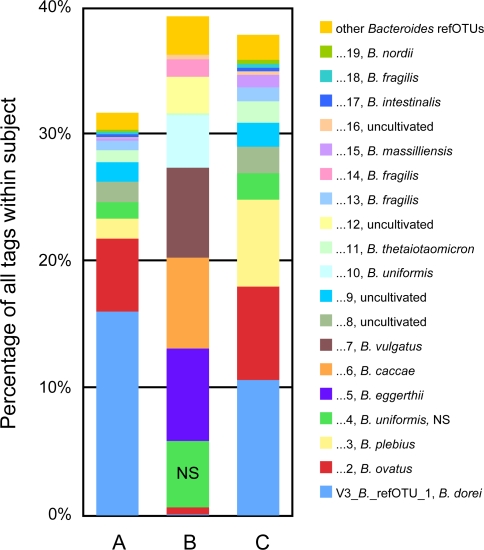
“The most striking features of Figure 4 are consistent with our current understanding of the human distal gut microbiota [1,2,29,30]: (1) Most members of the community belong to a small number of genera within the Bacteroidetes and Firmicutes phyla, with members of Proteobacteria and Actinobacteria occurring much less…”
BackgroundSelf-citationSuau, A., Bonnet, R., Sutren, M., Godon, J.-J., Gibson, G. R., Collins, M. D., & Doré, J. (1999) · Applied and Environmental Microbiology · doi:10.1128/aem.65.11.4799-4807.1999 · Cited by 1,490 · cited 1×
“The laborious cultivation-based techniques that were the mainstay of microbiology for a century have revealed only a minority of the species that inhabit the human colon [30,31].”
BackgroundError-correcting barcoded primers for pyrosequencing hundreds of samples in multiplex
Hamady, M., Walker, J. J., Harris, J. K., Gold, N. J., & Knight, R. (2008) · Nature Methods · doi:10.1038/nmeth.1184 · Cited by 1,310 · cited 1×
“followed a similar strategy using the V9 region to analyze North American soil samples [40,44], and a group led by Knight have focused on a longer tag that includes the V2 region in macaque gut samples and in a mixture of five diverse microbial habitats [45,46].”
MethodCounting the Uncountable: Statistical Approaches to Estimating Microbial Diversity
Hughes, J. B., Hellmann, J. J., Ricketts, T. H., & Bohannan, B. J. M. (2001) · Applied and Environmental Microbiology · doi:10.1128/aem.67.10.4399-4406.2001 · Cited by 1,296 · cited 3×
“, tags or sequences) is small relative to the size of the community [60,63].”
BackgroundMethodAccuracy and quality of massively parallel DNA pyrosequencing
Huse, S. M., Huber, J. A., Morrison, H. G., Sogin, M. L., & Welch, D. M. (2007) · Genome Biology · doi:10.1186/gb-2007-8-7-r143 · Cited by 1,282 · cited 3×
“Pyrosequencing reads of both the V6 and V3 regions were passed through additional quality filters to reduce the overall error rate [43].”
BackgroundMethodSelf-citationAntagonistic activities of lactobacilli and bifidobacteria against microbial pathogens
Servin, A. L. (2004) · FEMS Microbiology Reviews · doi:10.1016/j.femsre.2004.01.003 · Cited by 1,236 · cited 1×
“Humans rely on their native microbiota for nutrition and resistance to colonization by pathogens [3-6]; furthermore, recent discoveries have shown that symbiotic microbes make essential contributions to the development, metabolism, and immune response of the host [7-10].”
BackgroundSymbiotic gut microbes modulate human metabolic phenotypes
Li, M., Wang, B., Zhang, M., Rantalainen, M., Wang, S., Zhou, H., Zhang, Y., Shen, J., Pang, X., Zhang, M., et al. (2008) · Proceedings of the National Academy of Sciences · doi:10.1073/pnas.0712038105 · Cited by 1,144 · cited 2×
“A high proportion of tags in the current study have an exact match in the database, due to the substantial sequencing effort that has already been directed to the human gut microbiota [7,30,90].”
BackgroundLong-term ecological impacts of antibiotic administration on the human intestinal microbiota
Jernberg, C., Löfmark, S., Edlund, C., & Jansson, J. K. (2007) · The ISME Journal · doi:10.1038/ismej.2007.3 · Cited by 1,134
Duncan, S. H., Louis, P., & Flint, H. J. (2004) · Applied and Environmental Microbiology · doi:10.1128/aem.70.10.5810-5817.2004 · Cited by 1,129 · cited 1×
“These investigators noted the complete absence of sequences from Clostridium cluster XIVa on the fourth day of antibiotic treatment (down from 20% on day 0) and a reduction from 33% to 15% of sequences affiliated with the genus Faecalibacterium; these two groups include the majority of butyrateproducing bacteria in th…”
BackgroundFranks, A. H., Harmsen, H. J. M., Raangs, G. C., Jansen, G. J., Schut, F., & Welling, G. W. (1998) · Applied and Environmental Microbiology · doi:10.1128/aem.64.9.3336-3345.1998 · Cited by 1,056
NAST: a multiple sequence alignment server for comparative analysis of 16S rRNA genes
DeSantis, T. Z., Hugenholtz, P., Keller, K., Brodie, E. L., Larsen, N., Piceno, Y. M., Phan, R., & Andersen, G. L. (2006) · Nucleic Acids Research · doi:10.1093/nar/gkl244 · Cited by 1,035
Exploring Microbial Diversity and Taxonomy Using SSU rRNA Hypervariable Tag Sequencing
Huse, S. M., Dethlefsen, L., Huber, J. A., Welch, D. M., Relman, D. A., & Sogin, M. L. (2008) · PLoS Genetics · doi:10.1371/journal.pgen.1000255 · Cited by 1,001 · cited 4×
“There was substantial agreement between the methods in the estimated relative abundance of specific taxa ranging from the phylum to genus level [48].”
BackgroundMethodInfluentialSelf-citationGut microorganisms, mammalian metabolism and personalized health care
Nicholson, J. K., Holmes, E., & Wilson, I. D. (2005) · Nature Reviews Microbiology · doi:10.1038/nrmicro1152 · Cited by 945 · cited 1×
“mediated by specific microbial populations [17], with impli-”
BackgroundMechanisms of Resistance to Quinolones
Jacoby, G. A. (2005) · Clinical Infectious Diseases · doi:10.1086/428052 · Cited by 924 · cited 1×
“This result is not surprising when we consider that antibiotic resistance, even high-level Cp resistance resulting from chromosomal mutations [87], can be acquired far more rapidly than the rate of evolutionary change in the 16S rRNA gene.”
BackgroundMicrobial Population Structures in the Deep Marine Biosphere
Huber, J. A., Mark Welch, D. B., Morrison, H. G., Huse, S. M., Neal, P. R., Butterfield, D. A., & Sogin, M. L. (2007) · Science · doi:10.1126/science.1146689 · Cited by 887
Self-citationBelenguer, A., Duncan, S. H., Calder, A. G., Holtrop, G., Louis, P., Lobley, G. E., & Flint, H. J. (2006) · Applied and Environmental Microbiology · doi:10.1128/aem.72.5.3593-3599.2006 · Cited by 856 · cited 1×
“However, many of the changes in the community are likely to be explained by indirect effects, mediated by ecological interactions among taxa such as resource competition, crossfeeding, or the cooperative lysis of polymeric substrates[72,73].”
BackgroundEffect of antimicrobial agents on the ecological balance of human microflora
Sullivan, Å., Edlund, C., & Nord, C. E. (2001) · The Lancet Infectious Diseases · doi:10.1016/s1473-3099(01)00066-4 · Cited by 818 · cited 1×
“Co-evolved, beneficial, human–microbe interactions can be altered by many aspects of a modern lifestyle, including urbanization, global travel, and dietary changes [1], but in particular by antibiotics [11].”
BackgroundBartosch, S., Fite, A., Macfarlane, G. T., & McMurdo, M. E. T. (2004) · Applied and Environmental Microbiology · doi:10.1128/aem.70.6.3575-3581.2004 · Cited by 762 · cited 1×
“Studies comparing changes in the gut microbiota over time or between treatments have often used alternative molecular techniques that are more rapid and less expensive than sequencing, but that offer lower taxonomic resolution and reveal only the more abundant members of the community [23-25,34-37].”
BackgroundShort pyrosequencing reads suffice for accurate microbial community analysis
Liu, Z., Lozupone, C., Hamady, M., Bushman, F. D., & Knight, R. (2007) · Nucleic Acids Research · doi:10.1093/nar/gkm541 · Cited by 691 · cited 2×
“Less phylogenetic information is available from a single pyrosequencing read (at most, ;230 informative bases with recent technology) than from near full-length 16S rRNA gene sequence (;1,400 bases with commonly used primers), but reads that span particular variable regions of the gene are highly informative [40,41].”
BackgroundMethodNew Screening Software Shows that Most Recent Large 16S rRNA Gene Clone Libraries Contain Chimeras
Ashelford, K. E., Chuzhanova, N. A., Fry, J. C., Jones, A. J., & Weightman, A. J. (2006) · Applied and Environmental Microbiology · doi:10.1128/aem.00556-06 · Cited by 678 · cited 1×
“Of 203 V3 RefDB sequences matching V3_Clostridiales_refOTU_2, 29 were excluded from the analysis as suspected chimeras due to one or more of the following: failure to align with the RDP automated aligner, being marked as ‘‘suspect: in the RDP database, or being flagged by Mallard [92] as a likely chimera in comparison…”
MethodMatsuki, T., Watanabe, K., Fujimoto, J., Takada, T., & Tanaka, R. (2004) · Applied and Environmental Microbiology · doi:10.1128/aem.70.12.7220-7228.2004 · Cited by 655
Flint, H. J., Duncan, S. H., Scott, K. P., & Louis, P. (2007) · Environmental Microbiology · doi:10.1111/j.1462-2920.2007.01281.x · Cited by 635 · cited 1×
“However, many of the changes in the community are likely to be explained by indirect effects, mediated by ecological interactions among taxa such as resource competition, crossfeeding, or the cooperative lysis of polymeric substrates [74,75].”
BackgroundBacterial contributions to mammalian gut development
Hooper, L. (2004) · Trends in Microbiology · doi:10.1016/j.tim.2004.01.001 · Cited by 541 · cited 1×
“Humans rely on their native microbiota for nutrition and resistance to colonization by pathogens [3-6]; furthermore, recent discoveries have shown that symbiotic microbes make essential contributions to the development, metabolism, and immune response of the host [7-10].”
BackgroundLouis, P., Duncan, S. H., McCrae, S. I., Millar, J., Jackson, M. S., & Flint, H. J. (2004) · Journal of Bacteriology · doi:10.1128/jb.186.7.2099-2106.2004 · Cited by 513 · cited 1×
“dominant tags exactly matching known butyrate-producing organisms that maintained or increased their abundance during Cp treatment (e.g., V3_Roseburia_refOTU_1 in individual B matches Butyrivibrio fibrisolvens and Roseburia intestinalis [84], V3_Anaerostipes_refOTU_1, in individuals A and C, matches the unnamed butyra…”
BackgroundMolecular Ecological Analysis of the Gastrointestinal Microbiota: A Review
Zoetendal, E. G., Collier, C. T., Koike, S., Mackie, R. I., & Gaskins, H. R. (2004) · The Journal of Nutrition · doi:10.1093/jn/134.2.465 · Cited by 480 · cited 1×
“Over the past decade, cultivationindependent molecular techniques, particularly those based on the small subunit ribosomal RNA (16S rRNA) gene, have given us a broader and less biased view of the gut microbiota [32,33].”
BackgroundA top‐down systems biology view of microbiome‐mammalian metabolic interactions in a mouse model
Martin, F. J., Dumas, M., Wang, Y., Legido‐Quigley, C., Yap, I. K. S., Tang, H., Zirah, S., Murphy, G. M., Cloarec, O., Lindon, J. C., et al. (2007) · Molecular Systems Biology · doi:10.1038/msb4100153 · Cited by 474 · cited 1×
“, hydrolysis and fermentation of polysaccharides, does not necessarily imply the continuity of more specialized activities [7,74] such as bile transformation [75], immune modulation [9,76], or pathogen resistance due to specific inhibition [77,78]).”
BackgroundThompson, J. R. (2002) · Nucleic Acids Research · doi:10.1093/nar/30.9.2083 · Cited by 448 · cited 1×
“Two 4-cycle, 50ll reconditioning PCR reactions were performed per sample to eliminate heteroduplexes [ 49 ], with 5-ll aliquots of the initial PCR product mixture as the template and other PCR conditions unchanged.”
MethodThe Macaque Gut Microbiome in Health, Lentiviral Infection, and Chronic Enterocolitis
McKenna, P., Hoffmann, C., Minkah, N., Aye, P. P., Lackner, A., Liu, Z., Lozupone, C. A., Hamady, M., Knight, R., & Bushman, F. D. (2008) · PLoS Pathogens · doi:10.1371/journal.ppat.0040020 · Cited by 437 · cited 2×
“samples [39,42,45], massively parallel pyrosequencing permits”
MethodThe ‘microflora hypothesis’ of allergic diseases
Noverr, M. C., & Huffnagle, G. B. (2005) · Clinical & Experimental Allergy · doi:10.1111/j.1365-2222.2005.02379.x · Cited by 394 · cited 1×
“Epidemiological studies associating antibiotic-induced changes in the gut microbiota with chronic diseases [15,81] suggest that some consequences of community change may not be evident immediately.”
BackgroundAdhesion of probiotic strains to the intestinal mucosa and interaction with pathogens
Servin, A. L., & Coconnier, M.-H. (2003) · Best Practice & Research Clinical Gastroenterology · doi:10.1016/s1521-6918(03)00052-0 · Cited by 362 · cited 1×
“, hydrolysis and fermentation of polysaccharides, does not necessarily imply the continuity of more specialized activities [7,76] such as bile transformation [77], immune modulation [9,78], or pathogen resistance due to specific inhibition [79,80].”
BackgroundQuantitative Phylogenetic Assessment of Microbial Communities in Diverse Environments
von Mering, C., Hugenholtz, P., Raes, J., Tringe, S. G., Doerks, T., Jensen, L. J., Ward, N., & Bork, P. (2007) · Science · doi:10.1126/science.1133420 · Cited by 346 · cited 1×
“As suggested in a recent revision to the maxim of Baas Becking, ‘‘Everything may be everywhere, but not in equal amounts’’ [91].”
BackgroundNovel Unsupervised Feature Filtering of Biological Data
Varshavsky, R., Gottlieb, A., Linial, M., & Horn, D. (2006) · Bioinformatics · doi:10.1093/bioinformatics/btl214 · Cited by 339
Young, V. B., & Schmidt, T. M. (2004) · Journal of Clinical Microbiology · doi:10.1128/jcm.42.3.1203-1206.2004 · Cited by 335 · cited 1×
“The current study can be compared to that of Young and Schmidt, who investigated changing bacterial populations in stool samples from a single patient with self-resolving AAD subsequent to amoxicillin-clavulanic acid treatment[80].”
ResultResilience of the Dominant Human Fecal Microbiota upon Short-Course Antibiotic Challenge
De La Cochetière, M. F., Durand, T., Lepage, P., Bourreille, A., Galmiche, J. P., & Doré, J. (2005) · Journal of Clinical Microbiology · doi:10.1128/jcm.43.11.5588-5592.2005 · Cited by 334
Chao, A., Lee, S.-M., & Jeng, S.-L. (1992) · Biometrics · doi:10.2307/2532750 · Cited by 311
Molecular microbial ecology: land of the one-eyed king
FORNEY, L., ZHOU, X., & BROWN, C. (2004) · Current Opinion in Microbiology · doi:10.1016/j.mib.2004.04.015 · Cited by 294 · cited 2×
“All three techniques involve PCR amplification, and hence could fail to detect certain phylogenetic groups or lead to skewed levels of tag or sequence relative abundance with respect to the starting material [86,87].”
BackgroundDiet, anaerobic bacterial metabolism, and colon cancer: a review of the literature.
McGarr, S. E., Ridlon, J. M., & Hylemon, P. B. (2005) · PubMed · Cited by 260
EDGE: extraction and analysis of differential gene expression
Leek, J. T., Monsen, E., Dabney, A. R., & Storey, J. D. (2006) · Bioinformatics · doi:10.1093/bioinformatics/btk005 · Cited by 253
Enteric Flora in Health and Disease
Guarner, F. (2006) · Digestion · doi:10.1159/000089775 · Cited by 247 · cited 1×
“Humans rely on their native microbiota for nutrition and resistance to colonization by pathogens [3-6]; furthermore, recent discoveries have shown that symbiotic microbes make essential contributions to the development, metabolism, and immune response of the host [7-10].”
BackgroundAntibiotic-associated diarrhoea
Beaugerie, L., & Petit, J.-C. (2004) · Best Practice & Research Clinical Gastroenterology · doi:10.1016/j.bpg.2003.10.002 · Cited by 232
Bacterial flora-typing with targeted, chip-based Pyrosequencing
Sundquist, A., Bigdeli, S., Jalili, R., Druzin, M. L., Waller, S., Pullen, K. M., El-Sayed, Y. Y., Taslimi, M. M., Batzoglou, S., & Ronaghi, M. (2007) · BMC Microbiology · doi:10.1186/1471-2180-7-108 · Cited by 231
Does Antibiotic Exposure During Infancy Lead to Development of Asthma?
Marra, F., Lynd, L., Coombes, M., Richardson, K., Legal, M., FitzGerald, J. M., & Marra, C. A. (2006) · Chest · doi:10.1378/chest.129.3.610 · Cited by 225 · cited 1×
“The long term consequences of such perturbations for the human-microbial symbiosis are more difficult to discern, but chronic conditions such as asthma and atopic disease have been associated with childhood antibiotic use and an altered intestinal microbiota [14-16].”
BackgroundVanhoutte, T., Huys, G., Brandt, E., & Swings, J. (2004) · FEMS Microbiology Ecology · doi:10.1016/j.femsec.2004.03.001 · Cited by 214 · cited 1×
“Studies comparing changes in the gut microbiota over time or between treatments have often used alternative molecular techniques that are more rapid and less expensive than sequencing, but that offer lower taxonomic resolution and reveal only the more abundant members of the community [23-25,34-37].”
BackgroundBartosch, S., Woodmansey, E. J., Paterson, J. C. M., McMurdo, M. E. T., & Macfarlane, G. T. (2005) · Clinical Infectious Diseases · doi:10.1086/426027 · Cited by 198 · cited 1×
“Studies comparing changes in the gut microbiota over time or between treatments have often used alternative molecular techniques that are more rapid and less expensive than sequencing, but that offer lower taxonomic resolution and reveal only the more abundant members of the community [23-25,34-37].”
BackgroundDuncan, S. H., Aminov, R. I., Scott, K. P., Louis, P., Stanton, T. B., & Flint, H. J. (2006) · International Journal of Systematic and Evolutionary Microbiology · doi:10.1099/ijs.0.64098-0 · Cited by 196 · cited 1×
“, V3_Roseburia_refOTU_1 in individual B matches Butyrivibrio fibrisolvens and Roseburia intestinalis [84], V3_Anaerostipes_refOTU_1, in individuals A”
BackgroundHedlund, B. P., Gosink, J. J., & Staley, J. T. (1997) · Antonie van Leeuwenhoek · doi:10.1023/a:1000348616863 · Cited by 176 · cited 1×
“The fifth most abundant phylum was Verrucomicrobia (described in 1997) [65], within which almost all tags were associated with the genus Akkermansia (described in 2004) [66].”
BackgroundProbiotics to prevent urinary tract infections: the rationale and evidence
Reid, G., & Bruce, A. W. (2006) · World Journal of Urology · doi:10.1007/s00345-005-0043-1 · Cited by 174 · cited 1×
“Humans rely on their native microbiota for nutrition and resistance to colonization by pathogens [3-6]; furthermore, recent discoveries have shown that symbiotic microbes make essential contributions to the development, metabolism, and immune response of the host [7-10].”
BackgroundSjlund, M., Wreiber, K., Andersson, D. I., Blaser, M. J., & Engstrand, L. (2003) · Annals of Internal Medicine · doi:10.7326/0003-4819-139-6-200309160-00011 · Cited by 169 · cited 2×
“Once established, antibiotic resistant strains can persist in the human gut for years in the absence of further antibiotic use [28].”
BackgroundWhy Do African Americans Get More Colon Cancer than Native Africans?
O’Keefe, S. J. D., Chung, D., Mahmoud, N., Sepulveda, A. R., Manafe, M., Arch, J., Adada, H., & van der Merwe, T. (2007) · The Journal of Nutrition · doi:10.1093/jn/137.1.175s · Cited by 167
Colonic Bacterial Flora: Changing Understandings in the Molecular Age
Mai, V., & Morris, J. G. (2004) · Journal of Nutrition · doi:10.1093/jn/134.2.459 · Cited by 159 · cited 1×
“Over the past decade, cultivationindependent molecular techniques, particularly those based on the small subunit ribosomal RNA (16S rRNA) gene, have given us a broader and less biased view of the gut microbiota [32,33].”
BackgroundFecal Microbial Diversity in a Strict Vegetarian as Determined by Molecular Analysis and Cultivation
Hayashi, H., Sakamoto, M., & Benno, Y. (2002) · Microbiology and Immunology · doi:10.1111/j.1348-0421.2002.tb02769.x · Cited by 152
Correction: Exploring Microbial Diversity and Taxonomy Using SSU rRNA Hypervariable Tag Sequencing
Huse, S. M., Dethlefsen, L., Huber, J. A., Welch, D. B. M., Relman, D. A., & Sogin, M. L. (2008) · PLoS Genetics · doi:10.1371/annotation/3d8a6578-ce56-45aa-bc71-05078355b851 · Cited by 147
Self-citationOxalobacter formigenes and its role in oxalate metabolism in the human gut
Stewart, C. S., Duncan, S. H., & Cave, D. R. (2004) · FEMS Microbiology Letters · doi:10.1016/s0378-1097(03)00864-4 · Cited by 146 · cited 3×
“formigenes is found at low abundance in most children, but is absent from many adults, which is generally attributed to its susceptibility to many antibiotics [22].”
BackgroundInfluentialOzaki, E., Kato, H., Kita, H., Karasawa, T., Maegawa, T., Koino, Y., Matsumoto, K., Takada, T., Nomoto, K., Tanaka, R., et al. (2004) · Journal of Medical Microbiology · doi:10.1099/jmm.0.05376-0 · Cited by 145 · cited 7×
“threatening antibiotic-associated diarrhea (AAD) [72,73];”
InfluentialCould peripartum antibiotics have delayed health consequences for the infant?
Bedford Russell, A., & Murch, S. (2006) · BJOG: An International Journal of Obstetrics & Gynaecology · doi:10.1111/j.1471-0528.2006.00952.x · Cited by 138 · cited 1×
“Epidemiological studies associating antibiotic-induced changes in the gut microbiota with chronic diseases [15, 81 ] suggest that some consequences of community change may not be evident immediately.”
BackgroundRajfer, J. (2016) · Physics Today · doi:10.1063/pt.5.031335 · Cited by 137
Donskey, C. J., Hujer, A. M., Das, S. M., Pultz, N. J., Bonomo, R. A., & Rice, L. B. (2003) · Journal of Microbiological Methods · doi:10.1016/s0167-7012(03)00059-9 · Cited by 135 · cited 3×
“30 detected by a low resolution ‘fingerprinting’ technique) were less pronounced for ciprofloxacin than for clindamycin or amoxicillin-clavulanic acid [25].”
BackgroundMethodMucosal immunity and allergic responses: lack of regulation and/or lack of microbial stimulation?
Prioult, G., & Nagler‐Anderson, C. (2005) · Immunological Reviews · doi:10.1111/j.0105-2896.2005.00277.x · Cited by 120 · cited 1×
“The long term consequences of such perturbations for the human-microbial symbiosis are more difficult to discern, but chronic conditions such as asthma and atopic disease have been associated with childhood antibiotic use and an altered intestinal microbiota [14-16].”
Background三浦, 智., Durand, T., Lalande, V., Petit, J., Potel, G., & Beaugerie, L. (2008) · Microbial Ecology · doi:10.1007/s00248-007-9356-5 · Cited by 118
Clostridium difficile infection and pseudomembranous colitis
Wilcox, M. H. (2003) · Best Practice & Research Clinical Gastroenterology · doi:10.1016/s1521-6918(03)00017-9 · Cited by 98
Hartmut Lode, N. V. D. H. (2001) · Scandinavian Journal of Infectious Diseases · doi:10.1080/00365540110076714 · Cited by 95 · cited 2×
“Studies comparing changes in the gut microbiota over time or between treatments have often used alternative molecular techniques that are more rapid and less expensive than sequencing, but that offer lower taxonomic resolution and reveal only the more abundant members of the community [23-25,34-37].”
BackgroundMethodJernberg, C., Sullivan, Å., Edlund, C., & Jansson, J. K. (2005) · Applied and Environmental Microbiology · doi:10.1128/aem.71.1.501-506.2005 · Cited by 95
The Role of Bacterial Interference in Otitis, Sinusitis and Tonsillitis
Brook, I. (2005) · Otolaryngology–Head and Neck Surgery · doi:10.1016/j.otohns.2005.03.012 · Cited by 91 · cited 1×
“Humans rely on their native microbiota for nutrition and resistance to colonization by pathogens [3-6]; furthermore, recent discoveries have shown that symbiotic microbes make essential contributions to the development, metabolism, and immune response of the host [7-10].”
BackgroundPeña, J. A., Li, S. Y., Wilson, P. H., Thibodeau, S. A., Szary, A. J., & Versalovic, J. (2004) · Applied and Environmental Microbiology · doi:10.1128/aem.70.1.558-568.2004 · Cited by 91 · cited 1×
“, hydrolysis and fermentation of polysaccharides, does not necessarily imply the continuity of more specialized activities [7,76] such as bile transformation [77], immune modulation [9,78], or pathogen resistance due to specific inhibition [79,80].”
BackgroundSullivan, A. (2003) · Journal of Antimicrobial Chemotherapy · doi:10.1093/jac/dkg346 · Cited by 71 · cited 1×
“, hydrolysis and fermentation of polysaccharides, does not necessarily imply the continuity of more specialized activities [7,76] such as bile transformation [77], immune modulation [9,78], or pathogen resistance due to specific inhibition [79,80].”
BackgroundLöfmark, S., Jernberg, C., Billström, H., Andersson, D. I., & Edlund, C. (2008) · Anaerobe · doi:10.1016/j.anaerobe.2008.02.003 · Cited by 32 · cited 1×
“However, the effects of a single course of antibiotics on specific microbial populations in vivo can persist for years [26-28].”
BackgroundIncidence of Bilophila wadsworthia in appendiceal, peritoneal and fecal samples from children
Schumacher, U., Eiring, P., & Haecker, F.-M. (1997) · Clinical Microbiology and Infection · doi:10.1111/j.1469-0691.1997.tb00264.x · Cited by 19 · cited 1×
“in cases of appendicitis and from intestinal and extraintestinal abscesses [86].”
Background
Research works printed but not linked: 89
- Dethlefsen, 2007, Nature, 449, 811
- Ley, 2006, Cell, 124, 837
- Guarner, 2006, Digestion, 73, 5
- Brook, 2005, Otolaryngol Head Neck Surg, 133, 139
- Servin, 2004, FEMS Microbiol Rev, 28, 405
- Reid, 2006, World J Urol, 24, 28
- Li, 2008, Proc Natl Acad Sci U S A, 105, 2117
- Hooper, 2004, Trends Microbiol, 12, 129
- Mazmanian, 2005, Cell, 122, 107
- Rakoff-Nahoum, 2004, Cell, 118, 229
- Sullivan, 2001, Lancet Infect Dis, 1, 101
- Beaugerie, 2004, Best Pract Res Clin Gastroenterol, 18, 337
- Wilcox, 2003, Best Pract Res Clin Gastroenterol, 17, 475
- Marra, 2006, Chest, 129, 610
- Noverr, 2005, Clin Exp Allergy, 35, 1511
- Prioult, 2005, Immunol Rev, 206, 204
- Nicholson, 2005, Nat Rev Microbiol, 3, 431
- O'Keefe, 2007, J Nutr, 137, 175S
- McGarr, 2005, J Clin Gastroenterol, 39, 98
- Ley, 2005, Proc Natl Acad Sci U S A, 102, 11070
- Bäckhed, 2004, Proc Natl Acad Sci U S A, 101, 15718
- Stewart, 2004, FEMS Microbiol Lett, 230, 1
- Lode, 2001, Scand J Infect Dis, 33, 899
- De La Cochetiere, 2005, J Clin Microbiol, 43, 5588
- Donskey, 2003, J Microbiol Meth, 54, 249
- Jernberg, 2007, Isme J, 1, 56
- Lofmark, 2008, Anaerobe, 14, 157
- Sjolund, 2003, Ann Intern Med, 139, 483
- Bäckhed, 2005, Science, 307, 1915
- Eckburg, 2005, Science, 308, 1635
- Suau, 1999, Appl Environ Microbiol, 65, 4799
- Zoetendal, 2004, J Nutr, 134, 465
- Mai, 2004, J Nutr, 134, 459
- Bartosch, 2004, Appl Environ Microbiol, 70, 3575
- Bartosch, 2005, Clin Infect Dis, 40, 28
- Vanhoutte, 2004, FEMS Microbiol Ecol, 48, 437
- Jernberg, 2005, Appl Environ Microbiol, 71, 501
- Margulies, 2005, Nature, 437, 376
- Sogin, 2006, Proc Natl Acad Sci U S A, 103, 12115
- Liu, 2007, Nucleic Acids Res, 35, e120
- Wang, 2007, Appl Environ Microbiol, 73, 5261
- Huber, 2007, Science, 318, 97
- Huse, 2007, Genome Biol, 8, R143
- Roesch, 2007, Isme J, 1, 283
- Hamady, 2008, Nat Methods, 5, 235
- Sundquist, 2007, BMC Microbiol, 7, 108
- Thompson, 2002, Nucleic Acids Res, 30, 2083
- Ewing, 1998, Genome Res, 8, 186
- Ewing, 1998, Genome Res, 8, 175
- Gordon, 1998, Genome Res, 8, 195
- DeSantis, 2006, Nucleic Acids Res, 34, W394
- DeSantis, 2006, Appl Environ Microbiol, 72, 5069
- Ludwig, 2004, Nucleic Acids Res, 32, 1363
- Schloss, 2005, Appl Environ Microbiol, 71, 1501
- Pruesse, 2007, Nucleic Acids Res, 35, 7188
- Colwell, 2005, EstimateS: Statistical estimation of species richness and shared species from samples. Version 7.5
- Leek, 2006, Bioinformatics, 22, 507
- Hughes, 2001, Appl Environ Microbiol, 67, 4399
- Chao, 1984, Scan J Stat, 11, 265
- Chao, 1992, Biometrics, 48, 201
- Colwell, 1994, Philos Trans R Soc Lond B Biol Sci, 345, 101
- Good, 1953, Biometrika, 40, 237
- Derrien, 2004, Int J Syst Evol Microbiol, 54, 1469
- Jost, 2006, Oikos, 113, 363
- Jost, 2007, Ecology, 88, 2427
- Franks, 1998, Appl Environ Microbiol, 64, 3336
- Matsuki, 2004, Appl Environ Microbiol, 70, 7220
- Hayashi, 2002, Microbiol Immunol, 46, 819
- De La Cochetiere, 2008, Microb Ecol, 56, 395
- Ozaki, 2004, J Med Microbiol, 53, 167
- Flint, 2007, Environ Microbiol, 9, 1101
- Belenguer, 2006, Appl Environ Microbiol, 72, 3593
- Martin, 2007, Mol Syst Biol, 3, 112
- Ridlon, 2006, J Lipid Res, 47, 241
- Pena, 2004, Appl Environ Microbiol, 70, 558
- Servin, 2003, Best Pract Res Clin Gastroenterol, 17, 741
- Sullivan, 2003, J Antimicrob Chemother, 52, 308
- Bedford Russell, 2006, Bjog, 113, 758
- Young, 2004, J Clin Microbiol, 42, 1203
- Duncan, 2004, Appl Environ Microbiol, 70, 5810
- Duncan, 2006, Int J Syst Evol Microbiol, 56, 2437
- Louis, 2004, J Bacteriol, 186, 2099
- Schumacher, 1997, Clin Microbiol Infect, 3, 134
- Jacoby, 2005, Clin Infect Dis 41 Suppl, 2, S120
- Forney, 2004, Curr Opin Microbiol, 7, 210
- von Wintzingerode, 1997, FEMS Microbiol Rev, 21, 213
- Ley, 2006, Nature, 444, 1022
- von Mering, 2007, Science, 315, 1126
- Ashelford, 2006, Appl Environ Microbiol, 72, 5734
Cited by
Enterotypes of the human gut microbiome
MetaHIT Consortium (additional members), Arumugam, M., Raes, J., Pelletier, E., Le Paslier, D., Yamada, T., Mende, D. R., Fernandes, G. R., Tap, J., Bruls, T., et al. (2011) · Nature · doi:10.1038/nature09944 · Cited by 7,548
Gut microbiota in health and disease
Sekirov, I., Russell, S. L., Antunes, L. C. M., & Finlay, B. B. (2010) · Physiological Reviews · doi:10.1152/physrev.00045.2009 · Cited by 4,182
“The recent examples of pyrosequencing use are comparisons of gut communities between obese and lean twin pairs (312), as well as assessment of microbiota perturbations and stability during and following the use of antibiotics (58).”
BackgroundLauber, C. L., Hamady, M., Knight, R., & Fierer, N. (2009) · Applied and Environmental Microbiology · doi:10.1128/aem.00335-09 · Cited by 4,063
“This was demonstrated in several recent studies (2, 12, 17, 28) that used bar-coded pyrosequencing to simultaneously analyze relatively large numbers of individual samples, surveying the bacterial community in each sample to an extent that would be difficult (or prohibitively expensive) using standard cloning and Sang…”
ResultThe impact of the gut microbiota on human health: an integrative view
Clemente, J. C., Ursell, L. K., Parfrey, L. W., & Knight, R. (2012) · Cell · doi:10.1016/j.cell.2012.01.035 · Cited by 3,710
“As discussed above, antibiotics have a noticeable, lasting effect in the composition of microbial communities (Dethlefsen et al., 2008; Jernberg et al., 2007; Sullivan et al., 2001).”
The human microbiome: at the interface of health and disease
Cho, I., & Blaser, M. J. (2012) · Nature Reviews Genetics · doi:10.1038/nrg3182 · Cited by 3,449
Metadata
- Authors
- Dethlefsen, L., Huse, S., Sogin, M. L., & Relman, D. A.
- Affiliations
- Stanford University (US)
- Marine Biological Laboratory (US)
- VA Palo Alto Health Care System (US)
- Corresponding author
- Relman, David A
- Venue
- PLoS Biology
- Publisher
- Public Library of Science (PLoS)
- Published
- 2008-11-18
- Volume
- 6
- Issue
- 11
- Pages
- e280
- ISSN
- 1544-9173 (ISSN-L)
- 1545-7885
- PMC
- PMC2586385
- OpenAlex
- W1967821667
- Cited by
- 2,361
- References
- 95
- Citations by year
- 2026: 60 · 2025: 81 · 2024: 89 · 2023: 96 · 2022: 123 · 2021: 142 · 2020: 172 · 2019: 159 · 2018: 155 · 2017: 161 · 2016: 164 · 2015: 174 · 2014: 158 · 2013: 159 · 2012: 138
- FWCI
- 45.07
- Type
- journal article
- Language
- en
- Open access
- gold
- doi.org
- Locations
- PLoS Biology (publishedVersion, cc-by)
- Europe PMC (PubMed Central) (publishedVersion, cc-by)
- PubMed Central (publishedVersion, cc-by)
- PubMed (publishedVersion)
- RePEc: Research Papers in Economics (submittedVersion)
- Open Access Server of the Woods Hole Scientific Community (Woods Hole Scientific Community) (submittedVersion, cc-by)
- DOAJ (DOAJ: Directory of Open Access Journals) (submittedVersion, cc-by-sa)
- Figshare (submittedVersion, cc-by)
- Funders
- National Institutes of Health (DP1OD000964)
- National Institute of Environmental Health Sciences (P50ES012742)
- Topics
- Life Sciences › Biochemistry, Genetics and Molecular Biology › Molecular Biology › Gut microbiota and health
- Physical Sciences › Environmental Science › Ecology › Microbial Community Ecology and Physiology
- Health Sciences › Dentistry › Periodontics › Oral microbiology and periodontitis research
- Keywords
- ciprofloxacin, antibiotic effects on gut microbiota, human gut microbiome, 16S rRNA gene pyrosequencing, rare biosphere, bacterial community diversity, interindividual variability, community recovery, functional redundancy, community resilience
- MeSH terms
- Anti-Bacterial Agents, Bacteria, Base Sequence, Ciprofloxacin, Feces, Humans, Intestines, RNA, Bacterial, RNA, Ribosomal, 16S, Genetic Variation, Principal Component Analysis, Gastrointestinal Tract
About these checks
Registry, retraction, Cites and statistics results are computed, not judged, with one exception: a printed reference that no index lists is read once by a model before it counts as a citation error. Claims are extracted by a model and kept only when their quote appears verbatim in the text; each cited source is then checked, with a model’s help, for whether it says what the claim relies on. Those verdicts can be wrong — read the claim’s quote and the cited source before relying on one.
Statistics and arithmetic are recomputed, not judged.
Confidence bands are shown only for fields calibrated on our annotated test set. None is calibrated yet, so no band is shown.
What counts as a claim ›How we measure confidence ›How we check this ›
Are you an author, or do you see a problem with this page? Request a review
Data sources
Bibliographic data: Semantic Scholar, OpenAlex, Crossref.
Contains information from the Semantic Scholar Academic Graph Datasets, made available under the ODC Attribution License (ODC-BY 1.0).
Semantic Scholar’s data is described in: Kinney, R., et al. (2023). The Semantic Scholar Open Data Platform. arXiv:2301.10140.
