

The Pervasive Effects of an Antibiotic on the Human Gut Microbiota, as Revealed by Deep 16S rRNA Sequencing
Open accessThe DOI matches its Crossref record; 95 of the 95 references it cites were found in a registry or an index.
Abstract
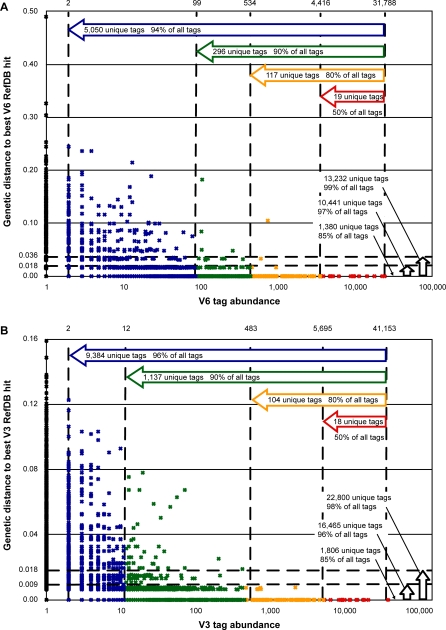
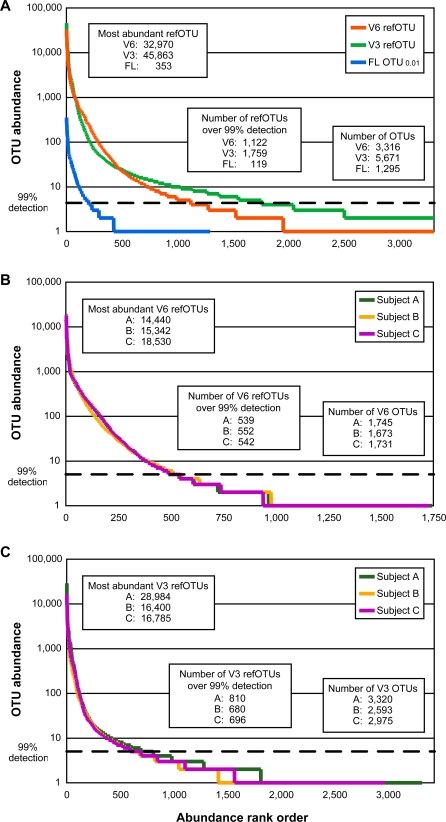
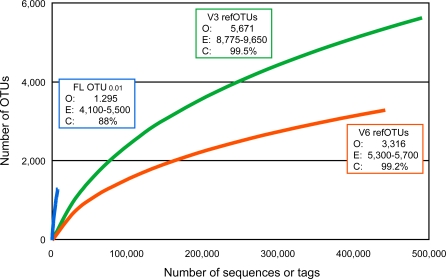
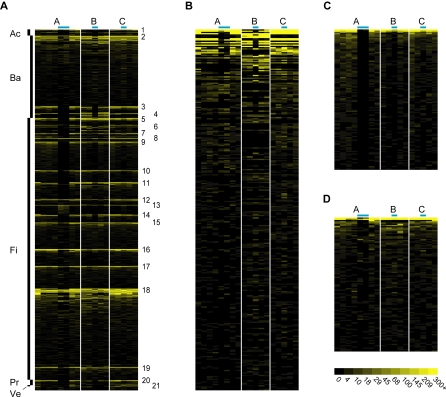
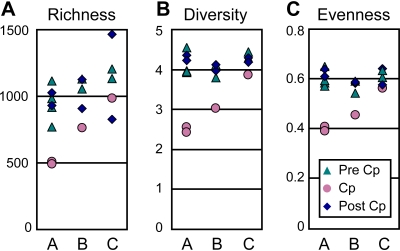
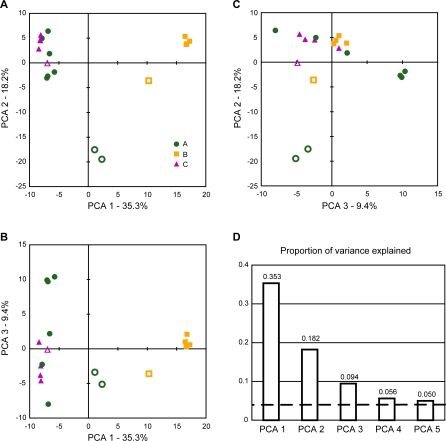
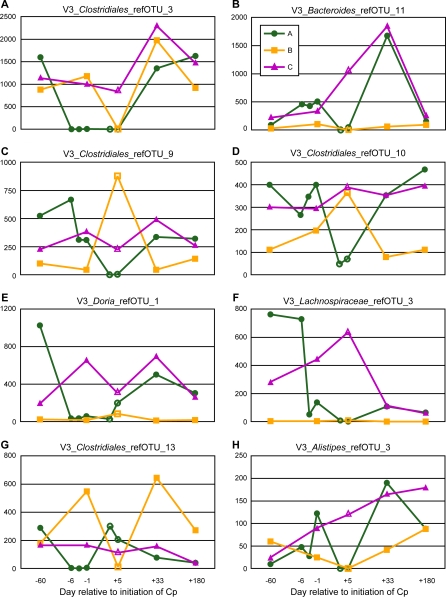
The human intestinal microbiota is essential to the health of the host and plays a role in nutrition, development, metabolism, pathogen resistance, and regulation of immune responses. Antibiotics may disrupt these coevolved interactions, leading to acute or chronic disease in some individuals. Our understanding of antibiotic-associated disturbance of the microbiota has been limited by the poor sensitivity, inadequate resolution, and significant cost of current research methods. The use of pyrosequencing technology to generate large numbers of 16S rDNA sequence tags circumvents these limitations and has been shown to reveal previously unexplored aspects of the "rare biosphere." We investigated the distal gut bacterial communities of three healthy humans before and after treatment with ciprofloxacin, obtaining more than 7,000 full-length rRNA sequences and over 900,000 pyrosequencing reads from two hypervariable regions of the rRNA gene. A companion paper in PLoS Genetics (see Huse et al., doi: 10.1371/journal.pgen.1000255) shows that the taxonomic information obtained with these methods is concordant. Pyrosequencing of the V6 and V3 variable regions identified 3,300-5,700 taxa that collectively accounted for over 99% of the variable region sequence tags that could be obtained from these samples. Ciprofloxacin treatment influenced the abundance of about a third of the bacterial taxa in the gut, decreasing the taxonomic richness, diversity, and evenness of the community. However, the magnitude of this effect varied among individuals, and some taxa showed interindividual variation in the response to ciprofloxacin. While differences of community composition between individuals were the largest source of variability between samples, we found that two unrelated individuals shared a surprising degree of community similarity. In all three individuals, the taxonomic composition of the community closely resembled its pretreatment state by 4 weeks after the end of treatment, but several taxa failed to recover within 6 months. These pervasive effects of ciprofloxacin on community composition contrast with the reports by participants of normal intestinal function and with prior assumptions of only modest effects of ciprofloxacin on the intestinal microbiota. These observations support the hypothesis of functional redundancy in the human gut microbiota. The rapid return to the pretreatment community composition is indicative of factors promoting community resilience, the nature of which deserves future investigation.
Overview
The claims and statistics of this paper haven’t been checked yet.
Free: it reads the open-access text and checks the first 5 claims that cite a source we can check. Create a free account to check every claim.
Integrity signals
Registry
Cites
Statistics
Figures
Verification
Claims the paper makes
The claims and statistics of this paper haven’t been checked yet.
Free: it reads the open-access text and checks the first 5 claims that cite a source we can check. Create a free account to check every claim.
Claims other papers make about this one
Each is checked against this paper’s own text: does it say what the citing paper says it does?
The source backs part of the claim, not all of it — or backs it for a different population, condition or comparison.
In the citing paper
“The greatest risk factor for CDI is the use of antibiotics,46 though only a small proportion of patients on antibiotics develop the infection.”
From Update on Fecal Microbiota Transplantation 2015: Indications, Methodologies, Mechanisms, and Outlook (2015) · cites this paper as [46]
Experimental — accuracy not yet measuredThe source backs part of the claim, not all of it — or backs it for a different population, condition or comparison.
In the citing paper
“The taxonomic composition of the gut microbiota changes throughout the gastrointestinal tract, according to nutrient availability, mucus structure, pH and oxygen availability [1–6].”
From Role of the gut microbiota in nutrient competition and protection against intestinal pathogen colonization (2023) · cites this paper as [6]
Experimental — accuracy not yet measuredThe cited source says what the claim attributes to it.
In the citing paper
“Individual bacterial taxa can show variable responses to antibiotics, which will impact the nutrient niches that are created in the intestine following antibiotic treatment [6].”
From Role of the gut microbiota in nutrient competition and protection against intestinal pathogen colonization (2023) · cites this paper as [6]
Self-check
Percentages, sums and reported differences re-computed from the paper’s own numbers.
The self-check needs the paper’s full text.
Citations
Cites
Naïve Bayesian Classifier for Rapid Assignment of rRNA Sequences into the New Bacterial Taxonomy
Wang, Q., Garrity, G. M., Tiedje, J. M., & Cole, J. R. (2007) · Applied and Environmental Microbiology · doi:10.1128/aem.00062-07 · Cited by 19,885 · cited 5×
“The taxonomic affiliation of fulllength sequences was determined using the Classifier tool of the RDP, with an 80% bootstrap threshold [41].”
BackgroundMethodInfluentialGreengenes, a Chimera-Checked 16S rRNA Gene Database and Workbench Compatible with ARB
DeSantis, T. Z., Hugenholtz, P., Larsen, N., Rojas, M., Brodie, E. L., Keller, K., Huber, T., Dalevi, D., Hu, P., & Andersen, G. L. (2006) · Applied and Environmental Microbiology · doi:10.1128/aem.03006-05 · Cited by 10,891 · cited 1×
“Forward and reverse sequencing reads were assembled using the Phred/Phrap/Consed suite of programs with default parameters [50–52]; assembled sequences were aligned via the NAST algorithm [53] at the Greengenes Website (http:// greengenes.lbl.gov/) [ 54 ].”
MethodHuman gut microbes associated with obesity
Ley, R. E., Turnbaugh, P. J., Klein, S., & Gordon, J. I. (2006) · Nature · doi:10.1038/4441022a · Cited by 8,785 · cited 1×
“A high proportion of tags in the current study have an exact match in the database, due to the substantial sequencing effort that has already been directed to the human gut microbiota [7,30,90].”
BackgroundDiversity of the Human Intestinal Microbial Flora
Eckburg, P. B., Bik, E. M., Bernstein, C. N., Purdom, E., Dethlefsen, L., Sargent, M., Gill, S. R., Nelson, K. E., & Relman, D. A. (2005) · Science · doi:10.1126/science.1110591 · Cited by 7,913 · cited 4×
“A high proportion of tags in the current study have an exact match in the database, due to the substantial sequencing effort that has already been directed to the human gut microbiota [7,30,90].”
BackgroundResultInfluentialSelf-citationGenome sequencing in microfabricated high-density picolitre reactors
Margulies, M., Egholm, M., Altman, W. E., Attiya, S., Bader, J. S., Bemben, L. A., Berka, J., Braverman, M. S., Chen, Y.-J., Chen, Z., et al. (2005) · Nature · doi:10.1038/nature03959 · Cited by 7,693 · cited 2×
“lower than that of capillary dideoxy sequencing, although considerably better than the 96% accuracy initially reported [38].”
BackgroundResultBase-Calling of Automated Sequencer Traces Using Phred. I. Accuracy Assessment
Ewing, B., Hillier, L., Wendl, M. C., & Green, P. (1998) · Genome Research · doi:10.1101/gr.8.3.175 · Cited by 6,967 · cited 1×
“Forward and reverse sequencing reads were assembled using the Phred/Phrap/Consed suite of programs with default parameters [48-50]; assembled sequences were aligned via the NAST algorithm [51] at the Greengenes website (http://greengenes.”
MethodARB: a software environment for sequence data
Ludwig, W. (2004) · Nucleic Acids Research · doi:10.1093/nar/gkh293 · Cited by 6,702 · cited 6×
“Uncultivated Taxon V3_Clostridiales_refOTU_2 The maximum-likelihood phylogenetic tree (calculated via AxML using default parameters in Arb [55]) shows the relationship between a clade containing 174 full-length V3 RefDB 16S rRNA sequences with exact matches to V3_Clostridiales_refOTU_2 and the most closely related seq…”
MethodInfluentialPruesse, E., Quast, C., Knittel, K., Fuchs, B. M., Ludwig, W., Peplies, J., & Glockner, F. O. (2007) · Nucleic Acids Research · doi:10.1093/nar/gkm864 · Cited by 6,668 · cited 1×
“de/)[57] with taxonomic classifications obtained from the RDP Classifier [41] (minimum 80% bootstrap score) as described in [48].”
MethodThe gut microbiota as an environmental factor that regulates fat storage
Bäckhed, F., Ding, H., Wang, T., Hooper, L. V., Koh, G. Y., Nagy, A., Semenkovich, C. F., & Gordon, J. I. (2004) · Proceedings of the National Academy of Sciences · doi:10.1073/pnas.0407076101 · Cited by 6,245
Obesity alters gut microbial ecology
Ley, R. E., Bäckhed, F., Turnbaugh, P., Lozupone, C. A., Knight, R. D., & Gordon, J. I. (2005) · Proceedings of the National Academy of Sciences · doi:10.1073/pnas.0504978102 · Cited by 6,176 · cited 1×
“cations for cancer [18,19] and obesity [20,21], among other”
Background
Research works printed but not linked: 89
- Dethlefsen, 2007, Nature, 449, 811
- Ley, 2006, Cell, 124, 837
- Guarner, 2006, Digestion, 73, 5
- Brook, 2005, Otolaryngol Head Neck Surg, 133, 139
- Servin, 2004, FEMS Microbiol Rev, 28, 405
- Reid, 2006, World J Urol, 24, 28
- Li, 2008, Proc Natl Acad Sci U S A, 105, 2117
- Hooper, 2004, Trends Microbiol, 12, 129
- Mazmanian, 2005, Cell, 122, 107
- Rakoff-Nahoum, 2004, Cell, 118, 229
- Sullivan, 2001, Lancet Infect Dis, 1, 101
- Beaugerie, 2004, Best Pract Res Clin Gastroenterol, 18, 337
- Wilcox, 2003, Best Pract Res Clin Gastroenterol, 17, 475
- Marra, 2006, Chest, 129, 610
- Noverr, 2005, Clin Exp Allergy, 35, 1511
- Prioult, 2005, Immunol Rev, 206, 204
- Nicholson, 2005, Nat Rev Microbiol, 3, 431
- O'Keefe, 2007, J Nutr, 137, 175S
- McGarr, 2005, J Clin Gastroenterol, 39, 98
- Ley, 2005, Proc Natl Acad Sci U S A, 102, 11070
- Bäckhed, 2004, Proc Natl Acad Sci U S A, 101, 15718
- Stewart, 2004, FEMS Microbiol Lett, 230, 1
- Lode, 2001, Scand J Infect Dis, 33, 899
- De La Cochetiere, 2005, J Clin Microbiol, 43, 5588
- Donskey, 2003, J Microbiol Meth, 54, 249
- Jernberg, 2007, Isme J, 1, 56
- Lofmark, 2008, Anaerobe, 14, 157
- Sjolund, 2003, Ann Intern Med, 139, 483
- Bäckhed, 2005, Science, 307, 1915
- Eckburg, 2005, Science, 308, 1635
- Suau, 1999, Appl Environ Microbiol, 65, 4799
- Zoetendal, 2004, J Nutr, 134, 465
- Mai, 2004, J Nutr, 134, 459
- Bartosch, 2004, Appl Environ Microbiol, 70, 3575
- Bartosch, 2005, Clin Infect Dis, 40, 28
- Vanhoutte, 2004, FEMS Microbiol Ecol, 48, 437
- Jernberg, 2005, Appl Environ Microbiol, 71, 501
- Margulies, 2005, Nature, 437, 376
- Sogin, 2006, Proc Natl Acad Sci U S A, 103, 12115
- Liu, 2007, Nucleic Acids Res, 35, e120
- Wang, 2007, Appl Environ Microbiol, 73, 5261
- Huber, 2007, Science, 318, 97
- Huse, 2007, Genome Biol, 8, R143
- Roesch, 2007, Isme J, 1, 283
- Hamady, 2008, Nat Methods, 5, 235
- Sundquist, 2007, BMC Microbiol, 7, 108
- Thompson, 2002, Nucleic Acids Res, 30, 2083
- Ewing, 1998, Genome Res, 8, 186
- Ewing, 1998, Genome Res, 8, 175
- Gordon, 1998, Genome Res, 8, 195
- DeSantis, 2006, Nucleic Acids Res, 34, W394
- DeSantis, 2006, Appl Environ Microbiol, 72, 5069
- Ludwig, 2004, Nucleic Acids Res, 32, 1363
- Schloss, 2005, Appl Environ Microbiol, 71, 1501
- Pruesse, 2007, Nucleic Acids Res, 35, 7188
- Colwell, 2005, EstimateS: Statistical estimation of species richness and shared species from samples. Version 7.5
- Leek, 2006, Bioinformatics, 22, 507
- Hughes, 2001, Appl Environ Microbiol, 67, 4399
- Chao, 1984, Scan J Stat, 11, 265
- Chao, 1992, Biometrics, 48, 201
- Colwell, 1994, Philos Trans R Soc Lond B Biol Sci, 345, 101
- Good, 1953, Biometrika, 40, 237
- Derrien, 2004, Int J Syst Evol Microbiol, 54, 1469
- Jost, 2006, Oikos, 113, 363
- Jost, 2007, Ecology, 88, 2427
- Franks, 1998, Appl Environ Microbiol, 64, 3336
- Matsuki, 2004, Appl Environ Microbiol, 70, 7220
- Hayashi, 2002, Microbiol Immunol, 46, 819
- De La Cochetiere, 2008, Microb Ecol, 56, 395
- Ozaki, 2004, J Med Microbiol, 53, 167
- Flint, 2007, Environ Microbiol, 9, 1101
- Belenguer, 2006, Appl Environ Microbiol, 72, 3593
- Martin, 2007, Mol Syst Biol, 3, 112
- Ridlon, 2006, J Lipid Res, 47, 241
- Pena, 2004, Appl Environ Microbiol, 70, 558
- Servin, 2003, Best Pract Res Clin Gastroenterol, 17, 741
- Sullivan, 2003, J Antimicrob Chemother, 52, 308
- Bedford Russell, 2006, Bjog, 113, 758
- Young, 2004, J Clin Microbiol, 42, 1203
- Duncan, 2004, Appl Environ Microbiol, 70, 5810
- Duncan, 2006, Int J Syst Evol Microbiol, 56, 2437
- Louis, 2004, J Bacteriol, 186, 2099
- Schumacher, 1997, Clin Microbiol Infect, 3, 134
- Jacoby, 2005, Clin Infect Dis 41 Suppl, 2, S120
- Forney, 2004, Curr Opin Microbiol, 7, 210
- von Wintzingerode, 1997, FEMS Microbiol Rev, 21, 213
- Ley, 2006, Nature, 444, 1022
- von Mering, 2007, Science, 315, 1126
- Ashelford, 2006, Appl Environ Microbiol, 72, 5734
Cited by
Enterotypes of the human gut microbiome
MetaHIT Consortium (additional members), Arumugam, M., Raes, J., Pelletier, E., Le Paslier, D., Yamada, T., Mende, D. R., Fernandes, G. R., Tap, J., Bruls, T., et al. (2011) · Nature · doi:10.1038/nature09944 · Cited by 7,548
Gut microbiota in health and disease
Sekirov, I., Russell, S. L., Antunes, L. C. M., & Finlay, B. B. (2010) · Physiological Reviews · doi:10.1152/physrev.00045.2009 · Cited by 4,182
“The recent examples of pyrosequencing use are comparisons of gut communities between obese and lean twin pairs (312), as well as assessment of microbiota perturbations and stability during and following the use of antibiotics (58).”
BackgroundLauber, C. L., Hamady, M., Knight, R., & Fierer, N. (2009) · Applied and Environmental Microbiology · doi:10.1128/aem.00335-09 · Cited by 4,063
“This was demonstrated in several recent studies (2, 12, 17, 28) that used bar-coded pyrosequencing to simultaneously analyze relatively large numbers of individual samples, surveying the bacterial community in each sample to an extent that would be difficult (or prohibitively expensive) using standard cloning and Sang…”
ResultThe impact of the gut microbiota on human health: an integrative view
Clemente, J. C., Ursell, L. K., Parfrey, L. W., & Knight, R. (2012) · Cell · doi:10.1016/j.cell.2012.01.035 · Cited by 3,710
“As discussed above, antibiotics have a noticeable, lasting effect in the composition of microbial communities (Dethlefsen et al., 2008; Jernberg et al., 2007; Sullivan et al., 2001).”
The human microbiome: at the interface of health and disease
Cho, I., & Blaser, M. J. (2012) · Nature Reviews Genetics · doi:10.1038/nrg3182 · Cited by 3,449
Molecular ecological network analyses
Deng, Y., Jiang, Y.-H., Yang, Y., He, Z., Luo, F., & Zhou, J. (2012) · BMC Bioinformatics · doi:10.1186/1471-2105-13-113 · Cited by 3,196
The Treatment-Naive Microbiome in New-Onset Crohn’s Disease
Gevers, D., Kugathasan, S., Denson, L. A., Vázquez-Baeza, Y., Van Treuren, W., Ren, B., Schwager, E., Knights, D., Song, S. J., Yassour, M., et al. (2014) · Cell Host & Microbe · doi:10.1016/j.chom.2014.02.005 · Cited by 3,220
“Antibiotic Exposure Amplifies the Microbial Dysbiosis Antibiotic usage has previously been linked to substantial taxonomic changes in the gastrointestinal microbial composition (Dethlefsen et al., 2008; Antonopoulos et al., 2009; Manichanh et al., 2010).”
BackgroundGrice, E. A., & Segre, J. A. (2011) · Nature Reviews Microbiology · doi:10.1038/nrmicro2537 · Cited by 3,143
“The effect of antibiotic treatment on the gut microbiota has been examined using molecular method”
MethodManagement of Helicobacter pylori infection—the Maastricht V/Florence Consensus Report
Malfertheiner, P., Megraud, F., O'Morain, C. A., Gisbert, J. P., Kuipers, E. J., Axon, A. T., Bazzoli, F., Gasbarrini, A., Atherton, J., Graham, D. Y., et al. (2017) · Gut · doi:10.1136/gutjnl-2016-312288 · Cited by 2,946
Role of the normal gut microbiota
Jandhyala, S. M. (2015) · World Journal of Gastroenterology · doi:10.3748/wjg.v21.i29.8787 · Cited by 3,001
Vrieze, A., Van Nood, E., Holleman, F., Salojärvi, J., Kootte, R. S., Bartelsman, J. F. W. M., Dallinga–Thie, G. M., Ackermans, M. T., Serlie, M. J., Oozeer, R., et al. (2012) · Gastroenterology · doi:10.1053/j.gastro.2012.06.031 · Cited by 2,913
McDonald, L. C., Gerding, D. N., Johnson, S., Bakken, J. S., Carroll, K. C., Coffin, S. E., Dubberke, E. R., Garey, K. W., Gould, C. V., Kelly, C., et al. (2018) · Clinical Infectious Diseases · doi:10.1093/cid/cix1085 · Cited by 2,690
Succession of microbial consortia in the developing infant gut microbiome
Koenig, J. E., Spor, A., Scalfone, N., Fricker, A. D., Stombaugh, J., Knight, R., Angenent, L. T., & Ley, R. E. (2011) · Proceedings of the National Academy of Sciences · doi:10.1073/pnas.1000081107 · Cited by 2,540
“Adult microbiotas are thought to be relatively stable over time (14, 23, 24); this stability imparts resilience to disturbance, ensuring continued gut function.”
BackgroundDethlefsen, L., & Relman, D. A. (2011) · Proceedings of the National Academy of Sciences · doi:10.1073/pnas.1000087107 · Cited by 2,421
“About one-half of these disturbance-differentiating taxa are affiliated with the Ruminococcaceae in the Firmicutes phylum, and about one-half of these Ruminococcaceae refOTUs can be assigned to the genus Faecalibacterium, a genus we found to be reduced or eliminated in response to Cp in other subjects as well (11).”
BackgroundResultInfluentialSelf-citationHow colonization by microbiota in early life shapes the immune system
Gensollen, T., Iyer, S. S., Kasper, D. L., & Blumberg, R. S. (2016) · Science · doi:10.1126/science.aad9378 · Cited by 2,044
Impacts of biodiversity on the emergence and transmission of infectious diseases
Keesing, F., Belden, L. K., Daszak, P., Dobson, A., Harvell, C. D., Holt, R. D., Hudson, P., Jolles, A., Jones, K. E., Mitchell, C. E., et al. (2010) · Nature · doi:10.1038/nature09575 · Cited by 2,043
“Investigations using recent advances in microbial detection support this idea 45, 46 .”
MethodLloyd-Price, J., Abu-Ali, G., & Huttenhower, C. (2016) · Genome Medicine · doi:10.1186/s13073-016-0307-y · Cited by 1,891
“For example, after an antibiotic treatment, healthy gut communities generally recover to their previous state after a few weeks to months [116].”
BackgroundDeblur Rapidly Resolves Single-Nucleotide Community Sequence Patterns
Amir, A., McDonald, D., Navas-Molina, J. A., Kopylova, E., Morton, J. T., Zech Xu, Z., Kightley, E. P., Thompson, L. R., Hyde, E. R., Gonzalez, A., et al. (2017) · mSystems · doi:10.1128/msystems.00191-16 · Cited by 1,881
“We first compared methods using simulated communities based on bacterial taxa and frequencies obtained from Sanger sequencing of one stool sample (11).”
Human gut microbiota in obesity and after gastric bypass
Zhang, H., DiBaise, J. K., Zuccolo, A., Kudrna, D., Braidotti, M., Yu, Y., Parameswaran, P., Crowell, M. D., Wing, R., Rittmann, B. E., et al. (2009) · Proceedings of the National Academy of Sciences · doi:10.1073/pnas.0812600106 · Cited by 1,880
“Pyrosequencing has been used successfully to study the microbial community in animals (2), humans (13, 14), soils (15), and oceans (16).”
BackgroundMethodCox, L. M., Yamanishi, S., Sohn, J., Alekseyenko, A. V., Leung, J. M., Cho, I., Kim, S. G., Li, H., Gao, Z., Mahana, D., et al. (2014) · Cell · doi:10.1016/j.cell.2014.05.052 · Cited by 1,859
“Cell 158, 705–721, August 14, 2014 ª2014 Elsevier Inc. 705 Remarkably, we found that microbial communities recovered after the cessation of antibiotics, yet the metabolic phenotypes persisted, highlighting the importance of the early-life microbiota in growth and development.”
BackgroundThe epidemiology of urinary tract infection
Foxman, B. (2010) · Nature Reviews Urology · doi:10.1038/nrurol.2010.190 · Cited by 1,771
“Furthermore, treatment of asymptomatic bacteriuria can potentially cause harm by adversely affecting the individual's microbiot”
BackgroundComposition, variability, and temporal stability of the intestinal microbiota of the elderly
Claesson, M. J., Cusack, S., O'Sullivan, O., Greene-Diniz, R., de Weerd, H., Flannery, E., Marchesi, J. R., Falush, D., Dinan, T., Fitzgerald, G., et al. (2011) · Proceedings of the National Academy of Sciences · doi:10.1073/pnas.1000097107 · Cited by 1,754
“In three subjects treated with ciprofloxacin (4), the antibiotic caused a decrease in the taxonomic richness, diversity, and evenness of the community.”
BackgroundInfluentialHigh-Fat Diet Determines the Composition of the Murine Gut Microbiome Independently of Obesity
Hildebrandt, M. A., Hoffmann, C., Sherrill–Mix, S. A., Keilbaugh, S. A., Hamady, M., Chen, Y., Knight, R., Ahima, R. S., Bushman, F., & Wu, G. D. (2009) · Gastroenterology · doi:10.1053/j.gastro.2009.08.042 · Cited by 1,576
Shin, N.-R., Lee, J.-C., Lee, H.-Y., Kim, M.-S., Whon, T. W., Lee, M.-S., & Bae, J.-W. (2014) · Gut · doi:10.1136/gutjnl-2012-303839 · Cited by 1,550
The central nervous system and the gut microbiome
Sharon, G., Sampson, T. R., Geschwind, D. H., & Mazmanian, S. K. (2016) · Cell · doi:10.1016/j.cell.2016.10.027 · Cited by 1,513
“Importantly, the healthy microbiome is temporally stable, even when subjected to recurrent mild disturbances (Dethlefsen et al., 2008; Oh et al., 2016; Schloissnig et al., 2013).”
BackgroundUnravelling the effects of the environment and host genotype on the gut microbiome
Spor, A., Koren, O., & Ley, R. (2011) · Nature Reviews Microbiology · doi:10.1038/nrmicro2540 · Cited by 1,509
“The diversity and richness of the microbiota reach adult levels in early childhood, and the composition is thought to then remain relatively stable and resilient to stresses, such as antibiotic treatment”
BackgroundClostridium difficile Infection
Leffler, D. A., & Lamont, J. T. (2015) · New England Journal of Medicine · doi:10.1056/nejmra1403772 · Cited by 1,450
The Application of Ecological Theory Toward an Understanding of the Human Microbiome
Costello, E. K., Stagaman, K., Dethlefsen, L., Bohannan, B. J. M., & Relman, D. A. (2012) · Science · doi:10.1126/science.1224203 · Cited by 1,437
Self-citationThe composition of the gut microbiota throughout life, with an emphasis on early life
Rodríguez, J. M., Murphy, K., Stanton, C., Ross, R. P., Kober, O. I., Juge, N., Avershina, E., Rudi, K., Narbad, A., Jenmalm, M. C., et al. (2015) · Microbial Ecology in Health & Disease · doi:10.3402/mehd.v26.26050 · Cited by 1,318
“to antibiotic treatment (210, 211), although the effect on”
BackgroundSignals from the gut microbiota to distant organs in physiology and disease
Schroeder, B. O., & Bäckhed, F. (2016) · Nature Medicine · doi:10.1038/nm.4185 · Cited by 1,409
Clostridium difficile infection: new developments in epidemiology and pathogenesis
Rupnik, M., Wilcox, M. H., & Gerding, D. N. (2009) · Nature Reviews Microbiology · doi:10.1038/nrmicro2164 · Cited by 1,380
“It is becoming evident from 16S ribosomal RNA sequencing that disruption of the gut microbiota following antibiotic treatment is much greater than was previously realize”
BackgroundInteraction between Phenolics and Gut Microbiota: Role in Human Health
Selma, M. V., Espín, J. C., & Tomás-Barberán, F. A. (2009) · Journal of Agricultural and Food Chemistry · doi:10.1021/jf902107d · Cited by 1,324
Defining the healthy “core microbiome” of oral microbial communities
Zaura, E., Keijser, B. J., Huse, S. M., & Crielaard, W. (2009) · BMC Microbiology · doi:10.1186/1471-2180-9-259 · Cited by 1,323
“However, most microbial diversity projects to date have used 3% OTUs [1,13,14], and to be consistent with other research using pyrosequencing sequences we have chosen to use 3% OTUs as well.”
Self-citationStructural segregation of gut microbiota between colorectal cancer patients and healthy volunteers
Wang, T., Cai, G., Qiu, Y., Fei, N., Zhang, M., Pang, X., Jia, W., Cai, S., & Zhao, L. (2012) · The ISME Journal · doi:10.1038/ismej.2011.109 · Cited by 1,287
“With the development of high-throughput DNAsequencing technology and application of multivariate statistical tools, researchers are now able to do a ‘microbiome-wide association study’ to reveal microbial variations that are possibly linked to environmental changes such as the host health status, with higher resolutio…”
BackgroundBeyond the Venn diagram: the hunt for a core microbiome
Shade, A., & Handelsman, J. (2012) · Environmental Microbiology · doi:10.1111/j.1462-2920.2011.02585.x · Cited by 1,245
“For example, redundancy may enable recovery of community function following application of an antibiotic if only not all functionally redundant members are sensitive to the antibiotic (Dethlefsen et al., 2008; Antonopoulos et al., 2009).”
BackgroundUrsell, L. K., Metcalf, J. L., Parfrey, L. W., & Knight, R. (2012) · Nutrition Reviews · doi:10.1111/j.1753-4887.2012.00493.x · Cited by 1,255
Defining dysbiosis and its influence on host immunity and disease
Petersen, C., & Round, J. L. (2014) · Cellular Microbiology · doi:10.1111/cmi.12308 · Cited by 1,170
Paneth cells, antimicrobial peptides and maintenance of intestinal homeostasis
Bevins, C. L., & Salzman, N. H. (2011) · Nature Reviews Microbiology · doi:10.1038/nrmicro2546 · Cited by 1,238
Scaling laws predict global microbial diversity
Locey, K. J., & Lennon, J. T. (2016) · Proceedings of the National Academy of Sciences · doi:10.1073/pnas.1521291113 · Cited by 1,184
“Assuming these percentages are reflective of themicrobiome at large and that there are about 10(14)microbial cells in the human gut (5, 28, 46), then Nmax would be in the range from 1.”
BackgroundMethodSuez, J., Zmora, N., Zilberman-Schapira, G., Mor, U., Dori-Bachash, M., Bashiardes, S., Zur, M., Regev-Lehavi, D., Ben-Zeev Brik, R., Federici, S., et al. (2018) · Cell · doi:10.1016/j.cell.2018.08.047 · Cited by 1,184
Jakobsson, H. E., Jernberg, C., Andersson, A. F., Sjölund-Karlsson, M., Jansson, J. K., & Engstrand, L. (2010) · PLoS ONE · doi:10.1371/journal.pone.0009836 · Cited by 1,160
“Recent studies have shown that some antibiotics have long-term impacts on the fecal microbiota [8,9,10,11,17,39,40].”
BackgroundMoving pictures of the human microbiome
Caporaso, J. G., Lauber, C. L., Costello, E. K., Berg-Lyons, D., Gonzalez, A., Stombaugh, J., Knights, D., Gajer, P., Ravel, J., Fierer, N., et al. (2011) · Genome Biology · doi:10.1186/gb-2011-12-5-r50 · Cited by 1,138
“Taken together, our observations paint a picture of a human microbiome that is highly variable over time (Figures 2 and 3; Additional files 2, 3, 4, 5, 6, 7, 8, 9, 10, 11, 12, 13, 14, 15), but from which stable patterns of similarities and differences among body habitats and individuals emerge…”
BackgroundResultInfluentialBailey, M. T., Dowd, S. E., Galley, J. D., Hufnagle, A. R., Allen, R. G., & Lyte, M. (2011) · Brain, Behavior, and Immunity · doi:10.1016/j.bbi.2010.10.023 · Cited by 1,123
“This climax community is resistant and resilient to long-term disruptions in community structure (Allison and Martiny, 2008), but many factors, such as diet or antibiotic use, can cause more transient alterations in their community structure (Antonopoulos et al., 2009; Dethlefsen et al., 2008).”
BackgroundIn-feed antibiotic effects on the swine intestinal microbiome
Looft, T., Johnson, T. A., Allen, H. K., Bayles, D. O., Alt, D. P., Stedtfeld, R. D., Sul, W. J., Stedtfeld, T. M., Chai, B., Cole, J. R., et al. (2012) · Proceedings of the National Academy of Sciences · doi:10.1073/pnas.1120238109 · Cited by 1,072
Kostakioti, M., Hadjifrangiskou, M., & Hultgren, S. J. (2013) · Cold Spring Harbor Perspectives in Medicine · doi:10.1101/cshperspect.a010306 · Cited by 999
“Although over the years antibiotics have proven critical in eliminating bacterial pathogens, overwhelming evidence indicates that they extensively damage the host microbiota, creating an environment where opportunistic pathogens can prevail, and they increase the selective pressure toward antibiotic resistance (Dethle…”
BackgroundLong-term impacts of antibiotic exposure on the human intestinal microbiota
Jernberg, C., Löfmark, S., Edlund, C., & Jansson, J. K. (2010) · Microbiology · doi:10.1099/mic.0.040618-0 · Cited by 1,067
“The overall effect of the antibiotic on many taxa was also stronger in two of the three individuals (Dethlefsen et al., 2008).”
BackgroundInfluentialThe influence of diet on the gut microbiota
Scott, K. P., Gratz, S. W., Sheridan, P. O., Flint, H. J., & Duncan, S. H. (2013) · Pharmacological Research · doi:10.1016/j.phrs.2012.10.020 · Cited by 1,052
Yassour, M., Vatanen, T., Siljander, H., Hämäläinen, A.-M., Härkönen, T., Ryhänen, S. J., Franzosa, E. A., Vlamakis, H., Huttenhower, C., Gevers, D., et al. (2016) · Science Translational Medicine · doi:10.1126/scitranslmed.aad0917 · Cited by 1,043
Characterization of fecal microbial communities in patients with liver cirrhosis
Chen, Y., Yang, F., Lu, H., Wang, B., Chen, Y., Lei, D., Wang, Y., Zhu, B., & Li, L. (2011) · Hepatology · doi:10.1002/hep.24423 · Cited by 1,038
Microbiota-liberated host sugars facilitate post-antibiotic expansion of enteric pathogens
Ng, K. M., Ferreyra, J. A., Higginbottom, S. K., Lynch, J. B., Kashyap, P. C., Gopinath, S., Naidu, N., Choudhury, B., Weimer, B. C., Monack, D. M., et al. (2013) · Nature · doi:10.1038/nature12503 · Cited by 1,035
Willing, B. P., Dicksved, J., Halfvarson, J., Andersson, A. F., Lucio, M., Zheng, Z., Järnerot, G., Tysk, C., Jansson, J. K., & Engstrand, L. (2010) · Gastroenterology · doi:10.1053/j.gastro.2010.08.049 · Cited by 1,032
The Intestinal Microbiome in Early Life: Health and Disease
Arrieta, M.-C., Stiemsma, L. T., Amenyogbe, N., Brown, E. M., & Finlay, B. (2014) · Frontiers in Immunology · doi:10.3389/fimmu.2014.00427 · Cited by 1,024
Taur, Y., Xavier, J. B., Lipuma, L., Ubeda, C., Goldberg, J., Gobourne, A., Lee, Y. J., Dubin, K. A., Socci, N. D., Viale, A., et al. (2012) · Clinical Infectious Diseases · doi:10.1093/cid/cis580 · Cited by 1,020
“Prior studies using in vitro culture methods have characterized microbial populations inhabiting the intestine [10]; more recently, massively parallel pyrosequencing of bacterial 16S ribosomal RNA (rRNA) encoding genes has provided new insights into the composition and complexity of the intestinal microbiota by identi…”
BackgroundResultInfluentialExploring Microbial Diversity and Taxonomy Using SSU rRNA Hypervariable Tag Sequencing
Huse, S. M., Dethlefsen, L., Huber, J. A., Welch, D. M., Relman, D. A., & Sogin, M. L. (2008) · PLoS Genetics · doi:10.1371/journal.pgen.1000255 · Cited by 1,001
“We used two independent datasets of full-length sequences: 7215 sequences from the human gut [30] and 1058 sequences from deep-sea vents.”
MethodInfluentialSelf-citationClaesson, M. J., Wang, Q., O'Sullivan, O., Greene-Diniz, R., Cole, J. R., Ross, R. P., & O'Toole, P. W. (2010) · Nucleic Acids Research · doi:10.1093/nar/gkq873 · Cited by 980
“V1-forward 50-AGAGTTTGATCCTGGCTCAG 64 42 8F/19; (38) V2-reverse 50-CTGCTGCCTYCCGTA 94 96 BSR357/15; (39) V1/V2 combined 64 40 V2-forward 50-AGYGGCGNACGGGTGAGTAA 72 77 F101/19; (8) V3-reverse 50-ATTACCGCGGCTGCTGG 86 93 R534/17; (35)”
InfluentialJakobsson, H. E., Abrahamsson, T. R., Jenmalm, M. C., Harris, K., Quince, C., Jernberg, C., Björkstén, B., Engstrand, L., & Andersson, A. F. (2014) · Gut · doi:10.1136/gutjnl-2012-303249 · Cited by 1,011
Antibiotics and the Human Gut Microbiome: Dysbioses and Accumulation of Resistances
Francino, M. P. (2016) · Frontiers in Microbiology · doi:10.3389/fmicb.2015.01543 · Cited by 945
“Broad-spectrum antibiotics can affect the abundances of 30% of the bacteria in the gut community, causing rapid and significant drops in taxonomic richness, diversity and evenness (Dethlefsen et al., 2008; Dethlefsen and Relman, 2011).”
BackgroundExploiting CRISPR-Cas nucleases to produce sequence-specific antimicrobials
Bikard, D., Euler, C. W., Jiang, W., Nussenzweig, P. M., Goldberg, G. W., Duportet, X., Fischetti, V. A., & Marraffini, L. A. (2014) · Nature Biotechnology · doi:10.1038/nbt.3043 · Cited by 986
“Side-effects of antibiotic use include promoting the emergence of antibiotic resistance and important negative effects on human health 7 .”
Reduced incidence of Prevotella and other fermenters in intestinal microflora of autistic children
Kang, D.-W., Park, J. G., Ilhan, Z. E., Wallstrom, G., LaBaer, J., Adams, J. B., & Krajmalnik-Brown, R. (2013) · PLoS ONE · doi:10.1371/journal.pone.0068322 · Cited by 976
“Studies focusing on fecal metabolites and microbiota show that gut microbiota and its diversity can be restored and stabilized within a month after antibiotic treatments [67–69].”
BackgroundTheriot, C. M., Koenigsknecht, M. J., Carlson, P. E., Hatton, G. E., Nelson, A. M., Li, B., Huffnagle, G. B., Z. Li, J., & Young, V. B. (2014) · Nature Communications · doi:10.1038/ncomms4114 · Cited by 974
Langdon, A., Crook, N., & Dantas, G. (2016) · Genome Medicine · doi:10.1186/s13073-016-0294-z · Cited by 912
“Diversity Reduced number of different microbes [68]”
BackgroundHost lifestyle affects human microbiota on daily timescales
David, L. A., Materna, A. C., Friedman, J., Campos-Baptista, M. I., Blackburn, M. C., Perrotta, A., Erdman, S. E., & Alm, E. J. (2014) · Genome biology · doi:10.1186/gb-2014-15-7-r89 · Cited by 950
“performed to identify host behaviors that affect microbial dynamics, and they have notably demonstrated human gut microbial sensitivity to antibiotics [9-11], bowel surgery [13], and short-term diet shifts [14,15].”
BackgroundEnvironmental triggers in IBD: a review of progress and evidence
Ananthakrishnan, A. N., Bernstein, C. N., Iliopoulos, D., Macpherson, A., Neurath, M. F., Ali, R. A. R., Vavricka, S. R., & Fiocchi, C. (2018) · Nature Reviews Gastroenterology & Hepatology · doi:10.1038/nrgastro.2017.136 · Cited by 948
Ubeda, C., Taur, Y., Jenq, R. R., Equinda, M. J., Son, T., Samstein, M., Viale, A., Socci, N. D., van den Brink, M. R. M., Kamboj, M., et al. (2010) · Journal of Clinical Investigation · doi:10.1172/jci43918 · Cited by 943
Uncomplicated Urinary Tract Infection
Hooton, T. M. (2012) · New England Journal of Medicine · doi:10.1056/nejmcp1104429 · Cited by 885
Claesson, M. J., O'Sullivan, O., Wang, Q., Nikkilä, J., Marchesi, J. R., Smidt, H., de Vos, W. M., Ross, R. P., & O'Toole, P. W. (2009) · PLoS ONE · doi:10.1371/journal.pone.0006669 · Cited by 880
“This is consistent with observations of other groups [14,50,51] and highlights an inherent problem for obtaining high-resolution taxonomic assignments based upon variable regions of 16S rRNA gene sequences on a large scale.”
Sonnenburg, E. D., & Sonnenburg, J. L. (2014) · Cell Metabolism · doi:10.1016/j.cmet.2014.07.003 · Cited by 861
“Externally applied forces, such as diet or antibiotics, result in rapid alterations of the microbiota, thereby affecting the status of host-microbiota relations (David et al., 2014; Dethlefsen et al., 2008; Dethlefsen and Relman, 2010; Walker et al., 2011).”
International Consensus Statement on Allergy and Rhinology: Rhinosinusitis
Orlandi, R. R., Kingdom, T. T., Hwang, P. H., Smith, T. L., Alt, J. A., Baroody, F. M., Batra, P. S., Bernal‐Sprekelsen, M., Bhattacharyya, N., Chandra, R. K., et al. (2016) · International Forum of Allergy & Rhinology · doi:10.1002/alr.21695 · Cited by 892
Taur, Y., Jenq, R. R., Perales, M.-A., Littmann, E. R., Morjaria, S., Ling, L., No, D., Gobourne, A., Viale, A., Dahi, P. B., et al. (2014) · Blood · doi:10.1182/blood-2014-02-554725 · Cited by 885
Functional characterization of the antibiotic resistance reservoir in the human microflora
Sommer, M. O. A., Dantas, G., & Church, G. M. (2009) · Science · doi:10.1126/science.1176950 · Cited by 878
Lagier, J.-C., Hugon, P., Khelaifia, S., Fournier, P.-E., La Scola, B., & Raoult, D. (2015) · Clinical Microbiology Reviews · doi:10.1128/cmr.00014-14 · Cited by 831
“Although whole-genome sequencing constituted a revolution by providing access to the complete genetic information for a TABLE 2 Description of the 18 different culture conditions used for culturomics standardization Culture conditions for culturomics standardization Preincubation in aerobic blood culture bottle with r…”
BackgroundInfluentialGut microbiome, obesity, and metabolic dysfunction
Tilg, H., & Kaser, A. (2011) · Journal of Clinical Investigation · doi:10.1172/jci58109 · Cited by 860
Impact of antibiotics on the human microbiome and consequences for host health
Patangia, D. V., Anthony Ryan, C., Dempsey, E., Paul Ross, R., & Stanton, C. (2022) · MicrobiologyOpen · doi:10.1002/mbo3.1260 · Cited by 754
“To investigate the long term effects of antibiotics on the healthy state microbial composition, the antibiotics amoxicillin (n = 6; Cochetière et al., 2005), ciprofloxacin (n = 3; Les Dethlefsen et al., 2008), and cefprozil (n = 24; Raymond et al., 2016) were ad- ministered to healthy individuals.”
BackgroundThe Human Gut Microbiome: From Association to Modulation
Schmidt, T. S. B., Raes, J., & Bork, P. (2018) · Cell · doi:10.1016/j.cell.2018.02.044 · Cited by 845
“Treatment with broad-spectrum antibiotics can have pronounced, persistent, and often non-specific effects, and recovery of compositional state post perturbation is sometimes incomplete, due to a loss of taxa from the community (Dethlefsen and Relman, 2011; Dethlefsen et al., 2008; Jakobsson et al., 2010; Jernberg et a…”
Environmental Risk Factors for Inflammatory Bowel Diseases: An Umbrella Review of Meta-analyses
Piovani, D., Danese, S., Peyrin-Biroulet, L., Nikolopoulos, G. K., Lytras, T., & Bonovas, S. (2019) · Gastroenterology · doi:10.1053/j.gastro.2019.04.016 · Cited by 784
Actinobacteria: A relevant minority for the maintenance of gut homeostasis
Binda, C., Lopetuso, L. R., Rizzatti, G., Gibiino, G., Cennamo, V., & Gasbarrini, A. (2018) · Digestive and Liver Disease · doi:10.1016/j.dld.2018.02.012 · Cited by 815
Safety assessment of probiotics for human use
Sanders, M. E., Akkermans, L. M. A., Haller, D., Hammerman, C., Heimbach, J. T., Hörmannsperger, G., & Huys, G. (2010) · Gut Microbes · doi:10.4161/gmic.1.3.12127 · Cited by 816
IBD—what role do Proteobacteria play?
Mukhopadhya, I., Hansen, R., El-Omar, E. M., & Hold, G. L. (2012) · Nature Reviews Gastroenterology & Hepatology · doi:10.1038/nrgastro.2012.14 · Cited by 810
Archaea and fungi of the human gut microbiome: correlations with diet and bacterial residents
Hoffmann, C., Dollive, S., Grunberg, S., Chen, J., Li, H., Wu, G. D., Lewis, J. D., & Bushman, F. D. (2013) · PLoS ONE · doi:10.1371/journal.pone.0066019 · Cited by 808
Factors affecting the composition of the gut microbiota, and its modulation
Hasan, N., & Yang, H. (2019) · PeerJ · doi:10.7717/peerj.7502 · Cited by 755
“Vegetarian diets have been found to be associated with healthy, diverse gut microbiota characterized by the domination of species that can metabolize insoluble carbohydrates, such as Ruminococcus, Roseburia, and Eubacterium (Walker et al., 2011), while a non-vegetarian diet (Western diet) has been associated with a de…”
BackgroundGarrett, W. S., Gallini, C. A., Yatsunenko, T., Michaud, M., DuBois, A., Delaney, M. L., Punit, S., Karlsson, M., Bry, L., Glickman, J. N., et al. (2010) · Cell Host & Microbe · doi:10.1016/j.chom.2010.08.004 · Cited by 788
Rook, G. A. (2013) · Proceedings of the National Academy of Sciences · doi:10.1073/pnas.1313731110 · Cited by 760
The human microbiome: Our second genome
Grice, E. A., & Segre, J. A. (2012) · Annual Review of Genomics and Human Genetics · doi:10.1146/annurev-genom-090711-163814 · Cited by 759
Sonnenburg, E. D., Zheng, H., Joglekar, P., Higginbottom, S. K., Firbank, S. J., Bolam, D. N., & Sonnenburg, J. L. (2010) · Cell · doi:10.1016/j.cell.2010.05.005 · Cited by 748
“While the general composition of the intestinal microbiota is similar in most healthy people, with greater than 90% of the cells belonging to the Firmicutes or Bacteroidetes phyla (Dethlefsen et al., 2008), the species composition is highly personalized (Turnbaugh et al.”
The Gastrointestinal Microbiome: A Review
Barko, P. C., McMichael, M. A., Swanson, K. S., & Williams, D. A. (2018) · Journal of Veterinary Internal Medicine · doi:10.1111/jvim.14875 · Cited by 750
“For instance, the human fecal microbiome is profoundly affected by the administration of ciprofloxacin which reduces taxonomic diversity and richness.(81,82) After discontinuation of the medication, the microbiome only partially recovers to its pre-antibiotic configuration resulting in a new, long-term compositional s…”
BackgroundDialogue between skin microbiota and immunity
Belkaid, Y., & Segre, J. A. (2014) · Science · doi:10.1126/science.1260144 · Cited by 749
Effect of dietary components on the gut microbiota of aquatic animals. A never‐ending story?
Ringø, E., Zhou, Z., Vecino, J. L. G., Wadsworth, S., Romero, J., Krogdahl, Å., Olsen, R. E., Dimitroglou, A., Foey, A., Davies, S., et al. (2016) · Aquaculture Nutrition · doi:10.1111/anu.12346 · Cited by 713
“In microbiological applications, it has proven useful in analysis of the microbial community in human intestine (Dethlefsen et al. 2008), macaque gut (McKenna et al. 2008) and tidal flat sediments (Kim et al. 2008), in bacterial typing (Jonasson et al. 2002), and analysis of single nucleotide…”
MethodShifting the balance: antibiotic effects on host–microbiota mutualism
Willing, B. P., Russell, S. L., & Finlay, B. B. (2011) · Nature Reviews Microbiology · doi:10.1038/nrmicro2536 · Cited by 747
“, but the community is resilient and resembles the pretreatment state in a matter of days or week”
BackgroundA Metagenomic Approach to Characterization of the Vaginal Microbiome Signature in Pregnancy
Aagaard, K., Riehle, K., Ma, J., Segata, N., Mistretta, T.-A., Coarfa, C., Raza, S., Rosenbaum, S., Van den Veyver, I., Milosavljevic, A., et al. (2012) · PLoS ONE · doi:10.1371/journal.pone.0036466 · Cited by 709
“Rank abundance has been demonstrated to successfully show the extent that tag pyrosequencing illuminates the rare biosphere of the human gut [37].”
BackgroundMethodPolymicrobial Interactions: Impact on Pathogenesis and Human Disease
Peters, B. M., Jabra-Rizk, M. A., O'May, G. A., Costerton, J. W., & Shirtliff, M. E. (2012) · Clinical Microbiology Reviews · doi:10.1128/cmr.00013-11 · Cited by 712
“This sudden and sharp decrease in protective polymicrobial commensals may allow the growth of nontargeted or resistant organisms and is a predisposing factor for subsequent infection (50).”
BackgroundMicrobes inside—from diversity to function: the case of Akkermansia
Belzer, C., & de Vos, W. M. (2012) · The ISME Journal · doi:10.1038/ismej.2012.6 · Cited by 715
“In recent years, next generation sequencing has been heavily implemented in the studies of the vertebrate intestinal microbial diversity (Dethlefsen et al., 2008; Claesson et al., 2009; Turnbaugh et al., 2009; Caporaso et al., 2010).”
BackgroundIntestinal microbiota in human health and disease: the impact of probiotics
Gerritsen, J., Smidt, H., Rijkers, G. T., & de Vos, W. M. (2011) · Genes & Nutrition · doi:10.1007/s12263-011-0229-7 · Cited by 724
“…disturbances in microbiota composition can be temporary, returning to its original composition within 2 months, but recently also medium and long-term disturbances in (specific) microbial communities have been described (Dethlefsen et al. 2008; Jernberg et al. 2007, 2010; Koning et al. 2010).”
BackgroundThe human gut microbiome: ecology and recent evolutionary changes
Walter, J., & Ley, R. (2011) · Annual Review of Microbiology · doi:10.1146/annurev-micro-090110-102830 · Cited by 720
“This is in clear contrast to microbial communities in the LI, which are temporally stable, resilient to perturbations, and resistant to colonization (15, 19, 56, 87).”
ResultGoodrich, J. K., Di Rienzi, S. C., Poole, A. C., Koren, O., Walters, W. A., Caporaso, J. G., Knight, R., & Ley, R. E. (2014) · Cell · doi:10.1016/j.cell.2014.06.037 · Cited by 714
“In time-series studies, individuals can be treated as their own control by collecting baseline samples before and during treatment (Dethlefsen et al., 2008; Ley et al., 2006).”
BackgroundInfluentialRutayisire, E., Huang, K., Liu, Y., & Tao, F. (2016) · BMC Gastroenterology · doi:10.1186/s12876-016-0498-0 · Cited by 657
“Within mentioned periods, two studies reported significantly lower abundance of the Bifidobacterium and Bacteroides genera in CS delivered infants, whereas only one study observed significantly higher abundance of unclassified Enterobacteriaceae and Clostridiales in CS delivered infants (Table 2).”
BackgroundAirway microbiota and bronchial hyperresponsiveness in patients with suboptimally controlled asthma
Huang, Y. J., Nelson, C. E., Brodie, E. L., DeSantis, T. Z., Baek, M. S., Liu, J., Woyke, T., Allgaier, M., Bristow, J., Wiener-Kronish, J. P., et al. (2011) · Journal of Allergy and Clinical Immunology · doi:10.1016/j.jaci.2010.10.048 · Cited by 696
Obesity, Diabetes, and Gut Microbiota
Musso, G., Gambino, R., & Cassader, M. (2010) · Diabetes Care · doi:10.2337/dc10-0556 · Cited by 665
“, a 5-day course of oral antibiotics modifies human gut microbiota for up to 4 weeks before it tends to revert to its original composition, and some communities fail to recover within 6 months (41).”
BackgroundHuman milk glycobiome and its impact on the infant gastrointestinal microbiota
Zivkovic, A. M., German, J. B., Lebrilla, C. B., & Mills, D. A. (2011) · Proceedings of the National Academy of Sciences · doi:10.1073/pnas.1000083107 · Cited by 679
“Persistent, even minor, changes in a mature, established microbiota are difficult to achieve even with aggressive antibiotic treatments (74).”
BackgroundAntibiotics and the Gut Microbiota
Modi, S. R., Collins, J. J., & Relman, D. A. (2014) · Journal of Clinical Investigation · doi:10.1172/jci72333 · Cited by 667
“Dethlefsen et al. found that five days of ciprofloxacin influenced the abundance of about a third of the bacterial taxa in the gut and decreased taxonomic richness within days of initial exposure (21).”
Self-citationMicrobiota of the chicken gastrointestinal tract: influence on health, productivity and disease
Stanley, D., Hughes, R. J., & Moore, R. J. (2014) · Applied Microbiology and Biotechnology · doi:10.1007/s00253-014-5646-2 · Cited by 636
“The community usually recovers rapidly after removal of antibiotics; however, some taxa did not recover within 6 months (Dethlefsen et al. 2008).”
Background
Metadata
- Authors
- Dethlefsen, L., Huse, S., Sogin, M. L., & Relman, D. A.
- Affiliations
- Stanford University (US)
- Marine Biological Laboratory (US)
- VA Palo Alto Health Care System (US)
- Corresponding author
- Relman, David A
- Venue
- PLoS Biology
- Publisher
- Public Library of Science (PLoS)
- Published
- 2008-11-18
- Volume
- 6
- Issue
- 11
- Pages
- e280
- ISSN
- 1544-9173 (ISSN-L)
- 1545-7885
- PMC
- PMC2586385
- OpenAlex
- W1967821667
- Cited by
- 2,361
- References
- 95
- Citations by year
- 2026: 60 · 2025: 81 · 2024: 89 · 2023: 96 · 2022: 123 · 2021: 142 · 2020: 172 · 2019: 159 · 2018: 155 · 2017: 161 · 2016: 164 · 2015: 174 · 2014: 158 · 2013: 159 · 2012: 138
- FWCI
- 45.07
- Type
- journal article
- Language
- en
- Open access
- gold
- doi.org
- Locations
- PLoS Biology (publishedVersion, cc-by)
- Europe PMC (PubMed Central) (publishedVersion, cc-by)
- PubMed Central (publishedVersion, cc-by)
- PubMed (publishedVersion)
- RePEc: Research Papers in Economics (submittedVersion)
- Open Access Server of the Woods Hole Scientific Community (Woods Hole Scientific Community) (submittedVersion, cc-by)
- DOAJ (DOAJ: Directory of Open Access Journals) (submittedVersion, cc-by-sa)
- Figshare (submittedVersion, cc-by)
- Funders
- National Institutes of Health (DP1OD000964)
- National Institute of Environmental Health Sciences (P50ES012742)
- Topics
- Life Sciences › Biochemistry, Genetics and Molecular Biology › Molecular Biology › Gut microbiota and health
- Physical Sciences › Environmental Science › Ecology › Microbial Community Ecology and Physiology
- Health Sciences › Dentistry › Periodontics › Oral microbiology and periodontitis research
- Keywords
- ciprofloxacin, antibiotic effects on gut microbiota, human gut microbiome, 16S rRNA gene pyrosequencing, rare biosphere, bacterial community diversity, interindividual variability, community recovery, functional redundancy, community resilience
- MeSH terms
- Anti-Bacterial Agents, Bacteria, Base Sequence, Ciprofloxacin, Feces, Humans, Intestines, RNA, Bacterial, RNA, Ribosomal, 16S, Genetic Variation, Principal Component Analysis, Gastrointestinal Tract
About these checks
Registry, retraction, Cites and statistics results are computed, not judged, with one exception: a printed reference that no index lists is read once by a model before it counts as a citation error. Claims are extracted by a model and kept only when their quote appears verbatim in the text; each cited source is then checked, with a model’s help, for whether it says what the claim relies on. Those verdicts can be wrong — read the claim’s quote and the cited source before relying on one.
Statistics and arithmetic are recomputed, not judged.
Confidence bands are shown only for fields calibrated on our annotated test set. None is calibrated yet, so no band is shown.
What counts as a claim ›How we measure confidence ›How we check this ›
Are you an author, or do you see a problem with this page? Request a review
Data sources
Bibliographic data: Semantic Scholar, OpenAlex, Crossref.
Contains information from the Semantic Scholar Academic Graph Datasets, made available under the ODC Attribution License (ODC-BY 1.0).
Semantic Scholar’s data is described in: Kinney, R., et al. (2023). The Semantic Scholar Open Data Platform. arXiv:2301.10140.
