

Trait-Associated SNPs Are More Likely to Be eQTLs: Annotation to Enhance Discovery from GWAS
Open accessThe DOI matches its Crossref record; 31 of the 31 references it cites were found in a registry or an index.
Abstract
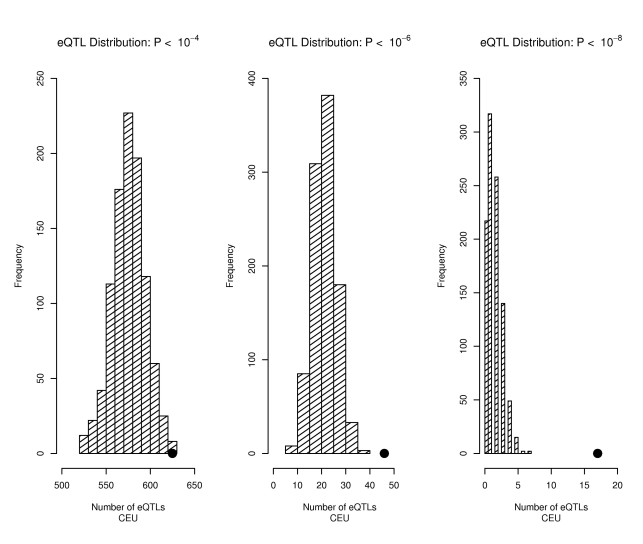
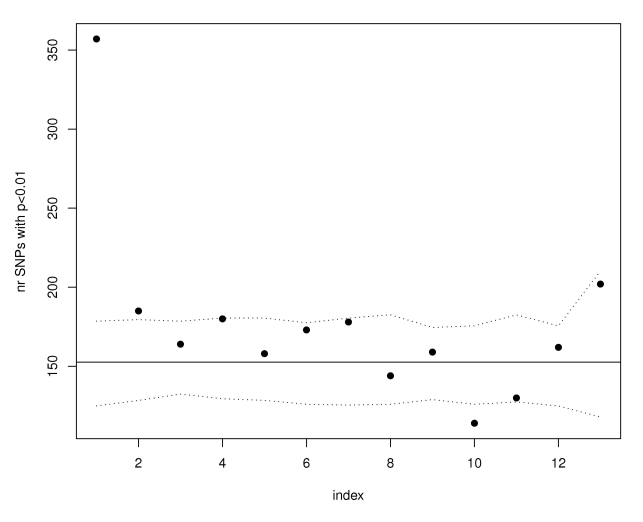
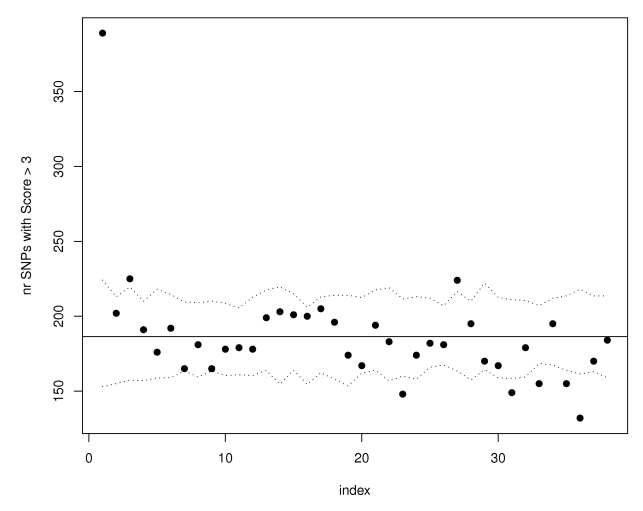
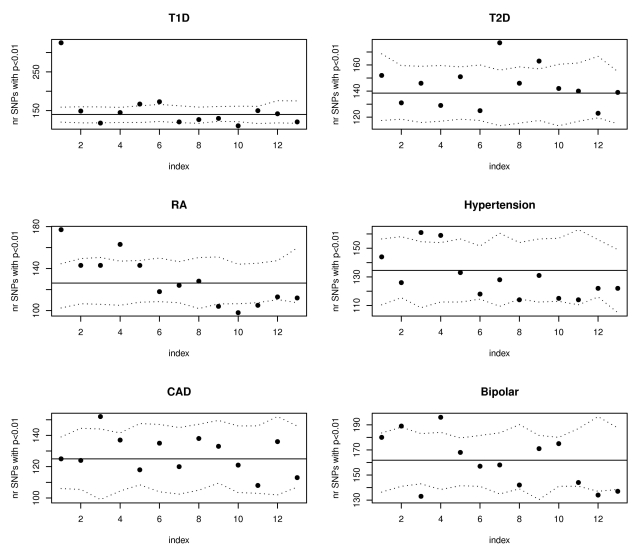
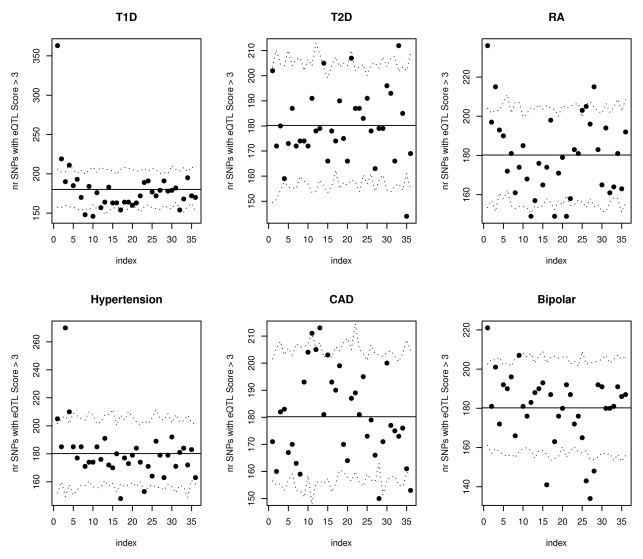
Although genome-wide association studies (GWAS) of complex traits have yielded more reproducible associations than had been discovered using any other approach, the loci characterized to date do not account for much of the heritability to such traits and, in general, have not led to improved understanding of the biology underlying complex phenotypes. Using a web site we developed to serve results of expression quantitative trait locus (eQTL) studies in lymphoblastoid cell lines from HapMap samples (http://www.scandb.org), we show that single nucleotide polymorphisms (SNPs) associated with complex traits (from http://www.genome.gov/gwastudies/) are significantly more likely to be eQTLs than minor-allele-frequency-matched SNPs chosen from high-throughput GWAS platforms. These findings are robust across a range of thresholds for establishing eQTLs (p-values from 10(-4)-10(-8)), and a broad spectrum of human complex traits. Analyses of GWAS data from the Wellcome Trust studies confirm that annotating SNPs with a score reflecting the strength of the evidence that the SNP is an eQTL can improve the ability to discover true associations and clarify the nature of the mechanism driving the associations. Our results showing that trait-associated SNPs are more likely to be eQTLs and that application of this information can enhance discovery of trait-associated SNPs for complex phenotypes raise the possibility that we can utilize this information both to increase the heritability explained by identifiable genetic factors and to gain a better understanding of the biology underlying complex traits.
Overview
The claims and statistics of this paper haven’t been checked yet.
Free: it reads the open-access text and checks the first 5 claims that cite a source we can check. Create a free account to check every claim.
Integrity signals
Registry
Cites
Statistics
Figures
Verification
Claims the paper makes
The claims and statistics of this paper haven’t been checked yet.
Free: it reads the open-access text and checks the first 5 claims that cite a source we can check. Create a free account to check every claim.
Claims other papers make about this one
Each is checked against this paper’s own text: does it say what the citing paper says it does?
The cited source says what the claim attributes to it.
In the citing paper
“Significant GWAS loci are enriched for e QTLs (Nicolae et al., 2010) and meQTLs (X. Zhang et al., 2014).”
From Integrative Analysis of Multi-omics Data for Discovery and Functional Studies of Complex Human Diseases (2016) · cites this paper as Nicolae et al., 2010
Self-check
Percentages, sums and reported differences re-computed from the paper’s own numbers.
The self-check needs the paper’s full text.
Citations
Cites
PLINK: a tool set for whole-genome association and population-based linkage analyses.
Purcell, S., Neale, B., Todd-Brown, K., Thomas, L., Ferreira, M. A. R., Bender, D., Maller, J., Sklar, P., de Bakker, P. I. W., Daly, M. J., et al. (2007) · The American Journal of Human Genetics · doi:10.1086/519795 · Cited by 34,089 · cited 1×
“We used the toolkit PLINK [31] to calculate frequencies.”
MethodGenome-wide association study of 14,000 cases of seven common diseases and 3,000 shared controls
The Wellcome Trust Case Control Consortium, Management Committee, Burton, P. R., Clayton, D. G., Cardon, L. R., Craddock, N., Deloukas, P., Duncanson, A., Kwiatkowski, D. P., McCarthy, M. I., et al. (2007) · Nature · doi:10.1038/nature05911 · Cited by 9,442
Finding the missing heritability of complex diseases
Manolio, T. A., Collins, F. S., Cox, N. J., Goldstein, D. B., Hindorff, L. A., Hunter, D. J., McCarthy, M. I., Ramos, E. M., Cardon, L. R., Chakravarti, A., et al. (2009) · Nature · doi:10.1038/nature08494 · Cited by 8,336 · cited 1×
“The failure to achieve this goal is made particularly acute by the recognition that the loci that have been successfully identified not only provide us with little insight into the genetic basis for the trait, but also account for little of the overall heritability [5].”
BackgroundSelf-citationHindorff, L. A., Sethupathy, P., Junkins, H. A., Ramos, E. M., Mehta, J. P., Collins, F. S., & Manolio, T. A. (2009) · Proceedings of the National Academy of Sciences · doi:10.1073/pnas.0903103106 · Cited by 4,013 · cited 1×
“Our results build on those of previous studies, particularly those of Schadt and colleagues [12–15] that focused on using transcriptome information to improve understanding of genetic signals, but the rapid accumulation of trait-associated SNPs through GWAS, coupled with the systematic efforts to catalog these variant…”
ResultGenome-wide association defines more than 30 distinct susceptibility loci for Crohn's disease
the NIDDK IBD Genetics Consortium, Barrett, J. C., the Belgian-French IBD Consortium, the Wellcome Trust Case Control Consortium, Hansoul, S., Nicolae, D. L., Cho, J. H., Duerr, R. H., Rioux, J. D., Brant, S. R., et al. (2008) · Nature Genetics · doi:10.1038/ng.175 · Cited by 2,593
Self-citationMAQC Consortium, Shi, L., Shi, L., Reid, L. H., Jones, W. D., Shippy, R., Warrington, J. A., Baker, S. C., Collins, P. J., de Longueville, F., et al. (2006) · Nature Biotechnology · doi:10.1038/nbt1239 · Cited by 2,126 · cited 1×
“) that they might be considered unreliable for genomic studies [24], while others highlight the reproducibility of results of transcriptome studies [25,26] and find that LCLs show little variability as a consequence of non-genetic”
ResultHampe, J., Franke, A., Rosenstiel, P., Till, A., Teuber, M., Huse, K., Albrecht, M., Mayr, G., De La Vega, F. M., Briggs, J., et al. (2007) · Nature Genetics · doi:10.1038/ng1954 · Cited by 1,897 · cited 1×
“For a few disorders, results of GWAS have highlighted biological contributing factors to disease that had not previously been recognized as central, such as the complement system in macular degeneration [1] or autophagy in Crohn’s disease [2–4].”
BackgroundGenome-wide association study of blood pressure and hypertension
Levy, D., Ehret, G. B., Rice, K., Verwoert, G. C., Launer, L. J., Dehghan, A., Glazer, N. L., Morrison, A. C., Johnson, A. D., Aspelund, T., et al. (2009) · Nature Genetics · doi:10.1038/ng.384 · Cited by 1,364 · cited 1×
“has enabled us to generalize the concept that information on eQTLs will have utility for understanding the genetic component to complex traits. Our primary observations – that SNPs reproducibly associated with complex human traits are more likely to be eQTLs – are novel, although perhaps not unexpected given that few…”
ResultGenetics of gene expression and its effect on disease
Emilsson, V., Thorleifsson, G., Zhang, B., Leonardson, A. S., Zink, F., Zhu, J., Carlson, S., Helgason, A., Walters, G. B., Gunnarsdottir, S., et al. (2008) · Nature · doi:10.1038/nature06758 · Cited by 1,296 · cited 1×
“studies have highlighted the potential sensitivity of eQTL studies to cell and tissue subtypes [15,19,20].”
BackgroundA General Test of Association for Quantitative Traits in Nuclear Families
Abecasis, G. R., Cardon, L. R., & Cookson, W. O. C. (2000) · The American Journal of Human Genetics · doi:10.1086/302698 · Cited by 1,126 · cited 1×
“Genome-wide association analyses of 13,080 transcript clusters (gene-level) with reliable expression and more than 2 million SNPs in the CEU or YRI populations were conducted using the Quantitative Trait Disequilibrium Test (QTDT) [30].”
Method
Research works printed but not linked: 1
- Hindorff LA Sethupathy P Junkins HA Ramos EM Mehta JP 2009 Potential etiologic and functional implications of genome-wide association loci for human diseases and traits. Proc Natl Acad Sci U S A 106 9362 9367 19474294 PMC2687147 · DOI · Paper page
Cited by
Items 701–800 of 1,003
Familial analysis reveals rare risk variants for migraine in regulatory regions
Techlo, T. R., Rasmussen, A., Møller, P. L., Bøttcher, M., Winther, S., Davidsson, O. B., Olofsson, I. A., Chalmer, M. A., Kogelman, L. J. A., Nyegaard, M., et al. (2020) · Neurogenetics · doi:10.1007/s10048-020-00606-5 · Cited by 15
Using functional genomics to advance the understanding of psoriatic arthritis
Shi, C., Rattray, M., Barton, A. C., Bowes, J., & Orozco, G. (2020) · Rheumatology · doi:10.1093/rheumatology/keaa283 · Cited by 15
Multi‐tissue transcriptome‐wide association studies
Grinberg, N. F., & Wallace, C. (2020) · Genetic Epidemiology · doi:10.1002/gepi.22374 · Cited by 18
“It has been noted that eQTLs are over-represented among trait-associated SNPs uncovered by GWAS [6,7].”
BackgroundYao, S., Wu, H., Liu, T., Wang, J., Ding, J., Guo, J., Rong, Y., Ke, X., Hao, R.-H., Dong, S., et al. (2021) · Schizophrenia Bulletin · doi:10.1093/schbul/sbab023 · Cited by 15
Genome-Wide Studies of Type 2 Diabetes and Lipid Traits in Hispanics
Below, J. E., & Parra, E. J. (2016) · Current Diabetes Reports · doi:10.1007/s11892-016-0737-3 · Cited by 16
IGREX for quantifying the impact of genetically regulated expression on phenotypes
Cai, M., Chen, L., Liu, J., & Yang, C. (2020) · NAR Genomics and Bioinformatics · doi:10.1093/nargab/lqaa010 · Cited by 18
Du, Y., Li, P., Wen, Y., Liang, X., Liu, L., Cheng, B., Ding, M., Zhao, Y., Ma, M., Zhang, L., et al. (2020) · Calcified Tissue International · doi:10.1007/s00223-019-00640-y · Cited by 14
Vattathil, S. M., Gerasimov, E. S., Canon, S. M., Lori, A., Tan, S. S. M., Kim, P. J., Liu, Y., Lai, E. C., Bennett, D. A., Wingo, T. S., et al. (2024) · Nature Aging · doi:10.1038/s43587-024-00778-x · Cited by 14
“This has led to important insights into human conditions, especially by integrating QTLs with genome-wide association study (GWAS) results 3–6 .”
Pharmacogenomic Discovery Delineating the Genetic Basis of Drug Response
Zhang, W., Zheng, Y., & Hou, L. (2013) · Current Genetic Medicine Reports · doi:10.1007/s40142-013-0019-1 · Cited by 14
Self-citationDominguez-Alonso, S., Carracedo, Á., & Rodriguez‐Fontenla, C. (2023) · Translational Psychiatry · doi:10.1038/s41398-023-02621-0 · Cited by 18
“One possible explanation is that these GWAS risk loci exert their effect by its implication on gene expression in different tissues [9], so that providing evidence that the SNP is an eQTL (expression quantitative trail locus) can improve the ability to clarify the nature of the mechanism driving…”
BackgroundReasoning over genetic variance information in cause-and-effect models of neurodegenerative diseases
Naz, M., Kodamullil, A. T., & Hofmann‐Apitius, M. (2015) · Briefings in Bioinformatics · doi:10.1093/bib/bbv063 · Cited by 15
“Genetic variation associated with gene expression, known as expression quantitative trait loci (eQTL), can identify the target genes of risk loci [73–77].”
BackgroundKoldobskaya, Y., Ko, K., Kumar, A., Agik, S., Arrington, J., Kariuki, S. N., Franek, B. S., Kumabe, M., Utset, T. O., Jolly, M., et al. (2012) · Clinical and Developmental Immunology · doi:10.1155/2012/682018 · Cited by 14
“Genes which are disease associated are more commonly associated with alternate gene expression than genes which are not disease associated [22], and thus genes from our top 200 which were strongly associated with differences in gene expression should be more likely to be true associations.”
BackgroundInference of modules associated to eQTLs
Kreimer, A., Litvin, O., Hao, K., Molony, C. M., Pe’er, D., & Pe'er, I. (2012) · Nucleic Acids Research · doi:10.1093/nar/gks269 · Cited by 15
“Yet, for large fraction of single-nucleotide polymorphisms (SNPs) with well supported associations to disease phenotypes (7) which are neither coding, nor linked to coding SNPs in cis, no cis-regulatory effect have been reported in studies conducted thus far.”
BackgroundMethodGenetic susceptibility to rheumatoid arthritis and its implications for novel drug discovery
Yarwood, A., Eyre, S., & Worthington, J. (2016) · Expert Opinion on Drug Discovery · doi:10.1080/17460441.2016.1195366 · Cited by 16
Highland, H. M., Wojcik, G. L., Graff, M., Nishimura, K. K., Hodonsky, C. J., Baldassari, A., Cote, A. C., Cheng, I. C., Gignoux, C. R., Tao, R., et al. (2022) · The American Journal of Human Genetics · doi:10.1016/j.ajhg.2022.02.013 · Cited by 15
Spisák, S., Tisza, V., Nuzzo, P. V., Seo, J.-H., Pataki, B., Ribli, D., Sztupinszki, Z. M., Bell, C. A., Rohanizadegan, M., Stillman, D. R., et al. (2023) · Nature Communications · doi:10.1038/s41467-023-40616-z · Cited by 16
FastGxC: Fast and powerful context-specific eQTL mapping in bulk and single-cell data
Krockenberger, L., Lu, A. Y., Thompson, M., Tucker, L. A., Liu, C., Gordon, M. G., Ranta, A., Carcamo‐Orive, I., Knowles, J. W., Dahl, A., et al. (2026) · Cell Genomics · doi:10.1016/j.xgen.2026.101250 · Cited by 17
On the genetics of sleep disorders: genome-wide association studies and beyond
Parsons, M. (2015) · Advances in Genomics and Genetics · doi:10.2147/agg.s57139 · Cited by 15
“65,66 To this end, the presence of eQTLs has been used successfully to prioritize subthreshold GWAS loci for a range of complex diseases, such as Crohn’s disease.”
Liver expression quantitative trait loci: a foundation for pharmacogenomic research
Glubb, D. M., Dholakia, N., & Innocenti, F. (2012) · Frontiers in Genetics · doi:10.3389/fgene.2012.00153 · Cited by 15
“Another use for eQTLs is in determining which gene a SNP, associated with a clinical phenotype, may mediate its effect through as there is often uncertainty about GWAS SNPs located in intergenic regions.”
BackgroundMethodInfluentialApproaches to integrating germline and tumor genomic data in cancer research
Feigelson, H. S., Goddard, K. A. B., Hollombe, C., Tingle, S. R., Gillanders, E. M., Mechanic, L. E., & Nelson, S. A. (2014) · Carcinogenesis · doi:10.1093/carcin/bgu165 · Cited by 16
“Because trait-associated SNPs are considered likely to exert regulatory effects (43), most of these studies mined expression data to determine if a risk allele was associated with changes in gene expression in the tumor.”
BackgroundeQTL analysis links inflammatory bowel disease associated 1q21 locus to ECM1 gene
Repnik, K., & Potočnik, U. (2016) · Journal of Applied Genetics · doi:10.1007/s13353-015-0334-1 · Cited by 14
Liu, L., Yin, X.-Y., Wen, L., Yang, C., Sheng, Y., Lin, Y., Zhu, Z., Shen, C.-B., Shi, Y., Zheng, Y.-L., et al. (2016) · G3: Genes, Genomes, Genetics · doi:10.1534/g3.116.027326 · Cited by 15
It’s All in the Brain: A Review of Available Functional Genomic Annotations
Taliun, S. A. G. (2016) · Biological Psychiatry · doi:10.1016/j.biopsych.2016.08.011 · Cited by 15
“on the same chromosome), are DNA loci that regulate mRNA expression levels of an upstream or downstream gene (6).”
BackgroundBayesian nonparametric discovery of isoforms and individual specific quantification
Aguiar, D., Cheng, L., Dumitrascu, B., Mordelet, F., Pai, A. A., & Engelhardt, B. E. (2018) · Nature Communications · doi:10.1038/s41467-018-03402-w · Cited by 14
RNA‐seq: Applications and Best Practices
Pereira, M. A., Imada, E. L., & Guedes, R. L. M. (2017) · InTech eBooks · doi:10.5772/intechopen.69250 · Cited by 16
Huang, H., Cheng, S., Ding, M., Wen, Y. F., Ma, M., Zhang, L., Li, P., Cheng, B., Liang, X., Liu, L., et al. (2018) · Autism Research · doi:10.1002/aur.2048 · Cited by 14
“Furthermore, GWAS risk variants were mostly enriched in noncoding regulatory regions that affected gene expression [Nicolae et al., 2010].”
BackgroundPsifidi, A., Kranis, A., Rothwell, L., Bremner, A., Russell, K., Robledo, D., Bush, S. J., Fife, M. S., Hocking, P. M., Banos, G., et al. (2021) · Scientific Reports · doi:10.1038/s41598-020-79005-7 · Cited by 15
Fine mapping with epigenetic information and 3D structure
Orozco, G. (2022) · Seminars in Immunopathology · doi:10.1007/s00281-021-00906-4 · Cited by 15
“Early studies that overlapped the most strongly associated GWAS variants at a given locus with the top eQTL within the same variants described how risk SNPs are more likely to be eQTLs than random non-associated SNPs [64, 65].”
BackgroundIntegration of expression QTLs with fine mapping via SuSiE
Zhang, X., Jiang, W., & Zhao, H. (2024) · PLoS Genetics · doi:10.1371/journal.pgen.1010929 · Cited by 15
Human Expression QTLs Are Enriched in Signals of Environmental Adaptation
Ye, K., Lü, J., Raj, S. M., & Gu, Z. (2013) · Genome Biology and Evolution · doi:10.1093/gbe/evt124 · Cited by 15
“5(9):1689–1701. doi:10.1093/gbe/evt124 Advance Access publication August 19, 2013 1689 nloaded from https://academ ic.oup.com /gbe/article-abstract/5/9/1689/557585 by PPD D evelopm ent LP user on 26 D ecem ber 2018 (Dermitzakis 2008; Nica et al. 2010; Nicolae et al. 2010).”
BackgroundInfluentialHao, R.-H., Yang, T.-L., Rong, Y., Yao, S., Dong, S.-S., Chen, H., & Guo, Y. (2017) · International Journal of Obesity · doi:10.1038/ijo.2017.283 · Cited by 15
Zhang, J., Xie, S., Gonzales, S., Liu, J., & Wang, X. (2020) · Genetic Epidemiology · doi:10.1002/gepi.22297 · Cited by 15
Yurko, R., G’Sell, M., Roeder, K., & Devlin, B. (2020) · Proceedings of the National Academy of Sciences · doi:10.1073/pnas.1918862117 · Cited by 16
“Rather than test all SNPs, we chose to investigate a selected subset of SNPs, eSNPs, whose genotypes are correlated with gene expression; this additional filtering step captures a set of SNPs that are more likely to be functional and not highly correlated (20).”
BackgroundStudy of emerging chicken meat quality defects using OMICs: What do we know?
Zhang, X., Smith, S. W., Zaldivar, L. R., Lesak, D. J., & Schilling, M. W. (2023) · Journal of Proteomics · doi:10.1016/j.jprot.2023.104837 · Cited by 16
Pudjihartono, N., Ho, D., Golovina, E., Fadason, T., Kempa-Liehr, A. W., & O'Sullivan, J. M. (2023) · Journal of Autoimmunity · doi:10.1016/j.jaut.2023.103046 · Cited by 13
Maranville, J., Luca, F., Stephens, M., & Rienzo, A. D. (2012) · Transcription · doi:10.4161/trns.19497 · Cited by 14
Dissecting the Causal Genetic Mechanisms of Coronary Heart Disease
Miller, C. L., Assimes, T. L., Montgomery, S. B., & Quertermous, T. (2014) · Current Atherosclerosis Reports · doi:10.1007/s11883-014-0406-4 · Cited by 14
Coordinating GWAS results with gene expression in a systems immunologic paradigm in autoimmunity
Stranger, B. E., & Jager, P. L. D. (2012) · Current Opinion in Immunology · doi:10.1016/j.coi.2012.09.002 · Cited by 14
“[PubMed: 20369019] Nicolae et al 2010, PLoS Genetics*This is the first study to Curr Opin Immunol.”
BackgroundVariants in exons and in transcription factors affect gene expression in trans
Kreimer, A., & Pe’er, I. (2013) · Genome biology · doi:10.1186/gb-2013-14-7-r71 · Cited by 13
“A large fraction of SNPs identified by genome-wide association studies (GWAS) [10] have been reported to be associated with disease phenotypes [14] despite being neither coding, nor linked to coding SNPs in cis.”
BackgroundGenotype-based gene signature of glioma risk
Huang, Y., Zhang, Y., Wu, Z. J., & Michaud, D. S. (2017) · Neuro-Oncology · doi:10.1093/neuonc/now288 · Cited by 15
Functionally oriented analysis of cardiometabolic traits in a trans-ethnic sample
Petty, L. E., Highland, H. M., Gamazon, E. R., Hu, H., Karhade, M., Chen, H., de Vries, P. S., Grove, M. L., Aguilar, D. A., Bell, G. I., et al. (2019) · Human Molecular Genetics · doi:10.1093/hmg/ddy435 · Cited by 13
Self-citationMacauda, A., Piredda, C., Clay‐Gilmour, A., Sáinz, J., Buda, G., Markiewicz, M., Barington, T., Ziv, E., Hildebrandt, M. A. T., Belachew, A. A., et al. (2021) · International Journal of Cancer · doi:10.1002/ijc.33547 · Cited by 17
“Interestingly, it has been shown that polymorphisms associated with complex traits in GWAS, including risk of many cancers, are enriched in eQTLs.(24,25) Considering that the expression of several genes is associated with MM prognosis we hypothesized that SNPs that affect expression levels of those genes might also be…”
BackgroundMethodSpadoni, J., Rucart, P., Clerc, S. L., van Manen, D., Coulonges, C., Ulveling, D., Laville, V., Labib, T., Taing, L., Delaneau, O., et al. (2015) · PLoS ONE · doi:10.1371/journal.pone.0136989 · Cited by 13
“It has been proposed that eQTL are of the utmost important in the development of pathological traits [24,25].”
Integrative cross tissue analysis of gene expression identifies novel type 2 diabetes genesPreprint
Torres, J., Barbeira, A., Bonazzola, R., Morris, A. P., Shah, K. P., Wheeler, H. E., Bell, G. I., Cox, N. J., & Im, H. K. (2017) · bioRxiv (Cold Spring Harbor Laboratory) · doi:10.1101/108134 · Cited by 16
“36 expression quantitative trait loci or eQTLs) [11] and that occupy DNAse hypersensitivity sites (DHS) [12] 37 - regions overrepresented for eQTLs per se [13].”
BackgroundSelf-citationRefining the resolution of the yeast genotype–phenotype map using single-cell RNA-sequencing
N’Guessan, A., Tong, W. Y., Heydari, H., & Ba, A. N. N. (2024) · eLife · doi:10.7554/elife.93906 · Cited by 13
“For example, although human GWAS loci are mostly identified in noncoding regions and have well-characterized cis-regulatory effects, their trans-regulatory effects are usually challenging to detect ( Maurano et al., 2012 ; Schaub et al., 2012 ; Nicolae et al., 2010 ).”
High-throughput identification of functional regulatory SNPs in systemic lupus erythematosus
Wang, Q., Kim, T., Martínez‐Bonet, M., Aguiar, V. R. C., Sim, S., Cui, J., Sparks, J. A., Chen, X., Todd, M., Wauford, B., et al. (2024) · Nature Communications · doi:10.1038/s41467-024-50710-5 · Cited by 16
Jeong, S., Lin, L., Pascual‐Leone, Á., & Hsu, Y. (2025) · Journal of Alzheimer s Disease · doi:10.1177/13872877251326107 · Cited by 14
“56 Integrating gene expression, RNA-seq, and proteomic data have identi fi ed new genes and complex biological processes 57 which may remain undetected in simple PRS or genotype-based approaches.”
Sankaranarayanan, L., Brewer, K., Morrow, S., Johnson, G. D., Barrera, A., Venukuttan, R., Sisk, R. K., Dunaif, A. E., & Reddy, T. E. (2025) · Nature Communications · doi:10.1038/s41467-025-62884-7 · Cited by 16
eQTL networks unveil enriched mRNA master integrators downstream of complex disease-associated SNPs
Li, H., Pouladi, N., Achour, I., Gardeux, V., Lǐ, J., Li, Q., Zhang, H. H., Martínez, F. D., Garcia, J. G. N., & Lussier, Y. A. (2015) · Journal of Biomedical Informatics · doi:10.1016/j.jbi.2015.10.010 · Cited by 12
Association analysis of putative cis-acting polymorphisms of interleukin-19 gene with schizophrenia
Okazaki, S., Watanabe, Y., Hishimoto, A., Sasada, T., Mouri, K., Shiroiwa, K., Eguchi, N., Ratta‐apha, W., Otsuka, I., Nunokawa, A., et al. (2013) · Progress in Neuro-Psychopharmacology and Biological Psychiatry · doi:10.1016/j.pnpbp.2013.12.006 · Cited by 12
“As expected, common SNPs associated with complex diseases, such as schizophrenia, are significantly more likely to be associated with eQTL than with minor-allele-frequency-matched SNPs detected in GWAS platforms (Liu, 2011; Nicolae et al., 2010; Richards et al., 2012).”
BackgroundGarg, P., Borel, C., & Sharp, A. J. (2012) · PLoS ONE · doi:10.1371/journal.pone.0041695 · Cited by 12
Gamazon, E. R., & Perera, M. A. (2012) · Pharmacogenomics · doi:10.2217/pgs.12.88 · Cited by 13
Self-citationLandmark‐Høyvik, H., Dumeaux, V., Nebdal, D. J. H., Lund, E., Tost, J., Kamatani, Y., Renault, V., Børresen‐Dale, A., Kristensen, V. N., & Edvardsen, H. (2013) · Genomics · doi:10.1016/j.ygeno.2013.07.006 · Cited by 15
Bölek, Y., Hayat, K., Bardak, A., & Azhar, M. T. (2016) · InTech eBooks · doi:10.5772/64593 · Cited by 13
“Economically important traits from breeding perspective are also investigated through genome‐wide sequencing [200], saturated mapping of polygenic traits [201], and by using LD‐ mapping [202].”
MethodSystems Genetics as a Tool to Identify Master Genetic Regulators in Complex Disease
Moreno‐Moral, A., Pesce, F., Behmoaras, J. V., & Petretto, E. G. (2016) · Methods in molecular biology · doi:10.1007/978-1-4939-6427-7_16 · Cited by 12
Spatial and temporal expression patterns of genes around nine neuroticism-associated loci
Ohi, K., Shimada, T., Yasuyama, T., Kimura, K., Uehara, T., & Kawasaki, Y. (2017) · Progress in Neuro-Psychopharmacology and Biological Psychiatry · doi:10.1016/j.pnpbp.2017.04.019 · Cited by 13
“SNPs associated with complex traits, such as hypertension, bipolar disorder and Crohn's disease, are more likely to be eQTLs (Nicolae et al., 2010).”
BackgroundInfluentialSmith, B. R., & Macdonald, S. J. (2020) · Genes · doi:10.3390/genes11030294 · Cited by 12
Yang, F., Gleason, K. J., Wang, J., Duan, J., He, X., Pierce, B. L., & Chen, L. (2021) · Bioinformatics · doi:10.1093/bioinformatics/btab139 · Cited by 13
Tian, Y., Soupir, A. C., Liu, Q., Wu, L., Huang, C., Park, J. Y., & Wang, L. (2021) · Human Molecular Genetics · doi:10.1093/hmg/ddab347 · Cited by 13
Correction: Lung eQTLs to Help Reveal the Molecular Underpinnings of Asthma
Hao, K., Bossé, Y., Nickle, D. C., Paré, P. D., Postma, D. S., Laviolette, M., Sandford, A. J., Hackett, T., Daley, D., Hogg, J. C., et al. (2012) · PLoS Genetics · doi:10.1371/annotation/80d53ac6-4f5d-4c34-b92b-3fec00d514ac · Cited by 12
Survey of the Heritability and Sparse Architecture of Gene Expression Traits Across Human TissuesPreprint
Wheeler, H. E., Shah, K. P., Brenner, J., Garcia, T., Aquino-Michaels, K., Cox, N. J., Nicolae, D. L., & Im, H. K. (2016) · bioRxiv (Cold Spring Harbor Laboratory) · doi:10.1101/043653 · Cited by 12
Self-citationMany long intergenic non-coding RNAs distally regulate mRNA gene expression levelsPreprint
McDowell, I. C., Pai, A. A., Guo, C., Vockley, C. M., Brown, C. D., Reddy, T. E., & Engelhardt, B. E. (2016) · bioRxiv (Cold Spring Harbor Laboratory) · doi:10.1101/044719 · Cited by 13
Clarelli, F., Corona, A., Pääkkönen, K., Sorosina, M., Zollo, A., Piehl, F., Olsson, T. P., Stridh, P., Jagodic, M., Hemmer, B., et al. (2024) · Journal of Neurology · doi:10.1007/s00415-024-12608-6 · Cited by 13
Wei, J., Resztak, J., Ranjbaran, A., Alazizi, A., Mair-Meijers, H. E., Slatcher, R. B., Zilioli, S., Wen, X., Luca, F., & Piqué-Regi, R. (2025) · The American Journal of Human Genetics · doi:10.1016/j.ajhg.2024.12.017 · Cited by 12
Trans-eQTL hotspots shape complex traits by modulating cellular states
Renganaath, K., & Albert, F. W. (2025) · Cell Genomics · doi:10.1016/j.xgen.2025.100873 · Cited by 13
“Colony sizes for individual segre-gants were obtained at http://genomics-pubs.princeton.edu/YeastCross_ BYxRM/ from the file BYxRM_PhenoData.txt. gQTLs analyzed in the present work were obtained from table S3 in Bloom et al. 26 Expression values were obtained from Source Data 1 at https://doi.org/10.7554/eLife.35471.0…”
InfluentialSittig, L. J., Carbonetto, P. S., Engel, K. A., Krauss, K. S., & Palmer, A. A. (2015) · Genes Brain & Behavior · doi:10.1111/gbb.12262 · Cited by 12
“Expression polymorphisms are enriched among complex trait-associated polymorphisms (Nicolae et al. 2010), so we considered the possible role for regulatory variation affecting gene expression.”
BackgroundLin, Z., Xue, H., Malakhov, M. M., Knutson, K. A., & Pan, W. (2022) · Human Molecular Genetics · doi:10.1093/hmg/ddac015 · Cited by 11
Xu, C., Song, L., Zhou, Y., Ma, D., Ding, Q., Guo, Z., Li, J., Song, S., Zhang, L.-D., & Zheng, H. (2023) · Plant Cell Reports · doi:10.1007/s00299-023-03042-5 · Cited by 11
Microbiome and its implications in oncogenesis: a Mendelian randomization perspective.
Feng, K., Ren, F., Xing, Z., Zhao, Y., Yang, C., Liu, J., Shang, Q., Wang, X., & Wang, X. (2023) · PubMed Central · Cited by 16
North, H. F., Weissleder, C., Bitar, M., Barry, G., Fullerton, J. M., Webster, M. J., & Weickert, C. S. (2024) · Schizophrenia · doi:10.1038/s41537-024-00466-0 · Cited by 15
“Altered gene expression levels are a molecular phenotype of many common gene polymorphisms 12,13 .”
BackgroundMethodCoanalysis of GWAS with eQTLs reveals disease-tissue associations.
Kang, H. P., Morgan, A. A., Chen, R., Schadt, E. E., & Butte, A. J. (2012) · Europe PMC (PubMed Central) · Cited by 13
Systems biology approaches to epidemiological studies of complex diseases
Li, H. (2013) · WIREs Systems Biology and Medicine · doi:10.1002/wsbm.1242 · Cited by 13
“10 For example, Gamazon et al. 11 described a multi-step filtering approach, where in the first step, SNPs can be filtered by requiring that they be associated with genes whose expression levels are associated with the phenotypes.”
BackgroundIlluminating microRNA Transcription from the Epigenome
Sethupathy, P. (2013) · Current Genomics · doi:10.2174/138920213804999183 · Cited by 13
“Recent bioinformatic analyses of these data revealed that DASs are enriched in genomic regions that regulate gene expression [48, 49], particularly gene promoters [50].”
BackgroundMondal, A. K., Sharma, N., Elbein, S. C., & Das, S. K. (2013) · Physiological Genomics · doi:10.1152/physiolgenomics.00048.2013 · Cited by 14
“Recent studies have indicated that most single nucleotide polymorphisms (SNPs) associated with complex diseases are non-coding and more likely to be expression quantitative trait loci (eQTL) (20).”
BackgroundInsights from GWAS into the quantitative genetics of transcription in humans
Kim, J., & Gibson, G. C. (2010) · Genetics Research · doi:10.1017/s001667231000056x · Cited by 14
“…answer is that there does seem to be one, and hence it can be concluded that regulatory variants make a significant contribution to disease, quite likely accounting for more associations than coding variants that disrupt protein structure and function (Nica et al., 2010; Nicolae et al., 2010).”
BackgroundLymphoblastoid Cell Lines as a Tool to Study Inter-Individual Differences in the Response to Glucose
Grassi, M. A., Rao, V. R., Chen, S., Cao, D., Gao, X., Cleary, P. A., Huang, R. S., Paterson, A. D., Natarajan, R. D., Rehman, J., et al. (2016) · PLoS ONE · doi:10.1371/journal.pone.0160504 · Cited by 12
“Lymphoblastoid cells maintain primary leukocyte features for many inflammatory and genetic conditions [8].”
BackgroundNishino, J., Kochi, Y., Shigemizu, D., Kato, M., Ikari, K., Ochi, H., Noma, H., Matsui, K., Morizono, T., Boroevich, K. A., et al. (2018) · Frontiers in Genetics · doi:10.3389/fgene.2018.00115 · Cited by 11
“coding, non-synonymous, promoter, 5 ′ or 3 ′ UTR, enhancer, and DNase I hypersensitivity sites (Hindorff et al., 2009; Nicolae et al., 2010; Finucane et al., 2015; Gamazon et al., 2015).”
Ye, Y., Yang, Z., Zhu, M., & Lei, J. (2020) · International Journal of Modern Physics B · doi:10.1142/s0217979220502884 · Cited by 12
Direct‐to‐consumer genetic testing in China and its role in GWAS discovery and replication
Kang, K., Sun, X., Wang, L., Yao, X., Tang, S., Deng, J., Wu, X., Yang, C., & Chen, G. (2021) · Quantitative Biology · doi:10.1007/s40484-020-0209-2 · Cited by 13
“wide association studies (GWAS), significantly expanding our knowledge as to the genetic underpinnings of common diseases and traits [1,2].”
BackgroundBench Research Informed by GWAS Results
Kondratyev, N. V., Алфимова, М. В., Golov, A. K., & Голимбет, В. Е. (2021) · Cells · doi:10.3390/cells10113184 · Cited by 13
“For example, the analysis of early GWAS revealed that GWAS SNP hits are enriched in SNPs that are linked to regulation of gene expression—expression quantitative trait loci (eQTL) [130,131].”
BackgroundCastaneda, A. B. A., Petty, L. E., Scholz, M. R., Jansen, R., Weiß, S., Zhang, X., Schramm, K., Beutner, F., Kirsten, H., Schminke, U., et al. (2021) · Human Molecular Genetics · doi:10.1093/hmg/ddab236 · Cited by 12
“In contrast, five of the six associated loci that were significantly associated with cIMT using S-PrediXcan had been previously identified by GWAS on cIMT (13,14,17), supporting the validity of our in silico approach and revealing that variation in gene expression because of genetic variants is likely involved in dise…”
Molecular Approaches, Models, and Techniques in Pharmacogenomic Research and Development
Mu, W., & Zhang, W. (2013) · Elsevier eBooks · doi:10.1016/b978-0-12-391918-2.00008-1 · Cited by 17
Self-citationSparse Simultaneous Signal Detection for Identifying Genetically Controlled Disease Genes
Zhao, S. D., Cai, T., Cappola, T. P., Margulies, K. B., & Li, H. (2017) · Journal of the American Statistical Association · doi:10.1080/01621459.2016.1270825 · Cited by 13
Methods to Analyze Big Data in Pharmacogenomics Research
Li, R., Kim, D., & Ritchie, M. D. (2017) · Pharmacogenomics · doi:10.2217/pgs-2016-0152 · Cited by 12
A Review of Statistical Methods for Identifying Trait-Relevant Tissues and Cell Types
Zhu, H., Shang, L., & Zhou, X. (2021) · Frontiers in Genetics · doi:10.3389/fgene.2020.587887 · Cited by 14
Zhu, M., Yin, P., Hu, F., Jiang, J., Yin, L., Li, Y., & Wang, S. (2021) · Osteoporosis International · doi:10.1007/s00198-021-06024-z · Cited by 14
“However, the majority of GWAS hits are in noncoding regions, and their biological mechanisms are difficult to interpret [11, 12].”
BackgroundEstimating the proportion of disease heritability mediated by gene expression levelsPreprint
O’Connor, L. J., Gusev, A., Liu, X., Loh, P., Finucane, H. K., & Price, A. L. (2017) · bioRxiv (Cold Spring Harbor Laboratory) · doi:10.1101/118018 · Cited by 12
Chang, S.-W., McDonough, C. W., Gong, Y., Johnson, T. A., Tsunoda, T., Gamazon, E. R., Perera, M. A., Takahashi, A., Tanaka, T., Kubo, M., et al. (2016) · The Pharmacogenomics Journal · doi:10.1038/tpj.2016.67 · Cited by 11
Self-citationSecondary analyses for genome‐wide association studies using expression quantitative trait loci
Ngwa, J. S., Yanek, L. R., Kammers, K., Kanchan, K., Taub, M. A., Scharpf, R. B., Faraday, N. R., Becker, L. C., Mathias, R. A., & Ruczinski, I. (2022) · Genetic Epidemiology · doi:10.1002/gepi.22448 · Cited by 10
“There is also increasing evidence that SNPs associated with complex traits are more likely to be eQTL and that a substantial proportion of these GWAS risk variants influence complex trait by regulating gene expression levels of their target genes [18, 22, 23, 24].”
InfluentialDapas, M., Thompson, E. E., Wentworth-Sheilds, W., Clay, S. M., Visness, C. M., Calatroni, A., Sordillo, J. E., Gold, D. R., Wood, R. A., Makhija, M., et al. (2023) · PLoS Genetics · doi:10.1371/journal.pgen.1010594 · Cited by 12
“Trait-associated variants and DNA methylation often affect the transcriptome by influencing the expression of one or more neighboring genes [69,70].”
Self-citationHost genetics and viral load in primary HIV-1 infection: clear evidence for gene by sex interactions
Partnership, I. A. H. P., Li, X., Price, M. A., He, D., Kamali, A., Karita, E., Lakhi, S., Sanders, E. J., Anzala, O. A., Amornkul, P. N., et al. (2014) · Human Genetics · doi:10.1007/s00439-014-1465-x · Cited by 11
Maranville, J., & Rienzo, A. D. (2014) · Pharmacogenomics · doi:10.2217/pgs.14.129 · Cited by 11
eSNPO: An eQTL-based SNP Ontology and SNP functional enrichment analysis platform
Li, J., Wang, L., Jiang, T., Wang, J., Li, X., Liu, X., Wang, C., Teng, Z., Zhang, R., Lv, H., et al. (2016) · Scientific Reports · doi:10.1038/srep30595 · Cited by 13
“Studies have shown that SNPs reproducibly associated with complex disorders are significantly enriched for eQTLs relative to frequency-matched SNPs 17 .”
BackgroundCis-SNPs Set Testing and PrediXcan Analysis for Gene Expression Data using Linear Mixed Models
Zeng, P., Wang, T., & Huang, S. (2017) · Scientific Reports · doi:10.1038/s41598-017-15055-8 · Cited by 12
“…of eGenes in some specific genetic regions can offer important implications for SNPs that are identified in GWAS since it is now believed that the function of SNPs on phenotypes works by at least partially regularizing gene expression levels in a cis-or trans-acting manner 27,30,49,61,81 .”
BackgroundResources for functional genomic studies of health and development in nonhuman primates
Jasinska, A. J. (2020) · American Journal of Physical Anthropology · doi:10.1002/ajpa.24051 · Cited by 10
Analysis of GABRG2 C588T polymorphism in genetic epilepsy and evaluation of GABRG2 in drug treatment
Wang, S., Zhang, X., Zhou, L., Wu, Q., & Han, Y. (2021) · Clinical and Translational Science · doi:10.1111/cts.12997 · Cited by 13
Connectivity in eQTL networks dictates reproducibility and genomic properties
Gaynor, S. M., Fagny, M., Lin, X., Platig, J., & Quackenbush, J. F. (2022) · Cell Reports Methods · doi:10.1016/j.crmeth.2022.100218 · Cited by 10
“, 2014), where GWAS-identified SNPs were most central among groups of functionally related features (Platig et al., 2016; Fagny et al., 2017; Cho et al., 2014; Nicolae et al., 2010).”
BackgroundInfluentialUchiumi, F., Larsen, S. H., & Tanuma, S. (2015) · InTech eBooks · doi:10.5772/59588 · Cited by 12
“Recent genomic studies indicated alterations of gene expression in many human diseases [136, 137].”
BackgroundZhang, J., Wu, D., Li, Y., Fan, Y., Chen, H., & Xu, J. (2018) · Gene · doi:10.1016/j.gene.2018.02.016 · Cited by 10
“Previous reports have demonstrated that disease-associated SNPs are more likely to be eQTLs (Nicolae et al., 2010), indicating that SNPs for eQTLs might be potential candidates for fine-mapping and further replication.”
BackgroundBlankers, T., Berdan, E. L., Hennig, R. M., & Mayer, F. (2019) · Evolution · doi:10.1111/evo.13706 · Cited by 11
“…a single regulatory variant: many trait-associated SNPs in QTL and genome-wide association studies are regulatory variants rather than protein coding variants (Nicolae et al. 2010) and this is particularly likely for behavioral and sexually dimorphic traits (Wray 2007; Williams and Carroll 2009).”
Background
Metadata
- Authors
- Nicolae, D. L., Gamazon, E., Zhang, W., Duan, S., Dolan, M. E., & Cox, N. J.
- Affiliations
- University of Chicago (US)
- Corresponding author
- Cox, Nancy J.
- Venue
- PLoS Genetics
- Publisher
- Public Library of Science (PLoS)
- Published
- 2010-04-01
- Volume
- 6
- Issue
- 4
- Pages
- e1000888
- ISSN
- 1553-7390 (ISSN-L)
- 1553-7404
- PMC
- PMC2848547
- OpenAlex
- W2019983262
- Cited by
- 1,292
- References
- 31
- Citations by year
- 2026: 35 · 2025: 57 · 2024: 50 · 2023: 40 · 2022: 63 · 2021: 104 · 2020: 80 · 2019: 87 · 2018: 97 · 2017: 112 · 2016: 101 · 2015: 103 · 2014: 125 · 2013: 78 · 2012: 84
- FWCI
- 42.59
- Type
- journal article
- Language
- en
- Open access
- gold
- doi.org
- Locations
- PLoS Genetics (publishedVersion, cc-by)
- PubMed Central (publishedVersion, cc-by)
- PubMed (publishedVersion)
- Knowledge@UChicago (University of Chicago) (submittedVersion, cc-by-nc-nd)
- DOAJ (DOAJ: Directory of Open Access Journals) (submittedVersion, cc-by-sa)
- Figshare (submittedVersion, cc-by)
- University of Chicago (cc-by)
- Funders
- National Institutes of Health
- National Heart, Lung, and Blood Institute (U01HL084715)
- National Cancer Institute (P50CA125183)
- National Institute of General Medical Sciences (U01 GM61393, U01GM061393)
- National Institute of Diabetes and Digestive and Kidney Diseases (P60DK20595, P60DK020595)
- Topics
- Life Sciences › Biochemistry, Genetics and Molecular Biology › Genetics › Genetic Associations and Epidemiology
- Life Sciences › Biochemistry, Genetics and Molecular Biology › Genetics › Genetic Mapping and Diversity in Plants and Animals
- Life Sciences › Biochemistry, Genetics and Molecular Biology › Genetics › Genetic and phenotypic traits in livestock
- Keywords
- expression quantitative trait loci, single nucleotide polymorphisms, complex traits, genome-wide association study, SNP annotation, heritability, lymphoblastoid cell lines, gene expression
- MeSH terms
- Humans, Phenotype, Genome, Human, Polymorphism, Single Nucleotide, Quantitative Trait Loci, Genome-Wide Association Study
About these checks
Registry, retraction, Cites and statistics results are computed, not judged, with one exception: a printed reference that no index lists is read once by a model before it counts as a citation error. Claims are extracted by a model and kept only when their quote appears verbatim in the text; each cited source is then checked, with a model’s help, for whether it says what the claim relies on. Those verdicts can be wrong — read the claim’s quote and the cited source before relying on one.
Statistics and arithmetic are recomputed, not judged.
Confidence bands are shown only for fields calibrated on our annotated test set. None is calibrated yet, so no band is shown.
What counts as a claim ›How we measure confidence ›How we check this ›
Are you an author, or do you see a problem with this page? Request a review
Data sources
Bibliographic data: Semantic Scholar, OpenAlex, Crossref.
Contains information from the Semantic Scholar Academic Graph Datasets, made available under the ODC Attribution License (ODC-BY 1.0).
Semantic Scholar’s data is described in: Kinney, R., et al. (2023). The Semantic Scholar Open Data Platform. arXiv:2301.10140.
