

Trait-Associated SNPs Are More Likely to Be eQTLs: Annotation to Enhance Discovery from GWAS
Open accessThe DOI matches its Crossref record; 31 of the 31 references it cites were found in a registry or an index.
Abstract
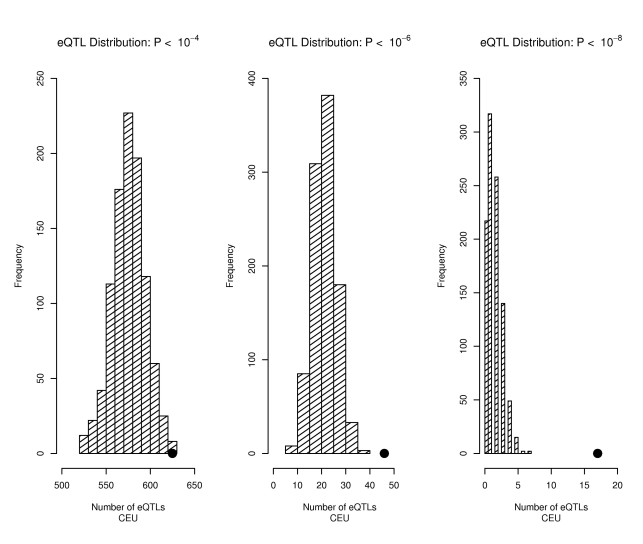
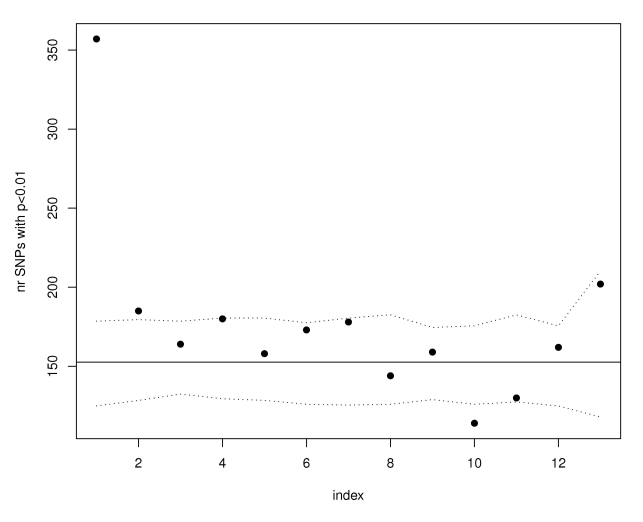
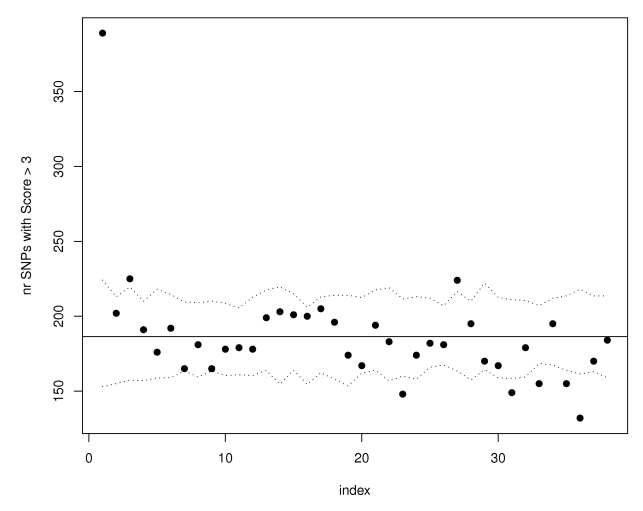
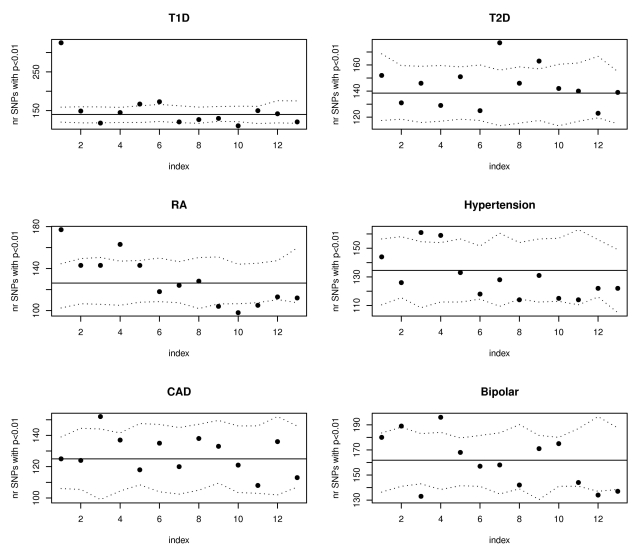
Although genome-wide association studies (GWAS) of complex traits have yielded more reproducible associations than had been discovered using any other approach, the loci characterized to date do not account for much of the heritability to such traits and, in general, have not led to improved understanding of the biology underlying complex phenotypes. Using a web site we developed to serve results of expression quantitative trait locus (eQTL) studies in lymphoblastoid cell lines from HapMap samples (http://www.scandb.org), we show that single nucleotide polymorphisms (SNPs) associated with complex traits (from http://www.genome.gov/gwastudies/) are significantly more likely to be eQTLs than minor-allele-frequency-matched SNPs chosen from high-throughput GWAS platforms. These findings are robust across a range of thresholds for establishing eQTLs (p-values from 10(-4)-10(-8)), and a broad spectrum of human complex traits. Analyses of GWAS data from the Wellcome Trust studies confirm that annotating SNPs with a score reflecting the strength of the evidence that the SNP is an eQTL can improve the ability to discover true associations and clarify the nature of the mechanism driving the associations. Our results showing that trait-associated SNPs are more likely to be eQTLs and that application of this information can enhance discovery of trait-associated SNPs for complex phenotypes raise the possibility that we can utilize this information both to increase the heritability explained by identifiable genetic factors and to gain a better understanding of the biology underlying complex traits.
Overview
The claims and statistics of this paper haven’t been checked yet.
Free: it reads the open-access text and checks the first 5 claims that cite a source we can check. Create a free account to check every claim.
Integrity signals
Registry
Cites
Statistics
Figures
Verification
Claims the paper makes
The claims and statistics of this paper haven’t been checked yet.
Free: it reads the open-access text and checks the first 5 claims that cite a source we can check. Create a free account to check every claim.
Claims other papers make about this one
Each is checked against this paper’s own text: does it say what the citing paper says it does?
The cited source says what the claim attributes to it.
In the citing paper
“Significant GWAS loci are enriched for e QTLs (Nicolae et al., 2010) and meQTLs (X. Zhang et al., 2014).”
From Integrative Analysis of Multi-omics Data for Discovery and Functional Studies of Complex Human Diseases (2016) · cites this paper as Nicolae et al., 2010
Self-check
Percentages, sums and reported differences re-computed from the paper’s own numbers.
The self-check needs the paper’s full text.
Citations
Cites
PLINK: a tool set for whole-genome association and population-based linkage analyses.
Purcell, S., Neale, B., Todd-Brown, K., Thomas, L., Ferreira, M. A. R., Bender, D., Maller, J., Sklar, P., de Bakker, P. I. W., Daly, M. J., et al. (2007) · The American Journal of Human Genetics · doi:10.1086/519795 · Cited by 34,089 · cited 1×
“We used the toolkit PLINK [31] to calculate frequencies.”
MethodGenome-wide association study of 14,000 cases of seven common diseases and 3,000 shared controls
The Wellcome Trust Case Control Consortium, Management Committee, Burton, P. R., Clayton, D. G., Cardon, L. R., Craddock, N., Deloukas, P., Duncanson, A., Kwiatkowski, D. P., McCarthy, M. I., et al. (2007) · Nature · doi:10.1038/nature05911 · Cited by 9,442
Finding the missing heritability of complex diseases
Manolio, T. A., Collins, F. S., Cox, N. J., Goldstein, D. B., Hindorff, L. A., Hunter, D. J., McCarthy, M. I., Ramos, E. M., Cardon, L. R., Chakravarti, A., et al. (2009) · Nature · doi:10.1038/nature08494 · Cited by 8,336 · cited 1×
“The failure to achieve this goal is made particularly acute by the recognition that the loci that have been successfully identified not only provide us with little insight into the genetic basis for the trait, but also account for little of the overall heritability [5].”
BackgroundSelf-citationHindorff, L. A., Sethupathy, P., Junkins, H. A., Ramos, E. M., Mehta, J. P., Collins, F. S., & Manolio, T. A. (2009) · Proceedings of the National Academy of Sciences · doi:10.1073/pnas.0903103106 · Cited by 4,013 · cited 1×
“Our results build on those of previous studies, particularly those of Schadt and colleagues [12–15] that focused on using transcriptome information to improve understanding of genetic signals, but the rapid accumulation of trait-associated SNPs through GWAS, coupled with the systematic efforts to catalog these variant…”
ResultGenome-wide association defines more than 30 distinct susceptibility loci for Crohn's disease
the NIDDK IBD Genetics Consortium, Barrett, J. C., the Belgian-French IBD Consortium, the Wellcome Trust Case Control Consortium, Hansoul, S., Nicolae, D. L., Cho, J. H., Duerr, R. H., Rioux, J. D., Brant, S. R., et al. (2008) · Nature Genetics · doi:10.1038/ng.175 · Cited by 2,593
Self-citationMAQC Consortium, Shi, L., Shi, L., Reid, L. H., Jones, W. D., Shippy, R., Warrington, J. A., Baker, S. C., Collins, P. J., de Longueville, F., et al. (2006) · Nature Biotechnology · doi:10.1038/nbt1239 · Cited by 2,126 · cited 1×
“) that they might be considered unreliable for genomic studies [24], while others highlight the reproducibility of results of transcriptome studies [25,26] and find that LCLs show little variability as a consequence of non-genetic”
ResultHampe, J., Franke, A., Rosenstiel, P., Till, A., Teuber, M., Huse, K., Albrecht, M., Mayr, G., De La Vega, F. M., Briggs, J., et al. (2007) · Nature Genetics · doi:10.1038/ng1954 · Cited by 1,897 · cited 1×
“For a few disorders, results of GWAS have highlighted biological contributing factors to disease that had not previously been recognized as central, such as the complement system in macular degeneration [1] or autophagy in Crohn’s disease [2–4].”
BackgroundGenome-wide association study of blood pressure and hypertension
Levy, D., Ehret, G. B., Rice, K., Verwoert, G. C., Launer, L. J., Dehghan, A., Glazer, N. L., Morrison, A. C., Johnson, A. D., Aspelund, T., et al. (2009) · Nature Genetics · doi:10.1038/ng.384 · Cited by 1,364 · cited 1×
“has enabled us to generalize the concept that information on eQTLs will have utility for understanding the genetic component to complex traits. Our primary observations – that SNPs reproducibly associated with complex human traits are more likely to be eQTLs – are novel, although perhaps not unexpected given that few…”
ResultGenetics of gene expression and its effect on disease
Emilsson, V., Thorleifsson, G., Zhang, B., Leonardson, A. S., Zink, F., Zhu, J., Carlson, S., Helgason, A., Walters, G. B., Gunnarsdottir, S., et al. (2008) · Nature · doi:10.1038/nature06758 · Cited by 1,296 · cited 1×
“studies have highlighted the potential sensitivity of eQTL studies to cell and tissue subtypes [15,19,20].”
BackgroundA General Test of Association for Quantitative Traits in Nuclear Families
Abecasis, G. R., Cardon, L. R., & Cookson, W. O. C. (2000) · The American Journal of Human Genetics · doi:10.1086/302698 · Cited by 1,126 · cited 1×
“Genome-wide association analyses of 13,080 transcript clusters (gene-level) with reliable expression and more than 2 million SNPs in the CEU or YRI populations were conducted using the Quantitative Trait Disequilibrium Test (QTDT) [30].”
Method
Research works printed but not linked: 1
- Hindorff LA Sethupathy P Junkins HA Ramos EM Mehta JP 2009 Potential etiologic and functional implications of genome-wide association loci for human diseases and traits. Proc Natl Acad Sci U S A 106 9362 9367 19474294 PMC2687147 · DOI · Paper page
Cited by
Biological insights from 108 schizophrenia-associated genetic loci
Schizophrenia Working Group of the Psychiatric Genomics Consortium (2014) · Nature · doi:10.1038/nature13595 · Cited by 7,577
A general framework for estimating the relative pathogenicity of human genetic variants
Kircher, M., Witten, D. M., Jain, P., O'Roak, B. J., Cooper, G. M., & Shendure, J. (2014) · Nature Genetics · doi:10.1038/ng.2892 · Cited by 6,183
The GTEx Consortium atlas of genetic regulatory effects across human tissues
The GTEx Consortium, Aguet, F., Anand, S., Ardlie, K. G., Gabriel, S., Getz, G. A., Graubert, A., Hadley, K., Handsaker, R. E., Huang, K. H., et al. (2020) · Science · doi:10.1126/science.aaz1776 · Cited by 5,547
“To analyze the mediating role of cis-regulation of gene expression on complex traits (35, 42), we used two complementary approaches, QTLEnrich (43) and Stratified LD score regression (S-LDSC) (11).”
MethodSelf-citationThe Genotype-Tissue Expression (GTEx) pilot analysis: Multitissue gene regulation in humans
The GTEx Consortium, Ardlie, K. G., Deluca, D. S., Segrè, A. V., Sullivan, T. J., Young, T. R., Gelfand, E. T., Trowbridge, C. A., Maller, J. B., Tukiainen, T., et al. (2015) · Science · doi:10.1126/science.1262110 · Cited by 5,062
Self-citationGiambartolomei, C., Vukcevic, D., Schadt, E. E., Franke, L., Hingorani, A. D., Wallace, C., & Plagnol, V. (2014) · PLoS Genetics · doi:10.1371/journal.pgen.1004383 · Cited by 4,261
“It has been shown that SNPs associated with complex traits are more likely to be eQTLs compared to other SNPs chosen at random from GWAS platforms [31], and a higher weighting for these SNPs has been proposed when performing Bayesian association analyses [37,38].”
Systematic Localization of Common Disease-Associated Variation in Regulatory DNA
Maurano, M. T., Humbert, R., Rynes, E., Thurman, R. E., Haugen, E., Wang, H., Reynolds, A. P., Sandstrom, R., Qu, H., Brody, J., et al. (2012) · Science · doi:10.1126/science.1222794 · Cited by 3,716
(2013) · The Lancet · doi:10.1016/s0140-6736(12)62129-1 · Cited by 3,010
Integrative approaches for large-scale transcriptome-wide association studies
Gusev, A., Ko, A., Shi, H., Bhatia, G., Chung, W., Penninx, B. W. J. H., Jansen, R., de Geus, E. J. C., Boomsma, D. I., Wright, F. A., et al. (2016) · Nature Genetics · doi:10.1038/ng.3506 · Cited by 2,479
Visscher, P. M., Brown, M. A., McCarthy, M. I., & Yang, J. (2012) · The American Journal of Human Genetics · doi:10.1016/j.ajhg.2011.11.029 · Cited by 2,425
Ward, L. D., & Kellis, M. (2012) · Nucleic Acids Research · doi:10.1093/nar/gkr917 · Cited by 2,229
“Recent systematic comparisons of expression quantitative trait loci (eQTL) and GWAS suggest that the association of intergenic variants with complex phenotyes is a result of alteration of gene expression regulatory elements (4,5).”
BackgroundTranscriptome and genome sequencing uncovers functional variation in humans
The Geuvadis Consortium, Lappalainen, T., Sammeth, M., Friedländer, M. R., ‘t Hoen, P. A. C., Monlong, J., Rivas, M. A., Gonzàlez-Porta, M., Kurbatova, N., Griebel, T., et al. (2013) · Nature · doi:10.1038/nature12531 · Cited by 1,888
A gene-based association method for mapping traits using reference transcriptome data
Gamazon, E. R., Wheeler, H. E., Shah, K. P., Mozaffari, S. V., Aquino-Michaels, K., Carroll, R. J., Eyler, A. E., Denny, J. C., GTEx Consortium, Nicolae, D. L., et al. (2015) · Nature Genetics · doi:10.1038/ng.3367 · Cited by 1,829
Self-citationSystematic identification of trans eQTLs as putative drivers of known disease associations
Westra, H.-J., Peters, M. J., Esko, T., Yaghootkar, H., Schurmann, C., Kettunen, J., Christiansen, M. W., Fairfax, B. P., Schramm, K., Powell, J. E., et al. (2013) · Nature Genetics · doi:10.1038/ng.2756 · Cited by 1,658
Genome-wide association analysis identifies 13 new risk loci for schizophrenia
Multicenter Genetic Studies of Schizophrenia Consortium, Ripke, S., Psychosis Endophenotypes International Consortium, Wellcome Trust Case Control Consortium 2, O'Dushlaine, C., Chambert, K., Moran, J. L., Kähler, A. K., Akterin, S., Bergen, S. E., et al. (2013) · Nature Genetics · doi:10.1038/ng.2742 · Cited by 1,496
Zhao, K., Tung, C.-W., Eizenga, G. C., Wright, M. H., Ali, M. L., Price, A. H., Norton, G. J., Islam, M. R., Reynolds, A., Mezey, J., et al. (2011) · Nature Communications · doi:10.1038/ncomms1467 · Cited by 1,408
Cancer Genetics and Epigenetics: Two Sides of the Same Coin?
You, J. S., & Jones, P. A. (2012) · Cancer Cell · doi:10.1016/j.ccr.2012.06.008 · Cited by 1,167
“Further, several genome-wide expression quantitative trait loci studies in humans have demonstrated a link between genetic variation and changes in gene regulation (Nica et al., 2010; Nicolae et al., 2010).”
BackgroundGenetic architectures of psychiatric disorders: the emerging picture and its implications
Sullivan, P. F., Daly, M. J., & O'Donovan, M. (2012) · Nature Reviews Genetics · doi:10.1038/nrg3240 · Cited by 1,177
Integrative omics for health and disease
Karczewski, K. J., & Snyder, M. P. (2018) · Nature Reviews Genetics · doi:10.1038/nrg.2018.4 · Cited by 1,158
“Accordingly, disease-associated variants are enriched among expression quantitative trait loci (eQTLs) as well as in transcription factor binding sites 38–41 and, thus, it is likely that many disease aetiologies may act through regulatory mechanisms.”
BackgroundHou, L., Kellis, M., Liu, Y., Park, Y., & Rinaldi, N. J. (2018) · DSpace@MIT (Massachusetts Institute of Technology) · doi:10.34944/dspace/4648 · Cited by 1,083
The role of regulatory variation in complex traits and disease
Albert, F. W., & Kruglyak, L. (2015) · Nature Reviews Genetics · doi:10.1038/nrg3891 · Cited by 1,047
From genome-wide associations to candidate causal variants by statistical fine-mapping
Schaid, D. J., Chen, W., & Larson, N. B. (2018) · Nature Reviews Genetics · doi:10.1038/s41576-018-0016-z · Cited by 885
The Post-GWAS Era: From Association to Function
Gallagher, M. D., & Chen-Plotkin, A. S. (2018) · The American Journal of Human Genetics · doi:10.1016/j.ajhg.2018.04.002 · Cited by 822
Beyond GWASs: Illuminating the Dark Road from Association to Function
Edwards, S. L., Beesley, J., French, J. D., & Dunning, A. M. (2013) · The American Journal of Human Genetics · doi:10.1016/j.ajhg.2013.10.012 · Cited by 784
Linking disease associations with regulatory information in the human genome
Schaub, M. A., Boyle, A. P., Kundaje, A., Batzoglou, S., & Snyder, M. (2012) · Genome Research · doi:10.1101/gr.136127.111 · Cited by 713
“Several recent analyses of associated regions use these types of functional data in order to identify functional loci in individual diseases (Lou et al. 2009; Carvajal-Carmona et al. 2011; Harismendy et al. 2011; Paul et al. 2011).”
BackgroundValidating therapeutic targets through human genetics
Plenge, R. M., Scolnick, E. M., & Altshuler, D. (2013) · Nature Reviews Drug Discovery · doi:10.1038/nrd4051 · Cited by 712
Colocalization of GWAS and eQTL Signals Detects Target Genes
Hormozdiari, F., van de Bunt, M., Segrè, A. V., Li, X., Joo, J. W. J., Bilow, M., Sul, J. H., Sankararaman, S., Pasaniuc, B., & Eskin, E. (2016) · The American Journal of Human Genetics · doi:10.1016/j.ajhg.2016.10.003 · Cited by 697
Meta-analysis of 375,000 individuals identifies 38 susceptibility loci for migraine
International Headache Genetics Consortium, Gormley, P., Anttila, V., Winsvold, B. S., Palta, P., Esko, T., Pers, T. H., Farh, K.-H., Cuenca-Leon, E., Muona, M., et al. (2016) · Nature Genetics · doi:10.1038/ng.3598 · Cited by 692
Co-regulatory networks of human serum proteins link genetics to disease
Emilsson, V., Ilkov, M., Lamb, J. R., Finkel, N., Gudmundsson, E. F., Pitts, R., Hoover, H., Gudmundsdottir, V., Horman, S. R., Aspelund, T., et al. (2018) · Science · doi:10.1126/science.aaq1327 · Cited by 680
RNA splicing is a primary link between genetic variation and disease
Li, Y. I., van de Geijn, B., Raj, A., Knowles, D. A., Petti, A. A., Golan, D., Gilad, Y., & Pritchard, J. K. (2016) · Science · doi:10.1126/science.aad9417 · Cited by 660
Genetic identification of brain cell types underlying schizophrenia
Major Depressive Disorder Working Group of the Psychiatric Genomics Consortium, Skene, N. G., Bryois, J., Bakken, T. E., Breen, G., Crowley, J. J., Gaspar, H. A., Giusti-Rodriguez, P., Hodge, R. D., Miller, J. A., et al. (2018) · Nature Genetics · doi:10.1038/s41588-018-0129-5 · Cited by 651
“We decided to extend the default window size as a large fraction of trait-associated SNPs are located just outside genes in regions likely to regulate gene expression 3,47 .”
DNase I sensitivity QTLs are a major determinant of human expression variation
Degner, J. F., Pai, A. A., Pique-Regi, R., Veyrieras, J.-B., Gaffney, D. J., Pickrell, J. K., De Leon, S., Michelini, K., Lewellen, N., Crawford, G. E., et al. (2012) · Nature · doi:10.1038/nature10808 · Cited by 633
Cano-Gamez, E., & Trynka, G. (2020) · Frontiers in Genetics · doi:10.3389/fgene.2020.00424 · Cited by 613
Needles in stacks of needles: finding disease-causal variants in a wealth of genomic data
Cooper, G. M., & Shendure, J. (2011) · Nature Reviews Genetics · doi:10.1038/nrg3046 · Cited by 575
“This hypothesis is further supported by an abundance of heritable factors altering gene expression 56 that are enriched within trait-associated loci 57 and the observation that regulatory variation is a major driver of morphological differences between closely related species 58,59 .”
Chromatin marks identify critical cell types for fine mapping complex trait variants
Trynka, G., Sandor, C., Han, B., Xu, H., Stranger, B. E., Liu, X. S., & Raychaudhuri, S. (2013) · Nature Genetics · doi:10.1038/ng.2504 · Cited by 580
“1 and those that were <100 kb from a more strongly associated (1)”
BackgroundPARALS Registry, van Rheenen, W., SLALOM Group, SLAP Registry, FALS Sequencing Consortium, SLAGEN Consortium, NNIPPS Study Group, Shatunov, A., Dekker, A. M., McLaughlin, R. L., et al. (2016) · Nature Genetics · doi:10.1038/ng.3622 · Cited by 571
Progress and promise of genome-wide association studies for human complex trait genetics
Stranger, B. E., Stahl, E. A., & Raj, T. (2011) · Genetics · doi:10.1534/genetics.110.120907 · Cited by 567
Partitioning Heritability of Regulatory and Cell-Type-Specific Variants across 11 Common Diseases
Gusev, A., Lee, S. H., Trynka, G., Finucane, H., Vilhjálmsson, B. J., Xu, H., Zang, C., Ripke, S., Bulik-Sullivan, B., Stahl, E., et al. (2014) · The American Journal of Human Genetics · doi:10.1016/j.ajhg.2014.10.004 · Cited by 544
Joint Analysis of Functional Genomic Data and Genome-wide Association Studies of 18 Human Traits
Pickrell, J. K. (2014) · The American Journal of Human Genetics · doi:10.1016/j.ajhg.2014.03.004 · Cited by 535
Pique-Regi, R., Degner, J. F., Pai, A. A., Gaffney, D. J., Gilad, Y., & Pritchard, J. K. (2011) · Genome Research · doi:10.1101/gr.112623.110 · Cited by 521
Polarization of the Effects of Autoimmune and Neurodegenerative Risk Alleles in Leukocytes
Raj, T., Rothamel, K., Mostafavi, S., Ye, C., Lee, M. N., Replogle, J. M., Feng, T., Lee, M., Asinovski, N., Frohlich, I., et al. (2014) · Science · doi:10.1126/science.1249547 · Cited by 506
Gupta, S., Ellis, S. E., Ashar, F. N., Moes, A., Bader, J. S., Zhan, J., West, A. B., & Arking, D. E. (2014) · Nature Communications · doi:10.1038/ncomms6748 · Cited by 504
“For common genetic variation, altered gene expression is a major mode of action 20,21 .”
The impact of structural variation on human gene expression
GTEx Consortium, Chiang, C., Scott, A. J., Davis, J. R., Tsang, E. K., Li, X., Kim, Y., Hadzic, T., Damani, F. N., Ganel, L., et al. (2017) · Nature Genetics · doi:10.1038/ng.3834 · Cited by 495
Gusev, A., Mancuso, N., Won, H., Kousi, M., Finucane, H. K., Reshef, Y., Song, L., Safi, A., Schizophrenia Working Group of the Psychiatric Genomics Consortium, McCarroll, S., et al. (2018) · Nature Genetics · doi:10.1038/s41588-018-0092-1 · Cited by 491
Patterns of Cis Regulatory Variation in Diverse Human Populations
Stranger, B. E., Montgomery, S. B., Dimas, A. S., Parts, L., Stegle, O., Ingle, C. E., Sekowska, M., Smith, G. D., Evans, D., Gutierrez-Arcelus, M., et al. (2012) · PLoS Genetics · doi:10.1371/journal.pgen.1002639 · Cited by 470
“It has also recently been demonstrated that genome-wide association signals are enriched for eQTLs [5,6,7].”
BackgroundAdvances in inflammatory bowel disease pathogenesis: linking host genetics and the microbiome
Knights, D., Lassen, K. G., & Xavier, R. J. (2013) · Gut · doi:10.1136/gutjnl-2012-303954 · Cited by 468
“11 12 For IBD, 64 of the associated SNPs are in linkage disequilibrium with variants that are known to regulate gene expression.”
BackgroundDissecting the genetics of complex traits using summary association statistics
Pasaniuc, B., & Price, A. L. (2017) · Nature Reviews Genetics · doi:10.1038/nrg.2016.142 · Cited by 457
Sun, Y. V., & Hu, Y.-J. (2016) · Advances in Genetics · doi:10.1016/bs.adgen.2015.11.004 · Cited by 459
“Significant GWAS loci are enriched for eQTL (Nicolae et al., 2010) and meQTL (Zhang et al.”
BackgroundAn xQTL map integrates the genetic architecture of the human brain's transcriptome and epigenome
Ng, B., White, C. C., Klein, H.-U., Sieberts, S. K., McCabe, C., Patrick, E., Xu, J., Yu, L., Gaiteri, C., Bennett, D. A., et al. (2017) · Nature Neuroscience · doi:10.1038/nn.4632 · Cited by 452
“To examine whether the xQTL SNPs are enriched in specific gene regions, we used genomic annotations from the ChromHMM resource31, which comprise 15 categories: (1) active TSS (TssA), (2) flanking active TSS (TssAFlnk), (3) transcription at gene 5′ and 3′ (TxFlnk), (4) strong transcription (Tx), (5) weak transcription…”
MethodPrinciples for the post-GWAS functional characterization of cancer risk loci
Freedman, M. L., Monteiro, A. N. A., Gayther, S. A., Coetzee, G. A., Risch, A., Plass, C., Casey, G., De Biasi, M., Carlson, C., Duggan, D., et al. (2011) · Nature Genetics · doi:10.1038/ng.840 · Cited by 438
“These variants are often referred to as expression quantitative trait loci (eQTLs”
BackgroundChia, R., Sabir, M. S., Bandres-Ciga, S., Saez-Atienzar, S., Reynolds, R. H., Gustavsson, E., Walton, R. L., Ahmed, S., Viollet, C., Ding, J., et al. (2021) · Nature Genetics · doi:10.1038/s41588-021-00785-3 · Cited by 438
Abundant contribution of short tandem repeats to gene expression variation in humans
Gymrek, M., Willems, T., Guilmatre, A., Zeng, H., Markus, B., Georgiev, S., Daly, M. J., Price, A. L., Pritchard, J. K., Sharp, A. J., et al. (2016) · Nature Genetics · doi:10.1038/ng.3461 · Cited by 410
Raj, T., Li, Y. I., Wong, G., Humphrey, J., Wang, M., Ramdhani, S., Wang, Y.-C., Ng, B., Gupta, I., Haroutunian, V., et al. (2018) · Nature Genetics · doi:10.1038/s41588-018-0238-1 · Cited by 410
A statistical framework for cross-tissue transcriptome-wide association analysis
Alzheimer’s Disease Genetics Consortium, Hu, Y., Li, M., Lu, Q., Weng, H., Wang, J., Zekavat, S. M., Yu, Z., Li, B., Gu, J., et al. (2019) · Nature Genetics · doi:10.1038/s41588-019-0345-7 · Cited by 411
Urbut, S. M., Wang, G., Carbonetto, P., & Stephens, M. (2019) · Nature Genetics · doi:10.1038/s41588-018-0268-8 · Cited by 418
“Answering this could help distinguish regulatory mechanisms that are tissue-specific or shared, and, by integrating with results from genome-wide association studies (GWAS), could help identify the most relevant tissues for complex disease 17,18 .”
The Architecture of Gene Regulatory Variation across Multiple Human Tissues: The MuTHER Study
Nica, A. C., Parts, L., Glass, D., Nisbet, J., Barrett, A., Sekowska, M., Travers, M., Potter, S., Grundberg, E., Small, K., et al. (2011) · PLoS Genetics · doi:10.1371/journal.pgen.1002003 · Cited by 394
“eQTLs discovered in LCLs have primarily helped explain GWAS associations with immunityrelated disorders [17,18] while associations with obesity-related traits were mostly observed when gene expression was quantified in adipose tissue [9].”
BackgroundThe role of enhancers in cancer
Sur, I., & Taipale, J. (2016) · Nature Reviews Cancer · doi:10.1038/nrc.2016.62 · Cited by 389
The Genetics of Transcription Factor DNA Binding Variation
Deplancke, B., Alpern, D., & Gardeux, V. (2016) · Cell · doi:10.1016/j.cell.2016.07.012 · Cited by 390
“Since regulatory QTLs as well as eQTLs were found to be enriched in complex trait or disease susceptibility variants (Albert and Kruglyak, 2015; Grubert et al., 2015; Nicolae et al., 2010; Waszak et al., 2015), their joint analysis may reveal how specific perturbations triggered by causal genetic variants in a certain…”
Selecting instruments for Mendelian randomization in the wake of genome-wide association studies.
Swerdlow, D. I., Kuchenbaecker, K. B., Shah, S., Sofat, R., Holmes, M. V., White, J., Mindell, J. S., Kivimaki, M., Brunner, E. J., Whittaker, J. C., et al. (2016) · International Journal of Epidemiology · doi:10.1093/ije/dyw088 · Cited by 387
“GWAS of mRNA expression profiles and protein biomarker concentrations indicate that cis-acting variants are a common feature of the genome.(47) The second category contains those acting in trans, i.”
BackgroundGATES: A Rapid and Powerful Gene-Based Association Test Using Extended Simes Procedure
Li, M.-X., Gui, H.-S., Kwan, J. S. H., & Sham, P. C. (2011) · The American Journal of Human Genetics · doi:10.1016/j.ajhg.2011.01.019 · Cited by 385
“found that TASs were more likely to be expression quantitative trait loci (eQTL), and theeQTL informationcanbeused to enhancediscovery of trait-associated SNPs for complex phenotypes.(44) Hence, it might be possible to construct the prior weights for each SNP on the basis of the ORs associated with their genomic annot…”
BackgroundThe GTEx Consortium atlas of genetic regulatory effects across human tissues
Aguet, F., Barbeira, A. N., Bonazzola, R., Brown, A., Castel, S. E., Jo, B., Kasela, S., Kim-Hellmuth, S., Liang, Y., Oliva, M., et al. (2019) · bioRxiv (Cold Spring Harbor Laboratory) · doi:10.1101/787903 · Cited by 366
Self-citationGenome-wide association study of obsessive-compulsive disorder
Stewart, S. E., Yu, D., Scharf, J. M., Neale, B. M., Fagerness, J. A., Mathews, C. A., Arnold, P. D., Evans, P. D., Gamazon, E. R., Osiecki, L., et al. (2013) · Molecular Psychiatry · doi:10.1038/mp.2012.85 · Cited by 384
Self-citationHeritability and genomics of gene expression in peripheral blood
Wright, F. A., Sullivan, P. F., Brooks, A. I., Zou, F., Sun, W., Xia, K., Madar, V., Jansen, R., Chung, W., Zhou, Y.-H., et al. (2014) · Nature Genetics · doi:10.1038/ng.2951 · Cited by 362
“A large number of local eQTLs (6,988) met replication criteria, while a relatively small number of distant eQTLs (165) met quality control and replication standards.”
BackgroundJin, Y., Andersen, G., Yorgov, D., Ferrara, T. M., Ben, S., Brownson, K. M., Holland, P. J., Birlea, S. A., Siebert, J., Hartmann, A., et al. (2016) · Nature Genetics · doi:10.1038/ng.3680 · Cited by 355
Genome‐wide meta‐analysis identifies novel multiple sclerosis susceptibility loci
Patsopoulos, N. A., the Bayer Pharma MS Genetics Working Group, T. S. C. O. S. E. I. A. A. C., & de Bakker, P. I. W. (2011) · Annals of Neurology · doi:10.1002/ana.22609 · Cited by 353
“This is not unusual, as only 625 of 1,598 SNPs associated with a human trait were found to have a cis eQTL effect in a recent survey of validated loci.(37) In an exploratory analysis, we implemented a pathway analysis approach by highlighting those pathways or networks in which the expression of multiple genes is infl…”
MethodTak, Y. G., & Farnham, P. J. (2015) · Epigenetics & Chromatin · doi:10.1186/s13072-015-0050-4 · Cited by 356
Association genetics of complex traits in plants
Ingvarsson, P. K., & Street, N. R. (2011) · New Phytologist · doi:10.1111/j.1469-8137.2010.03593.x · Cited by 338
Methylation QTLs in the developing brain and their enrichment in schizophrenia risk loci
Hannon, E., Spiers, H., Viana, J., Pidsley, R., Burrage, J., Murphy, T. M., Troakes, C., Turecki, G., O'Donovan, M. C., Schalkwyk, L. C., et al. (2016) · Nature Neuroscience · doi:10.1038/nn.4182 · Cited by 342
“Given the growing evidence that many common variants associated with complex diseases act through effects on gene regulation 10,11 , we subsequently test for enrichment of fetal mQTL amongst risk loci identified in a recent large-scale GWAS of schizophrenia 12 , a neuropsychiatric disorder with a…”
Integrating predicted transcriptome from multiple tissues improves association detection
Barbeira, A. N., Pividori, M., Zheng, J., Wheeler, H. E., Nicolae, D. L., & Im, H. K. (2019) · PLOS Genetics · doi:10.1371/journal.pgen.1007889 · Cited by 356
Self-citationSystematic differences in discovery of genetic effects on gene expression and complex traits
Mostafavi, H., Spence, J. P., Naqvi, S., & Pritchard, J. K. (2023) · Nature Genetics · doi:10.1038/s41588-023-01529-1 · Cited by 336
“5 and 6).”
Fehrmann, R. S. N., Jansen, R. C., Veldink, J. H., Westra, H.-J., Arends, D., Bonder, M. J., Fu, J., Deelen, P., Groen, H. J. M., Smolonska, A., et al. (2011) · PLoS Genetics · doi:10.1371/journal.pgen.1002197 · Cited by 331
Porcu, E., Rüeger, S., Lepik, K., eQTLGen Consortium, Agbessi, M., Ahsan, H., Alves, I., Andiappan, A., Arindrarto, W., Awadalla, P., et al. (2019) · Nature Communications · doi:10.1038/s41467-019-10936-0 · Cited by 322
Hoffmann, T. J., Ehret, G. B., Nandakumar, P., Ranatunga, D., Schaefer, C., Kwok, P.-Y., Iribarren, C., Chakravarti, A., & Risch, N. (2017) · Nature Genetics · doi:10.1038/ng.3715 · Cited by 318
Genetic Control of Chromatin States in Humans Involves Local and Distal Chromosomal Interactions
Grubert, F., Zaugg, J. B., Kasowski, M., Ursu, O., Spacek, D. V., Martin, A. R., Greenside, P., Srivas, R., Phanstiel, D. H., Pekowska, A., et al. (2015) · Cell · doi:10.1016/j.cell.2015.07.048 · Cited by 319
“…Genes and Regulatory Networks Enhancer elements active in disease-relevant cell types have been previously shown to be enriched for disease-associated variants from genome-wide association studies (GWAS) (Karczewski et al., 2013; Maurano et al., 2012; Nicolae et al., 2010; Schaub et al., 2012).”
Genomic Analysis in the Age of Human Genome Sequencing
Lappalainen, T., Scott, A. J., Brandt, M., & Hall, I. M. (2019) · Cell · doi:10.1016/j.cell.2019.02.032 · Cited by 301
“The enrichment of molecular QTL associations among GWAS loci indicates their ability to inform on regulatory mechanisms of complex traits (Gamazon et al., 2018; Nicolae et al., 2010; Ongen et al., 2017).”
Transcriptome variation in human tissues revealed by long-read sequencing
Glinos, D. A., Garborcauskas, G., Hoffman, P., Ehsan, N., Jiang, L., Gokden, A., Dai, X., Aguet, F., Brown, K. L., Garimella, K., et al. (2022) · Nature · doi:10.1038/s41586-022-05035-y · Cited by 306
Integrative eQTL-Based Analyses Reveal the Biology of Breast Cancer Risk Loci
Li, Q., Seo, J.-H., Stranger, B., McKenna, A., Pe’er, I., LaFramboise, T., Brown, M., Tyekucheva, S., & Freedman, M. L. (2013) · Cell · doi:10.1016/j.cell.2012.12.034 · Cited by 308
“the Biology of Breast Cancer Risk Loci”
BackgroundExploiting the GTEx resources to decipher the mechanisms at GWAS loci
Barbeira, A. N., Bonazzola, R., Gamazon, E. R., Liang, Y., Park, Y., Kim-Hellmuth, S., Wang, G., Jiang, Z., Zhou, D., Hormozdiari, F., et al. (2021) · Genome Biology · doi:10.1186/s13059-020-02252-4 · Cited by 299
Self-citationThe role of sex in the genomics of human complex traits
Khramtsova, E. A., Davis, L. K., & Stranger, B. E. (2019) · Nature Reviews Genetics · doi:10.1038/s41576-018-0083-1 · Cited by 303
Lung eQTLs to Help Reveal the Molecular Underpinnings of Asthma
Hao, K., Bossé, Y., Nickle, D. C., Paré, P. D., Postma, D. S., Laviolette, M., Sandford, A., Hackett, T. L., Daley, D., Hogg, J. C., et al. (2012) · PLoS Genetics · doi:10.1371/journal.pgen.1003029 · Cited by 309
“This is consistent with previous studies showing that SNPs associated with complex traits are more likely to be eQTLs [24].”
ResultWhere Are the Disease-Associated eQTLs?
Umans, B. D., Battle, A., & Gilad, Y. (2021) · Trends in Genetics · doi:10.1016/j.tig.2020.08.009 · Cited by 296
“Even a decade ago, when functional variants in the genome were vastly undercounted, it was already clear that eQTLs are enriched among disease-associated loci [26].”
BackgroundA large electronic-health-record-based genome-wide study of serum lipids
Hoffmann, T. J., Theusch, E., Haldar, T., Ranatunga, D. K., Jorgenson, E., Medina, M. W., Kvale, M. N., Kwok, P.-Y., Schaefer, C., Krauss, R. M., et al. (2018) · Nature Genetics · doi:10.1038/s41588-018-0064-5 · Cited by 297
“For each tissue, we calculated the proportion of eQTL SNPs that were lead genome-wide significant SNPs to eliminate bias due to varying numbers of eQTLs in each tissue (a reflection of different tissue sample sizes), motivated by, but using a statistic different from prior studies 24,86 .”
Chan, E. K. F., Rowe, H. C., Corwin, J. A., Joseph, B., & Kliebenstein, D. J. (2011) · PLoS Biology · doi:10.1371/journal.pbio.1001125 · Cited by 274
Unravelling the human genome–phenome relationship using phenome-wide association studies
Bush, W. S., Oetjens, M. T., & Crawford, D. C. (2016) · Nature Reviews Genetics · doi:10.1038/nrg.2015.36 · Cited by 274
Pathway analysis of genomic data: concepts, methods, and prospects for future development
Ramanan, V. K., Shen, L., Moore, J. H., & Saykin, A. J. (2012) · Trends in Genetics · doi:10.1016/j.tig.2012.03.004 · Cited by 253
Cho, J. H., & Feldman, M. (2015) · Nature Medicine · doi:10.1038/nm.3897 · Cited by 260
Mancuso, N., Shi, H., Goddard, P., Kichaev, G., Gusev, A., & Pasaniuc, B. (2017) · The American Journal of Human Genetics · doi:10.1016/j.ajhg.2017.01.031 · Cited by 273
“, expression quantitative trait loci (eQTLs).(4) This suggests that a substantial proportion of GWAS risk variants influence complex traits by regulating expression levels of their target genes.”
BackgroundChun, S., Casparino, A., Patsopoulos, N. A., Croteau-Chonka, D. C., Raby, B. A., De Jager, P. L., Sunyaev, S. R., & Cotsapas, C. (2017) · Nature Genetics · doi:10.1038/ng.3795 · Cited by 259
A Statistical Framework for Joint eQTL Analysis in Multiple Tissues
Flutre, T., Wen, X., Pritchard, J., & Stephens, M. (2013) · PLoS Genetics · doi:10.1371/journal.pgen.1003486 · Cited by 263
“[7,8]) have shown highly significant overlaps between eQTLs and SNPs associated with organismallevel phenotypes in genome-wide association studies (GWAS), suggesting that a large fraction of GWAS associations may be due to variants that affect gene expression.”
BackgroundKey Genes Regulating Skeletal Muscle Development and Growth in Farm Animals
Mohammadabadi, M., Bordbar, F., Jensen, J., Du, M., & Guo, W. (2021) · Animals · doi:10.3390/ani11030835 · Cited by 242
“GWASs have been used to identify gene loci and genomic regions related to muscle development more robustly and consistently than other approaches [186].”
MethodA Role for Noncoding Variation in Schizophrenia
Roussos, P., Mitchell, A. C., Voloudakis, G., Fullard, J. F., Pothula, V. M., Tsang, J., Stahl, E. A., Georgakopoulos, A., Ruderfer, D. M., Charney, A., et al. (2014) · Cell Reports · doi:10.1016/j.celrep.2014.10.015 · Cited by 251
“Across many phenotypes, noncoding GWAS risk loci are involved in the regulation of transcriptional activity and demonstrate enrichment for expression quantitative trait loci (Nicolae et al., 2010; Richards et al., 2012; Zhong et al., 2010) and cis-regulatory elements (CREs) (Degner et al.”
BackgroundHatemi, P. K., Medland, S. E., Klemmensen, R., Oskarsson, S., Littvay, L., Dawes, C. T., Verhulst, B., McDermott, R., Nørgaard, A. S., Klofstad, C. A., et al. (2014) · Behavior Genetics · doi:10.1007/s10519-014-9648-8 · Cited by 240
“Analyses of twin data were conducted using maximum likelihood estimation in a structural equation model fit to the raw data, corrected for age and sex effects, operationalized in the statistical package Mx (Neale et al. 2003).”
MethodSingle-cell gene expression analysis reveals genetic associations masked in whole-tissue experiments
Wills, Q. F., Livak, K. J., Tipping, A. J., Enver, T., Goldson, A. J., Sexton, D. W., & Holmes, C. (2013) · Nature Biotechnology · doi:10.1038/nbt.2642 · Cited by 249
Sherlock: Detecting Gene-Disease Associations by Matching Patterns of Expression QTL and GWAS
He, X., Fuller, C. K., Song, Y., Meng, Q., Zhang, B., Yang, X., & Li, H. (2013) · The American Journal of Human Genetics · doi:10.1016/j.ajhg.2013.03.022 · Cited by 241
“The LBL eQTL (mainly cis eQTL) has been widely used to support the analysis of GWAS data of immune-related diseases including Crohn disease.(9,11,30) The original GWAS data suffers from modest population stratification (l 1⁄4 1.”
MethodThe study of eQTL variations by RNA-seq: from SNPs to phenotypes
Majewski, J., & Pastinen, T. (2011) · Trends in Genetics · doi:10.1016/j.tig.2010.10.006 · Cited by 232
GPA: A Statistical Approach to Prioritizing GWAS Results by Integrating Pleiotropy and Annotation
Chung, D., Yang, C., Li, C., Gelernter, J., & Zhao, H. (2014) · PLoS Genetics · doi:10.1371/journal.pgen.1004787 · Cited by 228
“[22] found that SNPs associated with complex traits were more likely to be expression quantitative trait loci (eQTL).”
BackgroundFu, J., Wolfs, M. G. M., Deelen, P., Westra, H.-J., Fehrmann, R. S. N., te Meerman, G. J., Buurman, W. A., Rensen, S. S. M., Groen, H. J. M., Weersma, R. K., et al. (2012) · PLoS Genetics · doi:10.1371/journal.pgen.1002431 · Cited by 222
“As shown before, we observed that SNPs, associated with complex traits and diseases, are more likely to be eSNPs [2], [6], [8], [18], [19].”
Dynamic genetic regulation of gene expression during cellular differentiation
Strober, B. J., Elorbany, R., Rhodes, K., Krishnan, N., Tayeb, K., Battle, A., & Gilad, Y. (2019) · Science · doi:10.1126/science.aaw0040 · Cited by 219
Brain Expression Genome-Wide Association Study (eGWAS) Identifies Human Disease-Associated Variants
Zou, F., Chai, H. S., Younkin, C. S., Allen, M., Crook, J., Pankratz, V. S., Carrasquillo, M. M., Rowley, C. N., Nair, A. A., Middha, S., et al. (2012) · PLoS Genetics · doi:10.1371/journal.pgen.1002707 · Cited by 222
“To assess whether the number of observed cisSNPs that have both significant cerebellar eGWAS and disease/trait associations represent a significant enrichment, we performed simulations while adjusting for cisSNP minor allele frequencies, as previously reported [3].”
BackgroundMethodGWASdb: a database for human genetic variants identified by genome-wide association studies
Li, M. J., Wang, P., Liu, X., Lim, E. L., Wang, Z., Yeager, M., Wong, M. P., Sham, P. C., Chanock, S. J., & Wang, J. (2012) · Nucleic Acids Research · doi:10.1093/nar/gkr1182 · Cited by 217
“We can use eQTLs to filter the false positive and reveal the true association profile of the study (31).”
MethodPopulation Variation and Genetic Control of Modular Chromatin Architecture in Humans
Waszak, S. M., Delaneau, O., Gschwind, A. R., Kilpinen, H., Raghav, S. K., Witwicki, R. M., Orioli, A., Wiederkehr, M., Panousis, N. I., Yurovsky, A., et al. (2015) · Cell · doi:10.1016/j.cell.2015.08.001 · Cited by 214
“…revealed that most common disease-associated genetic variants fall into gene regulatory sequences (Manolio, 2010; Maurano et al., 2012; Nica et al., 2010; Nicolae et al., 2010) and affect transcriptional programs in disease-implicated cell types (Fairfax et al., 2012; Grundberg et al., 2012).”
Background
Metadata
- Authors
- Nicolae, D. L., Gamazon, E., Zhang, W., Duan, S., Dolan, M. E., & Cox, N. J.
- Affiliations
- University of Chicago (US)
- Corresponding author
- Cox, Nancy J.
- Venue
- PLoS Genetics
- Publisher
- Public Library of Science (PLoS)
- Published
- 2010-04-01
- Volume
- 6
- Issue
- 4
- Pages
- e1000888
- ISSN
- 1553-7390 (ISSN-L)
- 1553-7404
- PMC
- PMC2848547
- OpenAlex
- W2019983262
- Cited by
- 1,292
- References
- 31
- Citations by year
- 2026: 35 · 2025: 57 · 2024: 50 · 2023: 40 · 2022: 63 · 2021: 104 · 2020: 80 · 2019: 87 · 2018: 97 · 2017: 112 · 2016: 101 · 2015: 103 · 2014: 125 · 2013: 78 · 2012: 84
- FWCI
- 42.59
- Type
- journal article
- Language
- en
- Open access
- gold
- doi.org
- Locations
- PLoS Genetics (publishedVersion, cc-by)
- PubMed Central (publishedVersion, cc-by)
- PubMed (publishedVersion)
- Knowledge@UChicago (University of Chicago) (submittedVersion, cc-by-nc-nd)
- DOAJ (DOAJ: Directory of Open Access Journals) (submittedVersion, cc-by-sa)
- Figshare (submittedVersion, cc-by)
- University of Chicago (cc-by)
- Funders
- National Institutes of Health
- National Heart, Lung, and Blood Institute (U01HL084715)
- National Cancer Institute (P50CA125183)
- National Institute of General Medical Sciences (U01 GM61393, U01GM061393)
- National Institute of Diabetes and Digestive and Kidney Diseases (P60DK20595, P60DK020595)
- Topics
- Life Sciences › Biochemistry, Genetics and Molecular Biology › Genetics › Genetic Associations and Epidemiology
- Life Sciences › Biochemistry, Genetics and Molecular Biology › Genetics › Genetic Mapping and Diversity in Plants and Animals
- Life Sciences › Biochemistry, Genetics and Molecular Biology › Genetics › Genetic and phenotypic traits in livestock
- Keywords
- expression quantitative trait loci, single nucleotide polymorphisms, complex traits, genome-wide association study, SNP annotation, heritability, lymphoblastoid cell lines, gene expression
- MeSH terms
- Humans, Phenotype, Genome, Human, Polymorphism, Single Nucleotide, Quantitative Trait Loci, Genome-Wide Association Study
About these checks
Registry, retraction, Cites and statistics results are computed, not judged, with one exception: a printed reference that no index lists is read once by a model before it counts as a citation error. Claims are extracted by a model and kept only when their quote appears verbatim in the text; each cited source is then checked, with a model’s help, for whether it says what the claim relies on. Those verdicts can be wrong — read the claim’s quote and the cited source before relying on one.
Statistics and arithmetic are recomputed, not judged.
Confidence bands are shown only for fields calibrated on our annotated test set. None is calibrated yet, so no band is shown.
What counts as a claim ›How we measure confidence ›How we check this ›
Are you an author, or do you see a problem with this page? Request a review
Data sources
Bibliographic data: Semantic Scholar, OpenAlex, Crossref.
Contains information from the Semantic Scholar Academic Graph Datasets, made available under the ODC Attribution License (ODC-BY 1.0).
Semantic Scholar’s data is described in: Kinney, R., et al. (2023). The Semantic Scholar Open Data Platform. arXiv:2301.10140.
