

The Effectiveness of Mobile-Health Technology-Based Health Behaviour Change or Disease Management Interventions for Health Care Consumers: A Systematic Review
Open accessThe DOI matches its Crossref record; 164 of the 165 references it cites were found in a registry or an index.
Abstract
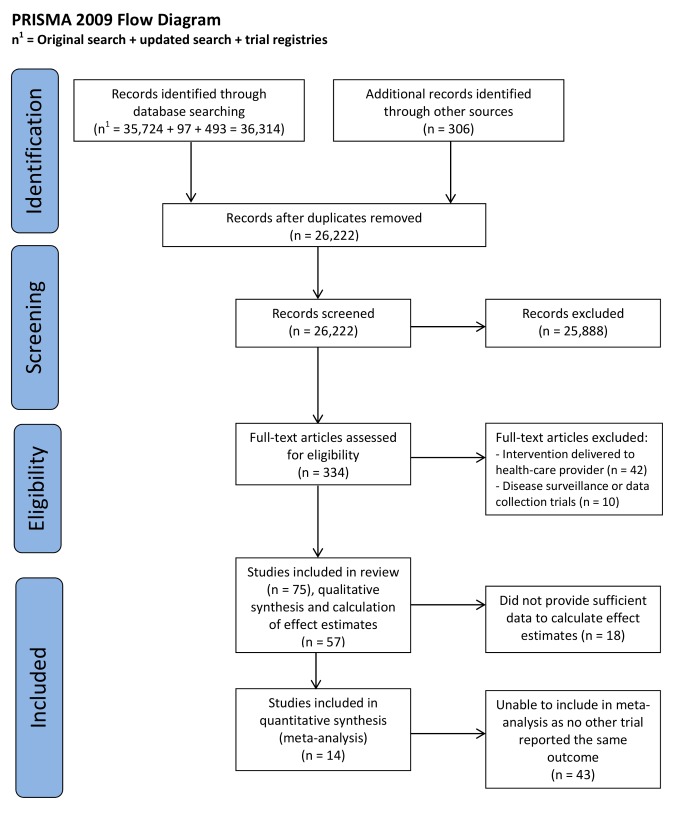
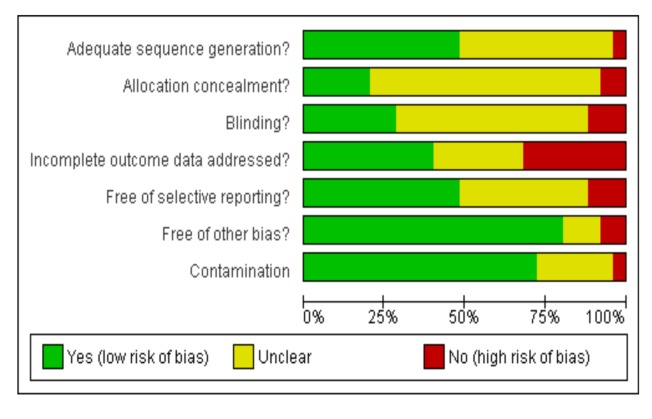
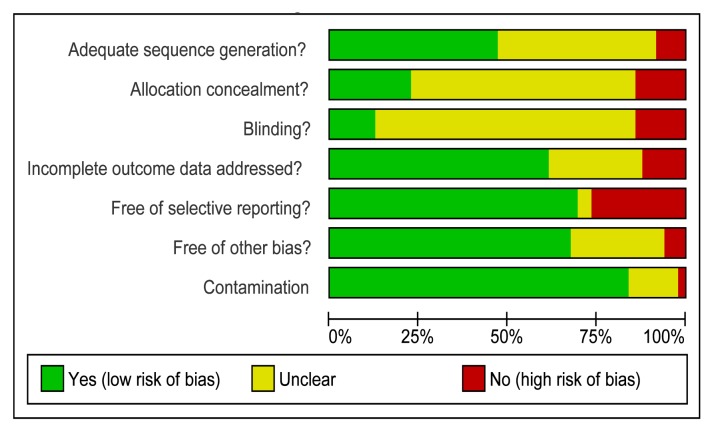
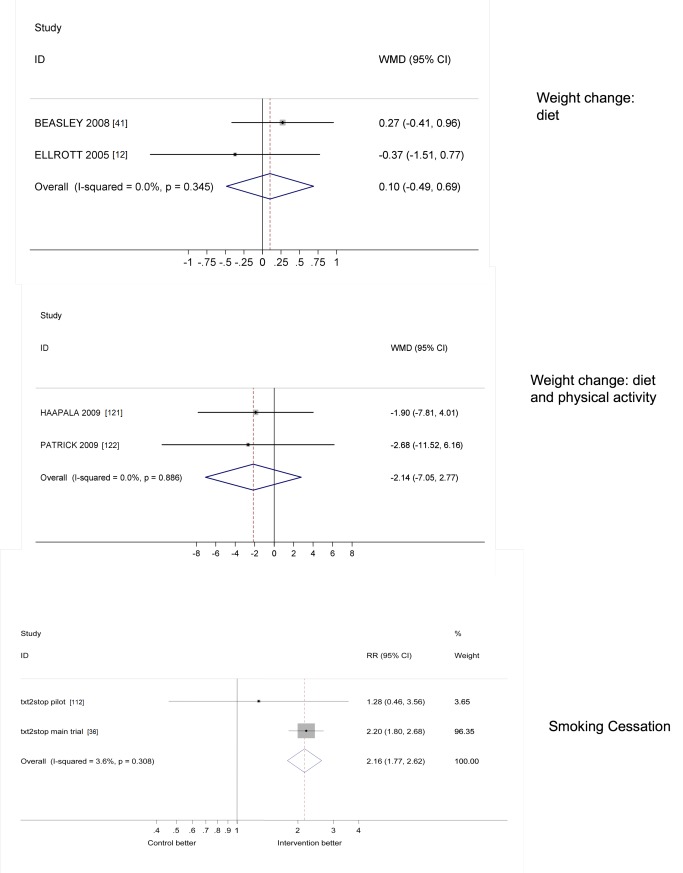
BACKGROUND: Mobile technologies could be a powerful media for providing individual level support to health care consumers. We conducted a systematic review to assess the effectiveness of mobile technology interventions delivered to health care consumers. METHODS AND FINDINGS: We searched for all controlled trials of mobile technology-based health interventions delivered to health care consumers using MEDLINE, EMBASE, PsycINFO, Global Health, Web of Science, Cochrane Library, UK NHS HTA (Jan 1990-Sept 2010). Two authors extracted data on allocation concealment, allocation sequence, blinding, completeness of follow-up, and measures of effect. We calculated effect estimates and used random effects meta-analysis. We identified 75 trials. Fifty-nine trials investigated the use of mobile technologies to improve disease management and 26 trials investigated their use to change health behaviours. Nearly all trials were conducted in high-income countries. Four trials had a low risk of bias. Two trials of disease management had low risk of bias; in one, antiretroviral (ART) adherence, use of text messages reduced high viral load (>400 copies), with a relative risk (RR) of 0.85 (95% CI 0.72-0.99), but no statistically significant benefit on mortality (RR 0.79 [95% CI 0.47-1.32]). In a second, a PDA based intervention increased scores for perceived self care agency in lung transplant patients. Two trials of health behaviour management had low risk of bias. The pooled effect of text messaging smoking cessation support on biochemically verified smoking cessation was (RR 2.16 [95% CI 1.77-2.62]). Interventions for other conditions showed suggestive benefits in some cases, but the results were not consistent. No evidence of publication bias was demonstrated on visual or statistical examination of the funnel plots for either disease management or health behaviours. To address the limitation of the older search, we also reviewed more recent literature. CONCLUSIONS: Text messaging interventions increased adherence to ART and smoking cessation and should be considered for inclusion in services. Although there is suggestive evidence of benefit in some other areas, high quality adequately powered trials of optimised interventions are required to evaluate effects on objective outcomes.
Overview
The claims and statistics of this paper haven’t been checked yet.
Free: it reads the open-access text and checks the first 5 claims that cite a source we can check. Create a free account to check every claim.
Integrity signals
Registry
Cites
Statistics
Figures
Verification
Claims the paper makes
The claims and statistics of this paper haven’t been checked yet.
Free: it reads the open-access text and checks the first 5 claims that cite a source we can check. Create a free account to check every claim.
Claims other papers make about this one
Each is checked against this paper’s own text: does it say what the citing paper says it does?
The source backs part of the claim, not all of it — or backs it for a different population, condition or comparison.
In the citing paper
“Three systematic reviews found reminders for disease monitoring improve healthcare processes but with education through voice call and text messages, both health outcomes and care processes improve.18 22 23”
From mHealth text and voice communication for monitoring people with chronic diseases in low-resource settings: a realist review (2018) · cites this paper as [23]
Experimental — accuracy not yet measuredThe source backs part of the claim, not all of it — or backs it for a different population, condition or comparison.
In the citing paper
“there are still too few high-quality, adequately powered RCTs evaluating the use of such apps [83,84].”
From Theory-Based Design and Development of a Socially Connected, Gamified Mobile App for Men About Breastfeeding (Milk Man) (2016) · cites this paper as [84]
Experimental — accuracy not yet measuredThe source backs part of the claim, not all of it — or backs it for a different population, condition or comparison.
In the citing paper
“While the use of mobile technology in public health interventions has grown significantly”
From Theory-Based Design and Development of a Socially Connected, Gamified Mobile App for Men About Breastfeeding (Milk Man) (2016) · cites this paper as [84]
Experimental — accuracy not yet measuredThe source backs part of the claim, not all of it — or backs it for a different population, condition or comparison.
In the citing paper
“Mobile phone messaging interventions are a potential cost-effective approach to promote habit formation.43–45”
From Refining and optimising a behavioural intervention to support endocrine therapy adherence (ROSETA) in UK women with breast cancer: Protocol for a pilot fractional factorial trial (2023) · cites this paper as [45]
Experimental — accuracy not yet measuredThe cited source says what the claim attributes to it.
In the citing paper
“In high-income countries, interventions have included these aspects of care.18 22 23”
From mHealth text and voice communication for monitoring people with chronic diseases in low-resource settings: a realist review (2018) · cites this paper as [23]
7 more claims about this paper
Create a free account to see every claim other papers make about this one.
Self-check
Percentages, sums and reported differences re-computed from the paper’s own numbers.
The self-check needs the paper’s full text.
Citations
Cites
2 retracted
Psychological interventions for overweight or obesity
Shaw, K. A., O'Rourke, P., Del Mar, C., & Kenardy, J. (2005) · Cochrane Database of Systematic Reviews · doi:10.1002/14651858.cd003818.pub2 · Cited by 442 · cited 1×
“Likewise, it is unsurprising that interventions delivered by mobile technologies appear to have small effects on weight, given the paucity of effective behavioural change interventions for obesity [105,106].”
RetractedZolfaghari, M., Mousavifar, S. A., Pedram, S., & Haghani, H. (2012) · Journal of Clinical Nursing · doi:10.1111/j.1365-2702.2011.03951.x · Cited by 101 · cited 1×
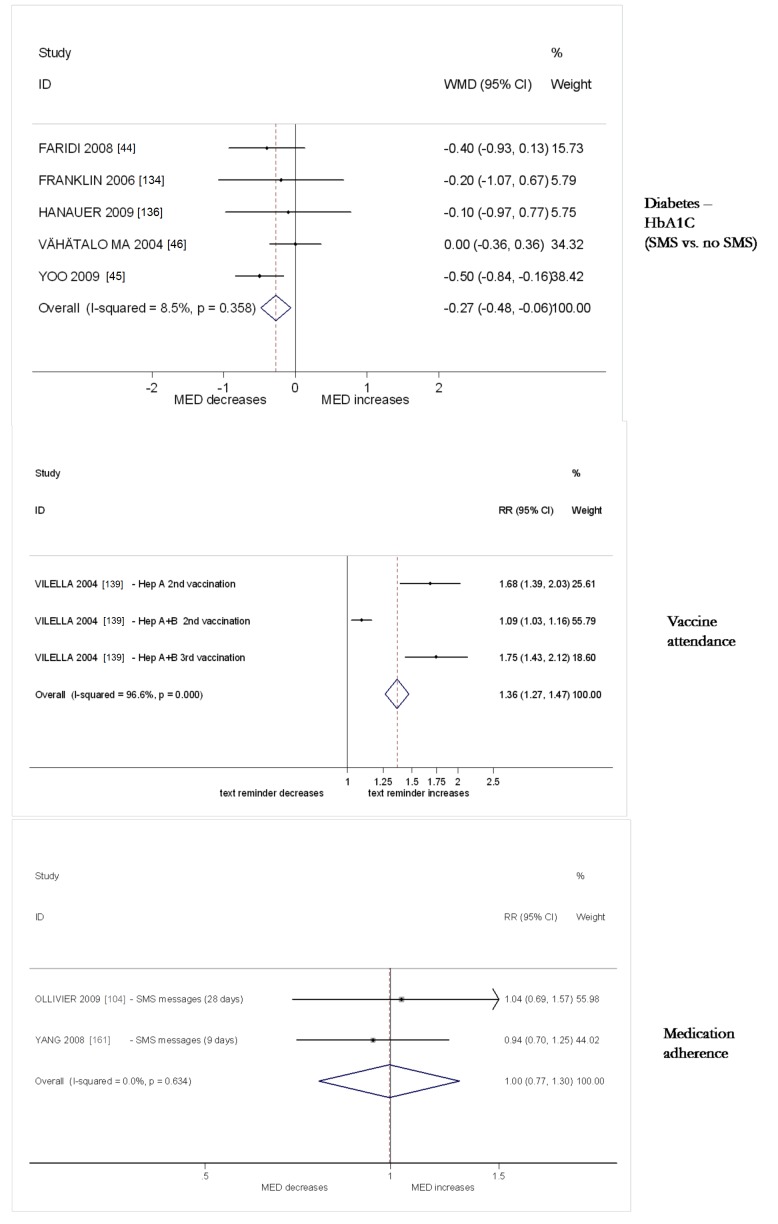
“Four trials of a diabetes care intervention, three involving text messages and the other involving video messages, reported statistically significant decreases in HBA1C, which were of borderline clinical significance [69–73].”
RetractedCochrane Handbook for Systematic Reviews of Interventions: Cochrane Book Series
(2008) · doi:10.1002/9780470712184 · Cited by 25,048 · cited 1×
“Risk of bias was assessed according to the criteria outlined by the International Cochrane Collaboration [35].”
Zhang, Q., Wang, C., Zheng, M., Li, Y., Li, J., Zhang, L., Shang, X., & Yan, C. (2015) · Cerebrovascular Diseases · doi:10.1159/000369778 · Cited by 11,533
Pharmacological interventions for somatoform disorders in adults
Kleinstäuber, M., Witthöft, M., Steffanowski, A., van Marwijk, H., Hiller, W., & Lambert, M. J. (2014) · Cochrane Database of Systematic Reviews · doi:10.1002/14651858.cd010628.pub2 · Cited by 11,335
Cochrane Handbook for Systematic Reviews of Interventions Version 5.0.1. The Cochrane Collaboration
Higgins, J. P. T., Green, S. R., & Higgins, J. P. T. (2008) · Cited by 7,226
Collaboration, A. T. (2002) · BMJ · doi:10.1136/bmj.324.7329.71 · Cited by 6,943
Mortality in relation to smoking: 40 years' observations on male British doctors
Doll, R., Peto, R., Wheatley, K., Gray, R., & Sutherland, I. (1994) · BMJ · doi:10.1136/bmj.309.6959.901 · Cited by 5,932
Update on Key Emerging Challenges in Cystic Fibrosis
Jennings, M. T., Riekert, K. A., & Boyle, M. P. (2014) · Medical Principles and Practice · doi:10.1159/000357646 · Cited by 3,648
Research works printed but not linked: 6
- Rodgers A, Corbett T, Bramley D, Riddell T, Wills M, et al (2005) Do u smoke after txt? Results of a randomised trial of smoking cessation using mobile phone text messaging. Tob Control 14: 255– 261. 16046689 PMC1748056 · DOI · Paper page
- Medical Research Council (2000) A framework for development and evaluation of RCTs for complex interventions to improve health. London, Medical Research Council
- Free C, Whittaker R, Knight R, Abramsky T, Rodgers A, et al (2009) Txt2stop: a pilot randomised controlled trial of mobile phone-based smoking cessation support. Tob Control 18: 88– 91. 19318534 · DOI · Paper page
- Ellrott T, Austel A, Rademacher C, Oberritter H, Benecke R, et al (2005) Self-help programme for weight reduction with and without support by a handheld nutrition computer. [German]. Ernahrungs Umschau 52.
- Delamere S, Dooley S, Harrington L, King A, Mulcahy F (2006) Safer sex text messages: Evaluating a health education intervention in an adolescent population. Sexually Transmitted Infections 82: A27– A27.
- Liu W, Wang CH, Huang CD, Kuo HP (2007) A novel mobile phone-based self-care system improves asthma control [Abstract]. American Thoracic Society International Conference, May 18–23, 2007, San Francisco, California, USA. pp. [A93].
Cited by
Items 901–1,000 of 1,003
van Velthoven, M. H., Li, Y., Wang, W., Du, X., Wu, Q., Chen, L., Majeed, A., Rudan, I., Zhang, Y., & Car, J. (2013) · Journal of Global Health · doi:10.7189/jogh.03.020401 · Cited by 13
Integrated Phone Counselling and Text Messaging Services at Quitlines: An Acceptability Study
Abroms, L. C., Carroll, P., Boal, A. L., Mendel, J. A., & Carpenter, K. (2014) · The Journal of Smoking Cessation · doi:10.1017/jsc.2014.11 · Cited by 12
Mobile Phone Based System Opportunities to Home-based Managing of Chemotherapy Side Effects
Davoodi, S., Mohammadzadeh, Z., & Safdari, A. (2016) · Acta Informatica Medica · doi:10.5455/aim.2016.24.193-196 · Cited by 13
“, iPhone); enterprise digital assistants (EDAs); portable media players; handheld video-game consoles, handheld and ultra-portable computers such as tablet PCs, and Smart books (14).”
BackgroundMcCarthy, O., Calderon, V. O., Makleff, S., Huaynoca, S., Leurent, B., Edwards, P., Gallardo, J. L., & Free, C. (2017) · JMIR Research Protocols · doi:10.2196/resprot.8679 · Cited by 13
Self-citationHealth care in a technological world
Meetoo, D. D., Rylance, R., & Abuhaimid, H. A. (2018) · British Journal of Nursing · doi:10.12968/bjon.2018.27.20.1172 · Cited by 22
Shirzad, M., Shakibazadeh, E., Foroushani, A. R., Abedini, M., Poursharifi, H., & Babaei, S. (2020) · Trials · doi:10.1186/s13063-020-04865-3 · Cited by 14
Zhang, H., Yu, Q., Li, Z., Xiu, X., Lv, F., Han, M., & Wang, L. (2021) · AIDS and Behavior · doi:10.1007/s10461-021-03181-4 · Cited by 15
Nuruddin, R., Vadsaria, K., Mohammed, N., & Sayani, S. (2021) · JMIR Research Protocols · doi:10.2196/31611 · Cited by 14
“With the potential to reach a great proportion of the population at a low cost [31,34], tailored health promotion messages through new delivery modes, such as the internet and mobile phones, have shown promising effects in improving nutrition, lifestyle, and compliance to medication [34-37].”
Background‘Improving smart medication management’: an online expert discussion
Bates, D. W., Cheng, H.-Y., Cheung, N., Jew, R. K., Mir, F. A., Tamblyn, R. M., & Li, Y. (2022) · BMJ Health & Care Informatics · doi:10.1136/bmjhci-2021-100540 · Cited by 14
Pretesting an mHealth intervention for at-risk adolescent girls in Soweto, South Africa
Merrill, J., Hershow, R. B., Merrill, K. G., & Barkley, C. (2013) · International Conference on Information and Communication Technologies and Development (ICTD) · doi:10.1145/2517899.2517933 · Cited by 12
Lucas, R. W., Dees, J. A., Reynolds, R., Rhodes, B., & Hendershot, R. W. (2015) · Annals of Allergy Asthma & Immunology · doi:10.1016/j.anai.2015.02.020 · Cited by 12
E-Health: Value Proposition and Technologies Enabling Collaborative Healthcare
Sneha, S., & Straub, D. W. (2017) · Hawaii International Conference on System Sciences (HICSS) · doi:10.24251/hicss.2017.108 · Cited by 12
Reiss, K., Andersen, K. L., Barnard, S., Ngo, T. D., Biswas, K. K., Smith, C., Carpenter, J. R., Church, K., Nuremowla, S., & Pearson, E. (2017) · BMC Public Health · doi:10.1186/s12889-017-4703-z · Cited by 14
“ing health behaviours and outcomes, but the evidence is limited and outcomes are mixed [20, 21].”
BackgroundHelping patients help themselves: Supporting the healthcare journey
Ellen, M., Shach, R., & Balicer, R. D. (2018) · Patient Education and Counseling · doi:10.1016/j.pec.2018.04.005 · Cited by 14
Integrated Health Care and mHealth: A Model of Care for Refugees with Complex Health Conditions
Loomis, A. M., Berthold, S. M., Buckley, T., Wagner, J. A., & Kuoch, T. (2019) · Social Work in Public Health · doi:10.1080/19371918.2019.1575311 · Cited by 13
“MHealth applications can combine a number of functions, including text messaging, access to Internet and software, and video conferencing that allow individual healthcare consumers to be actively involved in management and tracking of their health conditions (Free et al., 2013).”
BackgroundThe technique of story-telling in thyroid diseases including surgery; useful or not
Mayilvaganan, S., Bothra, S., & Warsi, D. (2019) · Annals of Medicine and Surgery · doi:10.1016/j.amsu.2019.03.006 · Cited by 13
“With the widespread availability of high-speed internet and affordable mobile computing devices [11,12], such kind of information can be of use to the patients and relatives in decision making and can also save valuable time of the treating consultant.”
BackgroundDireito, A., Rawstorn, J. C., Mair, J. L., Daryabeygi‐Khotbehsara, R., Maddison, R., & Tai, E. S. (2019) · Digital Health · doi:10.1177/2055207619890480 · Cited by 38
“Similar criteria has been applied in previous reviews due to difficulty in assessing impact of e/mHealth on health outcomes when used as an adjunct to other interventions.(37) Studies that deliver interventions via desktop or laptop computers but do not require an Internet connection will be excluded.”
BackgroundMethodBurns, K., Nicholas, R., Beatson, A., Chamorro‐Koc, M., Blackler, A. L., & Gottlieb, U. R. (2020) · Journal of Medical Internet Research · doi:10.2196/15307 · Cited by 14
“This is congruent with other SMS mHealth initiatives that have shown an increase in smoking cessation [7], improvements in the uptake of sexual health services using SMS reminders compared with controls [8], and reduced viral loads of patients with HIV when reminded to take antiretroviral medication [9].”
ResultMartin, M., Patterson, J., Allison, M., O’Connor, B. B., & Patel, D. K. (2021) · JMIR Diabetes · doi:10.2196/24981 · Cited by 17
“The findings reported here are consistent with the study hypothesis and align with emerging evidence on digital health coaching intervention outcomes [20-32].”
ResultFeasibility and Acceptability of a Text Messaging Program for Smoking Cessation in Israel
Abroms, L. C., Hershcovitz, R., Boal, A. L., & Levine, H. (2015) · Journal of Health Communication · doi:10.1080/10810730.2015.1018585 · Cited by 12
“One novel approach for promoting smoking cessation that has garnered empirical support is the delivery of smoking cessation programs through automated text messages on mobile phones (Free et al., 2011; Free et al., 2013; Whittaker et al., 2012).”
BackgroundPositive Technology for Helping People Cope with Stress
Villani, D., Cipresso, P., Gaggioli, A., & Riva, G. (2016) · Advances in psychology, mental health, and behavioral studies (APMHBS) book series · doi:10.4018/978-1-4666-9986-1.ch014 · Cited by 14
Tarzia, L., May, C. R., & Hegarty, K. L. (2016) · BMC Women s Health · doi:10.1186/s12905-016-0352-0 · Cited by 17
“context, particularly for supported self-management of chronic conditions [24, 25].”
BackgroundDiet-Related Stomach Cancer Behavior Among Iranian College Students: A Text Messaging Intervention
Dehdari, T., Dehdari, L., & Jazayeri, S. (2016) · PubMed Central · doi:10.22034/apjcp.2016.17.12.5165 · Cited by 12
“Asian Pacific Journal of Cancer Prevention, Vol 175166 essential support for the consumers (Free et al., 2013; Déglise et al., 2012; Jones et al., 2014).”
BackgroundNikniaz, Z., Shirmohammadi, M., & Namvar, Z. A. (2020) · Patient Education and Counseling · doi:10.1016/j.pec.2020.08.014 · Cited by 16
Effects of Postural Education Program (PEPE Study) on Daily Habits in Children
Galmes-Panades, A. M., & Conti, J. V. (2022) · Frontiers in Education · doi:10.3389/feduc.2022.935002 · Cited by 11
Saunders, J. E., Bessen, S. Y., Magro, I. L., Cowan, D. R., González-Quiroz, M., Mojica, K., Peñalba, D., Reike, C., Niemczak, C. E., Fellows, A. M., et al. (2022) · Journal of Global Health · doi:10.7189/jogh.12.04060 · Cited by 16
Herold, M., Simbula, S., & Gallucci, M. (2024) · Current Psychology · doi:10.1007/s12144-024-06534-z · Cited by 15
Kosse, R. C., Murray, E., Bouvy, M. L., de Vries, T. W., Stevenson, F. A., & Koster, E. S. (2019) · Research in Social and Administrative Pharmacy · doi:10.1016/j.sapharm.2019.05.004 · Cited by 13
Müssener, U., Löf, M. F., Bendtsen, P., & Bendtsen, M. (2020) · JMIR Research Protocols · doi:10.2196/14588 · Cited by 12
“A systematic review called for greater transparency in use of theory in developing mHealth interventions [29].”
Hsiang, E., Offer, C., Prescott, M., Rodriguez, A., Behar, E., Matheson, T., Maria, D. S., & Santos, G. (2020) · JMIR mhealth and uhealth · doi:10.2196/15282 · Cited by 11
“The tremendous potential of EMA as a robust data collection method is associated with the widespread ownership and use of mobile devices [21,22], and EMA has been leveraged in a number of studies describing substance use patterns, sex events, and the delivery of health interventions [23-27].”
BackgroundKhandpur, N., Quinta, F. P., & Jaime, P. C. (2021) · Nutrition Journal · doi:10.1186/s12937-021-00668-7 · Cited by 12
“Several health promotion efforts that focus on some form of behavior-change, like smoking cessation [1], are frequently coupled with a messaging component that is delivered in printed form like brochures or, increasingly, through electronic means like short message service (SMS), to support and reinforce healthy behav…”
BackgroundDerya, Y. A., Akça, E. İ., Özşahin, Z., & Kapıdere, M. (2022) · Midwifery · doi:10.1016/j.midw.2021.103248 · Cited by 12
Su, J., DUGAS, M. A., Guo, X., & Gao, G. G. (2022) · Translational Behavioral Medicine · doi:10.1093/tbm/ibac008 · Cited by 15
Morris, M. H., Barton, M., Zane, M., Hutson, S. P., Chandrasekhar, R., & Heidel, R. E. (2021) · The Journal of Perinatal & Neonatal Nursing · doi:10.1097/jpn.0000000000000596 · Cited by 15
“No studies focused specifically on women during the postpartum period, nor used 2-way text messaging with women to facilitate maternal well-being and offer social support during the early postpartum period.(33,34) Studies that have incorporated text messaging to women during the postpartum period used prescripted, aut…”
BackgroundObuobi-Donkor, G., Shalaby, R., Vuong, W., Agyapong, B., Hrabok, M., Gusnowski, A., Surood, S., Greenshaw, A. J., & Agyapong, V. I. O. (2023) · JMIR Formative Research · doi:10.2196/40440 · Cited by 11
“Mobile phone penetration is increasing worldwide, which has increased their use in the health sector in managing health conditions, including substance use disorders [26].”
BackgroundLosová, V. Š., & Dvouletý, O. (2024) · Journal of Health Organization and Management · doi:10.1108/jhom-06-2023-0203 · Cited by 19
Jongeneel, A., Delespaul, P., Tromp, N., Scheffers, D., van der Vleugel, B. M., de Bont, P. A. J. M., Kikkert, M., Croes, C. F., Staring, A. B. P., Riper, H. M., et al. (2024) · Internet Interventions · doi:10.1016/j.invent.2024.100717 · Cited by 12
“In their systematic review, Free et al. (Free et al., 2013) concluded that health apps whereby the participants were supported and reminded of using the app by receiving text messages, were more effective than interventions without these messages.”
George, C. M., Zacher, T., Endres, K., Richards, F. R. W., Robe, L. B., Harvey, D. E., Best, L. G., Cloud, R. R., Bear, A. B., Skinner, L., et al. (2024) · Environmental Health Perspectives · doi:10.1289/ehp12548 · Cited by 12
Li, Q., Feng, L., Tang, W., Ma, X., Ding, X., Mao, D., Li, J., Wang, Y., & Xiong, H. (2014) · International Journal of Environmental Research and Public Health · doi:10.3390/ijerph111111450 · Cited by 12
“In addition, increased intervention frequency through mobile health technology based on web [33] or mobile telephone [34–36] might be included in our future study.”
BackgroundAssociation Between Monetary Deposits and Weight Loss in Online Commitment Contracts
Lesser, L. I., Thompson, C. A., & Luft, H. S. (2016) · American Journal of Health Promotion · doi:10.1177/0890117116661157 · Cited by 14
“001 Stakes per week in US$; median (IQR) 10 (15) 8 (5) 10 (15) NA <0.”
McCarthy, O., French, R., Baraitser, P., Roberts, I., Rathod, S. D., Devries, K. M., Bailey, J., Edwards, P. J., Wellings, K., Michie, S., et al. (2016) · BMJ Open · doi:10.1136/bmjopen-2016-013045 · Cited by 15
Self-citationThe Role of Technology in the History of Well-Being: Transformative Market Phenomena Over Time
Selian, A. N., & McKnight, L. W. (2017) · International handbooks of quality-of-life · doi:10.1007/978-3-319-39101-4_19 · Cited by 15
Seneviratne, M. G., Hersch, F. B., & Peiris, D. (2018) · Australian Journal of Primary Health · doi:10.1071/py17070 · Cited by 13
Gill, C. J., Le, N. B., Halim, N., Chi, C. T. H., Nguyen, V., Bonawitz, R. E., Hoang, P. V., Nguyen, H. L., Huong, P. T. T., Williams, A. L., et al. (2018) · BMJ Global Health · doi:10.1136/bmjgh-2017-000632 · Cited by 11
Furness, K., Huggins, C. E., Hanna, L., Silvers, M. A., Cashin, P., Low, L., Croagh, D. G., & Haines, T. P. (2018) · BMC Cancer · doi:10.1186/s12885-018-5089-8 · Cited by 11
“Literature supports studies that use a variety of behaviour change techniques in producing larger outcome effects [54].”
Backgrounddo Prado, L. S., Carpentier, C., Préau, M., Schott, A., & Dima, A. L. (2019) · JMIR mhealth and uhealth · doi:10.2196/13494 · Cited by 18
“The presence of behavioral change content has been shown to increase the effectiveness of mHealth and Internet-based interventions [16,17].”
Biswas, S. K., Thomas, E., Masud, J., Zohura, F., Hasan, M. T., Parvin, T., Bhuyian, M. S. I., Minhaj, M. I., Johura, F., Sultana, M., et al. (2020) · American Journal of Tropical Medicine and Hygiene · doi:10.4269/ajtmh.20-0456 · Cited by 15
Cislo, C., Clingan, C., Gilley, K. N., Rozwadowski, M., Gainsburg, I., Bradley, C. M., Barabas, J., Sandford, E., Olesnavich, M., Tyler, J., et al. (2021) · JMIR Research Protocols · doi:10.2196/29561 · Cited by 11
Makun, K. K., Singh, R., Lal, S., & Chand, R. (2022) · PLoS ONE · doi:10.1371/journal.pone.0269251 · Cited by 16
Nikniaz, Z., Namvar, Z. A., Shirmohammadi, M., & Maserat, E. (2022) · International Journal of Telemedicine and Applications · doi:10.1155/2022/8027532 · Cited by 14
“A large amount of information can be transferred through applications [36], and considering the mobility feature of them, by just installing the applications, they can be used whenever somebody needs them [37].”
BackgroundSmith, C., Sokhey, L., Vannak, U., Warnock, R., Edwards, P., & Free, C. (2017) · Contraception and Reproductive Medicine · doi:10.1186/s40834-017-0043-8 · Cited by 12
“However, pooled analysis suggests that text message reminders for medication adherence have at best small effects [20].”
BackgroundSelf-citationConsumer Engagement and Empowerment Through Visualization of Consumer-Generated Health Data
Arcia, A., Merrill, J. A., & Henry, S. B. (2019) · Springer eBooks · doi:10.1007/978-3-319-96906-0_10 · Cited by 11
Reed, J. L., Prince, S. A., Cole, C. A., Nerenberg, K. A., Hiremath, S. S., Tulloch, H. E., FODOR, J. G., Szczotka, A., McDonnell, L. A., Mullen, K., et al. (2015) · Systematic Reviews · doi:10.1186/2046-4053-4-3 · Cited by 12
“minutes/hours per week); fitness; nutritional practices; weight loss and maintenance; chronic disease management and medication adherence; psychosocial factors; work performance; and health risks and health-care cost outcomes among working-age adults [34-42].”
BackgroundImplementation of Mobile Health Tools
Huckvale, K., & Car, J. (2014) · JAMA · doi:10.1001/jama.2014.1106 · Cited by 11
A Study of the Management of Electronic Medical Records in Fijian HospitalsPreprint
Ravindra, S. S., Chandra, R., & Dhenesh, V. S. (2015) · arXiv (Cornell University) · doi:10.48550/arxiv.1507.03659 · Cited by 13
Complex Event Processing of Health Data in Real-time to Predict Heart Failure Risk and StressPreprint
Sandha, S. S., Kachuee, M., & Darabi, S. (2017) · arXiv (Cornell University) · doi:10.48550/arxiv.1707.04364 · Cited by 12
“Recently, there has been a great attention towards increasing the efficiency of the system through optimization of algorithms and the system implementation [3, 7, 12].”
Sikalidis, A. K., Kristo, A. S., Reaves, S. K., Kurfeß, F. J., DeLay, A. M., Vasilaky, K., & Donegan, L. (2022) · Sensors · doi:10.3390/s22218299 · Cited by 11
Rothstein, J. D., Klemm, R. D. W., Kang, Y., Niyeha, D., Smith, E., & Nordhagen, S. (2022) · Maternal and Child Nutrition · doi:10.1111/mcn.13460 · Cited by 11
“Yet, there is growing interest in increasing the coverage and inclusiveness of nutrition interventions more broadly through mobile phone‐based approaches (Cole‐Lewis & Kershaw, 2010; Free et al., 2013; Heidkamp et al., 2021; Higgs et al., 2014).”
BackgroundMehdizadeh, H., Asadi, F., Nazemi, E., Mehrvar, A., Yazdanian, A., & Emami, H. (2023) · JMIR Pediatrics and Parenting · doi:10.2196/43867 · Cited by 13
Hailemariam, T., Atnafu, A., Gezie, L. D., Kaasbøll, J., Klein, J., & Tilahun, B. C. (2024) · JMIR Human Factors · doi:10.2196/47081 · Cited by 15
Evaluating Consumer m-Health Services for Promoting Healthy Eating: A Randomized Field Experiment.
Kato-Lin, Y.-C., Padman, R., Downs, J. S., & Abhishek, V. (2015) · PubMed Central · Cited by 10
Abramsky, H., Kaur, P., Robitaille, M., Taggio, L., Kosemetzky, P. K., Foster, H., Gibson, B. E., Bergeron, M., & Jachyra, P. (2017) · Physiotherapy Canada · doi:10.3138/ptc.2016-87 · Cited by 11
Personalized support for well-being at work: an overview of the SWELL project
Kraaij, W., Verberne, S., Koldijk, S., de Korte, E., van Dantzig, S., Sappelli, M., Shoaib, M. A., Bosems, S., Achterkamp, R., Bonomi, A., et al. (2019) · User Modeling and User-Adapted Interaction · doi:10.1007/s11257-019-09238-3 · Cited by 21
“Yet this is known to greatly contribute to the effectiveness of and adherence to traditional, non-mobile health behavior interventions (Free et al. 2013).”
BackgroundBraüner, C. M., Enemark, U., Adanu, R., Lund, S. B., Sørensen, B. L., & Attermann, J. (2019) · Cogent Medicine · doi:10.1080/2331205x.2019.1632016 · Cited by 16
“Our study is still important, though, because it addresses the need found by systematic reviews for trials on mobile phone interventions in low- and middle-income countries that have a health outcome as the primary outcome (Free et al., 2012; Labrique, Vasudevan, Chang, & Mehl, 2013; Tomlinson, Rotheram-Borus, Swartz,…”
BackgroundRamanujam, K., Spence, D. W., & Pandi-Perumal, S. R. (2019) · Sleep Science · doi:10.5935/1984-0063.20190061 · Cited by 13
Yin, Z., Errisuriz, V. L., Evans, M., Inupakutika, D., Kaghyan, S., Li, S., Esparza, L., Akopian, D., & Parra-Medina, D. M. (2020) · JMIR Formative Research · doi:10.2196/20679 · Cited by 12
“By contrast, lack of structured social interactions and social support was a noted weakness of current digital technologies [23,24].”
O’Connor, C., Leyritana, K., Doyle, A. M., Birdthistle, I. J., Lewis, J. J., Gill, R. S., & Salvaña, E. M. T. (2022) · JMIR Formative Research · doi:10.2196/37163 · Cited by 18
“Several trials have shown that mHealth approaches show potential for improving self-management of chronic diseases, including adherence to HIV medications [17-21], whereas systematic reviews show mixed outcomes of mHealth interventions and highlight the need for more rigorous evaluation methods and longer follow-up pe…”
BackgroundZhu, X., He, M., Dong, Y., Zhang, S., Fang, S., Wang, W., Zhang, M., & Sun, J. (2023) · International Journal of Mental Health Nursing · doi:10.1111/inm.13112 · Cited by 12
In-Depth Co-Design of Mental Health Monitoring Technologies by People with Lived Experience
Patrickson, B., Musker, M., Thorpe, D., van Kasteren, Y., Bidargaddi, N. P., & The Consumer and Carer Advisory Group (CCAG) (2023) · Future Internet · doi:10.3390/fi15060191 · Cited by 13
Monton, O., Smith, A., Moon, J., Marie, D., Garfinkle, R., Vasilevsky, C., Rajabiyazdi, F., & Boutros, M. (2023) · Colorectal Disease · doi:10.1111/codi.16665 · Cited by 10
“Mobile health technologies are increasingly being used to promote selfmanagement in chronic disease [2224] and have been shown to be effective in changing health behaviours and outcomes [25].”
BackgroundArtese, A., Rawat, R., & Sung, A. D. (2023) · Current Opinion in Clinical Nutrition & Metabolic Care · doi:10.1097/mco.0000000000000970 · Cited by 12
“Copyright © 2023 Wolters Kluwe allow for communication, automated messages, picture and video access, and application support [19] make them ideal tools for delivering interventions.”
Henkemans, O. B., Paradies, G. L., Neerincx, M. A., Looije, R., & van Empelen, P. (2015) · International Conference on Pervasive Computing Technologies for Healthcare · doi:10.4108/icst.pervasivehealth.2015.259161 · Cited by 14
“Also, these technologies are scalable and ubiquitous.”
Talisuna, A. O. (2014) · Journal of Clinical Trials · doi:10.4172/2167-0870.1000217 · Cited by 10
“Mobile phone short messaging services (SMS) could improve the delivery of health services in Africa and their role has been investigated in health information reporting, provider performance, drug and diagnostic stock management and patient adherence to treatment for chronic diseases such as HIV/AIDs [17-25].”
BackgroundSigler, B. (2017) · JMIR mhealth and uhealth · doi:10.2196/mhealth.5892 · Cited by 13
Hicks, D. L., Patterson, D., & Resko, S. M. (2017) · Journal of Forensic Nursing · doi:10.1097/jfn.0000000000000175 · Cited by 10
“These programshave shownpromise for other health issues including antiretroviral adherence, smoking cessation, alcoholmisuse, and patient education (Free et al., 2013;Malbon, Oxnard, Linares, & Nucci-Sack, 2012; Resko et al., 2017).”
BackgroundSubasinghe, A. K., Garland, S. M., Gorelik, A., Tay, I., & Wark, J. D. (2019) · JMIR Formative Research · doi:10.2196/formative.9435 · Cited by 12
“This would be where the far-reaching capabilities of mobile technologies can be tapped into to allow low-cost interventions and support interactivity, hence allowing patients to “obtain extra help when needed” [10-12].”
BackgroundInnovative Treatment Approaches in Gambling Disorder
Snippe, L., Boffo, M., Stewart, S. H., Dom, G., & Wiers, R. W. H. J. (2019) · Springer eBooks · doi:10.1007/978-3-030-03060-5_10 · Cited by 10
Darvish, A., Khodadadi‐Hassankiadeh, N., Abdoosti, S., & Kashani, M. G. (2019) · PubMed Central · doi:10.30476/ijcbnm.2019.40846 · Cited by 16
Mapping Gamification Mechanisms to User Experience Factors for Designing User Interfaces
Alsaleh, N., & Alnanih, R. (2019) · Journal of Computer Science · doi:10.3844/jcssp.2019.736.744 · Cited by 10
Ciccone, N. W., Patou, F., & Maier, A. M. (2019) · Proceedings of the ... International Conference on Engineering Design · doi:10.1017/dsi.2019.98 · Cited by 11
“These technologies rely heavily on physiological and behaviour measures of an individual (Free et al., 2013).”
BackgroundAli, R., Zhang, Z., & Soomro, M. B. (2019) · Current Psychology · doi:10.1007/s12144-019-00479-4 · Cited by 11
McLean, A. (2020) · JMIR Nursing · doi:10.2196/19302 · Cited by 21
Brooklyn, J. R., Stothart, M. E., Stunell, M., Berman, V. M., Rylant, D., & Hanson, M. (2021) · Journal of Addiction Medicine · doi:10.1097/adm.0000000000000895 · Cited by 11
O’Connor, C., Leyritana, K., Doyle, A. M., Lewis, J. J., Gill, R. S., & Salvaña, E. M. T. (2022) · JMIR Formative Research · doi:10.2196/30811 · Cited by 12
“Research has shown that mobile health (mHealth) interventions have potential benefits for a wide variety of health issues, including antiretroviral adherence, smoking cessation, diabetes control, maternal health, and vaccination programs [16,21].”
BackgroundConsumer Health Informatics: Engaging and Empowering Patients and Families
Pandita, D. (2022) · Springer eBooks · doi:10.1007/978-3-030-93765-2_24 · Cited by 15
A Mobile-based Healthcare Utilization Assessment in Rural Ghana
Vogel, L. D., Goertz, L., Shani, S. S., Boots, M., Dorval, L., & Wang, N. E. (2016) · Procedia Engineering · doi:10.1016/j.proeng.2016.08.394 · Cited by 10
Melian, A., Laguarta-Val, S., & Varillas‐Delgado, D. (2017) · International Journal of Computer Applications · doi:10.5120/ijca2017915229 · Cited by 10
“This technology is gaining increasing ground in clinical practice, as it constitutes a fast, accurate and easy-to-interpret tool [11,12,13,14,15].”
BackgroundA Personalized Health Recommendation System Based on Smartphone Calendar Events
Katariya, S., Bose, J., Reddy, M. V., Sharma, A., & Tappashetty, S. (2018) · Lecture notes in computer science · doi:10.1007/978-3-319-94523-1_10 · Cited by 12
Saghafian, S., & Murphy, S. A. (2021) · NAM Perspectives · doi:10.31478/202108b · Cited by 16
Remote provision of breastfeeding support and education: Systematic review and meta‐analysis
Gavine, A., Marshall, J., Buchanan, P., Cameron, J., Leger, A., Ross, S., Murad, A., & McFadden, A. (2022) · Maternal & Child Nutrition · doi:10.1111/mcn.13296 · Cited by 71
“Current evidence for health interventions delivered using these platforms have only shown effectiveness in specific groups of participants, for example, those with stable chronic illnesses (Free et al., 2013; Greenhalgh et al., 2020), and therefore may not be applicable to breastfeeding women.”
BackgroundTunje, A., Persson, H. Å., Jerene, D., & Hallström, I. (2024) · BMJ Open · doi:10.1136/bmjopen-2023-077128 · Cited by 9
“15 16 Context plays a crucial role in either the success or failure of an intervention.”
Impact of an SMS intervention to support type 2 diabetes self-management: DiabeText clinical trial
Zamanillo‐Campos, R., Fiol-deRoque, M. A., Serrano-Ripoll, M. J., Llobera, J., Taltavull-Aparicio, J. M., Leiva, A., Ripoll, J., Angullo-Martínez, E., Socias, I. M., Masmiquel, L., et al. (2024) · British Journal of General Practice · doi:10.3399/bjgp.2024.0206 · Cited by 15
“2 10 Over the last decade, advances in technology and connectivity have led to a boom of mobile health (mHealth) interventions, as they constitute a low-cost and highly scalable approach to support behaviour changes in terms of lifestyle 11 and medication taking.”
Kanmodi, K. K., Salami, A. A., Shah, K., Zohoori, F. V., & Nnyanzi, L. A. (2024) · Health Science Reports · doi:10.1002/hsr2.70171 · Cited by 10
Medication adherence in allergic diseases and asthma: a literature review
Malaya, E., Piątkowska, A., Panek, M., Kuna, P., Kupczyk, M., & Kardas, G. (2024) · Frontiers in Pharmacology · doi:10.3389/fphar.2024.1488665 · Cited by 19
Hewage, S. A., Senanayake, S. J., Brain, D., Allen, M. J., McPhail, S. M., Parsonage, W. A., Walters, T. E., & Kularatna, S. (2025) · JMIR mhealth and uhealth · doi:10.2196/58556 · Cited by 15
Spinean, A., Mladin, O. A., Carniciu, S., Stănescu, A. M. A., & Serafinceanu, C. (2025) · Nutrients · doi:10.3390/nu17091506 · Cited by 13
Challenges and future for the delivery of growth hormone therapy
Caicedo, A., & Rosenfeld, R. G. (2017) · Growth Hormone & IGF Research · doi:10.1016/j.ghir.2017.12.008 · Cited by 11
Danielsson, A., Lundin, A., & Andréasson, S. (2018) · Trials · doi:10.1186/s13063-018-3137-y · Cited by 8
A Classification Framework of Mobile Health CrowdSensing Research: A Scoping Review
Tokosi, T. O., & Scholtz, B. M. (2019) · South African Institute of Computer Scientists and Information Technologists · doi:10.1145/3351108.3351113 · Cited by 12
Ng, D., McMurray, J., Wallace, J., & Morita, P. (2019) · JMIR Formative Research · doi:10.2196/formative.9922 · Cited by 8
“Mobile apps are increasingly being used to gather real-time clinical and ecological patient data and to help manage workload in the health services sectors [50-54].”
Metadata
- Authors
- Free, C., Phillips, G., Galli, L., Watson, L., Felix, L., Edwards, P., Patel, V., & Haines, A.
- Affiliations
- London School of Hygiene & Tropical Medicine (GB)
- University of Warwick (GB)
- Imperial College London (GB)
- Corresponding author
- Free, Caroline
- Venue
- PLoS Medicine
- Publisher
- Public Library of Science (PLoS)
- Published
- 2013-01-15
- Volume
- 10
- Issue
- 1
- Pages
- e1001362
- ISSN
- 1549-1277 (ISSN-L)
- 1549-1676
- PMC
- PMC3548655
- OpenAlex
- W1975071629
- Cited by
- 1,766
- References
- 165
- Citations by year
- 2026: 66 · 2025: 91 · 2024: 73 · 2023: 91 · 2022: 107 · 2021: 135 · 2020: 160 · 2019: 172 · 2018: 190 · 2017: 205 · 2016: 171 · 2015: 153 · 2014: 107 · 2013: 43
- FWCI
- 19.02
- Type
- journal article
- Language
- en
- Open access
- gold
- doi.org
- Locations
- PLoS Medicine (publishedVersion, cc-by)
- Europe PMC (PubMed Central) (publishedVersion, cc-by)
- PubMed Central (publishedVersion, cc-by)
- PubMed (publishedVersion)
- Research Explorer (The University of Manchester) (publishedVersion)
- LSHTM Research Online (London School of Hygiene and Tropical Medicine) (acceptedVersion)
- DOAJ (DOAJ: Directory of Open Access Journals) (submittedVersion, cc-by-sa)
- Figshare (submittedVersion, cc-by)
- Funders
- Wellcome Trust (091834)
- National Institute for Health and Care Research
- Topics
- Health Sciences › Health Professions › General Health Professions › Mobile Health and mHealth Applications
- Physical Sciences › Computer Science › Information Systems › Mobile Learning in Education
- Social Sciences › Psychology › Applied Psychology › Digital Mental Health Interventions
- Keywords
- mobile health, text messaging intervention, health behavior change, disease management, antiretroviral therapy adherence, HIV, smoking cessation, health care consumers
- MeSH terms
- Clinical Trials as Topic, Community Participation, Delivery of Health Care, Diet, Humans, Motor Activity, Health Behavior, Bias, Treatment Outcome, Telemedicine, Disease Management, Biomedical Technology, Medication Adherence
About these checks
Registry, retraction, Cites and statistics results are computed, not judged, with one exception: a printed reference that no index lists is read once by a model before it counts as a citation error. Claims are extracted by a model and kept only when their quote appears verbatim in the text; each cited source is then checked, with a model’s help, for whether it says what the claim relies on. Those verdicts can be wrong — read the claim’s quote and the cited source before relying on one.
Statistics and arithmetic are recomputed, not judged.
Confidence bands are shown only for fields calibrated on our annotated test set. None is calibrated yet, so no band is shown.
What counts as a claim ›How we measure confidence ›How we check this ›
Are you an author, or do you see a problem with this page? Request a review
Data sources
Bibliographic data: Semantic Scholar, OpenAlex, Crossref.
Contains information from the Semantic Scholar Academic Graph Datasets, made available under the ODC Attribution License (ODC-BY 1.0).
Semantic Scholar’s data is described in: Kinney, R., et al. (2023). The Semantic Scholar Open Data Platform. arXiv:2301.10140.
