

The Effectiveness of Mobile-Health Technology-Based Health Behaviour Change or Disease Management Interventions for Health Care Consumers: A Systematic Review
Open accessThe DOI matches its Crossref record; 164 of the 165 references it cites were found in a registry or an index.
Abstract
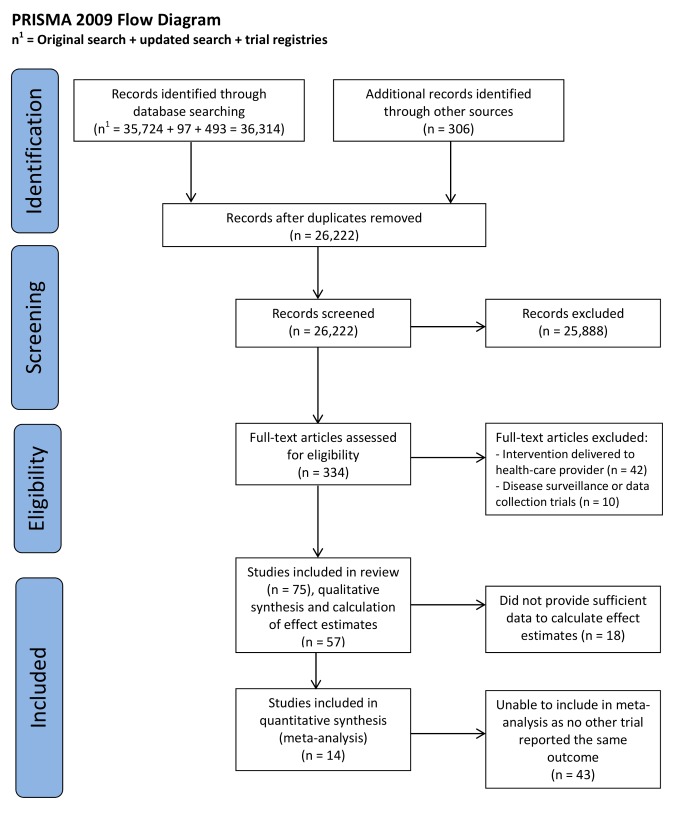
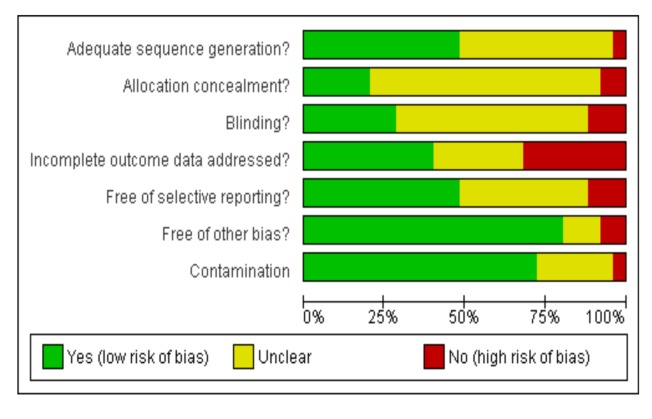
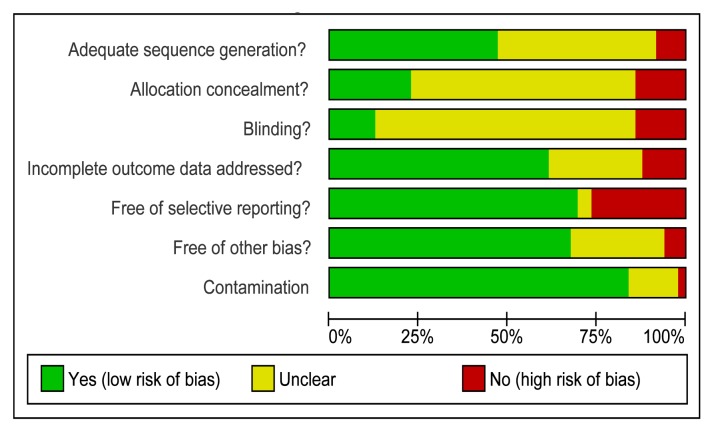
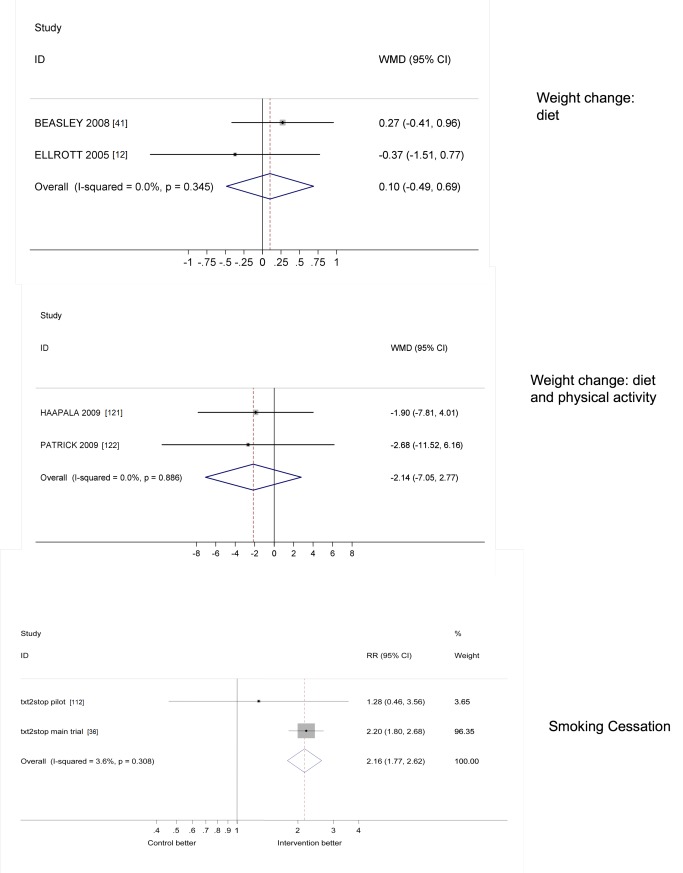
BACKGROUND: Mobile technologies could be a powerful media for providing individual level support to health care consumers. We conducted a systematic review to assess the effectiveness of mobile technology interventions delivered to health care consumers. METHODS AND FINDINGS: We searched for all controlled trials of mobile technology-based health interventions delivered to health care consumers using MEDLINE, EMBASE, PsycINFO, Global Health, Web of Science, Cochrane Library, UK NHS HTA (Jan 1990-Sept 2010). Two authors extracted data on allocation concealment, allocation sequence, blinding, completeness of follow-up, and measures of effect. We calculated effect estimates and used random effects meta-analysis. We identified 75 trials. Fifty-nine trials investigated the use of mobile technologies to improve disease management and 26 trials investigated their use to change health behaviours. Nearly all trials were conducted in high-income countries. Four trials had a low risk of bias. Two trials of disease management had low risk of bias; in one, antiretroviral (ART) adherence, use of text messages reduced high viral load (>400 copies), with a relative risk (RR) of 0.85 (95% CI 0.72-0.99), but no statistically significant benefit on mortality (RR 0.79 [95% CI 0.47-1.32]). In a second, a PDA based intervention increased scores for perceived self care agency in lung transplant patients. Two trials of health behaviour management had low risk of bias. The pooled effect of text messaging smoking cessation support on biochemically verified smoking cessation was (RR 2.16 [95% CI 1.77-2.62]). Interventions for other conditions showed suggestive benefits in some cases, but the results were not consistent. No evidence of publication bias was demonstrated on visual or statistical examination of the funnel plots for either disease management or health behaviours. To address the limitation of the older search, we also reviewed more recent literature. CONCLUSIONS: Text messaging interventions increased adherence to ART and smoking cessation and should be considered for inclusion in services. Although there is suggestive evidence of benefit in some other areas, high quality adequately powered trials of optimised interventions are required to evaluate effects on objective outcomes.
Overview
The claims and statistics of this paper haven’t been checked yet.
Free: it reads the open-access text and checks the first 5 claims that cite a source we can check. Create a free account to check every claim.
Integrity signals
Registry
Cites
Statistics
Figures
Verification
Claims the paper makes
The claims and statistics of this paper haven’t been checked yet.
Free: it reads the open-access text and checks the first 5 claims that cite a source we can check. Create a free account to check every claim.
Claims other papers make about this one
Each is checked against this paper’s own text: does it say what the citing paper says it does?
The source backs part of the claim, not all of it — or backs it for a different population, condition or comparison.
In the citing paper
“Three systematic reviews found reminders for disease monitoring improve healthcare processes but with education through voice call and text messages, both health outcomes and care processes improve.18 22 23”
From mHealth text and voice communication for monitoring people with chronic diseases in low-resource settings: a realist review (2018) · cites this paper as [23]
Experimental — accuracy not yet measuredThe source backs part of the claim, not all of it — or backs it for a different population, condition or comparison.
In the citing paper
“there are still too few high-quality, adequately powered RCTs evaluating the use of such apps [83,84].”
From Theory-Based Design and Development of a Socially Connected, Gamified Mobile App for Men About Breastfeeding (Milk Man) (2016) · cites this paper as [84]
Experimental — accuracy not yet measuredThe source backs part of the claim, not all of it — or backs it for a different population, condition or comparison.
In the citing paper
“While the use of mobile technology in public health interventions has grown significantly”
From Theory-Based Design and Development of a Socially Connected, Gamified Mobile App for Men About Breastfeeding (Milk Man) (2016) · cites this paper as [84]
Experimental — accuracy not yet measuredThe source backs part of the claim, not all of it — or backs it for a different population, condition or comparison.
In the citing paper
“Mobile phone messaging interventions are a potential cost-effective approach to promote habit formation.43–45”
From Refining and optimising a behavioural intervention to support endocrine therapy adherence (ROSETA) in UK women with breast cancer: Protocol for a pilot fractional factorial trial (2023) · cites this paper as [45]
Experimental — accuracy not yet measuredThe cited source says what the claim attributes to it.
In the citing paper
“In high-income countries, interventions have included these aspects of care.18 22 23”
From mHealth text and voice communication for monitoring people with chronic diseases in low-resource settings: a realist review (2018) · cites this paper as [23]
7 more claims about this paper
Create a free account to see every claim other papers make about this one.
Self-check
Percentages, sums and reported differences re-computed from the paper’s own numbers.
The self-check needs the paper’s full text.
Citations
Cites
2 retracted
Psychological interventions for overweight or obesity
Shaw, K. A., O'Rourke, P., Del Mar, C., & Kenardy, J. (2005) · Cochrane Database of Systematic Reviews · doi:10.1002/14651858.cd003818.pub2 · Cited by 442 · cited 1×
“Likewise, it is unsurprising that interventions delivered by mobile technologies appear to have small effects on weight, given the paucity of effective behavioural change interventions for obesity [105,106].”
RetractedZolfaghari, M., Mousavifar, S. A., Pedram, S., & Haghani, H. (2012) · Journal of Clinical Nursing · doi:10.1111/j.1365-2702.2011.03951.x · Cited by 101 · cited 1×
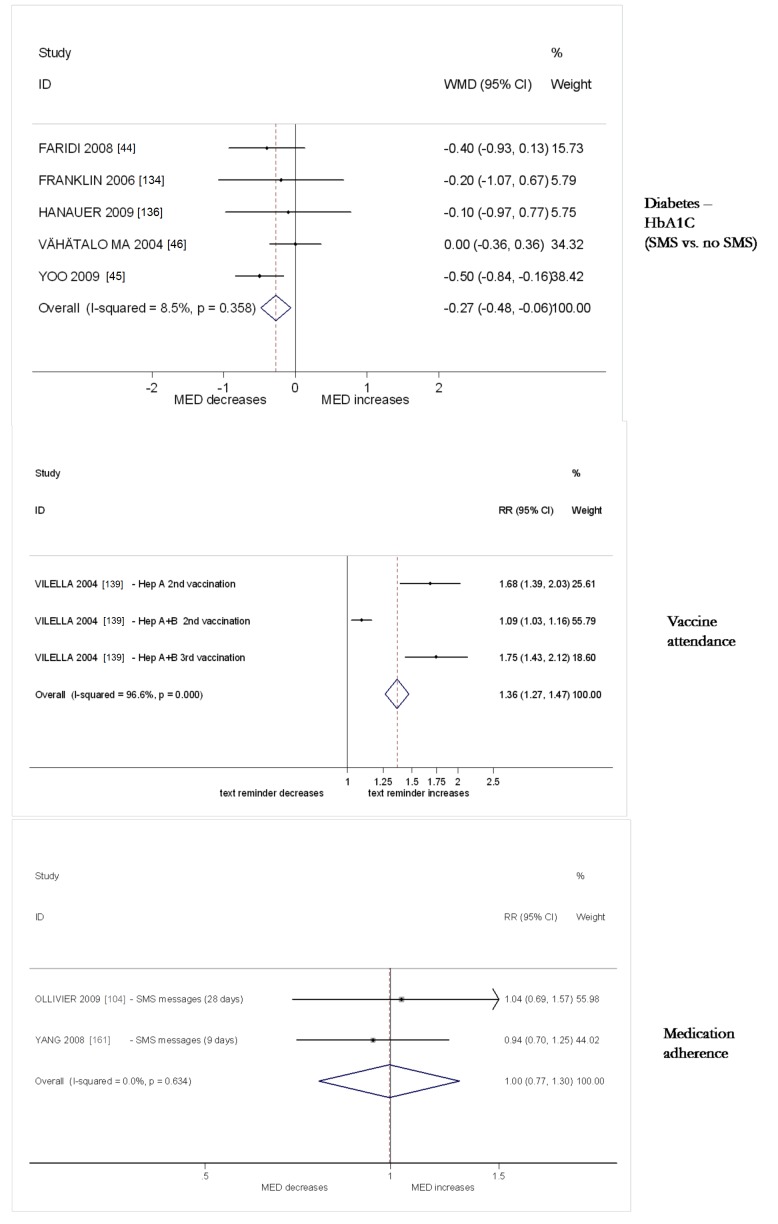
“Four trials of a diabetes care intervention, three involving text messages and the other involving video messages, reported statistically significant decreases in HBA1C, which were of borderline clinical significance [69–73].”
RetractedCochrane Handbook for Systematic Reviews of Interventions: Cochrane Book Series
(2008) · doi:10.1002/9780470712184 · Cited by 25,048 · cited 1×
“Risk of bias was assessed according to the criteria outlined by the International Cochrane Collaboration [35].”
Zhang, Q., Wang, C., Zheng, M., Li, Y., Li, J., Zhang, L., Shang, X., & Yan, C. (2015) · Cerebrovascular Diseases · doi:10.1159/000369778 · Cited by 11,533
Pharmacological interventions for somatoform disorders in adults
Kleinstäuber, M., Witthöft, M., Steffanowski, A., van Marwijk, H., Hiller, W., & Lambert, M. J. (2014) · Cochrane Database of Systematic Reviews · doi:10.1002/14651858.cd010628.pub2 · Cited by 11,335
Cochrane Handbook for Systematic Reviews of Interventions Version 5.0.1. The Cochrane Collaboration
Higgins, J. P. T., Green, S. R., & Higgins, J. P. T. (2008) · Cited by 7,226
Collaboration, A. T. (2002) · BMJ · doi:10.1136/bmj.324.7329.71 · Cited by 6,943
Mortality in relation to smoking: 40 years' observations on male British doctors
Doll, R., Peto, R., Wheatley, K., Gray, R., & Sutherland, I. (1994) · BMJ · doi:10.1136/bmj.309.6959.901 · Cited by 5,932
Update on Key Emerging Challenges in Cystic Fibrosis
Jennings, M. T., Riekert, K. A., & Boyle, M. P. (2014) · Medical Principles and Practice · doi:10.1159/000357646 · Cited by 3,648
Research works printed but not linked: 6
- Rodgers A, Corbett T, Bramley D, Riddell T, Wills M, et al (2005) Do u smoke after txt? Results of a randomised trial of smoking cessation using mobile phone text messaging. Tob Control 14: 255– 261. 16046689 PMC1748056 · DOI · Paper page
- Medical Research Council (2000) A framework for development and evaluation of RCTs for complex interventions to improve health. London, Medical Research Council
- Free C, Whittaker R, Knight R, Abramsky T, Rodgers A, et al (2009) Txt2stop: a pilot randomised controlled trial of mobile phone-based smoking cessation support. Tob Control 18: 88– 91. 19318534 · DOI · Paper page
- Ellrott T, Austel A, Rademacher C, Oberritter H, Benecke R, et al (2005) Self-help programme for weight reduction with and without support by a handheld nutrition computer. [German]. Ernahrungs Umschau 52.
- Delamere S, Dooley S, Harrington L, King A, Mulcahy F (2006) Safer sex text messages: Evaluating a health education intervention in an adolescent population. Sexually Transmitted Infections 82: A27– A27.
- Liu W, Wang CH, Huang CD, Kuo HP (2007) A novel mobile phone-based self-care system improves asthma control [Abstract]. American Thoracic Society International Conference, May 18–23, 2007, San Francisco, California, USA. pp. [A93].
Cited by
Items 401–500 of 1,003
Taking mHealth Solutions to Scale: Enabling Environments and Successful Implementation
Franz‐Vasdeki, J., Pratt, B. A., Newsome, M. H., & Germann, S. (2015) · Journal of Mobile Technology in Medicine · doi:10.7309/jmtm.4.1.8 · Cited by 54
Lee, J. E., Lee, D. E., Kim, K., Shim, J. E., Sung, E., Kang, J., & Hwang, J. (2017) · Nutrition Research and Practice · doi:10.4162/nrp.2017.11.3.247 · Cited by 56
“Based on a systematic review of mobile-based interventions of health behavior change [23], 12 studies have reported positive results of changing eating habits (10 from 38 secondary outcomes related to eating habits out of 54 studies, and 2 from 13 primary outcomes related to diet out of 27 studies).”
BackgroundDale, L. P., White, L., Mitchell, M., & Faulkner, G. (2018) · Vaccine · doi:10.1016/j.vaccine.2018.04.018 · Cited by 53
Behavioral Interventions Using Consumer Information Technology as Tools to Advance Health Equity
Henry, S. B., Marden, S., Arteaga, S. S., Liu, L. G., Keselman, A., Le, P., Creber, R. M., Powell‐Wiley, T. M., Schnall, R., Tabor, D. C., et al. (2019) · American Journal of Public Health · doi:10.2105/ajph.2018.304646 · Cited by 49
“Motivated by this vision and goal, we critically analyzed and synthesized research on CITenabled behavioral interventions in general along with selected case examples from health disparity populations to (1) briefly summarize what is known about the use of 3 categories of CIT (mHealth, telehealth, and social media) as…”
MethodMental Health Apps in China: Analysis and Quality Assessment
Shang, J., Wei, S., Jin, J., & Zhang, P. (2019) · JMIR mhealth and uhealth · doi:10.2196/13236 · Cited by 45
“On the other hand, driven essentially by the development of novel technology and the demands of mental health services, mobile phone apps have given birth to the era of digitalized mental health care globally [17-20].”
BackgroundTimotijević, L., Hodgkins, C. E., Banks, A. P., Rusconi, P., Egan, B., Peacock, M., Seiss, E., Touray, M., Gage, H., Pellicano, C., et al. (2020) · BMC Medical Informatics and Decision Making · doi:10.1186/s12911-020-1027-1 · Cited by 42
“Free et al [18] identified a small improvement in outcomes relevant to clinical diagnosis, though the potential errors in reports and time taken to process data do caution against a wholesale and uncritical adoption of mHealth solutions.”
InfluentialA scoping review of WeChat to facilitate professional healthcare education in Mainland China
Luan, H., Wang, M., Sokol, R. L., Wu, S., Victor, B. G., & Perron, B. E. (2020) · Medical Education Online · doi:10.1080/10872981.2020.1782594 · Cited by 53
“media is being used to facilitate health management [5,6,7], increase physician-patient communication [8,9], and deliver direct services [10,11].”
BackgroundTargeted client communication via mobile devices for improving maternal, neonatal, and child health
Palmer, M. J., Henschke, N., Bergman, H., Villanueva, G., Maayan, N., Tamrat, T., Mehl, G. L., Glenton, C., Lewin, S. A., Fønhus, M. S., et al. (2020) · Cochrane Database of Systematic Reviews · doi:10.1002/14651858.cd013679 · Cited by 57
Self-citationHoleman, I., Evans, J., Kane, D., Grant, L., Pagliari, C., & Weller, D. (2014) · European Journal of Cancer Care · doi:10.1111/ecc.12250 · Cited by 42
Deacon, A. J., & Edirippulige, S. (2015) · Journal of Telemedicine and Telecare · doi:10.1177/1357633x15605223 · Cited by 42
“As technology has matured, research has begun to propose that native and web based applications on mobile devices may be a more effective delivery platform for similar interventions.(15,20,21) Only a small number of studies have looked at these interventions in the population group, and results”
BackgroundDisruption of Things: A Model to Facilitate Adoption of IoT-based Innovations by the Urban Poor
Roy, A., Zalzala, A. M. S., & Kumar, A. (2016) · Procedia Engineering · doi:10.1016/j.proeng.2016.08.159 · Cited by 48
Uncovering the invisible patient work system through a case study of breast cancer self-management
Gorman, R. K., Wellbeloved-Stone, C. A., & Valdez, R. S. (2018) · Ergonomics · doi:10.1080/00140139.2018.1503339 · Cited by 55
“…consumer health information technologies and overturned cultural expectations regarding the patient-provider relationship (Anglada-Martinez et al. 2015; Free et al. 2013; Hibbard et al. 2007; Hughes et al. 2004; Kaplan and Brennan 2001; Sieverdes et al. 2013; Valdez et al. 2012, 2015b).”
Backgroundde Korte, E., Wiezer, N. M., Roozeboom, M. B., Vink, P., & Kraaij, W. (2018) · JMIR mhealth and uhealth · doi:10.2196/mhealth.6363 · Cited by 51
McCarthy, O., Zghayyer, H., Stavridis, A., Adada, S., Ahamed, I., Leurent, B., Edwards, P., Palmer, M. J., & Free, C. (2019) · Trials · doi:10.1186/s13063-019-3297-4 · Cited by 44
Self-citationWalter, B., Frank, R., Ludwig, L., Dikopoulos, N., Mayr, M., Neu, B., Mayer, B., Hann, A., Meier, B., Caca, K., et al. (2020) · Clinical Gastroenterology and Hepatology · doi:10.1016/j.cgh.2020.03.051 · Cited by 41
Lee, M., Kang, D., Yoon, J., Shim, S., Kim, N., Oh, D., Shin, S.-Y., Hesse, B. W., & Cho, J. (2020) · PLoS ONE · doi:10.1371/journal.pone.0241350 · Cited by 49
“Considering the social and economic burden of NCD, mobile health applications (mHAs) can be an attractive health care system option to support patients and to encourage the adoption of healthy lifestyles and NCD selfmanagement [8, 9].”
BackgroundEsentürk, O. K., & Yarımkaya, E. (2021) · Adapted Physical Activity Quarterly · doi:10.1123/apaq.2020-0109 · Cited by 51
Moreau, M., Gagnon, M.-P., & Boudreau, F. (2015) · JMIR Research Protocols · doi:10.2196/resprot.4099 · Cited by 41
“However, although evidence suggests this has not yet become an established reality across all countries, education levels, and age categories [12,25], Internet and mobile communication channels could have a greater dissemination potential [13,26].”
Job, J. R., Fjeldsoe, B. S., Eakin, E. G., & Reeves, M. M. (2018) · Obesity Reviews · doi:10.1111/obr.12648 · Cited by 41
“While research suggests text message-delivered interventions are effective for supporting initial physical activity behaviour change (24,48), there is limited research supporting the effectiveness of text messages for influencing dietary behaviour (49).”
BackgroundJung, J.-Y., & Cho, I. (2022) · JMIR mhealth and uhealth · doi:10.2196/30682 · Cited by 51
“mHealth is based on wireless devices and sensors that people wear during their daily activities, including mobile phones and is reported to be convenient and effective in changing health behavior [17,18].”
BackgroundMetzendorf, M., Wieland, L. S., & Richter, B. (2024) · Cochrane Database of Systematic Reviews · doi:10.1002/14651858.cd013591.pub2 · Cited by 77
Maddison, R., Pfaeffli, L., Stewart, R., Kerr, A., Jiang, Y., Rawstorn, J., Carter, K., & Whittaker, R. (2014) · Frontiers in Public Health · doi:10.3389/fpubh.2014.00056 · Cited by 41
Automatic messaging for improving patients engagement in diabetes management: an exploratory study
Fioravanti, A., Fico, G., Salvi, D., García-Betances, R. I., & Arredondo, M. T. (2015) · Medical & Biological Engineering & Computing · doi:10.1007/s11517-014-1237-8 · Cited by 51
“Mobile communications and multimedia technology are playing significant roles in connecting with patients to improve adherence to prescribed medications [7].”
BackgroundSpoelstra, S., Given, C. W., Sikorskii, A. E., Coursaris, C. K., Majumder, A., DeKoekkoek, T., Schueller, M., & Given, B. A. (2015) · Oncology nursing forum · doi:10.1188/15.onf.647-657 · Cited by 44
“Use of mobile health (mHealth) technology, such as text messages (texts) on mobile phones to promote behavior change, may offer a way to integrate OA selfmanagement into daily life (Burke et al., 2012; Free et al., 2013; Spring et al., 2012).”
BackgroundSandford, F. M., Sanders, T. A. B., & Lewis, J. S. (2017) · Journal of Hand Therapy · doi:10.1016/j.jht.2017.05.001 · Cited by 47
Usefulness of Wearable Cameras as a Tool to Enhance Chronic Disease Self-Management: Scoping Review
Maddison, R., Cartledge, S. H., Rogerson, M., Goedhart, N. S., Singh, T. R., Neil, C., Phung, D., & Ball, K. (2018) · JMIR mhealth and uhealth · doi:10.2196/10371 · Cited by 49
“Improved self-management has been associated with reduced mortality, hospital admissions, and health care costs [7,8].”
BackgroundStubbins, R., He, T., Yu, X., Puppala, M., Ezeana, C. F., Chen, S., Valdivia y Alvarado, M., Ensor, J., Rodriguez, A., Niravath, P., et al. (2018) · JCO Clinical Cancer Informatics · doi:10.1200/cci.18.00054 · Cited by 41
You, W., Comins, C. A., Jarrett, B. A., Young, K., Guddera, V., Phetlhu, D. R., Mulumba, N., Mcingana, M., Hausler, H., Baral, S., et al. (2020) · mHealth · doi:10.21037/mhealth.2019.12.07 · Cited by 40
Chatbots for Smoking Cessation: Scoping Review
Whittaker, R., Dobson, R., & Garner, K. (2022) · Journal of Medical Internet Research · doi:10.2196/35556 · Cited by 55
Community health workers’ experiences of using video teaching tools during home visits—a pilot study
Coetzee, B., Kohrman, H., Tomlinson, M., Mbewu, N., Le Roux, I., & Adam, M. (2018) · Health & Social Care in the Community · doi:10.1111/hsc.12488 · Cited by 40
“Mobile technology includes cell phones, tablets (e.g. iPad or Samsung Tablet), smartphones (e.g. iPhone) and personal device assistants (Free et al., 2013).”
mHealth Interventions to Counter Noncommunicable Diseases in Developing Countries
Beratarrechea, A., Moyano, D., Irazola, V., & Rubinstein, A. (2017) · Cardiology Clinics · doi:10.1016/j.ccl.2016.08.009 · Cited by 40
Peng, S., Yuan, F., Othman, A. T., Zhou, X., Shen, G., & Liang, J. (2022) · International Journal of Environmental Research and Public Health · doi:10.3390/ijerph20010318 · Cited by 61
“E-health interventions have been verified to be effective in a variety of health behavior promotion, including diet [25], weight loss [26], disease management [27], and PA promotion [28,29].”
Willcox, J. C., Campbell, K. J., McCarthy, E. A., Wilkinson, S. A., Lappas, M., Ball, K., Fjeldsoe, B. S., Griffiths, A., Whittaker, R., Maddison, R., et al. (2015) · Trials · doi:10.1186/s13063-015-0730-1 · Cited by 48
“including increased adherence to anti-retroviral therapy and smoking cessation [29].”
BackgroundMcMillan, B., Hickey, E., Patel, M., & Mitchell, C. A. (2015) · Patient Education and Counseling · doi:10.1016/j.pec.2015.10.023 · Cited by 49
Bakibinga, P., Kamande, E., Omuya, M., Ziraba, A. K., & Kyobutungi, C. (2017) · BMJ Open · doi:10.1136/bmjopen-2016-014896 · Cited by 40
McMillan, B., Easton, K., Goyder, E., Delaney, B., Madhuvrata, P., Abdelgalil, R., & Mitchell, C. A. (2018) · British Journal of General Practice · doi:10.3399/bjgp18x695297 · Cited by 47
Crombie, I. K., Irvine, L. A., Williams, B., Sniehotta, F. F., Petrie, D., Jones, C., Norrie, J. D., Evans, J. M. M., Emslie, C., Rice, P. M., et al. (2018) · Addiction · doi:10.1111/add.14229 · Cited by 44
Guo, Y., Hong, Y. A., Qiao, J., Xu, Z., Zhang, H., Zeng, C., Cai, W., Li, L., Liu, C., Li, Y., et al. (2018) · BMC Public Health · doi:10.1186/s12889-018-5693-1 · Cited by 44
Chen, T. (2020) · Health Policy and Technology · doi:10.1016/j.hlpt.2020.02.005 · Cited by 41
Kreyenbuhl, J. A., Record, E. J., Himelhoch, S. S., Charlotte, M., Palmer-Bacon, J., Dixon, L. B., Medoff, D. R., & Li, L. (2016) · Clinical Schizophrenia & Related Psychoses · doi:10.3371/csrp.krre.070816 · Cited by 45
Remote Patient Monitoring in IBD: Current State and Future Directions
Atreja, A., Otobo, E. O., Ramireddy, K., & Deorocki, A. (2018) · Current Gastroenterology Reports · doi:10.1007/s11894-018-0611-3 · Cited by 43
Haque, M. S., Kangas, M., & Jämsä, T. (2019) · JMIR Formative Research · doi:10.2196/15083 · Cited by 39
Unraveling the 'Social' in Social Norms: The Conditioning Effect of User Connectivity
Liu, C., Gao, G. G., & Agarwal, R. (2017) · Information Systems Research · doi:10.1287/isre.2019.0862 · Cited by 43
Becker, S., Brandl, C., Meister, S., Nagel, E., Miron-Shatz, T., Mitchell, A., Kribben, A., Albrecht, U.-V., & Mertens, A. (2015) · PLOS ONE · doi:10.1371/journal.pone.0116980 · Cited by 39
Singh, N., Scott, K., George, A. S., LeFevre, A. E., & Ved, R. R. (2021) · BMJ Global Health · doi:10.1136/bmjgh-2021-005041 · Cited by 47
Kristan, J., & Suffoletto, B. (2015) · Translational Behavioral Medicine · doi:10.1007/s13142-014-0298-4 · Cited by 38
Nwolise, C. H., Carey, N., & Shawe, J. (2016) · Journal of Medical Internet Research · doi:10.2196/jmir.5615 · Cited by 43
Brown, V. B., & Oluwatosin, O. (2017) · BMC Health Services Research · doi:10.1186/s12913-017-2639-8 · Cited by 37
“They have also been shown to be relatively easy to implement [19, 20].”
BackgroundMcCarthy, O., Ahamed, I., Kulaeva, F., Tokhirov, R., Saibov, S., Vandewiele, M., Standaert, S., Leurent, B., Edwards, P., Palmer, M. J., et al. (2018) · Reproductive Health · doi:10.1186/s12978-018-0473-z · Cited by 44
Self-citationAlmeida, F. A., Michaud, T. L., Wilson, K. E., Schwab, R. J., Goessl, C., Porter, G. C., Brito, F. A., Evans, G., Dressler, E. V., Boggs, A. E., et al. (2020) · Contemporary Clinical Trials · doi:10.1016/j.cct.2019.105877 · Cited by 38
Mehra, N., Tunje, A., Hallström, I., & Jerene, D. (2021) · PLoS ONE · doi:10.1371/journal.pone.0254890 · Cited by 47
“Several previous reviews assessing the effectiveness of text message reminders and other mobile phone-based interventions in improving ART adherence found the intervention to be effective among adults [37, 38, 56].”
BackgroundKim, J. Y., Wineinger, N. E., Taitel, M., Radin, J. M., Akinbosoye, O., Jiang, J., Nikzad, N., Orr, G., Topol, E., & Steinhubl, S. (2016) · Journal of Medical Internet Research · doi:10.2196/jmir.6371 · Cited by 37
Nian, T., Guo, K., Liu, W., Deng, X., Hu, X., Xu, M., Fenfen, E., Wang, Z., Song, G., Yang, K., et al. (2023) · BMC Medicine · doi:10.1186/s12916-023-03087-z · Cited by 52
Sudersanadas, K., Alharthy, N., Almutairi, M. K., Vasudevan, S., Saleh, G. M. B., Almutairi, M. G., & Hussain, L. W. (2016) · Journal of Family and Community Medicine · doi:10.4103/2230-8229.189128 · Cited by 38
“Globally, efforts focus on optimizing discharge instructions from the emergency room by using innovative methods such as online videos and mobile discharge instructions.[13,14] However, there is little in the literature on this, and further research is needed to evaluate the best means of delivering discharge instruct…”
Effectiveness of a Mobile Short-Message-Service–Based Disease Outbreak Alert System in Kenya
Toda, M., Njeru, I., Zurovac, D., Tipo, S. O., Kareko, D., Mwau, M., & Morita, K. (2016) · Emerging Infectious Diseases · doi:10.3201/eid2204.151459 · Cited by 36
Dobson, R., Whittaker, R., Jiang, Y., Shepherd, M., Maddison, R., Carter, K., Cutfield, R., McNamara, C., Khanolkar, M., & Murphy, R. (2016) · Trials · doi:10.1186/s13063-016-1305-5 · Cited by 36
“Learnings has identify that for this type of intervention to be successful it needs to be theoretically based [19, 31], individually tailored [22, 32–35], and to provide individual choice to increase patients’ sense of control [36].”
Backgroundvan Olmen, J. (2022) · International Journal of Environmental Research and Public Health · doi:10.3390/ijerph19031360 · Cited by 44
“behavior change such as smoking cessation [9].”
BackgroundYbarra, M. L., Jiang, Y., Free, C., Abroms, L. C., & Whittaker, R. (2016) · Preventive Medicine · doi:10.1016/j.ypmed.2016.05.002 · Cited by 36
Self-citationDigital engagement methods for earthquake and fire preparedness: a review
Verrucci, E., Pérez-Fuentes, G., Rossetto, T., Bisby, L., Haklay, M., Rush, D., Rickles, P., Fagg, G., & Joffé, H. (2016) · Natural Hazards · doi:10.1007/s11069-016-2378-x · Cited by 37
“Similarly, Free et al. (2013) conducted a systematic review and concluded that mobile-based interventions could be a powerful tool to provide individual support and promote adherence to treatment.”
BackgroundAbedtash, H., & Holden, R. J. (2017) · Journal of the American Medical Informatics Association · doi:10.1093/jamia/ocx006 · Cited by 36
Use of mobile health technologies for postoperative care in paediatric surgery: A systematic review
Nguyen, N., Léveillé, E., Guadagno, E., Kalisya, L. M., & Poenaru, D. (2020) · Journal of Telemedicine and Telecare · doi:10.1177/1357633x20934682 · Cited by 35
George, C. M., Monira, S., Zohura, F., Thomas, E., Hasan, M. T., Parvin, T., Hasan, K., Rashid, M., Papri, N., Islam, A., et al. (2020) · Clinical Infectious Diseases · doi:10.1093/cid/ciaa754 · Cited by 46
“Mobile health (mHealth) messages present a scalable approach for which public health information can be sent to a large population at minimal cost, and has the potential to serve as cues to action to facilitate behavior change [9].”
BackgroundBerendes, S., Gubijev, A., McCarthy, O., Palmer, M. J., Wilson, E., & Free, C. (2021) · Sexually Transmitted Infections · doi:10.1136/sextrans-2020-054853 · Cited by 36
Self-citationSong, T., Yu, P., Bliokas, V. V., Probst, Y., Peoples, G. E., Qian, S., Houston, L., Perez, P., Amirghasemi, M., Cui, T., et al. (2021) · JMIR mhealth and uhealth · doi:10.2196/20650 · Cited by 43
Odeny, T. A., Bailey, R. C., Bukusi, E. A., Simoni, J. M., Tapia, K. A., Yuhas, K., Holmes, K. K., & McClelland, R. S. (2014) · JAIDS Journal of Acquired Immune Deficiency Syndromes · doi:10.1097/qai.0b013e3182a0a050 · Cited by 35
Modes of delivery in preventive intervention studies: a rapid review
Beall, R. F., Baskerville, N. B., Golfam, M., Saeed, S., & Little, J. (2014) · European Journal of Clinical Investigation · doi:10.1111/eci.12279 · Cited by 42
The Performance of mHealth in Cancer Supportive Care: A Research Agenda
Nasi, G., Cucciniello, M., & Guerrazzi-Young, C. (2015) · Journal of Medical Internet Research · doi:10.2196/jmir.3764 · Cited by 41
Warren, G. W., & Ward, K. D. (2015) · PubMed · doi:10.3978/j.issn.2218-6751.2015.07.15 · Cited by 35
“Although not yet evaluated specifically for lung cancer populations, mobile technology, such as text messaging services and smoking cessation “apps” show considerable promise for smoking cessation (104,105).”
BackgroundFrench, R., McCarthy, O., Baraitser, P., Wellings, K., Bailey, J., & Free, C. (2016) · JMIR mhealth and uhealth · doi:10.2196/mhealth.4302 · Cited by 40
“A systematic review of randomized controlled trials (RCTs) of mobile technology-based interventions designed to improve health or health care services identified three trials employing text messages designed to improve sexual health [11].”
Self-citationQuittr: The Design of a Video Game to Support Smoking Cessation
Bindoff, I. K., de Salas, K., Peterson, G. M., Ling, T. R., Lewis, I., Wells, L., Gee, P. R., & Ferguson, S. G. (2016) · JMIR Serious Games · doi:10.2196/games.6258 · Cited by 38
“This design borrowed many elements from existing literature [21,22] and examples of mHealth smoking cessation apps, most notably SmokeFree 28 [5].”
MethodPatient and healthcare provider views on a patient-reported outcomes portal
Cronin, R. M., Conway, D., Condon, D. M., Jerome, R. N., Byrne, D. W., & Harris, P. A. (2018) · Journal of the American Medical Informatics Association · doi:10.1093/jamia/ocy111 · Cited by 42
Tailoring digital apps to support active ageing in a low income community
Castro, P. C., Romano, L. B., Frohlich, D. M., Lorenzi, L. J., de Campos, L. B., da Paixão, A. P., Bet, P., Deutekom, M. D. L. F., Kröse, B., Dourado, V. Z., et al. (2020) · PLoS ONE · doi:10.1371/journal.pone.0242192 · Cited by 35
Testing the Digital Health Literacy Instrument for Adolescents: Cognitive Interviews
Park, E., & Kwon, M. (2021) · Journal of Medical Internet Research · doi:10.2196/17856 · Cited by 51
Contexts and Opportunities of e-Health Technology in Medical Care
Zaman, S. B., Hossain, N., Ahammed, S., & Ratan, Z. A. (2017) · Journal of Medical Research and Innovation · doi:10.15419/jmri.62 · Cited by 45
“Technologically equipped cellular interventions are widely accepted in healthcare to deliver quality services [11].”
BackgroundBehavioral strategies for periodontal health
Suvan, J. E., Sabalić, M., Araújo, M., & Ramseier, C. A. (2022) · Periodontology 2000 · doi:10.1111/prd.12462 · Cited by 55
Usability of Mobile Phones in Physical Activity–Related Research: A Systematic Review
Monroe, C. M., Thompson, D. L., Bassett, D. R., Fitzhugh, E. C., & Raynor, H. A. (2015) · American Journal of Health Education · doi:10.1080/19325037.2015.1044141 · Cited by 34
Kumar, P. A., Paton, C., & Kirigia, D. G. (2016) · Archives of Disease in Childhood · doi:10.1136/archdischild-2015-308556 · Cited by 41
Trieu, K., McLean, R. M., Johnson, C., Santos, J. A., Thout, S. R., Campbell, N. R. C., & Webster, J. L. (2016) · Journal of Clinical Hypertension · doi:10.1111/jch.12909 · Cited by 33
Shrestha, R., Huedo-Medina, T. B., Altice, F. L., Krishnan, A., & Copenhaver, M. (2016) · AIDS and Behavior · doi:10.1007/s10461-016-1637-x · Cited by 37
“, cell phone, smartphone) is growing rapidly to supplement traditional public health programs to promote health and healthy behaviors, raise awareness of health risks, and manage treatment and medication adherence [29, 30, 52].”
Yu, S., Duan, Z., Redmon, P. B., Eriksen, M. P., Koplan, J. P., & Huang, C. (2017) · Scientific Reports · doi:10.1038/s41598-017-08922-x · Cited by 37
Dempsey, W., Liao, P., Kumar, S., & Murphy, S. A. (2020) · The Annals of Applied Statistics · doi:10.1214/19-aoas1293 · Cited by 34
“Mobile interventions to maintain adherence to HIV medication and smoking cessation, for example, have shown sufficient effectiveness to be recommended for inclusion in health services [Free et al., 2013].”
Laya, A., Markendahl, J. I., & Lundberg, S. (2018) · Scandinavian Journal of Management · doi:10.1016/j.scaman.2018.02.004 · Cited by 46
A systematic scoping review of adolescent mental health treatment using mobile apps
Gindidis, S., Stewart, S., & Roodenburg, J. (2019) · Advances in Mental Health · doi:10.1080/18387357.2018.1523680 · Cited by 33
“…App; adolescent; smartphone; systematic scoping review; mental health Mobile technology provides new tools to enhance treatment for mental health concerns (Free et al., 2013; Goodwin, Cummins, Behan, & O’Brien, 2016; Luxton, McCann, Bush, Mishkind, & Reger, 2011; Sagar & Pattanayak, 2015).”
Backgroundon behalf of the StopDia study group, Pihlajamäki, J., Männikkö, R., Tilles‐Tirkkonen, T., Karhunen, L. J., Kolehmainen, M., Schwab, U., Lintu, N., Paananen, J., Järvenpää, R., et al. (2019) · BMC Public Health · doi:10.1186/s12889-019-6574-y · Cited by 51
“Although digital interventions are more scalable than face-to-face interventions, adherence to digital interventions remains a challenge [13, 14].”
BackgroundReiss, K., Andersen, K. L., Pearson, E., Biswas, K. K., Taleb, F., Ngo, T. D., Hossain, A., Barnard, S., Smith, C., Carpenter, J. R., et al. (2019) · Global Health Science and Practice · doi:10.9745/ghsp-d-19-00015 · Cited by 33
“Evidence shows that mobile phones for health (mHealth) can be effective at changing behavior and improving health outcomes, 13 and they are increasingly being used by sexual and reproductive health programs to support clients.”
Ahmad, N. A., Ludin, A. F. M., Shahar, S., Noah, S. A. M., & Tohit, N. M. (2020) · BMJ Open · doi:10.1136/bmjopen-2019-033870 · Cited by 44
Smith, C., Vannak, U., Sokhey, L., Ngo, T. D., Gold, J., Khut, K., Edwards, P. J., Rathavy, T., & Free, C. (2013) · Trials · doi:10.1186/1745-6215-14-427 · Cited by 37
“Behaviour change techniques (BCTs) used in face-to-face interventions can be modified for delivery via mobile phones [7].”
BackgroundSelf-citationCardiovascular Disease Self-Management: Pilot Testing of an mHealth Healthy Eating Program
Dale, L. P., Whittaker, R., Eyles, H. C., Mhurchú, C. N., Ball, K., Smith, N., & Maddison, R. (2014) · Journal of Personalized Medicine · doi:10.3390/jpm4010088 · Cited by 40
“Reporting how interventions were developed is important as a common limitation of mHealth research is the lack of replicability, as many mHealth interventions vary in their level description [10,36].”
BackgroundOndersma, S. J., Svikis, D. S., Thacker, L. R., Beatty, J. R., & Lockhart, N. (2016) · Drug and Alcohol Review · doi:10.1111/dar.12389 · Cited by 33
Laidlaw, R., Dixon, D. L., Morse, T., Beattie, T. K., Kumwenda, S., & Mpemberera, G. (2017) · BMC Medical Informatics and Decision Making · doi:10.1186/s12911-017-0485-6 · Cited by 37
“Reviews of mHealth research both globally [7, 11, 45] and specific to developing countries”
BackgroundLeFevre, A. E., Agarwal, S., Chamberlain, S., Scott, K., Godfrey, A., Chandra, R. K., Singh, A., Shah, N., Dhar, D., Labrique, A. B., et al. (2019) · Trials · doi:10.1186/s13063-019-3369-5 · Cited by 36
“Background Despite the proliferation of mobile health (mHealth) programs, evidence on their effectiveness is limited [1, 2].”
BackgroundChen, T. (2019) · Complex & Intelligent Systems · doi:10.1007/s40747-019-00119-1 · Cited by 33
“Smart technologies have been applied to provide superior health care services to mobile users [22, 27].”
BackgroundDelva, S., Mendez, K. J. W., Cajita, M., Koirala, B., Shan, R., Wongvibulsin, S., Vilariño, V., Gilmore, D. R., & Han, H. (2020) · The Journal of Cardiovascular Nursing · doi:10.1097/jcn.0000000000000659 · Cited by 40
Bond, Z., Scanlon, T., & Judah, G. (2021) · Healthcare · doi:10.3390/healthcare9101282 · Cited by 33
Active Usage of Mobile Health Applications: Cross-sectional Study
Wang, Y., Wu, T., & Chen, Z. (2021) · Journal of Medical Internet Research · doi:10.2196/25330 · Cited by 53
“Mobile health has been shown to affect consumers’ health behaviors, including physical activity, diet, alcohol, sexual behavior, and medication adherence [10].”
BackgroundIhm, S., Kim, K., Lee, K. J., Won, J. W., Na, J. O., Rha, S., Kim, H., Kim, S., & Shin, J. (2022) · Korean Circulation Journal · doi:10.4070/kcj.2021.0226 · Cited by 42
Sharma, S., Barnett, K. G., Maypole, J. S., & Mishuris, R. G. (2022) · JMIR Formative Research · doi:10.2196/29922 · Cited by 37
“Indeed, mobile health apps have been proven, in many instances, to impact lifestyle changes and health outcomes positively [11,12].”
BackgroundYoong, S. L., Williams, C. M., Finch, M., Wyse, R., Jones, J. Z., Freund, M., Wiggers, J., Nathan, N., Dodds, P., & Wolfenden, L. (2015) · Journal of Medical Internet Research · doi:10.2196/jmir.3639 · Cited by 35
“The potential of newer forms of computer technology such as tablets to provide implementation support may increase the appeal of Web-based support programs given their portability, capacity to provide tailored interactive information in multiple formats, ease of navigation, and potential effectiveness in modifying oth…”
Prieto, J. T., Zuleta, C., & Rodríguez, J. T. (2017) · Journal of the American Medical Informatics Association · doi:10.1093/jamia/ocw102 · Cited by 32
“695 None 7 (9) 2 (10) 3 (13) 1 (5) 1 (8) Primary school 59 (76) 16 (80) 18 (75) 18 (82) 7 (58) High school 11 (14) 2 (10) 3 (12) 3 (13) 3 (26) > High school 1 (1) 0 (0) 0 (0) 0 (0) 1 (8) Exclusive breastfeeding .”
Zamanillo‐Campos, R., Fiol-deRoque, M. A., Serrano-Ripoll, M. J., Mira-Martínez, S., & Ricci‐Cabello, I. (2023) · International Journal of Medical Informatics · doi:10.1016/j.ijmedinf.2023.105103 · Cited by 36
Metadata
- Authors
- Free, C., Phillips, G., Galli, L., Watson, L., Felix, L., Edwards, P., Patel, V., & Haines, A.
- Affiliations
- London School of Hygiene & Tropical Medicine (GB)
- University of Warwick (GB)
- Imperial College London (GB)
- Corresponding author
- Free, Caroline
- Venue
- PLoS Medicine
- Publisher
- Public Library of Science (PLoS)
- Published
- 2013-01-15
- Volume
- 10
- Issue
- 1
- Pages
- e1001362
- ISSN
- 1549-1277 (ISSN-L)
- 1549-1676
- PMC
- PMC3548655
- OpenAlex
- W1975071629
- Cited by
- 1,766
- References
- 165
- Citations by year
- 2026: 66 · 2025: 91 · 2024: 73 · 2023: 91 · 2022: 107 · 2021: 135 · 2020: 160 · 2019: 172 · 2018: 190 · 2017: 205 · 2016: 171 · 2015: 153 · 2014: 107 · 2013: 43
- FWCI
- 19.02
- Type
- journal article
- Language
- en
- Open access
- gold
- doi.org
- Locations
- PLoS Medicine (publishedVersion, cc-by)
- Europe PMC (PubMed Central) (publishedVersion, cc-by)
- PubMed Central (publishedVersion, cc-by)
- PubMed (publishedVersion)
- Research Explorer (The University of Manchester) (publishedVersion)
- LSHTM Research Online (London School of Hygiene and Tropical Medicine) (acceptedVersion)
- DOAJ (DOAJ: Directory of Open Access Journals) (submittedVersion, cc-by-sa)
- Figshare (submittedVersion, cc-by)
- Funders
- Wellcome Trust (091834)
- National Institute for Health and Care Research
- Topics
- Health Sciences › Health Professions › General Health Professions › Mobile Health and mHealth Applications
- Physical Sciences › Computer Science › Information Systems › Mobile Learning in Education
- Social Sciences › Psychology › Applied Psychology › Digital Mental Health Interventions
- Keywords
- mobile health, text messaging intervention, health behavior change, disease management, antiretroviral therapy adherence, HIV, smoking cessation, health care consumers
- MeSH terms
- Clinical Trials as Topic, Community Participation, Delivery of Health Care, Diet, Humans, Motor Activity, Health Behavior, Bias, Treatment Outcome, Telemedicine, Disease Management, Biomedical Technology, Medication Adherence
About these checks
Registry, retraction, Cites and statistics results are computed, not judged, with one exception: a printed reference that no index lists is read once by a model before it counts as a citation error. Claims are extracted by a model and kept only when their quote appears verbatim in the text; each cited source is then checked, with a model’s help, for whether it says what the claim relies on. Those verdicts can be wrong — read the claim’s quote and the cited source before relying on one.
Statistics and arithmetic are recomputed, not judged.
Confidence bands are shown only for fields calibrated on our annotated test set. None is calibrated yet, so no band is shown.
What counts as a claim ›How we measure confidence ›How we check this ›
Are you an author, or do you see a problem with this page? Request a review
Data sources
Bibliographic data: Semantic Scholar, OpenAlex, Crossref.
Contains information from the Semantic Scholar Academic Graph Datasets, made available under the ODC Attribution License (ODC-BY 1.0).
Semantic Scholar’s data is described in: Kinney, R., et al. (2023). The Semantic Scholar Open Data Platform. arXiv:2301.10140.
