

The Effectiveness of Mobile-Health Technology-Based Health Behaviour Change or Disease Management Interventions for Health Care Consumers: A Systematic Review
Open accessThe DOI matches its Crossref record; 164 of the 165 references it cites were found in a registry or an index.
Abstract
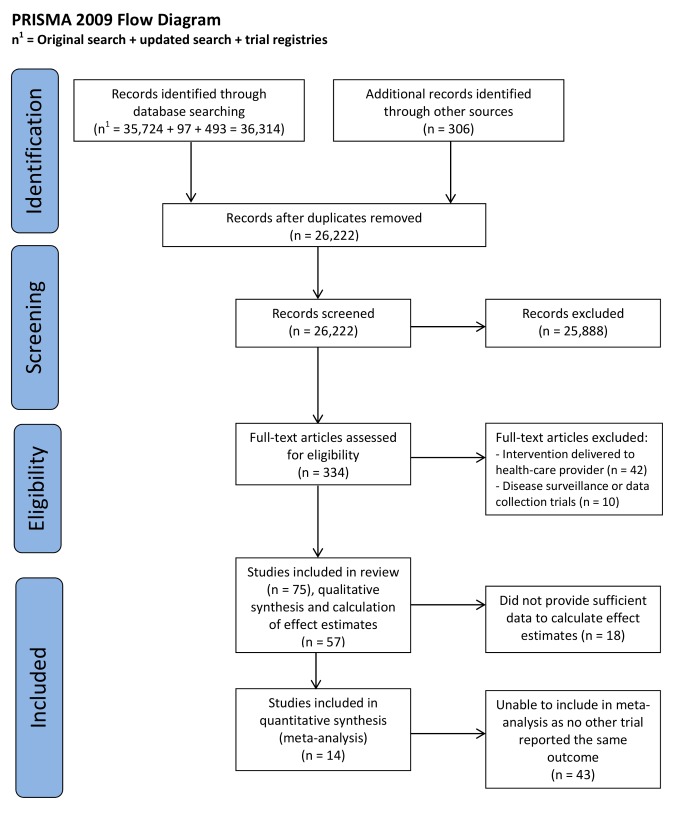
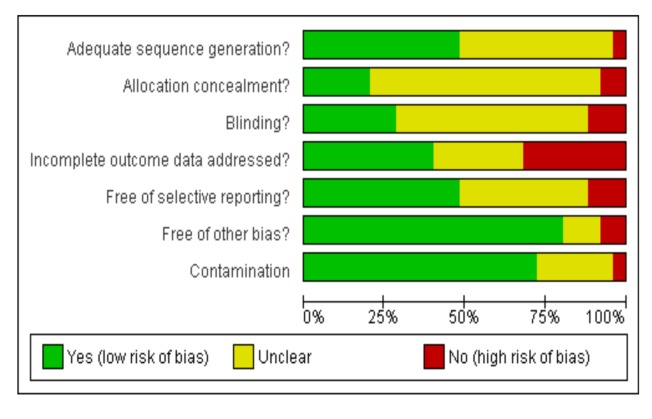
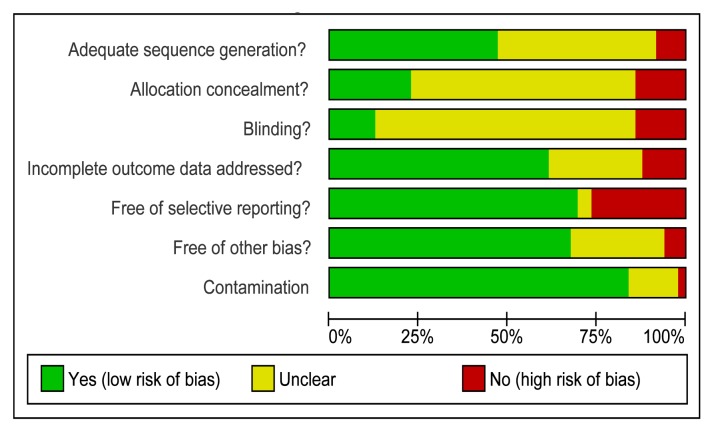
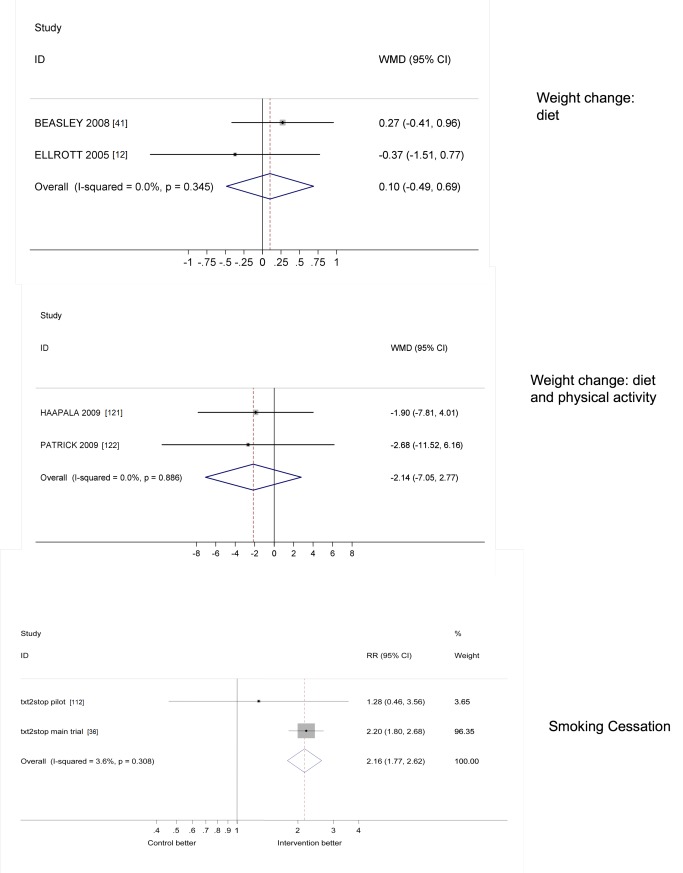
BACKGROUND: Mobile technologies could be a powerful media for providing individual level support to health care consumers. We conducted a systematic review to assess the effectiveness of mobile technology interventions delivered to health care consumers. METHODS AND FINDINGS: We searched for all controlled trials of mobile technology-based health interventions delivered to health care consumers using MEDLINE, EMBASE, PsycINFO, Global Health, Web of Science, Cochrane Library, UK NHS HTA (Jan 1990-Sept 2010). Two authors extracted data on allocation concealment, allocation sequence, blinding, completeness of follow-up, and measures of effect. We calculated effect estimates and used random effects meta-analysis. We identified 75 trials. Fifty-nine trials investigated the use of mobile technologies to improve disease management and 26 trials investigated their use to change health behaviours. Nearly all trials were conducted in high-income countries. Four trials had a low risk of bias. Two trials of disease management had low risk of bias; in one, antiretroviral (ART) adherence, use of text messages reduced high viral load (>400 copies), with a relative risk (RR) of 0.85 (95% CI 0.72-0.99), but no statistically significant benefit on mortality (RR 0.79 [95% CI 0.47-1.32]). In a second, a PDA based intervention increased scores for perceived self care agency in lung transplant patients. Two trials of health behaviour management had low risk of bias. The pooled effect of text messaging smoking cessation support on biochemically verified smoking cessation was (RR 2.16 [95% CI 1.77-2.62]). Interventions for other conditions showed suggestive benefits in some cases, but the results were not consistent. No evidence of publication bias was demonstrated on visual or statistical examination of the funnel plots for either disease management or health behaviours. To address the limitation of the older search, we also reviewed more recent literature. CONCLUSIONS: Text messaging interventions increased adherence to ART and smoking cessation and should be considered for inclusion in services. Although there is suggestive evidence of benefit in some other areas, high quality adequately powered trials of optimised interventions are required to evaluate effects on objective outcomes.
Overview
The claims and statistics of this paper haven’t been checked yet.
Free: it reads the open-access text and checks the first 5 claims that cite a source we can check. Create a free account to check every claim.
Integrity signals
Registry
Cites
Statistics
Figures
Verification
Claims the paper makes
The claims and statistics of this paper haven’t been checked yet.
Free: it reads the open-access text and checks the first 5 claims that cite a source we can check. Create a free account to check every claim.
Claims other papers make about this one
Each is checked against this paper’s own text: does it say what the citing paper says it does?
The source backs part of the claim, not all of it — or backs it for a different population, condition or comparison.
In the citing paper
“Three systematic reviews found reminders for disease monitoring improve healthcare processes but with education through voice call and text messages, both health outcomes and care processes improve.18 22 23”
From mHealth text and voice communication for monitoring people with chronic diseases in low-resource settings: a realist review (2018) · cites this paper as [23]
Experimental — accuracy not yet measuredThe source backs part of the claim, not all of it — or backs it for a different population, condition or comparison.
In the citing paper
“there are still too few high-quality, adequately powered RCTs evaluating the use of such apps [83,84].”
From Theory-Based Design and Development of a Socially Connected, Gamified Mobile App for Men About Breastfeeding (Milk Man) (2016) · cites this paper as [84]
Experimental — accuracy not yet measuredThe source backs part of the claim, not all of it — or backs it for a different population, condition or comparison.
In the citing paper
“While the use of mobile technology in public health interventions has grown significantly”
From Theory-Based Design and Development of a Socially Connected, Gamified Mobile App for Men About Breastfeeding (Milk Man) (2016) · cites this paper as [84]
Experimental — accuracy not yet measuredThe source backs part of the claim, not all of it — or backs it for a different population, condition or comparison.
In the citing paper
“Mobile phone messaging interventions are a potential cost-effective approach to promote habit formation.43–45”
From Refining and optimising a behavioural intervention to support endocrine therapy adherence (ROSETA) in UK women with breast cancer: Protocol for a pilot fractional factorial trial (2023) · cites this paper as [45]
Experimental — accuracy not yet measuredThe cited source says what the claim attributes to it.
In the citing paper
“In high-income countries, interventions have included these aspects of care.18 22 23”
From mHealth text and voice communication for monitoring people with chronic diseases in low-resource settings: a realist review (2018) · cites this paper as [23]
7 more claims about this paper
Create a free account to see every claim other papers make about this one.
Self-check
Percentages, sums and reported differences re-computed from the paper’s own numbers.
The self-check needs the paper’s full text.
Citations
Cites
2 retracted
Psychological interventions for overweight or obesity
Shaw, K. A., O'Rourke, P., Del Mar, C., & Kenardy, J. (2005) · Cochrane Database of Systematic Reviews · doi:10.1002/14651858.cd003818.pub2 · Cited by 442 · cited 1×
“Likewise, it is unsurprising that interventions delivered by mobile technologies appear to have small effects on weight, given the paucity of effective behavioural change interventions for obesity [105,106].”
RetractedZolfaghari, M., Mousavifar, S. A., Pedram, S., & Haghani, H. (2012) · Journal of Clinical Nursing · doi:10.1111/j.1365-2702.2011.03951.x · Cited by 101 · cited 1×
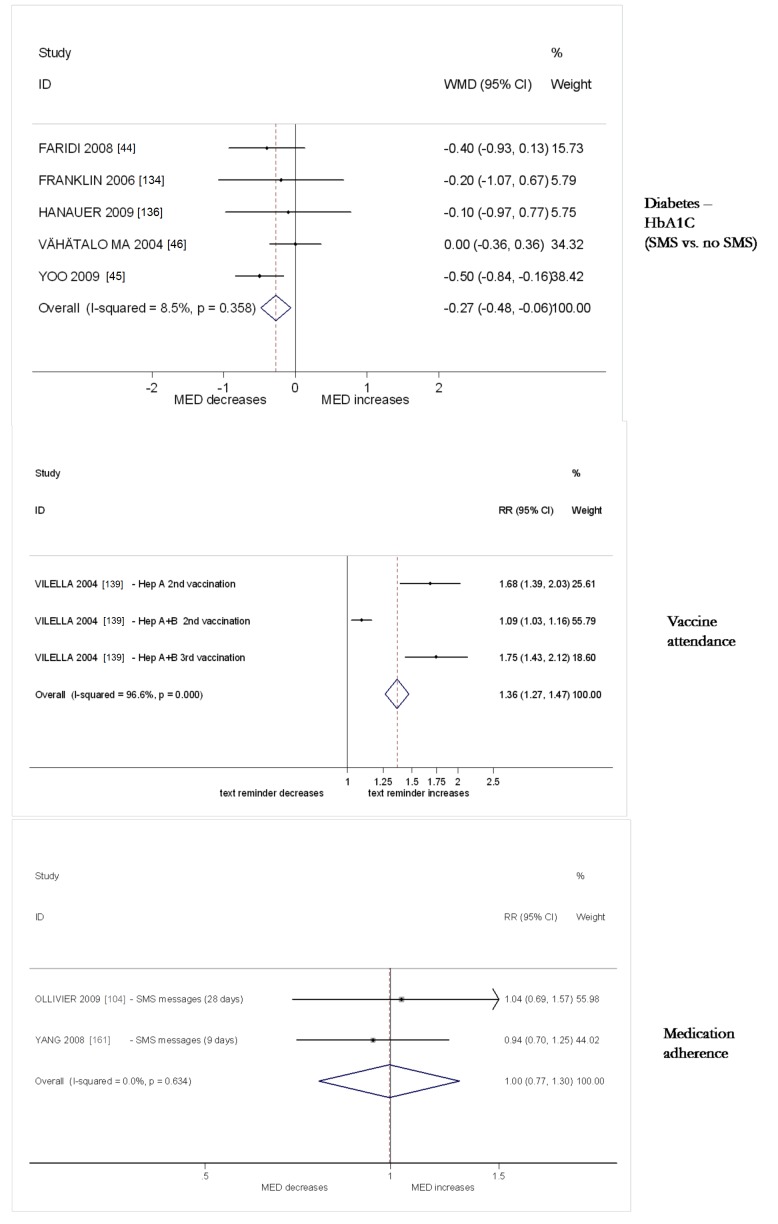
“Four trials of a diabetes care intervention, three involving text messages and the other involving video messages, reported statistically significant decreases in HBA1C, which were of borderline clinical significance [69–73].”
RetractedCochrane Handbook for Systematic Reviews of Interventions: Cochrane Book Series
(2008) · doi:10.1002/9780470712184 · Cited by 25,048 · cited 1×
“Risk of bias was assessed according to the criteria outlined by the International Cochrane Collaboration [35].”
Zhang, Q., Wang, C., Zheng, M., Li, Y., Li, J., Zhang, L., Shang, X., & Yan, C. (2015) · Cerebrovascular Diseases · doi:10.1159/000369778 · Cited by 11,533
Pharmacological interventions for somatoform disorders in adults
Kleinstäuber, M., Witthöft, M., Steffanowski, A., van Marwijk, H., Hiller, W., & Lambert, M. J. (2014) · Cochrane Database of Systematic Reviews · doi:10.1002/14651858.cd010628.pub2 · Cited by 11,335
Cochrane Handbook for Systematic Reviews of Interventions Version 5.0.1. The Cochrane Collaboration
Higgins, J. P. T., Green, S. R., & Higgins, J. P. T. (2008) · Cited by 7,226
Collaboration, A. T. (2002) · BMJ · doi:10.1136/bmj.324.7329.71 · Cited by 6,943
Mortality in relation to smoking: 40 years' observations on male British doctors
Doll, R., Peto, R., Wheatley, K., Gray, R., & Sutherland, I. (1994) · BMJ · doi:10.1136/bmj.309.6959.901 · Cited by 5,932
Update on Key Emerging Challenges in Cystic Fibrosis
Jennings, M. T., Riekert, K. A., & Boyle, M. P. (2014) · Medical Principles and Practice · doi:10.1159/000357646 · Cited by 3,648
Research works printed but not linked: 6
- Rodgers A, Corbett T, Bramley D, Riddell T, Wills M, et al (2005) Do u smoke after txt? Results of a randomised trial of smoking cessation using mobile phone text messaging. Tob Control 14: 255– 261. 16046689 PMC1748056 · DOI · Paper page
- Medical Research Council (2000) A framework for development and evaluation of RCTs for complex interventions to improve health. London, Medical Research Council
- Free C, Whittaker R, Knight R, Abramsky T, Rodgers A, et al (2009) Txt2stop: a pilot randomised controlled trial of mobile phone-based smoking cessation support. Tob Control 18: 88– 91. 19318534 · DOI · Paper page
- Ellrott T, Austel A, Rademacher C, Oberritter H, Benecke R, et al (2005) Self-help programme for weight reduction with and without support by a handheld nutrition computer. [German]. Ernahrungs Umschau 52.
- Delamere S, Dooley S, Harrington L, King A, Mulcahy F (2006) Safer sex text messages: Evaluating a health education intervention in an adolescent population. Sexually Transmitted Infections 82: A27– A27.
- Liu W, Wang CH, Huang CD, Kuo HP (2007) A novel mobile phone-based self-care system improves asthma control [Abstract]. American Thoracic Society International Conference, May 18–23, 2007, San Francisco, California, USA. pp. [A93].
Cited by
Items 501–600 of 1,003
Choun, K., Achanta, S., Naik, B., Tripathy, J. P., Thai, S., Lorent, N., Khun, K. E., van Griensven, J., Kumar, A. M. V., & Zachariah, R. (2017) · BMC Health Services Research · doi:10.1186/s12913-017-2511-x · Cited by 35
“Improvements in treatment adherence and bridging the provider-patient and provider-provider disconnect would be useful spin-offs [5, 11].”
BackgroundPain relief in the palm of your hand: Harnessing mobile health to manage pediatric pain
Hunter, J. F., Kain, Z. N., & Fortier, M. A. (2018) · Pediatric Anesthesia · doi:10.1111/pan.13547 · Cited by 34
“Furthermore, mobile devices are ubiquitous in most settings, and this omnipresence allows for easy access to pain management tools when they are needed in order to facilitate the timely implementation of intervention strategies.(11) In addition, there are a variety of technological capabilities such as personal”
BackgroundZahiruddin, Q. S., Gaidhane, A. M., Sinha, A., Khatib, M. N., Simkhada, P. P., Behere, P. B., Saxena, D. B., Unnikrishnan, B., Khatib, M., & Ahmed, M. (2018) · Indian Journal of Community Medicine · doi:10.4103/ijcm.ijcm_143_18 · Cited by 33
“In precise, an electronic media intervention can be provided to a greater number of people at a low cost.[8,9]”
BackgroundÇelik, R., & Törüner, E. K. (2019) · Comprehensive Child and Adolescent Nursing · doi:10.1080/24694193.2019.1599083 · Cited by 33
“In the systematic review conducted by Free et al. (2013) on the effectiveness of health behaviour changes or disease management interventions based on health technology, they determined that the duration of the application was a minimum of two weeks (Sirriyeh, Lawton, & Ward, 2010; Weitzel,…”
BackgroundMethodInfluentialIstepanian, R. S. H., & Alanzi, T. M. (2019) · Elsevier eBooks · doi:10.1016/b978-0-12-816034-3.00022-5 · Cited by 41
George, C. M., Zohura, F., Teman, A., Thomas, E., Hasan, M. T., Rana, S., Parvin, T., Sack, D. A., Bhuyian, S. I., Labrique, A. B., et al. (2019) · BMC Public Health · doi:10.1186/s12889-019-7144-z · Cited by 33
mHealth Adoption Among Older Chinese Adults: A Conceptual Model With Design Suggestions
Pan, J., & Dong, H. (2022) · International Journal of Human-Computer Interaction · doi:10.1080/10447318.2022.2066247 · Cited by 39
“The benefits of mHealth include encouraging healthy behaviors (Free et al., 2013), reducing or avoiding the emergence of health problems, helping patients with chronic diseases in self-management (Beratarrechea et al., 2014), and making possible real-time communication with doctors (Klasnja &…”
BackgroundChronic Obstructive Pulmonary Disease Readmissions at Minority-serving Institutions
Prieto-Centurion, V., Gussin, H. A., Rolle, A. J., & Krishnan, J. A. (2013) · Annals of the American Thoracic Society · doi:10.1513/annalsats.201307-223ot · Cited by 32
Using automated voice calls to improve adherence to iron supplements during pregnancy: a pilot study
Pai, N., Supe, P., Kore, S. J., Nandanwar, Y. S., Hegde, A., Cutrell, E. B., & Thies, W. (2013) · International Conference on Information and Communication Technologies and Development (ICTD) · doi:10.1145/2516604.2516608 · Cited by 46
Noise Maps for Quantitative and Clinical Severity Towards Long-Term ECG Monitoring
Everss, E., Melgarejo-Meseguer, F.-M., Blanco–Velasco, M., Gimeno-Blanes, F.-J., Sala, S., Rojo‐Álvarez, J. L., & García-Alberola, A. (2017) · Sensors · doi:10.3390/s17112448 · Cited by 35
“It is also a very attractive method to provide health care solutions in combination with the information and communication technologies [3,4], including health monitoring in remote areas using mobile devices [5,6].”
Lee, D. Y., Park, J., Choi, D., Ahn, H.-Y., Park, S.-W., & Park, C.-Y. (2018) · Scientific Reports · doi:10.1038/s41598-018-22034-0 · Cited by 31
Wildevuur, S., Thomese, F., Ferguson, J., & Klink, A. (2017) · Journal of Participatory Medicine · doi:10.2196/jopm.8846 · Cited by 31
“Moreover, ICT applications typically do not take into account the partnership between patients and health care professionals [10], and are focused on only one of these parties rather than considering both [11].”
Uddin, J., Feng, C., & Xu, J. (2025) · Journal of Medical Internet Research · doi:10.2196/66032 · Cited by 31
Mapping the Landscape of Digital Health Intervention Strategies: 25-Year Synthesis
Liu, S., Ma, J., Sun, M., Zhang, C., Gao, Y., & Xu, J. (2025) · Journal of Medical Internet Research · doi:10.2196/59027 · Cited by 44
Wen, K., Miller, S. M., Kilby, L. M., Fleisher, L. G., Belton, T. D., Roy, G., & Hernández, E. (2014) · JMIR Research Protocols · doi:10.2196/resprot.3059 · Cited by 30
“Yet, to our knowledge, no study has examined text messaging as an intervention channel for delivering postpartum smoking cessation interventions [34].”
BackgroundDiefenbach, S. (2018) · Frontiers in Psychology · doi:10.3389/fpsyg.2018.00331 · Cited by 46
“Along with this, e-health and behavioral intervention technologies have become a popular and promising approach among health care providers (see Free et al., 2013; Mohr et al., 2013 for recent reviews) and especially for workplace health promotion (e.g., Ebert et al., 2014).”
BackgroundContinued use of wearables for wellbeing with a cultural probe
Lin, F., & Windasari, N. A. (2018) · Service Industries Journal · doi:10.1080/02642069.2018.1504924 · Cited by 40
“Further, using technology (such as wearable device and health apps) has been proven to enhance the effectiveness of health interventions (Free et al., 2013).”
MethodOka, R., Nomura, A., Yasugi, A., Kometani, M., Gondoh, Y., Yoshimura, K., & Yoneda, T. (2019) · Diabetes Therapy · doi:10.1007/s13300-019-0595-5 · Cited by 34
MS Energize: Field trial of an app for self-management of fatigue for people with multiple sclerosis
Babbage, D. R., van Kessel, K., Drown, J., Thomas, S., Sezier, A., Thomas, P., & Kersten, P. (2019) · Internet Interventions · doi:10.1016/j.invent.2019.100291 · Cited by 33
Chang, H., Hou, Y., Yeh, F.-H., & Lee, S. (2019) · Journal of Advanced Nursing · doi:10.1111/jan.14287 · Cited by 36
Effectiveness of Text Message Interventions for Weight Management in Adolescents: Systematic Review
Partridge, S. R., Raeside, R., Singleton, A. C., Hyun, K. K., & Redfern, J. (2020) · JMIR mhealth and uhealth · doi:10.2196/15849 · Cited by 34
“The ubiquity of mobile phones has given rise to new ways of delivering health care through mobile health (mHealth) [11].”
BackgroundFloch, J., Vilarinho, T., Zettl, A., Ibáñez-Sánchez, G., Calvo‐Lerma, J., Stav, E., Haro, P. H., Aalberg, A. L., Fides-Valero, Á., & Bayo-Montón, J.-L. (2020) · JMIR mhealth and uhealth · doi:10.2196/15896 · Cited by 33
“Several reviews have observed a positive effect of digital self-management approaches [2-4].”
Yuan, S. L. K., Couto, L. A., & Marques, A. P. (2020) · Brazilian Journal of Physical Therapy · doi:10.1016/j.bjpt.2020.10.003 · Cited by 39
“A systematic review identified 85 trials that investigated the use of mobile technologies to improve disease management or change health behaviours, and concluded that there is suggestive evidence of benefit in health behaviour change and self-management of diseases.(9) Another review summarized the evidence on the ef…”
BackgroundGhadieh, A. S., Hamadeh, G. N., Mahmassani, D. M., & Lakkis, N. A. (2015) · Vaccine · doi:10.1016/j.vaccine.2015.07.050 · Cited by 33
Gonsalves, L., L’Engle, K. L., Tamrat, T., Plourde, K. F., Mangone, E., Agarwal, S., Say, L., & Hindin, M. J. (2015) · Reproductive Health · doi:10.1186/s12978-015-0059-y · Cited by 37
“Recent reviews of studies using mobile phones to promote behaviour change have demonstrated mixed to positive effects of such programs [16–19].”
BackgroundPrioritizing the mHealth Design Space: A Mixed-Methods Analysis of Smokers’ Perspectives
Hartzler, A. L., BlueSpruce, J., Catz, S. L., & McClure, J. B. (2016) · JMIR mhealth and uhealth · doi:10.2196/mhealth.5742 · Cited by 34
Dobson, R., Whittaker, R., Murphy, R., Khanolkar, M., Miller, S., Naylor, J., & Maddison, R. (2017) · JMIR Diabetes · doi:10.2196/diabetes.7221 · Cited by 38
“There is increasing evidence for the effectiveness of mHealth in health behavior change and disease management, including diabetes [21,22].”
BackgroundRecio-Rodriguez, J. I., González‐Sánchez, S., Tamayo‐Morales, O., Gómez-Marcos, M. Á., García‐Ortiz, L., Niño-Martín, V., Lugones‐Sánchez, C., & Rodríguez‐Sánchez, E. (2022) · BMC Geriatrics · doi:10.1186/s12877-022-03487-5 · Cited by 34
“Meeting these objectives could be achieved through prevention and health promotion interventions or programs that include innovative and efficient solutions, such as the use of various digital technologies applied to health [4].”
BackgroundMishra, M., Parida, D., Murmu, J., Singh, D., Rehman, T., Kshatri, J. S., & Pati, S. (2023) · Healthcare · doi:10.3390/healthcare11192635 · Cited by 54
Lucas, H. (2014) · Social Science & Medicine · doi:10.1016/j.socscimed.2014.11.008 · Cited by 35
Lessons Learned from the Development of Health Applications in a Tertiary Hospital
Park, J., Lee, G., Shin, S.-Y., Kim, J. H., Han, H., Kwon, T.-W., Kim, W. S., & Lee, J. H. (2013) · Telemedicine Journal and e-Health · doi:10.1089/tmj.2013.0192 · Cited by 31
“4 Case studies of m-health use 5,18 and systematic reviews of protocols for adopting m-health technology 6,13 have also been published.”
BackgroundPreliminary needs assessment of mobile technology use for healthcare among homeless veterans
McInnes, D. K., Fix, G. M., Solomon, J., Petrakis, B. A., Sawh, L., & Smelson, D. A. (2015) · PeerJ · doi:10.7717/peerj.1096 · Cited by 35
“Information technologies (IT) are increasingly being used to improve access to health care, make utilization of services more efficient, and improve health outcomes (Free et al., 2013; Cole-Lewis & Kershaw, 2010).”
BackgroundInfluentialBeratarrechea, A. G., Diez‐Canseco, F., Irazola, V. E., Miranda, J. J., Ramírez‐Zea, M., & Rubinstein, A. (2016) · Progress in Cardiovascular Diseases · doi:10.1016/j.pcad.2016.03.003 · Cited by 36
van Knippenberg, R. J. M., de Vugt, M. E., Ponds, R. W., Myin-Germeys, I., & Verhey, F. R. J. (2018) · The American Journal of Geriatric Psychiatry · doi:10.1016/j.jagp.2018.06.004 · Cited by 30
Mahmood, A., Blaizy, V., Verma, A., Sequeira, J. S., Saha, D., Ramachandran, S., Natarajan, M., Unnikrishnan, B., & Solomon, J. M. (2019) · International Journal of Telemedicine and Applications · doi:10.1155/2019/5903106 · Cited by 38
Recio-Rodriguez, J. I., Lugones‐Sánchez, C., Agudo‐Conde, C., González‐Sánchez, J., Tamayo‐Morales, O., González‐Sánchez, S., Fernández-Alonso, C., Maderuelo-Fernández, J. Á., Mora‐Simón, S., Gómez-Marcos, M. Á., et al. (2019) · BMC Geriatrics · doi:10.1186/s12877-019-1037-y · Cited by 38
“Active aging is defined by the WHO as “the process of optimizing opportunities for health, participation and security, in order to enhance the quality of life as people age” [1], which could be achieved through interventions or health promotion and prevention programs which include innovative and cost-effective strate…”
BackgroundJo, S., Lee, H. K., Kang, K., Joe, K. H., & Lee, S. (2019) · Alcoholism Clinical and Experimental Research · doi:10.1111/acer.14169 · Cited by 29
Osborne, C. L., Juengst, S. B., & Smith, E. E. (2020) · British Journal of Occupational Therapy · doi:10.1177/0308022620954115 · Cited by 39
Jiwani, R. B., Dennis, B., Bess, C., Monk, S., Meyer, K., Wang, J., & Espinoza, S. E. (2020) · Geriatric Nursing · doi:10.1016/j.gerinurse.2020.11.007 · Cited by 36
“, diabetes, heart disease, cancer, and asthma) and improve self-awareness, self-efficacy, readiness, and adherence in modifying behavior to improve both patient and provider satisfaction.(19) 21 This study began with a modified Look AHEAD behavioral lifestyle intervention.”
MethodArakawa, Y., Haseda, M., Inoue, K., Nishioka, D., Kino, S., Nishi, D., Hashimoto, H., & Kondo, N. (2023) · BMC Medicine · doi:10.1186/s12916-023-02918-3 · Cited by 41
Schneider, H., Moser, K., Butz, A., & Alt, F. (2016) · Proceedings of the 2016 CHI Conference on Human Factors in Computing Systems · doi:10.1145/2858036.2858290 · Cited by 29
“help societies to gain control over increasing health care costs and societal problems such as obesity [18].”
BackgroundBulaj, G. (2014) · Frontiers in Neurology · doi:10.3389/fneur.2014.00126 · Cited by 29
Mantwill, S., Fiordelli, M., Ludolph, R. A., & Schulz, P. J. (2015) · BMC Medical Informatics and Decision Making · doi:10.1186/s12911-015-0142-x · Cited by 37
“Regarding the effectiveness of mobile applications, there is only few solid evidence on diabetes treatment so far, given that the field of mHealth is still very young [13,14].”
BackgroundMethodological Challenges When Exploring Digital Learning Spaces in Education
Guðmundsdóttir, G. B., & Vasbø, K. B. (2014) · SensePublishers eBooks · doi:10.1007/978-94-6209-737-7 · Cited by 29
Gill, C. J., Ngoc, B. L., Halim, N., Viet, H. N., Williams, A. L., Văn, T. N., McNabb, M., Ngoc, L. T. T., Falconer, A., Ha, H. A. P., et al. (2016) · PLoS ONE · doi:10.1371/journal.pone.0166293 · Cited by 32
Nonadherence to the medical regimen after lung transplantation: A systematic review
Hu, L., Lingler, J. H., Sereika, S. M., Burke, L. E., Kaltenbaugh, D., Dabbs, A. D., & Dew, M. A. (2017) · Heart & Lung · doi:10.1016/j.hrtlng.2017.01.006 · Cited by 31
Bendtsen, M., Bendtsen, P., Henriksson, H., Henriksson, P., Müssener, U., Thomas, K., & Löf, M. (2020) · JMIR Research Protocols · doi:10.2196/14894 · Cited by 30
“mHealth has also been used for disease management to assist, inform, guide, and treat patients with various acute and chronic diseases and disorders, such as type 2 diabetes, cardiovascular disease, and mental illness [18,19].”
A Framework for Maternal Physical Activities and Health Monitoring Using Wearable Sensors
Ullah, F., Iqbal, A., Iqbal, S., Kwak, D., Anwar, H., Khan, A., Ullah, R., Siddique, H., & Kwak, K. S. (2021) · Sensors · doi:10.3390/s21154949 · Cited by 32
Farmer, A., Bobrow, K., Leon, N., Williams, N., Phiri, E., Namadingo, H., Cooper, S., Prince, J., Crampin, A., Besada, D., et al. (2021) · BMC Public Health · doi:10.1186/s12889-021-11874-7 · Cited by 29
Computer-assisted initial diagnosis of rare diseases
Alves, R., Piñol, M., Vilaplana, J., Teixidó, I., Corella, J. C., Comas, J., Vilaprinyó, E., Albert Sorribas, B., & Solsona, F. (2016) · PeerJ · doi:10.7717/peerj.2211 · Cited by 33
“However, given that the cost-effectiveness of eHealth solutions appears to be debatable (Black et al., 2011; Free et al., 2013a; Free et al., 2013b; McLean et al., 2013; Eysenbach et al., 2002; Avery et al., 2012; Free et al., 2011;Howitt et al., 2012; Sheikh et al., 2014;Morrison et al., 2013;Huckvale et al., 2012; G…”
BackgroundHartzler, A. L., Venkatakrishnan, A., Mohan, S., Silva, M., Lozano, P., Ralston, J. D., Ludman, E., Rosenberg, D., Newton, K. M., Nelson, L., et al. (2016) · 2016 38th Annual International Conference of the IEEE Engineering in Medicine and Biology Society (EMBC) · doi:10.1109/embc.2016.7591428 · Cited by 29
“When integrated with healthcare, tools like traditional SMS reminders enhance health outcomes and care [12], [13].”
MethodMobile phone-based interventions for improving contraception use
Smith, C., Gold, J., Ngo, T. D., Sumpter, C., & Free, C. (2014) · Cochrane Database of Systematic Reviews · doi:10.1002/14651858.cd011159 · Cited by 32
Self-citationPhillips, S. E. K., Celi, A. C., Wehbe, A., Kaduthodil, J., & Zera, C. A. (2023) · American Journal of Obstetrics and Gynecology · doi:10.1016/j.ajog.2022.12.309 · Cited by 28
Mercer, K., Baskerville, N. B., Burns, C. M., Chang, F., Giangregorio, L., Goodwin, J. T., Rezai, L. S., & Grindrod, K. (2015) · JMIR mhealth and uhealth · doi:10.2196/mhealth.3509 · Cited by 31
“Most mHealth research has focused on younger people who provide a poor proxy for the older user [21].”
Chen, L., Wang, W., Du, X., Rao, X., van Velthoven, M. H., Yang, R., Zhang, L., Koepsell, J. C., Li, Y., Wu, Q., et al. (2014) · BMC Public Health · doi:10.1186/1471-2458-14-262 · Cited by 28
Stopping the rise of HIV among adolescents globally
Rotheram‐Borus, M. J., Davis, E., & Rezai, R. (2017) · Current Opinion in Pediatrics · doi:10.1097/mop.0000000000000580 · Cited by 30
Brody, C., Tuot, S., Chhoun, P., Swendenman, D., Kaplan, K. C., & Yi, S. (2018) · Trials · doi:10.1186/s13063-018-2614-7 · Cited by 32
“But, few mHealth interventions have been rigorously evaluated [6, 12].”
BackgroundSmartphone technology and its applications in urology: a review of the literature
Tapiero, S., Yoon, R., Jefferson, F. A., Sung, J. M., Limfueco, L., Cottone, C. M., Lu, S. X., Patel, R. M., Landman, J., & Clayman, R. V. (2019) · World Journal of Urology · doi:10.1007/s00345-019-02960-y · Cited by 30
“It has been shown that mHealth-based interventions via mobile phones were associated with smoking cessation and better control of diabetes [5].”
BackgroundChang, W., Lo, S.-Y., Kuo, C.-L., Wang, Y.-L., & Hsiao, H.-C. (2019) · PLoS ONE · doi:10.1371/journal.pone.0225453 · Cited by 39
O’Connor, S. (2019) · International Journal of Older People Nursing · doi:10.1111/opn.12288 · Cited by 34
RetractedUnerwünschte Effekte digitaler Gesundheitstechnologien: Eine Public-Health-Perspektive
Schüz, B., & Urban, M. (2020) · Bundesgesundheitsblatt - Gesundheitsforschung - Gesundheitsschutz · doi:10.1007/s00103-019-03088-5 · Cited by 38
Feldacker, C., Holeman, I., Murenje, V., Xaba, S., Korir, M., Wambua, B., Makunike-Chikwinya, B., Holec, M. M., Barnhart, S., & Tshimanga, M. (2020) · PLoS ONE · doi:10.1371/journal.pone.0233234 · Cited by 26
Kalhori, S. R. N., Hemmat, M., Noori, T., Heydarian, S., & Katigari, M. R. (2020) · Current Diabetes Reviews · doi:10.2174/1573399816666200703181438 · Cited by 37
Validity and reliability of smartphone-based Goniometer-Pro app for measuring the thoracic kyphosis
Shahri, Y. F. K., & Hesar, N. G. Z. (2020) · Musculoskeletal Science and Practice · doi:10.1016/j.msksp.2020.102216 · Cited by 33
Lim, H. M., Dunn, A. G., Ooi, S. M. F., Teo, C. H., Abdullah, A. B., Woo, W. J., & Ng, C. J. (2020) · Family Practice · doi:10.1093/fampra/cmaa103 · Cited by 30
Impact of COVID-19 on the Hong Kong Youth Quitline Service and Quitting Behaviors of Its Users
Ho, L. L. K., Li, W. H. C., Cheung, A. T., Xia, W., Wang, M. P., Cheung, Y. T. D., & Lam, T. H. (2020) · International Journal of Environmental Research and Public Health · doi:10.3390/ijerph17228397 · Cited by 32
“Mobile health intervention is widely used for health promotion and treatment compliance [14], which could provide a promising means to reinforce the smoking cessation service during the pandemic.”
BackgroundA conceptual framework for transformative gamification services
Tanouri, A., Kennedy, A., & Veer, E. (2021) · Journal of Services Marketing · doi:10.1108/jsm-12-2020-0527 · Cited by 42
Lavikainen, P., Mattila, E., Absetz, P., Harjumaa, M., Lindström, J., Järvelä‐Reijonen, E., Aittola, K., Männikkö, R., Tilles‐Tirkkonen, T., Lintu, N., et al. (2022) · Journal of Medical Internet Research · doi:10.2196/31530 · Cited by 36
Green, S. M. C., French, D., Graham, C. D., Hall, L., Rousseau, N. S., Foy, R., Clark, J., Parbutt, C., Raine, E., Gardner, B., et al. (2022) · BMC Health Services Research · doi:10.1186/s12913-022-08243-4 · Cited by 39
Okello, G. O., Githinji, S., Jones, C. O. H., Snow, R. W., Talisuna, A. O., & Zurovac, D. (2014) · Malaria Journal · doi:10.1186/1475-2875-13-44 · Cited by 32
“They are however higher than in many African countries where the absence of a mobile signal may be the major impediment to effective mHealth interventions [23].”
BackgroundInfluentialLunny, C., Taylor, D., Memetovic, J., Wärje, O., Lester, R. T., Wong, T., Ho, K., Gilbert, M., & Ogilvie, G. S. (2014) · Systematic Reviews · doi:10.1186/2046-4053-3-7 · Cited by 35
Skov-Ettrup, L. S., Dalum, P., Bech, M., & Tolstrup, J. S. (2016) · Addiction · doi:10.1111/add.13302 · Cited by 35
Daly, L. M., Horey, D., Middleton, P., Boyle, F. M., & Flenady, V. (2017) · Systematic Reviews · doi:10.1186/s13643-017-0424-8 · Cited by 32
“These interventions provide individual-level support to pregnant women, due to their popularity, mobility, technological capabilities, and availability [10].”
BackgroundMerrill, J. E., Boyle, H. K., Barnett, N. P., & Carey, K. B. (2017) · Addictive Behaviors · doi:10.1016/j.addbeh.2017.10.003 · Cited by 32
Specialized Smartphone Intervention Apps: Review of 2014 to 2018 NIH Funded Grants
Hansen, W. B., & Scheier, L. M. (2019) · JMIR mhealth and uhealth · doi:10.2196/14655 · Cited by 28
“These include application of mHealth technology in care delivery and chronic disease management [5,6] with specific applications monitoring hypertension [7,8], medication adherence support [9], obesity and weight loss [10], diabetes mellitus [11], substance use prevention [12,13], mental health [14-16] and physical ac…”
Chen, J. A., Fearey, E., & Smith, R. E. (2017) · Journal Of Behavior Therapy And Mental Health · doi:10.14302/issn.2474-9273.jbtm-16-1180 · Cited by 27
Spohr, S. A., Taxman, F. S., & Walters, S. T. (2015) · Addictive Behaviors · doi:10.1016/j.addbeh.2015.07.005 · Cited by 27
Digital Age Transformation in Patient-Physician Communication: 25-Year Narrative Review (1999-2023)
Song, M., Elson, J. S., & Bastola, D. K. (2025) · Journal of Medical Internet Research · doi:10.2196/60512 · Cited by 49
What’s Past is Prologue: A Scoping Review of Recent Public and Global Health Informatics Literature
Dixon, B. E., Pina, J., Kharrazi, H. H. K., Gharghabi, F., & Richards, J. (2015) · Online Journal of Public Health Informatics · doi:10.5210/ojphi.v7i2.5931 · Cited by 32
“Some studies in this category aimed to demonstrate the impact of eHealth applications on patient and population outcomes within various LMIC contexts [47,89,94-97].”
BackgroundMobile Technology Use by People Experiencing Multiple Sclerosis Fatigue: Survey Methodology
van Kessel, K., Babbage, D. R., Reay, N. D., Miner-Williams, W. M., & Kersten, P. (2017) · JMIR mhealth and uhealth · doi:10.2196/mhealth.6192 · Cited by 29
Health responses to new psychoactive substances
Atkinson, A. M., Pirona, A., Begley, E., & Sumnall, H. R. (2016) · Liverpool John Moores University · doi:10.2810/042412 · Cited by 27
Rodrigues, A., Sniehotta, F. F., Birch‐Machin, M. A., Olivier, P. L., & Araújo‐Soares, V. (2017) · JMIR Research Protocols · doi:10.2196/resprot.7172 · Cited by 28
“Several systematic reviews have demonstrated the potential of mobile technologies to change health-related behavior [15-18].”
BackgroundOgrin, R., Viswanathan, R., Aylen, T., Wallace, F., Scott, J., & Kumar, D. (2018) · Practical Diabetes · doi:10.1002/pdi.2197 · Cited by 37
Adler, D., Abar, B. W., Wood, N. E., & Bonham, A. D. (2019) · Journal of Emergency Medicine · doi:10.1016/j.jemermed.2019.07.021 · Cited by 29
the Group Dej@lo, Avila-Tomas, J. F., Olano-Espinosa, E., Minué-Lorenzo, C., Martinez-Suberviola, F. J., Pardo, B. M., Serrano, M. E. S., & Escortell‐Mayor, E. (2019) · BMC Medical Informatics and Decision Making · doi:10.1186/s12911-019-0972-z · Cited by 31
Surgery and the Smartphone: Can Technology Improve Equitable Access to Surgical Care?
Lesher, A. P., Gavrilova, Y., Ruggiero, K. J., & Evans, H. L. (2021) · Journal of Surgical Research · doi:10.1016/j.jss.2020.12.066 · Cited by 27
Pan, J., Dong, H., & Bryan–Kinns, N. (2021) · JMIR Aging · doi:10.2196/30420 · Cited by 33
“Compared with web-based health services delivered from desktops and laptops, mHealth services have the advantage of interacting with individuals with greater frequency and flexibility, without being limited by time and place [3].”
Piette, J. D., Krein, S. L., Striplin, D., Marinec, N. S., Kerns, R. D., Farris, K. B., Singh, S. P., An, L. C., & Heapy, A. A. (2016) · JMIR Research Protocols · doi:10.2196/resprot.4995 · Cited by 37
“Because mHealth services have low marginal costs, they can cost-effectively reach large numbers of patients between face-to-face encounters to provide self-management support [34-37].”
BackgroundThe impact of mHealth interventions on health systems: a systematic review protocol
Fortuin, J., Salie, F., Abdullahi, L., & Douglas, T. S. (2016) · Systematic Reviews · doi:10.1186/s13643-016-0387-1 · Cited by 33
“The mobile devices or technologies used in mHealth include handsets or mobile devices, personal digital assistants (PDA) and mobile phones with PDA functions, smartphones, tablets also known as ultra-portable computers and portable media players [4].”
BackgroundMethodExamining Use of Mobile Phones for Sleep Tracking Among a National Sample in the USA
Robbins, R., Krebs, P. M., Rapoport, D. M., Jean‐Louis, G., & Duncan, D. T. (2018) · Health Communication · doi:10.1080/10410236.2017.1422104 · Cited by 34
“Designers of mHealth often draw upon the social cognitive paradigm to understand why individuals track, monitor, or reflect on mobile devices (Free et al., 2013; Payne et al., 2015).”
BackgroundHan, H., Zhang, J., Hser, Y., Liang, D., Li, X., Wang, S. S., Du, J., & Zhao, M. (2018) · JMIR mhealth and uhealth · doi:10.2196/mhealth.8388 · Cited by 27
Raspa, M., Fitzgerald, T. M., Furberg, R., Wylie, A. C., Moultrie, R., DeRamus, M., Wheeler, A., & Mccormack, L. A. (2018) · Journal of Intellectual Disability Research · doi:10.1111/jir.12537 · Cited by 29
“Several recent studies have shown measurable benefits emerging from the adoption and use of mobile technologies in healthcare (Buntin et al. 2011; Free et al. 2013).”
Longacre, M. R., Grande, S. W., Hager, A., Montan, M. V., Bergquist, R. P., Mårtensson, M. B., & Kotzbauer, G. (2018) · JMIR Pediatrics and Parenting · doi:10.2196/11080 · Cited by 29
“Mobile health (mHealth) technology-based platforms offer a transformational mechanism for improving clinical care in both preventive medicine and chronic disease management [9,10].”
BackgroundChoo, S. R., Kim, J. Y., Jung, S. Y., Kim, S., Kim, J. E., Han, J. S., Kim, S., Kim, J. H., Kim, J., Kim, Y., et al. (2016) · JMIR mhealth and uhealth · doi:10.2196/mhealth.4546 · Cited by 29
“Moreover, a patient’s social network, social influence, and social support [17,18] are important aspects to consider, and these factors are typically lacking in the clinical management of obesity.”
Russell, C. G., Denney‐Wilson, E., Laws, R., Abbott, G., Zheng, M., Lymer, S. J., Taki, S., Litterbach, E., Ong, K., & Campbell, K. J. (2018) · JMIR mhealth and uhealth · doi:10.2196/mhealth.9303 · Cited by 33
“Available evidence from the wider mHealth field suggests that mHealth interventions are more effective in promoting some health behaviors than others [36-38].”
Carbonnel, F., & Ninot, G. (2019) · Journal of Medical Internet Research · doi:10.2196/13606 · Cited by 33
“Several observational studies indicate benefits of BITs on health behavior change in patients with chronic disease or at-risk people using interventions to assist with stronger drug compliance, smoking cessation, alcohol consumption reduction, weight management, and better diets [15-18].”
The development of a mobile user interface ability evaluation system for the elderly
Lin, C. J., & Ho, S.-H. (2020) · Applied Ergonomics · doi:10.1016/j.apergo.2020.103215 · Cited by 31
Kitsao-Wekulo, P., Langat, N., Nampijja, M., Mwaniki, E., Okelo, K., & Kimani-Murage, E. W. (2021) · PLoS ONE · doi:10.1371/journal.pone.0254621 · Cited by 36
HeartMan DSS: A decision support system for self-management of congestive heart failure
Bohanec, M., Tartarisco, G., Marino, F., Pioggia, G., Puddu, P. E., Schiariti, M. S., Baert, A., Pardaens, S., Clays, E., Vodopija, A., et al. (2021) · Expert Systems with Applications · doi:10.1016/j.eswa.2021.115688 · Cited by 31
Mobile apps for quick adverse drug reaction report: A scoping review
Parracha, E. R., Advinha, A. M., Lopes, M. J., & Oliveira‐Martins, S. (2022) · Pharmacoepidemiology and Drug Safety · doi:10.1002/pds.5542 · Cited by 26
“9%) of people in the world use a smartphone, and the mobile technology sector is the fastest growing sector, apps prove to be extremely advantageous for optimizing healthcare services.(26) Thus, apps are emerging for fast notification of ADR.”
Background
Metadata
- Authors
- Free, C., Phillips, G., Galli, L., Watson, L., Felix, L., Edwards, P., Patel, V., & Haines, A.
- Affiliations
- London School of Hygiene & Tropical Medicine (GB)
- University of Warwick (GB)
- Imperial College London (GB)
- Corresponding author
- Free, Caroline
- Venue
- PLoS Medicine
- Publisher
- Public Library of Science (PLoS)
- Published
- 2013-01-15
- Volume
- 10
- Issue
- 1
- Pages
- e1001362
- ISSN
- 1549-1277 (ISSN-L)
- 1549-1676
- PMC
- PMC3548655
- OpenAlex
- W1975071629
- Cited by
- 1,766
- References
- 165
- Citations by year
- 2026: 66 · 2025: 91 · 2024: 73 · 2023: 91 · 2022: 107 · 2021: 135 · 2020: 160 · 2019: 172 · 2018: 190 · 2017: 205 · 2016: 171 · 2015: 153 · 2014: 107 · 2013: 43
- FWCI
- 19.02
- Type
- journal article
- Language
- en
- Open access
- gold
- doi.org
- Locations
- PLoS Medicine (publishedVersion, cc-by)
- Europe PMC (PubMed Central) (publishedVersion, cc-by)
- PubMed Central (publishedVersion, cc-by)
- PubMed (publishedVersion)
- Research Explorer (The University of Manchester) (publishedVersion)
- LSHTM Research Online (London School of Hygiene and Tropical Medicine) (acceptedVersion)
- DOAJ (DOAJ: Directory of Open Access Journals) (submittedVersion, cc-by-sa)
- Figshare (submittedVersion, cc-by)
- Funders
- Wellcome Trust (091834)
- National Institute for Health and Care Research
- Topics
- Health Sciences › Health Professions › General Health Professions › Mobile Health and mHealth Applications
- Physical Sciences › Computer Science › Information Systems › Mobile Learning in Education
- Social Sciences › Psychology › Applied Psychology › Digital Mental Health Interventions
- Keywords
- mobile health, text messaging intervention, health behavior change, disease management, antiretroviral therapy adherence, HIV, smoking cessation, health care consumers
- MeSH terms
- Clinical Trials as Topic, Community Participation, Delivery of Health Care, Diet, Humans, Motor Activity, Health Behavior, Bias, Treatment Outcome, Telemedicine, Disease Management, Biomedical Technology, Medication Adherence
About these checks
Registry, retraction, Cites and statistics results are computed, not judged, with one exception: a printed reference that no index lists is read once by a model before it counts as a citation error. Claims are extracted by a model and kept only when their quote appears verbatim in the text; each cited source is then checked, with a model’s help, for whether it says what the claim relies on. Those verdicts can be wrong — read the claim’s quote and the cited source before relying on one.
Statistics and arithmetic are recomputed, not judged.
Confidence bands are shown only for fields calibrated on our annotated test set. None is calibrated yet, so no band is shown.
What counts as a claim ›How we measure confidence ›How we check this ›
Are you an author, or do you see a problem with this page? Request a review
Data sources
Bibliographic data: Semantic Scholar, OpenAlex, Crossref.
Contains information from the Semantic Scholar Academic Graph Datasets, made available under the ODC Attribution License (ODC-BY 1.0).
Semantic Scholar’s data is described in: Kinney, R., et al. (2023). The Semantic Scholar Open Data Platform. arXiv:2301.10140.
