

The Effectiveness of Mobile-Health Technology-Based Health Behaviour Change or Disease Management Interventions for Health Care Consumers: A Systematic Review
Open accessThe DOI matches its Crossref record; 164 of the 165 references it cites were found in a registry or an index.
Abstract
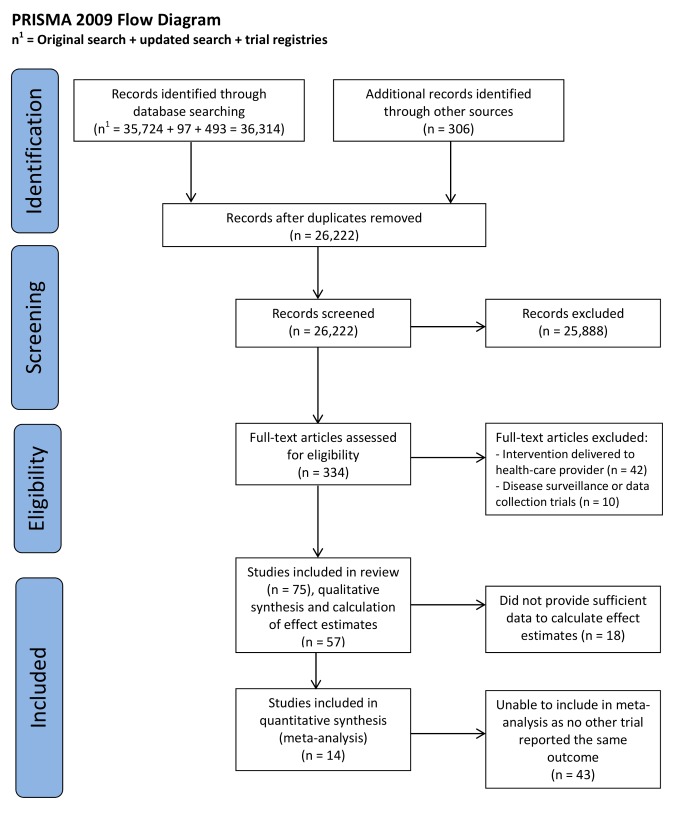
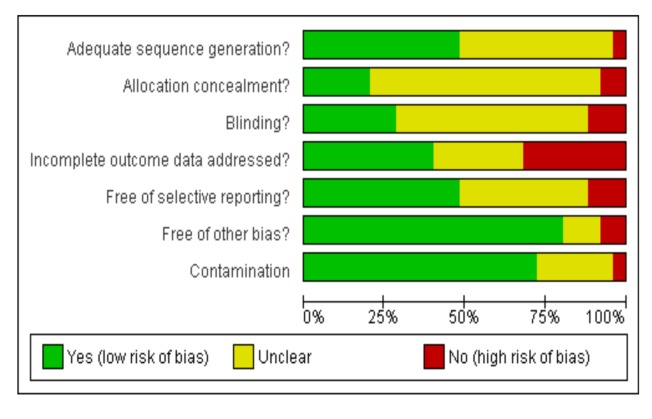
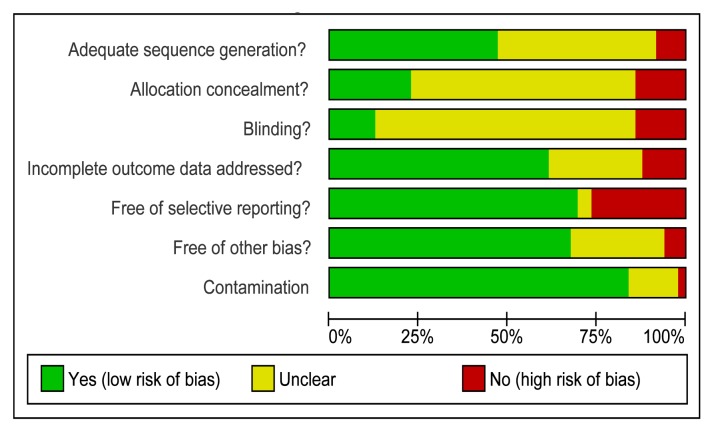
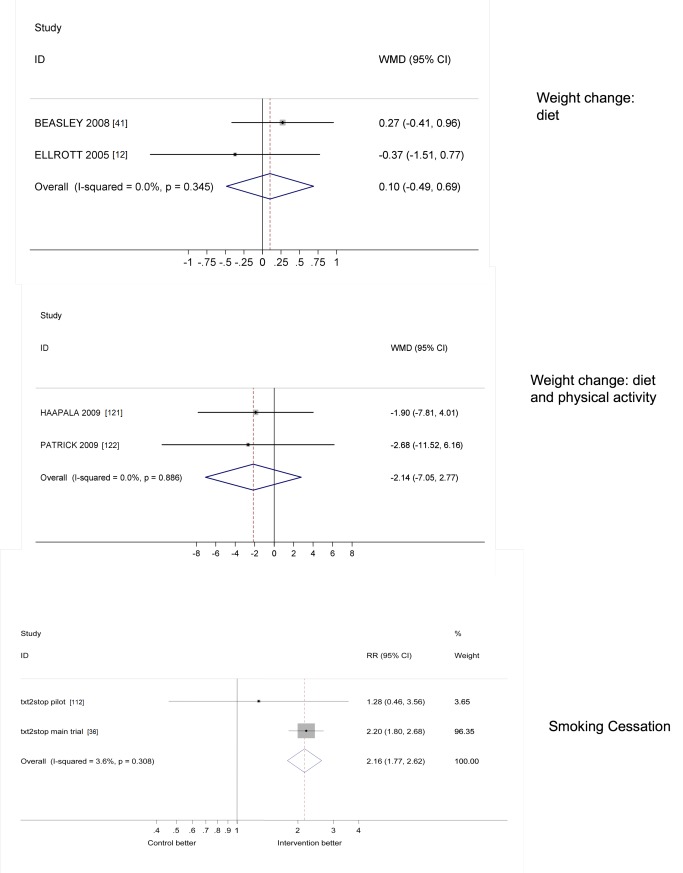
BACKGROUND: Mobile technologies could be a powerful media for providing individual level support to health care consumers. We conducted a systematic review to assess the effectiveness of mobile technology interventions delivered to health care consumers. METHODS AND FINDINGS: We searched for all controlled trials of mobile technology-based health interventions delivered to health care consumers using MEDLINE, EMBASE, PsycINFO, Global Health, Web of Science, Cochrane Library, UK NHS HTA (Jan 1990-Sept 2010). Two authors extracted data on allocation concealment, allocation sequence, blinding, completeness of follow-up, and measures of effect. We calculated effect estimates and used random effects meta-analysis. We identified 75 trials. Fifty-nine trials investigated the use of mobile technologies to improve disease management and 26 trials investigated their use to change health behaviours. Nearly all trials were conducted in high-income countries. Four trials had a low risk of bias. Two trials of disease management had low risk of bias; in one, antiretroviral (ART) adherence, use of text messages reduced high viral load (>400 copies), with a relative risk (RR) of 0.85 (95% CI 0.72-0.99), but no statistically significant benefit on mortality (RR 0.79 [95% CI 0.47-1.32]). In a second, a PDA based intervention increased scores for perceived self care agency in lung transplant patients. Two trials of health behaviour management had low risk of bias. The pooled effect of text messaging smoking cessation support on biochemically verified smoking cessation was (RR 2.16 [95% CI 1.77-2.62]). Interventions for other conditions showed suggestive benefits in some cases, but the results were not consistent. No evidence of publication bias was demonstrated on visual or statistical examination of the funnel plots for either disease management or health behaviours. To address the limitation of the older search, we also reviewed more recent literature. CONCLUSIONS: Text messaging interventions increased adherence to ART and smoking cessation and should be considered for inclusion in services. Although there is suggestive evidence of benefit in some other areas, high quality adequately powered trials of optimised interventions are required to evaluate effects on objective outcomes.
Overview
The claims and statistics of this paper haven’t been checked yet.
Free: it reads the open-access text and checks the first 5 claims that cite a source we can check. Create a free account to check every claim.
Integrity signals
Registry
Cites
Statistics
Figures
Verification
Claims the paper makes
The claims and statistics of this paper haven’t been checked yet.
Free: it reads the open-access text and checks the first 5 claims that cite a source we can check. Create a free account to check every claim.
Claims other papers make about this one
Each is checked against this paper’s own text: does it say what the citing paper says it does?
The source backs part of the claim, not all of it — or backs it for a different population, condition or comparison.
In the citing paper
“Three systematic reviews found reminders for disease monitoring improve healthcare processes but with education through voice call and text messages, both health outcomes and care processes improve.18 22 23”
From mHealth text and voice communication for monitoring people with chronic diseases in low-resource settings: a realist review (2018) · cites this paper as [23]
Experimental — accuracy not yet measuredThe source backs part of the claim, not all of it — or backs it for a different population, condition or comparison.
In the citing paper
“there are still too few high-quality, adequately powered RCTs evaluating the use of such apps [83,84].”
From Theory-Based Design and Development of a Socially Connected, Gamified Mobile App for Men About Breastfeeding (Milk Man) (2016) · cites this paper as [84]
Experimental — accuracy not yet measuredThe source backs part of the claim, not all of it — or backs it for a different population, condition or comparison.
In the citing paper
“While the use of mobile technology in public health interventions has grown significantly”
From Theory-Based Design and Development of a Socially Connected, Gamified Mobile App for Men About Breastfeeding (Milk Man) (2016) · cites this paper as [84]
Experimental — accuracy not yet measuredThe source backs part of the claim, not all of it — or backs it for a different population, condition or comparison.
In the citing paper
“Mobile phone messaging interventions are a potential cost-effective approach to promote habit formation.43–45”
From Refining and optimising a behavioural intervention to support endocrine therapy adherence (ROSETA) in UK women with breast cancer: Protocol for a pilot fractional factorial trial (2023) · cites this paper as [45]
Experimental — accuracy not yet measuredThe cited source says what the claim attributes to it.
In the citing paper
“In high-income countries, interventions have included these aspects of care.18 22 23”
From mHealth text and voice communication for monitoring people with chronic diseases in low-resource settings: a realist review (2018) · cites this paper as [23]
7 more claims about this paper
Create a free account to see every claim other papers make about this one.
Self-check
Percentages, sums and reported differences re-computed from the paper’s own numbers.
The self-check needs the paper’s full text.
Citations
Cites
2 retracted
Psychological interventions for overweight or obesity
Shaw, K. A., O'Rourke, P., Del Mar, C., & Kenardy, J. (2005) · Cochrane Database of Systematic Reviews · doi:10.1002/14651858.cd003818.pub2 · Cited by 442 · cited 1×
“Likewise, it is unsurprising that interventions delivered by mobile technologies appear to have small effects on weight, given the paucity of effective behavioural change interventions for obesity [105,106].”
RetractedZolfaghari, M., Mousavifar, S. A., Pedram, S., & Haghani, H. (2012) · Journal of Clinical Nursing · doi:10.1111/j.1365-2702.2011.03951.x · Cited by 101 · cited 1×
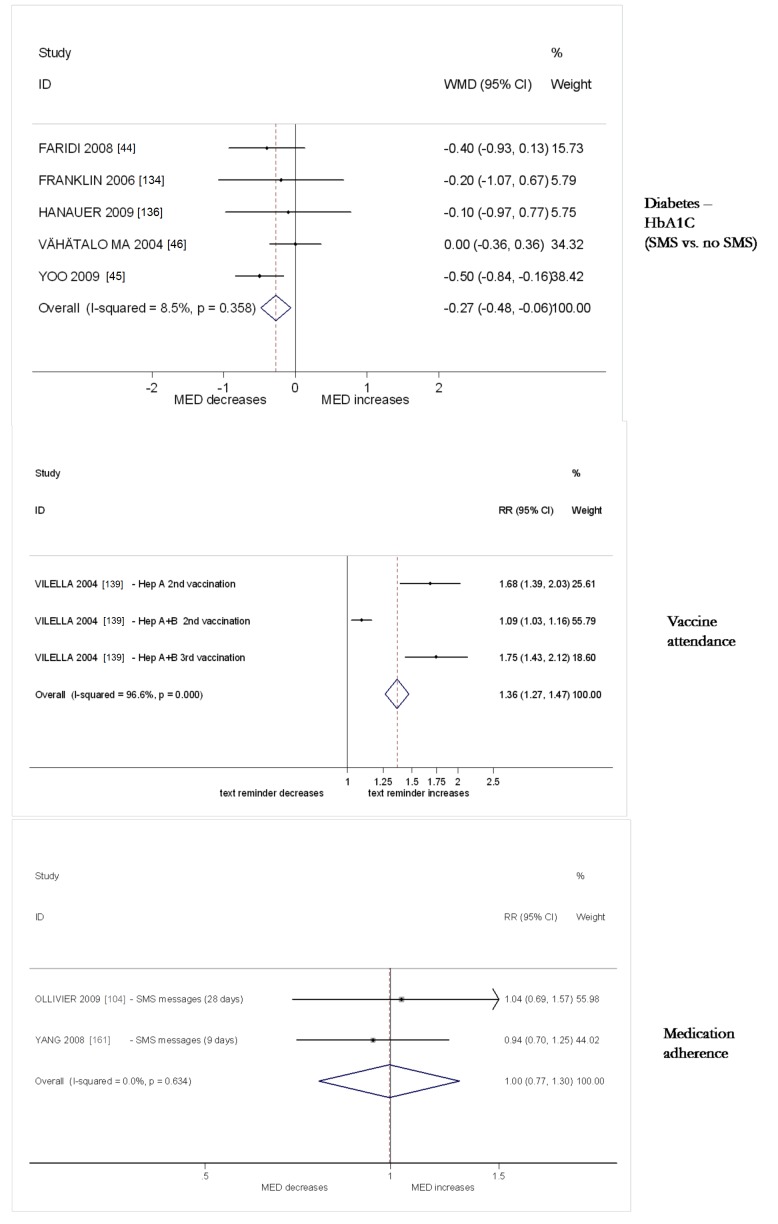
“Four trials of a diabetes care intervention, three involving text messages and the other involving video messages, reported statistically significant decreases in HBA1C, which were of borderline clinical significance [69–73].”
RetractedCochrane Handbook for Systematic Reviews of Interventions: Cochrane Book Series
(2008) · doi:10.1002/9780470712184 · Cited by 25,048 · cited 1×
“Risk of bias was assessed according to the criteria outlined by the International Cochrane Collaboration [35].”
Zhang, Q., Wang, C., Zheng, M., Li, Y., Li, J., Zhang, L., Shang, X., & Yan, C. (2015) · Cerebrovascular Diseases · doi:10.1159/000369778 · Cited by 11,533
Pharmacological interventions for somatoform disorders in adults
Kleinstäuber, M., Witthöft, M., Steffanowski, A., van Marwijk, H., Hiller, W., & Lambert, M. J. (2014) · Cochrane Database of Systematic Reviews · doi:10.1002/14651858.cd010628.pub2 · Cited by 11,335
Cochrane Handbook for Systematic Reviews of Interventions Version 5.0.1. The Cochrane Collaboration
Higgins, J. P. T., Green, S. R., & Higgins, J. P. T. (2008) · Cited by 7,226
Collaboration, A. T. (2002) · BMJ · doi:10.1136/bmj.324.7329.71 · Cited by 6,943
Mortality in relation to smoking: 40 years' observations on male British doctors
Doll, R., Peto, R., Wheatley, K., Gray, R., & Sutherland, I. (1994) · BMJ · doi:10.1136/bmj.309.6959.901 · Cited by 5,932
Update on Key Emerging Challenges in Cystic Fibrosis
Jennings, M. T., Riekert, K. A., & Boyle, M. P. (2014) · Medical Principles and Practice · doi:10.1159/000357646 · Cited by 3,648
Research works printed but not linked: 6
- Rodgers A, Corbett T, Bramley D, Riddell T, Wills M, et al (2005) Do u smoke after txt? Results of a randomised trial of smoking cessation using mobile phone text messaging. Tob Control 14: 255– 261. 16046689 PMC1748056 · DOI · Paper page
- Medical Research Council (2000) A framework for development and evaluation of RCTs for complex interventions to improve health. London, Medical Research Council
- Free C, Whittaker R, Knight R, Abramsky T, Rodgers A, et al (2009) Txt2stop: a pilot randomised controlled trial of mobile phone-based smoking cessation support. Tob Control 18: 88– 91. 19318534 · DOI · Paper page
- Ellrott T, Austel A, Rademacher C, Oberritter H, Benecke R, et al (2005) Self-help programme for weight reduction with and without support by a handheld nutrition computer. [German]. Ernahrungs Umschau 52.
- Delamere S, Dooley S, Harrington L, King A, Mulcahy F (2006) Safer sex text messages: Evaluating a health education intervention in an adolescent population. Sexually Transmitted Infections 82: A27– A27.
- Liu W, Wang CH, Huang CD, Kuo HP (2007) A novel mobile phone-based self-care system improves asthma control [Abstract]. American Thoracic Society International Conference, May 18–23, 2007, San Francisco, California, USA. pp. [A93].
Cited by
Items 301–400 of 1,003
Dugas, M., Crowley, K., Gao, G. G., Xu, T., Agarwal, R., Kruglanski, A. W., & Steinle, N. (2018) · PLOS ONE · doi:10.1371/journal.pone.0192807 · Cited by 55
Zhu, Y., Jiang, H., Su, H., Zhong, N., Li, R., Li, X., Chen, T., Tan, H., Du, J., Xu, D., et al. (2018) · JMIR mHealth and uHealth · doi:10.2196/10292 · Cited by 56
“Currently, Web-based and mobile-based health (mHealth) services have been showing promising effects and flexibility in these field [12,13], including addiction treatments [14].”
Lucero, R. J., Fehlberg, E. A., Patel, A. G. M., Bjarnardottir, R. I., Williams, R., Lee, K., Ansell, M., Bakken, S., Luchsinger, J. A., & Mittelman, M. (2019) · Alzheimer's & Dementia: Translational Research & Clinical Interventions · doi:10.1016/j.trci.2018.11.003 · Cited by 56
“Researchers have demonstrated that technology-based interventions can improve outcomes among people living with chronic disease [11,12].”
Nwe, K., Larsen, M. E., Nelissen, N., & Wong, D. (2020) · Journal of Medical Internet Research · doi:10.2196/17457 · Cited by 58
Byaruhanga, J., Atorkey, P., McLaughlin, M. J., Brown, A., Byrnes, E., Paul, C. L., Wiggers, J., & Tzelepis, F. (2020) · Journal of Medical Internet Research · doi:10.2196/18621 · Cited by 64
“Real-time video technology allows a real-time, virtual face-to-face interaction between the provider and the user [12] at any time of the day in any location with internet access [13].”
BackgroundSun, L. (2023) · BMC Psychology · doi:10.1186/s40359-023-01398-7 · Cited by 86
RetractedThe role of mobile devices in doctor-patient communication: A systematic review and meta-analysis
Kashgary, A., Alsolaimani, R. S., Mosli, M. H., & Faraj, S. A. (2016) · Journal of Telemedicine and Telecare · doi:10.1177/1357633x16661604 · Cited by 63
“41,42 These were the same two articles analyzed in a systematic review and meta-analysis by Free et al. 43 No additional randomized controlled trials investigating these technologies for test-result notification met our inclusion criteria and were published in the interim.”
The importance of the patient voice in vaccination and vaccine safety—are we listening?
Holt, D. E., Bouder, F. E., Elemuwa, C. O., Gaedicke, G., Khamesipour, A., Kisler, B., Kochhar, S., Kutalek, R., Maurer, W., Obermeier, P., et al. (2016) · Clinical Microbiology and Infection · doi:10.1016/j.cmi.2016.09.027 · Cited by 67
Salvi, D., Ottaviano, M., Muuraiskangas, S., Martínez-Romero, A., Vera‐Muñoz, C., Triantafyllidis, A. K., Cabrera-Umpiérrez, M. F., Arredondo, M. T., Skobel, E. C., Knackstedt, C., et al. (2017) · Journal of Telemedicine and Telecare · doi:10.1177/1357633x17697501 · Cited by 60
Gender differentials in readiness and use of mHealth services in a rural area of Bangladesh
Khatun, F., Heywood, A. E., Hanifi, S. M. A., Rahman, M. S., RAY, P. K., Liaw, S., & Bhuiya, A. (2017) · BMC Health Services Research · doi:10.1186/s12913-017-2523-6 · Cited by 65
Evaluating an mHealth App for Health and Well-Being at Work: Mixed-Method Qualitative Study
de Korte, E. M., Wiezer, N., Janssen, J. H., Vink, P., & Kraaij, W. (2018) · JMIR mHealth and uHealth · doi:10.2196/mhealth.6335 · Cited by 54
“Mobile and wireless technology (mobile health, mHealth), defined as wireless devices and sensors, including mobile phones worn by persons during their daily activities, is a growing area in supporting health behavior change [14-20].”
BackgroundAhmad, N. A., Ludin, A. F. M., Shahar, S., Noah, S. A. M., & Tohit, N. M. (2022) · BMJ Open · doi:10.1136/bmjopen-2021-054561 · Cited by 69
Digital Patient Experience: Umbrella Systematic Review
Wang, T., Giunti, G., Melles, M., & Goossens, R. (2022) · Journal of Medical Internet Research · doi:10.2196/37952 · Cited by 80
“These include digital health applications, ecosystems and platforms [13], patient portals [14], mobile health apps [15], eHealth records, and appointment scheduling applications [16].”
Effectiveness of Telemedicine for Controlling Asthma Symptoms: A Systematic Review and Meta-analysis
Zhao, J., Zhai, Y.-K., Zhu, W.-J., & Sun, D.-X. (2015) · Telemedicine and e-Health · doi:10.1089/tmj.2014.0119 · Cited by 54
“9,30 Telemedicine interventions have been shown to increase adherence with antiretroviral therapy and smoking cessation, 28 reduce the risk of emergency department visits and hospitalizations in patients with chronic obstructive pulmonary disease, 31 and even improve healthcare workers’ adherence…”
Free, C., McCarthy, O., French, R., Wellings, K., Michie, S., Roberts, I., Devries, K. M., Rathod, S. D., Bailey, J., Syred, J., et al. (2016) · Health Technology Assessment · doi:10.3310/hta20570 · Cited by 58
Self-citationSpanish-Language Consumer Health Information Technology Interventions: A Systematic Review
Chaet, A., Morshedi, B., Wells, K. M., Barnes, L. E., & Valdez, R. S. (2016) · Journal of Medical Internet Research · doi:10.2196/jmir.5794 · Cited by 57
“A growing body of research has explored the feasibility, acceptability, and efficacy of these tools in promoting health [15,22-26].”
Brookie, K. L., Mainvil, L. A., Carr, A. C., Vissers, M. C. M., & Conner, T. S. (2016) · Appetite · doi:10.1016/j.appet.2016.09.015 · Cited by 64
Nsengiyumva, N. P., Mappin‐Kasirer, B., Oxlade, O., Bastos, M. L., Trajman, A., Falzon, D., & Schwartzman, K. (2018) · European Respiratory Journal · doi:10.1183/13993003.01363-2018 · Cited by 70
“As in other health domains, digital technologies can potentially replace or enhance existing treatment models [45, 46], but such a paradigm shift comes with challenges in development, design, implementation, maintenance, accessibility and acceptability [47, 48].”
Internet-Based Interventions in Chronic Somatic Disease
Bendig, E., Bauereiß, N., Ebert, D. D., Snoek, F., Andersson, G., & Baumeister, H. (2018) · Deutsches Ärzteblatt international · doi:10.3238/arztebl.2018.0659 · Cited by 54
Apps and Mobile Health Technology in Rehabilitation
Ramey, L., Osborne, C., Kasitinon, D., & Juengst, S. (2019) · Physical Medicine and Rehabilitation Clinics of North America · doi:10.1016/j.pmr.2018.12.001 · Cited by 54
Field, L. C., McEvoy, M. D., Smalley, J. C., Clark, C. A., McEvoy, M. B., Rieke, H., Nietert, P. J., & Furse, C. M. (2013) · Resuscitation · doi:10.1016/j.resuscitation.2013.09.013 · Cited by 55
Henriquez-Camacho, C. A., Losa, J. E., Miranda, J. J., & Cheyne, N. (2014) · Emerging Themes in Epidemiology · doi:10.1186/s12982-014-0021-4 · Cited by 61
“helping patients quit smoking, improving Human Immunodeficiency Virus (HIV) medication adherence, and some aspects of clinical diagnosis and management) [53,54].”
BackgroundMoodley, J., Constant, D., Botha, M. H., der Merwe, F. H. V., Edwards, A., & Momberg, M. (2019) · BMC Women s Health · doi:10.1186/s12905-018-0702-1 · Cited by 57
Estimating time-varying causal excursion effects in mobile health with binary outcomes
Qian, T., Yoo, H., Klasnja, P., Almirall, D., & Murphy, S. A. (2020) · Biometrika · doi:10.1093/biomet/asaa070 · Cited by 85
“In mobile health (mHealth), mobile devices (including smart phones and wearable devices) are used to deliver interventions intended to promote healthy behaviors and health-related behavioral change (Free et al. 2013).”
BackgroundRodrigues, R., Poongulali, S., Balaji, K., Atkins, S., Ashorn, P., & De Costa, A. (2015) · BMJ Open · doi:10.1136/bmjopen-2015-007574 · Cited by 52
Triberti, S., & Barello, S. (2016) · Journal of Biomedical Informatics · doi:10.1016/j.jbi.2016.08.010 · Cited by 56
van Olmen, J., Erwin, E., García-Ulloa, A. C., Meessen, B., Miranda, J. J., Bobrow, K., Iwelunmore, J., Nwaozuru, U., Obiezu Umeh, C., Smith, C., et al. (2020) · Wellcome Open Research · doi:10.12688/wellcomeopenres.15581.2 · Cited by 51
Tripodi, S., Giannone, A., Sfika, I., Pelosi, S., Dramburg, S., Bianchi, A., Pizzulli, A., Florack, J., Villella, V., Potapova, E., et al. (2020) · The Italian Journal of Pediatrics/Italian journal of pediatrics · doi:10.1186/s13052-020-00870-z · Cited by 55
Wong, A. K. C., Wong, F. K. Y., Chow, K. K. S., Wong, S. M., & Lee, P. H. (2021) · JAMA Network Open · doi:10.1001/jamanetworkopen.2021.23453 · Cited by 55
Siddiqui, U. A., Ullah, F., Iqbal, A., Khan, A., Ullah, R., Paracha, S., Shahzad, H., & Kwak, K. S. (2021) · Sensors · doi:10.3390/s21103319 · Cited by 65
“Extracting various features from the gestures data and comparing performance to select features for efficient recognition.”
Ginossar, T., Shah, S. F. A., West, A. J., Bentley, J. M., Caburnay, C. A., Kreuter, M. W., & Kinney, A. Y. (2017) · JMIR mHealth and uHealth · doi:10.2196/mhealth.7073 · Cited by 51
“A growing body of evidence documents mHealth interventions’ effectiveness in engaging users in cancer preventive measures [25].”
BackgroundPlow, M. A., & Golding, M. (2017) · JMIR mhealth and uhealth · doi:10.2196/mhealth.6394 · Cited by 60
Targeted client communication via mobile devices for improving sexual and reproductive health
Palmer, M. J., Henschke, N., Villanueva, G., Maayan, N., Bergman, H., Glenton, C., Lewin, S. A., Fønhus, M. S., Tamrat, T., Mehl, G. L., et al. (2020) · Cochrane Database of Systematic Reviews · doi:10.1002/14651858.cd013680 · Cited by 56
Self-citationHackett, K., Lafleur, C., Nyella, P., Ginsburg, O., Lou, W., & Sellen, D. (2018) · PLOS ONE · doi:10.1371/journal.pone.0199400 · Cited by 50
“Among the few studies from LMICs, the vast majority report on the effects of health-related SMS (text) messaging on patient health behaviours [21, 22] and to a lesser extent, direct voice support for patients [23, 24], or a combination of both [25].”
Bobrow, K., Farmer, A., Cishe, N., Nwagi, N., Namane, M., Brennan, T. P., Springer, D., Tarassenko, L., & Levitt, N. (2018) · BMC Health Services Research · doi:10.1186/s12913-017-2808-9 · Cited by 46
“Systematic reviews of health behaviour change interventions delivered by mobile phones or devices (m-health) have shown small beneficial effects for some conditions in some settings but results are not consistent [7, 8].”
BackgroundInfluentialJakobsen, P. R., Hermann, A. P., Søndergaard, J., Wiil, U. K., & Clemensen, J. (2018) · International Journal of Environmental Research and Public Health · doi:10.3390/ijerph15020330 · Cited by 57
“mHealth can support chronic disease self-management and provide personalized, localized, and on-demand interventions [1,17,18].”
BackgroundNishimwe, A., Ibisomi, L., Nyssen, M., & Conco, D. N. (2021) · Human Resources for Health · doi:10.1186/s12960-021-00559-2 · Cited by 67
The Promises and Pitfalls of Digital Technology in Its Application to Alcohol Treatment
Muench, F. (2014) · Alcohol Research: Current Reviews · doi:10.35946/arcr.v36.1.14 · Cited by 50
“2013), can improve out comes across physical and mental health disorders (Free et al. 2013).”
BackgroundSolving the problem of non‐attendance in substance abuse services
Milward, J., Lynskey, M. T., & Strang, J. (2014) · Drug and Alcohol Review · doi:10.1111/dar.12194 · Cited by 58
Dale, L. P., Whittaker, R., Jiang, Y., Stewart, R., Rolleston, A., & Maddison, R. (2014) · Trials · doi:10.1186/1745-6215-15-71 · Cited by 50
“Common criticisms have been voiced regarding mHealth research designs and trial descriptions [41,53].”
Prediction and prevention of Gestational Diabetes: an update of recent literature
Kennelly, M. A., & McAuliffe, F. M. (2016) · European Journal of Obstetrics & Gynecology and Reproductive Biology · doi:10.1016/j.ejogrb.2016.03.032 · Cited by 57
Haenssgen, M. J., & Ariana, P. (2017) · World Development · doi:10.1016/j.worlddev.2017.01.014 · Cited by 59
“…2011: pp. 426–429; Kremer & Glennerster, 2011: pp. 273–276; WHO, 2013b: pp. 39, 144–153). mHealth is a response to the persistent healthcare challenges and inequities, covering a broad spectrum of services that involve end users as well as providers of healthcare services (Free et al., 2013: p. 2).”
BackgroundICTs and the challenge of health system transition in low and middle-income countries
Bloom, G., Berdou, E., Standing, H., Guo, Z., & Labrique, A. B. (2017) · Globalization and Health · doi:10.1186/s12992-017-0276-y · Cited by 59
Hall, B. J., Xiong, P., Guo, X., Sou, E. K. L., Chou, U. I., & Shen, Z. (2018) · Psychiatry Research · doi:10.1016/j.psychres.2018.09.060 · Cited by 49
Geramita, E. M., Dabbs, A. D., DiMartini, A. F., Pilewski, J. M., Switzer, G. E., Posluszny, D. M., Myaskovsky, L., & Dew, M. A. (2019) · Transplantation · doi:10.1097/tp.0000000000002872 · Cited by 52
“Additionally, clinicians influence patient adoption of mHealth strategies, particularly when they are incorporated into routine clinical care,(60) and clinician feedback on app use and results may be a potent element motivating patients.(2) Thus, it will also be essential to explore how to integrate such technologies…”
BackgroundCavero‐Redondo, I., Saz‐Lara, A., Sequí‐Domínguez, I., Gómez‐Guijarro, M. D., Ruiz-Grao, M. C., Martínez‐Vizcaíno, V., & Álvarez‐Bueno, C. (2021) · International Journal of Nursing Studies · doi:10.1016/j.ijnurstu.2021.104085 · Cited by 61
Baskerville, N. B., Struik, L. L., Hammond, D., Guindon, G. E., Norman, C. D., Whittaker, R., Burns, C. M., Grindrod, K. A., & Brown, K. S. (2015) · JMIR Research Protocols · doi:10.2196/resprot.3823 · Cited by 49
“Common criticisms have been made regarding mHealth research designs and trial descriptions [76].”
Luk, T. T., Wong, S. W., Lee, J. J., Chan, S. S.-C., Lam, T. H., & Wang, M. P. (2019) · JMIR mHealth and uHealth · doi:10.2196/11954 · Cited by 46
“Burgeoning mobile communication technologies have provided a promising means to deliver mobile health (mHealth) intervention, including behavioral change treatment [1,2].”
Giorgio, L. D., Evans, D. K., Lindelöw, M., Nguyen, S. N., Svensson, J., Wane, W., & Tärneberg, A. W. (2020) · BMJ Global Health · doi:10.1136/bmjgh-2020-003377 · Cited by 52
Digital Inequality and Sustainable Development
Rydzewski, P. (2025) · Problemy Ekorozwoju · doi:10.35784/preko.6691 · Cited by 90
“For instance, mobile health (mHealth) applications provide health information and services to individuals in remote areas, helping to bridge gaps in healthcare access (Free et al., 2013).”
Mobile health and maternal care: A winning combination for healthcare in the developing world?
Dahdah, M. A., du Loû, A. D., & Méadel, C. (2015) · Health Policy and Technology · doi:10.1016/j.hlpt.2015.04.002 · Cited by 72
Van Olmen, J., Kegels, G., Korachais, C., de Man, J., Van Acker, K., Kalobu, J. C., van Pelt, M., Ku, G. M., Hen, H., Kanda, D., et al. (2017) · Journal of Clinical & Translational Endocrinology · doi:10.1016/j.jcte.2016.12.005 · Cited by 48
“The SMS messaging in our study had been conceptualised as behavioural support, based on other studies that had provided some evidence of success [9].”
BackgroundMethodDelmas, M. A., & Kohli, A. (2019) · Journal of Business Ethics · doi:10.1007/s10551-019-04215-7 · Cited by 51
Kavradım, S. T., Özer, Z., & Boz, İ. (2019) · Scandinavian Journal of Caring Sciences · doi:10.1111/scs.12785 · Cited by 61
Songtaweesin, W. N., Kawichai, S., Phanuphak, N., Cressey, T. R., Wongharn, P., Saisaengjan, C., Chinbunchorn, T., Janyam, S., Linjongrat, D., Puthanakit, T., et al. (2020) · Journal of the International AIDS Society · doi:10.1002/jia2.25564 · Cited by 49
“There is acknowledgement that multiple factors influence whether a mobile application is effective, including participant demographics, intervention factors (intensity, components), technology used (video, infographics, text) and behavioural change intervention used, only some of which were possible to investigate in…”
BackgroundMaddison, R., Rawstorn, J. C., Rolleston, A., Whittaker, R., Stewart, R., Benatar, J., Warren, I., Jiang, Y., & Gant, N. (2014) · BMC Public Health · doi:10.1186/1471-2458-14-1236 · Cited by 49
LeFevre, A. E., Dane, P., Copley, C. J., Pienaar, C., Parsons, A. N., Engelhard, M., Woods, D., Bekker, M., Benjamin, P., Pillay, Y., et al. (2018) · BMJ Global Health · doi:10.1136/bmjgh-2017-000583 · Cited by 48
Technology to assess and support self-management in serious mental illness
Depp, C. A., Moore, R. C., Perivoliotis, D., & Granholm, E. (2016) · Dialogues in Clinical Neuroscience · doi:10.31887/dcns.2016.18.2/cdepp · Cited by 48
Chilukuri, N., West, M., Henderson, J. L., Lawson, S., Ehsanipoor, R., Costigan, K., Polk, S., & Bennett, W. (2015) · Journal of Medical Internet Research · doi:10.2196/jmir.3916 · Cited by 48
“Growing evidence supports mobile phone-based interventions to impact health behaviors, but few studies have focused on pregnancy and postpartum health [23].”
Evaluation of the Possible Use of PPG Waveform Features Measured at Low Sampling Rate
Fujita, D., & Suzuki, A. (2019) · IEEE Access · doi:10.1109/access.2019.2914498 · Cited by 51
Slevin, P., Kessie, T., Cullen, J., Butler, M. W., Donnelly, S. C., & Caulfield, B. (2019) · ERJ Open Research · doi:10.1183/23120541.00239-2018 · Cited by 57
Assessing awareness and use of mobile phone technology for health and wellness: Insights from India
Pai, R. R., & Alathur, S. (2019) · Health Policy and Technology · doi:10.1016/j.hlpt.2019.05.011 · Cited by 60
Sohda, S., Suzuki, K., & Igari, I. (2017) · Journal of Medical Internet Research · doi:10.2196/jmir.7468 · Cited by 47
“Recently, mobile health information technology—known as “digital health,” “eHealth,” or “mHealth”—has been used in medicine and public health in various ways [25-28].”
Willmott, T., Pang, B., Rundle-Thiele, S., & Badejo, A. (2019) · Health Psychology Review · doi:10.1080/17437199.2019.1625280 · Cited by 47
“The popularity, mobility, and capability of modern ICTs enables the delivery of individually-tailored, context-specific behaviour change interventions, with time-unlimited feedback, coaching, and support (Free et al., 2013; Vandelanotte et al., 2016).”
BackgroundAplicativos móveis em saúde: caracterização da produção científica da enfermagem brasileira
Lima, C. S. P., & Barbosa, S. D. F. F. (2019) · Revista Eletrônica de Enfermagem · doi:10.5216/ree.v21.53278 · Cited by 80
Wearable Sensors for Healthier Pregnancies
Penders, J., Altini, M., Hoof, C. A. V., & Dy, E. (2015) · Proceedings of the IEEE · doi:10.1109/jproc.2014.2387017 · Cited by 55
“Mobile and wearable sensor technologies have already been adopted to trigger behavioral change [5].”
BackgroundRosenberger, E. M., Dabbs, A. D., DiMartini, A. F., Landsittel, D. P., Pilewski, J. M., & Dew, M. A. (2016) · American Journal of Transplantation · doi:10.1111/ajt.14062 · Cited by 51
“157(1) Pulmonary fibrosis 27 (24) 40 (38) Cystic fibrosis 11 (10) 12 (11) Other 20 (17) 16 (15) Double-lung transplant 84 (74) 83 (78) 0.”
Crilly, P., Hassanali, W., Khanna, G., Matharu, K., Patel, D., Patel, D., Rahman, F., & Kayyali, R. (2019) · Research in Social and Administrative Pharmacy · doi:10.1016/j.sapharm.2018.02.005 · Cited by 47
Shrestha, R., Lim, S. H., Altice, F. L., Copenhaver, M., Wickersham, J. A., Saifi, R. A., Halim, M. A. A., Naning, H., & Kamarulzaman, A. (2019) · Journal of Community Health · doi:10.1007/s10900-019-00713-x · Cited by 47
“mHealth strategies in systematic reviews have documented benefits for impact on medication adherence [1, 12, 35], appointment attendance [13, 18, 35], and health-promoting behaviors [13, 18, 22, 40] in various patient groups across diverse settings.”
BackgroundRodday, A. M., Parsons, S. K., Mankiw, C., Correll, C. U., Robb, A. S., Zima, B. T., Saunders, T. S., & Leslie, L. K. (2015) · Journal of Child and Adolescent Psychopharmacology · doi:10.1089/cap.2014.0156 · Cited by 54
“Interventions might include education, telephone and/or text reminders, on-site laboratory capabilities, EHR-forcing functions that do not permit prescription refills without completing monitoring, or not authorizing refill payment until monitoring is completed (Free et al. 2013; Baker et al. 2014; Department of Maryl…”
From Quantified Self to Quality of Life
Wac, K. (2018) · Health informatics · doi:10.1007/978-3-319-61446-5_7 · Cited by 52
A Systematic Literature Review Paper on Online Medical Mobile Applications in Malaysia
Khan, N., Qureshi, M. I., Mustapha, I., Irum, S., & Arshad, R. N. (2020) · International Journal of Online and Biomedical Engineering (iJOE) · doi:10.3991/ijoe.v16i01.12263 · Cited by 58
“…to WHO, patient care with the help of the mobile devices and smartphones are the new horizon of mHealth for clinical communications, there are a number of tools like WhatsApp, WeChat, tango, Viber or line allowing health care professionals to create contact with the patients (Free et al., 2013).”
MethodSchroé, H., Crombez, G., Bourdeaudhuij, I. D., & Dyck, D. V. (2022) · JMIR mhealth and uhealth · doi:10.2196/30583 · Cited by 51
“Previous interventions have shown promising results in terms of behavior change [5-9].”
BackgroundSawesi, S., Carpenter, J. S., & Jones, J. (2014) · Clinical journal of oncology nursing · doi:10.1188/14.cjon.e50-e57 · Cited by 53
“Implementing mHealth has the potential to enable behavior change and improve health outcomes (Free et al., 2013; Qiang, Yamamichi, Hausman, & Altman, 2011; Thirumurthy & Lester, 2012).”
BackgroundLuxton, D. D., June, J. D., & Chalker, S. A. (2015) · Current Treatment Options in Psychiatry · doi:10.1007/s40501-015-0057-2 · Cited by 51
Lappalainen, R., Sairanen, E., Järvelä, E., Rantala, S., Korpela, R., Puttonen, S., Kujala, U. M., Myllymäki, T., Peuhkuri, K., Mattila, E., et al. (2014) · BMC Public Health · doi:10.1186/1471-2458-14-310 · Cited by 46
“Overall, there are a limited number of controlled studies that have investigated the effects and feasibility of smartphone solutions for chronic health disorder [31].”
BackgroundPreventing obesity in infants: the Growing healthy feasibility trial protocol
Denney-Wilson, E., Laws, R., Russell, C. G., Ong, K.-L., Taki, S., Elliot, R., Azadi, L., Lymer, S., Taylor, R., Lynch, J., et al. (2015) · BMJ Open · doi:10.1136/bmjopen-2015-009258 · Cited by 46
Worksite Physical Activity Intervention for Ambulatory Clinic Nursing Staff
Tucker, S., Farrington, M. M., Lanningham‐Foster, L., Clark, M. K., Dawson, C. J., Quinn, G., Laffoon, T., & Perkhounkova, Y. (2016) · Workplace Health & Safety · doi:10.1177/2165079916633225 · Cited by 49
“Several studies have identified text messaging as an ideal channel for promoting health behavior change and integrating PA into the workday (Cole-Lewis & Kershaw, 2010; Free et al., 2013; Wei et al., 2011).”
BackgroundWickham, C., & Carbone, E. T. (2018) · Appetite · doi:10.1016/j.appet.2018.02.001 · Cited by 63
Leung, K., Lu-McLean, D., Kuziemsky, C. E., Booth, R. G., Rossetti, S. C., Borycki, E. M., & Strudwick, G. (2019) · Journal of Medical Internet Research · doi:10.2196/14683 · Cited by 52
“…accessible via a computer) [25], patient portals (secure websites that allow patients to access their health record and other functions such as booking a medical appointment) [26], care coordination portals , and mobile health apps (use of mobile devices to provide health care services) [27].”
Joseph-Shehu, E. M., Ncama, B. P., Mooi, N. M., & Mashamba-Thompson, T. P. (2019) · BMJ Open · doi:10.1136/bmjopen-2019-029872 · Cited by 57
Seniors and mobiles: A qualitative inquiry of mHealth adoption among Singapore seniors
Lin, T. T. C., Bautista, J. R., & Core, R. S. (2020) · Informatics for Health and Social Care · doi:10.1080/17538157.2020.1755974 · Cited by 53
Nurmatov, U. B., Lee, S. H., Nwaru, B. I., Mukherjee, M., Grant, L., & Pagliari, C. (2014) · Journal of Global Health · doi:10.7189/jogh.04.010407 · Cited by 46
Anstey Watkins, J., Goudge, J., Gómez-Olivé, F. X., Huxley, C., Dodd, K., & Griffiths, F. (2018) · BMJ Global Health · doi:10.1136/bmjgh-2017-000543 · Cited by 45
Sun, R.-T., Han, W., Chang, H., & Shaw, M. J. (2021) · JMIR mhealth and uhealth · doi:10.2196/19941 · Cited by 58
“In a review of the effectiveness of mHealth and technology-based health behavior management interventions, all 7 studies related to physical activity behaviors included 17-150 participants [72].”
BackgroundMcColl, L. D., Rideout, P. E., Parmar, T. N., & Abba-Aji, A. (2014) · Canadian Psychology / Psychologie canadienne · doi:10.1037/a0038095 · Cited by 45
Fox, B. I., Pedersen, C. A., & Gumpper, K. F. (2015) · American Journal of Health-System Pharmacy · doi:10.2146/ajhp140274 · Cited by 50
Bhattacharya, A., Hopkins, S., Sallis, A., Budd, E. L., & Ashiru-Oredope, D. A. I. (2016) · Journal of Public Health · doi:10.1093/pubmed/fdw059 · Cited by 45
Vogel, J., Auinger, A., Riedl, R., Kindermann, H., Helfert, M., & Ocenasek, H. (2017) · PLoS ONE · doi:10.1371/journal.pone.0186261 · Cited by 54
Litterbach, E.-K., Russell, C. G., Taki, S., Denney-Wilson, E., Campbell, K. J., & Laws, R. A. (2017) · JMIR mHealth and uHealth · doi:10.2196/mhealth.8515 · Cited by 45
“Early research on the efficacy of mHealth interventions in changing health behavior is promising [23-25]; however, there is a paucity of research on the efficacy of such interventions in influencing infant feeding behaviors.”
Laws, R., Denney‐Wilson, E., Taki, S., Russell, C. G., Zheng, M., Litterbach, E., Ong, K., Lymer, S. J., Elliott, R. M., & Campbell, K. J. (2018) · JMIR mhealth and uhealth · doi:10.2196/mhealth.9040 · Cited by 53
“Early research on the effectiveness of mHealth interventions in changing health behavior is promising [30-32]; however, this is the first study, to our knowledge, to investigate the effectiveness of mHealth interventions in influencing parents’ infant feeding behaviors.”
Exploring diffusion strategies for mHealth promotion using evolutionary game model
Chen, Y., Ding, S., Zheng, H., Zhang, Y., & Yang, S. (2018) · Applied Mathematics and Computation · doi:10.1016/j.amc.2018.04.062 · Cited by 47
A systematic review of mobile health interventions in China: Identifying gaps in care
Yang, X., & Kovarik, C. (2019) · Journal of Telemedicine and Telecare · doi:10.1177/1357633x19856746 · Cited by 50
Schuman-Olivier, Z., Borodovsky, J. T., Steinkamp, J., Munir, Q., Butler, K., Greene, M. A., Goldblatt, J., Xie, H. Y., & Marsch, L. A. (2018) · Addiction Science & Clinical Practice · doi:10.1186/s13722-018-0122-4 · Cited by 44
Naslund, J. A., & Aschbrenner, K. A. (2019) · Evidence Based Mental Health · doi:10.1136/ebmental-2018-300034 · Cited by 44
“While research supports the use of digital interventions for general patient populations, 15–17 these programmes are often not suitable for persons with SMDs. 18–21 Therefore, promising digital interventions for individuals with SMDs must be tailored to meet their needs.”
Shariful Islam, S. M., Chow, C. K., Redfern, J., Kok, C., Rådholm, K., Stepien, S., Rodgers, A., & Hackett, M. L. (2019) · BMJ Open · doi:10.1136/bmjopen-2018-022637 · Cited by 43
“suggest that text messaging interventions might be useful for self-management of chronic diseases.(11) Another systematic review of seven”
BackgroundHernández-Reyes, A., Cámara-Martos, F., Molina Recio, G., Molina-Luque, R., Romero-Saldaña, M., & Moreno Rojas, R. (2020) · JMIR mHealth and uHealth · doi:10.2196/13747 · Cited by 44
“Communication technology has evolved, taking us from making phone calls or sending short message service (SMS) text messages to developing telemedicine via Web or mobile apps as supports for clinical decision making or increasing the degree of adherence to treatments [7-9].”
Juengst, S. B., Terhorst, L. A., Nabasny, A., Wallace, T. D., Weaver, J., Osborne, C. L., Burns, S. P., Wright, B., Wen, P.-S., Kew, C. L., et al. (2021) · International Journal of Environmental Research and Public Health · doi:10.3390/ijerph18042173 · Cited by 43
“While thousands of mHealth applications are currently available for download, fewer than 1% of these are grounded in evidence-based knowledge [15,21].”
BackgroundThe Use of Digital Healthcare Platforms During the COVID-19 Pandemic: the Consumer Perspective
Alharbi, F. D. (2021) · Acta Informatica Medica · doi:10.5455/aim.2021.29.51-58 · Cited by 56
“A possible reason for this finding may be the existing awareness of healthcare consumers in Saudi Arabia who are using the digital healthcare platforms to manage their healthcare activities during the paramedic (40).”
BackgroundPromoting Daily Physical Activity by Means of Mobile Gaming: A Review of the State of the Art
Tabak, M., Weering, M. D.-V., van Dijk, H. W., & Vollenbroek-Hutten, M. M. R. (2015) · Games for Health Journal · doi:10.1089/g4h.2015.0010 · Cited by 51
Metadata
- Authors
- Free, C., Phillips, G., Galli, L., Watson, L., Felix, L., Edwards, P., Patel, V., & Haines, A.
- Affiliations
- London School of Hygiene & Tropical Medicine (GB)
- University of Warwick (GB)
- Imperial College London (GB)
- Corresponding author
- Free, Caroline
- Venue
- PLoS Medicine
- Publisher
- Public Library of Science (PLoS)
- Published
- 2013-01-15
- Volume
- 10
- Issue
- 1
- Pages
- e1001362
- ISSN
- 1549-1277 (ISSN-L)
- 1549-1676
- PMC
- PMC3548655
- OpenAlex
- W1975071629
- Cited by
- 1,766
- References
- 165
- Citations by year
- 2026: 66 · 2025: 91 · 2024: 73 · 2023: 91 · 2022: 107 · 2021: 135 · 2020: 160 · 2019: 172 · 2018: 190 · 2017: 205 · 2016: 171 · 2015: 153 · 2014: 107 · 2013: 43
- FWCI
- 19.02
- Type
- journal article
- Language
- en
- Open access
- gold
- doi.org
- Locations
- PLoS Medicine (publishedVersion, cc-by)
- Europe PMC (PubMed Central) (publishedVersion, cc-by)
- PubMed Central (publishedVersion, cc-by)
- PubMed (publishedVersion)
- Research Explorer (The University of Manchester) (publishedVersion)
- LSHTM Research Online (London School of Hygiene and Tropical Medicine) (acceptedVersion)
- DOAJ (DOAJ: Directory of Open Access Journals) (submittedVersion, cc-by-sa)
- Figshare (submittedVersion, cc-by)
- Funders
- Wellcome Trust (091834)
- National Institute for Health and Care Research
- Topics
- Health Sciences › Health Professions › General Health Professions › Mobile Health and mHealth Applications
- Physical Sciences › Computer Science › Information Systems › Mobile Learning in Education
- Social Sciences › Psychology › Applied Psychology › Digital Mental Health Interventions
- Keywords
- mobile health, text messaging intervention, health behavior change, disease management, antiretroviral therapy adherence, HIV, smoking cessation, health care consumers
- MeSH terms
- Clinical Trials as Topic, Community Participation, Delivery of Health Care, Diet, Humans, Motor Activity, Health Behavior, Bias, Treatment Outcome, Telemedicine, Disease Management, Biomedical Technology, Medication Adherence
About these checks
Registry, retraction, Cites and statistics results are computed, not judged, with one exception: a printed reference that no index lists is read once by a model before it counts as a citation error. Claims are extracted by a model and kept only when their quote appears verbatim in the text; each cited source is then checked, with a model’s help, for whether it says what the claim relies on. Those verdicts can be wrong — read the claim’s quote and the cited source before relying on one.
Statistics and arithmetic are recomputed, not judged.
Confidence bands are shown only for fields calibrated on our annotated test set. None is calibrated yet, so no band is shown.
What counts as a claim ›How we measure confidence ›How we check this ›
Are you an author, or do you see a problem with this page? Request a review
Data sources
Bibliographic data: Semantic Scholar, OpenAlex, Crossref.
Contains information from the Semantic Scholar Academic Graph Datasets, made available under the ODC Attribution License (ODC-BY 1.0).
Semantic Scholar’s data is described in: Kinney, R., et al. (2023). The Semantic Scholar Open Data Platform. arXiv:2301.10140.
