

The Effectiveness of Mobile-Health Technology-Based Health Behaviour Change or Disease Management Interventions for Health Care Consumers: A Systematic Review
Open accessThe DOI matches its Crossref record; 164 of the 165 references it cites were found in a registry or an index.
Abstract
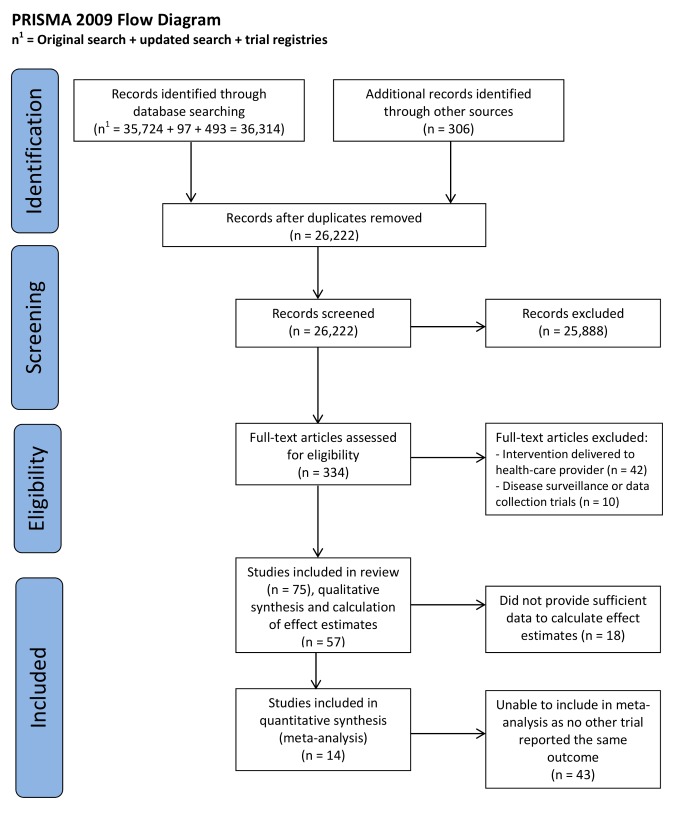
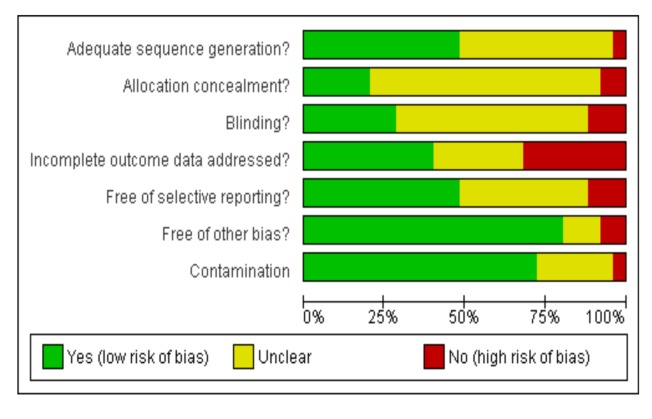
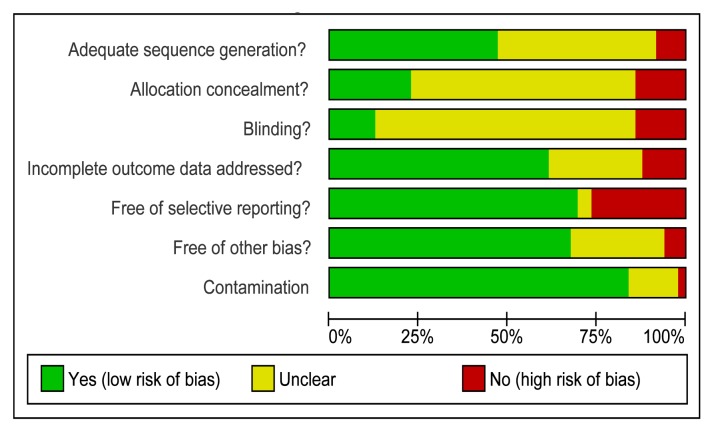
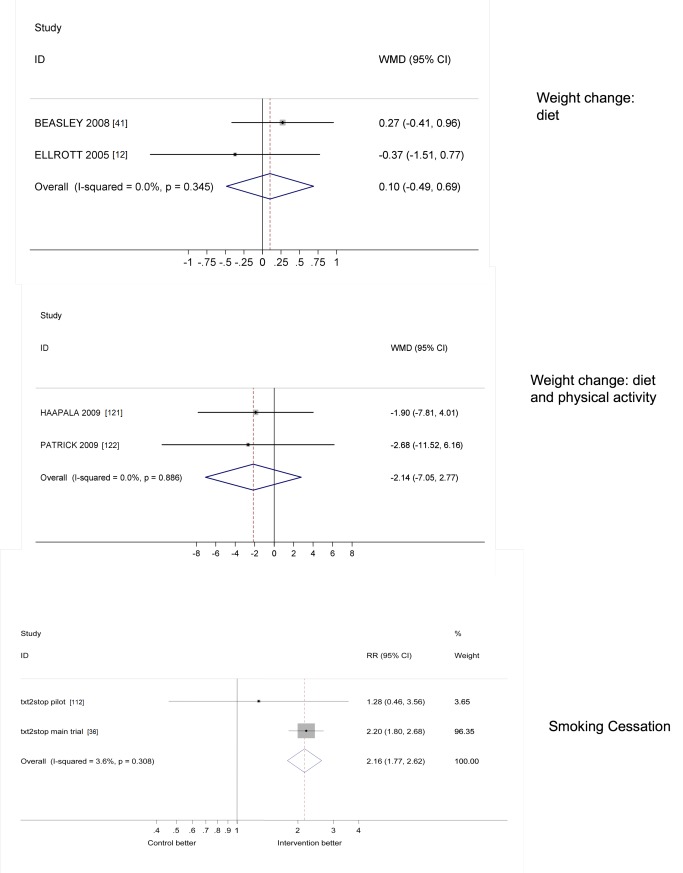
BACKGROUND: Mobile technologies could be a powerful media for providing individual level support to health care consumers. We conducted a systematic review to assess the effectiveness of mobile technology interventions delivered to health care consumers. METHODS AND FINDINGS: We searched for all controlled trials of mobile technology-based health interventions delivered to health care consumers using MEDLINE, EMBASE, PsycINFO, Global Health, Web of Science, Cochrane Library, UK NHS HTA (Jan 1990-Sept 2010). Two authors extracted data on allocation concealment, allocation sequence, blinding, completeness of follow-up, and measures of effect. We calculated effect estimates and used random effects meta-analysis. We identified 75 trials. Fifty-nine trials investigated the use of mobile technologies to improve disease management and 26 trials investigated their use to change health behaviours. Nearly all trials were conducted in high-income countries. Four trials had a low risk of bias. Two trials of disease management had low risk of bias; in one, antiretroviral (ART) adherence, use of text messages reduced high viral load (>400 copies), with a relative risk (RR) of 0.85 (95% CI 0.72-0.99), but no statistically significant benefit on mortality (RR 0.79 [95% CI 0.47-1.32]). In a second, a PDA based intervention increased scores for perceived self care agency in lung transplant patients. Two trials of health behaviour management had low risk of bias. The pooled effect of text messaging smoking cessation support on biochemically verified smoking cessation was (RR 2.16 [95% CI 1.77-2.62]). Interventions for other conditions showed suggestive benefits in some cases, but the results were not consistent. No evidence of publication bias was demonstrated on visual or statistical examination of the funnel plots for either disease management or health behaviours. To address the limitation of the older search, we also reviewed more recent literature. CONCLUSIONS: Text messaging interventions increased adherence to ART and smoking cessation and should be considered for inclusion in services. Although there is suggestive evidence of benefit in some other areas, high quality adequately powered trials of optimised interventions are required to evaluate effects on objective outcomes.
Overview
The claims and statistics of this paper haven’t been checked yet.
Free: it reads the open-access text and checks the first 5 claims that cite a source we can check. Create a free account to check every claim.
Integrity signals
Registry
Cites
Statistics
Figures
Verification
Claims the paper makes
The claims and statistics of this paper haven’t been checked yet.
Free: it reads the open-access text and checks the first 5 claims that cite a source we can check. Create a free account to check every claim.
Claims other papers make about this one
Each is checked against this paper’s own text: does it say what the citing paper says it does?
The source backs part of the claim, not all of it — or backs it for a different population, condition or comparison.
In the citing paper
“Three systematic reviews found reminders for disease monitoring improve healthcare processes but with education through voice call and text messages, both health outcomes and care processes improve.18 22 23”
From mHealth text and voice communication for monitoring people with chronic diseases in low-resource settings: a realist review (2018) · cites this paper as [23]
Experimental — accuracy not yet measuredThe source backs part of the claim, not all of it — or backs it for a different population, condition or comparison.
In the citing paper
“there are still too few high-quality, adequately powered RCTs evaluating the use of such apps [83,84].”
From Theory-Based Design and Development of a Socially Connected, Gamified Mobile App for Men About Breastfeeding (Milk Man) (2016) · cites this paper as [84]
Experimental — accuracy not yet measuredThe source backs part of the claim, not all of it — or backs it for a different population, condition or comparison.
In the citing paper
“While the use of mobile technology in public health interventions has grown significantly”
From Theory-Based Design and Development of a Socially Connected, Gamified Mobile App for Men About Breastfeeding (Milk Man) (2016) · cites this paper as [84]
Experimental — accuracy not yet measuredThe source backs part of the claim, not all of it — or backs it for a different population, condition or comparison.
In the citing paper
“Mobile phone messaging interventions are a potential cost-effective approach to promote habit formation.43–45”
From Refining and optimising a behavioural intervention to support endocrine therapy adherence (ROSETA) in UK women with breast cancer: Protocol for a pilot fractional factorial trial (2023) · cites this paper as [45]
Experimental — accuracy not yet measuredThe cited source says what the claim attributes to it.
In the citing paper
“In high-income countries, interventions have included these aspects of care.18 22 23”
From mHealth text and voice communication for monitoring people with chronic diseases in low-resource settings: a realist review (2018) · cites this paper as [23]
7 more claims about this paper
Create a free account to see every claim other papers make about this one.
Self-check
Percentages, sums and reported differences re-computed from the paper’s own numbers.
The self-check needs the paper’s full text.
Citations
Cites
2 retracted
Psychological interventions for overweight or obesity
Shaw, K. A., O'Rourke, P., Del Mar, C., & Kenardy, J. (2005) · Cochrane Database of Systematic Reviews · doi:10.1002/14651858.cd003818.pub2 · Cited by 442 · cited 1×
“Likewise, it is unsurprising that interventions delivered by mobile technologies appear to have small effects on weight, given the paucity of effective behavioural change interventions for obesity [105,106].”
RetractedZolfaghari, M., Mousavifar, S. A., Pedram, S., & Haghani, H. (2012) · Journal of Clinical Nursing · doi:10.1111/j.1365-2702.2011.03951.x · Cited by 101 · cited 1×
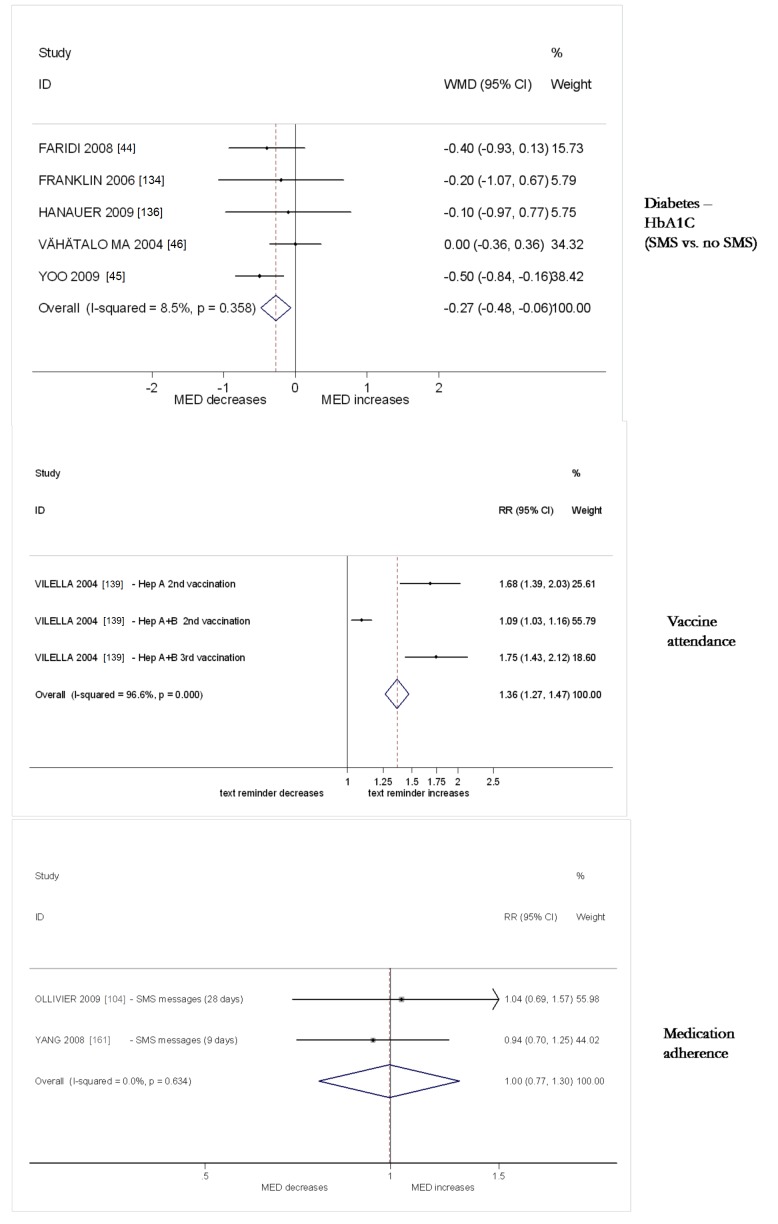
“Four trials of a diabetes care intervention, three involving text messages and the other involving video messages, reported statistically significant decreases in HBA1C, which were of borderline clinical significance [69–73].”
RetractedCochrane Handbook for Systematic Reviews of Interventions: Cochrane Book Series
(2008) · doi:10.1002/9780470712184 · Cited by 25,048 · cited 1×
“Risk of bias was assessed according to the criteria outlined by the International Cochrane Collaboration [35].”
Zhang, Q., Wang, C., Zheng, M., Li, Y., Li, J., Zhang, L., Shang, X., & Yan, C. (2015) · Cerebrovascular Diseases · doi:10.1159/000369778 · Cited by 11,533
Pharmacological interventions for somatoform disorders in adults
Kleinstäuber, M., Witthöft, M., Steffanowski, A., van Marwijk, H., Hiller, W., & Lambert, M. J. (2014) · Cochrane Database of Systematic Reviews · doi:10.1002/14651858.cd010628.pub2 · Cited by 11,335
Cochrane Handbook for Systematic Reviews of Interventions Version 5.0.1. The Cochrane Collaboration
Higgins, J. P. T., Green, S. R., & Higgins, J. P. T. (2008) · Cited by 7,226
Collaboration, A. T. (2002) · BMJ · doi:10.1136/bmj.324.7329.71 · Cited by 6,943
Mortality in relation to smoking: 40 years' observations on male British doctors
Doll, R., Peto, R., Wheatley, K., Gray, R., & Sutherland, I. (1994) · BMJ · doi:10.1136/bmj.309.6959.901 · Cited by 5,932
Update on Key Emerging Challenges in Cystic Fibrosis
Jennings, M. T., Riekert, K. A., & Boyle, M. P. (2014) · Medical Principles and Practice · doi:10.1159/000357646 · Cited by 3,648
Research works printed but not linked: 6
- Rodgers A, Corbett T, Bramley D, Riddell T, Wills M, et al (2005) Do u smoke after txt? Results of a randomised trial of smoking cessation using mobile phone text messaging. Tob Control 14: 255– 261. 16046689 PMC1748056 · DOI · Paper page
- Medical Research Council (2000) A framework for development and evaluation of RCTs for complex interventions to improve health. London, Medical Research Council
- Free C, Whittaker R, Knight R, Abramsky T, Rodgers A, et al (2009) Txt2stop: a pilot randomised controlled trial of mobile phone-based smoking cessation support. Tob Control 18: 88– 91. 19318534 · DOI · Paper page
- Ellrott T, Austel A, Rademacher C, Oberritter H, Benecke R, et al (2005) Self-help programme for weight reduction with and without support by a handheld nutrition computer. [German]. Ernahrungs Umschau 52.
- Delamere S, Dooley S, Harrington L, King A, Mulcahy F (2006) Safer sex text messages: Evaluating a health education intervention in an adolescent population. Sexually Transmitted Infections 82: A27– A27.
- Liu W, Wang CH, Huang CD, Kuo HP (2007) A novel mobile phone-based self-care system improves asthma control [Abstract]. American Thoracic Society International Conference, May 18–23, 2007, San Francisco, California, USA. pp. [A93].
Cited by
Items 201–300 of 1,003
Cai, R. A., Beste, D., Chaplin, H., Varakliotis, S., Suffield, L., Josephs, F., Sen, D., Wedderburn, L. R., Ioannou, Y., Hailes, S., et al. (2017) · JMIR mHealth and uHealth · doi:10.2196/mhealth.7229 · Cited by 82
“Capitalizing on the popularity of smartphone-based entertainment in adolescents, health apps may represent an important means of increasing self-management through remote monitoring and access to information [33-36].”
BackgroundWillmott, T. J., Pang, B., Rundle-Thiele, S., & Badejo, A. (2019) · Journal of Medical Internet Research · doi:10.2196/10265 · Cited by 81
“The popularity, mobility, and capability of modern ICTs allow temporal synchronization of intervention delivery and allow the intervention to be delivered at a convenient time and place [41].”
Evidence-based mHealth chronic disease mobile app intervention design: Development of a framework
Wilhide III, C. C., Peeples, M. M., & Anthony Kouyaté, R. C. (2016) · JMIR Research Protocols · doi:10.2196/resprot.4838 · Cited by 81
“However, evidence of their effectiveness has been inconclusive [3-5].”
BackgroundACCU3RATE: A mobile health application rating scale based on user reviews
Biswas, M., Tania, M. H., Kaiser, M. S., Kabir, R., Mahmud, M., & Kemal, A. A. (2021) · PLoS ONE · doi:10.1371/journal.pone.0258050 · Cited by 86
“Approximately over 100,000 apps are available in the Apple iTunes Store and Google Play Store pertaining to categories such as medical, health and fitness [8].”
BackgroundOndersma, S. J., Svikis, D. S., Thacker, L. R., Beatty, J. R., & Lockhart, N. (2014) · Journal of Substance Abuse Treatment · doi:10.1016/j.jsat.2013.07.013 · Cited by 81
“Further, a number of recent systematic reviews and meta-analyses suggest that technologydelivered interventions are efficacious for substance abuse (Free et al., 2013; Moore, Fazzino, Garnet, Cutter, & Barry, 2011; Newman, Szkodny, Llera, & Przeworski, 2011b; Riper et al., 2011; Rooke, Thorsteinsson, Karpin, Copeland,…”
BackgroundMobile technology and cancer screening: Lessons from rural India
Bhatt, S., Isaac, R., Finkel, M. L., Evans, J., Grant, L., Paul, B., & Weller, D. (2018) · Journal of Global Health · doi:10.7189/jogh.08.020421 · Cited by 87
Assessing the quality of mobile applications in chronic disease management: a scoping review
Agarwal, P., Gordon, D., Griffith, J., Kithulegoda, N., Witteman, H. O., Bhatia, R. S., Kushniruk, A. W., Borycki, E. M., Lamothe, L., Springall, E., et al. (2021) · npj Digital Medicine · doi:10.1038/s41746-021-00410-x · Cited by 89
Health App Possession Among Smartphone or Tablet Owners in Hong Kong: Population-Based Survey
Shen, C., Wang, M. P., Chu, J. T. W., Wan, A., Viswanath, K., Chan, S. S. C., & Lam, T. H. (2017) · JMIR mhealth and uhealth · doi:10.2196/mhealth.7628 · Cited by 80
“Randomized or quasi-randomized controlled trials reported that quit-smoking text-message programs can increase the rate of quitting [40,41].”
BackgroundZanaboni, P., Ngangue, P., Mbemba, G. I. C., Schopf, T. R., Bergmo, T. S., & Gagnon, M.-P. (2018) · Journal of Medical Internet Research · doi:10.2196/10202 · Cited by 79
“Patient portals [4], mobile health applications [5] and patients’ access to electronic health records (EHR) are common examples of digital health interventions.”
Dorri, S., Asadi, F., Olfatbakhsh, A., & Kazemi, A. (2019) · Breast Cancer · doi:10.1007/s12282-019-00982-3 · Cited by 93
Davidson, T., McGillicuddy, J., Mueller, M., Brunner-Jackson, B., Favella, A., Anderson, A., Torres, M., Ruggiero, K., & Treiber, F. (2015) · Journal of Personalized Medicine · doi:10.3390/jpm5040389 · Cited by 79
“Simple SMS reminder programs have not shown significant improvements in neither verified MA nor BP control [23].”
BackgroundBurns, K., Keating, P., & Free, C. (2016) · BMC Public Health · doi:10.1186/s12889-016-3408-z · Cited by 92
Self-citationGoldberg, S. B., Sun, S., Carlbring, P., & Torous, J. (2023) · npj Digital Medicine · doi:10.1038/s41746-023-00923-7 · Cited by 75
Bendixen, R. M., Fairman, A. D., Karavolis, M., Sullivan, C., & Parmanto, B. (2017) · JMIR mhealth and uhealth · doi:10.2196/mhealth.7136 · Cited by 81
Xie, Z., Nacioglu, A., & Or, C. (2018) · JMIR mHealth and uHealth · doi:10.2196/mhealth.9002 · Cited by 78
“Perceived Impacts of Health App Use on Health Knowledge and Health Condition Management Research has shown that health apps have the potential to promote healthy behaviors, facilitate health management, and improve health outcomes [10-13].”
BackgroundTseng, T.-Y., Krebs, P., Schoenthaler, A., Wong, S., Sherman, S., Gonzalez, M., Urbina, A., Cleland, C. M., & Shelley, D. (2017) · AIDS and Behavior · doi:10.1007/s10461-016-1538-z · Cited by 69
“Messages created by our study team were based on IMB constructs including motivation, social support, and expectancies and findings from previous studies testing the efficacy of text message interventions for tobacco cessation [50, 51].”
MethodDiabetes Text-Message Self-Management Support Program (SMS4BG): A Pilot Study
Dobson, R., Carter, K., Cutfield, R., Hulme, A., Hulme, R., McNamara, C., Maddison, R., Murphy, R., Shepherd, M., Strydom, J., et al. (2015) · JMIR mHealth and uHealth · doi:10.2196/mhealth.3988 · Cited by 77
“However, although studies to date have shown promising results, there are a lack of theoretically based comprehensive diabetes mHealth interventions [7,16].”
A Mobile Prenatal Care App to Reduce In-Person Visits: Prospective Controlled Trial
Marko, K. I., Ganju, N., Krapf, J. M., Gaba, N. D., Brown, J. A., Benham, J., Oh, J., Richards, L. M., & Meltzer, A. C. (2019) · JMIR mhealth and uhealth · doi:10.2196/10520 · Cited by 77
“Mobile health apps have the potential to address many of the perceived barriers to reducing in-person visits [8].”
LeFevre, A. E., Mohan, D., Hutchful, D., Jennings, L., Mehl, G., Labrique, A., Romano, K., & Moorthy, A. (2017) · BMC Medical Informatics and Decision Making · doi:10.1186/s12911-017-0421-9 · Cited by 76
“Despite the proliferation of mHealth programs, evidence on their effectiveness is limited [5 – 7] and only modest gains have been observed for interventions aiming to improve provider diagnosis and management, and/or increased user demand through messaging using automated voice or SMS [7].”
Serino, S., Triberti, S., Villani, D., Cipresso, P., Gaggioli, A., & Riva, G. (2014) · Virtual Reality · doi:10.1007/s10055-013-0237-6 · Cited by 75
“Furthermore, thanks to the recent technical development and social diffusion of mobile devices, psychological interventions could be also delivered in daily situations (e.g., Phillips et al. 2010; Kay 2011; Free et al. 2013).”
BackgroundGetty, C., Morande, A., Lynskey, M. T., Weaver, T. D., & Metrebian, N. (2019) · Addiction · doi:10.1111/add.14725 · Cited by 77
Flaherty, S. J., McCarthy, M. B., Collins, A., & McAuliffe, F. M. (2017) · Public Health Nutrition · doi:10.1017/s1368980017002889 · Cited by 92
The uses of smartphones and tablet devices in surgery: A systematic review of the literature
Mobasheri, M. H., Johnston, M. J., Syed, U. M., King, D., & Darzi, A. W. (2015) · Surgery · doi:10.1016/j.surg.2015.03.029 · Cited by 80
Luchters, S. M. F., Bosire, W., Feng, A., Richter, M. L., Kingola, N., Ampt, F. H., Temmerman, M., & Chersich, M. (2016) · PLoS ONE · doi:10.1371/journal.pone.0162871 · Cited by 75
mHealth Education Applications Along the Cancer Continuum
Davis, S. W., & Oakley-Girvan, I. A. (2014) · Journal of Cancer Education · doi:10.1007/s13187-014-0761-4 · Cited by 84
Ford II, J. H., Alagoz, E., Dinauer, S., Johnson, K. A., Pe-Romashko, K., & Gustafson, D. H. (2015) · Journal of Medical Internet Research · doi:10.2196/jmir.3965 · Cited by 73
Hurwitz, L. B., Lauricella, A. R., Hanson, A., Raden, A., & Wartella, E. (2015) · Early Child Development and Care · doi:10.1080/03004430.2014.996217 · Cited by 72
“Text messaging is a fairly inexpensive, easy-to-use service that allows for brief messages to be sent in real time and read at an individual’s convenience, anytime, and anywhere (Fjeldsoe, Marshall, & Miller, 2009; Fogg & Eckles, 2007; Free et al., 2013; Stockwell et al., 2012).”
BackgroundNour, M., Chen, J., & Allman-Farinelli, M. (2016) · Journal of Medical Internet Research · doi:10.2196/jmir.5082 · Cited by 73
“Research in the area of digital interventions has revealed that electronic (eHealth) and mobile phone (mHealth) -based strategies are effective in promoting healthful behaviors [19-21].”
Hales, S., Turner-McGrievy, G. M., Wilcox, S., Fahim, A., Davis, R. E., Huhns, M., & Valafar, H. (2016) · International Journal of Medical Informatics · doi:10.1016/j.ijmedinf.2016.07.003 · Cited by 73
Krishnamurti, T., Davis, A. L., Wong‐Parodi, G., Fischhoff, B., Sadovsky, Y., & Simhan, H. N. (2017) · JMIR mhealth and uhealth · doi:10.2196/mhealth.7036 · Cited by 77
Establishing Standards to Evaluate the Impact of Integrating Digital Health into Health Systems
Labrique, A. B., Vasudevan, L., Weiss, W. M., & Wilson, K. S. (2018) · Global Health Science and Practice · doi:10.9745/ghsp-d-18-00230 · Cited by 77
Increasing physical activity through mobile device interventions: A systematic review
Muntaner, A., Vidal-Conti, J., & Palou, P. (2016) · Health Informatics Journal · doi:10.1177/1460458214567004 · Cited by 72
Mobile Health Physical Activity Intervention Preferences in Cancer Survivors: A Qualitative Study
Robertson, M. C., Tsai, E., Lyons, E. J., Srinivasan, S., Swartz, M. C., Baum, M. L., & Basen-Engquist, K. M. (2017) · JMIR mHealth and uHealth · doi:10.2196/mhealth.6970 · Cited by 72
“Mobile health (mHealth), utilizing mobile devices for health-related applications, has emerged as an important tool for health-related behavioral interventions [5].”
Chiang, N. Y. Z., Guo, M., Amico, K. R., Atkins, L., & Lester, R. T. (2018) · JMIR mhealth and uhealth · doi:10.2196/mhealth.9187 · Cited by 82
The digital mental health revolution: Opportunities and risks.
Tal, A., & Torous, J. (2017) · Psychiatric Rehabilitation Journal · doi:10.1037/prj0000285 · Cited by 71
Otter, S. J., Agalliu, B., Baer, N., Hales, G., Harvey, K., James, K., Keating, R., McConnell, W., Nelson, R., Qureshi, S., et al. (2015) · Journal of Foot and Ankle Research · doi:10.1186/s13047-015-0088-3 · Cited by 87
“the impression of superior accuracy [28–31].”
Understanding mobile health service use: An investigation of routine and emergency use intentions
Liu, F., Ngai, E. W. T., & Ju, X. (2018) · International Journal of Information Management · doi:10.1016/j.ijinfomgt.2018.09.004 · Cited by 84
Bailey, S. C., Belter, L. T., Pandit, A. U., Carpenter, D. M., Carlos, E., & Wolf, M. S. (2014) · Journal of the American Medical Informatics Association · doi:10.1136/amiajnl-2013-002232 · Cited by 70
Lee, H., Ghebre, R., Le, C., Jang, Y. J., Sharratt, M., & Yee, D. (2017) · JMIR mHealth and uHealth · doi:10.2196/mhealth.7091 · Cited by 71
“As such, this study further diversifies the list of outcomes shown to be compatible with an mHealth approach, contributing to a list that already includes fatigue [62], diabetes management [63], blood pressure control [64], and physical activity [65], among others [66].”
Stieger, M., Nißen, M., Rüegger, D., Kowatsch, T., Flückiger, C., & Allemand, M. (2018) · BMC Psychology · doi:10.1186/s40359-018-0257-9 · Cited by 71
“Individually tailored progress feedback is one of the most commonly used change techniques in smartphone-based health interventions [13] that helps people to focus on their discrepancy awareness.”
BackgroundMuench, F., van Stolk-Cooke, K., Morgenstern, J., Kuerbis, A. N., & Markle, K. (2014) · Journal of Medical Internet Research · doi:10.2196/jmir.2945 · Cited by 70
Brunner, M., Hemsley, B., Togher, L., & Palmer, S. R. (2017) · Brain Injury · doi:10.1080/02699052.2017.1292429 · Cited by 75
Crawford, J., Larsen-Cooper, E., Jezman, Z., Cunningham, S. C., & Bancroft, E. (2014) · Global Health: Science and Practice · doi:10.9745/ghsp-d-13-00155 · Cited by 69
“Previous studies have highlighted ways in which mobile messaging can be successful in smoking cessation, weight loss, diet and physical activity, treatment adherence, and disease management.(6,7)”
BackgroundA Breastfeed-Promoting Mobile App Intervention: Usability and Usefulness Study
Wang, C.-J., Chaovalit, P., & Pongnumkul, S. (2018) · JMIR mhealth and uhealth · doi:10.2196/mhealth.8337 · Cited by 73
Mamede, A., Noordzij, G., Jongerling, J., Snijders, M., Schop-Etman, A., & Denktas, S. (2021) · Journal of Medical Internet Research · doi:10.2196/19875 · Cited by 67
“Digital interventions provide an empirically supported, convenient, and potentially more cost-effective alternative for reaching large proportions of the public over long periods [38,39].”
BackgroundTran, M. C., Labrique, A. B., Mehra, S., Ali, H., Shaikh, S., Mitra, M., Christian, P. S., & West, K. P. (2015) · JMIR mhealth and uhealth · doi:10.2196/mhealth.3663 · Cited by 78
“Programs that target individuals, such as those offering customized reminders or information-providing messages, may require personal or household ownership of a phone for maximum impact, although there is little evidence to suggest this is true [15].”
Personalised nutrition: the role of new dietary assessment methods
Forster, H., Walsh, M. C., Gibney, M. J., Brennan, L., & Gibney, E. R. (2015) · Proceedings of The Nutrition Society · doi:10.1017/s0029665115002086 · Cited by 76
“Smartphones have huge potential in the measurement of dietary intake and delivery of low-cost interventions to large population groups((51)).”
Anzaldo-Campos, M. C., Contreras, S., Vargas-Ojeda, A., Menchaca-Díaz, R., Fortmann, A., & Philis-Tsimikas, A. (2016) · Diabetes Technology & Therapeutics · doi:10.1089/dia.2015.0283 · Cited by 68
“Free et al.16,17 further explained that most controlled trials have been conducted in high-income countries where the standard of care available ‘‘may be very different to the standard care in low- or middle-income countries.’’”
BackgroundInfluentialThe role of digital health technologies in management of pain in older people: An integrative review
Vandersman, P., & Phillips, J. L. (2016) · Archives of Gerontology and Geriatrics · doi:10.1016/j.archger.2016.08.008 · Cited by 70
The Role of Technology-Based Interventions for Substance Use Disorders in Primary Care
Tofighi, B., Abrantes, A., & Stein, M. D. (2018) · Medical Clinics of North America · doi:10.1016/j.mcna.2018.02.011 · Cited by 69
Diez-Canseco, F., Zavala-Loayza, J. A., Beratarrechea, A., Kanter, R., Ramirez-Zea, M., Rubinstein, A., Martinez, H., & Miranda, J. J. (2015) · JMIR mHealth and uHealth · doi:10.2196/mhealth.3874 · Cited by 68
“Conclusions In today’s global health context, mHealth has secured a place as a dynamic field with the potential to reduce health gaps and disparities by improving health behaviors and disease self-management, as well as facilitating health care delivery processes [33,34].”
Mertens, A., Brandl, C., Miron-Shatz, T., Schlick, C., Neumann, T., Kribben, A., Meister, S., Diamantidis, C. J., Albrecht, U.-V., Horn, P., et al. (2016) · Medicine · doi:10.1097/md.0000000000004446 · Cited by 68
Digital Therapeutics: Emerging New Therapy for Neurologic Deficits after Stroke
Choi, M. J., Kim, H., Nah, H.-W., & Kang, D.-W. (2019) · Journal of Stroke · doi:10.5853/jos.2019.01963 · Cited by 63
“Several recent meta-analyses and systemic reviews conclude that high-quality evidence is lacking for the use of digital therapeutics to manage healthcare delivery.(84,85) Most clinical trials with digital therapeutics for neurological disorders and stroke are still at the proof-of-concept stage.”
BackgroundOptimizing Digital Integrated Care via Micro‐Randomized Trials
Walton, A., Nahum‐Shani, I., Crosby, L., Klasnja, P., & Murphy, S. (2018) · Clinical Pharmacology & Therapeutics · doi:10.1002/cpt.1079 · Cited by 66
The effect of mobile health service quality on user satisfaction and continual usage
Oppong, E., Hinson, R. E., Adeola, O., Muritala, O., & Kosiba, J. P. (2018) · Total Quality Management & Business Excellence · doi:10.1080/14783363.2018.1541734 · Cited by 103
“…include: self-care management support (Bonoto et al., 2017; Holmen et al., 2014); disease prevention (Park, Beatty, Stafford, & Whooley, 2016; Free et al., 2013); medication adherence (Shellmer, Dew, Mazariegos, & DeVito Dabbs, 2016; Ovbiagele et al., 2015); sexual and reproductive health…”
BackgroundBackground for Real-Time Monitoring and Intervention Related to Alcohol Use
Beckjord, E. (2014) · Alcohol Research: Current Reviews · doi:10.35946/arcr.v36.1.02 · Cited by 65
“Several studies found early evidence of the effectiveness of real-time interventions for a variety of health behaviors, including alcohol use (Cohn et al. 2011; Free et al. 2013; Heron and Smyth 2010; Whittaker et al. 2012).”
BackgroundCotie, L. M., Prince, S. A., Elliott, C. G., Ziss, M. C., McDonnell, L. A., Mullen, K. A., Hiremath, S., Pipe, A. L., Reid, R. D., & Reed, J. L. (2018) · Obesity Reviews · doi:10.1111/obr.12700 · Cited by 66
“eHealth interventions have shown beneficial effects on several health behaviours and outcomes, including PA (14,15), dietary intake (15) weight (16), chronic disease management (17) and medication adherence (18).”
BackgroundHaldane, V. E., Koh, J. J. K., Srivastava, A., Teo, K. W. Q., Tan, Y. G., Cheng, R. X., Yap, Y. C., Ong, P.-S., van Dam, R. M., Foo, J. M., et al. (2019) · JMIR mhealth and uhealth · doi:10.2196/10465 · Cited by 82
“While mHealth shows promise in providing a far-reaching and cost-effective approach to facilitate adherence [28-30], caution is warranted in implementing these interventions indiscriminately to target populations.”
BackgroundSkinner, R., Gonet, V., Currie, S., Hoddinott, P., & Dombrowski, S. U. (2020) · Obesity Reviews · doi:10.1111/obr.12999 · Cited by 63
“The rising prevalence of mobile phone ownership worldwide has created a new avenue for behaviour change interventions.(9) Mobile phones can be used to deliver interventions through Short Message Service (SMS), often referred to as text messages.”
BackgroundGoffman, R. M., Harris, S. L., May, J. H., Milicevic, A. S., Monte, R. J., Myaskovsky, L., Rodriguez, K. L., Tjader, Y. C., & Vargas, D. L. (2017) · Military Medicine · doi:10.7205/milmed-d-16-00345 · Cited by 79
Whittaker, R., Stasiak, K., McDowell, H., Doherty, I., Shepherd, M., Chua, S., Dorey, E., Parag, V., Ameratunga, S., Rodgers, A., et al. (2017) · Journal of Child Psychology and Psychiatry · doi:10.1111/jcpp.12753 · Cited by 64
“Mobile phone-based programmes have been shown to be an effective support for healthy behaviour change (Free et al., 2013), particularly for smoking cessation (Whittaker, McRobbie, Bullen, Rodgers, & Gu, 2016).”
Bol, N., Høie, N. M., Nguyen, M. H., & Smit, E. S. (2019) · Digital Health · doi:10.1177/2055207619888074 · Cited by 73
“According to the motivational technology model, such autonomous motivation could ultimately result in behaviour change, which is often the main outcome of mobile health app research.(34) Thus, we hypothesize:”
BackgroundMobile health technology in the prevention and management of Type 2 diabetes
Mohan, V., Muralidharan, S., Ranjani, H., Anjana, R., & Allender, S. (2017) · Indian Journal of Endocrinology and Metabolism · doi:10.4103/ijem.ijem_407_16 · Cited by 64
“[12] Free et al. [11] have defined mobile technologies to include a range of devices such as mobile phones, PDAs and PDA phones, smartphones, enterprise digital assistants, portable media players, handheld media players, handheld video-game consoles, handheld and ultraportable computers, and…”
Covolo, L., Ceretti, E., Moneda, M., Castaldi, S., & Gelatti, U. (2017) · Patient Education and Counseling · doi:10.1016/j.pec.2017.07.032 · Cited by 75
“Overall, when categorizing the studies according to the type of intervention, no substantial difference was observed in the distribution of results even if there is evidence that apps were most successful when combined with other tools rather than the stand-alone treatment [62] as also shown in a recent systematic rev…”
BackgroundWhite, B. K., Burns, S. K., Giglia, R. C., & Scott, J. A. (2016) · Health Promotion Journal of Australia · doi:10.1071/he16041 · Cited by 47
Slevin, P., Kessie, T., Cullen, J., Butler, M. W., Donnelly, S. C., & Caulfield, B. (2019) · QJM · doi:10.1093/qjmed/hcz241 · Cited by 86
Usability of a Novel Mobile Health iPad App by Vulnerable Populations
Miller Jr, D. P., Weaver, K. E., Case, L. D., Babcock, D., Lawler, D., Denizard-Thompson, N., Pignone, M. P., & Spangler, J. G. (2017) · JMIR mHealth and uHealth · doi:10.2196/mhealth.7268 · Cited by 63
Rubanovich, C. K., Mohr, D. C., & Schueller, S. M. (2017) · JMIR Mental Health · doi:10.2196/mental.7603 · Cited by 63
“By synthesizing controlled trials of health apps, researchers compile evidence exploring their benefits in behavior change, disease management, and symptom reduction [2,5].”
BackgroundTarzia, L., Iyer, D., Thrower, E., & Hegarty, K. L. (2017) · Journal of Technology in Human Services · doi:10.1080/15228835.2017.1350616 · Cited by 72
Winskell, K., Sabben, G., Akelo, V., Ondeng'e, K., Obong'o, C., Stephenson, R., Warhol, D., & Mudhune, V. (2018) · JMIR mHealth and uHealth · doi:10.2196/10482 · Cited by 63
“Although a relatively limited number of games to date have been designed with solid theoretical grounding and rigorously evaluated [14-20], there is evidence of their effectiveness for health, including clinical, outcomes [21-28].”
The relevance of health literacy to mHealth
Kreps, G. L. (2017) · Information Services and Use · doi:10.3233/isu-170828 · Cited by 62
“There has also been a great deal of evidence that mHealth has been used effectively to promote consumers’ adoption of healthy behaviors and reduction of unhealthy behaviors [11], including the following behavioral health issues: consumer adherence with treatment recommendations and prescribed medications [14,18], redu…”
Furness, K., Sarkies, M. N., Huggins, C. E., Croagh, D., & Haines, T. P. (2020) · Journal of Medical Internet Research · doi:10.2196/16112 · Cited by 58
“A systematic review [74] of the effectiveness of mHealth technology use in behavior change interventions demonstrated mixed results.”
ResultBao, Y., Wang, C., Xu, H., Lai, Y., Yan, Y., Ma, Y., Yu, T., & Wu, Y. (2022) · JMIR Public Health and Surveillance · doi:10.2196/34277 · Cited by 94
“All these factors have driven the development of mHealth that can be defined as using mobile computing and communication technologies in support of health care to supplement the traditional clinical-based care [11].”
Willcox, M., Moorthy, A., Mohan, D., Romano, K., Hutchful, D., Mehl, G. L., Labrique, A. B., & LeFevre, A. E. (2018) · Journal of Medical Internet Research · doi:10.2196/11268 · Cited by 75
“While evidence exists on the effectiveness of mHealth programs in improving health outcomes, fewer studies have investigated the cost-effectiveness of these new technology-supported solutions [7,10-14].”
Tecnología digital e intervenciones para la salud mental: oportunidades y barreras
Aguilera, A. (2015) · Arbor · doi:10.3989/arbor.2015.771n1012 · Cited by 60
Herrett, E. L., Williamson, E., van Staa, T. P., Rañopa, M., Free, C., Chadborn, T., Goldacre, B. M., & Smeeth, L. L. (2016) · BMJ Open · doi:10.1136/bmjopen-2015-010069 · Cited by 60
“Elsewhere, text messaging has proven effective in reducing non-attendance for appointments compared to no intervention,(28) to aid smoking cessation and to improve adherence to antiretroviral treatment.(29) There is also good evidence that influenza vaccination reminders (letters, postcards and phonecalls) are effecti…”
BackgroundSelf-citationMiao, R., Wu, Q., Wang, Z., Zhang, X., Song, Y., Zhang, H., Sun, Q., & Jiang, Z. (2017) · International Journal of Production Research · doi:10.1080/00207543.2017.1336681 · Cited by 60
Laar, A. S., Bekyieriya, E., Isang, S., & Baguune, B. (2019) · Public Health · doi:10.1016/j.puhe.2018.11.014 · Cited by 60
A P5 Approach to m-Health: Design Suggestions for Advanced Mobile Health Technology
Gorini, A., Mazzocco, K., Triberti, S., Sebri, V., Savioni, L., & Pravettoni, G. (2018) · Frontiers in Psychology · doi:10.3389/fpsyg.2018.02066 · Cited by 59
Cheung, A. T., Li, W. H. C., Ho, L. L. K., Ho, K. Y., Chan, G. C. F., & Chung, J. O. K. (2021) · Journal of Cancer Survivorship · doi:10.1007/s11764-020-00981-w · Cited by 72
Cole-Lewis, H. J., Augustson, E. M., Sanders, A. E., Schwarz, M., Geng, Y., Coa, K. I., & Hunt, Y. M. (2016) · Tobacco Control · doi:10.1136/tobaccocontrol-2016-052945 · Cited by 58
Fang, X.-H., Guan, S.-Y., Tang, L., Tao, F.-B., Zou, Z., Wang, J.-X., Kan, X.-H., Wang, Q.-Z., Zhang, Z.-P., Cao, H., et al. (2017) · Medical Science Monitor · doi:10.12659/msm.904957 · Cited by 59
“Mobile service, particularly SMS, is ubiquitous and enables an automated system of reminders, thus it may provide a new promising approach of providing support to patients in rural and remote areas [23,24] and deliver frequent prompts and health information to improve adherence [12,13,25,26].”
BackgroundAdu, M. D., Malabu, U. H., Callander, E. J., Malau-Aduli, A. E., & Malau-Aduli, B. S. (2018) · JMIR mHealth and uHealth · doi:10.2196/10115 · Cited by 59
“Although, mobile apps are a field that has continually attracted the interest of researchers and has excellent prospects, both for the improvement of health care and economic interest [10,11], comprehensive information on its developmental considerations seem somewhat limited.”
Andrade, E. L., Evans, W. D., Barrett, N. D., Edberg, M. C., & Cleary, S. D. (2018) · JMIR Public Health and Surveillance · doi:10.2196/publichealth.9332 · Cited by 70
“The use of digital technologies, such as mobile phone-based interventions, has also achieved outcomes such as increased adherence to treatments and increased engagement with behavior change interventions [11].”
BackgroundSuksomboon, N., Poolsup, N., & Nge, Y. L. (2014) · PLoS ONE · doi:10.1371/journal.pone.0089207 · Cited by 58
Harder, V. S., Musau, A. M., Musyimi, C. W., Ndetei, D. M., & Mutiso, V. N. (2020) · Addiction · doi:10.1111/add.14903 · Cited by 58
Sniehotta, F. F., Evans, E. H., Sainsbury, K., Adamson, A., Batterham, A., Becker, F., Brown, H., Dombrowski, S. U., Jackson, D., Howell, D., et al. (2019) · PLOS Medicine · doi:10.1371/journal.pmed.1002793 · Cited by 58
Knight, E., Stuckey, M. I., & Petrella, R. J. (2014) · The Physician and Sportsmedicine · doi:10.3810/psm.2014.09.2080 · Cited by 66
Mascarenhas, M., Chan, J. M., Vittinghoff, E., Blarigan, E. L. V., & Hecht, F. M. (2018) · Journal of Medical Internet Research · doi:10.2196/jmir.9310 · Cited by 73
Grenfell, P., Tilouche, N., Shawe, J., & French, R. (2020) · Sociology of Health & Illness · doi:10.1111/1467-9566.13199 · Cited by 66
Behavior Change Effectiveness Using Nutrition Apps in People With Chronic Diseases: Scoping Review
Salas-Groves, E., Galyean, S., Alcorn, M., & Childress, A. (2023) · JMIR mhealth and uhealth · doi:10.2196/41235 · Cited by 73
“Patients use mHealth to track their health data, access their clinical records, and communicate with their providers [11].”
Kennelly, M. A., Ainscough, K. M., Lindsay, K. L., Gibney, E. R., Carthy, M. M., & McAuliffe, F. M. (2015) · Contemporary Clinical Trials · doi:10.1016/j.cct.2015.11.018 · Cited by 63
Hoeppner, B. B., Hoeppner, S. S., & Abroms, L. C. (2017) · Addiction · doi:10.1111/add.13685 · Cited by 57
Text messaging to decrease tuberculosis treatment attrition in TB-HIV coinfection in Uganda
Hermans, S., Elbireer, S., Tibakabikoba, H., Hoefman, B., & Manabe, Y. (2017) · Patient Preference and Adherence · doi:10.2147/ppa.s135540 · Cited by 57
“5 Also, since study inception, it has become clear that a high frequency of messages can lead to message fatigue.”
Dunn, C. G., Turner-McGrievy, G. M., Wilcox, S., & Hutto, B. (2019) · Journal of the Academy of Nutrition and Dietetics · doi:10.1016/j.jand.2019.03.013 · Cited by 57
A Reality Checkpoint for Mobile Health: Three Challenges to Overcome
Editors, T. P. M. (2013) · PLoS Medicine · doi:10.1371/journal.pmed.1001395 · Cited by 56
“In January 2013 PLOS Medicine published two systematic reviews of randomized trials in m-health addressing the use of such interventions to improve health behaviors, improve disease self-management, and facilitate health-care delivery processes [11,12].”
BackgroundExtending the framework for mobile health information systems Research: A content analysis
Miah, S. J., Gammack, J. G., & Hasan, N. (2017) · Information Systems · doi:10.1016/j.is.2017.04.001 · Cited by 69
Hospital evaluation mechanism based on mobile health for IoT system in social networks
Wu, J., Tian, X., & Tan, Y. (2019) · Computers in Biology and Medicine · doi:10.1016/j.compbiomed.2019.04.021 · Cited by 56
Muntaner-Mas, A., Vidal-Conti, J., Borràs, P. A., Ortega, F. B., & Palou, P. (2017) · The Journal of Sports Medicine and Physical Fitness · doi:10.23736/s0022-4707.16.05918-1 · Cited by 55
Nightingale, R., Hall, A., Gelder, C., Friedl, S., Brennan, E., & Swallow, V. (2017) · Journal of Medical Internet Research · doi:10.2196/jmir.7760 · Cited by 56
“However, to our knowledge, there are few coproduced, rigorously developed, evaluated apps providing tailored, CKD-specific, practical advice on day-to-day care management [13-20] and development processes for those that do exist are not systematic.”
Background
Metadata
- Authors
- Free, C., Phillips, G., Galli, L., Watson, L., Felix, L., Edwards, P., Patel, V., & Haines, A.
- Affiliations
- London School of Hygiene & Tropical Medicine (GB)
- University of Warwick (GB)
- Imperial College London (GB)
- Corresponding author
- Free, Caroline
- Venue
- PLoS Medicine
- Publisher
- Public Library of Science (PLoS)
- Published
- 2013-01-15
- Volume
- 10
- Issue
- 1
- Pages
- e1001362
- ISSN
- 1549-1277 (ISSN-L)
- 1549-1676
- PMC
- PMC3548655
- OpenAlex
- W1975071629
- Cited by
- 1,766
- References
- 165
- Citations by year
- 2026: 66 · 2025: 91 · 2024: 73 · 2023: 91 · 2022: 107 · 2021: 135 · 2020: 160 · 2019: 172 · 2018: 190 · 2017: 205 · 2016: 171 · 2015: 153 · 2014: 107 · 2013: 43
- FWCI
- 19.02
- Type
- journal article
- Language
- en
- Open access
- gold
- doi.org
- Locations
- PLoS Medicine (publishedVersion, cc-by)
- Europe PMC (PubMed Central) (publishedVersion, cc-by)
- PubMed Central (publishedVersion, cc-by)
- PubMed (publishedVersion)
- Research Explorer (The University of Manchester) (publishedVersion)
- LSHTM Research Online (London School of Hygiene and Tropical Medicine) (acceptedVersion)
- DOAJ (DOAJ: Directory of Open Access Journals) (submittedVersion, cc-by-sa)
- Figshare (submittedVersion, cc-by)
- Funders
- Wellcome Trust (091834)
- National Institute for Health and Care Research
- Topics
- Health Sciences › Health Professions › General Health Professions › Mobile Health and mHealth Applications
- Physical Sciences › Computer Science › Information Systems › Mobile Learning in Education
- Social Sciences › Psychology › Applied Psychology › Digital Mental Health Interventions
- Keywords
- mobile health, text messaging intervention, health behavior change, disease management, antiretroviral therapy adherence, HIV, smoking cessation, health care consumers
- MeSH terms
- Clinical Trials as Topic, Community Participation, Delivery of Health Care, Diet, Humans, Motor Activity, Health Behavior, Bias, Treatment Outcome, Telemedicine, Disease Management, Biomedical Technology, Medication Adherence
About these checks
Registry, retraction, Cites and statistics results are computed, not judged, with one exception: a printed reference that no index lists is read once by a model before it counts as a citation error. Claims are extracted by a model and kept only when their quote appears verbatim in the text; each cited source is then checked, with a model’s help, for whether it says what the claim relies on. Those verdicts can be wrong — read the claim’s quote and the cited source before relying on one.
Statistics and arithmetic are recomputed, not judged.
Confidence bands are shown only for fields calibrated on our annotated test set. None is calibrated yet, so no band is shown.
What counts as a claim ›How we measure confidence ›How we check this ›
Are you an author, or do you see a problem with this page? Request a review
Data sources
Bibliographic data: Semantic Scholar, OpenAlex, Crossref.
Contains information from the Semantic Scholar Academic Graph Datasets, made available under the ODC Attribution License (ODC-BY 1.0).
Semantic Scholar’s data is described in: Kinney, R., et al. (2023). The Semantic Scholar Open Data Platform. arXiv:2301.10140.
