

The Effectiveness of Mobile-Health Technology-Based Health Behaviour Change or Disease Management Interventions for Health Care Consumers: A Systematic Review
Open accessThe DOI matches its Crossref record; 164 of the 165 references it cites were found in a registry or an index.
Abstract
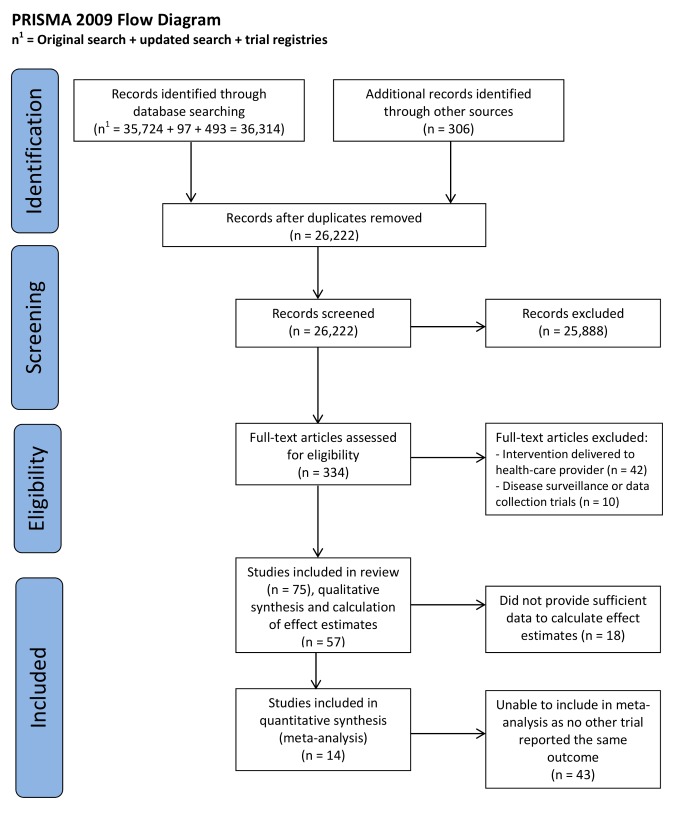
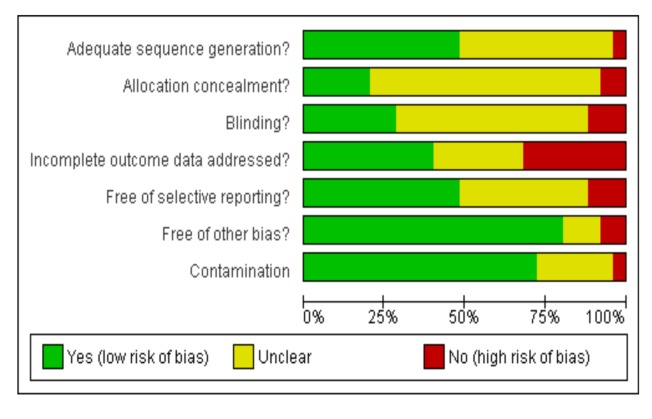
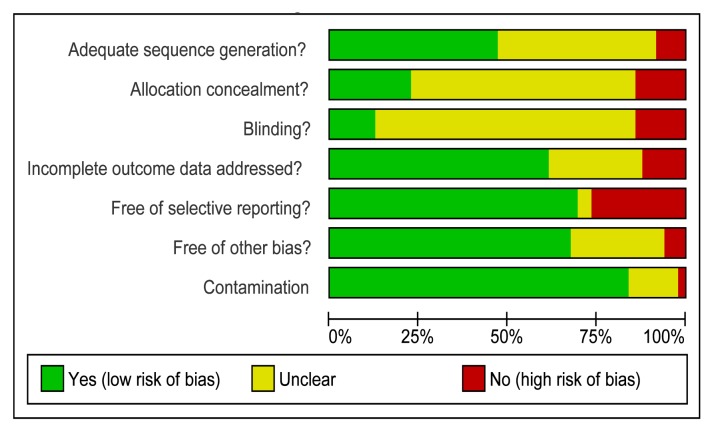
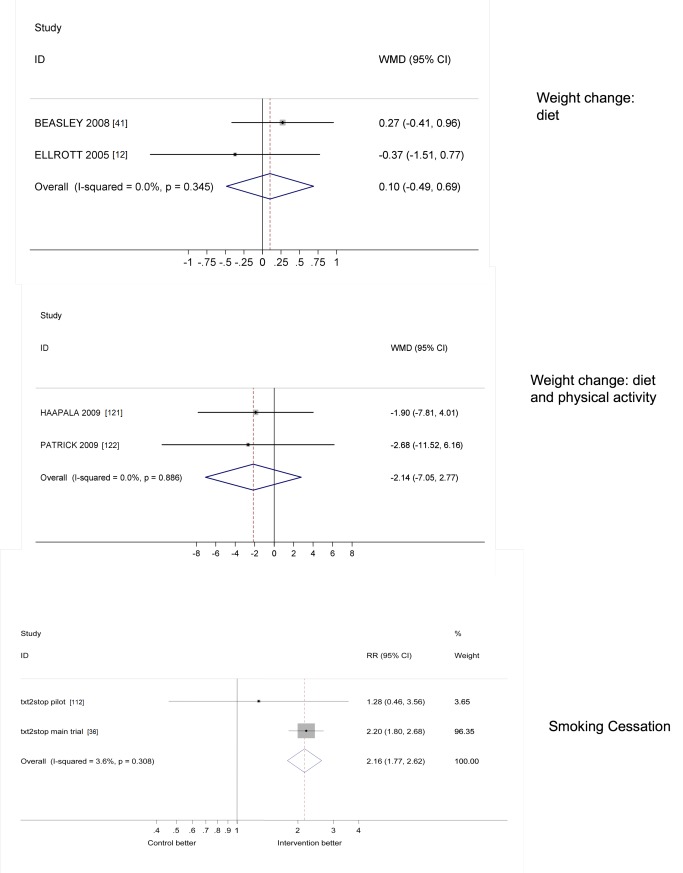
BACKGROUND: Mobile technologies could be a powerful media for providing individual level support to health care consumers. We conducted a systematic review to assess the effectiveness of mobile technology interventions delivered to health care consumers. METHODS AND FINDINGS: We searched for all controlled trials of mobile technology-based health interventions delivered to health care consumers using MEDLINE, EMBASE, PsycINFO, Global Health, Web of Science, Cochrane Library, UK NHS HTA (Jan 1990-Sept 2010). Two authors extracted data on allocation concealment, allocation sequence, blinding, completeness of follow-up, and measures of effect. We calculated effect estimates and used random effects meta-analysis. We identified 75 trials. Fifty-nine trials investigated the use of mobile technologies to improve disease management and 26 trials investigated their use to change health behaviours. Nearly all trials were conducted in high-income countries. Four trials had a low risk of bias. Two trials of disease management had low risk of bias; in one, antiretroviral (ART) adherence, use of text messages reduced high viral load (>400 copies), with a relative risk (RR) of 0.85 (95% CI 0.72-0.99), but no statistically significant benefit on mortality (RR 0.79 [95% CI 0.47-1.32]). In a second, a PDA based intervention increased scores for perceived self care agency in lung transplant patients. Two trials of health behaviour management had low risk of bias. The pooled effect of text messaging smoking cessation support on biochemically verified smoking cessation was (RR 2.16 [95% CI 1.77-2.62]). Interventions for other conditions showed suggestive benefits in some cases, but the results were not consistent. No evidence of publication bias was demonstrated on visual or statistical examination of the funnel plots for either disease management or health behaviours. To address the limitation of the older search, we also reviewed more recent literature. CONCLUSIONS: Text messaging interventions increased adherence to ART and smoking cessation and should be considered for inclusion in services. Although there is suggestive evidence of benefit in some other areas, high quality adequately powered trials of optimised interventions are required to evaluate effects on objective outcomes.
Overview
The claims and statistics of this paper haven’t been checked yet.
Free: it reads the open-access text and checks the first 5 claims that cite a source we can check. Create a free account to check every claim.
Integrity signals
Registry
Cites
Statistics
Figures
Verification
Claims the paper makes
The claims and statistics of this paper haven’t been checked yet.
Free: it reads the open-access text and checks the first 5 claims that cite a source we can check. Create a free account to check every claim.
Claims other papers make about this one
Each is checked against this paper’s own text: does it say what the citing paper says it does?
The source backs part of the claim, not all of it — or backs it for a different population, condition or comparison.
In the citing paper
“Three systematic reviews found reminders for disease monitoring improve healthcare processes but with education through voice call and text messages, both health outcomes and care processes improve.18 22 23”
From mHealth text and voice communication for monitoring people with chronic diseases in low-resource settings: a realist review (2018) · cites this paper as [23]
Experimental — accuracy not yet measuredThe source backs part of the claim, not all of it — or backs it for a different population, condition or comparison.
In the citing paper
“there are still too few high-quality, adequately powered RCTs evaluating the use of such apps [83,84].”
From Theory-Based Design and Development of a Socially Connected, Gamified Mobile App for Men About Breastfeeding (Milk Man) (2016) · cites this paper as [84]
Experimental — accuracy not yet measuredThe source backs part of the claim, not all of it — or backs it for a different population, condition or comparison.
In the citing paper
“While the use of mobile technology in public health interventions has grown significantly”
From Theory-Based Design and Development of a Socially Connected, Gamified Mobile App for Men About Breastfeeding (Milk Man) (2016) · cites this paper as [84]
Experimental — accuracy not yet measuredThe source backs part of the claim, not all of it — or backs it for a different population, condition or comparison.
In the citing paper
“Mobile phone messaging interventions are a potential cost-effective approach to promote habit formation.43–45”
From Refining and optimising a behavioural intervention to support endocrine therapy adherence (ROSETA) in UK women with breast cancer: Protocol for a pilot fractional factorial trial (2023) · cites this paper as [45]
Experimental — accuracy not yet measuredThe cited source says what the claim attributes to it.
In the citing paper
“In high-income countries, interventions have included these aspects of care.18 22 23”
From mHealth text and voice communication for monitoring people with chronic diseases in low-resource settings: a realist review (2018) · cites this paper as [23]
7 more claims about this paper
Create a free account to see every claim other papers make about this one.
Self-check
Percentages, sums and reported differences re-computed from the paper’s own numbers.
The self-check needs the paper’s full text.
Citations
Cites
2 retracted
Psychological interventions for overweight or obesity
Shaw, K. A., O'Rourke, P., Del Mar, C., & Kenardy, J. (2005) · Cochrane Database of Systematic Reviews · doi:10.1002/14651858.cd003818.pub2 · Cited by 442 · cited 1×
“Likewise, it is unsurprising that interventions delivered by mobile technologies appear to have small effects on weight, given the paucity of effective behavioural change interventions for obesity [105,106].”
RetractedZolfaghari, M., Mousavifar, S. A., Pedram, S., & Haghani, H. (2012) · Journal of Clinical Nursing · doi:10.1111/j.1365-2702.2011.03951.x · Cited by 101 · cited 1×
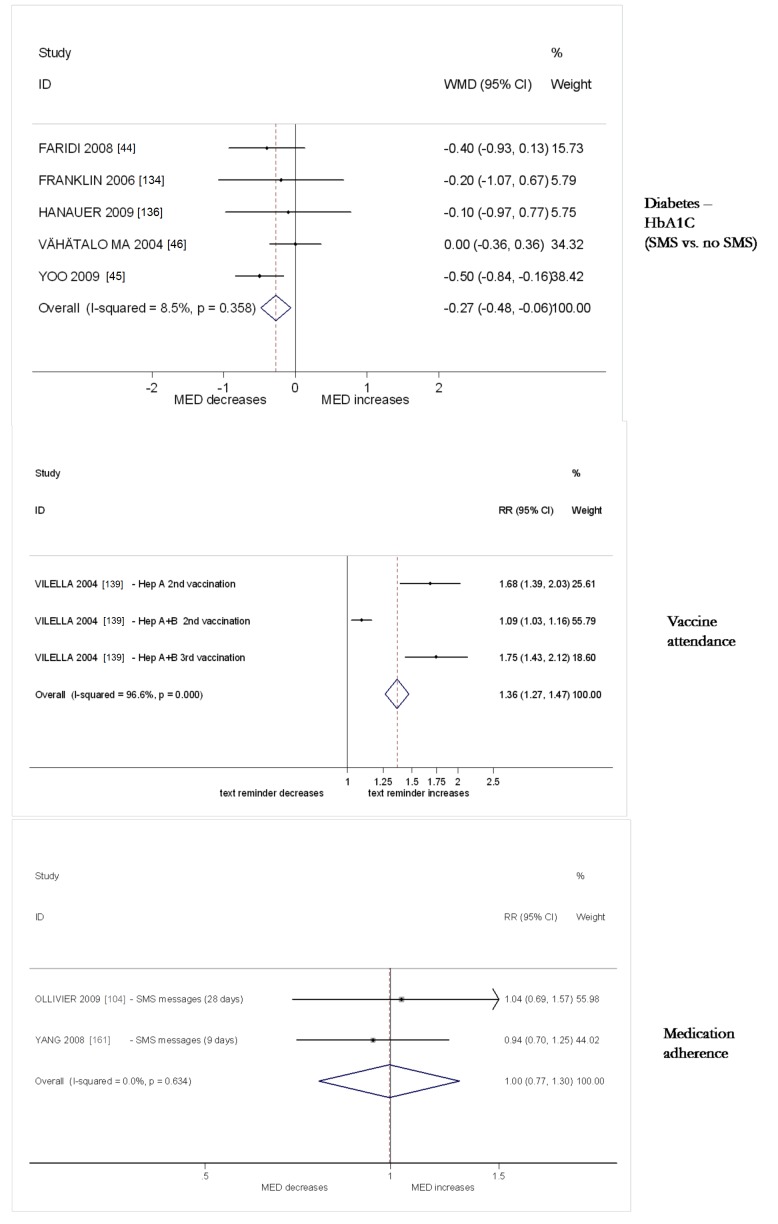
“Four trials of a diabetes care intervention, three involving text messages and the other involving video messages, reported statistically significant decreases in HBA1C, which were of borderline clinical significance [69–73].”
RetractedCochrane Handbook for Systematic Reviews of Interventions: Cochrane Book Series
(2008) · doi:10.1002/9780470712184 · Cited by 25,048 · cited 1×
“Risk of bias was assessed according to the criteria outlined by the International Cochrane Collaboration [35].”
Zhang, Q., Wang, C., Zheng, M., Li, Y., Li, J., Zhang, L., Shang, X., & Yan, C. (2015) · Cerebrovascular Diseases · doi:10.1159/000369778 · Cited by 11,533
Pharmacological interventions for somatoform disorders in adults
Kleinstäuber, M., Witthöft, M., Steffanowski, A., van Marwijk, H., Hiller, W., & Lambert, M. J. (2014) · Cochrane Database of Systematic Reviews · doi:10.1002/14651858.cd010628.pub2 · Cited by 11,335
Cochrane Handbook for Systematic Reviews of Interventions Version 5.0.1. The Cochrane Collaboration
Higgins, J. P. T., Green, S. R., & Higgins, J. P. T. (2008) · Cited by 7,226
Collaboration, A. T. (2002) · BMJ · doi:10.1136/bmj.324.7329.71 · Cited by 6,943
Mortality in relation to smoking: 40 years' observations on male British doctors
Doll, R., Peto, R., Wheatley, K., Gray, R., & Sutherland, I. (1994) · BMJ · doi:10.1136/bmj.309.6959.901 · Cited by 5,932
Update on Key Emerging Challenges in Cystic Fibrosis
Jennings, M. T., Riekert, K. A., & Boyle, M. P. (2014) · Medical Principles and Practice · doi:10.1159/000357646 · Cited by 3,648
Research works printed but not linked: 6
- Rodgers A, Corbett T, Bramley D, Riddell T, Wills M, et al (2005) Do u smoke after txt? Results of a randomised trial of smoking cessation using mobile phone text messaging. Tob Control 14: 255– 261. 16046689 PMC1748056 · DOI · Paper page
- Medical Research Council (2000) A framework for development and evaluation of RCTs for complex interventions to improve health. London, Medical Research Council
- Free C, Whittaker R, Knight R, Abramsky T, Rodgers A, et al (2009) Txt2stop: a pilot randomised controlled trial of mobile phone-based smoking cessation support. Tob Control 18: 88– 91. 19318534 · DOI · Paper page
- Ellrott T, Austel A, Rademacher C, Oberritter H, Benecke R, et al (2005) Self-help programme for weight reduction with and without support by a handheld nutrition computer. [German]. Ernahrungs Umschau 52.
- Delamere S, Dooley S, Harrington L, King A, Mulcahy F (2006) Safer sex text messages: Evaluating a health education intervention in an adolescent population. Sexually Transmitted Infections 82: A27– A27.
- Liu W, Wang CH, Huang CD, Kuo HP (2007) A novel mobile phone-based self-care system improves asthma control [Abstract]. American Thoracic Society International Conference, May 18–23, 2007, San Francisco, California, USA. pp. [A93].
Cited by
Whitmee, S., Haines, A., Beyrer, C., Boltz, F., Capon, A. G., de Souza Dias, B. F., Ezeh, A., Frumkin, H., Gong, P., Head, P., et al. (2015) · The Lancet · doi:10.1016/s0140-6736(15)60901-1 · Cited by 2,998
Self-citationSystematic Literature Review on the Spread of Health-related Misinformation on Social Media
Wang, Y., McKee, M., Torbica, A., & Stuckler, D. (2019) · Social Science & Medicine · doi:10.1016/j.socscimed.2019.112552 · Cited by 1,806
The impact of mHealth interventions: systematic review of systematic reviews
Marcolino, M. S., Oliveira, J. A. Q., D'Agostino, M., Ribeiro, A. L., Alkmim, M. B. M., & Novillo-Ortiz, D. (2018) · JMIR mHealth and uHealth · doi:10.2196/mhealth.8873 · Cited by 1,163
“A mobile phone-based, home glucose monitoring program study decreased HbA1c from 13.2% to 10.5% after 3-6 months [35].”
InfluentialFree, C., Phillips, G., Watson, L., Galli, L., Felix, L., Edwards, P., Patel, V., & Haines, A. (2013) · PLoS Medicine · doi:10.1371/journal.pmed.1001363 · Cited by 1,187
“Other trials identified are reported elsewhere [13].”
InfluentialSelf-citationMental Health Smartphone Apps: Review and Evidence-Based Recommendations for Future Developments
Bakker, D., Kazantzis, N., Rickwood, D., & Rickard, N. (2016) · JMIR Mental Health · doi:10.2196/mental.4984 · Cited by 886
“Apps are also capable of implementing behavior change interventions [5], which may improve users’ physical health [6], such as through promotion of physical exercise [7].”
The emerging field of mobile health
Steinhubl, S. R., Muse, E. D., & Topol, E. J. (2015) · Science Translational Medicine · doi:10.1126/scitranslmed.aaa3487 · Cited by 822
“Several recent meta-analyses and systematic reviews conclude that high-quality evidence is lacking for the use of mHealth to effect behavioral changes or to manage chronic diseases, inpatient care, or health care delivery ( 24 – 26 ).”
Mobile Text Messaging for Health: A Systematic Review of Reviews
Hall, A. K., Cole-Lewis, H., & Bernhardt, J. M. (2015) · Annual Review of Public Health · doi:10.1146/annurev-publhealth-031914-122855 · Cited by 815
“…common recommendation from review authors was the need for more rigorous study designs, including greater use of RCTs, larger and more representative sample sizes, and inclusion of different age groups, settings, contexts, and geographic locations (4, 6, 10, 11, 18, 32, 36, 38, 40, 42, 43, 47).”
InfluentialScaling Up mHealth: Where Is the Evidence?
Tomlinson, M., Rotheram-Borus, M. J., Swartz, L., & Tsai, A. C. (2013) · PLoS Medicine · doi:10.1371/journal.pmed.1001382 · Cited by 673
Mobile phone messaging reminders for attendance at healthcare appointments
Gurol-Urganci, I., de Jongh, T., Vodopivec-Jamsek, V., Atun, R., & Car, J. (2013) · Cochrane Database of Systematic Reviews · doi:10.1002/14651858.cd007458.pub3 · Cited by 594
Yetisen, A. K., Martinez‐Hurtado, J. L., Ünal, B., Khademhosseini, A., & Butt, H. (2018) · Advanced Materials · doi:10.1002/adma.201706910 · Cited by 569
Review and evaluation of mindfulness-based iPhone apps
Mani, M., Kavanagh, D. J., Hides, L., & Stoyanov, S. R. (2015) · JMIR mHealth and uHealth · doi:10.2196/mhealth.4328 · Cited by 495
“The majority of mHealth apps developed to date have focused on physical health and lifestyle domains rather than mental health [38,39].”
BackgroundFlores Mateo, G., Granado-Font, E., Ferré-Grau, C., & Montaña-Carreras, X. (2015) · Journal of Medical Internet Research · doi:10.2196/jmir.4836 · Cited by 540
Alipanah, N., Jarlsberg, L., Miller, C., Linh, N. N., Falzon, D., Jaramillo, E., & Nahid, P. (2018) · PLOS Medicine · doi:10.1371/journal.pmed.1002595 · Cited by 503
“Psychological interventions aim to support via psychological or emotional counseling or a social network of peers undergoing TB treatment as a means of improving adherence to TB treatment [18,19].”
BackgroundBurke, L. E., Ma, J., Azar, K. M. J., Bennett, G. G., Peterson, E. D., Zheng, Y., Riley, W., Stephens, J., Shah, S. H., Suffoletto, B., et al. (2015) · Circulation · doi:10.1161/cir.0000000000000232 · Cited by 516
“tions or through traditional channels such as patient education leaflets.(255) mHealth or mobile technologies have the potential”
BackgroundLee, S. H., Nurmatov, U. B., Nwaru, B. I., Mukherjee, M., Grant, L., & Pagliari, C. (2016) · Journal of Global Health · doi:10.7189/jogh.06.010401 · Cited by 456
Vandelanotte, C., Müller, A. M., Short, C. E., Hingle, M., Nathan, N., Williams, S. L., Lopez, M. L., Parekh, S., & Maher, C. A. (2016) · Journal of Nutrition Education and Behavior · doi:10.1016/j.jneb.2015.12.006 · Cited by 396
The politics of reducing malnutrition: building commitment and accelerating progress
Gillespie, S., Haddad, L., Mannar, V., Menon, P., & Nisbett, N. (2013) · The Lancet · doi:10.1016/s0140-6736(13)60842-9 · Cited by 460
Remote Patient Monitoring via Non-Invasive Digital Technologies: A Systematic Review
Vegesna, A., Tran, M., Angelaccio, M., & Arcona, S. (2017) · Telemedicine and e-Health · doi:10.1089/tmj.2016.0051 · Cited by 404
Effectiveness of mHealth interventions for patients with diabetes: An overview of systematic reviews
Kitsiou, S., Paré, G., Jaana, M., & Gerber, B. (2017) · PLOS ONE · doi:10.1371/journal.pone.0173160 · Cited by 388
Evaluating mobile phone applications for health behaviour change: A systematic review
McKay, F. H., Cheng, C., Wright, A., Shill, J., Stephens, H., & Uccellini, M. (2018) · Journal of Telemedicine and Telecare · doi:10.1177/1357633x16673538 · Cited by 364
mHealth 2.0: Experiences, Possibilities, and Perspectives
Becker, S., Miron-Shatz, T., Schumacher, N., Krocza, J., Diamantidis, C., & Albrecht, U.-V. (2014) · JMIR mHealth and uHealth · doi:10.2196/mhealth.3328 · Cited by 354
“In their meta-analysis, Free et al identified 75 controlled trials (studies that compare the outcomes of people who do and do not receive an intervention) of mobile technology-based health interventions delivered to health care consumers that met their predefined criteria [29].”
The Continued Use of Mobile Health Apps: Insights From a Longitudinal Study
Vaghefi, I., & Tulu, B. (2019) · JMIR mHealth and uHealth · doi:10.2196/12983 · Cited by 335
“This is a critical question, as research on the use of mHealth beyond the adoption phase is sparse [9] and anecdotal evidence has yielded inconsistent findings showing very minimal or no improvements in individuals’ health because of adoption [6,19-21].”
Ramachandran, A., Snehalatha, C., Ram, J., Selvam, S., Simon, M., Nanditha, A., Shetty, A. S., Godsland, I. F., Chaturvedi, N., Majeed, A., et al. (2013) · The Lancet Diabetes & Endocrinology · doi:10.1016/s2213-8587(13)70067-6 · Cited by 330
A Content Analysis of Popular Smartphone Apps for Smoking Cessation
Abroms, L. C., Lee Westmaas, J., Bontemps-Jones, J., Ramani, R., & Mellerson, J. (2013) · American Journal of Preventive Medicine · doi:10.1016/j.amepre.2013.07.008 · Cited by 325
Bibliometric analysis of worldwide scientific literature in mobile - health: 2006–2016
Sweileh, W. M., Al-Jabi, S. W., AbuTaha, A. S., Zyoud, S. H., Anayah, F. M. A., & Sawalha, A. F. (2017) · BMC Medical Informatics and Decision Making · doi:10.1186/s12911-017-0476-7 · Cited by 319
Bobrow, K., Farmer, A. J., Springer, D., Shanyinde, M., Yu, L.-M., Brennan, T., Rayner, B., Namane, M., Steyn, K., Tarassenko, L., et al. (2016) · Circulation · doi:10.1161/circulationaha.115.017530 · Cited by 295
Rose, T., Barker, M., Maria Jacob, C., Morrison, L., Lawrence, W., Strömmer, S., Vogel, C., Woods-Townsend, K., Farrell, D., Inskip, H., et al. (2017) · Journal of Adolescent Health · doi:10.1016/j.jadohealth.2017.05.024 · Cited by 313
“Health care interventions delivered digitally have been found to be cost-effective [31,32], but data for cost-effectiveness of behavior change interventions are lacking [32].”
Life Stress and Health: A Review of Conceptual Issues and Recent Findings
Slavich, G. M. (2016) · Teaching of Psychology · doi:10.1177/0098628316662768 · Cited by 300
“Additionally, a growing body of research is demonstrating that several psychological, cognitive, and behavioral interventions may help to improve individuals’ academic performance, stress-related biological reactivity, and mental and physical health (Black & Slavich, 2016; Free et al., 2013; Regehr, Glancy, & Pitts, 2…”
Direito, A., Pfaeffli Dale, L., Shields, E., Dobson, R., Whittaker, R., & Maddison, R. (2014) · BMC Public Health · doi:10.1186/1471-2458-14-646 · Cited by 305
“Mobile and wireless technology (mHealth) is a growing area in the prevention and management of NCDs and holds potential to deliver health-related behaviour change interventions [6-8].”
BackgroundMobile phones improve antenatal care attendance in Zanzibar: a cluster randomized controlled trial
Lund, S., Nielsen, B. B., Hemed, M., Boas, I. M., Said, A., Said, K., Makungu, M. H., & Rasch, V. (2014) · BMC Pregnancy and Childbirth · doi:10.1186/1471-2393-14-29 · Cited by 301
Brown, W., Yen, P.-Y., Rojas, M., & Schnall, R. (2013) · Journal of Biomedical Informatics · doi:10.1016/j.jbi.2013.08.001 · Cited by 299
“[10 ] In another recent study, Whitlock and McLaughlin studied three apps for tracking blood glucose and found that each product may present a number of usability issues, including small text, poor color contrast and scrolling wheels, especially for older adults.”
Villinger, K., Wahl, D. R., Boeing, H., Schupp, H. T., & Renner, B. (2019) · Obesity Reviews · doi:10.1111/obr.12903 · Cited by 292
Stephenson, A., McDonough, S. M., Murphy, M. H., Nugent, C. D., & Mair, J. L. (2017) · International Journal of Behavioral Nutrition and Physical Activity · doi:10.1186/s12966-017-0561-4 · Cited by 290
“These have been successfully applied to improve diet/Physical Activity (PA) [11, 12], sexual health behaviours [13], weight management [14], alcohol reduction [12] and smoking cessation [15, 16].”
Ecological momentary assessment methodology in chronic pain research: a systematic review
May, M., Junghaenel, D. U., Ono, M., Stone, A. A., & Schneider, S. (2018) · The Journal of Pain · doi:10.1016/j.jpain.2018.01.006 · Cited by 247
Chau, M. M., Burgermaster, M., & Mamykina, L. (2018) · International Journal of Medical Informatics · doi:10.1016/j.ijmedinf.2018.10.001 · Cited by 251
“However, these previous reviews focused on broader age groups [27-34] and health conditions [9,30-32,34-37], or on specific behaviors and clinical outcomes such as vegetable intake or weight loss [38,39].”
BackgroundMajeed-Ariss, R., Baildam, E., Campbell, M., Chieng, A., Fallon, D., Hall, A., McDonagh, J. E., Stones, S. R., Thomson, W., & Swallow, V. (2015) · Journal of Medical Internet Research · doi:10.2196/jmir.5043 · Cited by 251
“Contemporaneous reports indicate that utilizing modern mobile electronic technologies in health interventions for young people [11-13] may be a suitable way to address self, shared, or joint care in a manner that is resource efficient.”
Human Pulse Diagnosis for Medical Assessments Using a Wearable Piezoelectret Sensing System
Chu, Y., Zhong, J., Liu, H., Ma, Y., Liu, N., Song, Y., Liang, J., Shao, Z., Sun, Y., Dong, Y., et al. (2018) · Advanced Functional Materials · doi:10.1002/adfm.201803413 · Cited by 249
Vashist, S., Schneider, E., & Luong, J. (2014) · Diagnostics · doi:10.3390/diagnostics4030104 · Cited by 244
“SBDAs will play an essential role in the rapidly evolving field of mHealthcare [58–60], as demonstrated by the connectivity of isolated remote healthcare laboratories [60,61], increased adherence to health”
BackgroundHauser-Ulrich, S., Künzli, H., Meier-Peterhans, D., & Kowatsch, T. (2020) · JMIR mHealth and uHealth · doi:10.2196/15806 · Cited by 210
“Individualized progress feedback is one of the most commonly used change techniques in smartphone-based health interventions [119], and helps users focus on their discrepancy awareness.”
BackgroundMobile App-Based Health Promotion Programs: A Systematic Review of the Literature
Lee, M., Lee, H., Kim, Y., Kim, J., Cho, M., Jang, J., & Jang, H. (2018) · International Journal of Environmental Research and Public Health · doi:10.3390/ijerph15122838 · Cited by 234
Liu, X., Lewis, J. J., Zhang, H., Lu, W., Zhang, S., Zheng, G., Bai, L., Li, J., Li, X., Chen, H., et al. (2015) · PLOS Medicine · doi:10.1371/journal.pmed.1001876 · Cited by 234
“The potential of mobile phone technology to improve the quality and delivery of health care, including diagnosis, treatment adherence, and data collection, has been recognised [5,6].”
BackgroundWei, Y., Zheng, P., Deng, H., Wang, X., Li, X., & Fu, H. (2020) · Journal of Medical Internet Research · doi:10.2196/21687 · Cited by 234
The mobile revolution—using smartphone apps to prevent cardiovascular disease
Neubeck, L., Lowres, N., Benjamin, E. J., Freedman, S. B., Coorey, G., & Redfern, J. (2015) · Nature Reviews Cardiology · doi:10.1038/nrcardio.2015.34 · Cited by 232
A Randomized Trial of Text2Quit
Abroms, L. C., Boal, A. L., Simmens, S. J., Mendel, J. A., & Windsor, R. A. (2014) · American Journal of Preventive Medicine · doi:10.1016/j.amepre.2014.04.010 · Cited by 224
Role of Physical Activity and Diet After Colorectal Cancer Diagnosis
Van Blarigan, E. L., & Meyerhardt, J. A. (2015) · Journal of Clinical Oncology · doi:10.1200/jco.2014.59.7799 · Cited by 222
“Future studies comparing diet and/or physical activity interventions delivered via mobile technology versus telephone would be of interest.(57,58) In addition, future studies should incorporate objective measures (eg, accelerometery; fasting lipids, glucose, and carotenoids; measured body weight) to support selfreport…”
BackgroundEcological momentary interventions in psychiatry
Myin-Germeys, I., Klippel, A., Steinhart, H., & Reininghaus, U. (2016) · Current Opinion in Psychiatry · doi:10.1097/yco.0000000000000255 · Cited by 220
“So far, mHealth and EMIs have proven useful in a wide range of health-related areas, its methods being deployed for the treatment of diabetes, asthma, weight loss, or smoking [5].”
BackgroundEyles, H., Jull, A., Dobson, R., Firestone, R., Whittaker, R., Te Morenga, L., Goodwin, D., & Mhurchu, C. N. (2016) · Current Nutrition Reports · doi:10.1007/s13668-016-0165-7 · Cited by 222
Does mHealth increase adherence to medication? Results of a systematic review
Anglada-Martinez, H., Riu-Viladoms, G., Martin-Conde, M., Rovira-Illamola, M., Sotoca-Momblona, J. M., & Codina-Jane, C. (2015) · International Journal of Clinical Practice · doi:10.1111/ijcp.12582 · Cited by 217
“These results are consistent with those published in other reviews (54 – 57).”
Smart Devices for Older Adults Managing Chronic Disease: A Scoping Review
Kim, B. Y., & Lee, J. (2017) · JMIR mHealth and uHealth · doi:10.2196/mhealth.7141 · Cited by 217
“Diabetes and hypertension management has been the dominant subject for traditional mHealth research, whereas other chronic disease management received very limited attention [2,4].”
InfluentialEng, D. S., & Lee, J. M. (2013) · Pediatric Diabetes · doi:10.1111/pedi.12034 · Cited by 212
“They concluded that there was evidence for the effectiveness of text messaging interventions for increasing adherence in antiretroviral therapy and smoking cessation studies, but that results were not consistent for other areas (11).”
BackgroundThe use of mobile apps to improve nutrition outcomes: A systematic literature review
DiFilippo, K. N., Huang, W.-H., Andrade, J. E., & Chapman-Novakofski, K. M. (2015) · Journal of Telemedicine and Telecare · doi:10.1177/1357633x15572203 · Cited by 212
“Articles published between 1990 and September 2010 were included, with the nutrition-related articles being non-app interventions.(38)”
BackgroundMethodPreventive Health Behavior Change Text Message Interventions: A Meta-analysis
Armanasco, A. A., Miller, Y. D., Fjeldsoe, B. S., & Marshall, A. L. (2017) · American Journal of Preventive Medicine · doi:10.1016/j.amepre.2016.10.042 · Cited by 210
“All previous reviews have a consistent main finding: Text message interventions have a small to moderate effect on improving health behaviors.(10,11,84) There are varying results for the effects of moderators.”
InfluentialAnstey Watkins, J. O. T., Goudge, J., Gómez-Olivé, F. X., & Griffiths, F. (2018) · Social Science & Medicine · doi:10.1016/j.socscimed.2018.01.011 · Cited by 196
A content analysis of smartphone–based applications for hypertension management
Kumar, N., Khunger, M., Gupta, A., & Garg, N. (2015) · Journal of the American Society of Hypertension · doi:10.1016/j.jash.2014.12.001 · Cited by 208
Mobile Health Applications to Promote Active and Healthy Ageing
Helbostad, J., Vereijken, B., Becker, C., Todd, C., Taraldsen, K., Pijnappels, M., Aminian, K., & Mellone, S. (2017) · Sensors · doi:10.3390/s17030622 · Cited by 206
“mHealth applications can be divided into those aimed at disease management and those aimed at health behavioural change [22].”
A Novel Diabetes Prevention Intervention Using a Mobile App
Fukuoka, Y., Gay, C. L., Joiner, K. L., & Vittinghoff, E. (2015) · American Journal of Preventive Medicine · doi:10.1016/j.amepre.2015.01.003 · Cited by 204
Vollmer Dahlke, D., Fair, K., Hong, Y. A., Beaudoin, C. E., Pulczinski, J., & Ory, M. G. (2015) · JMIR mHealth and uHealth · doi:10.2196/mhealth.3861 · Cited by 199
“Cancer survivors are strongly influenced by their social ties and connections with others, and social networks can have important effects on survivor health and wellbeing [4,8,22].”
Chen, M.-F., & Lin, N.-P. (2018) · Internet Research · doi:10.1108/intr-03-2017-0099 · Cited by 198
Rebecca, S., Tracy, H., William, B., Alex, C.-D., & Suzanne, B. (2015) · Studies in Health Technology and Informatics · doi:10.3233/978-1-61499-564-7-467 · Cited by 196
Mobile phones as medical devices in mental disorder treatment: an overview
Gravenhorst, F., Muaremi, A., Bardram, J., Grünerbl, A., Mayora, O., Wurzer, G., Frost, M., Osmani, V., Arnrich, B., Lukowicz, P., et al. (2015) · Personal and Ubiquitous Computing · doi:10.1007/s00779-014-0829-5 · Cited by 197
Valdez, R. S., Holden, R. J., Novak, L. L., & Veinot, T. C. (2015) · Journal of the American Medical Informatics Association · doi:10.1136/amiajnl-2014-002826 · Cited by 194
Mobile app for treatment of stress urinary incontinence: A randomized controlled trial
Asklund, I., Nyström, E., Sjöström, M., Umefjord, G., Stenlund, H., & Samuelsson, E. (2017) · Neurourology and Urodynamics · doi:10.1002/nau.23116 · Cited by 183
“Few apps are evaluated in high-quality trials, thus, it is difficult for both patients and caregivers to have confidence in the effectiveness of health apps,(11,12) and there is a need for more studies that evaluate them.(13) Based on our previous experience with internet-based SUI treatment,(14) our research group de…”
BackgroundTreatment burden and treatment fatigue as barriers to health.
Heckman, B. W., Mathew, A. R., & Carpenter, M. J. (2015) · Current Opinion in Psychology · doi:10.1016/j.copsyc.2015.03.004 · Cited by 179
Liew, M. S., Zhang, J., See, J., & Ong, Y. L. (2019) · JMIR mHealth and uHealth · doi:10.2196/12160 · Cited by 179
Arambepola, C., Ricci-Cabello, I., Manikavasagam, P., Roberts, N., French, D. P., & Farmer, A. (2016) · Journal of Medical Internet Research · doi:10.2196/jmir.5425 · Cited by 187
“mobile-phone based interventions on self-management of long term conditions [11, 16-19].”
Kruse, C. S., & Beane, A. (2018) · Journal of Medical Internet Research · doi:10.2196/jmir.8793 · Cited by 187
“Most studies that we found after our initial interest demonstrated a positive relationship between the use of HIT and medical outcomes, and these studies spanned seven countries [6-12].”
The effect of digital technologies adoption in healthcare industry: a case based analysis
Laurenza, E., Quintano, M., Schiavone, F., & Vrontis, D. (2018) · Business Process Management Journal · doi:10.1108/bpmj-04-2017-0084 · Cited by 180
Smith, C., Vannak, U., Sokhey, L., Ngo, T. D., Gold, J., & Free, C. (2015) · Reproductive Health · doi:10.1186/s12978-015-0112-x · Cited by 179
“restrict access to in-person services [6].”
Self-citationResearch-Tested Mobile Apps for Breast Cancer Care: Systematic Review
Jongerius, C., Russo, S., Mazzocco, K., & Pravettoni, G. (2019) · JMIR mHealth and uHealth · doi:10.2196/10930 · Cited by 146
Kelly, J. T., Reidlinger, D. P., Hoffmann, T. C., & Campbell, K. L. (2016) · The American Journal of Clinical Nutrition · doi:10.3945/ajcn.116.136333 · Cited by 162
Pfaeffli Dale, L., Dobson, R., Whittaker, R., & Maddison, R. (2016) · European Journal of Preventive Cardiology · doi:10.1177/2047487315613462 · Cited by 175
“The majority of mHealth disease management interventions have focused on the diabetes population.(13) The uptake of mHealth for CVD selfmanagement has been slow, perhaps due to earlier misconceptions that people with CVD are uncomfortable using technology as they tend to be older, and adults over aged 65 are less like…”
BackgroundDaher, J., Vijh, R., Linthwaite, B., Dave, S., Kim, J., Dheda, K., Peter, T., & Pai, N. P. (2017) · BMJ Open · doi:10.1136/bmjopen-2017-017604 · Cited by 173
Orr, J. A., & King, R. J. (2015) · Health Psychology Review · doi:10.1080/17437199.2015.1022847 · Cited by 174
The impact of digital health technologies on tuberculosis treatment: a systematic review
Ngwatu, B. K., Nsengiyumva, N. P., Oxlade, O., Mappin-Kasirer, B., Nguyen, N. L., Jaramillo, E., Falzon, D., & Schwartzman, K. (2018) · European Respiratory Journal · doi:10.1183/13993003.01596-2017 · Cited by 174
Shingleton, R. M., & Palfai, T. P. (2016) · Patient Education and Counseling · doi:10.1016/j.pec.2015.08.005 · Cited by 172
“As technology advances at a rapid rate, clinical researchers have started developing alternative modalities to deliver interventions for a range of health-related behaviors [1-3].”
BackgroundDesigning and Evaluating mHealth Interventions for Vulnerable Populations: A Systematic Review
Stowell, E., Lyson, M. C., Saksono, H., Wurth, R. C., Jimison, H., Pavel, M., & Parker, A. G. (2018) · Proceedings of the 2018 CHI Conference on Human Factors in Computing Systems · doi:10.1145/3173574.3173589 · Cited by 169
“The authors concluded that there remains insufficient high quality evidence of the beneficial effects of mobile technology on clinical outcomes to warrant implementing such tools for other areas of health behavior change [44].”
InfluentialDario, A. B., Moreti Cabral, A., Almeida, L., Ferreira, M. L., Refshauge, K., Simic, M., Pappas, E., & Ferreira, P. H. (2017) · The Spine Journal · doi:10.1016/j.spinee.2017.04.008 · Cited by 163
Mobile Phones: The Next Step towards Healthcare Delivery in Rural India?
DeSouza, S. I., Rashmi, M. R., Vasanthi, A. P., Joseph, S. M., & Rodrigues, R. (2014) · PLoS ONE · doi:10.1371/journal.pone.0104895 · Cited by 158
A systematic review and meta-analysis of interventions for weight management using text messaging
Siopis, G., Chey, T., & Allman‐Farinelli, M. (2015) · Journal of Human Nutrition and Dietetics · doi:10.1111/jhn.12207 · Cited by 155
Developing and Pretesting a Text Messaging Program for Health Behavior Change: Recommended Steps
Abroms, L. C., Whittaker, R., Free, C., Mendel Van Alstyne, J., & Schindler-Ruwisch, J. M. (2015) · JMIR mHealth and uHealth · doi:10.2196/mhealth.4917 · Cited by 155
“Where evidence was lacking, this guide drew on insights gleaned from the collective experience of the authors in designing, developing, and evaluating programs in the United States, United Kingdom, and New Zealand for health behavior change in the areas of smoking cessation, physical activity, healthy eating, and weig…”
InfluentialSelf-citationMobile Health Applications in Weight Management: A Systematic Literature Review
Dounavi, K., & Tsoumani, O. (2019) · American Journal of Preventive Medicine · doi:10.1016/j.amepre.2018.12.005 · Cited by 154
Development of a smartphone application for eating disorder self‐monitoring
Tregarthen, J. P., Lock, J., & Darcy, A. M. (2015) · International Journal of Eating Disorders · doi:10.1002/eat.22386 · Cited by 152
Dugas, M., Gao, G. (., & Agarwal, R. (2020) · DIGITAL HEALTH · doi:10.1177/2055207620905411 · Cited by 152
Assessing time-varying causal effect moderation in mobile health
Boruvka, A., Almirall, D., Witkiewitz, K., & Murphy, S. A. (2018) · Journal of the American Statistical Association · doi:10.1080/01621459.2017.1305274 · Cited by 152
Perera, A. I., Thomas, M. G., Moore, J. O., Faasse, K., & Petrie, K. J. (2014) · AIDS Patient Care and STDs · doi:10.1089/apc.2014.0156 · Cited by 151
“While this is a novel area of research, the results of this study support the growing body of literature that endorses the use of mHealth interventions for self-management of chronic illnesses.(23,32) Specifically, the improvements in self-reported adherence and HIV viral load, as well as the significant reduction in…”
Radiotherapy and theranostics: a Lancet Oncology Commission
Abdel–Wahab, M., Giammarile, F., Carrara, M., Páez, D., Hricak, H., Ayati, N., Li, J. J., Mueller, M., Aggarwal, A. K., Al‐Ibraheem, A., et al. (2024) · The Lancet Oncology · doi:10.1016/s1470-2045(24)00407-8 · Cited by 169
Schippers, M., Adam, P. C. G., Smolenski, D. J., Wong, H. T. H., & de Wit, J. B. F. (2017) · Obesity Reviews · doi:10.1111/obr.12492 · Cited by 150
A Review of the Quality and Impact of Mobile Health Apps
Grundy, Q. (2022) · Annual Review of Public Health · doi:10.1146/annurev-publhealth-052020-103738 · Cited by 143
Mair, J. L., Salamanca-Sanabria, A., Augsburger, M., Frese, B. F., Abend, S., Jakob, R., Kowatsch, T., & Haug, S. (2023) · Annals of Behavioral Medicine · doi:10.1093/abm/kaad041 · Cited by 140
“Two reviews were of moderate quality [60, 61], four were low quality [55, 57, 62, 63] and six were of critically low quality [56, 58, 59, 64–66].”
Review of Smartphone Applications for the Treatment of Eating Disorders
Juarascio, A. S., Manasse, S. M., Goldstein, S. P., Forman, E. M., & Butryn, M. L. (2015) · European Eating Disorders Review · doi:10.1002/erv.2327 · Cited by 143
“With the expanding interest and availability of smartphones, a growing number of apps have been designed to provide therapeutic assistance, either as a stand-alone platform (Free et al., 2013; Vandelanotte, Spathonis, Eakin, & Owen, 2007) or in conjunction with conventional therapy (Bauer & Moessner, 2012; Newman, Szk…”
Adler, A. J., Martin, N., Mariani, J., Tajer, C. D., Owolabi, O. O., Free, C., Serrano, N. C., Casas, J. P., & Perel, P. (2017) · Cochrane Database of Systematic Reviews · doi:10.1002/14651858.cd011851.pub2 · Cited by 142
Self-citationWearable motion sensors to continuously measure real-world physical activities
Dobkin, B. H. (2013) · Current Opinion in Neurology · doi:10.1097/wco.0000000000000026 · Cited by 142
Management of NCD in Low- and Middle-Income Countries
Checkley, W., Ghannem, H., Irazola, V., Kimaiyo, S., Levitt, N. S., Miranda, J. J., Niessen, L., Prabhakaran, D., Rabadán-Diehl, C., Ramirez-Zea, M., et al. (2014) · Global Heart · doi:10.1016/j.gheart.2014.11.003 · Cited by 141
“Mobile phones are common in LMICs, even among the poorest, but so far systematic reviews have shown effectiveness only for specific conditions, such as the use of text messaging for reminders [51,52].”
BackgroundBiduski, D., Bellei, E. A., Rodriguez, J. P. M., Zaina, L. A. M., & Marchi, A. C. B. D. (2019) · Computers in Human Behavior · doi:10.1016/j.chb.2019.106169 · Cited by 171
Mobile phone-based interventions for improving contraception use
Smith, C., Gold, J., Ngo, T. D., Sumpter, C., & Free, C. (2015) · Cochrane Database of Systematic Reviews · doi:10.1002/14651858.cd011159.pub2 · Cited by 136
Self-citationSample size calculations for micro‐randomized trials in mHealth
Liao, P., Klasnja, P., Tewari, A., & Murphy, S. A. (2016) · Statistics in Medicine · doi:10.1002/sim.6847 · Cited by 136
“rogenic applications will be implemented.”Indeed reviews, while reporting preliminary evidence of effectiveness, call for more programmatic, data-based approaches to constructing mobile interventions [8, 19]. In particular these reviews call for research that focuses on data-informed development of these complex multi…”
BackgroundMárquez Contreras, E., Márquez Rivero, S., Rodríguez García, E., López-García-Ramos, L., Carlos Pastoriza Vilas, J., Baldonedo Suárez, A., Gracia Diez, C., Gil Guillén, V., Martell Claros, N., & Compliance Group of Spanish Society of Hypertension (SEH-LELHA) (2019) · Current Medical Research and Opinion · doi:10.1080/03007995.2018.1549026 · Cited by 137
Rubinstein, A., Miranda, J. J., Beratarrechea, A. G., Diez‐Canseco, F., Kanter, R., Gutiérrez, L., Bernabé‐Ortiz, A., Irazola, V. E., Fernandez, A., Letona, P., et al. (2015) · The Lancet Diabetes & Endocrinology · doi:10.1016/s2213-8587(15)00381-2 · Cited by 159
Reinertsen, E., & Clifford, G. D. (2018) · Physiological Measurement · doi:10.1088/1361-6579/aabf64 · Cited by 136
“SMS can increase adherence to antiretroviral therapy and smoking cessation (Free et al. 2013), and smartphone delivery of cognitive behavioral therapy can reduce anxiety, Reinertsen and Clifford Page 34”
Palmer, M., Sutherland, J., Barnard, S., Wynne, A., Rezel, E., Doel, A., Grigsby-Duffy, L., Edwards, S., Russell, S., Hotopf, E., et al. (2018) · PLOS ONE · doi:10.1371/journal.pone.0189801 · Cited by 136
Self-citation
Metadata
- Authors
- Free, C., Phillips, G., Galli, L., Watson, L., Felix, L., Edwards, P., Patel, V., & Haines, A.
- Affiliations
- London School of Hygiene & Tropical Medicine (GB)
- University of Warwick (GB)
- Imperial College London (GB)
- Corresponding author
- Free, Caroline
- Venue
- PLoS Medicine
- Publisher
- Public Library of Science (PLoS)
- Published
- 2013-01-15
- Volume
- 10
- Issue
- 1
- Pages
- e1001362
- ISSN
- 1549-1277 (ISSN-L)
- 1549-1676
- PMC
- PMC3548655
- OpenAlex
- W1975071629
- Cited by
- 1,766
- References
- 165
- Citations by year
- 2026: 66 · 2025: 91 · 2024: 73 · 2023: 91 · 2022: 107 · 2021: 135 · 2020: 160 · 2019: 172 · 2018: 190 · 2017: 205 · 2016: 171 · 2015: 153 · 2014: 107 · 2013: 43
- FWCI
- 19.02
- Type
- journal article
- Language
- en
- Open access
- gold
- doi.org
- Locations
- PLoS Medicine (publishedVersion, cc-by)
- Europe PMC (PubMed Central) (publishedVersion, cc-by)
- PubMed Central (publishedVersion, cc-by)
- PubMed (publishedVersion)
- Research Explorer (The University of Manchester) (publishedVersion)
- LSHTM Research Online (London School of Hygiene and Tropical Medicine) (acceptedVersion)
- DOAJ (DOAJ: Directory of Open Access Journals) (submittedVersion, cc-by-sa)
- Figshare (submittedVersion, cc-by)
- Funders
- Wellcome Trust (091834)
- National Institute for Health and Care Research
- Topics
- Health Sciences › Health Professions › General Health Professions › Mobile Health and mHealth Applications
- Physical Sciences › Computer Science › Information Systems › Mobile Learning in Education
- Social Sciences › Psychology › Applied Psychology › Digital Mental Health Interventions
- Keywords
- mobile health, text messaging intervention, health behavior change, disease management, antiretroviral therapy adherence, HIV, smoking cessation, health care consumers
- MeSH terms
- Clinical Trials as Topic, Community Participation, Delivery of Health Care, Diet, Humans, Motor Activity, Health Behavior, Bias, Treatment Outcome, Telemedicine, Disease Management, Biomedical Technology, Medication Adherence
About these checks
Registry, retraction, Cites and statistics results are computed, not judged, with one exception: a printed reference that no index lists is read once by a model before it counts as a citation error. Claims are extracted by a model and kept only when their quote appears verbatim in the text; each cited source is then checked, with a model’s help, for whether it says what the claim relies on. Those verdicts can be wrong — read the claim’s quote and the cited source before relying on one.
Statistics and arithmetic are recomputed, not judged.
Confidence bands are shown only for fields calibrated on our annotated test set. None is calibrated yet, so no band is shown.
What counts as a claim ›How we measure confidence ›How we check this ›
Are you an author, or do you see a problem with this page? Request a review
Data sources
Bibliographic data: Semantic Scholar, OpenAlex, Crossref.
Contains information from the Semantic Scholar Academic Graph Datasets, made available under the ODC Attribution License (ODC-BY 1.0).
Semantic Scholar’s data is described in: Kinney, R., et al. (2023). The Semantic Scholar Open Data Platform. arXiv:2301.10140.
