

The Effectiveness of Mobile-Health Technology-Based Health Behaviour Change or Disease Management Interventions for Health Care Consumers: A Systematic Review
Open accessThe DOI matches its Crossref record; 164 of the 165 references it cites were found in a registry or an index.
Abstract
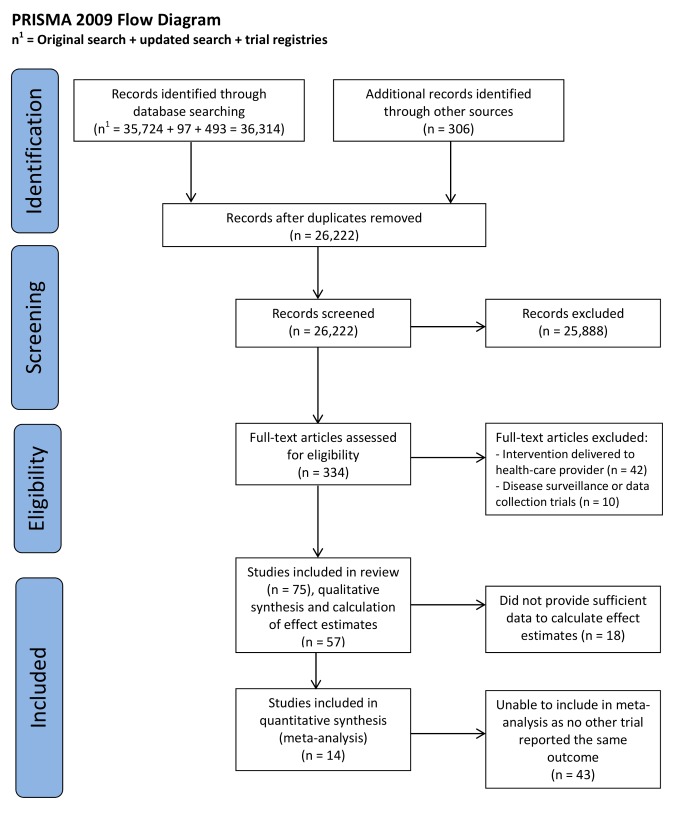
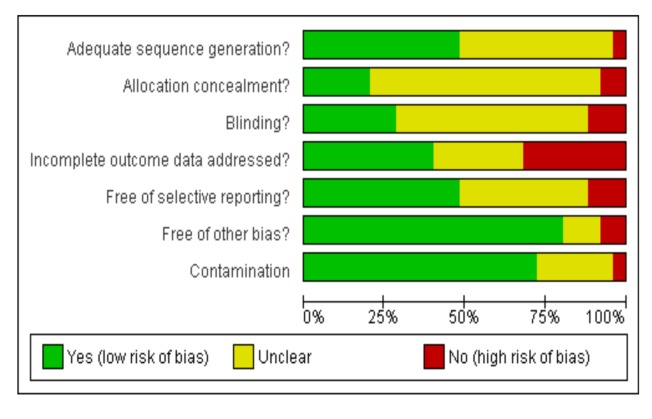
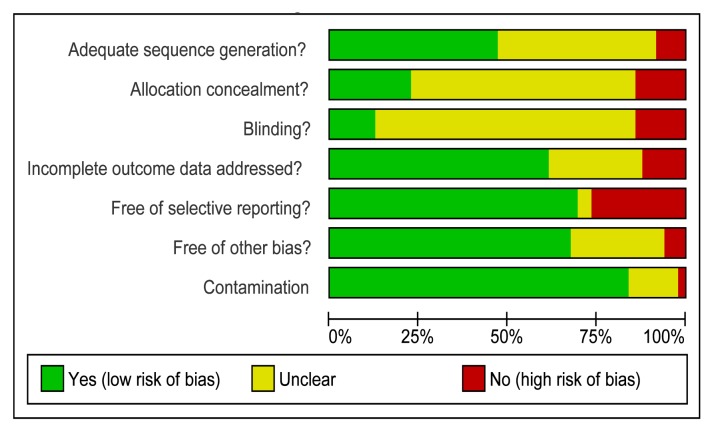
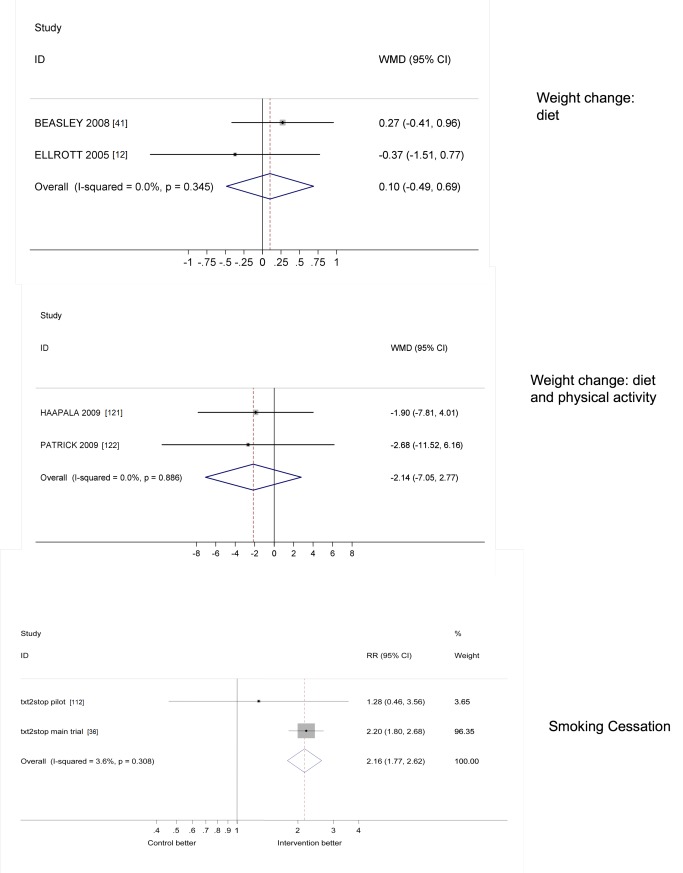
BACKGROUND: Mobile technologies could be a powerful media for providing individual level support to health care consumers. We conducted a systematic review to assess the effectiveness of mobile technology interventions delivered to health care consumers. METHODS AND FINDINGS: We searched for all controlled trials of mobile technology-based health interventions delivered to health care consumers using MEDLINE, EMBASE, PsycINFO, Global Health, Web of Science, Cochrane Library, UK NHS HTA (Jan 1990-Sept 2010). Two authors extracted data on allocation concealment, allocation sequence, blinding, completeness of follow-up, and measures of effect. We calculated effect estimates and used random effects meta-analysis. We identified 75 trials. Fifty-nine trials investigated the use of mobile technologies to improve disease management and 26 trials investigated their use to change health behaviours. Nearly all trials were conducted in high-income countries. Four trials had a low risk of bias. Two trials of disease management had low risk of bias; in one, antiretroviral (ART) adherence, use of text messages reduced high viral load (>400 copies), with a relative risk (RR) of 0.85 (95% CI 0.72-0.99), but no statistically significant benefit on mortality (RR 0.79 [95% CI 0.47-1.32]). In a second, a PDA based intervention increased scores for perceived self care agency in lung transplant patients. Two trials of health behaviour management had low risk of bias. The pooled effect of text messaging smoking cessation support on biochemically verified smoking cessation was (RR 2.16 [95% CI 1.77-2.62]). Interventions for other conditions showed suggestive benefits in some cases, but the results were not consistent. No evidence of publication bias was demonstrated on visual or statistical examination of the funnel plots for either disease management or health behaviours. To address the limitation of the older search, we also reviewed more recent literature. CONCLUSIONS: Text messaging interventions increased adherence to ART and smoking cessation and should be considered for inclusion in services. Although there is suggestive evidence of benefit in some other areas, high quality adequately powered trials of optimised interventions are required to evaluate effects on objective outcomes.
Overview
The claims and statistics of this paper haven’t been checked yet.
Free: it reads the open-access text and checks the first 5 claims that cite a source we can check. Create a free account to check every claim.
Integrity signals
Registry
Cites
Statistics
Figures
Verification
Claims the paper makes
The claims and statistics of this paper haven’t been checked yet.
Free: it reads the open-access text and checks the first 5 claims that cite a source we can check. Create a free account to check every claim.
Claims other papers make about this one
Each is checked against this paper’s own text: does it say what the citing paper says it does?
The source backs part of the claim, not all of it — or backs it for a different population, condition or comparison.
In the citing paper
“Three systematic reviews found reminders for disease monitoring improve healthcare processes but with education through voice call and text messages, both health outcomes and care processes improve.18 22 23”
From mHealth text and voice communication for monitoring people with chronic diseases in low-resource settings: a realist review (2018) · cites this paper as [23]
Experimental — accuracy not yet measuredThe source backs part of the claim, not all of it — or backs it for a different population, condition or comparison.
In the citing paper
“there are still too few high-quality, adequately powered RCTs evaluating the use of such apps [83,84].”
From Theory-Based Design and Development of a Socially Connected, Gamified Mobile App for Men About Breastfeeding (Milk Man) (2016) · cites this paper as [84]
Experimental — accuracy not yet measuredThe source backs part of the claim, not all of it — or backs it for a different population, condition or comparison.
In the citing paper
“While the use of mobile technology in public health interventions has grown significantly”
From Theory-Based Design and Development of a Socially Connected, Gamified Mobile App for Men About Breastfeeding (Milk Man) (2016) · cites this paper as [84]
Experimental — accuracy not yet measuredThe source backs part of the claim, not all of it — or backs it for a different population, condition or comparison.
In the citing paper
“Mobile phone messaging interventions are a potential cost-effective approach to promote habit formation.43–45”
From Refining and optimising a behavioural intervention to support endocrine therapy adherence (ROSETA) in UK women with breast cancer: Protocol for a pilot fractional factorial trial (2023) · cites this paper as [45]
Experimental — accuracy not yet measuredThe cited source says what the claim attributes to it.
In the citing paper
“In high-income countries, interventions have included these aspects of care.18 22 23”
From mHealth text and voice communication for monitoring people with chronic diseases in low-resource settings: a realist review (2018) · cites this paper as [23]
7 more claims about this paper
Create a free account to see every claim other papers make about this one.
Self-check
Percentages, sums and reported differences re-computed from the paper’s own numbers.
The self-check needs the paper’s full text.
Citations
Cites
2 retracted
Psychological interventions for overweight or obesity
Shaw, K. A., O'Rourke, P., Del Mar, C., & Kenardy, J. (2005) · Cochrane Database of Systematic Reviews · doi:10.1002/14651858.cd003818.pub2 · Cited by 442 · cited 1×
“Likewise, it is unsurprising that interventions delivered by mobile technologies appear to have small effects on weight, given the paucity of effective behavioural change interventions for obesity [105,106].”
RetractedZolfaghari, M., Mousavifar, S. A., Pedram, S., & Haghani, H. (2012) · Journal of Clinical Nursing · doi:10.1111/j.1365-2702.2011.03951.x · Cited by 101 · cited 1×
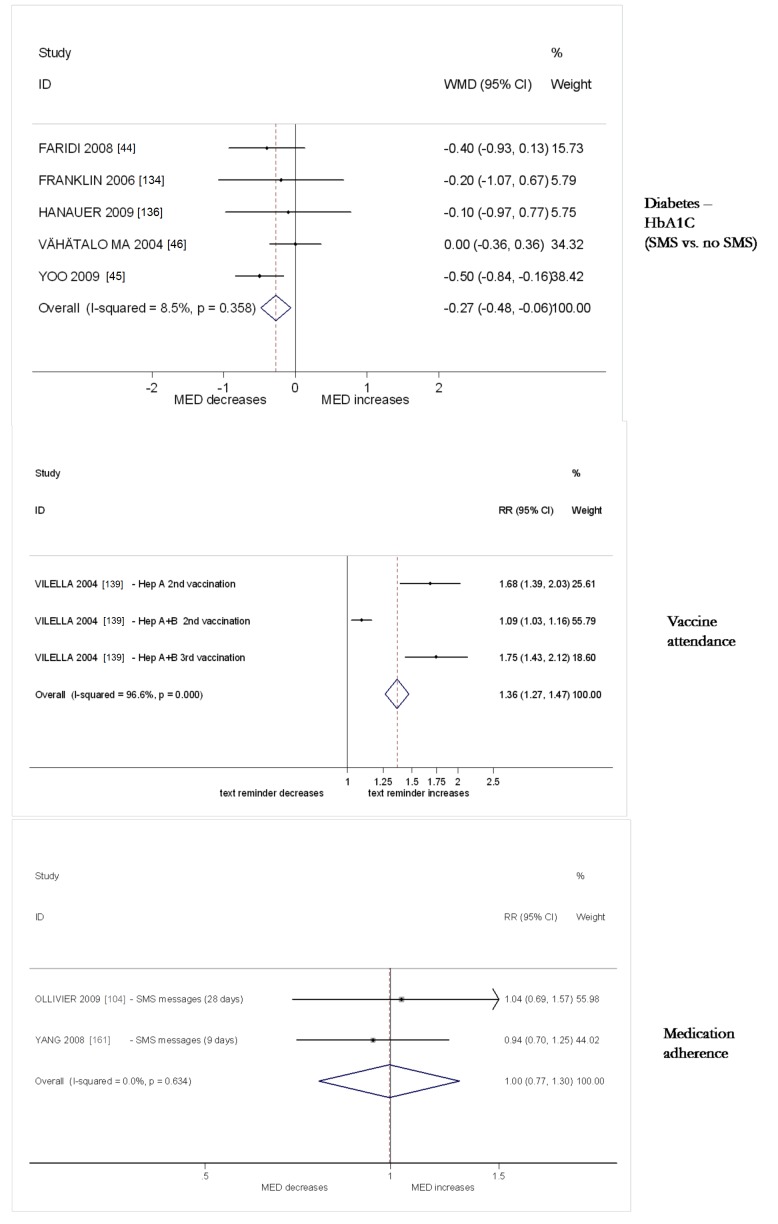
“Four trials of a diabetes care intervention, three involving text messages and the other involving video messages, reported statistically significant decreases in HBA1C, which were of borderline clinical significance [69–73].”
RetractedCochrane Handbook for Systematic Reviews of Interventions: Cochrane Book Series
(2008) · doi:10.1002/9780470712184 · Cited by 25,048 · cited 1×
“Risk of bias was assessed according to the criteria outlined by the International Cochrane Collaboration [35].”
Zhang, Q., Wang, C., Zheng, M., Li, Y., Li, J., Zhang, L., Shang, X., & Yan, C. (2015) · Cerebrovascular Diseases · doi:10.1159/000369778 · Cited by 11,533
Pharmacological interventions for somatoform disorders in adults
Kleinstäuber, M., Witthöft, M., Steffanowski, A., van Marwijk, H., Hiller, W., & Lambert, M. J. (2014) · Cochrane Database of Systematic Reviews · doi:10.1002/14651858.cd010628.pub2 · Cited by 11,335
Cochrane Handbook for Systematic Reviews of Interventions Version 5.0.1. The Cochrane Collaboration
Higgins, J. P. T., Green, S. R., & Higgins, J. P. T. (2008) · Cited by 7,226
Collaboration, A. T. (2002) · BMJ · doi:10.1136/bmj.324.7329.71 · Cited by 6,943
Mortality in relation to smoking: 40 years' observations on male British doctors
Doll, R., Peto, R., Wheatley, K., Gray, R., & Sutherland, I. (1994) · BMJ · doi:10.1136/bmj.309.6959.901 · Cited by 5,932
Update on Key Emerging Challenges in Cystic Fibrosis
Jennings, M. T., Riekert, K. A., & Boyle, M. P. (2014) · Medical Principles and Practice · doi:10.1159/000357646 · Cited by 3,648
Research works printed but not linked: 6
- Rodgers A, Corbett T, Bramley D, Riddell T, Wills M, et al (2005) Do u smoke after txt? Results of a randomised trial of smoking cessation using mobile phone text messaging. Tob Control 14: 255– 261. 16046689 PMC1748056 · DOI · Paper page
- Medical Research Council (2000) A framework for development and evaluation of RCTs for complex interventions to improve health. London, Medical Research Council
- Free C, Whittaker R, Knight R, Abramsky T, Rodgers A, et al (2009) Txt2stop: a pilot randomised controlled trial of mobile phone-based smoking cessation support. Tob Control 18: 88– 91. 19318534 · DOI · Paper page
- Ellrott T, Austel A, Rademacher C, Oberritter H, Benecke R, et al (2005) Self-help programme for weight reduction with and without support by a handheld nutrition computer. [German]. Ernahrungs Umschau 52.
- Delamere S, Dooley S, Harrington L, King A, Mulcahy F (2006) Safer sex text messages: Evaluating a health education intervention in an adolescent population. Sexually Transmitted Infections 82: A27– A27.
- Liu W, Wang CH, Huang CD, Kuo HP (2007) A novel mobile phone-based self-care system improves asthma control [Abstract]. American Thoracic Society International Conference, May 18–23, 2007, San Francisco, California, USA. pp. [A93].
Cited by
Items 701–800 of 1,003
Shrestha, R., Altice, F. L., DiDomizio, E. E., Sibilio, B., Ranjit, Y. S., & Copenhaver, M. M. (2020) · Patient Preference and Adherence · doi:10.2147/ppa.s236794 · Cited by 25
Zahmatkeshan, M., Yazdani, A., Karbasi, Z., Afifian, M., Seraji, M., & Gholampour, Y. (2021) · Journal of Medicine and Life · doi:10.25122/jml-2020-0163 · Cited by 25
“To manage the disease and reduce the impact of chronic diseases, mobile health technologies can be helpful through the promotion of healthy behaviors [15, 66, 67].”
BackgroundDinkel, D. M., Caspari, J. H., Fok, L., Notice, M. R., Johnson, D. J., Watanabe‐Galloway, S., & Emerson, M. R. (2021) · Translational Behavioral Medicine · doi:10.1093/tbm/ibab075 · Cited by 21
“In addition, research clearly support the efficacy of smartphone-based mental health interventions [10, 11].”
McCallum, G. B., Versteegh, L. A., Morris, P. S., McKay, C., Jacobsen, N., White, A. V., D’Antoine, H. A., & Chang, A. B. (2014) · BMC Public Health · doi:10.1186/1471-2458-14-622 · Cited by 33
“However, the conditions studied have commonly focused on adult disease surveillance and chronic diseases [9-12].”
BackgroundKumar, D., & Arya, M. (2015) · Journal of Mobile Technology in Medicine · doi:10.7309/jmtm.4.1.6 · Cited by 26
Trading pounds for points: Engagement and weight loss in a mobile health intervention
Hales, S. B., Turner‐McGrievy, G. M., Wilcox, S., Davis, R. E., Fahim, A., Huhns, M. N., & Valafar, H. (2017) · Digital Health · doi:10.1177/2055207617702252 · Cited by 24
“smartphones, tablets, activity monitors) to improve health behaviors, is an emerging mode of delivery for behavioral interventions.(3) 6 Novel mobile applications (apps) have been developed (1)Health Promotion, Education, and Behavior, University of South Carolina,”
BackgroundSchierhout, G., Praveen, D., Patel, B. N., Li, Q., Mogulluru, K., Ameer, M. A., Patel, A. A., Clifford, G. D., Joshi, R., Heritier, S. R., et al. (2021) · BMJ Global Health · doi:10.1136/bmjgh-2021-005003 · Cited by 31
Smith, S. G., Green, S. M. C., Ellison, R., Foy, R., Graham, C. D., Mason, E., French, D. P., Hall, L. H., Wilkes, H., McNaught, E., et al. (2023) · BMJ Open · doi:10.1136/bmjopen-2022-069971 · Cited by 20
van Drongelen, A., Boot, C. R. L., Hlobil, H., Smid, T., & van der Beek, A. J. (2016) · BMC Public Health · doi:10.1186/s12889-016-3572-1 · Cited by 20
“The usage of mobile health (mobile phone technologies in health care and public health) has expanded rapidly during the last decade [12].”
BackgroundWhat Do Smokers Want in A Smartphone-Based Cessation Application?
Oliver, J. A., Hallyburton, M. B., Pacek, L. R., Mitchell, J. T., Vilardaga, R., Fuemmeler, B. F., & McClernon, F. J. (2017) · Nicotine & Tobacco Research · doi:10.1093/ntr/ntx171 · Cited by 21
Krebs, P. M., Sherman, S. E., Wilson, H., Shahawy, O. E., Abroms, L. C., Zhao, X., Nahvi, S., & Shelley, D. (2020) · Translational Behavioral Medicine · doi:10.1093/tbm/ibz033 · Cited by 20
Kitsiou, S., Gerber, B. S., Kansal, M. M., Buchholz, S. W., Chen, J., Ruppar, T. M., Arrington, J., Owoyemi, A., Leigh, J. W., & Pressler, S. J. (2021) · Contemporary Clinical Trials · doi:10.1016/j.cct.2021.106433 · Cited by 30
Kwon, H. E., Dewan, S., Oh, W., & Kim, T.-K. (2022) · Information Systems Research · doi:10.1287/isre.2022.1144 · Cited by 22
Boal, A. L., Abroms, L. C., Simmens, S. J., Graham, A. L., & Carpenter, K. (2015) · Nicotine & Tobacco Research · doi:10.1093/ntr/ntv249 · Cited by 20
Cues to Action as Motivators for Children’s Brushing
Walker, K. K., Steinfort, E. L., & Keyler, M. J. (2014) · Health Communication · doi:10.1080/10410236.2014.904030 · Cited by 18
“Similarly, mobile textmessaging interventions aimed at health behavior changes have demonstrated efficacy (Free et al., 2013).”
BackgroundHealth Promotion Text Messaging Preferences and Acceptability Among the Medically Underserved
Albright, K., Krantz, M. J., Jarquin, P. B., DeAlleaume, L., Coronel-Mockler, S., & Estacio, R. O. (2015) · Health Promotion Practice · doi:10.1177/1524839914566850 · Cited by 23
“Text messaging interventions have been shown to improve medication adherence in hypertensive patients and self-efficacy among diabetics (Free et al., 2013; Vodopivec-Jamsek et al., 2012), increase quit rates among cigarette smokers (Whittaker et al., 2012), help sustain weight loss (Shaw et al.,…”
BackgroundHuby, K., Swallow, V. M., Smith, T., & Carolan, I. (2016) · Child Care Health and Development · doi:10.1111/cch.12394 · Cited by 26
“…signal leads to the conclusion that interventions utilizing modern mobile electronic technologies may be a more suitable way to provide information and support in a resource-efficient manner than interventions utilizing the Internet (Dennison et al. 2013; Free et al. 2013; Gray & McDonagh 2013).”
BackgroundEmpathic Avatars in Stroke Rehabilitation: A Co-designed mHealth Artifact for Stroke Survivors
Aljaroodi, H. M., Adam, M. T. P., Chiong, R., Cornforth, D. J., & Minichiello, M. (2017) · Lecture notes in computer science · doi:10.1007/978-3-319-59144-5_5 · Cited by 23
Hassandra, M., Lintunen, T., Hagger, M. S., Heikkinen, R., Vanhala, M., & Kettunen, T. (2017) · JMIR mHealth and uHealth · doi:10.2196/mhealth.6252 · Cited by 20
“Behavioral interventions delivered through mobile phones and handheld devices offer promising opportunities to expand psychological practice [6,7], and the integration of effective behavior change interventions using software in these devices [8] (collectively known as mHealth apps) may help…”
Hubel, G. S., Rostad, W. L., Brown, S., & Moreland, A. D. (2018) · Child Abuse & Neglect · doi:10.1016/j.chiabu.2018.02.005 · Cited by 22
Self-monitoring induced savings on type 2 diabetes patients’ travel and healthcare costs
Leminen, A., Tykkyläinen, M., & Laatikainen, T. K. (2018) · International Journal of Medical Informatics · doi:10.1016/j.ijmedinf.2018.04.012 · Cited by 24
Moyano, D. L., Morelli, D., Santero, M., Belizán, M., Irazola, V. E., & Beratarrechea, A. G. (2019) · JMIR Diabetes · doi:10.2196/10350 · Cited by 22
“Some studies have postulated that interventions with text messaging in LMIC have a positive impact on chronic disease management, including diabetes [14,40-43].”
BackgroundWright, C. C. J., Schwarzman, J., Dietze, P., Crockett, B., & Lim, M. S. C. (2019) · Health Research Policy and Systems · doi:10.1186/s12961-018-0406-x · Cited by 23
“lations with health promotion interventions [1].”
BackgroundMonaco, A., Maggi, S., Cola, P. D., Hassan, T. A., Palmer, K., & Donde, S. S. (2019) · Aging Clinical and Experimental Research · doi:10.1007/s40520-019-01258-8 · Cited by 25
Smith, C., Sokhey, L., Vannak, U., Warnock, R., & Free, C. (2017) · Reproductive Health · doi:10.1186/s12978-017-0329-y · Cited by 23
“However, reviews of trials of text messages for medication adherence show limited evidence [1, 21].”
BackgroundSelf-citationCo-designing a mHealth Application for Self-management of Cystic Fibrosis
Vilarinho, T., Floch, J., & Stav, E. (2017) · Lecture notes in computer science · doi:10.1007/978-3-319-67687-6_1 · Cited by 23
“Indeed, different reviews [24, 12] show that ICT can positively affect self-management.”
Telemedicine for patients with COPD: new treatment approaches to improve daily activity behaviour
Tabak, M. (2014) · doi:10.3990/1.9789461085900 · Cited by 25
Realizing the Potential of Patient Engagement: Designing IT to Support Health in Everyday Life
Novak, L. L., Unertl, K. M., & Holden, R. J. (2016) · Studies in health technology and informatics · doi:10.3233/978-1-61499-635-4-237 · Cited by 21
How to Become a Smart Patient in the Era of Precision Medicine?
Chen, Y., Yang, L., Hu, H., Chen, J., & Shen, B. (2017) · Advances in experimental medicine and biology · doi:10.1007/978-981-10-6041-0_1 · Cited by 25
iCHRCloud: Web & Mobile based Child Health Imprints for Smart Healthcare
Singh, H. P., Mallaiah, R., Yadav, G., Verma, N., Sawhney, A., & Brahmachari, S. K. (2017) · Journal of Medical Systems · doi:10.1007/s10916-017-0866-5 · Cited by 23
“Also, introduction of mobile based intervention could significantly increase its user-pool [13], 2) It doesn’t provide automatic computing features for vaccination due dates and is unable to send timely reminders to the parents, 3) Also, it does not provide print feature for the entire vaccination record of the child…”
BackgroundKocher, A., Simon, M., Dwyer, A. A., Villiger, P. M., Künzler‐Heule, P., Geest, S. D., Berben, L., & Nicca, D. (2019) · Journal of Advanced Nursing · doi:10.1111/jan.14185 · Cited by 24
Morrison, J., Akter, K., Jennings, H. M., Ahmed, N., Shaha, S. K., Kuddus, A., Nahar, T., King, C., Haghparast‐Bidgoli, H., Khan, A., et al. (2021) · Global Public Health · doi:10.1080/17441692.2021.1923776 · Cited by 24
“Interactive approaches have been identified as more successful than one way communication of information in reviews of mHealth interventions with high-risk groups(Free et al., 2013; Watkins et al., 2018).”
BackgroundIs It Better to Give Than to Receive? Leveraging Digital Social Connections for Healthy Behavior
Liu, C., Gao, G. G., & Agarwal, R. (2018) · MIS Quarterly · doi:10.25300/misq/2022/16177 · Cited by 19
Mother’s Milk Messaging™: trial evaluation of app and texting for breastfeeding support
Bunik, M. E., Jimenez-Zambrano, A. M., Solano, M., Beaty, B. L., Juarez‐Colunga, E., Zhang, X., Moore, S. L., Bull, S. S., & Leiferman, J. A. (2022) · BMC Pregnancy and Childbirth · doi:10.1186/s12884-022-04976-6 · Cited by 19
Malathi, A. C. J., & Jasim, K. M. (2022) · International Journal of Medical Informatics · doi:10.1016/j.ijmedinf.2022.104883 · Cited by 35
E-Health Research in Southeast Asia: A Bibliometric Review
Lwin, H. N. N., Punnakitikashem, P., & Thananusak, T. (2023) · Sustainability · doi:10.3390/su15032559 · Cited by 33
Designing digital patient experiences: The digital health design framework
Wang, T., Zhu, H., Qian, S., Giunti, G., Goossens, R., & Melles, M. (2024) · Applied Ergonomics · doi:10.1016/j.apergo.2024.104289 · Cited by 29
Kopka, M., Slagman, A. C., Schorr, C., Krampe, H., Altendorf, M. B., Balzer, F., Bolanaki, M., Kuschick, D., Möckel, M., Napierala, H., et al. (2024) · Smart Health · doi:10.1016/j.smhl.2024.100517 · Cited by 23
Howren, M. B., Liew, J. R., & Christensen, A. J. (2013) · Social and Personality Psychology Compass · doi:10.1111/spc3.12033 · Cited by 25
The Importance of Global Health Experiences in the Development of New Cardiologists
Abdalla, M., Kovach, N., Liu, C. S., Damp, J. B., Jahangir, E., Hilliard, A. A., Gopinathannair, R., Abu-Fadel, M. S., El‐Chami, M. F., Gafoor, S. A., et al. (2016) · Journal of the American College of Cardiology · doi:10.1016/j.jacc.2015.10.089 · Cited by 19
“Lesson 1: Mastering the Bedside Physical Exam and Mobile Technology in Resource-Limited Settings— “Over the past several years, the use of mobile health technologies and interventions has had a positive impact on patient care and health care service delivery processes within developed nations (15).”
A review on diabetes patient lifestyle management using mobile application
Basar, M. A., Alvi, H. N., Bokul, G. N., Khan, M. S., Anowar, F., Huda, M. N., & Mamun, K. A. (2015) · International Conference on Computer and Information Technology (ICCIT) · doi:10.1109/iccitechn.2015.7488100 · Cited by 20
“And “Diabetes management”, “Blood glucose monitor”, “Diabetes”, “Insulin”, “Blood sugar” were the key words for searching apps.”
BackgroundFramework of sensor‐based monitoring for pervasive patient care
Triantafyllidis, A. K., Koutkias, V. G., Chouvarda, I., Adami, I., Kouroubali, A., & Maglaveras, N. (2016) · Healthcare Technology Letters · doi:10.1049/htl.2016.0017 · Cited by 22
Chow, C. K., Islam, S. M. S., Farmer, A. A., Bobrow, K., Maddision, R., Whittaker, R., Dale, L. P., Lechner, A., Niessen, L. W., Lear, S. A., et al. (2016) · BMJ Open · doi:10.1136/bmjopen-2016-012723 · Cited by 20
“In recent years, mobile health (mHealth) has gained increasing momentum with the potential to transform how we deliver healthcare, through scalability, affordability and personalisation.(3) Furthermore many people across all income groups own mobile phones, particularly in low-income countries where mobile phone usage…”
BackgroundApplications of m-Health and e-Health in Public Health Sector: The Challenges and Opportunities
Bhattacharya, S., Kumar, A., Kaushal, V., & Singh, A. (2018) · International Journal of Medicine and Public Health · doi:10.5530/ijmedph.2018.2.12 · Cited by 19
Brew‐Sam, N., & Chib, A. I. (2019) · International Journal of Technology Assessment in Health Care · doi:10.1017/s0266462319000163 · Cited by 22
McCarthy, O., Aliaga, C., Palacios, M. E. T., Gallardo, J. L., Huaynoca, S., Leurent, B., Edwards, P., Palmer, M. J., Ahamed, I., & Free, C. (2020) · Journal of Medical Internet Research · doi:10.2196/14073 · Cited by 32
“The option of delivering health interventions by a mobile phone has gained popularity, particularly over the last decade [13-24].”
Self-citationAmpt, F. H., Lim, M. S. C., Agius, P. A., L’Engle, K. L., Manguro, G., Gichuki, C. M., Gichangi, P., Chersich, M., Jaoko, W. G., Temmerman, M., et al. (2020) · The Lancet Global Health · doi:10.1016/s2214-109x(20)30389-2 · Cited by 21
Leon, N., Namadingo, H., Bobrow, K., Cooper, S., Crampin, A. C., Pauly, B., Levitt, N. S., & Farmer, A. A. (2021) · BMC Public Health · doi:10.1186/s12889-020-10089-6 · Cited by 26
“Brief text messaging is showing promise for supporting adherence and health behaviour in a range of conditions [9, 10], including for diabetes [11–14].”
BackgroundCohn, W. F., Canan, C. E., Knight, S., Waldman, A. L., Dillingham, R., Ingersoll, K. S., Schexnayder, J. K., & Flickinger, T. (2021) · JMIR mhealth and uhealth · doi:10.2196/19163 · Cited by 20
“Improved outcomes have been reported for mHealth users with chronic diseases including asthma, diabetes, and HIV [4-8].”
BackgroundMobile phone-based interventions for improving contraception use
Perinpanathan, T., Maiya, S., van Velthoven, M. H., Nguyen, A. T., Free, C., & Smith, C. (2023) · Cochrane Database of Systematic Reviews · doi:10.1002/14651858.cd011159.pub3 · Cited by 27
Self-citationMajeed‐Ariss, R., Hall, A. G., McDonagh, J. E. R., Fallon, D., & Swallow, V. M. (2015) · JMIR Research Protocols · doi:10.2196/resprot.4159 · Cited by 21
Coday, M., Richey, P. A., Thomas, F., Tran, Q. T., Terrell, S., Tylavsky, F., Miro, D. Z., Caufield, M., & Johnson, K. (2016) · Contemporary Clinical Trials Communications · doi:10.1016/j.conctc.2015.12.010 · Cited by 20
“Technology-based recruitment methods hold promise as a more robust form of reaching and enrolling historically hard to reach young adults [11], as do technology delivered interventions for greater dissemination of behavioral treatments to diverse populations [12].”
Sentiment Analysis of Service Quality of Online Healthcare Platform Using Fast Large-Margin
Pandesenda, A. I., Yana, R. R., Sukma, E. A., Yahya, A. N., Widharto, P., & Hidayanto, A. N. (2020) · International Conference on Informatics, Multimedia, Cyber and Information System (ICIMCIS) · doi:10.1109/icimcis51567.2020.9354295 · Cited by 22
“Mobile Technology is a tool by which healthcare users are assisted [1].”
Bendtsen, M., Bendtsen, P., & Müssener, U. (2021) · JMIR mhealth and uhealth · doi:10.2196/29913 · Cited by 22
“The content of the messages was based on a similar intervention targeting university students in Sweden [14,15], which was based on existing evidence-based practice [10,16-22].”
Trang, K., Le, L. X., Brown, C., To, M. Q., Sullivan, P. S., Jovanović, T., Worthman, C. M., & Giang, L. M. (2022) · JMIR Formative Research · doi:10.2196/30360 · Cited by 16
“mHealth interventions have shown promising results in improving medication adherence [24,25], health care engagement [24,26,27], and other health-promoting behaviors such as engagement in physical activity [28-30] in diverse populations.”
BackgroundRaising Health Awareness in Rural Communities: A Randomized Experiment in Bangladesh and India
Siddique, A., Rahman, T., Pakrashi, D., Islam, A., & Ahmed, F. (2022) · The Review of Economics and Statistics · doi:10.1162/rest_a_01182 · Cited by 25
Sewpaul, R., Resnicow, K., Crutzen, R., Dukhi, N., Ellahebokus, A., & Reddy, P. S. (2023) · JMIR Research Protocols · doi:10.2196/43654 · Cited by 23
“Mobile health (mHealth) interventions are increasingly being used to provide educational, motivational, and behavioral content for a range of issues such as smoking cessation, weight loss, and mental and sexual health [20-23].”
Villanueva, J. A., Suárez, M., Garmendia, O., Lugo, V. M., Ruíz, C., & Montserrat, J. M. (2017) · Smart Homecare Technology and TeleHealth · doi:10.2147/shtt.s108048 · Cited by 19
“They have also been shown to improve compliance with treatment and to instigate behavior changes, such as smoking cessation, via telemedicine interventions (TIs).(6,65)”
Kuerbis, A., van Stolk‐Cooke, K., & Muench, F. J. (2017) · Journal of Rehabilitation and Assistive Technologies Engineering · doi:10.1177/2055668317733257 · Cited by 23
Kassianos, A. P., Georgiou, G., Papaconstantinou, E. P., Detzortzi, A., & Horne, R. (2017) · Frontiers in Psychology · doi:10.3389/fpsyg.2017.01769 · Cited by 21
“These apps can be cost-effective and individually tailored to patients (Free et al., 2013).”
BackgroundRules of engagement in mobile health: what does mobile health bring to research and theory?
Şahin, Ç. Ç. (2018) · Contemporary Nurse · doi:10.1080/10376178.2018.1448290 · Cited by 17
“It is becoming more and more difficult to provide effective healthcare due to the exponential growth of chronic diseases, aging population, and human mobility worldwide (Free et al., 2013; Gleason, 2015; United Nations [UN], 2017a, 2017b; Vandelanotte et al., 2016).”
BackgroundExploring the Design of mHealth Systems for Health Behavior Change using Mobile Biosensors
Noorbergen, T. J., Adam, M. T. P., Attia, J. R., Cornforth, D. J., & Minichiello, M. (2019) · Communications of the Association for Information Systems · doi:10.17705/1cais.04444 · Cited by 28
“…order to develop a set of general guidelines to support system designers in designing mHealth systems for 3 Reviewing 26 randomized control trials, Free et al. (2013) found that, other than SMS-based interventions (e.g., for smoking cessation), mHealth-based BCIs had limited effects on health…”
BackgroundMethodInfluentialEfficacy of Osteoporosis Prevention Smartphone App
Ryan, P. A., Brown, R., Csuka, M. E., & Papanek, P. E. (2019) · Nursing Research · doi:10.1097/nnr.0000000000000392 · Cited by 19
Hernández-Reyes, A., Molina‐Recio, G., Molina‐Luque, R., Romero‐Saldaña, M., Cámara‐Martos, F., & Rojas, R. M. (2020) · BMC Medical Informatics and Decision Making · doi:10.1186/s12911-020-1058-7 · Cited by 21
Identification of Diseases Based on the Use of Inertial Sensors: A Systematic Review
Ponciano, V., Pires, I. M., Ribeiro, F., Marques, G., Villasana, M. V., García, N. M., Zdravevski, E., & Spinsante, S. (2020) · Electronics · doi:10.3390/electronics9050778 · Cited by 23
Li, Z., Tse, M. Y. M., & Tang, A. S. K. (2020) · International Journal of Environmental Research and Public Health · doi:10.3390/ijerph17144966 · Cited by 18
“Dyadic pain education can relieve pain symptoms in both older adults and their informal caregivers [65,66].”
BackgroundNg, K. Y. B., Steegers‐Theunissen, R. P. M., Willemsen, S. P., Wellstead, S. J., Cheong, Y. C., & Macklon, N. (2021) · Reproductive BioMedicine Online · doi:10.1016/j.rbmo.2021.04.003 · Cited by 23
L’Engle, K. L., Green, K., Succop, S., Laar, A. K., & Wambugu, S. (2015) · JMIR Research Protocols · doi:10.2196/resprot.3659 · Cited by 29
“Implementation research is needed to keep pace with mHealth program scale-up to provide guidance for optimal delivery and effectiveness of mHealth programs [3,18,20-22].”
Use of self-monitoring tools in a clinic sample of adults with type 2 diabetes
Tanenbaum, M. L., Bhatt, H. B., Thomas, V. A., & Wing, R. R. (2016) · Translational Behavioral Medicine · doi:10.1007/s13142-016-0418-4 · Cited by 22
“However, a recent meta-analysis of mobile interventions across health areas found small-to-no benefits for glycemic control, weight, and other diabetesrelated outcomes in diabetes-specific trials, and found the least benefit in interventions with texting-only medication reminders [26].”
BackgroundDobson, R., Herbst, P., Candy, S., Brott, T., Garrett, J., Humphrey, G., Reeve, J., Tawhai, M. H., Taylor, D., Warren, J., et al. (2019) · JMIR Formative Research · doi:10.2196/15466 · Cited by 18
“There is a wealth of evidence for the use of mobile technology to deliver health interventions to people with chronic conditions including the delivery of rehabilitation interventions, self-management support programs, behavior change interventions, and supportive care [15-18].”
BackgroundHaenssgen, M. J., Charoenboon, N., & Zanello, G. (2020) · World Development · doi:10.1016/j.worlddev.2020.105156 · Cited by 23
Diabetes Professionals Must Seize the Opportunity in Mobile Health
Brandell, B., & Ford, C. (2013) · Journal of Diabetes Science and Technology · doi:10.1177/193229681300700622 · Cited by 24
“J Diabetes Sci Technol 2013;7(6):1616–1620 COMMENTARY”
Li, A. C., Wong, K. K., Chio, F. H., Mak, W. W., & Poon, L. W. (2022) · Journal of Medical Internet Research · doi:10.2196/30073 · Cited by 17
“Text messaging, considered as one of the future trends of internet-based interventions, may alleviate this problem, given the temporal synchronization feature of instant messaging that allows the intervention to catch people’s attention directly [31,32].”
Simpson, A., Beauchamp, M. R., Dimmock, J. A., Willis, C., & Jackson, B. (2025) · Psychology of sport and exercise · doi:10.1016/j.psychsport.2025.102918 · Cited by 26
Chinese Hospitalized Cardiovascular Patients’ Attitudes Towards Self-Management: A Qualitative Study
Qiu, R., Schick‐Makaroff, K., Tang, L., Wang, X., Zhang, Q., & Ye, Z. (2020) · Patient Preference and Adherence · doi:10.2147/ppa.s236348 · Cited by 18
“Or others would prefer to use electronic devices to get access to mobile health (mHealth) approaches.(50,51) It might be explained that mHealth intervention made participants more engaged in the interaction and strengthen mutual relationships, and online information helps them exchange real-time feelings and receive o…”
BackgroundLeon, N., Namadingo, H., Cooper, S., Bobrow, K., Mwantisi, C., -, M. N., Sicwebu, N., Crampin, A. C., Levitt, N. S., & Farmer, A. A. (2021) · BMC Public Health · doi:10.1186/s12889-021-11552-8 · Cited by 24
Wang, K., Lee, G. H. M., Liu, P., Gao, X., Wong, S. Y. S., & Wong, M. C. M. (2022) · Trials · doi:10.1186/s13063-022-06208-w · Cited by 18
“Mobile technologies are therefore popularized for their informativeness and interactivity, among which sending text messages has been proven effective in health-related behavior intervention [13].”
BackgroundLi, Z., Lei, Y., Bui, Q. V. P., DePaul, O., Nicol, G. E., Mohr, D. C., Lee, S. I., Fong, M. W. M., Metts, C. L., Tomazin, S. E., et al. (2024) · JMIR Rehabilitation and Assistive Technologies · doi:10.2196/50863 · Cited by 22
Design and usability evaluation of a mobile application for self-care among Iranian adolescents
Rezaee, R., Ghaffari, M., Rabiei, R., Kavousi, A., & Rakhshanderou, S. (2024) · BMC Public Health · doi:10.1186/s12889-024-18341-z · Cited by 23
Statins and Nonadherence: Should We RELATE Better?
Turin, A., Pandit, J. A., & Stone, N. J. (2015) · Journal of Cardiovascular Pharmacology and Therapeutics · doi:10.1177/1074248415578170 · Cited by 19
Hassandra, M., Lintunen, T., Kettunen, T., Vanhala, M. J., Toivonen, H.-M., Kinnunen, K., & Heikkinen, R. (2015) · JMIR Research Protocols · doi:10.2196/resprot.4600 · Cited by 17
“A more recent systematic review [26] concluded that SMS-based smoking cessation interventions more than doubled”
Agarwal, S., Vasudevan, L., Tamrat, T., Glenton, C., Lewin, S. A., Bergman, H., Henschke, N., Mehl, G. L., & Fønhus, M. S. (2018) · Cochrane Database of Systematic Reviews · doi:10.1002/14651858.cd012925 · Cited by 17
Comulada, W. S., Tang, W., Swendeman, D. T., Cooper, A., Wacksman, J., & Adolescent Medicine Trials Network (ATN) CARES Team (2018) · JMIR Research Protocols · doi:10.2196/10777 · Cited by 17
“EDC systems have been used to deliver automated short message service (SMS) text messages to participants’ mobile phones to provide health education, medication, and clinic visit appointment reminders [15,16].”
Aguirre, P. E. A., Lotto, M., Strieder, A. P., Cruvinel, A. F. P., & Cruvinel, T. (2019) · JMIR Research Protocols · doi:10.2196/13656 · Cited by 22
“In this sense, a large number of people could be benefited by health interventions using mobile devices, providing information on health care even in situations of low availability of material and human resources [5].”
David, C. N. D., Ziegelmann, P. K., Goveia, P., Silvani, J., Silveira, L. R. P. D., & Fuchs, S. C. (2022) · European Journal of Preventive Cardiology · doi:10.1093/eurjpc/zwac017 · Cited by 17
Managing hemophilia: the role of mobile technology
Khair, K., & Holland, M. (2014) · Smart Homecare Technology and TeleHealth · doi:10.2147/shtt.s40961 · Cited by 17
Text-messaging program improves outcomes in outpatient cardiovascular rehabilitation
Lounsbury, P., Elokda, A. S., Gylten, D. A., Arena, R. A., Clarke, W. R., & Gordon, E. E. I. (2015) · IJC Heart & Vasculature · doi:10.1016/j.ijcha.2015.04.002 · Cited by 25
Duggan, G. B. (2016) · Behaviour and Information Technology · doi:10.1080/0144929x.2016.1141320 · Cited by 24
Ko, H., Teede, H., & Moran, L. (2016) · BMC Research Notes · doi:10.1186/s13104-016-2107-2 · Cited by 17
Mobile Health Technology Evaluation: Innovativeness and Efficacy vs. Cost Effectiveness
Idrish, S., Rifat, A., Iqbal, M., & Nisha, N. (2017) · International Journal of Technology and Human Interaction · doi:10.4018/ijthi.2017040101 · Cited by 21
Individualized Modeling to Distinguish Between High and Low Arousal States Using Physiological Data
Osotsi, A., Oravecz, Z., Li, Q., Smyth, J. M., & Brick, T. R. (2020) · Journal of Healthcare Informatics Research · doi:10.1007/s41666-019-00064-1 · Cited by 22
“Although some of these rules have shown promising results, comprehensive reviews [15, 30] on mHealth approaches have provided mixed results regarding their effectiveness.”
BackgroundMicro-Randomized Trials in mHealthPreprint
Liao, P., Klasnja, P., Tewari, A., & Murphy, S. A. (2015) · arXiv (Cornell University) · Cited by 17
HemoCheck: um aplicativo para pacientes com Hemofilia
Silva, L. G. C. S., Moreira, I. A. V., & Moreira, B. (2021) · Research Society and Development · doi:10.33448/rsd-v10i3.13633 · Cited by 16
Chen, L., Jang, F., Li, M., Zong, W., & Yu, H. (2025) · JMIR Aging · doi:10.2196/78686 · Cited by 17
“Currently, validated technological features used among the older adult population include self-management systems [9], physical robots [10], consoles [11], portable devices, and wearable technology [12].”
Stephenson, A., García-Constantino, M., McDonough, S., MURPHY, M. H., Nugent, C., & Mair, J. L. (2020) · Digital Health · doi:10.1177/2055207620913410 · Cited by 18
“Computer and mobile technologies have been successfully applied to improve diet and physical activity,(17,18) sexual health behaviours,(19) weight management,(20) alcohol reduction(18) and smoking cessation.(21,22) Digital technologies have also been used to reduce SB.”
Kouvarellis, A. J., der Spuy, K. V., Biccard, B. M., & Wilson, G. (2020) · South African Medical Journal · doi:10.7196/samj.2020.v110i10.14814 · Cited by 20
“[48-50] A phone call or text message reminder the night before surgery has been demonstrated to impact positively on health behaviour and improve adherence.[23,51,52] This prospective audit included a large cohort of paediatric inand outpatients undergoing a broad range of surgical and medical procedures.”
BackgroundShikako‐Thomas, K., Mogo, E., Grand’Maison, V., Simpson, R., Pritchard, L., & Majnemer, A. (2021) · JMIR Formative Research · doi:10.2196/23877 · Cited by 18
“The question of power calculation is often a challenge in assessing the impact of mHealth tools on health outcomes [35], given the challenges of generating a significant sample size and”
BackgroundHenson, S. J. S., Radin, R. M., Jhaveri, K., Brewer, J. A., Cohn, M., Hartogensis, W., & Mason, A. E. (2021) · Mindfulness · doi:10.1007/s12671-021-01760-z · Cited by 19
Influencing Factors to mHealth Uptake With Indigenous Populations: Qualitative Systematic Review
Goodman, A., Mahoney, R., Spurling, G., & Lawler, S. (2023) · JMIR mhealth and uhealth · doi:10.2196/45162 · Cited by 21
Krebs, P. M., Tseng, T., Pham, H., Wong, S., Sherman, S. E., Shelley, D., Furberg, R., & Wolfe, H. (2015) · Journal of Health Communication · doi:10.1080/10810730.2015.1018595 · Cited by 18
“The development of the text messaging intervention was based on findings indicating the efficacy of text messaging for tobacco cessation (Free et al., 2009, 2013) as well as findings from other studies that ‘‘simply forgetting’’ is the most common self-reported reason for nonadherence (Osterberg &…”
Metadata
- Authors
- Free, C., Phillips, G., Galli, L., Watson, L., Felix, L., Edwards, P., Patel, V., & Haines, A.
- Affiliations
- London School of Hygiene & Tropical Medicine (GB)
- University of Warwick (GB)
- Imperial College London (GB)
- Corresponding author
- Free, Caroline
- Venue
- PLoS Medicine
- Publisher
- Public Library of Science (PLoS)
- Published
- 2013-01-15
- Volume
- 10
- Issue
- 1
- Pages
- e1001362
- ISSN
- 1549-1277 (ISSN-L)
- 1549-1676
- PMC
- PMC3548655
- OpenAlex
- W1975071629
- Cited by
- 1,766
- References
- 165
- Citations by year
- 2026: 66 · 2025: 91 · 2024: 73 · 2023: 91 · 2022: 107 · 2021: 135 · 2020: 160 · 2019: 172 · 2018: 190 · 2017: 205 · 2016: 171 · 2015: 153 · 2014: 107 · 2013: 43
- FWCI
- 19.02
- Type
- journal article
- Language
- en
- Open access
- gold
- doi.org
- Locations
- PLoS Medicine (publishedVersion, cc-by)
- Europe PMC (PubMed Central) (publishedVersion, cc-by)
- PubMed Central (publishedVersion, cc-by)
- PubMed (publishedVersion)
- Research Explorer (The University of Manchester) (publishedVersion)
- LSHTM Research Online (London School of Hygiene and Tropical Medicine) (acceptedVersion)
- DOAJ (DOAJ: Directory of Open Access Journals) (submittedVersion, cc-by-sa)
- Figshare (submittedVersion, cc-by)
- Funders
- Wellcome Trust (091834)
- National Institute for Health and Care Research
- Topics
- Health Sciences › Health Professions › General Health Professions › Mobile Health and mHealth Applications
- Physical Sciences › Computer Science › Information Systems › Mobile Learning in Education
- Social Sciences › Psychology › Applied Psychology › Digital Mental Health Interventions
- Keywords
- mobile health, text messaging intervention, health behavior change, disease management, antiretroviral therapy adherence, HIV, smoking cessation, health care consumers
- MeSH terms
- Clinical Trials as Topic, Community Participation, Delivery of Health Care, Diet, Humans, Motor Activity, Health Behavior, Bias, Treatment Outcome, Telemedicine, Disease Management, Biomedical Technology, Medication Adherence
About these checks
Registry, retraction, Cites and statistics results are computed, not judged, with one exception: a printed reference that no index lists is read once by a model before it counts as a citation error. Claims are extracted by a model and kept only when their quote appears verbatim in the text; each cited source is then checked, with a model’s help, for whether it says what the claim relies on. Those verdicts can be wrong — read the claim’s quote and the cited source before relying on one.
Statistics and arithmetic are recomputed, not judged.
Confidence bands are shown only for fields calibrated on our annotated test set. None is calibrated yet, so no band is shown.
What counts as a claim ›How we measure confidence ›How we check this ›
Are you an author, or do you see a problem with this page? Request a review
Data sources
Bibliographic data: Semantic Scholar, OpenAlex, Crossref.
Contains information from the Semantic Scholar Academic Graph Datasets, made available under the ODC Attribution License (ODC-BY 1.0).
Semantic Scholar’s data is described in: Kinney, R., et al. (2023). The Semantic Scholar Open Data Platform. arXiv:2301.10140.
