

The Effectiveness of Mobile-Health Technology-Based Health Behaviour Change or Disease Management Interventions for Health Care Consumers: A Systematic Review
Open accessThe DOI matches its Crossref record; 164 of the 165 references it cites were found in a registry or an index.
Abstract
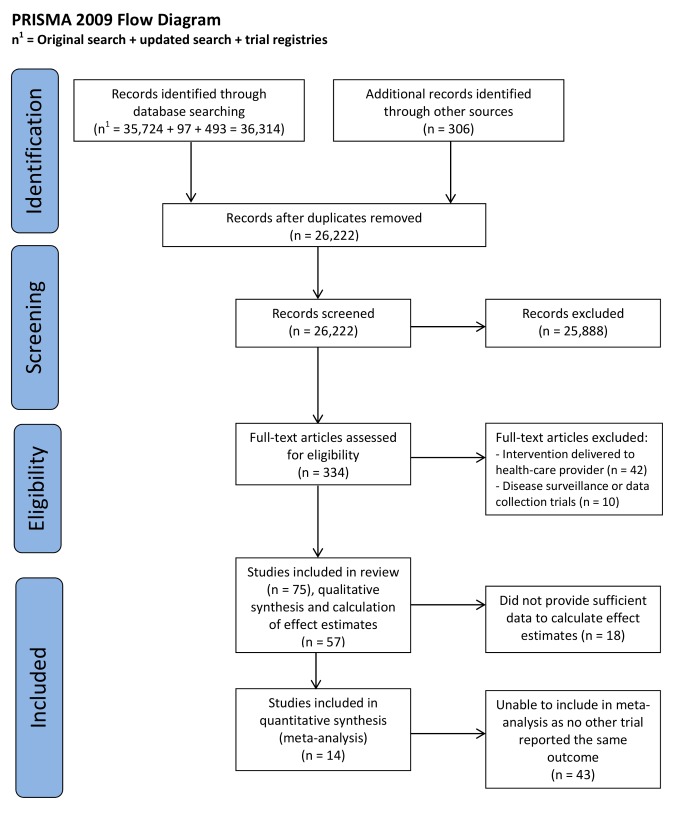
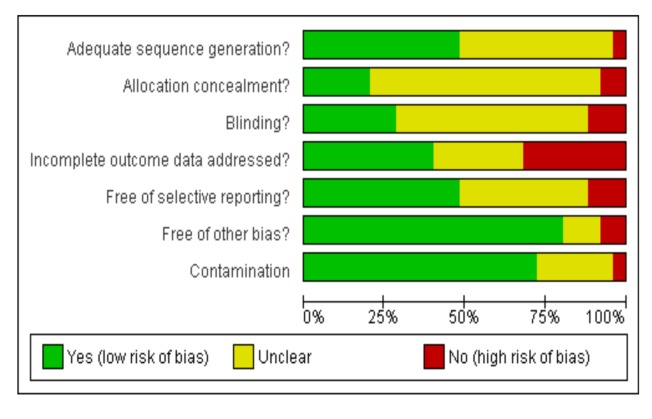
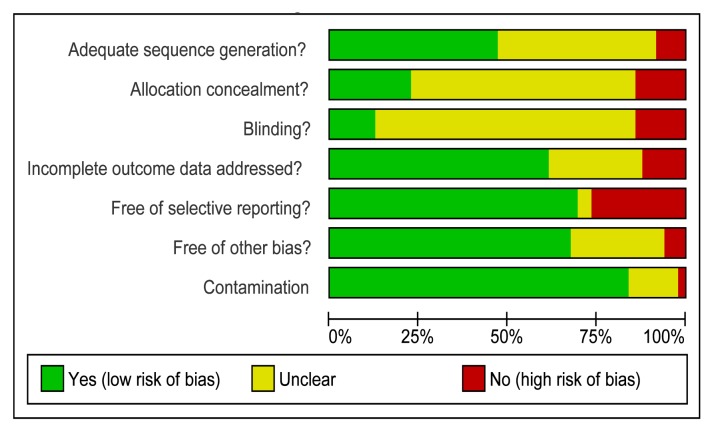
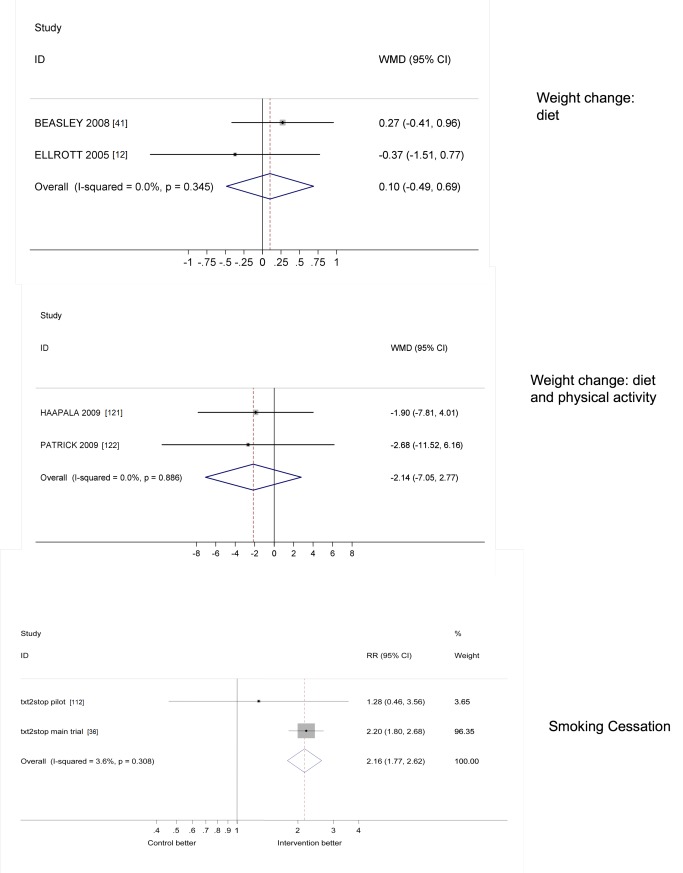
BACKGROUND: Mobile technologies could be a powerful media for providing individual level support to health care consumers. We conducted a systematic review to assess the effectiveness of mobile technology interventions delivered to health care consumers. METHODS AND FINDINGS: We searched for all controlled trials of mobile technology-based health interventions delivered to health care consumers using MEDLINE, EMBASE, PsycINFO, Global Health, Web of Science, Cochrane Library, UK NHS HTA (Jan 1990-Sept 2010). Two authors extracted data on allocation concealment, allocation sequence, blinding, completeness of follow-up, and measures of effect. We calculated effect estimates and used random effects meta-analysis. We identified 75 trials. Fifty-nine trials investigated the use of mobile technologies to improve disease management and 26 trials investigated their use to change health behaviours. Nearly all trials were conducted in high-income countries. Four trials had a low risk of bias. Two trials of disease management had low risk of bias; in one, antiretroviral (ART) adherence, use of text messages reduced high viral load (>400 copies), with a relative risk (RR) of 0.85 (95% CI 0.72-0.99), but no statistically significant benefit on mortality (RR 0.79 [95% CI 0.47-1.32]). In a second, a PDA based intervention increased scores for perceived self care agency in lung transplant patients. Two trials of health behaviour management had low risk of bias. The pooled effect of text messaging smoking cessation support on biochemically verified smoking cessation was (RR 2.16 [95% CI 1.77-2.62]). Interventions for other conditions showed suggestive benefits in some cases, but the results were not consistent. No evidence of publication bias was demonstrated on visual or statistical examination of the funnel plots for either disease management or health behaviours. To address the limitation of the older search, we also reviewed more recent literature. CONCLUSIONS: Text messaging interventions increased adherence to ART and smoking cessation and should be considered for inclusion in services. Although there is suggestive evidence of benefit in some other areas, high quality adequately powered trials of optimised interventions are required to evaluate effects on objective outcomes.
Overview
The claims and statistics of this paper haven’t been checked yet.
Free: it reads the open-access text and checks the first 5 claims that cite a source we can check. Create a free account to check every claim.
Integrity signals
Registry
Cites
Statistics
Figures
Verification
Claims the paper makes
The claims and statistics of this paper haven’t been checked yet.
Free: it reads the open-access text and checks the first 5 claims that cite a source we can check. Create a free account to check every claim.
Claims other papers make about this one
Each is checked against this paper’s own text: does it say what the citing paper says it does?
The source backs part of the claim, not all of it — or backs it for a different population, condition or comparison.
In the citing paper
“Three systematic reviews found reminders for disease monitoring improve healthcare processes but with education through voice call and text messages, both health outcomes and care processes improve.18 22 23”
From mHealth text and voice communication for monitoring people with chronic diseases in low-resource settings: a realist review (2018) · cites this paper as [23]
Experimental — accuracy not yet measuredThe source backs part of the claim, not all of it — or backs it for a different population, condition or comparison.
In the citing paper
“there are still too few high-quality, adequately powered RCTs evaluating the use of such apps [83,84].”
From Theory-Based Design and Development of a Socially Connected, Gamified Mobile App for Men About Breastfeeding (Milk Man) (2016) · cites this paper as [84]
Experimental — accuracy not yet measuredThe source backs part of the claim, not all of it — or backs it for a different population, condition or comparison.
In the citing paper
“While the use of mobile technology in public health interventions has grown significantly”
From Theory-Based Design and Development of a Socially Connected, Gamified Mobile App for Men About Breastfeeding (Milk Man) (2016) · cites this paper as [84]
Experimental — accuracy not yet measuredThe source backs part of the claim, not all of it — or backs it for a different population, condition or comparison.
In the citing paper
“Mobile phone messaging interventions are a potential cost-effective approach to promote habit formation.43–45”
From Refining and optimising a behavioural intervention to support endocrine therapy adherence (ROSETA) in UK women with breast cancer: Protocol for a pilot fractional factorial trial (2023) · cites this paper as [45]
Experimental — accuracy not yet measuredThe cited source says what the claim attributes to it.
In the citing paper
“In high-income countries, interventions have included these aspects of care.18 22 23”
From mHealth text and voice communication for monitoring people with chronic diseases in low-resource settings: a realist review (2018) · cites this paper as [23]
7 more claims about this paper
Create a free account to see every claim other papers make about this one.
Self-check
Percentages, sums and reported differences re-computed from the paper’s own numbers.
The self-check needs the paper’s full text.
Citations
Cites
2 retracted
Psychological interventions for overweight or obesity
Shaw, K. A., O'Rourke, P., Del Mar, C., & Kenardy, J. (2005) · Cochrane Database of Systematic Reviews · doi:10.1002/14651858.cd003818.pub2 · Cited by 442 · cited 1×
“Likewise, it is unsurprising that interventions delivered by mobile technologies appear to have small effects on weight, given the paucity of effective behavioural change interventions for obesity [105,106].”
RetractedZolfaghari, M., Mousavifar, S. A., Pedram, S., & Haghani, H. (2012) · Journal of Clinical Nursing · doi:10.1111/j.1365-2702.2011.03951.x · Cited by 101 · cited 1×
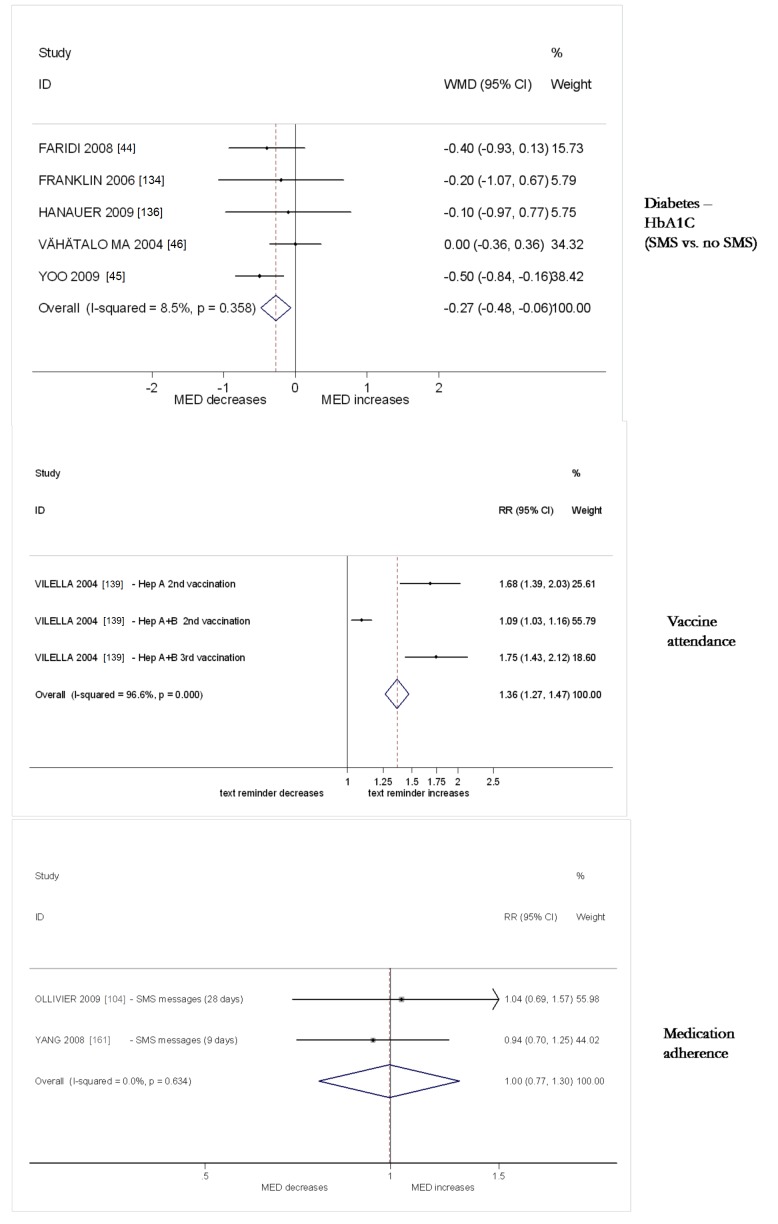
“Four trials of a diabetes care intervention, three involving text messages and the other involving video messages, reported statistically significant decreases in HBA1C, which were of borderline clinical significance [69–73].”
RetractedCochrane Handbook for Systematic Reviews of Interventions: Cochrane Book Series
(2008) · doi:10.1002/9780470712184 · Cited by 25,048 · cited 1×
“Risk of bias was assessed according to the criteria outlined by the International Cochrane Collaboration [35].”
Zhang, Q., Wang, C., Zheng, M., Li, Y., Li, J., Zhang, L., Shang, X., & Yan, C. (2015) · Cerebrovascular Diseases · doi:10.1159/000369778 · Cited by 11,533
Pharmacological interventions for somatoform disorders in adults
Kleinstäuber, M., Witthöft, M., Steffanowski, A., van Marwijk, H., Hiller, W., & Lambert, M. J. (2014) · Cochrane Database of Systematic Reviews · doi:10.1002/14651858.cd010628.pub2 · Cited by 11,335
Cochrane Handbook for Systematic Reviews of Interventions Version 5.0.1. The Cochrane Collaboration
Higgins, J. P. T., Green, S. R., & Higgins, J. P. T. (2008) · Cited by 7,226
Collaboration, A. T. (2002) · BMJ · doi:10.1136/bmj.324.7329.71 · Cited by 6,943
Mortality in relation to smoking: 40 years' observations on male British doctors
Doll, R., Peto, R., Wheatley, K., Gray, R., & Sutherland, I. (1994) · BMJ · doi:10.1136/bmj.309.6959.901 · Cited by 5,932
Update on Key Emerging Challenges in Cystic Fibrosis
Jennings, M. T., Riekert, K. A., & Boyle, M. P. (2014) · Medical Principles and Practice · doi:10.1159/000357646 · Cited by 3,648
Research works printed but not linked: 6
- Rodgers A, Corbett T, Bramley D, Riddell T, Wills M, et al (2005) Do u smoke after txt? Results of a randomised trial of smoking cessation using mobile phone text messaging. Tob Control 14: 255– 261. 16046689 PMC1748056 · DOI · Paper page
- Medical Research Council (2000) A framework for development and evaluation of RCTs for complex interventions to improve health. London, Medical Research Council
- Free C, Whittaker R, Knight R, Abramsky T, Rodgers A, et al (2009) Txt2stop: a pilot randomised controlled trial of mobile phone-based smoking cessation support. Tob Control 18: 88– 91. 19318534 · DOI · Paper page
- Ellrott T, Austel A, Rademacher C, Oberritter H, Benecke R, et al (2005) Self-help programme for weight reduction with and without support by a handheld nutrition computer. [German]. Ernahrungs Umschau 52.
- Delamere S, Dooley S, Harrington L, King A, Mulcahy F (2006) Safer sex text messages: Evaluating a health education intervention in an adolescent population. Sexually Transmitted Infections 82: A27– A27.
- Liu W, Wang CH, Huang CD, Kuo HP (2007) A novel mobile phone-based self-care system improves asthma control [Abstract]. American Thoracic Society International Conference, May 18–23, 2007, San Francisco, California, USA. pp. [A93].
Cited by
Items 601–700 of 1,003
Patient preferences and access to text messaging for health care reminders in a safety-net setting
Zallman, L., Bearse, A. M., West, C., Bor, D. H., & McCormick, D. (2016) · Informatics for Health and Social Care · doi:10.3109/17538157.2015.1113177 · Cited by 29
Janevic, M. R., Yujra, A. C. A., Marinec, N. S., Aguilar, J., Aikens, J. E., Tarrazona, R., & Piette, J. D. (2016) · International Journal of Mental Health Systems · doi:10.1186/s13033-016-0093-3 · Cited by 28
“Randomized trials demonstrate that mHealth interventions can improve self-care among chronic illness patients and may improve health outcomes in LMICs [22, 23] and elsewhere [24].”
BackgroundAlessi, S. M., Rash, C. J., & Petry, N. M. (2016) · Nicotine & Tobacco Research · doi:10.1093/ntr/ntw155 · Cited by 29
Kreyenbuhl, J. A., Record, E. J., & Palmer-Bacon, J. (2016) · Dialogues in Clinical Neuroscience · doi:10.31887/dcns.2016.18.2/jkreyenbuhl · Cited by 33
Kassaye, S. G., Ong'ech, J. O., Sirengo, M., Kose, J., Matu, L., McOdida, P., Simiyu, R., Syengo, T., Muthama, D., & Machekano, R. N. (2016) · AIDS Research and Treatment · doi:10.1155/2016/1289328 · Cited by 26
Munro, S. B., Hui, A., Salmons, V., Solomon, C. C., Gemmell, E., Torabi, N., & Janssen, P. A. (2017) · JMIR Public Health and Surveillance · doi:10.2196/publichealth.6949 · Cited by 31
“An emerging body of evidence supports the utility of text messaging in provoking attitudinal and behavior change in the areas of smoking cessation, alcohol consumption, and disease management [12-14].”
Defining a staged-based process for economic and financial evaluations of mHealth programs
LeFevre, A. E., Shillcutt, S. D., Broomhead, S. C., Labrique, A. B., & Jones, T. (2017) · Cost Effectiveness and Resource Allocation · doi:10.1186/s12962-017-0067-6 · Cited by 37
Impact of Parent-Targeted eHealth on Parent and Infant Health Outcomes: A Scoping Review
Siani, S. A., Dol, J., & Campbell-Yeo, M. L. (2017) · The Journal of Perinatal & Neonatal Nursing · doi:10.1097/jpn.0000000000000265 · Cited by 29
“functions such as use of mobile phones, World Wide Web access, and software application support.(20) For the purposes of this article, the broader scope of eHealth as opposed to mHealth is used, as it provides a means to deliver an individualized health support while main-”
BackgroundMethodVenables, E. C., Ndlovu, Z., Munyaradzi, D., Martínez‐Pérez, G. Z., Mbofana, E., Nyika, P., Chidawanyika, H., Garone, D., & Bygrave, H. (2019) · PLoS ONE · doi:10.1371/journal.pone.0215236 · Cited by 34
“Mobile phones have been used in the management of communicable diseases (including for patient tracing and partner notification for sexually transmitted infections), in health promotion programmes such as smoking cessation or vaccination campaigns and in capacity-building strategies [8].”
BackgroundKozica, S. L., Lombard, C. B., Ilić, D., Ng, S., Harrison, C. L., & Teede, H. J. (2015) · BMC Public Health · doi:10.1186/s12889-015-1995-8 · Cited by 27
“The text messages reinforced the program content and accountability [30].”
Opportunities for pharmacists in mobile health
Clauson, K. A., Elrod, S., Fox, B. I., Hajar, Z., & Dzenowagis, J. (2013) · American Journal of Health-System Pharmacy · doi:10.2146/ajhp120657 · Cited by 28
Howlett, N., Trivedi, D. P., Troop, N. A., & Chater, A. (2015) · BMJ Open · doi:10.1136/bmjopen-2015-008573 · Cited by 34
Piette, J. D., Farris, K. B., Newman, S., An, L. C., Sussman, J. B., & Singh, S. P. (2014) · Annals of Behavioral Medicine · doi:10.1007/s12160-014-9634-7 · Cited by 32
Mental and Physical Mobile Health Apps: Review
Sedrati, H., Nejjari, C., Chaqsare, S., & Ghazal, H. (2016) · Procedia Computer Science · doi:10.1016/j.procs.2016.09.241 · Cited by 30
Abbas, J. J., Smith, B. S., Poluta, M. A., & Berumen, A. V. (2017) · Nanobiomedicine · doi:10.1177/1849543517701158 · Cited by 36
“Recent reviews point to the need for more field-testing and more outcomes data.(48,51,93,94)”
BackgroundScaling up a health and nutrition hotline in Malawi: the benefits of multisectoral collaboration
Blauvelt, C., West, M., Maxim, L., Kasiya, A., Dambula, I., Kachila, U., Ngwira, H., & Armstrong, C. E. (2018) · BMJ · doi:10.1136/bmj.k4590 · Cited by 25
Factors Influencing Uptake and Use of a New Health Information App for Young People
Russell, E., Lloyd-Houldey, A., Memon, A., & Yarker, J. (2018) · Journal of Technology in Human Services · doi:10.1080/15228835.2018.1536911 · Cited by 31
Mobile Health Interventions for Traumatic Brain Injuries
Juengst, S. B., Hart, T., Sander, A. M., Nalder, E. J., & Pappadis, M. R. (2019) · Current Physical Medicine and Rehabilitation Reports · doi:10.1007/s40141-019-00240-9 · Cited by 31
“Clinicians’ decisions about using mobile apps for rehabilitation are compromised by having thousands of mHealth apps available for download, of which fewer than 1% are evidence-based [19, 31].”
BackgroundA Methodologic Systematic Review of Mobile Health Behavior Change Randomized Trials
Oikonomidi, T., Vivot, A., Tran, V.-T., Riveros, C., Robin, E., & Ravaud, P. (2019) · American Journal of Preventive Medicine · doi:10.1016/j.amepre.2019.07.008 · Cited by 30
Alasbali, T. A., Aldawari, S. A., Alzahim, I. A., Alalawi, H., Khandekar, R. B., & Lotfy, N. M. (2020) · Saudi Journal of Ophthalmology · doi:10.4103/1319-4534.305040 · Cited by 32
“[31] Technologic advances such as web‐based software, use of smart phone have been successfully used for health promotion for chronic diseases and they need to be applied in the kingdom.[32,33]”
Methodvan Kessel, K., Babbage, D. R., Kersten, P., Drown, J., Sezier, A., Thomas, P., & Thomas, S. (2021) · Internet Interventions · doi:10.1016/j.invent.2021.100371 · Cited by 26
Graham, A. L., Papandonatos, G. D., Cha, S., Amato, M. S., Jacobs, M. A., Cohn, A. M., Abroms, L. C., & Whittaker, R. (2021) · Addiction · doi:10.1111/add.15677 · Cited by 28
Bian, D., Shi, Y., Tang, W., Dong, L., Han, K., Shi, C., Li, G., & Zhu, F. (2021) · Frontiers in Public Health · doi:10.3389/fpubh.2021.775729 · Cited by 35
“Recent evidence suggests that social media platforms, such as Facebook and Twitter, are being used to promote health management and education, increase doctorpatient communication, and provide direct services (13, 14).”
BackgroundKant, R., Yadav, P., Kishore, S., Barnwal, S., Kumar, R., & Khapre, M. P. (2022) · Cureus · doi:10.7759/cureus.21256 · Cited by 34
“Mobile technologies have effectively created a place through robust communication engagement in treating the disease condition that requires treatment adherence and follow-ups [10].”
BackgroundHailemariam, T., Atnafu, A., Gezie, L. D., Kaasbøll, J., Klein, J., & Tilahun, B. C. (2023) · BMC Health Services Research · doi:10.1186/s12913-023-09629-8 · Cited by 32
Menhas, R., Qin, L., Saqib, Z. A., & Younas, M. S. (2023) · Frontiers in Public Health · doi:10.3389/fpubh.2023.1170645 · Cited by 28
Beute, F., de Kort, Y. A. W., & IJsselsteijn, W. A. (2016) · International Journal of Environmental Research and Public Health · doi:10.3390/ijerph13040420 · Cited by 32
“Interactive media content is an often-used strategy within mHealth interventions to lower stress or anxiety [30].”
Hales, S. B., Dunn, C. G., Wilcox, S., & Turner‐McGrievy, G. M. (2016) · Journal of Diabetes Science and Technology · doi:10.1177/1932296816651451 · Cited by 27
Mobile Technology in the Perioperative Arena: Rapid Evolution and Future Disruption
Rothman, B. S., Gupta, R. K., & McEvoy, M. D. (2017) · Anesthesia & Analgesia · doi:10.1213/ane.0000000000001858 · Cited by 30
MyHealthyGut: development of a theory-based self-regulatory app to effectively manage celiac disease
Dowd, A. J., Jackson, C., Tang, K. T. Y., Nielsen, D., Clarkin, D. H., & Culos-Reed, S. N. (2018) · mHealth · doi:10.21037/mhealth.2018.05.05 · Cited by 25
“Free and colleagues (31) conducted a systematic review of mHealth technology-based interventions for disease management or behaviour change.”
BackgroundRapport, F., & Braithwaite, J. (2018) · BMC Medical Research Methodology · doi:10.1186/s12874-018-0597-4 · Cited by 34
Health Behavior Theory to Enhance eHealth Intervention Research in HIV: Rationale and Review
Simoni, J. M., Ronen, K., & Aunon, F. M. (2018) · Current HIV/AIDS Reports · doi:10.1007/s11904-018-0418-8 · Cited by 31
Text messaging as a community-based survey tool: a pilot study
Chang, T., Gossa, W., Sharp, A. L., Rowe, Z. E., Kohatsu, L., Cobb, E. M., & Heisler, M. (2014) · BMC Public Health · doi:10.1186/1471-2458-14-936 · Cited by 27
“deliver behavioral interventions, to prevent and help manage chronic conditions, and to promote healthy behaviors [6-8].”
BackgroundTaki, S., Russell, C. G., Lymer, S., Laws, R., Campbell, K., Appleton, J., Ong, K.-L., & Denney-Wilson, E. (2019) · Frontiers in Endocrinology · doi:10.3389/fendo.2019.00397 · Cited by 24
“Despite these findings, unlike many health apps which have been developed to monitor and manage chronic diseases (65) or to track physical activity (66) which is usually an ongoing lifestyle behavior, this app was designed to be a “just in time” resource (24, 67).”
BackgroundAdaptive user interfaces in systems targeting chronic disease: a systematic literature review
Wang, W., Khalajzadeh, H., Grundy, J., Madugalla, A. K., McIntosh, J., & Obie, H. O. (2023) · User Modeling and User-Adapted Interaction · doi:10.1007/s11257-023-09384-9 · Cited by 44
Duff, O., Walsh, D. M. J., Gill, S. M., McDermott, L., Furlong, B., O'Connor, N. E., Moran, K., & Woods, C. B. (2018) · JMIR Formative Research · doi:10.2196/formative.9550 · Cited by 27
“Technology-enabled health behavior change interventions are designed to engage people in health behaviors that prevent or manage disease [16].”
Ggita, J. M., Ojok, C., Meyer, A. J., Farr, K., Shete, P. B., Ochom, E., Turimumahoro, P., Babirye, D., Mark, D., Dowdy, D. W., et al. (2018) · The International Journal of Tuberculosis and Lung Disease · doi:10.5588/ijtld.17.0521 · Cited by 26
Are mHealth Apps Secure? A Case Study
Braghin, C., Cimato, S., & Libera, A. D. (2018) · IEEE Annual International Computer Software and Applications Conference (COMPSAC) · doi:10.1109/compsac.2018.10253 · Cited by 29
“As a consequence, some insurance companies are now using applications data to lower premiums [2].”
BackgroundGill, R. K., Ogilvie, G. S., Norman, W. V., Fitzsimmons, B. P., Maher, C., & Renner, R. (2019) · Journal of Medical Internet Research · doi:10.2196/13387 · Cited by 29
“Similarly, research supports the safe and effective use of digital health solutions for provision of medical abortion care globally [19-25].”
BackgroundIssom, D.-Z., Henriksen, A., Woldaregay, A. Z., Rochat, J., Lovis, C., & Hartvigsen, G. (2020) · JMIR Human Factors · doi:10.2196/14599 · Cited by 30
“Many apps can significantly improve health outcomes [2,3] by supporting people with diverse medical conditions [4].”
BackgroundBrew‐Sam, N., Chib, A. I., & Rossmann, C. (2020) · BMC Medical Informatics and Decision Making · doi:10.1186/s12911-020-01173-3 · Cited by 29
“While theoretical models of technology adoption [51] are one step towards understanding factors that influence (mobile) technology adoption and use, there is a gap in proving both significant and substantive usage effects for mHealth [52, 53].”
BackgroundTokosi, T. O., Fortuin, J., & Douglas, T. S. (2017) · JMIR Research Protocols · doi:10.2196/resprot.8043 · Cited by 23
“The interventions will be described using the Free et al strategy that categorizes by device (mobile phone, personal digital assistant [PDA]) and modality (eg, SMS, text messaging, multimedia message service [MMS], video) [26].”
Pais, S., Parry, D., Petrova, K., & Rowan, J. (2017) · Studies in health technology and informatics · doi:10.3233/978-1-61499-830-3-188 · Cited by 36
Saunders, M. J., Wingfield, T., Tovar, M. A., Herlihy, N., Rocha, C., Zevallos, K., Montoya, R., Ramos, E., Datta, S., & Evans, C. A. (2018) · Tropical Medicine & International Health · doi:10.1111/tmi.13087 · Cited by 26
LeRouge, C., Durneva, P., Sangameswaran, S., & Gloster, A.-M. (2019) · Journal of Medical Internet Research · doi:10.2196/14430 · Cited by 31
“Regarding specific ICTs, improvements in lifestyle habits, such as smoking cessation, have been shown to be positively associated with an increase in mobile text messaging, a type of ICT intervention [30].”
Kalke, K., Ginossar, T., Bentley, J. M., Carver, H., Shah, S. F. A., & Kinney, A. Y. (2019) · JMIR mhealth and uhealth · doi:10.2196/14082 · Cited by 25
“mHealth interventions targeting cancer preventive behaviors have shown some success in encouraging preventive behaviors through the integration of behavioral constructs in intervention design, such as text message reminders, tailored feedback, and narratives [13].”
BackgroundAgarwal, P., Kithulegoda, N., Bouck, Z., Bosiak, B., Birnbaum, I., Reddeman, L. E., Steiner, L., Altman, L., Mawson, R., Propp, R., et al. (2020) · Journal of Medical Internet Research · doi:10.2196/15424 · Cited by 24
“Furthermore, using computers to deliver tailored messaging and resources to patients can have a positive impact on behavior change, including PA, relative to more traditional methods of health counseling [26-31].”
MethodToward an mHealth Intervention for Smoking Cessation
Ahsan, G. M. T., Addo, I. D., Ahamed, S. I., Petereit, D. G., Kanekar, S., Burhansstipanov, L., & Krebs, L. U. (2013) · IEEE Annual Computer Software and Applications Conference Workshops (COMPSACW) · doi:10.1109/compsacw.2013.61 · Cited by 24
“[6] discussed and reviewed the effectiveness of mHealth based behavior change and disease management interventions.”
The Living the Example Social Media Substance Use Prevention Program: A Pilot Evaluation
Evans, W. D., Andrade, E. L., Goldmeer, S., Smith, M. A., Snider, J. W., & Girardo, G. (2017) · JMIR Mental Health · doi:10.2196/mental.7839 · Cited by 26
“LTE is a branded program that creates new mental associations with the positive attributes of avoiding substance use that may modify adolescent social norms and reduce drug use intentions [16].”
Kool, B., Smith, E., Raerino, K., & Ameratunga, S. (2014) · BMC Research Notes · doi:10.1186/1756-0500-7-4 · Cited by 23
Baskerville, N. B., Dash, D., Wong, K., Shuh, A., & Abramowicz, A. (2016) · JMIR Public Health and Surveillance · doi:10.2196/publichealth.6188 · Cited by 23
“Recently, digital technologies have shown promise [13,14] and offer potential avenues to deliver a smoking cessation program to LGBTQ+ YYA.”
Kitsiou, S., Gerber, B. S., Buchholz, S. W., Kansal, M. M., Sun, J., & Pressler, S. J. (2025) · Journal of Medical Internet Research · doi:10.2196/55586 · Cited by 42
“…computing and communication technologies in health care and public health, is a rapidly expanding area within biomedical and health informatics with great potential for developing and delivering patient-centered behavioral interventions to improve self-care and chronic disease management [32-34].”
Reed, J. L., Prince, S. A., Cole, C. A., FODOR, J. G., Hiremath, S. S., Mullen, K., Tulloch, H. E., Wright, E., & Reid, R. D. (2014) · Systematic Reviews · doi:10.1186/2046-4053-3-147 · Cited by 27
Consumer Health Informatics: Engaging and Empowering Patients and Families
Nazi, K. M., Hogan, T. P., Woods, S. S., Simon, S. R., & Ralston, J. D. (2015) · Springer eBooks · doi:10.1007/978-3-319-22753-5_19 · Cited by 25
O’Connor, S., Hanlon, P., O’Donnell, C. A., Gonzalez-Moral, S. G., Glanville, J., & Mair, F. S. (2016) · BMJ Open · doi:10.1136/bmjopen-2015-010895 · Cited by 29
Development of ProFibro — a mobile application to promote self-care in patients with fibromyalgia
Yuan, S. L. K., & Marques, A. P. (2018) · Physiotherapy · doi:10.1016/j.physio.2018.04.005 · Cited by 32
Gomis‐Pastor, M., Roig, E. S., Mirabet, S., Pourcq, J. T. D., Conejo, I., Feliu, A., Brossa, V., López, L., Ferrero‐Gregori, A., Barata, A., et al. (2020) · JMIR mhealth and uhealth · doi:10.2196/15957 · Cited by 26
“In addition, the Checklist for Reporting Results of Internet E-Surveys [33] was applied to ensure the quality of reporting of the Web-based satisfaction survey.”
Huang, Y., Benford, S., Price, D., Patel, R., Li, B., Ivanov, A., & Blake, H. (2020) · JMIR mhealth and uhealth · doi:10.2196/17914 · Cited by 27
Randomized Trial for Weight Loss Using a Digital Therapeutic Application
Þorgeirsson, T., Torfadottir, J. E., Egilsson, E., Oddsson, S. J., Gunnarsdottir, T., Aspelund, T., Ólafsdóttir, A. S., Valdimarsdóttir, U. A., Kawachi, I. I., Adami, H., et al. (2021) · Journal of Diabetes Science and Technology · doi:10.1177/19322968211000815 · Cited by 26
Qin, Y., Wang, X., & Namkoong, K. (2021) · Mobile Media & Communication · doi:10.1177/20501579211054929 · Cited by 23
“…with previous studies on mHealth interventions for weight loss (e.g., Lyzwinski, 2014; Schippers et al., 2017), adding to a growing literature supporting the effectiveness of incorporating mobile technologies into health behavior change interventions (e.g., Free et al., 2013; Zhao et al., 2016).”
BackgroundThe Medium and the Message: Fitting Sound Health Promotion Methodology Into 160 Characters
Lim, M. S. C., Wright, C. C. J., & Hellard, M. E. (2014) · JMIR mhealth and uhealth · doi:10.2196/mhealth.3888 · Cited by 25
van Olmen, J., Ku, G. M., van Pelt, M. H., Kalobu, J. C., Heang, H., Darras, C., Acker, K. L. V., Villaraza, B., Schellevis, F., & Kegels, G. (2013) · BMC Public Health · doi:10.1186/1471-2458-13-423 · Cited by 30
“Overall, the evidence on the feasibility and advantages of the use of mobile technology is positive, but many studies are small and evidence on its effectiveness is not very robust [12-16].”
BackgroundThe Personal Health Technology Design Space
Bardram, J. E., & Frost, M. M. (2016) · IEEE Pervasive Computing · doi:10.1109/mprv.2016.37 · Cited by 27
Hall, W. J., Sun, C. J., Tanner, A. E., Mann‐Jackson, L., Stowers, J., & Rhodes, S. D. (2017) · AIDS Education and Prevention · doi:10.1521/aeap.2017.29.1.38 · Cited by 26
Hsueh, P.-Y. S., Cheung, Y. K., Dey, S., Kim, K. K., Martin-Sanchez, F. J., Petersen, S. K., & Wetter, T. C. (2017) · Yearbook of Medical Informatics · doi:10.15265/iy-2017-009 · Cited by 26
Integrative Medicine Strategies for Changing Health Behaviors
Wolever, R. Q., Caldwell, K. L., McKernan, L. C., & Hillinger, M. G. (2017) · Primary Care Clinics in Office Practice · doi:10.1016/j.pop.2017.02.007 · Cited by 27
Discovering Design Principles for Health Behavioral Change Support Systems: A Text Mining Approach
Al-Ramahi, M. A., Liu, J., & El-Gayar, O. (2017) · ACM Transactions on Management Information Systems · doi:10.1145/3055534 · Cited by 33
“, improving management of diabetes) [3].”
Venkateswaran, M., Mørkrid, K., Ghanem, B., Abbas, E., Ward, I. A., Baniode, M., Norheim, O. F., & Frøen, J. F. (2018) · Trials · doi:10.1186/s13063-017-2386-5 · Cited by 23
Ładyżyński, P., Krzymień, J., Foltyński, P., Rachuta, M., & Bonalska, B. (2018) · Nutrients · doi:10.3390/nu10040518 · Cited by 28
“Smartphones have enormous potential; apps enable cheap interventions among large populations [13], they make it possible to record data in real time, they are convenient to use, and they can provide continuous monitoring of consumed foods because users usually carry smartphones with them [14].”
BackgroundCockcroft, A., Omer, K., Gidado, Y., Gamawa, A. I., & Andersson, N. (2018) · BMC Health Services Research · doi:10.1186/s12913-018-3319-z · Cited by 27
Health Information Technology Acceptance Framework for diabetes management
Ayanlade, O. S., Oyebisi, T. O., & Kolawole, B. A. (2019) · Heliyon · doi:10.1016/j.heliyon.2019.e01735 · Cited by 23
“This result is in conformity with what Free et al. (2013) suggested that for patients to see a technology as being useful, it has to enhance their disease management plans.”
Ju, A., Scholes-Robertson, N. J., Johnson, D. W., Cho, Y., van Zwieten, A., Manera, K., Howell, M., Viecelli, A. K., Jesudason, S., Evangelidis, N., et al. (2020) · Clinical Kidney Journal · doi:10.1093/ckj/sfz200 · Cited by 25
“Over the past decade there has been substantial growth in the body of evidence indicating the effectiveness of mobile health technology solutions in the management of chronic conditions [31, 32].”
BackgroundContemporary Developments and Perspectives in International Health Security - Volume 1
Stawicki, S. P., Firstenberg, M. S., Galwankar, S. C., Izurieta, R., & Papadimos, T. (2020) · IntechOpen eBooks · doi:10.5772/intechopen.84766 · Cited by 28
Turner‐McGrievy, G. M., & Tate, D. F. (2014) · International Journal of Medical Informatics · doi:10.1016/j.ijmedinf.2014.01.002 · Cited by 30
Hartzler, A. L., & Wetter, T. C. (2014) · Yearbook of Medical Informatics · doi:10.15265/iy-2014-0022 · Cited by 26
“Benefits of mHealth, such as short message service (SMS) appointment reminders [4], could be demonstrated in LMIC where growing opportunities flourish with expanded access to mobile technology.”
BackgroundInfluentialSandberg, J. C., Johnson, C. R. S., Nguyen, H., Talton, J. W., Quandt, S. A., Chen, H., Summers, P., & Arcury, T. A. (2015) · Journal of Immigrant and Minority Health · doi:10.1007/s10903-015-0299-5 · Cited by 26
Jahnel, T., & Schüz, B. (2020) · Bundesgesundheitsblatt - Gesundheitsforschung - Gesundheitsschutz · doi:10.1007/s00103-019-03082-x · Cited by 30
Groarke, J. M., Richmond, J. P., McSharry, J., Groarke, A., Harney, O., Kelly, M. G., & Walsh, J. C. (2020) · JMIR mhealth and uhealth · doi:10.2196/18288 · Cited by 26
“This is evident in the low success rate of behavioral weight loss interventions [42]. mHealth tools may support health behavior change [43,44]; however, these tools alone do not necessarily increase self-efficacy or reduce the burden of changing well-established dietary and physical activity…”
Achieving the potential of mHealth in medicine requires challenging the ethos of care delivery
Ratanawong, J. P., Naslund, J. A., Mikal, J. P., & Grande, S. W. (2022) · Primary Health Care Research & Development · doi:10.1017/s1463423622000068 · Cited by 30
“Consequently, questions remain about the benefits of mHealth tools as a viable and robust care delivery platform (Free et al. , 2013; Marcolino et al. , 2018).”
BackgroundAnglada-Martínez, H., Rovira-Illamola, M., Martín-Conde, M., Sotoca-Momblona, J. M., & Codina‐Jané, C. (2016) · Postgraduate Medicine · doi:10.1080/00325481.2016.1170580 · Cited by 23
“the use of the smartphone for the management of other chronic diseases.[2] Nonetheless, to our knowledge, few tele-”
BackgroundDavid, S. K., & Rafiullah, M. (2016) · International Journal of Clinical Practice · doi:10.1111/ijcp.12816 · Cited by 27
“As smartphones becoming ubiquitous and being increasingly used for medical application such as disease management, it is necessary to evaluate their effect and role in the medical health system (7,8).”
Oh, B., Yi, G.-H., Han, M. K., Kim, J. S., Lee, C. H., Cho, B., & Kang, H. (2018) · JMIR mhealth and uhealth · doi:10.2196/mhealth.8719 · Cited by 23
“Numerous studies have revealed that a mobile phone can be used as a strategic tool for weight management in obese patients [7-9].”
BackgroundBonciani, M., Rosis, S. D., & Vainieri, M. (2021) · JMIR Research Protocols · doi:10.2196/19073 · Cited by 25
“Nevertheless, there is contradictory evidence about the impacts of mHealth interventions on health promotion practice and health outcomes [5-8].”
BackgroundHardegger, M., Roggen, D., Calatroni, A., & Tröster, G. (2016) · ACM Transactions on Intelligent Systems and Technology · doi:10.1145/2824286 · Cited by 26
“Furthermore, feedback on performed activities can motivate people to adhere to a healthy lifestyle [Free et al. 2013].”
BackgroundArena, R. A., Sagner, M., Byrne, N. M., Williams, A. D., McNeil, A., Street, S. J., & Hills, A. P. (2017) · European Journal of Clinical Nutrition · doi:10.1038/ejcn.2017.53 · Cited by 23
Alkhuzaimi, F., Rainey, D., Wilson, C. B., & Bloomfield, J. G. (2025) · BMC Digital Health · doi:10.1186/s44247-024-00143-3 · Cited by 34
Investigating the attitude of patients with chronic diseases about using mobile health
Abbasi, R., Zare, S., & Ahmadian, L. (2020) · International Journal of Technology Assessment in Health Care · doi:10.1017/s0266462320000070 · Cited by 26
“This technology has introduced novel capabilities which cover various dimensions of chronic disease management including self-care, timely interventions, and communication with the health care providers (6;9).”
BackgroundFree, C., McCarthy, O., Palmer, M. J., Knight, R., Edwards, P., French, R., Baraitser, P., Hickson, F. C. I., Wellings, K., Roberts, I., et al. (2020) · BMJ Open · doi:10.1136/bmjopen-2019-031635 · Cited by 21
“However, evidence for the effect of mobile phone support for safer sex behaviours such as condom use, partner notification and STI testing is equivocal (13-15).”
BackgroundSelf-citationCho, I., & Kang, J. (2021) · International Journal of Nursing Studies · doi:10.1016/j.ijnurstu.2021.103949 · Cited by 25
Buss, V. H., Varnfield, M., Harris, M., & Barr, M. L. (2022) · JMIR Human Factors · doi:10.2196/35065 · Cited by 29
Alzahrani, A., Gay, V. C., & Alturki, R. (2022) · International Journal of Environmental Research and Public Health · doi:10.3390/ijerph191912956 · Cited by 25
Hu, Q., Hu, W., Han, W., & Pan, L. (2022) · Journal of Medical Internet Research · doi:10.2196/37467 · Cited by 21
Factors associated with long-term use of digital devices in the electronic Framingham Heart Study
Pathiravasan, C. H., Zhang, Y., Wang, X., Trinquart, L., Benjamin, E. J., Borrelli, B., McManus, D. D., Kheterpal, V., Lin, H., Spartano, N. L., et al. (2022) · npj Digital Medicine · doi:10.1038/s41746-022-00735-1 · Cited by 22
Greco, G., Poli, L., Clemente, F. M., Fischetti, F., & Cataldi, S. (2023) · Health & Social Care in the Community · doi:10.1155/2023/2803620 · Cited by 30
Lahtio, H., Heinonen, A. O., Paajanen, T. I., & Sjögren, T. (2023) · Journal of Medical Internet Research · doi:10.2196/42455 · Cited by 29
“Technology-based rehabilitation with physical activity has been widely studied in rehabilitees with several diseases [1,2].”
Developing mHealth Apps with Researchers: Multi-Stakeholder Design Considerations
Craven, M. P., Lang, A. R., & Martin, J. L. (2014) · Lecture notes in computer science · doi:10.1007/978-3-319-07635-5_2 · Cited by 27
“Mobile health (mHealth) applications (Apps) based on cellular phones, Smartphones and tablet computers are a rapidly growing trend in healthcare [1-3].”
BackgroundKatz, D. A., Graber, M. A., Lounsbury, P., Weg, M. W. V., Phillips, E. K., Clair, C., Horwitz, P. A., Cai, X., & Christensen, A. J. (2017) · Academic Emergency Medicine · doi:10.1111/acem.13231 · Cited by 25
Comulada, W. S., Swendeman, D. T., Koussa, M., Mindry, D. L., Medich, M., Estrin, D. L., Mercer, N., & Ramanathan, N. (2017) · Public Health Nutrition · doi:10.1017/s1368980017003044 · Cited by 25
Yamin, F., Kaewkungwal, J., Singhasivanon, P., & Lawpoolsri, S. (2018) · JMIR mhealth and uhealth · doi:10.2196/mhealth.9504 · Cited by 20
Rose, J., Glazebrook, C., Wharrad, H. J., Siriwardena, A. N., Swift, J. A., Nathan, D., Weng, S. F., Atkinson, P., Ablewhite, J., McMaster, F., et al. (2019) · BMC Public Health · doi:10.1186/s12889-019-6616-5 · Cited by 28
Metadata
- Authors
- Free, C., Phillips, G., Galli, L., Watson, L., Felix, L., Edwards, P., Patel, V., & Haines, A.
- Affiliations
- London School of Hygiene & Tropical Medicine (GB)
- University of Warwick (GB)
- Imperial College London (GB)
- Corresponding author
- Free, Caroline
- Venue
- PLoS Medicine
- Publisher
- Public Library of Science (PLoS)
- Published
- 2013-01-15
- Volume
- 10
- Issue
- 1
- Pages
- e1001362
- ISSN
- 1549-1277 (ISSN-L)
- 1549-1676
- PMC
- PMC3548655
- OpenAlex
- W1975071629
- Cited by
- 1,766
- References
- 165
- Citations by year
- 2026: 66 · 2025: 91 · 2024: 73 · 2023: 91 · 2022: 107 · 2021: 135 · 2020: 160 · 2019: 172 · 2018: 190 · 2017: 205 · 2016: 171 · 2015: 153 · 2014: 107 · 2013: 43
- FWCI
- 19.02
- Type
- journal article
- Language
- en
- Open access
- gold
- doi.org
- Locations
- PLoS Medicine (publishedVersion, cc-by)
- Europe PMC (PubMed Central) (publishedVersion, cc-by)
- PubMed Central (publishedVersion, cc-by)
- PubMed (publishedVersion)
- Research Explorer (The University of Manchester) (publishedVersion)
- LSHTM Research Online (London School of Hygiene and Tropical Medicine) (acceptedVersion)
- DOAJ (DOAJ: Directory of Open Access Journals) (submittedVersion, cc-by-sa)
- Figshare (submittedVersion, cc-by)
- Funders
- Wellcome Trust (091834)
- National Institute for Health and Care Research
- Topics
- Health Sciences › Health Professions › General Health Professions › Mobile Health and mHealth Applications
- Physical Sciences › Computer Science › Information Systems › Mobile Learning in Education
- Social Sciences › Psychology › Applied Psychology › Digital Mental Health Interventions
- Keywords
- mobile health, text messaging intervention, health behavior change, disease management, antiretroviral therapy adherence, HIV, smoking cessation, health care consumers
- MeSH terms
- Clinical Trials as Topic, Community Participation, Delivery of Health Care, Diet, Humans, Motor Activity, Health Behavior, Bias, Treatment Outcome, Telemedicine, Disease Management, Biomedical Technology, Medication Adherence
About these checks
Registry, retraction, Cites and statistics results are computed, not judged, with one exception: a printed reference that no index lists is read once by a model before it counts as a citation error. Claims are extracted by a model and kept only when their quote appears verbatim in the text; each cited source is then checked, with a model’s help, for whether it says what the claim relies on. Those verdicts can be wrong — read the claim’s quote and the cited source before relying on one.
Statistics and arithmetic are recomputed, not judged.
Confidence bands are shown only for fields calibrated on our annotated test set. None is calibrated yet, so no band is shown.
What counts as a claim ›How we measure confidence ›How we check this ›
Are you an author, or do you see a problem with this page? Request a review
Data sources
Bibliographic data: Semantic Scholar, OpenAlex, Crossref.
Contains information from the Semantic Scholar Academic Graph Datasets, made available under the ODC Attribution License (ODC-BY 1.0).
Semantic Scholar’s data is described in: Kinney, R., et al. (2023). The Semantic Scholar Open Data Platform. arXiv:2301.10140.
