

The Effectiveness of Mobile-Health Technology-Based Health Behaviour Change or Disease Management Interventions for Health Care Consumers: A Systematic Review
Open accessThe DOI matches its Crossref record; 164 of the 165 references it cites were found in a registry or an index.
Abstract
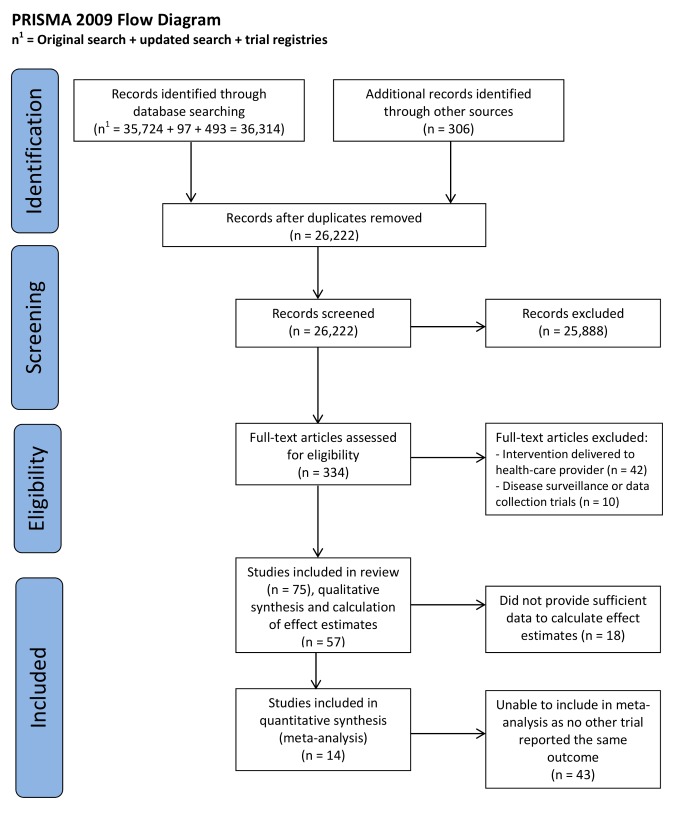
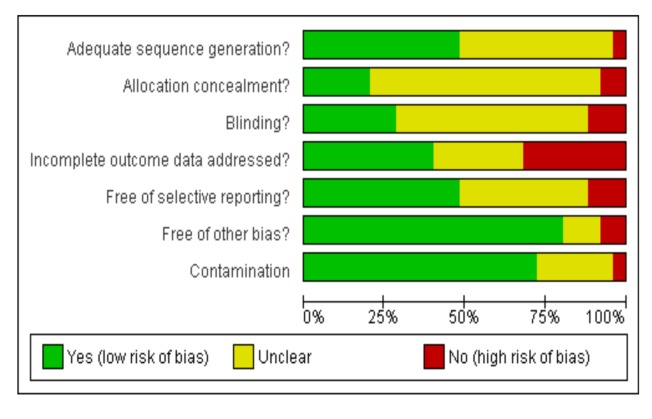
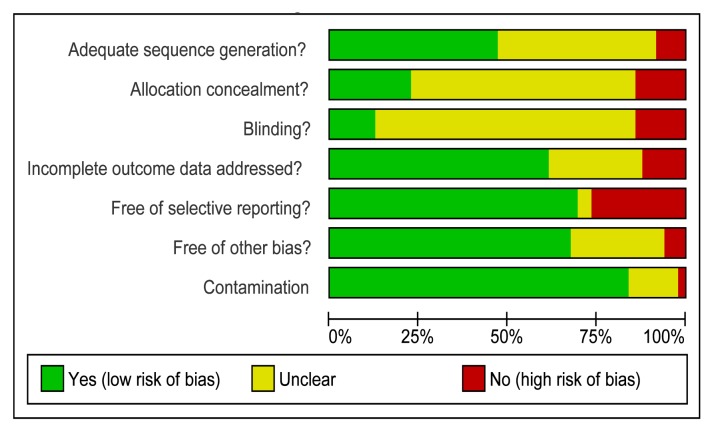
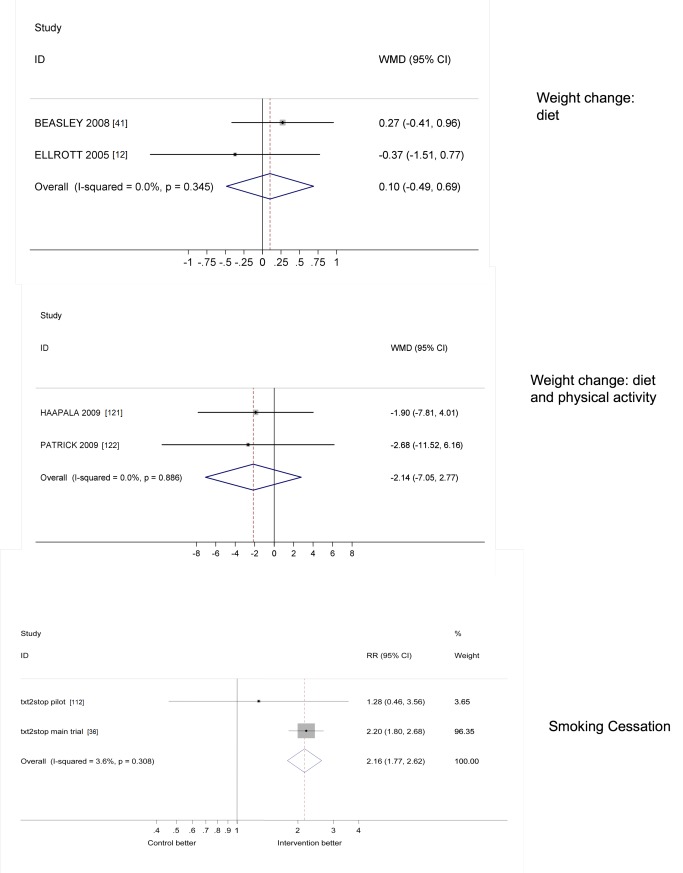
BACKGROUND: Mobile technologies could be a powerful media for providing individual level support to health care consumers. We conducted a systematic review to assess the effectiveness of mobile technology interventions delivered to health care consumers. METHODS AND FINDINGS: We searched for all controlled trials of mobile technology-based health interventions delivered to health care consumers using MEDLINE, EMBASE, PsycINFO, Global Health, Web of Science, Cochrane Library, UK NHS HTA (Jan 1990-Sept 2010). Two authors extracted data on allocation concealment, allocation sequence, blinding, completeness of follow-up, and measures of effect. We calculated effect estimates and used random effects meta-analysis. We identified 75 trials. Fifty-nine trials investigated the use of mobile technologies to improve disease management and 26 trials investigated their use to change health behaviours. Nearly all trials were conducted in high-income countries. Four trials had a low risk of bias. Two trials of disease management had low risk of bias; in one, antiretroviral (ART) adherence, use of text messages reduced high viral load (>400 copies), with a relative risk (RR) of 0.85 (95% CI 0.72-0.99), but no statistically significant benefit on mortality (RR 0.79 [95% CI 0.47-1.32]). In a second, a PDA based intervention increased scores for perceived self care agency in lung transplant patients. Two trials of health behaviour management had low risk of bias. The pooled effect of text messaging smoking cessation support on biochemically verified smoking cessation was (RR 2.16 [95% CI 1.77-2.62]). Interventions for other conditions showed suggestive benefits in some cases, but the results were not consistent. No evidence of publication bias was demonstrated on visual or statistical examination of the funnel plots for either disease management or health behaviours. To address the limitation of the older search, we also reviewed more recent literature. CONCLUSIONS: Text messaging interventions increased adherence to ART and smoking cessation and should be considered for inclusion in services. Although there is suggestive evidence of benefit in some other areas, high quality adequately powered trials of optimised interventions are required to evaluate effects on objective outcomes.
Overview
The claims and statistics of this paper haven’t been checked yet.
Free: it reads the open-access text and checks the first 5 claims that cite a source we can check. Create a free account to check every claim.
Integrity signals
Registry
Cites
Statistics
Figures
Verification
Claims the paper makes
The claims and statistics of this paper haven’t been checked yet.
Free: it reads the open-access text and checks the first 5 claims that cite a source we can check. Create a free account to check every claim.
Claims other papers make about this one
Each is checked against this paper’s own text: does it say what the citing paper says it does?
The source backs part of the claim, not all of it — or backs it for a different population, condition or comparison.
In the citing paper
“Three systematic reviews found reminders for disease monitoring improve healthcare processes but with education through voice call and text messages, both health outcomes and care processes improve.18 22 23”
From mHealth text and voice communication for monitoring people with chronic diseases in low-resource settings: a realist review (2018) · cites this paper as [23]
Experimental — accuracy not yet measuredThe source backs part of the claim, not all of it — or backs it for a different population, condition or comparison.
In the citing paper
“there are still too few high-quality, adequately powered RCTs evaluating the use of such apps [83,84].”
From Theory-Based Design and Development of a Socially Connected, Gamified Mobile App for Men About Breastfeeding (Milk Man) (2016) · cites this paper as [84]
Experimental — accuracy not yet measuredThe source backs part of the claim, not all of it — or backs it for a different population, condition or comparison.
In the citing paper
“While the use of mobile technology in public health interventions has grown significantly”
From Theory-Based Design and Development of a Socially Connected, Gamified Mobile App for Men About Breastfeeding (Milk Man) (2016) · cites this paper as [84]
Experimental — accuracy not yet measuredThe source backs part of the claim, not all of it — or backs it for a different population, condition or comparison.
In the citing paper
“Mobile phone messaging interventions are a potential cost-effective approach to promote habit formation.43–45”
From Refining and optimising a behavioural intervention to support endocrine therapy adherence (ROSETA) in UK women with breast cancer: Protocol for a pilot fractional factorial trial (2023) · cites this paper as [45]
Experimental — accuracy not yet measuredThe cited source says what the claim attributes to it.
In the citing paper
“In high-income countries, interventions have included these aspects of care.18 22 23”
From mHealth text and voice communication for monitoring people with chronic diseases in low-resource settings: a realist review (2018) · cites this paper as [23]
7 more claims about this paper
Create a free account to see every claim other papers make about this one.
Self-check
Percentages, sums and reported differences re-computed from the paper’s own numbers.
The self-check needs the paper’s full text.
Citations
Cites
2 retracted
Psychological interventions for overweight or obesity
Shaw, K. A., O'Rourke, P., Del Mar, C., & Kenardy, J. (2005) · Cochrane Database of Systematic Reviews · doi:10.1002/14651858.cd003818.pub2 · Cited by 442 · cited 1×
“Likewise, it is unsurprising that interventions delivered by mobile technologies appear to have small effects on weight, given the paucity of effective behavioural change interventions for obesity [105,106].”
RetractedZolfaghari, M., Mousavifar, S. A., Pedram, S., & Haghani, H. (2012) · Journal of Clinical Nursing · doi:10.1111/j.1365-2702.2011.03951.x · Cited by 101 · cited 1×
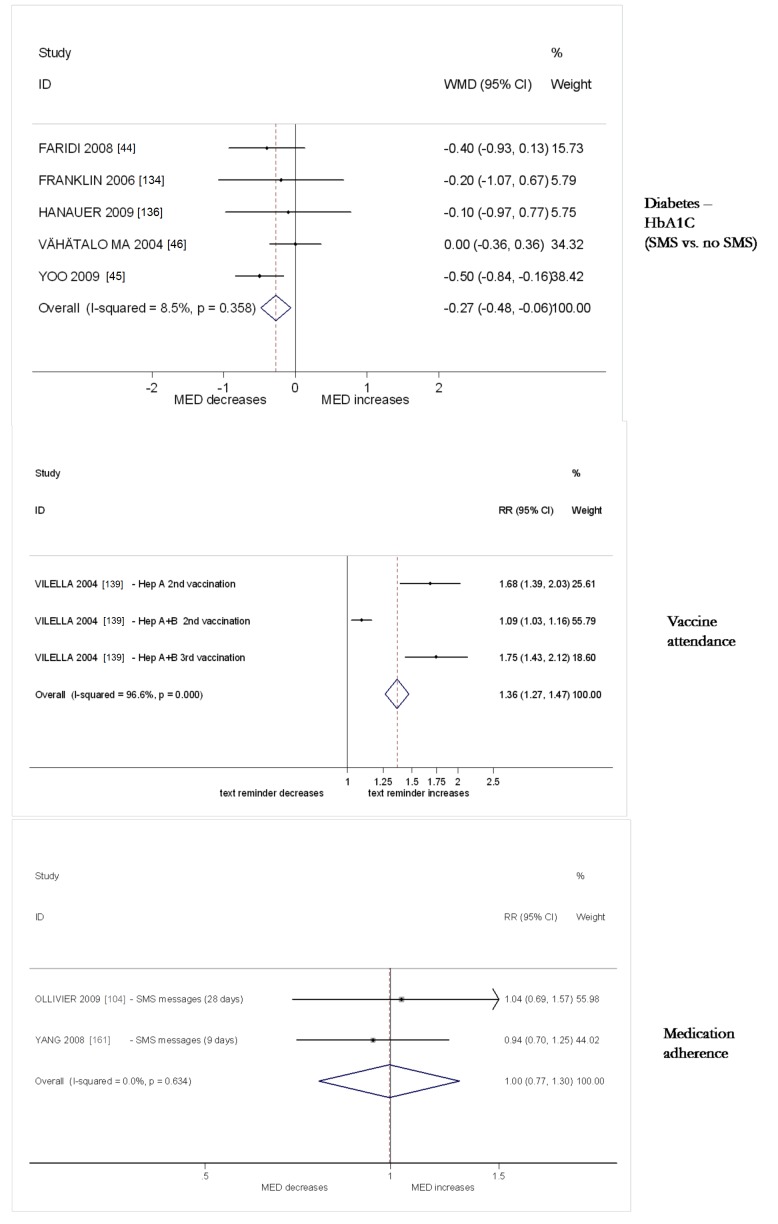
“Four trials of a diabetes care intervention, three involving text messages and the other involving video messages, reported statistically significant decreases in HBA1C, which were of borderline clinical significance [69–73].”
RetractedCochrane Handbook for Systematic Reviews of Interventions: Cochrane Book Series
(2008) · doi:10.1002/9780470712184 · Cited by 25,048 · cited 1×
“Risk of bias was assessed according to the criteria outlined by the International Cochrane Collaboration [35].”
Zhang, Q., Wang, C., Zheng, M., Li, Y., Li, J., Zhang, L., Shang, X., & Yan, C. (2015) · Cerebrovascular Diseases · doi:10.1159/000369778 · Cited by 11,533
Pharmacological interventions for somatoform disorders in adults
Kleinstäuber, M., Witthöft, M., Steffanowski, A., van Marwijk, H., Hiller, W., & Lambert, M. J. (2014) · Cochrane Database of Systematic Reviews · doi:10.1002/14651858.cd010628.pub2 · Cited by 11,335
Cochrane Handbook for Systematic Reviews of Interventions Version 5.0.1. The Cochrane Collaboration
Higgins, J. P. T., Green, S. R., & Higgins, J. P. T. (2008) · Cited by 7,226
Collaboration, A. T. (2002) · BMJ · doi:10.1136/bmj.324.7329.71 · Cited by 6,943
Mortality in relation to smoking: 40 years' observations on male British doctors
Doll, R., Peto, R., Wheatley, K., Gray, R., & Sutherland, I. (1994) · BMJ · doi:10.1136/bmj.309.6959.901 · Cited by 5,932
Update on Key Emerging Challenges in Cystic Fibrosis
Jennings, M. T., Riekert, K. A., & Boyle, M. P. (2014) · Medical Principles and Practice · doi:10.1159/000357646 · Cited by 3,648
Research works printed but not linked: 6
- Rodgers A, Corbett T, Bramley D, Riddell T, Wills M, et al (2005) Do u smoke after txt? Results of a randomised trial of smoking cessation using mobile phone text messaging. Tob Control 14: 255– 261. 16046689 PMC1748056 · DOI · Paper page
- Medical Research Council (2000) A framework for development and evaluation of RCTs for complex interventions to improve health. London, Medical Research Council
- Free C, Whittaker R, Knight R, Abramsky T, Rodgers A, et al (2009) Txt2stop: a pilot randomised controlled trial of mobile phone-based smoking cessation support. Tob Control 18: 88– 91. 19318534 · DOI · Paper page
- Ellrott T, Austel A, Rademacher C, Oberritter H, Benecke R, et al (2005) Self-help programme for weight reduction with and without support by a handheld nutrition computer. [German]. Ernahrungs Umschau 52.
- Delamere S, Dooley S, Harrington L, King A, Mulcahy F (2006) Safer sex text messages: Evaluating a health education intervention in an adolescent population. Sexually Transmitted Infections 82: A27– A27.
- Liu W, Wang CH, Huang CD, Kuo HP (2007) A novel mobile phone-based self-care system improves asthma control [Abstract]. American Thoracic Society International Conference, May 18–23, 2007, San Francisco, California, USA. pp. [A93].
Cited by
Items 101–200 of 1,003
Lee, H. Y., Koopmeiners, J. S., Rhee, T. G., Raveis, V. H., & Ahluwalia, J. S. (2014) · Journal of Medical Internet Research · doi:10.2196/jmir.3576 · Cited by 135
Translational Behavioral Medicine
Spring, B. J., Pfammatter, A. F., Hoffman, S. A., & Warnick, J. L. (2017) · Springer eBooks · doi:10.1007/978-1-4614-6439-6_221-2 · Cited by 134
Higgs, E. S., Goldberg, A. B., Labrique, A. B., Cook, S. H., Schmid, C., Cole, C. F., & Obregón, R. A. (2014) · Journal of Health Communication · doi:10.1080/10810730.2014.929763 · Cited by 124
“Printed pamphlets, billboards, radio, television, the Internet, and now mobile devices have all been used to communicate information to a range of populations (Free et al., 2013; Naugle & Hornik, 2014).”
BackgroundSchnall, R., Bakken, S., Rojas, M., Travers, J., & Carballo-Dieguez, A. (2015) · AIDS and Behavior · doi:10.1007/s10461-014-0984-8 · Cited by 134
“In another systematic review on the use of health tools for PLWH, all of the US studies in the review focused on the use of mobile technology as a data collection tool for targeting smoking cessation in PLWH [18].”
Sahin, C., Courtney, K. L., Naylor, P., & E Rhodes, R. (2019) · DIGITAL HEALTH · doi:10.1177/2055207619845279 · Cited by 133
Noorbergen, T. J., Adam, M. T. P., Teubner, T., & Collins, C. E. (2021) · JMIR mhealth and uhealth · doi:10.2196/27896 · Cited by 146
“The importance of behavior change for mHealth systems design relates back to the very nature of the underlying health promotion and disease management contexts, in that the purpose of these systems involves some change in user behavior to address a health goal [55].”
Heitkemper, E. M., Mamykina, L., Travers, J., & Smaldone, A. (2017) · Journal of the American Medical Informatics Association · doi:10.1093/jamia/ocx025 · Cited by 130
Zaman, S. B., Khan, R. K., Evans, R. G., Thrift, A. G., Maddison, R., & Islam, S. M. S. (2022) · JMIR Aging · doi:10.2196/25251 · Cited by 155
Mobile and other applications for mental imagery to improve learning disabilities and mental health
Drigas, A. S., Dede, D. E., & Dedes, S. (2020) · Zenodo (CERN European Organization for Nuclear Research) · doi:10.5281/zenodo.3987533 · Cited by 281
Pregnancy Exercise and Nutrition With Smartphone Application Support: A Randomized Controlled Trial
Kennelly, M. A., Ainscough, K., Lindsay, K. L., O'Sullivan, E., Gibney, E. R., McCarthy, M., Segurado, R., DeVito, G., Maguire, O., Smith, T., et al. (2018) · Obstetrics & Gynecology · doi:10.1097/aog.0000000000002582 · Cited by 126
Utilizing health information technology to improve vaccine communication and coverage
Stockwell, M. S., & Fiks, A. G. (2013) · Human Vaccines & Immunotherapeutics · doi:10.4161/hv.25031 · Cited by 135
“64 However, the one field where text messaging so far has been successful in both pediatric and adult populations is vaccination reminder/recall.”
Hamilton, W. L., Doyle, C., Halliwell-Ewen, M., & Lambert, G. (2016) · Health Policy and Planning · doi:10.1093/heapol/czw062 · Cited by 161
“For example, text messaging can improve patient adherence to polyantimicrobial therapies, as used in HIV and TB treatment, with tailored incentives and reminders (Free et al. 2013; Finitsis et al. 2014; Liu et al. 2015; PharmaSecure 2015).”
BackgroundFowler, L. A., Holt, S. L., & Joshi, D. (2016) · Addictive Behaviors · doi:10.1016/j.addbeh.2016.06.008 · Cited by 123
“Another benefit of mobile technology-based interventions is that mobile applications can be easily and affordably downloaded (Free et al., 2013) and mobile phones are continuously dropping in cost (Ben-Zeev et al., 2014).”
Heathers, J. A. J. (2013) · International Journal of Psychophysiology · doi:10.1016/j.ijpsycho.2013.05.017 · Cited by 133
Electronic Health Behaviors Among US Adults With Chronic Disease: Cross-Sectional Survey
Madrigal, L., & Escoffery, C. (2019) · Journal of Medical Internet Research · doi:10.2196/11240 · Cited by 120
“Health apps and passive technology such as wearable devices can assist patients with these tasks [34].”
Lund, S., Rasch, V., Hemed, M., Boas, I. M., Said, A., Said, K., Makundu, M. H., & Nielsen, B. B. (2014) · JMIR mhealth and uhealth · doi:10.2196/mhealth.2941 · Cited by 120
“Strengths and Limitations The principal strength of our study is that it met the requirement of systematic reviews calling for trials of mobile phone interventions in developing countries [2,3].”
BackgroundResultInfluentialInformation and communication technology solutions for outdoor navigation in dementia
Teipel, S., Babiloni, C., Hoey, J., Kaye, J., Kirste, T., & Burmeister, O. K. (2016) · Alzheimer's & Dementia · doi:10.1016/j.jalz.2015.11.003 · Cited by 120
“Although the effectiveness of health care ICT interventions is well documented in many applications [47], data on the effectiveness of technical solutions to support outdoor mobility in dementia are still scarce [48].”
DeVito Dabbs, A., Song, M. K., Myers, B. A., Li, R., Hawkins, R. P., Pilewski, J. M., Bermudez, C. A., Aubrecht, J., Begey, A., Connolly, M., et al. (2016) · American Journal of Transplantation · doi:10.1111/ajt.13701 · Cited by 120
“A systematic review of the effectiveness of mHealth disease management interventions supports the need for high-quality, adequately powered trials (10).”
BackgroundIntegrating a Smartphone–Based Self–Management System into Usual Care of Advanced CKD
Ong, S. W., Jassal, S. V., Miller, J. A., Porter, E. C., Cafazzo, J. A., Seto, E., Thorpe, K. E., & Logan, A. G. (2016) · Clinical Journal of the American Society of Nephrology · doi:10.2215/cjn.10681015 · Cited by 120
Using a Smartphone Application to Promote Healthy Dietary Behaviours and Local Food Consumption
Gilliland, J., Sadler, R., Clark, A., O’Connor, C., Milczarek, M., & Doherty, S. (2015) · BioMed Research International · doi:10.1155/2015/841368 · Cited by 112
Tackling Imported Malaria: An Elimination Endgame
Sturrock, H. J. W., Roberts, K. W., Wegbreit, J., Ohrt, C., & Gosling, R. D. (2015) · American Journal of Tropical Medicine and Hygiene · doi:10.4269/ajtmh.14-0256 · Cited by 136
Thies, K., Anderson, D., & Cramer, B. (2017) · JMIR Human Factors · doi:10.2196/humanfactors.7709 · Cited by 118
“Thousands of mobile health (mHealth) apps have been developed to support patient’s management of their health [1,2], but their effectiveness remains unclear [3].”
BackgroundPerel, P., Avezum, A., Huffman, M., Pais, P., Rodgers, A., Vedanthan, R., Wood, D., & Yusuf, S. (2015) · Global Heart · doi:10.1016/j.gheart.2015.04.003 · Cited by 118
“Their use for secondary prevention is promising, although, to the best of our knowledge, there is not yet any specific evidence in this context [43,44].”
BackgroundMohammed, S., Glennerster, R., & Khan, A. J. (2016) · PLOS ONE · doi:10.1371/journal.pone.0162944 · Cited by 118
Kotecha, D., Chua, W. W. L., Fabritz, L., Hendriks, J., Casadei, B., Schotten, U., Vardas, P., Heidbuchel, H., Dean, V., Kirchhof, P., et al. (2018) · EP Europace · doi:10.1093/europace/eux299 · Cited by 118
“gests a benefit from various types of intervention but also a clear need for further robust evidence.(23)”
BackgroundYouth Mental Health Interventions via Mobile Phones: A Scoping Review
Seko, Y., Kidd, S., Wiljer, D., & McKenzie, K. (2014) · Cyberpsychology, Behavior, and Social Networking · doi:10.1089/cyber.2014.0078 · Cited by 117
Trends in telemedicine use in addiction treatment
Molfenter, T., Boyle, M., Holloway, D., & Zwick, J. (2015) · Addiction Science & Clinical Practice · doi:10.1186/s13722-015-0035-4 · Cited by 117
“An early meta-analysis of mobile device use in overall healthcare determined it is too early to pool effects of this technology, and the positive effects realized are primarily attributed to texting interventions within the mobile device apps.(26) Smartphones and tablets offer the same services as telephone-based, web…”
BackgroundKleinman, N. J., Shah, A., Shah, S., Phatak, S., & Viswanathan, V. (2017) · Telemedicine and e-Health · doi:10.1089/tmj.2016.0265 · Cited by 116
“Although initial reviews found inconsistent impact, they included studies of varying quality and heterogeneous interventions and/or diseases.(10,11) Metaanalyses restricted to high-quality studies of relatively similar”
Willcox, J., Wilkinson, S., Lappas, M., Ball, K., Crawford, D., McCarthy, E., Fjeldsoe, B., Whittaker, R., Maddison, R., & Campbell, K. (2017) · BJOG: An International Journal of Obstetrics & Gynaecology · doi:10.1111/1471-0528.14552 · Cited by 115
Advanced Digital Health Technologies for COVID-19 and Future Emergencies
Scott, B. K., Miller, G. T., Fonda, S. J., Yeaw, R. E., Gaudaen, J. C., Pavliscsak, H. H., Quinn, M. T., & Pamplin, J. C. (2020) · Telemedicine Journal and e-Health · doi:10.1089/tmj.2020.0140 · Cited by 140
Chandler, J., Sox, L., Kellam, K., Feder, L., Nemeth, L., & Treiber, F. (2019) · International Journal of Environmental Research and Public Health · doi:10.3390/ijerph16071226 · Cited by 113
Empowering Patients Using Smart Mobile Health Platforms: Evidence From a Randomized Field Experiment
Ghose, A., Guo, X., Li, B., & Dang, Y. (2022) · MIS Quarterly · doi:10.25300/misq/2022/16201 · Cited by 170
Yang, Q., & Van Stee, S. K. (2019) · JMIR mHealth and uHealth · doi:10.2196/11244 · Cited by 113
“However, previous syntheses either focused on a specific health issue [9,10] or were constrained by small sample sizes and a lack of moderator analyses [3,4], leaving what factors account for variance in ESs unanswered.”
Bauer, A. M., Thielke, S. M., Katon, W., Unützer, J., & Areán, P. (2014) · Preventive Medicine · doi:10.1016/j.ypmed.2014.06.017 · Cited by 113
“Although evidence for their effectiveness lags far behind (Ehrenreich et al., 2011; Free et al., 2013), somemHealth applications are already in widespread use by the general public (Ziobro, 2013).”
The m-Health revolution: Exploring perceived benefits of WhatsApp use in clinical practice
Ganasegeran, K., Renganathan, P., Rashid, A., & Al‐Dubai, S. A. R. (2016) · International Journal of Medical Informatics · doi:10.1016/j.ijmedinf.2016.10.013 · Cited by 114
Little, A., Medhanyie, A., Yebyo, H., Spigt, M., Dinant, G.-J., & Blanco, R. (2013) · PLoS ONE · doi:10.1371/journal.pone.0077563 · Cited by 107
“We wanted to ensure the health workers had a reason to enter the data, and they could see that it could help improve their professional work and managing their time for appointments, rather than purely collecting data on their performance, or for health management statistical information [32,33].”
BackgroundInfluentialMason, A. E., Jhaveri, K., Cohn, M., & Brewer, J. A. (2018) · Journal of Behavioral Medicine · doi:10.1007/s10865-017-9884-5 · Cited by 106
“However, not all mobile interventions have yielded optimal results (Free et al., 2013).”
BackgroundRunkle, J., Sugg, M., Boase, D., Galvin, S. L., & C. Coulson, C. (2019) · DIGITAL HEALTH · doi:10.1177/2055207619828220 · Cited by 98
Cowdell, F., & Dyson, J. (2019) · BMC Public Health · doi:10.1186/s12889-019-7442-5 · Cited by 131
Recommendations for the role of social science research in One Health
Lapinski, M. K., Funk, J. A., & Moccia, L. T. (2014) · Social Science & Medicine · doi:10.1016/j.socscimed.2014.09.048 · Cited by 139
“A metaanalysis by Free et al. (2013) on the use of mobile apps for health promotion based on the analysis of 75 studies concludes that textbased (SMS) interventions can have utility for influencing certain health behaviors, but that there is a dearth of solid, statistically high-powered trials to…”
Backgroundvan Drongelen, A., Boot, C. R., Hlobil, H., Twisk, J. W., Smid, T., & van der Beek, A. J. (2014) · Scandinavian Journal of Work, Environment & Health · doi:10.5271/sjweh.3447 · Cited by 101
Bloss, C. S., Wineinger, N. E., Peters, M., Boeldt, D. L., Ariniello, L., Kim, J. Y., Sheard, J., Komatireddy, R., Barrett, P., & Topol, E. J. (2016) · PeerJ · doi:10.7717/peerj.1554 · Cited by 107
“Many previous studies have shown improvements, but many others have shown none (Free et al., 2013a; Free et al., 2013b; Hamine et al., 2015; Karhula et al., 2015).”
ResultGlobal and Regional Patterns of Tobacco Smoking and Tobacco Control Policies
Islami, F., Stokłosa, M., Drope, J. M., & Jemal, A. (2015) · European Urology Focus · doi:10.1016/j.euf.2014.10.001 · Cited by 128
“In many successful tobacco control strategies, cessation support by health care providers is accompanied by quit lines and other communication technologies such as appropriate text messaging, social networking, and phone applications [82–84].”
BackgroundBiometric Authentication Using Noisy Electrocardiograms Acquired by Mobile Sensors
Choi, H.-S., Lee, B., & Yoon, S. (2016) · IEEE Access · doi:10.1109/access.2016.2548519 · Cited by 116
Stragier, J., Abeele, M. V., Mechant, P., & Marez, L. D. (2016) · Computers in Human Behavior · doi:10.1016/j.chb.2016.06.013 · Cited by 125
Levy, J., & Avilés, N. R. (2019) · BMC Public Health · doi:10.1186/s12889-019-7549-8 · Cited by 139
Farmer, A. J., McSharry, J., Rowbotham, S., McGowan, L., Ricci‐Cabello, I., & French, D. P. (2016) · Diabetic Medicine · doi:10.1111/dme.12987 · Cited by 106
Bender, M. S., Choi, J., Arai, S., Paul, S. M., Gonzalez, P., & Fukuoka, Y. (2014) · JMIR mHealth and uHealth · doi:10.2196/mhealth.3710 · Cited by 106
Willcox, J. C., van der Pligt, P., Ball, K., Wilkinson, S. A., Lappas, M., McCarthy, E. A., & Campbell, K. J. (2015) · JMIR mHealth and uHealth · doi:10.2196/mhealth.4869 · Cited by 106
“Systematic reviews of interventions using mHealth have found increased adherence to antiretroviral therapy, smoking cessation, engagement in physical activity, and weight loss [15-17].”
BackgroundMethodInfluentialLudwig, K., Arthur, R., Sculthorpe, N., Fountain, H., & Buchan, D. S. (2018) · JMIR mHealth and uHealth · doi:10.2196/10799 · Cited by 106
“Mobile Health Mobile health (mHealth) which draws upon mobile devices for health-related apps has emerged as a promising tool for health-related behavioral interventions [17].”
Brusse, C., Gardner, K., McAullay, D., & Dowden, M. (2014) · Journal of Medical Internet Research · doi:10.2196/jmir.3614 · Cited by 105
“Among the numerous health promotion projects and engagement strategies being explored, new media technologies such as social media and mobile phone/tablet apps have attracted a great deal of interest from public health organizations and researchers [3,4].”
InfluentialThe use of mobile devices for physical activity tracking in older adults’ everyday life
Seifert, A., Schlomann, A., Rietz, C., & Schelling, H. R. (2017) · Digital Health · doi:10.1177/2055207617740088 · Cited by 130
“However, in other health-related domains, results on the effectiveness of self-tracking are still unclear.(15) Despite the growing number of studies in this field, the scientific debate regarding the potential effects and drawbacks of mobile health tracking is still in its infancy.”
BackgroundAlsswey, A., & Al‐Samarraie, H. (2019) · Journal on Multimodal User Interfaces · doi:10.1007/s12193-019-00307-w · Cited by 122
Coelhoso, C. C., Tobo, P. R., Lacerda, S. S., Lima, A. H., Barrichello, C. R. C., Amaro Jr, E., & Kozasa, E. H. (2019) · Journal of Medical Internet Research · doi:10.2196/14269 · Cited by 95
“Mobile health (mHealth), which promotes the use of wireless technologies in health care, is one of the fastest growing fields within electronic health (eHealth) [20].”
Using New Technologies to Improve the Prevention and Management of Chronic Conditions in Populations
Oldenburg, B., Taylor, C. B., O'Neil, A., Cocker, F., & Cameron, L. D. (2015) · Annual Review of Public Health · doi:10.1146/annurev-publhealth-031914-122848 · Cited by 103
Chan, K. L., Leung, W. C., Tiwari, A., Or, K. L., & Ip, P. (2019) · JMIR mHealth and uHealth · doi:10.2196/12794 · Cited by 102
“To face the increasing burdens of the health care system in the past decade, advanced computer-based technologies have been considered as effective means of providing support to health care consumers, given their popularity and easy accessibility [8].”
BackgroundSun, C. J., Stowers, J., Miller, C., Bachmann, L. H., & Rhodes, S. D. (2015) · AIDS and Behavior · doi:10.1007/s10461-014-0942-5 · Cited by 102
Nelson, L. A., Mulvaney, S. A., Gebretsadik, T., Ho, Y.-X., Johnson, K. B., & Osborn, C. Y. (2016) · Journal of the American Medical Informatics Association · doi:10.1093/jamia/ocv082 · Cited by 101
“SMS and Interactive Voice Response (IVR; a telephone technology that automates interactions with callers) have the potential to improve a variety of health behaviors and outcomes.(15) While SMS/IVR interventions have helped hard-to-reach and vulnerable patients around the world,(16) less is known about the benefits of…”
BackgroundSampson, C., Gill, B. H., Harrison, N. K., Nelson, A., & Byrne, A. (2015) · BMC Pulmonary Medicine · doi:10.1186/s12890-015-0145-5 · Cited by 101
Valentine, A. Z., Brown, B. J., Groom, M. J., Young, E., Hollis, C. P., & Hall, C. L. (2020) · Clinical Psychology Review · doi:10.1016/j.cpr.2020.101870 · Cited by 129
Design and Evaluation of a Pervasive Coaching and Gamification Platform for Young Diabetes Patients
Klaassen, R., Bul, K., Op den Akker, R., Van der Burg, G., Kato, P., & Di Bitonto, P. (2018) · Sensors · doi:10.3390/s18020402 · Cited by 100
“…questions about use of the platform and engagement in health behaviours because our findings did not confirm a widespread assumption in the literature that users carry their mobile platforms with them “everywhere” and that the platforms are constantly connected to data networks [61,63,65].”
Lee, A. M., Chavez, S., Bian, J., Thompson, L. A., Gurka, M. J., Williamson, V. G., & Modave, F. (2019) · JMIR mHealth and uHealth · doi:10.2196/11847 · Cited by 100
“Emerging evidence shows that mHealth can aid in health behavior change resulting in better health outcomes, from smoking cessation and glucose monitoring to antiretroviral medication adherence and asthma control [6-8].”
BackgroundDescribing the Process of Adopting Nutrition and Fitness Apps: Behavior Stage Model Approach
König, L. M., Sproesser, G., Schupp, H. T., & Renner, B. (2018) · JMIR mHealth and uHealth · doi:10.2196/mhealth.8261 · Cited by 98
“Most currently available devices and programs have not been empirically evaluated, and the existing studies have predominantly focused on clinical samples, including text message–based mobile interventions [98-102].”
BackgroundAmes, H. M., Glenton, C., Lewin, S. A., Tamrat, T., Akama, E., & Leon, N. (2019) · Cochrane Database of Systematic Reviews · doi:10.1002/14651858.cd013447 · Cited by 116
“Free 2013 Free C, Phillips G, Galli L, Watson L, Felix L, Edwards P, et al. The eJectiveness of mobile-health technology-based health behaviour change or disease management interventions for health care consumers: a systematic review.”
BackgroundEffect of a Digital Social Media Campaign on Young Adult Smoking Cessation
Baskerville, N. B., Azagba, S., Norman, C., McKeown, K., & Brown, K. S. (2016) · Nicotine & Tobacco Research · doi:10.1093/ntr/ntv119 · Cited by 96
Peimani, M., Rambod, C., Omidvar, M., Larijani, B. A., Ghodssi-Ghassemabadi, R., Tootee, A., & Nasli‐Esfahani, E. (2015) · Primary care diabetes · doi:10.1016/j.pcd.2015.11.001 · Cited by 114
“[16] C.”
Serious Gaming for Behaviour Change: A Systematic Review
Hammady, R., & Arnab, S. (2022) · Information · doi:10.3390/info13030142 · Cited by 132
“A similar purpose was reported by another study using a board game called ’Kall è do‘ [176]. similar purpose was reported by another study using a board game called ’Kallèdo‘ [176].”
Miyamoto, S. W., Henderson, S., Young, H. M., Pande, A., & Han, J. J. (2016) · JMIR mHealth and uHealth · doi:10.2196/mhealth.4814 · Cited by 96
“Despite these promising findings, however, studies using mobile technology to target health behavior change for physical activity, weight loss, and management of chronic disease have rarely demonstrated long-term effectiveness [24].”
Mobile phone text messaging improves antihypertensive drug adherence in the community
Varleta, P., Acevedo, M., Akel, C., Salinas, C., Navarrete, C., García, A., Echegoyen, C., Rodriguez, D., Gramusset, L., Leon, S., et al. (2017) · The Journal of Clinical Hypertension · doi:10.1111/jch.13098 · Cited by 94
Old-fashioned technology in the era of “bling”: is there a future for text messaging in health care?
Willcox, J. C., Dobson, R., & Whittaker, R. (2019) · Journal of Medical Internet Research · doi:10.2196/16630 · Cited by 95
“Systematic reviews and meta-analyses have consistently reported positive effects of text message interventions for health behavior change or promotion [25,42-46] and disease management [43,45,47,48].”
BackgroundMental health apps in a college setting: openness, usage, and attitudes
Kern, A., Hong, V., Song, J., Lipson, S. K., & Eisenberg, D. (2018) · mHealth · doi:10.21037/mhealth.2018.06.01 · Cited by 95
“Unsurprisingly, numerous mobile apps now exist to help diagnose, track, and manage health conditions, with varying degrees of success (2).”
BackgroundTowards Usable E-Health: A Systematic Review of Usability Questionnaires
de Sousa, V. E. C., & Lopez, K. D. (2017) · Applied Clinical Informatics · doi:10.4338/aci-2016-10-r-0170 · Cited by 119
“However, not all e-health demonstrate positive outcomes [13].”
Eyles, H. C., McLean, R., Neal, B. C., Jiang, Y., Doughty, R. N., McLean, R. M., & Mhurchú, C. N. (2017) · European Journal of Preventive Cardiology · doi:10.1177/2047487317715713 · Cited by 104
Stieger, M., Wepfer, S., Rüegger, D., Kowatsch, T., Roberts, B. W., & Allemand, M. (2020) · European Journal of Personality · doi:10.1002/per.2267 · Cited by 93
“…factors can be targeted through microinterventions, which are small interventions including specific tools and techniques to help people to modify and change their experiences and behaviours in their everyday situations and help them to initiate and maintain the change process (Free et al., 2013).”
BackgroundSchorr, E. N., Gepner, A. D., Dolansky, M. A., Forman, D. E., Park, L. G., Petersen, K., Still, C. H., Wang, T. Y., & Wenger, N. K. (2021) · Circulation Cardiovascular Quality and Outcomes · doi:10.1161/hcq.0000000000000103 · Cited by 107
Shet, A., Costa, A. D., Kumarasamy, N., Rodrigues, R., Rewari, B. B., Ashorn, P., Eriksson, B., Diwan, V., & and the HIVIND Study Team (2014) · BMJ · doi:10.1136/bmj.g5978 · Cited by 91
Zhang, X., Yan, X., Cao, X., Sun, Y., Chen, H., & She, J. (2018) · Information Technology for Development · doi:10.1080/02681102.2017.1283286 · Cited by 92
Shiferaw, S., Spigt, M., Tekie, M., Abdullah, M., Fantahun, M., & Dinant, G.-J. (2016) · PLOS ONE · doi:10.1371/journal.pone.0158600 · Cited by 90
Wayne, N., & Ritvo, P. (2014) · Journal of Medical Internet Research · doi:10.2196/jmir.3180 · Cited by 90
“Mobile technologies enable immediate and inexpensive communication with patients, exemplified in the use of text messages (SMS) to boost medication adherence and decrease viral load in HIV-positive Kenyan populations [20], and to deliver supportive SMS to patients at risk for developing type 2 diabetes [21], and have…”
BackgroundGame On? Smoking Cessation Through the Gamification of mHealth: A Longitudinal Qualitative Study
El-Hilly, A. A., Iqbal, S. S., Ahmed, M., Sherwani, Y., Muntasir, M., Siddiqui, S., Al-Fagih, Z., Usmani, O., & Eisingerich, A. B. (2016) · JMIR Serious Games · doi:10.2196/games.5678 · Cited by 90
“While gamification shows promise and has proven effective in many fields, research is required to investigate the beneficial effects on health behavior and disease self-management to warrant the implementation of such interventions [20].”
BackgroundGenta, P. R., Kamińska, M., Edwards, B. A., Ebben, M. R., Krieger, A. C., Tamisier, R., Ye, L., Weaver, T. E., Vanderveken, O. M., Lorenzi‐Filho, G., et al. (2020) · Annals of the American Thoracic Society · doi:10.1513/annalsats.202007-864st · Cited by 102
Mobile Phone and Smartphone Use by People With Serious Mental Illness
Young, A. S., Cohen, A. N., Niv, N., Nowlin-Finch, N., Oberman, R. S., Olmos‐Ochoa, T. T., Goldberg, R. W., & Whelan, F. (2019) · Psychiatric Services · doi:10.1176/appi.ps.201900203 · Cited by 99
“Numerous evidence-based interventions use mobile messaging or apps to deliver services for persistent health conditions such as smoking, obesity or diabetes (2).”
BackgroundMolina‐Recio, G., Molina‐Luque, R., Jiménez-García, A. M., Ventura-Puertos, P. E., Hernández-Reyes, A., & Romero‐Saldaña, M. (2020) · JMIR mhealth and uhealth · doi:10.2196/14376 · Cited by 99
“…effective in the communication between patients and health professionals, in changes toward healthy lifestyles (giving up smoking or increasing physical activity), in the improvement of disease management (in diabetes or asthma, for example), and in the increase in adherence to treatments [12-15].”
The challenger app for social anxiety disorder: New advances in mobile psychological treatment
Miloff, A., Marklund, A., & Carlbring, P. (2015) · Internet Interventions · doi:10.1016/j.invent.2015.08.001 · Cited by 89
Computer-based and online therapy for depression and anxiety in children and adolescents
Stasiak, K., Fleming, T., Lucassen, M. F. G., Shepherd, M. J., Whittaker, R., & Merry, S. N. (2016) · Journal of Child and Adolescent Psychopharmacology · doi:10.1089/cap.2015.0029 · Cited by 87
Text messaging-based smoking cessation intervention: A narrative review
Kong, G., Ells, D. M., Camenga, D. R., & Krishnan-Sarin, S. (2014) · Addictive Behaviors · doi:10.1016/j.addbeh.2013.11.024 · Cited by 86
“…and management, including smoking cessation (See reviews by Buhi et al., 2012; Cole-Lewis & Kershaw, 2010; Ehrenreich, Righter, Rocke, Dixon, & Himelhoch, 2011; Fjeldsoe, Marshall, & Miller, 2009; Free et al., 2013; Gurman, Rubin, & Roess, 2012; Krishna, Boren, & Balas, 2009; Riley et al., 2011).”
BackgroundPsychological care in low-resource settings for adolescents
Galagali, P. M., & Brooks, M. J. (2020) · Clinical Child Psychology and Psychiatry · doi:10.1177/1359104520929741 · Cited by 100
“In Indonesia, internet-based behavioural activation therapy was found useful in treating adults with depression and nicotine addiction (Arjadi & Patel, 2018; Free et al., 2013).”
MethodMcCarroll, R., Eyles, H. C., & Mhurchú, C. N. (2017) · Preventive Medicine · doi:10.1016/j.ypmed.2017.08.022 · Cited by 99
White, B. K., Martin, A., White, J. A., Burns, S. K., Maycock, B. R., Giglia, R. C., & Scott, J. A. (2016) · JMIR mHealth and uHealth · doi:10.2196/mhealth.5652 · Cited by 86
“While the use of mobile technology in public health interventions has grown significantly, there are still too few high-quality, adequately powered RCTs evaluating the use of such apps [83,84].”
Lodhia, V., Karanja, S., Lees, S., & Bastawrous, A. (2016) · JMIR mHealth and uHealth · doi:10.2196/mhealth.4746 · Cited by 86
“Mobile health is a growing field and its potential in improving health and health care delivery has been well demonstrated [7-9].”
Oliver-Williams, C., Brown, E., Devereux, S., Fairhead, C., & Holeman, I. (2017) · JMIR mHealth and uHealth · doi:10.2196/mhealth.7792 · Cited by 86
“Mobile technologies have been applied to a diverse range of initiatives outlined in recent reviews of mHealth interventions globally [2,3] and in low- and middle-income countries (LMIC) [4].”
Dose-Response Effects of the Text4baby Mobile Health Program: Randomized Controlled Trial
Evans, W., Nielsen, P. E., Szekely, D. R., Bihm, J. W., Murray, E. A., Snider, J., & Abroms, L. C. (2015) · JMIR mHealth and uHealth · doi:10.2196/mhealth.3909 · Cited by 86
Park, S. K., Bang, C. H., & Lee, S. H. (2020) · Applied Nursing Research · doi:10.1016/j.apnr.2020.151231 · Cited by 99
Lund, S., Boas, I. M., Bedesa, T., Fekede, W., Nielsen, H. S., & Sørensen, B. L. (2016) · JAMA Pediatrics · doi:10.1001/jamapediatrics.2016.0687 · Cited by 85
“26; median [range], 7 [1-500] women per facility)”
BackgroundInfluentialMukherjee, S., Suleman, S., Pilloton, R., Narang, J., & Rani, K. (2022) · Sensors · doi:10.3390/s22114228 · Cited by 98
“Furthermore, in lung transplant patients, a PDA (personal digital assistant)-based assistance improved perceived self-care agency ratings [7].”
BackgroundMobile phone ownership, usage and readiness to use by patients in drug treatment
Milward, J., Day, E., Wadsworth, E., Strang, J., & Lynskey, M. T. (2014) · Drug and Alcohol Dependence · doi:10.1016/j.drugalcdep.2014.11.001 · Cited by 93
“Given the widespread availability of mobile technology there is increasing interest in the potential of interventions utilising these technologies to enhance medical treatment, including treatment of substance use disorders (SUDs; Free et al., 2013; Guy et al., 2012; Rizvi et al., 2011).”
BackgroundBobrow, K., Brennan, T., Springer, D., Levitt, N. S., Rayner, B., Namane, M., Yu, L.-M., Tarassenko, L., & Farmer, A. (2014) · BMC Public Health · doi:10.1186/1471-2458-14-28 · Cited by 83
“Despite widespread interest in the potential for mobile phone based interventions to deliver disease management and health-related behaviour change sustainably and at scale, published evidence of effectiveness is limited [15].”
BackgroundUse of handheld computers in clinical practice: a systematic review
Mickan, S. M., Atherton, H., Roberts, N. W., Heneghan, C., & Tilson, J. K. (2014) · BMC Medical Informatics and Decision Making · doi:10.1186/1472-6947-14-56 · Cited by 96
“Further, text messaging interventions were shown to increase adherence to antiretroviral therapy in low-income settings and increased smoking cessation in high income settings [7].”
Patient-Centered Outcomes of Medication Adherence Interventions: Systematic Review and Meta-Analysis
Conn, V. S., Ruppar, T. M., Maithe Enriquez, R., & Cooper, P. S. (2016) · Value in Health · doi:10.1016/j.jval.2015.12.001 · Cited by 83
“Many extant reviews of medication adherence interventions typically examine the effects of interventions on medication adherence behavior [8-11] or on clinical outcomes [12-17].”
BackgroundSmith, C., Ngo, T. D., Gold, J., Edwards, P., Vannak, U., Sokhey, L., Machiyama, K., Slaymaker, E., Warnock, R., McCarthy, O., et al. (2015) · Bulletin of the World Health Organization · doi:10.2471/blt.15.160267 · Cited by 82
“Bulletin of the World Health Organization, 93 (12).”
Self-citation
Metadata
- Authors
- Free, C., Phillips, G., Galli, L., Watson, L., Felix, L., Edwards, P., Patel, V., & Haines, A.
- Affiliations
- London School of Hygiene & Tropical Medicine (GB)
- University of Warwick (GB)
- Imperial College London (GB)
- Corresponding author
- Free, Caroline
- Venue
- PLoS Medicine
- Publisher
- Public Library of Science (PLoS)
- Published
- 2013-01-15
- Volume
- 10
- Issue
- 1
- Pages
- e1001362
- ISSN
- 1549-1277 (ISSN-L)
- 1549-1676
- PMC
- PMC3548655
- OpenAlex
- W1975071629
- Cited by
- 1,766
- References
- 165
- Citations by year
- 2026: 66 · 2025: 91 · 2024: 73 · 2023: 91 · 2022: 107 · 2021: 135 · 2020: 160 · 2019: 172 · 2018: 190 · 2017: 205 · 2016: 171 · 2015: 153 · 2014: 107 · 2013: 43
- FWCI
- 19.02
- Type
- journal article
- Language
- en
- Open access
- gold
- doi.org
- Locations
- PLoS Medicine (publishedVersion, cc-by)
- Europe PMC (PubMed Central) (publishedVersion, cc-by)
- PubMed Central (publishedVersion, cc-by)
- PubMed (publishedVersion)
- Research Explorer (The University of Manchester) (publishedVersion)
- LSHTM Research Online (London School of Hygiene and Tropical Medicine) (acceptedVersion)
- DOAJ (DOAJ: Directory of Open Access Journals) (submittedVersion, cc-by-sa)
- Figshare (submittedVersion, cc-by)
- Funders
- Wellcome Trust (091834)
- National Institute for Health and Care Research
- Topics
- Health Sciences › Health Professions › General Health Professions › Mobile Health and mHealth Applications
- Physical Sciences › Computer Science › Information Systems › Mobile Learning in Education
- Social Sciences › Psychology › Applied Psychology › Digital Mental Health Interventions
- Keywords
- mobile health, text messaging intervention, health behavior change, disease management, antiretroviral therapy adherence, HIV, smoking cessation, health care consumers
- MeSH terms
- Clinical Trials as Topic, Community Participation, Delivery of Health Care, Diet, Humans, Motor Activity, Health Behavior, Bias, Treatment Outcome, Telemedicine, Disease Management, Biomedical Technology, Medication Adherence
About these checks
Registry, retraction, Cites and statistics results are computed, not judged, with one exception: a printed reference that no index lists is read once by a model before it counts as a citation error. Claims are extracted by a model and kept only when their quote appears verbatim in the text; each cited source is then checked, with a model’s help, for whether it says what the claim relies on. Those verdicts can be wrong — read the claim’s quote and the cited source before relying on one.
Statistics and arithmetic are recomputed, not judged.
Confidence bands are shown only for fields calibrated on our annotated test set. None is calibrated yet, so no band is shown.
What counts as a claim ›How we measure confidence ›How we check this ›
Are you an author, or do you see a problem with this page? Request a review
Data sources
Bibliographic data: Semantic Scholar, OpenAlex, Crossref.
Contains information from the Semantic Scholar Academic Graph Datasets, made available under the ODC Attribution License (ODC-BY 1.0).
Semantic Scholar’s data is described in: Kinney, R., et al. (2023). The Semantic Scholar Open Data Platform. arXiv:2301.10140.
