

The Effectiveness of Mobile-Health Technology-Based Health Behaviour Change or Disease Management Interventions for Health Care Consumers: A Systematic Review
Open accessThe DOI matches its Crossref record; 164 of the 165 references it cites were found in a registry or an index.
Abstract
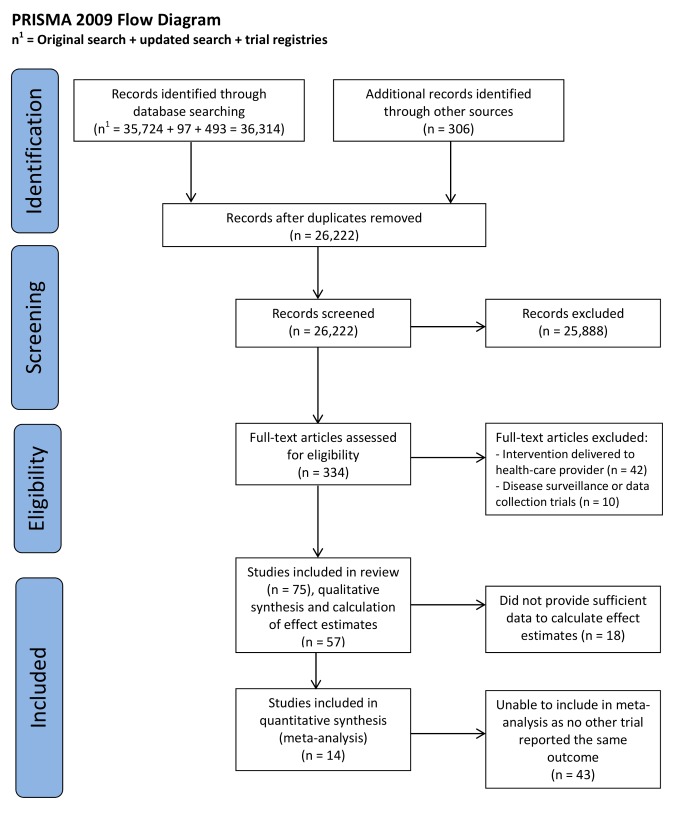
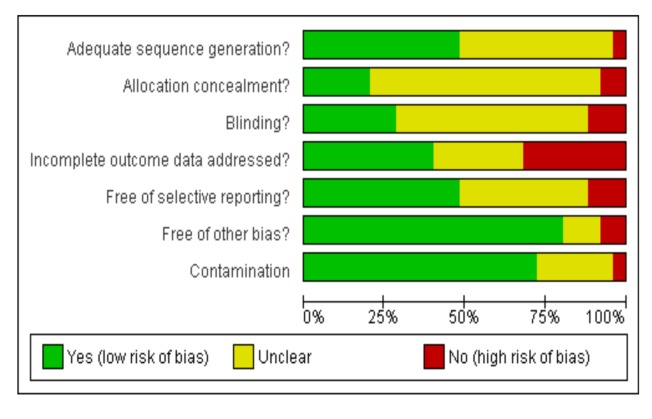
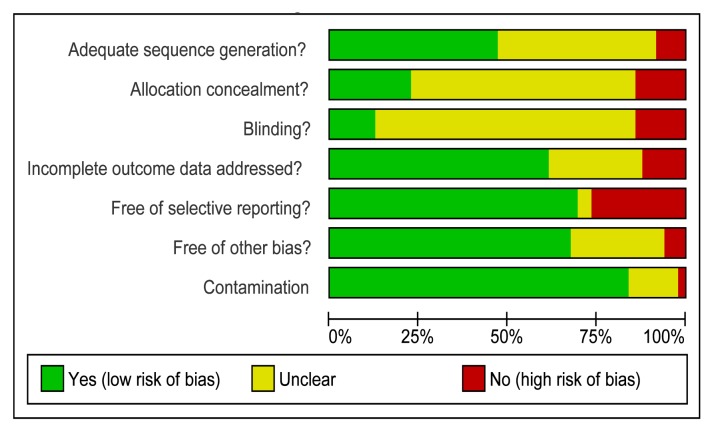
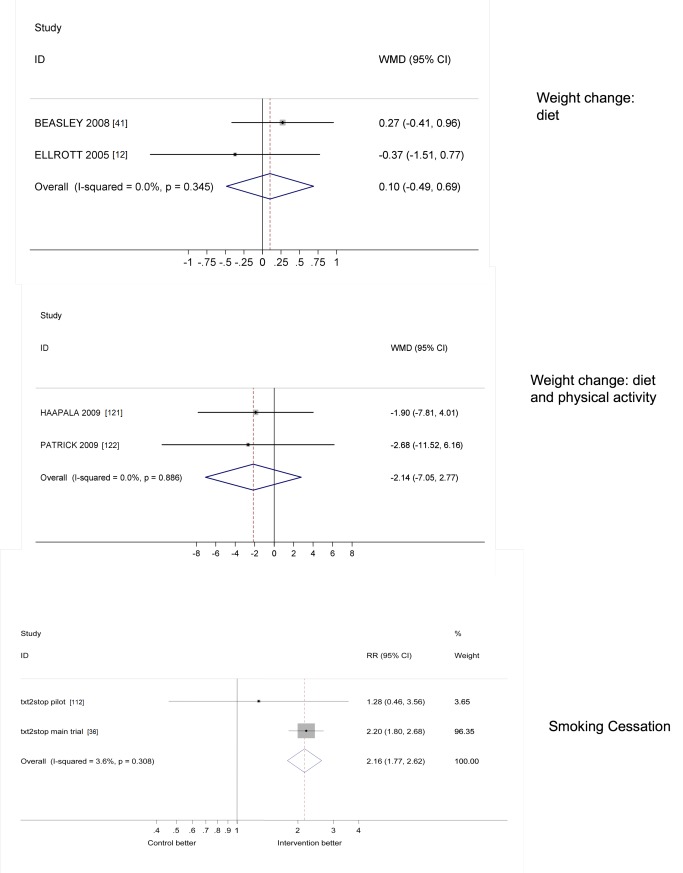
BACKGROUND: Mobile technologies could be a powerful media for providing individual level support to health care consumers. We conducted a systematic review to assess the effectiveness of mobile technology interventions delivered to health care consumers. METHODS AND FINDINGS: We searched for all controlled trials of mobile technology-based health interventions delivered to health care consumers using MEDLINE, EMBASE, PsycINFO, Global Health, Web of Science, Cochrane Library, UK NHS HTA (Jan 1990-Sept 2010). Two authors extracted data on allocation concealment, allocation sequence, blinding, completeness of follow-up, and measures of effect. We calculated effect estimates and used random effects meta-analysis. We identified 75 trials. Fifty-nine trials investigated the use of mobile technologies to improve disease management and 26 trials investigated their use to change health behaviours. Nearly all trials were conducted in high-income countries. Four trials had a low risk of bias. Two trials of disease management had low risk of bias; in one, antiretroviral (ART) adherence, use of text messages reduced high viral load (>400 copies), with a relative risk (RR) of 0.85 (95% CI 0.72-0.99), but no statistically significant benefit on mortality (RR 0.79 [95% CI 0.47-1.32]). In a second, a PDA based intervention increased scores for perceived self care agency in lung transplant patients. Two trials of health behaviour management had low risk of bias. The pooled effect of text messaging smoking cessation support on biochemically verified smoking cessation was (RR 2.16 [95% CI 1.77-2.62]). Interventions for other conditions showed suggestive benefits in some cases, but the results were not consistent. No evidence of publication bias was demonstrated on visual or statistical examination of the funnel plots for either disease management or health behaviours. To address the limitation of the older search, we also reviewed more recent literature. CONCLUSIONS: Text messaging interventions increased adherence to ART and smoking cessation and should be considered for inclusion in services. Although there is suggestive evidence of benefit in some other areas, high quality adequately powered trials of optimised interventions are required to evaluate effects on objective outcomes.
Overview
The claims and statistics of this paper haven’t been checked yet.
Free: it reads the open-access text and checks the first 5 claims that cite a source we can check. Create a free account to check every claim.
Integrity signals
Registry
Cites
Statistics
Figures
Verification
Claims the paper makes
The claims and statistics of this paper haven’t been checked yet.
Free: it reads the open-access text and checks the first 5 claims that cite a source we can check. Create a free account to check every claim.
Claims other papers make about this one
Each is checked against this paper’s own text: does it say what the citing paper says it does?
The source backs part of the claim, not all of it — or backs it for a different population, condition or comparison.
In the citing paper
“Three systematic reviews found reminders for disease monitoring improve healthcare processes but with education through voice call and text messages, both health outcomes and care processes improve.18 22 23”
From mHealth text and voice communication for monitoring people with chronic diseases in low-resource settings: a realist review (2018) · cites this paper as [23]
Experimental — accuracy not yet measuredThe source backs part of the claim, not all of it — or backs it for a different population, condition or comparison.
In the citing paper
“there are still too few high-quality, adequately powered RCTs evaluating the use of such apps [83,84].”
From Theory-Based Design and Development of a Socially Connected, Gamified Mobile App for Men About Breastfeeding (Milk Man) (2016) · cites this paper as [84]
Experimental — accuracy not yet measuredThe source backs part of the claim, not all of it — or backs it for a different population, condition or comparison.
In the citing paper
“While the use of mobile technology in public health interventions has grown significantly”
From Theory-Based Design and Development of a Socially Connected, Gamified Mobile App for Men About Breastfeeding (Milk Man) (2016) · cites this paper as [84]
Experimental — accuracy not yet measuredThe source backs part of the claim, not all of it — or backs it for a different population, condition or comparison.
In the citing paper
“Mobile phone messaging interventions are a potential cost-effective approach to promote habit formation.43–45”
From Refining and optimising a behavioural intervention to support endocrine therapy adherence (ROSETA) in UK women with breast cancer: Protocol for a pilot fractional factorial trial (2023) · cites this paper as [45]
Experimental — accuracy not yet measuredThe cited source says what the claim attributes to it.
In the citing paper
“In high-income countries, interventions have included these aspects of care.18 22 23”
From mHealth text and voice communication for monitoring people with chronic diseases in low-resource settings: a realist review (2018) · cites this paper as [23]
7 more claims about this paper
Create a free account to see every claim other papers make about this one.
Self-check
Percentages, sums and reported differences re-computed from the paper’s own numbers.
The self-check needs the paper’s full text.
Citations
Cites
2 retracted
Psychological interventions for overweight or obesity
Shaw, K. A., O'Rourke, P., Del Mar, C., & Kenardy, J. (2005) · Cochrane Database of Systematic Reviews · doi:10.1002/14651858.cd003818.pub2 · Cited by 442 · cited 1×
“Likewise, it is unsurprising that interventions delivered by mobile technologies appear to have small effects on weight, given the paucity of effective behavioural change interventions for obesity [105,106].”
RetractedZolfaghari, M., Mousavifar, S. A., Pedram, S., & Haghani, H. (2012) · Journal of Clinical Nursing · doi:10.1111/j.1365-2702.2011.03951.x · Cited by 101 · cited 1×
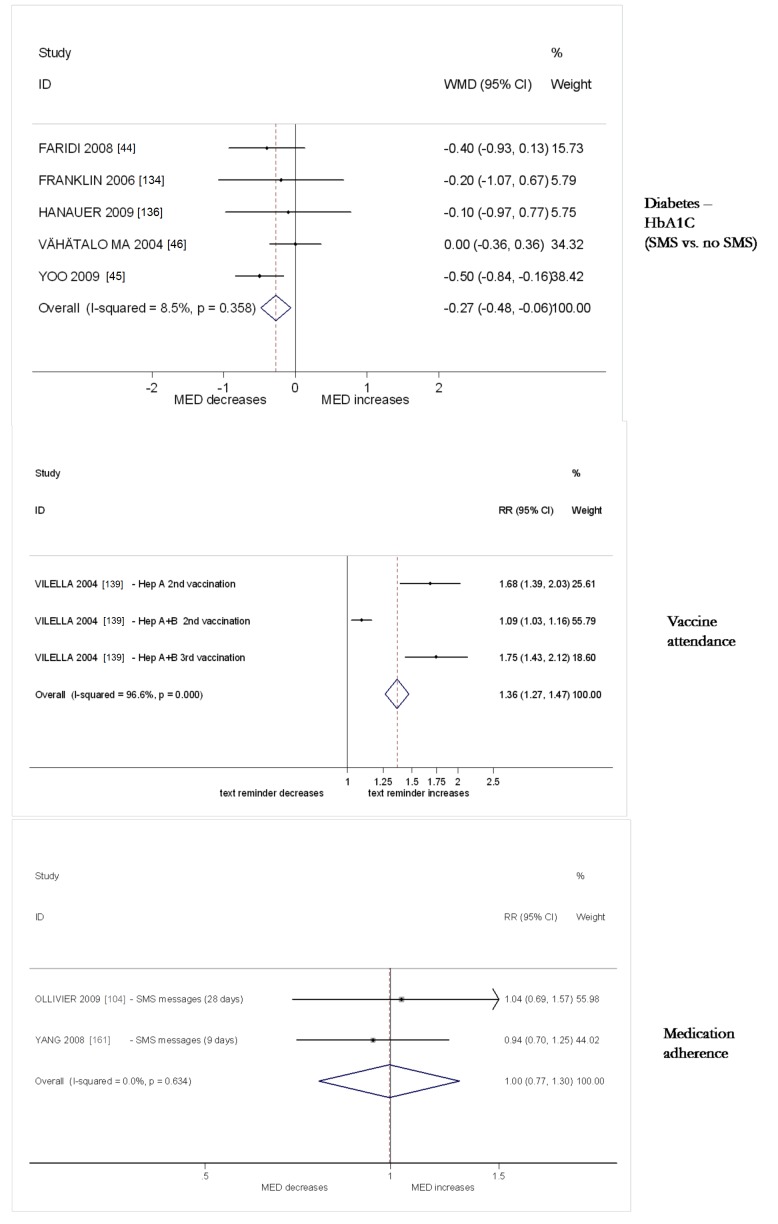
“Four trials of a diabetes care intervention, three involving text messages and the other involving video messages, reported statistically significant decreases in HBA1C, which were of borderline clinical significance [69–73].”
RetractedCochrane Handbook for Systematic Reviews of Interventions: Cochrane Book Series
(2008) · doi:10.1002/9780470712184 · Cited by 25,048 · cited 1×
“Risk of bias was assessed according to the criteria outlined by the International Cochrane Collaboration [35].”
Zhang, Q., Wang, C., Zheng, M., Li, Y., Li, J., Zhang, L., Shang, X., & Yan, C. (2015) · Cerebrovascular Diseases · doi:10.1159/000369778 · Cited by 11,533
Pharmacological interventions for somatoform disorders in adults
Kleinstäuber, M., Witthöft, M., Steffanowski, A., van Marwijk, H., Hiller, W., & Lambert, M. J. (2014) · Cochrane Database of Systematic Reviews · doi:10.1002/14651858.cd010628.pub2 · Cited by 11,335
Cochrane Handbook for Systematic Reviews of Interventions Version 5.0.1. The Cochrane Collaboration
Higgins, J. P. T., Green, S. R., & Higgins, J. P. T. (2008) · Cited by 7,226
Collaboration, A. T. (2002) · BMJ · doi:10.1136/bmj.324.7329.71 · Cited by 6,943
Mortality in relation to smoking: 40 years' observations on male British doctors
Doll, R., Peto, R., Wheatley, K., Gray, R., & Sutherland, I. (1994) · BMJ · doi:10.1136/bmj.309.6959.901 · Cited by 5,932
Update on Key Emerging Challenges in Cystic Fibrosis
Jennings, M. T., Riekert, K. A., & Boyle, M. P. (2014) · Medical Principles and Practice · doi:10.1159/000357646 · Cited by 3,648
Research works printed but not linked: 6
- Rodgers A, Corbett T, Bramley D, Riddell T, Wills M, et al (2005) Do u smoke after txt? Results of a randomised trial of smoking cessation using mobile phone text messaging. Tob Control 14: 255– 261. 16046689 PMC1748056 · DOI · Paper page
- Medical Research Council (2000) A framework for development and evaluation of RCTs for complex interventions to improve health. London, Medical Research Council
- Free C, Whittaker R, Knight R, Abramsky T, Rodgers A, et al (2009) Txt2stop: a pilot randomised controlled trial of mobile phone-based smoking cessation support. Tob Control 18: 88– 91. 19318534 · DOI · Paper page
- Ellrott T, Austel A, Rademacher C, Oberritter H, Benecke R, et al (2005) Self-help programme for weight reduction with and without support by a handheld nutrition computer. [German]. Ernahrungs Umschau 52.
- Delamere S, Dooley S, Harrington L, King A, Mulcahy F (2006) Safer sex text messages: Evaluating a health education intervention in an adolescent population. Sexually Transmitted Infections 82: A27– A27.
- Liu W, Wang CH, Huang CD, Kuo HP (2007) A novel mobile phone-based self-care system improves asthma control [Abstract]. American Thoracic Society International Conference, May 18–23, 2007, San Francisco, California, USA. pp. [A93].
Cited by
Items 801–900 of 1,003
Irvine, L. A., Melson, A. J., Williams, B., Sniehotta, F. F., McKenzie, A., Jones, C., & Crombie, I. K. (2017) · International Journal of Behavioral Medicine · doi:10.1007/s12529-017-9666-z · Cited by 20
“Recent systematic reviews report that few studies provide details on the health behaviour theories that underpin the interventions [12–14], and even among those that give the theoretical basis, few evaluate the effects of the components on behaviour [1, 6, 12, 14].”
BackgroundBergner, E. M., Nelson, L. A., Rothman, R. L., & Mayberry, L. S. (2017) · HLRP Health Literacy Research and Practice · doi:10.3928/24748307-20170906-01 · Cited by 24
“, 2008; Saffari, Ghanizadeh, & Koenig, 2014) by personally tailoring health information and providing daily self-care support (Free et al., 2013; Klonoff, 2013; Mackert, Love, & Whitten, 2009).”
BackgroundBartholdy, C. R., Bliddal, H., & Henriksen, M. (2019) · Pilot and Feasibility Studies · doi:10.1186/s40814-019-0494-6 · Cited by 19
Ahmed, T. (2020) · BMJ Open · doi:10.1136/bmjopen-2019-036656 · Cited by 21
Mendoza, J., Seguin, M., Lasco, G., Palileo-Villanueva, L., Amit, A. M. L., Renedo, A., Mckee, M., Palafox, B., & Balabanova, D. (2021) · International Journal of Qualitative Methods · doi:10.1177/16094069211002746 · Cited by 20
“Mobile communication is also increasingly used in clinical research, with growing evidence suggesting that text messaging improves adherence to treatment and follow-up (de Jongh et al., 2012; Free et al., 2013; Gurol-Urganci et al., 2013; Horvath et al., 2012; Whittaker et al., 2019).”
BackgroundChelberg, G., Butten, K., Mahoney, R., & eHRCATSIH Group (2022) · JMIR Research Protocols · doi:10.2196/34904 · Cited by 18
“Comparable or superior clinical effectiveness of eHealth has been established for some modalities such as telehealth [8,13], with emerging evidence for others including mHealth platforms and text messaging [9,14,15].”
BackgroundWearable and mobile sensors connected to social media in human well-being applications
Kinnunen, M. T., Mian, S. Q., B, H. O.-K. A., Riekki, J. P., Jutila, M., Ervasti, M., Ahokangas, P., & Alasaarela, E. (2015) · Telematics and Informatics · doi:10.1016/j.tele.2015.06.008 · Cited by 19
“In recent years, increasing attention has been paid to personalized health support systems (Free et al., 2013; Matthews et al., 2008; El-Gayar et al., 2013) and preventive measures to control such diseases as diabetes.”
Backgroundvan Olmen, J., van Pelt, M. H., Malombo, B., Ku, G. M., Kanda, D., Heang, H., Darras, C., Kegels, G., & Schellevis, F. (2015) · Journal of Telemedicine and Telecare · doi:10.1177/1357633x15617885 · Cited by 20
“Their results pertaining to effectiveness are not consistent: showing little effect on behaviour and physical parameters, although some studies showed a slight improvement in diabetes control and blood pressure.(8) Despite the call for more process evaluation to better understand why and how mHealth interventions work…”
ResultSelf Managing Heart Failure in Remote Australia - Translating Concepts into Clinical Practice
Iyngkaran, P., Toukhsati, S. R., Harris, M., Connors, C. M., Kangaharan, N., Ilton, M. K., Nagel, T. M., Moser, D. K., & Battersby, M. (2016) · Current Cardiology Reviews · doi:10.2174/1573403x12666160703183001 · Cited by 17
Vallières, F., McAuliffe, É., van Bavel, B., Wall, P. J., & Trye, A. (2017) · Annals of Global Health · doi:10.1016/j.aogh.2016.07.002 · Cited by 19
Shrestha, R., Karki, P., & Copenhaver, M. (2017) · AIDS Care · doi:10.1080/09540121.2017.1325439 · Cited by 16
“…mounting interest in the use of mobile technologies for health (mHealth) in healthcare (WHO, 2011). mHealth solutions have been shown to have a positive impact on medication adherence, appointment attendance, and health-promoting behaviors (Finitsis, Pellowski, & Johnson, 2014; Free et al., 2013).”
BackgroundHatef, E., Sharfstein, J. M., & Labrique, A. B. (2017) · Journal of Public Health Management and Practice · doi:10.1097/phh.0000000000000665 · Cited by 20
“The interventions and care models developed by collaborative public health and technology teams that harness the capabilities of phones have been able to motivate improved adherence to prescriptions and can help navigate health systems and reduce losses to follow-up.(5,6) Collaborations between the private sector and…”
BackgroundGelano, T. F., Assefa, N., Bacha, Y. D., Mahamed, A. A., Roba, K. T., & Hambisa, M. T. (2018) · Trials · doi:10.1186/s13063-018-2446-5 · Cited by 18
Bingham, D., Suplee, P. D., Morris, M. H., & McBride, M. R. A. (2018) · The Journal of Perinatal & Neonatal Nursing · doi:10.1097/jpn.0000000000000344 · Cited by 18
Sukumar, N., Dallosso, H. M., Saravanan, P., Yates, T. E., Telling, C., Shorthose, K., Northern, A., Schreder, S., Brough, C., Gray, L. J., et al. (2018) · Trials · doi:10.1186/s13063-018-3067-8 · Cited by 21
Schroé, H., der Mispel, C. V., Bourdeaudhuij, I. D., Verloigne, M., Poppe, L., & Crombez, G. (2019) · Trials · doi:10.1186/s13063-019-3456-7 · Cited by 17
McGirr, C., Rooney, C., Gallagher, D., Dombrowski, S. U., Anderson, A. S., Cardwell, C. R., Free, C., Hoddinott, P., Holmes, V. A., McIntosh, E., et al. (2020) · Public Health Research · doi:10.3310/phr08040 · Cited by 17
Self-citationRaymond L. Nimmo and the evolution of trigger point therapy, 1929-1986.
Cohen, J. H., & Gibbons, R. W. (1998) · PubMed · Cited by 22
van Velthoven, M. H., & powell, J. A. (2017) · Digital Health · doi:10.1177/2055207617701342 · Cited by 16
Battersby, M., Kidd, M. R., Licinio, J., Aylward, P. E., Baker, A., Ratcliffe, J., Quinn, S. J., Castle, D. J., Zabeen, S., Fairweather‐Schmidt, A. K., et al. (2018) · Trials · doi:10.1186/s13063-018-2748-7 · Cited by 17
Singh, J. K., Acharya, D., Paudel, R., Gautam, S., Adhikari, M., Kushwaha, S. P., Park, J.-H., Yoo, S., & Lee, K. (2020) · Frontiers in Public Health · doi:10.3389/fpubh.2020.00312 · Cited by 18
Donovan, G., Hall, N. J., Ling, J., Smith, F. J., & Wilkes, S. (2022) · British Journal of Health Psychology · doi:10.1111/bjhp.12580 · Cited by 20
Developing and validating a new scale to measure the acceptability of health apps among adolescents
Chen, E. S., Moracco, K. E., Kainz, K., Muessig, K. E., & Tate, D. F. (2022) · Digital Health · doi:10.1177/20552076211067660 · Cited by 19
Text2Breathe: Text-Message Intervention for Parent Communication and Pediatric Asthma
Coker, T. R., Mitchell, S., Lowry, S., Klein, E. J., Stout, J. W., Brown, J. C. S., Liljenquist, K. S., Wingfield, E., & Horn, I. B. (2022) · Academic Pediatrics · doi:10.1016/j.acap.2022.05.004 · Cited by 16
Mo, D., Luo, R., Liu, C., Zhang, H., Zhang, L., Medina, A., & Rozelle, S. (2014) · World Development · doi:10.1016/j.worlddev.2014.07.015 · Cited by 18
“Only a few studies have attempted to isolate the impact of text messaging on health behavior or other outcomes (Free et al., 2013).”
BackgroundImplementing Electronic Tablet-Based Education of Acute Care Patients
Sawyer, T., Nelson, M. J., McKee, V., Bowers, M., Meggitt, C., Baxt, S. K., Washington, D., Saladino, L., Lehman, E. P., Brewer, C. A., et al. (2016) · Critical Care Nurse · doi:10.4037/ccn2016541 · Cited by 20
Chen, S., Gong, E., Kazi, D. S., Gates, A. B., Karaye, K. M., Girerd, N., Bai, R., AlHabib, K. F., Li, C., Sun, K., et al. (2016) · Journal of Medical Engineering & Technology · doi:10.1080/03091902.2016.1213904 · Cited by 16
Alcohol and disadvantaged men: A feasibility trial of an intervention delivered by mobile phone
Crombie, I. K., Irvine, L. A., Falconer, D. W., Williams, B., Ricketts, I. W., Jones, C., Humphris, G. M., Norrie, J. D., Slane, P. W., & Rice, P. M. (2017) · Drug and Alcohol Review · doi:10.1111/dar.12455 · Cited by 19
“[15] Free C, Phillips G, Galli L, et al.”
BackgroundContexts And Opportunities Of E-Health Technology In Medical Care
Zaman, S. B., Hossain, N., Ahammed, S., & Ahmed, Z. (2017) · Zenodo (CERN European Organization for Nuclear Research) · doi:10.5281/zenodo.570870 · Cited by 15
Brindal, E., Hendrie, G. A., Freyne, J., & Noakes, M. (2018) · JMIR mhealth and uhealth · doi:10.2196/mhealth.7796 · Cited by 15
“There is growing interest in the possible role mobile phones could play in supporting health behavior change [1,2].”
The Intervention Effect of SMS Delivery on Chinese Adolescent’s Physical Activity
Lau, W. C., Pitkethly, A. J., Leung, B. W. C., Lau, E. Y., & Wang, J.-J. (2019) · International Journal of Environmental Research and Public Health · doi:10.3390/ijerph16050787 · Cited by 20
“However, information communication technology (ICT), more specifically, Short Message Services (SMS) via mobile phones, is considered a promising intervention delivery method by which to influence and potentially increase behavioral change [7,8].”
Flitcroft, L., Chen, W. S., & Meyer, D. (2020) · Journal of Medical Internet Research · doi:10.2196/14977 · Cited by 18
“Some benefits have been identified in terms of supporting behavior change [7,8], promoting weight loss [7,9,10], increasing physical activity [7,8,10,11], assisting with smoking cessation [7,10], and improving self-management of chronic disease [7,12], particularly in those with more serious chronic illness [6]; howev…”
BackgroundMichie, S., West, R., Pidgeon, N., Reicher, S. D., Amlôt, R., & Bear, L. (2021) · British Journal of Health Psychology · doi:10.1111/bjhp.12557 · Cited by 18
Designing text-messaging (SMS) in HIV programs: ethics-framed recommendations from the field
Martínez‐Pérez, G. Z., Hwang, B., Bygrave, H., & Venables, E. C. (2015) · Pan African Medical Journal · doi:10.11604/pamj.2015.21.201.6844 · Cited by 22
“At community-level, SMS activities also support public health interventions, as messages can also be sent to the general population to promote the uptake of HIV counseling and testing (HCT) [5,6] and encourage the use of condoms [7] and other HIVprevention interventions such as male circumcision [8].”
BackgroundPolicy, practice and regulatory issues in mobile technology treatment for forensic clients
Ross, S. (2018) · European Journal of Probation · doi:10.1177/2066220318761382 · Cited by 17
mHealth as a health system strengthening tool in China
Tian, M., Zhang, X., & Zhang, J. (2020) · International Journal of Nursing Sciences · doi:10.1016/j.ijnss.2020.07.001 · Cited by 15
Chandan, S., Arora, S. S., Mohan, B. P., Khan, S. R., Chandan, O. C., Kassab, L. L., & Murali, A. R. (2020) · Digestive Endoscopy · doi:10.1111/den.13809 · Cited by 17
Allemand, M., Keller, L., Gmür, B., Gehriger, V., Oberholzer, T., & Stieger, M. (2020) · Frontiers in Psychiatry · doi:10.3389/fpsyt.2020.575101 · Cited by 16
Bartlett, Y. K., Newhouse, N., Long, H. A., Farmer, A., & French, D. (2019) · Patient Preference and Adherence · doi:10.2147/ppa.s217843 · Cited by 14
Jo, Y., LeFevre, A. E., Ali, H., Mehra, S., Alland, K., Shaikh, S., Haque, R., Pak, E. S., Chowdhury, M. K., & Labrique, A. B. (2021) · BMJ Open · doi:10.1136/bmjopen-2020-042553 · Cited by 15
Wu, D., An, J., Yu, P., Lin, H., Ma, L., Duan, H., & Deng, N. (2021) · Journal of Medical Internet Research · doi:10.2196/25630 · Cited by 18
Satibi, S., Ghozali, M. T., & Forthwengel, G. (2023) · Journal of Medicine and Life · doi:10.25122/jml-2023-0153 · Cited by 23
McKoy, J. M., Fitzner, K., Margetts, M., Heckinger, E. A., Specker, J. E., Roth, L., Izenberg, M., Siegel, M., McKinney, S., & Moss, G. (2015) · Population Health Management · doi:10.1089/pop.2014.0073 · Cited by 21
“50,51,52,53,54,55,56 As a result, most telehealth programs in India are narrow in terms of scope, although they still improve access to specialty care that otherwise would have been unattainable.”
Patterson, P. D., Moore, C. G., Weaver, M. D., Buysse, D. J., Suffoletto, B. P., Callaway, C. W., & Yealy, D. M. (2014) · Trials · doi:10.1186/1745-6215-15-244 · Cited by 17
SlipBuddy: A Mobile Health Intervention to Prevent Overeating
Tulu, B., Ruiz, C., Allard, J. N., Acheson, J. R., Busch, A., Roskuski, A., Heeringa, G., Jaskula, V., Oleski, J. L., & Pagoto, S. (2017) · Hawaii International Conference on System Sciences (HICSS) · doi:10.24251/hicss.2017.436 · Cited by 15
“A recent literature review of mobile technology interventions illustrates the limited use of mobile technology, mainly text messaging, in such interventions [6].”
BackgroundPrinciples in the Design of Mobile Medical Apps: Guidance for Those who Care
Lienhard, K. R., & Legner, C. (2017) · WIRTSCHAFTSINFORMATIK · Cited by 17
Wang, L., Mårtensson, J., Zhao, Y., & Nygårdh, A. (2018) · International Journal of COPD · doi:10.2147/copd.s161410 · Cited by 20
Ngaruiya, C., Oti, S. O., van de Vijver, S. J. M., Kyobutungi, C. K., & Free, C. (2019) · PLoS ONE · doi:10.1371/journal.pone.0220834 · Cited by 16
Self-citationGeldof, M., Thiombiano, B. A., & Wagner, N. (2020) · AIDS Care · doi:10.1080/09540121.2020.1769832 · Cited by 15
“In recent years, mHealth has gained considerable attention due to its potential to improve health outcomes in developing countries with high outreach, yet low costs (Free et al., 2013; Kahn et al., 2010).”
BackgroundPersonal digital health hubs for multiple conditions
Chehade, M. J., Yadav, L., Jayatilaka, A., Gill, T. K., & Palmer, E. (2020) · Bulletin of the World Health Organization · doi:10.2471/blt.19.249136 · Cited by 14
User-Based Collaborative Filtering Mobile Health System
Kao, H.-T., Yan, S., Hosseinmardi, H., Narayanan, S. S., Lerman, K., & Ferrara, E. (2020) · Proceedings of the ACM on Interactive Mobile Wearable and Ubiquitous Technologies · doi:10.1145/3432703 · Cited by 16
“Previous studies have identified physiological signals that associatedwith important health outcomes through continuous sensing using wearable sensors [15, 24, 43].”
BackgroundMays, D. M., Johnson, A. C., Phan, L., Sanders, C., Shoben, A. B., Tercyak, K. P., Wagener, T. L., Brinkman, M. C., & Lipkus, I. M. (2021) · American Journal of Public Health · doi:10.2105/ajph.2021.306389 · Cited by 16
A Review of m-Health in Medical Imaging
Perera, C. M., & Chakrabarti, R. (2015) · Telemedicine Journal and e-Health · doi:10.1089/tmj.2013.0330 · Cited by 18
Manganello, J. A., Gerstner, G. R., Pergolino, K., Graham, Y. J., & Strogatz, D. S. (2016) · JMIR Public Health and Surveillance · doi:10.2196/publichealth.4442 · Cited by 14
Patients’ attitudes to the use of modern technologies in the treatment of diabetes
Marešová, P., & Cerna, L. (2016) · Patient Preference and Adherence · doi:10.2147/ppa.s118040 · Cited by 18
“26 Concerning the use of technologies in treating other chronic diseases, the study 27 showed that 8% of the asthma and COPD patients knew of the term eHealth.”
Results From a Tailored SMS and Behavior-Tracking Pilot Study on Sun-Safe Behaviors in Young Women
Darlow, S. D., & Heckman, C. J. (2017) · Health Education & Behavior · doi:10.1177/1090198117699507 · Cited by 17
“Systematic reviews found that this method tends to yield effects on health behaviors, at least in the short term (ColeLewis & Kershaw, 2010; Free et al., 2013).”
MethodWright, C. C. J., Dietze, P., & Lim, M. S. C. (2017) · JMIR mhealth and uhealth · doi:10.2196/mhealth.6497 · Cited by 17
Wang, L., Naudé, N., Demissie, M., Crivaro, A., Kamoun, M., Wang, P., & Li, L. (2018) · Clinica Chimica Acta · doi:10.1016/j.cca.2018.03.013 · Cited by 14
Vogt, F. A., Seidl, F., Santarpino, G., van Griensven, M., Emmert, M., Edenharter, G. M., & Pförringer, D. (2018) · European Surgical Research · doi:10.1159/000490241 · Cited by 14
Musgrave, L., Homer, C., Kizirian, N. V., & Gordon, A. (2019) · Systematic Reviews · doi:10.1186/s13643-019-0996-6 · Cited by 15
“lack an examination of long-term effects or follow-up [20].”
BackgroundWhitley, M. D., Payán, D. D., Flórez, K. R., Williams, M. V., Wong, E. C., Branch, C. A., & Derose, K. P. (2019) · Health Informatics Journal · doi:10.1177/1460458219853408 · Cited by 16
Ngo, V., Matsumoto, C. G., Joseph, J. G., Bell, J. F., Bold, R. J., Davis, A., Reed, S. C., & Kim, K. K. (2020) · JMIR mHealth and uHealth · doi:10.2196/16527 · Cited by 14
Unintended pregnancy and abortion in India: Country profile report
Sebastian, M., Khan, M. E., & Sebastian, D. (2014) · doi:10.31899/rh4.1052 · Cited by 25
Mohan, B., Sharma, S., Sharma, S., Kaushal, D., Singh, B., Takkar, S., Aslam, N., Goyal, A., & Wander, G. S. (2017) · Indian Heart Journal · doi:10.1016/j.ihj.2017.05.007 · Cited by 13
“In another study, it was shown that text messaging interventions increased adherence to anti retroviral therapy and smoking cessation.(12) Text messages may provide useful reminders about prevention and treatment about chronic health problem such as asthma.”
BackgroundHailemariam, T., Atnafu, A., Gezie, L. D., & Tilahun, B. C. (2024) · BMC Medical Informatics and Decision Making · doi:10.1186/s12911-024-02836-1 · Cited by 22
Gomis‐Pastor, M., Mirabet, S., Roig, E. S., López, L., Brossa, V., Tugas, E. G., Rodriguez-Murphy, E., Feliu, A., Ontiveros, G., Cuyàs, F. G., et al. (2020) · JMIR Cardio · doi:10.2196/19065 · Cited by 15
“Several expert reports on the efficacy of internet-based interventions and system engagement were also reviewed [35,43,45-47,59-61].”
BackgroundMakowsky, M. J., Davachi, S., & Jones, C. (2022) · JMIR Formative Research · doi:10.2196/29955 · Cited by 17
“Emerging evidence suggests that eHealth-and mHealth-based interventions can improve the prevention and management of chronic health conditions [4,5].”
Barisch‐Fritz, B., Bezold, J., Scharpf, A., Trautwein, S., Krell‐Roesch, J., & Wöll, A. (2022) · Frontiers in Physiology · doi:10.3389/fphys.2022.921105 · Cited by 17
Debnath, S. (2023) · World Journal of Advanced Research and Reviews · doi:10.30574/wjarr.2023.19.1.1335 · Cited by 29
“Mobile health and wearable devices have facilitated patient self-management and monitoring, enabling better disease management [3].”
Background(2023) · doi:10.2196/46989 · Cited by 13
“…know that distinct advantages of mobile health (mHealth) apps are the sheer amount of text and visual content that they can offer and the various reminders that are built into mobile apps that can support, guide, and monitor families’ preparation as well as address any problems that may arise [39].”
Using the iPod Touch for Patient Health Behavior Assessment and Health Promotion in Primary Care
Forjuoh, S. N., Ory, M. G., Wang, S., Bordes, J. D., & Hong, Y. A. (2014) · JMIR mhealth and uhealth · doi:10.2196/mhealth.2927 · Cited by 17
“This finding corroborates a call to use mobile health technologies or IBCT to promote health behavior change in the primary care setting [18,31].”
BackgroundFairman, A. D., Yih, E. T., McCoy, D. F., LoPresti, E., McCue, M. P., Parmanto, B., & Dicianno, B. E. (2016) · International Journal of Telerehabilitation · doi:10.5195/ijt.2016.6194 · Cited by 17
“…1 Spring 2016 • (10.5195/ijt.2016.6194) 11 Mobile health (mHealth) interventions are quickly becoming an alternative means to provide support for selfmanagement for individuals with a variety of chronic conditions such as HIV, as well as cardiovascular and pulmonary diseases (Free et al., 2013).”
BackgroundInfluentialKan, Y., Chen, K., & Lin, H.-C. (2017) · Computer Methods and Programs in Biomedicine · doi:10.1016/j.cmpb.2017.02.027 · Cited by 14
Crombie, I. K., Irvine, L. A., Williams, B., Sniehotta, F. F., Petrie, D., Jones, C., Norrie, J. D., Evans, J. M. M., Emslie, C., Rice, P. M., et al. (2018) · Public Health Research · doi:10.3310/phr06060 · Cited by 16
“Furthermore, behaviour change interventions delivered by mobile phone have been shown to be effective in some circumstances, particularly smoking cessation and adherence to treatment in patients with human immunodeficiency virus infection.(66)”
Health Care Apps Reported in Newspapers: Content Analysis
Bawab, A. Q. A., Alqahtani, F., & McElnay, J. C. (2018) · JMIR mhealth and uhealth · doi:10.2196/10237 · Cited by 15
A Fuzzy Collaborative Approach for Evaluating the Suitability of a Smart Health Practice
Chen, T., Wang, Y.-C., Lin, Y.-C., Wu, H., & Lin, H.-F. (2019) · Mathematics · doi:10.3390/math7121180 · Cited by 14
Hill, J., McGinn, J., Cairns, J., Free, C., & Smith, C. (2019) · JMIR mhealth and uhealth · doi:10.2196/16276 · Cited by 18
“Interventions delivered by mobile phone could help increase uptake and continuation of contraception, particularly among hard-to-reach populations [5-9].”
Self-citationThompson, M., Goodwin, R., Ojeda, A. R., Morris, L., & Fairman, A. D. (2020) · Journal of Pediatric Health Care · doi:10.1016/j.pedhc.2019.11.002 · Cited by 15
Design of mobile health technology
Morita, P. P. (2020) · Elsevier eBooks · doi:10.1016/b978-0-12-816427-3.00005-1 · Cited by 18
Fiordelli, M., Zanini, C., Amann, J., Scheel‐Sailer, A., Brach, M., Stucki, G., & Rubinelli, S. (2020) · JMIR mhealth and uhealth · doi:10.2196/15818 · Cited by 12
“Studies have examined not only the effectiveness of mHealth [8], but also its design and development process.”
Shpigelman, C., Tal, A., & Zisman‐Ilani, Y. (2021) · JMIR Mental Health · doi:10.2196/28123 · Cited by 16
Braun, M., Schmidt, O., Schultz, T., Woehrle, H., Sundrup, M. G., & Schöbel, C. (2022) · Der Internist · doi:10.1007/s00108-022-01266-3 · Cited by 12
Adult Cancer Patient Recruitment and Enrollment into Cell Phone Text Message Trials
Spoelstra, S., Sikorskii, A. E., Given, C. W., Coursaris, C. K., Majumder, A., Schueller, M., & Given, B. A. (2016) · Telemedicine Journal and e-Health · doi:10.1089/tmj.2015.0263 · Cited by 13
Factors influencing mHealth acceptance among elderly people in Bangladesh
Sorwar, G., & Hoque, M. R. (2015) · Cross Connect (Southern Cross University) · Cited by 13
Glasner, S. V., Patrick, K., Ybarra, M. L., Reback, C. J., Rawson, R. A., Garneau, H. C., Chavez, K., & Venegas, A. (2016) · JMIR Research Protocols · doi:10.2196/resprot.5407 · Cited by 15
“Several studies of text messaging and multimedia intervention programs incorporating text messaging with cigarette smokers have shown improvements in quit rates and attempts and decreases in tobacco use [37-39].”
Raval, M. V., Taylor, N., Piper, K. N., Thakore, M., Hoff, K., Owens, S., & Durham, M. M. (2017) · Journal of Medical Systems · doi:10.1007/s10916-017-0750-3 · Cited by 16
Virtual Reality and Occupational Therapy
Aran, O. T., Şahın, S., Torpil, B., Demirok, T., & Kayıhan, H. (2017) · InTech eBooks · doi:10.5772/intechopen.68799 · Cited by 16
McCarthy, O., Wazwaz, O., Jado, I., Leurent, B., Edwards, P., Adada, S., Stavridis, A., & Free, C. (2017) · Trials · doi:10.1186/s13063-017-2191-1 · Cited by 17
Self-citationBiswas, K. K., Hossain, A., Chowdhury, R., Andersen, K. L., Sultana, S., Shahidullah, S. M., & Pearson, E. (2017) · JMIR Formative Research · doi:10.2196/formative.5151 · Cited by 13
“A review of studies, mostly conducted in high-income countries, indicates that short message service (SMS) text messaging improves outcomes in antiretroviral therapy and smoking cessation interventions [3].”
BackgroundModeling Medical Services with Mobile Health Applications
Wang, Z., Zhang, L., Ma, L., & Liu, B. (2018) · Journal of Healthcare Engineering · doi:10.1155/2018/1385034 · Cited by 14
The Equity Impact of Proactive Outreach to Smokers: Analysis of a Randomized Trial
Danan, E. R., Fu, S. S., Clothier, B. A., Noorbaloochi, S., Hammett, P. J., Widome, R., & Burgess, D. J. (2018) · American Journal of Preventive Medicine · doi:10.1016/j.amepre.2018.05.023 · Cited by 13
van Schaaijk, A., Nieuwenhuijsen, K., & Frings‐Dresen, M. H. W. (2019) · International Journal of Environmental Research and Public Health · doi:10.3390/ijerph16122214 · Cited by 13
“This type of intervention is particularly suited to the working environment of coach drivers and may be able to contribute to behavioral changes facilitating a healthier lifestyle and sustainable work ability [26,27].”
BackgroundBien-Gund, C. H., Zhao, P., Cao, B., Tang, W., Ong, J. J., Baral, S., Bauermeister, J. A., Yang, L., Luo, Z., & Tucker, J. D. (2019) · Sexual Health · doi:10.1071/sh18191 · Cited by 14
Baroutsou, V., Hatz, C., Blanke, U., Haile, S. R., Fehr, J. S., Neumayr, A. L. C., Puhan, M. A., & Bühler, S. (2020) · Travel Medicine and Infectious Disease · doi:10.1016/j.tmaid.2020.101912 · Cited by 14
Islam, A. F. M., Lambert, É., Islam, S. M. S., Hosen, M. A., Thompson, B. R., & Lambert, G. W. (2021) · BMC Public Health · doi:10.1186/s12889-021-12418-9 · Cited by 16
“In our study, men, younger people, people with higher education or people with higher SES were more likely to own mobile phones compared to women, older people or people with no education, which are consistent with the previous studies in Bangladesh [34, 36, 45] and other low-middle income countries [15, 46].”
ResultThe Evolution of mHealth Solutions for Heart Failure Management
Tripoliti, E. E., Karanasiou, G. S., Kalatzis, F., Naka, K. Κ., & Fotiadis, D. I. (2017) · Advances in experimental medicine and biology · doi:10.1007/5584_2017_99 · Cited by 15
“A meta-analyses on mHealth interventions for self-management of diabetes [14] showed that significant improvements in the control of glycaemic levels for diabetes patients can be achieved.”
Bhuyian, M. S. I., Saxton, R. E., Hasan, K., Masud, J., Zohura, F., Monira, S., Biswas, S. K., Hasan, M. T., Parvin, T., Uddin, I. M., et al. (2020) · Tropical Medicine & International Health · doi:10.1111/tmi.13414 · Cited by 12
Alfian, S. D., Sania, J. A., Aini, D. Q., Khoiry, Q. A., Griselda, M., Ausi, Y., Zakiyah, N., Puspitasari, I. M., Suwantika, A. A., Mahfud, M., et al. (2024) · BMC Medical Informatics and Decision Making · doi:10.1186/s12911-024-02494-3 · Cited by 28
Unintended Consequences of Digital Behavior Change Interventions: A Social–Ecological Perspective
Pan, C.-C., Urban, M., & Schüz, B. (2024) · European Journal of Health Psychology · doi:10.1027/2512-8442/a000149 · Cited by 12
The use of telephone monitoring for diabetic patients: theory and practical implications
Koutsouris, D., Iliopoulou, D., Lazakidou, A. A., Fotiadis, D. I., Petridou, M., Giokas, K., Koutsouri, G. D., & Vellidou, E. (2014) · Smart Homecare Technology and TeleHealth · doi:10.2147/shtt.s41242 · Cited by 13
“42 Scientists have recently conducted a systematic review 40 on the effectiveness of mobile technology interventions delivered to health care consumers.”
Metadata
- Authors
- Free, C., Phillips, G., Galli, L., Watson, L., Felix, L., Edwards, P., Patel, V., & Haines, A.
- Affiliations
- London School of Hygiene & Tropical Medicine (GB)
- University of Warwick (GB)
- Imperial College London (GB)
- Corresponding author
- Free, Caroline
- Venue
- PLoS Medicine
- Publisher
- Public Library of Science (PLoS)
- Published
- 2013-01-15
- Volume
- 10
- Issue
- 1
- Pages
- e1001362
- ISSN
- 1549-1277 (ISSN-L)
- 1549-1676
- PMC
- PMC3548655
- OpenAlex
- W1975071629
- Cited by
- 1,766
- References
- 165
- Citations by year
- 2026: 66 · 2025: 91 · 2024: 73 · 2023: 91 · 2022: 107 · 2021: 135 · 2020: 160 · 2019: 172 · 2018: 190 · 2017: 205 · 2016: 171 · 2015: 153 · 2014: 107 · 2013: 43
- FWCI
- 19.02
- Type
- journal article
- Language
- en
- Open access
- gold
- doi.org
- Locations
- PLoS Medicine (publishedVersion, cc-by)
- Europe PMC (PubMed Central) (publishedVersion, cc-by)
- PubMed Central (publishedVersion, cc-by)
- PubMed (publishedVersion)
- Research Explorer (The University of Manchester) (publishedVersion)
- LSHTM Research Online (London School of Hygiene and Tropical Medicine) (acceptedVersion)
- DOAJ (DOAJ: Directory of Open Access Journals) (submittedVersion, cc-by-sa)
- Figshare (submittedVersion, cc-by)
- Funders
- Wellcome Trust (091834)
- National Institute for Health and Care Research
- Topics
- Health Sciences › Health Professions › General Health Professions › Mobile Health and mHealth Applications
- Physical Sciences › Computer Science › Information Systems › Mobile Learning in Education
- Social Sciences › Psychology › Applied Psychology › Digital Mental Health Interventions
- Keywords
- mobile health, text messaging intervention, health behavior change, disease management, antiretroviral therapy adherence, HIV, smoking cessation, health care consumers
- MeSH terms
- Clinical Trials as Topic, Community Participation, Delivery of Health Care, Diet, Humans, Motor Activity, Health Behavior, Bias, Treatment Outcome, Telemedicine, Disease Management, Biomedical Technology, Medication Adherence
About these checks
Registry, retraction, Cites and statistics results are computed, not judged, with one exception: a printed reference that no index lists is read once by a model before it counts as a citation error. Claims are extracted by a model and kept only when their quote appears verbatim in the text; each cited source is then checked, with a model’s help, for whether it says what the claim relies on. Those verdicts can be wrong — read the claim’s quote and the cited source before relying on one.
Statistics and arithmetic are recomputed, not judged.
Confidence bands are shown only for fields calibrated on our annotated test set. None is calibrated yet, so no band is shown.
What counts as a claim ›How we measure confidence ›How we check this ›
Are you an author, or do you see a problem with this page? Request a review
Data sources
Bibliographic data: Semantic Scholar, OpenAlex, Crossref.
Contains information from the Semantic Scholar Academic Graph Datasets, made available under the ODC Attribution License (ODC-BY 1.0).
Semantic Scholar’s data is described in: Kinney, R., et al. (2023). The Semantic Scholar Open Data Platform. arXiv:2301.10140.
