

World Health Organization Global Estimates and Regional Comparisons of the Burden of Foodborne Disease in 2010
Open accessThe DOI matches its Crossref record; 38 of the 40 references it cites were found in a registry or an index; 6 of the 25 sources its claims cite were checked for support.
Abstract
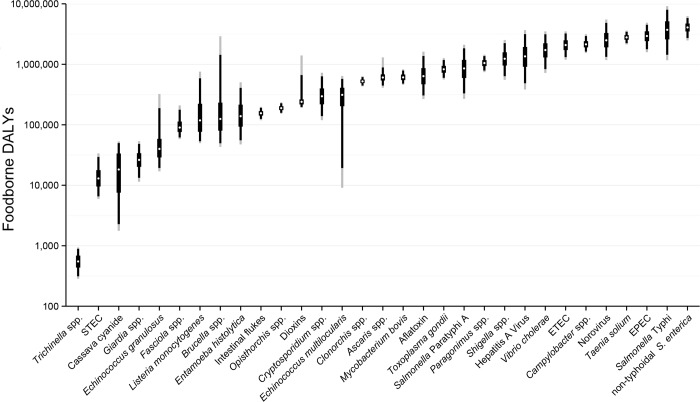
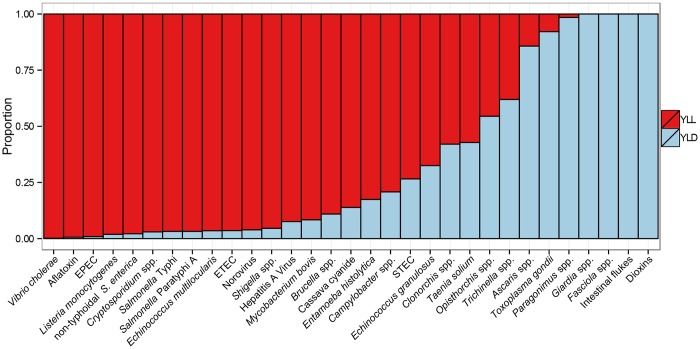
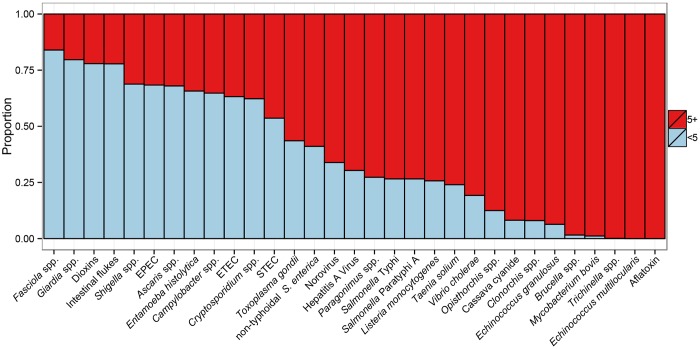
The global burden of foodborne disease caused by 31 hazards in 2010 was 33 million DALYs; children under five years old bore 40% of this burden.
Overview
CoChat Summary
## TL;DR
The WHO Foodborne Disease Burden Epidemiology Reference Group estimated that 31 foodborne hazards caused 600 million illnesses, 420,000 deaths, and 33 million DALYs worldwide in 2010. The burden was concentrated in low-income regions and in children under 5, with diarrheal disease agents—especially norovirus, Campylobacter spp., and non-typhoidal Salmonella enterica—accounting for most illness and death.
## Key findings
- Thirty-one hazards caused an estimated 600 million (95% UI 420–960 million) illnesses, 420,000 (95% UI 310,000–600,000) deaths, and 33 million (95% UI 25–46 million) DALYs in 2010.
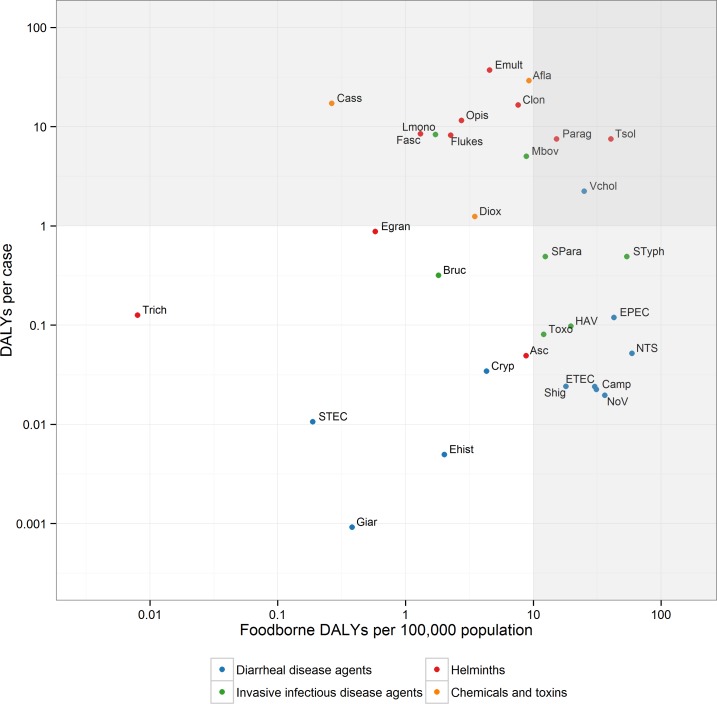
- Diarrheal disease agents accounted for 550 million illnesses and 230,000 deaths; the most frequent illness agents were norovirus (120 million cases) and Campylobacter spp. (96 million cases).
- Non-typhoidal Salmonella enterica caused 59,000 deaths and 4.0 million DALYs; other major death causes included Salmonella Typhi (52,000 deaths), Taenia solium (28,000), hepatitis A virus (28,000), and aflatoxin (20,000; 95% UI 8,000–51,000).
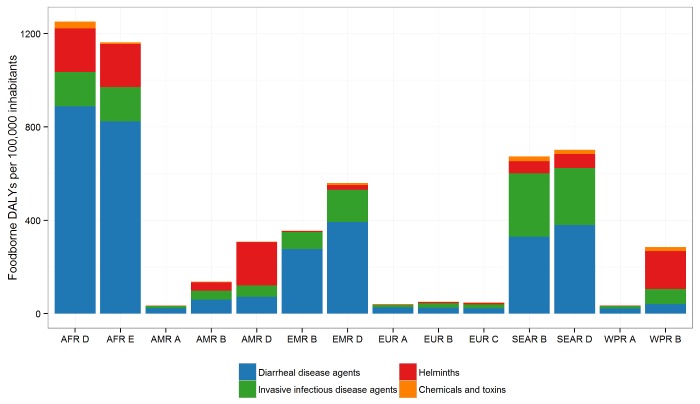
- 40% of the foodborne disease burden was borne by children under 5; the highest burden per 100,000 population was in AFR D (1,300 DALYs) and AFR E (1,200 DALYs), with SEAR B (690), SEAR D (710), and EMR D (570) also high.
## Methods
- The study was a WHO FERG global burden estimation using 31 selected foodborne hazards identified on the basis of high incidence/mortality and data availability.
- It estimated incidence, duration, mortality, YLLs, YLDs, and DALYs for 2010 using systematic reviews, other literature, surveillance data, and expert inputs; estimates were made at country level (194 countries) and then presented at subregional level because of uncertainty.
- For attribution, 12 hazards were judged 100% foodborne; for the other 19 hazards, the authors used structured expert elicitation (Cooke’s Classical Method) to estimate the foodborne fraction, and propagated uncertainty with Monte Carlo simulation in R.
## Limitations
- The paper states its estimates are limited by data gaps and attribution uncertainty; for most hazards, the 95% DALY uncertainty interval ranged from one-fourth to four times the median.
- The authors say the estimates are conservative (underestimates rather than overestimates) because they focused on a subset of more than 100 potential hazards, excluded some hazards or outcomes, and could not always include all relevant disease outcomes.
- They note that country-level estimates were not reliable enough to present, so results are shown at subregion level; this follows from the text and is not presented as a separate explicit limitation.
Model-written summary. Check it against the paper before relying on it.
Integrity signals
Registry
Cites
Statistics
Figures
Verification
Claims the paper makes
5 Valid · 5 Not valid · 16 Not checked · 102 Own results and interpretations
The cited sources that could be checked couldn’t confirm or dispute this claim.
In the paper
“Contaminants in food were not even included as risk factors in previous studies of the global burden of all diseases [3].”
§ World Health Organization Global Estimates and Regional Comparisons of the Burden of Foodborne Disease in 2010 > Introduction
What the sources say
- Could not verifycites [3] Lim SS, Vos T, Flaxman AD, Danaei G, Shibuya K, Adair-Rohani H, et al A comparative risk assessment of burden of disease and injury attributable to 67 risk factors and risk factor clusters in 21 regions, 1990–2010: a systematic analysis for the Global Burden of Disease Study 2010. Lancet. 2012; 380(9859): 2224– 60. 10.1016/S0140-6736(12)61766-8 23245609 PMC4156511 sourceExperimental — accuracy not yet measured
The Discussion describes dietary risk factors such as sodium intake and diets low in fruits or vegetables, but does not address contaminants in food. Searches for food contaminants, foodborne disease, and specific contaminants found no passage establishing whether previous global burden studies included them as risk factors. Page numbers were not available in our copy. (LLM, conf=0.73)
plain- Asserted: passes — The authors put it forward as true.
- Checkable: passes — It can be checked against evidence.
- Load-bearing: passes — The paper’s conclusions depend on it.
- Based: passes — The paper gives a reason why it holds.
- Could not verify
Every source the paper cites for this claim was checked and supports it.
In the paper
“Inclusion of these outcomes would likely considerably increase the burden of enteric infections [43].”
§ World Health Organization Global Estimates and Regional Comparisons of the Burden of Foodborne Disease in 2010 > Introduction > Limitations
What the sources say
- Supportedcites [43] Haagsma JA, Siersema PD, De Wit NJ, Havelaar AH. Disease burden of post-infectious irritable bowel syndrome in The Netherlands. Epidemiol Infect. 2010; 138: 1650– 6. 10.1017/S0950268810000531 20223049 source
The DISCUSSION of our copy states that the annual non-fatal burden of PI-IBS (over 2300 YLD) 'almost doubl[es] the total non-fatal burden of disease for the selected pathogens' and that ignoring PI-IBS in burden-of-disease studies results in an underestimation; it further concludes that including PI-IBS in estimates for the selected bacterial pathogens 'might still underestimate the burden of disease of foodborne disease'. The RESULTS quantify this (Salmonella +86%, Campylobacter +92%, Shigella +151% when PI-IBS is included), and the Abstract repeats the underestimation point, so the hedged claim that including functional bowel disorders would considerably increase the burden of enteric infections is stated by the source. The source's own scope is three bacterial pathogens in The Netherlands (with norovirus PI-IBS discussed as comparable to Campylobacter), which the citing sentence generalises to enteric infections, but the paper itself makes that extrapolation. (LLM, conf=0.85)
hedgedstates a possible cause- Asserted: passes — The authors put it forward as true.
- Checkable: passes — It can be checked against evidence.
- Load-bearing: unclear — It is unclear whether the paper’s conclusions depend on it.
- Based: passes — The paper gives a reason why it holds.
- Supported
A result the paper states — it cites no source for it, so there is none to check. The quote shows it is in the paper.
In the paper
“Foodborne diarrheal disease agents, particularly non-typhoidal Salmonella enterica, caused 230,000 (95% UI 160,000–320,000) deaths”
§ World Health Organization Global Estimates and Regional Comparisons of the Burden of Foodborne Disease in 2010 > Summary Points
plainstates a cause- Asserted: passes — The authors put it forward as true.
- Checkable: passes — It can be checked against evidence.
- Load-bearing: unclear — It is unclear whether the paper’s conclusions depend on it.
- Based: passes — The paper gives a reason why it holds.
A result the paper states — it cites no source for it, so there is none to check. The quote shows it is in the paper.
In the paper
“the burden of Opisthorchis spp. was concentrated in the SEAR B region”
§ World Health Organization Global Estimates and Regional Comparisons of the Burden of Foodborne Disease in 2010 > Summary Points
plainstates an association- Asserted: passes — The authors put it forward as true.
- Checkable: passes — It can be checked against evidence.
- Load-bearing: unclear — It is unclear whether the paper’s conclusions depend on it.
- Based: passes — The paper gives a reason why it holds.
A result the paper states — it cites no source for it, so there is none to check. The quote shows it is in the paper.
In the paper
“The burden of aflatoxin was high in the AFR D, Western Pacific (WPR) B and SEAR B subregions”
§ World Health Organization Global Estimates and Regional Comparisons of the Burden of Foodborne Disease in 2010 > Summary Points
plain- Asserted: passes — The authors put it forward as true.
- Checkable: passes — It can be checked against evidence.
- Load-bearing: unclear — It is unclear whether the paper’s conclusions depend on it.
- Based: passes — The paper gives a reason why it holds.
48 more claims
Create a free account to see all 128 claims and to verify the 5 references still open.
- Probably not a substantial claim. 63
- It may state two separate claims as one. 28
Claims other papers make about this one
Each is checked against this paper’s own text: does it say what the citing paper says it does?
The source backs part of the claim, not all of it — or backs it for a different population, condition or comparison.
In the citing paper
“The FERG found that hazards accounted for around 420,000 deaths in LMIC, imposing a burden of around 33 million DALY lost each year (Havelaar et al., 2015).”
From Burden of foodborne disease in low-income and middle-income countries and opportunities for scaling food safety interventions (2023) · cites this paper as Havelaar et al., 2015
Experimental — accuracy not yet measuredThe source backs part of the claim, not all of it — or backs it for a different population, condition or comparison.
In the citing paper
“Children aged under 5 years were disproportionately affected.This group makes up 9% of the world's population, yet they experience 38% of all FBD, represent 30% of deaths related to FBD, and bear 40% of global DALY lost from FBD (Havelaar et al., 2015).”
From Burden of foodborne disease in low-income and middle-income countries and opportunities for scaling food safety interventions (2023) · cites this paper as Havelaar et al., 2015
Experimental — accuracy not yet measuredThe cited source says what the claim attributes to it.
In the citing paper
“This paper, which represents the work of more than 60 experts over a period of 10 years, can be considered the most definitive and comprehensive guide to the health burden of FBD (Havelaar et al., 2015).”
From Burden of foodborne disease in low-income and middle-income countries and opportunities for scaling food safety interventions (2023) · cites this paper as Havelaar et al., 2015
The cited source says what the claim attributes to it.
In the citing paper
“Although LLMICs bear a high burden of foodborne disease [2]”
From Food Safety Knowledge, Attitude, and Practices (KAP) of Urban Consumers in Low-Income and Lower-Middle-Income Countries (LLMICs): A Scoping Review (2026) · cites this paper as [2]
Citations
Cites
R: A Language and Environment for Statistical Computing
R Core Team (2025) · doi:10.32614/r.manuals · Cited by 352,181
Lim, S. S., Vos, T., Flaxman, A. D., Danaei, G., Shibuya, K., Adair-Rohani, H., AlMazroa, M. A., Amann, M., Anderson, H. R., Andrews, K. G., et al. (2012) · The Lancet · doi:10.1016/s0140-6736(12)61766-8 · Cited by 11,805 · cited 1×
“Contaminants in food were not even included as risk factors in previous studies of the global burden of all diseases [3].”
BackgroundMurray, C. J. L., Vos, T., Lozano, R., Naghavi, M., Flaxman, A. D., Michaud, C., Ezzati, M., Shibuya, K., Salomon, J. A., Abdalla, S., et al. (2012) · The Lancet · doi:10.1016/s0140-6736(12)61689-4 · Cited by 8,888
Foodborne illness acquired in the United States—Major pathogens
Scallan, E., Hoekstra, R. M., Angulo, F. J., Tauxe, R. V., Widdowson, M.-A., Roy, S. L., Jones, J. L., & Griffin, P. M. (2011) · Emerging Infectious Diseases · doi:10.3201/eid1701.p11101 · Cited by 7,657 · cited 1×
“Several high-income countries have published national estimates of FBD. Estimates of food-related illnesses and deaths in the USA were reported in the late 1990s [28] and updated to cover the period 2000 – 2008 [29,30].”
BackgroundSelf-citationFood-Related Illness and Death in the United States
Mead, P. S., Slutsker, L., Dietz, V., McCaig, L. F., Bresee, J. S., Shapiro, C., Griffin, P. M., & Tauxe, R. V. (1999) · Emerging Infectious Diseases · doi:10.3201/eid0505.990502 · Cited by 7,235
Global mortality, disability, and the contribution of risk factors: Global Burden of Disease Study
Murray, C. J., & Lopez, A. D. (1997) · The Lancet · doi:10.1016/s0140-6736(96)07495-8 · Cited by 4,492 · cited 1×
“The DALY measure combines the years of life lost (YLL) due to premature death and the years lived with disability (YLD) from a disease or condition, for varying degrees of severity, making time the common metric for death and disability [20].”
BackgroundSelected major risk factors and global and regional burden of disease
Ezzati, M., Lopez, A. D., Rodgers, A., Vander Hoorn, S., & Murray, C. J. (2002) · The Lancet · doi:10.1016/s0140-6736(02)11403-6 · Cited by 3,594
Kirk, M. D., Pires, S. M., Black, R. E., Caipo, M., Crump, J. A., Devleesschauwer, B., Döpfer, D., Fazil, A., Fischer-Walker, C. L., Hald, T., et al. (2015) · PLoS Medicine · doi:10.1371/journal.pmed.1001921 · Cited by 1,625 · cited 2×
“Detailed descriptions of methods to estimate incidence and mortality of all 31 hazards can be found in papers in the collection on enteric diseases [11], parasitic diseases [18], and chemicals and toxins [19].”
BackgroundMethodSelf-citationSalomon, J. A., Vos, T., Hogan, D. R., Gagnon, M., Naghavi, M., Mokdad, A., Begum, N., Shah, R., Karyana, M., Kosen, S., et al. (2012) · The Lancet · doi:10.1016/s0140-6736(12)61680-8 · Cited by 1,322
Global burden of aflatoxin-induced hepatocellular carcinoma: A risk assessment
Liu, Y., & Wu, F. (2010) · Environmental Health Perspectives · doi:10.1289/ehp.0901388 · Cited by 1,224
Research works printed but not linked: 2
- Gibb H, Devleesschauwer B, Bolger PM, Bellinger D, Wu F, Ezendam J, et al WHO estimates of the global and regional burden from chemicals and toxins in food, 2010. F1000Research. In Press. PMC4755404 26918123
- Devleesschauwer B, Haagsma JA, Angulo FJ, Bellinger D, Cole D, Döpfer D, et al Methodological Framework for World Health Organization Estimates of the Global Burden of Foodborne Disease. PLoS ONE 10: e0142498 10.1371/journal.pone.0142498 PMC4668830 26633883 · DOI · Paper page
Cited by
Items 1,801–1,900 of 2,051
Bacterial Foodborne Diseases in Sudan: A Review
Omer, A. M. K., Eldowma, E., & Mariod, A. A. (2024) · Clinical and Experimental Health Sciences · doi:10.33808/clinexphealthsci.1098014
Gensler, C. A., Hempstead, S. C., Keelara, S., et al. (2024) · Foodborne Pathogens and Disease · doi:10.1089/fpd.2023.0080
“C ampylobacter species are a leading cause of bacterial foodborne illness in the United States and bacterial diar-rheal disease worldwide (Havelaar et al., 2015; Scallan et al., 2011).”
Lamar, F. G., Mondlane-Milisse, A., Brito, D. R. A., et al. (2024) · SSRN Electronic Journal · doi:10.2139/ssrn.4890108
ЛАТЫПОВА, З. А., Nurpeisova, A. S., Nurgalieva, M. T., Bizhanov, A., Yussupov, M. R., Abay, Z., Sarbakanova, S., Бахитбекович, Ш. Е., КЕРИМБАЕВА, Р. А., KOBDIKOVA, G. M., et al. (2024) · Research Square · doi:10.21203/rs.3.rs-4575952/v1 · Cited by 4
Holdsworth, W. E., Manjang, B., Martín, J., et al. (2024) · SSRN Electronic Journal · doi:10.2139/ssrn.4892606
Interventional Program about Food Safety Knowledge and Handling Practices among Medical Students
Abdelsalam, S., Ragab, H. M., Fahmy, E. K., & el-Sattar, E. M. A. (2024) · Egyptian Journal of Nutrition and Health · doi:10.21608/ejnh.2024.367706 · Cited by 1
Fernandes, N. R. D. S., Loforte, Y., Cadavez, V., & Gonzales‐Barron, U. A. (2024) · Foods · doi:10.3390/foods13162635 · Cited by 2
“Foodborne diseases, as defined by the World Health Organization (WHO), are illnesses caused by consuming food contaminated with harmful microorganisms and their toxins [8,9].”
BackgroundFood Systems, Food Safety and One Health
Randolph, D. (2024) · CABI eBooks · doi:10.1079/9781800620025.0005ii
Liang, T., Rong, D., Wang, M., et al. (2024) · Research Square · doi:10.21203/rs.3.rs-4884115/v1
van Seventer, J. M., & Hamer, D. H. (2017) · Elsevier eBooks · doi:10.1016/b978-0-323-99967-0.00340-9
A novel phospholipase A2 is a core component of the typhoid toxin genetic islet
Gartly, S. C., Barretto, L. A. F., Côté, A.-C. M. T., Kosowan, Z. A., & Fowler, C. C. (2024) · Journal of Biological Chemistry · doi:10.1016/j.jbc.2024.107758
“Typhoid fever, a major health issue in the economically developing world, is caused by human-adapted serotypes of the bacterial pathogen Salmonella enterica , most notably the Typhi serovar ( Salmonella Typhi) (1, 2).”
Serretiello, E., Iervolino, D., Siervi, G. D., Gallo, L., Bernardi, F. F., Pagliano, P., Boccia, G., Folliero, V., Franci, G., & Rinaldi, L. (2024) · Journal of Clinical Medicine · doi:10.3390/jcm13185534
“Overall, HAV prevalence is higher in developing countries and low-income regions [16].”
BackgroundBurgess, C. M., Arroyo, C., Bolton, D. J., et al. (2019) · doi:10.1002/9781394322428.ch15
Kamal, A., Huda, T. M. N., Simi, S., et al. (2024) · doi:10.2196/preprints.68633
Nanomaterials-based biosensors for food and feed application
Russo, A., & Narayan, T. (2024) · Elsevier eBooks · doi:10.1016/b978-0-443-19146-6.00014-9
Ogu, C. O., & Ogu, R. I.-O. (2024) · INDIAN DRUGS · doi:10.53879/id.61.09.13754
Ghali-Mohammed, I., Odetokun, I. A., Raufu, I. A., et al. (2024) · PubMed · doi:10.22099/ijvr.2024.49643.7307
Calvo‐Fernandez, C., Lassen, B., Jensen, A. N., et al. (2024) · LWT · doi:10.1016/j.lwt.2024.117158
Shedding light on neurocysticercosis misinformation in the media
Alarcón‐Elbal, P. M., Cazzaniga, A., Ahuir‐Baraja, A. E., & Toledo, M. G. (2024) · Helminthologia · doi:10.2478/helm-2024-0024
Maus, D., Putrianti, E. D., Hoffmann, T., Laue, M. M., Seeber, F., & Blume, M. (2024) · eLife · doi:10.7554/elife.102511.1
Farm-to-fork changes in poultry microbiomes and resistomes in Maputo City, Mozambique
Olson, N., Lamar, F. G., Mucache, H. N., Fafetine, J. M., Saíde, J. Â. O., Mondlane-Milisse, A., Brito, D. R. A., Jesser, K. J., Lévy, K., Freeman, M. C., et al. (2024) · mSystems · doi:10.1128/msystems.01037-24 · Cited by 6
Bermúdez, D. I., Velásquez, D. L. Z., Quijije-López, L. J., & Alio, J. J. (2024) · Revista de Ciencias del Mar y Acuicultura YAKU · doi:10.56124/yaku.v7i13.001
مروری بر اثرات تشعشع در نگهداری مواد غذایی
احمدی, س. (2024) · Journal of Natural Sciences – Kabul University · doi:10.62810/jns.v7i3.45
Lutfiyah, K. O., Maarif, M. S., Asnawi, Y. H., et al. (2025) · Journal of Infrastructure Policy and Development · doi:10.24294/jipd10057
Tanyitiku, M. N., Agwanande, W., Teh, E. A., et al. (2025) · Research Square · doi:10.21203/rs.3.rs-5754112/v1
Meunier, D., Corona-Torres, R., Boulton, K., et al. (2025) · bioRxiv (Cold Spring Harbor Laboratory) · doi:10.1101/2025.01.10.632125
“Campylobacter jejuni ( C. jejuni ) and non-typhoidal Salmonella are zoonotic diarrhoeal pathogens of global importance [33].”
(2000) · Time to knit · doi:10.1016/s1634-6939(22)44563-7
(2000) · Time to knit · doi:10.1016/s1634-6939(20)41943-x
(2000) · Time to knit · doi:10.1016/s1166-8598(21)44957-4
Al-Awadhi, M., & Iqbal, J. (2025) · Advances in Infectious Diseases · doi:10.4236/aid.2025.151004
Liang, T., Rong, D., Wang, M., et al. (2025) · Food Analytical Methods · doi:10.1007/s12161-025-02756-4
“In 2015, the World Health Organisation released the Global Burden of Foodborne Disease Assessment Report, which showed that NoV is the leading cause of foodborne disease and one of the top five causes of foodborne disease-related deaths (Havelaar et al. 2015).”
Huang, F., Jiang, P., Chen, Y., et al. (2025) · SSRN Electronic Journal · doi:10.2139/ssrn.5163047
Akerele, Y., Onuoha, C. C., Udofia, E. V., Amadi, B. C., Mbahi, M. A., Ladu, A. B., Adekplorvi, G., Asibe, G. A., Boakye, T. K., Ahmad, B., et al. (2024) · UMYU Journal of Microbiology Research (UJMR) · doi:10.47430/ujmr.2492.021
“Foodborne illnesses, including those caused by E. coli , remain a global health issue, particularly in developing countries where foodborne diseases are a leading cause of death (Havelaar et al., 2015).”
Animal Health, Management, and Nutritional Epidemiology
Roy, A., Rana, T., & Shee, A. (2025) · doi:10.1002/9781394208180.ch21
Major Foodborne Zoonotic Pathogens
Vesković-Moračanin, S. M. (2025) · Springer eBooks · doi:10.1007/978-3-031-85089-9_3 · Cited by 2
Disease Attribution to Foods for Four UK Pathogens
Food Standards Agency, Mellor, S. A., Evans, C., & Kintz, E. N. (2025) · FSA research and evidence. · doi:10.46756/001c.133201
Manhiça, A., MacLeod, C., Amade, M., Baduro, J., Guambe, M., Manganhe, Y., Cossa-Moiane, I., Capitine, I. P. U., Knee, J., Watson, J., et al. (2026) · PLOS Global Public Health · doi:10.1371/journal.pgph.0005497
“However, the burden of foodborne disease is highest in low-and middle-income countries, particularly in sub-regions of Africa, where nearly 70% of the burden is due to diarrhoeal disease agents, such as Campylobacter [1].”
InfluentialUncovering the Co-relationship Between Salmonella Biofilm Infections and Other Morbidities
Dhariwal, R., Deshmukh, K., Upadhyay, A., Patil, N., Upadhyay, B., Janiyani, K., Singh, H., & Jain, M. (2025) · Royal Society of Chemistry eBooks · doi:10.1039/9781837677047-00046
An Ultrasensitive Diagnostic System for Minuscule Level of Hemolytic Uremic SyndromePreprint
An, J. E., Lee, K., Seo, S. E., et al. (2025) · SSRN Electronic Journal · doi:10.2139/ssrn.5213853
AL-Hmoud, N. D., Alrwashdeh, M., Khoury, F., Abdien, A., Hayek, A., Alzghoul, G., Islaieh, A., Erickson, C. E., Bartlow, A. W., Owen, J. C., et al. (2025) · Integrative and Comparative Biology · doi:10.1093/icb/icaf015
“These pathogens cause hundreds of thousands of deaths each year around the world ( Havelaar et al. 2015 ).”
Occurrence and associated risk factors of Bacillus cereus in fast foods in Jammu
Kosser, S., Rashid, M., Sharma, H., et al. (2025) · International Journal of Advanced Biochemistry Research · doi:10.33545/26174693.2025.v9.i4se.4166
Meunier, D., Corona-Torres, R., Boulton, K., et al. (2025) · eLife · doi:10.7554/elife.106252.1
Selim, S. (2025) · Journal of Pure and Applied Microbiology · doi:10.22207/jpam.19.2.14
Public Health Aspects of Food Safety: The Role of Inspectors
Barnes, J., Whiley, H., & Ross, K. (2025) · Springer eBooks · doi:10.1007/978-3-031-32047-7_14-1 · Cited by 1
Widantara, H., Nuraini, D. M., Romadhona, E. I., Sutanti, S., & Andityas, M. (2025) · Journal of Fish Diseases · doi:10.1111/jfd.14140 · Cited by 2
Sawale, M. R., Mehta, H. N., Singh, A., et al. (2025) · SSRN Electronic Journal · doi:10.2139/ssrn.5249361
Ochoa, T. J., & Santisteban-Ponce, J. (2025) · Elsevier eBooks · doi:10.1016/b978-0-323-82763-8.00111-4 · Cited by 1
Latent Non-typhoidal Salmonella in Macrophages as a Potential Cause of Persistent Appendicitis
Takahashi, S., Kure, A., Nikaido, T., Akimoto, Y., & Yan, K. (2025) · Cureus · doi:10.7759/cureus.84330
“Globally, Salmonella causes approximately 78.7 million cases of gastroenteritis annually, including an estimated 59,000 deaths from NTS infections [9].”
InfluentialBose, D., Mondal, K. K., & Chatterjee, P. R. (2025) · The Microbe · doi:10.1016/j.microb.2025.100379
Watier-Grillot, S., Boudaud, N., Loutreul, J., et al. (2025) · SSRN Electronic Journal · doi:10.2139/ssrn.5269711
Watier-Grillot, S., SAUVAGEOT, C., Thiébaut, E., et al. (2025) · SSRN Electronic Journal · doi:10.2139/ssrn.5276349
Evaluating Food Safety and Hygiene Knowledge Among Students in Muzaffarpur District of Bihar
Chandra, A., & Prabha, S. (2025) · INTERNATIONAL JOURNAL OF RESEARCH AND ANALYTICAL REVIEWS · doi:10.56975/ijrar.v12i2.315415
Reorienting food safety inspections: a new model for regulatory practice
Barnes, J., Ross, K., & Whiley, H. (2025) · British Food Journal · doi:10.1108/bfj-02-2025-0199
Okoli, C. E., Godwin, E., Enem, S. I., Omeiza, G. K., Echoida-Ogbole, M., Adah, B. M. J., & Azuh, V. O. (2025) · Open Journal of Veterinary Medicine · doi:10.4236/ojvm.2025.156008
Exploring herbal therapeutics against E. coli O157:H7: pathogenicity, disease and natural remedies
Rawat, N., Sharma, A., Raj, A., et al. (2025) · Journal of Medicinal Plants Studies · doi:10.22271/plants.2025.v13.i3d.1874
Lazzarini, L. E., Debiaggi, M. F., Pianciola, L. A., et al. (2025) · Journal of Helminthology · doi:10.1017/s0022149x25100291
“This disease is considered a neglected parasitic zoonosis (Havelaar et al. 2015; Moro and Schantz 2009; World Health Organization 2024) and is endemic in Argentina.”
Allergies, Intolerances, and Poisonings from Plant-Based Foods
Acevedo-Matos, M., Rincón-Arenas, L. A., Hernández, S. P., Corrales-Santander, H., Gómez, M. G. M., & Correa-Jiménez, Ó. (2025) · Springer eBooks · doi:10.1007/978-3-031-93658-6_8
Mallappa, A., Suresh, K. P., Patil, S. S., et al. (2025) · SSRN Electronic Journal · doi:10.2139/ssrn.5356150
Gabucan, V. J. M. G., Revilla, C. K. C., Quinoviva, S. R., et al. (2025) · bioRxiv (Cold Spring Harbor Laboratory) · doi:10.1101/2025.08.04.668494
Sandetskaya, N., Kölsch, A., Mattern, K., et al. (2025) · Biosensors · doi:10.3390/bios15080497
Food Safety Practices, Food-Borne Diseases, and Food Waste During Ramadan Fasting Month
Al‐Holy, M., & Olaimat, A. N. (2025) · Springer eBooks · doi:10.1007/978-981-96-6783-3_17 · Cited by 1
An ultrasensitive diagnostic system for minuscule level of hemolytic uremic syndrome
An, J. E., Lee, K., Lee, K.-S., et al. (2025) · Biosensors and Bioelectronics · doi:10.1016/j.bios.2025.117893
Deficiency of interleukin-1 receptor antagonist aggravates Citrobacter rodentium infection in mice
Yeoh, B. S., Saha, P., Kushwaha, V., Gohara, A. F., & Vijay–Kumar, M. (2025) · ImmunoHorizons · doi:10.1093/immhor/vlaf034
Teshale, A. M., Kalayu, A. A., Beyene, D., et al. (2025) · Journal of Medical Microbiology and Infectious Diseases · doi:10.61882/jommid.13.2.97
Agbaje, S. T., George, U. E., Coninck, L. D., Faleye, T. O. C., Ifeorah, I. M., Onoja, B. A., Olayinka, O. A., Ajileye, T. G., Oragwa, A. O., Akinleye, T. E., et al. (2025) · The Microbe · doi:10.1016/j.microb.2025.100532
Watier-Grillot, S., Loutreul, J., Boudaud, N., Sauvageot, C., Thiébaut, E., de Santi, V. P., & Chesnay, A. (2025) · Food Microbiology · doi:10.1016/j.fm.2025.104931 · Cited by 1
The future burden of congenital Toxoplasmosis in Africa under demographic and climate changePreprint
Rasambainarivo, F., Nilsson, I., Cheeks, D., et al. (2025) · bioRxiv (Cold Spring Harbor Laboratory) · doi:10.1101/2025.09.04.674311
“Toxoplasmosis, caused by the protozoan parasite, Toxoplasma gondii , is a worldwide zoonosis (Figure 1) and a leading cause of severe foodborne infection [1,2].”
Food Loss Reduction: The Pathway Towards Sustainability
Olanya, O. M., Hoshide, A. K., Ukuku, D. O., Mukhopadhyay, S., He, Z., Jin, T. Z., Sharma, B. K., Kohli, K., & Ijabadeniyi, O. A. (2025) · Springer eBooks · doi:10.1007/978-3-031-95056-8_2 · Cited by 2
Detection of Microbial Contaminants in Food and Food Products
Ogwu, M. C., Kinge, T. R., Malahi, S. E., & Ojija, F. S. (2025) · IGI Global eBooks · doi:10.4018/979-8-3373-3982-5.ch004
Kolenda, R., Hassan, M. M., Arrieta-Gisasola, A., et al. (2025) · Research Square · doi:10.21203/rs.3.rs-7197766/v1
Miscellaneous Bacterial Infections
Loy, J. D., Sillman, S. J., & Şahin, O. (2025) · doi:10.1002/9781394179466.ch58
Aghemwenhio, I. S., Iduwe, S., Odekunle, O. D., et al. (2025) · Faculty of Natural and Applied Sciences Journal of Applied Biological Sciences · doi:10.63561/jabs.v2i3.928
Marcos-Herraiz, S., Fernandez, S. A., Irisarri, M. J., Díaz, J. A., Ponce‐Gordo, F., González-Coloma, A., Navarro‐Rocha, J., Azami-Conesa, I., Gómez-Muñoz, M. T., & Bailén, M. (2025) · bioRxiv (Cold Spring Harbor Laboratory) · doi:10.1101/2025.10.07.680899
Ghimire, S., Khanal, A. R., & Timilsina, R. H. (2025) · Agribusiness · doi:10.1002/agr.70043 · Cited by 1
Jiang, Y., Carr, T., Toubian, A. A., et al. (2025) · IEEE Sensors Journal · doi:10.1109/jsen.2025.3619801
“According to a World Health Organization Global Burden of Foodborne Diseases report, there were approximately 111 million illnesses and 63 000 deaths caused by diarrheagenic E. coli globally in 2010 [3].”
Evaluation of composite groundwater quality for consumption in Harare, Zimbabwe
Nhongo, K., & Dinka, M. (2025) · Water Science · doi:10.1080/23570008.2025.2574605
“The value of 0.0455 has been widely used to estimate the burden of diseases; hence, it was utilized in this research (Havelaar et al., 2015).”
InfluentialKeeping Food Safe and Nutritious: The Role of Food Quality Loss
Boiteau, J. M., & Pingali, P. (2025) · Sustainable development goals series · doi:10.1007/978-3-031-97411-3_7 · Cited by 1
Kaya, S., Kiraz, P., Ozturk, M., & Akbaş, M. Y. (2025) · International Journal of Dairy Technology · doi:10.1111/1471-0307.70074 · Cited by 1
Hanea, A. M., McLure, A., Daughtry, B., Smiljanic, S., & Glass, K. (2025) · Research Square · doi:10.21203/rs.3.rs-8110329/v1
High Prevalence of Human and Cattle Fascioliasis in Zaria and Environs: An Emerging Zoonotic ProblemPreprint
Ameh, A. O., Kabir, J., Jatau, I. D., et al. (2025) · medRxiv · doi:10.1101/2025.11.15.25340295
Arul, P., Feng, T.-Y., Kung, F.-X., et al. (2025) · Food Chemistry · doi:10.1016/j.foodchem.2025.147110
The Modulatory Function of Natural Bioactive Compounds in Foodborne Hazard-Induced Immune Imbalance
Wang, J., Zhang, N., Wang, M., Jin, D., Shi, J., Wang, J., Li, N., Yang, W., Chen, X., & Gong, P. (2025) · Food Reviews International · doi:10.1080/87559129.2025.2587829
Alajlan, A. A., Almansour, A. M., Alhumaidan, O. A., Alwetaid, M. Y., Alshehri, A. A., Alajel, S. M., Almusa, M. A., & Albaridi, N. A. (2025) · International Journal of Microbiology · doi:10.1155/ijm/4803121 · Cited by 4
“Moreover, academic work can contribute to these e ff orts by identifying potential gaps and needs in the food surveillance system to ensure the development of national risk – based food safety measurement and e ffi cient management of resources [17].”
Falcons reduce pre‐harvest food safety risks and crop damage from wild birds
Smith, O. M., Rodrigues, P. A. P., Groendyk, S. A., Utley, O. J., d’Altena, A. D. B., Carbonell, S. L., Davis, K. L., Swartout, T., Varriano, S. A., Kettler, N., et al. (2025) · Journal of Applied Ecology · doi:10.1111/1365-2664.70209 · Cited by 1
Redefining Trust in the Food Chain with Blockchain and ML
Ragho, P. C., Dilip, P. K., Hemraj, P. P., Rajaram, S. B., Zashi, P., & Dagadu, P. G. (2025) · IEEE India Council International Subsections Conference (INDISCON) · doi:10.1109/indiscon66021.2025.11254735
Trends in incidence and epidemiological characteristics of campylobacteriosis, Israel, 2013 to 2022
Bassal, R., Ken‐Dror, S., Strauss, M., et al. (2025) · Eurosurveillance · doi:10.2807/1560-7917.es.2025.30.48.2500181
“Campylobacteriosis usually presents with diarrhoea, fever and abdominal cramps, but some patients are at an increased risk for post-infection complications, including Guillain–Barré syndrome, reactive arthritis and irritable bowel syndrome [2].”
Systems-Level Identification of Resistance-Associated Metabolites in Foodborne Pathogens
Avcı, F. G. (2025) · Sakarya University Journal of Science · doi:10.16984/saufenbilder.1710007
Safe Meat, Smart Science: Biotechnology’s Role in Antibiotic Residue Removal
Novakovic, J. N., Milosavljevic, I., Stepanova, M. S., Ramenskaya, G. V., & Jeremic, N. S. (2025) · Antibiotics · doi:10.3390/antibiotics14121264 · Cited by 1
“Low-and middle-income countries are disproportionately affected, as limited resources and surveillance capacity exacerbate both the spread of resistance and its economic impact [21,25].”
Wu, R., Kaur, S., Payne, M., et al. (2025) · bioRxiv (Cold Spring Harbor Laboratory) · doi:10.64898/2025.12.17.694998
Wainaina, E., Otieno, C. A., Kamau, J., et al. (2020) · Figshare · doi:10.6084/m9.figshare.12114744
Shen, H., Chen, H., Ou, Y., Huang, T., Chen, S., Zhou, L., Zhang, J., Hu, Q., Zhou, Y., & Ma, W. (2020) · Figshare · doi:10.6084/m9.figshare.12618359
Yousefi, M. H., Wagemans, J., Shekarforoush, S. S., et al. (2024) · Figshare · doi:10.6084/m9.figshare.26628703
Lassen, B., Helwigh, B., Petersen, C. K., & Ellis‐Iversen, J. (2022) · Figshare · doi:10.6084/m9.figshare.21069704
Lassen, B., Helwigh, B., Petersen, C. K., & Ellis‐Iversen, J. (2022) · Figshare · doi:10.6084/m9.figshare.21069698
van Wagenberg, C. P. A., Delele, T. G., & Havelaar, A. H. (2022) · Figshare · doi:10.6084/m9.figshare.21582200
Self-citationAdditional file 3 of The burden of legionnaires’ disease in Belgium, 2013 to 2017
Fastl, C., Devleesschauwer, B., van Cauteren, D., et al. (2020) · Figshare · doi:10.6084/m9.figshare.13065463
Self-citationAdditional file 4 of The burden of legionnaires’ disease in Belgium, 2013 to 2017
Fastl, C., Devleesschauwer, B., van Cauteren, D., et al. (2020) · Figshare · doi:10.6084/m9.figshare.13065466
Self-citationLassen, B., Helwigh, B., Petersen, C. K., & Ellis‐Iversen, J. (2022) · Figshare · doi:10.6084/m9.figshare.21069710
Lassen, B., Helwigh, B., Petersen, C. K., & Ellis‐Iversen, J. (2022) · Figshare · doi:10.6084/m9.figshare.21069695
Wu, Y., Deng, X., Wu, Z., Liu, D., Fu, X., Tang, L., He, S., Lv, J., Wang, J., Li, Q., et al. (2023) · Figshare · doi:10.6084/m9.figshare.23972837
Metadata
- Authors
- Havelaar, A. H., Kirk, M. D., Torgerson, P. R., Gibb, H. J., Hald, T., Lake, R. J., Praet, N., Bellinger, D. C., de Silva, N. R., Gargouri, N., Speybroeck, N., Cawthorne, A., Mathers, C., Stein, C., Angulo, F. J., Devleesschauwer, B., & on behalf of World Health Organization Foodborne Disease Burden Epidemiology Reference Group
- Affiliations
- Utrecht University (NL)
- Australian National University (AU)
- University of Zurich (CH)
- Technical University of Denmark (DK)
- New Zealand Institute for Public Health and Forensic Science (NZ)
- Instituut voor Tropische Geneeskunde (BE)
- Boston Children's Hospital (US)
- UCLouvain (BE)
- World Health Organization (CH)
- Centers for Disease Control and Prevention (US)
- Ghent University (BE)
- Corresponding author
- Havelaar, Arie H.
- ORCID
- Venue
- PLoS Medicine
- Publisher
- Public Library of Science (PLoS)
- Published
- 2015-12-03
- Volume
- 12
- Issue
- 12
- Pages
- e1001923
- ISSN
- 1549-1277 (ISSN-L)
- 1549-1676
- PMC
- PMC4668832
- OpenAlex
- W2186140012
- Cited by
- 2,067
- References
- 40
- Citations by year
- 2026: 220 · 2025: 251 · 2024: 235 · 2023: 267 · 2022: 217 · 2021: 219 · 2020: 206 · 2019: 153 · 2018: 149 · 2017: 90 · 2016: 51 · 2015: 3
- FWCI
- 130.65
- Type
- journal article
- Language
- en
- Open access
- gold
- doi.org
- Licence
- Locations
- PLoS Medicine (publishedVersion, cc-by)
- Europe PMC (PubMed Central) (publishedVersion, cc-by)
- PubMed Central (publishedVersion, cc-by)
- PubMed (publishedVersion)
- EUR Research Repository (Erasmus University Rotterdam) (publishedVersion, cc-by)
- Zurich Open Repository and Archive (University of Zurich) (acceptedVersion, cc-by)
- ResearchOnline (Glasgow Caledonian University) (acceptedVersion, cc-by)
- Ghent University Academic Bibliography (Ghent University) (submittedVersion, other-oa)
- EUR Research Repository (Erasmus University Rotterdam) (submittedVersion, other-oa)
- CGSPace A Repository of Agricultural Research Outputs (Consultative Group for International Agricultural Research) (submittedVersion, other-oa)
- Digital Access to Libraries (submittedVersion, other-oa)
- DOAJ (DOAJ: Directory of Open Access Journals) (submittedVersion, cc-by-sa)
- Utrecht University Repository (Utrecht University) (submittedVersion, other-oa)
- ANU Open Research (Australian National University) (submittedVersion)
- Technical University of Denmark, DTU Orbit (Technical University of Denmark, DTU) (submittedVersion, cc-by)
- Bristol Research (University of Bristol) (submittedVersion, cc-by)
- Rivm (National Institute for Public Health and the Environment) (submittedVersion)
- Zurich Open Repository and Archive (University of Zurich) (submittedVersion, cc-by)
- Zurich Open Repository and Archive (University of Zurich)
- Funders
- World Health Organization
- University of Pittsburgh
- Institute for Health Metrics and Evaluation
- Topics
- Life Sciences › Agricultural and Biological Sciences › Food Science › Salmonella and Campylobacter epidemiology
- Life Sciences › Agricultural and Biological Sciences › Food Science › Food Safety and Hygiene
- Health Sciences › Medicine › Infectious Diseases › Viral gastroenteritis research and epidemiology
- Keywords
- food poisoning, disease burden, disability-adjusted life years, food safety hazards, diarrheal disease, norovirus, Campylobacter, non-typhoidal Salmonella, Salmonella typhi, Taenia solium, hepatitis A virus, parasitic helminths, child mortality, regional comparison, food safety policy
- MeSH terms
- Foodborne Diseases, Humans, Global Health, World Health Organization, Incidence, Prevalence, Cost of Illness, Quality-Adjusted Life Years
About these checks
Registry, retraction, Cites and statistics results are computed, not judged, with one exception: a printed reference that no index lists is read once by a model before it counts as a citation error. Claims are extracted by a model and kept only when their quote appears verbatim in the text; each cited source is then checked, with a model’s help, for whether it says what the claim relies on. Those verdicts can be wrong — read the claim’s quote and the cited source before relying on one.
The claim verdicts this report counts are experimental: their accuracy is not yet measured.
A language model drew the claims from the paper on 2026-10-10, under version 3 of the claim definition (model deepseek-v4.1-flash, prompt extract-v3).
A second model labelled each claim on 2026-10-10 (model jev-1.13-20260917, definition revision gold-guideline-v0.2).
Cited sources are checked with a language model’s help (gpt-6-sol and qwen3.8-omni-flash).
Statistics and arithmetic are recomputed, not judged.
Confidence bands are shown only for fields calibrated on our annotated test set. None is calibrated yet, so no band is shown.
What counts as a claim ›How we measure confidence ›How we check this ›
Are you an author, or do you see a problem with this page? Request a review
Data sources
Bibliographic data: Semantic Scholar, OpenAlex, Crossref.
Contains information from the Semantic Scholar Academic Graph Datasets, made available under the ODC Attribution License (ODC-BY 1.0).
Semantic Scholar’s data is described in: Kinney, R., et al. (2023). The Semantic Scholar Open Data Platform. arXiv:2301.10140.
