

Systematic Review of the Empirical Evidence of Study Publication Bias and Outcome Reporting Bias
Open accessThe DOI matches its Crossref record; 46 of the 48 references it cites were found in a registry or an index.
Abstract
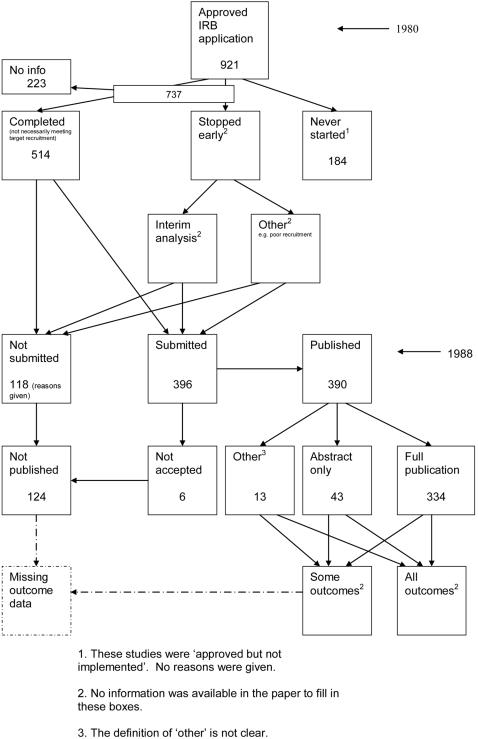
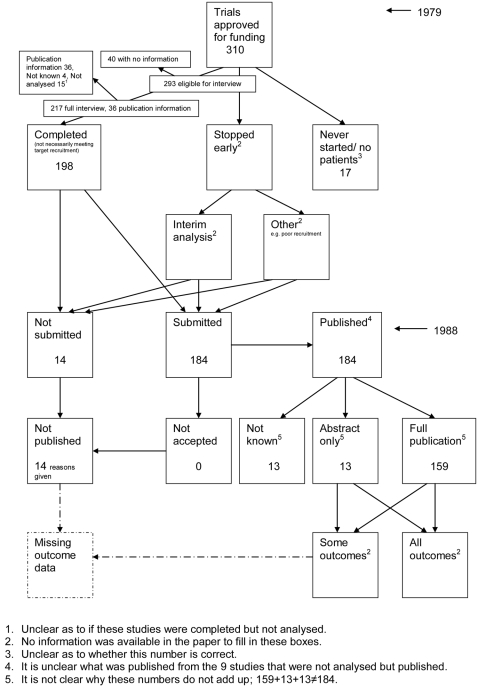
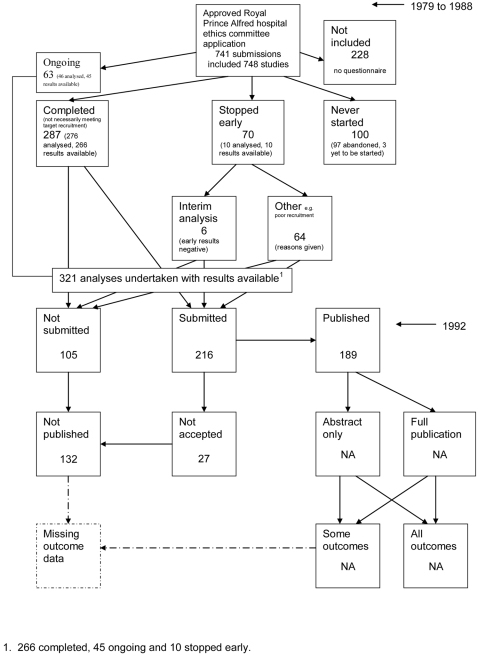
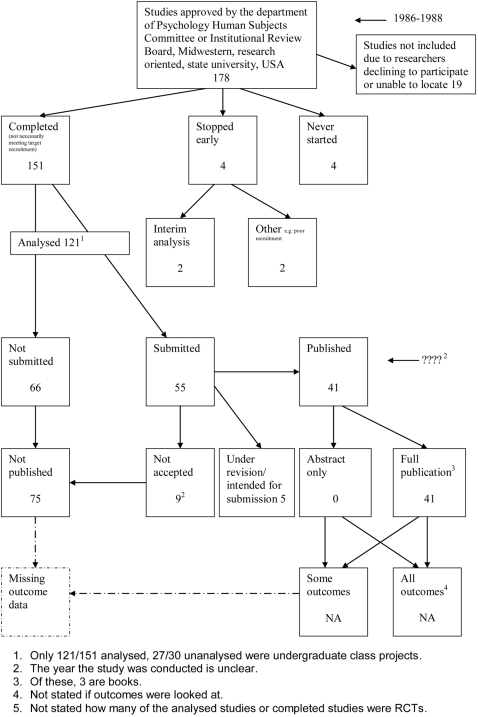
BACKGROUND: The increased use of meta-analysis in systematic reviews of healthcare interventions has highlighted several types of bias that can arise during the completion of a randomised controlled trial. Study publication bias has been recognised as a potential threat to the validity of meta-analysis and can make the readily available evidence unreliable for decision making. Until recently, outcome reporting bias has received less attention. METHODOLOGY/PRINCIPAL FINDINGS: We review and summarise the evidence from a series of cohort studies that have assessed study publication bias and outcome reporting bias in randomised controlled trials. Sixteen studies were eligible of which only two followed the cohort all the way through from protocol approval to information regarding publication of outcomes. Eleven of the studies investigated study publication bias and five investigated outcome reporting bias. Three studies have found that statistically significant outcomes had a higher odds of being fully reported compared to non-significant outcomes (range of odds ratios: 2.2 to 4.7). In comparing trial publications to protocols, we found that 40-62% of studies had at least one primary outcome that was changed, introduced, or omitted. We decided not to undertake meta-analysis due to the differences between studies. CONCLUSIONS: Recent work provides direct empirical evidence for the existence of study publication bias and outcome reporting bias. There is strong evidence of an association between significant results and publication; studies that report positive or significant results are more likely to be published and outcomes that are statistically significant have higher odds of being fully reported. Publications have been found to be inconsistent with their protocols. Researchers need to be aware of the problems of both types of bias and efforts should be concentrated on improving the reporting of trials.
Overview
The claims and statistics of this paper haven’t been checked yet.
Free: it reads the open-access text and checks the first 5 claims that cite a source we can check. Create a free account to check every claim.
Integrity signals
Registry
Cites
Statistics
Figures
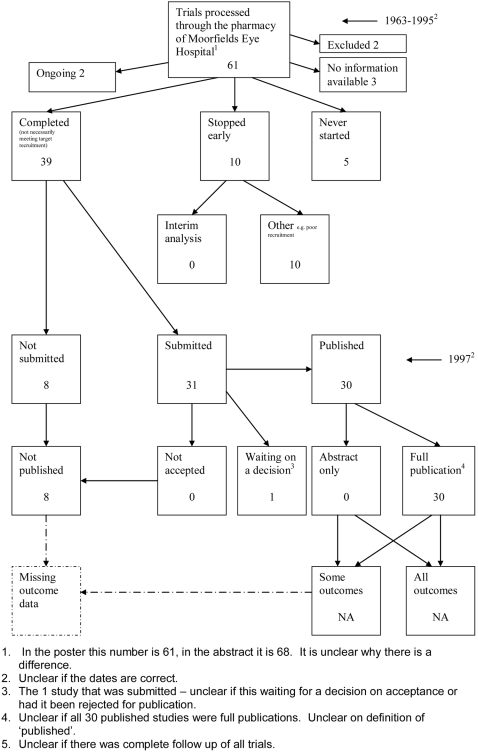
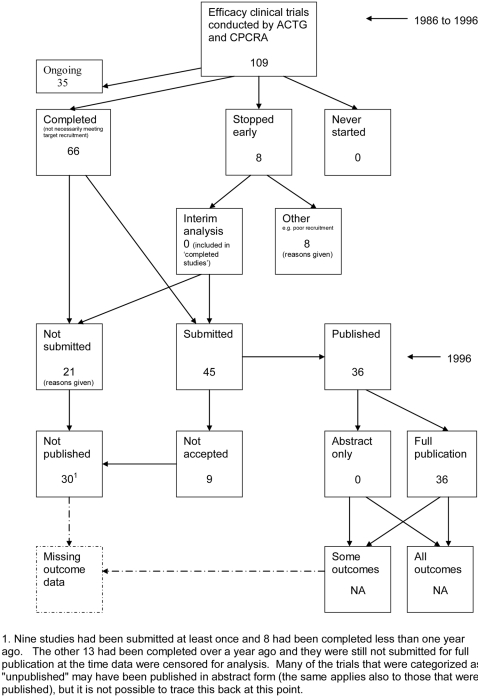
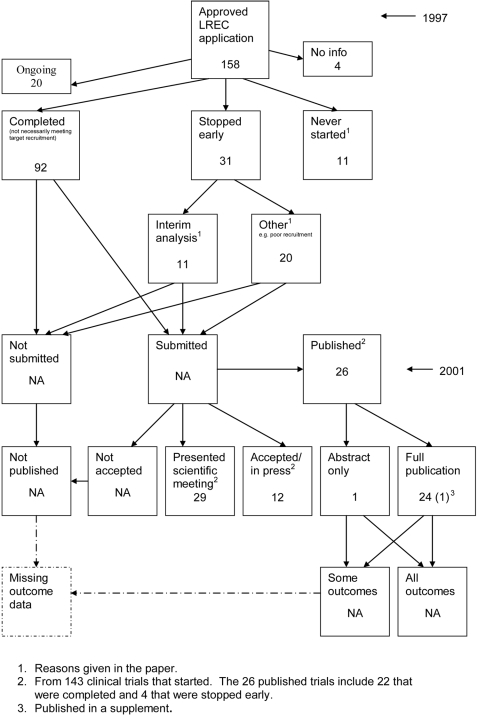
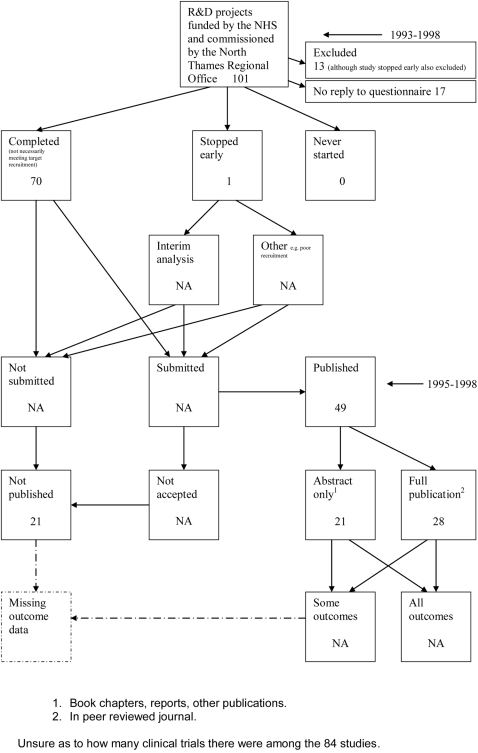
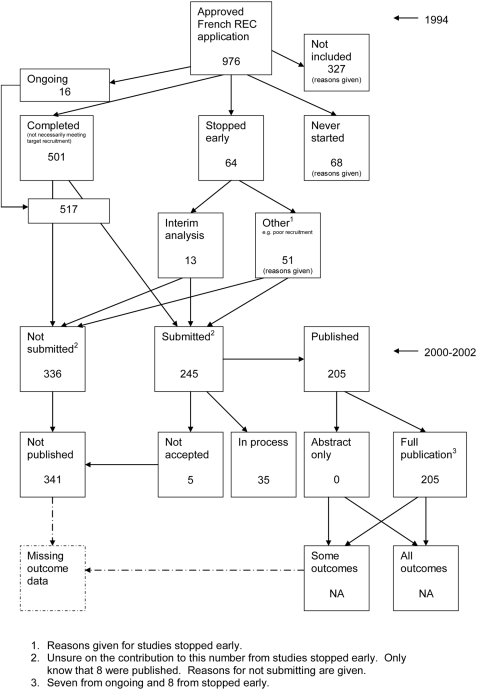
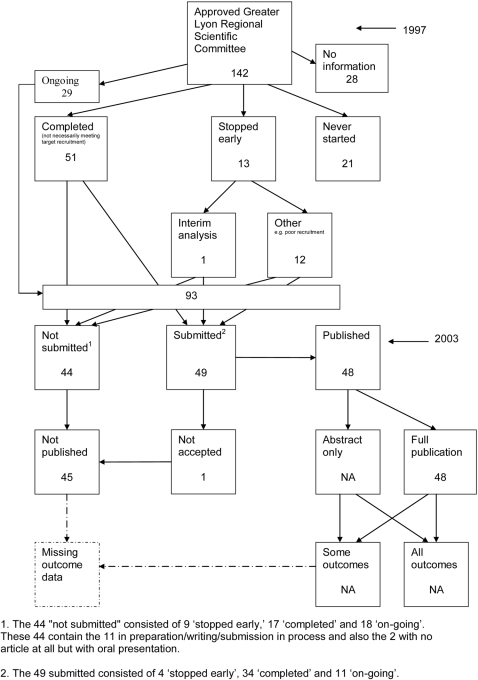
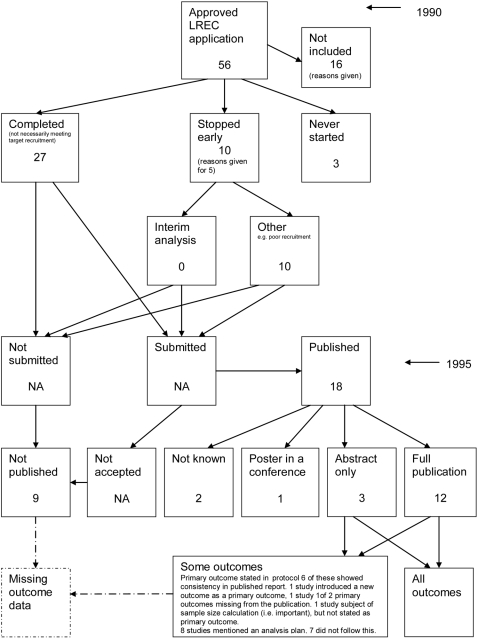
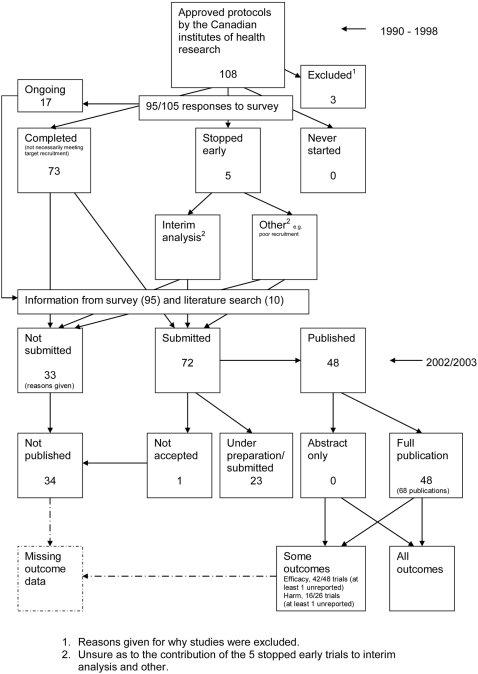
Verification
Claims the paper makes
The claims and statistics of this paper haven’t been checked yet.
Free: it reads the open-access text and checks the first 5 claims that cite a source we can check. Create a free account to check every claim.
Claims other papers make about this one
Each is checked against this paper’s own text: does it say what the citing paper says it does?
The source backs part of the claim, not all of it — or backs it for a different population, condition or comparison.
In the citing paper
“Unfortunately, attempted assessments frequently fail because authors of many trial reports neglect to provide lucid and complete descriptions of that critical information [2-4].”
From CONSORT 2010 Statement: updated guidelines for reporting parallel group randomised trials (2010) · cites this paper as [4]
Experimental — accuracy not yet measuredThe source backs part of the claim, not all of it — or backs it for a different population, condition or comparison.
In the citing paper
“and there are also reasons to believe that publication bias is more likely to affect low powered studies (25).”
From Statistical and Methodological Considerations for the Interpretation of Intranasal Oxytocin Studies (2016) · cites this paper as [25]
Experimental — accuracy not yet measuredThe source backs part of the claim, not all of it — or backs it for a different population, condition or comparison.
In the citing paper
“Empirical evidence suggests that authors often ignore, in the conduct and reporting of their trial, what they stated in the protocol [4,22].”
From CONSORT 2010 statement: updated guidelines for reporting parallel group randomised trials. (2010) · cites this paper as [4]
Experimental — accuracy not yet measuredThe source backs part of the claim, not all of it — or backs it for a different population, condition or comparison.
In the citing paper
“Second, publication bias, selective data analysis and selective reporting of outcomes are more likely to affect low-powered studies.”
From Power failure: why small sample size undermines the reliability of neuroscience (2013) · cites this paper as [17]
Experimental — accuracy not yet measuredThe source backs part of the claim, not all of it — or backs it for a different population, condition or comparison.
In the citing paper
“Empirical evidence suggests that authors often ignore, in the conduct and reporting of their trial, what they stated in the protocol. [4],[22]”
From CONSORT 2010 statement: updated guidelines for reporting parallel group randomised trials (2010) · cites this paper as [4]
Experimental — accuracy not yet measured
14 more claims about this paper
Create a free account to see every claim other papers make about this one.
Self-check
Percentages, sums and reported differences re-computed from the paper’s own numbers.
The self-check needs the paper’s full text.
Citations
Cites
Publication bias in clinical research
Easterbrook, P. J., Gopalan, R., Berlin, J. A., & Matthews, D. R. (1991) · The Lancet · doi:10.1016/0140-6736(91)90201-y · Cited by 3,109 · cited 12×
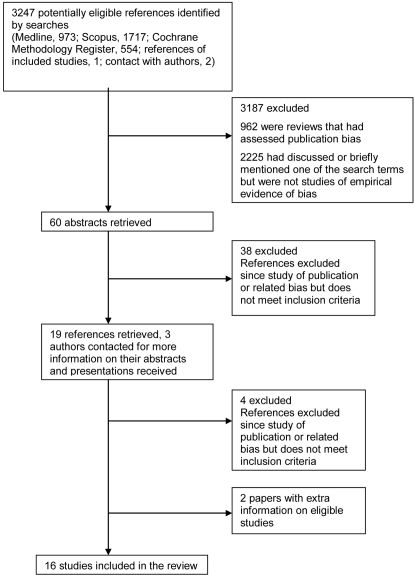
“The HTA report of Song et al [1] led to four potentially eligible empirical studies [3,4,26,27], all of which had been identified previously.”
BackgroundMethodResultInfluentialSelf-citationSystematic Reviews in Health Care : Meta-Analysis in Context
Egger, M., Smith, G. D., & Altman, D. G. (2000) · Cited by 2,412
Self-citationPublication Bias in Meta‐Analysis: Prevention, Assessment and Adjustments
(2005) · doi:10.1002/0470870168 · Cited by 2,368
Chan, A.-W., Hróbjartsson, A., Haahr, M. T., Gøtzsche, P. C., & Altman, D. G. (2004) · JAMA · doi:10.1001/jama.291.20.2457 · Cited by 1,845 · cited 30×
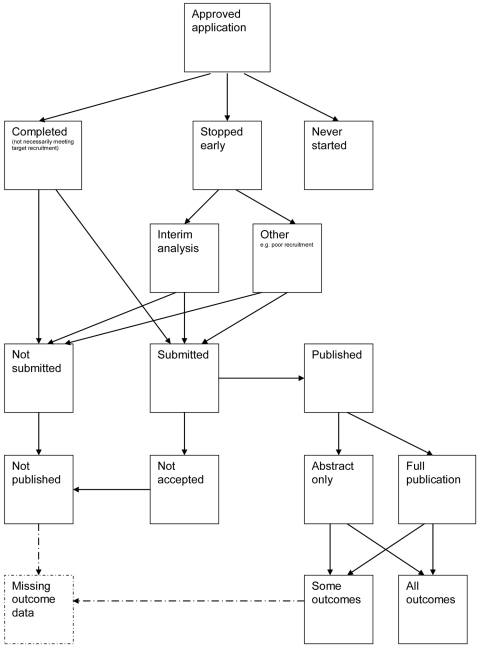
“Status of approved protocols for Chan 2004b study [15].”
BackgroundMethodInfluentialSelf-citationSystematic Reviews in Health Care: Meta‐Analysis in Context
(2001) · doi:10.1002/9780470693926 · Cited by 1,693
Systematic Reviews in Health Care. Meta-analysis in Context.
Kleijnen, J., & Antes, G. (2002) · International Journal of Epidemiology · doi:10.1093/ije/31.3.697 · Cited by 1,363
Full publication of results initially presented in abstracts.
Scherer, R. W., Langenberg, P., & von Elm, E. (2007) · Cochrane Database of Systematic Reviews · doi:10.1002/14651858.mr000005.pub3 · Cited by 997 · cited 1×
“The Cochrane review by Scherer et al [6] investigating the full publication of results initially presented in abstracts found that only 63% of results from abstracts describing randomized or controlled clinical trials are published in full and ‘positive’ results were more frequently published than non ‘positive’ resul…”
BackgroundPublication bias in clinical trials due to statistical significance or direction of trial results
Hopewell, S., Loudon, K., Clarke, M. J., Oxman, A. D., & Dickersin, K. (2009) · Cochrane Database of Systematic Reviews · doi:10.1002/14651858.mr000006.pub3 · Cited by 898
Dickersin, K. (1992) · JAMA · doi:10.1001/jama.1992.03480030052036 · Cited by 854
Publication bias: evidence of delayed publication in a cohort study of clinical research projects
Stern, J. M., & Simes, R. J. (1997) · BMJ · doi:10.1136/bmj.315.7109.640 · Cited by 818 · cited 11×
“Stern et al [4] reported that this finding was even stronger for their subgroup of clinical trials (Hazard Ratio (HR) 3.13 (95% confidence interval (CI) 1.76, 5.58), p = 0.0001) compared to all quantitative studies (HR 2.32 (95% CI 1.47, 3.66), p = 0.0003).”
BackgroundMethodResultInfluential
Research works printed but not linked: 2
- Von Elm E Röllin A Blümle A Huwiler K Witschi M 2008 Selective reporting of outcomes of drug trials; Comparison of study protocols and published articles. Swiss Med Wkly 138 (13–14) 197 203 18389392
- Wormald R Bloom J Evans J Oldfield K 1997 Publication bias in eye trials. In: 2nd International Conference Scientific Basis of Health Services & 5th Annual Cochrane Colloquium, 1997 5–8 October; Amsterdam, The Netherlands
Cited by
Items 901–1,000 of 1,007
Publikationsbias in Abhängigkeit von der Art der Finanzierung bei klinischen Studien
Schott, G., Pachl, H., & Ludwig, W.-D. (2010) · Zeitschrift für Evidenz Fortbildung und Qualität im Gesundheitswesen · doi:10.1016/j.zefq.2010.03.029 · Cited by 11
Statistical testing against baseline in orthodontic research: a meta-epidemiologic study
Gratsia, S., Koletsi, D., Fleming, P. S., & Pandis, N. (2018) · European Journal of Orthodontics · doi:10.1093/ejo/cjy029 · Cited by 11
Citation bias in the literature on dietary trans fatty acids and serum cholesterol
Urlings, M. J. E., Duyx, B., Swaen, G. M. H., Bouter, L. M., & Zeegers, M. P. (2018) · Journal of Clinical Epidemiology · doi:10.1016/j.jclinepi.2018.10.008 · Cited by 12
Richardson, E., McEwen, A., Newton-John, T. R. O., Crook, A., & Jacobs, C. (2021) · Genetics in Medicine · doi:10.1016/j.gim.2021.08.005 · Cited by 11
Zhong, Y., Zhou, W. Z., Jiang, H., Fan, T., Diao, X., Yang, H., Min, J., Wang, G., Fu, J., & Mao, B. (2011) · European Journal of Integrative Medicine · doi:10.1016/j.eujim.2011.09.005 · Cited by 11
Medical SPIN: misinformation by another name
Fingerhut, A. L., LACAINE, F., & Cuschieri, A. (2015) · Surgical Endoscopy · doi:10.1007/s00464-015-4107-z · Cited by 12
“plan, and this in turn translates into how strongly the care provider can base decisions on the level of evidence available in the published scientific literature [1-6].”
BackgroundHarvey, L. A. (2015) · Spinal Cord · doi:10.1038/sc.2015.89 · Cited by 11
Bütün Parçaların Toplamından Daha Fazladır: Eğitim Bilimlerinde Sistematik Derleme Nasıl Yazılır?
Dibek, M. İ., & TOPTAŞ, B. (2023) · Erzincan Üniversitesi Eğitim Fakültesi Dergisi · doi:10.17556/erziefd.1176257 · Cited by 10
López‐Lázaro, S., & Castillo-Alonso, C. (2024) · International Journal of Legal Medicine · doi:10.1007/s00414-024-03304-1 · Cited by 10
“This discrepancy could be explained by heterogeneity, as the subgroups may comprise more homogeneous studies, thereby reducing heterogeneity and diminishing the impact of publication bias [58], as seen in fresh body and early decomposition stage results.”
Liang, N., Zhang, Y., Zhang, X., Yan, L., Zhao, C., Yang, S.-H., Hu, Z., Ye, Z., Che, Q., Liu, B., et al. (2024) · Journal of Evidence-Based Medicine · doi:10.1111/jebm.12651 · Cited by 10
Wang, Y., Guo, F., Chen, X., Yu, R., Qin, D., & Hua, F. (2024) · Journal of Dentistry · doi:10.1016/j.jdent.2024.105448 · Cited by 11
Effect of training programs on the creativity of university students: A multi-level meta-analysis
Guo, H., Zhou, Z., & Ma, F. (2025) · Thinking Skills and Creativity · doi:10.1016/j.tsc.2025.101779 · Cited by 10
Madden, J. R., Ellis, S., Lens, L., & Verbruggen, F. (2025) · Philosophical Transactions of the Royal Society B Biological Sciences · doi:10.1098/rstb.2024.0118 · Cited by 11
Dott, J., & Licandro, U. (2025) · Frontiers in Education · doi:10.3389/feduc.2025.1666615 · Cited by 13
LLM-generated formative feedback in education: A qualitative systematic literature review
Maier, U., Seibold, M., & Klotz, C. (2026) · Computers and Education Open · doi:10.1016/j.caeo.2026.100374 · Cited by 13
Lawler, I., & Zimmermann, G. (2019) · Topoi · doi:10.1007/s11245-019-09667-0 · Cited by 14
Innovations in infertility: a comprehensive analysis of the ClinicalTrials.gov database
Peipert, B. J., Spinosa, D., Howell, E., Weber, J. M., Truong, T., & Harris, B. S. (2021) · Fertility and Sterility · doi:10.1016/j.fertnstert.2021.06.013 · Cited by 10
Chen, D. J., Fulmer, C. G., Gordon, I. O., Syed, S., Stidham, R. W., Casteele, N. V., Qin, Y., Falloon, K., Cohen, B. L., Wyllie, R., et al. (2021) · Journal of Crohn s and Colitis · doi:10.1093/ecco-jcc/jjab169 · Cited by 11
Schuurman, B., & Carthy, S. L. (2023) · PLoS ONE · doi:10.1371/journal.pone.0292941 · Cited by 13
DeVito, N., Morley, J., & Goldacre, B. M. (2024) · Health Policy · doi:10.1016/j.healthpol.2024.104991 · Cited by 11
Line bisection by eye and by hand reveal opposite biases
Leonards, U., Stone, S., & Möhr, C. (2013) · Experimental Brain Research · doi:10.1007/s00221-013-3583-4 · Cited by 11
“Common practice in scientific communication is the tendency to report on those studies that “worked” and to be quiet about those that “failed”, contributing to a publication bias (Munafo et al. 2007; Dwan et al. 2008).”
BackgroundShi, C., Zhu, L., Wang, X., Qin, C., Xu, Q., & Tian, J. (2014) · International Journal of Nursing Practice · doi:10.1111/ijn.12255 · Cited by 13
The status of research ethics in social work
Ferguson, A., & Clark, J. J. (2018) · Journal of Evidence-Informed Social Work · doi:10.1080/23761407.2018.1478756 · Cited by 10
Silva, N. S., Elkins, M. R., Lemes, Í. R., Stubbs, P. W., Franco, M. R., & Pinto, R. Z. (2023) · Musculoskeletal Science and Practice · doi:10.1016/j.msksp.2023.102854 · Cited by 11
Hunger, ethics and the right to food
Mishra, S. (2012) · Indian Journal of Medical Ethics · doi:10.20529/ijme.2012.008 · Cited by 14
Single-center trials in neonatology: Issues to consider
Sinha, I. P., & Sinha, S. K. (2015) · Seminars in Fetal and Neonatal Medicine · doi:10.1016/j.siny.2015.08.003 · Cited by 11
Jacobs, M., Boersma, L. J., van Merode, F., Dekker, A. L. A. J., Verhaegen, F., Linden, L., & Lambin, P. (2016) · British Journal of Radiology · doi:10.1259/bjr.20160129 · Cited by 11
Doug Altman's legacy to Cochrane and evidence synthesis
Deeks, J. J., Hopewell, S., Moher, D., Higgins, J. P. T., Moons, K. G. M., Chandler, J., & Antes, G. (2018) · Cochrane Database of Systematic Reviews · doi:10.1002/14651858.ed000127 · Cited by 10
Alarcon-Ruiz, C. A., Roque‐Roque, J. S., Heredia, P., Gómez‐Briceño, A. R., & Quispe, A. M. (2019) · Journal of Evidence-Based Medicine · doi:10.1111/jebm.12354 · Cited by 13
Publication Bias in the Social Sciences: A Threat to Scientific Integrity
Malhotra, N. A., & Zigerell, L. J. (2022) · Oxford University Press eBooks · doi:10.1093/oso/9780190938550.003.0013 · Cited by 11
Dhruva, S. S., Shah, N. D., & Ross, J. S. (2020) · Mayo Clinic Proceedings · doi:10.1016/j.mayocp.2020.04.013 · Cited by 10
Publication pressure threatens the integrity of palaeontological research
Raja, N. B., & Dunne, E. M. (2022) · Geological Curator · doi:10.55468/gc1459 · Cited by 11
Goh, S. S. M., Chan, V., & Tan, N. C. (2014) · Proceedings of Singapore Healthcare · doi:10.1177/201010581402300209 · Cited by 10
2016: Reviewing forRadiology—Reporting Guidelines and Why We Use Them
Levine, D., & Kressel, H. Y. (2016) · Radiology · doi:10.1148/radiol.2016161204 · Cited by 10
The Importance of Negative and Neutral Studies for Advancing Clinical Practice
Bresee, L. C. (2017) · The Canadian Journal of Hospital Pharmacy · doi:10.4212/cjhp.v70i6.1706 · Cited by 10
Why does preregistration increase the persuasiveness of evidence? A Bayesian rationalizationPreprint
Peikert, A., Ernst, M. S., & Brandmaier, A. M. (2023) · PsyArXiv (OSF Preprints) · doi:10.31234/osf.io/cs8wb · Cited by 13
Student self-esteem in music education contexts: a systematic literature review
Jiang, X., & Tong, Y. (2025) · Frontiers in Psychology · doi:10.3389/fpsyg.2025.1515305 · Cited by 12
“Although small samples can provide exploratory insights, they are insufficient for drawing broad conclusions (Dwan et al., 2008).”
A tutorial for calculating field-specific effect size distributions
Glaser, B. D., Kang, H., Audunsdottir, K., Sartorius, A. M., & Quintana, D. S. (2026) · Behavior Research Methods · doi:10.3758/s13428-026-03003-2 · Cited by 11
“This is an issue that mainly affects small studies (Dwan et al., 2008).”
Morris, G., Maliqi, B., Lattof, S. R., Strong, J., & Yaqub, N. O. (2024) · Frontiers in Global Women s Health · doi:10.3389/fgwh.2024.1369792 · Cited by 11
Matvienko‐Sikar, K., O'Shea, J., Kennedy, S., Thomas, S. D., AVERY, K. N. L., Byrne, M., McHugh, S., Connor, D. B. O., Saldanha, I. J., Smith, V. A., et al. (2024) · Health Psychology Review · doi:10.1080/17437199.2024.2367613 · Cited by 11
“This can occur due to awareness that signi fi cant results are more likely to be published than negative or null fi ndings (DeVito & Goldacre, 2019; Hopewell et al., 2009) or that there may be a ‘ time lag ’ in publishing studies with null and/or negative fi ndings (Dwan et al., 2008).”
Self-citationHansen, J. B., Juhl, C. B., Boutron, I., Tugwell, P., Ghogomu, E. A. T., Pardo, J. P., Rader, T., Wells, G. A., Mayhew, A., Maxwell, L. J., et al. (2014) · BMJ Open · doi:10.1136/bmjopen-2014-005491 · Cited by 11
Dal‐Ré, R. (2014) · Medicina Clínica · doi:10.1016/j.medcli.2014.01.030 · Cited by 10
Nassar, D., Sbidian, É., Bastuji‐Garin, S., Martin, L., & Dupuy, A. (2012) · Journal of Investigative Dermatology · doi:10.1038/jid.2012.279 · Cited by 10
“However, poor reporting has long been demonstrated; improvement is still needed (Dwan et al., 2008; Hopewell et al., 2010), and dermatology is no exception (Bigby et al.”
BackgroundHopewell, S., Collins, G. S., Hirst, A., Kirtley, S., Tajar, A., Gerry, S., & Altman, D. G. (2013) · Trials · doi:10.1186/1745-6215-14-240 · Cited by 10
“An investigator might also be tempted to ‘fish’ for, and selectively report, the results of statistically significant outcomes as opposed to non-significant outcomes [12]; thus one should be cautious in the interpretation of such results [13,14].”
BackgroundSelf-citationCONSORT 2010 Statement: Updated Guidelines for Reporting ParallelGroup Randomized Trials
Schulz, K. F., Altman, D. G., & Moher, D. (2015) · Journal of Stomatology · doi:10.5604/00114553.1137101 · Cited by 10
Self-citationSekula, P., Pressler, J. B., Sauerbrei, W., Goebell, P. J., & Schmitz‐Dräger, B. J. (2016) · BMJ Open · doi:10.1136/bmjopen-2015-009972 · Cited by 9
Lexical neutrality in environmental health research: Reflections on the term walkability
Hajna, S., Ross, N. A., Griffin, S. J., & Dasgupta, K. (2017) · BMC Public Health · doi:10.1186/s12889-017-4943-y · Cited by 9
“This is further compounded by the fact that positive effects are more likely to be reported and published than small or null effects [2, 3].”
BackgroundTounakaki, O., Tsakou, Α., Malamas, A., Doxani, C., Stefanidis, I., & Zintzaras, E. (2020) · International Ophthalmology · doi:10.1007/s10792-019-01282-7 · Cited by 9
Berge, L. I., Gjestad, R., Franck, J., Javaras, K. N., Greenfield, S. F., & Haver, B. (2022) · Drug and Alcohol Dependence · doi:10.1016/j.drugalcdep.2022.109600 · Cited by 9
Torres, T. R., Bettencourt, N., Ferreira, J., Carvalho, C., Mendonça, D. M., Vasconcelos, C., Selores, M., & da Silva, B. M. (2015) · Archives of Physiology and Biochemistry · doi:10.3109/13813455.2015.1024136 · Cited by 10
“Although studies with positive results are usually more appealing than those with negative findings (Dwan et al., 2008; Dirnagl & Lauritzen, 2010), the results presented might be useful for further research.”
ResultGalsworthy, M. J., Irwin, R., Charlesworth, K., Ernst, K., Hristovski, D., Wismar, M., & McKee, M. (2013) · European Journal of Public Health · doi:10.1093/eurpub/ckt075 · Cited by 10
Smaïl‐Faugeron, V., Rollin, J. P., Muller‐Bolla, M., & Courson, F. (2016) · BMJ Case Reports · doi:10.1136/bcr-2016-216672 · Cited by 9
Gutierres, B. D. S., Aguiar, P. N., Dourado, B. B., Alves, A. L., Matsas, S., Simões, A. R., & del Giglio, A. (2020) · Journal of Thoracic Oncology · doi:10.1016/j.jtho.2020.03.004 · Cited by 9
A Study of Outcome Reporting Bias Using Gender Differences in Risk Attitudes
Crosetto, P., Filippin, A., & Heider, J. (2014) · CESifo Economic Studies · doi:10.1093/cesifo/ifu029 · Cited by 8
“The phenomena of outcome reporting and publication bias have mainly been investigated in the medical and pharmaceutical literature, both indirectly using meta-analyses (Dwan et al., 2008, among others) and directly using randomized experiments (Mahoney, 1977).”
BackgroundMethodInfluentialDasí, F., Navarro‐García, M. M., Jiménez‐Heredia, M., Magraner, J. M., Vinã, J. R., Pallardó, F. V., Cervantes, A. M. R., & Morcillo, E. J. (2011) · The Journal of Clinical Pharmacology · doi:10.1177/0091270011407916 · Cited by 10
“It has long been known that only a small proportion of CTs are published in scientific journals, which seems to be a common problem because the percentage of publication of CTs in different countries varies between 31% and 67%.(26) In our study, the overall quality of the articles according to the CONSORT standards va…”
BackgroundThe Honeypot Randomized Controlled Trial Statistical Analysis Plan
Pascoe, E. M., Lo, S., Scaria, A., Badve, S. V., Beller, E., Cass, A., Hawley, C. M., & Johnson, D. W. (2013) · Peritoneal Dialysis International · doi:10.3747/pdi.2012.00310 · Cited by 11
“Indeed, one systematic review of randomized controlled trials (29) found that between 40% and 62% of trials had at least one primary outcome that was changed, introduced, or omitted.”
BackgroundOn Minimizing the Risk of Bias in Randomized Controlled Trials in Economics
Eble, A., Boone, P., & Elbourne, D. R. (2016) · The World Bank Economic Review · doi:10.1093/wber/lhw034 · Cited by 11
“Its results have since been confirmed by several other meta-analyses linking certain design and reporting practices to biased estimates (Ju¨ni, Altman, and Egger 2001; Gluud 2006; Dwan et al. 2008; Wood et al. 2008).”
Kniesner, T. J., & Leeth, J. D. (2013) · Elsevier eBooks · doi:10.1016/b978-0-12-375067-9.00008-5 · Cited by 9
Resistance Training, Blood Pressure, and Meta-Analyses
Rossi, A. M., Moullec, G., Lavoie, K., & Bacon, S. (2012) · Hypertension · doi:10.1161/hypertensionaha.111.188805 · Cited by 9
Guest Editor’s Introduction to Special Issue: The Science and Practice of Research Synthesis
Littell, J. H. (2013) · Journal of the Society for Social Work and Research · doi:10.5243/jsswr.2013.19 · Cited by 12
“Rather, these samples are likely to be biased by selective reporting, publication, and dissemination patterns that favor statistically significant, positive effects (Dwan et al., 2008; Hopewell, Loudon, Clarke, Oxman, & Dickersin, 2009; Song, Parekh, et al., 2010; Song, ParekhBhurke, et al., 2009).”
BackgroundInfluentialTransparency in risk regulation : the case of the European Medicines Agency
Balog‐Way, D. H. P. (2017) · Research Portal (King's College London) · Cited by 14
Estimating the prevalence of missing experiments in a neuroimaging meta-analysisPreprint
Samartsidis, P., Montagna, S., Laird, A. R., Fox, P. T., Johnson, T. D., & Nichols, T. E. (2017) · bioRxiv (Cold Spring Harbor Laboratory) · doi:10.1101/225425 · Cited by 10
“Evidence of the file drawer problem has been found in many fields of sci-entific research, including psychology (K¨uhberger et al. , 2014), public health (Dwan et al. , 2008, 2013) and the social sciences (Sterling et al. , 1995).”
Human animal contact, land use change and zoonotic disease risk: a protocol for systematic review
Ahmed, A. N., Fornace, K., Iwamura, T., & Murray, K. A. (2025) · Systematic Reviews · doi:10.1186/s13643-025-02805-3 · Cited by 11
“To mitigate this, we will actively seek grey literature and unpublished studies to ensure a more balanced representation of the available evidence [64, 65].”
Neonatal risk factors associated with autism spectrum disorders: an umbrella review
Salehi, A. M., Ayubi, E., Khazaei, S., Jenabi, E., Bashirian, S., & Salimi, Z. (2024) · Korean Journal of Pediatrics · doi:10.3345/cep.2024.00136 · Cited by 8
“21 , 22 ) It means in the published studies evaluating these neonatal risk factors and adverse outcomes, there is a selective reporting of outcomes, so that odds of reporting associations for ASD in the main results of published studies may be lower than other outcomes.”
BackgroundToo Small to Succeed: Small Samples and the p-Value Problem
Aguirre-Urreta, M. I., Rönkkö, M., & McIntosh, C. N. (2024) · ACM SIGMIS Database the DATABASE for Advances in Information Systems · doi:10.1145/3685235.3685238 · Cited by 9
“…have chronicled the existence of editorial preferences related to the significance of reported findings in a variety of fields (Dickersin, 1990; Dwan et al., 2008; Egger & Smith, 1998; Ferguson & Heene, 2012; Greenwald, 1975; Hubbard & Armstrong, 1997; Kepes et al., 2012; Kühberger et al.,…”
Selective outcome reporting concerning antibiotics and third molar surgery
Fagoni, T. G., Rafalovich, V. C., Brozoski, M. A., Deboni, M. C. Z., & de Oliveira, N. K. (2025) · Clinical Oral Investigations · doi:10.1007/s00784-024-06130-2 · Cited by 9
“This is a questionable practice, as it influences the interpretation of efficacy and potential adverse outcomes [10, 11].”
Evidence-based medicine: can the evidence be trusted?
Tharyan, P. (2011) · Indian Journal of Medical Ethics · doi:10.20529/ijme.2011.081 · Cited by 8
How Do I Know Whether to Trust a Research Result?
Shepperd, M. (2015) · IEEE Software · doi:10.1109/ms.2015.8 · Cited by 8
Faggion, C. M., Listl, S., & Alarcón, M. A. (2015) · Journal Of Clinical Periodontology · doi:10.1111/jcpe.12394 · Cited by 9
The use and abuse of meta‐analysis
Sotiriadis, A., Chatzakis, C., & Odibo, A. O. (2020) · Ultrasound in Obstetrics and Gynecology · doi:10.1002/uog.22060 · Cited by 9
Publication rate of abstracts from presentations at the British Orthodontic Conference 2009–2014
Al-Yatama, F., Pandis, N., Cobourne, M. T., & Seehra, J. (2020) · Journal of Orthodontics · doi:10.1177/1465312520944189 · Cited by 8
“There is a tendency for studies with statistically significant findings to be more frequently published compared to studies with nonsignificant results (Dwan et al., 2008).”
ResultSchulz, K. F., Moher, D., & Altman, D. G. (2014) · Wiley eBooks · doi:10.1002/9781118715598.ch9 · Cited by 9
Self-citationPositive Outcome Bias in the Influential Otolaryngology Clinical Trial Literature
Yang, H., Tsai, M., Mukdad, L. A., & John, M. A. S. (2023) · Otolaryngology · doi:10.1002/ohn.562 · Cited by 8
Scott, P., Ott, F., Egger, M., & Low, N. (2012) · The Pediatric Infectious Disease Journal · doi:10.1097/inf.0b013e31827032bb · Cited by 9
“Mechanisms of allocation concealment (9) Authors should provide details about how people involved in allocating participants to comparison groups are prevented from knowing or predicting the sequence before or at allocation.”
BackgroundHow to appraise a systematic review
Taylor, P., Hussain, J. A., & Gadoud, A. (2013) · British Journal of Hospital Medicine · doi:10.12968/hmed.2013.74.6.331 · Cited by 9
Shaw, D. L., & Ross, J. S. (2015) · The AMA Journal of Ethic · doi:10.1001/journalofethics.2015.17.12.pfor1-1512 · Cited by 10
Cancer randomized trials showed that dissemination bias is still a problem to be solved
Urrútia, G., Ballesteros, M., Djulbegović, B., Gich, I. J., Figuls, M. R. I., & Bonfill, X. (2016) · Journal of Clinical Epidemiology · doi:10.1016/j.jclinepi.2016.04.011 · Cited by 10
Thomas, K. S., Batchelor, J., Bath-Hextall, F. J., Chalmers, J. R., Clarke, T., Crowe, S., Delamere, F. M., Eleftheriadou, V., Evans, N. J., Firkins, L., et al. (2016) · Programme Grants for Applied Research · doi:10.3310/pgfar04180 · Cited by 9
Measuring outcomes in complicated intra-abdominal infections
Ahmed, S., Wilcox, M. H., & Kirby, A. (2019) · Current Opinion in Gastroenterology · doi:10.1097/mog.0000000000000591 · Cited by 8
“It is also well recognized that inconsistent and incomplete outcome reporting is common, making the interpretation of the effectiveness of different interventions difficult [5].”
BackgroundBrückner, T., Wieschowski, S., Heider, M., Deutsch, S., Drude, N., Toelch, U., Bleich, A., Tolba, R. H., & Strech, D. (2022) · PLoS ONE · doi:10.1371/journal.pone.0271976 · Cited by 8
Lelgemann, M., & Sauerland, S. (2010) · Zeitschrift für Evidenz Fortbildung und Qualität im Gesundheitswesen · doi:10.1016/j.zefq.2010.03.035 · Cited by 9
Marušić, A., Gasparyan, A. Y., & Kitas, G. D. (2013) · Seminars in Arthritis and Rheumatism · doi:10.1016/j.semarthrit.2013.01.005 · Cited by 8
“However, health research publications have shortcomings in reporting clarity, completeness and transparency [2,3], despite the advantages of”
BackgroundReview article: Reporting Guidelines in the biomedical literature
O’Leary, J. D., & Crawford, M. W. (2013) · Canadian Journal of Anesthesia/Journal canadien d anesthésie · doi:10.1007/s12630-013-9973-z · Cited by 11
“As well as clarifying some items and improving the consistency of style, the current version continues the evolution of the original statement by recognizing and incorporating emerging empirical evidence.(8,24-28) In addition to the CONSORT Statement and checklist, the CONSORT group also publish an accompanying ‘‘expl…”
MethodResultInformation on blinding in registered records of clinical trials
Viergever, R. F., & Ghersi, D. (2012) · Trials · doi:10.1186/1745-6215-13-210 · Cited by 9
“Discussion Information on blinding is often not provided in published articles of clinical trials [4], and many trials remain unpublished [5].”
BackgroundSelf-citationTricco, A. C., Tetzlaff, J., & Moher, D. (2013) · Wiley eBooks · doi:10.1002/9781118413555.ch04 · Cited by 10
The Problem of New Evidence: P-Hacking and Pre-Analysis Plans
Hitzig, Z., & Stegenga, J. (2020) · Diametros · doi:10.33392/diam.1587 · Cited by 11
Wang, J., Wu, S., Guo, Q., Lan, H., Janne, E., Wang, L., Zhang, J., Wang, Q., Song, Y., Yang, N., et al. (2021) · Intelligent Medicine · doi:10.1016/j.imed.2021.04.006 · Cited by 8
Emergence of Large Treatment Effects From Small Trials—Reply
Ioannidis, J. P. A., Pereira, T., & Horwitz, R. I. (2013) · JAMA · doi:10.1001/jama.2012.208831 · Cited by 8
Self-citationHildenbrand, A. K. (2017) · Journal of Pediatric Psychology · doi:10.1093/jpepsy/jsx136 · Cited by 8
Testing small study effects in multivariate meta-analysisPreprint
Hong, C., Salanti, G., Morton, S. C., Riley, R. D., Chu, H., Kimmel, S. E., & Chen, Y. (2018) · arXiv (Cornell University) · doi:10.48550/arxiv.1805.09876 · Cited by 8
“ORB has received less attention than PB despite its high prevalence in the literature (Dwan et al., 2008).”
BackgroundDeSci-Decentralized SciencePreprint
Ducrée, J., Codyre, M., Walshe, R., & Barting, S. (2022) · Preprints.org · doi:10.20944/preprints202205.0223.v1 · Cited by 10
Open data are not enough to realize full transparency
Bouter, L. M. (2015) · Journal of Clinical Epidemiology · doi:10.1016/j.jclinepi.2015.05.032 · Cited by 8
“[5] Dwan K, Altman DG, Arnaiz JA, Bloom J, Chan AW, Cronin E, et al.”
BackgroundDuran, M., Boutron, I., Hopewell, S., Bonnet, H., & Sidorkiewicz, S. (2024) · Journal of Clinical Epidemiology · doi:10.1016/j.jclinepi.2024.111544 · Cited by 8
The future h‐index is an excellent way to predict scientistsˈ future impact
Acuna, D. E., Penner, O., & Orton, C. G. (2013) · Medical Physics · doi:10.1118/1.4816659 · Cited by 7
Homeopathic medicines for children: Table 1
Erlewyn‐Lajeunesse, M. (2011) · Archives of Disease in Childhood · doi:10.1136/adc.2010.194662 · Cited by 9
Registration of trials in children: update of current international initiatives
Pandolfini, C., Bonati, M. R., & Sammons, H. M. (2009) · Archives of Disease in Childhood · doi:10.1136/adc.2008.148155 · Cited by 7
“and to biased findings in systematic reviews and meta-analyses.”
BackgroundHugues, A., Marco, J. D., Bonan, I., Rode, G., Cucherat, M., & Gueyffier, F. (2020) · PLoS ONE · doi:10.1371/journal.pone.0229822 · Cited by 7
No Evidence That Hormonal Contraceptives Affect Chemosensory Perception
Schaefer, M., Iravani, B., Arshamian, A., & Lundström, J. N. (2021) · i-Perception · doi:10.1177/2041669520983339 · Cited by 8
Using behavioural science to enhance use of core outcome sets in trials: protocol
Matvienko‐Sikar, K., Byrne, M., Clarke, M. J., Kirkham, J. J., Kottner, J., Mellor, K., Quirke, F. A., Saldanha, I. J., Smith, V. A., Toomey, E. C., et al. (2022) · HRB Open Research · doi:10.12688/hrbopenres.13510.1 · Cited by 10
Self-citation
Metadata
- Authors
- Dwan, K., Altman, D. G., Arnaiz, J. A., Bloom, J., Chan, A.-W., Cronin, E., Decullier, E., Easterbrook, P. J., Von Elm, E., Gamble, C., Ghersi, D., Ioannidis, J. P. A., Simes, J., & Williamson, P. R.
- Affiliations
- University of Liverpool (GB)
- University of Oxford (GB)
- Hospital Clínic de Barcelona (ES)
- Moorfields Eye Hospital (GB)
- Canadian Institutes of Health Research (CA)
- King's College London (GB)
- University of Bern (CH)
- National Health and Medical Research Council (AU)
- Tufts University (US)
- The University of Sydney (AU)
- Corresponding author
- Dwan, Kerry
- ORCID
- Venue
- PLoS ONE
- Publisher
- Public Library of Science (PLoS)
- Published
- 2008-08-28
- Volume
- 3
- Issue
- 8
- Pages
- e3081
- ISSN
- 1932-6203 (ISSN-L)
- PMC
- PMC2518111
- OpenAlex
- W2091959199
- Cited by
- 1,546
- References
- 48
- Citations by year
- 2026: 45 · 2025: 51 · 2024: 67 · 2023: 51 · 2022: 76 · 2021: 118 · 2020: 90 · 2019: 72 · 2018: 96 · 2017: 90 · 2016: 129 · 2015: 121 · 2014: 109 · 2013: 131 · 2012: 103
- FWCI
- 20.77
- Type
- journal article
- Language
- en
- Open access
- gold
- doi.org
- Locations
- PLoS ONE (publishedVersion, cc-by)
- PubMed Central (publishedVersion, cc-by)
- PubMed (publishedVersion)
- Dipòsit Digital de la Universitat de Barcelona (Universitat de Barcelona) (publishedVersion, cc-by)
- RePEc: Research Papers in Economics (submittedVersion)
- Bern Open Repository and Information System (University of Bern) (submittedVersion, cc-by)
- DOAJ (DOAJ: Directory of Open Access Journals) (submittedVersion, cc-by-sa)
- Figshare (submittedVersion, cc-by)
- Research Portal (King's College London) (submittedVersion)
- RECERCAT (Consorci de Serveis Universitaris de Catalunya) (submittedVersion, cc-by)
- Funders
- Cancer Research UK
- Topics
- Social Sciences › Decision Sciences › Statistics, Probability and Uncertainty › Meta-analysis and systematic reviews
- Social Sciences › Library and Information Sciences › Academic Publishing and Open Access
- Health Sciences › Nursing › Issues, ethics and legal aspects › Pharmaceutical industry and healthcare
- Keywords
- publication bias, selective reporting, randomized controlled trials, outcome reporting, meta-analysis validity, clinical trial registration
- MeSH terms
- Clinical Trials as Topic, Humans, Publishing, Cohort Studies, Randomized Controlled Trials as Topic, Treatment Outcome, Publication Bias, Patient Selection
About these checks
Registry, retraction, Cites and statistics results are computed, not judged, with one exception: a printed reference that no index lists is read once by a model before it counts as a citation error. Claims are extracted by a model and kept only when their quote appears verbatim in the text; each cited source is then checked, with a model’s help, for whether it says what the claim relies on. Those verdicts can be wrong — read the claim’s quote and the cited source before relying on one.
Statistics and arithmetic are recomputed, not judged.
Confidence bands are shown only for fields calibrated on our annotated test set. None is calibrated yet, so no band is shown.
What counts as a claim ›How we measure confidence ›How we check this ›
Are you an author, or do you see a problem with this page? Request a review
Data sources
Bibliographic data: Semantic Scholar, OpenAlex, Crossref.
Contains information from the Semantic Scholar Academic Graph Datasets, made available under the ODC Attribution License (ODC-BY 1.0).
Semantic Scholar’s data is described in: Kinney, R., et al. (2023). The Semantic Scholar Open Data Platform. arXiv:2301.10140.
