

Systematic Review of the Empirical Evidence of Study Publication Bias and Outcome Reporting Bias
Open accessThe DOI matches its Crossref record; 46 of the 48 references it cites were found in a registry or an index.
Abstract
BACKGROUND: The increased use of meta-analysis in systematic reviews of healthcare interventions has highlighted several types of bias that can arise during the completion of a randomised controlled trial. Study publication bias has been recognised as a potential threat to the validity of meta-analysis and can make the readily available evidence unreliable for decision making. Until recently, outcome reporting bias has received less attention. METHODOLOGY/PRINCIPAL FINDINGS: We review and summarise the evidence from a series of cohort studies that have assessed study publication bias and outcome reporting bias in randomised controlled trials. Sixteen studies were eligible of which only two followed the cohort all the way through from protocol approval to information regarding publication of outcomes. Eleven of the studies investigated study publication bias and five investigated outcome reporting bias. Three studies have found that statistically significant outcomes had a higher odds of being fully reported compared to non-significant outcomes (range of odds ratios: 2.2 to 4.7). In comparing trial publications to protocols, we found that 40-62% of studies had at least one primary outcome that was changed, introduced, or omitted. We decided not to undertake meta-analysis due to the differences between studies. CONCLUSIONS: Recent work provides direct empirical evidence for the existence of study publication bias and outcome reporting bias. There is strong evidence of an association between significant results and publication; studies that report positive or significant results are more likely to be published and outcomes that are statistically significant have higher odds of being fully reported. Publications have been found to be inconsistent with their protocols. Researchers need to be aware of the problems of both types of bias and efforts should be concentrated on improving the reporting of trials.
Overview
The claims and statistics of this paper haven’t been checked yet.
Free: it reads the open-access text and checks the first 5 claims that cite a source we can check. Create a free account to check every claim.
Integrity signals
Registry
Cites
Statistics
Figures
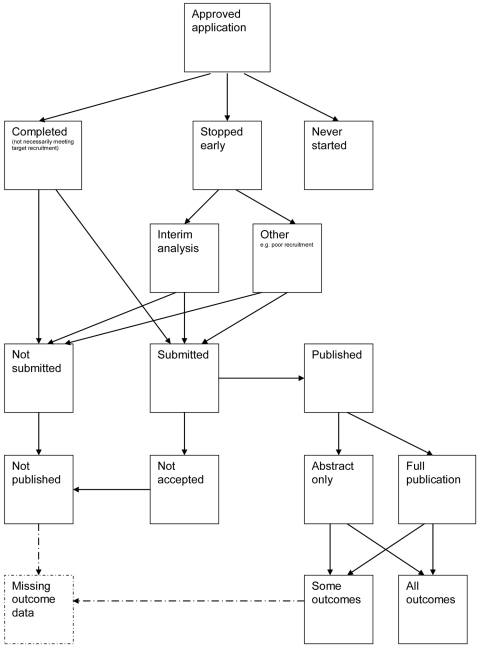
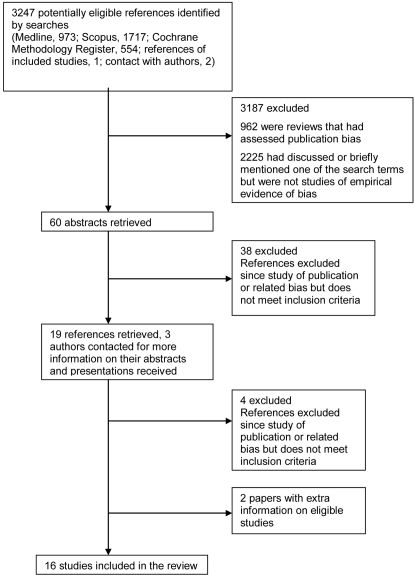
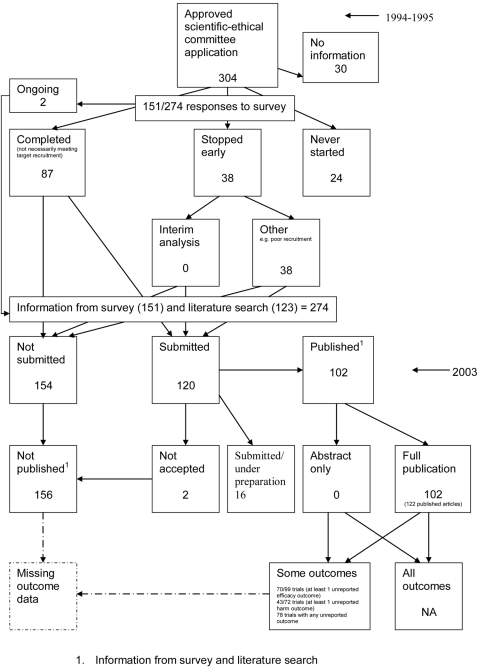
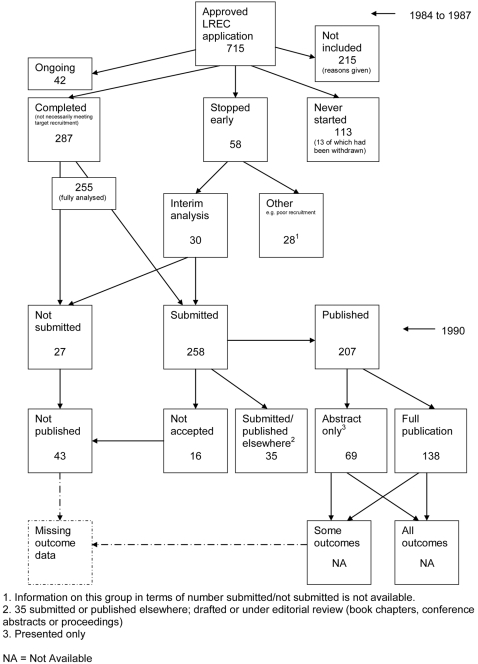
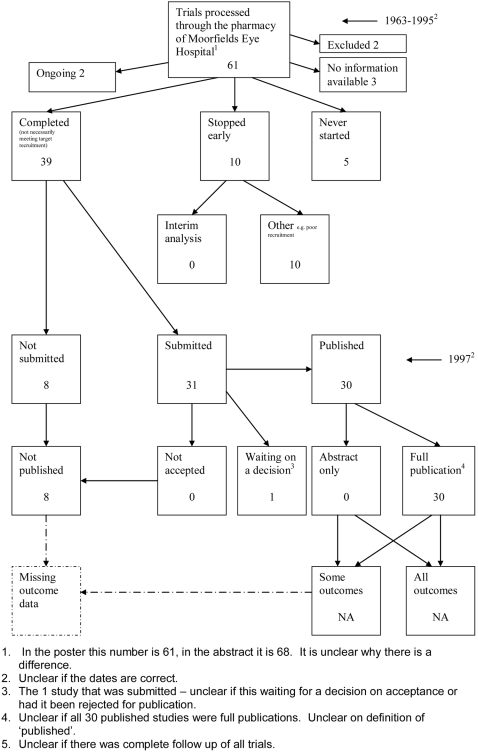
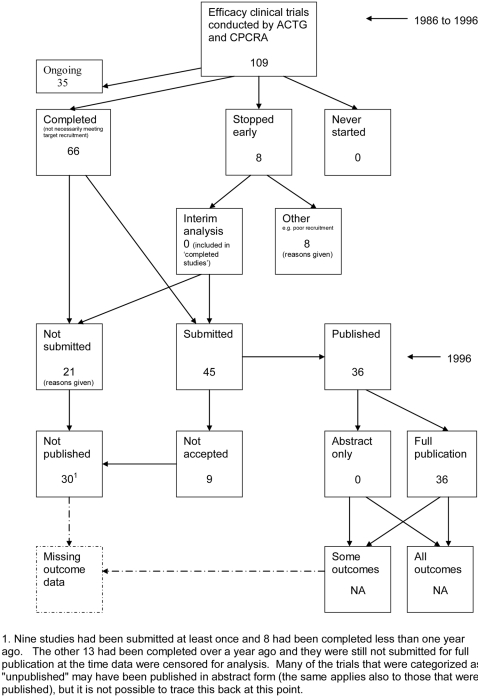
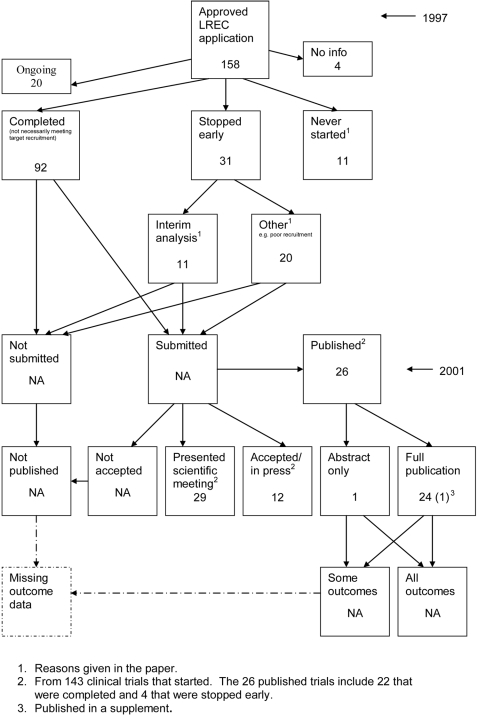
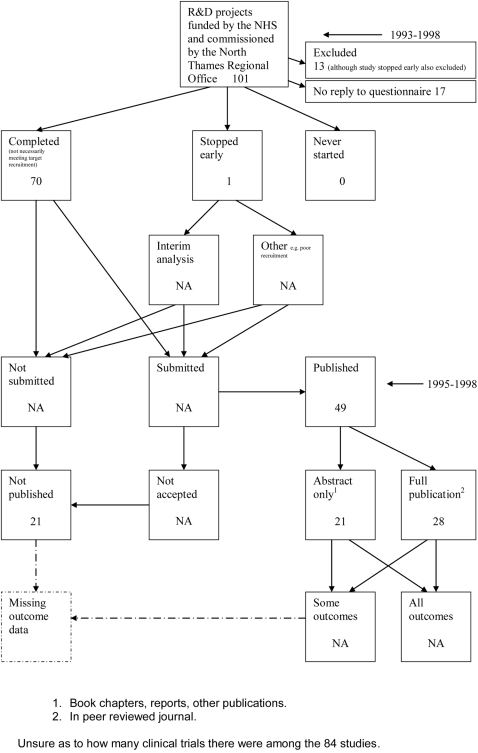
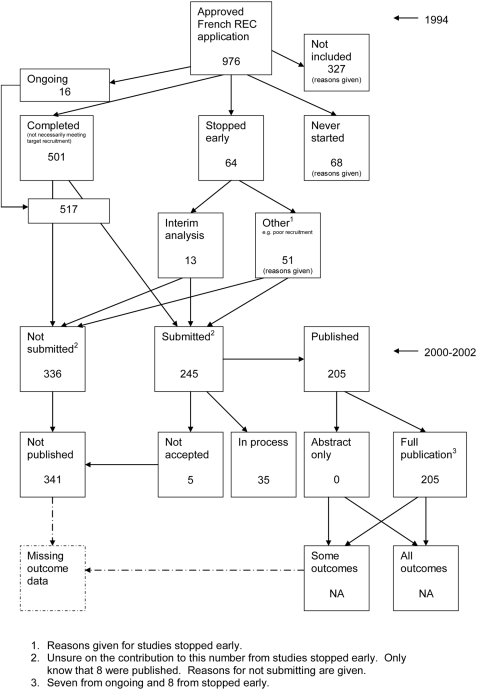
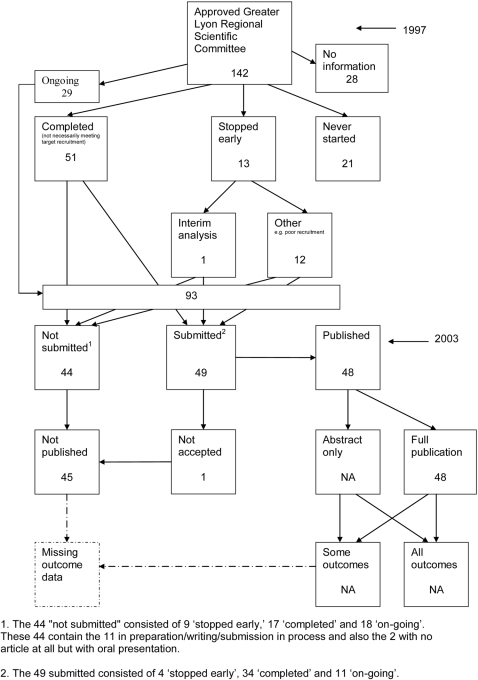
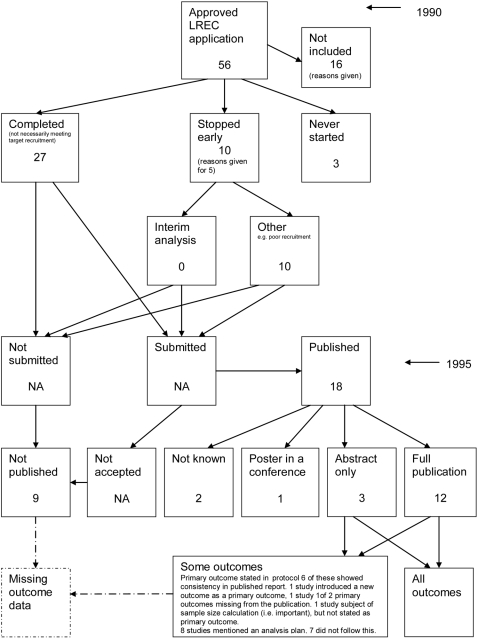
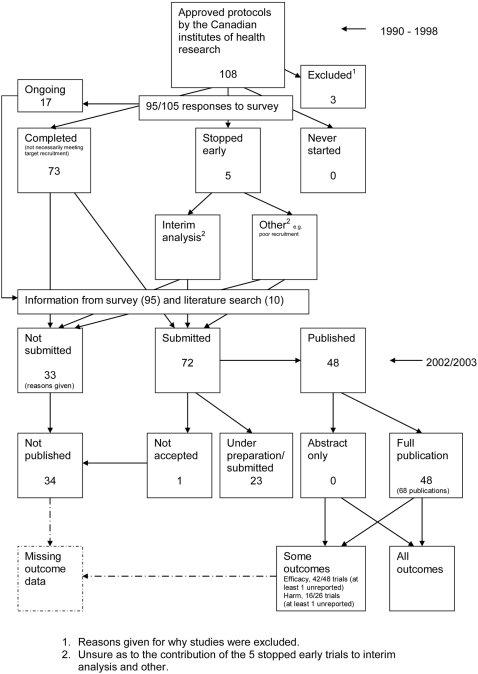
Verification
Claims the paper makes
The claims and statistics of this paper haven’t been checked yet.
Free: it reads the open-access text and checks the first 5 claims that cite a source we can check. Create a free account to check every claim.
Claims other papers make about this one
Each is checked against this paper’s own text: does it say what the citing paper says it does?
The source backs part of the claim, not all of it — or backs it for a different population, condition or comparison.
In the citing paper
“Unfortunately, attempted assessments frequently fail because authors of many trial reports neglect to provide lucid and complete descriptions of that critical information [2-4].”
From CONSORT 2010 Statement: updated guidelines for reporting parallel group randomised trials (2010) · cites this paper as [4]
Experimental — accuracy not yet measuredThe source backs part of the claim, not all of it — or backs it for a different population, condition or comparison.
In the citing paper
“and there are also reasons to believe that publication bias is more likely to affect low powered studies (25).”
From Statistical and Methodological Considerations for the Interpretation of Intranasal Oxytocin Studies (2016) · cites this paper as [25]
Experimental — accuracy not yet measuredThe source backs part of the claim, not all of it — or backs it for a different population, condition or comparison.
In the citing paper
“Empirical evidence suggests that authors often ignore, in the conduct and reporting of their trial, what they stated in the protocol [4,22].”
From CONSORT 2010 statement: updated guidelines for reporting parallel group randomised trials. (2010) · cites this paper as [4]
Experimental — accuracy not yet measuredThe source backs part of the claim, not all of it — or backs it for a different population, condition or comparison.
In the citing paper
“Second, publication bias, selective data analysis and selective reporting of outcomes are more likely to affect low-powered studies.”
From Power failure: why small sample size undermines the reliability of neuroscience (2013) · cites this paper as [17]
Experimental — accuracy not yet measuredThe source backs part of the claim, not all of it — or backs it for a different population, condition or comparison.
In the citing paper
“Empirical evidence suggests that authors often ignore, in the conduct and reporting of their trial, what they stated in the protocol. [4],[22]”
From CONSORT 2010 statement: updated guidelines for reporting parallel group randomised trials (2010) · cites this paper as [4]
Experimental — accuracy not yet measured
14 more claims about this paper
Create a free account to see every claim other papers make about this one.
Self-check
Percentages, sums and reported differences re-computed from the paper’s own numbers.
The self-check needs the paper’s full text.
Citations
Cites
Publication bias in clinical research
Easterbrook, P. J., Gopalan, R., Berlin, J. A., & Matthews, D. R. (1991) · The Lancet · doi:10.1016/0140-6736(91)90201-y · Cited by 3,109 · cited 12×
“The HTA report of Song et al [1] led to four potentially eligible empirical studies [3,4,26,27], all of which had been identified previously.”
BackgroundMethodResultInfluentialSelf-citationSystematic Reviews in Health Care : Meta-Analysis in Context
Egger, M., Smith, G. D., & Altman, D. G. (2000) · Cited by 2,412
Self-citationPublication Bias in Meta‐Analysis: Prevention, Assessment and Adjustments
(2005) · doi:10.1002/0470870168 · Cited by 2,368
Chan, A.-W., Hróbjartsson, A., Haahr, M. T., Gøtzsche, P. C., & Altman, D. G. (2004) · JAMA · doi:10.1001/jama.291.20.2457 · Cited by 1,845 · cited 30×
“Status of approved protocols for Chan 2004b study [15].”
BackgroundMethodInfluentialSelf-citationSystematic Reviews in Health Care: Meta‐Analysis in Context
(2001) · doi:10.1002/9780470693926 · Cited by 1,693
Systematic Reviews in Health Care. Meta-analysis in Context.
Kleijnen, J., & Antes, G. (2002) · International Journal of Epidemiology · doi:10.1093/ije/31.3.697 · Cited by 1,363
Full publication of results initially presented in abstracts.
Scherer, R. W., Langenberg, P., & von Elm, E. (2007) · Cochrane Database of Systematic Reviews · doi:10.1002/14651858.mr000005.pub3 · Cited by 997 · cited 1×
“The Cochrane review by Scherer et al [6] investigating the full publication of results initially presented in abstracts found that only 63% of results from abstracts describing randomized or controlled clinical trials are published in full and ‘positive’ results were more frequently published than non ‘positive’ resul…”
BackgroundPublication bias in clinical trials due to statistical significance or direction of trial results
Hopewell, S., Loudon, K., Clarke, M. J., Oxman, A. D., & Dickersin, K. (2009) · Cochrane Database of Systematic Reviews · doi:10.1002/14651858.mr000006.pub3 · Cited by 898
Dickersin, K. (1992) · JAMA · doi:10.1001/jama.1992.03480030052036 · Cited by 854
Publication bias: evidence of delayed publication in a cohort study of clinical research projects
Stern, J. M., & Simes, R. J. (1997) · BMJ · doi:10.1136/bmj.315.7109.640 · Cited by 818 · cited 11×
“Stern et al [4] reported that this finding was even stronger for their subgroup of clinical trials (Hazard Ratio (HR) 3.13 (95% confidence interval (CI) 1.76, 5.58), p = 0.0001) compared to all quantitative studies (HR 2.32 (95% CI 1.47, 3.66), p = 0.0003).”
BackgroundMethodResultInfluential
Research works printed but not linked: 2
- Von Elm E Röllin A Blümle A Huwiler K Witschi M 2008 Selective reporting of outcomes of drug trials; Comparison of study protocols and published articles. Swiss Med Wkly 138 (13–14) 197 203 18389392
- Wormald R Bloom J Evans J Oldfield K 1997 Publication bias in eye trials. In: 2nd International Conference Scientific Basis of Health Services & 5th Annual Cochrane Colloquium, 1997 5–8 October; Amsterdam, The Netherlands
Cited by
Items 301–400 of 1,007
Advanced neuroimaging and its role in predicting neurodevelopmental outcomes in very preterm infants
Parikh, N. A. (2016) · Seminars in Perinatology · doi:10.1053/j.semperi.2016.09.005 · Cited by 96
“negative studies are less likely to be submitted or accepted for publication.(71,72) Irrespective of the type of advanced MRI”
Antes, G. (2010) · BMJ · doi:10.1136/bmj.c1432 · Cited by 86
“Full and transparent reporting of results of clinical trials is essential for assessing the quality of healthcare interventions. Inadequate reporting of trials is common, and it impedes the use of trial results in healthcare research and practice.”
BackgroundIncreasing the Value of Orthodontic Research Through the Use of Dental Patient-Reported Outcomes
Hua, F. (2019) · Journal of Evidence Based Dental Practice · doi:10.1016/j.jebdp.2019.04.005 · Cited by 93
Riley, P., Glenny, A., Worthington, H. V., Littlewood, A., Mauleffinch, L. M. F., Clarkson, J., & McCabe, M. G. (2017) · Cochrane Database of Systematic Reviews · doi:10.1002/14651858.cd011990.pub2 · Cited by 97
Millar, N., Salager-Meyer, F., & Budgell, B. (2019) · English for Specific Purposes · doi:10.1016/j.esp.2019.02.004 · Cited by 85
Silver alloy vs. uncoated urinary catheters: a systematic review of the literature
Beattie, M., & Taylor, J. (2011) · Journal of Clinical Nursing · doi:10.1111/j.1365-2702.2010.03561.x · Cited by 98
Gebara, M. A., Lipsey, K. L., Karp, J. F., Nash, M. C., Iaboni, A., & Lenze, E. J. (2015) · The American Journal of Geriatric Psychiatry · doi:10.1016/j.jagp.2014.11.004 · Cited by 84
Are dental researchers asking patient-important questions? A scoping review
Fleming, P. S., Koletsi, D., O'Brien, K. D., Tsichlaki, A., & Pandis, N. (2016) · Journal of Dentistry · doi:10.1016/j.jdent.2016.04.002 · Cited by 91
Tälle, M., Déak, B., Poschlod, P., Valkó, O., Westerberg, L. M., & Milberg, P. (2018) · Biodiversity and Conservation · doi:10.1007/s10531-018-1562-6 · Cited by 100
Young, I., Waddell, L., Harding, S., Greig, J., Mascarenhas, M., Sivaramalingam, B., Pham, M. T., & Papadopoulos, A. (2015) · BMC Public Health · doi:10.1186/s12889-015-2171-x · Cited by 83
Use of core outcome sets was low in clinical trials published in major medical journals
Matvienko‐Sikar, K., AVERY, K. N. L., Blazeby, J. M., Devane, D., Dodd, S. R., Egan, A. M., Gorst, S. L., Hughes, K., Jacobsen, P. C., Kirkham, J. J., et al. (2021) · Journal of Clinical Epidemiology · doi:10.1016/j.jclinepi.2021.10.012 · Cited by 88
Self-citationGlucosamine and chondroitin for the treatment of osteoarthritis
Vasiliadis, H. S., & Tsikopoulos, K. (2017) · World Journal of Orthopedics · doi:10.5312/wjo.v8.i1.1 · Cited by 98
Best Estimate Selection Bias in the Value of a Statistical Life
Viscusi, W. K. (2018) · Journal of Benefit-Cost Analysis · doi:10.1017/bca.2017.21 · Cited by 74
“The two principal types of bias that were identified for randomized control trials of medical interventions were outcome reporting bias and publication bias (Dwan et al., 2008, 2013). Many research results are never published because the researchers or the funders of the work often did not have an interest in publishi…”
Carim-Todd, L., Mitchell, S. H., & Oken, B. S. (2013) · Drug and Alcohol Dependence · doi:10.1016/j.drugalcdep.2013.04.014 · Cited by 82
“4.3 Limitations A significant issue for this review, as for all systematic reviews, comes from publication bias, that is, the tendency to report and publish results that show significant findings differently from results that are negative or inconclusive (Dickersin, 1997; Dwan et al., 2008).”
ResultInfluentialWang, S.-Y., Parrila, R., & Cui, Y. D. (2012) · Journal of Autism and Developmental Disorders · doi:10.1007/s10803-012-1726-2 · Cited by 91
Provenzani, U., Fusar-Poli, L., Brondino, N., Damiani, S., Vercesi, M., Meyer, N., Rocchetti, M., & Politi, P. (2020) · Autism · doi:10.1177/1362361319854641 · Cited by 77
“Another potential reason might be related to publication bias: previous researchers have shown that positive or significant results are more likely to be published, and outcomes that are statistically significant have higher odds of being fully reported (Dwan et al., 2008).”
BackgroundRandomised controlled trials in plastic surgery: a systematic review of reporting quality
Agha, R. A., Camm, C. F., Doganay, E., Edison, E., Siddiqui, M. R. S., & Orgill, D. P. (2014) · European Journal of Plastic Surgery · doi:10.1007/s00238-013-0893-5 · Cited by 81
Neurobiological substrates of personality: A critical overview.
Yarkoni, T. (2014) · American Psychological Association eBooks · doi:10.1037/14343-003 · Cited by 90
Ioannidis, J. P. A., & Karassa, F. B. (2010) · BMJ · doi:10.1136/bmj.c4875 · Cited by 78
“A powerful company develops a promising new blockbuster. The more diseases and conditions the drug can get approved for, the greater the sales. Therefore the company launches trials for many different indications, as its clinical research programme unfolds. Independent committees set interim analysis and appropriate s…”
BackgroundSelf-citationWells, C., Kolt, G. S., Marshall, P., Hill, B., & Bialocerkowski, A. (2013) · BMC Medical Research Methodology · doi:10.1186/1471-2288-13-7 · Cited by 76
Promoting Transparency in Pharmaceutical Industry–Sponsored Research
Ross, J. S., Gross, C. P., & Krumholz, H. M. (2011) · American Journal of Public Health · doi:10.2105/ajph.2011.300187 · Cited by 85
Hedin, R. J., Umberham, B. A., Detweiler, B. N., Kollmorgen, L., & Vassar, M. (2016) · Anesthesia & Analgesia · doi:10.1213/ane.0000000000001452 · Cited by 76
Early childhood attachment stability and change: a meta-analysis
Opie, J. E., McIntosh, J. E., Esler, T. B., Duschinsky, R., George, C., Schore, A., Kothe, E. J., Tan, E. S., Greenwood, C. J., & Olsson, C. A. (2021) · Attachment & Human Development · doi:10.1080/14616734.2020.1800769 · Cited by 80
“Similar evidence for bias has been shown clearly in a number of other fields (Dwan et al., 2008; Ioannidis et al., 2014).”
BackgroundOutcome Discrepancies and Selective Reporting: Impacting the Leading Journals?
Fleming, P. S., Koletsi, D., Dwan, K., & Pandis, N. (2015) · PLOS ONE · doi:10.1371/journal.pone.0127495 · Cited by 80
“Moreover, only results from certain time points may be presented [4].”
BackgroundSelf-citationFour Proposals to Help Improve the Medical Research Literature
Moher, D., & Altman, D. G. (2015) · PLOS Medicine · doi:10.1371/journal.pmed.1001864 · Cited by 78
“Crucial aspects of study methods and results are frequently missing [5–11].”
BackgroundSelf-citationLee, J. G. L., Kong, A. Y., Sewell, K. B., Golden, S. D., Combs, T., Ribisl, K. M., & Henriksen, L. (2021) · Tobacco Control · doi:10.1136/tobaccocontrol-2021-056717 · Cited by 92
Stephens, S., Cobiac, L. J., & Veerman, L. J. (2014) · Preventive Medicine · doi:10.1016/j.ypmed.2014.02.008 · Cited by 96
“There is the potential for publication and reporting biases, as it has been demonstrated that studies reporting positive outcomes are more likely to be published than those demonstrating negative outcomes (Dwan et al., 2008).”
Backgroundvan Lent, M., Overbeke, J., & Out, H. J. (2014) · PLoS ONE · doi:10.1371/journal.pone.0104846 · Cited by 93
Mei, H., Xiong, Y., Xie, S., Guo, S., Li, Y., Guo, B., & Zhang, J. (2016) · BMC Public Health · doi:10.1186/s12889-016-2829-z · Cited by 75
“This may be due to the publication preference that reports with positive or significant outcomes are more likely to be published or reported [70].”
BackgroundParental Psychopathology in Families of Children with ADHD: A Meta-analysis
Cheung, K., & Theule, J. (2016) · Journal of Child and Family Studies · doi:10.1007/s10826-016-0499-1 · Cited by 89
“…included as a moderator to take into account possible publication bias, where studies that produce either statistically significant results or demonstrate practical significance in their respective field are more likely to be published than studies that do not (Dwan et al. 2008; Moher et al. 2009).”
BackgroundResultInfluentialDinglas, V. D., Chessare, C. M., Davis, W. E., Parker, A. M., Friedman, L. A., Colantuoni, E., Bingham, C. O., Turnbull, A. E., & Needham, D. M. (2017) · Thorax · doi:10.1136/thoraxjnl-2017-210234 · Cited by 80
de Winter, J. C., & Dodou, D. (2015) · PeerJ · doi:10.7717/peerj.733 · Cited by 78
Quality of systematic reviews in pediatric oncology – A systematic review
Lundh, A., Knijnenburg, S. L., Jørgensen, A. W., van Dalen, E. C., & Kremer, L. C. M. (2009) · Cancer Treatment Reviews · doi:10.1016/j.ctrv.2009.08.010 · Cited by 78
Translational Research in Cardiovascular Repair
Chamuleau, S. A. J., van der Naald, M., Climent, A. M., Kraaijeveld, A. O., Wever, K., Duncker, D. J., Fernández‐Avilés, F., & Bolli, R. (2018) · Circulation Research · doi:10.1161/circresaha.117.311565 · Cited by 82
Tzoulaki, I., Siontis, K. C. M., & Ioannidis, J. P. A. (2011) · BMJ · doi:10.1136/bmj.d6829 · Cited by 80
Self-citationLi, T., Vedula, S. S., Scherer, R., & Dickersin, K. (2012) · Annals of Internal Medicine · doi:10.7326/0003-4819-156-5-201203060-00009 · Cited by 78
The need for citizen science in the transition to a sustainable peer-to-peer-society
Wildschut, D. (2017) · Futures · doi:10.1016/j.futures.2016.11.010 · Cited by 70
Quality of Conduct and Reporting of Meta-analyses of Surgical Interventions
Adie, S., Ma, D., Harris, I. A., Naylor, J. M., & Craig, J. C. (2015) · Annals of Surgery · doi:10.1097/sla.0000000000000836 · Cited by 76
“9 52 (35) ≥10 3 (2) PRISMA endorsing journal,”
Systematic review of conservation interventions to promote voluntary behavior change
Thomas‐Walters, L., McCallum, J., Montgomery, R., Petros, C., Wan, A. K. Y., & Veríssimo, D. (2022) · Conservation Biology · doi:10.1111/cobi.14000 · Cited by 86
“Research from the medical field shows that when studies are preregistered, negative outcomes are more likely (Dwan et al., 2008).”
BackgroundCunha, A. S., Carrère, N., Meunier, B., Fabre, J., Sauvanet, A., Pessaux, P., Ortega‐Deballon, P., Fingerhut, A. L., & LACAINE, F. (2015) · The American Journal of Surgery · doi:10.1016/j.amjsurg.2015.04.015 · Cited by 87
Shadish, W. R., Hedges, L. V., Horner, R. H., & Odom, S. L. (2015) · University of North Texas Digital Library (University of North Texas) · Cited by 88
Ioannidis, J. P. A. (2012) · JAMA · doi:10.1001/jama.2012.8144 · Cited by 78
Self-citationGardner, F., Leijten, P., Mann, J., Landau, S., Harris, V., Beecham, J., Bonin, E.-M., Hutchings, J., & Scott, S. (2017) · Public Health Research · doi:10.3310/phr05100 · Cited by 67
“Reporting bias is known to be a considerable problem in many areas of health care; systematic reviews find it to be linked to higher effect sizes.(111,112) It is especially problematic in this field, in which there are typically multiple secondary outcomes and multiple measures of the same construct within and between…”
BackgroundBasic Needs in Horses?—A Literature Review
Krueger, K., Esch, L., Farmer, K., & Marr, I. (2021) · Animals · doi:10.3390/ani11061798 · Cited by 76
“The interpretation of the studies calls for caution as positive reporting biases may result in more studies that prove a certain measurement to be effective than those reporting no effect [56].”
Rehabilitation following surgery for flexor tendon injuries of the hand
Peters, S. E., Jha, B., & Ross, M. (2021) · Cochrane Database of Systematic Reviews · doi:10.1002/14651858.cd012479.pub2 · Cited by 76
College Student’s Academic Help-Seeking Behavior: A Systematic Literature Review
Li, R., Hassan, N. C., & Saharuddin, N. (2023) · Behavioral Sciences · doi:10.3390/bs13080637 · Cited by 92
“Concerning the limitations of this research, the methodological limitations of the thematic review can be mentioned, such as publication bias [89].”
BackgroundBartos̆, F., Maier, M., Wagenmakers, E., Nippold, F., Doucouliagos, H., Ioannidis, J. P. A., Otte, W. M., Sladekova, M., Deresssa, T. K., Bruns, S. B., et al. (2024) · Research Synthesis Methods · doi:10.1002/jrsm.1703 · Cited by 95
“The median absolute effect sizes (in terms of standardized mean differences) decreased from d = 0.20 to d = 0.07 in economics, from d = 0.37 to d = 0.26 in psychology, from d = 0.62 to d = 0.43 in environmental sciences, and from d = 0.24 to d = 0.13 in medicine.”
BackgroundInfluentialSelf-citationUse of Trial Register Information during the Peer Review Process
Mathieu, S., Chan, A.-W., & Ravaud, P. (2013) · PLoS ONE · doi:10.1371/journal.pone.0059910 · Cited by 71
“Several authors have shown evidence of selective outcome reporting in published results of randomized controlled trials (RCTs) [1–3].”
BackgroundSelf-citationLeijten, P. H. O., Raaijmakers, M. A. J., Meij, L. W., Matthys, W., Menting, A. T. A., Putten, M. H.-V., & de Castro, B. O. (2018) · Prevention Science · doi:10.1007/s11121-018-0864-y · Cited by 84
“Moreover, selective outcome reporting bias and publication bias may exist in that trials may have tested moderator effects, but did not report or publish their null findings (Dwan et al. 2008).”
BackgroundBowser, N., & Anderson, N. E. (2018) · Veterinary Sciences · doi:10.3390/vetsci5040083 · Cited by 98
Landais, L. L., Damman, O. C., Schoonmade, L. J., Timmermans, D. R. M., Verhagen, E. A. L. M., & Jelsma, J. G. M. (2020) · International Journal of Behavioral Nutrition and Physical Activity · doi:10.1186/s12966-020-00942-7 · Cited by 87
Emotional Outcomes of Casual Sexual Relationships and Experiences: A Systematic Review
Wesche, R., Claxton, S. E., & Waterman, E. A. (2020) · The Journal of Sex Research · doi:10.1080/00224499.2020.1821163 · Cited by 78
“There is a publication bias in scientific research, such that studies finding no statistically significant results are less likely to be published (Dwan et al., 2008, 2013).”
BackgroundPage, M. J., McKenzie, J. E., & Forbes, A. B. (2013) · Journal of Clinical Epidemiology · doi:10.1016/j.jclinepi.2012.10.010 · Cited by 79
Lin, L., Shi, L., Chu, H., & Murad, M. H. (2019) · BMJ Evidence-Based Medicine · doi:10.1136/bmjebm-2019-111191 · Cited by 81
You, B., Gan, H. K., Pond, G., & Chen, E. X. (2012) · Journal of Clinical Oncology · doi:10.1200/jco.2011.37.0890 · Cited by 74
Developing a guideline for clinical trial protocol content: Delphi consensus survey
Tetzlaff, J. M., Moher, D., & Chan, A.-W. (2012) · Trials · doi:10.1186/1745-6215-13-176 · Cited by 70
“; licensee BioMed Central Commons Attribution License (http://creativec reproduction in any medium, provided the or reviewers and others with a description of prespecified methods to evaluate potential biases [1-8].”
BackgroundSelf-citationObtaining evidence by a single well-powered trial or several modestly powered trials
IntHout, J., Ioannidis, J. P., & Borm, G. F. (2016) · Statistical Methods in Medical Research · doi:10.1177/0962280212461098 · Cited by 73
“However, even in this situation, a single trial may have its drawbacks, because the trial may be biased by the way it is actually conducted or reported.(6,17,33) The latter may not be clear from the publication and may go unnoticed in one trial.”
BackgroundSelf-citationPrevention of orthodontic enamel demineralization: A systematic review with meta‐analyses
Tasios, T., Papageorgiou, S. N., Papadopoulos, M. A. A. P., Τσάπας, Α., & Haidich, A. (2019) · Orthodontics and Craniofacial Research · doi:10.1111/ocr.12322 · Cited by 80
Use of guidelines to improve the quality and transparency of reporting oral health research
Sarkis-Onofre, R., Cenci, M. S., Demarco, F. F., Lynch, C. D., Fleming, P. S., Pereira-Cenci, T., & Moher, D. (2015) · Journal of Dentistry · doi:10.1016/j.jdent.2015.01.006 · Cited by 73
Efficacy of New Generation Antidepressants: Differences Seem Illusory
Del Re, A. C., Spielmans, G. I., Flückiger, C., & Wampold, B. E. (2013) · PLoS ONE · doi:10.1371/journal.pone.0063509 · Cited by 72
“Across the medical literature in general, including head-to-head antidepressant trials, reporting bias occurs frequently [8–11].”
BackgroundŌnishi, A., & Furukawa, T. A. (2014) · Journal of Clinical Epidemiology · doi:10.1016/j.jclinepi.2014.07.002 · Cited by 76
Evidence-based psychotherapies I: qualifiers and limitations in what we know
Kazdin, A. E. (2014) · South African Journal of Psychology · doi:10.1177/0081246314533750 · Cited by 67
“We know generally that there is a publication bias in research, namely, that results showing group differences are more likely to be published than results showing no group differences (e.g., Dwan et al., 2008; Joober, Schmitz, Annable, & Boksa, 2012; Spielmans & Kirsch, 2014).”
ResultKnox, E. C. L., Quirk, H., Glazebrook, C., Randell, T. L., & Blake, H. (2019) · BMC Endocrine Disorders · doi:10.1186/s12902-018-0331-6 · Cited by 89
Nawijn, F., Ham, W. H. W., Houwert, R. M., Groenwold, R. H. H., Hietbrink, F., & Smeeing, D. P. J. (2019) · BMC Emergency Medicine · doi:10.1186/s12873-019-0233-6 · Cited by 80
Hamm, M. P., Hartling, L., Milne, A., Tjosvold, L., Vandermeer, B., Thomson, D., Curtis, S., & Klassen, T. P. (2010) · BMC Pediatrics · doi:10.1186/1471-2431-10-96 · Cited by 74
Algermissen, J., & Mehler, D. M. A. (2018) · Journal of Neurophysiology · doi:10.1152/jn.00765.2017 · Cited by 70
“Publication bias is one main reason: significant results are more likely to be accepted for publication than nonsignificant results (Dwan et al. 2008).”
ResultKiciński, M. (2014) · BMJ Open · doi:10.1136/bmjopen-2014-004831 · Cited by 79
“literature.[12, 13] Investigators, who followed research projects from the moment of the”
BackgroundSystematic review of the literature on triclosan and health outcomes in humans
Goodman, M. G., Naiman, D. Q., & LaKind, J. S. (2017) · Critical Reviews in Toxicology · doi:10.1080/10408444.2017.1350138 · Cited by 75
Ferreira, G. S., Veening-Griffioen, D. H., Boon, W., Moors, E. H. M., Wied, C. C. G., Schellekens, H., & van Meer, P. J. K. (2019) · PLoS ONE · doi:10.1371/journal.pone.0218014 · Cited by 85
“Given the publication bias often reported in 167 animal and clinical research, it is possible that results from the pharmacological validation might be 168 skewed (4,33,34).”
BackgroundGonon, F., Bezard, E., & Boraud, T. (2011) · PLoS ONE · doi:10.1371/journal.pone.0014618 · Cited by 71
Riley, P., Glenny, A., Worthington, H. V., Littlewood, A., Clarkson, J., & McCabe, M. G. (2015) · Cochrane Database of Systematic Reviews · doi:10.1002/14651858.cd011552 · Cited by 72
Splinting for carpal tunnel syndrome
Karjalainen, T., Lusa, V., Page, M. J., O’Connor, D. A., Massy‐Westropp, N., & Peters, S. E. (2023) · Cochrane Database of Systematic Reviews · doi:10.1002/14651858.cd010003.pub2 · Cited by 131
Sim, I., Tu, S. W., Carini, S., Lehmann, H. P., Pollock, B. H., Peleg, M., & Wittkowski, K. M. (2014) · Journal of Biomedical Informatics · doi:10.1016/j.jbi.2013.11.002 · Cited by 68
Agile Challenges in Practice: A Thematic Analysis
Gregory, P., Barroca, L., Taylor, K., Salah, D., & Sharp, H. (2015) · Lecture notes in business information processing · doi:10.1007/978-3-319-18612-2_6 · Cited by 70
Gargon, E., Williamson, P. R., & Young, B. (2017) · Journal of Clinical Epidemiology · doi:10.1016/j.jclinepi.2017.04.024 · Cited by 79
Self-citationWhy Selective Publication of Statistically Significant Results Can Be Effective
de Winter, J., & Happee, R. (2013) · PLoS ONE · doi:10.1371/journal.pone.0066463 · Cited by 67
“Many authors recommend that the file drawer effect should be eliminated and that p values and effect sizes should not be a criterion in the decision to submit and publish scientific work [1,11,16,19–22].”
BackgroundPositive results receive more citations, but only in some disciplines
Fanelli, D. (2012) · Scientometrics · doi:10.1007/s11192-012-0757-y · Cited by 81
The Use of Low-Calorie Sweeteners by Adults: Impact on Weight Management
Anderson, G. H., Foreyt, J. P., Sigman‐Grant, M., & Allison, D. B. (2012) · Journal of Nutrition · doi:10.3945/jn.111.149617 · Cited by 78
“Finally, another common abuse entails publication bias in which the probability that a study is published depends on its outcome (64,65).”
BackgroundFamily Planning Vouchers in Low and Middle Income Countries: A Systematic Review
Bellows, B., Bulaya, C., Inambwae, S., Lissner, C. L., Ali, M., & Bajracharya, A. (2016) · Studies in Family Planning · doi:10.1111/sifp.12006 · Cited by 69
Primary Prevention of Cannabis Use: A Systematic Review of Randomized Controlled Trials
Norberg, M. M., Kezelman, S., & Lim-Howe, N. (2013) · PLoS ONE · doi:10.1371/journal.pone.0053187 · Cited by 68
Laing, P. A. F., & Harrison, B. J. (2021) · Neuroscience & Biobehavioral Reviews · doi:10.1016/j.neubiorev.2021.05.014 · Cited by 72
Turner, E. H., Cipriani, A., Furukawa, T. A., Salanti, G., & de Vries, Y. A. (2022) · PLOS Medicine · doi:10.1371/journal.pmed.1003886 · Cited by 68
“Reporting bias takes several forms, including study publication bias and outcome reporting bias [1].”
BackgroundA Critical Appraisal of Experimental Intracerebral Hemorrhage Research
MacLellan, C. L., Paquette, R., & Colbourne, F. (2012) · Journal of Cerebral Blood Flow & Metabolism · doi:10.1038/jcbfm.2012.8 · Cited by 68
Erren, T. C., Falaturi, P., Morfeld, P., Knauth, P., Reiter, R. J., & Piekarski, C. (2010) · Deutsches Ärzteblatt international · doi:10.3238/arztebl.2010.0657 · Cited by 89
Considering the economy of DSM alternatives
Sadler, J. (2013) · Springer eBooks · doi:10.1007/978-1-4614-6504-1_2 · Cited by 30
“The sham nature of many pharma-sponsored clinical trials was exposed in the early 2000s, when the widespread suppression of negative clinical trials was discovered and made public [ 63 – 65 ].”
BackgroundJaaly, E. A., Fiorentino, F., Reeves, B. C., Ind, P. W., Angelini, G. D., Kemp, S., & Shiner, R. J. (2013) · Journal of Thoracic and Cardiovascular Surgery · doi:10.1016/j.jtcvs.2013.03.014 · Cited by 67
Milette, K., Roseman, M., & Thombs, B. D. (2010) · Journal of Psychosomatic Research · doi:10.1016/j.jpsychores.2010.09.015 · Cited by 71
Lockyer, S., Hodgson, R., Dumville, J. C., & Cullum, N. (2013) · Trials · doi:10.1186/1745-6215-14-371 · Cited by 66
“Importance of findings Recent work on outcome reporting bias has largely focused on the selective reporting of a subset of outcomes from the full set measured; in other words, a discrepancy between study protocols and reports [3,4].”
Hopewell, S., Boutron, I., Altman, D. G., & Ravaud, P. (2013) · BMJ Open · doi:10.1136/bmjopen-2013-003342 · Cited by 66
Self-citationReporting quality of N-of-1 trials published between 1985 and 2013: a systematic review
Li, J., Gao, W., Punja, S., Ma, B., Vohra, S., Duan, N., Gabler, N. B., Yang, K., & Kravitz, R. L. (2016) · Journal of Clinical Epidemiology · doi:10.1016/j.jclinepi.2015.11.016 · Cited by 68
Chan, X. B. V., Goh, S. M. S., & Tan, N. C. (2014) · Asia Pacific Family Medicine · doi:10.1186/s12930-014-0010-3 · Cited by 66
“Publication bias and outcome reporting bias have been well documented and may overestimate the effects of CVD in the included studies [10,11].”
BackgroundTurner, L., Boutron, I., Hróbjartsson, A., Altman, D. G., & Moher, D. (2013) · Systematic Reviews · doi:10.1186/2046-4053-2-79 · Cited by 62
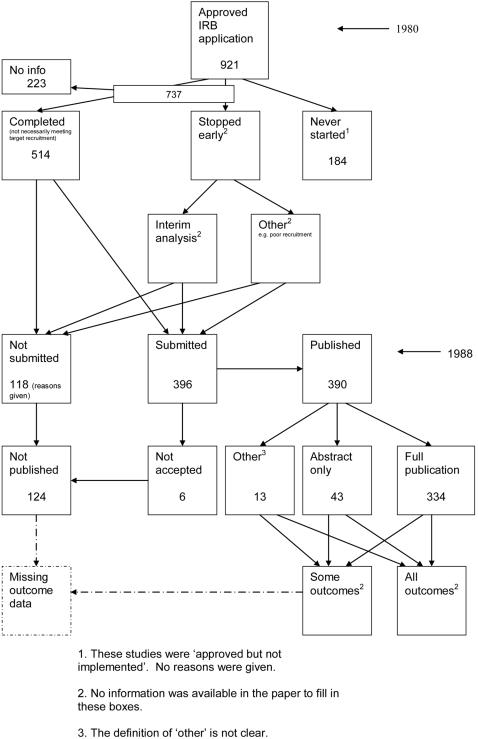
“Figure 1 Timeline of landmark methods research [8,13,16,17,20,22,26,31-45].”
BackgroundMethodSelf-citationAssessing the potential for outcome reporting bias in a review: a tutorial
Dwan, K., Gamble, C., Kolamunnage-Dona, R., Mohammed, S., Powell, C., & Williamson, P. R. (2010) · Trials · doi:10.1186/1745-6215-11-52 · Cited by 63
“05) and publication; with studies that report positive or significant results being more likely to be published [4].”
BackgroundSelf-citationHays, M., Andrews, M., Wilson, R., Callender, D., O'Malley, P. G., & Douglas, K. (2016) · BMJ Open · doi:10.1136/bmjopen-2016-011082 · Cited by 65
Editorial Policies of Pediatric Journals: Survey of Instructions for Authors
Meerpohl, J. J., Wolff, R. F., Niemeyer, C. M., Antes, G., & von Elm, E. (2010) · Archives of Pediatrics & Adolescent Medicine · doi:10.1001/archpediatrics.2009.287 · Cited by 64
Turnbull, A. E., Dinglas, V. D., Friedman, L. A., Chessare, C. M., Sepúlveda, K. A., Bingham, C. O., & Needham, D. M. (2018) · Journal of Clinical Epidemiology · doi:10.1016/j.jclinepi.2018.06.007 · Cited by 63
“Core set adoption improves trial efficiency, facilitates comparisons and meta-analyses within a field, and helps to prevent bias from selective outcome reporting, while still permitting researchers to evaluate additional outcomes of relevance to their study.[3,4] Incorporating input from a panel of diverse stakeholder…”
BackgroundErgonomic positioning or equipment for treating carpal tunnel syndrome
O’Connor, D. A., Page, M. J., Marshall, S., & Massy‐Westropp, N. (2012) · Cochrane Database of Systematic Reviews · doi:10.1002/14651858.cd009600 · Cited by 64
He, G., Zheng, C., Yu, M.-A., & Zhang, H. (2017) · International Journal of Surgery · doi:10.1016/j.ijsu.2017.01.080 · Cited by 64
An increasing problem in publication ethics: Publication bias and editors’ role in avoiding it
Ekmekçi, P. E. (2017) · Medicine Health Care and Philosophy · doi:10.1007/s11019-017-9767-0 · Cited by 69
Oral Health Literacy in Migrant and Ethnic Minority Populations: A Systematic Review
Valdez, R., Spinler, K., Kofahl, C., Seedorf, U., Heydecke, G., Reissmann, D. R., Lieske, B., Dingoyan, D., & Aarabi, G. (2021) · Journal of Immigrant and Minority Health · doi:10.1007/s10903-021-01266-9 · Cited by 80
Metadata
- Authors
- Dwan, K., Altman, D. G., Arnaiz, J. A., Bloom, J., Chan, A.-W., Cronin, E., Decullier, E., Easterbrook, P. J., Von Elm, E., Gamble, C., Ghersi, D., Ioannidis, J. P. A., Simes, J., & Williamson, P. R.
- Affiliations
- University of Liverpool (GB)
- University of Oxford (GB)
- Hospital Clínic de Barcelona (ES)
- Moorfields Eye Hospital (GB)
- Canadian Institutes of Health Research (CA)
- King's College London (GB)
- University of Bern (CH)
- National Health and Medical Research Council (AU)
- Tufts University (US)
- The University of Sydney (AU)
- Corresponding author
- Dwan, Kerry
- ORCID
- Venue
- PLoS ONE
- Publisher
- Public Library of Science (PLoS)
- Published
- 2008-08-28
- Volume
- 3
- Issue
- 8
- Pages
- e3081
- ISSN
- 1932-6203 (ISSN-L)
- PMC
- PMC2518111
- OpenAlex
- W2091959199
- Cited by
- 1,546
- References
- 48
- Citations by year
- 2026: 45 · 2025: 51 · 2024: 67 · 2023: 51 · 2022: 76 · 2021: 118 · 2020: 90 · 2019: 72 · 2018: 96 · 2017: 90 · 2016: 129 · 2015: 121 · 2014: 109 · 2013: 131 · 2012: 103
- FWCI
- 20.77
- Type
- journal article
- Language
- en
- Open access
- gold
- doi.org
- Locations
- PLoS ONE (publishedVersion, cc-by)
- PubMed Central (publishedVersion, cc-by)
- PubMed (publishedVersion)
- Dipòsit Digital de la Universitat de Barcelona (Universitat de Barcelona) (publishedVersion, cc-by)
- RePEc: Research Papers in Economics (submittedVersion)
- Bern Open Repository and Information System (University of Bern) (submittedVersion, cc-by)
- DOAJ (DOAJ: Directory of Open Access Journals) (submittedVersion, cc-by-sa)
- Figshare (submittedVersion, cc-by)
- Research Portal (King's College London) (submittedVersion)
- RECERCAT (Consorci de Serveis Universitaris de Catalunya) (submittedVersion, cc-by)
- Funders
- Cancer Research UK
- Topics
- Social Sciences › Decision Sciences › Statistics, Probability and Uncertainty › Meta-analysis and systematic reviews
- Social Sciences › Library and Information Sciences › Academic Publishing and Open Access
- Health Sciences › Nursing › Issues, ethics and legal aspects › Pharmaceutical industry and healthcare
- Keywords
- publication bias, selective reporting, randomized controlled trials, outcome reporting, meta-analysis validity, clinical trial registration
- MeSH terms
- Clinical Trials as Topic, Humans, Publishing, Cohort Studies, Randomized Controlled Trials as Topic, Treatment Outcome, Publication Bias, Patient Selection
About these checks
Registry, retraction, Cites and statistics results are computed, not judged, with one exception: a printed reference that no index lists is read once by a model before it counts as a citation error. Claims are extracted by a model and kept only when their quote appears verbatim in the text; each cited source is then checked, with a model’s help, for whether it says what the claim relies on. Those verdicts can be wrong — read the claim’s quote and the cited source before relying on one.
Statistics and arithmetic are recomputed, not judged.
Confidence bands are shown only for fields calibrated on our annotated test set. None is calibrated yet, so no band is shown.
What counts as a claim ›How we measure confidence ›How we check this ›
Are you an author, or do you see a problem with this page? Request a review
Data sources
Bibliographic data: Semantic Scholar, OpenAlex, Crossref.
Contains information from the Semantic Scholar Academic Graph Datasets, made available under the ODC Attribution License (ODC-BY 1.0).
Semantic Scholar’s data is described in: Kinney, R., et al. (2023). The Semantic Scholar Open Data Platform. arXiv:2301.10140.
