

Systematic Review of the Empirical Evidence of Study Publication Bias and Outcome Reporting Bias
Open accessThe DOI matches its Crossref record; 46 of the 48 references it cites were found in a registry or an index.
Abstract
BACKGROUND: The increased use of meta-analysis in systematic reviews of healthcare interventions has highlighted several types of bias that can arise during the completion of a randomised controlled trial. Study publication bias has been recognised as a potential threat to the validity of meta-analysis and can make the readily available evidence unreliable for decision making. Until recently, outcome reporting bias has received less attention. METHODOLOGY/PRINCIPAL FINDINGS: We review and summarise the evidence from a series of cohort studies that have assessed study publication bias and outcome reporting bias in randomised controlled trials. Sixteen studies were eligible of which only two followed the cohort all the way through from protocol approval to information regarding publication of outcomes. Eleven of the studies investigated study publication bias and five investigated outcome reporting bias. Three studies have found that statistically significant outcomes had a higher odds of being fully reported compared to non-significant outcomes (range of odds ratios: 2.2 to 4.7). In comparing trial publications to protocols, we found that 40-62% of studies had at least one primary outcome that was changed, introduced, or omitted. We decided not to undertake meta-analysis due to the differences between studies. CONCLUSIONS: Recent work provides direct empirical evidence for the existence of study publication bias and outcome reporting bias. There is strong evidence of an association between significant results and publication; studies that report positive or significant results are more likely to be published and outcomes that are statistically significant have higher odds of being fully reported. Publications have been found to be inconsistent with their protocols. Researchers need to be aware of the problems of both types of bias and efforts should be concentrated on improving the reporting of trials.
Overview
The claims and statistics of this paper haven’t been checked yet.
Free: it reads the open-access text and checks the first 5 claims that cite a source we can check. Create a free account to check every claim.
Integrity signals
Registry
Cites
Statistics
Figures
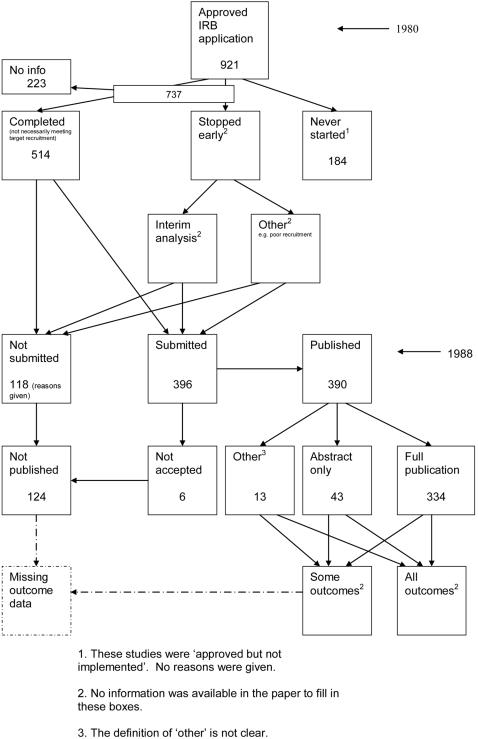
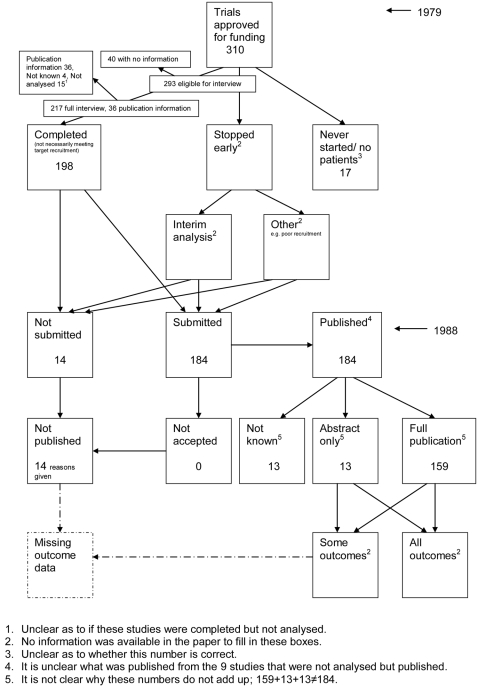
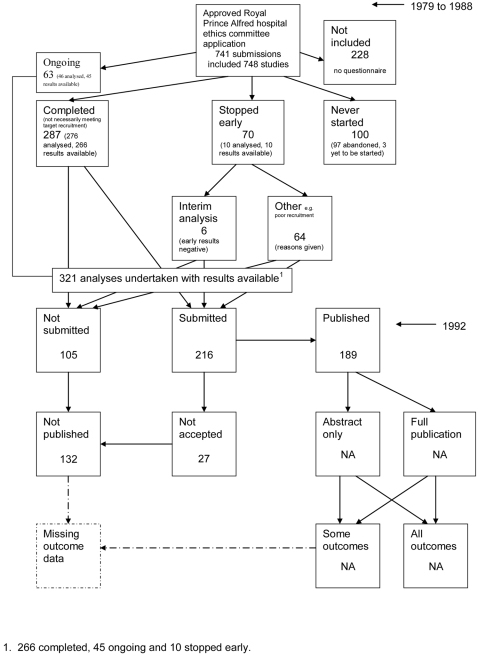
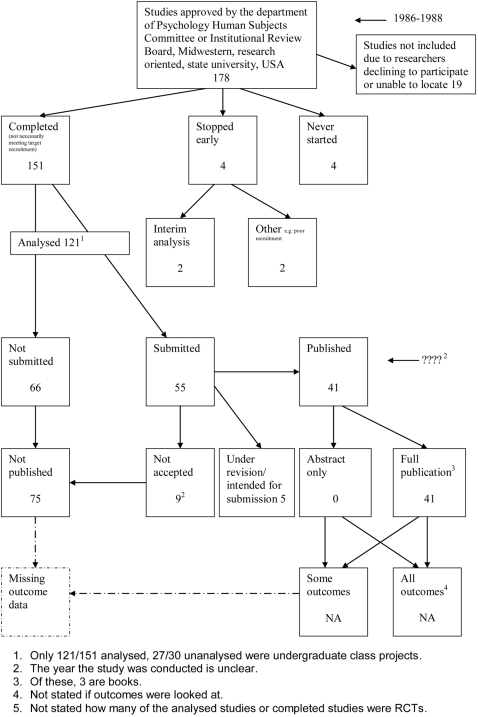
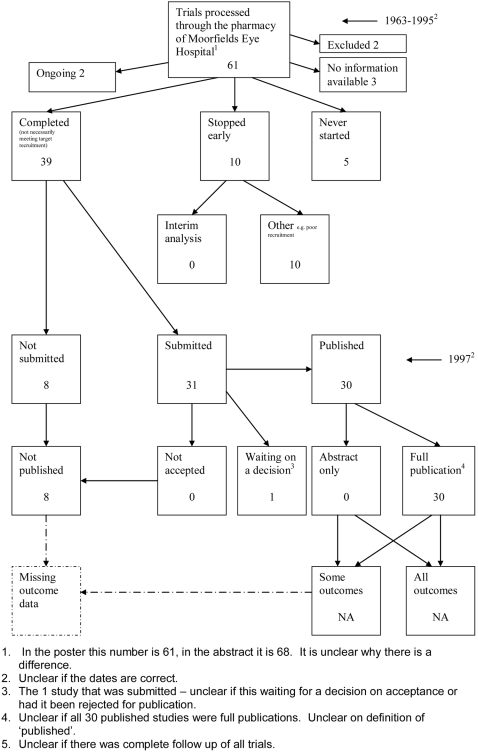
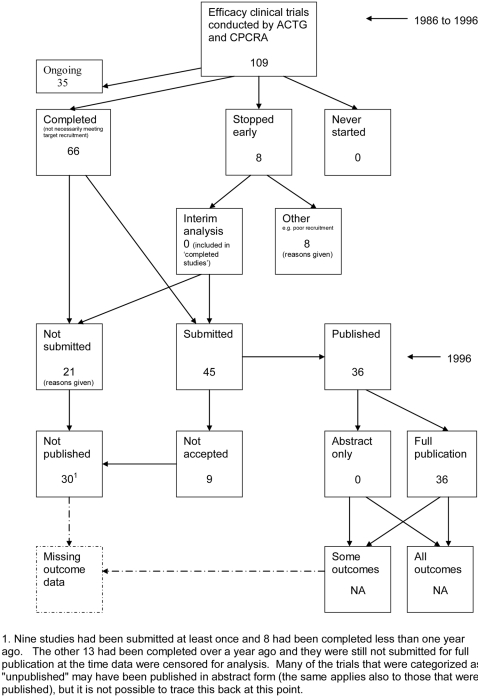
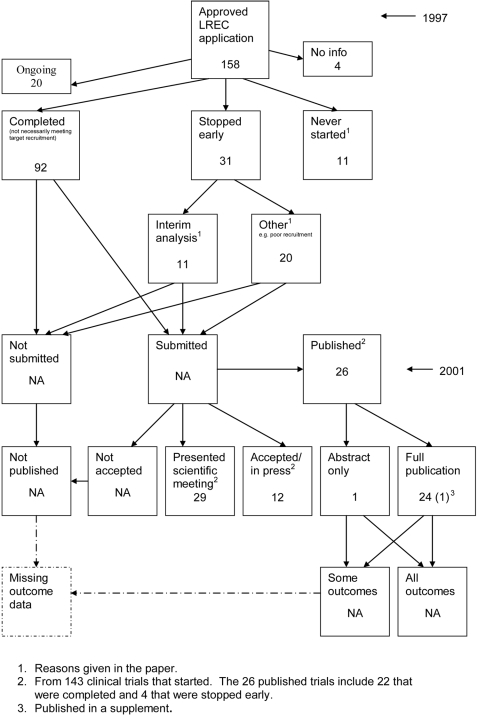
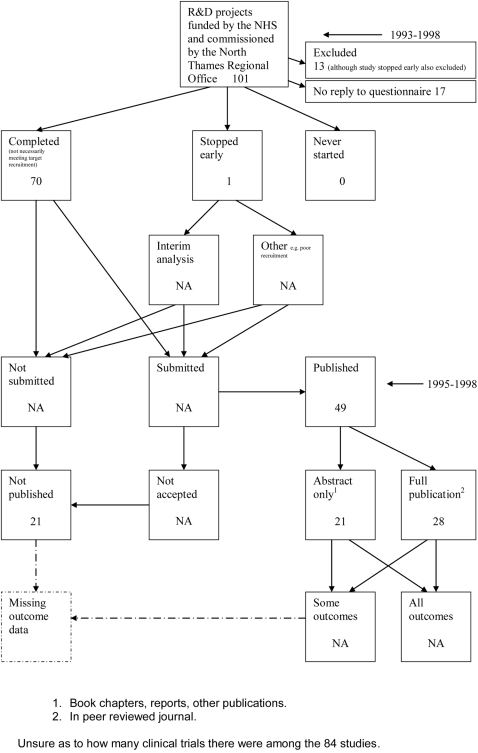
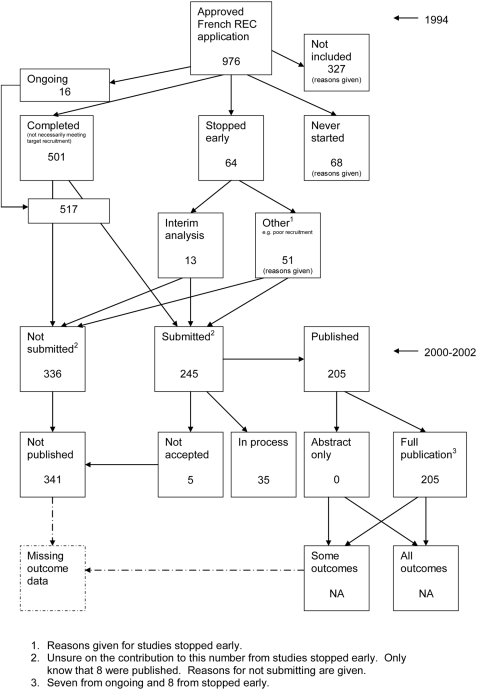
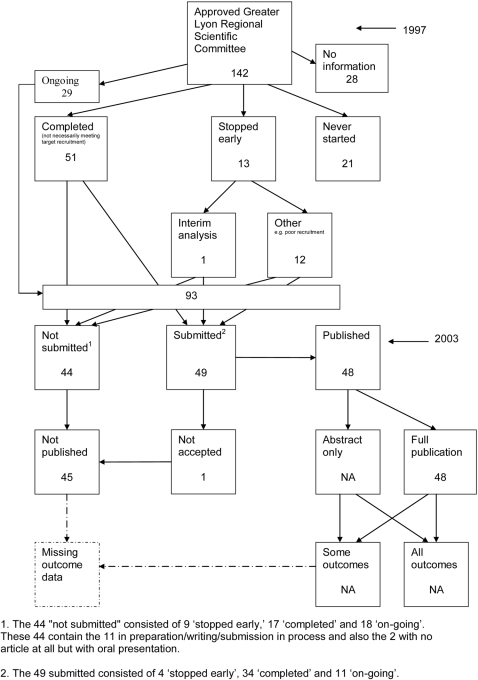
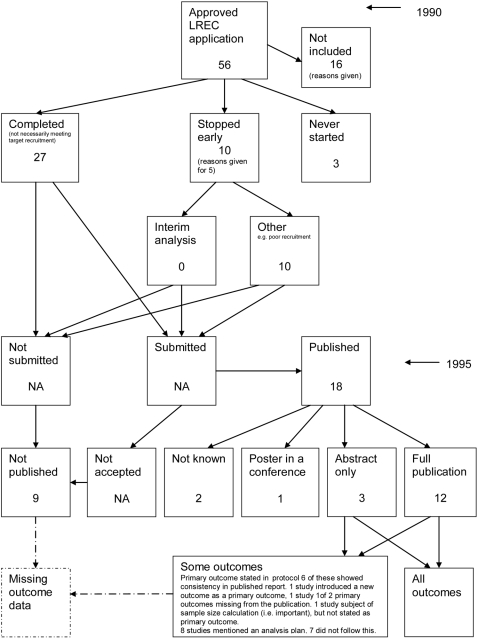
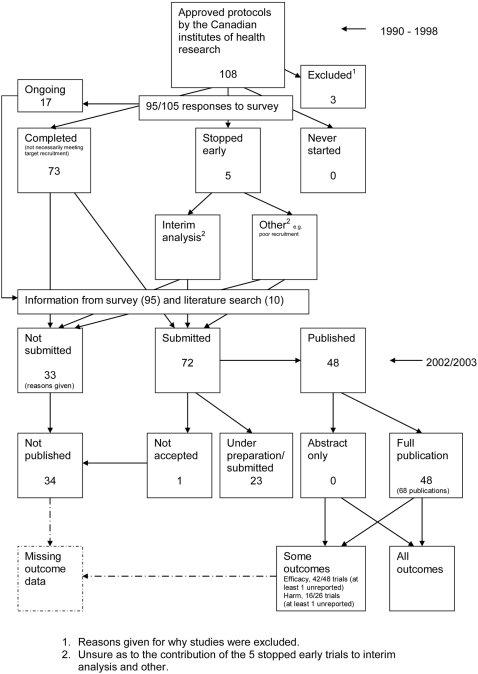
Verification
Claims the paper makes
The claims and statistics of this paper haven’t been checked yet.
Free: it reads the open-access text and checks the first 5 claims that cite a source we can check. Create a free account to check every claim.
Claims other papers make about this one
Each is checked against this paper’s own text: does it say what the citing paper says it does?
The source backs part of the claim, not all of it — or backs it for a different population, condition or comparison.
In the citing paper
“Unfortunately, attempted assessments frequently fail because authors of many trial reports neglect to provide lucid and complete descriptions of that critical information [2-4].”
From CONSORT 2010 Statement: updated guidelines for reporting parallel group randomised trials (2010) · cites this paper as [4]
Experimental — accuracy not yet measuredThe source backs part of the claim, not all of it — or backs it for a different population, condition or comparison.
In the citing paper
“and there are also reasons to believe that publication bias is more likely to affect low powered studies (25).”
From Statistical and Methodological Considerations for the Interpretation of Intranasal Oxytocin Studies (2016) · cites this paper as [25]
Experimental — accuracy not yet measuredThe source backs part of the claim, not all of it — or backs it for a different population, condition or comparison.
In the citing paper
“Empirical evidence suggests that authors often ignore, in the conduct and reporting of their trial, what they stated in the protocol [4,22].”
From CONSORT 2010 statement: updated guidelines for reporting parallel group randomised trials. (2010) · cites this paper as [4]
Experimental — accuracy not yet measuredThe source backs part of the claim, not all of it — or backs it for a different population, condition or comparison.
In the citing paper
“Second, publication bias, selective data analysis and selective reporting of outcomes are more likely to affect low-powered studies.”
From Power failure: why small sample size undermines the reliability of neuroscience (2013) · cites this paper as [17]
Experimental — accuracy not yet measuredThe source backs part of the claim, not all of it — or backs it for a different population, condition or comparison.
In the citing paper
“Empirical evidence suggests that authors often ignore, in the conduct and reporting of their trial, what they stated in the protocol. [4],[22]”
From CONSORT 2010 statement: updated guidelines for reporting parallel group randomised trials (2010) · cites this paper as [4]
Experimental — accuracy not yet measured
14 more claims about this paper
Create a free account to see every claim other papers make about this one.
Self-check
Percentages, sums and reported differences re-computed from the paper’s own numbers.
The self-check needs the paper’s full text.
Citations
Cites
Publication bias in clinical research
Easterbrook, P. J., Gopalan, R., Berlin, J. A., & Matthews, D. R. (1991) · The Lancet · doi:10.1016/0140-6736(91)90201-y · Cited by 3,109 · cited 12×
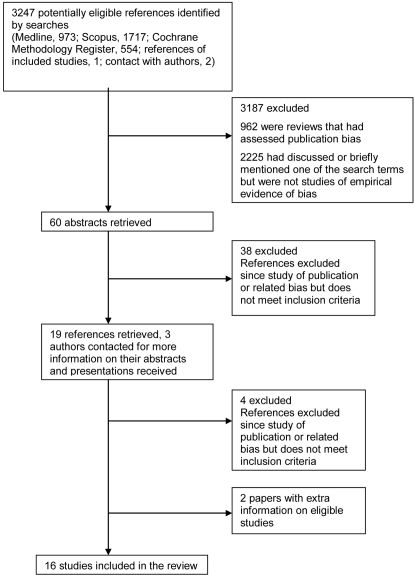
“The HTA report of Song et al [1] led to four potentially eligible empirical studies [3,4,26,27], all of which had been identified previously.”
BackgroundMethodResultInfluentialSelf-citationSystematic Reviews in Health Care : Meta-Analysis in Context
Egger, M., Smith, G. D., & Altman, D. G. (2000) · Cited by 2,412
Self-citationPublication Bias in Meta‐Analysis: Prevention, Assessment and Adjustments
(2005) · doi:10.1002/0470870168 · Cited by 2,368
Chan, A.-W., Hróbjartsson, A., Haahr, M. T., Gøtzsche, P. C., & Altman, D. G. (2004) · JAMA · doi:10.1001/jama.291.20.2457 · Cited by 1,845 · cited 30×
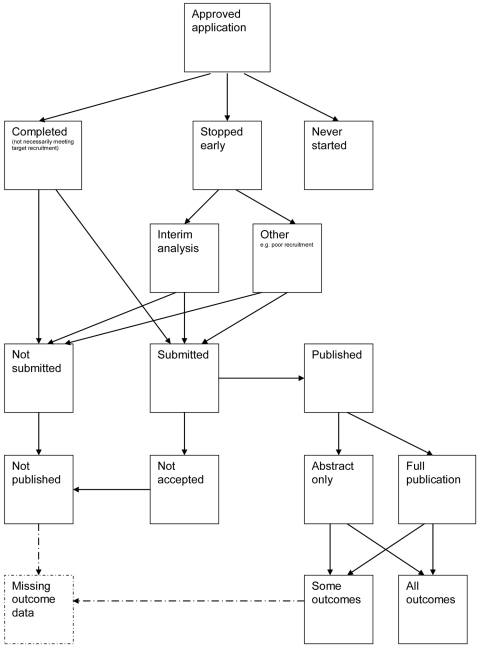
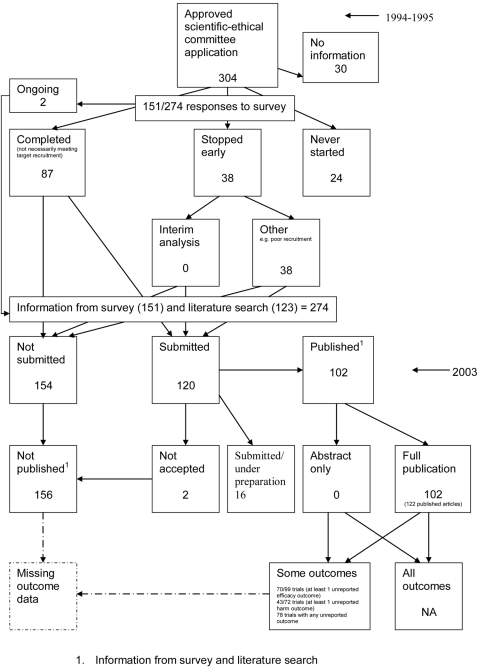
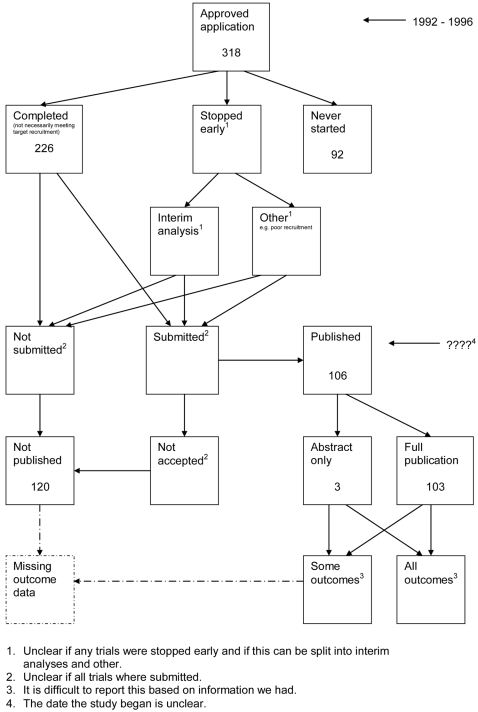
“Status of approved protocols for Chan 2004b study [15].”
BackgroundMethodInfluentialSelf-citationSystematic Reviews in Health Care: Meta‐Analysis in Context
(2001) · doi:10.1002/9780470693926 · Cited by 1,693
Systematic Reviews in Health Care. Meta-analysis in Context.
Kleijnen, J., & Antes, G. (2002) · International Journal of Epidemiology · doi:10.1093/ije/31.3.697 · Cited by 1,363
Full publication of results initially presented in abstracts.
Scherer, R. W., Langenberg, P., & von Elm, E. (2007) · Cochrane Database of Systematic Reviews · doi:10.1002/14651858.mr000005.pub3 · Cited by 997 · cited 1×
“The Cochrane review by Scherer et al [6] investigating the full publication of results initially presented in abstracts found that only 63% of results from abstracts describing randomized or controlled clinical trials are published in full and ‘positive’ results were more frequently published than non ‘positive’ resul…”
BackgroundPublication bias in clinical trials due to statistical significance or direction of trial results
Hopewell, S., Loudon, K., Clarke, M. J., Oxman, A. D., & Dickersin, K. (2009) · Cochrane Database of Systematic Reviews · doi:10.1002/14651858.mr000006.pub3 · Cited by 898
Dickersin, K. (1992) · JAMA · doi:10.1001/jama.1992.03480030052036 · Cited by 854
Publication bias: evidence of delayed publication in a cohort study of clinical research projects
Stern, J. M., & Simes, R. J. (1997) · BMJ · doi:10.1136/bmj.315.7109.640 · Cited by 818 · cited 11×
“Stern et al [4] reported that this finding was even stronger for their subgroup of clinical trials (Hazard Ratio (HR) 3.13 (95% confidence interval (CI) 1.76, 5.58), p = 0.0001) compared to all quantitative studies (HR 2.32 (95% CI 1.47, 3.66), p = 0.0003).”
BackgroundMethodResultInfluential
Research works printed but not linked: 2
- Von Elm E Röllin A Blümle A Huwiler K Witschi M 2008 Selective reporting of outcomes of drug trials; Comparison of study protocols and published articles. Swiss Med Wkly 138 (13–14) 197 203 18389392
- Wormald R Bloom J Evans J Oldfield K 1997 Publication bias in eye trials. In: 2nd International Conference Scientific Basis of Health Services & 5th Annual Cochrane Colloquium, 1997 5–8 October; Amsterdam, The Netherlands
Cited by
Items 801–900 of 1,007
A Systematic Review of Workplace Physical Activity Coaching
Gawlik, A., Lüdemann, J., Neuhausen, A., Zepp, C., Vitinius, F., & Kleinert, J. (2023) · Journal of Occupational Rehabilitation · doi:10.1007/s10926-023-10093-8 · Cited by 16
“Second, there is a risk for publication bias, as interventions that yield a negative or insignificant outcome are less likely to be published [65].”
BackgroundRose, A. C., Shenoy, P. J., Garrett, G., Seward, M., Kucuk, R. A., Doksansky, H., Nastoupil, L. J., & Flowers, C. R. (2012) · Clinical Lymphoma Myeloma & Leukemia · doi:10.1016/j.clml.2012.09.012 · Cited by 16
Evoniuk, G. E., Mansi, B. A., DeCastro, B., & Sykes, J. A. (2017) · BMJ · doi:10.1136/bmj.j1726 · Cited by 16
Brosens, L., Robinet, J., Pelckmans, I., Ameijeiras‐Mariño, Y., Govers, G., Opfergelt, S., Minella, J. P. G., & Vanderborght, J. (2021) · CATENA · doi:10.1016/j.catena.2021.105698 · Cited by 17
Riley, P., Glenny, A., Worthington, H. V., Littlewood, A., Clarkson, J., & McCabe, M. G. (2015) · Cochrane Database of Systematic Reviews · doi:10.1002/14651858.cd011990 · Cited by 17
Cue Reactivity to Electronic Cigarettes: A Systematic Review
Keijsers, M., Vega-Corredor, M. C., Hoermann, S., & Tomintz, M. N. (2022) · Substance Abuse Research and Treatment · doi:10.1177/11782218221114971 · Cited by 18
Customer perspectives on demand response in Europe: a systematic review and thematic synthesis
Siitonen, P., Honkapuro, S., Annala, S., & Wolff, A. (2022) · Sustainability Science Practice and Policy · doi:10.1080/15487733.2022.2154986 · Cited by 23
“…are less likely to be published in academic journals compared to positive or confirmatory findings (Decullier, Lh (cid:2) eritier, and Chapuis 2005; Dwan et al. 2008) and, as such, grey literature can act as a vehicle for disseminating findings that otherwise might never be publicly disclosed…”
BackgroundEducation in Health Research Methodology: Use of a Wiki for Knowledge Translation
Hamm, M. P., Klassen, T. P., Scott, S. D., Moher, D., & Hartling, L. (2013) · PLoS ONE · doi:10.1371/journal.pone.0064922 · Cited by 21
“Guidance on rigorous trial conduct and reporting is available in abundance, demonstrating the negative impact of design elements such as improper sequence generation, allocation concealment, and blinding [15–25]; as is research on specific challenges inherent to trials in child health, for example, recruitment and con…”
BackgroundHamm, M. P., Scott, S. D., Klassen, T. P., Moher, D., & Hartling, L. (2012) · BMC Medical Research Methodology · doi:10.1186/1471-2288-12-158 · Cited by 18
“Evidence describing the negative impact of bias on RCTs and how to minimize it is available [13-22], as is research on a number of specific challenges inherent in conducting RCTs in pediatrics [23-27], such as recruitment and consent procedures.”
BackgroundHowland, R. H. (2011) · Journal of Psychosocial Nursing and Mental Health Services · doi:10.3928/02793695-20110705-06 · Cited by 18
Schroé, H., der Mispel, C. V., Bourdeaudhuij, I. D., Verloigne, M., Poppe, L., & Crombez, G. (2019) · Trials · doi:10.1186/s13063-019-3456-7 · Cited by 17
“The publication of research protocols is essential to avoid publication bias and outcome reporting bias [37].”
BackgroundBuckley, P. R., Ebersole, C. R., Steeger, C. M., Michaelson, L., Hill, K. G., & Gardner, F. E. M. (2021) · Prevention Science · doi:10.1007/s11121-021-01252-5 · Cited by 18
The German Clinical Trials Register: challenges and chances of implementing a bilingual registry
Hasselblatt, H., Dreier, G., Antes, G., & Schumacher, M. C. (2009) · Journal of Evidence-Based Medicine · doi:10.1111/j.1756-5391.2009.01001.x · Cited by 17
Kahan, B. C., & Jairath, V. (2018) · Trials · doi:10.1186/s13063-018-2654-z · Cited by 20
“Previous reviews have found that primary outcome switching affects up to 67% of trials [1, 2, 5, 8, 9, 13] and, as such, it is widely recommended that all outcomes are listed in the protocol and on a clinical trial registry website before the start of the study.”
BackgroundTzanetakis, G. N., & Koletsi, D. (2021) · International Endodontic Journal · doi:10.1111/iej.13573 · Cited by 15
Toews, I., Binder, N., Wolff, R. F., Toprak, G., von Elm, E. B., & Meerpohl, J. J. (2017) · PLoS ONE · doi:10.1371/journal.pone.0176489 · Cited by 16
Imaging of Usual and Unusual Complication of Rotator Cuff Repair
Albano, D., Chianca, V., Zappia, M., Russo, R., Romano, S., Sconfienza, L. M., & Pietto, F. D. (2019) · Journal of Computer Assisted Tomography · doi:10.1097/rct.0000000000000846 · Cited by 15
Acute Care Physical Therapy Practice Analysis Identifies the Need for a Core Outcome Measurement Set
Mayer, K. P., Norris, T. L., Kumble, S., Morelli, N., Gorman, S. L., & Ohtake, P. J. (2021) · Journal of Acute Care Physical Therapy · doi:10.1097/jat.0000000000000161 · Cited by 15
Assessing the Overall Validity of Randomised Controlled Trials
Krauß, A. (2021) · International Studies in the Philosophy of Science · doi:10.1080/02698595.2021.2002676 · Cited by 18
“The paper builds on the existing work discussing methodological biases that can face RCTs by taking a new epistemological perspective to discuss and assess how these issues, together, can affect the causal claims and overall validity of trials (Krauss 2018; cf. Andrew et al. 1994; Black 1996; Sackett et al. 1996; Mohe…”
A test for reporting bias in trial networks: simulation and case studies
Trinquart, L., Ioannidis, J. P. A., Châtellier, G., & Ravaud, P. (2014) · BMC Medical Research Methodology · doi:10.1186/1471-2288-14-112 · Cited by 15
“In particular, selective analysis and outcome reporting biases are increasingly being considered as more common and thus a potentially greater threat than publication bias [4].”
BackgroundSelf-citationModelling multiple sources of dissemination bias in meta‐analysis
Bowden, J., Jackson, D., & Thompson, S. G. (2010) · Statistics in Medicine · doi:10.1002/sim.3813 · Cited by 15
LaKind, J. S., Anthony, L. G., & Goodman, M. G. (2017) · Journal of Toxicology and Environmental Health Part B · doi:10.1080/10937404.2017.1370847 · Cited by 16
“A related concept is selective within-study reporting defined as “selection on the basis of the results of a subset of the original variables recorded for inclusion in a publication” (Dwan et al. 2008).”
BackgroundSalandra, R., Criscuolo, P., & Salter, A. J. (2020) · Research Policy · doi:10.1016/j.respol.2020.104130 · Cited by 16
Mine, K., Lei, D., & Nakayama, T. (2018) · International Journal of Sports Physical Therapy · doi:10.26603/ijspt20180789 · Cited by 21
Leibovici, L., & Falagas, M. E. (2009) · Infectious Disease Clinics of North America · doi:10.1016/j.idc.2009.01.002 · Cited by 14
Relating Built Environment to Physical Activity: Two Failures to Validate
Schopflocher, D., VanSpronsen, E., & Nykiforuk, C. I. J. (2014) · International Journal of Environmental Research and Public Health · doi:10.3390/ijerph110201233 · Cited by 16
“We believe that it is important to make these failures known for several reasons: (1) recent work suggests that current publication practices result in many false positive findings being reported [24]; (2) the failure to publish failures to replicate introduces publication bias that will interfere with the ability of…”
BackgroundKaufman, J., Ryan, R. E., Bosch‐Capblanch, X., Cartier, Y., Cliff, J., Glenton, C., Lewin, S. A., Rada, G., Ames, H., Muloliwa, A. M., et al. (2015) · Journal of Clinical Epidemiology · doi:10.1016/j.jclinepi.2015.10.003 · Cited by 14
Yunus, F. M., Khan, S., Khanam, F., Das, A., & Rahman, M. (2019) · Groundwater for Sustainable Development · doi:10.1016/j.gsd.2019.100265 · Cited by 16
Core outcome set in paediatric sepsis in low- and middle-income countries: a study protocol
Wooldridge, G., Murthy, S., & Kissoon, N. “. (2020) · BMJ Open · doi:10.1136/bmjopen-2019-034960 · Cited by 15
Uranues, S., Fingerhut, A. L., Belyaev, O., Zerbi, A., Boggi, U., Hoffmann, M. W., Reim, D., Esposito, A., Primavesi, F., Kornprat, P., et al. (2021) · Annals of Surgery Open · doi:10.1097/as9.0000000000000033 · Cited by 18
Fleming, J., Ownsworth, T., Doig, E., Hogan, C., Hamilton, C., Swan, S., Griffin, J., Kendall, M. B., & Shum, D. (2022) · Neurorehabilitation and neural repair · doi:10.1177/15459683221110886 · Cited by 14
Manzoor, H., Razi, F., Rasheed, A., Sarfraz, Z., Sarfraz, A., Robles‐Velasco, K., Félix, M., & Chérrez-Ojeda, I. (2022) · Healthcare · doi:10.3390/healthcare10122579 · Cited by 17
“The strengths of this study were the methodology and design of the included studies; as such, all were RCTs and were double-blinded, thereby excluding reporting bias [53].”
MethodClaims for improved survival from systemic corticosteroids in diverse conditions: an umbrella review
Contopoulos‐Ioannidis, D. G., & Ioannidis, J. P. A. (2011) · European Journal of Clinical Investigation · doi:10.1111/j.1365-2362.2011.02584.x · Cited by 14
Self-citationCamm, C. F., Chen, Y., Sunderland, N. P., Nagendran, M., Maruthappu, M., & Camm, A. J. (2013) · International Journal of Cardiology · doi:10.1016/j.ijcard.2012.12.020 · Cited by 17
“However, it has been shown, in general, that many trials fail to provide the essential information when published [2–4].”
ResultRawal, B., & Deane, B. R. (2013) · Current Medical Research and Opinion · doi:10.1185/03007995.2013.860371 · Cited by 18
Patient-Centered Outcomes in the Management of Anemia: A Scoping Review
Staibano, P., Perelman, I., Lombardi, J., Davis, A., Tinmouth, A. T., Carrier, M., Stevenson, C., & Saidenberg, E. (2018) · Transfusion Medicine Reviews · doi:10.1016/j.tmrv.2018.07.001 · Cited by 15
Overall bias and sample sizes were unchanged in ICU trials over time: a meta-epidemiological study
Anthon, C. T., Granholm, A., Perner, A., Laake, J. H., & Møller, M. H. (2019) · Journal of Clinical Epidemiology · doi:10.1016/j.jclinepi.2019.05.021 · Cited by 16
Peginterferon Plus Ribavirin for Chronic Hepatitis C in Patients With Human Immunodeficiency Virus
Gluud, L. L., Marchesini, E., & Iorio, A. (2009) · The American Journal of Gastroenterology · doi:10.1038/ajg.2009.311 · Cited by 14
“Earlier studies have found that trials are more likely to be published, are published sooner, and are more likely to be described in multiple publications if generating a statistically significant result (”
BackgroundTopical and device-based treatments for fungal infections of the toenails
Gupta, A., Simpson, F. C., Daigle, D., Villanueva, E., John, D., & Foley, K. A. (2016) · Cochrane Database of Systematic Reviews · doi:10.1002/14651858.cd012093 · Cited by 14
Outcome Reporting bias in Exercise Oncology trials (OREO): a cross-sectional studyPreprint
Singh, B., Fairman, C. M., Christensen, J. F., Bolam, K. A., Twomey, R., Nunan, D., & Lahart, I. M. (2021) · medRxiv · doi:10.1101/2021.03.12.21253378 · Cited by 13
Access to unpublished protocols and statistical analysis plans of randomised trials
Campbell, D., McDonald, C., Cro, S., Jairath, V., & Kahan, B. C. (2022) · Trials · doi:10.1186/s13063-022-06641-x · Cited by 13
Correcting for outcome reporting bias in a meta-analysis: A meta-regression approach
van Aert, R. C. M., & Wicherts, J. M. (2023) · Behavior Research Methods · doi:10.3758/s13428-023-02132-2 · Cited by 20
“A systematic review (Dwan et al., 2008; Dwan et al., 2013) identified five articles that studied ORB (Chan, Hróbjartsson, et al., 2004a; Chan, Krleža-Jeri´c et al., 2004b; Elm et al., 2008; Ghersi, 2006; Hahn et al., 2002).”
BackgroundYendluri, A., Gonzalez, C., Cordero, J. K., Hayden, B. L., Moucha, C. S., & Parisien, R. L. (2024) · The Journal of Arthroplasty · doi:10.1016/j.arth.2024.01.059 · Cited by 13
Andersen, M. S., Kofoed, M. S., Paludan‐Müller, A. S., Pedersen, C. B., Mathiesen, T. I., Mawrin, C., Olsen, B. B., Halle, B., & Poulsen, F. R. (2024) · BMC Medical Research Methodology · doi:10.1186/s12874-024-02413-0 · Cited by 23
“Failure to disclose all outcome measurements chosen before the start of the study introduces positive outcome bias, where only significant positive outcomes are reported in contrast to negative outcomes [53, 54].”
A scoping review of outcomes related to orthodontic treatment measured in cleft lip and palate
Tsichlaki, A., O'Brien, K. D., Johal, A., & Fleming, P. S. (2017) · Orthodontics and Craniofacial Research · doi:10.1111/ocr.12152 · Cited by 15
Lessons learnt on the analysis of large sequence data in animal genomics
Biscarini, F., Cozzi, P., & Orozco‐terWengel, P. (2018) · Animal Genetics · doi:10.1111/age.12655 · Cited by 15
Reporting trends of p values in the neurosurgical literature
To, M., & Jukes, A. (2019) · Journal of neurosurgery · doi:10.3171/2018.8.jns172897 · Cited by 13
Davidović, N., Komić, L., Mešin, I., Kotarac, M., Okmažić, D., & Franić, T. (2021) · European Child & Adolescent Psychiatry · doi:10.1007/s00787-020-01710-5 · Cited by 14
“Opposed to some earlier findings implying that there was no clear association between funding and outcome reporting bias [34], our study showed that industry funding is a significant predictor of matching primary outcome, which is similar to the findings of van Lent et al.”
ResultCore Outcome Sets Relevant to Maternity Service Users: A Scoping Review
Slavin, V., Creedy, D. K., & Gamble, J. A. (2021) · Journal of Midwifery & Women s Health · doi:10.1111/jmwh.13195 · Cited by 15
Mei, F., Chen, F., Hu, K., Gao, Q., Zhao, L., Shang, Y., Zhao, B. Q., & Ma, B. (2022) · Journal of Surgical Research · doi:10.1016/j.jss.2022.04.026 · Cited by 13
Elagami, R. A., Tedesco, T. K., Pannuti, C. M., da Silva, G. S., Braga, M. M., Mendes, F. M., & Raggio, D. P. (2022) · International Journal of Paediatric Dentistry · doi:10.1111/ipd.13024 · Cited by 14
Digitalization, knowledge sharing and higher education for sustainable development
Li, M., Jotikasthira, N., & Pu, R. (2022) · World Journal on Educational Technology Current Issues · doi:10.18844/wjet.v14i5.7713 · Cited by 13
Wu, J., Ho, W., Klotz, L. H., Yuan, M., Lee, J. Y., & Krakowsky, Y. (2022) · The Journal of Urology · doi:10.1097/ju.0000000000003105 · Cited by 14
Bauters, M., Devos, P., Belzile, É. L., Putman, S., Migаud, H., & Dаrtus, J. (2023) · Orthopaedics & Traumatology Surgery & Research · doi:10.1016/j.otsr.2023.103703 · Cited by 13
Replication and exploratory analysis of 24 candidate risk polymorphisms for neural tube defects
Pangilinan, F., Molloy, A. M., Mills, J. L., Troendle, J. F., Parle‐McDermott, A., Kay, D. M., Browne, M. L., McGrath, E. C., Abaan, H. Ö., Sutton, M., et al. (2014) · BMC Medical Genetics · doi:10.1186/s12881-014-0102-9 · Cited by 13
“This, in combination with the bias that significant associations are more likely to be published [37-40], contributes to many associations in the literature that would not survive correction for multiple tests.”
BackgroundIntroducing Prospective Manuscript Review to Address Publication Bias
Mell, L. K., & Zietman, A. L. (2014) · International Journal of Radiation Oncology*Biology*Physics · doi:10.1016/j.ijrobp.2014.07.052 · Cited by 14
Boulanger, R. F., Hunt, M. R., & Benatar, S. R. (2016) · Clinical Infectious Diseases · doi:10.1093/cid/ciw013 · Cited by 13
“There is no lack of evidence that publication biases are strong [58], and the concerns that they might result in tremendous waste of resources [59] in the case of other diseases might transfer to tuberculosis.”
BackgroundWu, X. Y., Du, X., Ho, R. S. T., Lee, C. C. Y., Yip, B. H. K., Wong, M. C. S., Wong, S. Y. S., & Chung, V. C. (2016) · Journal of Clinical Hypertension · doi:10.1111/jch.12889 · Cited by 13
“Thus, future MAs are suggested to consider the likelihood of publication bias so as to inform readers about the potential possibility of overestimating on hypertension treatment effects.(27) Appropriate strategies should be adopted to reduce the impact of publication bias when it is detected.”
BackgroundStatistical Properties of an Unassisted Image Quality Index for SAR Imagery
Gómez, L., Ospina, R., & Frery, A. C. (2019) · Remote Sensing · doi:10.3390/rs11040385 · Cited by 13
“Usually [57], the thresholds to compare p-values are 0.”
BackgroundNeurodevelopmental outcome descriptions in cohorts of extremely preterm children
Ding, S., Mew, E. J., Chee-A-Tow, A., Offringa, M., Butcher, N. J., & Moore, G. P. (2020) · Archives of Disease in Childhood Fetal & Neonatal · doi:10.1136/archdischild-2019-318144 · Cited by 17
Researcher Bias in Software Engineering Experiments: a Qualitative Investigation
Romano, S., Fucci, D., Scanniello, G., Baldassarre, M. T., Turhan, B., & Juristo, N. (2020) · Euromicro Conference on Software Engineering and Advanced Applications (SEAA) · doi:10.1109/seaa51224.2020.00054 · Cited by 16
Harman, N., Sanz‐Moreno, A., Papoutsopoulou, S., Lloyd, K., Ameen‐Ali, K. E., Macleod, M. R., & Williamson, P. R. (2020) · Journal of Translational Medicine · doi:10.1186/s12967-020-02649-6 · Cited by 15
Self-citationAdam, K. C. S., Chang, L., Rangan, N., & Serences, J. T. (2021) · Journal of Cognitive Neuroscience · doi:10.1162/jocn_a_01665 · Cited by 15
“It is possible that other researchers likewise discovered that they were unable to track feature-based attention using certain frequencies, but that these null results were never published because of journals’ and authors’ biases toward publishing positive results (Franco, Malhotra, & Simonovits, 2014; Ferguson & Heen…”
ResultChen, K. Y., Borglund, E. M., Postema, E. C., Dunn, A. G., & Bourgeois, F. T. (2022) · Clinical Trials · doi:10.1177/17407745221093567 · Cited by 14
“Furthermore, around half of all clinical trials are estimated to have a missing outcome in the published report.(16) Incomplete reporting has been observed specifically for safety outcomes, including serious adverse events and patient withdrawals due to adverse events, with about a third of publications omitting or pr…”
BackgroundTransparent Reporting of Trials Is Essential
Altman, D. G. (2013) · The American Journal of Gastroenterology · doi:10.1038/ajg.2012.457 · Cited by 16
“A further concern is that several studies have shown that there are frequent discrepancies between the study methods described in the trial protocol and those described in subsequent journal articles, especially in relation to patient outcomes (11).”
ResultSelf-citationHart, A., & Dey, P. (2009) · Preventive Medicine · doi:10.1016/j.ypmed.2009.04.006 · Cited by 13
Noord, I. V., de Bruijne, M. C., Zwijnenberg, N. C., Jansma, E. P., van Dyck, C., & Wagner, C. (2014) · SAGE Open Medicine · doi:10.1177/2050312114529561 · Cited by 13
Methods used to assess outcome consistency in clinical studies: A literature-based evaluation
Rogozińska, E., Gargon, E., Olmedo‐Requena, R., Asour, A., Cooper, N. A. M., Vale, C. L., & Hooft, J. V. ’. (2020) · PLoS ONE · doi:10.1371/journal.pone.0235485 · Cited by 14
PROTOCOL: Assessment of outcome reporting bias in studies included in Campbell systematic reviews
Littell, J. H., Gorman, D. M., Valentine, J. C., & Pigott, T. (2023) · Campbell Systematic Reviews · doi:10.1002/cl2.1332 · Cited by 16
“New England Journal of Medicine, 351(12), 1250–1251. https://doi.org/10.1056/ NEJMe048225 Dwan et al., 2008 Dwan, K., Altman, D. G., Arnaiz, J. A., Bloom, J., Chan, A.‐W., Cronin, E., Decullier, E., Easterbrook, P. J., Von Elm, E., Gamble, C., Ghersi, D., Ioannidis, J. P. A., Simes, J., &…”
ResultInfluentialEvidence-based medicine or statistically manipulated medicine? Are we slaves to the P -value?
Goel, H., Raheja, D., & Nadar, S. K. (2024) · Postgraduate Medical Journal · doi:10.1093/postmj/qgae012 · Cited by 15
Evidence of spin in clinical trials in the surgical literature
Fleming, P. S. (2016) · Annals of Translational Medicine · doi:10.21037/atm.2016.08.23 · Cited by 12
“Other potential forms of reporting bias include selective outcome reporting with more interesting or positive findings preferentially reported, while negative findings may be overlooked (6).”
BackgroundMayo, B. C., Narain, A. S., Hijji, F. Y., Massel, D. H., Bohl, D. D., & Singh, K. (2020) · The International Journal of Spine Surgery · doi:10.14444/7003 · Cited by 12
The environmental risk factors associated with fetal macrosomia: An umbrella review
Jenabi, E., Salehi, A. M., Farashi, S., & Salimi, Z. (2023) · Pediatrics & Neonatology · doi:10.1016/j.pedneo.2023.09.007 · Cited by 15
Prill, R., Hakam, H. T., Karlsson, J., Ramadanov, N., Alfuth, M., & Królikowska, A. (2024) · Knee Surgery Sports Traumatology Arthroscopy · doi:10.1002/ksa.12126 · Cited by 13
Negative Results in European Psychology Journals
Vasilev, M. R. (2013) · Europe’s Journal of Psychology · doi:10.5964/ejop.v9i4.590 · Cited by 14
“Positive results that report significant outcomes and confirm the researcher’s expectations are more likely to be published and have higher odds of being fully reported (Dwan et al., 2008).”
BackgroundWhy We Need Industrial–Organizational Psychology to Fix Industrial–Organizational Psychology
Banks, G. C., & O’Boyle, E. H. (2013) · Industrial and Organizational Psychology · doi:10.1111/iops.12050 · Cited by 12
“In medicine, researchers have tracked QRP engagement by comparing registries to published studies (e.g., Dwan et al., 2008, 2011).”
ResultEvidence‐based vegetation management: prospects and challenges
Milberg, P. (2014) · Applied Vegetation Science · doi:10.1111/avsc.12114 · Cited by 13
“Thus, if a study is merely confirmatory, as judged by referees, or with non-significant results, then it is less likely to be published (Dwan et al. 2008, Hopewell et al. 2009).”
BackgroundConstantine, N. A. (2013) · Springer eBooks · doi:10.1007/978-1-4614-6633-8_20 · Cited by 14
“As with individual studies, research syntheses can be affected by selective inclusion of studies or outcomes based on the direction of their results (Dwan et al., 2008 ; Hahn, Williamson, Hutton, Garner, & Flynn, 2000 ; Ioannidis & Karassa, 2010 ) .”
BackgroundMethodInfluentialKirkham, J. J., Dwan, K. M., Blümle, A., von Elm, E. B., & Williamson, P. R. (2016) · PLoS ONE · doi:10.1371/journal.pone.0157883 · Cited by 12
Self-citationSmith, T. D. H., Watt, H., Gunn, L., Car, J., & Boyle, R. J. (2016) · The Annals of Family Medicine · doi:10.1370/afm.1970 · Cited by 12
Examining how meta‐analytic methods perform in the presence of bias: A simulation study
Bramley, P., López-López, J. A., & Higgins, J. P. T. (2021) · Research Synthesis Methods · doi:10.1002/jrsm.1516 · Cited by 12
Evidence-based evaluation of information: The centrality and limitations of systematic reviews
Järvholm, B., & Bohlin, I. (2014) · Scandinavian Journal of Public Health · doi:10.1177/1403494813516713 · Cited by 18
“[18] Dwan K, Altman Dg, Arnaiz JA, et al.”
BackgroundResultConvie, L. J., McCain, S., Campbell, J., Kirk, S., & Clarke, M. J. (2018) · Trials · doi:10.1186/s13063-018-2986-8 · Cited by 15
Correction: Publication Bias in Recent Meta-Analyses
Kiciński, M. (2013) · PLoS ONE · doi:10.1371/annotation/51ecf224-b045-4424-8beb-de155769d429 · Cited by 13
Katiri, R., Hall, D. A., Hoare, D. J., Fackrell, K., Horobin, A. J., Buggy, N., Hogan, N., Kitterick, P. T., & Initiative, C. R. O. S. F. S.-S. D. (. (2021) · JMIR Formative Research · doi:10.2196/28878 · Cited by 11
Beyond the null: Recognizing and reporting true negative findings
Schweinfurth, M. K., & Frommen, J. G. (2024) · iScience · doi:10.1016/j.isci.2024.111676 · Cited by 13
Presentation of continuous outcomes in randomised trials: an observational study
Schriger, D. L., Savage, D., & Altman, D. G. (2012) · BMJ · doi:10.1136/bmj.e8486 · Cited by 11
Self-citationThe Role of Mechanics in Gamification
Helmefalk, M., Lundqvist, S., & Marcusson, L. (2019) · International Journal of Virtual and Augmented Reality · doi:10.4018/ijvar.2019010102 · Cited by 11
Avances en investigación científica. Tomo III: Ciencias multidisciplinarias
de Nariño, C. U. A., & Garcés, J. M. (2022) · Sello editorial AUNAR Cali eBooks · doi:10.47666/avances.inv.3 · Cited by 11
Clayson, P. E., Carbine, K. A., Shuford, J. L., McDonald, J. B., & Larson, M. J. (2025) · Cortex · doi:10.1016/j.cortex.2025.02.008 · Cited by 13
Statistical principles for prospective study protocols:: design, analysis, and reporting.
Christensen, R., & Langberg, H. (2012) · Europe PMC (PubMed Central) · Cited by 13
Millett, D. T. (2011) · Journal of Orthodontics · doi:10.1179/14653121141407 · Cited by 11
Krstičević, M., Saric, D., Šarić, F., Slapnicar, E., Borić, K., Došenović, S., Kadić, A. J., Kegalj, M. J., & Puljak, L. (2019) · Journal of Comparative Effectiveness Research · doi:10.2217/cer-2019-0068 · Cited by 12
Evans, J. R., Silva, S. R. D., Ziaei, M., Kirthi, V., & Leyland, M. (2020) · British Journal of Ophthalmology · doi:10.1136/bjophthalmol-2019-315410 · Cited by 11
Stojkov, I., Conrads‐Frank, A., Rochau, U., Koinig, K. A., Arvandi, M., Puntscher, S., van Marrewijk, C., Fenaux, P., Symeonidis, A. S., Chermat, F., et al. (2021) · Blood Advances · doi:10.1182/bloodadvances.2021004568 · Cited by 11
“Months after diagnosis, median (IQR) 21 (12-72) 17 (8-42) Missing data 14 (35.”
Critical Values Robust to P-Hacking
McCloskey, A., & Michaillat, P. (2026) · The Review of Economics and Statistics · doi:10.1162/rest_a_01456 · Cited by 18
“To illustrate the amount of correction that p-hacking might require, we calibrate the completion probability using evidence from medical science (Dwan et al., 2008).”
MethodNorris, S. L., Holmer, H. K., Fu, R. F., Ogden, L. A., Viswanathan, M., & Abou-Setta, A. M. (2014) · Research Synthesis Methods · doi:10.1002/jrsm.1113 · Cited by 11
“The high prevalence of SOR and SAR among primary studies is well documented (Dwan et al., 2008; Dickersin and Chalmers, 2010; Song et al., 2010), occurring in 40–62% of published studies (Dwan et al., 2008).”
BackgroundDibao-Dina, C., Caille, A., & Giraudeau, B. (2015) · Journal of Clinical Epidemiology · doi:10.1016/j.jclinepi.2015.03.007 · Cited by 11
Greenberg, C. C., Wind, J. K., Chang, G. J., Chen, R. C., & Schrag, D. (2013) · Journal of Comparative Effectiveness Research · doi:10.2217/cer.12.80 · Cited by 11
Metadata
- Authors
- Dwan, K., Altman, D. G., Arnaiz, J. A., Bloom, J., Chan, A.-W., Cronin, E., Decullier, E., Easterbrook, P. J., Von Elm, E., Gamble, C., Ghersi, D., Ioannidis, J. P. A., Simes, J., & Williamson, P. R.
- Affiliations
- University of Liverpool (GB)
- University of Oxford (GB)
- Hospital Clínic de Barcelona (ES)
- Moorfields Eye Hospital (GB)
- Canadian Institutes of Health Research (CA)
- King's College London (GB)
- University of Bern (CH)
- National Health and Medical Research Council (AU)
- Tufts University (US)
- The University of Sydney (AU)
- Corresponding author
- Dwan, Kerry
- ORCID
- Venue
- PLoS ONE
- Publisher
- Public Library of Science (PLoS)
- Published
- 2008-08-28
- Volume
- 3
- Issue
- 8
- Pages
- e3081
- ISSN
- 1932-6203 (ISSN-L)
- PMC
- PMC2518111
- OpenAlex
- W2091959199
- Cited by
- 1,546
- References
- 48
- Citations by year
- 2026: 45 · 2025: 51 · 2024: 67 · 2023: 51 · 2022: 76 · 2021: 118 · 2020: 90 · 2019: 72 · 2018: 96 · 2017: 90 · 2016: 129 · 2015: 121 · 2014: 109 · 2013: 131 · 2012: 103
- FWCI
- 20.77
- Type
- journal article
- Language
- en
- Open access
- gold
- doi.org
- Locations
- PLoS ONE (publishedVersion, cc-by)
- PubMed Central (publishedVersion, cc-by)
- PubMed (publishedVersion)
- Dipòsit Digital de la Universitat de Barcelona (Universitat de Barcelona) (publishedVersion, cc-by)
- RePEc: Research Papers in Economics (submittedVersion)
- Bern Open Repository and Information System (University of Bern) (submittedVersion, cc-by)
- DOAJ (DOAJ: Directory of Open Access Journals) (submittedVersion, cc-by-sa)
- Figshare (submittedVersion, cc-by)
- Research Portal (King's College London) (submittedVersion)
- RECERCAT (Consorci de Serveis Universitaris de Catalunya) (submittedVersion, cc-by)
- Funders
- Cancer Research UK
- Topics
- Social Sciences › Decision Sciences › Statistics, Probability and Uncertainty › Meta-analysis and systematic reviews
- Social Sciences › Library and Information Sciences › Academic Publishing and Open Access
- Health Sciences › Nursing › Issues, ethics and legal aspects › Pharmaceutical industry and healthcare
- Keywords
- publication bias, selective reporting, randomized controlled trials, outcome reporting, meta-analysis validity, clinical trial registration
- MeSH terms
- Clinical Trials as Topic, Humans, Publishing, Cohort Studies, Randomized Controlled Trials as Topic, Treatment Outcome, Publication Bias, Patient Selection
About these checks
Registry, retraction, Cites and statistics results are computed, not judged, with one exception: a printed reference that no index lists is read once by a model before it counts as a citation error. Claims are extracted by a model and kept only when their quote appears verbatim in the text; each cited source is then checked, with a model’s help, for whether it says what the claim relies on. Those verdicts can be wrong — read the claim’s quote and the cited source before relying on one.
Statistics and arithmetic are recomputed, not judged.
Confidence bands are shown only for fields calibrated on our annotated test set. None is calibrated yet, so no band is shown.
What counts as a claim ›How we measure confidence ›How we check this ›
Are you an author, or do you see a problem with this page? Request a review
Data sources
Bibliographic data: Semantic Scholar, OpenAlex, Crossref.
Contains information from the Semantic Scholar Academic Graph Datasets, made available under the ODC Attribution License (ODC-BY 1.0).
Semantic Scholar’s data is described in: Kinney, R., et al. (2023). The Semantic Scholar Open Data Platform. arXiv:2301.10140.
