

Systematic Review of the Empirical Evidence of Study Publication Bias and Outcome Reporting Bias
Open accessThe DOI matches its Crossref record; 46 of the 48 references it cites were found in a registry or an index.
Abstract
BACKGROUND: The increased use of meta-analysis in systematic reviews of healthcare interventions has highlighted several types of bias that can arise during the completion of a randomised controlled trial. Study publication bias has been recognised as a potential threat to the validity of meta-analysis and can make the readily available evidence unreliable for decision making. Until recently, outcome reporting bias has received less attention. METHODOLOGY/PRINCIPAL FINDINGS: We review and summarise the evidence from a series of cohort studies that have assessed study publication bias and outcome reporting bias in randomised controlled trials. Sixteen studies were eligible of which only two followed the cohort all the way through from protocol approval to information regarding publication of outcomes. Eleven of the studies investigated study publication bias and five investigated outcome reporting bias. Three studies have found that statistically significant outcomes had a higher odds of being fully reported compared to non-significant outcomes (range of odds ratios: 2.2 to 4.7). In comparing trial publications to protocols, we found that 40-62% of studies had at least one primary outcome that was changed, introduced, or omitted. We decided not to undertake meta-analysis due to the differences between studies. CONCLUSIONS: Recent work provides direct empirical evidence for the existence of study publication bias and outcome reporting bias. There is strong evidence of an association between significant results and publication; studies that report positive or significant results are more likely to be published and outcomes that are statistically significant have higher odds of being fully reported. Publications have been found to be inconsistent with their protocols. Researchers need to be aware of the problems of both types of bias and efforts should be concentrated on improving the reporting of trials.
Overview
The claims and statistics of this paper haven’t been checked yet.
Free: it reads the open-access text and checks the first 5 claims that cite a source we can check. Create a free account to check every claim.
Integrity signals
Registry
Cites
Statistics
Figures
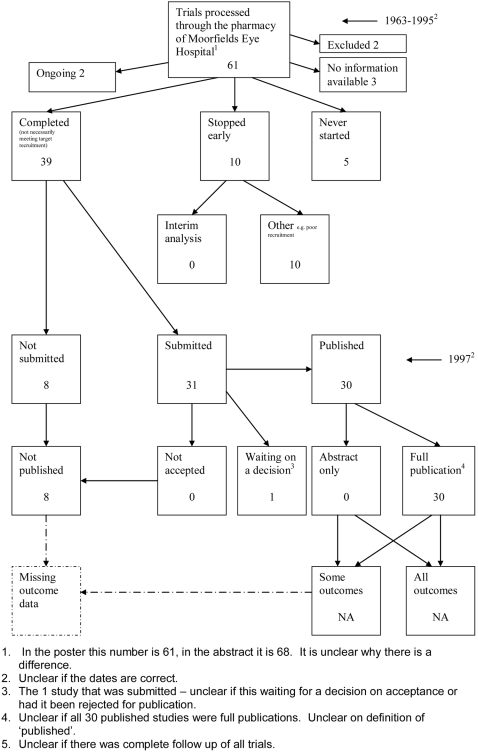
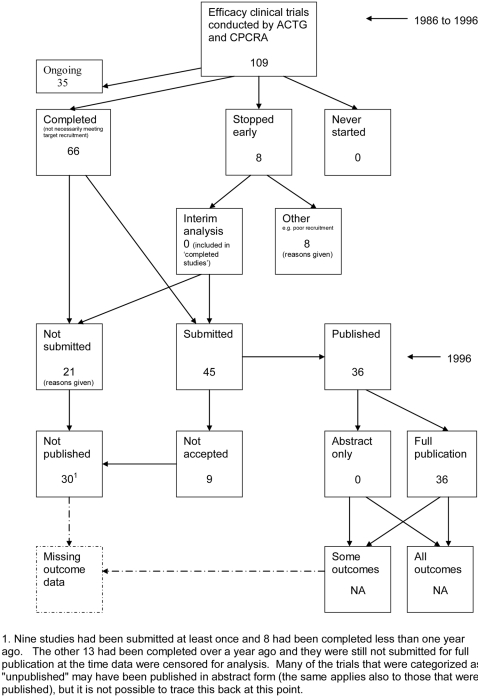
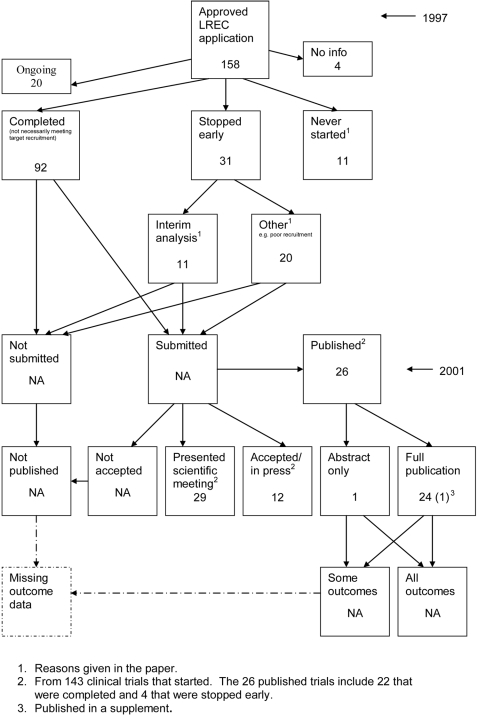
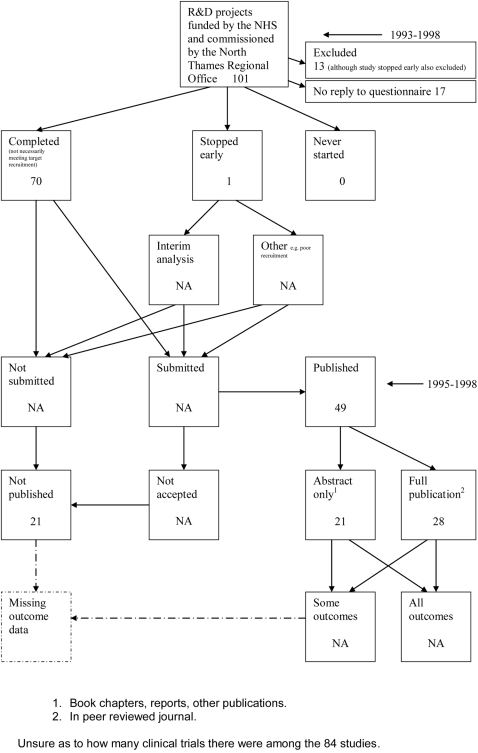
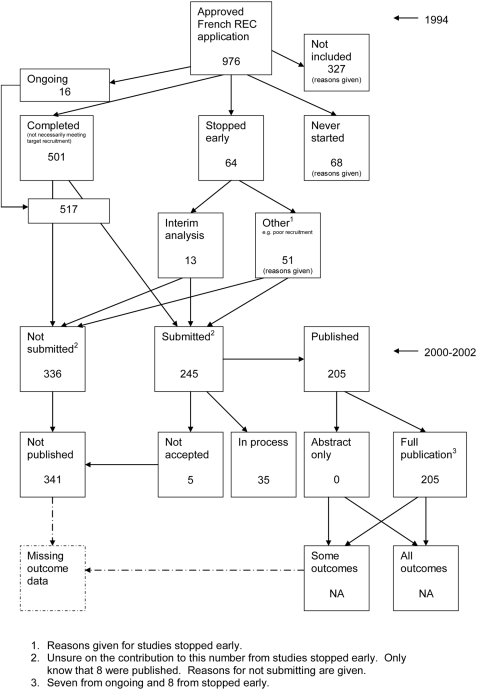
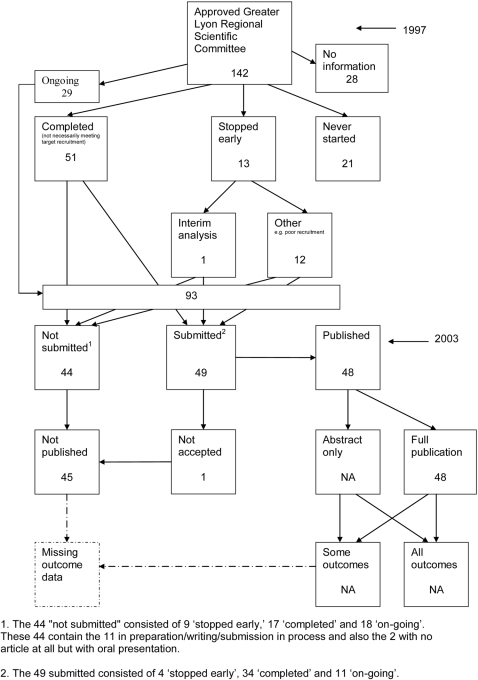
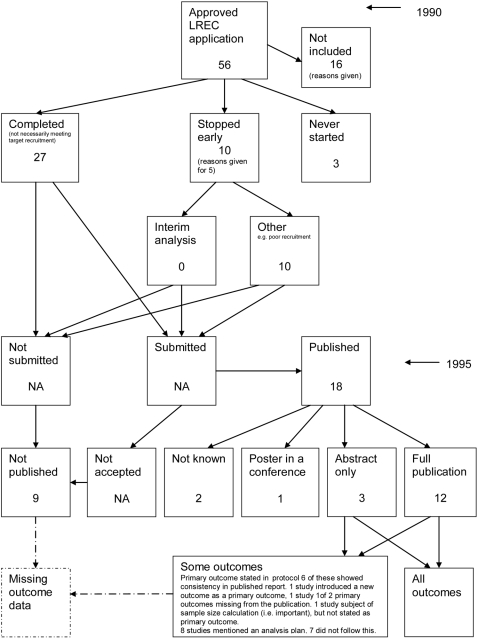
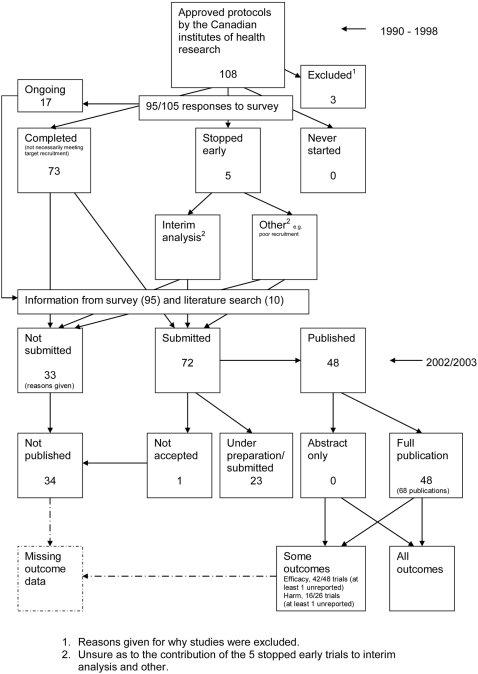
Verification
Claims the paper makes
The claims and statistics of this paper haven’t been checked yet.
Free: it reads the open-access text and checks the first 5 claims that cite a source we can check. Create a free account to check every claim.
Claims other papers make about this one
Each is checked against this paper’s own text: does it say what the citing paper says it does?
The source backs part of the claim, not all of it — or backs it for a different population, condition or comparison.
In the citing paper
“Unfortunately, attempted assessments frequently fail because authors of many trial reports neglect to provide lucid and complete descriptions of that critical information [2-4].”
From CONSORT 2010 Statement: updated guidelines for reporting parallel group randomised trials (2010) · cites this paper as [4]
Experimental — accuracy not yet measuredThe source backs part of the claim, not all of it — or backs it for a different population, condition or comparison.
In the citing paper
“and there are also reasons to believe that publication bias is more likely to affect low powered studies (25).”
From Statistical and Methodological Considerations for the Interpretation of Intranasal Oxytocin Studies (2016) · cites this paper as [25]
Experimental — accuracy not yet measuredThe source backs part of the claim, not all of it — or backs it for a different population, condition or comparison.
In the citing paper
“Empirical evidence suggests that authors often ignore, in the conduct and reporting of their trial, what they stated in the protocol [4,22].”
From CONSORT 2010 statement: updated guidelines for reporting parallel group randomised trials. (2010) · cites this paper as [4]
Experimental — accuracy not yet measuredThe source backs part of the claim, not all of it — or backs it for a different population, condition or comparison.
In the citing paper
“Second, publication bias, selective data analysis and selective reporting of outcomes are more likely to affect low-powered studies.”
From Power failure: why small sample size undermines the reliability of neuroscience (2013) · cites this paper as [17]
Experimental — accuracy not yet measuredThe source backs part of the claim, not all of it — or backs it for a different population, condition or comparison.
In the citing paper
“Empirical evidence suggests that authors often ignore, in the conduct and reporting of their trial, what they stated in the protocol. [4],[22]”
From CONSORT 2010 statement: updated guidelines for reporting parallel group randomised trials (2010) · cites this paper as [4]
Experimental — accuracy not yet measured
14 more claims about this paper
Create a free account to see every claim other papers make about this one.
Self-check
Percentages, sums and reported differences re-computed from the paper’s own numbers.
The self-check needs the paper’s full text.
Citations
Cites
Publication bias in clinical research
Easterbrook, P. J., Gopalan, R., Berlin, J. A., & Matthews, D. R. (1991) · The Lancet · doi:10.1016/0140-6736(91)90201-y · Cited by 3,109 · cited 12×
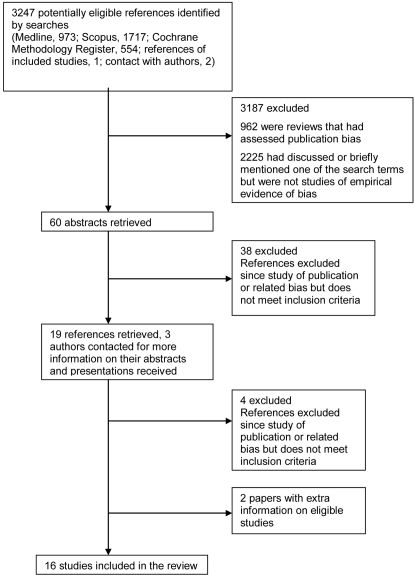
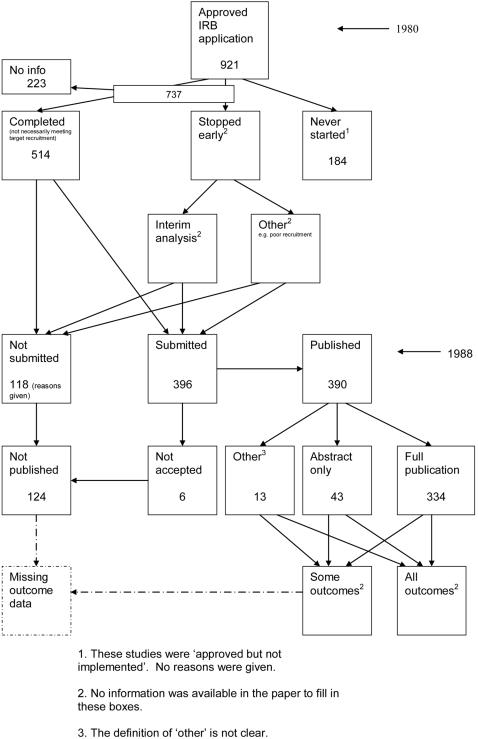
“The HTA report of Song et al [1] led to four potentially eligible empirical studies [3,4,26,27], all of which had been identified previously.”
BackgroundMethodResultInfluentialSelf-citationSystematic Reviews in Health Care : Meta-Analysis in Context
Egger, M., Smith, G. D., & Altman, D. G. (2000) · Cited by 2,412
Self-citationPublication Bias in Meta‐Analysis: Prevention, Assessment and Adjustments
(2005) · doi:10.1002/0470870168 · Cited by 2,368
Chan, A.-W., Hróbjartsson, A., Haahr, M. T., Gøtzsche, P. C., & Altman, D. G. (2004) · JAMA · doi:10.1001/jama.291.20.2457 · Cited by 1,845 · cited 30×
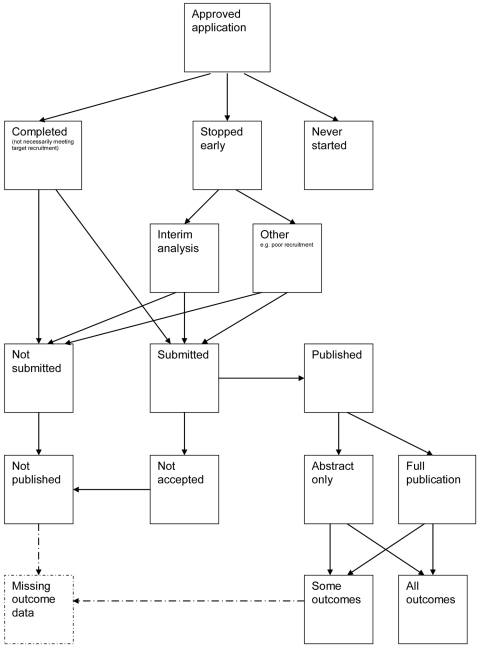
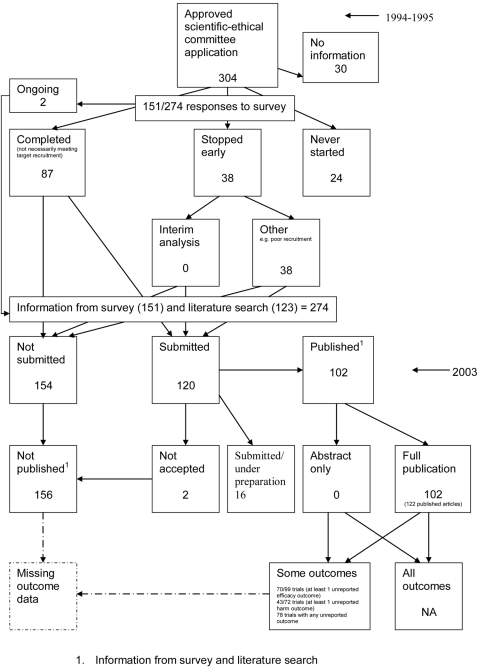
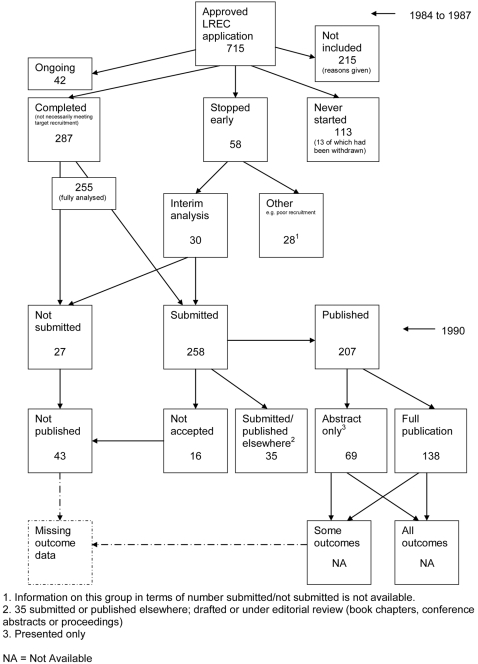
“Status of approved protocols for Chan 2004b study [15].”
BackgroundMethodInfluentialSelf-citationSystematic Reviews in Health Care: Meta‐Analysis in Context
(2001) · doi:10.1002/9780470693926 · Cited by 1,693
Systematic Reviews in Health Care. Meta-analysis in Context.
Kleijnen, J., & Antes, G. (2002) · International Journal of Epidemiology · doi:10.1093/ije/31.3.697 · Cited by 1,363
Full publication of results initially presented in abstracts.
Scherer, R. W., Langenberg, P., & von Elm, E. (2007) · Cochrane Database of Systematic Reviews · doi:10.1002/14651858.mr000005.pub3 · Cited by 997 · cited 1×
“The Cochrane review by Scherer et al [6] investigating the full publication of results initially presented in abstracts found that only 63% of results from abstracts describing randomized or controlled clinical trials are published in full and ‘positive’ results were more frequently published than non ‘positive’ resul…”
BackgroundPublication bias in clinical trials due to statistical significance or direction of trial results
Hopewell, S., Loudon, K., Clarke, M. J., Oxman, A. D., & Dickersin, K. (2009) · Cochrane Database of Systematic Reviews · doi:10.1002/14651858.mr000006.pub3 · Cited by 898
Dickersin, K. (1992) · JAMA · doi:10.1001/jama.1992.03480030052036 · Cited by 854
Publication bias: evidence of delayed publication in a cohort study of clinical research projects
Stern, J. M., & Simes, R. J. (1997) · BMJ · doi:10.1136/bmj.315.7109.640 · Cited by 818 · cited 11×
“Stern et al [4] reported that this finding was even stronger for their subgroup of clinical trials (Hazard Ratio (HR) 3.13 (95% confidence interval (CI) 1.76, 5.58), p = 0.0001) compared to all quantitative studies (HR 2.32 (95% CI 1.47, 3.66), p = 0.0003).”
BackgroundMethodResultInfluential
Research works printed but not linked: 2
- Von Elm E Röllin A Blümle A Huwiler K Witschi M 2008 Selective reporting of outcomes of drug trials; Comparison of study protocols and published articles. Swiss Med Wkly 138 (13–14) 197 203 18389392
- Wormald R Bloom J Evans J Oldfield K 1997 Publication bias in eye trials. In: 2nd International Conference Scientific Basis of Health Services & 5th Annual Cochrane Colloquium, 1997 5–8 October; Amsterdam, The Netherlands
Cited by
Items 701–800 of 1,007
Vereijken, A. J., Aerts, I., Jetten, J., Tassignon, B., Verschueren, J., MEEUSEN, R. R., & van Trijffel, E. (2020) · VUBIR (Vrije Universiteit Brussel) · Cited by 40
Robots’ Social Behaviors for Language Learning: A Systematic Review and Meta-Analysis
Wang, F., & Cheung, A. (2024) · Review of Educational Research · doi:10.3102/00346543231216437 · Cited by 31
“We checked whether there was the presence of potential publication bias, which occurs when statistically significant findings are more likely than non-significant results to be published (Dwan et al., 2008).”
Managing the incidence of selective reporting bias: a survey of Cochrane review groups
Reid, E. K., Tejani, A. M., Huan, L., Egan, G., O’Sullivan, C., Mayhew, A., & Kabir, M. (2015) · Systematic Reviews · doi:10.1186/s13643-015-0070-y · Cited by 23
“An analysis of randomised controlled trials (RCTs) demonstrated that 40–62 % of trials had changed, omitted or introduced one or more primary outcomes for publication, indicating a high prevalence of SRB [3].”
BackgroundMethodMethodological quality of systematic reviews on treatments for depression: a cross-sectional study
Chung, V. C., Wu, X. Y., Feng, Y., Ho, R. S. T., Wong, S. Y. S., & Threapleton, D. E. (2017) · Epidemiology and Psychiatric Sciences · doi:10.1017/s2045796017000208 · Cited by 22
Swaen, G. M. H., Langendam, M. W., Weyler, J., Burger, H., Siesling, S., Atsma, W. J., & Bouter, L. M. (2018) · Journal of Clinical Epidemiology · doi:10.1016/j.jclinepi.2018.02.010 · Cited by 26
“Currently, preregistration of trials, for example, at the US Government trials register is quite common but still not universally accepted [8].”
BackgroundAre You Open? A Content Analysis of Transparency and Openness Guidelines in HCI Journals
Ballou, N., Warriar, V. R., & Deterding, S. (2021) · CHI Conference on Human Factors in Computing Systems · doi:10.1145/3411764.3445584 · Cited by 23
“on topics such as questionable research practices [20], misconduct and fraud [47], and publication bias [11], a growing number of”
BackgroundLee, D. J., Yuan, J. C., Prasad, S., Barão, V. A. R., Shyamsunder, N., & Sukotjo, C. (2011) · Journal of Prosthodontics · doi:10.1111/j.1532-849x.2011.00792.x · Cited by 25
Murine models of polycystic kidney disease
Menezes, L. F., & Germino, G. G. (2013) · Drug Discovery Today Disease Mechanisms · doi:10.1016/j.ddmec.2013.10.002 · Cited by 24
“negative results, because less likely to be published, are not taken into consideration [27].”
BackgroundTimely and Complete Publication of Economic Evaluations Alongside Randomized Controlled Trials
Thorn, J. C., Noble, S., & Hollingworth, W. (2012) · PharmacoEconomics · doi:10.1007/s40273-012-0004-7 · Cited by 22
Salandra, R. (2018) · Research Policy · doi:10.1016/j.respol.2018.04.005 · Cited by 24
“Selective reporting has received a lot of attention in clinical research (Dwan et al., 2008; Chan et al., 2004; Chan and Altman, 2005; Dwan et al., 2013; Dechartres et al., 2017; Smyth et al., 2011).”
BackgroundResultAguilar, R. J. (2010) · PubMed · Cited by 22
Moza, A. K., Benstoem, C., Autschbach, R., Stoppe, C., & Goetzenich, A. (2015) · Trials · doi:10.1186/s13063-015-1072-8 · Cited by 23
“a) has a significant impact on how the results of clinical trials are reported [7], strongly influencing the recommendations given by systematic reviewers.”
BackgroundDiversity inclusion in United States opioid pharmacological treatment trials: A systematic review.
Nalven, T., Spillane, N. S., Schick, M. R., & Weyandt, L. L. (2021) · Experimental and Clinical Psychopharmacology · doi:10.1037/pha0000510 · Cited by 22
Kallupi, M., Kononoff, J., Melas, P. A., Qvist, J. S., de Guglielmo, G., Kandel, E. R., & George, O. (2021) · Brain stimulation · doi:10.1016/j.brs.2021.11.003 · Cited by 25
O'Connor, A. M. C., Wellman, N. G., Rice, M., & Funk, L. (2010) · Journal of the American Veterinary Medical Association · doi:10.2460/javma.237.6.701 · Cited by 22
“5,34,35 Although many of the 41 studies in the present review and analysis of trials must be planned prior to the study to avoid the introduction of bias into the study outcome.”
BackgroundHow do we create, and improve, the evidence base?
Innes, N., Schwendicke, F., & Lamont, T. (2016) · BDJ · doi:10.1038/sj.bdj.2016.451 · Cited by 24
Weidinger, S., Baurecht, H., & Schmitt, J. M. (2017) · British Journal of Dermatology · doi:10.1111/bjd.15827 · Cited by 22
Germain, D. S., Denicoff, A. M., Torres, A., Kelaghan, J. W., McCaskill‐Stevens, W., Mishkin, G. E., O’Mara, A. M., & Minasian, L. M. (2020) · Cancer · doi:10.1002/cncr.32765 · Cited by 22
Thompson, T., Dias, S., Poulter, D. R., Weldon, S. M., Marsh, L. L., Rossato, C. J. L., Shin, J. I., Firth, J., Veronese, N., Dragioti, E., et al. (2020) · Systematic Reviews · doi:10.1186/s13643-020-01398-3 · Cited by 24
Self-citationFan, F.-F., Qin, X., Sun, Q., Sheng-jun, Z., Wang, P., & Guo, X.-R. (2014) · PLoS ONE · doi:10.1371/journal.pone.0086360 · Cited by 23
Dunn, A. G., Coiera, E. W., & Bourgeois, F. T. (2017) · Journal of Clinical Epidemiology · doi:10.1016/j.jclinepi.2017.12.007 · Cited by 24
Khan, M. S., Shaikh, A., Ochani, R. K., Akhtar, T., Fatima, K., Khan, S. U., Mookadam, F., Murad, M. H., Figueredo, V. M., Doukky, R., et al. (2019) · Circulation: Cardiovascular Quality and Outcomes · doi:10.1161/circoutcomes.118.005260 · Cited by 21
Big Data Architecture for Pervasive Healthcare: A Literature Review
Tan, C., Sun, L., & Liu, K. (2015) · CentAUR (University of Reading) · doi:10.18151/7217494 · Cited by 26
“The risk of bias is eliminated from this review as the review does not involve any of the randomised control trials or health interventions (Dwan et al., 2008).”
BackgroundSpielmans, G. I., Berman, M. I., Linardatos, E., Rosenlicht, N. Z., Perry, A., & Tsai, A. C. (2016) · Focus · doi:10.1176/appi.focus.140202 · Cited by 20
“In any systematic review, publication bias is a potentially serious problem [10,80].”
BackgroundPotthast, R., Vervölgyi, V., McGauran, N., Kerekes, M. F., Wieseler, B., & Kaiser, T. (2014) · PLoS ONE · doi:10.1371/journal.pone.0092067 · Cited by 20
Bentham, C., & Eaves, L. (2022) · Behavioral Sleep Medicine · doi:10.1080/15402002.2021.1933488 · Cited by 20
“A limitation of the current review is the influence of publication and outcome-reporting bias, as research has higher success of publication when the results are statistically significant and positive, and articles tend to concentrate on results that are significant (Dwan et al., 2008).”
BackgroundSensor Reproducibility Analysis: Challenges and Potential Solutions
Sekhar, P. K., Billey, W., Begay, M., Thomas, B., Woody, C., & Soundappan, T. (2024) · ECS Sensors Plus · doi:10.1149/2754-2726/ad9936 · Cited by 23
“Inappropriate research practices such as HARKing (Hypothesizing After the Results are Known), 23 p-hacking, 24 selective reporting of positive results, and poor research design 25 – 28 have been proposed to be a cause of irreproducibility.”
Harris, C. M., Thomas, L., Sadykova, D., DeRuiter, S. L., Tyack, P. L., Southall, B. L., Read, A. J., & Miller, P. J. O. (2015) · Advances in experimental medicine and biology · doi:10.1007/978-1-4939-2981-8_47 · Cited by 20
Girardi, P., Vesely, A., Lakens, D., Altoè, G., Pastore, M., Calcagnì, A., & Finos, L. (2024) · Psychometrika · doi:10.1007/s11336-024-09973-6 · Cited by 27
“Researchers may engage in such questionable research practices due to editorial practices that prioritize the publication of statistically significant results or the selection of findings that confirm the belief of the same authors (Begg & Berlin, 1988; Dwan et al., 2008; Fanelli, 2012).”
Detailed statistical analysis plan for the Danish Palliative Care Trial (DanPaCT)
Johnsen, A. T., Petersen, M. A., Gluud, C. N., Lindschou, J., Fayers, P. M., Sjøgren, P., Pedersen, L., Neergaard, M. A., Vejlgaard, T. B., Damkier, A., et al. (2014) · Trials · doi:10.1186/1745-6215-15-376 · Cited by 24
“In accordance with good clinical practice [2] and to avoid outcome reporting bias [3], this SAP was developed before the database was locked and data analysis was initiated.”
MethodPredicting with confidence the efficiency of new dyes in dye sensitized solar cells
Ip, C. M., Eleuteri, A., & Troisi, A. (2014) · Physical Chemistry Chemical Physics · doi:10.1039/c4cp03124e · Cited by 20
McCausland, B. M. S., Patel, H. P., Amin, J., Baldwin, D. S., Loughran, K., & Osman-Hicks, V. (2018) · Aging Clinical and Experimental Research · doi:10.1007/s40520-018-1021-y · Cited by 20
Cro, S., Forbes, G., Johnson, N. A., & Kahan, B. C. (2020) · BMC Medicine · doi:10.1186/s12916-020-01590-1 · Cited by 22
From experimental psychosis to resolving traumatic pasts
Marks, S. (2015) · Cahiers du monde russe · doi:10.4000/monderusse.8165 · Cited by 20
Trial Registration: Understanding and Preventing Reporting Bias in Social Work Research
Harrison, B. A., & Mayo-Wilson, E. (2014) · Research on Social Work Practice · doi:10.1177/1049731513512374 · Cited by 18
“Selective publication—known also as the ‘‘file drawer problem’’ (Rosenthal, 1979)—has been acknowledged for decades, and empirical evidence still shows it is a current problem in various fields (Dwan et al., 2008; Dwan, Gamble, Williamson, & Kirkham, 2013).”
BackgroundPortalupi, S., von Elm, E. B., Schmucker, C. M., Lang, B., Motschall, E., Schwarzer, G., Gross, I. T., Scherer, R. W., Bassler, D., & Meerpohl, J. J. (2013) · Systematic Reviews · doi:10.1186/2046-4053-2-2 · Cited by 22
“Evidence shows that these unpublished studies do not significantly vary in methodological quality from their published counterparts [5,6].”
BackgroundResearch gaps in the philosophy of evidence‐based medicine
Mebius, A., Kennedy, A. G., & Howick, J. (2016) · Philosophy Compass · doi:10.1111/phc3.12352 · Cited by 22
Caballero, D. C., Castillo, C. A., Ballesteros‐Yáñez, I., & Juárez, L. M. (2019) · International Journal of Educational Technology in Higher Education · doi:10.1186/s41239-019-0161-2 · Cited by 20
Selective outcome reporting: telling and detecting true lies. The state of the science
Macura, A., Abraha, I., Kirkham, J., Gensini, G. F., Moja, L., & Iorio, A. (2010) · Internal and Emergency Medicine · doi:10.1007/s11739-010-0371-z · Cited by 19
“In fact, the prevalence of favourable results from the cohort of trials examined in the reported surveys is very high, and may reflect no true differences [18].”
BackgroundFive Un-Easy Pieces of Pharmaceutical Policy Reform
Rodwin, M. A. (2013) · The Journal of Law Medicine & Ethics · doi:10.1111/jlme.12067 · Cited by 24
Chugh, A., Patnana, A. K., Kumar, P., Chugh, V. K., Khera, D., & Singh, S. (2020) · Journal of Oral Biology and Craniofacial Research · doi:10.1016/j.jobcr.2020.07.011 · Cited by 26
Open Science Standards at Journals that Inform Evidence-Based Policy
Grant, S., Mayo‐Wilson, E., Kianersi, S., Naaman, K., & Henschel, B. (2023) · Prevention Science · doi:10.1007/s11121-023-01543-z · Cited by 22
“…et al., 2022), federal grants often require that funds be spent on EBIs, and they often use federal evidence clearinghouses to identify EBIs eligible for funding (Feldman & Haskins, 2016; Lee-Easton, Magura, & Maranda, 2022; Lee-Easton, Magura, Maranda, et al., 2023; Mayo-Wilson et al., 2022).”
BackgroundMa, Q., Li, Z., Li, W., Chen, Q., Liu, X., Feng, W., & Lei, J. (2023) · European Journal of Radiology · doi:10.1016/j.ejrad.2023.111127 · Cited by 19
A Primer on Systematic Review and Meta-analysis in Diabetes Research
Tobias, D. K., Papatheodorou, S., Yamamoto, J. M., & Hu, F. B. (2023) · Diabetes Care · doi:10.2337/dci23-0031 · Cited by 23
Wang, P., Qin, X., Sun, Q., Fan, F.-F., Guo, X.-R., & Guo, F. (2013) · PLoS ONE · doi:10.1371/journal.pone.0070586 · Cited by 19
Beadle‐Brown, J., Ryan, S., Windle, K., Holder, J., Turnpenny, Á., Smith, N., Richardson, L., & Whelton, B. (2012) · Cited by 24
Descriptive Analysis of the 2014 Race-Based Healthcare Disparities Measurement Literature
Goodman, M. S., Gilbert, K. L., Hudson, D., Milam, L. A., & Colditz, G. A. (2016) · Journal of Racial and Ethnic Health Disparities · doi:10.1007/s40615-016-0281-5 · Cited by 19
Publication of Randomized Clinical Trials in Pediatric Research: A Follow-up Study
Crockett, L. K., Okoli, G. N., Neilson, C. J., Rabbani, R., Abou-Setta, A. M., & Klassen, T. P. (2018) · JAMA Network Open · doi:10.1001/jamanetworkopen.2018.0156 · Cited by 20
Caveat emptor: the combined effects of multiplicity and selective reporting
Li, T., Mayo-Wilson, E., Fusco, N., Hong, H., & Dickersin, K. (2018) · Trials · doi:10.1186/s13063-018-2888-9 · Cited by 21
The effectiveness of DNA databases in relation to their purpose and content: A systematic review
Struyf, P., Moor, S. D., Vandeviver, C., Renard, B., & Beken, T. V. (2019) · Forensic Science International · doi:10.1016/j.forsciint.2019.05.052 · Cited by 19
Publication rates of editorial board members in oral health journals
Rõsing, C. K., Junges, R., & Haas, A. N. (2014) · Brazilian Oral Research · doi:10.1590/1807-3107bor-2014.vol28.0042 · Cited by 21
Pandis, N., Fleming, P. S., Koletsi, D., & Hopewell, S. (2016) · Trials · doi:10.1186/s13063-016-1713-6 · Cited by 18
“There are also growing concerns in relation to publication bias and selective outcome reporting in biomedical journals [5, 6].”
BackgroundMeursinge Reynders, R., Ladu, L., & Di Girolamo, N. (2019) · Journal of Clinical Epidemiology · doi:10.1016/j.jclinepi.2019.07.001 · Cited by 18
Pietschnig, J., Gittler, G., Stieger, S., Forster, M., Gadek, N., Gartus, A., Kocsis-Bogár, K., Kubicek, B., Lüftenegger, M., Olsen, J., et al. (2018) · PLoS ONE · doi:10.1371/journal.pone.0202873 · Cited by 20
Weijdijk, L. P. M., van der Weijden, G. A., & Slot, D. E. (2023) · Journal of Dentistry · doi:10.1016/j.jdent.2023.104628 · Cited by 20
Anchors, Z. G., Arnold, R., Burnard, S., Bressington, C. A., Moreton, A. E., & Moore, L. J. (2024) · Women and Birth · doi:10.1016/j.wombi.2024.02.005 · Cited by 20
Geographic Variation in Acoustic Signals in Wildlife: A Systematic Review
Sebastián‐González, E., & Pérez‐Granados, C. (2025) · Journal of Biogeography · doi:10.1111/jbi.15116 · Cited by 18
“However, it is important to note the clear bias towards the publication of significant results in the scientific literature (Dwan et al. 2008).”
Identification of biomedical journals in Spain and Latin America
Bonfill, X., Osorio, D., Posso, M., Solà, I., Rada, G., Torres, A. Y. R., Diéguez, M. G., Piña‐Pozas, M., Díaz‐García, L., Tristan, M. G., et al. (2015) · Health Information & Libraries Journal · doi:10.1111/hir.12110 · Cited by 20
Kahan, B. C., Jairath, V., Murphy, M. F., & Doré, C. J. (2013) · Trials · doi:10.1186/1745-6215-14-206 · Cited by 18
“It has become increasingly common in recent years to prospectively publish trial protocols to increase transparency by allowing a comparison between what was presented in the final manuscript and what was planned in the protocol before trial results were known [17-20].”
BackgroundRecommendations for a uniform assessment of publication bias related to funding source
van Lent, M., Overbeke, J., & Out, H. J. (2013) · BMC Medical Research Methodology · doi:10.1186/1471-2288-13-120 · Cited by 19
McDonagh, M. S., Peterson, K., Balshem, H., & Helfand, M. (2013) · Journal of Clinical Epidemiology · doi:10.1016/j.jclinepi.2013.05.006 · Cited by 19
“, internal validity) [5], information highlights reporting bias (e.”
BackgroundSchulz, K. F., Altman, D. G., & Moher, D. (2011) · Annals of Internal Medicine · Cited by 26
Self-citationFarquharson, B., Abhyankar, P., Smith, K. M., Dombrowski, S. U., Treweek, S. P., Dougall, N. J., Williams, B., & Johnston, M. (2019) · Open Heart · doi:10.1136/openhrt-2018-000975 · Cited by 21
“There is thus the potential that publication bias has resulted in studies with negative findings being less likely to be identified.(72) Some methodological problems were encountered during the course of this review, which we outline briefly to inform future reviews in this area.”
BackgroundOutcome reporting bias in Cochrane systematic reviews: a cross-sectional analysis
Shah, K., Egan, G., Huan, L., Kirkham, J. J., Reid, E. K., & Tejani, A. M. (2020) · BMJ Open · doi:10.1136/bmjopen-2019-032497 · Cited by 18
D'hondt, N. E., Pool, J. J. M., Kiers, H., Terwee, C. B., & Veeger, H. E. J. (2020) · Journal of Orthopaedic and Sports Physical Therapy · doi:10.2519/jospt.2020.9265 · Cited by 22
Preobrazenski, N., Islam, H., & Gurd, B. J. (2021) · European Journal of Applied Physiology · doi:10.1007/s00421-021-04669-6 · Cited by 20
TP53 Arg72Pro polymorphism and endometrial cancer risk: a meta-analysis
Jiang, D., Yao, L., Ren, W., Wang, W., Peng, B., & Yu, L. (2010) · Medical Oncology · doi:10.1007/s12032-010-9597-x · Cited by 19
“The potential reason for it may be that results from small studies were more likely to be received or published if there was positive data reported [ 43 ], and even though unpublished studies are generally of lesser quality than published ones.”
ResultMann, E., Nguyễn, N., Fleischer, S., & Meyer, G. (2014) · Age and Ageing · doi:10.1093/ageing/afu086 · Cited by 21
“Deviation of outcome reporting in full papers from registered information is common [11–15].”
BackgroundReporting clinical research: Guidance to encourage accurate and transparent research reporting
Simera, I., Kirtley, S., & Altman, D. G. (2012) · Maturitas · doi:10.1016/j.maturitas.2012.02.012 · Cited by 18
Self-citationKnowledge Integration in Cancer: Current Landscape and Future Prospects
Ioannidis, J. P. A., Schully, S. D., Lam, T. K., & Khoury, M. J. (2013) · Cancer Epidemiology Biomarkers & Prevention · doi:10.1158/1055-9965.epi-12-1144 · Cited by 20
“Of those that are published, half or more of the originally considered outcomes are not reported, whereas many others are reported with analyses and results that deviate from the originally intended analyses (8–10).”
Self-citationPharmacokinetic research in children: an analysis of registered records of clinical trials
Viergever, R. F., Rademaker, C. M. A., & Ghersi, D. (2011) · BMJ Open · doi:10.1136/bmjopen-2011-000221 · Cited by 19
“29 Although the ethical and legal pressure to adequately report the results of clinical trials is increasing,(30) selective reporting and publication bias are still important problems.(31) 32 If all trials (and their outcomes) are registered before the start of the trial, researchers who withhold publication of trial…”
Self-citationRisk of heart failure and edema associated with the use of pregabalin: a systematic review
Ho, J. M.-W., Tricco, A. C., Perrier, L., Chen, M., Juurlink, D. N., & Straus, S. E. (2013) · Systematic Reviews · doi:10.1186/2046-4053-2-25 · Cited by 18
“, outcome reporting bias [12]), we will contact authors of trials that do not report our outcomes of interest.”
Vaganay, A. (2016) · PLoS ONE · doi:10.1371/journal.pone.0163702 · Cited by 20
Papageorgiou, S. N., Antonoglou, G. N., Sándor, G. K., & Eliades, T. (2017) · PLOS ONE · doi:10.1371/journal.pone.0182785 · Cited by 17
Animal Ethics in Animal Research
Röcklinsberg, H., Gjerris, M., & Olsson, I. A. S. (2017) · Cambridge University Press eBooks · doi:10.1017/9781108354882 · Cited by 24
Dey, P., Ross, J. S., Ritchie, J. D., Desai, N. R., Bhavnani, S. P., & Krumholz, H. M. (2017) · Journal of the American College of Cardiology · doi:10.1016/j.jacc.2017.10.037 · Cited by 19
“Research shows that trials are more likely to be published if they yield positive or statistically significant outcomes (7).”
BackgroundEvidence-based medicine and clinical practice
Rasmussen, K. (2004) · Routledge eBooks · doi:10.4324/9780203493694-15 · Cited by 18
Why we need a core outcome set for trials of interventions for prevention and management of caries
Lamont, T., Schwendicke, F., & Innes, N. (2015) · Evidence-Based Dentistry · doi:10.1038/sj.ebd.6401109 · Cited by 21
“3 Composite measures involve multiple variables/data items being combined to give a single score; ‘success’ is a commonly used composite outcome in dentistry which can involve (1) lack of pain/ discomfort; (2) lack of caries progression; (3) lack of radiographic progression and (4) no replacement restoration required.”
BackgroundSinha, I. P., Williamson, P. R., & Smyth, R. L. (2009) · American Journal of Respiratory and Critical Care Medicine · doi:10.1164/ajrccm-conference.2009.179.1_meetingabstracts.a4821 · Cited by 18
Self-citationProspective clinical trial registration: not sufficient, but always necessary
Smith, S. M., & Dworkin, R. H. (2018) · Anaesthesia · doi:10.1111/anae.14189 · Cited by 19
Krohn, M., Rintala, A., Immonen, J., & Sjögren, T. (2024) · Journal of Medical Internet Research · doi:10.2196/59136 · Cited by 17
“A common issue in the original RCTs included in our systematic review—and in therapeutic exercise studies in physiotherapy more broadly [103] [105,106].”
Useche, S. A., Faus, M., & Alonso, F. (2024) · Frontiers in Public Health · doi:10.3389/fpubh.2024.1335209 · Cited by 19
“On the one hand, publication bias may occur, especially highlighting the fact that studies with positive results tend to be more likely to be published than those reporting inconclusive results (105).”
BackgroundChang, C. J., Livingston, N. A., Rashkovsky, K. T., Harper, K. L., Kuehn, K. S., Khalifian, C. E., Harned, M. S., Tucker, R. P., & Depp, C. A. (2025) · LGBT Health · doi:10.1089/lgbt.2023.0262 · Cited by 20
Pamboris, G. M., Plakias, S., Tsiakiri, A., Karakitsiou, G., Bebeletsi, P., Vadikolias, Κ., Aggelousis, N., Tsiptsios, D., & Christidi, F. (2024) · Sports · doi:10.3390/sports12100276 · Cited by 23
“The field can progress further by tackling these deficiencies, leading to enhanced athlete outcomes.”
BackgroundRegistration Quality Assessment of Acupuncture Clinical Trials
Gu, J., Zhao, Y., Wang, X., Jiang, J., Tian, J., & Yang, K. (2013) · PLoS ONE · doi:10.1371/journal.pone.0059506 · Cited by 18
Reporting bias in trials of volume resuscitation with hydroxyethyl starch
Wiedermann, C. J. (2014) · Wiener klinische Wochenschrift · doi:10.1007/s00508-014-0503-y · Cited by 19
“The increased likelihood for a study of being published when results are positive or favorable results is well known than when negative or unfavorable results were observed [7].”
BackgroundTrends in Methodological Quality in Controlled Trials of Psychological and Social Interventions
Sundell, K., & Åhsberg, E. (2016) · Research on Social Work Practice · doi:10.1177/1049731516633297 · Cited by 18
Scientific Reporting: Raising the Standards
McLeroy, K. R., Garney, W. R., Mayo‐Wilson, E., & Grant, S. (2016) · Health Education & Behavior · doi:10.1177/1090198116668522 · Cited by 19
“Publication bias and selective outcome reporting have been documented in cohorts of studies (e.g., registered trials or trials approved by research ethics committees; Dwan et al., 2008; Schmucker et al., 2014).”
Chemical Reactant Recommendation Using a Network of Organic Chemistry
Savage, J., Kishimoto, A., Buesser, B., Diaz-Aviles, E., & Alzate, C. (2017) · ACM Conference on Recommender Systems (RecSys) · doi:10.1145/3109859.3109895 · Cited by 17
“, successful reactions) are available such as in scientific reporting [5] and patent literature.”
BackgroundExternal Tests of Peer Review Validity Via Impact Measures
Gallo, S. A., & Glisson, S. R. (2018) · Frontiers in Research Metrics and Analytics · doi:10.3389/frma.2018.00022 · Cited by 21
“For instance, citation levels are influenced by the number of co-authors, journal prestige and even by whether the results are positive or negative (Callaham et al., 2002; Dwan et al., 2008; Ioannidis, 2008).”
SPIRIT 2013 Bildirisi: Klinik Deneyler İçin Standart Protokol Maddelerinin Tanımlanması
Akın, B., & Koçoğlu, D. (2021) · Hacettepe Üniversitesi Hemşirelik Fakültesi Dergisi · doi:10.31125/hunhemsire.908072 · Cited by 23
Paludan‐Müller, A. S., Créquit, P., & Boutron, I. (2021) · BMC Medicine · doi:10.1186/s12916-021-01955-0 · Cited by 23
A Blockchain-Based Approach to Provenance and Reproducibility in Research Workflows
Wittek, K., Wittek, N., Lawton, J., Dohndorf, I., Weinert, A., & Ionita, A. (2021) · IEEE International Conference on Blockchain and Cryptocurrency (ICBC) · doi:10.1109/icbc51069.2021.9461139 · Cited by 25
Buehling, K. (2021) · Journal of Informetrics · doi:10.1016/j.joi.2021.101199 · Cited by 17
Riemer, M., Kranke, P., Helf, A., Mayer, D., Popp, M., Schlesinger, T., Meybohm, P., & Weibel, S. (2021) · BMC Anesthesiology · doi:10.1186/s12871-021-01464-w · Cited by 17
Publication Delay of Randomized Trials on 2009 Influenza A (H1N1) Vaccination
Ioannidis, J. P. A., Manzoli, L., Vito, C. D., D’Addario, M., & Villari, P. (2011) · PLoS ONE · doi:10.1371/journal.pone.0028346 · Cited by 17
“Lack of publication of randomized trials, often coupled with a biased selection against trials with specific results, is well documented across very diverse fields [5–13].”
BackgroundSelf-citationSmaïl‐Faugeron, V., Terradot, J., Muller‐Bolla, M., & Courson, F. (2016) · BMJ Case Reports · doi:10.1136/bcr-2016-215482 · Cited by 17
Awareness and use of systematic literature reviews and meta‐analyses by ministerial policy analysts
Bédard, P., & Ouimet, M. (2017) · Canadian Public Administration · doi:10.1111/capa.12215 · Cited by 17
Surian, D., Dunn, A. G., Orenstein, L., Bashir, R., Coiera, E. W., & Bourgeois, F. T. (2018) · Journal of Biomedical Informatics · doi:10.1016/j.jbi.2018.01.008 · Cited by 17
Kampman, J. M., Weiland, N. H. S., Hollmann, M. W., Repping, S., & Hermanides, J. (2021) · Journal of Clinical Epidemiology · doi:10.1016/j.jclinepi.2021.05.003 · Cited by 16
Metadata
- Authors
- Dwan, K., Altman, D. G., Arnaiz, J. A., Bloom, J., Chan, A.-W., Cronin, E., Decullier, E., Easterbrook, P. J., Von Elm, E., Gamble, C., Ghersi, D., Ioannidis, J. P. A., Simes, J., & Williamson, P. R.
- Affiliations
- University of Liverpool (GB)
- University of Oxford (GB)
- Hospital Clínic de Barcelona (ES)
- Moorfields Eye Hospital (GB)
- Canadian Institutes of Health Research (CA)
- King's College London (GB)
- University of Bern (CH)
- National Health and Medical Research Council (AU)
- Tufts University (US)
- The University of Sydney (AU)
- Corresponding author
- Dwan, Kerry
- ORCID
- Venue
- PLoS ONE
- Publisher
- Public Library of Science (PLoS)
- Published
- 2008-08-28
- Volume
- 3
- Issue
- 8
- Pages
- e3081
- ISSN
- 1932-6203 (ISSN-L)
- PMC
- PMC2518111
- OpenAlex
- W2091959199
- Cited by
- 1,546
- References
- 48
- Citations by year
- 2026: 45 · 2025: 51 · 2024: 67 · 2023: 51 · 2022: 76 · 2021: 118 · 2020: 90 · 2019: 72 · 2018: 96 · 2017: 90 · 2016: 129 · 2015: 121 · 2014: 109 · 2013: 131 · 2012: 103
- FWCI
- 20.77
- Type
- journal article
- Language
- en
- Open access
- gold
- doi.org
- Locations
- PLoS ONE (publishedVersion, cc-by)
- PubMed Central (publishedVersion, cc-by)
- PubMed (publishedVersion)
- Dipòsit Digital de la Universitat de Barcelona (Universitat de Barcelona) (publishedVersion, cc-by)
- RePEc: Research Papers in Economics (submittedVersion)
- Bern Open Repository and Information System (University of Bern) (submittedVersion, cc-by)
- DOAJ (DOAJ: Directory of Open Access Journals) (submittedVersion, cc-by-sa)
- Figshare (submittedVersion, cc-by)
- Research Portal (King's College London) (submittedVersion)
- RECERCAT (Consorci de Serveis Universitaris de Catalunya) (submittedVersion, cc-by)
- Funders
- Cancer Research UK
- Topics
- Social Sciences › Decision Sciences › Statistics, Probability and Uncertainty › Meta-analysis and systematic reviews
- Social Sciences › Library and Information Sciences › Academic Publishing and Open Access
- Health Sciences › Nursing › Issues, ethics and legal aspects › Pharmaceutical industry and healthcare
- Keywords
- publication bias, selective reporting, randomized controlled trials, outcome reporting, meta-analysis validity, clinical trial registration
- MeSH terms
- Clinical Trials as Topic, Humans, Publishing, Cohort Studies, Randomized Controlled Trials as Topic, Treatment Outcome, Publication Bias, Patient Selection
About these checks
Registry, retraction, Cites and statistics results are computed, not judged, with one exception: a printed reference that no index lists is read once by a model before it counts as a citation error. Claims are extracted by a model and kept only when their quote appears verbatim in the text; each cited source is then checked, with a model’s help, for whether it says what the claim relies on. Those verdicts can be wrong — read the claim’s quote and the cited source before relying on one.
Statistics and arithmetic are recomputed, not judged.
Confidence bands are shown only for fields calibrated on our annotated test set. None is calibrated yet, so no band is shown.
What counts as a claim ›How we measure confidence ›How we check this ›
Are you an author, or do you see a problem with this page? Request a review
Data sources
Bibliographic data: Semantic Scholar, OpenAlex, Crossref.
Contains information from the Semantic Scholar Academic Graph Datasets, made available under the ODC Attribution License (ODC-BY 1.0).
Semantic Scholar’s data is described in: Kinney, R., et al. (2023). The Semantic Scholar Open Data Platform. arXiv:2301.10140.
